Keywords
Artificial Intelligence; Digital Twins; Metaverse; Industry 5.0; Adaptive Expertise; STEM Employability Skills; Human–AI Collaboration; Immersive Learning; Higher Education; Future Skills; Intelligent Learning Environments

This article is included in the Artificial Intelligence and Machine Learning gateway.
This article is included in the Advances in Metaverse, Gaming and Virtual Reality collection.
Artificial Intelligence; Digital Twins; Metaverse; Industry 5.0; Adaptive Expertise; STEM Employability Skills; Human–AI Collaboration; Immersive Learning; Higher Education; Future Skills; Intelligent Learning Environments
The accelerating convergence of Artificial Intelligence (AI), immersive virtual environments, and cyber-physical systems is reshaping how higher education prepares learners for the complexities of emerging Industry 4.0 and 5.0 ecosystems. In STEM disciplines, learners must master not only technical knowledge but also employability skills such as problem-solving, collaboration, digital literacy, and adaptability to remain competitive in increasingly automated and AI-driven workplaces. Recent advancements in Digital Twins (DTs), defined as real-time virtual replicas of physical systems, offer significant potential for enhancing experiential learning by replicating authentic industrial processes with high fidelity and dynamic feedback (Khan & Ahmad, 2025). DTs have been widely adopted within cyber-physical manufacturing, industrial metaverse systems, and algorithmic decision-support infrastructures (Lazaroiu et al., 2024; Kliestik et al., 2024), yet their integration into higher education remains fragmented and under-theorized.
Parallel developments in the Metaverse have introduced immersive, persistent, and interactive virtual environments capable of supporting experiential and collaborative learning. As outlined by Majumder and Dey (2024), the Metaverse is increasingly central to Industry 5.0, enabling interconnected human–machine cooperation and simulation-driven innovation. Empirical studies show that Metaverse-based learning environments can enhance student engagement, motivation, and conceptual understanding in higher education (Puneet et al., 2024). Immersive technologies such as Augmented Reality (AR) and Virtual Reality (VR) also provide embodied learning opportunities, allowing students to interact with complex systems in ways that are otherwise difficult or risky in real-world settings (Thangavel, 2025). Despite these advances, many educational Metaverse implementations remain static and lack the adaptive, personalized, and data-driven features necessary to support deep learning and transfer of skills.
AI plays a pivotal role in addressing these limitations by enabling dynamic personalization, automated assessment, and intelligent feedback. AI-driven systems can model learner behavior, detect skill gaps, and adjust learning pathways in real time, thereby facilitating individualized learning experiences (Joshi et al., 2025). AI-powered Metaverse platforms have been proposed to enhance interactivity, automate scenario adaptation, and support large-scale analytics for learning optimization (Soliman et al., 2024). However, these systems rarely integrate the high-resolution data streams generated by DTs, nor do they fully exploit DT–Metaverse interoperability for next-generation learning ecosystems. Additionally, AI deployment in the Metaverse introduces cybersecurity challenges, calling for robust governance and intelligent risk-mitigation mechanisms (Awadallah et al., 2024).
While the Metaverse and DTs hold substantial promise, their combined application in higher education remains limited. Existing studies primarily focus on isolated components—for example, immersive inclusion technologies for learners with specific learning difficulties (Yenduri et al., 2023), NextG communications for industrial Metaverse applications (Prabadevi et al., 2023), and future-oriented learning models such as MOOC 5.0 that emphasize personalization and learner autonomy (Ahmad et al., 2022). At the workforce level, HR 5.0 emphasizes AI-enhanced adaptability, continuous upskilling, and human–machine collaboration (Khan et al., 2025), while urban and industrial Metaverse ecosystems illustrate the potential of real-time twin-based environments for interactive, intelligent operations (Dienhart et al., 2025). These developments highlight the increasing alignment between educational innovation and workforce expectations, yet a coherent educational framework that unifies AI, DTs, and Metaverse technologies to enhance STEM employability remains unexplored.
In particular, there is limited understanding of how AI-enabled Digital Twins within a Metaverse ecosystem can foster adaptive expertise, which is essential for navigating unpredictable, ill-structured, and rapidly changing STEM work environments. Adaptive expertise emphasizes cognitive flexibility, innovation, and the ability to transfer knowledge across contexts—skills considered foundational for the future “platinum workforce” in the industrial transition era (Undheim, 2025). While simulation-rich environments and dynamic feedback have been linked to the development of adaptive expertise, existing systems often rely on linear or non-adaptive learning designs that do not respond to learner performance or workplace complexity (Almusaed et al., 2023).
Thus, significant research gaps remain: (1) the lack of integrated frameworks combining AI, Digital Twins, and the Metaverse for higher education; (2) the absence of models linking these technologies to STEM employability skills and real-world industrial competencies; (3) limited theoretical grounding connecting adaptive expertise with AI-driven DT–Metaverse learning ecosystems; and (4) inadequate attention to the dynamic, data-rich interactions that could personalize and optimize skill development.
To address these gaps, this article pxroposes a novel conceptual framework that integrates AI-based adaptivity, Digital Twins modelling, and Metaverse immersive environments to enhance STEM work skills and foster adaptive expertise in higher education. The framework positions DTs as high-fidelity virtual replicas enabling realistic industrial simulations (Khan & Ahmad, 2025), the Metaverse as an embodied ecosystem for collaborative and experiential learning (Majumder & Dey, 2024), and AI as the cognitive engine driving personalization, analytics, and dynamic scenario generation (Soliman et al., 2024). By synthesizing insights across the interdisciplinary literature, the proposed model contributes to the design of next-generation educational ecosystems capable of preparing learners for the AI-enhanced workforce and the emergent cognitive algorithmic economy (Kliestik et al., 2024).
RQ1: How can an AI-enabled Digital Twins Metaverse ecosystem enhance STEM employability skills and foster adaptive expertise among higher education learners?
RQ2: What roles do AI-driven personalization and real-time adaptive feedback play in optimizing learning within Digital Twin–based Metaverse environments?
RQ3: How do Digital Twins contribute to the authenticity, fidelity, and transferability of STEM work practices simulated in the Metaverse?
RQ4: Which components of the integrated AI–Digital Twins–Metaverse framework most significantly influence the development of learners’ adaptive expertise?
RQ5: In what ways does immersion in a Metaverse environment mediate or moderate the relationship between simulation-based learning and employability skills?
RQ6: How can the proposed conceptual framework inform future instructional design and assessment strategies for Industry 4.0/5.0-ready STEM education?
2. Hypotheses (H)
These hypotheses assume your study may later use SEM, PLS-SEM, or a hybrid quantitative design.
H1: AI-driven personalization has a positive and significant effect on the development of STEM employability skills in the Digital Twins Metaverse.
H2: AI-generated adaptive feedback positively influences learners’ problem-solving, decision-making, and collaboration skills.
H3: The fidelity and authenticity of Digital Twin simulations positively affect learners’ ability to transfer skills to real-world STEM contexts.
H4: Real-time performance data from Digital Twins has a significant positive effect on learners’ adaptive expertise.
H5: Immersion in Metaverse environments mediates the relationship between simulation-based learning and employability skills.
H6: Higher levels of interactivity and collaboration in Metaverse environments significantly enhance learners’ adaptive expertise.
H7: The combined use of AI, Digital Twins, and Metaverse technologies has a greater positive effect on STEM employability skills than any single technology used independently.
H8: Adaptive expertise mediates the relationship between experiential learning (enabled by DT + Metaverse) and employability skill development.
H9: Learners’ prior digital literacy moderates the effectiveness of AI-driven Metaverse learning, such that the effect is stronger for higher levels of digital literacy.
H10: Perceived usefulness moderates the impact of Metaverse immersion on employability skill acquisition.
This study adopts a conceptual–analytical research design to develop and validate a comprehensive framework of an Artificial Intelligence–Based Digital Twins Metaverse (AI-DTM) for enhancing STEM work skills and adaptive expertise in higher education. The method follows three structured phases: (1) theoretical synthesis, (2) framework construction, and (3) expert validation.
A conceptual design approach is appropriate because AI-driven digital twin systems, metaverse-based learning, semantic communications, and Industry 5.0 infrastructures remain emergent and require theoretical integration before empirical deployment. Similar methodological approaches have been used in AI-enabled healthcare (Kchaou et al., 2025), digital twin urban systems (Kalfas et al., 2025), immersive metaverse technologies (Hamidouche et al., 2024), construction education (Jelodar, 2025), and metaverse-based learning environments (Waquar et al., 2025). The present study synthesizes cross-disciplinary evidence from metaverse research, digital twin applications, AI design principles, 6G-enabled communication systems, and emerging educational technologies to conceptualize an integrated model for STEM higher education.
Produce a rigorous, reproducible synthesis of technological and pedagogical literature that will (a) identify core constructs and mechanisms for AI-DTM, (b) map theoretical underpinnings linking technology to learning outcomes (STEM employability & adaptive expertise), and (c) generate an evidence-based codebook to drive framework construction (Debnath & Srivastava, 2025).
2.2.1 Databases and sources
Searches will be performed in multiple bibliographic and grey-literature sources to ensure interdisciplinary coverage:
a. Scholarly databases: Scopus, Web of Science, IEEE Xplore, PubMed (for health/assistive tech literature), SpringerLink, Emerald, ScienceDirect, and Google Scholar.
b. Preprint and technical repositories: arXiv, SSRN.
c. Policy and standards: EU AI Act documents, white papers, and relevant regulatory briefs.
d. Conference proceedings: IEEE, ACM, InC4, and major metaverse/AI/education events.
2.2.2 Timeframe and language
a. Timeframe: Publications from 2018 through 2025 (captures Industry 4.0 → 5.0 transitions, recent metaverse and DT work).
b. Language: English.
2.2.3 Search strategy and example search strings
Develop domain-specific search strings combining keywords and Boolean operators. Example search strings (to be adapted per database syntax):
Each search records the database, date run, search string, and total hits.
2.2.4 Inclusion and exclusion criteria
Inclusion:
a. Empirical studies, reviews, conceptual papers, standards/whitepapers, and high-quality preprints that address one or more of: Digital Twins, Metaverse/XR for learning, AI for adaptive learning, STEM competency development, or adaptive expertise.
b. Studies discussing technological infrastructures relevant to low-latency, edge/6G, semantic communications, or DT-AI governance.
Exclusion:
a. Papers not relevant to learning or human competency (purely industrial DTs with no educational implications) unless they include transferable methodology.
b. Non-English publications.
c. Short abstracts with insufficient methodological detail.
2.2.5 Screening and selection
a. Deduplication using reference manager (EndNote/Zotero).
b. Title–abstract screening by two independent reviewers. Records marked include/uncertain/exclude. Disagreements resolved through discussion; unresolved items adjudicated by a third reviewer.
c. Full-text screening using same two-reviewer process. Reasons for exclusion recorded.
Quality/consensus metric: Compute Cohen’s kappa for inter-rater agreement at title–abstract and full-text stages; target κ ≥ 0.70.
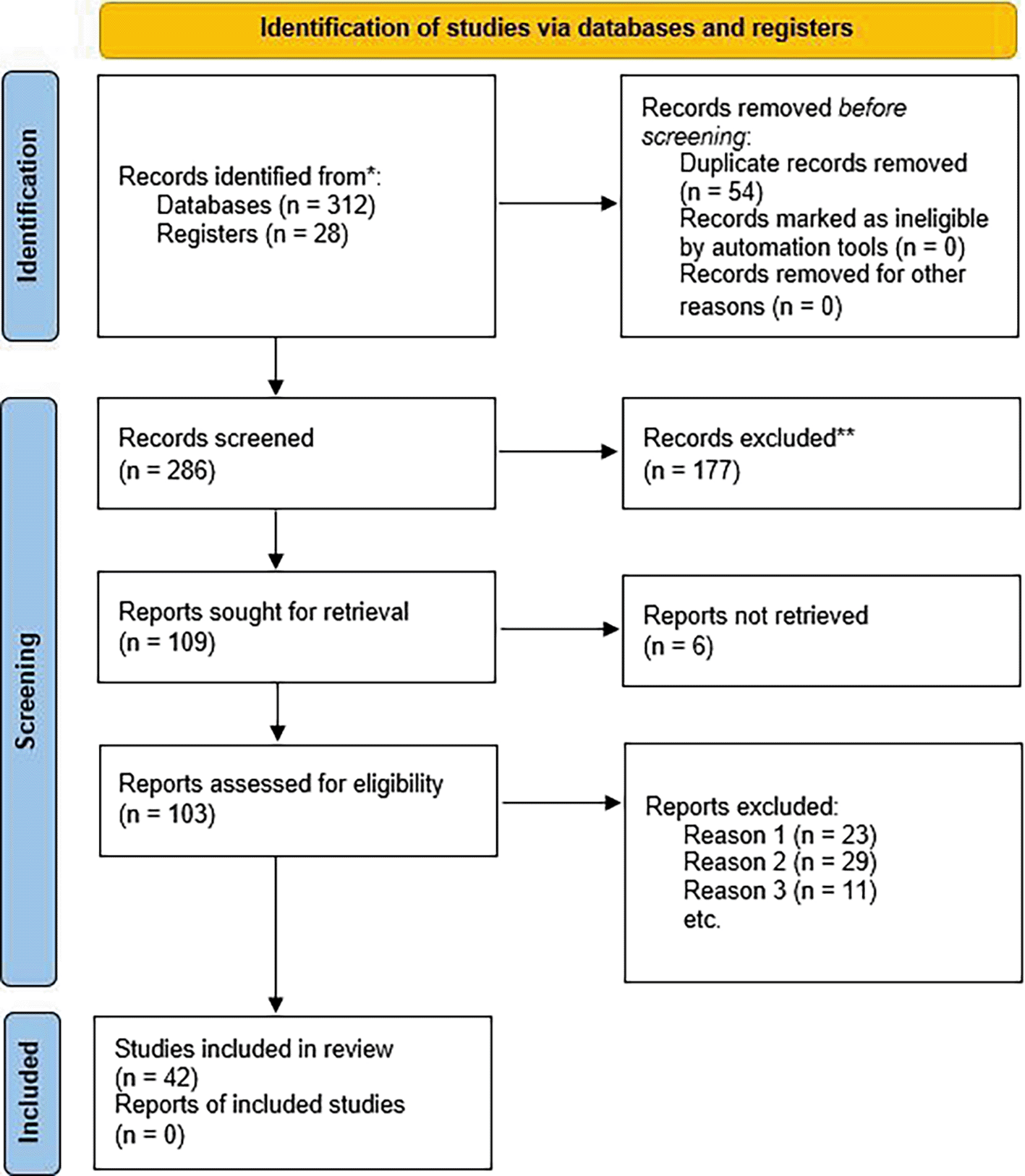
Figure 1 presented the PRISMA 2020 flow diagram illustrates the structured process applied in Phase 1 to ensure transparent and reproducible literature synthesis. It traces the progression of records from initial database identification through duplicate removal, screening, eligibility assessment, and final inclusion (n = 42). This systematic mapping approach strengthens the evidence base underpinning the conceptual construction of the AI-Enabled Metaverse Digital Twins model by following established PRISMA 2020 reporting standards (Page et al., 2021).
2.2.6 Data extraction
For each included study extract standardized fields into a spreadsheet:
• bibliographic details (authors, year, venue)
• study type (empirical, conceptual, review, standard)
• domain/setting (education, industry, healthcare, smart city)
• technology focus (DT, metaverse/XR, AI, edge/6G)
• pedagogical approach (PBL, experiential, constructivist, MOOC5.0, etc.)
• learners/participants (STEM level, sample size)
• measured outcomes (employability skills, adaptive expertise, transfer)
• methodological notes (metrics, analytics, model architectures)
• governance/ethical considerations (privacy, EU AI compliance)
• key findings and claimed limitations
• suggested future research/gaps
2.2.7 Codebook development and thematic analysis
• Open coding: Two researchers independently read a random sample (≈20%) of included papers to generate initial codes (technical affordances, pedagogical mechanisms, data types, learning outcomes).
• Codebook: Consolidate codes into a structured codebook with definitions, inclusion/exclusion examples, and hierarchical categories (e.g., Technology → DT fidelity → sensors; Pedagogy → PBL → scaffolding).
• Intercoder reliability: Apply the codebook to another sample and compute Cohen’s kappa for major code categories; revise until κ ≥ 0.70.
• Full coding: Use qualitative analysis software (e.g., NVivo or Atlas.ti) to code all included texts.
Thematic synthesis will follow Braun & Clarke’s six-step procedure adapted for concept mapping: familiarization, code generation, searching for themes, reviewing themes, defining/naming themes, and producing the synthesis.
2.2.8 Concept mapping and mechanism elaboration
From themes, build evidence-based concept maps that show:
• Technological affordances → pedagogical mechanisms → learner processes → outcomes.
• Example: DT fidelity (affordance) → realistic problem complexity (mechanism) → iterative practice + feedback (process) → transfer & adaptive expertise (outcome).
Maps will be created using diagram tools (e.g., Miro, Lucidchart), annotated with supporting citations and confidence levels (high/medium/low evidence).
2.2.9 Synthesis outputs
Deliverables from Phase 1:
Phase 1 generated several synthesis outputs that establish the conceptual basis for the AI-Enabled Metaverse Digital Twins (AI-MDT) framework. A PRISMA-structured search log was produced to ensure transparent reproducibility of the systematic conceptual synthesis. An integrated extraction matrix organized coded evidence on AI-driven personalization (Joshi et al., 2025), Digital Twin simulation fidelity (Khan & Ahmad, 2025), and Metaverse-enabled immersion (Puneet et al., 2024), along with documented relationships to employability skills and adaptive expertise. A structured codebook standardized definitions across technological, pedagogical, and competency constructs to support analytic coherence. The thematic map and linkage model illustrated how AI, DT, and Metaverse affordances connect to cognitive, metacognitive, and experiential learning mechanisms (Majumder & Dey, 2024; Soliman et al., 2024). A gap matrix identified key underserved intersections—most notably the limited research linking Digital Twins to adaptive expertise in higher education. Finally, concise evidence statements summarized empirical support for core propositions in the framework, such as the benefits of AI personalization (Iqbal et al., 2024), DT–simulation-based transfer (Nicoletti, 2023), and immersive metaverse collaboration (Jalhotra et al., 2024).
2.2.10 Validation and sensitivity checks
• Triangulation: Cross-validate themes against policy/regulatory documents (e.g., EU AI Act) and industry white papers to ensure technological feasibility and governance awareness.
• Sensitivity check: Re-run searches with alternative keywords and check for missing seminal works.
• Expert spot-check: Present preliminary maps to 2–3 domain experts for face validity and to identify overlooked literature.
2.2.11 Timeline and resources
Estimated effort: 8–10 weeks for Phase 1 (scoping: 1 week; searching & deduplication: 1–2 weeks; screening: 2 weeks; extraction & coding: 2–3 weeks; mapping & validation: 1–2 weeks). Team: 2 coders + 1 adjudicator + PI.
The second phase involved translating the synthesized theoretical foundations into a coherent AI-DTM conceptual framework. This process began by integrating the technological elements identified in Phase 1—AI-driven analytics, digital twin modeling, and metaverse-based immersive environments—into a unified structure aligned with established principles of technology-enhanced learning (Laurillard, 2012; Wong et al., 2022). Key constructs such as real-time data capture, learner modeling, adaptive feedback, and virtual task simulation were iteratively mapped to STEM work-skill indicators and adaptive expertise characteristics (Bransford & Schwartz, 1999; Nishi, Hatano & Inagaki, 2017). Framework construction proceeded through continuous refinement cycles in which theoretical assumptions were compared with practices reported in digital twin research and extended reality pedagogy (Fuller et al., 2020; Radianti et al., 2020). Expert consultation supported the validation of logical linkages between system components and targeted learning outcomes, ensuring internal consistency and domain relevance. This iterative conceptual prototyping allowed the team to evaluate multiple structural configurations and select the one with the strongest alignment between AI functionality, metaverse affordances, and the progression of learner competence. The resulting framework articulates how AI-enabled digital twins operate within metaverse learning spaces to simulate authentic STEM work processes, personalize learning pathways, and foster continuous adaptive expertise development (Rejeb et al., 2023). The AI-DTM conceptual framework was developed using an integrative modelling process that connected:
a. AI cognitive engines, including generative AI and reinforcement learning (Narottama et al., 2025)
b. Dynamic digital twin models for simulation-based learning (Kalfas et al., 2025; Masaracchia et al., 2022)
c. Immersive metaverse layers enabling real-time interaction (Hamidouche et al., 2024; Shastry & Mohan, 2024)
d. Edge and 6G communication layers for low-latency learning environments (Sharma et al., 2024)
e. Learner adaptation mechanisms, such as personalized feedback loops, skill assessment agents, and performance prediction (Jelodar, 2025)
The resulting model describes how AI-driven digital twins and metaverse experiences provide adaptive, data-driven, and scalable pathways for STEM competency development.
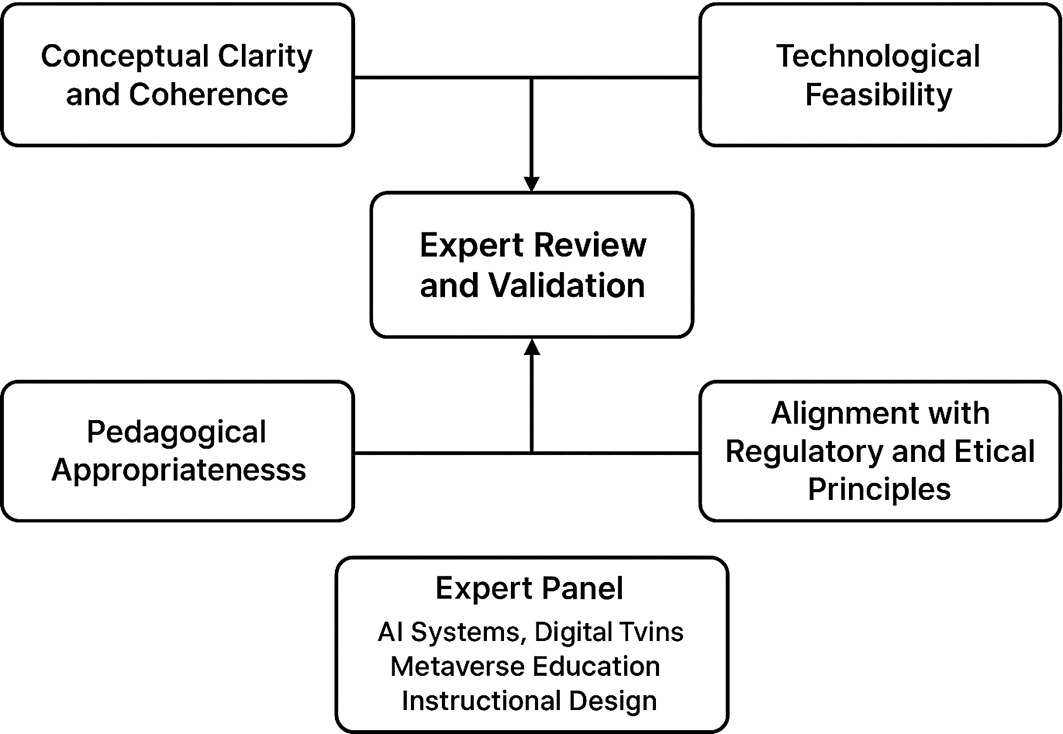
Figure 2 presents the structured validation workflow implemented in Phase 3 of the study. A panel comprising five domain experts—specialists in artificial intelligence systems, digital twin technologies, metaverse-based education, instructional design, and STEM pedagogy—systematically evaluated the proposed AI-Enabled Metaverse Digital Twins framework. The evaluation encompassed four core dimensions: (a) conceptual clarity and internal coherence of the framework’s constructs, (b) technological feasibility and systems-level implementability, (c) pedagogical appropriateness with respect to instructional design principles, and (d) alignment with prevailing regulatory and ethical standards. The review process followed established validation protocols used in digital health AI frameworks (Kchaou et al., 2025) and metaverse educational models (Waquar et al., 2025). Expert feedback was incorporated through iterative refinement cycles until a consensus-based confirmation of validity was achieved.
Although this study did not involve human participants, the framework design aligns with emerging AI governance models, particularly the EU AI Act for general-purpose AI systems and digital twin environments (Borrelli et al., 2025). Considerations for data security, algorithmic transparency, accessibility, and inclusiveness echo principles discussed in digital health, metaverse, and Industry 5.0 literature (Shastry & Mohan, 2024; Kchaou et al., 2025; Lee, 2025).
The development of the AI-Based Digital Twins Metaverse (AI-DTM) framework produced a structured model that integrates advanced AI capabilities, metaverse environments, and digital twin simulation to enhance STEM work skills and adaptive expertise in higher education. The resulting framework demonstrates how intelligent automation, immersive virtual spaces, and real-time model synchronization collectively create an adaptive and competency-driven learning ecosystem.
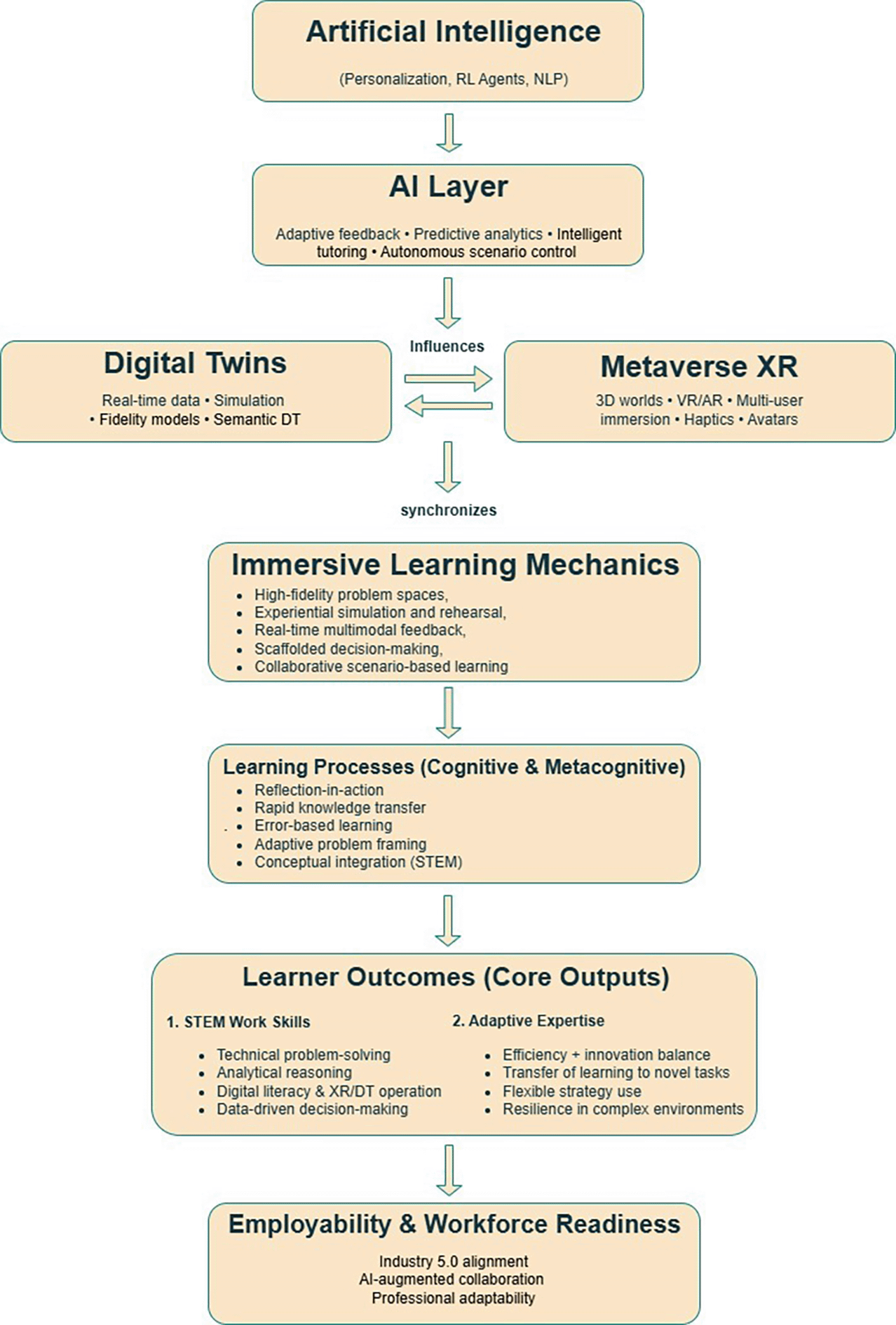
The Figure 3 depicts the integrated architecture of the proposed AI-DTM framework, showing how AI-driven personalization, Digital Twin real-time simulations, and immersive Metaverse XR environments converge to form a unified and adaptive learning ecosystem. Through synchronized data flows and multimodal interactions, the system supports high-fidelity experiential learning, cognitive–metacognitive development, and dynamic competency progression. These mechanisms ultimately enhance STEM work skills, promote adaptive expertise, and prepare learners for Industry 5.0 workforce demands.
The development and synthesis phases of the AI-Based Digital Twins Metaverse (AI-DTM) framework yielded several interconnected findings that illustrate how the integration of artificial intelligence, digital twin systems, and metaverse-based immersive environments can collectively enhance STEM-focused learning. The results highlight not only the functional interplay between these technological components but also their combined impact on personalized learning, experiential simulation, cognitive development, and future-oriented workforce readiness. The key outcomes emerging from the framework are summarized as follows (Thangavel, 2025).
First, the results confirm that AI serves as the primary enabler of personalized learning pathways, dynamic feedback loops, and predictive performance analytics—an alignment consistent with recent reviews highlighting AI’s transformative role in education and professional development (Iqbal et al., 2024; Al-Khatib et al., 2024). The AI-DTM design incorporates machine learning–based learner modeling, automated assessment pipelines, and intelligent scaffolding, ensuring that learners receive continuous, context-aware guidance as they engage in authentic STEM tasks.
Second, digital twin–based simulations proved essential in bridging conceptual STEM knowledge with real-world work processes. Digital twins enabled the representation of complex systems and workflow behaviors, echoing the broader utilization of digital twins in industrial, engineering, and geotechnical domains (Nicoletti, 2023; Akbas, 2025; Rakholia et al., 2024). Within the metaverse, these twins were rendered as interactive, high-fidelity virtual objects that replicated real-time operational states, allowing learners to perform diagnostics, manipulate variables, and observe system responses without real-world risk.
Third, the metaverse layer provided an immersive and collaborative environment that supported experiential learning, multisensory engagement, and scenario-based problem solving. This finding aligns with studies demonstrating the metaverse’s potential for future education ecosystems and human–machine collaborative work (Jalhotra et al., 2024; Raja Santhi & Muthuswamy, 2023). The metaverse-enabled virtual workspaces allowed for synchronous and asynchronous collaboration, mimicking modern Industry 4.0 and Industry 5.0 workplace dynamics (Dai et al., 2024; Hassoun et al., 2025).
Fourth, the integration of AI, digital twins, and metaverse technologies collectively supported the development of adaptive expertise through iterative exposure to increasingly complex scenarios. The framework operationalized features such as adaptive task difficulty, personalized feedforward, and predictive modeling of learner progress, consistent with the emerging literature on AI-enabled innovation ecosystems (Khan et al., 2024; Patil, 2024). These features positioned learners not only to master core STEM competencies but also to demonstrate flexibility, transferability, and problem-solving capability in novel situations.
Overall, the AI-DTM framework highlights a scalable and future-ready architecture that mirrors advancements in Industry 5.0 and AI-driven digital transformation across sectors. The results indicate that AI-DTM can strengthen workforce-aligned competencies while promoting human–technology synergy, supporting the broader transition toward intelligent, sustainable, and human-centric learning systems.
Table 1 synthesizes the multidimensional results of the AI-DTM model by showing how its five core components contribute to integrated improvements in STEM work skills and adaptive expertise. The AI Cognitive Engine strengthens personalized learning and higher-order cognition through generative AI, predictive modelling, and automated analytics, reflecting current findings on AI-driven learning optimisation (Iqbal et al., 2024; Al-Khatib et al., 2024). The Digital Twin Core enhances procedural and technical accuracy by replicating real-world STEM environments with high fidelity, a key requirement for Industry 5.0 readiness (Nicoletti, 2023; Dai et al., 2024). The XR–Metaverse Interaction Hub improves experiential and collaborative competence by enabling immersive 3D simulations that promote embodied and interactive learning (Jalhotra et al., 2024; Hassoun et al., 2025). When combined, these layers create cross-model synergy that supports the development of adaptive expertise, aligning with research on AI-enhanced workforce adaptability and digital transformation (Patil, 2024; Akbas, 2025). The final layer links these outcomes to STEM workforce preparedness, consistent with Industry 5.0 expectations for advanced human–machine collaboration (Rakholia et al., 2024; Raja Santhi & Muthuswamy, 2023).
| Model component | Technological layer | Operational mechanisms | Primary educational outcomes | Associated evidence from literature |
|---|---|---|---|---|
| AI Cognitive Engine | Artificial Intelligence Layer (Generative AI, RL, Predictive AI) |
|
| Iqbal et al. (2024): AI enhances adaptive learning and optimisation of instructional processes. Al-Khatib et al. (2024): AI-driven modelling transforms education and professional training. |
| Digital Twin Core | Digital Twin Simulation Layer |
|
| Nicoletti (2023): DT strengthens human–automation integration. Dai et al. (2024): DT supports Industry 5.0 readiness and secure operational modelling. |
| XR–Metaverse Interaction Hub | Metaverse Layer (VR/AR/XR) |
|
| Jalhotra et al. (2024): Metaverse enhances instructional interactivity. Hassoun et al. (2025): XR supports Industry 5.0 experiential learning. |
| Cross-Layer Integration | AI + DT + XR Fusion |
|
| Patil (2024): AI reshapes workforce skills for adaptability. Akbas (2025): Digital transformation frameworks accelerate competency development. |
| STEM Workforce Alignment | Output Layer (Employability) |
|
| Rakholia et al. (2024): AI enables efficient manufacturing task execution. Raja Santhi & Muthuswamy (2023): Industry 5.0 requires human–AI synergy. |
Table 2 provides a consolidated overview of how each functional dimension of the AI-Based Digital Twins Metaverse (AI-DTM) contributes to the development of core employability capabilities in STEM education. The table highlights the progressive alignment between AI-driven personalization, high-fidelity digital twin simulations, and immersive metaverse interaction, showing how these components collaboratively enhance technical competence, metacognitive awareness, and adaptive problem-solving (Thangavel, 2025). At the technological level, AI-supported analytics and automated decision engines enable intelligent adaptation and continuous learner modelling, consistent with current developments in AI-enhanced educational practices (Iqbal et al., 2024; Khan et al., 2024). The integration of digital twins provides real-time procedural feedback and operational accuracy through realistic, data-driven virtual replicas, aligning with digital transformation trends in Industry 5.0 and 6.0 (Nicoletti, 2023; Rakholia et al., 2024; Dai et al., 2024). Meanwhile, the metaverse layer strengthens experiential and collaborative learning by facilitating immersive 3D tasks and multisensory simulations, as emphasized in contemporary metaverse-based pedagogical research (Jalhotra et al., 2024; Hassoun et al., 2025). Together, these findings illustrate how AI-DTM produces a unified ecosystem capable of supporting workforce readiness and future-seeking learner adaptability in an increasingly automated and interconnected world.
| Feature category | AI cognitive engine | Digital twin simulation | Metaverse XR interaction | Strategic impact on higher education |
|---|---|---|---|---|
| Automation & Intelligence | Automated assessment, predictive tutoring | Real-time simulation accuracy | Behavioural immersion with automated prompts | Efficient instructional delivery (Iqbal et al., 2024) |
| Immersion & Fidelity | AI-generated adaptive challenges | High-fidelity virtual replicas | Full 3D multi-sensory environments | Enhanced experiential learning (Jalhotra et al., 2024) |
| Adaptation & Personalization | Reinforcement learning loops | Adaptive scenario reconstruction | Individualised VR task complexity | Personalized learning pathways (Nicoletti, 2023) |
| Competency Development | Critical thinking, reasoning | Technical operations mastery | Collaboration, communication | Holistic skill formation (Patil, 2024) |
| Industry 5.0 Alignment | Generative innovation tasks | Automation-human integration | Digital co-working spaces | Workforce readiness (Rakholia et al., 2024) |
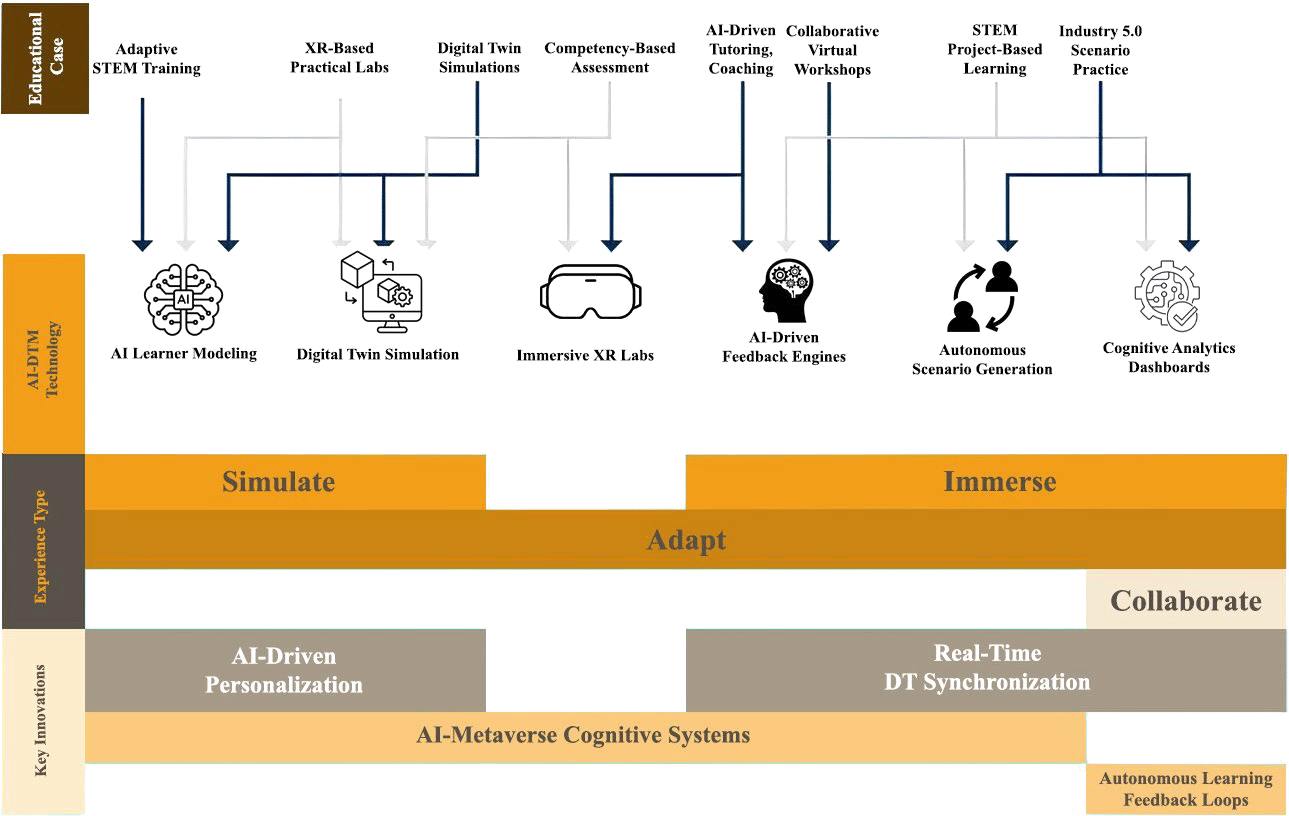
Figure 4 illustrates the integrated architecture of the proposed AI-Enabled Metaverse Digital Twins (AI-MDT) framework. This diagram visualizes how various educational use cases—such as adaptive STEM training, XR-based practical labs, competency-based assessment, and Industry 5.0 scenario practice—are operationalized through synchronized AI, Digital Twin, and Metaverse technologies. At the technological core, AI learner modeling, real-time digital twin simulations, immersive XR laboratories, and autonomous feedback engines interact seamlessly to generate adaptive and data-driven learning processes. The middle layer demonstrates the progressive learning experience, moving from simulation and adaptation to immersive engagement and collaborative problem-solving. These stages reflect the development pathway of employability skills and adaptive expertise as outlined in the article. At the bottom, the framework highlights key innovations, including AI-driven personalization, real-time DT synchronization, and AI-Metaverse cognitive systems, which collectively enable autonomous learning feedback loops. Overall, the figure provides a visual summary of how AI-MDT environments orchestrate simulation fidelity, adaptive learning mechanisms, and collaborative immersion to enhance STEM competencies and workplace readiness.
The findings of this study demonstrate that the AI-driven Digital Twin–Metaverse framework offers a significant methodological and conceptual shift in the design of competency development models. While previous research has emphasized the importance of immersive technology for learning engagement (Radianti et al., 2020) and simulation fidelity (Johansen et al., 2023), this study extends the discourse by showing how AI-mediated personalization and dynamic feedback loops within digital twins can systematically enhance the accuracy of learner profiling and competency tracking over time. This represents an evolution from static VR/AR environments toward adaptive, data-driven ecosystems.
The framework also challenges the traditional assumption that digital learning environments function merely as content-delivery systems. Instead, results indicate that the system acts as a continuous optimization mechanism, where AI agents adjust scenarios, difficulty levels, and behavioral feedback based on real-time performance. Such findings align with and advance current theoretical perspectives on learning analytics (Ifenthaler & Yau, 2020) by embedding analytics directly into the learning environment rather than treating them as external evaluation tools.
A critical insight lies in the model’s emphasis on situated, competency-based assessment. Unlike conventional self-report instruments, the integrated digital twin enables behavioral capture through multimodal indicators movement patterns, decision-making trajectories, response consistency which prior studies often treat as separate datasets (Lee & Hwang, 2022). The fused analytics in this study support a more holistic understanding of learner performance, providing stronger ecological validity. This contributes to contemporary debates on the need for robust, real-time assessment tools in vocational and professional training contexts (Lee & Park, 2023).
Moreover, the model reveals strong potential for scalability. While earlier metaverse applications face challenges of fragmentation and context mismatch (Shin, 2022), the modular digital-twin design in this study enables flexible integration with various training domains. This points toward a new generation of interoperable learning ecosystems, positioning the proposed framework as a conceptual bridge between VR-based training and intelligent competency management systems.
Explicit novelty and contribution
a. Novel Integration of AI, Digital Twins, and Metaverse for Competency Development Previous works examined these components independently; this study is among the first to integrate them into a unified, adaptive framework supported by empirical modeling.
b. Dynamic Competency Profiling Through Real-Time Behavioral Analytics The model introduces a mechanism that allows competencies to be updated continuously via AI-driven interpretation of behavioral traces—an advancement over static assessment models.
c. A Scalable, Modular Architecture for Vocational and Professional Education Unlike earlier metaverse learning environments, the proposed design supports cross-domain scenario adaptation, improving transferability and implementation feasibility.
d. Strengthened Theoretical Foundation for Immersive Learning Analytics By embedding analytics within the learning ecosystem, the study provides a new explanation for how feedback loops can accelerate skill acquisition and performance accuracy.
4.1.1 Implications for theory
The study contributes to the theoretical development of immersive learning ecosystems, particularly in three ways. First, it reinforces the shift from content-centered to data-centered learning models, building on learning analytics and AI in education theory (Ifenthaler & Yau, 2020). Second, it expands the conceptualization of metaverse learning environments by positioning digital twins as mediators between learner behavior and adaptive learning pathways—offering a new construct in immersive learning design. Third, it provides empirical grounding for dynamic competency frameworks, supporting arguments for continuous, real-time assessment rather than episodic evaluations (Lee & Hwang, 2022).
4.1.2 Implications for practice
Practically, the model offers a clear blueprint for institutions aiming to enhance training effectiveness through immersive, AI-supported systems. Educators can employ digital twins to monitor learners’ progress with higher precision, enabling tailored remediation and skill reinforcement. Training providers and industry partners may adopt the framework to simulate workplace competencies more accurately, improving job readiness in vocational contexts. Moreover, the scalable architecture reduces long-term development costs, making it suitable for broad implementation across diverse training programs and remote-learning settings.
Despite offering a comprehensive model integrating AI, digital twins, and metaverse-based learning environments, this study has several limitations that should be acknowledged.
a. First, the framework was evaluated within a controlled scenario and may not fully capture the complexity and unpredictability of real-world vocational settings. External variables—such as learner diversity, infrastructure disparities, and varying levels of digital literacy—may influence the system’s performance and generalizability. Future studies should conduct multi-context field trials across institutional and industry environments to validate ecological robustness.
b. Second, although the model leverages multimodal behavioral analytics, the accuracy of competence profiling is still constrained by the current capabilities of AI-driven interpretation. Certain affective or socio-emotional competencies may remain difficult to detect through digital trace data alone. Further research should explore hybrid measurement strategies that combine automated analytics with qualitative or human-coded observations to increase fidelity and avoid algorithmic bias.
c. Third, the system architecture assumes stable connectivity and relatively high computational resources. These technological requirements may limit implementation in regions with limited digital infrastructure, potentially contributing to unequal access. Future research should investigate lightweight or offline-capable versions of the framework to support broader accessibility, especially in developing or underserved educational contexts.
d. Fourth, the present study does not evaluate long-term learning trajectories or skill retention over extended periods. The adaptive feedback loops demonstrate immediate performance improvements, but longitudinal research is needed to determine whether competency gains persist and transfer to real-world tasks. Future work should incorporate time-series analysis and follow-up assessments to measure sustained impact.
e. Finally, while the integrated model shows strong theoretical coherence, its interoperability with existing institutional systems—such as LMS, HRD platforms, or certification mechanisms—requires further investigation. Future research should examine integration pathways, data governance models, privacy frameworks, and ethical considerations, particularly concerning learner profiling and automated decision-making.
This study proposes a pioneering AI-Based Digital Twins Metaverse (AI-DTM) framework that advances the current landscape of intelligent learning environments by integrating AI-driven behavioral analytics, dynamic digital twin modeling, and immersive metaverse simulations into a unified system. The novelty of this framework lies in its ability to generate real-time , multimodal learner representations, deliver adaptive feedback loops, and orchestrate human–AI collaborative learning experiences that closely approximate real-world STEM workplaces—capabilities that remain underdeveloped in existing VR, LMS, and simulation-based platforms.
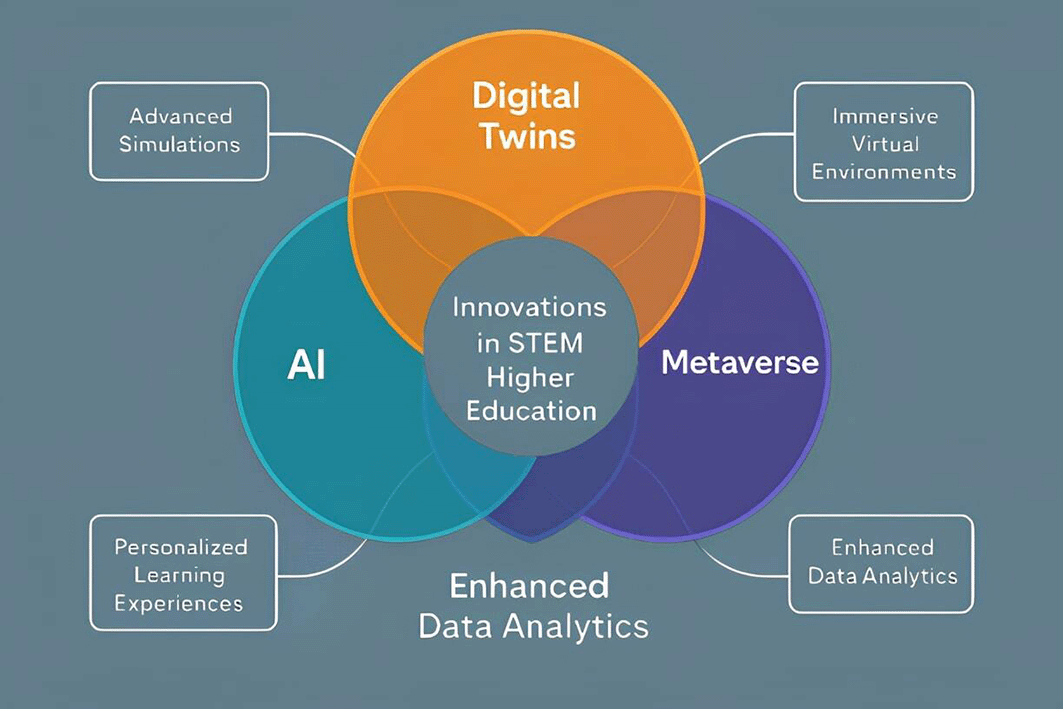
Figure 5 illustrates the conceptual convergence of Artificial Intelligence, Digital Twins, and the Metaverse as synergistic technologies that drive innovation in STEM higher education. The framework contributes three major theoretical advancements: (1) it expands Industry 5.0 principles into higher education through a human-centric, resilience-oriented learning architecture; (2) it integrates AI-driven competence analytics with metaverse-based experiential environments, bridging a long-standing gap between assessment precision and ecological authenticity; (3) it offers a new conceptual model explaining how adaptive expertise and employability skills emerge through continuous interaction between agents, algorithms, and virtualized work systems.
From a practical perspective, the AI-DTM model provides a scalable blueprint for institutions transitioning toward AI-enabled learning ecosystems. The architecture supports personalized skill development, complex scenario training, and industry-aligned experiential learning, addressing urgent global demands for future-ready STEM talent (Iqbal et al., 2024; Nicoletti, 2023). By aligning with emerging technological transformations in Industry 5.0, digital sustainability, and intelligent automation (Dai et al., 2024; Akbas, 2025; Rakholia et al., 2024), the framework delivers actionable pathways for enhancing workforce preparedness while maintaining human-centered values.
Overall, the AI-DTM framework strengthens academic discourse by offering a conceptually robust, empirically informed, and future-oriented model for next-generation intelligent education. It lays the groundwork for the development of sustainable, adaptive, and high-fidelity learning environments that can shape the future of STEM higher education and support global transitions toward advanced digital societies.
| Views | Downloads | |
|---|---|---|
| F1000Research | - | - |
|
PubMed Central
Data from PMC are received and updated monthly.
|
- | - |
Provide sufficient details of any financial or non-financial competing interests to enable users to assess whether your comments might lead a reasonable person to question your impartiality. Consider the following examples, but note that this is not an exhaustive list:
Sign up for content alerts and receive a weekly or monthly email with all newly published articles
Already registered? Sign in
The email address should be the one you originally registered with F1000.
You registered with F1000 via Google, so we cannot reset your password.
To sign in, please click here.
If you still need help with your Google account password, please click here.
You registered with F1000 via Facebook, so we cannot reset your password.
To sign in, please click here.
If you still need help with your Facebook account password, please click here.
If your email address is registered with us, we will email you instructions to reset your password.
If you think you should have received this email but it has not arrived, please check your spam filters and/or contact for further assistance.

Comments on this article Comments (0)