Keywords
K-Means Clustering; data-driven recruitment; workforce selection; cluster visualization; construction competencies

This article is included in the RPackage gateway.
K-Means Clustering; data-driven recruitment; workforce selection; cluster visualization; construction competencies
This new version revises the manuscript in response to reviewer comments. The literature review has been strengthened with broader international scholarship on HR analytics, algorithm-assisted recruitment, AI-assisted hiring, fairness, transparency, and human oversight. The Methods section now provides clearer justification for analysing the 30 shortlisted candidates, clarifies preprocessing decisions, and explains the use of K-Means clustering as an exploratory decision-support technique rather than an automated hiring system. The justification for the three-cluster solution has also been expanded by discussing managerial interpretability alongside internal validity diagnostics, including silhouette coefficient and Davies–Bouldin Index. Variable terminology has been standardized throughout the manuscript, tables, figures, and supplementary materials. The Results, Discussion, Limitations, and Conclusions have been revised to emphasize the exploratory nature of the findings and to avoid overstating recruitment effectiveness. Revised figure files and updated supplementary materials have been deposited in Zenodo to align the extended data with the revised manuscript.
See the authors' detailed response to the review by Sonia Najam Shaikh
See the authors' detailed response to the review by Olivia Kembuan and Ferdinan Sangkop
See the authors' detailed response to the review by Deepak Gupta
See the authors' detailed response to the review by Ali Pişirgen
In the modern workplace, workforce selection is a critical component of human resource development, particularly in sectors that require a combination of technical expertise and adaptive capability. Career development and career transformation are influenced not only by formal qualifications but also by individuals’ ability to adapt to changing work environments and collaborate effectively with diverse stakeholders. Data-driven approaches to workforce analysis have therefore gained attention as tools to support more structured and transparent evaluation processes (Pala, 2021).
Recruitment involves more than sourcing candidates; it requires systematic decision-making informed by job analysis, organizational needs, and available labor characteristics (Widodo, 2018). Job analysis plays a central role in defining task requirements, competency expectations, and qualification standards, thereby helping organizations align applicants with role-specific demands. From the applicant’s perspective, successful job search outcomes depend on understanding personal competencies, evaluating labor market opportunities, and developing skills that match employer expectations ( London, 1973).
In the construction sector, technical competencies such as AutoCAD drafting, the ability to prepare planning and supervision reports, and adaptability to dynamic project environments are particularly valued (Gangl, 2003). These competencies are increasingly important in large-scale infrastructure development contexts. In Indonesia, national strategic projects such as the Nusantara Capital City (Ibu Kota Nusantara, IKN) development have intensified demand for construction personnel with both technical proficiency and social adaptability (Irmawan et al., 2023; Supriyanti et al., 2023). Managing and interpreting recruitment assessment data in such contexts presents practical challenges, especially when organizations must evaluate multiple competency dimensions simultaneously.
Contemporary recruitment is increasingly shaped by data-driven and technology-assisted decision-making. In human resource management, analytics can help organizations organize multidimensional applicant information, improve the transparency of assessment processes, and support more systematic screening decisions (Pala, 2021; Hurbean et al., 2023; Madanchian, 2024). However, the use of analytical tools in recruitment also requires caution because applicant evaluation is a consequential decision-making context. Recent discussions on AI-assisted hiring and algorithmic decision-making emphasize that analytics should not be treated as a substitute for professional judgment, particularly when sample size, assessment scope, and validation evidence are limited (Rigotti & Fosch-Villaronga, 2024; Dadaboyev et al., 2025). Issues such as transparency, explainability, fairness, adverse impact, and human oversight are central to responsible recruitment analytics (National Institute of Standards and Technology [NIST], 2023; European Union Parliament and Council, 2024; U.S. Equal Employment Opportunity Commission [EEOC], 2023).
In this study, K-Means clustering is therefore positioned as an exploratory decision-support technique rather than an automated hiring or rejection system. The purpose of clustering is to describe competency patterns among candidates who had already passed document screening and completed in-person assessment. The resulting cluster labels are analytical interpretations of score similarity patterns and should be read as preliminary competency profiles that may inform further managerial review, not as definitive employment decisions (Jain et al., 1999; Kassambara, 2017).
Cluster analysis offers a data-driven approach to explore patterns within applicant assessment data by grouping individuals with similar characteristics. Clustering techniques partition data into internally homogeneous and externally heterogeneous groups, thereby supporting structured interpretation of complex multivariate information (Jain et al., 1999). Among these techniques, K-Means clustering is widely used due to its computational simplicity and interpretability, making it suitable for exploratory analysis of recruitment-related datasets. In recruitment contexts, clustering can be applied to post-screening assessment data to identify competency profiles rather than to make automated hiring decisions.
Beyond operational efficiency, the use of data-driven tools in recruitment raises broader issues of transparency, governance, and fairness in algorithm-assisted selection. International guidance emphasizes that AI-enabled assessment should be accompanied by risk management, documentation, and ongoing monitoring of unintended impacts (NIST, 2023). In addition, U.S. Equal Employment Opportunity Commission (EEOC) guidance highlights that employers should assess whether algorithmic or AI-based selection procedures produce adverse impact under Title VII and aligns such assessment with the Uniform Guidelines on Employee Selection Procedures (EEOC, 2023). Similarly, the European Union Artificial Intelligence Act classifies certain AI systems used in employment-related contexts as high-risk, reinforcing expectations for accountability and safeguards when analytics influence employment decisions ( European Union Parliament and Council, 2024). Accordingly, this study positions K-Means clustering as an exploratory decision-support technique rather than an automated hiring system; cluster labels are interpreted cautiously as descriptive competency profiles and are intended to complement human review rather than replace managerial judgment.
This study applies K-Means clustering to recruitment test data from a construction consulting firm, focusing on candidates who passed document screening and completed in-person assessments. Using three core variables—AutoCAD drafting skills, planning/supervision report-writing skills, and adaptability—the study demonstrates how unsupervised clustering can support exploratory analysis of applicant competency profiles within a real organizational context.
Clustering is an unsupervised analytical technique used to group objects into clusters based on attribute similarity, such that objects within the same cluster exhibit higher similarity than those in other clusters (Jain et al., 1999). By minimizing within-cluster variation and maximizing between-cluster differences, clustering supports pattern discovery and interpretation in complex datasets (Manikandan et al., 2018; Darmi & Setiawan, 2016). For organizational and workforce analytics, clustering provides a data-driven means of understanding heterogeneity among individuals without requiring predefined class labels.
Among various clustering approaches, K-Means clustering is one of the most widely applied methods due to its simplicity, efficiency, and interpretability. K-Means partitions data into k clusters by iteratively assigning observations to the nearest centroid and updating centroid positions until convergence is achieved (Jain et al., 1999). Because of its relatively low computational cost, K-Means is suitable for applied settings where rapid analysis and transparent interpretation are required (Fadhli, 2017).
Previous studies demonstrate applicability across domains. In educational research, K-Means has been used to analyze student preferences and learning achievement patterns (Firza & Sarjono, 2020). In organizational contexts, it has been applied to group employees based on discipline and performance indicators to support human resource decision-making (Agustina & Prihandoko, 2018). Comparative studies suggest that while alternatives such as Fuzzy C-Means may offer advantages in some conditions, K-Means remains computationally efficient and practical for many real-world applications (Wiharto & Suryani, 2020).
1.2.1 K-Means algorithm
K-Means is a partition-based clustering algorithm that divides data into a predefined number of clusters by minimizing the average distance between data points and their respective cluster centroids (Widiyaningtyas et al., 2017). The algorithm operates iteratively, beginning with the selection of initial centroid values and proceeding through repeated reassignment of data points based on distance calculations until cluster membership stabilizes (Purba et al., 2018). Prior work emphasizes that K-Means can be sensitive to initialization and the scale of input variables, highlighting the need for transparent methodological choices in applied studies (Jain et al., 1999).
1.2.2 Worker recruitment
Recruitment is a strategic organizational process aimed at attracting and selecting individuals whose competencies align with job requirements and organizational objectives. Job analysis plays a critical role in defining tasks, responsibilities, and qualification standards, thereby guiding recruitment and selection decisions (Widodo, 2018). In the construction sector, recruitment emphasizes a combination of technical competencies—such as drafting and report preparation—and adaptive capabilities, reflecting the dynamic and collaborative nature of construction projects (Gangl, 2003). The job search process seeks to match job seekers with appropriate opportunities and can be supported through technology-enabled and data-driven methods (Green et al., 2011). Given the multidimensionality of applicant data, clustering methods such as K-Means offer a way to organize assessment results into interpretable competency profiles that can support early-stage evaluation (Jain et al., 1999).
1.2.3 HR analytics and algorithm-assisted recruitment
HR analytics refers to the systematic use of workforce-related data to support organizational decision-making. In recruitment, HR analytics can assist decision-makers by structuring applicant information, identifying patterns across competency dimensions, and supporting more consistent interpretation of assessment results (Pala, 2021; Hurbean et al., 2023; Venugopal et al., 2024). This is particularly relevant in sectors such as construction consulting, where applicants may need to demonstrate both technical skills and adaptive capabilities. From a human resource development perspective, recruitment is not only a selection activity but also part of a broader workforce capability system because it determines how organizations identify, develop, and allocate human talent (Widodo, 2018; El Achmar & Bhagat, 2023; Jaya et al., 2026a).
The growing use of analytics and artificial intelligence in recruitment has also generated debate about fairness, transparency, and accountability. AI-assisted hiring systems may improve efficiency in screening and assessment, but recent literature cautions that these systems can reproduce bias, create opacity in decision-making, and produce adverse impacts when used without proper validation and oversight (Madanchian, 2024; Rigotti & Fosch-Villaronga, 2024; Dadaboyev et al., 2025). Therefore, algorithm-assisted recruitment should be accompanied by clear documentation, human review, and careful interpretation of results (NIST, 2023; EEOC, 2023; European Union Parliament and Council, 2024).
In this context, clustering offers a comparatively transparent exploratory method. Unlike predictive models that estimate hiring outcomes or job performance, clustering groups applicants based on similarity in observed assessment scores (Jain et al., 1999; Kassambara, 2017). This makes the method useful for descriptive segmentation and early-stage decision support. Nevertheless, cluster labels should not be interpreted as evidence of actual job performance or recruitment effectiveness unless they are externally validated using hiring outcomes, supervisor evaluations, or post-employment performance data (Jaya et al., 2026b). Accordingly, this study uses K-Means clustering to generate interpretable applicant competency profiles while acknowledging the methodological and ethical limits of using analytical tools in recruitment decision-making.
This study employed a quantitative, exploratory research design using unsupervised clustering to analyze recruitment assessment data from a construction consulting firm. The primary objective was to explore competency-based grouping patterns among job applicants using K-Means clustering as a decision-support tool, rather than to predict hiring outcomes or evaluate post-employment performance. The overall research workflow is illustrated in Figure 1.
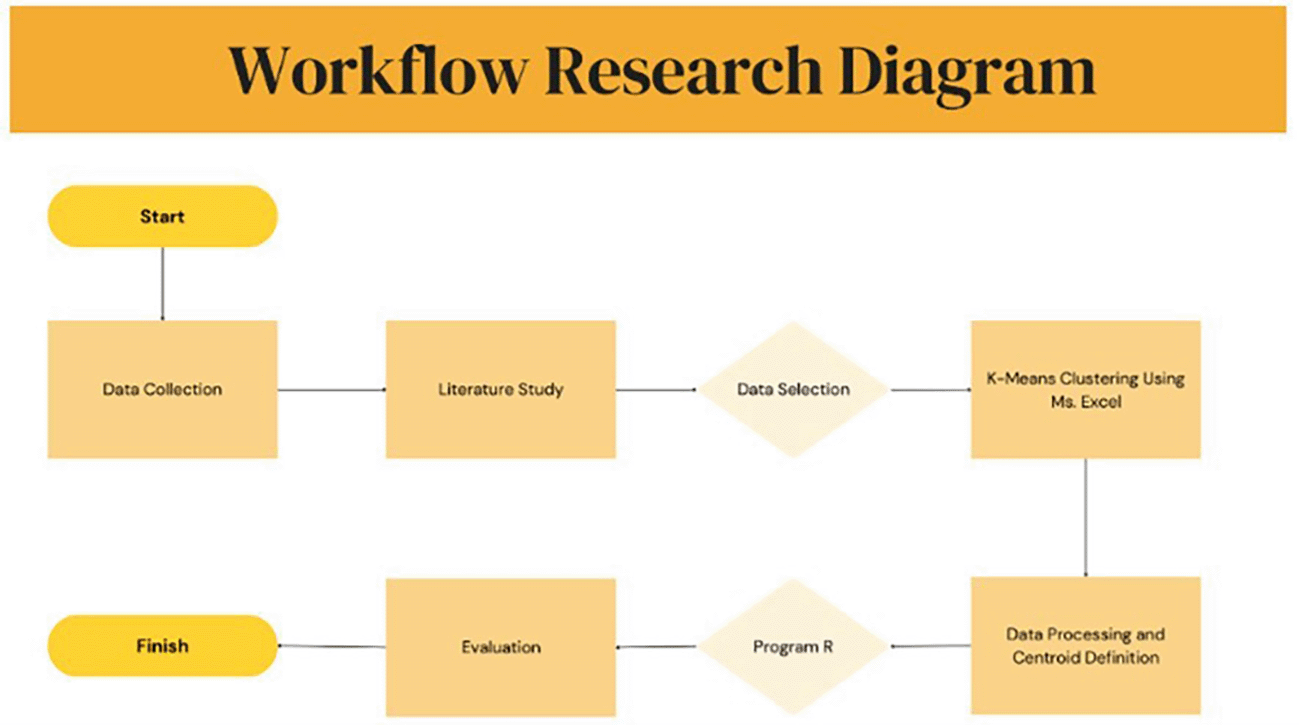
The data were obtained from CV Ardantama Putra Perkasa as part of its internal recruitment process. Although the vacancy was advertised through JobStreet Indonesia, all data analyzed in this study originated exclusively from the company’s internal screening and testing procedures.
A total of 161 applicants applied for the position. Applicants were shortlisted through the company’s standard document-screening procedure conducted by the HR team and the hiring unit. Screening focused on administrative completeness and role relevance, including: (i) completeness of required documents; (ii) educational background and relevance to construction consulting work; (iii) evidence of relevant technical exposure, such as drafting/reporting-related tasks or portfolio where available; and (iv) basic eligibility criteria specified in the vacancy announcement. From this process, 30 candidates met the minimum document-screening requirements and were invited to complete in-person competency testing.
Only these 30 shortlisted candidates were included in the clustering analysis because complete assessment scores were available for all three variables: AutoCAD drafting skills, planning/supervision report-writing skills, and adaptability. This sampling decision means that the analysis represents competency patterns among a pre-screened analytical sample rather than the full applicant pool. Following STROBE-style reporting principles, this sampling boundary is explicitly stated to clarify the analytical population, eligibility process, and limitations of inference (von Elm et al., 2007). The results therefore should not be generalized to all 161 applicants or to construction job applicants more broadly. Instead, the analysis illustrates how clustering can be used to organize assessment data after an initial administrative screening stage has already occurred.
Candidates were evaluated using three competency indicators relevant to construction consulting roles:
AutoCAD drafting skills refer to candidates’ ability to produce and interpret technical drawings using AutoCAD. Planning/supervision report-writing skills refer to candidates’ ability to prepare structured reports related to construction planning and supervision activities. Adaptability refers to candidates’ ability to adjust to changing project conditions, work demands, and organizational expectations. These indicators reflect the need to combine technical competence with adaptive and work-relevant capability in construction-related occupational settings (Gangl, 2003; Widodo, 2018; Jaya et al., 2026a).
Each variable was assessed on a numerical scale from 0 to 100, with higher scores indicating stronger performance. Because all three variables used the same scale, the raw scores were retained for clustering analysis to preserve the original meaning of the assessment results.
The dataset was reviewed for completeness and consistency before clustering. All 30 shortlisted candidates had complete scores across the three assessment variables; therefore, no candidate records were removed because of missing data. The variable names were standardized throughout the dataset and manuscript as AutoCAD drafting skills, planning/supervision report-writing skills, and adaptability. Clear reporting of data eligibility, exclusions, and analytical decisions is important for reproducibility in observational data analysis (von Elm et al., 2007).
Because all variables were measured on the same 0–100 scale, the analysis used raw scores without additional normalization or standardization. This decision was made to preserve the practical interpretation of the original assessment scores. Euclidean distance was used as the distance metric because K-Means clustering groups observations by minimizing within-cluster squared distances (Jain et al., 1999; Kassambara, 2017). Basic outlier and sensitivity checks were conducted by inspecting score distributions, distances to cluster centroids, and two-dimensional and three-dimensional visualizations. These checks were used to determine whether any individual observation disproportionately shaped the cluster interpretation.
K-Means clustering was applied to group candidates based on similarity across the three assessment variables. The number of clusters was set to k = 3 because the company required an interpretable decision-support structure that could distinguish lower, intermediate, and higher competency profiles for managerial review. However, this three-cluster solution is not interpreted as proof that the dataset contains three naturally distinct applicant groups. Rather, k = 3 was used as a practically meaningful segmentation structure and was examined using internal diagnostic checks.
The analysis used Euclidean squared distance to assign each candidate to the nearest centroid. Because K-Means can be sensitive to centroid initialization, variable scaling, and the predefined number of clusters, the initial centroids and iteration procedure were explicitly reported in the supplementary materials. Methodological transparency is particularly important when applying K-Means to small applied datasets (Jain et al., 1999; Kassambara, 2017). Cluster-number justification was examined using the elbow method and additional internal diagnostics, including the silhouette coefficient and Davies–Bouldin Index (Rousseeuw, 1987; Davies & Bouldin, 1979). These diagnostics were used to assess whether the three-cluster solution was reasonably interpretable while acknowledging that internal validation metrics in small, pre-screened datasets should be interpreted cautiously.
The clustering workflow was implemented using spreadsheet-based calculations for transparency of manual steps and R programming for reproducibility, validity checks, and visualization. Intermediate iteration tables, R scripts, and visualization outputs are provided as extended data.
The final clustering procedure was implemented in R using a custom K-Means function with fixed initial centroids derived from the spreadsheet-based clustering workflow. The algorithm calculated Euclidean squared distances, assigned each candidate to the nearest centroid, recalculated cluster centroids, and repeated the process until centroid values stabilized. Because the initial centroids were fixed and explicitly reported, the clustering procedure is deterministic for the reported dataset. The R script, supporting tables, and visualization outputs are provided as extended data.
Because the number of clusters in K-Means must be specified before analysis, the choice of k was evaluated using both practical and diagnostic considerations. Practically, k = 3 corresponded to the company’s need for three interpretable competency profiles that could support recruitment discussion: lower, intermediate, and higher competency profiles. Analytically, the three-cluster solution was examined using the elbow method, silhouette coefficient, and Davies–Bouldin Index.
The elbow method was used to compare the reduction in within-cluster sum of squares across alternative cluster numbers. The silhouette coefficient was used to evaluate the degree to which candidates were closer to their assigned cluster than to other clusters (Rousseeuw, 1987). The Davies–Bouldin Index was used to assess within-cluster compactness relative to between-cluster separation (Davies & Bouldin, 1979). Because the final workflow used fixed initial centroids, the analysis was reproducible without stochastic initialization. The diagnostic indices were therefore used primarily to evaluate the interpretability of the selected three-cluster solution rather than to claim strong natural cluster separation. These diagnostic checks are commonly recommended because internal validity indices provide useful but incomplete evidence, particularly when clusters overlap or sample sizes are small (Jain et al., 1999; Kassambara, 2017; Jaya et al., 2026b).
These diagnostics were not used to claim that k = 3 represents a definitive natural structure in the data. Instead, they were used to examine whether the selected three-cluster solution was defensible as an exploratory and managerially interpretable grouping of shortlisted candidates.
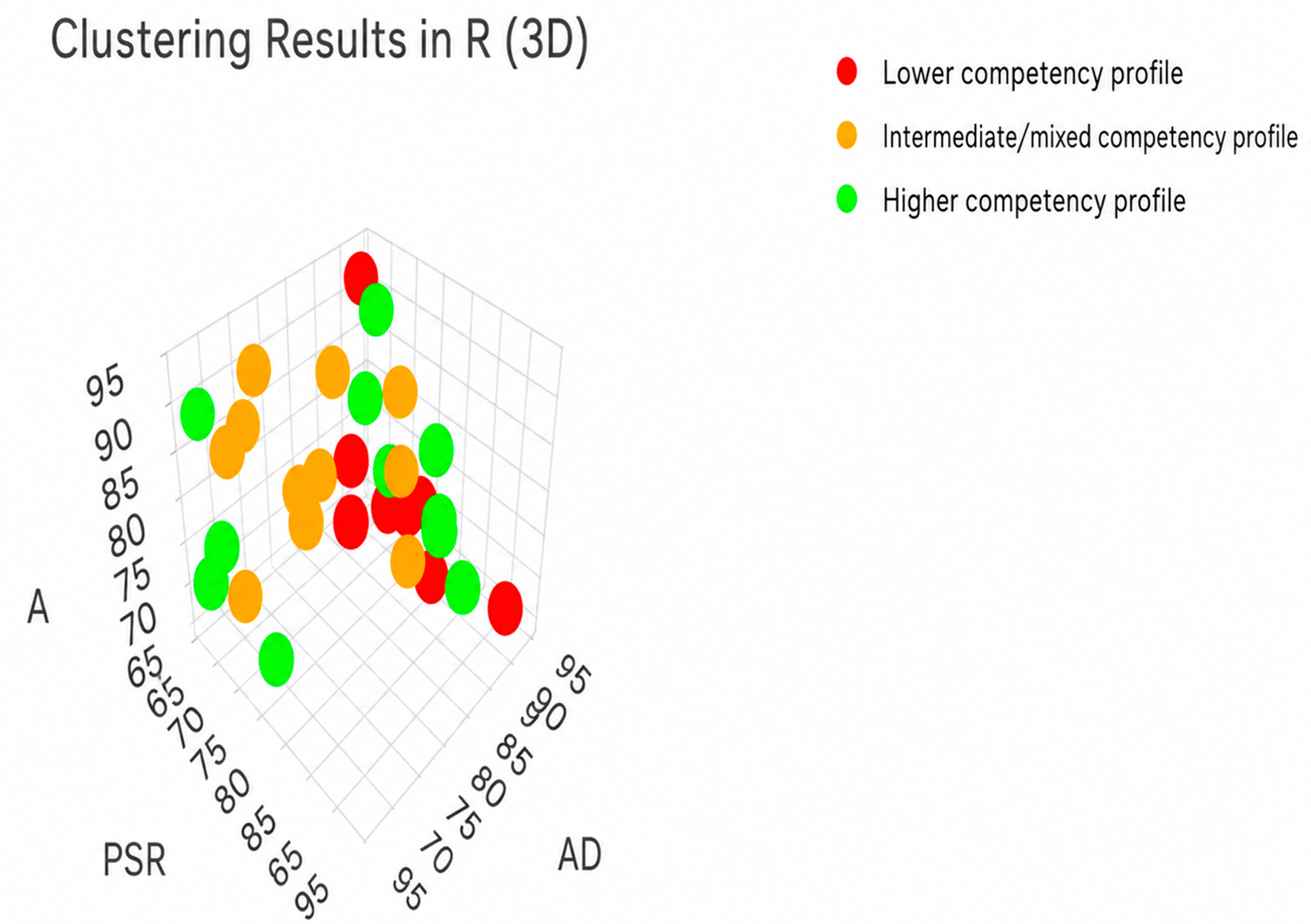
Clustering results were visualized using two-dimensional and three-dimensional scatter plots. Two-dimensional plots illustrated relationships between AutoCAD drafting skills and planning/supervision report-writing skills, while three-dimensional plots incorporated adaptability as a third axis.
Clusters were subsequently labeled as “Lower competency profile,” “Intermediate/mixed competency profile,” and “Higher competency profile” based on their relative position in the multivariate competency space. These labels represent analytical interpretations of score patterns and do not constitute formal hiring decisions made by the company.
This study focuses on exploratory grouping of recruitment assessment data from a pre-screened subset of applicants. The clustering results were not validated against final hiring decisions or post-employment performance outcomes. Accordingly, findings should be interpreted as structured analytical support rather than definitive evidence of selection effectiveness.
To provide quantitative support for the cluster structure, internal validity indices were calculated. The silhouette coefficient was computed using Euclidean distances to estimate how well each candidate matched its assigned cluster relative to other clusters. The Davies–Bouldin Index (DBI) was calculated to evaluate average cluster similarity based on within-cluster dispersion relative to between-cluster centroid distances. These indices were interpreted as descriptive diagnostics of separation quality rather than evidence of predictive utility.
This study analysed recruitment assessment records from CV Ardantama Putra Perkasa, obtained from the company’s internal testing and selection process. A total of 161 applicants submitted applications, of whom 30 candidates meeting minimum screening criteria were invited for in-person testing. Each candidate was assessed on three indicators measured on a 0–100 scale: AutoCAD drafting skills (X), planning/supervision report-writing skills (Y), and adaptability (Z). Candidate characteristics and scores are summarised in Table 1.
Overall, the score distribution shows meaningful heterogeneity across candidates—particularly in adaptability and planning/supervision report-writing—indicating variation in both technical and interpersonal readiness. This variability provides a suitable basis for exploratory clustering analysis.
Using K-Means clustering with k = 3, the 30 assessed candidates were grouped based on similarity across AutoCAD drafting skills, planning/supervision report-writing skills, and adaptability. The three-cluster solution was selected because it provided a practically interpretable structure for recruitment discussion while remaining consistent with the exploratory purpose of the study. The clusters should therefore be interpreted as descriptive competency profiles rather than as statistically definitive applicant classes or formal hiring decisions (Jain et al., 1999; Kassambara, 2017).
The first cluster represents candidates with comparatively lower overall competency profiles across the assessed variables. The second cluster represents candidates with mixed or intermediate competency profiles, indicating that further assessment or managerial consideration may be appropriate. The third cluster represents candidates with comparatively stronger combined technical and adaptive competency profiles. These labels are interpretive and intended to support structured review rather than automate recruitment outcomes, consistent with responsible use of analytics in consequential employment-related decisions (NIST, 2023; EEOC, 2023; European Union Parliament and Council, 2024).
The first cluster is characterized by relatively lower combined scores across the three assessed competencies. The second cluster consists of candidates with moderate and mixed competency scores, reflecting intermediate profiles that may warrant further evaluation. The third cluster comprises candidates with comparatively higher scores across technical and adaptive dimensions, indicating stronger and more balanced competency profiles.
The clustering process involved iterative centroid updates until cluster memberships stabilized. To maintain readability, detailed distance-to-centroid and iteration tables are provided as extended data, while the main text reports the final centroid summary and stabilized cluster assignment.
The final stabilized cluster assignment is presented in Table 3. Respondent codes correspond to the candidate codes reported in Table 1. Detailed distance-to-centroid calculations and iteration outputs are provided in the Zenodo supplementary materials to support reproducibility without overloading the main manuscript. The final cluster centroid and size summary for the three interpretive profiles is presented in Table 2.
Internal validity diagnostics were calculated to evaluate the interpretability of the selected cluster solution. For the three-cluster solution, the mean silhouette coefficient was 0.16, indicating modest and weak-to-moderate separation among applicant competency profiles. The Davies–Bouldin Index was 2.05, suggesting limited compactness and separation between clusters. These values indicate that the clusters are interpretable for exploratory and managerial discussion, but they do not demonstrate strong natural separation in the data.
The elbow method was also used to compare the reduction in within-cluster sum of squares across alternative cluster numbers. The elbow pattern did not provide decisive evidence that three clusters represented a clearly optimal natural structure. Therefore, the three-cluster solution was retained primarily because it aligned with the company’s need for a practical and interpretable decision-support structure, while the internal validity indices were interpreted cautiously. These indicators are useful for assessing internal cluster structure, although they do not provide external validation of hiring effectiveness or job performance outcomes (Davies & Bouldin, 1979; Rousseeuw, 1987; Jain et al., 1999).
To support interpretation, two-dimensional and three-dimensional visualizations were generated. Figure 2 presents a 2D scatter plot based on AutoCAD drafting skills and planning/supervision report-writing skills, showing visible separation between lower, intermediate, and higher competency profiles along key technical dimensions.
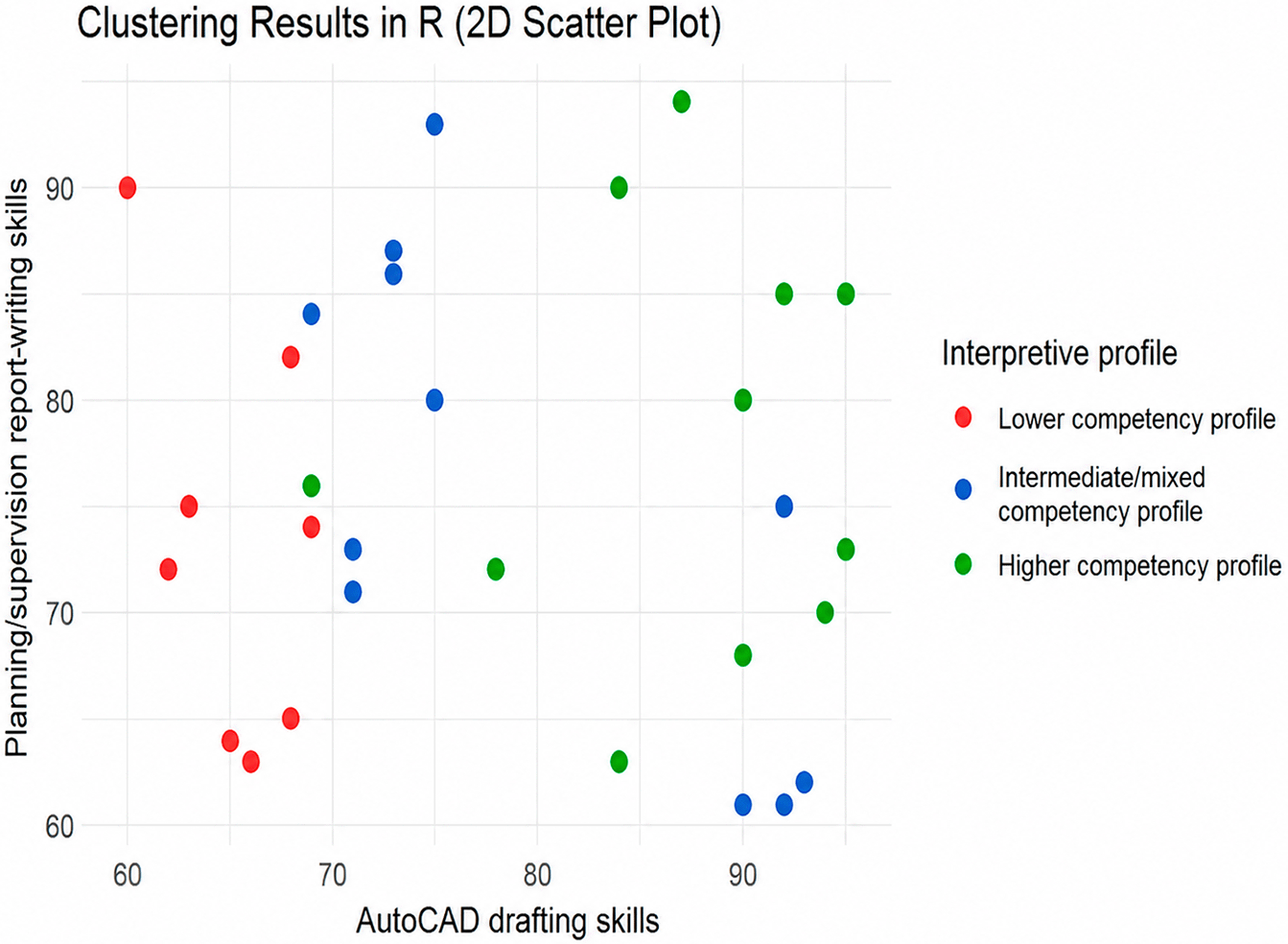
Figure 3 extends the visualization into three dimensions by incorporating adaptability as a third axis. The 3D scatter plot reveals clearer spatial separation among clusters, particularly distinguishing candidates who combine strong technical skills with high adaptability from those with lower overall competency scores.
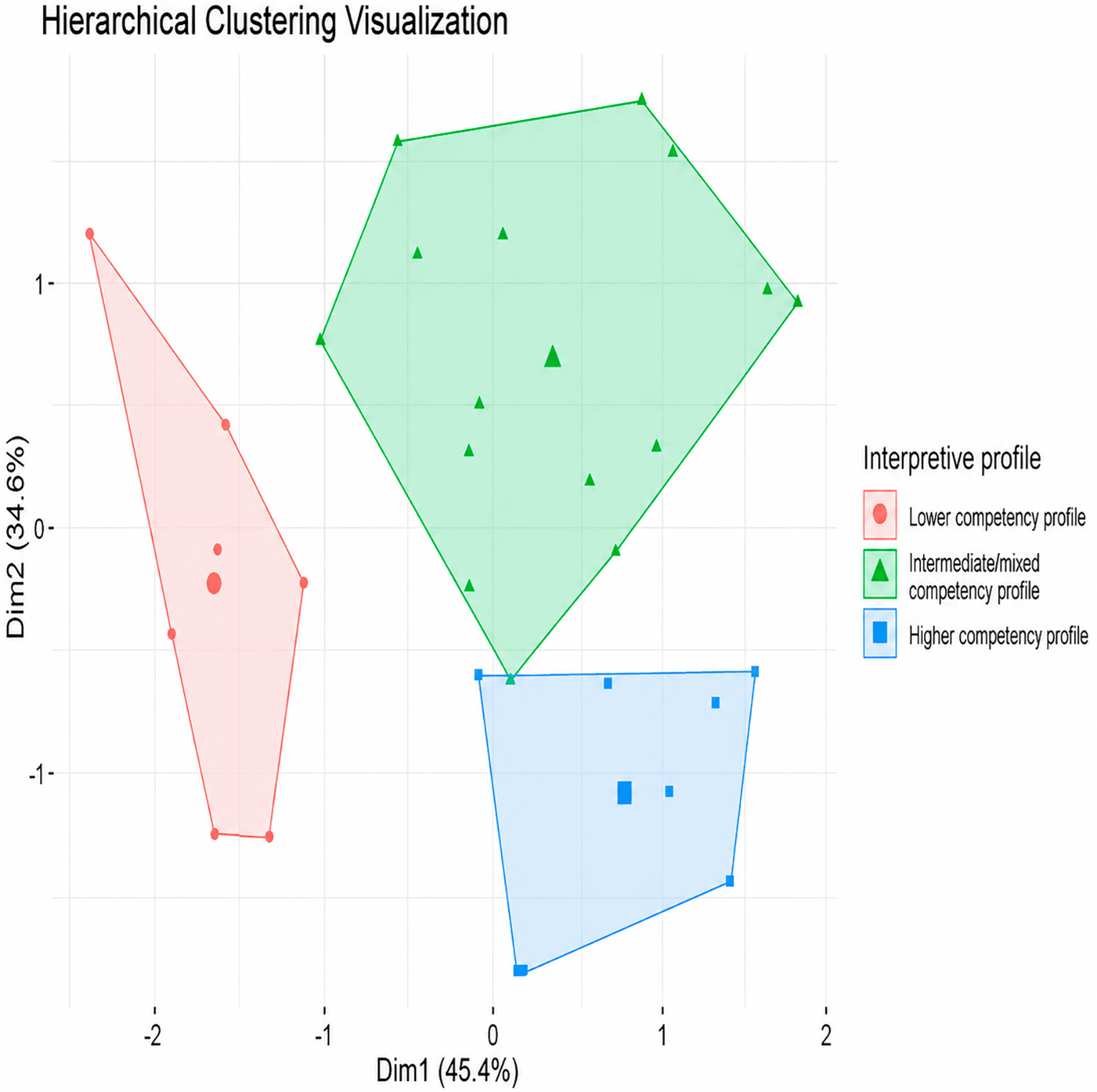
To further examine structural consistency, hierarchical clustering projected onto principal component space is presented in Figure 4. Although hierarchical clustering was not employed as the primary analytical method, the observed grouping patterns broadly align with the K-Means classification, providing additional support for the stability of the three-cluster structure within this dataset.
The clustering results illustrate how K-Means can be used as an exploratory tool to organize recruitment assessment data into interpretable competency profiles within a construction consulting context. The findings suggest that candidates can be descriptively grouped according to combinations of technical and adaptive competencies. However, the results should not be interpreted as evidence that clustering improves recruitment effectiveness because the analysis was conducted on a small, pre-screened sample and was not externally validated against final hiring decisions, supervisor evaluations, or post-employment performance outcomes. This interpretation is consistent with methodological cautions in clustering research, where internal cluster structure does not automatically demonstrate practical or predictive validity (Jain et al., 1999; Kassambara, 2017; Jaya et al., 2026b).
The intermediate cluster is particularly important from a managerial perspective because it represents candidates with mixed competency profiles. Rather than treating this group as a fixed decision category, organizations may use it to identify applicants who require follow-up interviews, additional assessment, or targeted development consideration. In this sense, clustering functions as a decision-support lens that helps structure discussion but does not replace professional judgment (Pala, 2021; Hurbean et al., 2023; Madanchian, 2024).
From an ethical and governance perspective, the use of analytics in recruitment should remain transparent, documented, and subject to human oversight. Cluster labels such as “Lower competency profile,” “Intermediate/mixed competency profile,” and “Higher competency profile” should be understood as descriptive analytical labels rather than automated employment decisions. When analytical tools are used in recruitment contexts, organizations should ensure that their use is aligned with fairness, accountability, and validation principles (Rigotti & Fosch-Villaronga, 2024; NIST, 2023; EEOC, 2023; European Union Parliament and Council, 2024).
Several limitations should be considered when interpreting these findings. First, the analysis was limited to 30 candidates who had already passed document screening and completed in-person testing. Therefore, the results describe competency patterns within a pre-screened analytical sample and cannot be generalized to the full pool of 161 applicants. Second, the sample size was small for clustering analysis, which limits the strength of claims regarding cluster stability and natural group structure. Third, the study relied on three assessment variables only; additional indicators such as interview performance, portfolio quality, work experience, certification, or supervisor-rated performance could produce a more comprehensive applicant profile. These reporting boundaries are important for transparency in observational data analysis (von Elm et al., 2007).
Fourth, the cluster results were not externally validated against actual hiring outcomes or post-employment job performance. As a result, the study cannot claim that the clustering procedure improves recruitment effectiveness. Instead, the findings should be interpreted as an illustrative application of clustering for organizing multidimensional assessment data. Future research should test this approach using larger applicant pools, additional competency indicators, longitudinal job-performance data, and fairness or adverse-impact analysis (Jain et al., 1999; EEOC, 2023; Jaya et al., 2026b).
This study explored the use of K-Means clustering as an exploratory analytical approach for organizing recruitment assessment data in a construction consulting context. Using data from 30 shortlisted candidates who completed in-person testing, the analysis grouped applicants based on three competency indicators: AutoCAD drafting skills, planning/supervision report-writing skills, and adaptability.
The three-cluster solution provided an interpretable structure for describing lower, intermediate, and higher competency profiles among the shortlisted candidates. However, these clusters should not be interpreted as definitive hiring categories or as evidence of improved recruitment effectiveness. The analysis was based on a small, pre-screened sample and was not externally validated using final hiring decisions or post-employment performance outcomes.
The main contribution of this study is therefore methodological and illustrative. It shows how clustering can help structure multidimensional recruitment assessment data and support transparent discussion among decision-makers. Used appropriately, clustering may complement professional judgment by making applicant competency patterns easier to interpret. Nevertheless, the method should be applied cautiously, with clear documentation, human oversight, and further validation before being used in consequential recruitment decisions (NIST, 2023; EEOC, 2023; European Union Parliament and Council, 2024).
Future studies should apply this approach to larger and more diverse applicant datasets, include additional competency and background variables, compare alternative clustering methods, and examine whether cluster membership relates to actual hiring outcomes or subsequent job performance. Further work should also consider fairness, transparency, and adverse-impact assessment when analytics are used to support recruitment decisions (Rigotti & Fosch-Villaronga, 2024; Dadaboyev et al., 2025).
Ethical review and approval were not required for this study because the researchers analyzed fully anonymized secondary data that had been lawfully transferred by CV Ardantama Putra Perkasa under a formal Data Usage Agreement (No. 12/X/S-K/APP/2024). According to Indonesian national research ethics regulations (Permenkes RI No. 74/2016, Article 11) and the general principles of the Declaration of Helsinki, research involving secondary anonymized non-clinical data that cannot identify individuals is exempt from institutional ethical review. Therefore, this study qualifies for an ethics exemption.
Informed consent for data use was not obtained directly by the researchers, as all data were collected by CV Ardantama Putra Perkasa under standard recruitment procedures. The company confirmed, through the Data Usage Agreement (No. 12/X/S-K/APP/2024), that job applicants had authorized the use of their anonymized recruitment test results for evaluation and administrative purposes in accordance with Indonesian data protection regulations (UU ITE and PP 71/2019). Because the researchers received only anonymized secondary data and had no access to identifiable information, this study meets the criteria for consent exemption.
| Views | Downloads | |
|---|---|---|
| F1000Research | - | - |
|
PubMed Central
Data from PMC are received and updated monthly.
|
- | - |
Provide sufficient details of any financial or non-financial competing interests to enable users to assess whether your comments might lead a reasonable person to question your impartiality. Consider the following examples, but note that this is not an exhaustive list:
Sign up for content alerts and receive a weekly or monthly email with all newly published articles
Already registered? Sign in
The email address should be the one you originally registered with F1000.
You registered with F1000 via Google, so we cannot reset your password.
To sign in, please click here.
If you still need help with your Google account password, please click here.
You registered with F1000 via Facebook, so we cannot reset your password.
To sign in, please click here.
If you still need help with your Facebook account password, please click here.
If your email address is registered with us, we will email you instructions to reset your password.
If you think you should have received this email but it has not arrived, please check your spam filters and/or contact for further assistance.

Comments on this article Comments (0)