Keywords
Biosynthesis, Silver oxide, Nanoparticles, Boswellia caretter

This article is included in the Fallujah Multidisciplinary Science and Innovation gateway.
This article is included in the Nanoscience & Nanotechnology gateway.
Biosynthesis, Silver oxide, Nanoparticles, Boswellia caretter
The revised version of this article incorporates several clarifications and methodological refinements implemented in response to reviewer comments, with the aim of improving the transparency, accuracy, and overall scientific rigor of the study. The role of the plant extract as a negative control in the green synthesis process has been explicitly clarified to confirm that the observed antimicrobial activity is attributable to the synthesized nanomaterial rather than to intrinsic components of the extract.
Additional methodological explanations have been introduced regarding the experimental design, including the rationale for not performing independent pre-synthesis testing of silver nitrate and the purification procedures applied to minimize the potential contribution of residual ionic silver. These clarifications help delineate the interpretation of the antibacterial activity associated with the post-synthesis nanosystem.
The description of the antimicrobial assay has also been expanded to clarify the replication strategy, measurement precision, and the expected variability associated with the agar diffusion method, emphasizing its semi-quantitative nature and the consistency of the observed concentration-dependent trends.
Furthermore, supplementary characterization information has been included by presenting the UV–Vis spectrum obtained during nanoparticle preparation as supporting evidence of nanoparticle formation, while maintaining X-ray diffraction (XRD) analysis as the primary technique for crystalline phase identification. Terminology describing the synthesized material has been standardized throughout the manuscript to ensure consistency with the structural characterization results.
Finally, minor linguistic and editorial revisions have been implemented to enhance clarity, and a statement regarding the availability of raw experimental data and characterization files upon reasonable request has been added to further strengthen research transparency.
See the authors' detailed response to the review by Abdullah Yousef
Frankincense, an aromatic resin, is extracted from dried liquids (also known as olibanum), and is extracted from Boswellia trees. Boswellic acids (BAs) extracted from Boswellia trees are essential in in vivo and in vitro studies of their bioactive components. Boswellic acids provide the high degree of anti-inflammatory properties of frankincense, due to its biomechanical and molecular properties. Due to their lipophilic nature, their ability to bind or dissolve liquids or fats reduces their solubility in aqueous environments, as well as their bioavailability. Frankincense also contains a group of pentacyclic terpenic acids known as lipoic acids.1,2
Plant exudates have been used as capping and reducing agents in the green synthesis of silver, gold and platinum nanoparticles.3–5 These natural polymers stabilize the nanoparticles, which are non-toxic to cells and potentially useful for molecular imaging, biomedical diagnosis, and safe drug delivery. Silver nanocomplexes are promising materials and can be used as coating materials in food packaging and biomedical engineering, where biocompatibility and antibacterial activity are required.6,7 The regulation of the mean particle size and the distribution of particle size during synthesis of the silver nanoparticle with hydroxyl functionalized water soluble polymers is also facilitated.8
Gum olibanum is chosen as a biopolymer for silver oxide nanoparticles synthesis because it is available, nontoxic and low cost and has medicinal applicability. In this context, we have established an easy, biosynthetic procedure for the synthesis of silver oxide nanoparticles using gum olibanum, a natural plant polymer that is both renewable and biodegradable, as the stabilizing and reducing agent. The aim of the present work was the synthesis and characterization of silver oxide nanoparticles. For potential biological applications, we have also shown antibacterial activity on the produced nanoparticles towards the Gram-positive and Gram-negative bacteria.
One of the more frequent causes of infections is Pseudomonas aeruginosa in a medical facility. These infections are linked to substantial morbidity and medical costs, particularly when It takes longer to receive the right antibiotic treatment. The selection of antibiotics It is difficult to treat patients with P. aeruginosa infections because of the infection’s innate resistance to numerous commercially available capable of antibiotics. Multidrug-resistant strains are prevalent, and often require treatment with novel or “last resort” agents.9
Gram-positive, spherical, non-motile, and spore-forming streptococcus bacteria are frequently seen in chains. They are categorized as beta-hemolytic (full lysis, like S. pyogenes), alpha-hemolytic (partial lysis, like S. pneumoniae and the viridans group), and gamma-hemolytic (non-lysis, like some Enterococcus) based on their capacity to lyse blood on blood agar. They can also be categorized into groups (A, B, C, etc.) using the Lancefield approach.
The most significant species are S. pneumoniae, which causes pneumonia, otitis media, meningitis, and sinusitis; S. pyogenes (group A), which causes pharyngitis, scarlet fever, skin infections, rheumatic fever, and glomerulonephritis; S. agalactiae (group B), which causes infections in neonates; and viridans streptococci, which are naturally found in the mouth and can cause endocarditis. Culture and assays such the optochin test (for S. pneumoniae), CAMP test (for group B), and bacitracin susceptibility (for group A) are used to make the diagnosis. Although penicillin or its derivatives constitute the mainstay of treatment, some species—especially S. pneumoniae—may exhibit resistance, necessitating the use of cephalosporins or macrolides as alternatives.10
The novelty of this research is achieved through the environmentally friendly greening of silver oxide nanoparticles using Boswellia carterii extract as a natural and safe reducing agent. These particles were tested for their antibacterial activity against Pseudomonas aeruginosa and Streptococcus, bacteria, demonstrating promising antibacterial results, suggesting their potential as safe alternatives to conventional antibiotics.
This research aims to prepare silver oxide nanoparticles using Boswellia carterii extract in an environmentally friendly manner, and study their antibacterial activity against Pseudomonas aeruginosa and Streptococcus.
Silver oxide nanoparticles were prepared using a 1 mM Boswellia caretterii extract. 0.015 g of silver nitrate (AgNO3) was dissolved in 100 ml of deionized water to obtain a 1 mM solution. The Boswellia cartterii extract was prepared by dissolving 1 g of crude Boswellia cartterii in 100 ml of deionized water. The mixture was then heated to 50°C for 10 min using a magnetic stirrer to facilitate the extraction of the active compounds. The solution was then filtered through filter paper to obtain the pure Boswellia cartterii extract. The resulting extract was placed on a magnetic stirrer and heated to 50°C. The silver nitrate solution was then gradually added to the extract under continuous stirring. The temperature of the mixture was gradually increased, taking care not to exceed 140°C, for 50 min until the solution turned dark brown, indicating the synthesis of silver oxide nanoparticles. After the reaction was complete, the resulting solution was cooled and then separated using centrifugation at 10,000 rpm for 15 min. The resulting precipitate was rinsed with deionized water several times to remove residual contaminants and then allowed to dry at room temperature.11,12
Particle size and crystallite size were calculated from the results of scanning electron microscope (SEM) and x-Ray diffraction respectively. The dimensions of the nanocrystals are calculated using the Scherrer equation ( ), where X-ray diffraction (XRD) data are used by determining the apex angle and measuring its width at half height (FWHM). The tests were done in thin film laboratory at University of Tehran.
This research studies the resulting patterns through X-ray diffraction testing, and determined the particle size through SEM testing. The effect of the produced silver oxide nanoparticles on two types of bacteria, namely Pseudomonas and Streptococci, was also evaluated.
The goal of this study was to confirm the crystalline phase and assess the biological activity rather than perform a comprehensive physical characterization. The crystal size was estimated using the Scherrer equation, a well-established technique for determining the crystalline structure of nanomaterials, and the crystalline phase and its conformation to a common reference were directly identified by XRD analysis.13,14 The nanostructure and particle distribution were also validated by SEM.
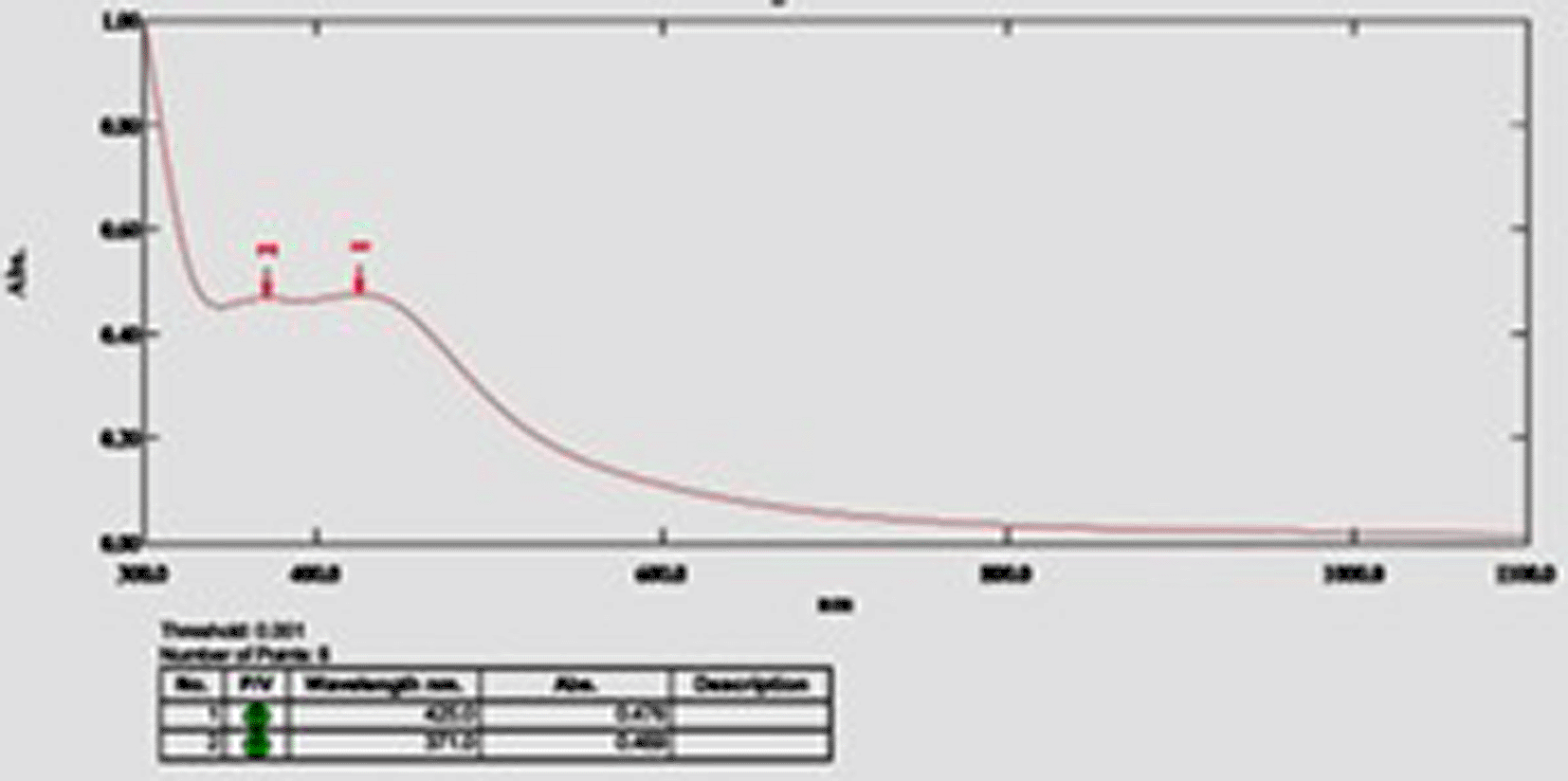
XRD remained the final method for verifying the crystalline phase, while UV-Vis analysis was carried out as a preliminary test to deduce nanoparticle formation from the distinctive absorption band. The UV-Vis spectrum acquired during preparation is displayed in the accompanying image.
When clear XRD data are available and consistent with the reference, techniques like FTIR, DLS, or Zeta potential are useful tools for characterizing surface properties and stability, but they are not necessary for verifying the crystalline phase. it’s possible to do it in the future to determine crystal phase more deeply.15
From Figure 1. We noticed that two absorption bands in the UV-Vis spectrum, at 371 and 425 nm, show that silver oxide nanoparticles are going through energy gap transitions.15,16 Even though UV-Vis is not a reliable way to find out what the crystalline phase is, these results are in line with what has been reported in the literature about how silver oxide nanoparticles behave optically. Conversely, metallic silver oxide particles typically exhibit a characteristic surface plasmonic resonance band within the 400–450 nm range.17 So, XRD is still the best way to confirm the crystalline phase, and UV-V is analysis gives more information.
The result of the X-ray examination presents the diffraction pattern as shown in Figure 2. After comparison with the standard cards, it was found that the produced material, which is silver oxide, has a polycrystalline structure and is related to diffraction from the crystal planes of the orthorhombic system, which was determined through the standard values (JCPDS 84-1547) as listed in Table 1.
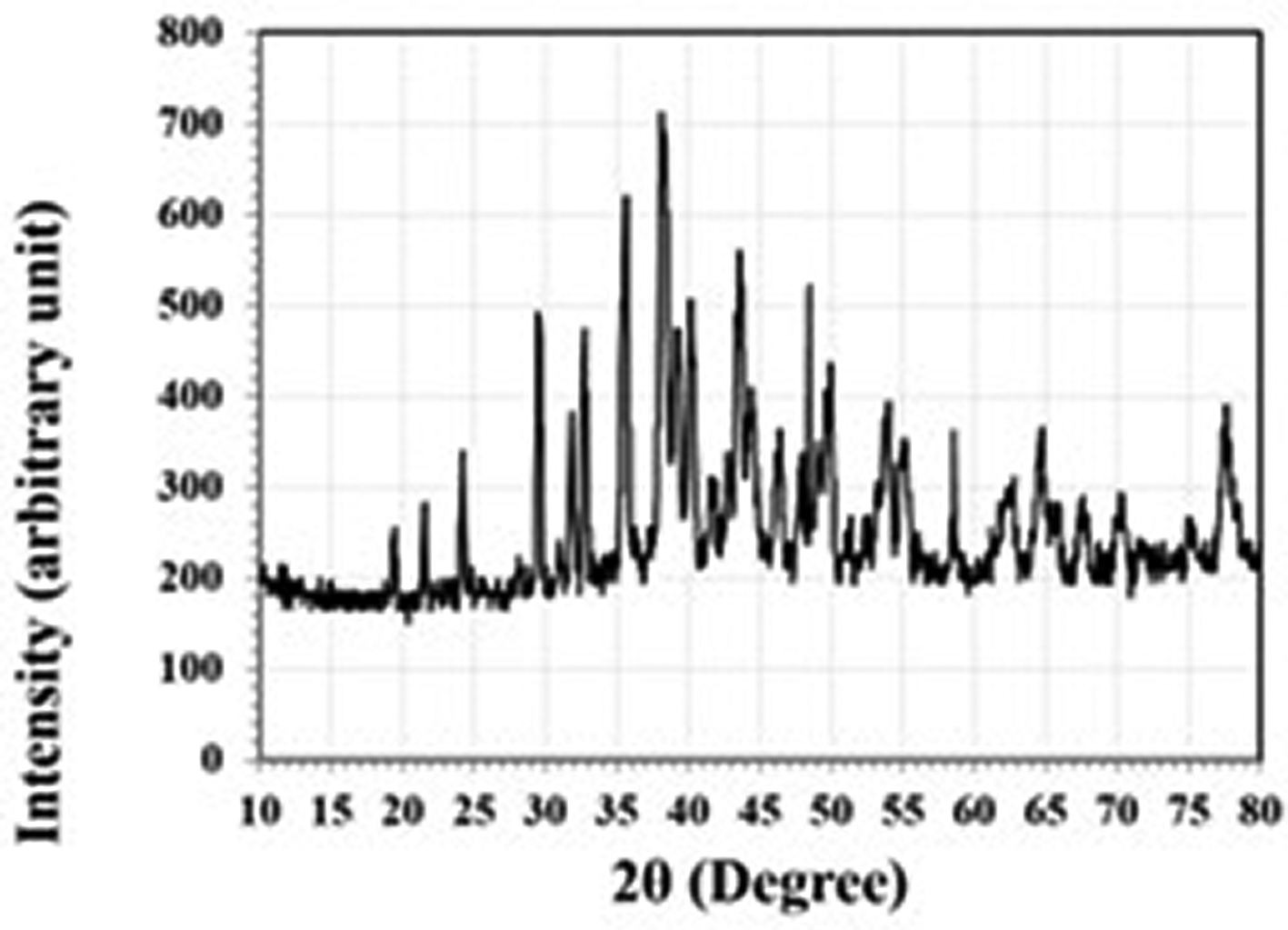
The average crystal size of silver oxide nanocrystals was also calculated, and the average crystal size was 80.6 nm.
Figure 3 shows the scanning electron microscope image at 60.00 kx and 80.00 kx magnifications. From Figure 3a, which is obtained using 60.00 kx magnification, we notice that the silver oxide nanoparticles are relatively homogeneously distributed in most areas.
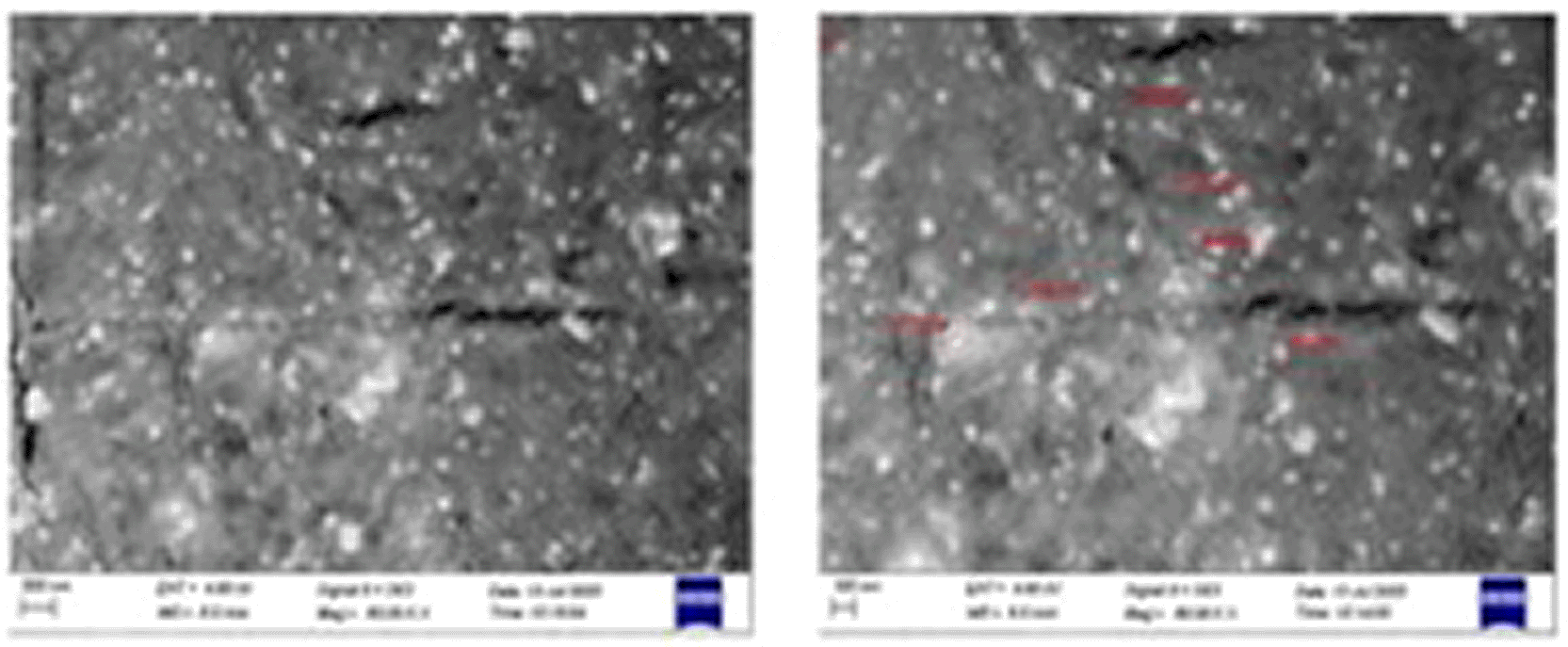
From Figure 3b which is obtained using 80.00 kx magnification, which shows fine details, allowing us to determine the diameters of these particles, we notice that the diameters of the nanoparticles range between 55.84 and 82.17 nm. These sizes are suitable for medical and environmental applications. Nanoparticles of this size have a large surface area relative to their volume, which increases their interaction with other molecules, allowing them to easily bind drugs or biosensors. It also increases their ability to absorb contaminants or catalyze chemical reactions. Furthermore, particles smaller than ~100 nanometers can easily enter cells without being quickly eliminated from the body, which is important for drug delivery.18
After studying the structural properties of silver oxide nanoparticles produced by the Green Synthesis method, the effect of these manufactured particles on two types of bacteria, namely Pseudomonas aeruginosa and Streptococci, was studied.
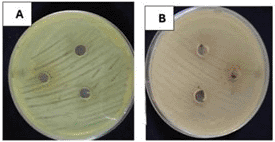
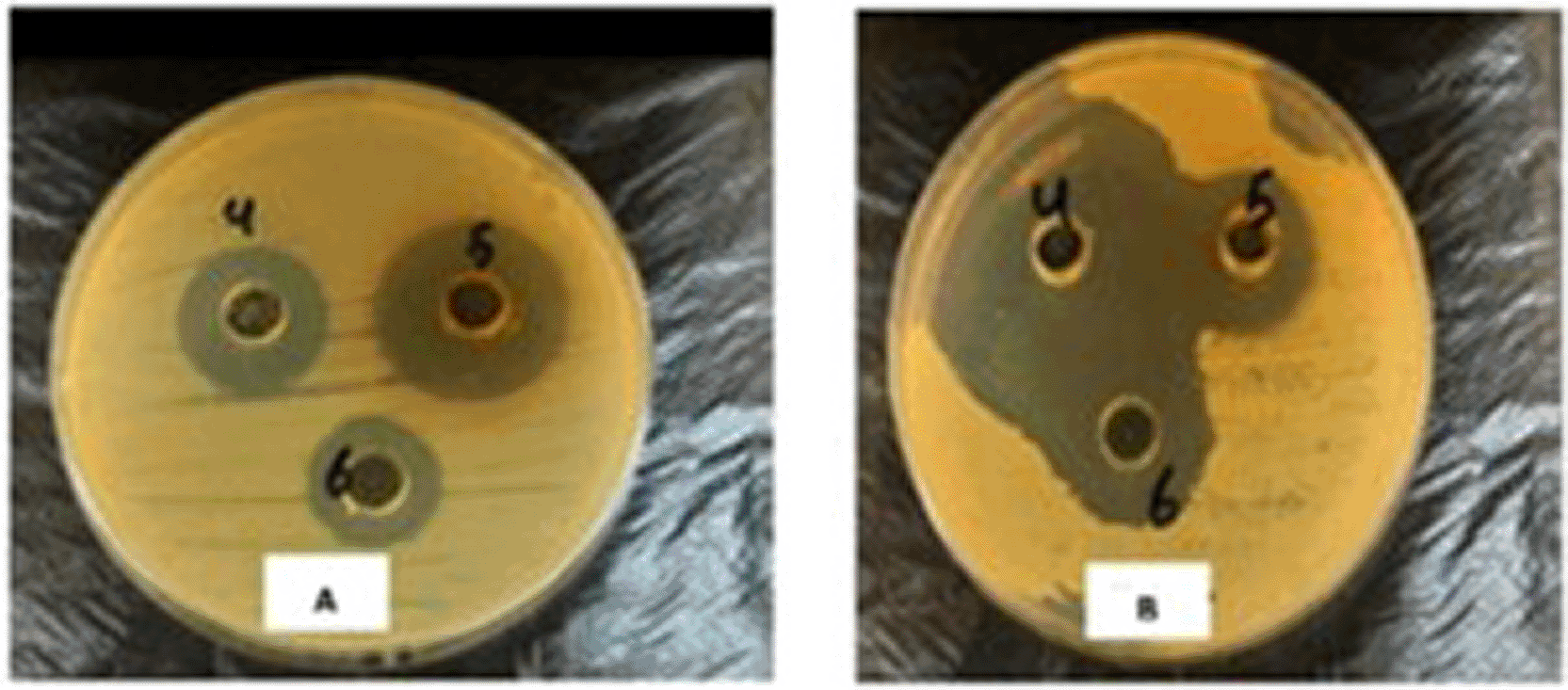
Different concentrations were used for the prepared samples, and these concentrations were 60%, 80%, and 100%. When using all the mentioned concentrations separately, an antibacterial effect against Pseudomonas aeruginosa and Streptococci was appeared. The diameter of the inhibition zone ranged between 14.5 mm and 23 mm, as shown in Figure 3. The plant extract was used as a negative control, a crucial step in the green synthesis studies, to ensure that the biological activity was not attributable to the extract's components themselves. The extract showed no inhibition zone under the same testing conditions. See Figure 4.
Since the goal of the study was to assess the biological activity of the nanomaterial following preparation and purification, no independent testing of silver nitrate was carried out before synthesis. The antibacterial activity of silver ions is known to be concentration-dependent,19,20 and the release of silver ions may be responsible for some of the effects ascribed to the nanoparticles.21 Before the bacteriological tests, the prepared material was thus subjected to multiple cycles of centrifugation and washing in order to minimize any remaining ions. As a result, the outcomes show the biological activity of the post-synthesis nanosystem. Using of samples prepared from silver oxide nanoparticles against Pseudomonas aeruginosa bacteria. The diameters of the inhibition zones ranged from 14.5 mm at a concentration of 60% to 18 mm at a concentration of 100%, as shown in Table 2. From above presented results, we conclude the high effectiveness of silver oxide nanoparticles against highly virulent bacteria. This result is better than the results obtained by Gheni and Odaa.24 This means diameter of inhibition zone increases with increasing concentration.22,23
| Sol. Concentration % | Diameter (mm) pseudomonas | Diameter (mm) streptococci |
|---|---|---|
| 100% | 18 | 23 |
| 80% | 17 | 19 |
| 60% | 14.5 | 17.5 |
While when using samples prepared from silver oxide nanoparticles against Streptococcus bacteria, the diameters of the inhibition zones ranged between 17.5 mm at a concentration of 60% and up to 23 mm at a concentration of 100%, as shown in Table 2. From above presented results, we conclude the high effectiveness of silver oxide nanoparticles against highly virulent bacteria. This result is better than the results obtained by Gheni and Odaa.24
The optical and structural properties of nanomaterials undergo substantial modifications as a result of their enormous surface area-to-volume ratio rise, which can approach millions of times. The majority of bacterial cell membranes have nanoscale holes or pores. Nanostructures must successfully penetrate and stabilize these membranes in order to affect bacterial growth and the essential processes of the cells.25,26
The mechanism of action of nanoparticles, which researchers employ in a variety of ways to stop bacterial development, is essentially the same: the particles’ positive charges interact with the negative charges on the surface of the bacterial cell. As a consequence of this contact, particles accumulate on the cell membrane, changing structure and properties of the membrane. This cripples the cell, and it becomes unable to perform life-sustaining functions such as respiration, permeability and electron transport.27–29
The way nanoparticles work, which researchers have harnessed in a range of techniques to halt bacterial growth, is fundamentally the same: Positive charges in the particles interact with negative charges on the surface of the bacterial cell. A particle can be deposited on the outer part of the cell membrane by this contact and influence the chemical and physical property of the membrane. This ruins the functionality of the cell, inhibiting vital activities such as respiration, permeability, and electron transport.30,31
Studies indicate that nanoparticles with diameters ranging from 1 to 100 nanometers possess unique physical and chemical properties, such as increased surface area to volume ratio, which enhances their interaction with other molecules. This allows them to easily interact with drugs or biosensors and increases their ability to absorb contaminants or catalyze chemical reactions. Furthermore, particles smaller than 100 nanometers can easily enter cells without being rapidly eliminated from the body, which is important for drug delivery.33,34
The novelty of this research lies in its adoption of an environmentally friendly method for preparing silver oxide nanoparticles using Boswellia carterii extract as a natural reducing and stabilizing agent. This method is safe and economical compared to traditional chemical methods. The use of this plant to produce silver oxide nanoparticles represents a new step in this field, as it has not previously been widely employed for this purpose. The importance of the study also lies in testing the effectiveness of these nanoparticles against two types of medically and clinically important bacteria, Pseudomonas aeruginosa (Gram-negative) and Streptococcus, (Gram-positive), which are known for their resistance to antibiotics. The results showed a promising ability of these particles to inhibit bacterial growth, suggesting their potential use as alternatives or complements to traditional antibiotics.
Each concentration was replicated twice under identical incubation conditions, and the diameters of the inhibition zones were measured with a digital measuring foot calibrated to ±0.1 mm. Given the nature of diffusion in the solid medium and the technique for visually identifying the edge of the inhibition zone, the variation between replicates did not surpass ±0.5 mm, falling within the expected limits of uncertainty for the agar diffusion test. This degree of variation is within the typical systematic error of the test and does not suggest significant biological variability.
Given that the agar diffusion test is a semi-quantitative test that illustrates the overall trend of antimicrobial activity rather than being a precise quantitative analytical tool, inferential statistical analysis would not change the scientific interpretation of the results because the differences between replicates were within the bounds of measurement accuracy and because the upward trend with increasing concentration was distinct and consistent.35,36
This study successfully produced silver oxide nanoparticles bioactively using Boswellia caretteri extract. The particle sizes ranged between 55.84 and 82.17 nm, with an average size of 80.6 nm. The results demonstrated the clear effectiveness of these particles against the bacteria under study, with their effect on Streptococcus bacteria being higher than on Pseudomonas aeruginosa bacteria. These results suggest the potential for relying on environmentally friendly bio-based methods to produce biocompatible nanomaterials that can be used in medical applications. Further studies are recommended to more precisely elucidate the mechanism of action and ensure their safety before clinical use.
| Views | Downloads | |
|---|---|---|
| F1000Research | - | - |
|
PubMed Central
Data from PMC are received and updated monthly.
|
- | - |
Provide sufficient details of any financial or non-financial competing interests to enable users to assess whether your comments might lead a reasonable person to question your impartiality. Consider the following examples, but note that this is not an exhaustive list:
Sign up for content alerts and receive a weekly or monthly email with all newly published articles
Already registered? Sign in
The email address should be the one you originally registered with F1000.
You registered with F1000 via Google, so we cannot reset your password.
To sign in, please click here.
If you still need help with your Google account password, please click here.
You registered with F1000 via Facebook, so we cannot reset your password.
To sign in, please click here.
If you still need help with your Facebook account password, please click here.
If your email address is registered with us, we will email you instructions to reset your password.
If you think you should have received this email but it has not arrived, please check your spam filters and/or contact for further assistance.

Comments on this article Comments (0)