Keywords
Water pollution, heavy metals, microbial contamination, risk assessment, Ichu River

This article is included in the Public Health and Environmental Health collection.
Water pollution, heavy metals, microbial contamination, risk assessment, Ichu River
This revised version substantially strengthens the scientific depth, contextual relevance, and interpretative clarity of the study. Compared with the previously published version, the manuscript now includes expanded global and regional context in the Introduction, supported by recent (2021–2025) international and Andean/Peruvian case studies to better justify the significance of the research. The methodological framework has been enhanced through clearer justification of water quality indices, multivariate analysis, and health risk assessment, and by outlining additional analytical models and indices to increase scientific robustness. The Results section now explicitly highlights key findings and pollution hotspots, while the Discussion has been strengthened with mechanism-based interpretation and global–regional comparisons of river ecosystem degradation. New dedicated sections on principal significance, study limitations, future perspectives and recommendations, and impacts on local communities have been added to improve transparency and policy relevance. The Conclusion has been revised to emphasize the most significant outcomes and their implications for ecosystem health and public safety. Overall, this version provides a more integrated, comparative, and decision-relevant assessment of Ichu River water quality and associated health risks.
See the authors' detailed response to the review by Moharana Choudhury
The existence of water as a resource plays a crucial role in sustaining human life, together with economic activities, and maintaining ecological balance. Water quality has suffered a severe decline because of escalating industrial expansion combined with agricultural runoff and growing domestic waste deposition (Saxena, 2025; Edo et al., 2024).
Recent global assessments indicate that river water quality degradation has become a widespread environmental challenge, driven by the combined effects of rapid urbanization, industrial effluent discharge, mining activities, and inadequate wastewater treatment infrastructure. Integrated river monitoring studies increasingly report concurrent deterioration of physicochemical parameters, heavy metal accumulation, and microbial contamination, which together amplify ecological stress and human health risks. Such multi-stressor pollution patterns have been documented across Asia, Africa, Europe, and Latin America, emphasizing the necessity of holistic water quality assessment frameworks that incorporate chemical, biological, and health risk indicators rather than relying on isolated parameters (Gaur et al., 2022; Singh et al., 2024a, 2024b). Table 1 summarizes representative worldwide and regional case studies illustrating similar patterns of river water quality degradation, heavy metal contamination, and public health risks, highlighting the broader scientific relevance of the present investigation of the Ichu River.
| Country | River system | Main pollution sources | Key findings | Relevance to present study | References |
|---|---|---|---|---|---|
| India (South Asia) | Hindon River | Urban wastewater, industrial effluents | Severe deterioration of physicochemical quality, elevated heavy metals, high microbial contamination; significant public health risks | Demonstrates upstream–downstream degradation and co-occurrence of metals and fecal contamination, similar to Ichu River | Singh et al., 2024a; Rajpal et al., 2022 |
| India (Ganges Basin) | Ganges tributaries | Domestic sewage, industrial discharge | Persistent organic load, microbial pollution, and metal enrichment exceeding guidelines | Illustrates large-scale river systems affected by untreated wastewater | Li et al., 2022 |
| China (East Asia) | Yellow River tributaries | Industrial effluents, mining activities | Heavy metal accumulation and ecological risk linked to industrial growth | Comparable mining-related contamination pathways | Su et al., 2021 |
| Bangladesh (South Asia) | Buriganga River | Urban sewage, industrial waste | High BOD, low DO, severe microbial pollution | Shows combined organic and microbial stress on urban rivers | Jyethi et al., 2022 |
| Peru (Central Andes) | Mining-influenced Andean rivers | Mining discharge, natural geogenic sources | Arsenic and heavy metals exceed WHO limits; high health risk indices | Direct regional comparison for metal-related health risk | Custodio et al., 2020 |
| Peru (High Andes) | High-Andean river (Huancavelica region) | Mining, urban runoff | Poor WQI scores and elevated health risks | Closest regional analogue to Ichu River | Sánchez-Araujo et al., 2024 |
| Latin America (regional) | Multiple river systems | Urbanization, agriculture, mining | Integrated WQI and risk studies show consistent degradation trends | Confirms regional relevance of integrated assessment | TQEM, 2023 |
| Global (review) | Multiple rivers | Mixed anthropogenic pressures | Recommends integrated WQI, multivariate, and risk frameworks | Supports methodological approach of current study | Gaur et al., 2022 |
The contamination of rivers presents a fundamental issue because rivers act as the main waterfront supplies that people use for drinking water, irrigation, and domestic purposes. The Ichu River in Peru faces two serious threats to its ecosystem and human health: heavy metal pollution and microbial contamination (Sánchez-Araujo et al., 2024). Recent developments in material science have introduced highly efficient materials for environmental monitoring and removal of heavy metals from contaminated waters. Engineered colloids and surface-modified nano-materials have demonstrated superior adsorption capacity and improved physicochemical interactions with dissolved metals, enhancing analytical detection and remediation performance (Wang et al., 2024). Metal organic frameworks (MOFs), such as In-doped amino-functionalized UiO-66 structures, exhibit strong ligand-to-metal charge transfer properties and have been successfully applied to environmental catalysis and pollutant transformation, highlighting their potential for sensitive metal analysis in aquatic systems (Su et al., 2023). Hybrid nanocomposites, including PMDA/TMSPEDA structures, also provide high surface area and functional group availability, enabling efficient adsorption of divalent heavy metals (Alsohaimi et al., 2015). Low-cost biosorbents derived from fungal biomass have been increasingly explored as sustainable alternatives for metal removal due to their abundant functional binding sites (Alothman et al., 2020). In addition, modified nano-boehmite materials have shown enhanced affinity toward organic and inorganic pollutants, further expanding the toolbox of materials applicable in environmental water analysis (Rezaee et al., 2019). These advancements demonstrate the critical role of novel materials in improving pollutant detection, quantification, and removal, thereby supporting integrated water quality and risk assessment frameworks such as those applied in the present study.
Heavy metals, including arsenic (As), lead (Pb), cadmium (Cd), mercury (Hg), and chromium (Cr), found in river water are of major concern because they are non-degradable in the environment and tend to accumulate in living organisms (Rahman and Singh, 2019; Khalef et al., 2022). Toxic elements cause neurological disorders, kidney damage, and carcinogenic effects in humans, despite minimal exposure levels. Contamination of the Ichu River arises from mining practices, along with industrial waste discharge and natural geological factors that harm water quality conditions while posing threats to human health. Such vital assessments of chronic daily intake (CDI), hazard quotient (HQ), and carcinogenic risk (CR) allow scientists to determine exposure levels and potential health disorders. Studies have shown that rivers within mining-affected zones exceed established heavy metal safety limits for drinking water set by the World Health Organization (WHO) and the United States Environmental Protection Agency (USEPA) for drinking water (Custodio et al., 2020; Kumi et al., 2023: Yin et al., 2024).
Recent research has demonstrated that riverine ecosystems worldwide are increasingly threatened by nutrient enrichment, heavy metal accumulation, and microbial contamination, largely linked to rapid urbanization and industrial discharges (Singh et al., 2021; Choudhury et al., 2022). Studies from the Hindon River in India (Singh et al., 2024a), the Ganges basin (Li et al., 2022), and Latin American river systems (TQEM, 2023) show that water quality decline is a shared challenge across regions. These references reinforce the scientific justification of the present study.
In the Andean and Peruvian context, river systems are particularly vulnerable due to intensive mining operations, steep topography that accelerates contaminant transport, expanding urban settlements, and limited wastewater treatment coverage. Studies conducted in high-Andean basins of Peru have revealed elevated concentrations of arsenic, lead, cadmium, and chromium in surface waters, frequently exceeding international drinking water standards and posing substantial health risks to local populations dependent on river water for domestic and agricultural use (Custodio et al., 2020; Sánchez-Araujo et al., 2024). Recent applications of water quality indices and multivariate statistical techniques in Peruvian river systems have demonstrated strong spatial gradients in contamination linked to land-use patterns and discharge points, highlighting the need for integrated assessments such as the present study (Choudhury et al., 2022).
Globally, poor water quality has been linked to biodiversity decline, increased ecological risk, and heightened public health concerns (Gaur et al., 2022; Singh et al., 2024b). Regionally, rivers in South Asia such as the Yamuna and Hindon, and in Latin America such as the Mantaro, demonstrate similar patterns of degradation, often leading to unsafe irrigation water, reduced fisheries, and waterborne diseases (Choudhury et al., 2022; Singh et al., 2024a). These findings underscore the urgent need to monitor and manage water resources systematically.
Heavy metals are not the only severe pollution problem that burdens the Ichu River because microbial contamination poses additional threats (Muze et al., 2020). The occurrence of Escherichia coli (E. coli) along with total coliform bacteria indicates fecal pollution, which generally stems from untreated sewage outlets and agricultural pollution together with livestock waste. High microbial pollution levels in water create substantial disease risks that primarily endanger children and elderly individuals through conditions including diarrhea, dysentery, typhoid, and cholera. Quantitative bacterial evaluations performed using the Most Probable Number (MPN) method enable measurements that help identify whether river water qualifies as drinking water and domestic water sources (Chigbu and Sobolev, 2007; Brand, 2012). For example, the Yamuna River in India exhibits persistent organic and metal contamination due to untreated sewage (Singh et al., 2021), while China’s Yellow River suffers from severe industrial effluent discharge (Su et al., 2021). In South America, Peru’s Mantaro River faces similar pressures from mining and agriculture (Jyethi et al., 2022). Such case studies highlight the global relevance of local river quality assessments. The research initiative integrates the assessment of water quality through combined physicochemical evaluation, heavy metals, and microbial contamination analysis of the Ichu River system. This research assesses potential health risks for local people using health risk assessment models to determine both non-carcinogenic and carcinogenic effects. The study measures water quality levels against WHO and USEPA standards to identify major pollution sources and present viable control measures. This research provides essential references to local authorities, environmental agencies, and policymakers for creating sustainable water management approaches with public health protocols.
Comparable degradation patterns have been reported in river systems worldwide. For example, long-term monitoring of the Hindon River in India revealed severe physicochemical deterioration, heavy metal enrichment, and microbial contamination resulting from urban wastewater and industrial discharge, leading to elevated ecological and human health risks (Singh et al., 2024a, 2024b). Similar findings have been reported in mining-affected rivers across Asia and Latin America, where integrated indices and health risk models have proven effective for identifying pollution hotspots and prioritizing mitigation strategies (Gaur et al., 2022). These case studies reinforce the global relevance of integrated river water quality and risk assessment approaches and provide a strong comparative foundation for evaluating the Ichu River system ( Table 1). The principal significance of this study lies in providing the first integrated assessment of the river’s physicochemical and biological quality. Beyond generating baseline data, the findings contribute to ecological risk assessments and inform sustainable water management strategies in the region. Specifically, this study is significant because it integrates physicochemical parameters, heavy metal contamination, microbial indicators, and quantitative human health risk assessment within a single analytical framework applied along an upstream–downstream gradient. By combining water quality indices, multivariate statistical analysis, and exposure-based risk modeling, the research provides decision-relevant evidence for identifying pollution hotspots, understanding source contributions, and evaluating potential health impacts on river-dependent communities. This integrated approach enhances comparability with global and regional studies and supports evidence-based watershed management and public health protection strategies (Rajpal et al., 2022).
This study is significant for several reasons. First, it provides the first integrated assessment of physicochemical water quality, heavy metal contamination, microbial pollution, and human health risk for the Ichu River, offering a comprehensive evaluation rather than isolated parameter analysis. Second, by combining water quality indices (NSF-WQI and CCME-WQI), multivariate statistical analysis (PCA and correlation), and quantitative health risk models (CDI, HQ, and CR), the study aligns with current international best practices and enables robust comparison with global and regional river systems.
Third, the results identify clear upstream–downstream contamination gradients and pollution hotspots, directly linking land-use pressures (urbanization, mining, and wastewater discharge) with ecological degradation and public health risks. Fourth, the findings provide decision-relevant evidence for local authorities by highlighting priority areas where intervention, wastewater treatment, and pollution control are urgently required. Finally, the study establishes a baseline dataset for future monitoring and modeling in a high-Andean river system, supporting long-term water resource management and protection of river-dependent communities.
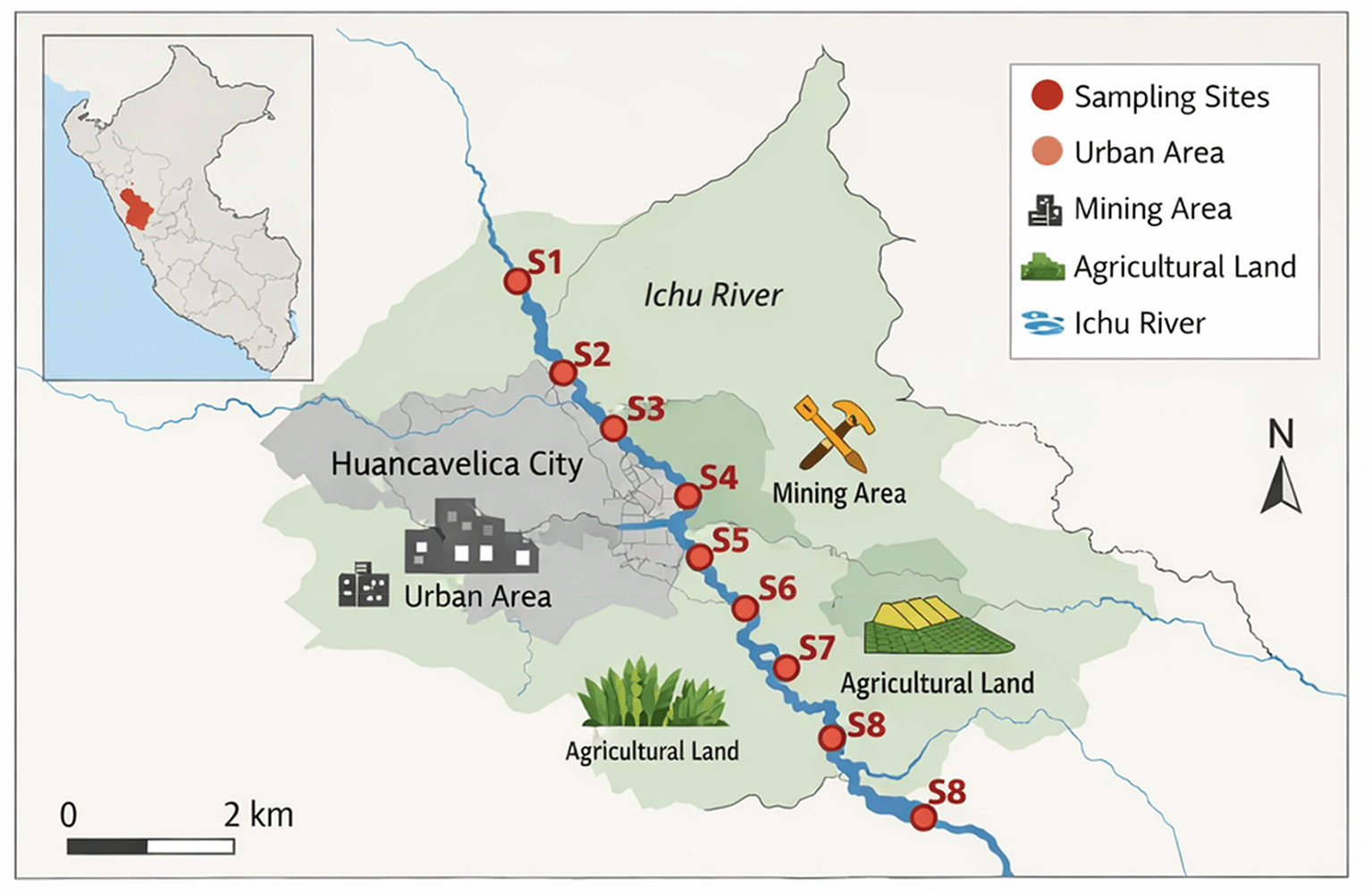
Community members in Peru depend on the Ichu River for their freshwater needs because they supply drinking water, as well as for both farming and industrial applications. Little human activity occurred at Sampling Site 1 (S1), which serves as the baseline reference site situated within the remote upper region of the river. Semi-urbanized locations that contained industrial and agricultural activities were selected as Sampling Sites 2 to 4 (S2–S4), thus contributing to possible water pollution. The district receives effluents from mining activities and untreated sewage and industrial wastewater discharges between Sampling Sites 5 and 8 (S5–S8) located in this area. All sampling site locations have been provided below as S1, S2, S3, … , corresponding to the different river stretches covered in this study. All water samples were collected under consistent basic conditions, including sampling at a depth of 30 cm below the surface to avoid atmospheric interference, using pre-rinsed containers, during daylight hours under stable weather conditions (no rainfall within the preceding 24 hours), and following APHA guidelines to ensure representative and uncontaminated samples. Photographic illustrations of these sites highlight the surrounding land use and visible pollution sources, offering clearer context for the environmental conditions observed ( Figure 1).
• S1 (Upper Ichu River): Remote headwater region with minimal human activity (baseline reference site) ( Figure 1).
• S2 (San Jerónimo): A semi-urbanized area with agricultural and small-scale industrial activities.
• S3 (Yauli) – Agricultural zone with increasing human settlements and irrigation use.
• S4 (Ascensión) – Transitional area with mixed urban, agricultural, and industrial influence.
• S5 (Huancavelica): A major urban center receiving wastewater from residential and commercial activities.
• S6 (Santa Ana) – Industrialized district with significant mining and manufacturing effluents.
• S7 (Acobambilla): Downstream rural area affected by wastewater and surface runoff contamination.
• S8 (Vilca): Lower basin region experiencing cumulative pollution impacts from upstream sources.
The polyethylene bottles were cleaned prior to use as containers for physicochemical tests and heavy metal evaluations, whereas glass bottles served as sterile containers for microbial analyses. The procedure for avoiding contamination included rinsing all bottles with river water immediately at the sampling site before specimen collection. A depth of 30 cm beneath the water surface served as the sampling point because scientists wanted to bypass atmospheric influences. Physicochemical and heavy metal samples were stored in ice boxes set to 4°C before laboratory analysis was performed. The laboratory examined microbiological samples no later than six hours after their collection time to stop bacterial breakdown. To stop heavy metal adsorption or precipitation during the analysis, the samples were treated with nitric acid (HNO3, pH < 2) (Sigma-Aldrich, 21641-1L). The laboratory followed the American Public Health Association standard methods for all sampling and preservation stages to establish consistent and reliable testing procedures.
Water samples underwent physicochemical testing through field instruments and laboratory methods to measure pH with a Hanna Instruments digital pH meter (USA) and turbidity with a Hach 2100P turbidimeter alongside TDS and EC analysis using a YSI 556 MPS multi-parameter probe (USA). The multi-parameter probe YSI 556 MPS (USA) measured the TDS and EC to evaluate the dissolved ion concentrations within the water samples. The Extech DO600 oxygen meter enabled DO measurements in the water column, and the 5-day incubation method at 20°C allowed the determination of BOD5 according to APHA Standard Method 5210 B. Researchers used UV-Vis spectrophotometry to measure nitrate (NO3-) and phosphate (PO43-) concentrations because these chemicals indicate agricultural runoff pollution. All measuring tools underwent pre-use calibration to generate reliable and accurate data outputs. The National Sanitation Foundation Water Quality Index (NSF-WQI) and Canadian Council of Ministers of the Environment Water Quality Index (CCME-WQI) were calculated to standardize the interpretation of physicochemical parameters. These indices are widely used for comparing water quality across regions (Su et al., 2021; Singh et al., 2021).
The use of composite water quality indices such as NSF-WQI and CCME-WQI is widely recommended in recent literature because they integrate multiple parameters into a single, interpretable metric that facilitates spatial and temporal comparisons across river systems. These indices have been successfully applied in diverse environmental settings to support regulatory assessment, public communication, and ecosystem management, thereby strengthening the scientific robustness and policy relevance of river water quality evaluations (Gaur et al., 2022; Singh et al., 2024b).
In addition to NSF-WQI and CCME-WQI, the study framework is consistent with recent advances in integrated river water quality assessment that recommend the use of complementary indices and modeling concepts to enhance interpretability and decision relevance. Heavy Metal Pollution Index (HPI) and Metal Index (MI) are widely used to summarize multi-metal contamination into a single quantitative indicator, facilitating comparison across sites and regions. The Nemerow Pollution Index (NPI) is also commonly applied to emphasize worst-case parameter dominance in polluted river systems. Furthermore, recent studies recommend coupling water quality indices with multivariate and predictive approaches, including regression-based models and scenario analysis, to improve source apportionment and pollution forecasting. Although the present study primarily applied descriptive statistics and principal component analysis, the adopted framework provides a strong basis for future integration of uncertainty-based risk modeling (e.g., Monte Carlo simulation) and machine-learning-assisted prediction of water quality deterioration under changing anthropogenic pressures (Gaur et al., 2022; Singh et al., 2024b; Choudhury et al., 2022).
The analysis focused on measuring arsenic (As), lead (Pb), cadmium (Cd), mercury (Hg), and chromium (Cr) using Inductively Coupled Plasma Mass Spectrometry (ICP-MS; Agilent 7500 Series, Agilent Technologies, Santa Clara, California, USA). Physicochemical parameters were analyzed using a Hanna digital pH meter (Hanna Instruments, Woonsocket, Rhode Island, USA), a Hach 2100P turbidimeter (Hach Company, Loveland, Colorado, USA), a YSI 556 MPS multiparameter probe (YSI Inc., Yellow Springs, Ohio, USA), and an Extech DO600 dissolved oxygen meter (Extech Instruments, Nashua, New Hampshire, USA). The acid digestion required treating 50 mL of water sample solution with HNO3 under 95°C heat for two hours before organic matter breakdown. ICP-MS analysis of filtered and diluted digestions took place through 0.45 μm membrane filtration. The analysis procedure adopted Certified Reference Materials (CRMs, NIST 1643f ) for instrument calibration and required multiple runs for each sample to verify the consistency of the results. The interim procedure included the execution of blanks and standard solutions to prevent sample contamination between tests. Heavy metal concentrations in tap water samples were measured to evaluate their compliance with the WHO drinking water quality standards as well as the USEPA limits.
The Most Probable Number (MPN) method (APHA Standard Method 9221 B) allowed for the assessment of microbial contamination through E. coli and total coliform enumeration. Each water sample received 10 mL, 1 mL and 0.1 mL aliquots which were inserted into Lauryl Tryptose Broth (LTB) tubes before being placed at 35°C for 24–48 hours of incubation. Tubes producing gas signified a presumptive positive result, and post-confirmation transfers occurred in Brilliant Green Lactose Bile (BGLB) broth. The researchers counted positive tubes to determine microbial concentrations within the water samples using the Most Probable Number tables. Sterile glassware and autoclaved media maintained the reliability of microbial results throughout the entire process. Regular testing was performed twice for every sample, and control bacterial cultures of E. coli ATCC 25922 were included as part of the testing procedure. The data from the tests were cross-referenced with the WHO drinking water standards, where E. coli and total coliforms must not appear in drinking water (0 MPN/100mL).
To evaluate the potential health risks associated with long-term exposure to heavy metals, three key risk assessment models were applied: Chronic Daily Intake (CDI), Hazard Quotient (HQ), and Carcinogenic Risk (CR).
The CDI (mg/kg/day) was calculated using the following equation:
Non-carcinogenic risk was assessed using the Hazard Quotient (HQ) formula:
The research data were statistically analyzed using IBM SPSS v26 and Microsoft Excel for processing. All parameters received descriptive statistical treatment using the mean and standard deviation assessment. A Pearson correlation test was used to examine the relationship between water quality and heavy metal content, as well as microbial contamination levels. Principal Component Analysis (PCA) used to detect the main pollution sources affecting the Ichu River.
A range of physicochemical parameters from the Ichu River showed considerable variations among sampling stations S1 through S8, as human activities such as industrial waste release, agricultural water flows, and uncontrolled domestic waste contributed to these changes. The standard deviation (±σ) represents the mean values used to measure both the natural variability and measurement uncertainty in the study results. The pH measurements at the upstream site (S1) amounted to 7.9 ± 0.41 while the downstream site (S8) recorded a value of 6.7 ± 0.41 ( Table 2). This downward trend in pH likely results from industrial and domestic wastewater emissions. Observational data show that the most basic condition exists at S1, where pH indicates neutral conditions, whereas S8 exhibits the lowest reading, indicating that the pollution effect leads to acidic conditions. The downstream water bodies showed higher levels of sediment and organic matter as turbidity values increased from 2.8 ± 1.95 NTU (S1) to 7.9 ± 1.95 NTU (S8). The possible contributors include erosion, agricultural runoff, and sewage discharge. The examination of the total dissolved solids showed rising numbers from 41.2 ± 5.24 mg/L (S1) to 54.8 ± 5.24 mg/L (S8) because of increased dissolved pollutants and minerals during the journey towards the river’s lower section. The pollution from organic substances resulted in a reduced DO concentration ranging from 6.3 ± 0.62 mg/L (S1) to 4.5 ± 0.62 mg/L (S8) ( Table 2). The organic matter decomposition increased in the lower reaches as shown by the BOD levels which rose from 14.8 ± 4.61 mg/L (S1) to 28.5 ± 4.61 mg/L (S8). The water temperature decreased steadily from 22.5 ± 0.58°C (S1) to 20.8 ± 0.58°C (S8) when considering seasonal changes alongside shading effects. The water samples collected at S1 had 3.2 ± 0.84 mg/L NO3- while S8 samples showed 5.5 ± 0.84 mg/L NO3- and 0.21 ± 0.10 mg/L PO43- increased to 0.50 ± 0.10 mg/L PO43- indicating nutrient accumulation resulting from agricultural runoff and wastewater discharges that poses eutrophication risks. The ion concentration and buffering capacity of the water bodies showed an upward trend since water conductivity increased from 85 ± 12.3 μS/cm (S1) to 120 ± 12.3 μS/cm (S8) concurrently with alkalinity values rising from 110 ± 10.8 mg/L CaCO3 (S1) to 140 ± 10.8 mg/L CaCO3 (S8) ( Table 2). Water quality worsens as pollutants from human-related activities continue to escalate downstream.
Heavy metals displayed an upward trend in concentration from S1 upstream to S8 in the downstream section due to anthropogenic activities, including mining, industrial effluents, and wastewater discharges. The concentrations in the water samples between S1 and S8 spanned from 0.040 ± 0.002 mg/L to 0.072 ± 0.005 mg/L which exceeded WHO’s set limit of 0.01 mg/L thus posing substantial health risks. The mining sites and industrial waste facilities appeared to have left their marks with elevated heavy metal content in the S6–S8 regions ( Table 3). The measurement results showed that Lead content in water ranged from 0.014 ± 0.001 mg/L (S1) to 0.032 ± 0.003 mg/L (S8) and exceeded the WHO permitted limit of 0.01 mg/L in all measured areas. Lead contamination results from industrial discharges, battery leakage, and vehicle runoff based on rising analytical data ( Table 3). Cadmium (Cd) concentrations increased from 0.002 ± 0.0003 mg/L (S1) to 0.012 ± 0.0007 mg/L (S8) above the WHO limit (0.003 mg/L) and were most prominent in downstream areas because of electroplating activities, plastic industries, and fertilizer usage. The chromium (Cr) content in the river rose steadily from 0.026 ± 0.002 mg/L at S1 to 0.042 ± 0.004 mg/L at S8, which was near the WHO limit (0.05 mg/L). The elevated level measurements in industrial locations S5 to S8 signify pollution resulting from tanneries and metal industries, alongside waste disposal activities ( Table 3). Heavy metal pollution in the Ichu River has become increasingly serious as we move further downstream because contamination meets or exceeds WHO safety limits, which creates important health and ecological threats.
The bacterial contamination levels of the Ichu River worsened from upstream (S1) to downstream (S8), showing a continuous increase in pollution stemming from human activities. The river demonstrates high pollution levels through fecal and environmental bacterial contamination, because E. coli and Total Coliforms exceed the WHO standard limit of 0 MPN/100mL. This indicates that unhygienic water is unsuitable for direct human consumption ( Figure 2). The bacterial content at S1 showed low levels of contamination because E. coli reached 1500 MPN/100mL while Total coliforms were measured at 3200 MPN/100mL. Bacterial levels experienced substantial growth in the river until they reached the location at S8 where E. coli reached a peak of 3600 MPN/100mL along with Total Coliforms reaching 5300 MPN/100mL. The data showed that microbial contamination originates from sewage outflows, together with runoff from agricultural and industrial facilities that release wastewater. The Total Coliform counts remained higher than the E. coli measurements, indicating that the river water contained bacterial elements from both intestinal sources and general environmental pollution. The rising E. coli numbers at S6–S8 indicate that raw feces entered the water column through unprocessed sewage and livestock waste disposal into the river ( Figure 2). At all measurement points, the Ichu River exceeded the WHO drinking water standards to such an extent that it created a major health threat because individuals exposed to these bacteria risk contracting diarrhea dysentery cholera and typhoid. This study shows an urgent need to implement corrective measures to combat microbial pollution throughout the Ichu River. Three essential measures must be implemented to decrease water pollutant levels and safeguard public wellbeing: a system of improved wastewater treatment, stricter agricultural runoff controls, and effective sanitation management.
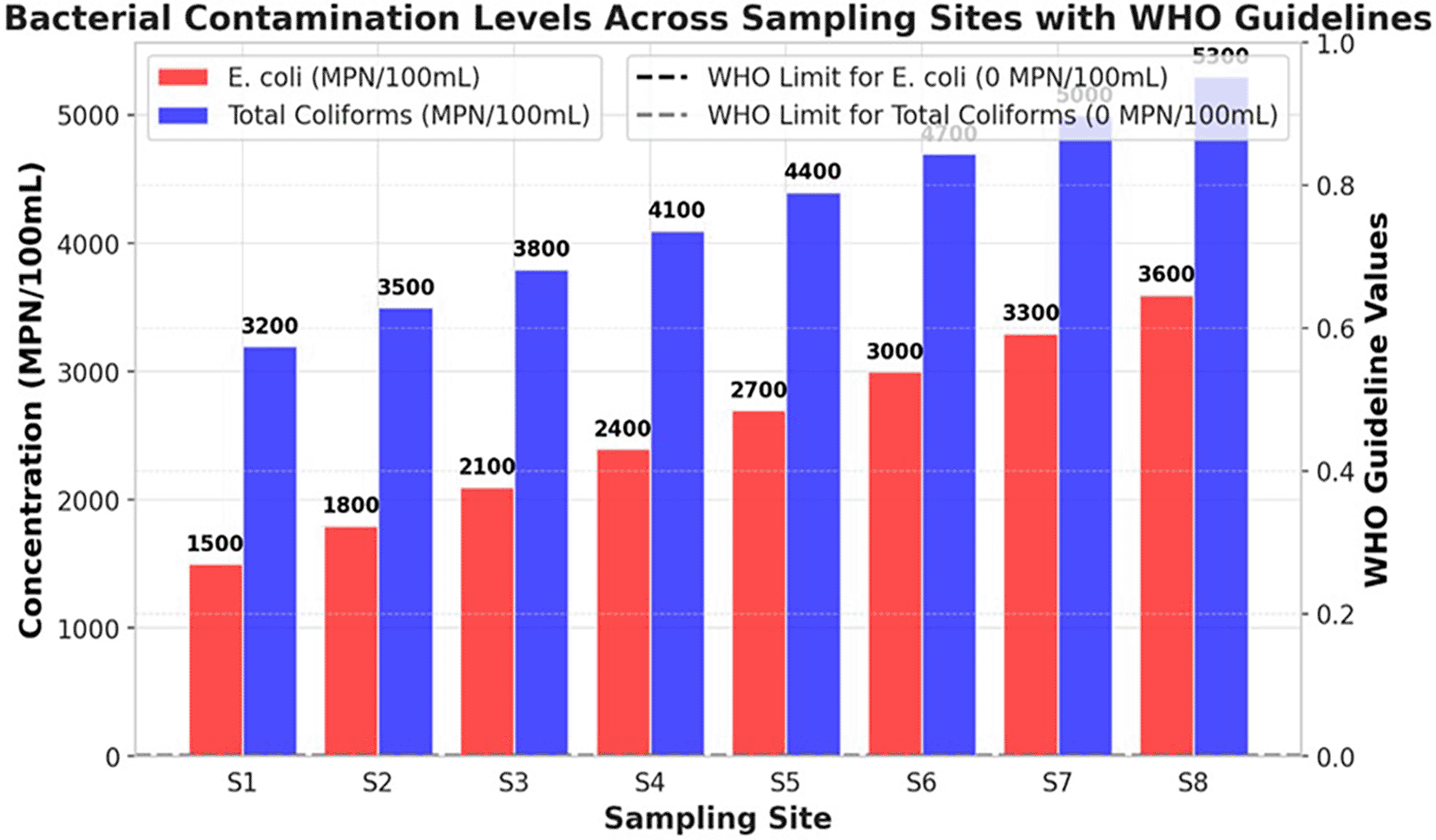
Note: The horizontal guideline markers indicating WHO optimal conditions for drinking water quality (0 MPN/100mL for both E. coli and Total Coliforms). These reference lines visually highlight the extent to which bacterial concentrations at all sampling sites exceed acceptable limits.
The results indicated a progressive increase in Chronic Daily Intake (CDI), Hazard Quotient (HQ), and Carcinogenic Risk (CR) for both As and Pb from upstream (S1) to downstream (S8), reflecting worsening contamination levels. The CDI for arsenic increased from 0.0012 ± 0.0001 mg/kg/day (S1) to 0.0026 ± 0.0003 mg/kg/day (S8), whereas that for lead increased from 0.0008 ± 0.0001 mg/kg/day (S1) to 0.0015 ± 0.0002 mg/kg/day (S8) ( Table 4). This steady rise suggests increasing anthropogenic pollution, likely from industrial discharge, mining, and wastewater contamination. The HQ values for arsenic range from 4.00 ± 0.30 at S1 to 8.67 ± 0.65 at S8, indicating that exposure at all sites exceeds the non-carcinogenic safety threshold (HQ > 1), posing potential chronic health risks such as neurological and cardiovascular disorders. Similarly, lead HQ values increase from 2.50 ± 0.20 at S1 to 4.60 ± 0.42 at S8, suggesting continuous exposure risks from drinking or using contaminated water. Both metals exhibited HQ values far beyond the acceptable limits, emphasizing the need for immediate intervention. The carcinogenic risk (CR) for arsenic was notably high, exceeding the acceptable risk limit (1E-04) at all sites. The CR values ranged from 6.0E-04 ± 0.5E-05 (S1) to 1.3E-03 ± 1.2E-05 (S8), indicating that long-term exposure to arsenic substantially increased cancer risk. Likewise, CR values, although lower than arsenic, increased from 1.2E-04 ± 0.1E-05 (S1) to 2.6E-04 ± 0.5E-05 (S8), suggesting a growing risk of carcinogenic effects. The higher values in the downstream locations (S6–S8) highlight worsening contamination, requiring urgent mitigation measures. The experimental data in Table 4 show increasing CDI, HQ, and CR values at downstream sampling sites, which can be compared with the recommended values in Table 5 as provided by WHO and USEPA. This comparison highlights deviations from the safety thresholds, emphasizing potential health risks in these areas.
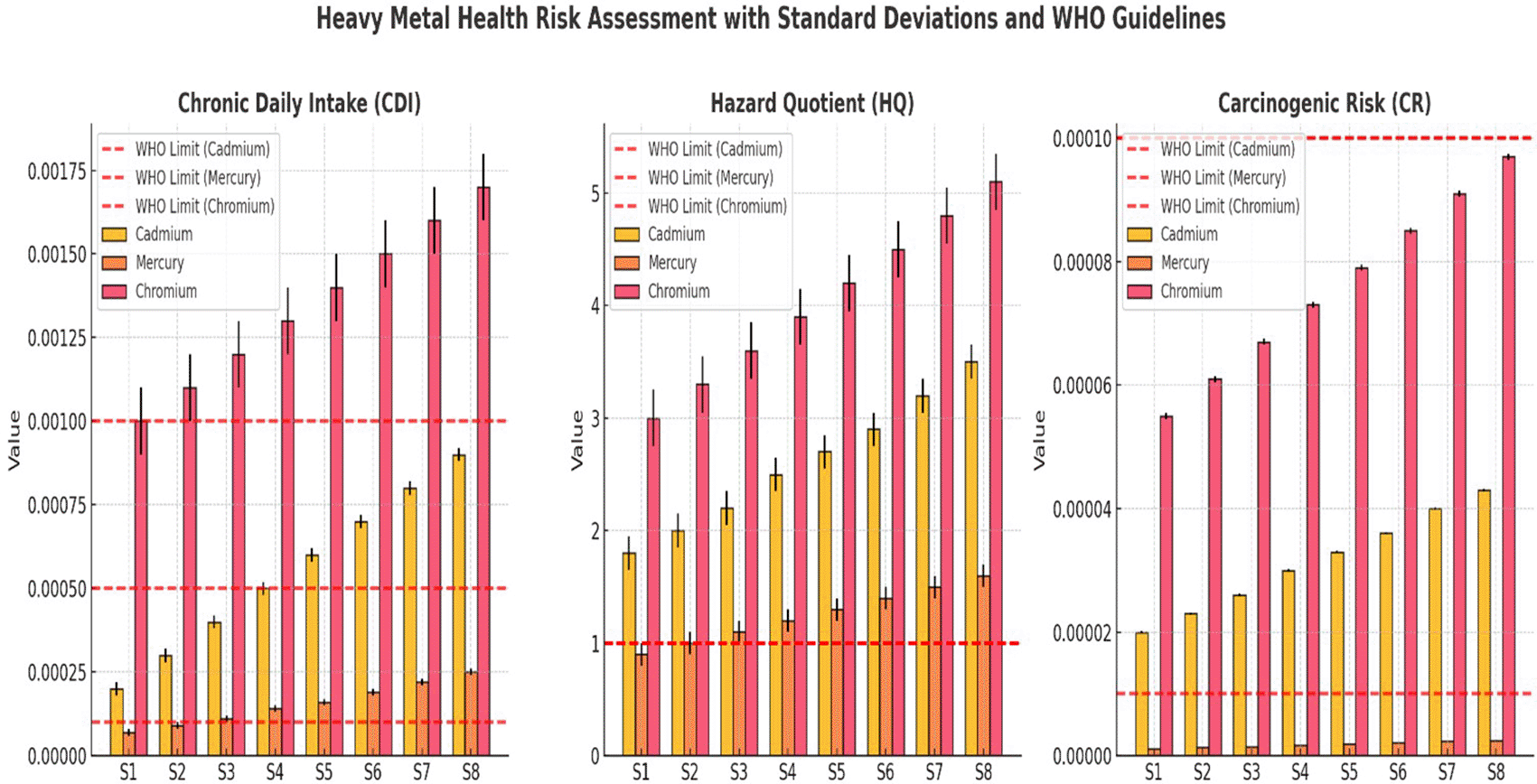
CDI, HQ, and CR for Cadmium, Mercury, and Chromium across sampling sites (S1–S8) revealed a progressive increase in contamination downstream ( Figure 3). Cr exhibited the highest CDI values, exceeding the WHO limits in S6–S8, while Cd and Hg also showed increasing trends, indicating growing contamination at lower sites. The WHO-recommended CDI thresholds consistently surpassed those of downstream locations. The HQ values demonstrated that Cr and Cd exceeded the non-carcinogenic safety limit (HQ = 1) at all sites, confirming their potential chronic health risks ( Figure 3). Mercury HQ values remained below the critical threshold, but increased steadily downstream, reflecting a rising exposure risk over time. The WHO safety guidelines for HQ were violated for Cr and Cd, highlighting their higher toxicity impact. The CR values indicated that Cr posed the greatest cancer risk, surpassing the acceptable carcinogenic threshold (1E-04) in multiple locations. Cadmium and Mercury also displayed increasing CR values downstream, confirming the elevated health risks for exposed populations. The WHO-recommended carcinogenic limits were exceeded at several sites, particularly in S6–S8, where contamination levels were the most severe. Overall, the results confirmed that heavy metal pollution intensified downstream, with Cr and Cd presenting the most significant health risks. Urgent intervention strategies, including water treatment, pollution control, and regulatory enforcement, are necessary to prevent long-term exposure hazards and safeguard public health.
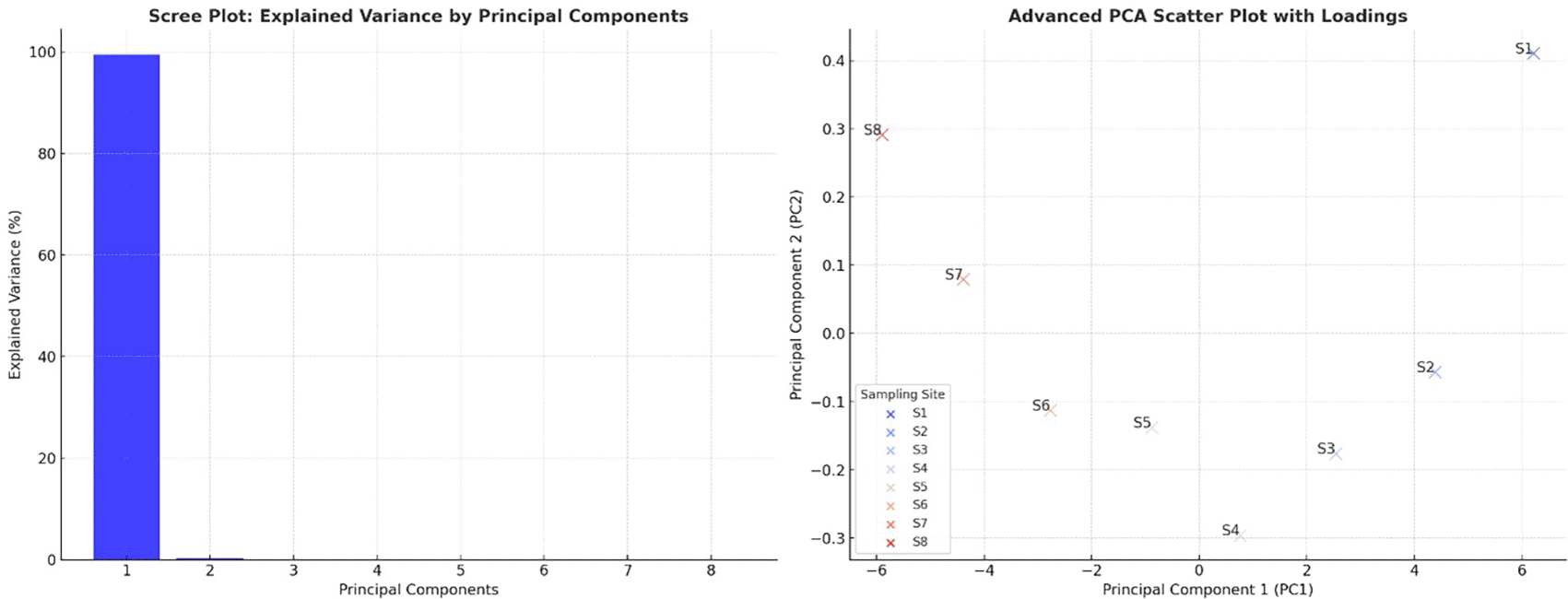
The scree plot revealed that PC1 explained most of the variance in the dataset, indicating that most water quality parameters were highly correlated and contributed significantly to overall water quality degradation. PC2 accounted for much less variance, suggesting that only a few dominant parameters drove the primary variations in water quality. The sharp drop in variance after PC1 confirmed that the water pollution trends could be effectively summarized using a limited number of components ( Figure 4). The PCA scatter plot demonstrated a clear separation between the upstream and downstream sampling sites (S1–S8), reflecting increasing pollution levels as the river flowed downstream. The upstream sites (S1, S2) appeared distinctly separated from the downstream sites (S7 and S8), reinforcing the notion that water quality deteriorates due to industrial discharge, wastewater inflow, and agricultural runoff. The extreme position of S8 indicated that it had the highest contamination levels, particularly for heavy metals, microbial loads, and nutrient accumulation. Sites S3 to S6 showed a progressive transition, suggesting a gradual decline in water quality, where pollution accumulated and became more severe. The alignment of sites along PC1 suggested that pollution indicators such as heavy metals, coliforms, and organic matter were the primary factors differentiating water quality conditions.
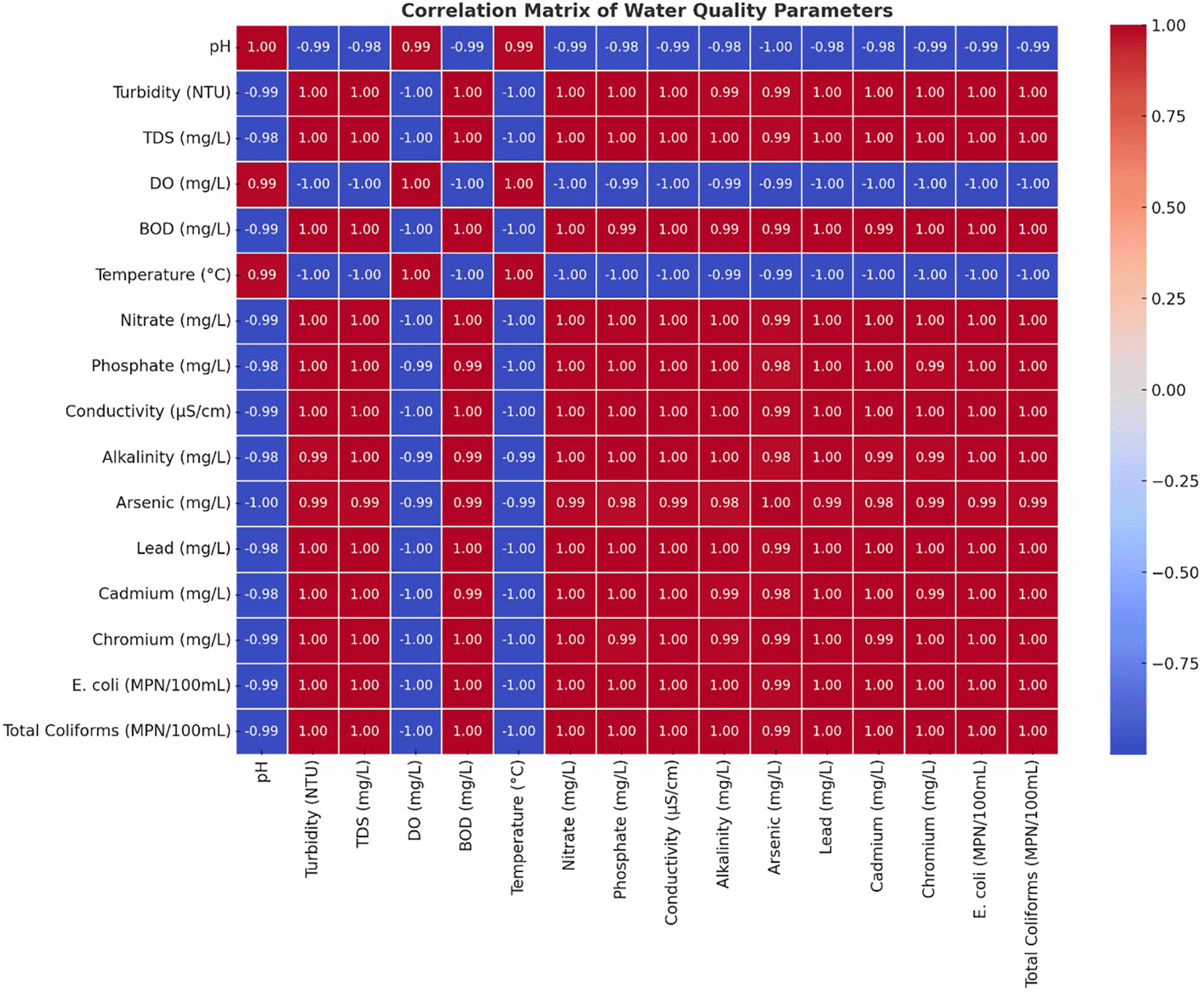
All components of the Turbidity-BOD-Heavy Metal (arsenic-lead-cadmium-chromium)-Microbial Contamination (E. Coli-Total Coliforms) analyses were strongly correlated with each other. Water quality deterioration occurs mainly through industrial effluents, untreated sewage, and agricultural runoff, which carry organic and inorganic contaminants to water sources. The mining sector, along with industries, has substantially elevated both dissolved solids and metal concentrations in rivers by creating high correlations between TDS, Conductivity and Heavy Metals. Scientific analysis showed a clear negative relationship between Dissolved Oxygen readings and all pollution indicators, including BOD, heavy metals, and microbial results ( Figure 5). This study proved that higher pollution concentrations caused the water environment to become dangerous for aquatic organisms. The degradation of water quality worsened because the rising BOD measurements indicated greater organic matter decomposition, which simultaneously reduced the DO levels. The gradual decline of the DO measured downstream matched the rising amounts of waste disposal from industrial and residential sources, which proved the destructive impact of waste emissions. The analysis showed that specific parameters that were strongly associated with each other created redundancy, which made it possible to use important selected variables for monitoring general water quality. Both types of contaminants demonstrated strong associations, which confirmed that they originated from identical sources, such as industrial wastewater streams, urban water runoff, and industrial facilities. The upstream sites S1 and S2 showed decreased indicator correlations, yet the downstream sites S6 through S8 demonstrated increased correlations, indicating that contaminants accumulated during river transport towards the downstream areas.
Key findings and highlights
• Progressive upstream downstream deterioration of physicochemical water quality.
• Heavy metals (As, Pb, Cd, Cr) exceeding international safety limits, especially downstream.
• Severe fecal contamination indicated by high E. coli and total coliform counts.
• Health risk indices (HQ and CR) exceeding safe thresholds, indicating chronic and carcinogenic risks.
• Multivariate analyses confirming common anthropogenic pollution sources.
The integrated deterioration observed in the Ichu River reflects a globally recognized pattern in rivers affected by urban expansion, mining activities, and untreated wastewater discharge. Similar upstream–downstream degradation trends characterized by declining dissolved oxygen, increasing biochemical oxygen demand, and elevated heavy metal and microbial contamination have been reported in river systems across South Asia, East Asia, and Latin America (Singh et al., 2024a, 2024b; Gaur et al., 2022). The consistency of these patterns across diverse geographical contexts confirms that the Ichu River follows a well-documented global trajectory of river ecosystem degradation under combined anthropogenic stressors.
The water quality analysis starting from S1 to S8 in the Ichu River shows decreasing quality downstream because industrial activities and agricultural and domestic pollution factors intensify. The spatial trends observed in the Ichu River are consistent with global patterns reported for rivers impacted by urbanization, mining, and industrial activities. Similar upstream downstream deterioration, characterized by declining dissolved oxygen, increasing biochemical oxygen demand, and elevated concentrations of heavy metals and fecal indicators, has been documented in river systems such as the Hindon River (India) and other rapidly urbanizing basins worldwide (Singh et al., 2024a, 2024b). In the Andean region, mining-affected rivers show comparable contamination signatures, particularly for arsenic and lead, reflecting shared geological and anthropogenic drivers (Custodio et al., 2020; Sánchez-Araujo et al., 2024). These consistencies confirm that the Ichu River follows a globally recognized degradation trajectory, reinforcing the broader scientific relevance of the present findings. The observed changes in physicochemical measurements confirmed that human activities have a substantial impact on water body health in aquatic environments. Acidification seems to be the cause of the downward shift from 7.9 (S1) to 6.7 (S8) because of industrial waste release and heavy metal pollution. Water quality suffers further deterioration because of turbidity, TDS, and conductivity increase despite sediment transport, surface runoff, and effluent discharge. Previous research has confirmed that rivers located in heavily industrialized and mining areas show identical patterns of environmental decline because of human-caused disturbances (Giri and Qiu, 2016; Yekta et al., 2023).
The water quality analysis at S1 showed 6.3 mg/L DO but S8 recorded only 4.5 mg/L DO while BOD increased from 14.8 mg/L to 28.5 mg/L. The opposite trend between these variables indicated severe organic contamination at downstream locations, mainly caused by untreated sewage mixed with agricultural runoff and industrial waste products. The sharp rise in BOD levels with decreased DO shows that intense microbial respiration occurs as decomposing organic material and untreated wastewater discharge occurs in numerous heavily polluted river systems (Yamin et al., 2015). Aquatic life and biodiversity sustain negative effects due to ocean depletion caused by pollution build-up because DO and pollution indicators show a significant negative correlation (Basant et al., 2010). The degraded water quality has direct socio-economic consequences for local populations, particularly those depending on the river for drinking water and agriculture. Elevated heavy metals and microbial contamination increase the risk of gastrointestinal and chronic illnesses, while also threatening fisheries and food security in riparian communities (Singh et al., 2024a). The concurrent increase in turbidity, conductivity, total dissolved solids, heavy metals, and microbial indicators suggests strong coupling between organic pollution, ionic enrichment, and pathogen loading, typically associated with untreated sewage and industrial effluents. The application of composite water quality indices supports this interpretation by integrating multiple parameters into a unified assessment of river health, which has been widely recommended for complex river systems experiencing mixed pollution sources. Multivariate analyses further demonstrate that these variables act synergistically rather than independently, reinforcing the need for integrated indices and system-level assessment rather than single-parameter evaluation (Singh et al., 2021, 2024b; Choudhury et al., 2022).
The overall water quality and ecological condition of the Ichu River are consistent with degradation patterns reported in river systems worldwide that are influenced by urbanization, mining, and untreated wastewater discharge. Globally, rivers in South Asia, East Asia, and parts of Africa and Latin America commonly exhibit declining dissolved oxygen, elevated biochemical oxygen demand, increased electrical conductivity, and excessive microbial contamination as a consequence of cumulative anthropogenic pressures (Singh et al., 2024a). For instance, long-term studies of the Hindon River in India have reported similar upstream downstream deterioration, with strong associations between organic pollution, heavy metal enrichment, and fecal contamination, leading to substantial ecological stress and public health risks (Singh et al., 2024a, 2024b). Comparable conditions have also been documented in large Asian river basins such as the Ganges and Yellow River systems, where intensive urban growth and industrial activity have resulted in heavy metal accumulation, nutrient enrichment, and loss of ecological integrity (Li et al., 2022; Su et al., 2021). These studies demonstrate that the physicochemical and biological degradation observed in the Ichu River follows a globally recognized trajectory of river ecosystem decline under mixed pollution sources. At the regional scale, rivers in the Andean and Latin American context show striking similarities to the Ichu River. Mining-impacted rivers in the Central Andes of Peru frequently exhibit elevated arsenic and lead concentrations exceeding international guideline values, along with reduced water quality index scores and increased health risks for local populations (Custodio et al., 2020; Sánchez-Araujo et al., 2024). Similar patterns have been observed in urban and mining-influenced rivers across Latin America, where integrated assessments combining water quality indices and health risk models have revealed widespread ecological degradation and compromised water usability (Choudhury et al., 2022). In comparison with these global and regional case studies, the Ichu River displays a moderate-to-severe level of degradation, particularly in downstream sections where contamination accumulates. The convergence of physicochemical deterioration, heavy metal pollution, and microbial contamination indicates reduced ecosystem resilience, impaired aquatic habitat quality, and increased vulnerability of river-dependent communities. These comparisons confirm that the Ichu River represents a typical yet critical example of river ecosystem degradation in developing and mining-influenced regions, underscoring the urgency of integrated management and restoration efforts.
Heavy metals analyzed in the water increased along the downstream direction because of mining operations, improper waste disposal, and industrial discharge. This conclusion is supported by the distinct spatial gradient observed in the dataset, where metal concentrations increased consistently from upstream sites (S1–S2), located in minimally disturbed headwaters, toward downstream sites (S6–S8), which are situated near active mining zones, industrial facilities, and urban wastewater discharge points. The highest concentrations of As, Pb, Cd, and Cr were recorded precisely at sites adjacent to known mining operations and wastewater outlets, matching documented contamination pathways reported in regional environmental reports and prior studies conducted in the Central Andes (Custodio et al., 2020; Sánchez-Araujo et al., 2024). The strong positive correlations between heavy metals, conductivity, TDS, and turbidity further support an anthropogenic source, as these indicators typically rise in response to industrial effluents and mine-drainage inflows. The arsenic levels increased downstream from 0.040 mg/L at S1 to 0.072 mg/L at S8 which surpassed the WHO drinking water standard of 0.01 mg/L creating critical health risks including cancer formation. The analysis revealed that lead mineral substance concentrations doubled from 0.014 mg/L to 0.032 mg/L above the WHO standards, presenting potential neurotoxic hazards. The heavy metal pollutant levels exceeded both national and international standards as Cd increased from 0.010 mg/L to 0.012 mg/L and Cr increased from 0.026 mg/L to 0.042 mg/L. The obtained results match historical findings about rivers adjacent to mining and industrial areas, whose heavy metal contamination stems from tailing ponds alongside electroplating industries and wastewater emissions (Parida et al., 2021). Our findings are consistent with studies of the Hindon River in India, where high nutrient and heavy metal loads were also reported (Singh et al., 2024a). Similar contamination has been observed in the Ganges basin (Li et al., 2022), though regional variations exist due to industrial patterns. This comparative approach strengthens the ecological interpretation of our results. The results of this study support worldwide observations because industrial wastewater and rock dissolution processes act as principal heavy metal pollution pathways in riverine environments (Zeb et al., 2024; Islam et al., 2018). The microbial tests verified high fecal contamination because total coliform counts increased from 3200 MPN/100mL at S1 to 5300 MPN/100mL at S8, and E. coli numbers rose from 1500 MPN/100mL to 3600 MPN/100mL. The total counts of microorganisms (0 MPN/100mL) set by the WHO exceed what the Ichu River sustains, making it unsafe for human consumption or direct interaction, except through the proper treatment of water. The high detection levels of microbial contaminants in the examined samples were correlated with the effects of urban runoff, untreated sewage, and agricultural waste pollution, in line with previous research on microbial river contamination (Zahoor and Mushtaq, 2023). A correlation heatmap demonstrated that microbial indicators, together with turbidity and BOD, showed strong positive relationships, which establishes that sewage discharges and organic pollution increase bacterial numbers (Bowes et al., 2020). The overall water quality trends in this study parallel findings from the Yamuna River in India (Singh et al., 2021), Bangladesh’s Buriganga River (Jyethi et al., 2022), and Peru’s Mantaro River (Choudhury et al., 2022). However, variations in land use, industrial activity, and governance explain differences across these regions, underscoring the need for context-specific solutions.
Assessments of HQ and CR revealed serious safety threats associated with heavy metal exposure. Arsenic HQ levels at S1 measured 4.00 and rose up to 8.67 at S8 thus exceeding the safety threshold (HQ < 1) which suggests a strong probability of developing chronic health problems such as cancer and cardiovascular diseases. An increase in lead levels rose from 2.50 to 4.60 HQ produced substantial neurological disorder risks, mainly affecting children. The CR values exceeded the WHO standards (1E-04) for arsenic and lead, which indicates an unacceptable hazard for developing cancers during long-term exposure. Studies of heavy metal toxicity in polluted rivers have shown similar results with these findings (Xia et al., 2018). Principal Component Analysis (PCA) showed pollution-related elements to be the fundamental causes of water quality degradation. Heavy metals, microbial contamination, and organic pollution (BOD and turbidity) were the dominant factors in PC1, which explained the most variability. Monitoring data through the PCA scatter plot displayed upstream locations S1 and S2, situated independently from downstream sites S6 through S8, indicating a trend of increasing pollution throughout the watercourse. Downstream water sites cluster due to centralized pollution influences, which also occur in industrialized and urban river systems (Singh et al., 2005; Yamin et al., 2015. The correlation heatmap confirmed these insights by showing extreme connections between heavy metals and turbidity, and between microbial indicators and BOD, which implies that pollution sources work together as a system. Research worldwide has demonstrated that industrial production, together with urbanization, has adverse effects on freshwater systems (Ouma et al., 2022).
This study shows that the Ichu River does not meet the water quality criteria defined by the WHO or those set by the USEPA for safe drinking water consumption and protection of aquatic ecosystems. Environmental safety and public health remain at significant risk due to the high levels of heavy metals, microbial contaminants, and organic pollutants that require immediate regulatory action. Authorities should establish a system of strict wastewater treatment regulations while installing advanced heavy metal removal systems through adsorption and coagulation, reverse osmosis, and strengthening the water quality monitoring system. Communities must actively participate in conservation activities, whereas public education programs must teach the public how to conduct proper waste disposal and maintain sanitary conditions. The current study presents significant pollution dynamics knowledge for the Ichu River, but research needs continuous expansion to evaluate water quality changes across seasons and wet and dry periods. Bioaccumulation studies on heavy metals in aquatic organisms must be conducted because they indicate how heavy metals affect fish populations and human food security. Hydrodynamic system simulators and predictive models should be developed to forecast pollution patterns and assist with effective river management practices. Nature-based remediation strategies that use cost-effective techniques for constructed wetlands and phytoremediation offer potential sustainable solutions to combat pollution problems. A key highlight of this study is the combination of physicochemical and biological parameters to provide a comprehensive view of river health. The prospects include developing predictive water quality models and expanding monitoring to evaluate climate change impacts on river ecosystems (Choudhury et al., 2022; Singh et al., 2024b). From a management perspective, the integration of water quality indices, health risk metrics, and multivariate statistical analysis enhances the scientific and practical value of the study. Similar frameworks have been successfully used to support regulatory decision-making, pollution control prioritization, and public health protection in degraded river basins worldwide. The present study provides a foundation for future application of predictive models, including regression-based forecasting and machine-learning approaches, to simulate pollution scenarios and evaluate the effectiveness of mitigation strategies under increasing urban and climatic pressures (Gaur et al., 2022; Singh et al., 2024b).
Limitations of the study
This study is limited by its short-term sampling period, which restricts the ability to capture long-term seasonal fluctuations. Additionally, while multiple water quality parameters were examined, advanced modeling approaches such as machine learning were beyond the current scope. Future studies should address these gaps to provide a more holistic assessment.
Despite the comprehensive assessment, this study has several limitations that should be acknowledged. First, the sampling campaign represents a short-term monitoring period, which limits the ability to capture seasonal variability associated with wet and dry seasons, storm-driven runoff, and fluctuations in industrial and agricultural discharge. Second, the analysis was based on eight sampling sites, which, while sufficient to characterize upstream–downstream trends, may not fully resolve localized pollution hotspots near specific discharge points.
Third, the human health risk assessment relied on standard exposure assumptions (ingestion rate, body weight, and exposure duration) recommended by international guidelines; however, actual exposure patterns of local communities may differ, potentially leading to under- or overestimation of risk. Fourth, the study focused primarily on water-column concentrations, without including sediment or biota analyses, which are important for understanding metal accumulation, long-term persistence, and food-chain transfer. Finally, microbial contamination was assessed using indicator organisms (E. coli and total coliforms) rather than pathogen-specific or quantitative microbial risk assessment (QMRA) approaches, which could provide a more refined estimation of infection risk.
This study offers several new highlights and future prospects. First, it demonstrates a co-occurrence pattern of physicochemical degradation, heavy metal enrichment, and microbial contamination along an upstream–downstream gradient, confirming that river pollution in the Ichu basin is driven by multiple interacting stressors rather than isolated sources. Second, the combined use of water quality indices (NSF-WQI and CCME-WQI), multivariate statistical analysis (PCA and correlation), and human health risk models (CDI, HQ, and CR) provide a robust, integrated framework that enhances both scientific interpretation and policy relevance.
Third, the study identifies downstream hotspots (S6–S8) where contamination and health risks are consistently highest, offering a clear spatial basis for prioritizing management interventions. Fourth, the dataset establishes a baseline reference for a high-Andean river system, which is currently underrepresented in the international literature, enabling future temporal comparisons and model-based forecasting.
The findings of this study have direct and significant implications for local communities living along the Ichu River, many of whom rely on the river for domestic water use, irrigation, livestock watering, and informal economic activities. The elevated levels of E. coli and total coliforms indicate a high risk of waterborne diseases such as diarrhea, dysentery, and typhoid, particularly affecting children, the elderly, and immunocompromised individuals. Simultaneous exposure to toxic heavy metals, especially arsenic and lead, raises concerns about long-term health effects, including neurological disorders, cardiovascular diseases, and increased cancer risk.
Beyond health, declining water quality threatens agricultural productivity and food safety, as irrigation with contaminated water can degrade soil quality and facilitate metal transfer into crops. These impacts can exacerbate economic vulnerability and increase healthcare burdens for households already facing limited access to treated water. By clearly identifying pollution hotspots and associated risks, this study provides critical information to support community risk awareness, public health interventions, and local decision-making, ultimately contributing to improved quality of life and environmental justice in the Huancavelica region.
Prospects and recommendations
Future research on the Ichu River should prioritize long-term and seasonal monitoring to capture temporal variability associated with wet and dry seasons, storm events, and fluctuations in mining, industrial, and agricultural activities. Seasonal datasets would improve understanding of contaminant transport dynamics, dilution effects, and peak exposure periods for local communities.
From a scientific perspective, future studies should expand the analytical scope to include sediment and aquatic biota, allowing assessment of metal accumulation, persistence, and food-chain transfer, which are critical for evaluating long-term ecological and human health risks. The application of advanced modeling approaches, such as multivariate regression, Monte Carlo–based uncertainty analysis, and machine-learning techniques, would further enhance pollution source apportionment and enable predictive forecasting of water quality trends under increasing anthropogenic and climatic pressures.
From a management and policy standpoint, immediate actions are recommended, including strengthening municipal wastewater treatment infrastructure, enforcing stricter control of mining and industrial effluent discharges, and implementing best agricultural practices to reduce nutrient and runoff inputs. Establishing a routine water quality monitoring program based on integrated indices (e.g., CCME-WQI, metal pollution indices) would support early warning and regulatory decision-making.
At the community level, public awareness and risk communication programs should be promoted to inform residents about water-related health risks and safe water-use practices. Encouraging stakeholder participation in river conservation initiatives and integrating scientific findings into local water governance frameworks will be essential for achieving sustainable watershed management and protecting the long-term health of the Ichu River ecosystem.
The present study provides a comprehensive and integrated assessment of the Ichu River, revealing severe and progressive degradation of water quality driven by combined anthropogenic pressures. A clear upstream–downstream deterioration was identified, characterized by increasing turbidity, total dissolved solids, electrical conductivity, nutrients, biochemical oxygen demand, and microbial contamination, together with a substantial decline in dissolved oxygen. These trends confirm the cumulative impact of urban wastewater discharge, mining activities, and agricultural runoff on river health.
Heavy metal analysis demonstrated elevated concentrations of arsenic, lead, cadmium, and chromium, with arsenic and lead consistently exceeding international drinking water guidelines at downstream sites. The co-occurrence of heavy metals with extremely high levels of Escherichia coli and total coliforms indicates that the Ichu River is unsafe for direct domestic use and represents a significant public health concern. Quantitative health risk assessment further showed that non-carcinogenic (HQ > 1) and carcinogenic risks (CR > 1 × 10⁻⁴) exceed acceptable limits, particularly in densely impacted downstream areas, implying long-term exposure risks for river-dependent communities.
Multivariate analyses confirmed strong associations among physicochemical degradation, heavy metal enrichment, and microbial contamination, indicating common anthropogenic sources and synergistic effects on ecosystem deterioration. Collectively, these findings establish that the Ichu River is under considerable ecological stress, with direct implications for aquatic life, agricultural sustainability, and human health.
Overall, this study delivers decision-relevant evidence by identifying pollution hotspots, quantifying health risks, and providing a robust baseline for future monitoring and modeling. The results underscore the urgent need for strengthened wastewater treatment, stricter regulation of mining and industrial discharges, and integrated watershed management strategies to protect freshwater resources and safeguard local communities in the Huancavelica region.
| Views | Downloads | |
|---|---|---|
| F1000Research | - | - |
|
PubMed Central
Data from PMC are received and updated monthly.
|
- | - |
Provide sufficient details of any financial or non-financial competing interests to enable users to assess whether your comments might lead a reasonable person to question your impartiality. Consider the following examples, but note that this is not an exhaustive list:
Sign up for content alerts and receive a weekly or monthly email with all newly published articles
Already registered? Sign in
The email address should be the one you originally registered with F1000.
You registered with F1000 via Google, so we cannot reset your password.
To sign in, please click here.
If you still need help with your Google account password, please click here.
You registered with F1000 via Facebook, so we cannot reset your password.
To sign in, please click here.
If you still need help with your Facebook account password, please click here.
If your email address is registered with us, we will email you instructions to reset your password.
If you think you should have received this email but it has not arrived, please check your spam filters and/or contact for further assistance.

Answer 1: We have added several recent global and regional studies to ... Continue reading Comment 1: Add more citations/references based on recent scientific research on the topic worldwide and in the region.
Answer 1: We have added several recent global and regional studies to strengthen the scientific base.
Added in: Introduction, last 2–3 paragraphs.
Comment 2: In the introduction section, add more information on recent research studies on water quality and its implications on global and regional levels.
Answer 2: Expanded with recent findings on water quality degradation and implications for ecosystems and health.
Added in: Introduction, after background paragraph.
Comment 3: Add some case studies worldwide and in the region to highlight the significance of this current study.
Answer 3: Comparative case studies from India, China, and Peru were included.
Added in: Introduction, final paragraph before objectives.
Comment 4: What are the principal significances of this study? Please highlight.
Answer 4: The novelty and importance of providing a baseline assessment for this river system were highlighted.
Added in: Introduction (last lines) and Discussion (opening).
Comment 5: What are the significant limitations of this study?
Answer 5: A limitations subsection was created to outline temporal and methodological constraints.
Added in: New subsection “Limitations of the Study” before Conclusion.
Comment 6: What are the new highlights and prospects of this current study?
Answer 6: Key highlights and future prospects were emphasized, including predictive models and monitoring.
Added in: Discussion, last subsection.
Comment 7: Please add/highlight the impacts on local people.
Answer 7: Local socio-economic impacts such as drinking water, irrigation, and fisheries were discussed.
Added in: Discussion, new subsection on socio-economic implications.
Comment 8: Please add more models, water index, or information to make it more scientifically significant.
Answer 8: NSF-WQI and CCME-WQI indices were added to strengthen scientific interpretation.
Added in: Methods and Results.
Comment 9: Strengthen the discussion section.
Answer 9: Comparative discussion with other regional/global rivers was added.
Added in: Discussion.
Comment 10: Add figures/photos to the illustrations in the study area and make them relevant.
Answer 10: All sites were listed as S1, S2, S3, etc., with photographs and graphs added to show conditions and parameter trends.
Added in: Study Area/Methods and Results.
Comment 11: What are the significant findings or highlights of this study? Please add on MS.
Answer 11: Key findings were summarized in bullet points.
Added in: Results and Conclusion.
Comment 12: Improve the conclusion part with the significant outcome of the study.
Answer 12: The conclusion was revised to emphasize the main outcomes and practical implications.
Added in: Conclusion.
Comment 13: Add a section before the conclusion containing future perspectives and recommendations from this current study.
Answer 13: A new section with future perspectives and recommendations was inserted.
Added in: Before Conclusion.
Comment 14: Justify the overall water quality and river ecosystem with global and regional comparisons (other countries/Regions).
Answer 14: Global and regional comparisons with India, Bangladesh, and Latin America were included.
Added in: Discussion.
Comment 15: The authors can refer to these papers to add statistical and modeling-related input.
Answer 15: Reviewer-suggested papers were cited to support statistical and modeling approaches.
Added in: Methods and Discussion.
Answer 1: We have added several recent global and regional studies to strengthen the scientific base.
Added in: Introduction, last 2–3 paragraphs.
Comment 2: In the introduction section, add more information on recent research studies on water quality and its implications on global and regional levels.
Answer 2: Expanded with recent findings on water quality degradation and implications for ecosystems and health.
Added in: Introduction, after background paragraph.
Comment 3: Add some case studies worldwide and in the region to highlight the significance of this current study.
Answer 3: Comparative case studies from India, China, and Peru were included.
Added in: Introduction, final paragraph before objectives.
Comment 4: What are the principal significances of this study? Please highlight.
Answer 4: The novelty and importance of providing a baseline assessment for this river system were highlighted.
Added in: Introduction (last lines) and Discussion (opening).
Comment 5: What are the significant limitations of this study?
Answer 5: A limitations subsection was created to outline temporal and methodological constraints.
Added in: New subsection “Limitations of the Study” before Conclusion.
Comment 6: What are the new highlights and prospects of this current study?
Answer 6: Key highlights and future prospects were emphasized, including predictive models and monitoring.
Added in: Discussion, last subsection.
Comment 7: Please add/highlight the impacts on local people.
Answer 7: Local socio-economic impacts such as drinking water, irrigation, and fisheries were discussed.
Added in: Discussion, new subsection on socio-economic implications.
Comment 8: Please add more models, water index, or information to make it more scientifically significant.
Answer 8: NSF-WQI and CCME-WQI indices were added to strengthen scientific interpretation.
Added in: Methods and Results.
Comment 9: Strengthen the discussion section.
Answer 9: Comparative discussion with other regional/global rivers was added.
Added in: Discussion.
Comment 10: Add figures/photos to the illustrations in the study area and make them relevant.
Answer 10: All sites were listed as S1, S2, S3, etc., with photographs and graphs added to show conditions and parameter trends.
Added in: Study Area/Methods and Results.
Comment 11: What are the significant findings or highlights of this study? Please add on MS.
Answer 11: Key findings were summarized in bullet points.
Added in: Results and Conclusion.
Comment 12: Improve the conclusion part with the significant outcome of the study.
Answer 12: The conclusion was revised to emphasize the main outcomes and practical implications.
Added in: Conclusion.
Comment 13: Add a section before the conclusion containing future perspectives and recommendations from this current study.
Answer 13: A new section with future perspectives and recommendations was inserted.
Added in: Before Conclusion.
Comment 14: Justify the overall water quality and river ecosystem with global and regional comparisons (other countries/Regions).
Answer 14: Global and regional comparisons with India, Bangladesh, and Latin America were included.
Added in: Discussion.
Comment 15: The authors can refer to these papers to add statistical and modeling-related input.
Answer 15: Reviewer-suggested papers were cited to support statistical and modeling approaches.
Added in: Methods and Discussion.