ALL Metrics
-
Views
-
Downloads
Get PDF
Get XML
Cite
Export
Track
Case Report

Case Report: Suspected Valentino’s Syndrome mimicking acute appendicitis: a case report and literature review

[version 1; peer review: awaiting peer review]
PUBLISHED 02 Jan 2026
Author details Author details
OPEN PEER REVIEW
REVIEWER STATUS AWAITING PEER REVIEW

This article is included in the Health Services gateway.

Abstract

Introduction

Valentino’s Syndrome is a rare affliction caused by the perforation of a peptic ulcer which simulates deviously a picture of acute appendicitis. The diagnosis of this condition is not simple (often intraoperative) and requires a high degree of suspicion.

Case presentation

A 90-year-old man arrived at the Emergency Room with abdominal pain mainly localized in the right iliac fossa (Blumberg +, McBurney +). The patient had a history of previous perforated peptic ulcer treated with surgery. A diagnosis of suspected perforated acute appendicitis was made based on clinical and radiological findings and the patient underwent urgent surgical intervention. Laparoscopic exploration revealed a picture of diffuse choleperitonitis due to a probable perforation of a duodenal ulcer. Considering the patient’s age and the severity of the clinical and surgical picture, characterized by the presence of indissociable intra-abdominal adhesions, it was decided to forgo further surgical procedures, except drainage of the abdominal cavity and palliative medical treatment, due to a poor prognosis.

Conclusion

This syndrome, although very rare, should always be suspected in cases of right iliac fossa pain in the presence of certain risk factors for perforated peptic ulcer.

Patient’s ethnicity: Italian.

Keywords

General Surgery, Valentino’s Syndrome, Acute appendicitis, Perforated gastric ulcer

Introduction

Valentino’s Syndrome is a very rare clinical condition caused by the perforation of a peptic ulcer which manifests itself with an atypical clinical presentation characterized by the presence of pain in the right iliac fossa, thus simulating the clinical picture of acute appendicitis,1 due to the leakage of gastric contents and their resulting accumulation in the right iliac fossa,2 which leads, sometimes, to a secondary chemical appendicitis caused by peritoneal irritation. This syndrome was first described in 1926 and it was named after the Italian-American actor Rodolfo Valentino, who, after collapsing in a New York hotel, underwent an emergency appendectomy with a diagnosis of acute appendicitis and afterwards died at just 31 years of age a few days after being discharged when he was hospitalized again for septic peritonitis with multiorgan failure secondary to an undiagnosed perforated peptic ulcer, discovered only after the autopsy.3 Perforated peptic ulcer disease (PUD) affects 4 million people annually all over the world, (prevalence: 5%-10%), 5% of whom will progress to perforation. Perforated PUD still has a high rate of morbidity (48.5%) and mortality (9.3%).4 The diagnosis is made through clinical examination, laboratory tests and instrumental investigations (x-ray, CT), which, unfortunately, are not always helpful in obtaining a conclusive diagnosis and, sometimes, can be misleading. Consequently, after having suspected the diagnosis of acute appendicitis, an appendectomy is opted for, until the exploration of the abdominal cavity reveals the presence of a perforated peptic ulcer, whereas the appendix is normal or simply slightly inflamed. Hence, Valentino’s Syndrome is surely a rare clinical entity, but, in spite of this, it should be kept in mind by the physician when assessing a patient with right lower quadrant abdominal pain,5 in order to decrease the mortality and treat this syndrome appropriately.

Herein we report a case of Valentino’s syndrome in an elderly man who underwent emergency exploratory laparoscopy at our institution, describing the clinical presentation and the diagnostic-therapeutic process. Lastly, we present and discuss a review of 34 cases found in literature published between 2004 and 2024.

Case presentation

A 90-year-old man was transported to the Emergency Room for intense abdominal pain localized in the right iliac fossa that lasted for 4 days, which radiated to the remaining lower quadrants and the renal lodges. The vital parameters upon admission to the E.R. were: BP 92/56 mmHg, HR 100 bpm, SpO2 95%, CT 97,88°F (36.6 °C). Abdominal pain was associated with other symptoms, such as diarrhea (constipation in the previous days), asthenia and an episode of reported “dark” vomiting a day earlier. Hyperchromic urine for 4 days was also reported. His medical history included arterial hypertension in antihypertensive therapy and a previous peptic ulcer for which he most likely underwent laparoscopic surgery in 2009. During physical examination we found a painful and tense abdomen that was diffusely tender and responsive to palpation, suggesting peritoneal irritation, with Blumberg + and McBurney +. On auscultation the peristalsis was poor. Visual inspection also revealed the presence of laparoscopic trocar scars.

Thus, in light of the objective findings, a clinical suspicion of acute appendicitis was raised, and the patient was investigated accordingly. Laboratory tests showed an increase of inflammation markers (WBC 24.900/mm^3, CRP 15.3 mg/dL), elevated serum amylase (1737 UI/L), and elevated serum creatinine (2.76 mg/dL). Lactate levels were in the range (1.2 mmol/L). An abdominal CT scan with contrast medium was performed, which showed the presence of abscess collections in the right pararenal space, in communication with perihepatic effusion and with some collections close to the appendiceal worm (no intra-abdominal free air), that is to say a radiological picture highly suspicious for acute perforated appendicitis with involvement of the retroperitoneum. On completion, a chest x-ray was also carried out, which showed a slight pleural effusion on the right side.

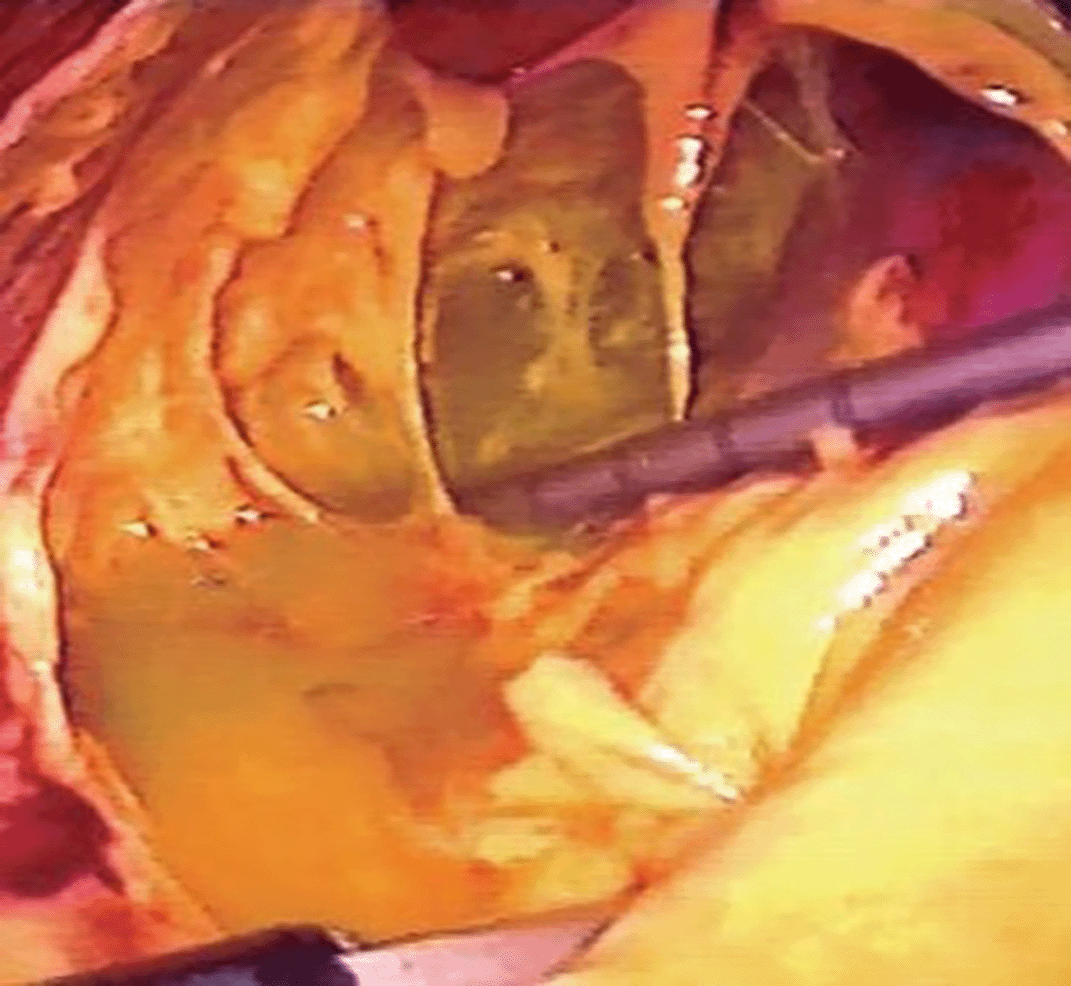
Since the clinical, laboratory and radiological findings were compatible with acute appendicitis, it was decided to have the patient undergo laparoscopic appendectomy: surgical exploration revealed severe choleperitonitis, with the presence of bile fluid both intra and retroperitoneally, in particular in the right renal lodge, right parietocolic region and in the supra and subhepatic area. Furthermore, a picture of widespread adhesions was found in which the hepato-biliary-pancreatic region was engulfed by inseparable adhesions which made exploration of the duodenal region difficult. The appendix was visualized and did not appear to be affected by acute inflammation. Hence, an intraoperative diagnosis of diffuse biliary peritonitis due to a probable perforation of a posterior duodenal ulcer was made ( Figure 1). Given the patient’s age and the severity of the clinical and surgical condition, characterized by the presence of inseparable adhesions (probably the result of previous surgery for peptic ulcer), it was decided to postpone further surgical procedures, except for drainage of the subhepatic lodge. At the end of the procedure, two abdominal drains are placed: one in the subhepatic compartment and the other in the hypogastrium. Finally, a methylene blue test was performed, which was present in both drains. A nasogastric tube and urinary catheter were left in place.
460e331b-e33f-4b62-817e-c8769c2a79a2_figure1.gif

Figure 1. An Intraoperative image of diffuse choleperitonitis with adhesions caused by a probable perforated posterior duodenal ulcer.

Given the patient’s critical condition and a picture of a perforated peptic ulcer not amenable to surgical resolution, after a joint discussion with the anesthesiologists and in agreement with the patient’s relatives, it was decided not to proceed with resuscitation. Finally, admission to the General Surgery Unit was agreed upon to ensure supportive palliative care. Appropriate postoperative pharmacological therapy was established (iv rehydration therapy, antibiotic therapy with piperacillin/tazobactam, TPN, analgesics, gastroprotectives and antithrombotic prophylaxis with LWMH. Although the patient arrived in the ward in a soporific state and was initially given an unfavorable prognosis, during his hospital stay he recovered consciousness and showed a modest improvement in his clinical picture, with good pain control through analgesic therapy. In particular, a very slow, but progressive reduction in inflammation markers (with a peak of CRP in the second POD that reached 36.4 mg/dL) was highlighted in blood tests, together with a decrease in serum amylase and a return of serum creatinine to the normal range. With regards to the two abdominal drains, there was persistent leakage of abundant quantities of corpuscular biliary-enteric material (up to 1000 mL/24 h), for which reason investigations were carried out aimed at searching for bile leakage from the duodenum or biliary tree (abdominal MR imaging with i.v. liver-specific contrast medium and abdominal CT scan with oral contrast medium), which however showed the absence of extra-luminal extravasation of contrast medium outside the biliary tree, the gallbladder and the duodenum. Also, the dosage of amylase and bilirubin from the drainage fluid was negative. The post-operative course was characterized by a progressive reduction of the gastro-biliary debt from the nasogastric tube (removed in the eighth POD) and of the bile fluid in the drains, gradual resumption of oral feeding and bowel movement. Oral methylene blue was administered, which was absent from the drains and was eliminated regularly in the urine. During the final days of hospitalization, it was proposed that the patient undergo further imaging studies with contrast to determine the exact location of the perforation, as well as endoscopic procedures (EGD) and interventional radiology (PTBD placement). However, given the patient’s age and clinical condition (sufficient, but not perfect), the decision was made not to perform these procedures, trusting in the spontaneous resolution of the lesion. Finally, after more than 2 weeks of hospitalization, the patient was discharged and transferred to a hospice in average clinical conditions (with inflammation markers still slightly above the limits and with a portion of retroperitoneal effusions in the right quadrants that remained unchanged at the last control CT scan), and with a urinary catheter and two abdominal drains in place (still containing a fair amount of corpuscular material).

Discussion

Peptic Ulcer Disease (PUD) is a common illness that is widespread in all countries of the world, but with a different epidemiology and degree of diffusion depending on the risk factors present in a given population, which are mainly H. pylori, infections, consumption of NSAIDs, potus, smoking, obesity, coffee consumption and genetic factors.7 Perforated Peptic Ulcer (PPU) is a severe complication of PUD that affects approximately 4 million people annually all over the world,4 whose morbidity is about 50%, while short-term mortality can reach, in some cases, 30%.6 It is a rare occurrence (second to peptic ulcer bleeding in frequency6) that happens in 2% to 10% of patients with PUD.8 Previous history of PUD,6 but also NSAIDs abuse and smoking, have been recognized as predisposing factors to a greater risk of perforation.9 The typical clinical presentation consists of the onset of sudden and very intense epigastric pain which becomes generalized leading to frank peritonitis, although in certain patients (elderly, immunocompromised, obese) the symptoms might be aspecific, making it impossible to exclude other pathologies which must therefore be considered in the differential diagnosis, including acute appendicitis. Sometimes, unfortunately, radiological diagnostic investigations are not always diriment.

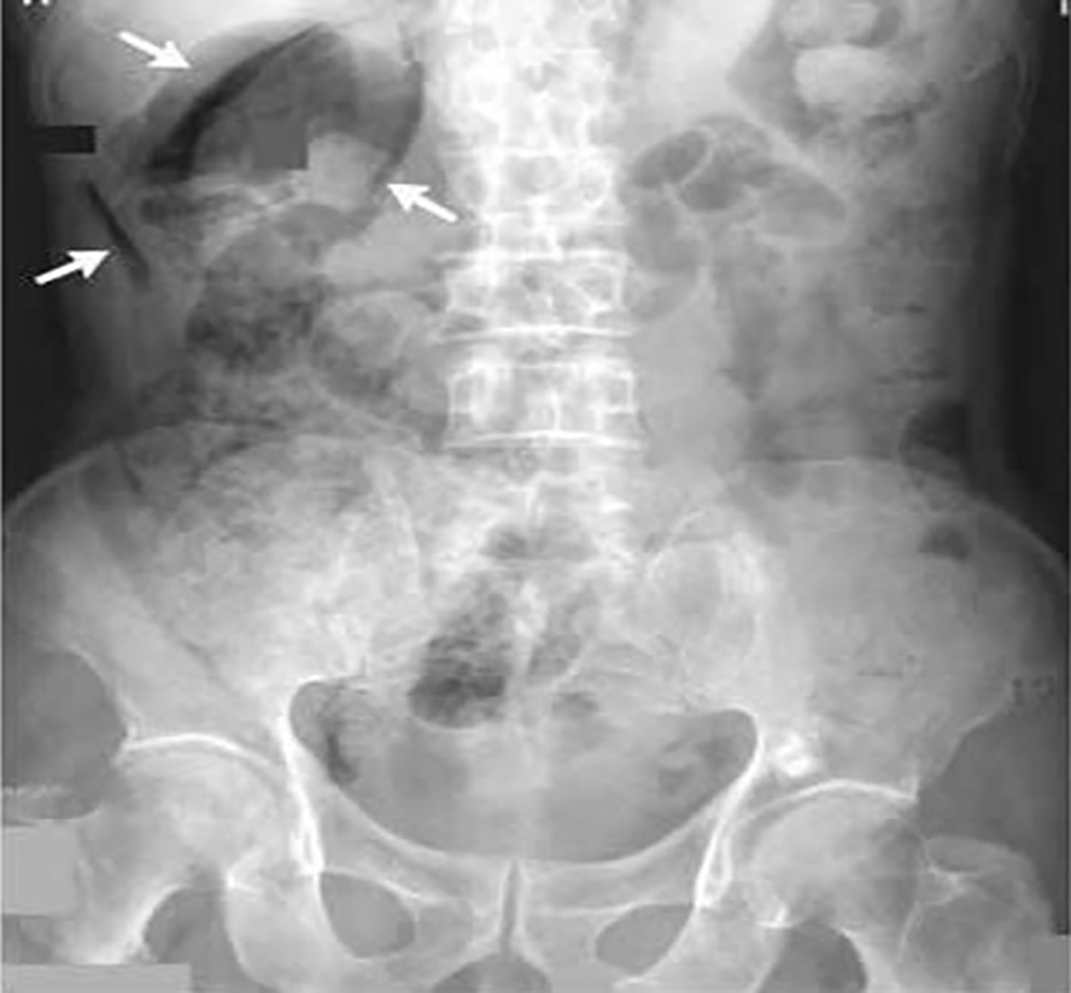
From a physiopathological point of view, VS arises when the biliary enteric fluid leaks from the perforated ulcer through the right parietocolic gutter, reaching the right iliac fossa, causing a localized chemical peritonitis with consequent positive McBurney.10 For this reason, in some cases, the pain can be of a migratory type from the periumbilical/epigastric region to the RLQ, sometimes with a sudden onset and worsening, otherwise with a slower progression and lasting a few days.10 Blood tests may show an increase in serum amylase and lipase.11 Abdominal CT scan can also allow visualization of small amounts of free intra-abdominal gas: in addition to peritoneal and retroperitoneal effusions, it is possible to detect pneumoperitoneum (gastric ulcer), pneumo-retroperitoneum (duodenal ulcer), particularly posterior to the right kidney (the “veiled right kidney sign”, Figure 2)12 and sometimes thickening of the gastric/duodenal wall. However, it is not always possible to visualize the exact location of the perforation. PPU can be treated “conservatively” (fasting, nasogastric tube, i.v. antibiotics and PPI) so as to promote spontaneous healing of the ulcer after a period of observation, which will be confirmed with water-soluble contrast imaging.6 Alternatively, it can be treated with surgery (laparoscopically or laparotomically), using various possible surgical techniques (depending on the characteristics of the ulcer and the patient), among which we mention: gastroraphy (with or without omentoplasty), Graham’s repair (free omental Graham’s patch) or Cellan-Jones repair (pedicled omentoplasty).13 In case of lesions >2 cm, nevertheless, gastric resection may be necessary.13
460e331b-e33f-4b62-817e-c8769c2a79a2_figure2.gif

Figure 2. Abdominal x-ray: Veiled right kidney sign (white arrows).

Valentino’s Syndrome is a rare clinical entity and very few cases are described in literature. It is a real diagnostic challenge for the physician, who should be able to recognize and manage it as quickly as possible, as it may become a serious threat to the patient’s life, in addition to the fact that this, from a medical-legal point of view, could be mistaken for medical malpractice, making the physician liable to possible legal action. Here is a report of 34 cases of patients affected by VS between 2004-2024 ( Tables 1, 2, 3). The search was made by entering the terms “Valentino’s Syndrome”, “Valentino’s Syndrome appendicitis” or “Valentino’s Syndrome perforated peptic ulcer” into the PubMed/Google Scholar search engine. In this group, 27 out of 34 are aged <60 years old (79,4%), of which 6 are under 20 years old (17.6%). The youngest of them, a 12-year-old male adolescent, did not even appear to have any risk factors for PUD.14 Blundell et al.15 described, however, a case of VS in a 14-year-old boy with strong family history of PPU. Furthermore, in this small case series, we can note that 76.4% (26 out of 34) are male, confirming the fact that PUD seems to be more widespread in male population,16 in which a higher prevalence of gastroduodenal perforations appears to be evident in cases affected by PUD.17 As regards the opposite gender, the differential diagnosis might be even more arduous, since it is necessary to take into account gynecological pathologies such as ruptured ectopic pregnancy, ovarian torsion, endometriosis, infarcted leiomyoma or pelvic inflammatory disease.2 Wijegoonewardene et al.18 even reported, as a noteworthy clinical eventuality, a rare case of a 30-year-old female with PPU mimicking appendicitis which manifested itself a few hours after the removal of an intrauterine contraceptive device, thus suggesting that also a possible complication of intrauterine contraceptive devices removal could be taken into consideration in the differential diagnosis in female subjects. Furthermore, as we can notice in this small 34-case series, a case of VS has also been described in the literature in a 23-year-old pregnant woman in the 20th week of gestation,19 in whom, however, a past medical history of untreated duodenal ulcer must be highlighted. In pregnant patients, indeed, acute abdominal pain could become a real diagnostic enigma, made even more complex by the impossibility of seeking help from conventional x-ray investigations, thus determining a dangerous diagnostic delay for both the mother and the fetus.19 This brief research, in addition to confirming well-known risk factors and predisposing conditions (PUD, chronic gastritis, chronic H. pylori infection, prolonged intake of NSAIDs),2,3,12,15,1922 it highlights other emerging ones of no less importance including, in addition to chronic alcohol ingestion or smoking,10,11,21,23,24 also drug abuse10,21 or even irregular eating habits,25 although the literature on these last two topics is rather limited.2628 While the sudden onset of abdominal pain in the epigastric/mesogastric region could immediately suggest the diagnosis of PPU with a rather narrow margin of doubt, it is precisely its subsequent migration or irradiation to the right iliac fossa region accompanied by a McBurney + that may be deceitful, leading us into error. This becomes even more so especially in cases where the abdominal pain is initially localized in the right lower quadrant, in the absence of previous pain in the upper quadrants,1,3,12,18,20,22,2933 hence the importance of performing an anamnesis as accurate as possible on the characteristics of onset, irradiation and duration of the pain which, in addition to the identification of possible risk factors for PUD, could sometimes lead to having a light bulb moment. Not all cases, although the majority (55,8%), showed quite clear warning signals, such as alterations in vital parameters5,14,19,24,25 or peritonism,1,2,14,15,18,20,2325,30,3234,3639 in some cases associated with fever.11,12,15,20,22,25,30,32,33,36 As for the laboratory tests, in addition to neutrophilic leukocytosis and elevated CRP, 4 cases presented with slightly elevated serum amylase or lipase,3,11,25,34 although these last two markers are rather non-specific in situations of acute abdominal pain, which, therefore, could sometimes be altered in case of appendicitis.35 Diagnostic imaging, in most cases (about 82.3%) highlighted non-specific radiological signs, such as the presence of intra-abdominal fluid collections, sometimes peri-appendiceal, even associated with thickening of the appendiceal wall as if from inflammation, which, only intraoperatively, will be recognized as “secondary appendicitis”. Generic signs of intestinal perforation (intra-abdominal free air pockets, subdiaphragmatic free air) have also been found among these cases. Only in 6 out of 34 cases (20.4%) there were more specific imaging findings: pyloric thickening,12,40 periduodenal fluid and air collections,1,3,22,29 including the rarer but more radiologically significant “veiled right kidney sign”, which is the visualization of retroperitoneal air surrounding the right kidney.12,22 Furthermore, although Karmo et al.1 described the case of a male whose CT scan revealed an uncertain focal discontinuity in the anterior pyloric wall, it is almost never possible to pinpoint the exact site of the perforation on CT scan. In 2 cases intraoperative EGDS was used to facilitate diagnosis.12,38 On the other hand, in the case described by Villamil-angulo et al.37 it was decided that there was no need to resort to instrumental diagnostic investigations due to the high suspicion of appendicitis simply on the basis of the “characteristic” symptoms (pain migrating towards the RLQ) associated with leukocytosis, assigning an Alvarado score of 8.

Table 1. Patients’ clinical characteristics and laboratory findings.

Publication yearAuthorAgeSexMedical historySymptomsObjectivity Laboratory
2024ALR Chica et al. 38MAlcohol drinkerAcute abdominal pain at the RLQ started at the periumbilical region, nausea, vomitingMcBurney +, Blumberg +, Rovsing +Neutrophilic leukocytosis
2024SI Salinas -Alvarado et al. 27MSmoker, alcohol drinker, cocaine abuseAcute abdominal pain started at the periumbilical region, nausea, vomitingGeneralized abdominal pain (mainly epigastric/mesogastric) dehydration, pallorNeutrophilic leukocytosis
2024S.A.A. Manap et al. 35MSmoker and alcohol drinkerTwo days abdominal pain started at the periumbilical regionRLQ tenderness, fever, tachycardiaLeukocytosis (19.109/mm^3), slightly elevated serum amylase
2023C.J. Villamil -Angulo et al. 59MLeft inguinal herniorrhaphy3 days generalized abdominal pain subsequently located in the RLQ, nausea, diarrheaSoft abdomen with generalized pain, Blumberg +, Rovsing +Leukocytosis (13,870/mm^3)
2023K. Carmo et al 52M-One-week RLQ painBlumberg +Inflammatory parameters +
2023M. Gutierrez -Alvarez et al. 53F-24 hours colicky pain in the right hemiabdomen, especially in the RLQ, nausea and vomitingSoft abdomen with RLQ pain, McBurney +, Rovsing +. CF 104 bpm, BP 77/47 mmHg-
2023D. Machaku et al. 23M_One-week cramping lower abdomen discomfort, mostly in the RLQ, radiating to the back and gradually and worsened with time, recurrent low-grade fevers, vomitingRLQ, LLQ and umbilical mild discomfortNeutrophils +
2023GR Komatreddy et al. 50FHypertensionSudden abdominal pain, gradually progressive, initially in epigastric region, radiated to the RLQ and to the back, vomitingDistended abdomen, epigastrium and RLQ tenderness and guarding, weak bowel sounds. CF 100 bpm, BP 100/60 mmHg, BT 37,7°C.Neutrophilic leukocytosis
2022VEU Rodrigo et al. 31FRight-sided L5S1 sensory radiculopathy (on methylprednisolone therapy for over a week)One-day constant, moderate, aching RLQ pain, nausea, vomiting, anorexiaRLQ tenderness, psoas sign +, straight leg raise test on the right side +Neutrophilic leukocytosis, elevated CRP (78 mg/L)
2022KV Mercevianto et al. 69M_Sudden severe abdominal pain worsening in the last 12 hours, 2 days before moderate RLQ pain, hematemesis, melenaMild abdominal distension with generalized guarding and tenderness_
2021Beltràn et al. 67M-One-month moderate, worsening epigastric pain, nausea, vomitingAbdominal pain with tenderness, peritonismSevere anemy (Hb 5,6 g/dL), neutrophilia without leukocytosis (4290 U/ml, neutrophils 85,8%), amylase: 111.7 U/L.
2020JLV Hurtado et al. 63MSmoking12 hours sharp, insidious abdominal pain, nausea, asthenia, hyporexia, worsening afterwards (peritonitis)Initially soft abdomen, right abdominal pain, guarding, McBurney +, weak bowel sounds, BP 100/62 mmHg, CF 92 bpm, RR 24/min, CT 36,9 °C. Afterwards stiff abdomen and hemodynamic decompensationLeukocytosis (16000/mm^3), neutrophils: 82%, CRP: 3,22 mg/dL
2020G Noussios et al. 51MTonsillectomy, duodenal ulcer H. pylori + treated with antibiotics and PPIStabbing acute epigastric pain followed by persistent abdominal pain that radiated to the RLQ, nausea, hyporexia, vomitingEpigastric and RLQ pain with tenderness and guarding, McBurney +, Rovsing +, Blumberg +, psoas sign +, obturator sign +, increased CR end RRNeutrophilic leukocytosis (17700/mm^3, 86.5% of neutrophils), CRP: 0.33 mg/dL
2020GN Karthik et al. 60M10 years peptic ulcer disease3-day RLQ stabbing and intermittent painRLQ tenderness and guarding, weak bowel sounds, McBurney +, Rovsing +, obturator +, dehydration, pallor, restless, BP 100/60 mmHg, CR 100 bpm, intermittent high-grade feverDecreased WCC (2150 cells/mm^3), low Hb (9.8 mg/dL), raised CRP (0.304 mg/dL)
2019BH Cherry et al. 24F-Sudden mid-abdomen cramping pain worsened to sharp, constant, non-radiating pain with intermittent episodes of intense stabbing RLQ pain, hyporexia, nauseaSoft abdomen with RLQ tenderness, lower peritoneal signsLeukocytosis (16000/mm^3)
2018CP Mohan et al. 17M-One-day RLQ pain, vomiting, anorexiaSoft abdomen with RLQ, fever tenderness and guardingLeukocytosis
2018ZA Yildiz et al. 17M_RLQ painRLQ guarding and tendernessWCC: 21100/mm^3, CRP: <1 mg/dL
2018NZ Arbelaez et al. 38F-3-day insidious abdominal pain, initially peri-umbilical, afterwards becoming an RLQ achieving pain, nausea, anorexiaGeneralized abdominal pain with guarding, peritonism, weak bowel soundsLeukocytosis (16340/mm^3), neutrophilia (79,9%), CRP: 3,56 mg/dL
2018D Fretes et al. 66M_3-days insidious, achieving epigastric pain, afterwards migrated in the RLQ, nausea, vomiting, anorexiaSoft abdomen with RLQ pain and guarding peritoneal irritation signs, weak bowel sounds, RR 18/min, CT 37°CWBC: 12920/mm^3, neutrophils: 90%, creatinine: 1,46 mg/dL
2018R Vasuki et al. 15MIrregular eating habits, occasional vague abdominal discomfort< 24h sudden epigastric pain, initially dull, aching on the right side of abdomen, becoming severe and generalized, bilious vomitingPoor general condition, severe dehydration, fever, tachycardia, tachypnoea, peritonism, abdominal distension, sever epigastric and right upper quadrant tenderness, guarding, board-like rigidity, obliteration of liver dullness, weak bowel soundsLeukocytosis, amylase: >300 IU
2017AA IIho et al. 45MRecent appendectomy for RLQ pain initially located in epigastrium, bilious vomiting, fever and a history of chronic alcohol ingestionGeneralized abdominal pain with 10-days distention which developed 3 days after appendectomyAbdominal tenderness with guarding, weak bowel sounds, fever, dehydration, increased CR, tenderness and bogginess in the rectovesical pouch at R.E.WCC: 15900/mm^3, neutrophils: 79%, Hb: 10.8 g/dl, PLT: 155000/mm^3, hypokalemia (3.0 mmol/l)
2017CJ Amann et al 18FChronic gastritis1-day RLQ very intense sharp pain (10/10 intensity scores), diaphoresis, nausea, vomiting, anorexiaMcBurney+ with focal peritonitis. RR 18/minLDH: 519 U/L, Lipase: 87 U/L, postop. serologic testing for H. pylori antibody significantly elevated (2.8, U/ml)
2017A Sgro et al. 32M-Sudden RLQ pain, feverRLQ tenderness with guarding, CT 38°CLeukocytosis (16900/mm^3), CRP: 1,1 mg/dL
2017AMG Chavez et al. 26MSmoker, drug user (cocaine and MDMA) with 3 months of abstinence, NSAID’s consume on a regular manner (400 mg of ibuprofen) as recommended by his psychiatrist to complement abstinence syndrome treatment8-hours acute colicky hypogastric abdominal pain (intensity score: 8/10), irradiated to the RLQ and flank, exacerbated on decubitus, hyporexia, nausea, vomitingInvoluntary abdominal muscular resistance, hyperalgesia and RLQ pain, Mc Burney +, Rovsing +, tachycardia, slight increase in body temperatureWCC: 14500/mm^3 (neutrophils: 77%)
2017AMG Chavez et al. 76MSmoking3-days worsening colicky umbilical pain (intensity: 6/10) migrated to the RLQ and genitals, fatigue, anorexia, nausea, obstipationMeteorism, RLQ hyperalgesia and pain, Mc Burney +, Rovsing +WCC: 14500/mm^3 (neutrophils: 77%)
2016MM Ramirez et al. 29M_2-days progressive generalized abdominal pain__
2015S Blundell et al. 14MStrong family history of peptic ulcer perforationsSudden onset epigastric pain followed by RLQ pain, vomitingRLQ guarding, rigidity, tenderness, fever_
2014PS Mahajan et al. 21M7 days earlier minor surgery for his right toe treated with NSAIDs for a week to relieve painSevere RLQ pain, epigastric pain, vomitingRebound RLQ tenderness, feverLeukocytosis (23000/mm^3)
2014S Mbarushimana et al. 12M-4 hours very severe (10/10) lower abdominal pain, bilious vomitingLower abdomen tenderness and peritonism, worse over the LLQ, flushing, CR 140 bpmWCC: 19.600/mm^3 (neutrophilia: 15.800/mm^3), normal CRP (<0,3 mg/L)
2012SI Wijegoonewardene et al. 30F-Presented to her GP for removal of an intrauterine contraceptive device. 4 hours postprocedure she re-presented with sudden onset RLQ pain, constant and worse on movementSoft abdomen, RLQ tenderness with guarding, worsening over 12h after admissionWCC: 13300/mm^3, CRP 130 mg/dL, urinary nitrites positive, beta-HCG <5
2006HP Wang et al. 72MPreviously treated H. pylori infection, recent use of NSAIDs for a coldSevere 2-days RLQ painFever_
2005CC Hsu et al. 23FIn the 20th week of gestation, history of duodenal ulcer without any treatmentPersistent 3 days RLQ pain, initially epigastricSoft abdomen with epigastric and RLQ rebound tenderness, obturator sign +, hypoactive bowel sounds, CR 119 bpmWCC: 11900/mm^3, neutrophils 77%, Hb 11.5 g/dL, PLT 154 × 10^3/μL
2004M Summa et al. 31M-12 h epigastric pain afterwards migrated in right flank and RLQRLQ and right flank tenderness, Blumberg +, fever (BT: 37,4°C)Leukocytosis: (12800/mm^3), neutrophils: 82%
2004M Summa et al. 28M-5 h RLQ painRLQ tenderness, Blumberg +Leukocytosis (10800/mm^3), neutrophils 85%

Table 2. Instrumental exams performed and imaging findings.

AuthorTCUSX rayOthers
ALR Chica et al. (2024)----
SI Salinas-Alvarado et al. (2024)plastron in the right iliac fossa, pneumoperitoneum, free fluid in the pelvis-subdiaphragmatic free air
S.A.A. Manap et al. (2024)subdiaphragmatic and subhepatic air, free fluid in the pelvis and Morrison’s pouch-left sided pleura effusion-
C.J. Villamil-Angulo et al. (2023)----
K. Carmo et al. (2023)collections in the right iliac fossa (adjacent to the cecal appendix and distal ileum), a subhepatic collection adjacent to the antral region containing fluid and gas, an apparent focal discontinuity in the anterior wall of the pylorus---
M. Gutierrez-Alvarez et al. (2023)perihepatic free fluid in the right paracolic gutter, free subdiaphragmatic air, cecal appendix of 0.37 cm---
D. Machaku et al. (2023)pneumoperitoneum with free fluid collection, thickening of the pyloric antrum (1,3 cm)suspected appendix rupture-
G.R. Komatreddy et al. (2023)Multiple loculated fluid collections (the largest of 6×4 cm in the right subhepatic region), few of these with air pockets (abscesses?). Mild inflamed appendix with the tip leading into the right subhepatic collection. Multiple fluid distended small bowel loops with diffuse inflammatory fat stranding. Right moderate hydronephrosis with proximal mid hydroureter with tapering at the level of iliac vessel crossing (no ureteric calculus)right mild hydronephrosis, loculated anechoic collection in pelvis (appendix not visualized)negative-
VEU Rodrigo et al. (2022)multiple fluid collections in between the bowel loops, in right lower quadrant and pelvis, a retroperitoneal collection at L2 level lateral to the right psoas muscle and posterior to the second part of the duodenum, extended along the right paracolic gutter into the right iliac fossa (CT performed after appendectomy)inflamed appendix with reactive mesenteric lymph nodes, right-sided simple adnexal cyst (4 cm × 4.5 cm)negative
KV Mercevianto et al. (2022)----
LB Javier et al. (2021)----
JLV Hurtado et al. (2020)inconclusive+right subdiaphragmatic free air-
G Noussios et al. (2020)--negative
Karthik et al. (2020)multiple free air pockets in the RIF, right paracolic gutter and subhepatic regionprobe tenderness in the RIF, anechoic subcecal fluid collectionnegative-
BH Cherry et al. (2019)inconclusive (appendix not visualized for retrograde orientation)transvaginal US: left ovarian cyst and free fluid in the RIF (appendix not visualized)-intraop. EGDS: some blood surrounding the pylorus, but no discrete ulcer
CP Mohan et al. (2018)free fluid in the RIFfree fluid in the RIF and pelvissubdiaphragmatic free air-
ZA Yldiz et al. (2018)-free fluid in the RIFnegative-
NZ Arbelaez et al. (2018)----
D Fretes et al. (2018)free fluid in Morrison’s pouch, right parietocolic gutter and recto-vesical cavity+negative-
R Vasuki et al. (2018)----
AA IIho et al. (2017)----
CJ Amann et al. (2017)pneumoperitoneum within the greater sac of the upper anterior abdomen and free fluid in the pelvis---
A Sgro et al. (2017)----
AMG Chavez et al. (2017)free air and liquid in in the right flank and RIFscarce free fluid in the right cul-de-sac, mesentery infiltrationfixed intestinal loop in the RIF, loss of psoas shadow-
AMG Chavez et al. (2017)-pericecal fluid, no peristalsisdilated bowel loops and air-fluid levels in the RIF-
MM Ramirez et al. (2016)--fixed intestinal loop in the left hemiabdomen-
S Blundell et al. (2015)--football sign, pneumoperitoneum-
PS Mahajan et al. (2014)pneumoretroperitoneum, especially around the right kidney, periduodenal, subhepatic and perinephric air with fat stranding, fluid collection and fat stranding in right paracolic gutter-air around the right kidney-
S Mbarushimana et al. (2014)--subdiaphragmatic intraperitoneal and free air-
SI Wijegoonewardene et al. (2012)-free fluid in the RIF and pelvis--
HP Wang et al. (2006)air around the right kidney extending to the retroperitoneum, wall thickening of the second and third duodenal portionsright kidney masked by retroperitoneal air (veiled right kidney sign)air around the right kidneyEGDS: multiple gastric and duodenal ulcers
CC Hsu et al. (2005)-pericecal fluid collections--
M Summa et al. (2004)-slightly enlarged subhepatic appendix (8 mm) with perivisceral fluidnegative-
M Summa et al. (2004)-elongated 7 mm appendix with perivisceral fluidnegative-

Table 3. Surgical approaches, intraoperative findings, short-term complications and patients’ LOS (Length of Stay).

AuthorSurgical approachIntraoperative findingsUlcer repair techniqueEarly postoperative complications LOS (≥ or < 7 days)
ALR Chica et al. (2024)LPTperforated 7x7 mm gastric ulcer, inflamed appendixgastric raffia, appendectomynone-
SI Salinas-Alvarado et al. (2024)LPTperforated 0.5 x 0.5 cm duodenal ulcerGraham’s patch repairnone≥ 7
S.A.A. Manap et al. (2024)LPT0.5 cm pre-pyloric perforation, mildly inflamed appendixmodified Graham’s patch repairnone<7
C.J. Villamil-Angulo et al. (2023)LPS5 mm ulcer of the anterior face of the antrum covered by fibrinopurulent membranesCellan-Jones patch repair, appendectomypostoperative ileus on second POD, successfully treated with medical management≥ 7
K. Carmo et al. (2023)LPTanterior pyloric perforation, perforated appendix with distal ileumgastric repair not well specified, right hemicolectomy including appendix and distal ileumnone> 7
M. Gutierrez-Alvarez et al. (2023)LPTpre-pyloric gastric perforation (1x0,5 cm) with gastrobiliary fluid outflow, inflamed appendixgastric raffia + Graham’s patch repair, appendectomynone<7
D. Machaku et al. (2023)LPTpyloric antrum perforation at the anterior region of the lesser curvature (0,5x0,2 cm), inflamed retrocecal appendix with stomach contents reaching the appendiceal aspectmodified Graham’s patch repair, appendectomynone<7
G.R. Komatreddy et al. (2023)LPTperforated duodenal ulcer, no inflamed appendix (HPE showed mildly inflamed appendix)modified Graham’s patch repair, appendectomynone≥ 7
VEU Rodrigo et al. (2022)LPT, first re-LPT on POD 5, 2nd re-LPT on POD 7mildly inflamed appendix, brownish-yellow discoloration with thrombosed blackish small vessels of posterior parietal peritoneum, right adnexal chocolate cyst, (accidentally ruptured during manipulation). First re-LPT: posterior perforation at the junction of the first and second duodenal part. Second re-LPT: traumatic ascending colonic perforation due to drainAppendectomy. First re-LPT: omental patch (non-specified). Second re-LPT: limited right hemicolectomy, end ileostomy (recanalization after 12 weeks)POD 4 after appendectomy: generalized abdominal pain, fever, purulent bile-stained discharge from the surgical site and vagina due to PPU. On POD 7 after first re-LPT: sudden abdominal distension with feculent discharge through appendicectomy wound and drain, dyspnea and desaturation which required endotracheal intubation and ICU recovery>7
KV Mercevianto et al. (2022)LPT3×3 cm perforated gastric ulcerCellan-Jones patch repair, appendectomynone<7
LB Javier et al. (2021)LPT2 cm gastric prepyloric perforation, 7x6x4 cm hard tumor-like mass obstructing 90% of the gastric lumen, inflamed appendixGraham’s patch repair, appendectomy, jejunostomy__
JLV Hurtado et al. (2020)LPT5 mm perforated pyloric ulcergastric raffia, appendectomynone≥ 7
G Noussios et al. (2020)LPTperforated duodenal ulcer to the retroperitoneumraffia + omentoplasty ( non-specified)none>7
Karthik et al. (2020)LPTperforated posterior peptic ulcer (3 mm x 4 mm) of the first duodenal portionGraham’s patch repairnone>7
BH Cherry et al. (2019)initial conservative approach, afterwards LPSanterior pinhole perforation of the first duodenal portionGraham’s patch repairnone<7
CP Mohan et al. (2018)LPTsealed perforation at the first duodenal partGraham’s patch repairnone_
ZA Yldiz et al. (2018)LPTanterior gastric perforationnon-specified repair with pedicled omental patchnone<7
NZ Arbelaez et al. (2018)LPS3 mm perforated pre-pyloric ulcernon-specified gastric raffia (Graham?) with omental patchnone<7
D Fretes et al. (2018)LPT1,5 cm perforated anterior pre-pyloric ulcernon-specified gastric raffia with omental patchnone<7
R Vasuki et al. (2018)LPT2 cm anterior distal antrum perforationGraham’s patch repairnone_
AA IIho et al. (2017)LPT5 litres of purulent peritoneal collection with a 0.3 cm anterior prepyloric perforation2-layer raffia with vicryl 2/0persistent drainage of bilious fluid from the drains (seropurulent later) managed conservatively, superficial SSI treated with daily wound dressings>7
CJ Amann et al. (2017)LPSsmall, perforated ulcer of the first duodenal partGraham’s patch repairnone<7
A Sgro et al. (2017)LPSperforated anterior duodenal ulcer, hyperemic appendix surrounded by turbid fluidGraham’s patch repair, appendectomynone_
AMG Chavez et al. (2017)LPSperforated anterior antrum ulcer (1 cm)non-specified gastric raffia + omental patchnone_
AMG Chavez et al. (2017)LPS appendectomy, afterwards LPT0,5 cm perforated ulcer of the second duodenal portionGraham’s patch repairafter first surgery: continuous episodes of epigastric pain (intensity: 8/10) remitted with ketorolac. Intense epigastric pain (8/10), bile vomit, fever, tachycardia 5 days after discharge≥ 7 (after second surgery)
MM Ramirez et al. (2016)LPS5 mm anterior perforated ulcer at the first duodenal part, hyperemic appendix with periappendicular fluidGraham’s patch repair, appendectomynone_
S Blundell et al. (2015)LPSperforated duodenal ulcernon-specified omental patch repair__
PS Mahajan et al. (2014)LPSanterior perforated ulcer at the first duodenal portionnon-specified closure technique with sutures reinforced by omentumnone<7
S Mbarushimana et al. (2014)LPS0,5 cm anterior perforated ulcer at the first duodenal portionnon-specified omental patch repairnone<7
SI Wijegoonewardene et al. (2012)LPS0.5 cm anterior prepyloric ulcer patch repair by mobilising the overlying falciform ligamentnone<7
HP Wang et al. (2006)conservative treatmentmultiple gastric and duodenal ulcers. A retroperitoneal perforated duodenal ulcerconservative treatmentnone_
CC Hsu et al. (2005)Mc-Burney incision afterwards converted in LPT0.3 × 0.3 cm sealed-off perforated anterior duodenal bulb ulcer_none>7
M Summa et al. (2004)LPSperforated anterior duodenal bulb ulcer, inflamed appendixnon-specified gastric raffia + omentoplasty__
M Summa et al. (2004)LPS initial approach LPT convertedanterior iuxtapyloric gastric ulcer, inflamed appendixnon-specified gastric raffia + omentoplasty__

Turning to treatment, this report appears to be roughly split in two regarding the initial surgical approach, with just over half (52.9%, 18 out of 34) preferring laparotomy to laparoscopy, and one laparotomic conversion33 due to the lack of a cleavage plane between the stomach and gallbladder associated with the finding of intense diffuse peritoneal inflammation. There was no surgical intervention in the case described by Wang et al.,12 who reported the case of a 72-year-old man with Valentino’s Syndrome with pain in the right lower abdomen, but with radiological signs of retroperitoneal perforation (the “Veiled Right Kidney Sign” already mentioned), so that the patient was immediately subjected to endoscopy - which showed multiple gastroduodenal ulcers - and, finally, treated conservatively with i.v. antibiotics. Different surgical techniques have been used to repair the perforation (gastric raffia, Graham’s or Cellan-Jones patch), associated or not with appendectomy, either due to its secondary involvement or “prophylactic”, in the absence of clear signs of appendiceal inflammation. Two cases underwent re-operation following the development of post-operative complications21,29: Chavez et al.21 reported the case of a 76-year-old man, who, 5 days after being discharged from the hospital following laparoscopic appendectomy, developed severe abdominal pain associated with bilious vomiting and fever, and was subsequently readmitted and underwent laparotomic repair of the perforated ulcer. Rodrigo et al.29 described the case of a 31-year-old woman who underwent 2 relaparotomies after laparotomic appendectomy: the first (POD 5), a PPU repair with omental patch following bile-stained discharge from the surgical wound associated with abdominal pain and fever, and the second (POD 7), an emergency right hemicolectomy after sudden abdominal distension and feculent discharge from appendectomy wound and drain which even led to hospitalization in the ICU for severe dyspnea and desaturation with the need for tracheal intubation. In the remaining cases the postoperative course was substantially regular.

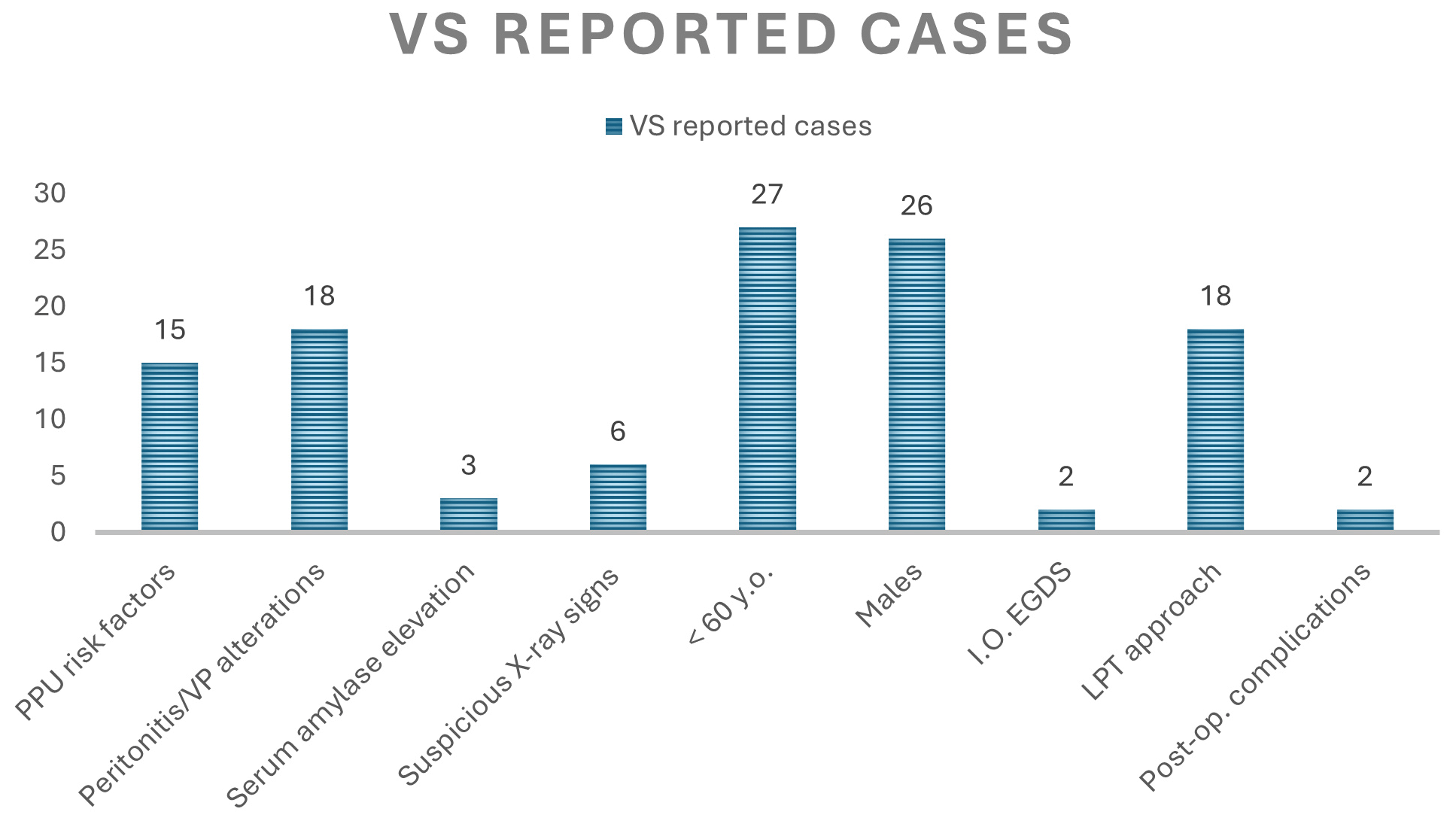
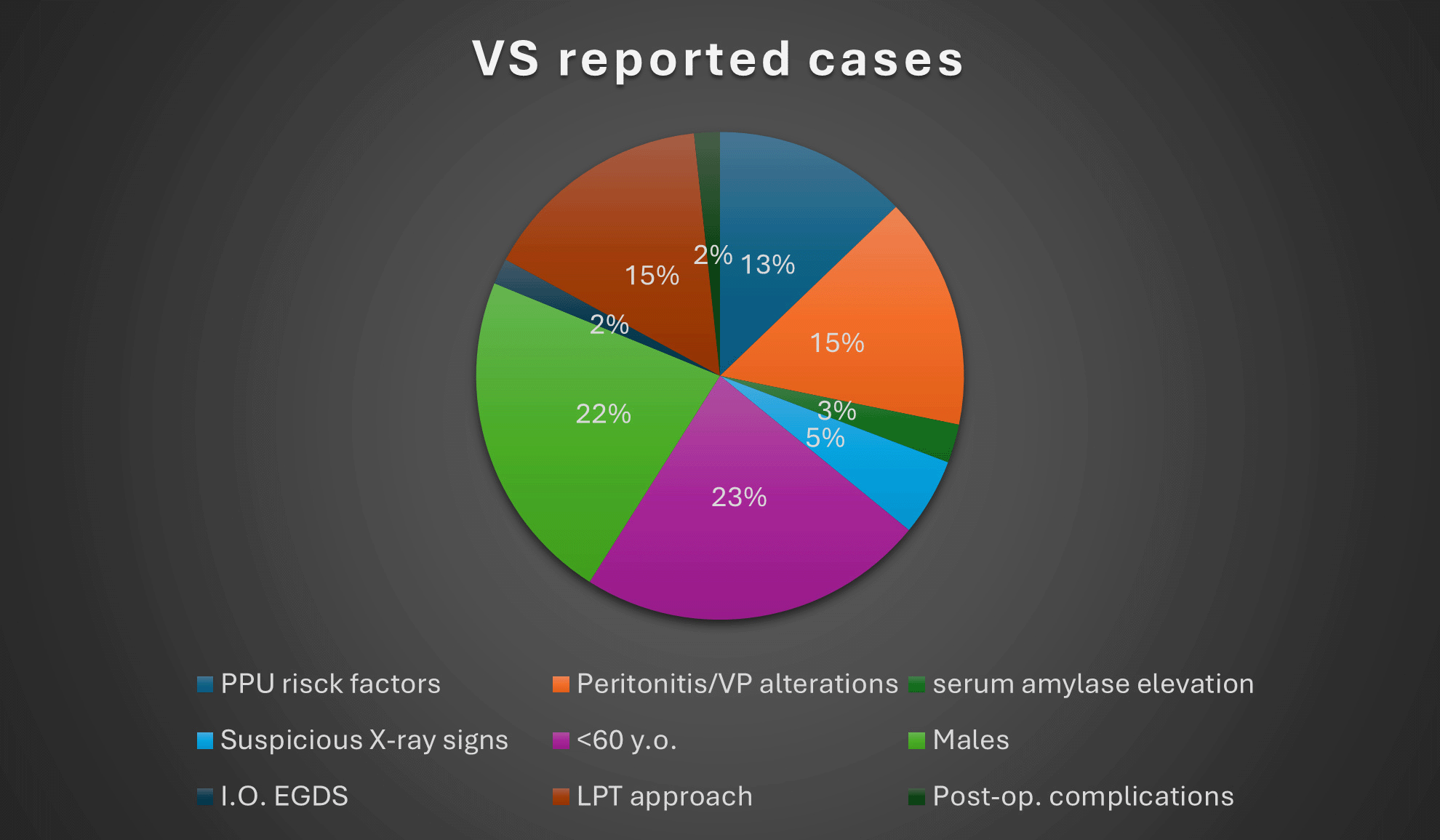
To conclude, in brief, some of the data illustrated in this paragraph are summarised here in the graphs of Figures 3 and 4.
460e331b-e33f-4b62-817e-c8769c2a79a2_figure3.gif

Figure 3. Histogram representing the number of reported VS cases based on anamnestic predisposing factors, clinical-laboratory characteristics, radiological findings, type of surgical approach and post-operative complications.

460e331b-e33f-4b62-817e-c8769c2a79a2_figure4.gif

Figure 4. Figure 3 data in pie chart percentages.

Conclusion

Valentino’s Syndrome, despite its rarity and the few cases described in the literature, should always be taken into consideration in the differential diagnosis in all cases of right abdominal pain with peritonism, especially in case of a medical past history of previous surgical interventions for perforated peptic ulcer or simply in case of the presence of risk factors for this pathology.

Ethics approval and consent

Written informed consent was obtained from the patient for publication of this case report and any accompanying images. A copy of the written consent is available for review by the Editor-in-Chief of this journal.

Clinical trial number

Not applicable.

Consent to publish declaration

Written informed consent was obtained from the patient for publication of this case report and any accompanying images. A copy of the written consent is available for review by the Editor-in-Chief of this journal.

Comments on this article Comments (0)

Version 1
VERSION 1 PUBLISHED 02 Jan 2026
Comment
Author details Author details
Competing interests
Grant information
Copyright
Download
 
Export To
metrics
Views Downloads
F1000Research - -
PubMed Central
Data from PMC are received and updated monthly.
- -
Citations
CITE
how to cite this article
Marano FR. Case Report: Suspected Valentino’s Syndrome mimicking acute appendicitis: a case report and literature review [version 1; peer review: awaiting peer review]. F1000Research 2026, 15:1 (https://doi.org/10.12688/f1000research.174869.1)
NOTE: If applicable, it is important to ensure the information in square brackets after the title is included in all citations of this article.
track
receive updates on this article
Track an article to receive email alerts on any updates to this article.

Open Peer Review

Current Reviewer Status:
AWAITING PEER REVIEW
?
Key to Reviewer Statuses VIEW
ApprovedThe paper is scientifically sound in its current form and only minor, if any, improvements are suggested
Approved with reservations A number of small changes, sometimes more significant revisions are required to address specific details and improve the papers academic merit.
Not approvedFundamental flaws in the paper seriously undermine the findings and conclusions

Comments on this article Comments (0)

Version 1
VERSION 1 PUBLISHED 02 Jan 2026
Comment
Alongside their report, reviewers assign a status to the article:
Approved - the paper is scientifically sound in its current form and only minor, if any, improvements are suggested
Approved with reservations - A number of small changes, sometimes more significant revisions are required to address specific details and improve the papers academic merit.
Not approved - fundamental flaws in the paper seriously undermine the findings and conclusions
Sign In
If you've forgotten your password, please enter your email address below and we'll send you instructions on how to reset your password.

The email address should be the one you originally registered with F1000.

Email address not valid, please try again

You registered with F1000 via Google, so we cannot reset your password.

To sign in, please click here.

If you still need help with your Google account password, please click here.

You registered with F1000 via Facebook, so we cannot reset your password.

To sign in, please click here.

If you still need help with your Facebook account password, please click here.

Code not correct, please try again
Email us for further assistance.
Server error, please try again.