Keywords
Women’s health, Evidence synthesis, Mapping review, South Australia, Scoping reviews

This article is included in the Innovations in Research Assessment collection.
Women’s health, Evidence synthesis, Mapping review, South Australia, Scoping reviews
Women’s health research represents a critical intersection of biological science, social determinants, and healthcare delivery systems.1 Over time, this field has evolved from a narrow focus on reproductive health to encompass the full spectrum of conditions affecting women across life course.1 However, despite this progress, the historical marginalisation of women in clinical research constitutes one of medicine’s most consequential blind spots.2 For decades, biomedical research was predominantly conducted on male subjects, with findings simply extrapolated to female populations, overlooking fundamental physiological differences. This systematic exclusion has led to significant knowledge gaps in understanding female-specific disease manifestations, treatment responses, and drug metabolism pathways.3
The consequences of this oversight are profound. Women often experience different symptoms and responses to conditions such as cardiovascular disease, yet treatment guidelines have traditionally been based on male-centric data, sometimes resulting in ineffective or even harmful interventions.3 Recognising these disparities, the United States Congress introduced landmark policy changes, including the establishment of the National Institutes of Health (NIH) Office of Research on Women’s Health (ORWH) in 1990.4 Since then, initiatives like the Building Interdisciplinary Research Careers in Women’s Health (BIRCWH) program have strengthened the infrastructure for sex-specific research and career development in women’s health.3 Despite these advances, significant challenges persist, particularly in addressing the intersectional health disparities that disproportionately affect women from historically marginalised communities.2
These international policy shifts have also influenced the trajectory of women’s health research in Australia, where researchers and institutions have made substantial contributions to addressing gender disparities in healthcare. However, systemic challenges remain, particularly in translating research findings into clinical practice and ensuring equitable healthcare access. South Australia (SA) plays a key role in advancing this work, with established research capacity across universities and institutes including the Robinson Research Institute (RRI) and the South Australian Health and Medical Research Institute (SAHMRI).
Evidence synthesis through systematic reviews, scoping reviews, meta-analyses, and narrative reviews offers a powerful means of integrating knowledge across studies.4 When executed with methodological rigour, it can illuminate patterns, identify gaps, and provide actionable insights for healthcare delivery and policy.5 Yet women’s health evidence synthesis in SA has not previously been mapped across its key dimensions: the women’s health themes they address, the types of reviews, and their methodological quality, such as reporting transparency and registration status.
Broader national and international literature points to gaps in women’s health research in areas such as cultural safety for Aboriginal women, technology integration across socioeconomic strata, and occupational health in female-dominated industries.6–8 Geographic disparities further exacerbate these concerns, with research in many settings concentrated in metropolitan areas despite the distinct health challenges facing women in regional communities. Whether these gaps are reflected in SA’s evidence synthesis output, and to what extent, remains unknown. Mapping these studies by themes and methodological characteristics over time offers an opportunity to better understand how research priorities have evolved and where future focus is needed.
Focusing on South Australia-based research outputs is important because health policy, funding, and priority-setting in Australia are predominantly determined at the state level. A state-level mapping enables locally tailored planning, capacity building, and evidence-informed policy development. Therefore, the present mapping review systematically examines evidence synthesis studies on women’s health led by researchers based in South Australia. This review categorises these studies by review type, thematic focus, and methodological characteristics, including adherence to reporting standards, quality assessment practices, and registration status. The findings aim to inform local research priorities, strengthen methodological consistency, and provide a model for similar exercises in other Australian jurisdictions.
This mapping review was guided by the methodological framework developed by the Joanna Briggs Institute (JBI) for scoping reviews and is reported in accordance with the PRISMA-ScR (Preferred Reporting Items for Systematic Reviews and Meta-Analyses extension for Scoping Reviews) guideline.6,7 The protocol was prospectively registered on the Open Science Framework (OSF) to ensure methodological transparency and reproducibility (https://doi.org/10.17605/OSF.IO/9K7E6).
Studies were eligible for inclusion if either the first or senior author was affiliated with a South Australian institution at the time of publication. Included studies were required to focus on women’s health topics, encompassing (but not limited to) reproductive health, sexual health, maternal health, chronic disease prevention, mental health, lifestyle and nutrition, violence and abuse, Indigenous health, and healthy ageing.
Eligible publication types included systematic reviews (+/−meta-analyses), scoping reviews, and narrative reviews. Studies were excluded if the lead author was based outside SA at the time of publication or if the study did not address women’s health-related topics.
Our search employed two complementary approaches. First, a comprehensive search of the ScienceDirect database was conducted on January 10, 2025. This database was chosen for its capability to filter results by institutional affiliation. The specific search strategy developed in collaboration with a health sciences librarian is detailed in Supplementary File 1. Within ScienceDirect, results were filtered manually based on author affiliations to identify studies meeting the inclusion criteria. Second, to ensure thorough identification of relevant publications, we manually reviewed the websites of four South Australian universities (University of Adelaide*, the University of South Australia*, Flinders University, Torrens University; *now merged and named as Adelaide University)) and two major research institutes (the Robinson Research Institute and SAHMRI) to verify author affiliations and identify any additional relevant publications not captured by the database search. No date restrictions were applied to ensure maximal inclusivity of relevant records.
Data extraction was conducted independently by two reviewers (NMD and ZSL); disagreements were resolved through discussion and consensus between the two reviewers. Extracted information included study title, authorship, institutional affiliation, year of publication, journal name and impact factor, study design, methodological approach, registration status, quality assessment tool (if any), and funding status. Author email addresses were also recorded to facilitate potential future correspondence regarding included studies. Data were structured into a detailed matrix capturing:
• Authorship and affiliation details: names of first and senior authors, institutional affiliations, and email contacts (where available);
• Publication metadata: study title, year of publication, journal name, and reported impact factor;
• Review classification: categorisation into scoping reviews, systematic reviews, systematic reviews with meta-analysis, narrative reviews, or other types;
• Methodological characteristics: reported methodology, including JBI, Cochrane, Campbell, or not specified;
• Registration platform: type of prospective registration, if any (e.g., PROSPERO, OSF, Cochrane, JBI, or unregistered);
• Use of quality appraisal tools: captured as a binary indicator (Yes/No), without assessment of tool type or scoring system;
• Funding status: whether funding was reported (Yes/No), along with the name of the funding organisation, where provided;
A descriptive synthesis was conducted to summarise findings across thematic and methodological categories, identify research trends, and highlight gaps in coverage. Study credibility was descriptively evaluated based on journal impact factor, peer-reviewed status, and adherence to reporting standards such as PRISMA.
Studies were categorised according to thematic areas outlined by the Women’s Health Research Translation Network (WHRTN).8 These include preconception, pregnancy, postpartum, and intrapartum health; reproductive health; sexual health; chronic disease prevention (including cancer and cardiovascular health); mental health; lifestyle, nutrition, and obesity prevention; violence and abuse; Indigenous health; and healthy aging.
The WHRTN themes have been chosen because they reflect a comprehensive and nationally recognised set of priorities for women’s health in Australia. WHRTN is a national initiative funded by the Medical Research Future Fund (MRFF) and developed through extensive consultation with experts, researchers, and advocacy groups across the country. The WHRTN themes align with the National Women’s Health Strategy 2020–2030 and offer a structured approach to understanding the diverse and intersecting health issues that affect women across their life course.
Some studies addressed multiple areas of women’s health and were therefore assigned to more than one thematic category. This overlap was intentionally maintained to capture the interdisciplinary nature of women’s health research and to ensure comprehensive representation across all relevant themes.
Data visualisation was conducted using Microsoft Power BI, an interactive analytics platform.9 Visual outputs were developed to illustrate the distribution of study types, thematic categories, and key methodological characteristics across the included studies.
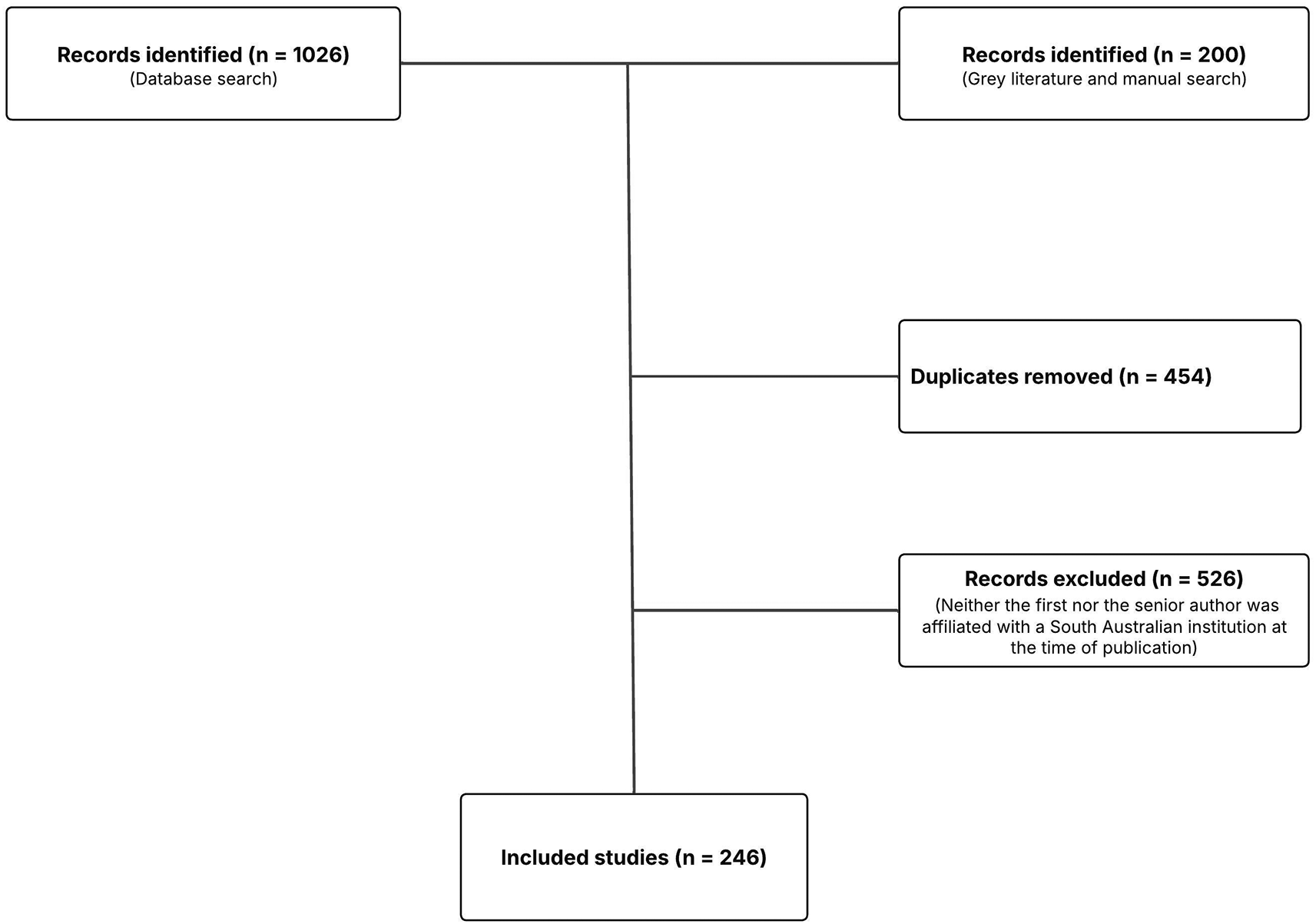
A total of 1,226 records were initially identified through both database searches (n = 1,026) and grey literature and institutional website searches (n = 200). After removing 454 duplicate entries, 772 records were screened for eligibility. Of these, 526 were excluded due to the lead authors being no longer affiliated with South Australian institutions at the time of publication. Ultimately, 200 unique studies met the inclusion criteria and were incorporated into this mapping review ( Figure 1).
To better understand the focus of the included studies, thematic categorisation was conducted based on the WHRTN framework. As some studies addressed multiple women’s health themes, the 200 included studies generated a total of 246 thematic category assignments; all thematic counts below reflect these assignments. This revealed a concentration of research in a few core areas. The most frequently studied theme was preconception, pregnancy, postpartum, and intrapartum health (n = 102), accounting for nearly half of all included studies. This was followed by chronic disease and preventative health (n = 51), and healthy lifestyle, nutrition, and physical activity (n = 41), reflecting a strong public health orientation. In contrast, reproductive health (n = 15), Indigenous health (n = 12), healthy ageing (n = 10), sexual health (n = 8), mental health (n = 6), and violence and abuse (n = 1) were considerably underrepresented. These trends highlight an imbalance in thematic priorities, with important but less visible domains of women’s health receiving limited attention ( Figure 2).
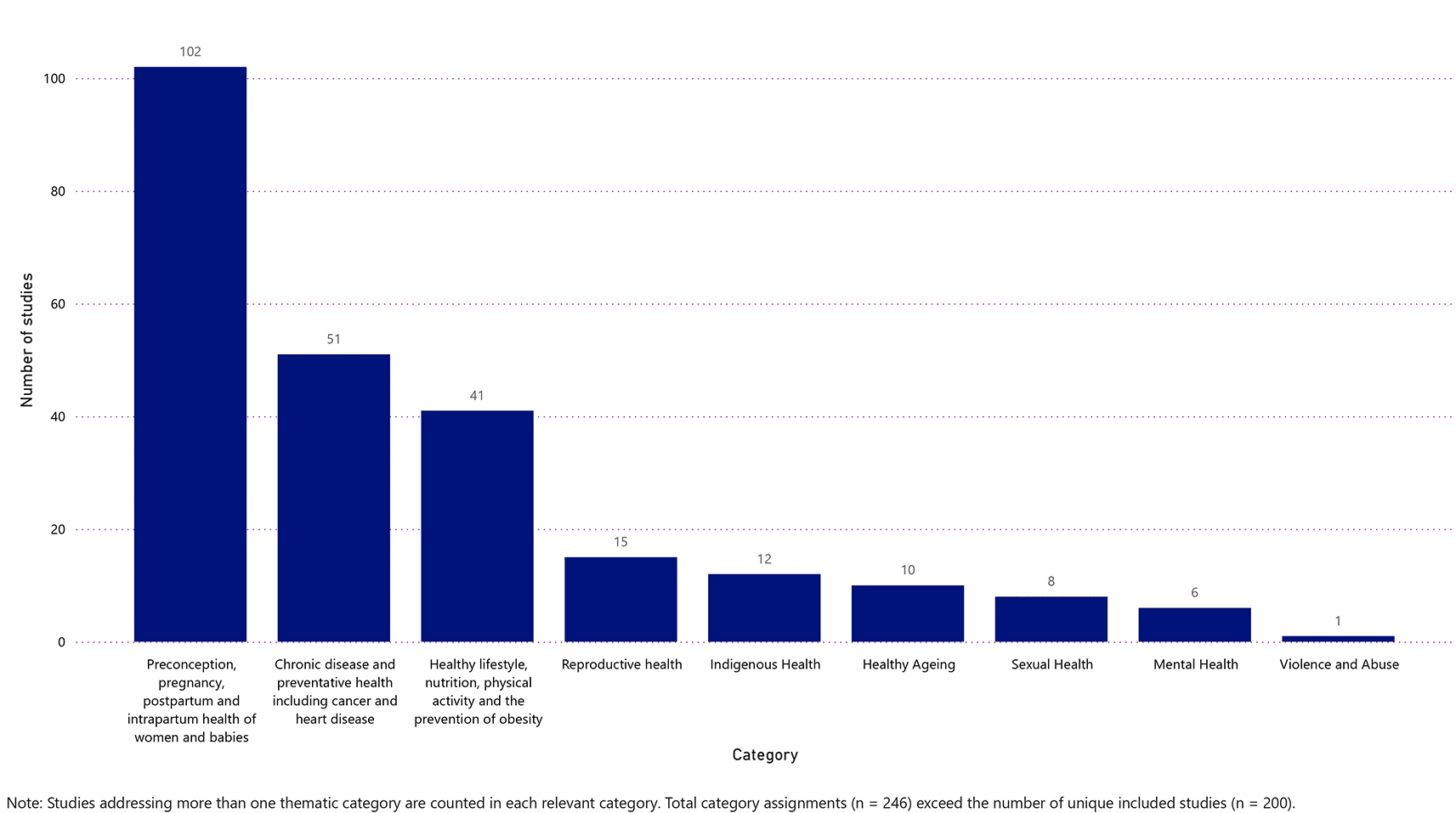
Note: Studies addressing more than one thematic category are counted in each relevant category. Total category assignments (n = 246) exceed the number of unique included studies (n = 200).
In addition to thematic trends, we also examined the methodological characteristics of the included studies. We report the type of review each study was, as identified by the original authors in their publications. The most common study type was narrative or literature reviews, comprising 33.7% of included studies (n = 83), followed by systematic reviews with meta-analysis (30.8%, n = 74), systematic reviews (27.6%, n = 68), and scoping reviews (8.5%, n = 21) ( Figure 3).
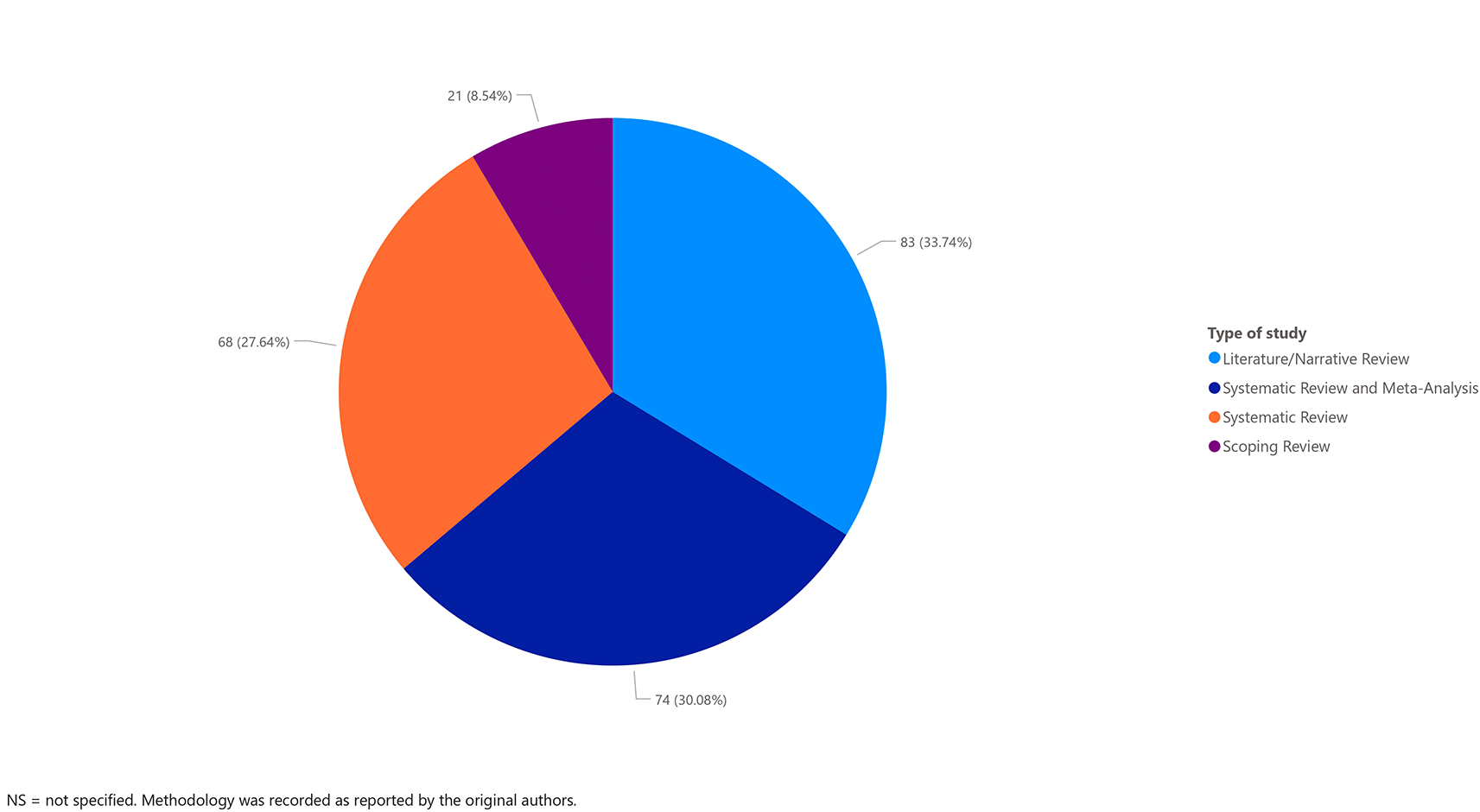
NS = not specified. Methodology was recorded as reported by the original authors.
Analysis of publication trends over time demonstrates a steady increase in research output over the past two decades, with a notable acceleration after 2010 (Figure 1 – Supplementary file 2).
Following this, the journal Impact Factor (IF) was used as a proxy for publication impact. There were 153 studies (78.5%) published in journals with an IF between 0–5, while 53 studies appeared in journals with an IF of 5–10 (Figure 2 – Supplementary file 2). A smaller number were published in higher-tier journals, with 35 studies in journals with an IF 10–15, and only 5 studies in journals exceeding an IF of 15.
In terms of authorship, institutional analysis showed that the majority of first authors were affiliated with the University of Adelaide (n = 76), followed by the Robinson Research Institute (n = 72), and the University of South Australia (n = 25), Flinders University (n = 14), SAHMRI (n = 3), and Torrens University (n = 2). A further 54 studies listed a first author based outside South Australia, where the senior author was SA-affiliated (Figure 3 – Supplementary file 2). A similar distribution was observed for senior author affiliations (Figure 4 – Supplementary file 2). As per our inclusion criteria, studies were included if at least one key author, either the first or senior author, was affiliated with a South Australian institution. Therefore, studies listing first or senior authors from outside South Australia were only included when the other lead author (first or senior) was affiliated with an institution in South Australia. This approach ensured the review remained focused on research involving South Australian leadership, while still capturing relevant collaborative efforts. These patterns highlight the pivotal role of SA-based institutions in leading women’s health evidence synthesis, while also reflecting broader collaborative networks.
Reporting guideline adherence was inconsistent, with only 138 studies (56.1%) using PRISMA or similar frameworks, while 108 studies (43.9%) did not mention adherence (Figure 5 – Supplementary file 2).
In addition to reporting guidelines, prospective registration was reported in 115 studies (46.7%), with the most common platforms being PROSPERO (n = 77) and Cochrane (n = 19), followed by OSF (n = 16) and JBI (n = 3). The majority of studies (n = 131, 53.3%) were not prospectively registered, highlighting variability in the use of best-practice registration platforms (Figure 6 – Supplementary file 2).
Regarding methodological transparency, the majority of included studies (n = 199, 80.9%) did not specify a clear methodological conduct framework. Among those that did, 22 studies (8.9%) reported using the Cochrane methodology, followed by JBI (n = 14, 5.7%), other methodologies (n = 10, 4.1%), and Campbell (n = 1, 0.4%) (Figure 7 – Supplementary file 2).
In terms of quality assessment, 143 studies (58.1%) conducted a formal quality appraisal of included sources, while 103 studies (41.9%) did not report any such evaluation (Figure 8a – Supplementary file 2).
When the focus narrows specifically to systematic reviews, whether or not they included a meta-analysis, quality assessment practices demonstrated much greater consistency. Within this subset of 142 studies, the majority (n = 128, 90.1%) conducted a formal appraisal, with only 14 studies (9.9%) omitting this step (Figure 8b – Supplementary file 2).
Finally, analysis of funding support revealed that 168 studies (68.3%) reported receiving no funding, while 78 studies (31.7%) reported receiving external financial support (Figure 9 – Supplementary file 2).
This mapping review reveals a substantial body of evidence synthesis focused on women’s health in SA, yet it also exposes a skewed thematic distribution that warrants critical attention. The dominance of reproductive health, particularly preconception, pregnancy, postpartum, and intrapartum studies, mirrors historical priorities but risks eclipsing equally vital domains, such as sexual health, mental health, and gender-based violence. The predominant focus on reproductive health aligns with national and global research trends, reflecting the historical prioritisation of maternal and perinatal health within women’s health agendas.10 However, the limited attention to other areas suggests an imbalanced research landscape that does not fully address the diverse health needs of women. Sexual health, in particular, remains a critical yet underexplored area, despite its integral role in overall well-being.11 Similarly, the underrepresentation of mental health research is concerning, given the increasing recognition of gender-specific mental health challenges, particularly postpartum depression, anxiety, and trauma-related disorders.12 The lack of research in these areas could be attributed to funding priorities, social stigmas, and limited interdisciplinary collaboration. Policymakers and funding bodies must address these disparities by allocating targeted funding and supporting research initiatives that focus on these neglected areas. Encouraging cross-disciplinary collaboration, particularly between public health, psychology, and social sciences, could enhance the scope and impact of future research. The underrepresentation of Indigenous health, occupational health, and intersectional issues such as socioeconomic disadvantage further signals a need to broaden the scope of inquiry. Without active redress, the research landscape risks reinforcing existing inequities by failing to address the full spectrum of women’s lived experiences across South Australia’s diverse communities.
The increase in research output over the past two decades, particularly post-2010, may reflect growing institutional and national interest in gender-focused research, as well as the expansion of evidence synthesis capacity within SA. This trend signals a maturing research environment, yet it remains important to assess whether this growth has been inclusive of historically underexplored topics. Without deliberate attention to neglected themes, the quantitative growth in publications may not translate to meaningful gains in equity or health outcomes.
In terms of research reach, most studies were published in journals with an impact factor of 0–5, with fewer targeting higher-impact journals. This pattern suggests that while South Australian researchers are actively disseminating their findings, there remains room to strategically target higher-impact outlets, especially for studies with strong policy or translational relevance. However, it is important to contextualise these metrics: in the field of women’s health, many reputable journals tend to have lower impact factors compared to more general or highly specialised biomedical journals. As such, an impact factor above 2 is often considered a strong indicator of visibility and relevance within this discipline. Therefore, the distribution of publication venues should be interpreted in light of the field’s specific publication norms and evaluation criteria. Strengthening support for researchers in navigating the publication process, especially for journals with stringent editorial standards, could further enhance the visibility and impact of South Australian research outputs.
Institutional analysis indicated a concentration of research leadership within a few hubs. This reflects strong institutional capacity but also underscores the potential risk of over-reliance on a limited number of research centres. Collaborative efforts with institutions outside SA were evident, though typically limited to cases where one lead author remained locally affiliated. This inclusion criterion ensured a regionally focused review while still capturing interstate and international collaborations. However, expanding future reviews to include broader co-authorship networks could reveal further insights into knowledge exchange and capacity building across jurisdictions.
While the increasing volume of evidence synthesis is encouraging, the methodological inconsistencies identified raise important questions about research credibility and reproducibility. Only 56% of studies adhered to PRISMA or equivalent reporting standards, while 42% failed to report any quality appraisal, and 81% did not specify whether they followed Cochrane, JBI, or Campbell methods. Although 47% of included reviews were prospectively registered, an encouraging indicator of transparency, this was often accompanied by vague or unspecified methodological conduct frameworks. These inconsistencies can limit the reliability, replicability, and overall utility of synthesis outputs for clinical decision-making and policy development.
Such omissions can reduce the utility of synthesis outputs for clinical decision-making and policy formulation. As the stakes of evidence-informed policy grow, particularly in women’s health, where gendered biases are deeply entrenched, adherence to high methodological standards is no longer optional but essential. Institutions must lead by embedding systematic review training, internal peer review, and methodological audits into research governance frameworks.
A particularly striking finding is that over 68% of included studies received no reported funding, pointing to a troubling reliance on institutionally supported or unfunded research efforts. While this speaks to the commitment and resilience of researchers in this field, it also raises concerns about the sustainability, scale, and independence of evidence synthesis initiatives. Resource constraints may limit researchers’ ability to conduct comprehensive searches, undertake critical appraisals, or engage multidisciplinary expertise, all of which are foundational to high-quality reviews. To address this, South Australia would benefit from the establishment of a targeted funding stream dedicated to women’s health research, with special emphasis on underfunded and neglected domains. Models such as the U.S. NIH’s Office of Research on Women’s Health (ORWH) demonstrate how structured funding tied to thematic priorities can catalyse research innovation and policy impact.13
To our knowledge, no comparable mapping reviews of women’s health evidence synthesis outputs have been undertaken in other Australian states. This highlights the novelty of this work as the first state-level analysis of its kind, and underscores a critical opportunity for similar research to be conducted nationally or in other jurisdictions. Such exercises would enable comparative analyses of thematic focus areas, methodological practices, and research gaps across states, supporting a more coordinated, equitable, and comprehensive national approach to women’s health research. Mapping efforts in other regions could also reveal unique local priorities, capacity-building needs, and opportunities for cross-jurisdictional collaboration to strengthen the overall impact of women’s health research in Australia. These findings also have clear implications for current South Australian government health strategies and planning priorities. Both the State Public Health Plan 2019–2024 and the South Australian Health14 and Wellbeing Strategy 2019–202415 explicitly commit to equity-focused, evidence-informed, and population-based service design. They identify Aboriginal people, culturally and linguistically diverse communities, those living in rural and regional areas, and people experiencing socioeconomic disadvantage as priority populations requiring tailored approaches. Chronic disease prevention and management, mental health, domestic violence, and responding to the needs of an ageing population are consistently highlighted as key challenges for the health system. Our mapping review reveals notable gaps in evidence synthesis addressing these priority themes and population groups. By systematically identifying these gaps, this review offers practical guidance for aligning future research planning, investment, and capacity-building efforts with the state’s stated objectives of improving equity, supporting place-based planning, and ensuring services are designed to meet the diverse needs of all South Australians.
While this review offers valuable insight into the scope and nature of women’s health evidence synthesis in South Australia, several methodological constraints warrant acknowledgement. The exclusive reliance on the ScienceDirect database may have introduced selection bias by excluding relevant studies indexed in other major platforms such as Scopus, PubMed, EMBASE, or CINAHL, particularly those published in discipline-specific or non-indexed journals. Furthermore, the manual filtering of results by author affiliation within ScienceDirect, rather than a fully automated systematic search, may have introduced inconsistencies in study identification. The review’s focus on studies with first or senior authors affiliated with South Australian institutions allowed for a targeted regional analysis, yet may not fully capture contributions from collaborative efforts where local researchers played non-lead roles. Furthermore, the descriptive mapping approach, while effective for outlining bibliometric and methodological trends, did not assess the quality, outcomes, or policy impact of the included studies. Future research should adopt a broader search strategy encompassing multiple databases, expand the geographic scope to enable national or interstate comparisons, and incorporate quality appraisal and impact assessment frameworks. Regular updates to the mapping process, combined with investments in interdisciplinary collaboration and methodological training, will be essential to guide a more comprehensive, rigorous, and policy-relevant women’s health research agenda in SA.
Addressing the disparities identified in this mapping review necessitates a strategic realignment of research priorities, funding mechanisms, and methodological standards. Broadening the research agenda beyond the traditional focus on reproductive health to include areas such as sexual health, mental health, and gender-based violence is critical to ensuring a more comprehensive and equitable approach to women’s health. Enhancing adherence to rigorous methodological practices and promoting prospective registration will improve the credibility, transparency, and utility of future evidence synthesis efforts. Sustainable funding models are also essential to support high-quality research and build long-term capacity in this field. Finally, fostering interdisciplinary collaboration and strengthening pathways for knowledge translation will be key to transforming research findings into actionable policies and interventions that advance women’s health outcomes across South Australia and beyond.
| Views | Downloads | |
|---|---|---|
| F1000Research | - | - |
|
PubMed Central
Data from PMC are received and updated monthly.
|
- | - |
Provide sufficient details of any financial or non-financial competing interests to enable users to assess whether your comments might lead a reasonable person to question your impartiality. Consider the following examples, but note that this is not an exhaustive list:
Sign up for content alerts and receive a weekly or monthly email with all newly published articles
Already registered? Sign in
The email address should be the one you originally registered with F1000.
You registered with F1000 via Google, so we cannot reset your password.
To sign in, please click here.
If you still need help with your Google account password, please click here.
You registered with F1000 via Facebook, so we cannot reset your password.
To sign in, please click here.
If you still need help with your Facebook account password, please click here.
If your email address is registered with us, we will email you instructions to reset your password.
If you think you should have received this email but it has not arrived, please check your spam filters and/or contact for further assistance.

Comments on this article Comments (0)