Keywords
: Leptospirosis; Rainfall; Extreme rainfall; Time lag; Seasonality; Environmental determinants; Zoonotic diseases; Systematic review

: Leptospirosis; Rainfall; Extreme rainfall; Time lag; Seasonality; Environmental determinants; Zoonotic diseases; Systematic review
Leptospirosis is a bacterial zoonosis that is widespread worldwide and remains a significant public health problem, particularly in tropical and subtropical regions. The disease is caused by pathogenic bacteria of the genus Leptospira and is transmitted to humans through direct or indirect contact with the urine of infected animals.1,2 Globally, leptospirosis is estimated to cause more than one million cases and nearly 60,000 deaths annually, making it one of the zoonoses with the highest disease burden in the world.3,4,5 Nevertheless, the disease is still classified as a neglected tropical disease and is often underdiagnosed or underreported due to its diverse clinical manifestations and similarity to various other infectious diseases.1,4 In addition to causing high morbidity and mortality rates, leptospirosis also imposes a substantial global disease burden, reflected in the loss of disability-adjusted life years (DALYs) as well as significant social and economic impacts. Therefore, leptospirosis remains a major challenge for global public health, particularly in tropical and subtropical countries.1,3
In addition to the significant disease burden it causes, leptospirosis also has unique epidemiological characteristics because its transmission is strongly influenced by environmental conditions.1,2 As a zoonosis whose transmission involves interactions between reservoir animals, humans, and the environment, the risk of leptospirosis is known to be influenced by various environmental factors that can affect the dynamics of disease transmission.2,6 Various studies indicate that the distribution patterns of leptospirosis vary according to geographical characteristics, environmental conditions, and hydrometeorological factors in endemic regions, as reflected in the differences in the disease’s spatial, temporal, and seasonal patterns.7,8,9,10 These findings indicate that environmental factors are a key component in the epidemiology of leptospirosis and play a role in shaping the dynamics of disease transmission across various geographic and epidemiological contexts.
Among the various environmental and hydrometeorological factors that have been studied, rainfall is one of the factors most frequently associated with leptospirosis outbreaks. Studies from various geographic regions report that an increase in leptospirosis cases often occurs following periods of heavy rainfall, the rainy season, or flooding events.1,2,7 This association has been observed in various epidemiological contexts, including in South America, Asia, and other tropical regions, indicating that rainfall is a relevant environmental factor in leptospirosis epidemiology.7,8,9,11 Therefore, rainfall data is frequently used as an environmental indicator in leptospirosis epidemiological research as well as in the development of disease risk prediction models.8,9
Although rainfall is often associated with leptospirosis outbreaks, the nature of this relationship does not always follow a consistent pattern.7,12 Existing research has used various rainfall indicators—ranging from total rainfall, cumulative rainfall, rainfall intensity, and extreme rainfall to more complex hydrometeorological indices—to assess the risk of leptospirosis outbreaks.7,8,9,11 Additionally, the observed temporal patterns of the relationship vary, with some studies reporting an increased risk within a relatively short timeframe following rainfall events, while others find effects emerging after a longer lag period.7,8,14 The magnitude of the reported rainfall effects also varies across regions, likely influenced by differences in local geographic, hydrological, environmental, and epidemiological conditions8,9,13 This diversity of approaches and findings indicates that the relationship between rainfall and leptospirosis is complex, thus requiring a more comprehensive synthesis to fully understand the characteristics of this relationship.
Previous systematic reviews have identified rainfall as one of the environmental determinants associated with leptospirosis. However, these reviews generally evaluated environmental and climatic factors in a broad sense and have not specifically examined the nature of the relationship between rainfall and the incidence of leptospirosis13 Since the publication of those reviews, various new studies have been conducted using a wider range of rainfall indicators, including cumulative rainfall, extreme rainfall, rainfall anomalies, and more complex hydrometeorological indices. In addition, an increasing number of studies have evaluated the temporal patterns of the relationship between rainfall and leptospirosis through various lag structures and different analytical approaches. However, this evidence has not yet been comprehensively synthesized to understand how the characteristics of the relationship between rainfall and leptospirosis incidence vary across different geographical and epidemiological contexts.
Therefore, this systematic review aims to evaluate the relationship between rainfall and the incidence of leptospirosis and to identify the characteristics of that relationship across various geographic and epidemiological contexts. Specifically, this review aims to identify patterns in the relationship between rainfall and the incidence of leptospirosis, as well as the rainfall characteristics and temporal patterns most frequently associated with an increased risk of the disease.
This study was conducted as a systematic review to synthesize evidence on the relationship between rainfall and human leptospirosis incidence. The review was designed and conducted in accordance with the Preferred Reporting Items for Systematic Reviews and Meta-Analyses (PRISMA) 2020 Statement. The review protocol was prospectively registered in the International Prospective Register of Systematic Reviews (PROSPERO; Registration No. CRD420261330699).
Inclusion and exclusion criteria were developed to ensure that the selected studies were aligned with the objectives of this review. Because this review aimed to evaluate the temporal relationship between rainfall and human leptospirosis incidence, including the characteristics of rainfall exposure, lag effects, and seasonal patterns, only ecological studies incorporating a temporal component were considered eligible. Studies using time-series, longitudinal ecological, spatial-temporal, or spatiotemporal designs were included, whereas ecological cross-sectional studies without temporal analysis were excluded because they do not allow assessment of temporal associations between rainfall exposure and disease occurrence ( Table 1).
A systematic literature search was conducted in PubMed, Scopus, ScienceDirect, and Google Scholar to identify studies evaluating the relationship between rainfall and human leptospirosis incidence. The initial search was conducted between September 23 and September 30, 2025. To ensure the inclusion of the most recent evidence, updated searches were subsequently performed until June 2026 using the same search strategy.
The search strategy was developed using a combination of controlled vocabulary and free-text keywords. In PubMed, Medical Subject Headings (MeSH) terms and title/abstract keywords were used to maximize retrieval of relevant studies. For scopus, ScienceDirect, and Google Scholar, equivalent free-text search terms were applied according to the search functionalities of each database. The search strategy was designed to capture studies examining rainfall-related exposures and their association with human leptospirosis incidence.
Search terms were organized around three main concepts: leptospirosis, rainfall-related exposures, and meteorological factors. Keywords related to leptospirosis included “leptospirosis,” “Leptospira,” and “Leptospira infection.” Rainfall-related terms included “rainfall,” “rain,” “precipitation,” “heavy rainfall,” “extreme rainfall,” “rainfall variability,” “rainfall intensity,” “flood,” and “flooding.” Additional meteorological terms included “weather,” “climate variability,” and “meteorological factors.” Boolean operators (AND, OR) were used to combine search concepts and construct database-specific search strategies.
Database-specific search syntaxes were adapted to the indexing systems and search functionalities of each database while maintaining the same core search concepts. Searches were limited to articles published between January 2005 and June 2026. Detailed search strategies for all databases are provided in the Extended Data repository.
The study selection process was conducted in accordance with the Preferred Reporting Items for Systematic Reviews and Meta-Analyses (PRISMA) 2020 guidelines. All records identified through database searching were imported into Rayyan software for reference management and study screening. After duplicate records were removed, titles and abstracts were independently screened by two reviewers (AFA and MKA) according to the predefined eligibility criteria.
Studies considered potentially eligible were retrieved in full text and independently assessed by the same reviewers. Disagreements arising during both the title/abstract screening and full-text assessment stages were resolved through discussion and consensus. If consensus could not be reached, the final decision was made through consultation with AAS and FP.
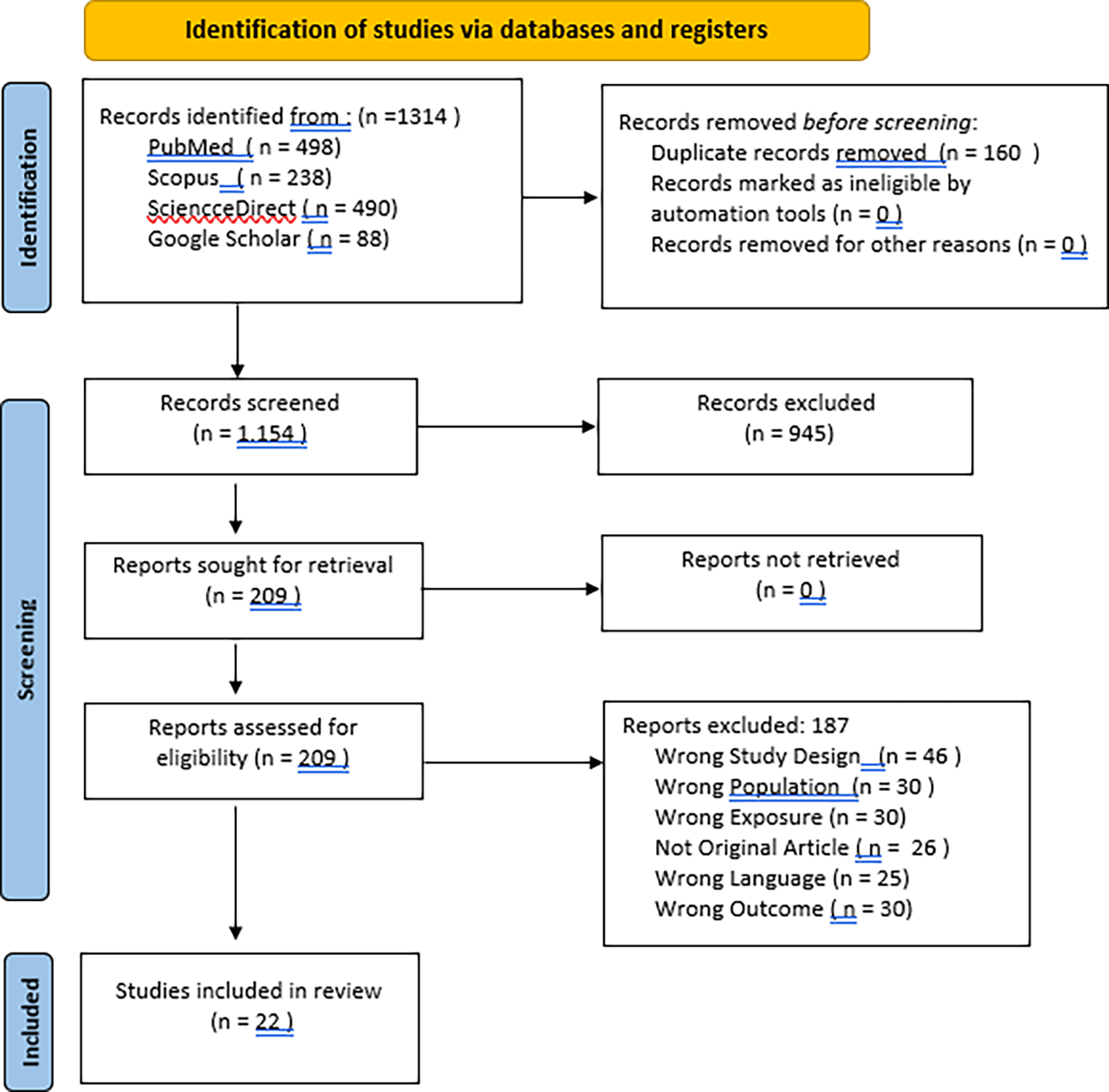
Reasons for exclusion at the full-text assessment stage were documented and recorded. The complete study selection process, including the number of records identified, screened, excluded, and included, is presented in the PRISMA 2020 flow diagram ( Figure 1).
Data were independently extracted by three reviewers (MKA, RKG, and JM) using a standardized data extraction form developed for this review. Extracted information included the first author, publication year, study location, study period, ecological study design, rainfall-related exposure measures, leptospirosis outcome measures, statistical analysis methods, reported lag periods or temporal exposure windows, seasonal patterns, rainfall thresholds or anomalies, and key epidemiological findings. Information on effect estimates was also extracted, including the type of effect measure reported (e.g., relative risks (RR), incidence rate ratios (IRR), adjusted incidence rate ratios (aIRR), regression coefficients (β), correlation coefficients (r or ρ), cross-correlation coefficients, posterior effect estimates, and other reported measures of association), together with their corresponding effect estimates, confidence intervals, credible intervals, or p-values when available. The direction of association between rainfall and leptospirosis occurrence was also recorded. Any discrepancies in data extraction were resolved through discussion among the three reviewers. If consensus could not be reached, consultation with SY and MN was undertaken to reach a final decision. Extracted data were subsequently summarized in evidence tables and used to characterize rainfall metrics, temporal lag structures, seasonal patterns, and epidemiological associations reported across the included studies.
Risk of bias was assessed using the Navigation Guide Systematic Review Methodology for environmental health studies. The assessment evaluated eight domains: selection bias, exposure assessment, outcome assessment, confounding, incomplete outcome data, selective reporting, conflict of interest, and other sources of bias. Risk of bias assessments were independently conducted by two reviewers (MKA and SSA) using predefined assessment criteria. Any disagreements were resolved through discussion between the reviewers. If consensus could not be reached, a third reviewer (LNR) was consulted to make the final decision.
Each domain was rated as low risk, probably low risk, probably high risk, or high risk of bias according to the Navigation Guide recommendations. An overall risk of bias judgment was subsequently assigned to each included study based on the combined assessment across all domains. Detailed study-level risk of bias assessments and justifications are available in the Extended Data repository.
Given the substantial heterogeneity in study designs, analytical approaches, rainfall exposure definitions, temporal lag structures, outcome measures, and reported effect estimates, a quantitative meta-analysis was not considered appropriate. Studies differed considerably in their rainfall metrics (e.g., cumulative rainfall, rainfall anomalies, rainfall intensity, extreme rainfall events, and flooding-related indicators), temporal units of analysis (daily, weekly, monthly, and annual), statistical methods, and effect measures. Therefore, findings were synthesized narratively. Data synthesis focused on effect estimates and the direction of association between rainfall and leptospirosis occurrence, temporal lag structures reported between rainfall exposure and leptospirosis outcomes, and seasonal patterns associated with disease occurrence.
Reported effect estimates were extracted and summarized descriptively. Because studies reported diverse effect measures, including relative risks (RR), incidence rate ratios (IRR), adjusted incidence rate ratios (aIRR), regression coefficients (β), correlation coefficients (r or ρ), posterior effect estimates, and other measures of association, quantitative pooling was not undertaken. When multiple effect estimates were reported within a study, the estimate derived from the final model, best-fitting model, or primary rainfall-related analysis identified by the study authors was extracted. Corresponding confidence intervals, credible intervals, or p-values were also recorded when available.
Temporal lag structures were synthesized by extracting lag periods reported as statistically significant, epidemiologically relevant, or identified by the original study authors as the principal lag associated with leptospirosis occurrence. When studies reported multiple statistically significant lag periods, all relevant lag structures were recorded and included in the synthesis. Lag periods were subsequently summarized according to their reported temporal windows (e.g., weeks or months) to identify recurring patterns across studies.
Seasonal patterns were synthesized descriptively by extracting information on recurring rainfall-associated peaks, wet-season trends, monsoon-related patterns, flooding periods, and other temporal rainfall anomalies associated with leptospirosis occurrence. Seasonal findings were summarized according to the temporal patterns reported by the original study authors rather than being reclassified using a standardized seasonal framework. The direction of association was classified as positive, negative, mixed, or no significant association based on the findings reported in each study. Risk-of-bias assessments were considered during the interpretation of findings, with greater emphasis placed on evidence derived from studies judged to have lower risk of bias.
A total of 22 studies met the inclusion criteria and were included in the final synthesis.15–36 The included studies were conducted across diverse geographical regions, including Asia, South America, Oceania, Europe, and the Indian Ocean region. Most studies were undertaken in tropical and subtropical areas where leptospirosis is endemic, whereas only a limited number of studies originated from temperate regions. Of the 22 included studies, 17 employed an ecological time-series design, while five used ecological spatiotemporal time-series approaches. The included studies demonstrated considerable heterogeneity in the definition of rainfall exposure and the measurement of leptospirosis outcomes. Rainfall was evaluated using daily, weekly, monthly, and annual measurements, as well as more specific indicators such as cumulative rainfall, rainfall anomalies, number of rainy days, extreme rainfall indices, and the Standardized Precipitation–Evapotranspiration Index (SPEI). Outcomes included laboratory-confirmed leptospirosis cases, incidence rates at different administrative levels, and leptospirosis-related hospitalizations. A variety of analytical approaches were used to evaluate the association between rainfall and leptospirosis occurrence, including Poisson and negative binomial regression models, generalized additive models (GAMs), distributed lag non-linear models (DLNMs), ARIMA/ARIMAX models, wavelet analyses, machine-learning approaches, and Bayesian spatiotemporal modelling. Differences in exposure definitions, temporal scales, outcome measures, and statistical methods indicate substantial methodological heterogeneity across studies. Detailed characteristics of the included studies are presented in Table 2.15–36
The synthesis of findings indicated that increased rainfall was generally associated with increased leptospirosis occurrence, although the magnitude of the reported effects varied according to the rainfall indicators, analytical scales, and statistical approaches used. Associations were reported using a range of effect measures, including incidence rate ratios (IRRs), relative risks (RRs), regression coefficients, correlation coefficients, and Bayesian effect estimates. Among studies reporting relative risk measures, effect sizes ranged from relatively small increases in risk for each incremental increase in rainfall to substantially higher risks under conditions of greater rainfall exposure. Positive effect estimates ranged from an adjusted incidence rate ratio (aIRR) of 1.001 (95% CI: 1.001–1.002) to a relative risk (RR) of 2.45 (95% CI: 1.80–3.33). In addition, long-term spatial analyses consistently identified positive associations between rainfall and leptospirosis occurrence across different analytical approaches and measurement scales. Similar positive associations were also observed in studies using correlation-based and time-series analyses. Reported association strengths ranged from moderate to very strong, with correlation coefficients varying between 0.34 and 0.92. These findings indicate a consistent temporal relationship between increased rainfall and increased leptospirosis occurrence across diverse geographical and epidemiological contexts. Although positive associations were commonly reported, heterogeneity in findings was observed across studies. Some studies found no statistically significant association between precipitation and leptospirosis occurrence (IRR 1.00; 95% CI: 0.99–1.01), whereas others reported differing directions of association across locations, with positive associations in one setting and negative associations in another. These findings suggest that the relationship between rainfall and leptospirosis occurrence may vary across geographical contexts. A summary of the reported effect estimates and directions of association for each included study is presented in Table 3.
The synthesis of temporal patterns indicated that the effects of rainfall on leptospirosis occurrence may emerge across a broad range of time intervals, from immediate effects to several months after exposure. Reported lag patterns could be broadly categorized into short lags (0–3 weeks), intermediate lags (1–3 months), and long lags (>3 months). Lag periods within the 1–3 month range were reported across diverse geographical settings and analytical approaches, suggesting that increases in leptospirosis occurrence frequently follow a period of delay after increased rainfall. In addition to lag effects, relatively consistent seasonal patterns were observed across multiple study settings. Increased leptospirosis occurrence generally coincided with rainy seasons, monsoon periods, or annual rainfall cycles. Temporal synchronization between peak rainfall and peak leptospirosis occurrence was also reported in various geographical contexts, with increases in cases occurring after periods of elevated rainfall. However, seasonal patterns were not observed uniformly across all study settings, reflecting temporal variation among geographical and climatic contexts. Overall, the reported temporal patterns indicate that increases in leptospirosis occurrence may occur at different time intervals following increased rainfall and often correspond to local seasonal rainfall cycles. A summary of the lag structures and seasonal patterns reported by the included studies is presented in Table 4.
The synthesis of findings indicated that increased leptospirosis risk was associated not only with the amount of rainfall but also with specific rainfall characteristics. These characteristics included extreme rainfall events, accumulated rainfall over defined periods, positive rainfall anomalies, wetter-than-normal conditions, and rainfall-related flooding events. Extreme rainfall was consistently associated with increased leptospirosis occurrence. Indicators used across studies included rainfall exceeding the 90th percentile (34.5 cm/month), daily rainfall of 175–250 mm, extreme rainfall exceeding 100 mm/week, and threshold-based extreme rainfall indices of more than 50 mm/day. Increased risk was also reported during periods of heavy rainfall (≥16 cm/week), intense rainfall (≥32 cm/week), and very heavy rainfall (≥63 cm/week). These findings suggest that elevated leptospirosis risk was observed across a range of extreme rainfall indicators. Leptospirosis risk was also associated with accumulated rainfall over longer periods, including six-week cumulative rainfall, monthly rainfall, and annual precipitation. Higher risk was further observed under conditions of positive rainfall anomalies of +20 mm/week above expected seasonal levels and wetter-than-normal conditions measured using the Standardized Precipitation–Evapotranspiration Index (SPEI-3), with values up to 2.79. Rainfall-related flooding was also reported as an important characteristic accompanying increased leptospirosis risk. Overall, these findings indicate that increased leptospirosis risk is influenced not only by the quantity of rainfall but also by its intensity, accumulation, deviation from normal conditions, and associated hydrological impacts.
Risk of bias was assessed for all 22 included studies using the Navigation Guide Systematic Review Methodology. Overall, seven studies were judged to have a low risk of bias, five were classified as probably low risk of bias, nine were rated as probably high risk of bias, and one study was judged to have a high risk of bias. Detailed study-level risk of bias assessments are available in the Extended Data repository. Across the included studies, confounding was the domain most frequently associated with elevated risk of bias. Although many studies adjusted for selected meteorological variables, several were unable to account for other determinants of leptospirosis transmission, including flooding characteristics, sanitation conditions, land-use patterns, rodent reservoirs, occupational exposures, and socioeconomic factors. Additional concerns included limited geographical coverage and potential exposure misclassification. In contrast, exposure assessment and outcome assessment were generally rated as low or probably low risk of bias. Rainfall exposure data were predominantly obtained from official meteorological agencies, monitoring systems, or validated environmental datasets, whereas leptospirosis outcomes were primarily derived from surveillance databases, hospital records, or laboratory-confirmed cases. Selective reporting and conflict of interest were also generally assessed as low risk of bias. Overall, the risk of bias assessment suggests that the included studies provided reasonably reliable evidence regarding the association between rainfall and leptospirosis occurrence. Nevertheless, residual confounding remained an important methodological concern and should be considered when interpreting the findings of this review.
The main findings of this systematic review indicate that increased rainfall is generally associated with an increase in leptospirosis cases across various geographic and epidemiological contexts. Although there is variation in rainfall indicators, timescales, and analytical approaches used, the synthesis of evidence suggests that the positive association between rainfall and leptospirosis incidence is relatively consistent. This relationship is observed across various rainfall characteristics, ranging from general increases in rainfall to extreme rainfall conditions and hydrometeorological anomalies. These findings align with a systematic review by Mwachui et al. (2015), which identified heavy rainfall and flooding as key environmental determinants in leptospirosis transmission, particularly in Asian regions and island nations. However, compared with previous studies that emphasized the general relationship between environmental factors and leptospirosis, this review demonstrates that the relationship between rainfall and leptospirosis incidence is not only generally consistent but is also influenced by temporal variations and specific rainfall characteristics that play a role in increasing disease risk.
The available evidence regarding the relationship between rainfall and leptospirosis primarily comes from tropical and subtropical regions, which are areas with a high burden of leptospirosis cases.3,13 This pattern aligns with the global distribution of leptospirosis, which is known to occur more frequently in regions with environmental conditions that support the survival and transmission of Leptospira.3,37
The relationship between rainfall and leptospirosis identified in this review has a strong biological and ecological basis. Leptospirosis is an infectious disease whose transmission is heavily influenced by environmental conditions (environment-borne infection).38 Leptospira bacteria can survive in water and moist soil for weeks to months after being excreted into the environment, so increased rainfall can prolong the pathogen’s survival.5 In addition to providing conditions that support bacterial persistence, heavy rain can also increase the mobilization of Leptospira in the environment through the resuspension of contaminated soil particles into surface water bodies.38 Surface runoff and subsequent flooding can further expand the distribution of contamination from areas exposed to reservoir animal urine into residential environments and areas of human activity.39 This increases the likelihood of human contact with contaminated water or soil, particularly among groups with high environmental exposure, including communities in areas with inadequate sanitation and those engaged in agriculture and other outdoor occupations.5,40 These mechanisms support the view that the influence of rainfall on leptospirosis incidence is determined not only by the amount of rainfall, but also by how the resulting environmental changes evolve over time.
Environmental condition changes triggered by rainfall are reflected in the temporal pattern of the relationship between rainfall and leptospirosis. The findings of this review indicate that the effect of rainfall on the risk of leptospirosis cannot be understood as a response that occurs immediately after exposure, but rather as a process involving a series of environmental and epidemiological changes.41 This pattern indicates that time is an important component in the relationship between rainfall and leptospirosis incidence, where environmental conditions formed after rainfall may influence disease risk within a certain period.39,42 This interpretation is consistent with previous literature showing that the dynamics of leptospirosis incidence are strongly influenced by seasonal variations in rainfall and hydrometeorological conditions in various endemic regions.13,39 Therefore, the relationship between rainfall and leptospirosis is determined not only by the magnitude of rainfall exposure, but also by the environmental dynamics that develop following rainfall events.
The observed lag pattern is likely the result of the interaction of various biological, environmental, and behavioral processes that occur following an increase in rainfall. One factor that may explain this pattern is the incubation period of leptospirosis, which generally ranges from 2 to 30 days, resulting in a time lag between exposure to a contaminated environment and the onset of clinical symptoms.5 In addition, Leptospira is known to survive in moist environments for weeks to months, so the conditions formed after rainfall may continue to serve as a source of infection for a certain period of time.38,41 Post-rainfall and post-flood conditions may also create environments that are increasingly favorable for bacterial persistence and growth, including the formation of standing water and waterlogged soil, which have been reported to support the growth of Leptospira bacteria.43 Human exposure to contaminated environments also does not always occur during rainfall events, but may occur after standing water has formed or when communities resume activities in areas affected by rainfall or flooding. This risk may be further influenced by the presence of animal reservoirs that continuously contaminate the environment through the excretion of urine into soil and water sources.6 Overall, the combination of the incubation period, environmental persistence, changes in patterns of human exposure, and animal reservoir dynamics indicates that the relationship between rainfall and leptospirosis is an ecological and epidemiological process that develops gradually following exposure.
In addition to the temporal variations identified, this synthesis also indicates that the increased risk of leptospirosis is associated not only with the magnitude of rainfall but also with specific rainfall characteristics that reflect the level of hydrological and environmental disturbance generated. These characteristics include high-intensity rainfall, rainfall accumulated over extended periods, and conditions that are wetter than normal. Extreme rainfall and flooding events are known to increase the risk of leptospirosis because they generate greater surface runoff, cause water bodies to overflow, and expand the spread of contaminants into residential areas and surrounding environments.12 These conditions may increase human contact with sources of infection that were previously more spatially restricted.13,44 In addition, disruptions to drainage and sanitation systems during flooding events may further expand contaminated areas and increase the likelihood of leptospirosis transmission.12,44 On the other hand, rainfall accumulated over extended periods and conditions that are wetter than normal reflect sustained hydrological pressure and may increase both the frequency and extent of standing water and flooding events.42,44,45 Therefore, these indicators not only represent the amount of rainfall that occurs, but also reflect the degree of environmental change that may influence the dynamics of leptospirosis transmission. Thus, rainfall characteristics that reflect intensity, duration, and deviations from normal hydrometeorological conditions may provide a more comprehensive representation of leptospirosis transmission risk than rainfall amount alone.
Although rainfall is frequently identified as a factor associated with leptospirosis occurrence, research findings have shown considerable variation across regions.3,13 Such heterogeneity may even occur in areas with relatively similar geographical backgrounds. Dhewantara et al. (2019) reported that rainfall was positively associated with leptospirosis incidence in Yilong County but showed a negative association in Mengla County. The authors suggested that these differences were likely influenced by variations in socio-ecological conditions, including hydrological characteristics, land use patterns, and agricultural activities that differed between regions. Similar heterogeneity was also observed in the study by Obels et al. (2025) in the Netherlands, which found no significant association between rainfall and leptospirosis incidence. In that study, temperature was reported as a more dominant factor, while the increased disease risk was more closely related to recreational water activities during warm-weather periods than to rainfall or flooding events. This indicates that the impact of rainfall on leptospirosis is determined not only by the magnitude of rainfall exposure but also by the complex interactions among climatic factors, environmental conditions, animal reservoirs, land use, and human behavior.3,6,37 Nevertheless, these findings suggest that the relationship between rainfall and leptospirosis should be understood within a broader geographical and epidemiological context.3 The variation in associations observed across regions indicates that the influence of rainfall on the transmission dynamics of leptospirosis is strongly shaped by local conditions that determine disease risk.3,13,37
The findings of this review have important implications for leptospirosis prevention and control efforts. The relationship between rainfall and increased disease risk suggests that meteorological information has the potential to be utilized as part of surveillance and early warning systems to identify periods with a higher risk of transmission. In addition, the lag pattern between increased rainfall and leptospirosis occurrence identified in this review provides an opportunity to implement preventive or anticipatory measures before an increase in cases occurs. The integration of rainfall data into public health monitoring systems may help support the planning of more timely interventions. However, given that the magnitude of the effect of rainfall may vary across regions, the use of such information should be adapted to local geographical, environmental, and epidemiological characteristics to ensure that the control strategies implemented are more effective.
This review has several limitations that should be considered when interpreting the findings. First, the literature search was restricted to articles published in English and Indonesian and indexed in four databases, namely PubMed, Scopus, ScienceDirect, and Google Scholar. In addition, grey literature was not included in the search strategy; therefore, it is possible that some relevant studies were not identified. Second, the reviewed studies exhibited substantial heterogeneity in the definition and measurement of rainfall exposure, including differences in temporal scales, lag structures, and the use of various rainfall indicators and hydrometeorological indices. Variations in the analytical approaches employed across studies also limited direct comparisons of the reported effect sizes. This heterogeneity precluded the conduct of a quantitative synthesis through meta-analysis, and therefore the findings of this review are presented as a narrative synthesis. Furthermore, most of the included studies used ecological or time-series observational designs, which allow the identification of patterns of association at the population level but cannot be used to draw direct causal inferences at the individual level. Consequently, the findings should be interpreted with caution, as associations observed at the population level may not necessarily reflect relationships at the individual level, a limitation commonly referred to as the ecological fallacy. The observed associations may also have been influenced by other environmental factors that frequently interact with rainfall, such as temperature, humidity, flooding, land use, and animal reservoir dynamics, which were not consistently controlled for across studies. Nevertheless, this review successfully integrates evidence from diverse geographical and epidemiological contexts and provides a more comprehensive understanding of the relationship between rainfall and leptospirosis occurrence, including the temporal patterns and rainfall characteristics associated with increased disease risk.
This systematic review aimed to evaluate the relationship between rainfall and leptospirosis occurrence and to identify the characteristics of this relationship across different geographical and epidemiological contexts. Based on the synthesis of studies that met the inclusion criteria, the findings indicate that increased rainfall is generally associated with an increased risk of leptospirosis occurrence. This relationship was observed not only for increases in rainfall in general but also for specific rainfall characteristics, such as extreme rainfall, rainfall accumulated over longer periods, and hydrometeorological conditions that are wetter than normal. In addition, the synthesis of evidence identified a lag pattern between increased rainfall and the occurrence of leptospirosis cases, indicating that the influence of rainfall on this disease develops through ecological and epidemiological processes that occur gradually over time.
This review demonstrates that the relationship between rainfall and leptospirosis is determined not only by the amount of rainfall but also by specific rainfall characteristics and the temporal dynamics through which their effects occur. Although the direction of the association is generally consistent, the magnitude of the effect of rainfall may vary across regions due to differences in local geographical, hydrological, environmental, and epidemiological characteristics. These findings suggest that the interpretation of the relationship between rainfall and leptospirosis cannot be separated from the local conditions that shape the risk of disease transmission. Overall, the findings of this review highlight the importance of considering rainfall information in leptospirosis surveillance, prevention, and control efforts. The use of relevant rainfall indicators, together with an understanding of the temporal patterns underlying the relationship between rainfall and leptospirosis, has the potential to support the development of more effective early warning systems. Future research should develop more standardized approaches to measuring rainfall exposure and further explore the interactions between rainfall and other environmental factors to improve understanding of the mechanisms underlying leptospirosis transmission and to support more targeted control strategies.
This systematic review synthesized findings exclusively from published studies retrieved from scientific databases. The review did not involve the recruitment of human participants, the collection of primary data, or access to identifiable personal information. Accordingly, ethical approval from an institutional review board or ethics committee was not required for this study. All studies included in this review had been previously published and were assumed to have obtained any necessary ethical approvals from their respective institutions where applicable. No personal or sensitive data were accessed, collected, or reanalyzed during the conduct of this review. This study was conducted in accordance with the principles of transparency, reproducibility, and responsible research practice. The review protocol was prospectively registered in PROSPERO (CRD420261330699). Data extraction forms, risk-of-bias assessments, search strategies, the PRISMA 2020 checklist, and other supplementary materials are openly available in Zenodo (DOI: 10.5281/zenodo.20714676).
under the terms of the Creative Commons Attribution 4.0 International (CC BY 4.0) license.
| Views | Downloads | |
|---|---|---|
| F1000Research | - | - |
|
PubMed Central
Data from PMC are received and updated monthly.
|
- | - |
Provide sufficient details of any financial or non-financial competing interests to enable users to assess whether your comments might lead a reasonable person to question your impartiality. Consider the following examples, but note that this is not an exhaustive list:
Sign up for content alerts and receive a weekly or monthly email with all newly published articles
Already registered? Sign in
The email address should be the one you originally registered with F1000.
You registered with F1000 via Google, so we cannot reset your password.
To sign in, please click here.
If you still need help with your Google account password, please click here.
You registered with F1000 via Facebook, so we cannot reset your password.
To sign in, please click here.
If you still need help with your Facebook account password, please click here.
If your email address is registered with us, we will email you instructions to reset your password.
If you think you should have received this email but it has not arrived, please check your spam filters and/or contact for further assistance.

Comments on this article Comments (0)