Keywords
socio-ecological value creation, humane entrepreneurship, network embeddedness, dynamic capabilities, agri-business, institutional arrangements, Kenya, qualitative case study

socio-ecological value creation, humane entrepreneurship, network embeddedness, dynamic capabilities, agri-business, institutional arrangements, Kenya, qualitative case study
Vegpro (K) Limited is one of the leading agribusiness enterprises in East Africa, established by K.C. Patel and Bharat Patel in 1979. The company specializes in the production, processing, and export of fresh fruits, vegetables, and flowers. Since its inception, Vegpro has grown from a modest family business into an internationally recognized horticultural giant that contributes to Kenya’s agricultural export sector (Bell et al., 2007). The company’s mission is deeply rooted in providing premium-quality fresh produce to global markets while maintaining sustainable and ethical farming practices. On the other hand, its vision extends beyond commercial success, aiming to be a global leader in sustainable horticulture while contributing to food security and rural development in Kenya (Macharia, 2018). The company has three crucial goals: enhancing value addition, expanding its market footprint, and embracing environmentally responsible farming. According to the VP Group ESG Report (2023), the company generates an estimated annual revenue of more than USD 40 million from exports to its key European market. At the same time, it contributes significantly to Kenya’s horticultural sector, which collectively generates over USD 1.2 billion annually (Kitole & Komba, 2025).
According to the Group operates across six countries, employs more than 12,000 people Group-wide, maintains a network of over 2,500 smallholder out-growers (whose geographical spread is mapped in Figure 4 (see Figures at the end of the manuscript), and exports more than 200 tonnes of vegetables per week to retail partners including Marks & Spencer and Sainsbury’s. Out-grower support mechanisms and their socio-ecological value functions are summarized in Table 1 (see Tables at the end of the manuscript).* The entity has maintained important partnerships with foreign retailers, such as the UK supermarket chains Tesco, Sainsbury, and Marks & Spencer as well as joining membership of various trade associations, such as the Ethical Trading Initiative (ETI) and the Fairtrade certification program (Macharia, 2018). In addition to its farming operations, Vegpro has been a major player in crop sustainability initiatives, ethical farming, and environmental stewardship in Kenya. This niche has helped the entity orient towards getting recognition and certification by global bodies such as the German-based Fairtrade International (Alford et al., 2025). Certifications by these global bodies enable Vegpro to maintain its global image and sustain its workforce and smaller farmers, thereby enhancing rural growth (Kihoro et al., 2025).

Figure shows the biogas dome at Gorge Farm, which converts farm waste into clean energy for Vegpro’s operations.
Source: VP Group ESG Report (2023), reproduced with permission.

Figure shows one of the water storage reservoirs supporting Vegpro’s farm operations. Combined greenhouse roof rainwater capture, borehole, and river supplies provide a total water storage capacity of 450,000 m3, sufficient to sustain the farms for up to five months.
Source: Reproduced with permission.
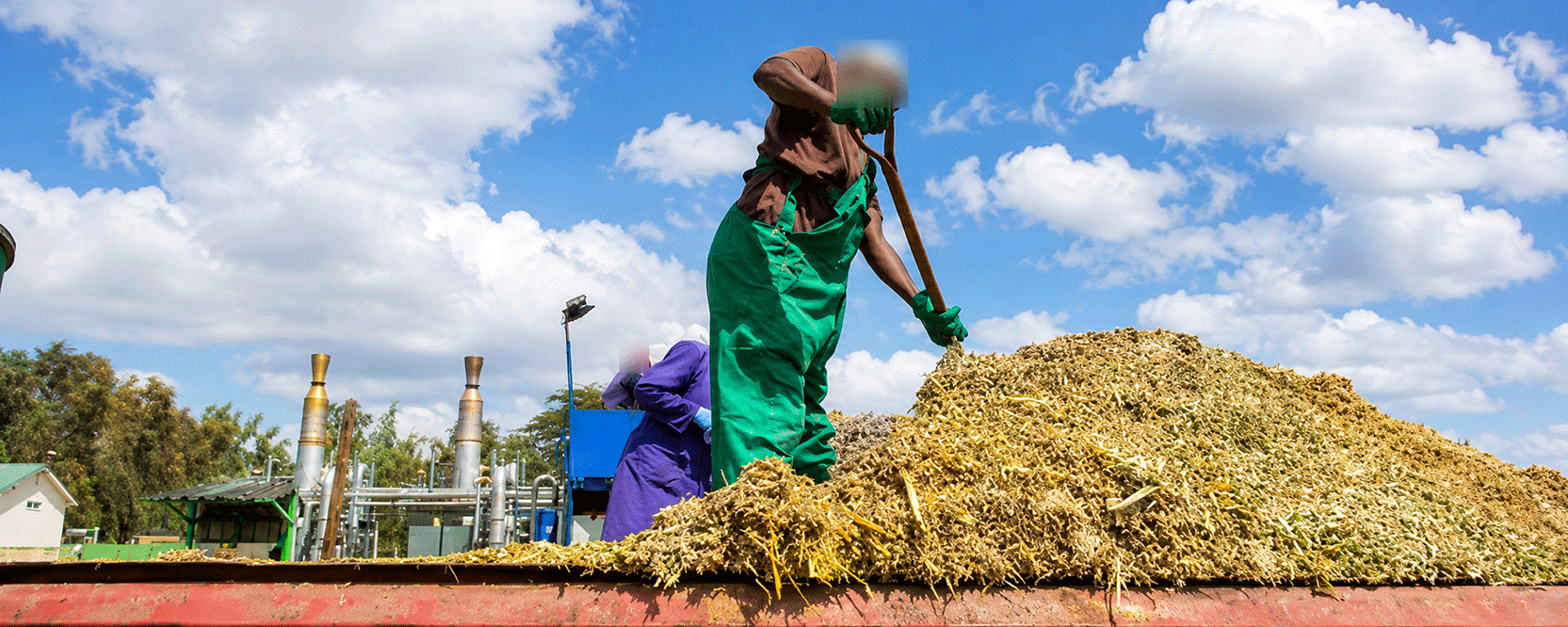
Figure shows biomass feedstock handling at the Gorge Farm AD power plant — the first and largest grid-connected biogas power plant in Kenya and East Africa (2.8 MW nameplate capacity). The plant converts farm waste into renewable electricity, supplying 95% of the energy used at Vegpro’s Naivasha farms, and produces an average of 1,290 tonnes of solid and 6,000,000 liters of liquid bio-fertilizer annually.
Source: Reproduced with permission.
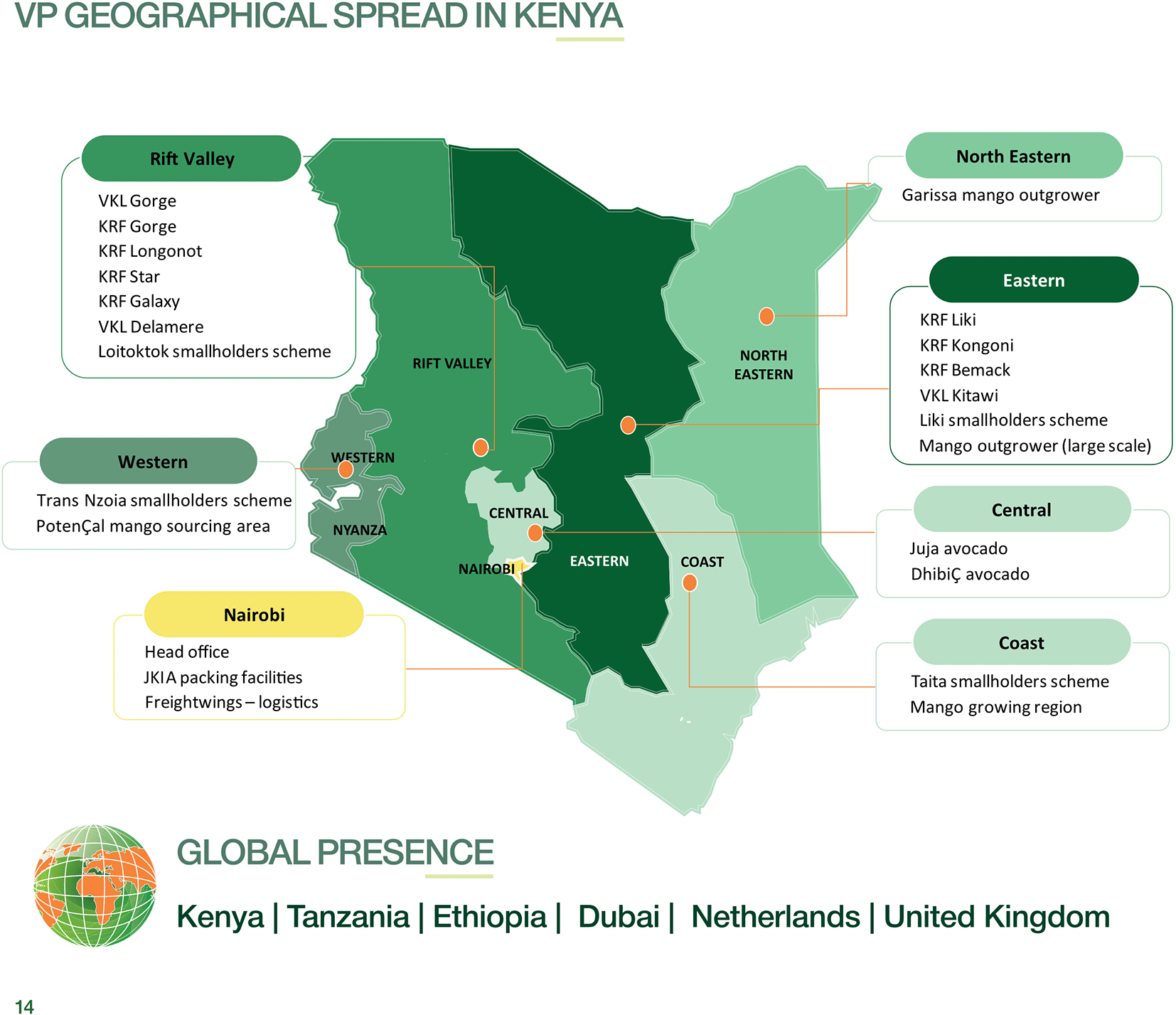
Figure maps VP Group’s operational footprint across Kenya, including farms, packing facilities, and smallholder out-grower schemes spread across 12 counties, which underpin the network embeddedness analysis in this study.
Source: Reproduced with permission.
The foregoing addresses aspects of social and ecological value creation that Vegpro pursues as a strategy to enhance sustainability in the Kenyan horticultural sector. Socio-ecological value creation enables horticultural companies to engage in sustainable and profitable agricultural practices that prioritize environmental sustainability and social responsibility (Awoke et al., 2025). The current case study also examines major investments Vegpro has made in policy and institutional frameworks, humanistic entrepreneurship, and network-embeddedness opportunities to facilitate social and ecological value. The paper discusses some of the challenges Vegpro faces in its sustainability efforts, including the effects of climate change, societal shifts in clothing and diets, supply chain disruptions, and regulatory compliance. Finally, the case study offers possible solutions to the identified challenges.
Today’s environmental challenges mean that business owners have to confront the issue of socio-ecological value even as they do business. Entrepreneurs grapple with how to make a business case for socio-ecological value-creation initiatives in their niche, alongside their primary objective of maximizing profits (Hackfort, Saave & Wichterich, 2025). In the East African context, a secondary dilemma is how to navigate the policy and institutional arrangements that sometimes inhibit the creation of socio-ecological value. Socio-ecological value is defined as the integrated benefits that a business offers while ensuring a balance between human societies and ecosystems (Jones et al., 2016). This practice emphasizes the interrelation between environmental health and social well-being (Dentoni et al., 2021; Ives & Kendal, 2014). Therefore, enterprises must understand the interdependence among business, the environment, and society. Ideally, ecosystems provide essential services, including clean air, water, and biodiversity, which underpin social structures (Ernstson, 2013).
On the other hand, human actions impact the environment. Business organizations can maintain flexible and adaptive practices simultaneously, ensuring social equity and development, thereby strengthening the resilience of social-ecological systems to changes and disturbances, such as climate change (Pisano, 2012). In this regard, the ecological and social components of a business become collaborative elements between society and the business, and any disturbance in one system leads to damage in the other (Cabezas et al., 2005). There is a dearth of studies on socio-ecological value creation in the Kenyan agri-business sector, despite growing concerns about the agricultural industry’s role in addressing global warming. Specifically, there are no prior studies that center on the role of humane entrepreneurship and network embeddedness as components of business sustainability in relation to socio-ecological value creation. This case study focuses on Vegpro (K) Limited to examine how humane entrepreneurship and network embeddedness shape the horticultural entity’s strategies for creating socio-ecological value, the challenges it faces, and possible solutions to operational bottlenecks.
The case study relies on Dynamic Capability Theory to examine the strategies Vegpro employs to enhance its responsiveness to its socio-ecological environment for business sustainability through humane entrepreneurship and network embeddedness. Murschetz et al. (2020) assert that dynamic capacities fall into four categories: rearranging, leveraging, learning, and integrating. Eikelenboom and de Jong (2019) articulate the need for dynamic capabilities to understand the complex issue of sustainability, which is often characterized by unpredictable change. Firms must be highly flexible through continuous cycles of adaptive learning, improvement, and development to deal effectively with a dynamic environment. External dynamic capabilities are the mechanisms and processes that integrate entrepreneurs’ resources and capabilities beyond an organization. For example, it includes relationships that entrepreneurs have with suppliers and customers. These relationships (networks) constantly integrate their stakeholders’ creative and practical knowledge (Barney, 1991). These networks are essential for SMEs, facilitating the sustainability process by providing them with the prerequisite knowledge so they do not have to start from scratch, ultimately minimizing costs. Korsakienė and Raišienė (2022) assert that external dynamic capabilities provide a mechanism through which SMEs can continually address the knowledge gap to meet the preferences of different stakeholders, including the government and customers. Therefore, SMEs continually adapt their sustainability initiatives through interactions with their networks, increasing market performance.
On the other hand, internal dynamic capabilities encompass all processes that integrate organizational resources and capabilities (Ayegba & Lin, 2020). Internal dynamic capabilities are critical to an organization, as they enable employees to exchange information. Continuous data exchange ensures minimal duplication of effort and a holistic approach to achieving sustainability at minimal cost (Shoaib et al., 2021). Internal integrative dynamic capabilities are critical to ensuring the efficiency and effectiveness of sustainability measures, as they facilitate employee trust.
Applied to the present study, the three dimensions of Dynamic Capabilities manifest as follows: sensing is evidenced by Vegpro’s detection of regulatory shifts — EU pesticide bans, living wage requirements, and net-zero pressure — through collective lobbying via ASNET and Fairtrade networks, as surfaced directly by key informants; seizing is reflected in management decisions to invest in the biogas dome for clean energy generation, adopt drip irrigation and rainwater harvesting, deploy blockchain and MPS traceability platforms, and institutionalize gender inclusion programs across the outgrower network; and transforming is captured in the formation of the ESG committee and sustainability department, ongoing AI adoption discussions for qualitative workforce analytics, and critically in managers’ own acknowledgement that sustainability transformation remains incomplete. Together, these three dimensions provide the analytical scaffold for the Case Analysis section’s examination of Vegpro’s socio-ecological value-creation practices.
Complementing Dynamic Capability Theory, this study draws on the Humane Entrepreneurship (HE) framework, which posits that sustainable organizational performance emerges from integrating people-centered management practices with an entrepreneurial orientation (Kim et al., 2018). HE argues that firms that invest in employee welfare, inclusive workplace practices, and community development do not merely fulfill social obligations — they build relational capital and organizational resilience that underpin long-run competitive advantage. In agri-business contexts characterized by labor intensity and community dependence, HE functions as a resilience mechanism that amplifies the firm’s capacity for socio-ecological value creation beyond what regulatory compliance alone can achieve.
Network Embeddedness, as conceptualized by Granovetter (1985) and operationalized in supply chain contexts by Krause et al. (2007), refers to the extent to which a firm’s economic action is shaped by its relational ties within a broader network of suppliers, buyers, regulators, and civil society actors. In this study, network embeddedness is treated as a moderating variable: it conditions the degree to which sensing and seizing capabilities translate into transforming outcomes by amplifying or constraining the quality of information flows, co-investment opportunities, and collective legitimacy available to the firm. In this interpretivist case study, HE and NE are not tested as statistical mediators or moderators. However, they are deployed as sensitizing concepts and analytical lenses through which the mechanisms linking institutional arrangements to socio-ecological value creation are interpreted and explained.
Socio-ecological value creation is a multidisciplinary concept attributed to scholars such as Herman Daly, Mark Starik, Michael Porter, Mark Kramer, Fikret Berkes, and Carl Folke. It refers to the different ways in which business entities attempt to balance their operations between economic, social, and environmental value. Globally, the Netherlands is known for adopting effective strategies to maximize socio-ecological value in the agribusiness sector. Its national strategies include circular agriculture that minimizes waste, farmer co-operatives, and fairtrade networks (Balázs et al., 2021). These strategies ensure that all sections of society share in the economic value generated by agriculture, since they are among the stakeholders in the agri-business industry.
Rwanda, Ghana, and Kenya have been recognized for their socio-ecological value-creation efforts on the African Continent (Shilomboleni et al., 2022). This is because the agri-business sector in all three countries seeks to strike a balance among business, social equity, and environmental sustainability, though it faces many challenges. Of the three, Rwanda stands out in part because it decides to confront the challenges of its troubled history through agricultural sustainability and self-sufficiency. Although South Africa remains the Continent’s top performer in agricultural production, the country still struggles with social equity due to its political history (Kerr & Wynberg, 2024). South Africa’s apartheid history means that the economic value created through the country’s agriculture still does not translate to social value for much of the black sector of the country’s economy.
Kenya’s attempt to integrate socio-ecological value creation in the agricultural sector stands out in East Africa, partly due to its diverse agricultural base, export orientation, and well-developed agri-value chains (McMichael, 2023). Moreover, the government is a major player in the sector and offers important support through institutions such as the Kenya Agricultural and Livestock Research Organization (KALRO). The extensive research carried out by KALRO, expert policy advice, and extension services to farmers have led to improvements across the entire Kenyan agricultural sector, specifically in the quality of flowers that Kenya historically exports to the European market (Okeyo et al., 2020). These interventions ensure that the 97 companies and 62 SMEs involved in flower exports, including Vegpro, can develop strategies to enhance business sustainability through socio-ecological value creation (Kiai, Sikalieh & Lingeh, 2024).
The current case study used an interpretivist philosophy, informed by constructivism, to analyze the intersection of economic, social, and environmental realities involved in socio-ecological value creation. The interpretivist philosophy holds that reality is socially constructed and can be understood by accessing the experiences and perspectives of those involved (Irshaidat, 2022). An interpretivist philosophy allowed for flexibility in using qualitative interviews to collect data and understand the challenges and possible solutions to sustainability issues related to humane entrepreneurship and embedded networks in socio-ecological value creation at Vegpro (K) Limited. The study used an exploratory qualitative case study design because socio-ecological value creation is a developing concept in the African agri-business field, and the design aligned well with an interpretivist philosophy to understand context-specific insights about Vegpro. The target population for the case study comprised 12 managers selected through purposive sampling. At the same time, data were collected using a semi-structured interview guide for senior and middle-level managers at the SME.
Data were analyzed using Braun and Clarke’s (2006) six-phase reflexive thematic analysis approach: familiarization, initial coding, theme generation, theme review, theme definition, and write-up. This method was selected for its compatibility with interpretivist epistemology and its capacity to surface latent patterns across interview transcripts. Interview data were secondarily triangulated against the to enhance validity and cross-check findings against independently verifiable secondary evidence. This study received ethical clearance from the Strathmore University Institutional Ethics Review Committee (SU-IERC), reference number SU-ISERC2347/24, and a research license from the National Commission for Science, Technology, and Innovation (NACOSTI), reference number 624775. All participants provided written informed consent prior to interviews, and confidentiality and anonymity were maintained throughout.
In the case of Vegpro Kenya Ltd., socio-ecological value is created by aligning profitable agricultural practices with social responsibility and environmental sustainability. Vegpro integrates a range of eco-friendly farming techniques to minimize its ecological footprint. Water stewardship is central to its practices, especially in water-scarce areas. The company utilizes advanced irrigation systems, particularly drip irrigation, to reduce water wastage and increase efficiency (VP Group ESG Report, 2023). This system has enabled controlled water supply to crops, saving available water resources and minimizing water runoff, thereby making agriculture more sustainable in the semi-arid areas of Kenya. In addition, the organization invests in greenhouses and rainwater harvesting structures to ensure water use is regulated and sustainable; the combined storage infrastructure supporting these practices is shown in Figure 2 (see Figures at the end of the manuscript). Such programs ease pressure on natural bodies of water and reduce the impact of climate change, which continues to impact water availability.
The other is waste management, in which Vegpro accords sustainability a high priority. The organic waste is recycled in this practice and turned into compost, which is used to fertilize the soil and reduce reliance on synthetic fertilizers (VP Group ESG Report, 2023). It also transforms farm waste into clean energy, as evidenced by major infrastructure investments, such as a biogas dome scheme ( Figure 1). Feedstock operations at the plant are shown in Figure 3 (see Figures at the end of the manuscript).
Vegpro also employs integrated pest management (IPM), which minimizes pesticide use and supports biodiversity. These techniques ensure that the ecosystem surrounding the farms remains healthy and balanced, contributing to long-term ecological resilience.
Vegpro’s social impact also plays a vital role in local community development. The company provides direct employment to thousands of workers, particularly in rural Kenya, where job opportunities can be limited. Regarding broader social responsibility, Vegpro is involved in several community development initiatives. One of the key programs is the company’s participation in Fairtrade initiatives. A key informant mentioned,
“Through our collaboration with Fairtrade, we work closely with the community to support various social initiatives, including school feeding programs and healthcare outreach in rural areas. Fairtrade also helps us meet international ethical labor standards, benefiting our employees and the wider community.”
This involvement with Fairtrade ensures that Vegpro’s operations contribute positively to the communities in which it operates, promoting fair labor practices and supporting local social welfare programs that improve living standards (VP Group ESG Report, 2023). This, in turn, empowers workers and farmers by guaranteeing them stable income and better working conditions, contributing to improved living standards. Vegpro also runs educational programs and supports local schools, including feeding initiatives. A key informant mentioned,
“We partner with schools in the community to provide feeding programs. The kitchens are not just for our workers’ children but for the entire community. This ensures that everyone has access to nutritious meals regardless of their background. It is part of our broader commitment to social value, as we want to make a meaningful impact on the whole community, not just the immediate workforce.”
This initiative reflects Vegpro’s broader social value strategy, ensuring that local communities, beyond just employees, benefit from the company’s social responsibility efforts.
A crucial aspect of Vegpro’s strategy is its partnership with smallholder farmers. The company works closely with over 1,000 smallholder farmers, providing the necessary tools, training, and market access (VP Group ESG Report 2023). This collaboration empowers farmers by improving their yields and farming practices, ultimately leading to higher incomes and greater financial independence. Through its support, Vegpro ensures that smallholder farmers can meet the quality standards required by international markets and are educated on sustainable farming practices. A key informant stated,
“Through our work with over 1,000 smallholder farmers, we are improving their yields and farming techniques and making sure they adopt sustainable practices that preserve the land for future generations. Training in crop rotation, soil health management, and integrated pest control has significantly reduced the use of chemical fertilizers and pesticides.”
Another informant mentioned,
“We focus on empowering these farmers by providing them with the tools and knowledge to improve their farming practices. This includes educating them on sustainable farming methods to improve their land’s health and long-term income prospects.”
Therefore, Vegpro’s approach includes training farmers in crop rotation, soil health management, and integrated pest control, which reduces reliance on chemical fertilizers and pesticides and contributes to long-term land health. These partnerships are mutually beneficial: Vegpro secures a reliable supply of high-quality produce for export, while farmers gain a stable income, improved farming techniques, and broader market access. This collaboration is a model for sustainable agribusiness that fosters both economic development and environmental sustainability.
Vegpro’s CSR initiatives are designed to contribute to the well-being of local communities and improve infrastructure. The company invests in developing community amenities, including roads, water systems, schools, sports, and games (VP Group ESG Report, 2023).
By improving access to basic services like clean water and reliable transportation, Vegpro enhances the quality of life for rural populations. The entity’s CSR strategy aligns with its commitment to sustainability. The company’s programs encourage responsible environmental practices and help cultivate a sense of social responsibility among its employees, farmers, and community members. By integrating these initiatives into its business model, Vegpro creates lasting social value, enhancing its reputation and fostering loyalty among local stakeholders.
Policy and institutional arrangements refer to the frameworks, rules, and organizational structures that guide decision-making, governance, and strategy implementation within a company or sector (Sager & Gofen, 2022). These arrangements ensure compliance with laws, promote accountability, and align operations with broader goals such as sustainability. Vegpro’s sustainability policies are crucial in creating social-ecological value by aligning with local and international regulations. The company’s adherence to regulations such as the Kenya Vision 2030 and the Sustainable Development Goals (SDGs) ensures that its operations benefit the environment and local communities. According to one of the key informants,
“Statutory requirements like sexual harassment policies actually make it easier. You do not have to go haggling for a budget. As far as capacity building is concerned, the laws are supportive. They do not inhibit. However, over-taxation is an issue. A lot of what we give the workers ends up going to the taxpayer.”
Vegpro has committed to sustainable farming and environmental stewardship, ensuring its operations reduce ecological damage while increasing productivity. Vegpro adheres to global certifications such as Fairtrade, Global G.A.P., and Rainforest Alliance, which require strict environmental and social criteria (VP Group ESG Report, 2023). These certifications not only open international markets but also hold Vegpro accountable for its ecological footprint and treatment of workers. Furthermore, Vegpro’s corporate governance structure supports sustainability by establishing ethical standards in decision-making. Its board of directors and sustainability teams oversee compliance with environmental standards, ensuring accountability and transparency in operations. The governance structures facilitate collaborations with governmental bodies and NGOs focused on environmental conservation and social welfare, such as the Kenya Forest Service (KFS) for reforestation and local community NGOs supporting educational initiatives.
Vegpro actively collaborates with various government agencies and NGOs to promote sustainability. One notable example is its work with the Kenya Agricultural and Livestock Research Organization (KALRO), which provides research and guidance on soil health and pest control. By leveraging KALRO’s research, Vegpro integrates best practices into its operations, ensuring minimal environmental degradation (VP Group ESG Report, 2023). Other supportive government agencies include KEPHIS and NITA.
According to a key informant,
“If you have good stakeholder management skills with NITA (National Industrial Training Authority), you can leverage this knowledge to enhance capacity building.”
The key informant acknowledged that government laws are largely supportive in areas such as capacity building, where legal requirements (e.g., sexual harassment policies) help HR secure budget approvals. However, the informant also highlighted over-taxation as a major barrier, impacting both compensation and worker willingness to formalize contracts due to income deductions. They pointed out,
“As far as capacity building is concerned, the laws of the land are supportive. They do not inhibit us. However, over-taxation is a challenge. A lot of what we give the workers ends up going to the taxpayer.”
Meanwhile, industry standards such as the EU’s environmental and labor benchmarks sometimes conflict with Kenya’s local standards, requiring Vegpro to walk a delicate compliance tightrope. The informant shared,
“For instance, when working with markets that set living wages, like the EU, the expectations are much higher than our local context. For example, in Naivasha, they expect the lowest-paid worker to earn KES 38,000, yet even our teachers do not earn that much. This creates a real challenge when the regulations do not align.”
The informant also discussed how certain green energy initiatives, such as Vegpro’s biogas dome, face significant challenges due to Kenya Power’s monopolistic pricing structure. The informant noted that;
“The issue with green energy production is that it does not make a business case under the current laws. We produce excess energy through biogas, but the pricing from Kenya Power is too low to make it viable. There is no incentive to continue because the return on investment is poor given the current regulations.”
Vegpro Kenya Ltd., as part of the VP Group, exemplifies humane entrepreneurship by embedding social responsibility, ethical labor practices, and community empowerment into its core operations. Central to its approach is creating a workplace that values employee welfare, diversity, and continuous capacity development. Vegpro employs over 5,000 people in its food division alone and 7,000 employees in its flower division, representing a substantial commitment to job creation. A key informant indicated that;
“The general workers are unionized … we have welfare and gender committees that ensure representation. Fairtrade trainings and ESG programs ensure everyone benefits, from farms to factories.”
The company’s fair labor policies promote equitable wages and uphold a zero-tolerance policy for discrimination and child labor. Vegpro actively monitors international labor standards, including Fairtrade, SMETA, and ETI requirements. However, managers acknowledge that full compliance with the EU-mandated KES 38,000 living wage remains a work in progress, given current cost structures. Notably, Vegpro advances gender inclusion through active gender mapping, ensuring fair representation in leadership and promoting workplace policies such as the lactating mothers’ policy, which provides reduced working hours and paid maternity leave. Women make up approximately 30% of Vegpro’s smallholder farmer network, directly contributing to economic empowerment in rural areas.
Vegpro heavily invests in employee capacity building, with over 2,000 employees trained on the global sustainability impacts of plastics in 2022 (Vegpro Sustainability Report, 2024). In addition, its collaboration with the “Emerging Leaders” program provides internal leadership development, equipping staff with the skills necessary for professional and personal growth (VP Group ESG Report, 2023). Employee welfare extends beyond training to include free transport, daily meals, and transparent salary reviews every two years. As one key informant mentioned,
“When it comes to capacity building, the laws of the land support us. For example, if you have strong stakeholder management with NITA (National Industrial Training Authority), you can leverage that relationship to enhance capacity building. NITA provides resources that help ensure we meet the required employee development and training standards.”
This reflects Vegpro’s commitment not only to improving employee skills but also to ensuring that the workforce is equipped to drive the company’s sustainability goals effectively. Community-driven entrepreneurship is evident in Vegpro’s Fairtrade initiatives, which have funded KES 10.5 million in bursaries since 2015, benefiting the education of workers’ children. Projects such as the Nutritional Garden Project and school feeding programs (serving 2,500 meals daily at Sher Moi Primary School) demonstrate the entity’s commitment to humane entrepreneurship that uplifts both employees and the wider community (VP Group ESG Report, 2023).
According to a key informant,
“We have a sustainability manager … and an ESG department. There are gender sensitization trainings … we demystify the stigma of the flower industry.” “Even our founder, Bharat, whom I know, money does not drive him. He is a humane entrepreneur.”
Vegpro’s extensive global and local network is integral to its success in creating social-ecological value. Through deep integration into global supply chains, Vegpro collaborates with international retailers such as Tesco, Sainsbury’s, and Marks & Spencer, adhering to stringent sustainability standards to ensure its supply chain meets global environmental and social criteria (VP Group ESG Report, 2023). These relationships drive Vegpro to adopt best practices in sustainability, thereby facilitating access to advanced agricultural technologies, market insights, and strategies for reducing environmental impact. Also, Vegpro’s cooperation with local partners and its relationships with more than 1,000 small farmers and agricultural cooperatives reflect its support for the local economy and sustainable farming. Its soil rehabilitation initiatives and collaborations with cooperatives make soil more productive and environmentally sound by improving air and land quality and increasing crop output (Mrunalini et al., 2022). In an effort to meet international sustainability targets, Vegpro has collaborated with ASNET and Fairtrade, engaging in joint efforts in lobbying and industry training. Such partnerships provide Vegpro with the tools and insights to enhance its social and environmental impact. Further, the company’s membership in international supply chains means it must conform to international standards set by global organizations, including Fairtrade and the Rainforest Alliance, that emphasize fair treatment of personnel and environmental protection. This ensures that Vegpro’s operations are not only beneficial to its bottom line but also advance global objectives such as the SDGs and the Paris Climate Agreement. One of the key informants argues that,
“Through ASNET and Fairtrade, we engage in collective lobbying, industry training, and response to emerging international laws. This collaboration helps us mitigate risks posed by abrupt policy shifts, such as EU pesticide bans, and enables us to communicate with government officials and regulatory agencies through shared platforms. This strengthens the resilience of the sector.”
Additionally, the key informant mentioned Vegpro’s partnership with Kenpro, stating:
“Through collaboration with Kenpro, we can comply with extended producer responsibility regulations. They help manage our packaging waste, ensuring we meet the required environmental standards. This relieves us from the direct responsibility of managing waste, allowing us to focus on our core operations.”
Vegpro’s suite of sustainability certifications functions not merely as a compliance mechanism but as a strategic instrument for reducing transition risks and securing preferential access in European retail markets subject to escalating regulation. The company is compliant with 15 certification standards — including Global GAP, Rainforest Alliance, Fairtrade, BRCGS Food Safety Global Standard, and the M&S Select Farm Produce protocol — requiring an intensive audit regime of 143 annual audits across all operational locations. These certifications reduce information asymmetry between Vegpro and its retail partners, lowering transaction costs and reinforcing the stability of long-term supply contracts.
Furthermore, Rainforest Alliance certification of packhouses and farms, and BRCGS accreditation, position Vegpro favorably against new EU deforestation and food safety regulations, insulating the company against the regulatory shocks that threaten less-certified competitors. This multi-certification approach constitutes both a high barrier to entry for rivals and a dynamic capability enabling rapid adaptation to evolving retailer sustainability requirements.
The strategic value of these certifications is reinforced by long-term, embedded partnerships with Marks & Spencer and Sainsbury’s that competitors find difficult to replicate. These relationships have yielded recognition, including multiple M&S Plan A Awards (2013–2015) for Innovation, People & Partnership, and Leadership, as well as the M&S Gold Standard in Food Safety Audit and the Sainsbury’s Africa Supplier Award in 2015. Critically, the partnership with M&S extends beyond transactional supply arrangements to co-developing human capital: the Leadership for Hope program, developed in partnership with the UK’s Department for International Development, supports improved organizational performance and financial literacy for employees — demonstrating that network embeddedness, in Vegpro’s case, translates relational capital directly into workforce development consistent with the humane entrepreneurship commitment .
Literature on climate risk in agriculture distinguishes between physical risks, which affect production stability (e.g., droughts, flooding, and pest pressure exacerbated by temperature volatility), and transition risks, which affect market access and cost structures through regulatory and economic change (e.g., EU Green Deal mandates, living wage requirements, and pesticide standards) (Stadtfeld & Gruchmann, 2024). There remains a significant void in knowledge of how firms in developing economies incorporate both dimensions of risk into general strategic planning (Schoneveld & Weng, 2023). The challenges Vegpro faces, examined below, span both categories: environmental challenges reflect primarily physical risks, while regulatory compliance, supply chain disruption, and resource allocation challenges reflect transition and structural risks.
Among the greatest obstacles that Vegpro encounters in generating social-ecological value is the impact of climate change. Over the past few years, climate change has drastically affected farming productivity, largely through flooding and droughts that affect agricultural activities in the semi-arid areas where Vegpro is based. Weather’s unpredictability jeopardizes crop production and the supply of raw materials (vegetables and flowers, among others). For example, the drought in Kenya in 2019 also reduced the margin of the required supply for smallholder farmers, who faced water shortages and decreased crop yields (Kok et al., 2019). Vegpro reacted by adopting rainwater harvesting and drip irrigation technologies to reduce water waste. Nevertheless, despite such measures, the regularity and severity of climatic events pose a long-term challenge to steady production, demonstrating the susceptibility of agricultural systems to climate change. The resilience theory describes the ability of systems to survive disturbances and recover, implying that this capability reflects their capacity to adapt and recover in response to such disturbances (Walker & Salt, 2012).
The other major challenge faced by Vegpro is its dependency on smallholders as suppliers of raw material. Regarding the business model, smallholder farmers are at the core of Vegpro’s business, though obtaining high-quality raw materials from smallholders can be challenging. The farmers tend to lack access to modern agricultural technologies, training, and resources to consistently maintain the quality of products demanded by international markets. This causes volatility in produce quality, leading to supply shortages and disrupting Vegpro’s ability to meet its customers’ needs, particularly for perishable food items and vegetables. Vegpro has tried to address these problems by implementing training programs to enable smallholder farmers to adopt sustainable farming methods and increase productivity (VP Group ESG Report, 2023).
Nevertheless, there are still obstacles to achieving scalability and a consistently high quality across such a large number of farmers. Factors that accentuate this problem include poor infrastructure in rural areas, which may cause delivery delays and poor product condition. Resource dependence theory implies that an organization depends on external sources of resources to accomplish its aims; however, there may be risks when such resources become scarce, are beyond its control, or are subject to erratic supply (Hillman et al., 2009). In this way, despite the importance of Vegpro’s relationships with smallholders, uncertainty in agricultural output still threatens its ability to consistently generate social-ecological value.
According to institutional theory, the external regulatory environment on which organizations are based affects organizational functioning, and organizations must acquiesce to other institutional demands to obtain legitimacy (DiMaggio & Powell, 1983). For example, new pesticide regulations in the European Union have posed challenges for Vegpro’s flower division, which must ensure that the products it handles comply with strict pesticide requirements ( European Commission, 2021). In addition to market-specific regulations, Vegpro is also facing local regulatory issues, including environmental practices and labor laws. As an illustration, regarding NEMA (National Environment Management Authority), the company should follow the guidance on waste management and water consumption (VP Group ESG Report, 2023). To ensure that local and international regulations govern their operations, there should be an effective monitoring and reporting system, which may prove to be cost-prohibitive and time-consuming. When it comes to Vegpro, business interests and regulatory needs sometimes clash under the influence of these institutional pressures, especially when markets have differing and opposing standards.
Regulatory compliance is therefore one of the significant challenges Vegpro faces as it operates across multiple regions, each with distinct regulations governing food safety, environmental standards, and labor practices. One key informant shared that Vegpro is committed to paying employees above the minimum statutory wages and even exceeds industry standards regulated by the Agricultural Employers Association (AEA). However, international market requirements, such as those in the European Union, require Vegpro to pay living wages, posing a financial challenge.
These institutional pressures — including the EU-mandated KES 38,000 living wage requirement and the misalignment between EU pesticide standards and tropical agricultural realities — are detailed and evidenced with informant testimony in the Policy and Institutional Arrangements section above. They manifest directly in Vegpro’s operational cost structure, generating the compliance-competitiveness tension that managers describe as a structural quagmire.
Another issue raised was the increasing tax burden, with one informant stating,
“A lot of what we give the workers ends up going to the taxpayer.”
This burden affects the company’s ability to invest in other initiatives, such as sustainability projects. Furthermore, the pressure to maintain a net-zero carbon footprint is proving difficult, with some stakeholders noting that.
“The targets for net-zero carbon footprints are too ambitious or unrealistic, and some companies are already walking back on their commitments.”
In 2023, Vegpro established a comprehensive Scope 1, 2, and 3 GHG emissions baseline in partnership with Ricardo PLC —a direct institutional response to EU Green Deal decarbonization mandates — though the company remains in the diagnostic phase of carbon accounting, having not yet committed to science-based reduction targets. Verified emission savings already achieved through the anaerobic digestion plant are presented in Figure 5 (see Figures at the end of the manuscript). This reflects broader industry challenges where companies must navigate unrealistic expectations set by both regulatory bodies and the public. Additionally, despite the push for renewable energy, the cost of solar panels and infrastructure remains a significant barrier. One informant shared that,
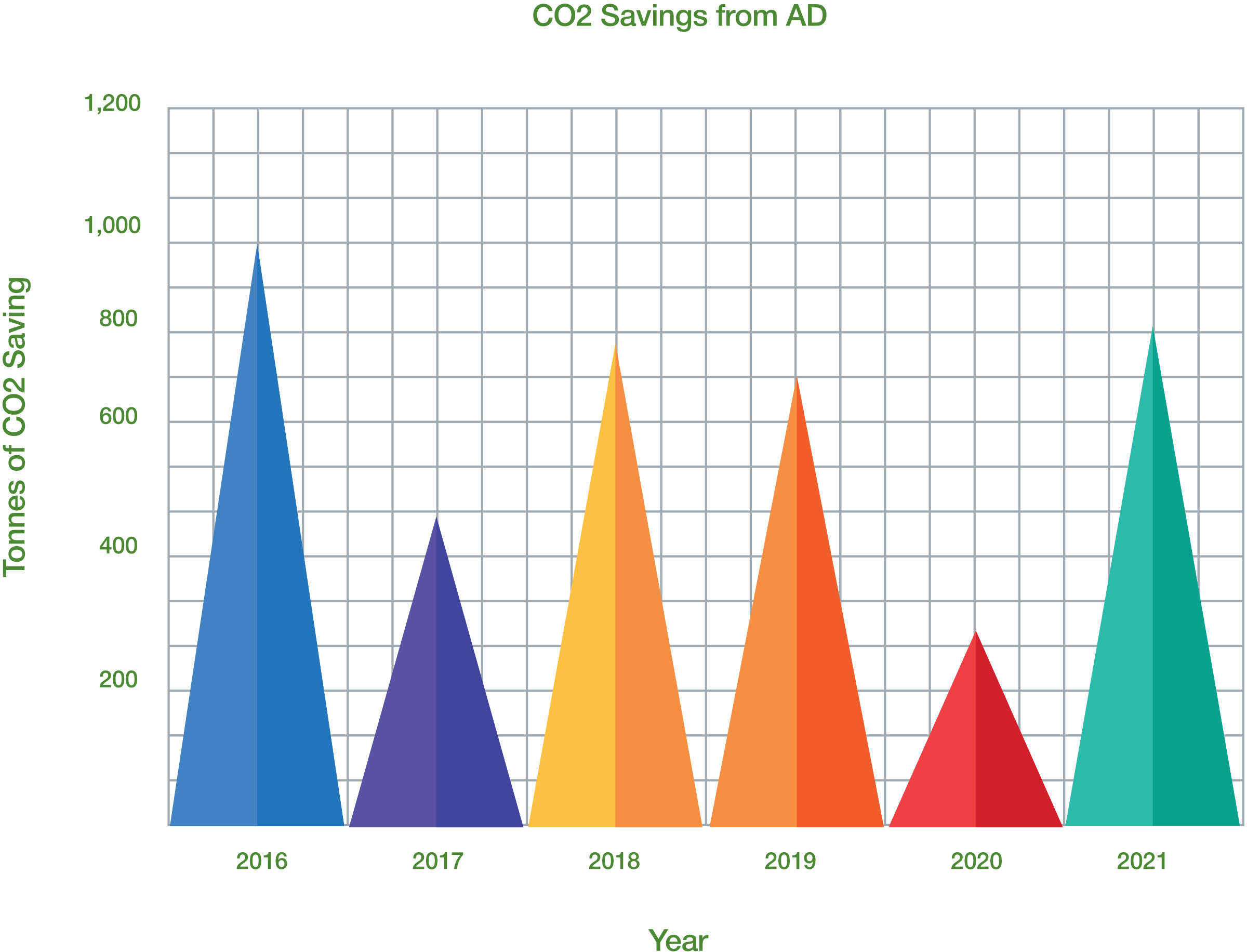
Figure presents annual carbon dioxide equivalent (CO2 eq) emission savings from clean electricity generated by the AD plant, averaging 776 tonnes per year since 2016 and totaling 4,654 tonnes, equivalent to the carbon sequestered by growing 76,955 tree seedlings for 10 years.
Source: Reproduced with permission.
“We are trying to see where we can expand in solar, but the economics of use are not correct. The capex involved in solar is a lot, and when people really dig in, other than they feel good that I am using solar, the alternative, which is now the grid, is just as good.”
Moreover, complying with Kenya Power’s monopolistic regulations is costly and presents no immediate economic advantage for Vegpro. As one informant observed,
“The return on solar investment takes a long time. The current prices and the regulations make it hard to justify the investment as a business case.”
Thus, regulatory compliance, taxation, and the cost of green energy investments remain significant challenges in Vegpro’s sustainability efforts.
Vegpro’s operations rely heavily on relationships with local communities. It therefore becomes essential to manage these relationships to maintain the social license to operate and ensure that sustainability efforts positively impact the broader population. Relatedly, social exchange theory emphasizes the importance of reciprocal relationships, in which the perceived fairness and equity of interactions influence outcomes for individuals and groups (Homans, 1958). While Vegpro has initiated several community engagement programs, such as school feeding initiatives and healthcare outreach, challenges remain in ensuring these efforts benefit all community members, particularly marginalized groups. In rural areas, the distribution of benefits can be uneven, with some community members feeling excluded from Vegpro’s social programs. Furthermore, while Vegpro employs thousands, issues related to gender equity and fair wages are ongoing challenges that must be addressed. Although Vegpro has made significant strides in promoting gender equality and empowering women farmers, some workers still face low wages and poor working conditions, particularly those in informal contracts (Agri-Fi Kenya Challenge Fund, n.d).
While the company has invested substantially in green technologies, employee training, and sustainable farming techniques, scaling these initiatives across all farms and regions remains daunting. The company is therefore compelled to balance the allocation of funds between expanding its sustainability programs and maintaining its core business operations, such as production and marketing. Furthermore, as Vegpro seeks to expand its operations and enter new markets, ensuring that sustainability practices are consistently applied across its entire value chain is a significant challenge. Therefore, there is a need for significant coordination and a clear strategic vision that aligns sustainability goals with business objectives. The Dynamic Capability Theory would require organizations to have the skill to integrate, construct, and reconfigure both internal and external resources to address fast-changing environments. It is therefore important to fine-tune its sustainability efforts by developing dynamic capabilities to survive in the long run amid the challenges at Vegpro.
The persistent problem is climate change, especially in areas experiencing droughts and floods. Vegpro should invest more in technologies for climate-smart agriculture, such as drought-resistant crops, precision irrigation, and greenhouse farming, to mitigate the effects of climate change. Potentially, these technologies can increase yields and reduce resource use, making the production system sustainable even under changing climate conditions. Another direction that Vegpro can investigate when it comes to addressing climate change is partnerships with climate action organizations, such as the Global Alliance for Climate-Smart Agriculture, or Kenya Climate Innovation Center (KCIC), to gain information on the best practices to reduce climate risks, mitigation strategies, as well as opportunities to receive funding to undertake climate adaptation actions. By partnering with other organizations such as the Green Climate Fund (GCF), Vegpro will be better positioned to build resilient supply chains and conduct climate risk analysis of its operations and supply chains.
Second, Vegpro’s supply chain faces challenges in ensuring product quality and consistency from smallholder farmers. Implementing blockchain technology for traceability can increase transparency and ensure that each step of the production process meets required quality standards. One of the key informants stated,
“For the vegetables, for example, we have a program that allows you even to make an application in the field; you must first create that field. It shows you if this was approved to be sprayed, and it goes all the way to when it was harvested by whom, and whether it was harvested.”
Another key informant added,
“We have a software where if it is flowers… because of, for example, the NPS certification, they have a platform. So all the chemicals you spray, whatever fertilizers you apply, are on that MPS platform. So people can come and hold it, key in, pick a block, and look at the possibility of what is happening.”
These illustrate Vegpro’s use of blockchain technology to ensure traceability and transparency in its supply chain and to comply with industry regulations. Thus, Vegpro should also focus on creating inclusive supply chains, integrating a diverse range of farmers, including those from marginalized groups, to promote economic resilience and sustainability.
Vegpro should integrate Artificial Intelligence (AI) into its operations as part of its sustainability agenda. AI can be crucial in optimizing resource usage, enhancing precision farming, and improving supply chain efficiency through predictive analytics and automated decision-making. AI-based systems can help monitor environmental conditions, optimize irrigation schedules, and reduce waste, leading to more sustainable farming practices. When asked about their opinion regarding the role of AI in their current operations, one of the key informants said,
“I think in terms of the impact that I see with AI and we got to see the generation we have now in most of the workers, like between 2019, in fact the people who are over 30 are at the farm level… the capacity to understand some of these things is higher and they use it now with the advantage that I will learn how to use it so that I can come with an innovation on something.”
She further added,
“We are trying to move from quantitative reporting to qualitative, whereby with a function like, let us say, attrition, we are not talking about 100 employees left, with AI, can it quickly evaluate what type of employees left, what age, isn’t it? What skills did they have, instead of just saying numbers, qualitatively positive.”
These insights suggest that AI can significantly enhance operational efficiency and workforce capacity, ensuring Vegpro remains at the forefront of sustainable agriculture and innovation.
The findings reveal a company whose Dynamic Capabilities are unevenly developed across the three dimensions of sensing, seizing, and transforming — a pattern that both explains Vegpro’s achievements in socio-ecological value creation and exposes the structural limits of those achievements.
Vegpro’s sensing capability is well evidenced by its managers’ active monitoring of regulatory shifts through embedded networks. Participation in ASNET and Fairtrade collective lobbying provides early intelligence on EU pesticide bans, packaging regulations, and living wage requirements — signals that would otherwise reach individual firms only after implementation. This form of network-mediated sensing aligns with conception of dynamic capabilities as rooted in external relationship management. It mirrors findings by Stadtfeld and Gruchmann (2024) on how supply chain embeddedness enhances regulatory foresight. However, the tension identified by informants — between EU-mandated living wages of KES 38,000 and local wage norms well below that threshold — suggests that sensing alone is insufficient when the institutional environment itself generates irreconcilable demands (Schoneveld & Weng, 2023).
Vegpro’s seizing capability is demonstrated through concrete operational investments: the biogas dome that converts farm waste into clean energy, precision drip irrigation systems, rainwater harvesting infrastructure, and blockchain-enabled traceability platforms for vegetables and flowers alike. Proprietary crop variety development — including the heat-tolerant “Naivasha 1” and Fusarium-resistant “Naivasha 2” varieties — further exemplifies innovation-driven risk mitigation; the shift of approximately 50% of export volume to sea freight reflects forward-thinking adaptation to Scope 3 emissions pressure while balancing delivery speed. These investments reflect deliberate resource mobilization in response to perceived environmental pressures, consistent with the seizing dimension described by. Importantly, they also constitute tangible socio-ecological value — reducing ecological footprint while improving operational efficiency and farmer livelihoods. The gender inclusion program, ensuring 30% women’s participation across the outgrower network, similarly represents a strategic grasp of the social dimension of sustainability, translating policy intent into operational reality. Notwithstanding these commitments, managers note that biogas energy export remains commercially unviable under current Kenya Power pricing structures — a tension explored further in the Policy and Institutional Arrangements section.
The transforming capability, however, presents a more contested picture. While the formation of the ESG committee and sustainability department signals institutional intent, managers themselves acknowledged significant barriers to transformation: Kenya Power’s monopolistic pricing, which makes solar investment economically unviable; over-taxation, which reduces the surplus available for sustainability reinvestment; and net-zero targets that some informants described as “too ambitious or unrealistic.” These are not merely operational obstacles — they are institutional constraints that suppress the capability to transform even where sensing and seizing are strong. This finding extends Eikelenboom and de Jong’s (2019) argument that dynamic capabilities for sustainability require not only internal flexibility but a supportive institutional environment, a condition that Kenya’s current policy architecture only partially fulfills.
A structural asymmetry in adaptive capacity further complicates the socio-ecological value creation picture. While Vegpro’s vertically integrated operations benefit from substantial infrastructure — biogas, drip irrigation, packhouse water recycling — the outgrower network, which managers describe as facing water shortages and inconsistent access to modern agricultural inputs, operates with significantly less buffering. This mirrors Nyang’au et al.’s (2021) observation that inclusive agribusiness models frequently prioritize lead firm resilience over network-wide adaptive capacity. This disparity contrasts with Porter and Kramer’s (2011) Creating Shared Value framework, which calls for co-investment in supply chain resilience as a prerequisite for sustainable competitive advantage. As Krause et al. (2007) argue, genuine supply chain resilience requires dyadic investment rather than unilateral monitoring — yet Vegpro’s current outgrower model, while strong on compliance monitoring and training, has not yet co-invested in climate-resilient infrastructure at the smallholder level. Hohenstein et al. (2015) caution that a supply chain is only as resilient as its weakest link — and that link, in Vegpro’s case, remains the resource-constrained smallholder farmer.
Vegpro’s extensive certification portfolio serves as a critical barrier to entry, consistent with the legitimacy perspective in institutional theory (Doh & Quigley, 2014). However, a growing body of scholarship suggests that certifications are increasingly becoming a matter of hygiene rather than differentiation — necessary for market access but insufficient for competitive distinction (Stadtfeld & Gruchmann, 2024). Vegpro’s deployment of Fairtrade premiums toward community infrastructure — KES 10.5 million in bursaries and daily school feeding for 2,500 children — demonstrates a commitment to earning a genuine social license beyond compliance (Prno & Slocombe, 2012). Nevertheless, the burden of 143 annual audits raises questions of efficiency relative to streamlined verification models increasingly proposed in the literature. Certifications ultimately secure access and reduce transition risk, but their value as a competitive moat depends on leveraging them for premium market positioning rather than treating them as a compliance floor.
Humane entrepreneurship, as practiced by Vegpro, emerges from the findings as both an ethical commitment and a resilience mechanism. Fair wages above statutory minimums, the lactating mothers’ policy, transparent salary reviews, and community feeding programs collectively reduce worker attrition, strengthen community relations, and build the social license that underpins operational continuity. This finding resonates with Korsakienė and Raišienė’s (2022) argument that SME sustainability is mediated by stakeholder relationships built through consistent humane practice — relationships that, once established, reduce vulnerability to reputational and regulatory shocks. The founder’s characterization by a key informant as someone for whom “money does not drive him” points to an authentic purpose that distinguishes humane entrepreneurship from performative CSR.
Vegpro has successfully created social-ecological value by integrating sustainable farming with social responsibility. Eco-friendly practices such as drip irrigation, rainwater harvesting, composting, and integrated pest management help conserve water and protect biodiversity. Waste recycling and clean energy from biogas further enhance environmental stewardship. Socially, Vegpro supports over 12,000 employees across its food and flowers divisions and more than 2,500 smallholder out-growers, providing fair wages, gender inclusion (30% of smallholders are women), and skills training. Programs like Fairtrade have disbursed KES 10.5 million in bursaries and feed over 2,500 schoolchildren daily. The entity aligns its operations with Kenya Vision 2030, SDGs, and global standards such as Fairtrade and Global GAP. Its corporate governance, ESG committee, and partnerships with KALRO and the Kenya Forest Service ensure robust sustainability oversight. Internally, Vegpro invests in humane entrepreneurship through leadership programs, worker welfare, and continuous training, improving livelihoods and operational efficiency. Its embedded network of smallholder farmers and global retailers fosters mutual growth and accountability.
However, Vegpro faces challenges such as climate change impacts (droughts, floods), supply chain disruptions stemming from inconsistencies among smallholders, and complex regulatory compliance requirements across regions. Community engagements, while impactful, still struggle with inclusivity and fair benefit distribution. Internal challenges include consistently scaling sustainability initiatives and embedding them across all business units. To overcome the challenges, the company has implemented solutions, including advancing climate-smart agriculture, using precision irrigation, and adopting drought-resistant crops. Similarly, it is diversifying its supplier base and exploring blockchain for supply chain transparency. Therefore, Vegpro’s integrated approach positions it as a leading model for balancing profitability with environmental stewardship and social responsibility in agri-business.
For agri-businesses operating across comparable regulatory, environmental, and social contexts in Sub-Saharan Africa, Vegpro’s case offers a transferable lesson: competitive sustainability cannot be achieved through compliance alone. The firms most likely to create durable socio-ecological value will be those that embed ESG commitments into their core institutional arrangements — not as a reputational shield, but as a structural driver of sensing, seizing, and transforming capability. Vegpro’s commissioning of a Scope 1/2/3 GHG baseline through Ricardo PLC signals an emerging intent toward net-zero alignment, though translating this diagnostic into a formalized roadmap remains an open strategic challenge. Emerging technologies — including AI-enabled supply chain optimization — offer additional levers to accelerate the transformation capability, provided their adoption is paired with the institutional and relational investments that make technological change socially legitimate. Future research should examine how network embeddedness shapes the pace of this transition across firms of different scales and ownership structures.
Ethical approval was granted by the Strathmore University Institutional Ethics Review Committee (SU-IERC), reference number SU-ISERC2347/24, and the National Commission for Science, Technology, and Innovation (NACOSTI), reference number 624775. Participants were assured of anonymity and the right to withdraw at any time.
Written informed consent for participation in the study and for publication of anonymized quotations was obtained from all 12 participants before the interview.
ORCID
Samar N. M. Al-Kindy https://orcid.org/0009-0008-0036-1232
Henry Kofi Mensah https://orcid.org/0000-0001-7580-8125
Anne Ndirangu https://orcid.org/0000-0003-3539-6482
| Views | Downloads | |
|---|---|---|
| F1000Research | - | - |
|
PubMed Central
Data from PMC are received and updated monthly.
|
- | - |
Provide sufficient details of any financial or non-financial competing interests to enable users to assess whether your comments might lead a reasonable person to question your impartiality. Consider the following examples, but note that this is not an exhaustive list:
Sign up for content alerts and receive a weekly or monthly email with all newly published articles
Already registered? Sign in
The email address should be the one you originally registered with F1000.
You registered with F1000 via Google, so we cannot reset your password.
To sign in, please click here.
If you still need help with your Google account password, please click here.
You registered with F1000 via Facebook, so we cannot reset your password.
To sign in, please click here.
If you still need help with your Facebook account password, please click here.
If your email address is registered with us, we will email you instructions to reset your password.
If you think you should have received this email but it has not arrived, please check your spam filters and/or contact for further assistance.

Comments on this article Comments (0)