Keywords
Biosorption; phycoremediation; metal uptake; pollutant removal; bibliometric mapping.

Biosorption; phycoremediation; metal uptake; pollutant removal; bibliometric mapping.
Wastewater treatment remains an important environmental challenge. Urban, industrial, mining, agricultural, and aquaculture activities can release nutrients, organic matter, dyes, and potentially toxic metals into aquatic systems. Heavy metals are among the most difficult pollutants to manage because they are persistent and degrade slowly. Once released into water bodies, these metals can accumulate in sediments, posing ecological risks. Conventional technologies have been used for their treatment, but their limitations have encouraged the development of low-cost biological treatment alternatives (Khan et al., 2017; Thapa et al., 2015; Reznikov et al., 2019).
Filamentous green algae have great potential for use in wastewater treatment and heavy metal removal. Their filamentous structure provides a large surface area for effective pollutant adsorption. In addition, filamentous algal biomass is generally easier to harvest than unicellular microalgae, making it more practical for large-scale applications. Experimental studies have shown that Spirogyra and Cladophora can bind heavy metals from aqueous solutions (Lee and Chang, 2011). Other filamentous algae, including Oedogonium and Rhizoclonium, have also been investigated for trace element biosorption and metal removal in mining and industrial wastewater (Bakatula et al., 2014; Suganya et al., 2016). These findings indicate that filamentous green algae are not only important components of freshwater ecosystems but also valuable biological materials for planned and sustainable remediation.
The application of filamentous green algae extends beyond heavy metal removal. Studies on Spirogyra have documented its capacity to sorb metals in surface-water monitoring contexts (Rajfur et al., 2010). Packed column experiments indicate that algal biomass can be utilized in continuous treatment systems (Singh et al., 2012). Additionally, filamentous algae have been examined for dye removal and mixed-pollutant treatment, highlighting their potential in complex wastewater matrices (Khataee et al., 2013; Garcia-Rodríguez et al., 2015). Research on freshwater macroalgae and Oedogonium has also associated wastewater treatment with nutrient recovery and biomass production (Chen et al., 2012; Ge et al., 2018). Collectively, these studies demonstrate that the field encompasses several interconnected themes, including biosorption, bioaccumulation, nutrient removal, wastewater polishing, and biomass valorization.
Although the number of studies is increasing, the literature remains fragmented. Some research addresses sorption kinetics and isotherms, while other studies investigate metal uptake by living biomass, nutrient removal, algal biochar, or environmental monitoring. These diverse research directions obscure the field’s overall structure. A systematic bibliometric review is therefore necessary to clarify the connections among these themes and to identify dominant topics in the literature. This review documents the PRISMA-based screening process, maps research patterns by country and keyword, interprets major research themes, and highlights future research directions for filamentous green algae in wastewater treatment and heavy metal bioremediation.
A bibliometric review approach was combined with a PRISMA-based screening procedure. Bibliometric analysis evaluated the structure and development of the research field, including publication distribution, country contributions, and keyword relationships. The PRISMA framework ensured a transparent and systematic process for identifying, screening, and classifying relevant records. This combined methodology offers a comprehensive overview of the existing research landscape while maintaining a systematic literature selection process.
Scopus was selected as the primary bibliographic database for its comprehensive, well-structured metadata including article titles, abstracts, author keywords, index keywords, author information, source titles, citation data, affiliations, document types, and DOI information. The search and screening strategy targeted studies on filamentous green algae, wastewater treatment, and heavy metal bioremediation. The search scope was expanded beyond Spirogyra to include studies published under genus-specific terms such as Cladophora, Oedogonium, Rhizoclonium, and Ulothrix, as these terms are more commonly used than the broader designation “filamentous green algae”. Details of the search strategy and bibliographic data structure used in this review are provided in Table 1.
The screening process utilized article titles, abstracts, author keywords, and index keywords obtained from the Scopus database. Records were systematically categorized as Include, Check manually, or Exclude. The Include category consisted of records with metadata explicitly related to filamentous green algae and at least one treatment-related context, such as wastewater treatment, heavy metal removal, biosorption, bioaccumulation, or bioremediation. Records with potentially relevant but insufficient metadata were assigned to the Check manually category, while records unrelated to the study scope were classified as Exclude. A conservative screening approach was implemented to minimize the risk of prematurely excluding potentially relevant studies.
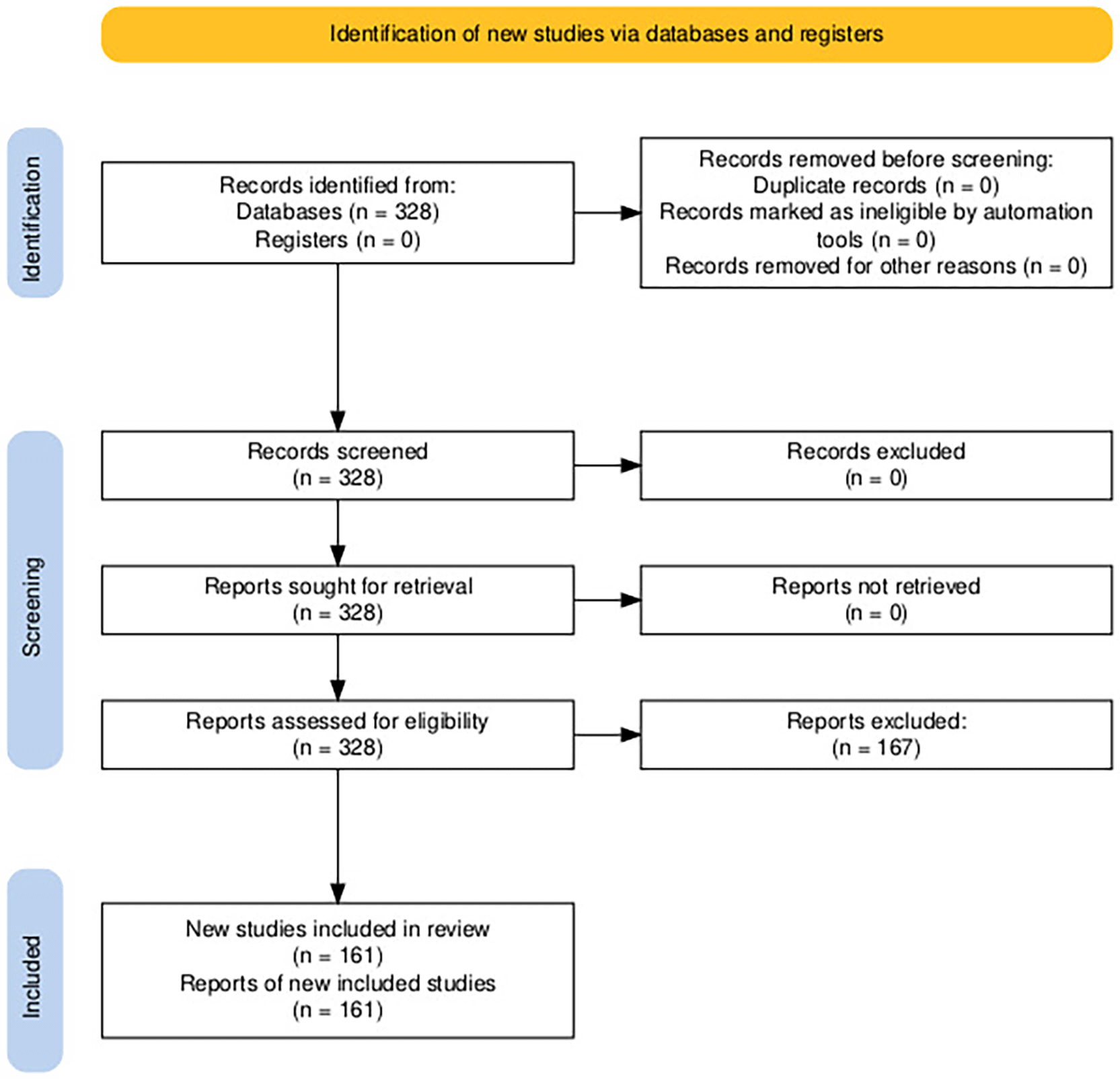
The PRISMA 2020 flow diagram illustrates the progression of records through the identification, screening, eligibility assessment, and inclusion stages ( Figure 1). The initial search retrieved 328 records from the Scopus database, with no additional records identified from other registers or sources. Duplicate screening revealed no duplicates, allowing all records to proceed to the screening stage. Automated screening identified 161 studies as directly relevant to the application of filamentous green algae in wastewater treatment and heavy metal bioremediation. An additional 167 records were categorized as requiring manual review because their relevance could not be conclusively determined from metadata alone. These records were not permanently excluded, as further evaluation, including fulltext assessment or more detailed metadata examination, remained necessary.
The extracted metadata comprised author names, publication year, source or journal title, citation count, DOI, abstracts, author keywords, index keywords, and screening decisions. Bibliometric visualization was conducted using VOSviewer to analyze international collaboration and keyword co-occurrence patterns. In the country collaboration maps, node size indicated the volume of publications, and connecting lines denoted co-authorship links between countries. In the keyword visualization maps, node size represented the frequency of keyword occurrence, while connecting lines indicated co-occurrence relationships. Overlay visualization depicted the temporal distribution of research trends, and density visualization identified regions with higher concentrations of bibliometric activity. The inclusion and exclusion criteria applied during the metadata screening process are summarized in Table 2.
The screened dataset encompassed publications from 2010 to 2026 and revealed a marked increase in recent years. The peak publication count occurred in 2025, demonstrating that research on the use of filamentous green algae for wastewater treatment and pollutant removal is actively advancing. Studies automatically classified as Include showed a comparable upward trend. This observation indicates that the rise in publication numbers reflects not only bibliographic expansion but also the growing development of research targeting environmental remediation applications. To illustrate the temporal pattern of the dataset, the annual distribution of screened records and automatically included studies is summarized in Table 3.
| Category | 2010 | 2011 | 2012 | 2013 | 2014 | 2015 | 2016 | 2017 | 2018 | 2019 | 2020 | 2021 | 2022 | 2023 | 2024 | 2025 | 2026 |
|---|---|---|---|---|---|---|---|---|---|---|---|---|---|---|---|---|---|
| All records | 10 | 9 | 17 | 15 | 15 | 20 | 20 | 22 | 22 | 14 | 22 | 16 | 19 | 23 | 30 | 41 | 13 |
| Included | 1 | 5 | 7 | 4 | 11 | 11 | 13 | 8 | 13 | 10 | 14 | 8 | 9 | 10 | 14 | 19 | 4 |
The leading publication sources indicate that this research field has evolved within applied phycology, environmental monitoring, wastewater treatment, and water-process engineering. Algal Research, Water Science and Technology, Journal of Applied Phycology, Water, Air, and Soil Pollution, and Bioresource Technology are among the journals that most frequently publish studies in this area ( Table 4). This trend demonstrates that research on filamentous green algae is inherently interdisciplinary, grounded in algal biology and closely linked to environmental engineering and pollution management.
Country-based analysis shows that research contributions are concentrated in a limited number of countries ( Table 5). China and India each contributed 48 publications, followed by Australia, the United States, Pakistan, Turkey, Iran, Poland, Saudi Arabia, and New Zealand. India, China, Australia, and Saudi Arabia recorded the highest citation counts, indicating the significant scientific influence of publications from these countries. A total link-strength analysis reveals that the intensity of international collaboration does not always correspond to publication output. For example, although Saudi Arabia produced fewer publications than several other countries, it exhibited a relatively high link strength value. This suggests that research from Saudi Arabia benefits from strong international collaboration within this research network. The pattern of international collaboration in studies on filamentous green algae, wastewater treatment, and heavy metal bioremediation is depicted in Figure 2.
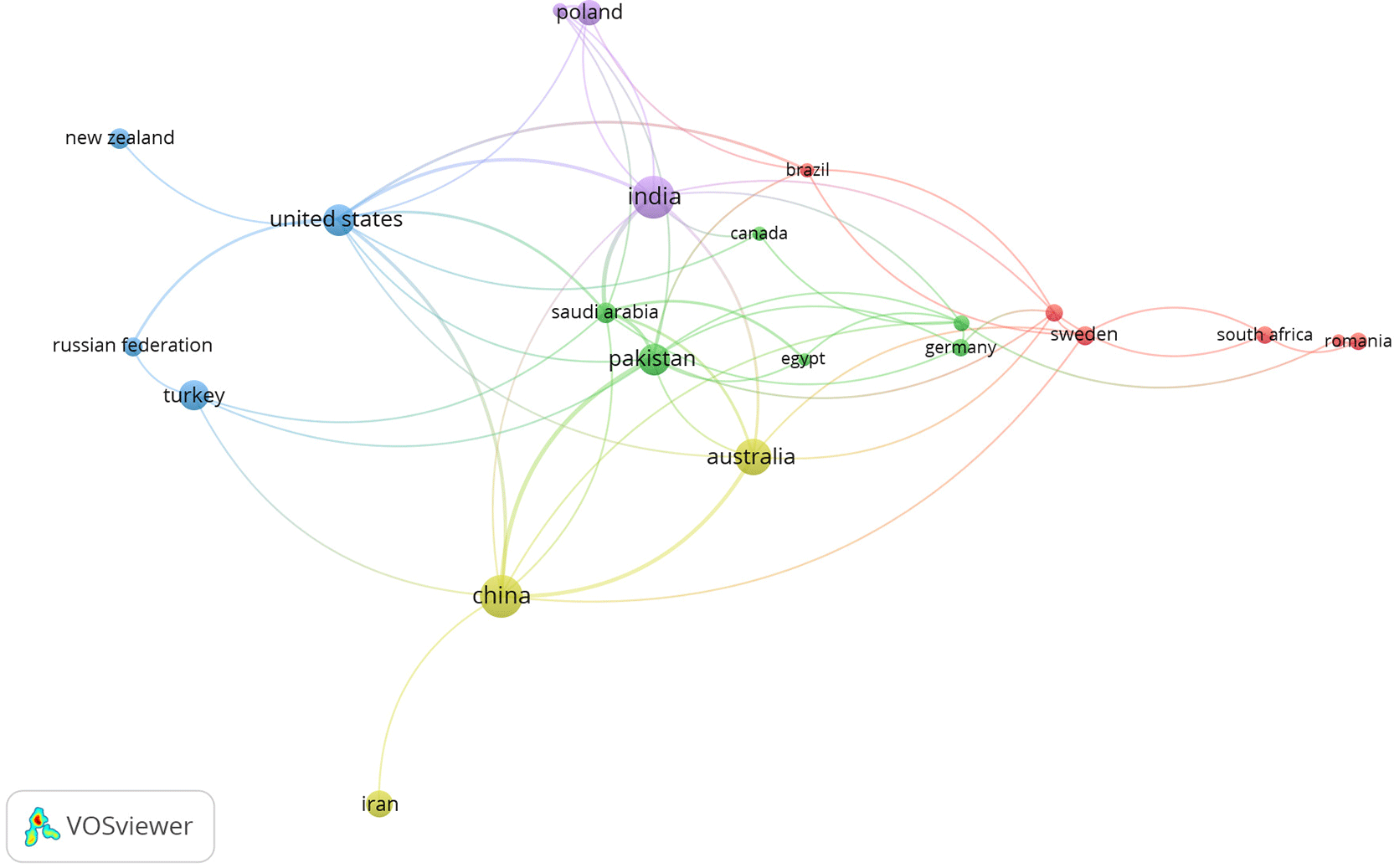
Larger nodes represent higher publication contribution, and links indicate co-authorship relationships among countries.
Figure 2 shows that the country collaboration network in this research field is geographically diverse. India, China, the United States, Australia, and Pakistan serve as major nodes with high levels of contribution and connectivity within the research network. In addition, Germany, Sweden, South Africa, Romania, Poland, Turkey, and the Russian Federation establish additional connections, further expanding the scope of international collaboration. These findings indicate that advances in research on filamentous green algae and environmental remediation are driven by both individual countries’ research capacity and strong scientific collaboration across national boundaries.
Overlay and density visualizations offer a comprehensive overview of the development of this research field ( Figure 3). The overlay map reveals temporal variations in national contributions, with several countries joining the research network in recent years. In contrast, the density map identifies significant research concentrations in China, India, Australia, Pakistan, the United States, Turkey, and Poland. These results suggest that research on filamentous green algae and environmental remediation has achieved broader geographic distribution, although the majority of activity is still centered in a limited number of highly active research institutions.
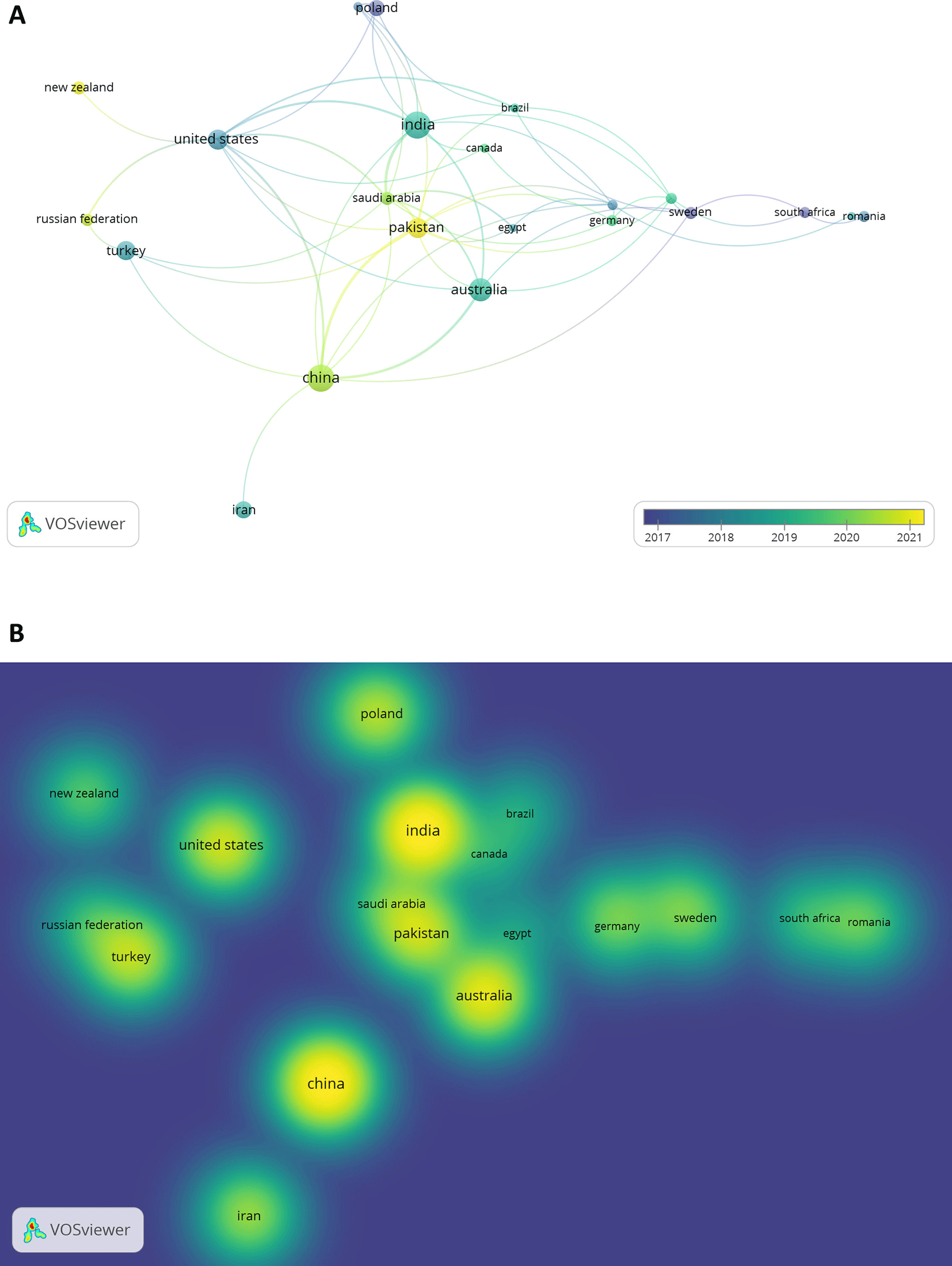
(A) Overlay visualisation; (B) Density visualisation.
Keyword co-occurrence analysis demonstrates that this research field is organized around several interconnected themes algal identity, pollutant removal, remediation mechanisms, and wastewater treatment performance. Terms such as algae, green alga, Chlorophyta, Cladophora, and Spirogyra reflect the biological emphasis of studies on filamentous green algae. In contrast, terms including wastewater treatment, wastewater, water pollutants, chemical, and heavy metal indicate a strong association with aquatic pollution and contaminant removal. Regarding remediation mechanisms, keywords such as bioremediation, bioaccumulation, adsorption, and biosorption indicate that algal biomass is frequently investigated for its ability to remove pollutants through biological accumulation and surface sorption. The presence of terms such as biomass and pH further suggests that this research area also addresses biomass-based treatment performance and environmental factors that influence remediation efficiency. A summary of the major subject-relevant keywords identified after excluding general indexing terms is provided in Table 6.
Figure 4 presents the keyword co-occurrence network within this research field. The central position of terms such as algae, green algae, and bioremediation indicates that these keywords connect multiple areas of applied research. Keywords related to algal identity, including Chlorophyta, Cladophora, Spirogyra, and alga, show the biological basis of the field. In addition, the presence of wastewater treatment, wastewater, water pollutants, chemicals, and heavy metals reflects the strong connection between filamentous green algae and aquatic pollution studies. Mechanism-related keywords such as bioaccumulation, adsorption, and biosorption suggest that pollutant removal is commonly discussed in terms of both biological uptake and adsorption based processes. Overall, the keyword network indicates that research on filamentous green algae integrates algal biology, wastewater treatment, pollutant removal, and remediation mechanisms.
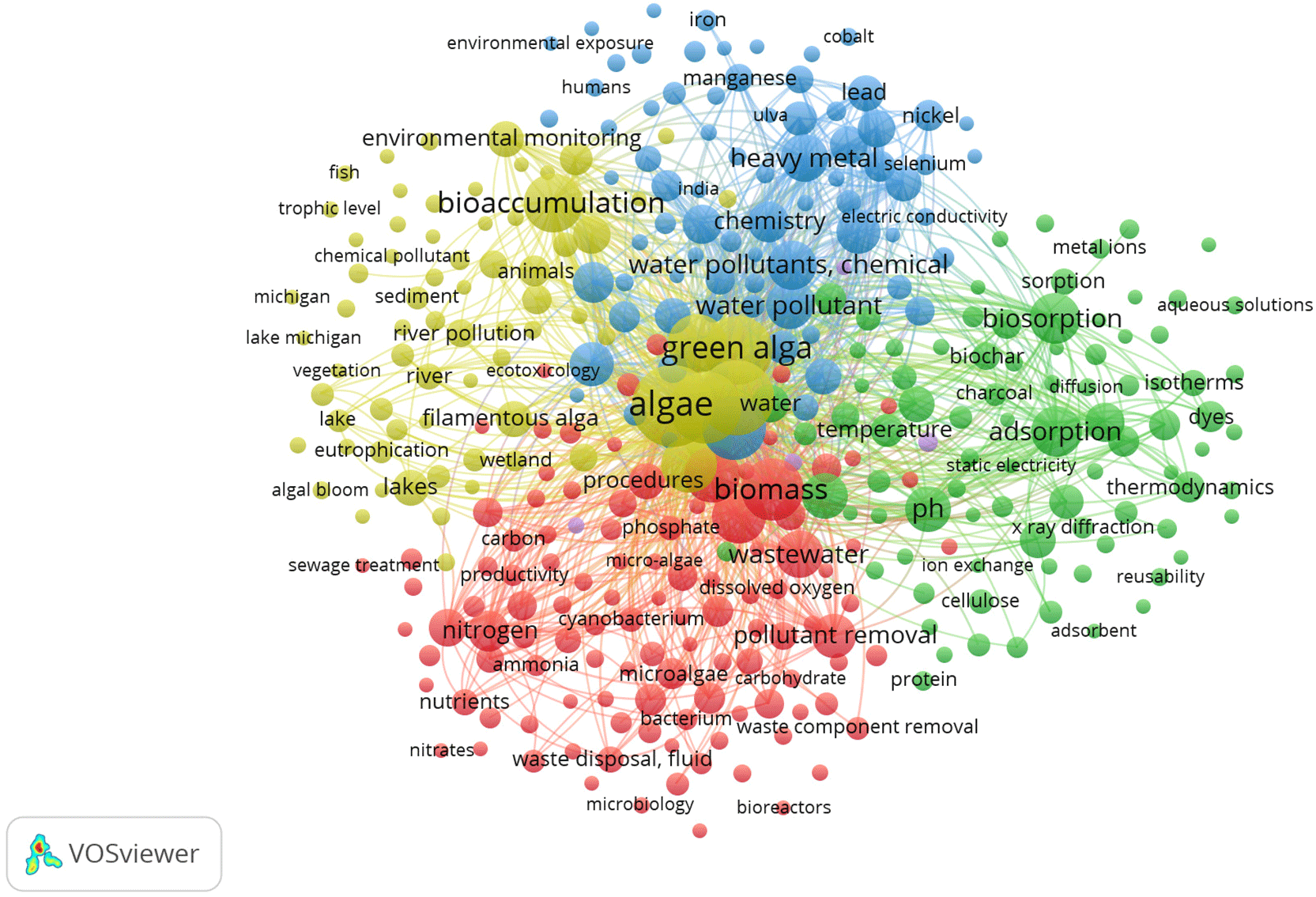
Cluster colours indicate groups of frequently co-occurring terms.
The keyword overlay and density maps ( Figure 5) indicate the development and gradual shift in research focus over time. Earlier studies were primarily associated with environmental monitoring, bioaccumulation, river pollution, and lake systems. These patterns suggest that early research mainly positioned algae as biological indicators within polluted environments. In contrast, more recent studies are increasingly dominated by terms such as adsorption, reusability, algal-derived adsorbents, and wastewater treatment performance. This trend indicates that the field has evolved toward the utilization of algae and algal biomass as active treatment and remediation materials, particularly for wastewater treatment and pollutant removal applications.
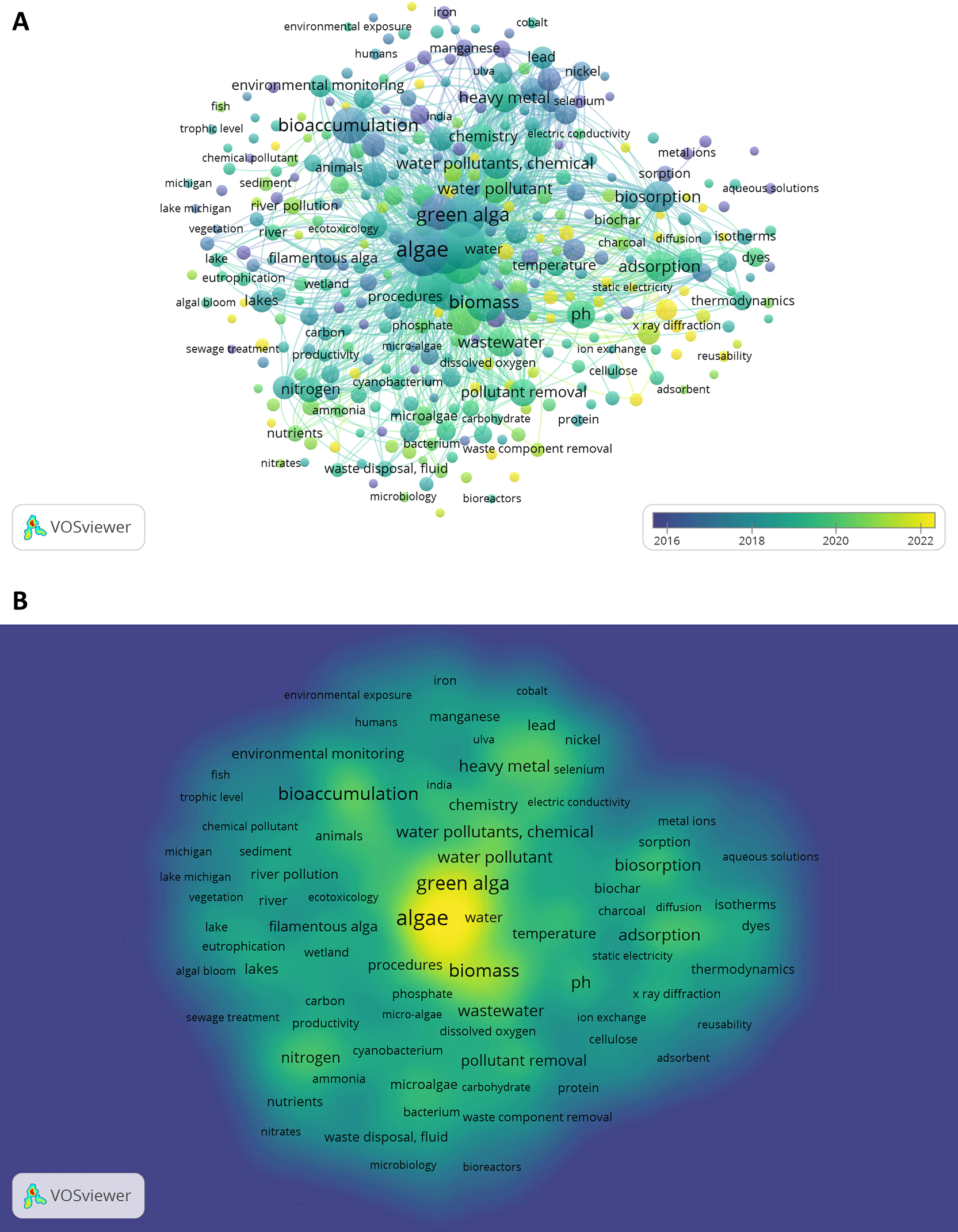
(A) Overlay visualisation; (B) Density visualisation.
Filamentous green algae have been extensively investigated as biosorbents due to the presence of functional groups in their cell walls that can bind dissolved metal ions. Genera such as Spirogyra, Cladophora, Oedogonium, and Rhizoclonium demonstrate significant potential for heavy metal removal (Lee and Chang, 2011; Ji et al., 2012; Mane and Bhosle, 2012; Bakatula et al., 2014; Shamshad et al., 2016; Kayalvizhi et al., 2015; Suganya et al., 2017). Additionally, certain heavy metals, including arsenic, have been effectively absorbed by filamentous algae (Jasrotia et al., 2017).
Filamentous green algae possess several advantages, including broad availability, ease of harvesting, and adaptability to both batch and continuous treatment systems. Studies utilizing biomass-packed columns have demonstrated their effectiveness under operationally realistic treatment conditions (Singh et al., 2012). In addition to heavy metal removal, filamentous green algae are effective in the remediation of dyes. Species such as Spirogyra and Oedogonium have been employed to treat wastewater containing mixed pollutant loads, underscoring their potential for complex wastewater treatment applications (Khataee et al., 2013; Maruthanayagam et al., 2020).
Filamentous green algae contribute to heavy metal removal, nutrient recovery, and improved wastewater quality. Research on freshwater algal cultivation has focused on nutrient removal, compound recovery, and biomass production from diverse waste streams (Chen et al., 2012; Cole et al., 2015). Oedogonium sp. has demonstrated similar potential, particularly in supporting ammonium removal from wastewater (Wang et al., 2013). On a larger scale, macroalgal systems have been implemented in municipal wastewater and industrial effluent treatment, including effluents from coal-fired power stations, through processes that combine remediation with biomass production (Ge et al., 2018; Roberts et al., 2015).
Adsorption performance depends on the specific algal species and nutrient conditions present in the aquatic environment (Liu and Vyverman, 2015; Ross et al., 2018). These results demonstrate that wastewater treatment systems can achieve both contaminant removal and resource recovery. The broader potential for resource utilization is further exemplified by the application of Cladophora sp. in membrane-less microbial fuel cells for bioenergy production (Taşkan and Taşkan, 2022). Filamentous algal biomass is typically easier to harvest than suspended microalgae; however, operational challenges such as clogging, seasonal growth fluctuations, and inconsistent biomass quality persist. Consequently, reactor design, hydraulic conditions, species selection, and biomass management require careful consideration in the development of future treatment systems.
The distinction between biosorption and bioaccumulation is critical for elucidating the mechanisms underlying heavy metal removal by algae. Living algal biomass facilitates metal removal through physiological uptake and intracellular accumulation, whereas nonliving biomass acts as a passive biosorbent. Research on diverse algal systems has demonstrated that biomass sorption sites can bind Cr (VI) (Balaji et al., 2016).
Beyond their direct application in treatment processes, algal biomass can be transformed into value-added adsorbent materials. Algal biochar and activated carbon produced from modified algal sources have been developed for pollutant removal (Michalak et al., 2019; Parsa et al., 2019; Djezzar et al., 2024). Modified biochar demonstrates potential for the simultaneous capture of multiple elements, and algae-based biocomposites have been assessed for uranium removal from wastewater (Johansson et al., 2016; Smječanin et al., 2022). Collectively, these studies suggest that filamentous green algae serve not only as remediation agents but also as feedstocks for the synthesis of functional adsorbent materials.
The literature indicates that filamentous green algae facilitate wastewater treatment and heavy metal bioremediation through multiple interconnected mechanisms. The biomass of Spirogyra, Cladophora, and Oedogonium contains functional groups that bind dissolved pollutants. The efficiency of these algae is affected by wastewater parameters, including metal concentration, pH, contact time, biomass dosage, and the presence of competing ions. Pollutant removal is achieved through biosorption, bioaccumulation, adsorption, and nutrient uptake, which collectively enhance the effectiveness of filamentous algae in reducing heavy metals, improving water quality, and promoting environmental recovery. Furthermore, Cladophora can sequester microfibers and other microplastics in freshwater environments; however, this evidence is more applicable to natural systems than to controlled wastewater treatment processes (Peller et al., 2021).
In practical applications, filamentous green algae should not be assessed solely by pollutant removal efficiency. Post-treatment biomass management is also important to prevent secondary waste generation. Therefore, regeneration, reuse, safe disposal, and potential metal recovery should be considered when developing more applicable treatment systems. The conceptual interpretation of this review is summarized in Table 7.
Figure 6 illustrates a conceptual framework that clarifies the relationships among filamentous green algae, contaminated water, remediation processes, treatment outcomes, and practical feasibility. Filamentous green algae, such as Spirogyra, Cladophora, and Oedogonium, function as remediation agents when introduced into contaminated water matrices containing metals, nutrients, dyes, and other pollutants. The interaction between algal biomass and contaminated water facilitates several mechanisms for pollutant removal including biosorption, bioaccumulation, adsorption, and nutrient uptake. The effectiveness of these processes is influenced by operating conditions, including pH, contact time, biomass dosage, and initial pollutant concentration.
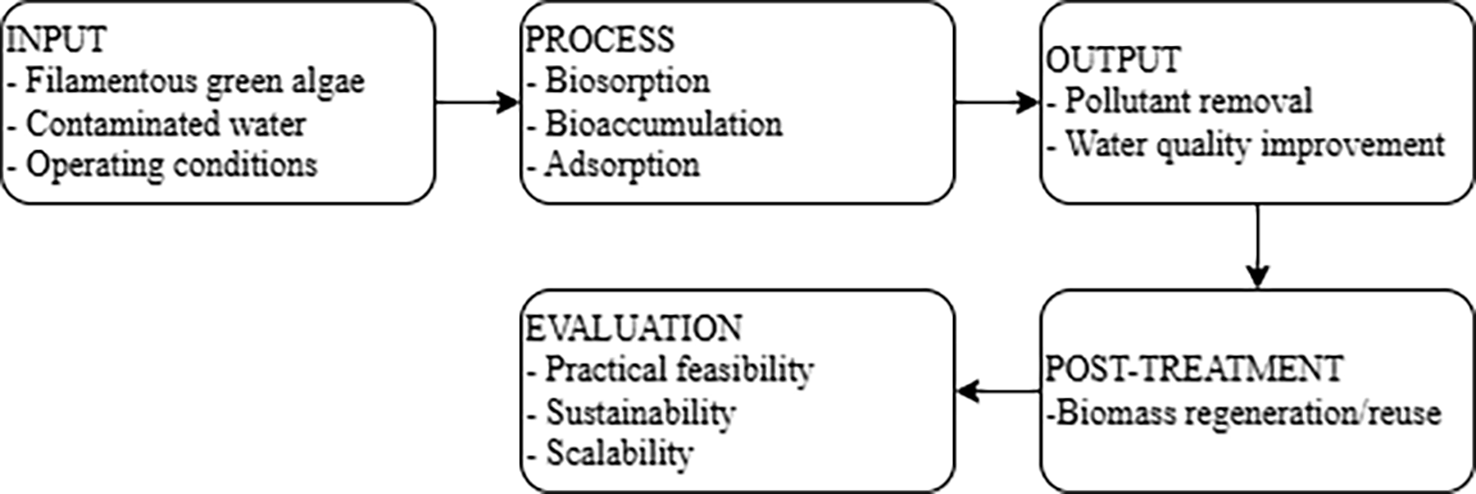
The remediation process offers direct benefits, including reduced pollutant concentrations and improved water quality. Following treatment, algal biomass must be managed through regeneration, recovery, reuse, or disposal to avoid secondary pollution. The effectiveness of both treatments and biomass management underpins the practical feasibility of the technology, including considerations of scalability, sustainability, cost, and environmental impact. This framework underscores the need to assess biological performance and operational feasibility comprehensively to ensure that the application of filamentous green algae in water remediation remains both effective and sustainable.
Current research on filamentous green algae for wastewater treatment and heavy metal remediation remains largely concentrated at the laboratory scale. Most studies are conducted under controlled conditions, which limits evidence of their effectiveness in real wastewater systems. Reactor-based work, such as the use of algal-microbial biofilms in photo-rotating biological contactors for heavy-metal removal from acid mine drainage, highlights the need for approaches that better reflect operational environments (Orandi et al., 2012).
Several technical issues also remain insufficiently examined. These include biomass regeneration, repeated adsorption-desorption cycles, species-specific performance, interactions among mixed contaminants, and post-treatment biomass management. Addressing these gaps is necessary to determine whether filamentous green algae can be translated into reliable and scalable treatment technologies. Future research should therefore prioritize integrated process evaluation and stronger scalability assessment. The main research gaps and recommended directions are summarized in Table 7.
This PRISMA-based bibliometric review demonstrates that filamentous green algae represent a significant and expanding research focus within wastewater treatment and heavy-metal bioremediation. The current body of evidence encompasses not only Spirogyra but also Cladophora, Oedogonium, Rhizoclonium, and additional green algal taxa. Bibliometric mapping indicates that the field is organized around several principal themes, such as algal taxonomy, biosorption and adsorption mechanisms, metal contaminants, wastewater treatment, nutrient removal, and environmental monitoring.
The PRISMA-based screening process identified 161 studies as automatically relevant, with an additional 167 records requiring manual verification from a total of 328 Scopus entries. Filamentous green algae exhibit substantial potential as both biological agents and biomass based materials for pollutant removal. Future research should focus on validation under real wastewater conditions, biomass regeneration, long-term operational stability, biomass management, and comprehensive sustainability assessments of treatment systems.
| Views | Downloads | |
|---|---|---|
| F1000Research | - | - |
|
PubMed Central
Data from PMC are received and updated monthly.
|
- | - |
Provide sufficient details of any financial or non-financial competing interests to enable users to assess whether your comments might lead a reasonable person to question your impartiality. Consider the following examples, but note that this is not an exhaustive list:
Sign up for content alerts and receive a weekly or monthly email with all newly published articles
Already registered? Sign in
The email address should be the one you originally registered with F1000.
You registered with F1000 via Google, so we cannot reset your password.
To sign in, please click here.
If you still need help with your Google account password, please click here.
You registered with F1000 via Facebook, so we cannot reset your password.
To sign in, please click here.
If you still need help with your Facebook account password, please click here.
If your email address is registered with us, we will email you instructions to reset your password.
If you think you should have received this email but it has not arrived, please check your spam filters and/or contact for further assistance.

Comments on this article Comments (0)