Keywords
Isthmin-1, AIP, Dyslipidemia, HDL cholesterol, Triglycerides, Type 2 DM, albuminuria, Diabetic Nephropathy.

Isthmin-1, AIP, Dyslipidemia, HDL cholesterol, Triglycerides, Type 2 DM, albuminuria, Diabetic Nephropathy.
Type 2 diabetes mellitus (T2DM) is a long-term complex, metabolic condition characterized by hyperglycemia as a result of β-cell dysfunction and/or insulin resistance.1 Type2 DM accounts for about 90 percent of the global diabetes prevalence and Approximately 537 million persons globally have Type 2 Diabetes Mellitus (T2DM) in the general population.2 In addition to the common risk factor (age, physical activity, obesity, ethnicity, poor glycemic control, hypertension,etc …), type 2 DM is more prevalent in patients with dyslipidemia.3 Chronic hyperglycemia may lead to both macrovascular complications (coronary heart disease, stroke, and peripheral artery disease) and microvascular complications (diabetic nephropathy, retinopathy, and peripheral neuropathy).4 Understanding the role of dyslipidemia and the novel adipokines like Isthmin-1 may provide insight into the pathophysiology of diabetic complications. Diabetic nephropathy is one of the most common microvascular complications of diabetes, affecting approximately 40% of diabetic patients and related with increased mortality and morbidity.5 it is characterized by the presence of albuminuria which progress from normal albumin levels to microalbuminuria (moderately increased albuminuria) and, eventually, macroalbuminuria (significantly increased albuminuria) and decline in eGFR.6,7
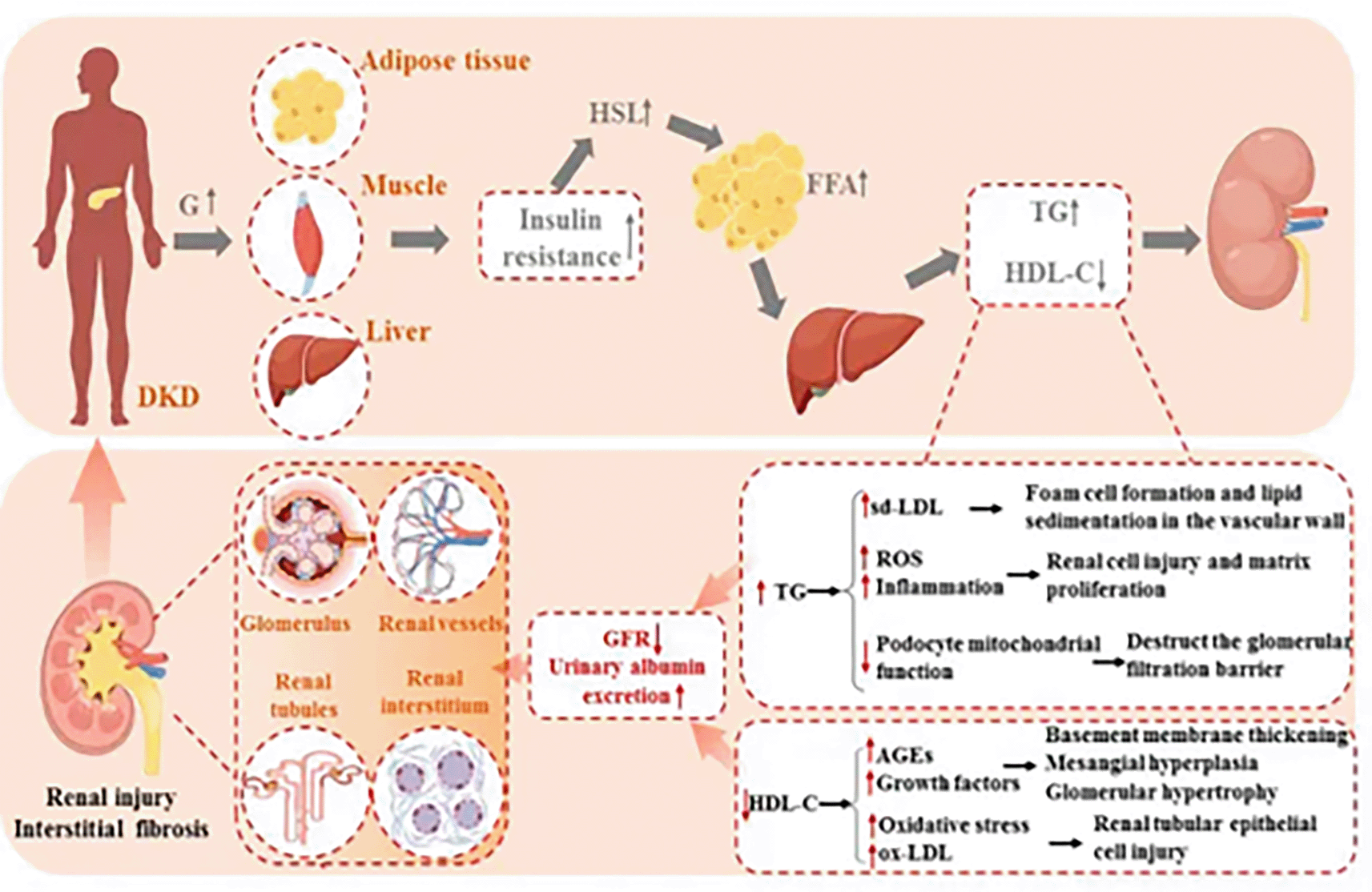
The atherogenic index of plasma (AIP) is a novel lipid-based indicator linked to cardiovascular and renal risks in people with type 2 diabetes (T2DM).8 AIP is calculated as logarithmic transformation of the triglyceride-to-high-density lipoprotein ratio.9 Dyslipidemia is primarily defined by raised triglyceride (TG), elevated low-density lipoprotein cholesterol (LDL-C), or reduced high-density lipoprotein cholesterol (HDL-C) levels.10 Dyslipidemia often coexists in the progression of diabetic nephropathy, with the atherogenic index of plasma (AIP) serving as a valuable marker of dyslipidemia and has a better predictive value than specific lipid parameters.11 Dyslipidemia contributes to the development of diabetic nephropathy by generating apoptosis of podocyte, macrophage infiltration, and an excess of extracellular matrix.10 The increased lipolysis of TG-rich lipoproteins (TRLs) leads to the formation of sd-LDL-C, which is more atherogenic lipoprotein than large particles and deposited in the basement membrane of renal cell easily, sd-LDL-C triggers extracellular the proliferation of extracellular martrix and undergoes oxidative modification, leading to foam cell formation and lipid deposition in the wall of vessels.12
Low HDL-C levels also play a role in the development of DN due to reduced HDL-C antioxidant capability which leads to elevated advanced glycated end products (AGE) content and secretion of growth factors causing basement membrane thickening, mesangial hyperplasia, and glomerular hypertrophy13 These changes eventually induce renal function impairment, which leads to reduced glomerular filtration rate and increased urine albumin excretion ( Figure 1).
Isthmin-1 (Ism-1) is a recently identified insulin-like adipokine that increases glucose absorption by adipocytes while suppressing hepatic fat synthesis.14 ISM-1 has several biological functions, including as embryonic development, anti-angiogenic activity, tumor growth inhibition, and apoptosis induction. Recent research has showed that ISM-1 has a role in glucose and lipid metabolisim.15
ISM-1 has two receptors:
• Low affinity integrin (αvβ5 integrin), Transmembrane receptors that mediate cell adhesion to matrix molecules and perform critical roles in angiogenesis and inflammation16
• High affinity cell surface GRP78: is an ER -resident chaperon that controls protein folding and mediates the cellular stress response17
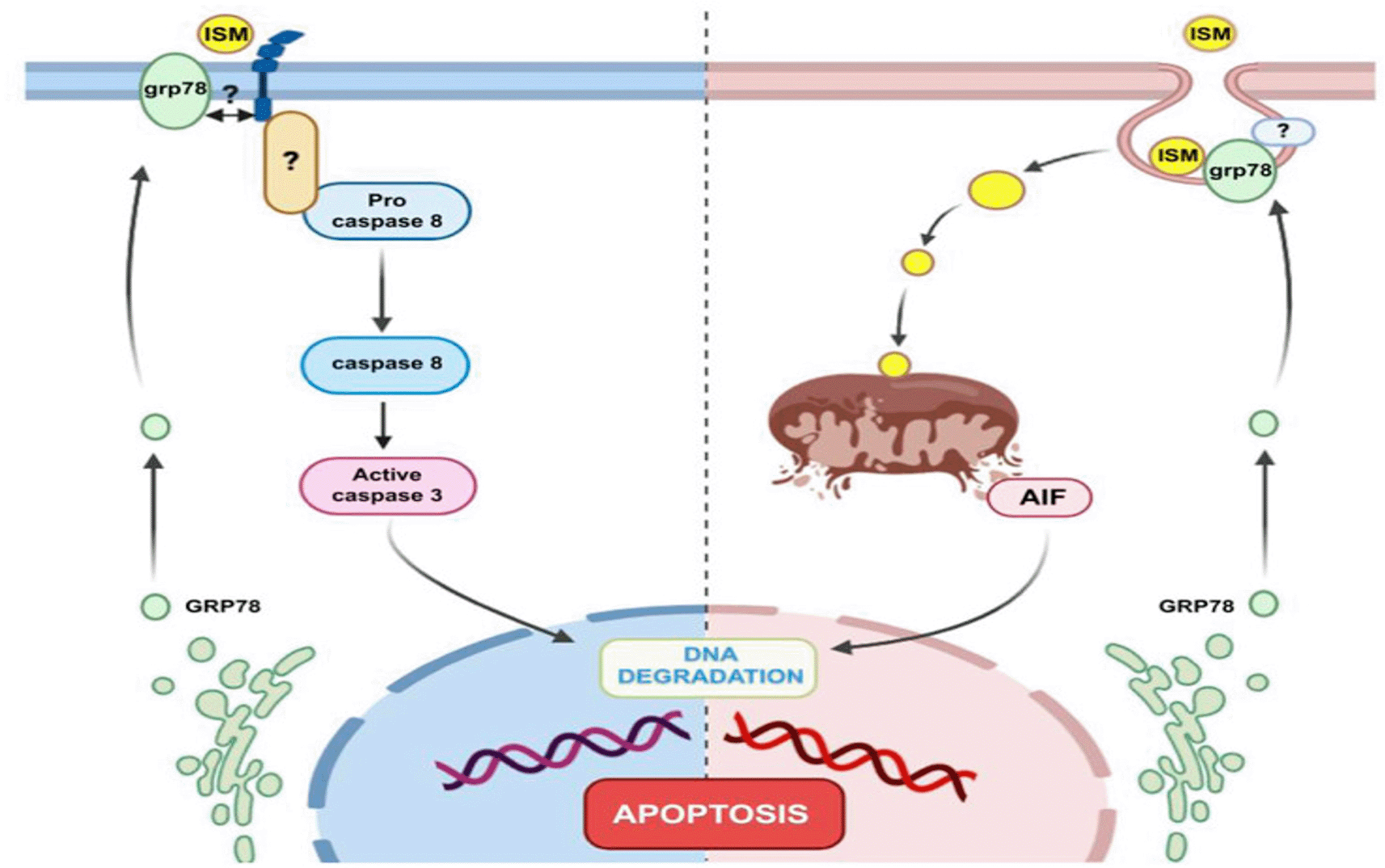
ISM-1 plays a role in metabolism of glucose, lipid and protiens. ISM-1 increases glucose entrance into adipocytes by shifting glucose transporter 4 (GLUT4) to the plasma membrane,18 suppresses hepatic lipid synthesis and hepatic steatosis by inhibiting lipogenesis regulators(sterol-regulated element binding protein-1c, a fatty acid synthase,acetyl-CoA carboxylase, low density lipoprotein receptor, peroxisome proliferator-activated receptor γ coactivator 1β, and carbohydrate response element binding protein)19 and It stimulates the synthesis of protein in the liver by activating the protein kinase (PC)-mammalian target of rapamycin kinase-1-ribosomal protein S6 cascade.20 Under normal conditions Ism-1 is mainly expressed in podocytes and it has a role in early stages of renal development by interacting with Integrin α8β1 to promote cell-cell adhesion, however it increases significantly as nephrotic disease progresses.21 In renal pathophysiology, Ism-1 binds with two glomerular receptors, GRP78 and integrin αvβ5, causing mitochondrial membrane depolarization in podocytes via caspase-dependent(by stimulate the activation of procaspase-8 and the subsequent caspase-3, which activate DNAse and causes DNA fragmentation) and caspase-independent processes (by stimulate the release of proapoptotic protiens like apoptotic inducing factor (AIF) and cytochrome c which also causes DNA fragmentation) these changes disrupt the glomerular filtration barrier and accelerates the progress of focal segmental glomerulosclerosis (FSGS).22 Figure 2.
The aim of this study is to evaluate the atherogenic index of plasma (AIP) and serum Isthmin-1 as biomarkers associated with albuminuria severity in type 2 diabetes mellitus patients classified by albuminuria level.
A cross-sectional analytical study was conducted from October 2024 to March 2025.
Patients with Type 2 DM were recruited from the National Diabetes Centre for Treatment and Research, Mustansiriyah University, Baghdad, Iraq.
A written consent was obtained from each patient.
The study included 90 adult patients who were divided according on their urine ACR into three groups
Both blood and urine samples were obtained from each participant.
• A blood sample (10 ml) was taken from each patient via venipuncture, 2 ml was placed into an EDTA tube for HbA1c estimate, and 8 ml was transferred into a gel tube for other parameter analysis. The blood sample was left in the gel tube for 30 minutes before being centrifuged at 3400 rpm for 10 minutes. 0.5 ml of the resulting serum was transferred to an Eppendorf tube and stored at −20 °C to be used for Isthmin-1 detection, while the remainder of the serum was used to detect lipid profile parameters, renal function tests, and fasting blood sugar.
• Urine sample was collected to determine albuminuria using a specialized microalbumin auto-analyzer (Combilyzer-13, Human Company, Germany).
Serum Isthmin-1 was measured using human ELISA kits. HDL cholesterol, triglycerides, total cholesterol, LDL cholesterol, fasting blood glucose, HbA1c, serum creatinine, and blood urea were measured using standard automated biochemical methods. eGFR was calculated using the CKD-EPI formula. AIP was calculated based on lipid profile by using this equation:
Ninety adults with type 2 diabetes were stratified by spot urinary albumin-to-creatinine ratio (ACR, mg/mmol) into three equal groups of 30: normoalbuminuria, microalbuminuria, and macroalbuminuria. Continuous variables are summarised as mean ± SD when distributions were approximately normal (Shapiro–Wilk p > 0.05 in every group) and as median with interquartile range otherwise. The Atherogenic Index of Plasma (AIP) was computed using the Dobiášová formula — log10(triglyceride/HDL-C), with both lipids first converted to mmol/L (triglyceride mg/dL ÷ 88.57; HDL-C mg/dL ÷ 38.67).
Between-group comparisons used one-way ANOVA when normality and Levene-tested variance homogeneity held; Kruskal–Wallis with Dunn-Bonferroni post-hoc otherwise. Tukey’s HSD served as the parametric post-hoc; effect size was reported as η2 for ANOVA and Hedges’ g for pairwise contrasts.
Diagnostic performance for diabetic nephropathy (DN, defined as micro- or macroalbuminuria) was estimated through ROC analysis. AUC was reported with bootstrap 95% CIs (2000 resamples), and the Youden index identified the optimal cutoff with corresponding sensitivity and specificity.
90 patients with Type 2 DM were included (30 in each albuminuria group). Baseline parameters revealed that age and BMI were comparable between groups. Patients with macroalbuminuria exhibited worse renal function (lower eGFR, higher blood creatinine). As shown in Table 1. Values are mean ± SD for normally distributed variables and median (IQR) otherwise. Test column shows ANOVA (parametric) or Kruskal–Wallis (non-parametric) — selection driven by Shapiro–Wilk normality testing within each group.
The three groups were well matched for age, BMI, HbA1c and none of these differed across stages (all p > 0.05). The renal panel and the andidate biomarker were a different story. Blood urea, serum creatinine, GFR and ACR all separated the groups (p < 0.001), as expected from the grouping criterion. Isthmin-1 showed an extreme between-stage gradient (p < 0.001), Isthmin-1 with a near-complete separation between albuminuria categories (η2 = 0.91).
Data are: Mean ± Standard deviation# Statistically significant at p < 0.05, variables were compared using one-way ANOVA a groups with the same letter differ significantly in the post-hoc test according to Tukey-Kramer.
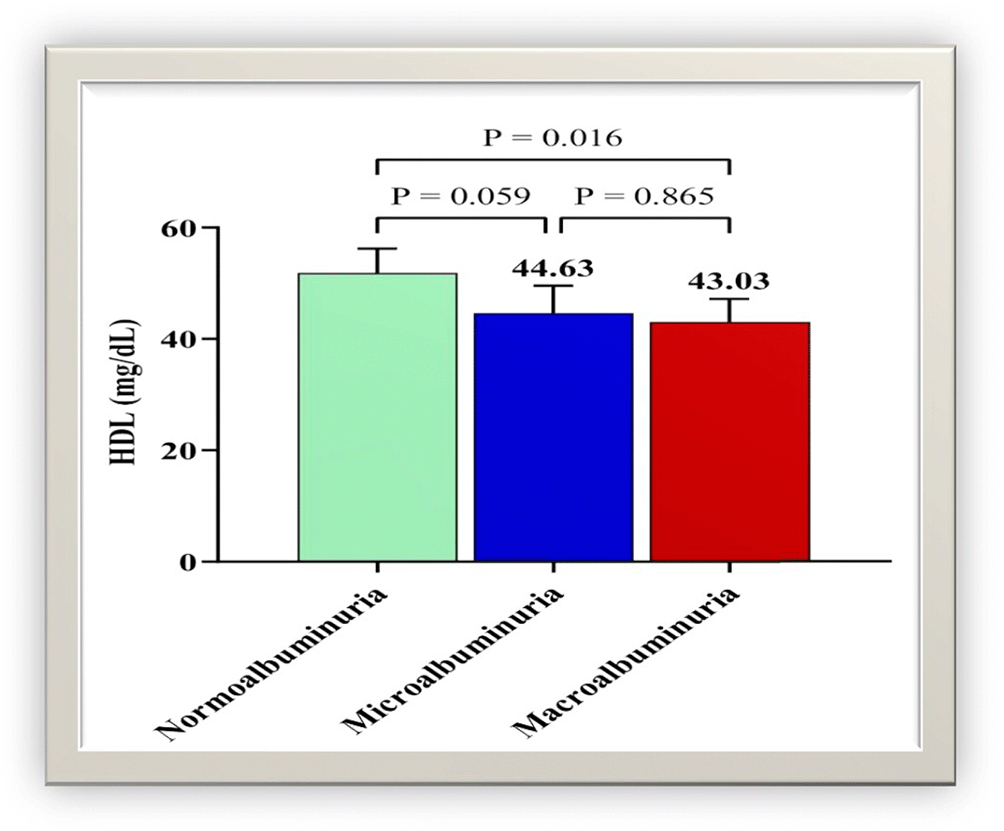
The result of lipid profile analysis showed A statistically significant difference was observed in HDL levels across the study groups (p = 0.0132). A post-hoc analysis found that the normoalbuminuria group had considerably higher HDL levels (51.84 ± 11.80 mg/dL) than the macroalbuminuria group (43.03 ± 11.14 mg/dL), whereas the microalbuminuria group had intermediate values (44.63 ± 13.13 mg/dL). Figure 3 presents HDL cholesterol across albuminuria group.
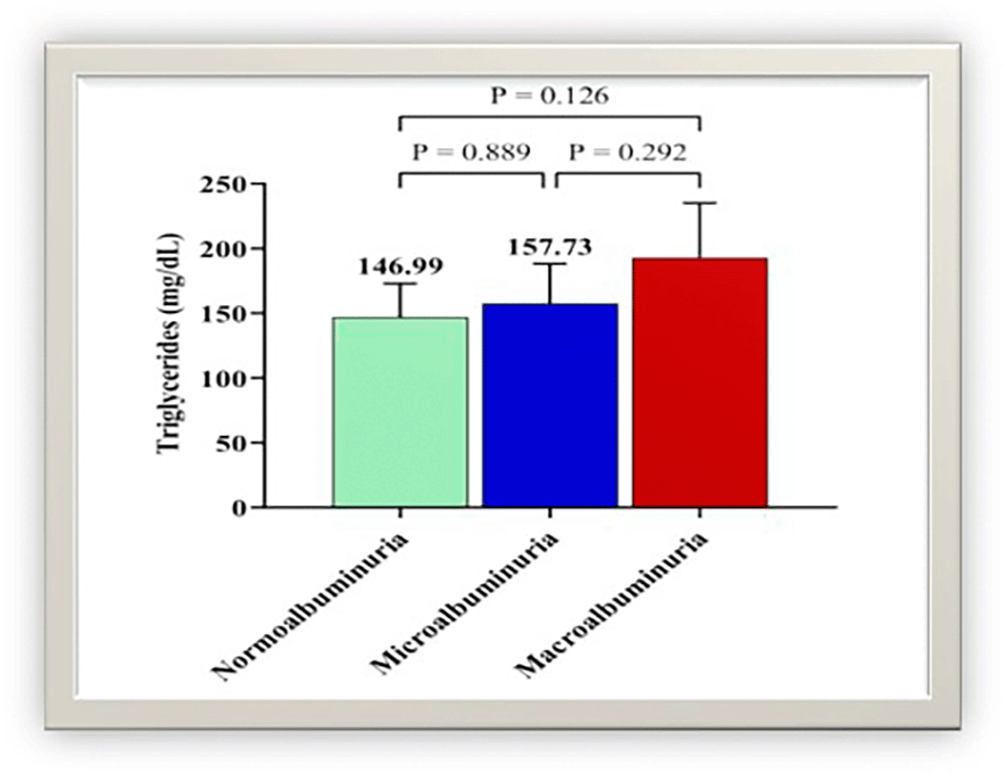
Triglycerides showed an adverse pattern across groups (p = 0.126). Triglyceride levels decreased from macroalbuminuria (192.82 ± 113.00 mg/dL) to microalbuminuria (157.73 ± 81.91 mg/dL), and were lowest in the normoalbuminuria group (146.99 ± 69.77 mg/dL). Figure 4 shows triglyceride pattern in different albuminuria groups.
Data in Table 2 shows comparison of HDL cholesterol and Triglycerides across albuminuria subgroups.
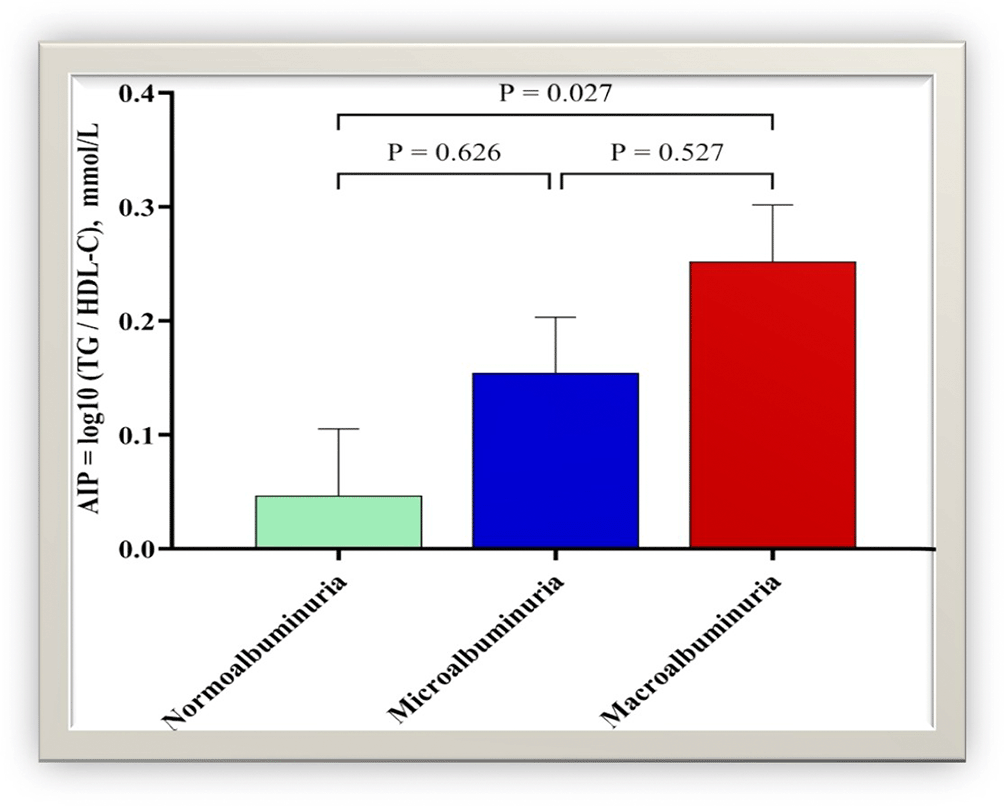
AIP demonstrated a modest but significant increase across albuminuria stages (F = 3.85, p = 0.025, η2 = 0.08). A post-hoc analysis found that the normoalbuminuria group had considerably lower AIP evels (0.05 ± 0.32) than the microalbuminuria group (0.15 ± 0.27), whereas the macroalbuminuria group had highest values (0.25 ± 0.27) Table 1. Comparison of base line characteristics across albuminuria stages. Values are mean ± SD for normally distributed variables and median (IQR) otherwise. Test column shows ANOVA (parametric) or Kruskal–Wallis (non-parametric) — selection driven by Shapiro–Wilk normality testing within each group.
The three groups were well matched for age, BMI, HbA1c and none of these differed across stages (all p > 0.05). The renal panel and the andidate biomarker were a different story. Blood urea, serum creatinine, GFR and ACR all separated the groups (p < 0.001), as expected from the grouping criterion. Isthmin-1 showed an extreme between-stage gradient (p < 0.001), Isthmin-1 with a near-complete separation between albuminuria categories (η2 = 0.91). Suggesting increasing atherogenic dyslipidaemia with renal involvement. Figure 5 shows the comparision of AIP among albuminuria groups.
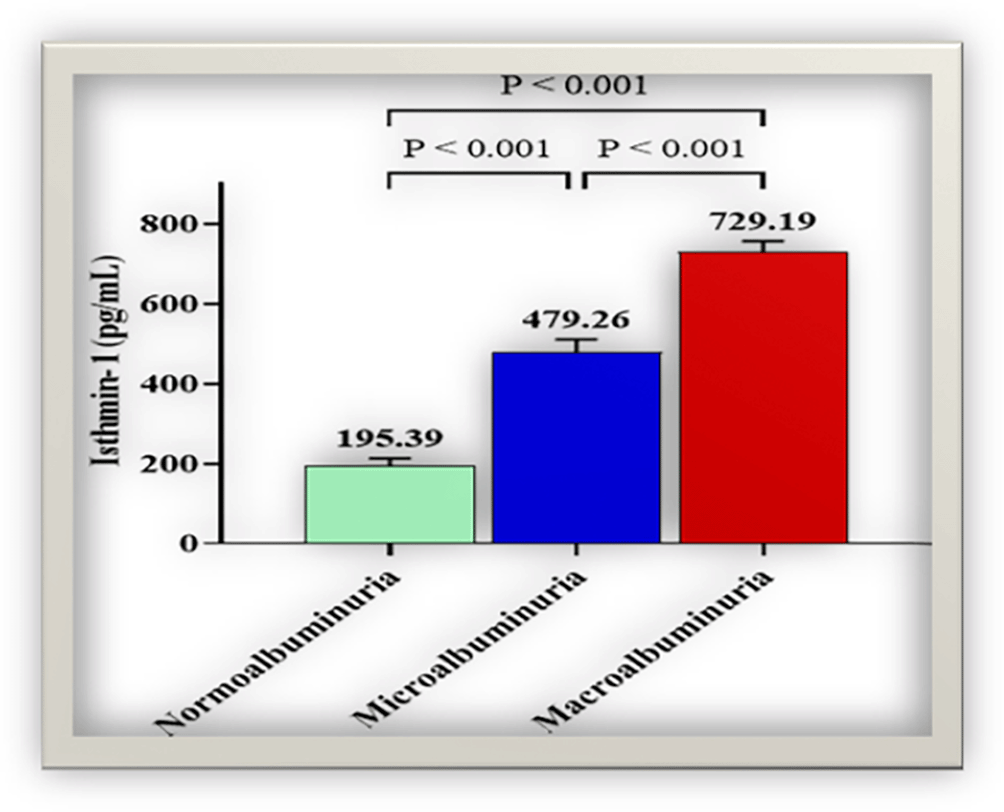
A significant variation in isthmin-1 levels was also detected among the study groups (p < 0.0001). The macroalbuminuria group had the highest mean isthmin-1 concentration (729.19 ± 73.58 pg/mL), followed by the microalbuminuria group (479.26 ± 83.62 pg/mL), while the normoalbuminuria group exhibited the lowest levels (195.39 ± 48.80 pg/mL). Post-hoc analysis demonstrated that the macroalbuminuria and microalbuminuria groups had significantly higher isthmin-1 levels compared to the normoalbuminuria group. The steady increase in isthmin-1 levels from normoalbuminuria to macroalbuminuria indicates that this biomarker may play a role in the progression of kidney disease ( Figure 6).
Correlation of AIP with Isthmin-1 and other clinical variables
AIP and Isthmin-1 were positively but only modestly correlated (Pearson r = 0.29, p = 0.006; Spearman p = 0.29, p = 0.006). The two markers therefore carry partly non-redundant information — most of the AIP signal traces back to its constituent lipids, so the AIP–Isthmin-1 link survives this dependence, suggesting that AIP captures a slice of Isthmin-1-related metabolic stress beyond what the lipid panel alone reflects. Figure 7 shows the correlation between AIP and ISM-1 across albuminuria groups.
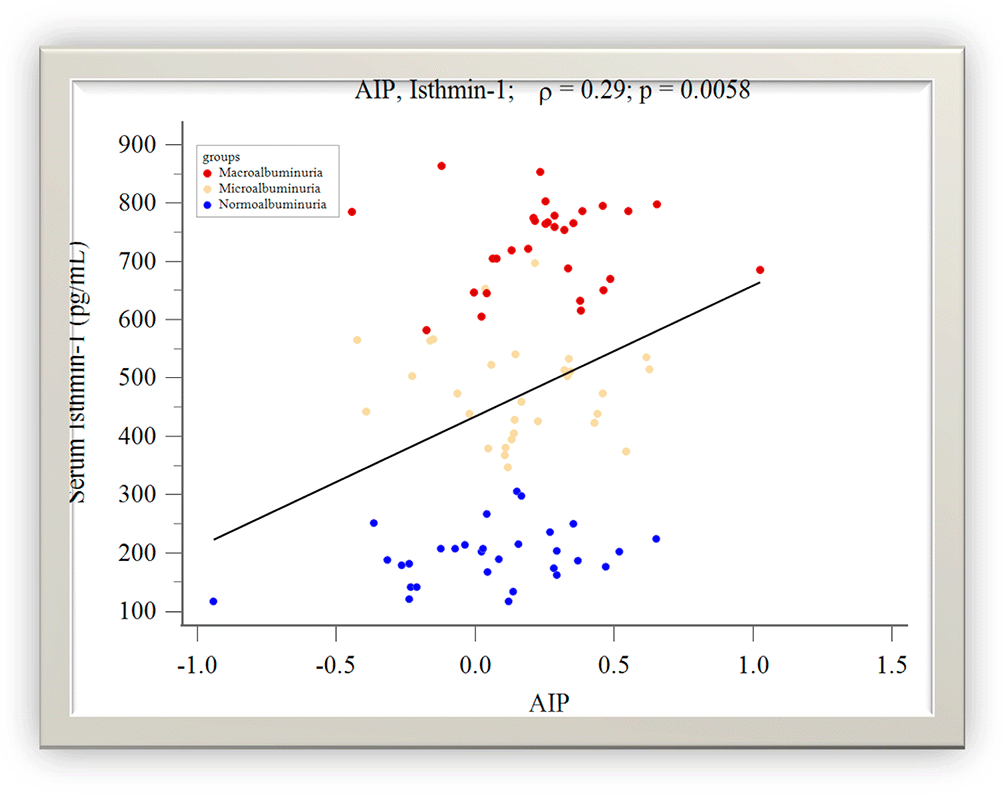
Linear regression overlay; correlation coefficients in the title.
Isthmin-1 mirrored renal injury more closely than any other variable in the panel. The strongest correlate was ACR itself (r = 0.91, p = 0.89; p < 10−31), followed by GFR (r = −0.51), urea (r = 0.50) and creatinine (r = 0.46).
Results in Table 3 shoewd that AIP was a poor stand-alone classifier of diabetic nephropathy (AUC = 0.65, 95% CI 0.51–0.77). The Youden-optimised cutoff of 0.05 gave 76.7% sensitivity at 50% specificity — modest at best. Isthmin-1 returned an excellent discriminatory performance within this study requiring validation in larger independent populations. (AUC = 1.00, 95% CI 1.00–1.00) at a cutoff of 347.5 pg/mL with 100% sensitivity and 100% specificity. The AIP + Isthmin-1 logistic score achieved AUC = 1.00 as well, reflecting Isthmin-1’s dominant signal — adding AIP did not improve already-perfect discrimination but does not degrade it either.
Diabetic nephropathy (DN) is a serious microvascular consequence of diabetes and the most common cause of chronic kidney disease (CKD) and end-stage renal disease (ESRD)globally. Approximately forty percent of persons with type 1 and type 2 diabetes acquire DN. According to the International Diabetes Federation, diabetes affects more than 460 million people worldwide, and DN is predicted to become a substantial global public health concern.23
Diabetic nephropathy (DN) requires early identification, diagnosis, and treatment in order to limit the disease’s development, improve patient outcomes, and maintain quality of life. Finding trustworthy biomarkers for early DN diagnosis is still crucial. Numerous potential indicators that aid in predicting the onset and progression of diabetic nephropathy have been discovered by researchers in recent years.24
This research of 90 well-matched T2DM patients (age/BMI) found increasing renal deterioration throughout albuminuria stages, with macroalbuminuria demonstrating significant dysfunction. The glomerular filtration rate is an essential indicator of renal function and is used to assess kidney health, particularly in patients with diabetes or chronic kidney disease. The study found a significant variation in GFR among groups (p < 0.0001). The macroalbuminuria group had the lowest mean GFR (53.67 ± 38.04 mL/min/1.73m2), substantially lower than the microalbuminuria group (92.77 ± 25.05 mL/min/1.73m2) and the normoalbuminuria group (99.00 ± 13.83 mL/min/1.73m2). These findings parallel the Longitudinal Trajectories Study on 2025 which a substantial link between deteriorating albuminuria and diminishing renal function (measured by GFR).25
The isolated difference in HDL levels, with higher concentrations in the normoalbuminuria group, aligns with reports linking dyslipidemia—particularly triglyceride and LDL—to renal injury progression. However, several factors explain these variations in the results from consensus, such as small sample sizes, population homogeneity, widespread statin therapy, or tight glycemic management in modern T2DM populations, which may limit the detection of subtle lipid-associated effects.12
A lipid profile in this study was identified with steady TC/LDL levels but dyslipidemia symptoms identified by HDL drop (F = 4.55, p = 0.013, η2 = 0.095) and AIP increase (F = 3.85, p = 0.025, η2 = 0.081), which is consistent with the current findings. HDL drop (51.84 → 43.03 mg/dL) aligns to the National Health and Nutrition data, which show that HDL levels below 45 mg/dL treble the risk of DN. AIP progression (0.05 → 0.25) supports meta-analytic findings.8
The non- significant decreasing trend of TG and the substantial AIP suggest ratio power. The results revealed that macro-normo AIP Δ = 0.20 accurately matches the Iraqi T2DM-DN cohort (Δ = 0.24; Al-Hakeim et al., 2020) [web:568], demonstrating AIP as a reliable and ethnicity-consistent biomarker.26
Diabetes patients have dyslipidemia caused by insulin resistance or deficiency, which affects critical enzymes and pathways in lipid metabolism.26
Isthmin-1 is the workhorse here. It separated the three albuminuria stages with η2 = 0.91 — virtually all the variance in Isthmin-1 is explained by the grouping — and achieved AUC = 1.00 (100% sensitivity and specificity at a cutoff of 347.5 pg/mL) for DN versus normoalbuminuria.
this result is supported by study investigating the association of isthmin-1 and eGFR (Xu et al., 2023).18 The raised isthmin-1 levels in patients with severe albuminuria may indicate its role in endothelial dysfunction, inflammation, or metabolic disturbances associated with renal disease progression and its possible utility as a biomarker.15
In this cross-sectional study of patients with type 2 diabetes mellitus, increasing albuminuria severity was associated with progressive deterioration in renal function and significant changes in selected metabolic biomarkers. HDL-C declined and AIP increased across albuminuria stages, suggesting greater atherogenic dyslipidaemia with renal involvement. Serum Isthmin-1 showed the strongest between-group association and increased markedly from normoalbuminuria to micro- and macroalbuminuria. These findings suggest that Isthmin-1, alone or combined with AIP, may serve as a promising adjunctive biomarker for diabetic nephropathy risk stratification. Larger longitudinal studies are required to confirm diagnostic performance, temporal relationships, and clinical utility.
Ethical and scientific approvals were obtained prospectively from the Ethical committee of the College of Medicine, Al-Mustansiriya University, Baghdad, Iraq (approval number: 65 on 31-10-2024). All participants provided written informed consent after being thoroughly informed about the purpose, risks, procedures, and potential benefits of the research. The research team maintained full compliance with Good Clinical Practice guidelines and adhered to the ethical principles of the Declaration of Helsinki.
| Views | Downloads | |
|---|---|---|
| F1000Research | - | - |
|
PubMed Central
Data from PMC are received and updated monthly.
|
- | - |
Provide sufficient details of any financial or non-financial competing interests to enable users to assess whether your comments might lead a reasonable person to question your impartiality. Consider the following examples, but note that this is not an exhaustive list:
Sign up for content alerts and receive a weekly or monthly email with all newly published articles
Already registered? Sign in
The email address should be the one you originally registered with F1000.
You registered with F1000 via Google, so we cannot reset your password.
To sign in, please click here.
If you still need help with your Google account password, please click here.
You registered with F1000 via Facebook, so we cannot reset your password.
To sign in, please click here.
If you still need help with your Facebook account password, please click here.
If your email address is registered with us, we will email you instructions to reset your password.
If you think you should have received this email but it has not arrived, please check your spam filters and/or contact for further assistance.

Comments on this article Comments (0)