Keywords
Australia, Governance failure, Housing governance, Housing regulation, Sustainable Development

Australia, Governance failure, Housing governance, Housing regulation, Sustainable Development
Housing is widely recognised as a fundamental determinant of human wellbeing, social inclusion, and economic participation, yet access to adequate and affordable housing remains uneven both across and within countries (United Nations, 2023; UN-Habitat, 2022; OECD, 2023). Within the Sustainable Development Goals (SDGs), particularly SDG 11, the provision of safe, resilient, and sustainable cities explicitly includes access to adequate, safe, and affordable housing as a central target, underscoring its importance in achieving inclusive development outcomes (United Nations, 2023; UN-Habitat, 2022; World Bank, 2023). However, contemporary evidence increasingly demonstrates that housing insecurity is not confined to low- and middle-income countries, but is also a growing concern within high-income economies, thereby challenging conventional distinctions between the Global North and Global South (OECD, 2023; World Bank, 2023; UN-Habitat, 2022). Australia provides a particularly salient case in this regard, as it combines high levels of economic prosperity with escalating housing affordability pressures and persistent homelessness ( Australian Bureau of Statistics, 2021; Australian Institute of Health and Welfare, 2023; Productivity Commission, 2022). Over the past two decades, housing costs in Australia have increased significantly relative to incomes, contributing to rising rental stress and declining home ownership rates, particularly among younger and lower-income households (OECD, 2023; Productivity Commission, 2022; Daley et al., 2018). At the same time, official statistics indicate that homelessness has persisted across multiple demographic groups, with notable increases in certain categories, including women and young people, reflecting broader patterns of socio-economic vulnerability ( Australian Bureau of Statistics, 2021; Australian Institute of Health and Welfare, 2023; Pawson et al., 2022). These trends suggest that housing insecurity in Australia is not merely a cyclical market imbalance, but rather a structural issue linked to deeper processes of inequality and exclusion.
A growing body of literature attributes these dynamics to the financialisation of housing, whereby residential property is increasingly treated as an investment asset rather than a basic social good, thereby reshaping housing markets in ways that prioritise capital accumulation over social need (OECD, 2023; UN-Habitat, 2022; World Bank, 2023). In the Australian context, this has been reinforced by tax incentives, credit expansion, and investor-driven demand, all of which have contributed to rising property prices and reduced affordability for non-owners (Productivity Commission, 2022; Pawson et al., 2022; Daley et al., 2018). Consequently, access to housing has become increasingly stratified along socio-economic lines, exacerbating existing inequalities and limiting opportunities for upward mobility (OECD, 2023; World Bank, 2023; UN-Habitat, 2022). This transformation highlights the need to conceptualise housing not only as a market commodity but as a central component of development policy and social protection systems.
Against this backdrop, this paper argues that Australia’s housing crisis reflects the emergence of what can be conceptualised as a “hidden Global South” within a high-income context, where patterns of marginalisation, overcrowding, and housing precarity mirror conditions more commonly associated with developing regions (UN-Habitat, 2022; OECD, 2023; World Bank, 2023). Such a perspective challenges dominant development paradigms that spatially locate poverty and deprivation primarily in the Global South, instead emphasising the uneven geographies of development within advanced economies (United Nations Development Programme, 2023; Hickel, 2018; UN-Habitat, 2022). In doing so, it calls for a more complex understanding of development that recognises the coexistence of affluence and deprivation within the same national context. Furthermore, the persistence of housing inequality in Australia raises important questions about the adequacy of the SDG framework in capturing intra-national disparities and structural inequalities (United Nations Development Programme, 2023; OECD, 2023; World Bank, 2023). While the SDGs are designed as a universal agenda, their implementation often assumes that high-income countries have largely addressed basic development challenges, thereby shifting attention towards external development assistance rather than internal inequalities (UNDP, 2023; OECD, 2023; Fukuda-Parr, 2016). The Australian case complicates this narrative by demonstrating that significant segments of the population continue to experience housing insecurity, thereby undermining the inclusiveness and universality of SDG 11. This highlights the need to rethink development frameworks in ways that better account for inequality within countries, rather than focusing solely on differences between them. In advancing this argument, this paper adopts a critical, evidence-informed perspective that integrates empirical insights with conceptual reflection. Drawing on recent homelessness data and contemporary development literature, the paper seeks to reposition housing insecurity in Australia as a central development issue with broader global relevance. This paper contributes to governance and development debates by demonstrating how housing insecurity in a high-income country reflects broader failures in housing governance, regulatory systems, and SDG implementation. By doing so, it also contributes to ongoing debates on sustainable development, inequality, and urban governance, and calls for a reorientation of policy and practice towards more inclusive and equitable housing systems.
This study adopts a qualitative, conceptually driven research design that integrates narrative evidence synthesis, secondary data analysis, and critical policy analysis to examine housing insecurity in Australia through a development lens. Such an approach is appropriate for a perspective paper, where the aim is to generate theoretical insight and reinterpret existing evidence rather than to test causal relationships using primary data (Snyder, 2019; Tranfield et al., 2003). Conceptual and perspective-based methodologies are widely recognised in social sciences research as valuable tools for advancing theory and critically engaging with complex socio-economic issues (Jaakkola, 2020). The study is grounded in a narrative evidence synthesis approach, which systematically identifies, selects, and integrates relevant literature across interdisciplinary domains, including development studies, housing economics, and urban policy (Snyder, 2019). Unlike systematic reviews that follow rigid protocols, narrative synthesis allows for interpretive flexibility while maintaining analytical rigour, particularly when addressing complex and multifaceted phenomena such as housing insecurity (Baumeister & Leary, 1997; Green et al., 2006). Sources were purposively selected based on relevance, credibility, and contribution to key themes, including housing affordability, financialisation, and inequality, drawing on peer-reviewed journal articles and institutional reports from organisations such as the OECD, World Bank, and UN-Habitat (OECD, 2023; UN-Habitat, 2022; World Bank, 2023).
In addition to literature synthesis, the study employs secondary data analysis to provide empirical grounding for the conceptual arguments. Secondary data analysis involves using existing datasets to explore patterns and trends without collecting primary data, offering a cost-effective and methodologically sound approach for policy-oriented research (Johnston, 2014). Data from the Australian Bureau of Statistics (ABS) and the Australian Institute of Health and Welfare (AIHW) are utilised to illustrate trends in homelessness, overcrowding, and housing stress in Australia (ABS, 2021; AIHW, 2023). These data are analysed descriptively, focusing on identifying patterns of inequality and socio-economic disparities, rather than applying inferential statistical techniques. Descriptive analysis is particularly appropriate in conceptual research, where empirical data are used to support and contextualise theoretical arguments (Johnston, 2014; Snyder, 2019).
The study further incorporates a critical policy analysis framework to examine how institutional arrangements and policy settings shape housing outcomes. Critical policy analysis focuses on uncovering underlying assumptions, power dynamics, and structural constraints embedded within policy frameworks (Bacchi, 2009; Fischer et al., 2015). In this study, key policy documents, including housing policy reports and Sustainable Development Goal (SDG) frameworks, are analysed to assess their effectiveness in addressing housing inequality. Particular attention is given to SDG 11 and its reliance on aggregate indicators, which may obscure intra-national disparities and limit the visibility of marginalised populations (Fukuda-Parr, 2016; United Nations Development Programme UNDP, 2023).
Conceptually, the analysis is informed by theories of uneven development, financialisation of housing, and intra-national inequality, which provide a foundation for interpreting housing insecurity in advanced economies (Aalbers, 2016; Hickel, 2018; World Inequality Lab, 2022). These frameworks enable the development of the concept of a “hidden Global South,” which reinterprets patterns of deprivation within high-income contexts. Conceptual research plays a critical role in extending existing theoretical frameworks and generating new perspectives on emerging social issues (Jaakkola, 2020). The methodology reflects an interpretive and critical research orientation, aimed at integrating theory, empirical evidence, and policy analysis. While the study does not follow a formal systematic review protocol such as PRISMA, efforts were made to ensure transparency, relevance, and conceptual coherence in the selection and synthesis of sources (Snyder, 2019). By combining multiple sources of evidence, the study provides a robust and theoretically informed perspective on housing insecurity, contributing to broader debates on sustainable development and social inequality.
This study is positioned as a qualitative perspective paper that critically examines housing insecurity in Australia through the lenses of governance failure, urban inequality, and sustainable development (Jaakkola, 2020; Snyder, 2019; UNDP, 2023). The study adopts a critical interpretive approach informed by narrative evidence synthesis, conceptual synthesis, secondary data analysis, and policy analysis (Baumeister & Leary, 1997; Fischer et al., 2015; Johnston, 2014). Australia was selected as a critical case study because it combines high levels of economic prosperity with persistent housing insecurity, homelessness, overcrowding, and declining housing affordability (ABS, 2021; AIHW, 2023; OECD, 2023). Sources were purposively selected based on their relevance to housing affordability, homelessness, governance failure, financialisation, SDG 11, and urban inequality, drawing primarily on peer-reviewed literature, official statistics, and institutional reports (UN-Habitat, 2022; World Bank, 2023; OECD, 2023). The analysis is informed by theories of uneven development, housing financialisation, and intra-national inequality, which provide the analytical foundation for understanding housing insecurity as a structural development challenge within an affluent society (Aalbers, 2016; Hickel, 2018; World Inequality Lab, 2022).
Housing insecurity in Australia is shaped by interconnected structural, institutional, and socio-economic factors that collectively reinforce urban inequality and social exclusion. The conceptual framework presented in Figure 1 illustrates how governance failures, housing financialisation, market dysfunctions, and broader contextual pressures contribute to declining housing affordability, housing stress, homelessness, and overcrowding. The figure further demonstrates how these processes generate wider developmental consequences that undermine the achievement of Sustainable Development Goal 11, particularly the goal of creating inclusive, safe, resilient, and sustainable cities and communities.
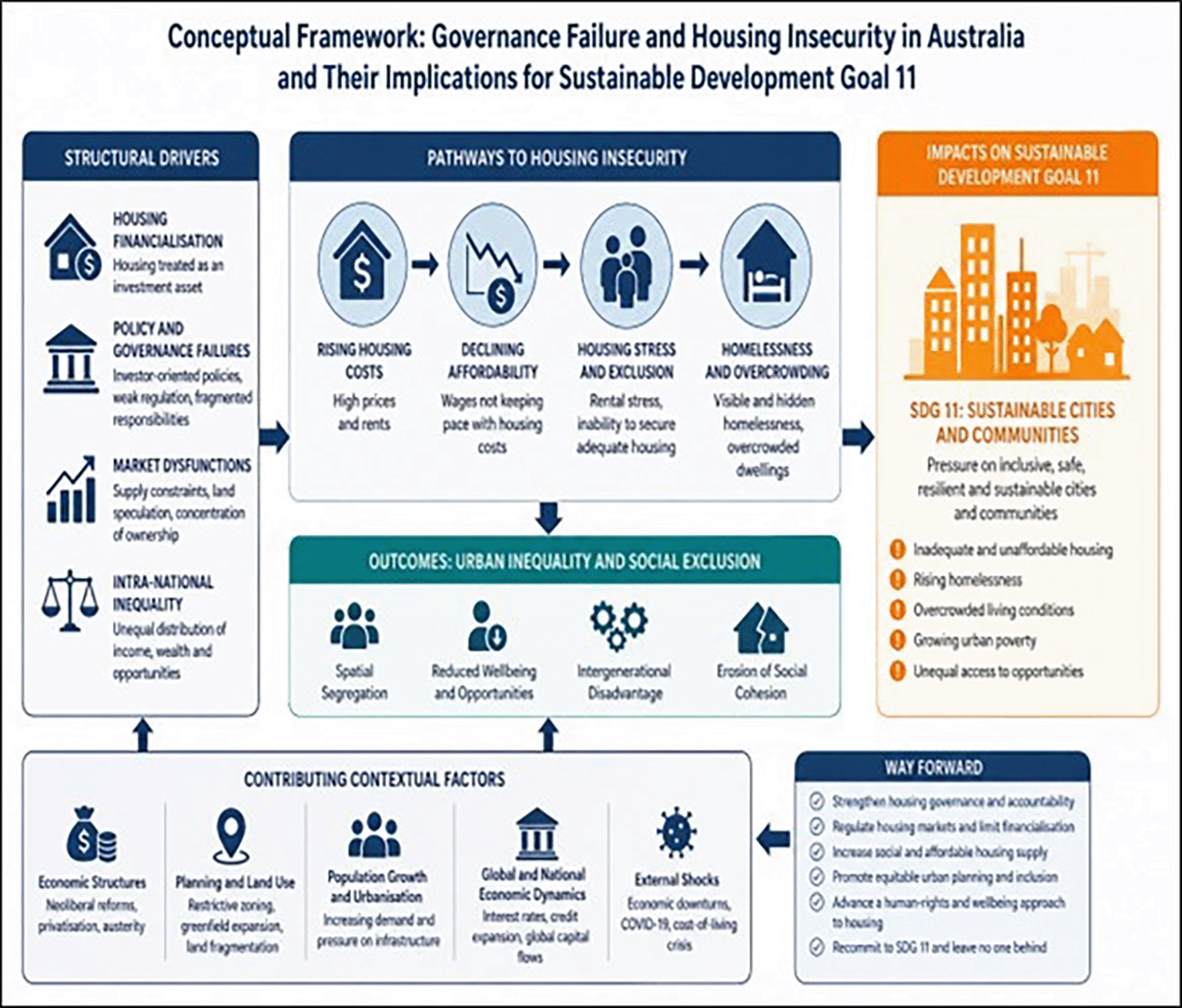
As illustrated in Figure 1, governance failure contributes to housing insecurity through multiple interconnected pathways. Structural drivers such as housing financialisation, investor-oriented policies, market dysfunctions, and intra-national inequality interact with contextual pressures including population growth, restrictive planning systems, and economic shocks. These dynamics contribute to rising housing costs, declining affordability, housing stress, and both visible and hidden forms of homelessness. The framework further demonstrates how housing insecurity reinforces urban inequality, social exclusion, reduced wellbeing, and intergenerational disadvantage, thereby placing increasing pressure on the achievement of SDG 11 in Australia. The figure also highlights the importance of integrated policy responses, including stronger housing governance, expanded social housing provision, market regulation, and inclusive urban planning, in addressing the structural causes of housing insecurity.
The growing housing crisis in Australia reflects not only market pressures and supply shortages, but also broader failures in housing governance and regulatory systems that have contributed to deepening socio-economic inequality (OECD, 2023; National Housing Supply and Affordability Council [NHSAC], 2024; UN-Habitat, 2022). Governance failure in the housing sector refers to the inability of institutional, regulatory, and policy frameworks to ensure equitable access to affordable, secure, and adequate housing for all members of society (Fischer et al., 2015; Bacchi, 2009). In the Australian context, this failure is evident in the persistent reliance on market-led housing systems, insufficient social housing investment, fragmented policy coordination across levels of government, and regulatory settings that continue to prioritise housing as a financial asset rather than a social good (NHSAC, 2024; OECD, 2023; Pawson et al., 2022). These structural weaknesses have intensified housing inequality and contributed to widespread housing insecurity in a high-income economy.
A central dimension of governance failure in Australia is the financialisation of housing, whereby housing has increasingly been integrated into financial markets and treated primarily as an investment vehicle for wealth accumulation (Aalbers, 2016; OECD, 2023; UN-Habitat, 2022). Financialisation has been reinforced through policy settings such as negative gearing, capital gains tax concessions, and investor-oriented credit systems, all of which have stimulated speculative investment and increased housing demand without corresponding improvements in affordability (Productivity Commission, 2022; Pawson et al., 2022; OECD, 2023). As housing becomes increasingly commodified, access to secure accommodation is shaped more by purchasing power and asset ownership than by social need, thereby reproducing inequality across income groups and generations (World Bank, 2023; World Inequality Lab, 2022; Morris, 2023). Consequently, housing markets increasingly favour existing property owners while marginalising renters, low-income households, and younger populations seeking entry into the housing market.
The governance challenges underpinning Australia’s housing system are also linked to fragmented institutional arrangements and inconsistent policy coordination between federal, state, and local governments (Martin et al., 2023; NHSAC, 2024; OECD, 2023). Housing policy in Australia operates across multiple jurisdictions, with responsibilities dispersed between planning authorities, taxation systems, welfare programs, and social housing agencies, often resulting in policy inconsistency and limited long-term strategic coherence (Martin et al., 2023; Productivity Commission, 2022). Such fragmentation weakens the capacity of governments to respond effectively to rising housing demand, rental stress, and homelessness. Recent evidence from the National Housing Supply and Affordability Council indicates that Australia’s housing system is “failing to achieve” affordability objectives, with housing affordability reaching its worst recorded levels as rents and mortgage repayments continue to rise faster than wages. These conditions demonstrate how governance limitations can exacerbate socio-economic vulnerability and deepen exclusion within urban systems.
Another significant aspect of governance failure relates to the long-term decline in social and affordable housing provision. Over recent decades, social housing has steadily declined as a proportion of Australia’s total housing stock, reducing the ability of the housing system to protect vulnerable populations from market instability (AIHW, 2023; Pawson et al., 2022; NHSAC, 2024). The prioritisation of market efficiency and private investment over public housing expansion reflects broader neoliberal policy orientations that have reshaped housing governance in many advanced economies (UN-Habitat, 2022; OECD, 2023; Aalbers, 2016). The consequences of this shift are evident in rising public housing waiting lists, increasing rental stress, and growing levels of homelessness and overcrowding, particularly among low-income households, Indigenous populations, women, and young people (ABS, 2021; AIHW, 2023; UNDP, 2023). Such trends suggest that the housing crisis is not simply the outcome of inadequate supply, but rather the product of governance systems that insufficiently prioritise social equity and inclusion.
Governance failure is further reflected in the inability of housing policy frameworks to adequately address hidden forms of homelessness and housing insecurity. While public discourse often focuses on visible homelessness, overcrowded dwellings, insecure tenure arrangements, and temporary accommodation constitute major forms of hidden homelessness in Australia (ABS, 2021; UN-Habitat, 2022; OECD, 2023). Existing policy and measurement frameworks frequently underestimate these dimensions of deprivation, thereby limiting the effectiveness of interventions and obscuring the lived experiences of marginalised groups (Fukuda-Parr, 2016; UNDP, 2023; World Bank, 2021). This demonstrates the limitations of governance systems that rely heavily on aggregate indicators while failing to capture the multidimensional nature of housing inequality.
Importantly, governance failure within the housing sector has broader developmental implications because housing is closely interconnected with health, education, labour market participation, and social inclusion (Bentley et al., 2025; UN-Habitat, 2022; World Bank, 2023). Insecure and unaffordable housing can contribute to poor mental and physical health outcomes, reduced educational attainment, and long-term socio-economic disadvantage, thereby reinforcing cycles of inequality across generations (OECD, 2023; UNDP, 2023; Bentley et al., 2025). As a result, housing insecurity should be understood not only as a housing issue, but also as a governance and development challenge that affects broader social and economic wellbeing.
The Australian case therefore illustrates how governance systems can simultaneously generate economic prosperity and social exclusion within the same national context. Despite Australia’s status as a high-income country, institutional and regulatory failures have contributed to the emergence of housing precarity and inequality resembling conditions often associated with the Global South (Hickel, 2018; UNDP, 2023; UN-Habitat, 2022). This highlights the need for stronger housing governance frameworks that prioritise affordability, social protection, and equitable access to housing, while also addressing the structural forces driving financialisation and exclusion. Ultimately, effective housing governance requires coordinated policy interventions, expanded social housing investment, improved regulatory oversight, and development frameworks capable of recognising and responding to intra-national inequality.
The relationship between governance structures and housing insecurity in Australia is a multidimensional process shaped by institutional, regulatory, and market-oriented dynamics. Housing financialisation, investor-oriented policies, weak social housing investment, and fragmented governance arrangements collectively contribute to declining housing affordability and rising socio-economic inequality. These structural factors reinforce housing precarity, hidden homelessness, and broader urban exclusion, thereby placing increasing pressure on achieving Sustainable Development Goal 11. Figure 2 illustrates the interconnected pathways through which governance failures contribute to housing insecurity and unequal urban outcomes in Australia.
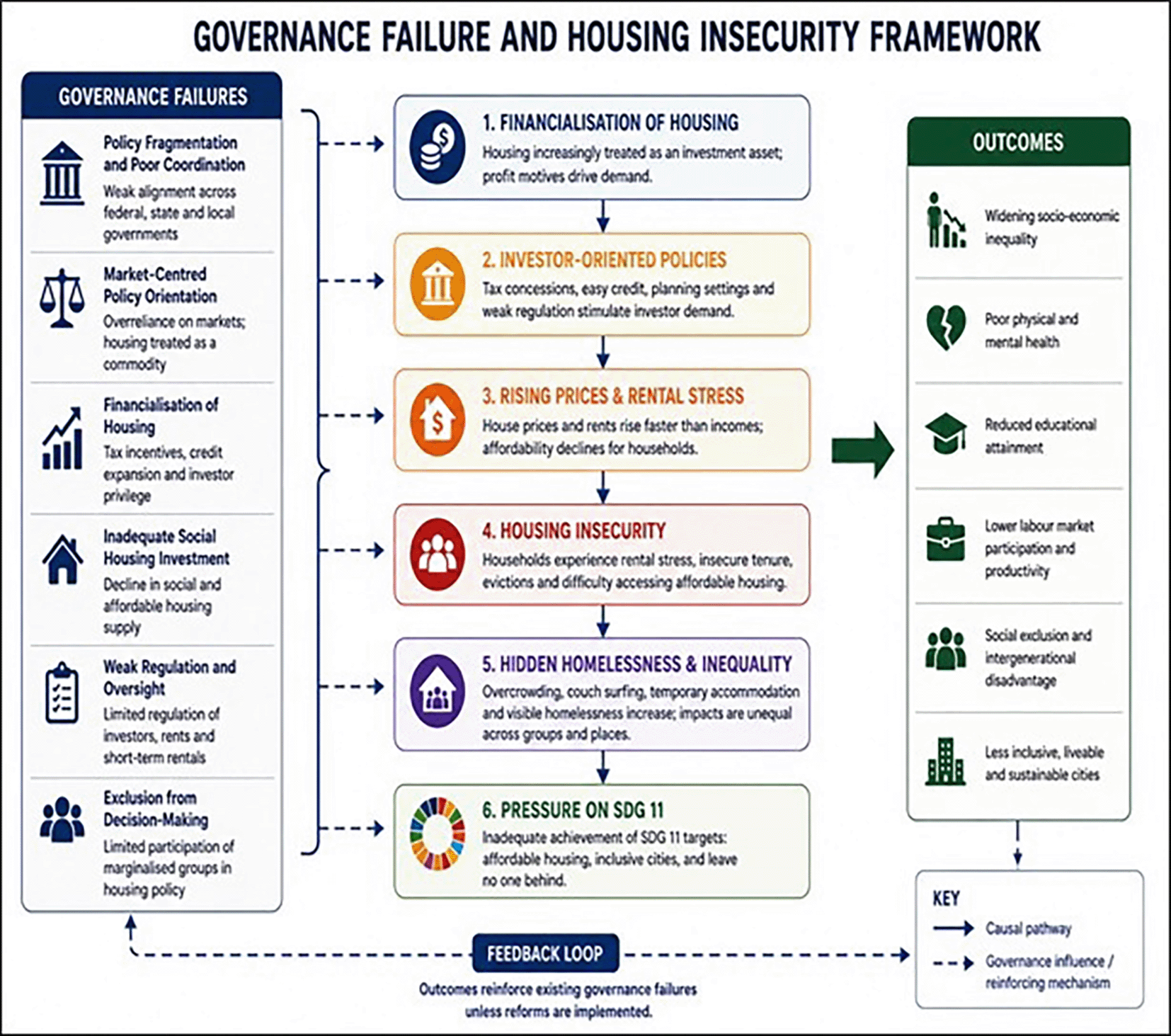
As illustrated in Figure 2, governance failures within the housing sector operate through interconnected institutional and market mechanisms that collectively intensify housing insecurity. The framework demonstrates how policy fragmentation, weak regulation, inadequate social housing investment, and investor-oriented housing policies contribute to rising housing costs and declining affordability. These processes increase housing precarity, overcrowding, and hidden forms of homelessness, which disproportionately affect vulnerable and low-income populations. The figure further highlights the broader developmental consequences of housing insecurity, including widening socioeconomic inequality, reduced social inclusion, and increased pressure on achieving SDG 11. Importantly, the framework emphasises the cyclical nature of housing inequality, where poor housing outcomes can reinforce existing governance weaknesses unless comprehensive reforms are implemented.
Contemporary development discourse has increasingly moved beyond geographically bounded understandings of the Global North and Global South, recognising that patterns of inequality, exclusion, and vulnerability are embedded within globalised economic systems rather than confined to specific regions (United Nations Development Programme, 2023; World Bank, 2023; Hickel, 2018; Mhlanga 2021). Traditional development frameworks have historically positioned the Global South as the primary locus of poverty and underdevelopment, while high-income countries were assumed to have largely resolved fundamental welfare challenges; however, this binary has been increasingly challenged by evidence of deepening intra-national inequalities within advanced economies (OECD, 2023; UN-Habitat, 2022; World Inequality Lab, 2022, Karmali & Ruiz, 2022). Consequently, development is more appropriately understood as a multidimensional and uneven process that operates across spatial scales, producing pockets of deprivation even within contexts of aggregate affluence (UNDP, 2023; World Bank, 2023; Hickel, 2018).
Central to this reconceptualisation is the notion of uneven development, which emphasises that economic growth does not translate uniformly into improved living conditions, but instead generates differentiated outcomes shaped by institutional arrangements, market dynamics, and social hierarchies (UNDP, 2023; OECD, 2023; World Inequality Lab, 2022). Within urban contexts, this unevenness is particularly evident in housing systems, where access to secure and adequate shelter is increasingly stratified by income, class, gender, and ethnicity (UN-Habitat, 2022; World Bank, 2023; OECD, 2023). As cities become more integrated into global economic and financial networks, housing markets reflect broader patterns of inequality, reinforcing spatial segregation and socio-economic exclusion (UN-Habitat, 2022; World Bank, 2023; Aalbers, 2016, Mhlanga 2026). A key driver of these dynamics is the financialisation of housing, a process through which housing is increasingly treated as a financial asset rather than a basic social good (OECD, 2023; UN-Habitat, 2022; World Bank, 2023). This transformation has been facilitated by financial liberalisation, the expansion of mortgage markets, and policy frameworks that incentivise property investment, leading to rising property prices and declining affordability for low- and middle-income households (OECD, 2023; World Bank, 2023; Aalbers, 2016). In such contexts, housing systems function as mechanisms for wealth accumulation among asset owners, while simultaneously excluding non-owners from access to secure housing, thereby intensifying socio-economic inequality (UN-Habitat, 2022; OECD, 2023; World Inequality Lab, 2022). The implications of this shift are therefore profoundly developmental, as they shape access to essential resources and influence life opportunities across generations.
This process has also contributed to the emergence of internal marginalisation in high-income countries, in which certain populations experience conditions resembling those typically associated with the Global South, including overcrowding, housing insecurity, and precarious living arrangements (UN-Habitat, 2022; World Bank, 2023; OECD, 2023). Such conditions are often concentrated among structurally disadvantaged groups, including low-income households, migrants, youth, and Indigenous populations, reflecting the intersectional nature of inequality (UNDP, 2023; OECD, 2023; UN-Habitat, 2022; Mhlanga & Manomano, 2026). This perspective challenges the spatialisation of development by suggesting that the “Global South” is better understood as a condition characterised by vulnerability and exclusion, rather than a fixed geographical entity (Hickel, 2018; UNDP, 2023; World Bank, 2023). Within this broader framework, housing emerges as a critical site through which development inequalities are produced and reproduced. Access to adequate housing is closely linked to a wide range of development outcomes, including health, education, employment, and social participation, making it central to both human development and social protection systems (UN-Habitat, 2022; World Bank, 2023; OECD, 2023). Conversely, housing insecurity can exacerbate existing vulnerabilities, limit economic opportunities, and contribute to the intergenerational transmission of poverty (UNDP, 2023; World Bank, 2023; OECD, 2023). As such, housing systems play a pivotal role in shaping broader development trajectories, particularly in rapidly changing urban environments.
Importantly, this reconceptualisation also necessitates a critical reassessment of global development frameworks, including the SDGs, which are often operationalised through nationally aggregated indicators that may obscure significant disparities within countries (UNDP, 2023; OECD, 2023; World Bank, 2023). While the SDGs emphasise universality and inclusivity, their implementation can mask the persistence of deprivation within high-income contexts, thereby limiting their effectiveness in addressing structural inequalities (Fukuda-Parr, 2016; UNDP, 2023; OECD, 2023). This highlights the need for more context-sensitive and disaggregated approaches to development measurement and policy design, particularly in relation to housing and urban inequality. These perspectives underscore the importance of moving beyond traditional North–South binaries and adopting a more nuanced understanding of development as an uneven and contested process. By situating housing within this broader conceptual framework, it becomes possible to interpret Australia’s housing crisis not as an isolated national issue, but as part of wider global dynamics that are reshaping access to housing and redefining the boundaries of development.
Australia’s housing system has undergone significant transformation over the past two decades, characterised by declining affordability, rising housing costs, and persistent homelessness, all of which point to deeper structural challenges rather than short-term market fluctuations (Organisation for Economic Co-operation and Development, 2023; Productivity Commission, 2022; Pawson et al., 2022). While Australia remains one of the world’s high-income economies, its housing outcomes increasingly reflect patterns of inequality and exclusion that are typically associated with development challenges, thereby reinforcing the need to interpret the housing crisis through a development lens (World Bank, 2023; UN-Habitat, 2022; OECD, 2023). This section argues that the Australian housing crisis is not merely a question of supply and demand imbalance, but rather a manifestation of structural inequalities embedded within housing, labour, and financial systems.
One of the most prominent features of Australia’s housing crisis is the sustained decline in housing affordability relative to income, particularly in major urban centres, where house prices and rents have risen significantly faster than wage growth (OECD, 2023; Productivity Commission, 2022; Pawson et al., 2022). This divergence has led to rising housing stress, defined as households spending a disproportionate share of income on housing costs, with low- and middle-income households most affected ( Australian Institute of Health and Welfare, 2023; OECD, 2023; Productivity Commission, 2022). At the same time, home ownership rates have declined among younger cohorts, reflecting growing barriers to entry into the housing market and the increasing concentration of property ownership among older and higher-income groups (Pawson et al., 2022; OECD, 2023; Daley et al., 2018). These trends highlight the intergenerational dimensions of housing inequality, with long-term implications for wealth accumulation and social mobility.
Complementing these affordability pressures is the persistence and changing nature of homelessness in Australia. According to the Australian Bureau of Statistics (2021), homelessness has remained a significant social issue, with over 120,000 people estimated to be experiencing homelessness on Census night, reflecting both visible and hidden forms of housing insecurity. Importantly, homelessness in Australia is not limited to rough sleeping, but includes a range of living situations such as overcrowded dwellings, temporary accommodation, and unstable housing arrangements, which are often less visible but equally indicative of structural vulnerability (ABS, 2021; Australian Institute of Health and Welfare, 2023; Pawson et al., 2022). This broader understanding of homelessness aligns with global development perspectives that emphasise the multidimensional nature of housing deprivation (UN-Habitat, 2022; World Bank, 2023; OECD, 2023). To further understand the nature of homelessness in Australia, Table 2 disaggregates the homeless population by operational categories, capturing both visible and hidden forms of housing insecurity.
Table 1 reveals that homelessness in Australia is predominantly characterised by non-visible forms, particularly severely overcrowded dwellings, which consistently represent the largest category. The persistence of temporary housing arrangements and the growth of supported accommodation further highlight the structural nature of housing insecurity. These findings underscore the importance of recognising “hidden homelessness” as a central component of the housing crisis, challenging narrow definitions that focus solely on rough sleeping. Data that captures homelessness trends between 2006 and 2021 provides important empirical support for this argument by illustrating the persistence and distribution of housing insecurity across demographic groups. To illustrate the scale and trajectory of homelessness in Australia, Table 2 presents trends by sex over the period 2006 to 2021, highlighting both overall growth and changing demographic patterns.
| Year | Males | Females | Total |
|---|---|---|---|
| 2006 | 51,164 | 38,567 | 89,731 |
| 2011 | 57,689 | 44,746 | 102,435 |
| 2016 | 67,404 | 49,018 | 116,422 |
| 2021 | 68,514 | 53,974 | 122,494 |
As shown in Table 2, homelessness in Australia has increased steadily over time, rising from approximately 89,700 individuals in 2006 to over 122,000 in 2021. While males continue to constitute a larger proportion of the homeless population, the rate of increase among females has been more pronounced. This trend suggests a gradual shift in the demographic composition of homelessness and points to the growing vulnerability of women within Australia’s housing system. These patterns reinforce the argument that housing insecurity is not a temporary phenomenon but a persistent structural issue. The data indicate that homelessness has not only remained stable over time but has also shifted in composition, with notable increases among women and younger populations, reflecting broader socio-economic vulnerabilities (ABS, 2021; AIHW, 2023; Pawson et al., 2022). These patterns suggest that housing insecurity is increasingly affecting groups that were previously considered less vulnerable, thereby expanding the scope of the crisis and reinforcing its structural nature. Moreover, the presence of significant levels of overcrowding and temporary accommodation within the data highlights the extent of “hidden homelessness,” which is often underrepresented in public discourse but constitutes a major component of housing deprivation (ABS, 2021; UN-Habitat, 2022; OECD, 2023).
The structural drivers of these trends are closely linked to the financialisation of housing and the policy environment that has supported it. In Australia, tax incentives such as negative gearing and capital gains tax concessions have encouraged investment in residential property, contributing to increased demand and upward pressure on prices (Productivity Commission, 2022; Pawson et al., 2022; OECD, 2023). At the same time, constraints on housing supply, including planning regulations, infrastructure limitations, and construction costs, have limited the responsiveness of the housing market, exacerbating affordability challenges (Productivity Commission, 2022; OECD, 2023; World Bank, 2023). The interaction between these demand- and supply-side factors has created a housing system that disproportionately benefits asset owners while marginalising renters and low-income households. To examine the distribution of homelessness across the life course, Table 3 presents homelessness by age group and housing category, highlighting how vulnerability varies across population groups.
As shown in Table 3, homelessness is unevenly distributed across age groups, with the highest concentration among working-age adults (25–44), followed by individuals aged 45–64. Notably, overcrowded dwellings dominate across all age categories, reinforcing the prevalence of hidden homelessness. The significant representation of children and youth also highlights early exposure to housing insecurity, raising concerns about intergenerational disadvantage. These patterns provide strong empirical support for the argument that housing inequality in Australia reflects conditions commonly associated with the Global South. In addition to market dynamics, the decline in social housing provision has further intensified housing insecurity in Australia. Over recent decades, the proportion of social housing in the total housing stock has decreased, limiting the availability of affordable housing for vulnerable populations (Pawson et al., 2022; Productivity Commission, 2022; AIHW, 2023). This reduction reflects a broader shift towards market-oriented housing policies, which have prioritised efficiency and investment over equity and social protection (OECD, 2023; UN-Habitat, 2022; World Bank, 2023). As a result, the housing system has become less capable of absorbing shocks and supporting those at risk of homelessness, thereby increasing exposure to housing insecurity. Together, these dynamics demonstrate that Australia’s housing crisis is best understood as a manifestation of uneven development within a high-income context. The persistence of homelessness, rising housing costs, and declining affordability are not isolated phenomena, but interconnected outcomes of structural processes that shape access to housing and distribute opportunities unevenly across the population (UNDP, 2023; OECD, 2023; World Bank, 2023). By situating these trends within a development framework, it becomes possible to recognise that housing insecurity in Australia reflects broader global patterns of inequality, thereby reinforcing the argument that development challenges are not confined to the Global South but are increasingly evident within advanced economies.
The persistence of housing insecurity in Australia raises important questions about the capacity of the Sustainable Development Goals (SDGs) to adequately capture and address inequality within high-income contexts (United Nations, 2023; United Nations Development Programme, 2023; OECD, 2023). SDG 11, which seeks to “make cities and human settlements inclusive, safe, resilient and sustainable,” explicitly recognises access to adequate, safe, and affordable housing as a central target, reflecting the importance of housing in achieving broader development outcomes (United Nations, 2023; UN-Habitat, 2022; World Bank, 2023). However, the Australian case demonstrates that a formal commitment to SDG targets does not necessarily translate into equitable outcomes, particularly when structural inequalities remain unaddressed (UNDP, 2023; OECD, 2023; Fukuda-Parr, 2016).
A key limitation of the SDG framework lies in its reliance on nationally aggregated indicators, which can obscure significant disparities within countries and create an impression of progress that does not reflect the lived experiences of marginalised populations (UNDP, 2023; OECD, 2023; World Bank, 2023). In high-income countries such as Australia, overall performance on development indicators often masks the persistence of housing deprivation among specific groups, including low-income households, women, youth, and Indigenous communities (OECD, 2023; AIHW, 2023; UN-Habitat, 2022). As a result, national-level reporting may suggest alignment with SDG 11 targets, while significant segments of the population continue to experience housing insecurity, thereby undermining the principle of “leaving no one behind” that underpins the SDG agenda (United Nations, 2023; UNDP, 2023; OECD, 2023).
Moreover, the SDG framework does not fully engage with the structural drivers of housing inequality, particularly the financialisation of housing and the role of market-based systems in shaping access to shelter (OECD, 2023; UN-Habitat, 2022; World Bank, 2023). While SDG 11 emphasises affordability and inclusivity, it does not explicitly address how housing markets are embedded within broader financial systems that prioritise investment returns over social outcomes (UN-Habitat, 2022; OECD, 2023; Aalbers, 2016). In the Australian context, the increasing commodification of housing has contributed to rising property prices, declining affordability, and growing exclusion, yet these dynamics remain largely outside the scope of SDG monitoring frameworks (Productivity Commission, 2022; Pawson et al., 2022; OECD, 2023). This disconnect highlights the need for a more critical engagement with the political economy of housing within development frameworks.
The Australian housing crisis also exposes the limitations of linear development assumptions embedded within the SDGs, which often imply that countries progress along a continuum from underdevelopment to development, with high-income nations positioned at advanced stages of achievement (Fukuda-Parr, 2016; UNDP, 2023; World Bank, 2023). However, the persistence of homelessness and housing insecurity in Australia challenges this narrative, demonstrating that development outcomes are neither uniform nor irreversible (OECD, 2023; UN-Habitat, 2022; World Inequality Lab, 2022). Instead, development is better understood as a dynamic and uneven process, where progress in some areas may coexist with regression in others, particularly in the presence of structural inequalities.
In addition, the SDG framework tends to prioritise access-based indicators, such as the proportion of the population with access to adequate housing, without fully capturing the quality, stability, and security of housing arrangements (UN-Habitat, 2022; World Bank, 2023; OECD, 2023). This is particularly problematic in contexts like Australia, where “hidden homelessness,” including overcrowding and insecure tenure, constitutes a significant component of housing deprivation (ABS, 2021; AIHW, 2023; UN-Habitat, 2022). These forms of housing insecurity may not be adequately reflected in standard indicators, leading to an underestimation of the scale and severity of the problem. As such, there is a need to incorporate more nuanced and multidimensional measures of housing that better reflect lived experiences. The challenges identified in the Australian context suggest that achieving SDG 11 requires not only technical improvements in data and measurement, but also a broader reconceptualisation of development priorities. There is a need to shift from a narrow focus on housing supply and affordability towards a more holistic approach that considers housing as a social right and a key component of social protection systems (UN-Habitat, 2022; World Bank, 2023; OECD, 2023). This includes addressing the underlying drivers of inequality, such as income distribution, labour market conditions, and access to public services, which collectively shape housing outcomes (UNDP, 2023; OECD, 2023; World Bank, 2023).
Furthermore, the Australian case underscores the importance of integrating intra-national inequality into global development frameworks, thereby ensuring that the SDGs remain relevant across diverse contexts (UNDP, 2023; OECD, 2023; World Bank, 2023). This requires moving beyond aggregate national indicators and adopting more disaggregated, context-sensitive approaches to monitoring and evaluation, particularly in housing and urban development (UN-Habitat, 2022; OECD, 2023; UNDP, 2023). By doing so, it becomes possible to better capture the complexity of development processes and to design policies that address the needs of marginalised populations more effectively. These considerations highlight the need to rethink SDG 11 considering the realities of housing inequality in high-income countries. The Australian housing crisis demonstrates that the goals of inclusivity, affordability, and sustainability cannot be achieved without addressing the structural and systemic factors that drive inequality within housing systems. As such, this paper argues that the SDG framework must evolve to incorporate a more critical and context-sensitive understanding of development, one that recognises the persistence of deprivation within affluent societies and prioritises equity as a central objective.
The analysis presented in this paper underscores the need for a fundamental rethinking of housing policy within broader development frameworks, particularly in relation to the goals of equity, inclusion, and sustainability (United Nations Development Programme, 2023; World Bank, 2023; OECD, 2023). In the Australian context, the persistence of housing insecurity and inequality suggests that incremental policy adjustments are insufficient and that more systemic interventions are required to address the structural drivers of the housing crisis (Productivity Commission, 2022; Pawson et al., 2022; UN-Habitat, 2022). This section outlines key policy and development implications, with relevance not only for Australia but also for broader global debates on housing and sustainable development. A central implication is the need to reframe housing as a social good rather than a purely market commodity, recognising its role as a fundamental determinant of human wellbeing and development outcomes (UN-Habitat, 2022; World Bank, 2023; UNDP, 2023). This requires a shift away from policy frameworks that prioritise housing as an investment asset and towards approaches that emphasise accessibility, affordability, and security of tenure (OECD, 2023; UN-Habitat, 2022; World Bank, 2023). In practical terms, this may involve revisiting tax policies, regulatory frameworks, and financial incentives that currently favour property investment, and instead aligning them with social and developmental objectives (Productivity Commission, 2022; Pawson et al., 2022; OECD, 2023). Such a shift is essential for addressing the underlying causes of housing inequality and ensuring that housing systems serve broader societal needs.
A second key implication is the importance of expanding and strengthening social housing systems as a core component of social protection and development policy (Pawson et al., 2022; Productivity Commission, 2022; Australian Institute of Health and Welfare, 2023). The decline in social housing provision in Australia has limited the capacity of the housing system to support vulnerable populations, increasing reliance on private rental markets and exposing households to greater insecurity (AIHW, 2023; UN-Habitat, 2022; World Bank, 2023). Reinvestment in social and affordable housing is therefore critical for addressing immediate housing needs while also contributing to long-term development outcomes, including poverty reduction, improved health, and social inclusion (UNDP, 2023; OECD, 2023; World Bank, 2023). This aligns with global evidence that public housing systems help mitigate inequality and enhance resilience. Third, there is a need to adopt more integrated and cross-sectoral policy approaches that recognise the interconnected nature of housing, labour markets, income distribution, and social services (UNDP, 2023; OECD, 2023; World Bank, 2023). Housing insecurity is often both a cause and a consequence of broader socio-economic vulnerabilities, including precarious employment, low wages, and limited access to social support systems (OECD, 2023; UN-Habitat, 2022; World Bank, 2023). As such, effective policy responses must extend beyond the housing sector to address these underlying determinants, including through policies that promote inclusive economic growth, strengthen social protection systems, and enhance access to essential services (UNDP, 2023; World Bank, 2023; OECD, 2023). This integrated approach is particularly important for addressing the intersectional nature of housing inequality identified in earlier sections.
A fourth implication relates to the need for improved data, measurement, and monitoring frameworks that capture the full extent of housing insecurity, including hidden forms such as overcrowding and insecure tenure (UN-Habitat, 2022; OECD, 2023; World Bank, 2023). Current measurement approaches, including those used in the SDG framework, often rely on aggregate indicators that may underestimate the scale and complexity of housing deprivation (UNDP, 2023; OECD, 2023; World Bank, 2021). Enhancing data systems to include more disaggregated and multidimensional indicators would enable more accurate assessment of housing needs and more targeted policy interventions, thereby improving the effectiveness of development strategies (UN-Habitat, 2022; OECD, 2023; UNDP, 2023).
In addition, this paper’s findings highlight the importance of addressing financialisation and regulating housing markets to ensure they function in ways that support, rather than undermine, development objectives (OECD, 2023; UN-Habitat, 2022; Aalbers, 2016). This may involve implementing policies to moderate speculative investment, improve transparency in housing markets, and ensure that financial systems are aligned with social goals (World Bank, 2023; OECD, 2023; UNDP, 2023). In the Australian context, this includes reconsidering the balance between market efficiency and social equity, and ensuring that housing policy contributes to inclusive development rather than exacerbating inequality.
Finally, there is a broader implication for rethinking development frameworks, including the SDGs, to better incorporate intra-national inequality and context-specific dynamics (UNDP, 2023; OECD, 2023; World Bank, 2023). As demonstrated in this paper, the persistence of housing insecurity in a high-income country such as Australia challenges traditional development assumptions and underscores the need for more nuanced, flexible approaches to development policy (Fukuda-Parr, 2016; UNDP, 2023; OECD, 2023). This includes moving beyond aggregate national indicators and adopting frameworks that explicitly address inequality, vulnerability, and exclusion within countries, thereby ensuring that development efforts are truly inclusive. Taken together, these policy and development implications emphasise that addressing housing inequality requires a comprehensive and systemic approach that integrates economic, social, and institutional dimensions. By reframing housing as a central component of development policy and by addressing the structural drivers of inequality, it becomes possible to move towards more inclusive and sustainable housing systems. This is essential not only for achieving SDG 11, but also for advancing broader development goals related to poverty reduction, social inclusion, and human wellbeing.
This paper has argued that Australia’s housing crisis represents more than a domestic policy challenge; it reflects broader patterns of uneven development within a high-income context. The persistence of homelessness, rising housing costs, and the growing prevalence of overcrowding demonstrate that housing insecurity is deeply embedded within structural economic and policy systems. By conceptualising these dynamics as a “hidden Global South,” the study challenges traditional development paradigms that geographically confine deprivation to lower-income regions. Instead, it highlights the need to recognise that inequality, exclusion, and housing precarity are increasingly evident within advanced economies. The findings also expose limitations in the current SDG framework, particularly SDG 11, which relies heavily on aggregate indicators that may obscure intra-national disparities. Achieving inclusive and sustainable urban development requires moving beyond these limitations and adopting more nuanced, context-sensitive approaches that capture the lived experiences of housing insecurity. From a policy perspective, addressing the housing crisis demands a shift towards treating housing as a social good, strengthening social housing systems, and regulating financialised housing markets. Ultimately, this paper underscores the importance of integrating housing more centrally within development discourse, ensuring that progress towards sustainability is both equitable and inclusive. The findings suggest that effective housing governance requires stronger regulatory intervention, improved social housing provision, and development frameworks capable of recognising inequality within affluent societies.
This study is based on secondary data analysis and conceptual interpretation and therefore does not involve primary empirical data collection. The findings should be interpreted within the context of available national homelessness and housing datasets, which may underrepresent certain forms of hidden homelessness, informal housing insecurity, and temporary accommodation arrangements. In addition, the study adopts a qualitative interpretive approach rather than causal statistical modelling, limiting the ability to establish direct causal relationships between governance failure and housing insecurity outcomes. The study also focuses primarily on the Australian context, which may limit the generalisability of findings to other national settings with different institutional and housing systems. Future research could extend this study through longitudinal analyses examining changes in housing insecurity over time, as well as comparative international studies exploring similarities and differences between housing crises in high-income economies. There is also scope for mixed-methods and empirical research that incorporates lived experiences of individuals affected by housing insecurity, including renters, women, Indigenous populations, migrants, and young people. Further research may additionally explore the role of digital governance, urban planning systems, and financial regulation in shaping equitable and sustainable housing outcomes.
This study relied exclusively on secondary data obtained from publicly available sources, including the Australian Bureau of Statistics and the Australian Institute of Health and Welfare. As no primary data were collected and no human participants were directly involved, ethical approval was not required. The study complies with institutional and national guidelines for the use of publicly available data.
| Views | Downloads | |
|---|---|---|
| F1000Research | - | - |
|
PubMed Central
Data from PMC are received and updated monthly.
|
- | - |
Provide sufficient details of any financial or non-financial competing interests to enable users to assess whether your comments might lead a reasonable person to question your impartiality. Consider the following examples, but note that this is not an exhaustive list:
Sign up for content alerts and receive a weekly or monthly email with all newly published articles
Already registered? Sign in
The email address should be the one you originally registered with F1000.
You registered with F1000 via Google, so we cannot reset your password.
To sign in, please click here.
If you still need help with your Google account password, please click here.
You registered with F1000 via Facebook, so we cannot reset your password.
To sign in, please click here.
If you still need help with your Facebook account password, please click here.
If your email address is registered with us, we will email you instructions to reset your password.
If you think you should have received this email but it has not arrived, please check your spam filters and/or contact for further assistance.

Comments on this article Comments (0)