Keywords
Younger Dryas Boundary; Wonderkrater; South Africa; nanoparticles; platinum-group elements; SP-ICP-TOF-MS; extraterrestrial input; paleoclimate.

Younger Dryas Boundary; Wonderkrater; South Africa; nanoparticles; platinum-group elements; SP-ICP-TOF-MS; extraterrestrial input; paleoclimate.
The Younger Dryas (YD), a pronounced cooling event that occurred ~12,800 years ago, represents one of the most abrupt and widespread climate shifts of the Late Quaternary period.1,2 In the Northern Hemisphere, this episode is well documented in ice-core, marine, and terrestrial records and is commonly attributed to disruptions of the Atlantic Meridional Overturning Circulation (AMOC) associated with freshwater forcing.3,4 However, fewer Southern Hemisphere sites have been documented with clear evidence of synchronous environmental perturbations. Wonderkrater, a high-resolution peatland site in South Africa, has previously revealed a platinum anomaly coinciding with the onset of the Younger Dryas.5 Platinum anomalies of this type are widely recognized as one of several geochemical proxies associated with the Younger Dryas Impact Hypothesis (YDIH), first proposed by Firestone et al.,6 which posits that Earth encountered a debris stream from a disintegrating comet at ~12,800 years ago, resulting in multiple airbursts or impacts. These events are hypothesized to have dispersed extraterrestrial material across multiple continents, producing a stratigraphically discrete layer enriched in platinum-group elements, microspherules, meltglass, nanodiamonds, and other high-temperature impact-related proxies documented at numerous sites worldwide.
The YDIH further proposes that the resulting atmospheric perturbations, including widespread biomass burning, dust loading, and aerosol injection, may have contributed to abrupt climatic changes at the onset of the Younger Dryas by disrupting radiative balance and, potentially, ocean circulation systems. Within this framework, the previously reported platinum anomaly at Wonderkrater provides a Southern Hemisphere expression of this broader geochemical signal and motivates further investigation using higher-resolution, particle-level analytical techniques. To investigate the potential for extraterrestrial input, we employed single-particle inductively coupled plasma time-of-flight mass spectrometry (SP-ICP-TOF-MS), a sensitive technique that enables particle-level characterization of individual nanoparticles, including their elemental compositions, size estimates, and elemental associations.
In this study, nanoparticles are defined as discrete particles detected by single-particle inductively coupled plasma time-of-flight mass spectrometry (SP-ICP-TOF-MS) with estimated sizes in the nanometer range (typically tens to hundreds of nanometers), based on element-specific mass and size detection limits. SP-ICP-TOF-MS differs from conventional bulk geochemical methods because it analyzes individual particles rather than a dissolved whole-sediment sample. Sediment aliquots were dispersed in ultrapure water by vortexing and ultrasonication, allowed to settle, and the nanoparticle-bearing supernatant was diluted and introduced into the plasma as an aerosol. As each particle enters the plasma, it is vaporized, atomized, and ionized, producing a short ion burst that is recorded by the time-of-flight mass spectrometer. Because the instrument simultaneously records the full spectrum across the monitored mass range during each particle event, SP-ICP-TOF-MS can determine which elements co-occur within the same particle, estimate particle mass and equivalent spherical size, and calculate particle number concentrations within the analyzed suspension. Thus, the “single-particle” aspect refers to transient signals generated by individual nanoparticles, not to bulk concentrations averaged across the sediment matrix.
For the Wonderkrater samples, monitored particle-size detection limits vary by element, generally ranging from ~20 to 100 nm for many metals and oxides, with higher limits for some elements such as Al. This allows characterization of large numbers of nanoscale particles and their elemental associations, capabilities that are difficult to achieve using conventional bulk ICP-MS, laser ablation mass spectrometry (LA-ICP-MS), or scanning electron microscopy with energy-dispersive X-ray spectroscopy (SEM-EDS) alone.
Previous studies of extraterrestrial input at the Younger Dryas Boundary have relied mainly on bulk platinum-group element measurements, magnetic grains, microspherules, meltglass, or other proxy materials. Those approaches can demonstrate elemental enrichment or identify discrete particles, but they generally do not determine the multi-element composition of thousands of individual nanoparticles from a single stratigraphic interval. SP-ICP-TOF-MS therefore provides a complementary particle-level test: it can distinguish whether YDB enrichments are carried by rare individual particles, broad increases in particle number, or distinct multi-element nanoparticle populations. This is especially relevant at Wonderkrater, where the key question is not simply whether Pt is elevated, but whether Pt, Ir, Os, Au, Cr, Co, Ni, rare earth elements, and other elements occur in anomalous particle populations confined to the independently dated YDB layer.5,7,8
This study explores whether unique multi-elemental nanoparticle compositions, specifically involving platinum group elements (PGEs), transition metals, and rare earth elements (REEs), are concentrated within the YDB layer at Wonderkrater ( Figure 1). For selected nanoparticles, we evaluate elemental ratios in both the total number concentration and median mass of individual nanoparticles (e.g., Co/Ni), identifying anomalies relative to background (non-YDB) sediments and established terrestrial compositional baselines (e.g., upper continental crust), and comparing these with published meteoritic ranges. We also assess the distribution of multi-elemental nanoparticle clusters and examine whether these data support the hypothesis of deposition by a cosmic impact event.
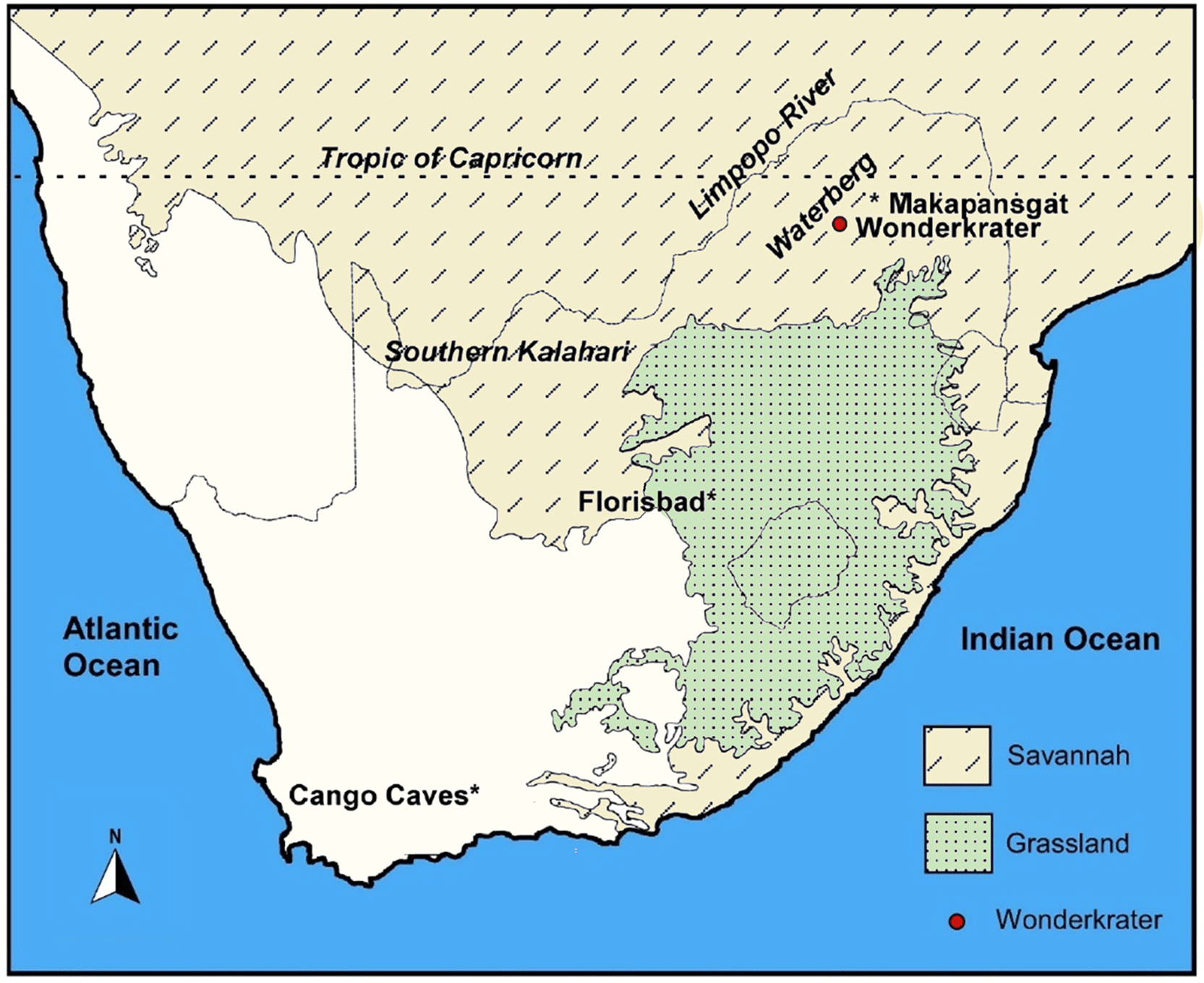
Figure showing the Grassland and Savanna Biomes adapted from Scott et al.8 licensed under CC BY 4.0.
The significance of Wonderkrater lies in its ability to preserve detailed palynological (pollen) records, as well as geochemical and stratigraphic data spanning from the Late Pleistocene through the Holocene. It has been the subject of numerous multidisciplinary studies focusing on vegetation change, climate variability, and environmental response.7–10 Notably, the site preserves a clear signature of the Younger Dryas (YD) cooling interval (~12,800–11,500 cal BP), which is marked by shifts in pollen assemblages toward cooler and drier taxa and, more recently, by a distinct platinum anomaly at ~360 cm depth.5 This Pt enrichment, found in Core 3 (sample 5614), represents rare Southern Hemisphere evidence consistent with the Younger Dryas Impact Hypothesis and places Wonderkrater among a growing number of globally distributed stratigraphic sites that record synchronous geochemical anomalies associated with the onset of the Younger Dryas.
Chronology and Age-Depth Modeling. The chronological framework used in this study is based on the previously established radiocarbon chronology for Wonderkrater developed from multiple radiocarbon determinations obtained from Core B3 and related sequences at the site. To provide a modern chronological framework, the existing Wonderkrater radiocarbon dataset was re-evaluated in the present study using a Bacon Bayesian age-depth model calibrated with the Southern Hemisphere radiocarbon calibration curve (SHCal20).5,8,11 The age model was therefore not developed for the present geochemical investigation but represents an update of the existing Wonderkrater chronology using current calibration and Bayesian age-modeling approaches. The model provides age estimates and associated uncertainty ranges throughout the sequence. The complete results are presented in Supplementary Figure S1 and Supplementary Table S2 and are available through Zenodo at https://doi.org/10.5281/zenodo.20633032.12
The updated age model places sediments at 359 and 360 cm depth at mean modeled ages of 12,752 and 12,809 cal BP, respectively. Although the corresponding 95.4% probability ranges are broad (11,845–13,965 cal BP), these modeled ages overlap published age estimates for the onset of the Younger Dryas and therefore identify this interval as consistent with the Younger Dryas Boundary within the limits of radiocarbon dating uncertainty.13,14 The Younger Dryas interpretation derives from the independently developed age-depth model rather than from any geochemical observations reported herein. Consequently, the chronological placement of geochemical anomalies identified in this study is evaluated within the established age-depth framework rather than being used to define that framework.
As with all age-depth models, chronological uncertainty increases between dated horizons, and ages assigned to specific stratigraphic intervals should be regarded as model-derived rather than directly dated. Nevertheless, the Wonderkrater chronology provides a reasonable temporal framework for evaluating geochemical and paleoenvironmental changes occurring within sediments whose modeled ages are consistent with the onset of the Younger Dryas climate interval.
We used the SP-ICP-TOF-MS approach introduced above to quantify particle number concentrations, single-particle elemental compositions, median mass ratios, number concentration ratios, and multi-element nanoparticle clusters across the Wonderkrater sequence. The primary objective is to investigate further a platinum anomaly previously reported at the onset of the Younger Dryas (YD) cooling event.5 Previous work identified bulk platinum enrichment at Wonderkrater but did not resolve the composition, size distribution, or multi-element associations of the particles carrying this signal, limiting the ability to distinguish between extraterrestrial input and terrestrial processes.
To address this gap, we employed single-particle inductively coupled plasma time-of-flight mass spectrometry (SP-ICP-TOF-MS) to quantify and characterize nanoparticles extracted from the sediment sequence at the particle level. Unlike bulk geochemical analyses, SP-ICP-TOF-MS enables real-time detection of individual nanoparticles with simultaneous multi-element compositional profiles and size estimates. This particle-level resolution allows identification of distinct nanoparticle populations, evaluation of multi-element ratios within individual particles, and detection of ultrafine particulate material that conventional digestion or laser ablation ICP-MS may not resolve. Although SP-ICP-TOF-MS provides quantitative estimates of particle mass and elemental composition when appropriate calibration standards are employed, uncertainties increase for heterogeneous natural particles because particle shape, composition, matrix effects, and ionization efficiency may vary among particle types. Consequently, this study emphasizes relative changes in nanoparticle abundance, elemental associations, and stratigraphic trends rather than absolute particle concentrations or precise particle mass determinations. The technique is particularly well suited for detecting transient inputs of nanoscale material and distinguishing event-related particle populations from background sedimentation. The nanoparticle dataset analyzed in this study (Table S1) is available through Zenodo at https://doi.org/10.5281/zenodo.15653091.15
First, we calculated and interpreted the number concentration of select elements at high resolution with depth ( Figure 2). Second, we calculated the median mass ratios of selected elements comprising individual nanoparticles ( Figures 3 and 5). Third, we calculated the number concentration ratios of selected elements comprising the nanoparticles ( Figures 4 and 6). Fourth, we investigated the potential existence of two populations of nanoparticles: one dominated by extraterrestrial (ET)-rich elements and the other by terrestrial-rich elements. The results allow assessment of whether anomalous enrichments coincide with the independently dated YD boundary layer, thereby providing a potential link to an impact-related deposition event.
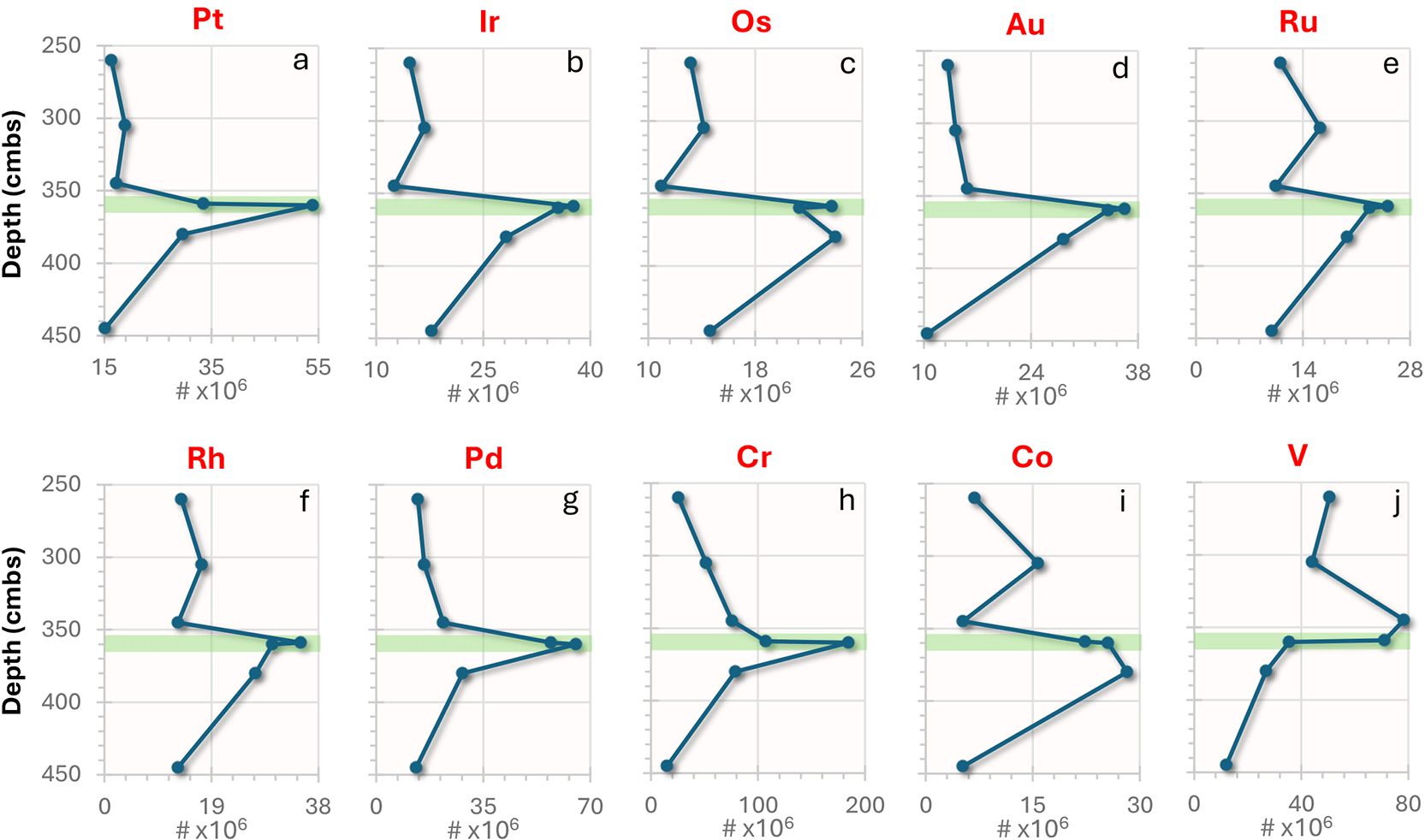
Panels (a–j) show concentrations of platinum (Pt), iridium (Ir), osmium (Os), gold (Au), ruthenium (Ru), rhodium (Rh), palladium (Pd), chromium (Cr), cobalt (Co), and vanadium (V). These elements exhibit pronounced, coeval enrichments centered near 360 cm depth. The green-shaded interval (357.5–362.5 cm) represents the modeled Younger Dryas Boundary (YDB) layer, with a mean modeled age of 12,809 cal BP based on a Bacon age-depth model calibrated using SHCal20. Error bars are not visible because they are smaller than the symbol size. Nanoparticle data are provided in Supplementary Table S1.15 The updated Bacon age-depth model and supporting information are provided in Supplementary Tables S2–S4 and Supplementary Figures S1–S4.12
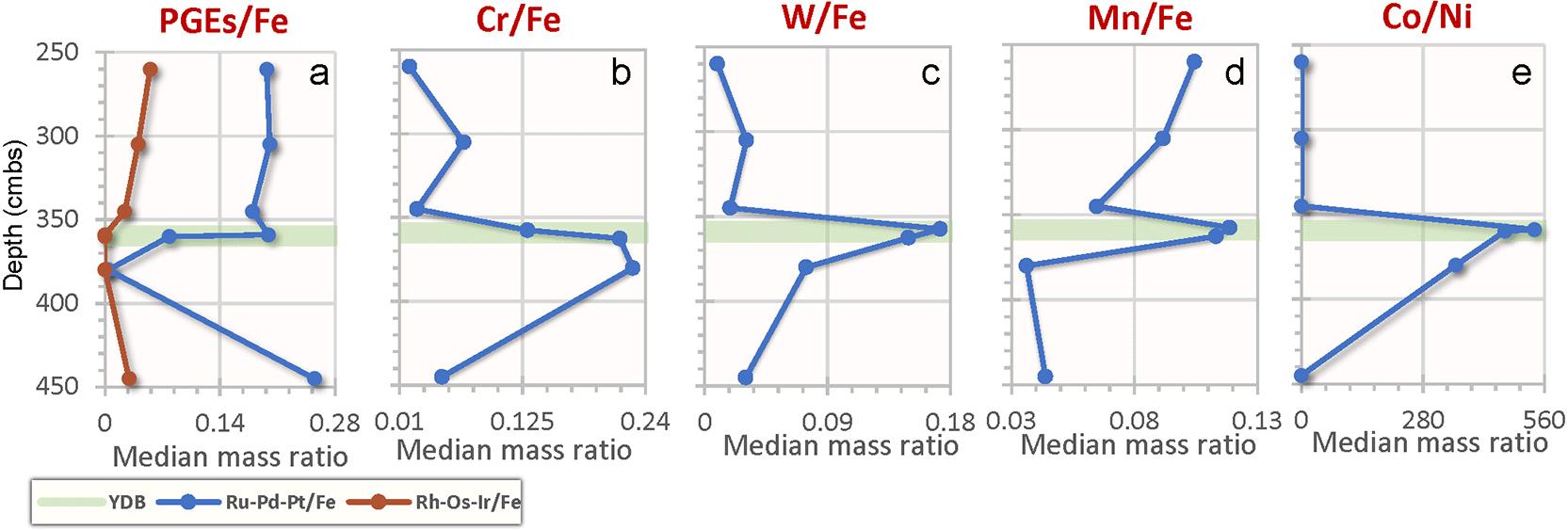
Enrichment of nanoparticles relative to Fe- and Ni-bearing nanoparticles in sediments extracted from Wonderkrater Core B3 sediments is demonstrated by changes in the median mass ratios of nanoparticles of various elements across the same stratigraphic intervals. The green-shaded interval (357.5–362.5 cm depth) represents the Younger Dryas Boundary (YDB) layer with a Bacon Bayesian modeled age of 12,809 cal BP, using SHCal20 calibration for the Southern Hemisphere. The plotted results reveal pronounced shifts in PGE mass ratios within the YDB interval relative to the remarkably uniform background values above and below. The abrupt change suggests the introduction of a geochemically distinct nanoparticle population, consistent with a different source or formation history than the background sediments.
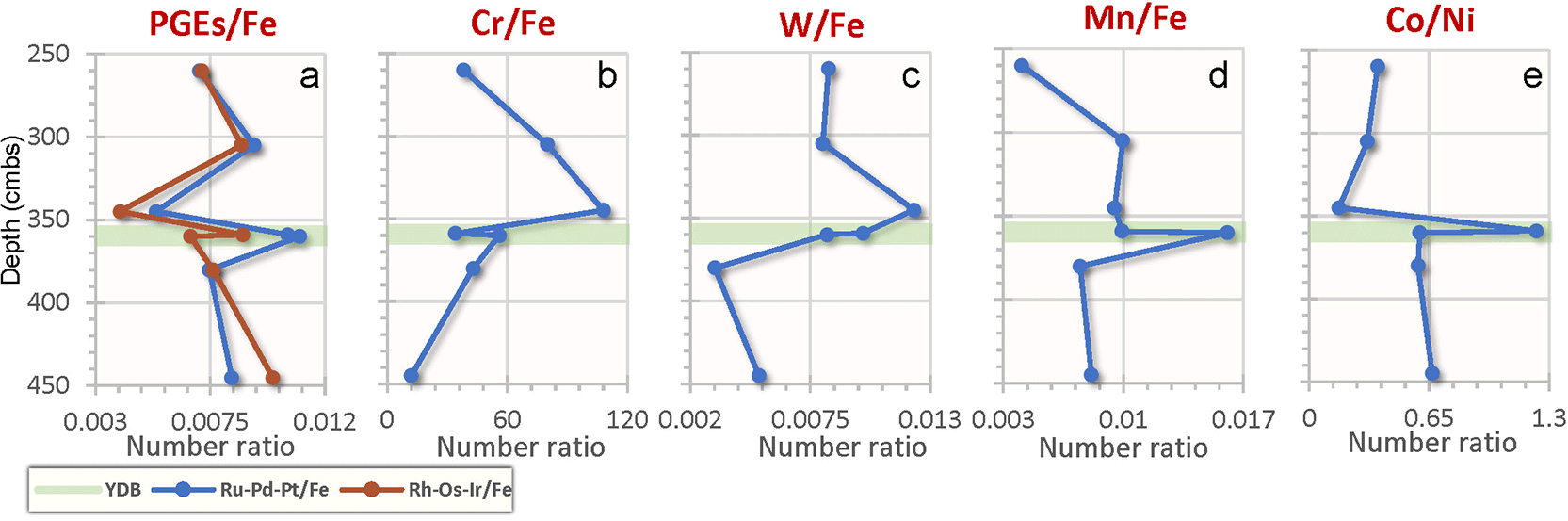
Enrichment of the total number of nanoparticles relative to Fe- and Ni-bearing nanoparticles in sediments extracted from Wonderkrater Core B3 sediments by depth. The green-shaded interval (357.5–362.5 cm depth) represents the Younger Dryas Boundary (YDB) layer with a Bacon Bayesian modeled age of 12,809 cal BP, using SHCal20 calibration for the Southern Hemisphere.11
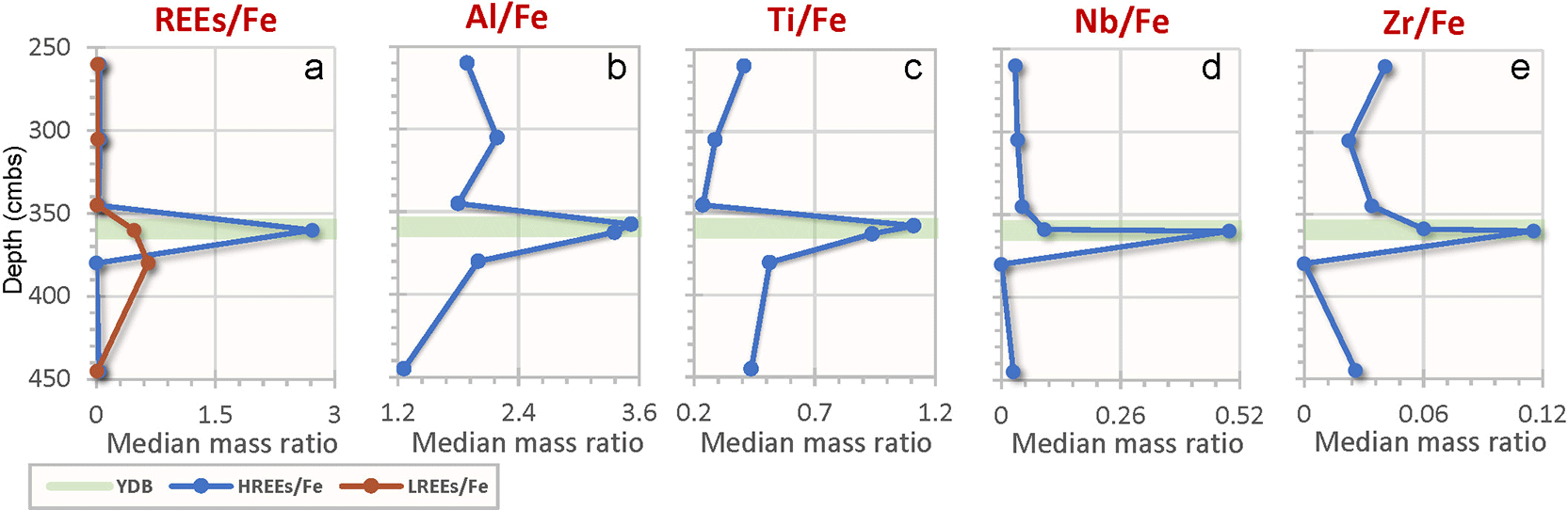
Changes in nanoparticle elemental composition with depth. Median elemental ratios of elements within individual nanoparticles extracted from Wonderkrater Core B3 sediments plotted against sediment depth (cm). The green-shaded interval (357.5–362.5 cm depth) represents the Younger Dryas Boundary (YDB) layer with a Bacon Bayesian mean modeled age of 12,809 cal BP, using SHCal20 calibration for the Southern Hemisphere.
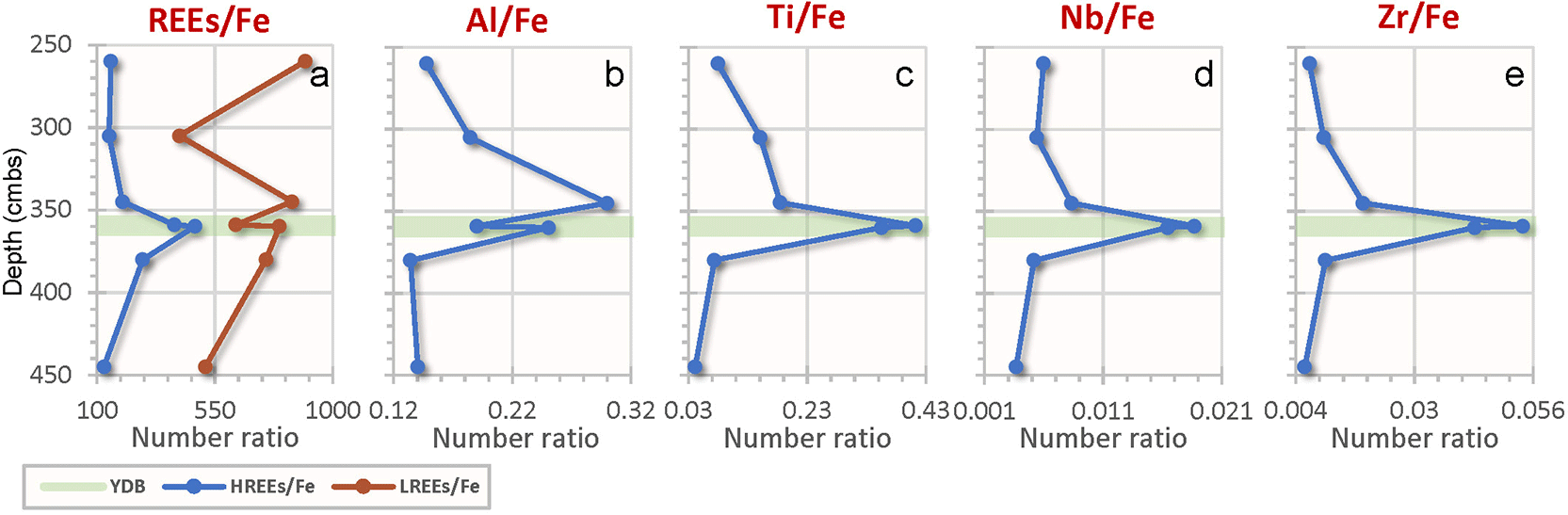
Changes in nanoparticle elemental composition with depth. Total number ratios of elements within the total nanoparticles extracted from Wonderkrater Core B3 sediments plotted against sediment depth (cm). The green-shaded interval (357.5–362.5 cm depth) represents the Younger Dryas Boundary (YDB) layer with a Bacon Bayesian mean modeled age of 12,809 cal BP, using SHCal20 calibration for the Southern Hemisphere.
Figure 2 below presents the vertical distribution of selected platinum group elements (PGEs), transition metals, and trace elements in nanoparticles from within sediment core B3 from Wonderkrater, South Africa. The data highlight a pronounced concentration anomaly near the Younger Dryas boundary.
Next, to quantify elemental relationships among individual nanoparticles, we calculated single-particle median mass ratios (e.g., total PGEs/Fe, Co/Ni) using SP-ICP-TOF-MS data. This involved dividing the measured mass of one or more elements in one nanoparticle by the mass of another element within the same nanoparticle. Next, to mitigate the influence of outliers and skewed distributions, we determined the median value of each elemental ratio across the entire particle population, providing a robust measure of central tendency that represents the typical nanoparticle composition.
We chose elements that exhibit anomalously high concentrations in ET material relative to upper continental crust, including iridium (~24,000× crustal abundance relative to typical terrestrial levels), osmium (~16,000×), ruthenium (~2,100×), platinum (~1,500×), palladium (~1,100×), and rhodium (~132×).16 Additional enrichment is observed in transition metals such as chromium (~38×), cobalt (~34×), and manganese (~3×), as well as the refractory element tungsten (~50×).16
This group of elements, comprising those interpreted as having a possible extraterrestrial (ET) component, represents the first of two nanoparticle populations. All enrichments are confined to the modeled Younger Dryas Boundary (YDB) interval between 357.5 and 362.5 cm depth, corresponding to a modeled mean age of ~12,809 cal BP. Notably, platinum-group elements relative to iron (median mass ratios of PGEs/Fe) exhibit systematic fractionation patterns, with relatively greater enrichment of Ru, Rh, Pd, and Pt compared with the more refractory PGEs Os and Ir. Such fractionation is consistent with high-temperature vaporization, condensation, and transport processes. The results are shown in Figure 3.
To further quantify the relationships among nanoparticles with ET-rich elements, we calculated selected elemental ratios of the total number of nanoparticles using SP-ICP-TOF-MS data. These calculations involved dividing the total measured number of nanoparticles containing one or more elements by the total number of nanoparticles containing another element (e.g., PGEs/Fe and Co/Ni). This procedure enabled us to investigate nanoparticle Population 1 further, which comprised elements of possible ET origin. The results are shown in Figure 4. In nanoparticle Population 1, prominent enrichments of Cr, Co, and W relative to Fe within individual particles are observed within the YDB interval, indicating a sharp compositional discontinuity.
To investigate nanoparticles in Population 2, comprised of typically terrestrial-rich elements, we calculated single-particle median mass ratios (e.g., REEs/Fe, Al/Fe) using SP-ICP-TOF-MS data, as in Figure 3 above. Here, elemental ratios are calculated for individual nanoparticles by dividing the measured mass of a given element (or grouped elements) by the mass of Fe within the same particle, and the median value is then determined across the particle population. We also calculated ratios of total number concentrations (e.g., REEs/Fe, Al/Fe), defined as the total number of nanoparticles containing a given element relative to the number of Fe-bearing nanoparticles, as in Figure 4 above.
This group of elements is interpreted as representing nanoparticle Population 2, the second of two nanoparticle populations, which comprises elements of likely terrestrial origin. All these enrichments occur in the Younger Dryas Boundary (YDB) between 357.5 and 362.5 cm, with a modeled date of ~12,809 cal BP. Results obtained through SP-ICP-TOF-MS are shown in Figures 5 (median mass ratios of elements within individual nanoparticles) and 6 (particle number ratios).
In both figures, rare earth element (REE) behavior is expressed as REE/Fe ratios (i.e., summed REE group mass or counts normalized to Fe) plotted against depth. For these plots, light REEs (LREEs; La–Sm) and heavy REEs (HREEs; Gd–Lu) are grouped and summed prior to normalization to Fe. Ratios are calculated either using median particle mass ( Figure 5) or total particle counts ( Figure 6). Fractionation is identified by divergence between the LREE/Fe and HREE/Fe trends. Within the YDB interval, HREE/Fe ratios (blue curves in Figures 5a and 6a) increase relative to LREE/Fe ratios (orange curves), producing a clear separation between the two groups.
The changes in the elemental particle compositions are also marked by the presence of multi-elemental nanoparticle clusters with distinct elemental compositions compared to those in the layers above and below the YDB layer ( Figure 7). For instance, the clustering analyses of multi-element nanoparticles illustrate that some clusters occurred in all layers (AlFeTi, FeTiAl, TiFeZr, CeLaNd, and ZrFeCu) ( Figure 7). In contrast, other clusters, such as TiFeMn, LaNdCe, CrFeBa, and ErYbDy, occurred predominantly in the Younger Dryas onset layer ( Figure 7).
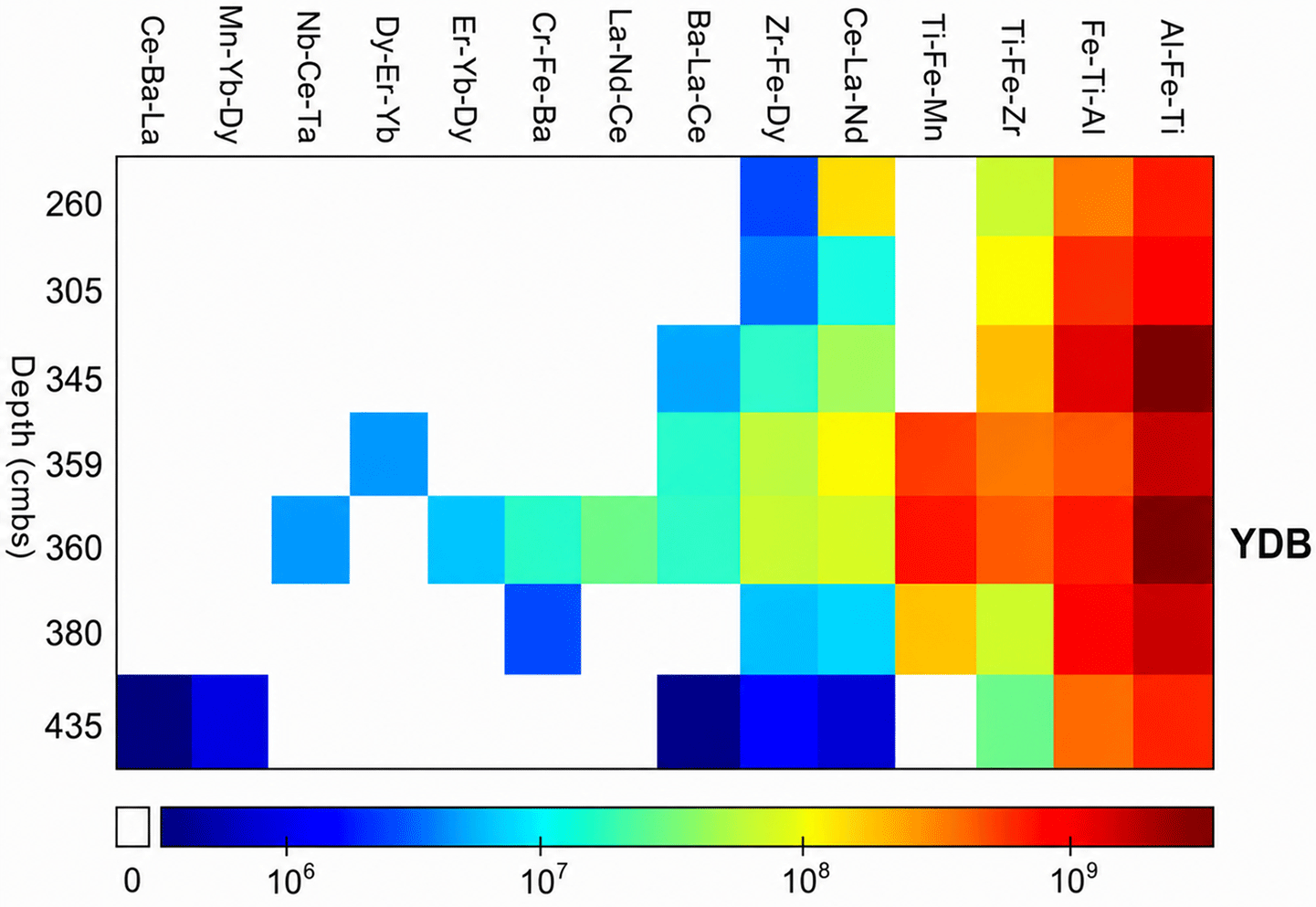
The heatmap displays the distribution and abundance of distinct multi-metal nanoparticle clusters shown at sample midpoint depths, with particular emphasis on the Younger Dryas onset layer (sample CS5614) dated to a mean modeled age of 12,809 cal BP.13 Clustering analysis was performed using a comprehensive elemental suite including Al, Ti, Cr, Mn, Fe, Co, Ni, Cu, Zn, Zr, Nb, Ba, rare earth elements (REEs), Hf, Ta, and W.
The clustering analysis ( Figure 7) further reveals the two distinct groups of nanoparticle three-element clusters: (1) ubiquitous clusters that occur consistently throughout the stratigraphic sequence (AlFeTi, FeTiAl, TiFeZr, CeLaNd, and ZrFeCu), representing background terrestrial input, and (2) clusters that occur predominantly or exclusively within the Younger Dryas Boundary layer (TiFeMn, LaNdCe, CrFeBa, and ErYbDy), indicating unique compositional signatures associated with the YDB interval. The systematic restriction of specific multi-elemental clusters to the YDB layer provides particle-level evidence for discrete geochemical inputs coinciding with the onset of the Younger Dryas climatic transition. The elevated concentrations of YDB-specific clusters, particularly those containing rare earth elements (La, Nd, Ce) and transition metals (Cr, Fe, Er), are consistent with the interpretation of altered dust provenance and/or extraterrestrial material input during this critical environmental interval. Color intensity represents relative number concentrations, with warmer colors indicating higher particle abundances. This clustering approach enables the identification of compositionally distinct nanoparticle populations that would not be resolvable through conventional bulk geochemical analysis, thereby providing unprecedented resolution of geochemical signatures preserved within individual sedimentary layers.
Interpretation of Nanoparticle Population 1. Within the YDB interval, two distinct populations of multi-element nanoparticles were identified. Nanoparticle Population 1, shown in Figures 3-4, is characterized by significant enrichments in elements typically associated with extraterrestrial (ET) material, including refractory, siderophile, and transition metals. Notably, platinum group elements (PGEs) exhibit anomalously high concentrations relative to upper continental crust: iridium (~24,000× crustal abundance relative to typical terrestrial levels), osmium (~16,000×), ruthenium (~2,100×), platinum (~1,500×), palladium (~1,100×), and rhodium (~132×).16 Additional enrichment is observed in transition metals such as chromium (~38×), cobalt (~34×), and manganese (~3×), as well as the refractory element tungsten (~50×).16
In contrast, nanoparticle Population 2, comprising nanoparticle ratios shown in Figures 5–6, displays enrichment in refractory lithophile elements characteristic of terrestrial crustal materials and generally depleted relative to siderophile-rich extraterrestrial components. These include rare earth elements (REEs) (e.g., La showing 0.01× relative abundance compared to typical ET material), aluminum (0.12×), niobium (0.02×), titanium (0.13×), and zirconium (0.03×). The co-occurrence of these two populations, one highly enriched in ET elements and the other enriched in terrestrial elements, suggests a compositional discontinuity at the YDB. The enrichment peaks in both are compatible with a discrete high-energy depositional event, including the possibility of extraterrestrial input that is proposed to have triggered climatological shifts during the YD onset.
The nanoparticle concentrations and elemental ratio data presented in Figures 2-4 are consistent with the influx of extraterrestrial (ET) material at the Younger Dryas Boundary. The pronounced enrichments in platinum-group elements relative to iron represent a distinctive geochemical signature characteristic of cosmic material input. The preferential enrichment of Pd, Pt, Rh, and Ru relative to Os and Ir suggests differential volatilization and condensation processes consistent with high-energy impact or airburst scenarios.17,18
The anomalous elemental ratios observed within the YDB layer ( Figures 3 and 4), including Cr/Fe, Co/Ni enrichments, and elevated W/Fe values, deviate significantly from typical terrestrial crustal compositions and align with established extraterrestrial signatures documented at confirmed impact sites.19,20 The observed elemental enrichments and inter-element ratio patterns differ substantially from those expected for typical volcanic, authigenic, and crustal magmatic systems, which generally exhibit lower abundances of highly siderophile elements and contrasting platinum-group element distributions.21–23
The stratigraphic restriction of these geochemical anomalies to the narrow YDB interval, with return to background terrestrial values in adjacent sediments ( Figures 3, 4, and 7), supports a discrete depositional event rather than gradual accumulation processes. The co-occurrence of multiple elements commonly enriched in extraterrestrial materials within individual nanoparticles, as detected by SP-ICP-TOF-MS, provides particle-level evidence for a compositionally distinct nanoparticle population that is consistent with extraterrestrial input and subsequent modification by high-temperature processes.24
The magnitude of PGE enrichments over background (~20× enrichment at the YDB) approaches levels documented in known impact ejecta layers and significantly exceeds concentrations typical of terrestrial processes.25 The simultaneous enrichment of multiple siderophile elements, including the refractory element W (~10 times enrichment), further supports a high-temperature, extraterrestrial source rather than low-temperature, terrestrial mobilization. Detailed particle-level compositional data supporting these interpretations are provided in Supplementary Figures S2 and S3, which demonstrate the size distribution patterns characteristic of impact-generated nanomaterials.
These findings support the interpretation that the interval contains nanoparticle populations exhibiting compositions indicative of extraterrestrial input and are compatible with the hypothesis of a cosmic impact or atmospheric airburst event at approximately 12,800 cal BP.6,26–28 The geochemical signature aligns with similar anomalies reported from other YDB sites globally, supporting the interpretation of a widespread extraterrestrial input event coinciding with the onset of the Younger Dryas climatic interval.
Interpretation of Nanoparticle Population 2. The median mass ratios, number concentration ratios, and clustering analyses presented in Figures 5–7 indicate a lithophile-enriched nanoparticle population within the Younger Dryas Boundary interval ( Figures 5–6). Despite REEs such as Ce and La, and elements such as Ti, Mn, Nb, and Zr, being common constituents of the terrestrial crust, their pronounced enrichment relative to iron suggests an increased contribution of terrestrial dust and a shift in dust provenance and/or atmospheric transport processes coincident with the onset of the Younger Dryas.
The distinct fractionation between heavy REEs (Gd to Lu) and light REEs (La to Eu) observed within the YDB layer ( Figures 5a-6a) indicates differential mobilization processes that deviate from typical weathering profiles. This REE fractionation pattern suggests either the activation of previously inaccessible crustal reservoirs or the preferential transport of specific mineral phases under the altered atmospheric conditions that characterized the YDB interval. The heavy-to-light REE enrichments may reflect enhanced mobilization of accessory minerals such as zircon, monazite, or xenotime, which are typically concentrated in specific geological terranes and require high-energy transport mechanisms for long-distance dispersal.29,30
The systematic enrichment of refractory elements, including Al, Ti, Nb, and Zr, relative to iron within median mass ratios ( Figure 5) indicates the input of nanoparticles of different elemental composition at the YD. The increases in the concentration ratios of Al, Ti, Nb, and Zr relative to Fe ( Figure 6) are consistent with the interpretation of enhanced aeolian input from distal source regions.31 These elements are characteristic of felsic crustal materials and suggest either increased wind strength capable of transporting coarser dust fractions over greater distances or the activation of new dust source areas with distinct geochemical signatures. Elemental ratios for these elements relative to iron deviate significantly from typical upper continental crust values, indicating either fractionation during transport or derivation from geochemically distinct crustal domains.
This terrestrial element enrichment relative to iron is interpreted as a climate-related signal, reflecting substantial changes in atmospheric circulation patterns, wind strength, and/or shifts in regional dust source areas that accompanied the abrupt environmental transition at the onset of the Younger Dryas. The temporal restriction of these anomalous terrestrial signatures to the YDB layer, with return to background levels in overlying sediments, suggests a discrete climatic perturbation that fundamentally altered regional sediment delivery mechanisms during this critical interval of Late Quaternary climate change. This terrestrial geochemical signal complements the extraterrestrial signatures documented in Figures 2-4, together providing evidence for the complex environmental responses associated with the Younger Dryas climatic transition. See Supplementary Table S1 for the complete nanoparticle dataset and Supplementary Table S2 with Supplementary Figure S1 for detailed age-depth modeling.
Wonderkrater differs from many previously studied YDB sites in being a spring-fed peatland system characterized by substantial aeolian and local detrital inputs. Consequently, the elevated concentrations of some lithophile and transition elements may reflect local sedimentological processes superimposed on the nanoparticle anomaly. The site therefore records both regional environmental inputs and the geochemical signal associated with the anomaly interval. This combination of extraterrestrial and terrestrial signatures may explain why some elemental enrichments observed at Wonderkrater are more pronounced than those reported from certain other YDB sites.
In addition to the increases in number concentrations and ratios, nanoparticles within the Younger Dryas onset layer show distinct multi-elemental compositions compared to those in the layers above and below the YDB layer. For instance, the clustering analyses of multi-element nanoparticles illustrate that some clusters occurred in all layers (AlFeTi, FeTiAl, TiFeZr, CeLaNd, and ZrFeCu) ( Figure 7). In contrast, other clusters, such as TiFeMn, LaNdCe, CrFeBa, and ErYbDy, occurred predominantly in the Younger Dryas onset layer ( Figure 7).
The distinct nanoparticle elemental composition in the Younger Dryas onset layer suggests derivation from different terrestrial dust source regions with unique geochemical signatures. For instance, the elemental composition of the Ti-Fe-Al cluster (Supplementary Figure S2) shows that nanoparticles within this cluster have a Ti/Fe of approximately 1, indicative of Ti-rich crustal materials potentially derived from mafic igneous terranes or Ti-bearing sedimentary formations. Additionally, the elemental composition of nanoparticles within the AlFeTi and TiFeZn clusters shows that the nanoparticles extracted from the Younger Dryas onset layer contain higher Al and lower Fe compared to those in the above and lower layers, suggesting enhanced input from aluminosilicate-rich source regions. Similarly, the elemental composition of nanoparticles within the TiFeZn clusters shows that the nanoparticles extracted from the Younger Dryas onset layer contain higher Ti and lower Fe concentrations compared to those in the above and lower layers, reinforcing the interpretation of altered dust provenance. The elemental composition of the Ce-Nd-La cluster (Supplementary Figure S2) shows that nanoparticles within this cluster are characteristics of evolved crustal compositions or specific REE-bearing mineral phases.32
The systematic occurrence of these compositionally distinct dust populations within the YDB layer suggests that the climatic perturbations associated with the YD onset fundamentally reorganized regional atmospheric circulation patterns and dust transport pathways. Notably, such clusters are spatially restricted to the YDB layer, reinforcing their temporal association with the onset of the Younger Dryas and supporting the interpretation of discrete changes in terrestrial dust sources and transport mechanisms during this critical climatic transition.
To further evaluate the compositional characteristics of nanoparticles within the Younger Dryas Boundary (YDB) interval at Wonderkrater, we examined platinum-group element (PGE) fractionation relative to iron using a biplot of (Os+Ir + Ru)/(Rh + Pd + Pt) versus Ir/Fe ( Figure 8). This approach allows simultaneous assessment of (1) relative extraterrestrial contribution, as reflected by Ir/Fe, and (2) the degree of fractionation among the platinum-group elements, particularly between the relatively refractory PGEs (Os and Ir) and the relatively more volatile PGEs (Rh, Pd, and Pt), providing insight into high-temperature processes such as vaporization, condensation, and particle sorting. These fields in Figure 8 are based on published third-party data but represent only approximate ranges for mixed particle populations. They are not intended to define strict compositional boundaries. Selected sources of comparative data include: Anders & Grevesse,33 Lodders,34 McDonough & Sun,35 Becker et al.,36 Peucker-Ehrenbrink & Jahn,37 Walker,38 Walker et al., and Horan et al.39
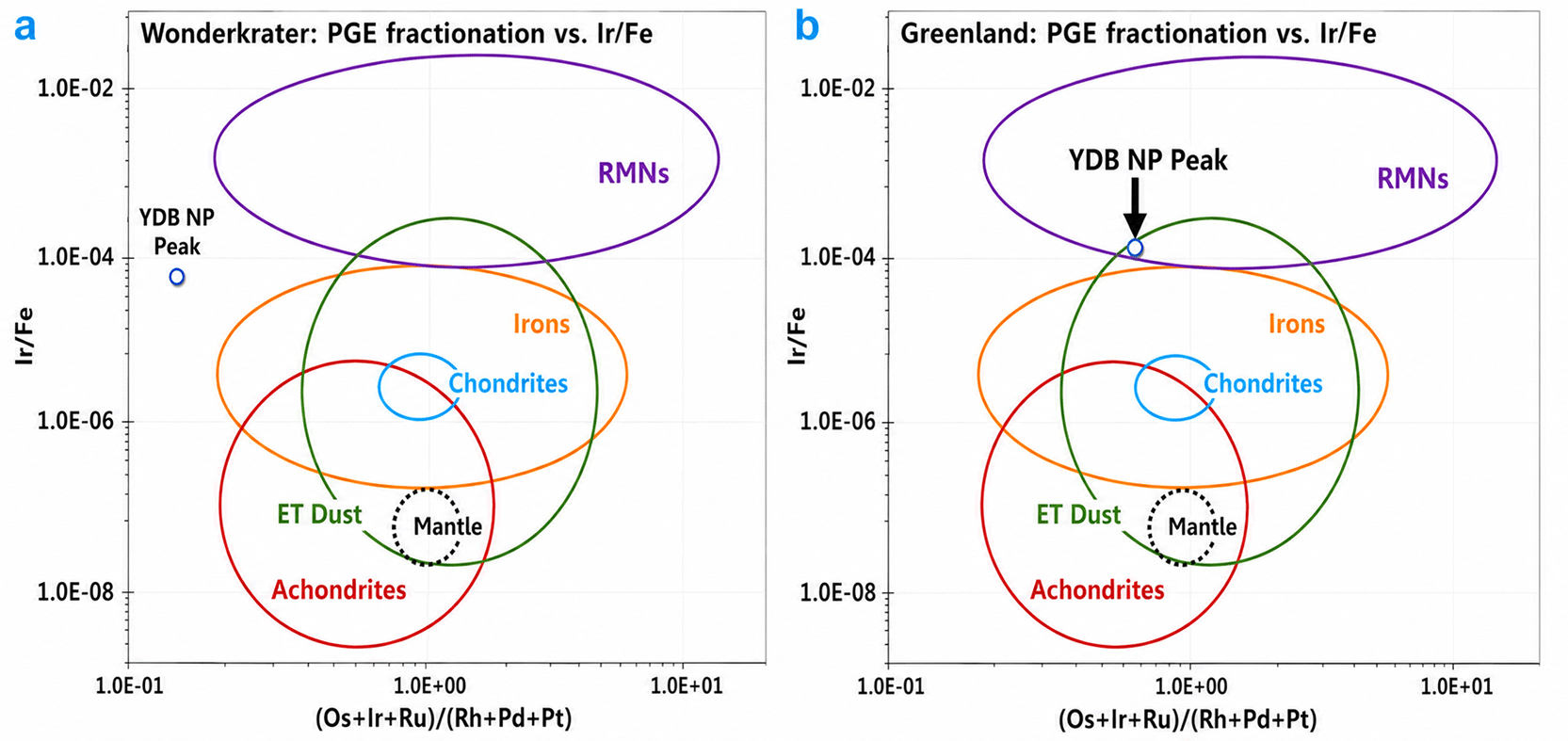
(a) Wonderkrater YDB. (b) Greenland YDB.44 The x-axis shows the ratio (Os+Ir + Ru)/(Rh + Pd + Pt), representing fractionation between refractory (Os, Ir, Ru) and more volatile (Rh, Pd, Pt) PGEs, and the y-axis shows Ir/Fe, used here as a proxy for relative extraterrestrial contribution. Ellipses denote compositional fields for refractory metal nuggets (RMNs), iron meteorites, chondrites, achondrites, extraterrestrial (ET) dust, mantle, and crustal materials based on published ranges.
Interpretation. The Wonderkrater YDB nanoparticles plot at elevated Ir/Fe (~10−4), several orders of magnitude above typical mantle, basaltic, and crustal values (~10−10 to 10−8), indicating a substantial enrichment in siderophile elements relative to terrestrial reservoirs. While Ir/Fe alone does not uniquely identify source,40 such elevated values are most consistent with the incorporation of extraterrestrial material.19–21
In contrast, the (Os+Ir + Ru)/(Rh + Pd + Pt) ratio is sub-chondritic and significantly lower than unity, indicating preferential enrichment of Pt, Pd, and Rh relative to Os, Ir, and Ru. This pattern is consistent with fractionation among the platinum-group elements during high-temperature vaporization and condensation processes. This pattern deviates from primary meteoritic compositions and instead is consistent with fractionation during high-temperature processing. In impact-generated vapor plumes, Os- and Ir-rich phases condense at higher temperatures and are incorporated into early forming phases, whereas more volatile PGEs remain in the vapor phase longer and condense later or at greater distances.41,42 The Wonderkrater composition is therefore consistent with a fractionated condensate population rather than unfractionated meteoritic debris.
Importantly, the Wonderkrater YDB nanoparticle population does not fall within the compositional field of any single canonical meteoritic class. Instead, it occupies a region consistent with a mixture of components, including (i) a refractory PGE-rich phase contributing elevated Ir/Fe and (ii) a more volatile PGE-rich phase that lowers the overall (Os+Ir + Ru)/(Rh + Pd + Pt) ratio. This combination is consistent with heterogeneous material produced during high-temperature vaporization and subsequent condensation and transport.18,41,43
Although the Wonderkrater dataset does not resolve a well-defined background cluster in the Ir/Fe versus (Os+Ir + Ru)/(Rh + Pd + Pt) compositional framework, the broader SP-ICP-TOF-MS results (Figures 2–7) demonstrate the presence of persistent nanoparticle populations outside the YDB interval. These background particles exhibit compositions distinct from those observed within the YDB layer, indicating that the anomaly is superimposed upon a pre-existing nanoparticle population rather than representing the only occurrence of nanoparticles within the sequence. The YDB interval is distinguished not by the presence of nanoparticles alone, but by its unique combination of elevated siderophile element concentrations, distinctive PGE fractionation patterns, and increased nanoparticle abundance. Together, these characteristics indicate that the YDB layer represents a compositionally distinct enrichment relative to the surrounding sediments.
Direct comparison with the Greenland dataset reveals both similarities and differences.44 Both sites exhibit elevated Ir/Fe (~10−4), indicating comparable levels of extraterrestrial input. However, the Greenland nanoparticles cluster at higher (Os+Ir + Ru)/(Rh + Pd + Pt) values (~0.7–0.8), closer to refractory-rich compositions, whereas the Wonderkrater nanoparticle plots at lower values, indicating stronger enrichment in more volatile PGEs.
This divergence is most parsimoniously explained by spatial and/or temporal fractionation within a high-temperature plume. The Greenland record is consistent with earlier-condensing, refractory-rich phases, whereas the Wonderkrater signal represents a more volatile-enriched component, possibly representing later-stage condensates or more distal plume material.
The key observation is that Ir/Fe remains similar between the two sites, whereas PGE fractionation varies substantially. This decoupling indicates that total siderophile input and PGE fractionation are governed by different processes: Ir/Fe is consistent with bulk extraterrestrial contribution, whereas (Os+Ir + Ru)/(Rh + Pd + Pt) records plume-scale fractionation and phase partitioning.
These data are consistent with the interpretation that the YDB nanoparticle signal reflects a broadly distributed but compositionally heterogeneous extraterrestrial input that has been modified by high-temperature vaporization, condensation, and atmospheric transport processes. These observations are more consistent with a heterogeneous or fractionated source than with a single homogeneous compositional source.
Initial interpretations are presented alongside the results to aid clarity; the following section integrates these observations within a broader geochemical and paleoenvironmental framework.
The elemental ratio analysis of nanoparticles from the Younger Dryas Boundary layer at Wonderkrater provides multiple, internally consistent lines of evidence for a geochemically distinct nanoparticle population within the anomaly interval, in agreement with the two compositional populations identified through SP-ICP-TOF-MS analysis. Eight key elemental ratios exhibit systematic enrichments within the YDB interval relative to background sediments ( Table 1). These enrichments significantly exceed analytical variability and indicate that the YDB nanoparticles differ compositionally from the surrounding nanoparticle population. We acknowledge that individual geochemical proxies are not uniquely diagnostic; however, the co-occurrence of multiple independent elemental-ratio anomalies within a narrow stratigraphic interval strengthens the interpretation that the YDB nanoparticles formed through processes distinct from those responsible for the background sedimentary signal.
Enrichment factors (EF) represent the ratio of YDB to non-YDB mean values. Primitive CI-chondritic ratios and average upper continental crust (UCC) compositions are included as reference end-members based on published compilations.16,34,35 Because YDB nanoparticles are interpreted as products of high-temperature impact-related melting, vaporization, condensation, and interaction with terrestrial target materials, their compositions are not expected to match pristine chondritic values. Instead, the reference columns provide compositional context for evaluating systematic shifts in inter-element ratios relative to both extraterrestrial and terrestrial reservoirs.
The systematic fractionation among platinum-group elements observed in the 357.5–362.5 cm interval is accompanied by extreme enrichments documented in this study, including iridium (~24,000× crustal abundance), osmium (~16,000×), ruthenium (~2,100×), platinum (~1,500×), palladium (~1,100×), and rhodium (~132×). The Au/Ir ratio of 3.80 ( Table 1) indicates relative enrichment of Au compared with Ir. Because Au is generally more volatile than Ir during high-temperature processes, elevated Au/Ir ratios may reflect fractionation during vaporization, condensation, and atmospheric transport rather than primary meteoritic compositions.18,41,45 Similarly, the Pt/Ir ratio of 3.58 indicates enrichment of platinum relative to iridium compared with background sediments and is consistent with fractionation among platinum-group elements during high-temperature processing.20,41
The preferential enrichment of Au, Pt, and Pd relative to Os and Ir is consistent with high-temperature vaporization, condensation, and transport processes associated with hypervelocity impacts or atmospheric airburst events.41,46 Such fractionation patterns have been documented at confirmed impact sites, including the Sudbury structure47 and the Chicxulub crater,48 where impact-generated vapor plumes produced substantial redistribution and fractionation of platinum-group elements. Importantly, several of the elemental ratios reported here differ from both average crustal compositions and primitive chondritic values, indicating that the YDB nanoparticles do not represent simple mixtures of terrestrial material and unfractionated meteoritic debris. Instead, the observed compositions are more consistent with fractionated condensates produced during high-temperature impact-related processes.
The elevated Au/Pt ratio of 1.16 ( Table 1) indicates enrichment of Au relative to Pt within the anomaly interval. Because Au is generally more volatile than Pt during high-temperature processes, this pattern is consistent with fractionation during melting, vaporization, condensation, and atmospheric transport.49,50 The anomalous elemental ratios, including enrichments in Cr/Ni, Au/Pt, Pd/Ir, and Pt/Ir, deviate systematically from the surrounding background nanoparticle population and indicate a geochemically distinct assemblage within the YDB interval. The systematic enrichment of multiple siderophile elements, including chromium (~38×), cobalt (~34×), and tungsten (~50×) relative to crustal abundances, within a narrow stratigraphic interval parallels patterns reported from impact-related deposits and is consistent with high-temperature processes capable of concentrating siderophile elements into discrete nanoparticle populations. The confinement of these enrichments to the YDB interval further suggests that they represent a transient depositional event rather than prolonged background sedimentary processes or low-temperature geochemical mobilization.
The elemental ratio patterns observed at Wonderkrater are consistent with a growing body of evidence for extraterrestrial input at YDB sites globally. At Arlington Canyon, California, Kennett et al.51 reported elevated Ir concentrations and anomalous PGE ratios at the YDB. Similarly, Bunch et al.52 documented PGE enrichments in conjunction with magnetic spherules at multiple North American sites, paralleling PGE enrichments from confirmed impact sites such as Sudbury and Morokweng.47 The consistency of these signatures across diverse geographical locations and depositional environments suggests a shared high-temperature process affecting extraterrestrial material. Recent work by Pino et al.28 at the Pilauco site in Chile demonstrated elevated Pt concentrations at the YDB, extending the geographical range of documented anomalies to the Southern Hemisphere. The Wonderkrater data provide additional Southern Hemisphere evidence consistent with a multi-continent extraterrestrial input event.
Several elemental concentrations and ratios begin to increase in the sample immediately below the principal anomaly interval. This pattern may reflect background environmental variability, age-model uncertainty, gradual onset of atmospheric deposition preceding peak enrichment, or incorporation of locally derived detrital material. Similar stratigraphic offsets have been reported at other proposed Younger Dryas Boundary sites, where different particle populations appear to have been deposited over a short interval rather than as a single instantaneous event.53,54 However, maximum enrichments, the highest nanoparticle concentrations, and the most pronounced elemental-ratio anomalies remain confined to the principal anomaly interval, indicating that the strongest geochemical signal is stratigraphically restricted rather than distributed uniformly throughout the sequence.
Nanoparticle number concentrations and total particle mass (Supplementary Figure S4) show a pronounced increase in particle abundance at the YDB, accompanied by a decrease in average particle mass. This pattern, characterized by a high abundance of low-mass nanoparticles, is consistent with the fallout of fine-grained material generated during a high-energy cosmic impact or atmospheric airburst, which can produce widespread dispersal of PGE-rich nanomaterials that settle as a discrete depositional layer. The co-occurrence of elevated nanoparticle concentrations and platinum-group element enrichments strengthens the interpretation of an extraterrestrial contribution.
Several alternative mechanisms for PGE enrichment have been proposed, but these do not readily account for the specific combination of elemental ratio patterns observed at Wonderkrater. Volcanic processes typically produce PGE signatures reflecting mantle-derived compositions, characterized by relatively uniform siderophile element distributions and lacking strong enrichment in refractory elements such as Ir relative to crustal materials.45,55
Diagenetic remobilization does not readily account for the systematic enrichment of multiple siderophile elements within such a narrow stratigraphic interval. Platinum-group elements are generally considered relatively immobile under most diagenetic conditions, and post-depositional processes typically produce diffuse redistribution rather than the sharply defined, multi-element anomalies observed here.37 The coherent fractionation patterns documented in this study are therefore inconsistent with low-temperature diagenetic alteration. Anthropogenic contamination is likewise unlikely, as industrial PGE inputs exhibit distinct compositional signatures and are not expected in Late Pleistocene sedimentary contexts.22
Although the observed elemental enrichments and fractionation patterns are not individually diagnostic of a specific impactor type or impact process, they are consistent with extraterrestrial input. Alternative terrestrial mechanisms cannot be completely excluded on the basis of nanoparticle geochemistry alone, but no currently recognized terrestrial process readily accounts for the combined observations. The stratigraphic confinement of the anomalies, coherent multi-element enrichments, platinum-group element fractionation, and agreement with previously reported Younger Dryas-age geochemical anomalies collectively support an extraterrestrial interpretation more readily than any currently known terrestrial alternative.
The elemental ratio data are consistent with a model in which high-temperature vaporization and condensation processes produced PGE fractionation followed by atmospheric dispersal. The spatial distribution and transport mechanisms of such material remain an area of active investigation, particularly with respect to plume dynamics and atmospheric residence times. Quantitative constraints on plume dispersal, atmospheric residence times, and nanoparticle survivability remain limited, and resolving these factors is important for linking distal nanoparticle signatures to specific impact scenarios. Experimental and modeling studies of hypervelocity impacts demonstrate that such events can generate impact vapor plumes and condensation products capable of producing fractionated platinum-group element signatures similar to those observed in impact-related deposits.56,57 The sharp stratigraphic confinement of the anomalies to a narrow (~5 cm) interval indicates rapid deposition from a discrete event, consistent with atmospheric fallout from a cosmic impact or airburst. This temporal restriction, combined with the coherent elemental signatures across multiple independent ratios, supports the interpretation that the anomaly is unlikely to reflect gradual accumulation processes.
The observed elemental ratio patterns ( Table 1) further suggest that the extraterrestrial component was modified by high-temperature fractionation processes during impact, atmospheric entry, plume evolution, or deposition. The enrichment of the more volatile PGEs relative to the more refractory PGEs is consistent with selective volatilization and condensation effects documented in experimental and natural impact systems.49,58 Distinguishing primary compositional signatures from secondary fractionation effects remains an important area for future investigation.
The elemental ratio evidence for extraterrestrial input at Wonderkrater occurs within a broader interval of paleoenvironmental change documented by pollen and sedimentological data that demonstrate synchronous and abrupt environmental change at the YDB. The paleoecological record at Wonderkrater, reconstructed from high-resolution pollen data, reveals a marked transition in vegetation composition coinciding with the onset of the YD. This interval is characterized by a decline in arboreal taxa, including warm savanna woodland elements like Combretaceae and a concurrent increase in small shrubs associated with high-lying vegetation like certain Asteraceae and fynbos elements, indicative of a shift toward cooler conditions.7–9
Multivariate statistical analyses of the pollen spectra, including the Summary Statistic based on Factor 1 (SSF1) temperature index, demonstrate a significant negative excursion in paleotemperature estimates at this time ( Figure 9).5,9 The timing of this temperature decline broadly coincides with the nanoparticle enrichment anomalies of Pt, Ir, Os, Rh, Pd, Co, Cr, and other elements detected with SP-ICP-TOF-MS, providing strong support for the temporal association between extraterrestrial input and abrupt climate change.
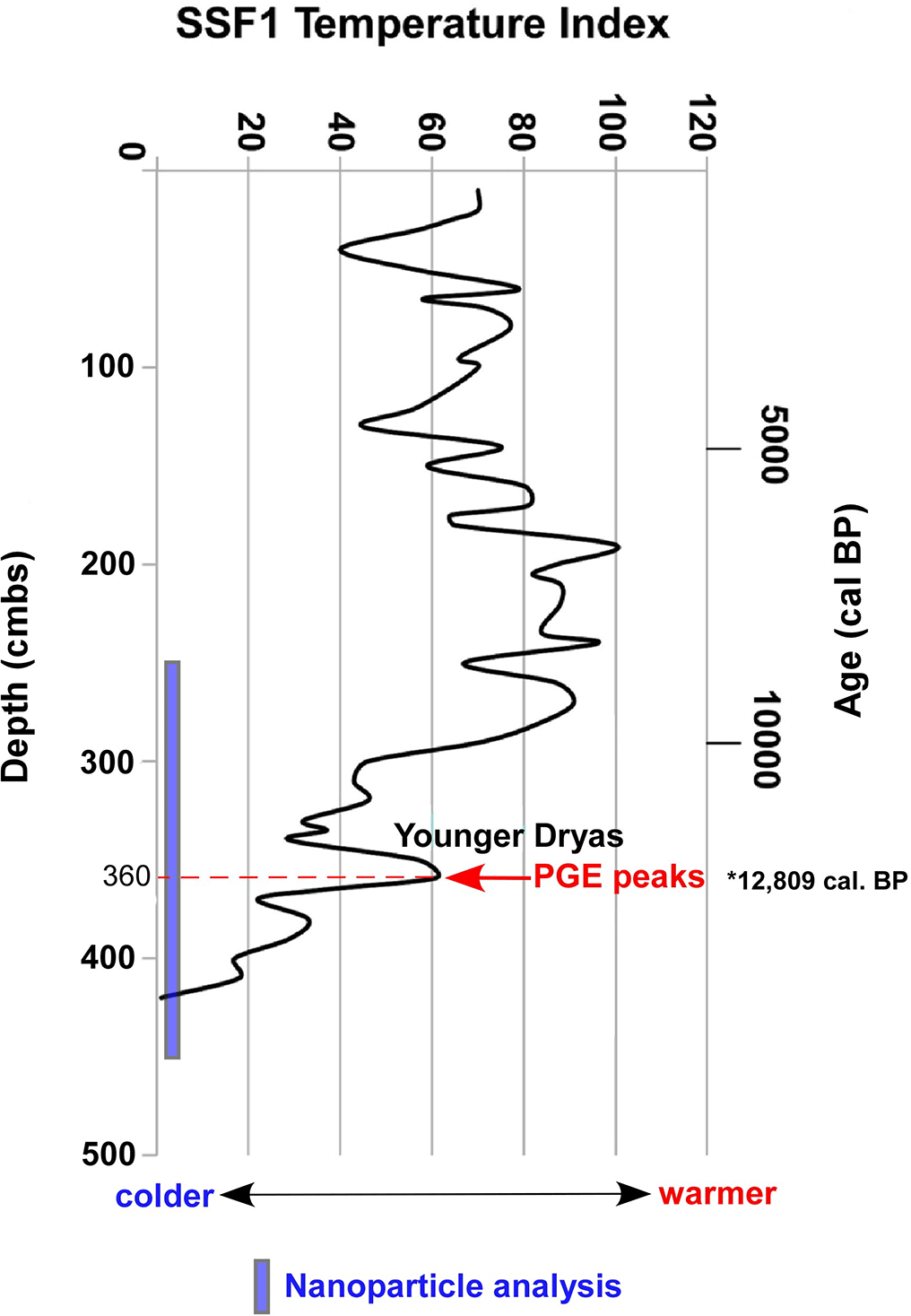
The vertical blue bar shows the area of the core sampled for nanoparticle analysis using SP-ICP-TOF-MS. The largest enrichments in PGEs, ratios, and multi-element single particles occur in one sample at 360 cmbs that has a Bacon Bayesian mean modeled age of 12,809 cal BP.7 Figure adapted from Thackeray et al.5 licensed under CC BY 4.0.
These findings are consistent with deuterium isotope records from Vostok (Antarctica) and oxygen isotope data from Sumxi Co (Tibet), suggesting that the climatic perturbation at Wonderkrater reflects a broader, potentially global signal.59–61 Sedimentological analyses further corroborate these interpretations, with a reduction in peat accumulation rates and organic productivity evident in the upper sections of the core, consistent with increasingly xeric conditions during and after the YD.62,63
The coincidence of significant nanoparticle enrichment anomalies with vegetation restructuring, inferred temperature decline, and reduced peat accumulation supports the hypothesis that the YD in southern Africa was part of a hemispherically synchronous event with possible extraterrestrial forcing. This paleoclimate evidence supports an interpretation in which extraterrestrial material deposition is associated with rapid and sustained environmental changes affecting regional ecosystems.
Multiple lines of evidence suggest that climate responses to the Younger Dryas onset (∼12,800 cal BP) varied significantly across different regions of the Southern Hemisphere, highlighting the complex regional modulation of global scale forcing mechanisms. Paleoenvironmental records from central-southern South America, including pollen and sediment data, suggest a continued warming trend during the YD interval rather than the cooling observed at Wonderkrater. Pino et al.28 document a lack of cold-adapted taxa and stable or rising temperatures in central Chile, interpreting this as part of an antiphased hemispheric response associated with the bipolar seesaw mechanism.64–66 Supporting studies from sites such as Lago Cipreses,67 Lago El Salto,68 and Lago Condorito69 likewise show no cooling at the onset of the YD and instead indicate warmer or stable conditions.
At the Pilauco site in southern Chile, Pino et al.28 report both a platinum anomaly and elevated soot and charcoal levels at the YD boundary, consistent with the global signal of an extraterrestrial impact and associated biomass burning.53,70 However, they emphasize that these changes did not lead to significant vegetation disruption or abrupt cooling, suggesting a muted climatic response in that region compared to the pronounced cooling documented at Wonderkrater.
In contrast, the multiproxy data from Wonderkrater demonstrate a significantly different pattern, with pollen-based reconstructions revealing a sharp decline in temperatures around ∼12,800 cal BP, consistent with pronounced cooling.5,9 Concurrent shifts in vegetation composition, including a decline in forest and wetland taxa and an expansion of grasses and savanna elements, suggest that this cooling was accompanied by drier conditions.9 The presence of both the platinum anomaly and the comprehensive nanoparticle enrichments at Wonderkrater, coinciding with these environmental changes, is consistent with extraterrestrial input at the YD onset.5
These contrasting regional signatures underscore the spatial heterogeneity in Southern Hemisphere climate responses during the Younger Dryas, highlighting the importance of local climate systems in modulating the impacts of hemispheric or global-scale events while remaining consistent with evidence for extraterrestrial material input at the onset of the Younger Dryas.
The elemental ratio evidence from Wonderkrater, when considered alongside similar signatures from other YDB sites, is consistent with extraterrestrial material input occurring within the broader Younger Dryas Boundary interval.26,71,72 The similarity of PGE fractionation patterns across multiple continents suggests a shared high-temperature process affecting extraterrestrial material, rather than independent local sources.6,73 The Pt and other PGE enrichments at Wonderkrater exhibit profiles comparable to those reported from YDB sites across multiple continents26,44,71,74 and in the Greenland ice sheet, supporting the interpretation of a widespread depositional signal of possible cosmic origin.17 Nanoparticle enrichments reported here align temporally with anomalies documented at numerous YDB sites worldwide, including Patagonia,28 and are consistent with the broader body of evidence associated with the Younger Dryas Boundary interval.5,6,17,26,71–73
While the PGE ratios provide evidence consistent with extraterrestrial input, several elemental signatures in the 357.5–362.5 cm interval also indicate an enhanced influx of non-local terrestrial dust coinciding with the Younger Dryas onset, consistent with the second nanoparticle population identified in this study. The pronounced enrichment of lithophile and refractory elements, such as rare earth elements, Al, Nb, Ti, and Zr, relative to iron, as documented through terrestrial-signature element analysis ( Figures 5-6), indicates enhanced aeolian input from distal crustal sources during the YDB interval. The calculated elemental ratios are inconsistent with known terrestrial sedimentary processes under normal climatic conditions, suggesting a fundamental shift in dust provenance and/or atmospheric transport mechanisms.
The distinct fractionation between heavy rare earth elements (HREEs; Gd to Lu) and light REEs (LREEs; La to Eu) observed in the YDB layer indicates mobilization patterns that differ from typical weathering-derived profiles. This REE signature may reflect the activation of previously isolated crustal reservoirs or the preferential transport of specific REE-bearing mineral phases under altered atmospheric conditions. Additionally, the systematic enrichment in refractory elements suggests either enhanced wind strength capable of long-range transport of coarser dust particles, or the mobilization of new dust source regions with unique geochemical signatures.
The abrupt YD climate transition fundamentally reorganized Southern Hemisphere atmospheric circulation patterns, potentially enhancing long-distance dust transport from arid regions, including the Kalahari and Namib deserts. These source regions, characterized by distinct geochemical signatures enriched in refractory elements, could contribute to the observed terrestrial elemental anomalies through enhanced wind strength and altered transport pathways. The multi-elemental ratios of primarily terrestrially-enriched elements identified in this study (Ti-Fe-Al, Ce-Nd-La) support the interpretation of enhanced input from aluminosilicate-rich source regions and evolved crustal compositions (Supplementary Figure S2).
The coeval occurrence of extraterrestrial and non-local terrestrial signatures supports an interpretation in which extraterrestrial material deposition was accompanied by atmospheric perturbations that altered regional dust transport. This coupled signal, extraterrestrial input alongside reorganized terrestrial dust sources, offers a more complete view of the environmental changes associated with the onset of the Younger Dryas.
The specific elemental ratio patterns observed at Wonderkrater provide constraints on the nature of the extraterrestrial component. A YDB Au/Ir ratio of 3.80 indicates enrichment of Au relative to Ir. Because Au is generally more volatile than Ir during high-temperature processes, this pattern is consistent with fractionation accompanying melting, vaporization, condensation, and atmospheric transport.49,58 The elevated Au/Pt ratio of 1.16 is likewise consistent with volatile enrichment and/or high-temperature fractionation processes that can enhance Au relative to refractory PGEs.49,58
A YDB Pd/Ir ratio of 16.6, together with the observed enrichments in Pd (~1,100× crustal abundance), indicates fractionation of Pd relative to the more refractory PGEs. Similar Pd-Ir fractionation has been documented in high-temperature condensation and evaporation environments where volatility exerts a primary control on siderophile element behavior.41,75 Similarly, the observed YDB Pt/Ru ratio of 2.20 reflects enrichment of Pt relative to Ru and is consistent with fractionation among platinum-group elements during high-temperature processing.18,41,46 The coupled enrichment in Au and Pt further supports the presence of a volatile-rich component and/or substantial fractionation within the nanoparticle population.
Although some elemental ratios overlap with values reported for specific meteoritic groups, several differ substantially from both primitive chondritic compositions and average crustal values, indicating that the YDB nanoparticles do not represent simple mixtures of terrestrial material and unfractionated meteoritic debris. In particular, ordinary and enstatite chondrites exhibit more uniform siderophile element distributions and do not readily account for the elevated Au/Pt ratios and the preferential enrichment of Au, Pt, and Pd relative to Os and Ir observed within the YDB interval. Moreover, the coexistence of both siderophile-enriched and lithophile-rich nanoparticle populations is not characteristic of a single, homogeneous meteoritic source.
The elemental ratio patterns are not readily explained by any single canonical meteoritic class and instead are consistent with a compositionally heterogeneous extraterrestrial source. The systematic enrichment of Au, Pt, and Pd relative to Os and Ir suggests either a primary volatile-rich component or high-temperature fractionation during atmospheric entry and impact.23,41 Cometary material, with its elevated volatile content and susceptibility to atmospheric disruption, provides a plausible contributor, although the moderate but significant PGE enrichments argue against a purely cometary source.49,58,76
Critically, no single meteoritic group reproduces the full suite of observed relationships. Ordinary and enstatite chondrites exhibit more uniform siderophile element distributions and do not account for the combined enrichment patterns or the preferential enrichment of Au, Pt, and Pd relative to Os and Ir observed here. These observations are consistent with a mixture of extraterrestrial components modified by high-temperature processes, rather than the direct deposition of unfractionated meteoritic material.
Integration of the PGE ratio patterns with the observed multi-elemental clusters (Ti-Fe-Al, Cr-Fe-Ba, Ce-Nd-La) and associated fractionation trends suggests that high-temperature processing played a major role in producing the observed nanoparticle compositions, potentially involving a compositionally heterogeneous extraterrestrial source and substantial fractionation during atmospheric entry, vaporization, condensation, and transport.23,77 The absence of typical iron meteorite signatures argues against a purely metallic impactor.
A parsimonious interpretation is that the Wonderkrater YDB signal reflects a compositionally heterogeneous, volatile-bearing extraterrestrial input modified by high-temperature processes during atmospheric entry and deposition, rather than the direct deposition of a single, homogeneous meteoritic source.6,49,58 Distinguishing between primary compositional variability and secondary fractionation effects remains an important area for further investigation. Alternative explanations involving volcanic, diagenetic, or authigenic processes were evaluated but do not readily account for the combined elemental ratios, particle-scale associations, and stratigraphic confinement observed in this study.
This study presents new evidence consistent with the deposition of an extraterrestrial component within sediments whose modeled ages overlap the Younger Dryas Boundary at Wonderkrater, South Africa, based on comprehensive nanoparticle elemental-ratio analyses. Using SP-ICP-TOF-MS, we identified discrete enrichments of platinum-group elements, siderophile metals, and rare earth elements confined to a narrow stratigraphic interval centered at 359–360 cm depth. Eight key elemental ratios exhibit characteristics consistent with an extraterrestrial component, with particularly strong enrichments observed in the Au/Ir, Cr/Ni, and Au/Pt ratios relative to surrounding sediments.
The systematic fractionation among platinum-group elements, characterized by enrichment of Au, Pt, and Pd relative to Os and Ir, is consistent with high-temperature vaporization, condensation, and atmospheric transport processes. These patterns are consistent with a fractionated extraterrestrial component rather than the deposition of unfractionated meteoritic debris. Statistical analyses indicate that nanoparticle abundances within the anomaly interval are elevated by a factor of 4.6 relative to surrounding sediments (p < 0.01), demonstrating that the observed enrichments are unlikely to result from random variability or analytical noise.
The restricted occurrence of unique multi-elemental nanoparticle clusters (Ti-Fe-Al, Cr-Fe-Ba, Ce-Nd-La) within the narrow YDB interval, combined with anomalous elemental ratios not readily explained by known volcanic, diagenetic, or anthropogenic processes, is consistent with a discrete high-energy depositional event, potentially involving a cosmic impact or airburst. The elemental ratio patterns are consistent with a compositionally heterogeneous, volatile-rich extraterrestrial component modified by high-temperature fractionation processes. Paleoclimate evidence showing synchronous vegetation restructuring and temperature decline, coupled with enhanced influx of non-local terrestrial dust reflecting altered atmospheric circulation patterns, is consistent with immediate environmental responses associated with this interval. These findings align with similar geochemical anomalies documented at numerous YDB sites globally, contributing to the broader body of evidence associated with the Younger Dryas Boundary interval.
The Wonderkrater data provide important Southern Hemisphere evidence for an extraterrestrial input signal occurring within sediments whose modeled ages are consistent with the Younger Dryas Boundary interval and broadly overlap the timing of similar anomalies reported at other YDB sites worldwide. The integration of quantitative elemental ratio analysis with high-resolution paleoclimate data highlights the potential for complex environmental responses associated with high-energy events and their possible role in Late Pleistocene climate variability.
Sediment Sampling. Samples selected for SP-ICP-TOF-MS analysis were targeted to evaluate the stratigraphic interval previously identified as containing anomalous platinum enrichment together with adjacent background sediments.5 Consequently, sampling was not intended to provide continuous high-resolution coverage of the entire core sequence. Rather, the objective was to compare nanoparticle compositions within the interval of interest with those from stratigraphically adjacent sediments above and below. While the analyzed samples capture the principal interval investigated in this study, additional unsampled geochemical variability elsewhere in the sequence cannot be excluded and should be evaluated through future higher-resolution sampling.
Particle Extraction. For SP-ICP-TOF-MS analysis, 100 mg aliquots of sediment were suspended in 10 mL of ultrapure water (Millipore Advantage System, Merck Millipore) in acid-washed 15 mL centrifuge tubes. The suspensions were vortexed (Scientific Industries G560) and ultrasonicated (Branson 2800, 40 kHz) for 15 minutes to ensure dispersion. After settling for 24 hours, the upper 5 mL of the supernatant was transferred to clean centrifuge tubes and stored at 4 °C. Before analysis, samples were diluted 5000-fold with ultrapure water and sonicated before and after dilution.
Elemental Analysis. Elemental composition of individual nanoparticles was determined using a TOFWERK SP-ICP-TOF-MS system, as outlined in prior work.78–80 Samples were introduced via a 2DX autosampler (Element Scientific) with a MicroMist U-series nebulizer and a quartz cyclonic spray chamber. Instrument settings and monitored isotopes are provided in Supplementary Tables S3 and S4. Calibration standards included multi-element ICP reference solutions (0, 1, 2, 5, 10 μg/L in 1% HNO3) and certified nanoparticle standards (NIST RM 8013 Au) for determining transport efficiency using the known size method.81 A 4.5% H2/He gas mixture was used as a collision gas, optimized for 56Fe + and 28Si + signals. Data processing, including signal thresholding using the Poisson algorithm82 and event correction, was conducted using TOFpilot v2.11.3 (TOFWERK). Samples and blanks were analyzed in triplicate, and data were collected for 200 seconds per replicate. Replicates were combined for final interpretation.
Statistical Significance and Analytical Validation. To assess the robustness of the observed nanoparticle anomaly, statistical analyses were conducted using triplicate analytical measurements. Total nanoparticle concentrations within the YDB interval were approximately 4.6 times higher than in surrounding sediments (Mann-Whitney U test, p < 0.01), demonstrating that the observed enrichment substantially exceeded analytical replicate variability. Although particle mass measurements exhibited elevated standard deviations, the increase in nanoparticle abundance was consistently observed within the 357.5–362.5 cm interval. Accordingly, the anomaly is interpreted as a reproducible analytical signal rather than an artifact of instrumental or analytical noise.
Samples from Wonderkrater are mostly depleted, but limited amounts may be available from the Corresponding Author.
During the preparation of this work, the authors used OpenAI’s ChatGPT (GPT-4) to assist with drafting and revising portions of the manuscript text, including rewording sections for clarity, improving structure, and refining grammar. Following the use of this tool, the authors reviewed and edited the content to ensure accuracy and integrity and take full responsibility for the final version of the manuscript.
| Views | Downloads | |
|---|---|---|
| F1000Research | - | - |
|
PubMed Central
Data from PMC are received and updated monthly.
|
- | - |
Provide sufficient details of any financial or non-financial competing interests to enable users to assess whether your comments might lead a reasonable person to question your impartiality. Consider the following examples, but note that this is not an exhaustive list:
Sign up for content alerts and receive a weekly or monthly email with all newly published articles
Already registered? Sign in
The email address should be the one you originally registered with F1000.
You registered with F1000 via Google, so we cannot reset your password.
To sign in, please click here.
If you still need help with your Google account password, please click here.
You registered with F1000 via Facebook, so we cannot reset your password.
To sign in, please click here.
If you still need help with your Facebook account password, please click here.
If your email address is registered with us, we will email you instructions to reset your password.
If you think you should have received this email but it has not arrived, please check your spam filters and/or contact for further assistance.

Comments on this article Comments (0)