Keywords
Vertical Agriculture, Energy Efficiency, Bibliometric Analysis, Environmental Sustainability, Optimization and Simulation.

This article is included in the Energy gateway.
This article is included in the Agriculture, Food and Nutrition gateway.
Vertical Agriculture, Energy Efficiency, Bibliometric Analysis, Environmental Sustainability, Optimization and Simulation.
The concept of vertical agriculture is rapidly growing as a strategic solution for food production in densely populated urban areas (Despommier, 2013). Technically, this system is known as a plant factory with artificial lighting (PFAL). In this system, plants are grown in a controlled environment with precise management of light, temperature, and nutrients (Sharath Kumar et al., 2020). Resource efficiency is the main benefit of this system; as noted by Graamans et al. (2018), vertical farming can achieve significantly higher water and land-use efficiency than traditional or greenhouse farming.
The flexibility to produce food year-round without relying on the climate makes this system an important pillar for the future of urban food security (Benke & Tomkins, 2017). However, economic viability remains hampered by excessive energy consumption. Cai et al. (2025) report that artificial lighting and climate control dominate the operational cost structure, making energy issues the biggest obstacle in the industry.
Therefore, the sustainability of vertical agriculture is highly dependent on energy optimization strategies, positioning this approach not only as a solution for urban food production but also as a technological system whose sustainability must be quantitatively tested from an environmental perspective. Aborujilah (2025) emphasizes the need for a systematic review of Energy Return on Investment (EROI) to ensure that this technology is truly green. On the other hand, Miserocchi and Franco (2024) highlight the urgency of establishing standardized energy efficiency benchmarks. Based on these points, this study aims to (i) analyze the trend of research publications on energy efficiency in vertical farming systems in Asia, (ii) identify the thematic structure and main research focuses, and (iii) map the patterns of scientific collaboration that shape the development of this field.
This study employs a bibliometric analysis to map publication trends, thematic structures, and patterns of scientific collaboration related to energy efficiency in vertical farming systems in Asia. This method was selected because it enables a systematic and objective evaluation of the intellectual development of a research field through bibliographic metadata (Donthu et al., 2021).
Bibliographic data were retrieved from the Scopus database on December 28, 2025. Scopus was selected due to its comprehensive coverage, rigorous indexing process, and high-quality metadata, which are essential for reliable bibliometric analysis (Baas et al., 2020). The search was conducted within the “Article Title, Abstract, and Keywords” (TITLE-ABS-KEY) field using the following structured query:
(“vertical farming” OR “plant factory” OR “controlled environment agriculture”) AND (“energy efficiency” OR “energy consumption” OR “energy optimization” OR “energy saving” OR “renewable energy”)
The inclusion of the term “controlled environment agriculture” (CEA) was intended to capture a broader spectrum of technologically controlled crop production systems. Although CEA encompasses various forms of protected cultivation, its inclusion ensures comprehensive coverage of relevant studies, particularly those that may not explicitly use the term “vertical farming” but share comparable technological characteristics.
To ensure consistency and transparency, the dataset was filtered using Scopus standard filtering tools. The search was restricted to open-access journal articles. The final dataset was limited to publications indexed in Scopus within the 2020–2025 publication window. However, due to Scopus indexing practices, a small number of records may appear with future publication years (e.g., 2026) at the time of data retrieval, particularly for early-access or in-press articles. These records were retained in the dataset and included in both descriptive statistics and bibliometric network analysis (VOSviewer), as they represent valid indexed records at the time of extraction. Nevertheless, interpretation of temporal publication trends primarily emphasizes the 2020–2025 period.
The focus on Asia is supported by UN-Habitat (2022), which highlights the region’s rapid urbanization, and the International Energy Agency (2023), which reports a continued reliance on fossil-based energy systems. These conditions position energy efficiency as a critical factor in the successful implementation of plant factory systems in Asia (Kozai, 2013).
A total of 142 documents met the inclusion criteria and were exported in CSV format for further analysis. The data were processed through term normalization and keyword synonym unification to improve analytical accuracy. Bibliometric analysis was conducted using VOSviewer to visualize annual publication trends, keyword co-occurrence networks, and patterns of collaboration among authors and countries.
The resulting networks were interpreted using node size, link strength, and cluster formation to identify dominant research themes, inter-topic relationships, and the role of energy efficiency as a connecting element between technological development and environmental sustainability in vertical farming systems (van Eck & Waltman, 2010).
The analysis of the collected bibliographic data provides a comprehensive overview of research development in this field. The following discussion will present an interpretation of these findings, ranging from publication growth trends to their implications for the vertical agricultural landscape in Asia.
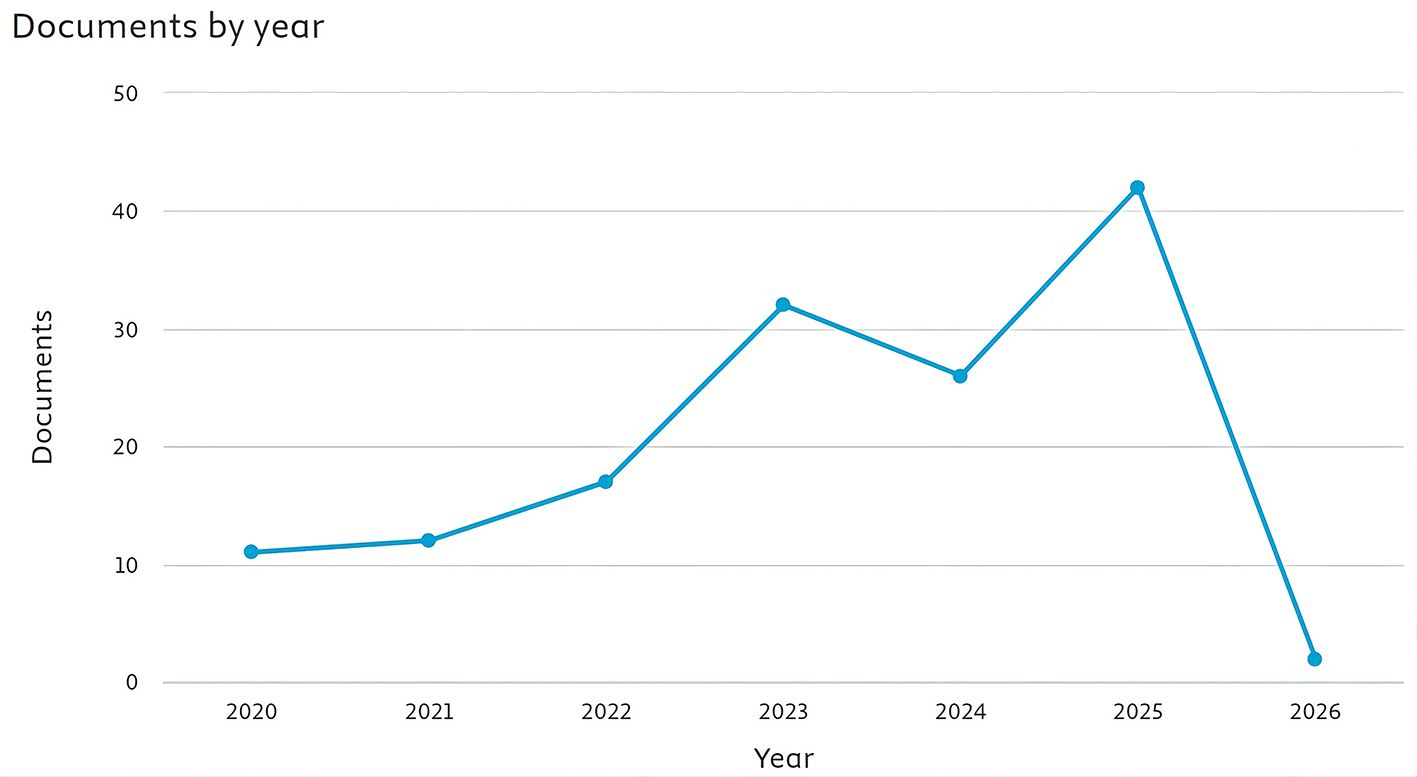
The results of the bibliometric mapping show that research on energy efficiency in vertical farming systems in Asia has increased significantly in recent years. The number of limited publications at the beginning of the period grew rapidly, peaking recently, as demonstrated by the rise from just 11 articles in 2020 to 42 in 2025. This trend reflects two main points: first, energy efficiency is increasingly seen as a major issue in the development of vertical agriculture due to the high electricity demand, especially for lighting settings and room conditions; second, there is a strengthening of policy incentives and market demand in Asia’s densely populated cities to increase urban food security without increasing the environmental burden.
Overall ( Figure 1), the number of documents showed a gradual upward trend from about 11 in 2020 to about 12 in 2021, and then increased again to about 17 in 2022. Entering 2023, there was a significant increase with a total of 32 publications, indicating an acceleration in publishing activities. In 2024, the number of documents decreased moderately to around 26, but in 2025, the trend will rise again, reaching a maximum of approximately 42 documents. Meanwhile, A small number of records (n = 2) were classified as 2026 in the Scopus database at the time of data retrieval. These records are likely associated with early-access or in-press publications assigned future publication years by the Scopus indexing system. Given their minimal number, these records are considered as metadata classification artifacts and do not affect the overall temporal publication trend, which is primarily interpreted within the 2020–2025 period.
The data visualization in the following chart provides an overview of the map of intellectual contributions in this field ( Figure 2). The distribution pattern suggests that although researcher participation is broad, expertise remains concentrated among a small number of individuals who consistently drive research development through ongoing publications. Further analysis of these productivity metrics is outlined as follows.
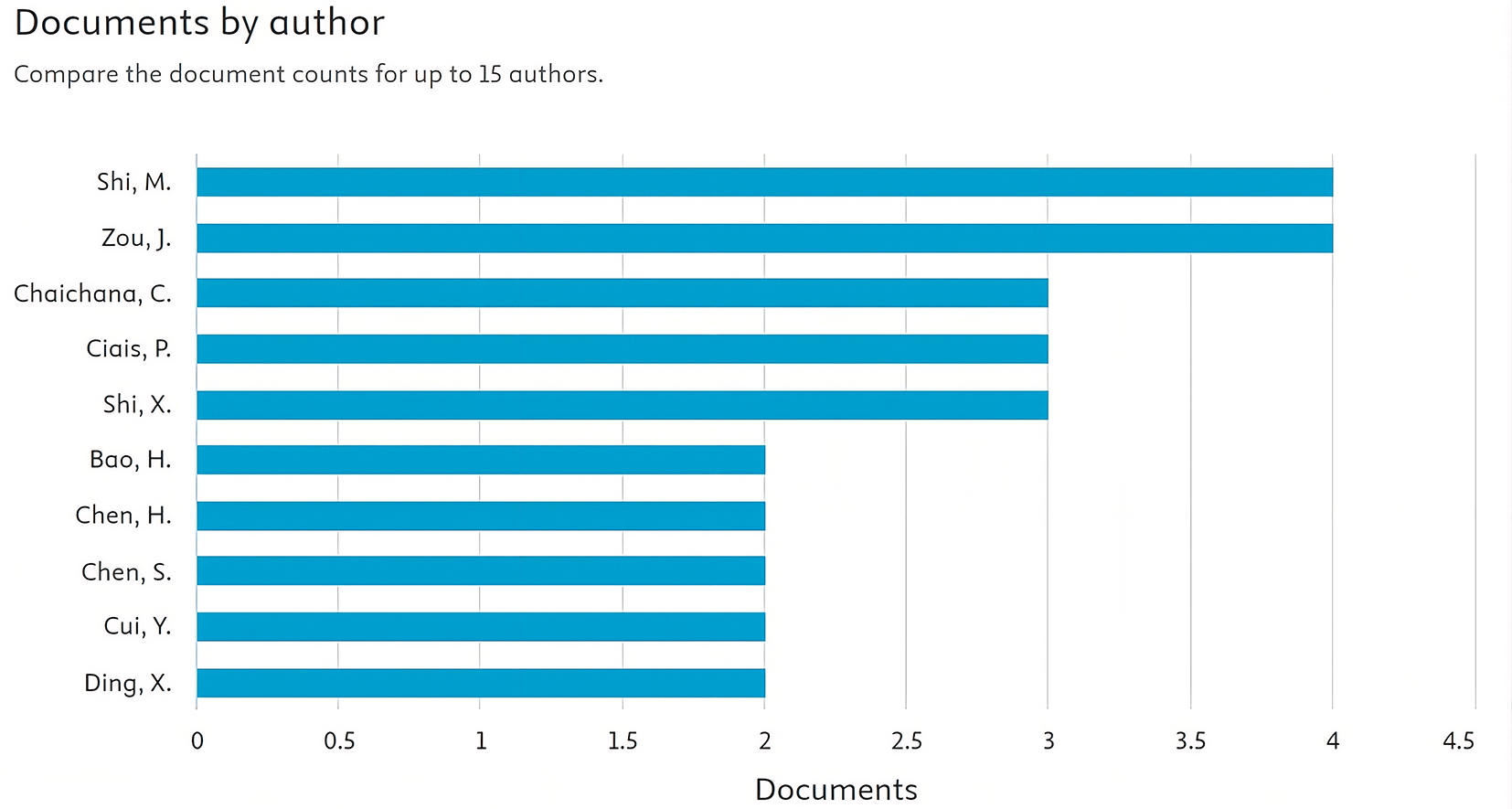
The graph shows that publication productivity among the analyzed authors tends to be concentrated in specific names, although individual output generally remains relatively low. Shi, M., who has several publications related to energy efficiency through lighting in the agricultural sector, and Zou, J., who focuses on the utilization of technology in modern agricultural systems such as AI and IoT, were noted as the most prolific contributors, each producing 4 papers, followed by Chaichana, C., Ciais, P., and Shi, X., contributing 3 papers each. Other authors show more limited contributions, about 2 documents per author.
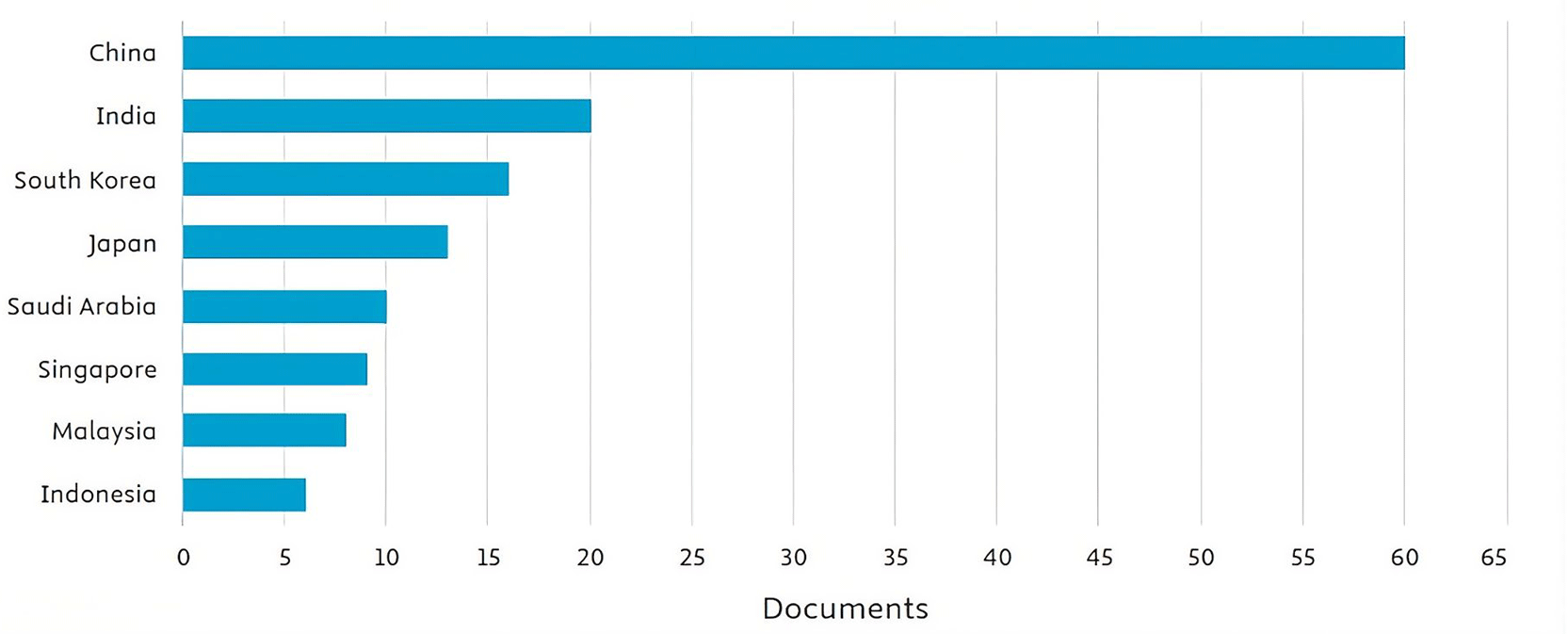
The country’s affiliation analysis provides important insights into centers of excellence in vertical agricultural research in Asia. This data reflects the gap in research capacity regions, which is greatly influenced by the readiness of technological infrastructure and the national food policy priorities of each country.
Based on the graph of the number of documents per country ( Figure 3), it is evident that China heavily dominates publication output, with about 60 papers, far exceeding those of other countries. India ranks second with approximately 20 documents, followed by South Korea with 17 and Japan with 13. In the mid-level contribution group, Saudi Arabia has about 10 publications, followed by Singapore with 9 papers, and Malaysia with 8. Indonesia is still at a relatively low contribution level with 6 documents, whereas Vietnam has the least, with only 1. This pattern shows that the centers of literature production on this topic are concentrated in countries with strong research ecosystems. Southeast Asian countries, including Indonesia, have shown participation but still need to strengthen research productivity and collaboration to make their contributions more competitive.
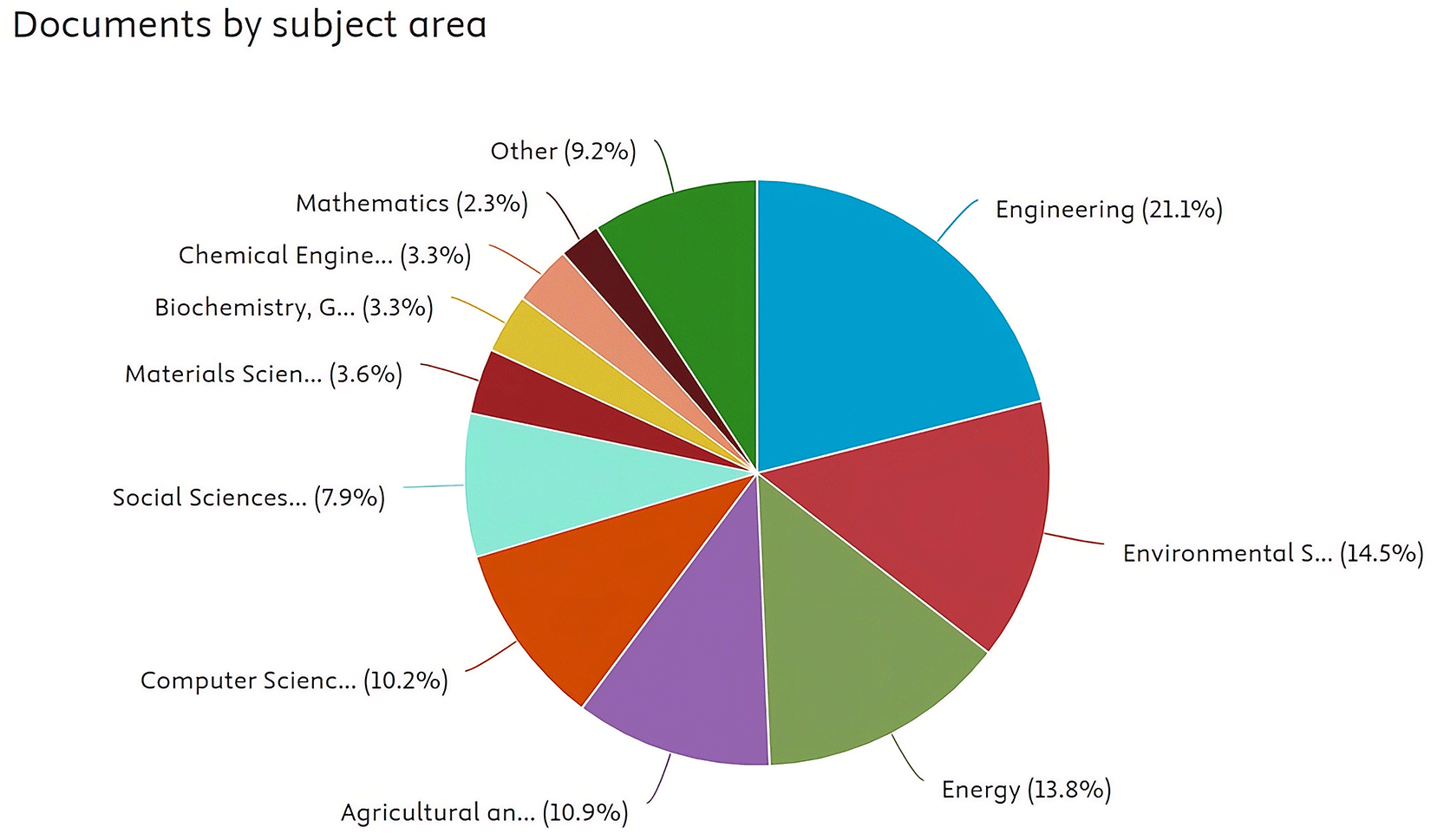
The complexity of the challenges in realizing energy-efficient vertical agriculture demands cross-disciplinary synergy. The analysis of the subject categories of publications shows not only which fields dominate discourse, but also how interdisciplinary intersections are formed to address technical and environmental problems simultaneously.
Based on the visualization of Documents by subject area in Scopus Analyzer ( Figure 4), the research landscape on the topics is inherently multidisciplinary, with a dominant concentration in engineering and energy clusters. The highest contribution came from Engineering (65 documents; 21.1%), followed by Environmental Science (46; 14.5%) and Energy (44; 13.8%). Meanwhile, there is a relatively large proportion in the field of Agricultural and Biological Sciences (34; 10.9%) and involvement in the field of Computer Science (32; 10.2%). In the field of Social Sciences (26; 7.9%), there are also supporting fields such as Chemical Engineering and Materials Science (11; 3.3% respectively), as well as Biochemistry, Genetics, and Molecular Biology (10; 3.3%), and Mathematics (7; 2.3%). One example of research by Xiong et al. (2026) combines artificial lighting technology with more sustainable urban farming systems in addressing the challenges of food crises and climate change. Another environmentally-related study by Wu et al. (2025) discusses the design of a vertical farming system that is environmentally friendly, modular, and efficient.
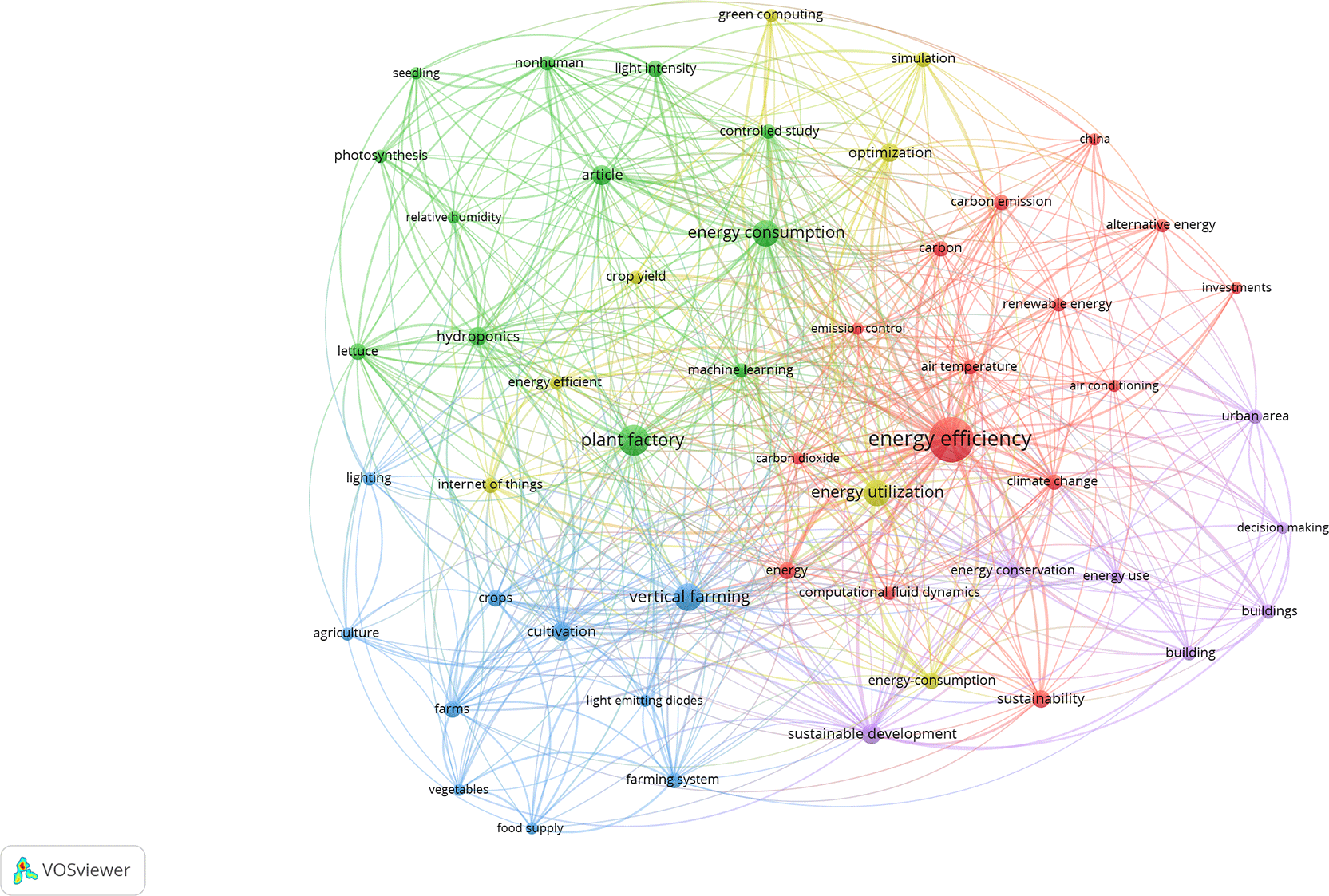
This bibliometric network analysis groups research topics into five groups interpreted hierarchically based on structural dominance and connectivity density. The following discussion begins with the most central technical issue (energy efficiency), moving to the application and methodological domains, and finally to the context of macro sustainability. This stream charts the evolution of research from mere component optimization to systemic integration in urban ecosystems.
Based on the node size, connectivity density, and structural position in the network ( Figure 5), clusters in the visualization can be interpreted hierarchically. This structure maps how the scientific community addresses energy efficiency issues: from technical performance evaluation (Red), biological validation (Green), systemic implementation (Blue), precision methodology (Yellow), to macro sustainability integration (Purple).
1) Energy Efficiency Cluster (Red): The Dominant Axis of Research
The red cluster (energy efficiency) occupies a central position, emphasizing that innovations in controlled agriculture are primarily validated based on their impact on energy metrics. Zhuang et al. (2025), through a comprehensive LCA analysis, affirm that since lighting and HVAC account for the largest load, any efficiency strategy must start by reducing the electrical load of these two components. To identify the most effective solution, Bu et al. (2024) used a machine learning approach and found that improving thermal insulation (envelope U-value) and lighting efficacy were two top-priority technical interventions capable of drastically reducing energy consumption. Moreover, HVAC system efficiency is intrinsically linked to fluid management and airflow configuration. Recent studies substantiate this by identifying HVAC as a primary energy consumer in plant factories, with optimization measures shown to offer energy savings of up to 50% (Cai et al., 2025). On the supply side, Kuang et al. (2022) highlight that photovoltaic (PV) integration is an important step to reduce dependence on conventional power grids, transforming facilities from pure energy consumers to potential prosumers.
2) Factory Cluster (Green): Empirical Application Domains
The second cluster delineates the domain wherein efficiency theory is rigorously tested against biological constraints, establishing crop productivity as the primary denominator in the efficiency equation. Optimization efforts in this domain begin with physical input management, as exemplified by Ju et al. (2025), who demonstrated that using coconut waste-based substrates effectively lowers the energy-to-biomass ratio. Complementing these root-zone efficiencies, aerial environmental strategies have evolved from static lighting to dynamic precision controls; Van Brenk et al. (2025) and Chen et al. (2025) concurrently verified that adjusting spectral ratios and light intensity in alignment with specific growth phases significantly enhances yield. Furthermore, these environmental interventions are bolstered by internal biological approaches, specifically the rapid breeding technologies described by He et al. (2024), which accelerate harvest cycles to minimize the operational energy duration per season. Collectively, this body of empirical evidence supports the postulate of Kaiser et al. (2024) that prioritizing biological optimization offer superior environmental profitability compared to incremental hardware upgrades, which are currently approaching their asymptotic limits.
3) Vertical Agriculture Clusters (Blue): Dimensions and Systemic Implementation
Blue clusters (vertical agriculture, IoT) reflect the scale of technology implementation and system governance. Initially, Padhiary (2025) position IoT not merely as a monitoring tool, but as an “orchestrator” that integrates sensors and actuators to execute precision farming, ensuring energy is used only when strictly required. Addressing the economic barrier to this technology, Xiong et al. (2026) developed a low-cost IoT framework that has been proven to match the efficiency of commercial systems, thereby paving the way for mass adoption. On an industrial scale, Singh et al. (2024) advance this trajectory by underscoring the necessity of integrating AI-driven technologies to enable predictive analytics, which is crucial for detecting system inefficiencies before they escalate. Ultimately, Burritt et al. (2025) define this modern vertical agriculture as a “data-driven governance tool”, where the transparency of the energy footprint generated by these systems becomes the key to industrial accountability.
4) Optimization and Simulation Cluster (Yellow): Methodological Tools
The yellow cluster (optimization, simulation) serves as the “intellectual engine” of the research, providing the mathematical tools to achieve precision. Guo et al. (2025) applied quadratic algorithms to regulate environmental factors autonomously and minimize energy overshoot caused by a delayed conventional response system. The simulation approach is also important to addressing the economic-ecological exchange dilemma; Seyhan & Seyhan (2025) used multi-objective optimization to identify hybrid system configurations (such as a combination of DAC and PV) that maximize NPV while minimizing emissions. The validation of this computational model is reinforced by Cho & Lee (2026), who show that thermal energy exchange simulations are now sufficiently accurate to replace expensive physical experiments, enabling efficient system development from the design phase.
5) Building and Sustainability Cluster (Purple): Contextual Framework
The most peripheral cluster is the purple cluster (buildings, sustainability), which positions vertical agriculture as urban green infrastructure. Jassim et al. (2024) highlight the vital ecological function of this system as a bio-filter that removes air pollutants, increases the Oxygen/Carbon Monoxide ratio, and mitigates the urban heat island effect through solar radiation barriers. This environmental function is supported by the adoption of LED bar lighting technology, which has proven to be a key driver of production-level energy efficiency (Etae, 2024). Architecturally, Cho & Lee (2026) demonstrated energy symbiosis in rooftop greenhouses, where the greenhouse acts as a thermal buffer that reduces the main building’s cooling load. Hao et al. (2024) emphasize that such physical integration is what makes vertical agriculture relevant to urban planning, especially in major Asian cities with severe land constraints. However, to ensure the validity of these sustainability claims, Martin et al. (2024) reminded us of the importance of aligning the LCA method (system boundaries and functional units) so that environmental benefit evaluations can be compared consistently across studies.
After dissecting the cluster structure, the research dynamics over time are mapped through Overlay Visualization. Based on the color gradation from purplish blue (old/established topic) to yellow (current/new topic), the evolution of energy efficiency technology can be mapped into three strategic phases.
Based on Figure 6, the color gradation from purplish blue (old) to yellow (new), the evolution of technology can be mapped into three strategic phases:
1) Infrastructure Foundation Phase (Purple/Blue Node): In the initial phase, the research focuses on physical integration and basic connectivity. The dominance of “IoT” and “building” nodes in this zone indicates that installing sensors and integrating vertical farming into buildings has become an established technology (Hao et al., 2024). Here, IoT serves as a passive infrastructure for data providers, but it has not fully functioned as an intelligent control system.
2) Methodological Transition Phase (Green Node): The next phase is marked by the emergence of “sustainable development” and “machine learning” nodes. The focus of research shifts from just installing tools to achieving sustainability targets. At this stage, data from the IoT infrastructure begins to be processed using machine learning methods for system efficiency. A study by Padhiary. (2025) reflects this transition, where IoT-AI integration emerges to enable real-time control, bridging the gap between physical infrastructure and the biological needs of plants.
3) Precision Optimization Phase (Yellow Node): The front line of novelty is currently in the nodes of “optimization”, “simulation”, and “light intensity”. The appearance of “light intensity” in the yellow zone that is separate from the “lighting” in the green zone indicates a critical shift. Research is no longer about lighting hardware, but rather modulating light intensity with precision. Three recent studies validate this trend, namely physical validation of building energy exchange (Cho & Lee, 2026), economic-ecological optimization of systems (Seyhan & Seyhan, 2025), and intelligent algorithm-based autonomous environmental regulation (Guo et al., 2025).
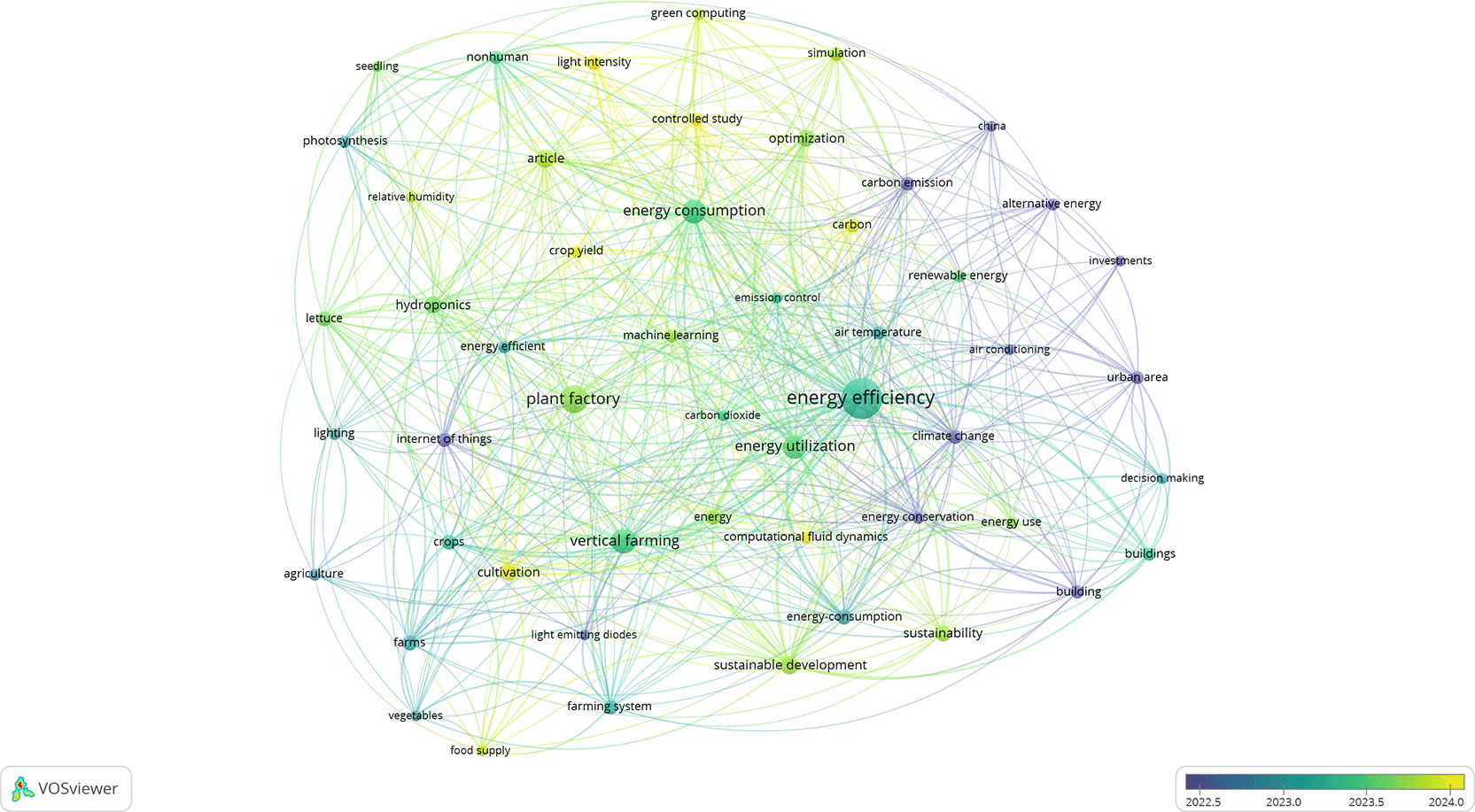
The synthesis of the literature delineates the field’s evolutionary trajectory from infrastructure development to system maturation. Collectively, the literature indicates that vertical farming technology has moved beyond a foundational phase centered on physical integration and that IoT (Hao et al., 2024). The research then proceeds to a methodological transition phase that focuses on data processing for sustainability (Padhiary, 2025; Zhuang et al., 2025). The culmination of this evolution is evident in recent literature that characterizes the phase of precision optimization, in which the complexity of energy exchange is no longer partially addressed but is instead comprehensively managed through autonomous simulation and control (Guo et al., 2025; Cho & Lee, 2026). Thus, the dominance of the topic of simulation and optimization in the latest visualization is not just a technological trend, but a scientific response to ensure environmental sustainability through precision efficiency.
Complementing the mapping of cluster structure and evolution of previous time trends, the density visualization in Figure 7 assesses the level of establishment of the research topic. This map shows which areas have been thoroughly researched and which remain underexplored. Such identification is crucial for uncovering research gaps or novel opportunities that have not been explored much by the scientific community.
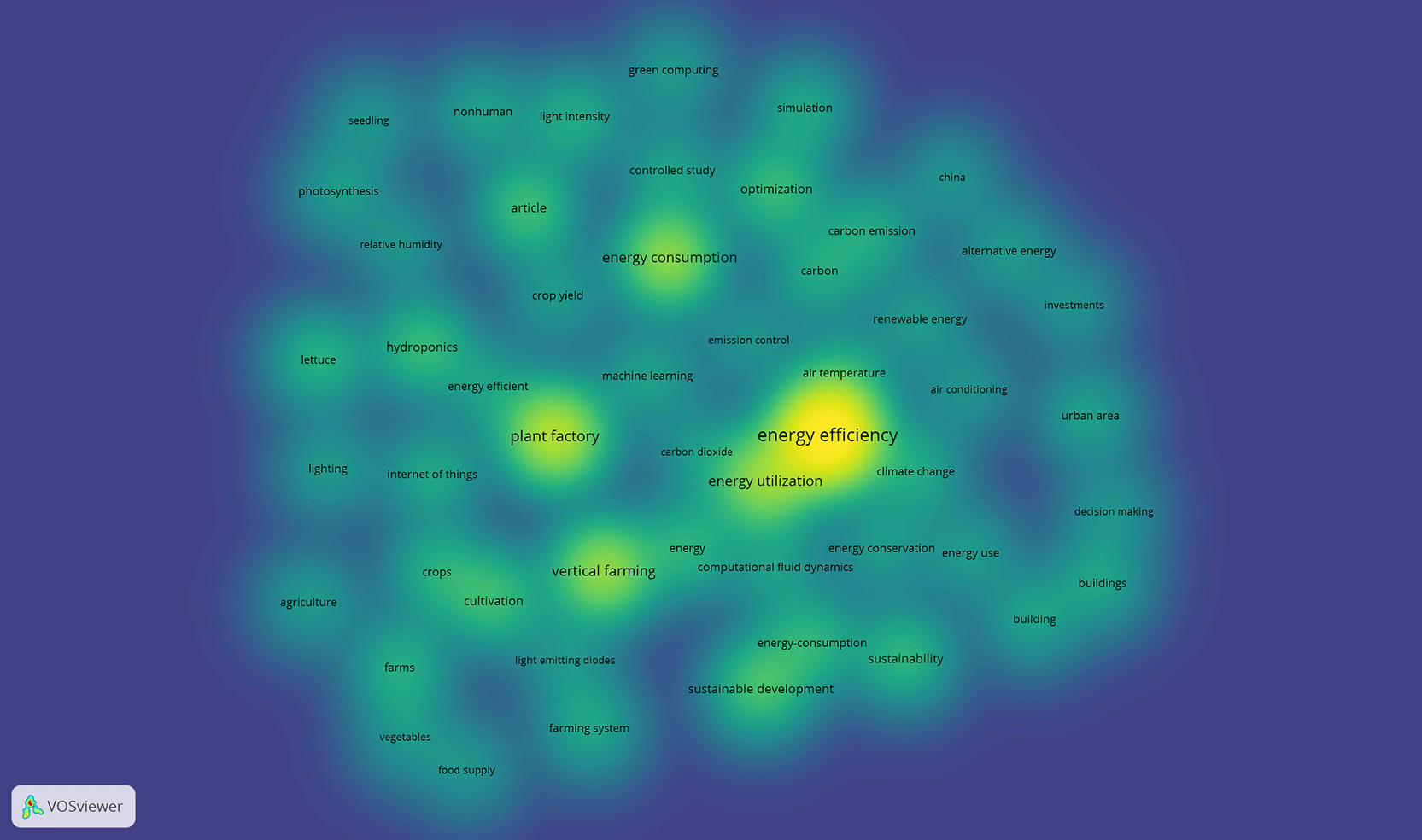
Density visualization maps the level of establishment of the research topic through color gradation and reveals a clear polarization between technical and contextual aspects.
1) Saturation on Technical Efficiency (Bright Yellow Zone)
The density centers with the highest color intensity are concentrated in the “energy efficiency” and “plant factory” nodes. This visual phenomenon confirms the findings of Network Visualization that operational performance validation is the dominant focus of the scientific community today. The high density of research in this area is a logical response to the system’s cost structure, as validated by Zhuang et al. (2025) and Bu et al. (2024). The electrical load from lighting and HVAC is a critical component determining economic feasibility. Therefore, the majority of the literature naturally focuses on optimizing these technical components as an absolute prerequisite for system efficacy, making this topic very highly established.
1) Gaps in Sustainability Integration (Dim Zones)
The low density in peripheral areas such as “sustainability”, “urban area”, and “buildings” indicates a strategic research gap. This suggests that although energy optimization technologies (such as IoT and AI discussed in Overlay Visualization) are growing rapidly, studies on the systemic integration of these technologies into urban ecosystems remain scarce. References from Jassim et al. (2024) and Etae (2024) have indeed begun to explore ecological functions, such as urban heat island reduction. However, the volume of this research has not been comparable to component efficiency research.
The “quiet” conditions in this sustainability zone underscore the relevance of this research topic. As suggested by Martin et al. (2024), this area requires further in-depth research, especially the harmonization of environmental assessment methods. This harmonization is essential so that the implications of vertical farming on urban sustainability are not merely theoretical claims, but are instead validly measurable.
Based on the bibliometric analysis, this study formulates three strategic agendas to bridge the gap between established technical aspects and emerging sustainability dimensions.
1) Harmonization of Environmental Assessment Methods
Density analysis reveals fragmented research on environmental impacts. Martin et al. (2024) emphasized that future research should apply the standardization Life Cycle Assessment (LCA) method, particularly measurement systems and unit limitations. This standardization is crucial for ensuring that the ecological impact comparison between vertical farming and conventional agriculture is valid and equitable. Therefore, future studies must focus on calculating the standardized carbon footprint per nutrient unit rather than relying solely on biomass weight.
2) The Transition to Autonomous Precision Agriculture
Time trends visualization shows a shift in technological focus from mere sensor monitoring to intelligent optimization. Future research needs to integrate the low-cost IoT infrastructure proposed by Xiong et al. (2026) with the automated control algorithms of Guo et al. (2025). The integration of this technology aims to reduce capital and operational costs, a step vital to proving the economic viability of the advanced farming system for mid-scale urban farmers in Asia.
3) Symbiotic Integration with Urban Ecosystems
To address the largest research gap in the density map, research must transition from isolated production facilities to building integration. Vertical agriculture needs to function as an active urban infrastructure, for instance, serving as a thermal buffer for buildings, according to Cho & Lee. (2026), or acting as an air pollution filter according to Jassim et al. (2024). This approach will transform the assessment of vertical farming from a simple food production unit into a functional environmental service provider for urban sustainability.
Bibliometric studies indicate that research on energy efficiency in vertical farming systems in Asia shows a consistent upward trend from year to year, confirming that energy metrics increasingly determine the feasibility and sustainability of PFAL/vertical farming development in urban areas. Mapping of 142 Scopus-indexed documents using VOSviewer reveals a knowledge configuration structured in five thematic clusters, with energy efficiency occupying the most dominant position, followed by plant factory themes, IoT-based vertical farming, optimization-simulation, and building-sustainability; this pattern also reflects a shift in research orientation from component- and operation-based approaches to precision optimization strategies increasingly supported by artificial intelligence. On the other hand, density analysis shows that the technical-operational domain is relatively saturated. Conversely, ample room for innovation remains in systemic integration with urban ecosystems, particularly regarding building-integrated agriculture, sustainability dimensions, and the broader urban context. Contributions between countries also appear concentrated, with China as the dominant actor in publications, while Indonesia remains at a lower level of contribution, requiring strengthened scientific productivity and expanded collaboration networks. Overall, this study confirms that the primary future research agenda is to shift the focus from facility-level energy efficiency to providing sustainable efficiency at the urban scale through the integration of LCA, cost-effective IoT AI-based autonomous control, and the development of energy symbiosis and building-integrated agriculture approaches to increase the real impact of vertical farming on long-term sustainability.
AI tools were used only for language editing, grammar checking, literature searches, and reference support during the preparation of this manuscript. The author remains solely responsible for all analyses, interpretations, conclusions, and original contributions, having reviewed and approved the final manuscript.
| Views | Downloads | |
|---|---|---|
| F1000Research | - | - |
|
PubMed Central
Data from PMC are received and updated monthly.
|
- | - |
Provide sufficient details of any financial or non-financial competing interests to enable users to assess whether your comments might lead a reasonable person to question your impartiality. Consider the following examples, but note that this is not an exhaustive list:
Sign up for content alerts and receive a weekly or monthly email with all newly published articles
Already registered? Sign in
The email address should be the one you originally registered with F1000.
You registered with F1000 via Google, so we cannot reset your password.
To sign in, please click here.
If you still need help with your Google account password, please click here.
You registered with F1000 via Facebook, so we cannot reset your password.
To sign in, please click here.
If you still need help with your Facebook account password, please click here.
If your email address is registered with us, we will email you instructions to reset your password.
If you think you should have received this email but it has not arrived, please check your spam filters and/or contact for further assistance.

Comments on this article Comments (0)