Keywords
North Korea, Literature Magazine, Art Magazine, Publishing, Typography

This article is included in the Japan Institutional Gateway gateway.
North Korea, Literature Magazine, Art Magazine, Publishing, Typography
North Korea's magazines have continuously evolved to support three socialist revolutions: ideological, technological, and cultural. Currently, approximately 70 different types of magazines are published. The majority are institutional magazines that emphasize the role of “revolutionary publications.” The primary mission of the allied organizations publishing these institutional magazines is to provide ideological education.
A comprehensive analysis of North Korean literary and art magazines from the 1950s and 1960s is essential, as these publications are closely linked to policy changes of the period. it is important to recognize that the aesthetics of socialist realism are deeply embedded in North Korea’s realities, serving as an expression of “national characteristics” rather than merely an import from the Soviet Union (1922-1991). North Korea laid the foundation for its literature and art through a critical engagement with socialist realism. The literary magazines published during this era played a crucial role in providing a platform for creators to develop popular media culture and political discourse amid socialist construction. Additionally, these magazines established a publishing base for the Workers' Party and cultural policy authorities to expand their propaganda system.1
The post-war reconstruction policy following the Korean War, which ended in 1953, can be summarized by the concept of “balanced development of national industry.2” In 1954, a three-year plan was initiated for post-war recovery and development. Subsequently, in 1957, the first five-year plan for national economic development commenced, and from 1958 onward, it was promoted throughout North Korea under the auspices of the ‘Chollima Movement.3’ This campaign aimed to achieve social transformation and increase production through ideological education and mass political mobilization. It established the socio-economic foundation for the socialist system, which, in turn, significantly influenced the creation, critique, propaganda, and dissemination of literature through literary magazines.4
The period from 1953 to 1968, though brief, can be considered a renaissance for North Korean literature and art. However, research on typographical changes in literary magazines in the context of existing North Korean studies remains relatively limited compared to other academic fields, and there is a significant lack of foundational data. Therefore, this study may serve as a valuable resource for understanding the official value orientations related to the party's policies and editorial practices.
The classification of North Korea's cultural and artistic policies is based on the publication History of Literary and Artistic Leadership "Munhakyesul yongdosa" (1991),5 which was released in North Korea. This classification also incorporates the author's previous research on periodization. Furthermore, the categorization of North Korean literary and artistic magazines will be conducted based on a comprehensive review of both domestic and international literature, using a periodization framework based on each magazine's year of inception.
North Korean literary and artistic magazines can be divided into three distinct periods. The first period corresponds to the Soviet Army's occupation 1945 to 1948. The second period covers the establishment of the North Korean government during the Korean War, spanning from 1948 to 1953. The third period focuses on the post-Korean War recovery and the process of socialist construction, covering the years from 1953 to 1968.
The third period, known as the socialist construction period, was characterized by a profound engagement with art aimed at reflecting national characterized as mandated by state policy. This era witnessed significant transformations in the individuality, artistry, and aesthetics of magazine creators. Therefore, this study will analyze the typographic changes observed in prominent North Korean literary and art magazines.6
This study examines the principles, characteristics, types, and classifications of North Korean magazines to gain insights into the information dissemination methods employed by North Korean print media and the requirements imposed by the ruling party. It analyzes the changes that occurred during the restructuring of the publishing organization, focusing on the inaugural issues of representative literary magazines that hold significant historical value, using a genealogical approach. By tracing the evolution of the text typesetting system according to the publication periods of these key magazines, this study elucidates the development of the writing system—from the mixed vertical notation of Korean and Chinese characters to a combination of vertical and horizontal notation, and ultimately to the exclusive use of horizontal notation in Korean.
Lastly, the characteristics of the typography used in each representative magazine are analyzed by examining variations in titles, tables of contents, font types, and sizes employed in the main text layout and cover design. This analysis systematically traces the historical evolution of North Korean literary magazines from the Soviet Army-occupied period to the socialist construction period, along with the corresponding changes in typography.
From 1953 to 1968, a new human-centered paradigm emerged, placing greater emphasis on subjective and national elements. During this period, a distinct wave of change swept through literary and artistic magazines. However, after 1967, when the Workers' Party of Korea adopted the Juche ideology as its guiding principle, the focus on art in North Korea intensified. The concept of "creating the image of the leader7" became integral to the principles of North Korean magazines, reflecting Kim Il-sung's "literary and artistic thought."
In North Korea, magazines are defined as "periodical publications issued and distributed at regular intervals, encompassing a range of topics and content, including articles, photographs, and illustrations, all under a specific fixed title." The primary purpose of these magazines is to serve as revolutionary publications.8 In terms of their functional importance, magazines are integral to the dissemination of ideology, culture, education, scientific knowledge, and general information, operating alongside newspapers, communications, broadcasting, and books. First, magazines serve as a crucial medium for transmitting ideology, culture, and educational content. Second, they play a significant role in disseminating scientific knowledge and general information. Third, magazines contribute to the development of individuals into well-rounded citizens with a high level of cultural literacy. Finally, they provide a vital platform for presenting research achievements and creative works by scientists, experts, and artists. This underscores their unique purpose in contrast to magazines found in capitalist societies.
North Korean magazines are periodic publications centered around specific themes or interests, catering to a diverse readership. Their primary characteristics include a wide range of topics, the importance of visual elements, a regular publication schedule, and opportunities for reader engagement. Unlike newspapers, North Korean magazines tend to emphasize propaganda rather than agitation, reflecting the nature of their content. These publications predominantly focus on political theory and target specific demographics such as women, students, and workers, in addition to academic and professional audiences. The magazines include both general publications intended for the broader public and specialized journals aimed at particular groups, with a limitation of one type that only magazine is published within each category.
North Korean magazines can be categorized into various types, with classification criteria that vary by theme, publication frequency, and target audience.9 Generally, North Korean magazines are classified as follows: 1. Political magazines focus on North Korea's political ideology and policies, primarily serving as a medium to communicate the official stance of the ruling party. An example of such a publication is the Workers' magazine, “Geulroja.” 2. Economic magazines focus on North Korea's economic development, with the Economic Research magazine “Gyongjeyongu” serving is a representative example, covering subjects such as industry, agriculture, and trade. 3. Cultural and artistic magazines provide insights into North Korean culture and the arts, exploring relevant theories and practices.
The cultural arts magazine “Munhwayesul,” exemplifies this category. 4. Science and technology magazines serve as platforms for sharing advancements and research achievements in these fields, with the science and technology magazine, “Gwahakkisul,” being a notable example. 5. Social and lifestyle magazines, such as “Urisaenghwal(Our Life)”, focus on the daily lives and social issues faced by North Korean residents.
Magazines can be systematically categorized by distribution scope, including domestic, foreign, and mixed domestic-international. Additionally, they can be classified by format as print, film, digital, or electronic magazines. Furthermore, they can be classified by format into print magazines, film magazines, digital magazines, and electronic magazines. Size distinctions are also relevant, with common formats including B5, B4, A5, and A4. Furthermore, there are pictorial magazines that prioritize visual content, as well as comic magazines.
Given the variety of types and formats, it is common for a single magazine to fall into multiple classifications. Regarding publication frequency, magazines are typically released at regular intervals, with monthly issues being the standard; however, this frequency may vary depending on the subject matter, editorial resources, and distribution logistics. The specific characteristics of each magazine influence the identification of the target audience and the determination of publication frequency. These classification frameworks are essential for understanding the methods of information dissemination employed in North Korea, as well as the societal demands that shape these practices.10
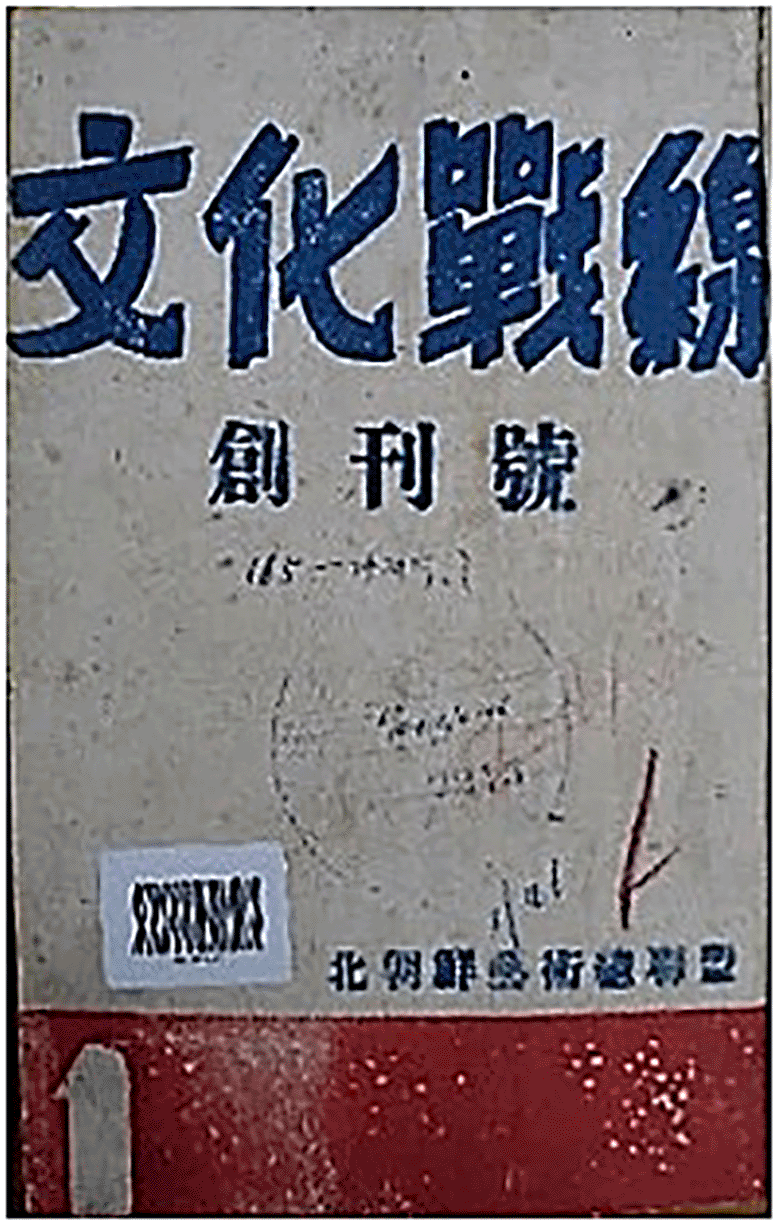
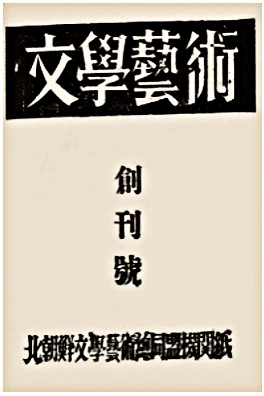
The first literary magazine in North Korea, “Munhwajonson,” was established on July 25, 1946 [Fig. 1], and is considered the predecessor of the current monthly magazine “Josonmunhak.” In January 1948, “Munhwajonson” was renamed “Munhakyesul” and starting with its 10th issue in 1953, it adopted the title “Josonmunhak.” The first issue of “Munhwajonson” served as the official publication of the General Federation of the Arts of North Korea, while issues 2 to 5 served as the official organ of the General Federation of Literature and Arts of North Korea until 1948. That year, it was restructured into "Munhakyesul" [Fig. 2] which highlighted the achievements of various artistic fields, including literature. It was published as the official organ of the North Korean Federation of Literature and Arts from April 1951 to September 1953. On October 25, following the reorganization of the North Korean Literary Alliance into the Korean Writers' Alliance, “Josonmunhak” was founded, introducing the socialist literary theory of “ OqepK,11” a narrative form reflecting the realities of Korea and laying the foundation for North Korean realistic literature.12 The North Korean Writers' Organization was officially established in March 1961, leading to the current organizational framework.
1) Characteristics of Typesetting
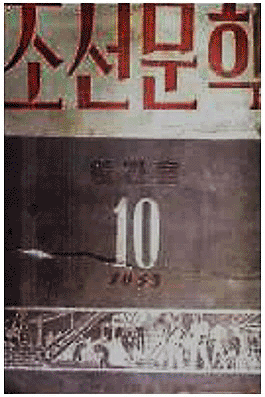
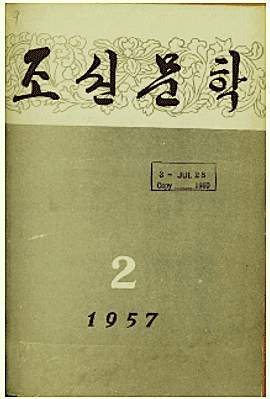
The inaugural issue of “Munhwajonson” in 1946 outlined specific plans regarding its editorial direction and content, as directed by Kim Il-sung. The typesetting employed a mixed vertical writing style combining Korean and Chinese characters, using a B6 format (4×6 inches, 188×128 mm), and the issue comprised 30 pages. The inaugural issue of “Josonmunhak”, published in October 1953, featured vertical Korean writing in a B6 format [Fig. 3]. It contained 110 pages of horizontal typesetting, unlike other magazines. Beginning with issue 2 in 1957, “Josonmunhak” adopted horizontal Korean writing, maintained the B6 format, and consisted of 75 pages. Currently, the magazine continues to use horizontal Korean script in B6 format, is published monthly by the Literature and Arts Publishing House, and has an 80-page volume.
2) Characteristics of Typeface
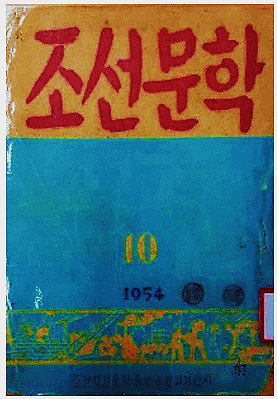
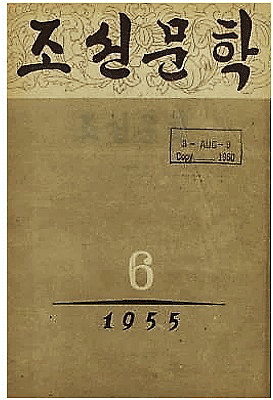
The title design of the inaugural issue of “Munhwajonson”, published in 1946, featured a Chinese Gothic style. When it was restructured as “Munhakyesul” in 1948, the design was changed to a Ming-style. The cover of “Josonmunhak” reveals four distinct evolutions in its title design. The inaugural issue in 1953 employed a Korean Ming style, while the 10th issue in 1954 showcased a brush script in regular style [Fig. 4]. The 6th issue in 1955 [Fig. 5] and the 2nd issue in 1957 adopted a brush script cursive style [Fig. 6], which has persisted to the present. The main text typeface of “Josonmunhak” is Korean Ming type No. 5 (3.16 mm, American 9 point), and the main text title uses type No. 2 (7.43 mm).
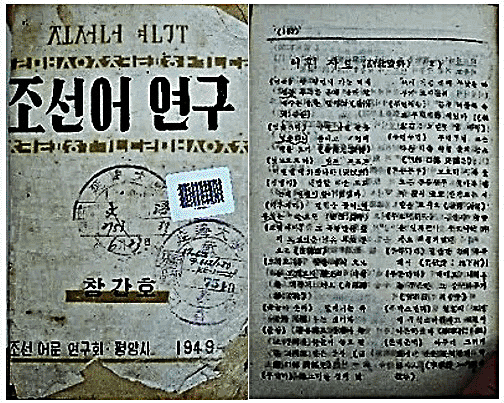
The first language magazine in North Korea “Josonoyongu,” was founded on March 1, 1949 [Fig. 7], it has been confirmed as the predecessor of the current monthly language magazine “Josonomun.” In the founding statement of “Josonoyongu”, Lee Geuk-ro (1893–1978), the chairman of the Korean Language Research Association, wrote, “There is a need for a magazine that plays a leading role in our language and writing, and it is essential for Korean language educators to read specialized materials on Hangeul.”
1) Characteristics of Typesetting
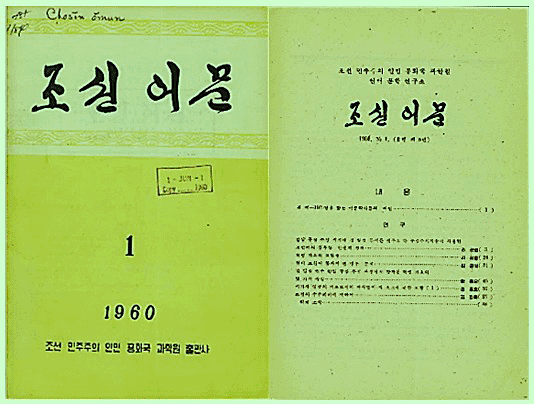
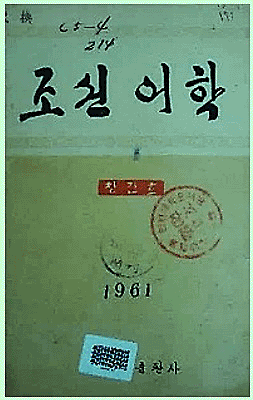
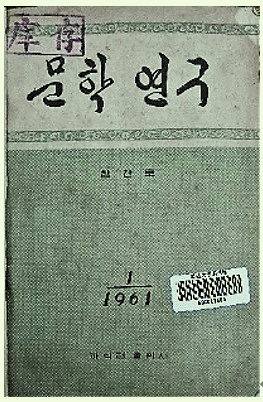
“Josonoyeongu” features a mixed typesetting system that combines Korean and Chinese characters, using both vertical and horizontal writing styles. The format is B6 (4×6 inches, 188×128 mm), with 15,000 copies published across 139 pages. Beginning with the inaugural issue of “Josonomun” in 1960, the Korean language was reformatted to a horizontal typesetting style, the size changed to B5 (188×257 mm), and the page count reduced to 42 before publication ceased after the sixth issue [Fig. 8]. From 1961, the publication was divided into “Josonohak” [Fig. 9] and “Munhakyeongu” [Fig. 10], both using the same typesetting format as “Josonomun,” with a total of 35 pages. Currently, the publications have been consolidated back into “Josonomun,” which is published in the same typesetting format and totals 43 pages.
2) Characteristics of Typeface
The title on the cover of “Josonoyongu” (1956) is rendered in the Korean Ming style. It was later revised to “Josonomun” (1960) and has since been produced in a brush-calligraphy style that is still used today.
In the main text of "Josonoyongu," Chinese Ming typeface No. 5 (3.61 mm) and Korean Ming typeface No. 5 (3.16 mm, American 9-point) were used, while the title employed Korean Ming typeface No. 2 (7.43 mm). The Korean Ming typeface No. 5 still retains traces of brush calligraphy. Even after the transition to horizontal typesetting, vertical typefaces continued to be used, resulting in a disjointed letter flow and an uneven printing surface. Subsequently, with the revision of “Josonomun” in 1960, both the Korean Ming typeface and Gothic type were refined for horizontal writing, significantly improving the quality of printed materials.
It was published monthly in Korean, formatted with 2 horizontal columns, B5 size, and consisting of 23 pages. It continues to be published in the same typesetting style and now includes color photographs, for a total of 40 pages.
It was the first and only political magazine for women in North Korea, founded by the Korean Democratic Women's Alliance on September 6, 1946. The magazine continues to be published as an ideological tool designed to cultivate, enlighten, and empower working women in North Korea.
1) Characteristics of Typesetting
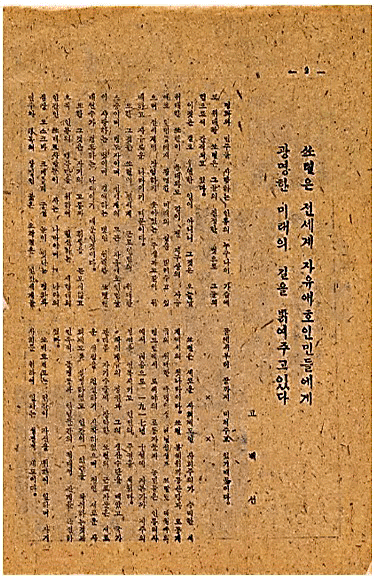
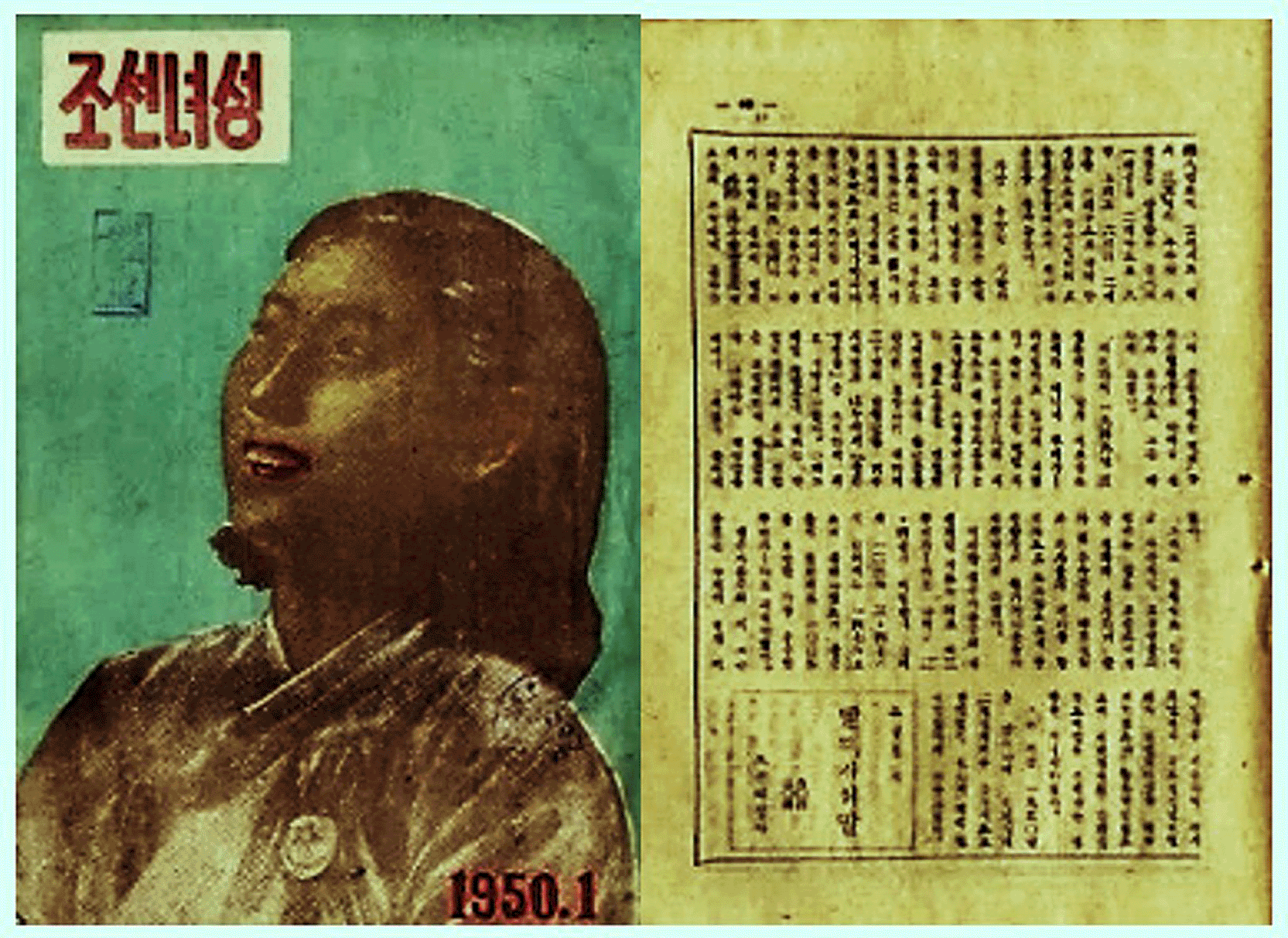
The inaugural issue of “Josonnyosong” was published on September 6, 1946, using a mixed Korean and Chinese character typesetting method arranged in two vertical columns. The format was B5 (188 × 257 mm) and comprised 49 pages. On October 1, 1949 [Fig. 11], it was published entirely in Korean, maintaining the two-column vertical typesetting and B5 size, with the page count increasing to 53. Beginning February 1, 1950 [Fig. 12], typesetting and B5 size, with the page count increasing to 53. 2, 3, and 4 vertical columns in Korean. Starting January 1, 1956, The publication transitioned to 2- and 3-column layouts in Korean. From 1965 until issue 6 in 1982, It was published monthly in Korean, formatted with 2 horizontal columns, B5 size, and consisting of 23 pages. It continues to be published in the same typesetting style and now includes color photographs, for a total of 40 pages.
2) Characteristics of Typefaces
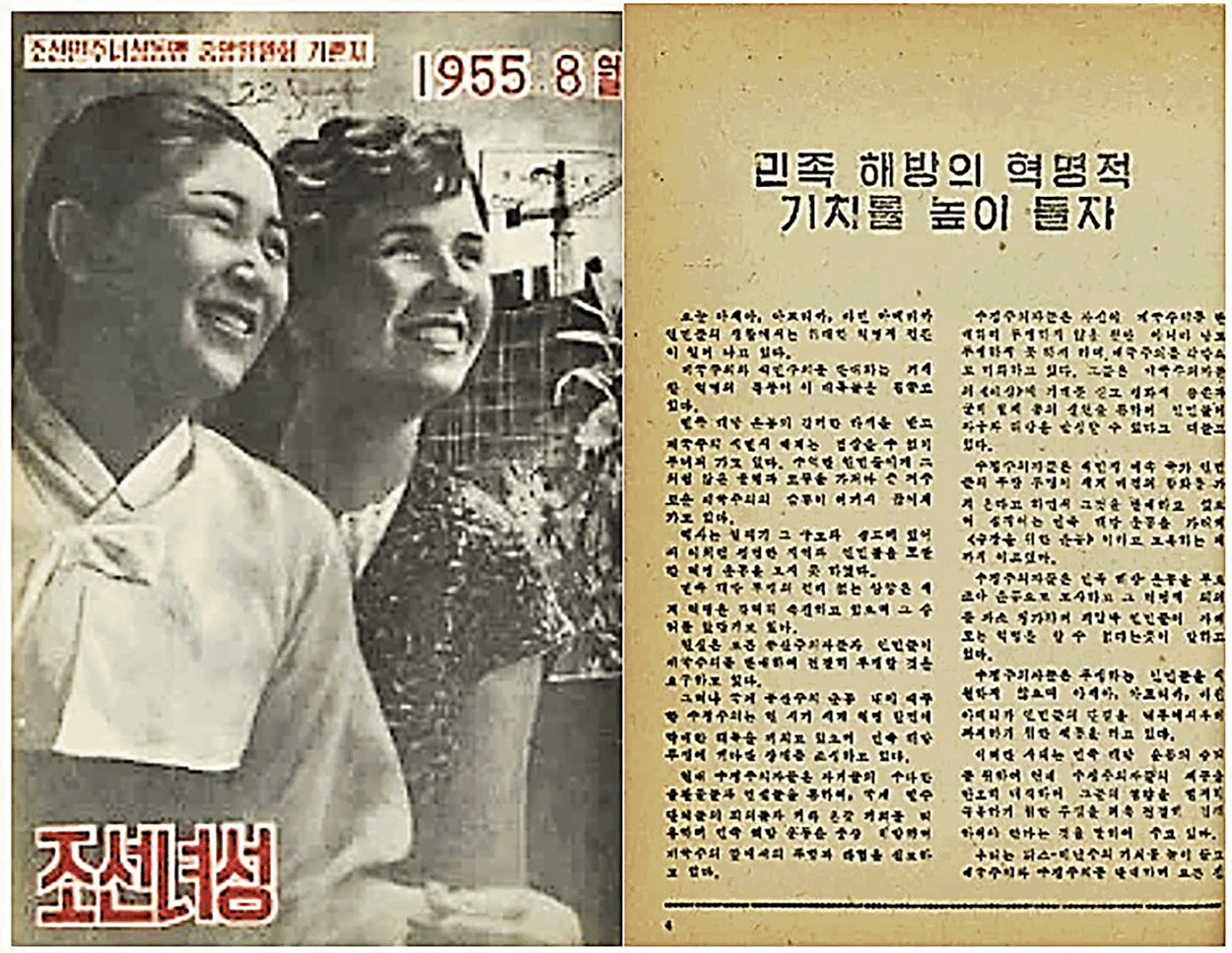
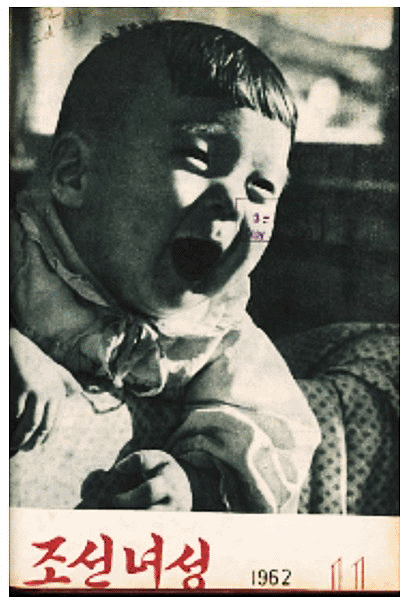
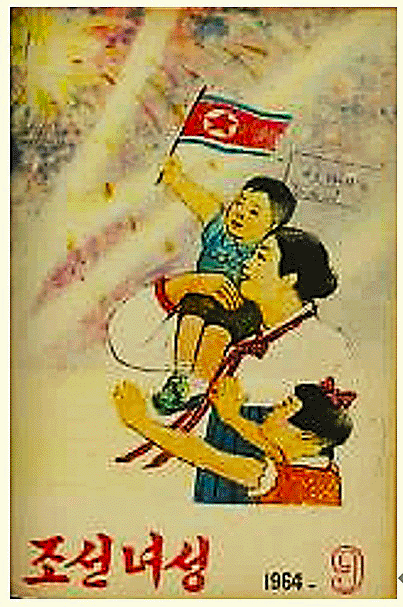
The cover's background design features illustrations from 1946 to 1955 [Fig. 13], photographs up to 1964 [Fig. 14], and illustrations again until October 1965 [Fig. 15]. Since June 1965, the cover has incorporated both photographs and illustrations. The cover title was presented in a Korean Gothic style from 1945 until March 1962, after which it was updated twice to a Korean brush script style, beginning in April of the same year. The table of contents showcases a variety of fonts, including Ming, Gothic (Cheonlima style), New Ming style, and lettering styles, all of which remain in use today. In the main text of the magazine published on October 1, 1949, the font was set in Korean with vertical two-column typesetting, using Ming style No. 5 (3.2 mm) for the body text and No. 2 (7.4 mm) for the title. From 1956 onward, all fonts in the main text, including Ming and Gothic styles, were updated to horizontal writing.
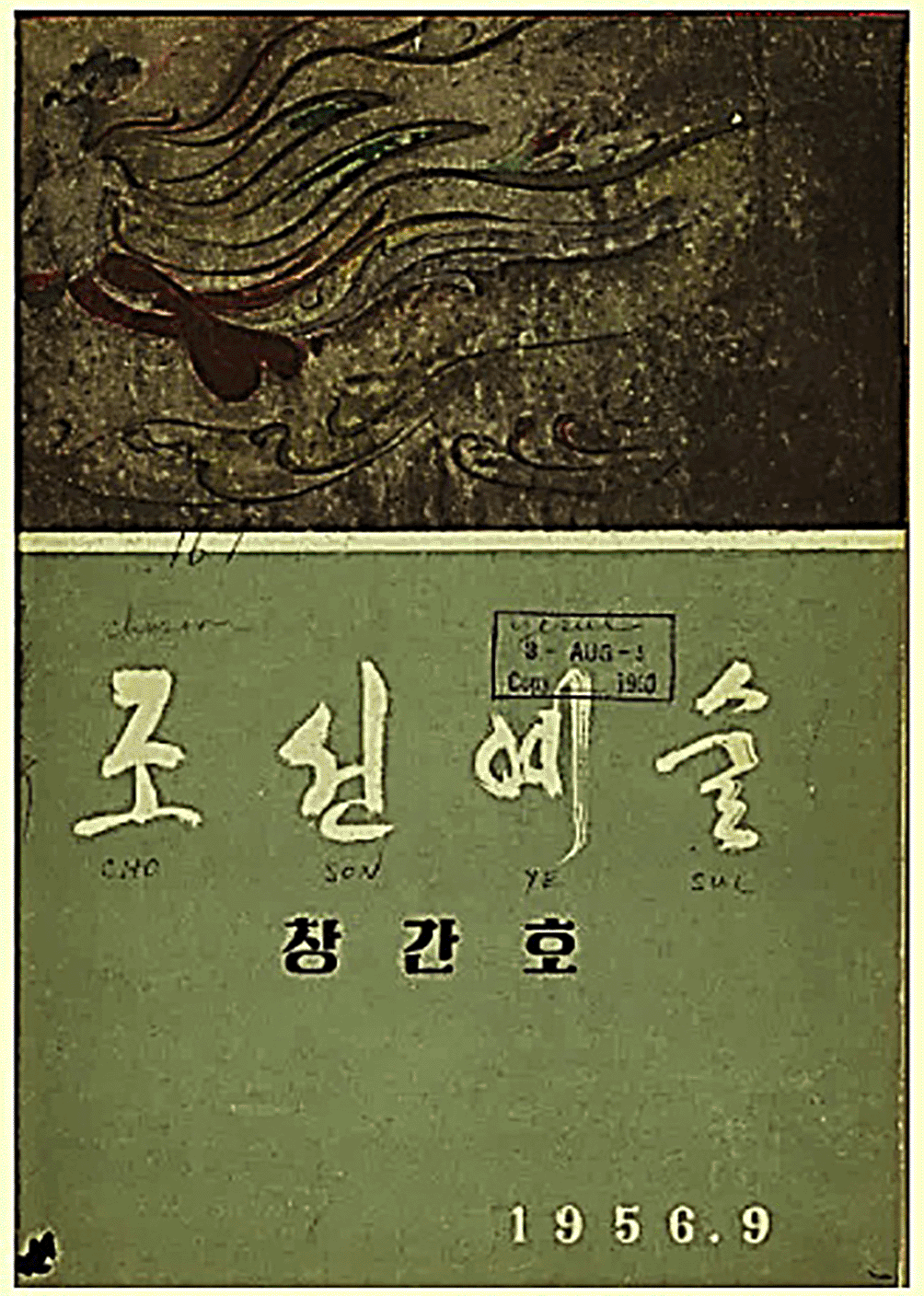
The Joseon art magazine “Josonyesul” was established on September 15, 1956 [Fig. 16], with a focus on theater and dance. Its mission evolved over time, initially covering the history of Joseon art, then broadening in August 1957 to encompass a wider scope of Joseon art history, and further expanding in April 1958. By November 1961, it became the official publication of the General Association of Korean Literature and Arts. Beginning with the fourth issue in 1968, the magazine was associated with “Josonmisul” (Joseon art magazine), “Josonumak” (Joseon music magazine), and ‘Josonyonghwa’ (Joseon film magazine). Following significant qualitative changes in the film sector after the release of Kim Jong-il's “Theory of the Art of Film” in 1973, *Josonyonghwa* was separated in April 1984. However, it was reintegrated into “Josonyesul” starting with the first issue in 1998. The magazine continues to be published monthly as an art publication.
1) Characteristics of Typesetting
The inaugural issue (Issue 9, 1956) was published in Korean using a horizontal two-column typesetting format. The magazine measured 4 × 6 inches and comprised 35 pages as a monthly publication [Fig. 16]. Beginning with the fourth issue of 1968, the magazines were merged and then published monthly in both horizontal two-column and four-column typesetting formats. In the fourth issue of 1984, they were separated again; however, starting with the 1998 issue, they were reintegrated. The magazine is currently published in B5 size (188 × 257 mm) and consists of 80 pages.
2) Characteristics of Typeface
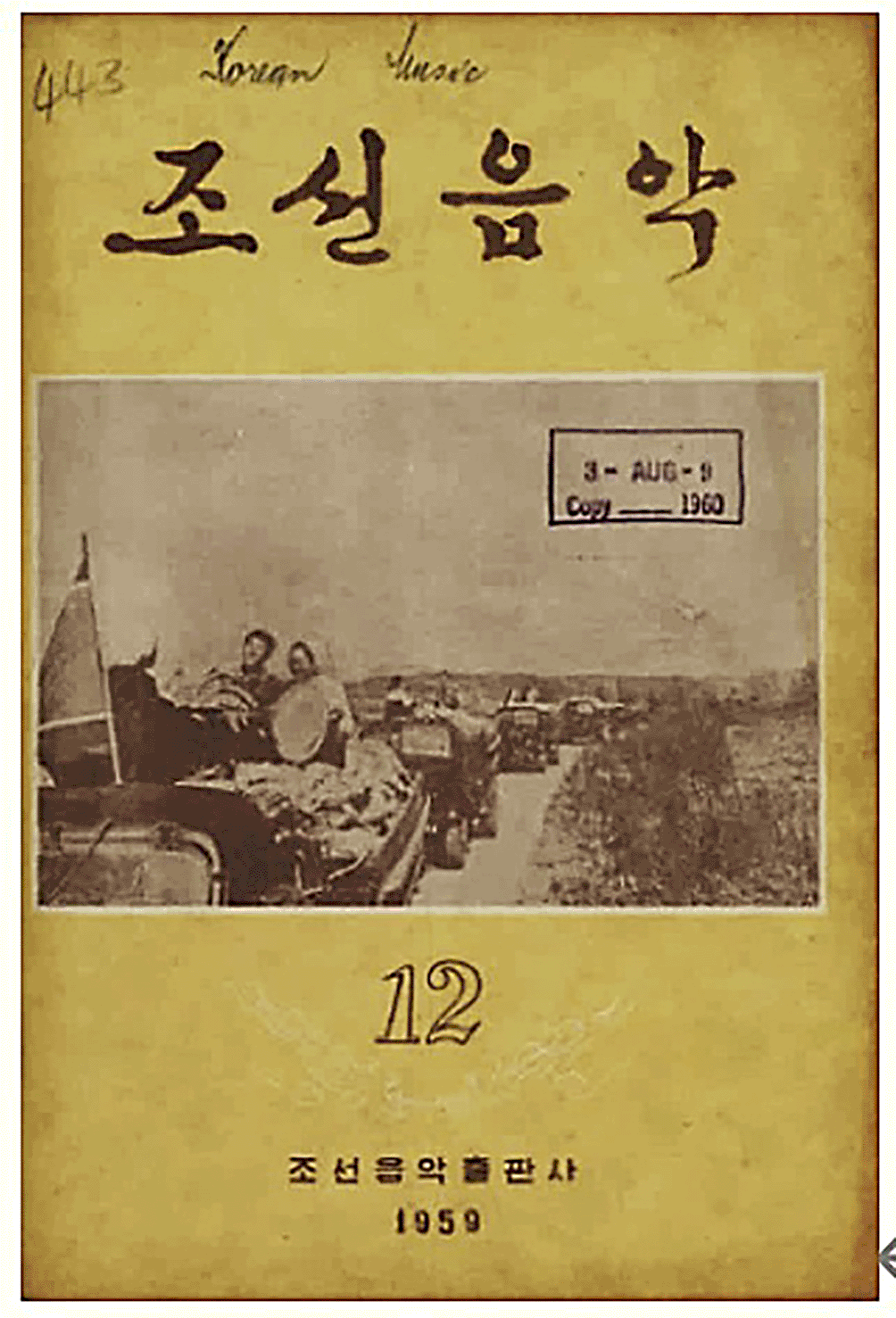
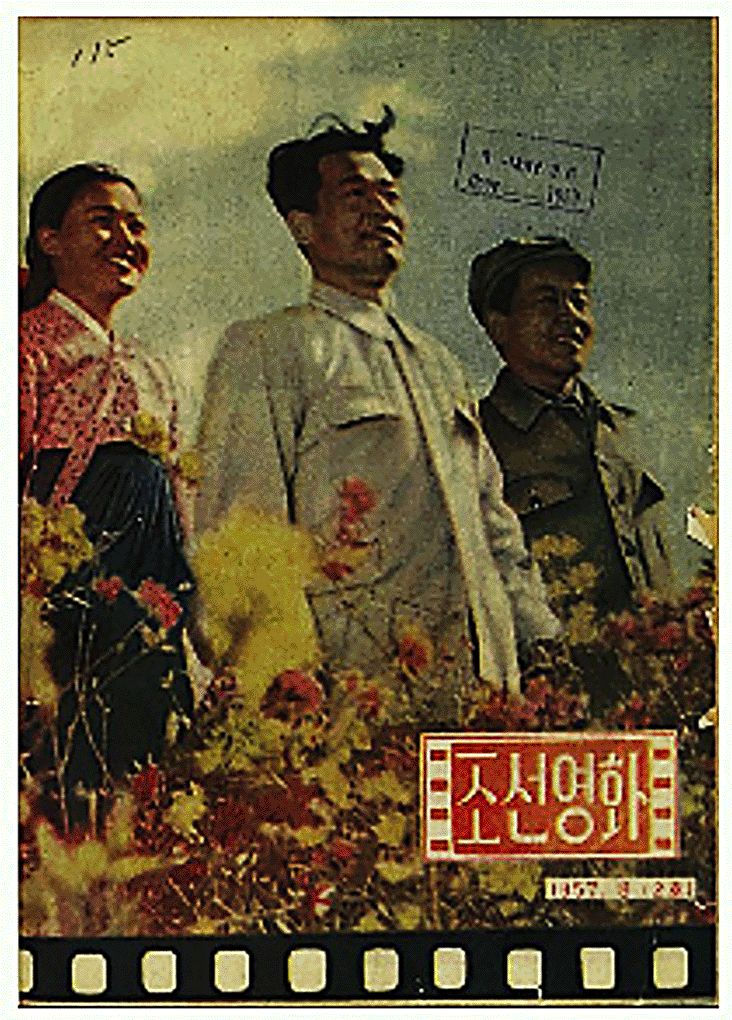
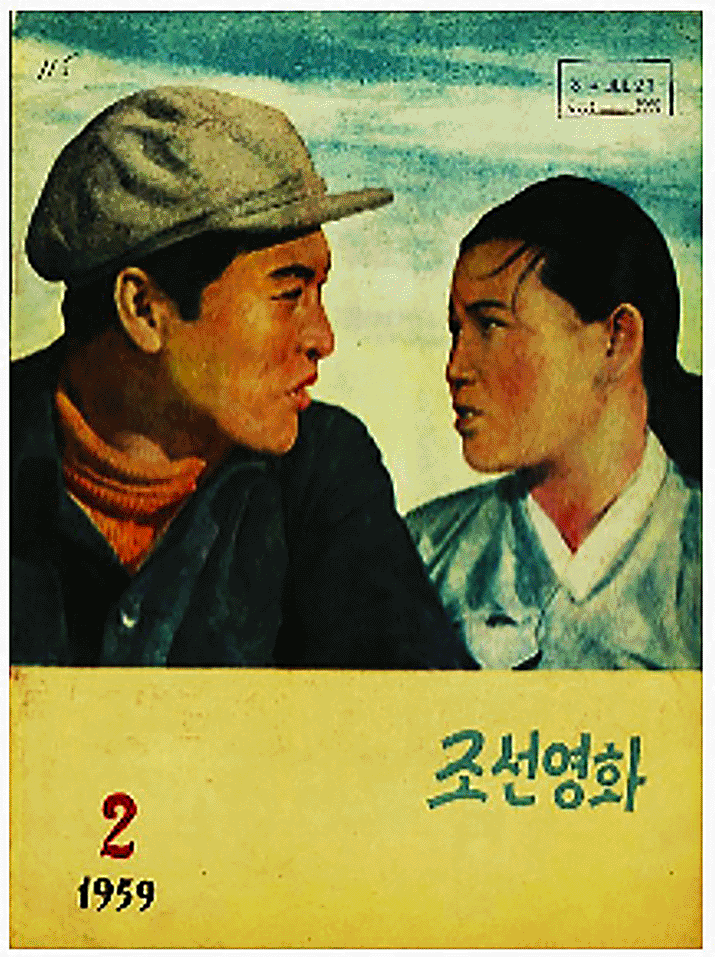
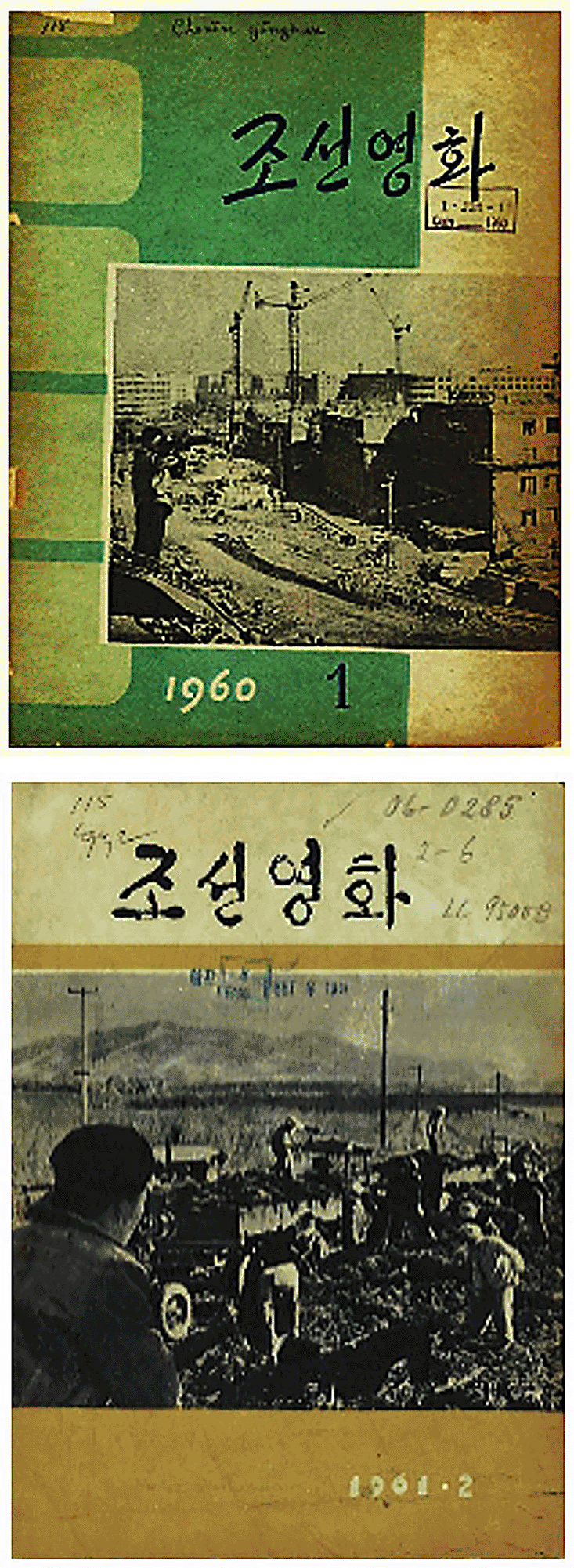
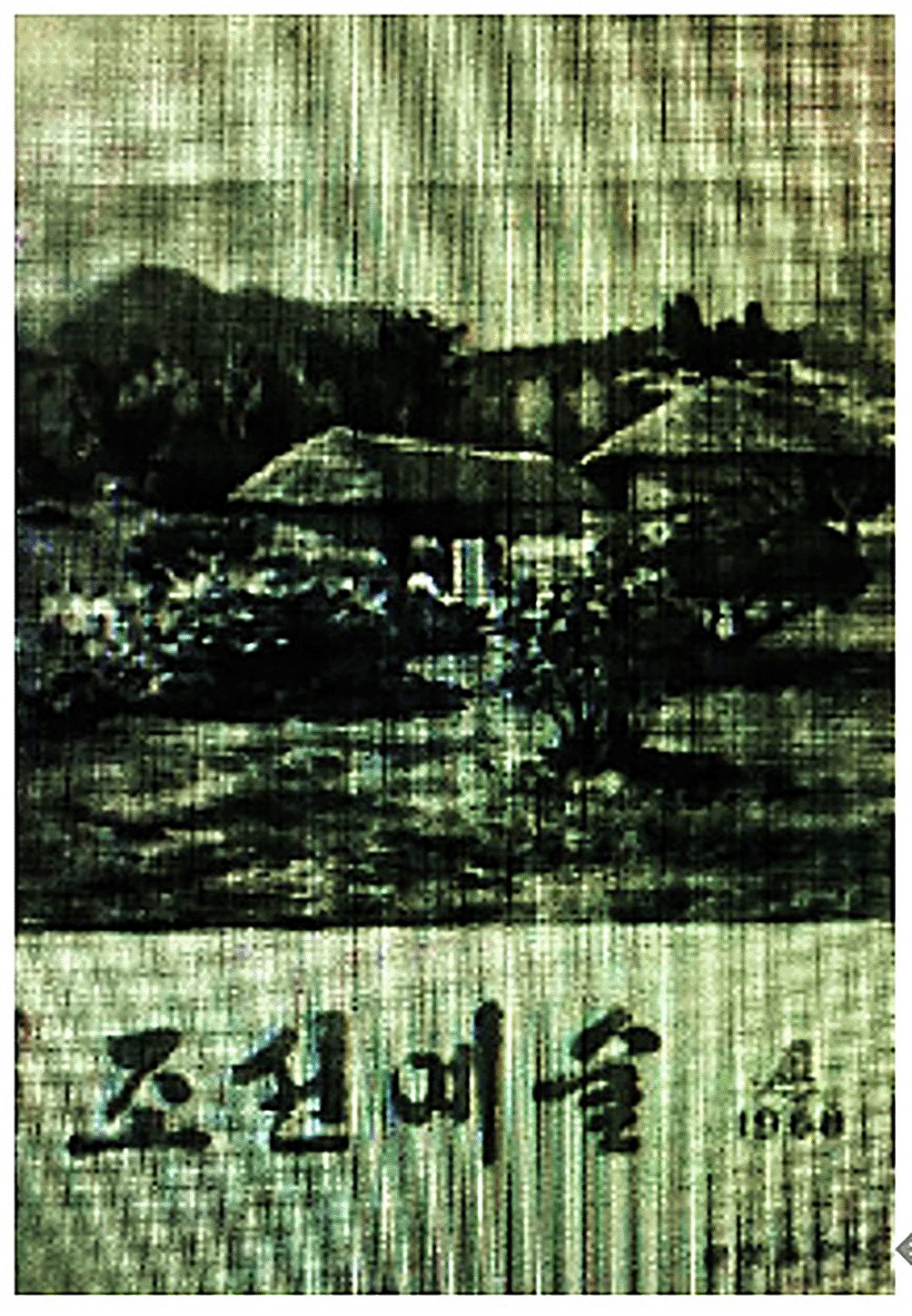
The changes in title design on the covers can be summarized as follows: "Josonyesul" (Issue 9, 1956) began with a brush calligraphy style. From the first to the third issues in 1959 [Fig. 17], a Ming typeface was employed before reverting to the brush calligraphy style, which continues to this day. "Josonmisul" was initially launched as "Misul" (Issue 1, 1956) [Fig. 18] and maintained this design from the first to the third issues in 1959 [Fig. 19]. "Josonumak" (February 1955) [Fig. 20] underwent two transitions, shifting from the brush calligraphy style up the twelfth issue in 1959[Fig. 21]. "Josonyonghwa" (Issue 8, 1957) [Fig. 22] featured a Gothic typeface, which changed to another typeface in the second issue of 1959[Fig. 23] and then to a different typeface in the first issue of 1960. Starting from the second issue of 1961[Fig. 24], it adopted a creative brush calligraphy style, and from the third issue of 1963 [Fig. 25], it reverted to the traditional brush calligraphy style, reflecting the evolving expectations surrounding title changes.
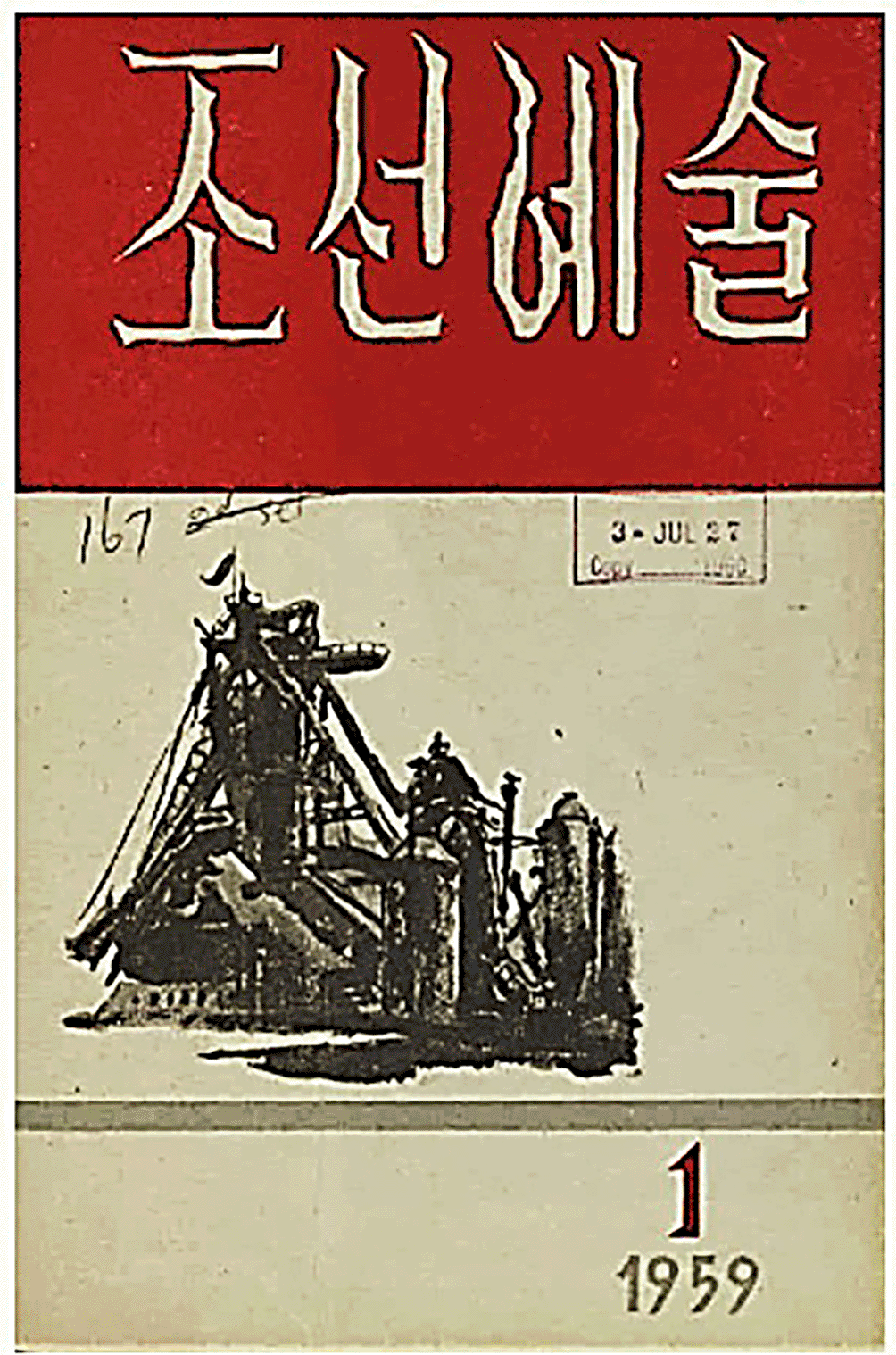
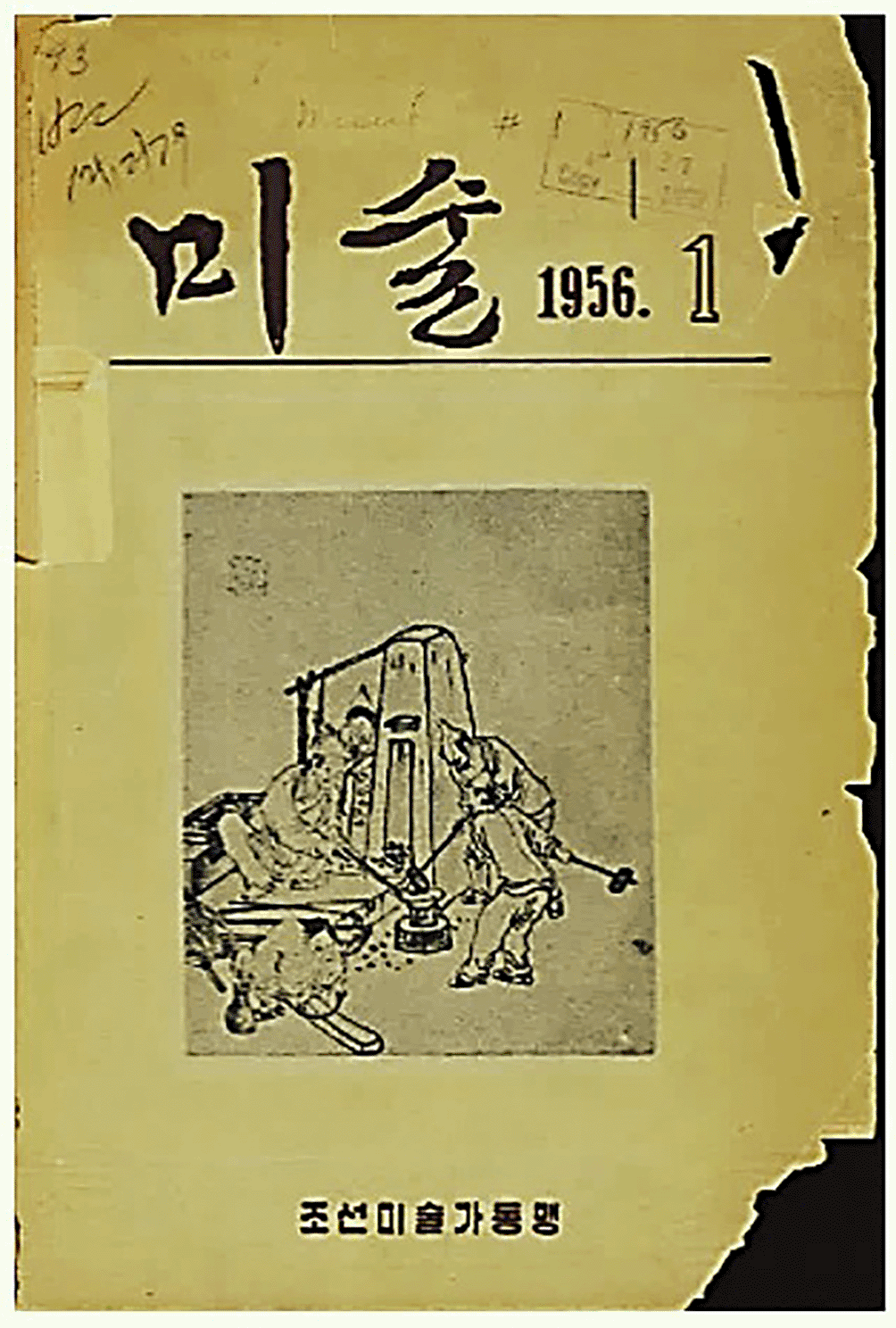
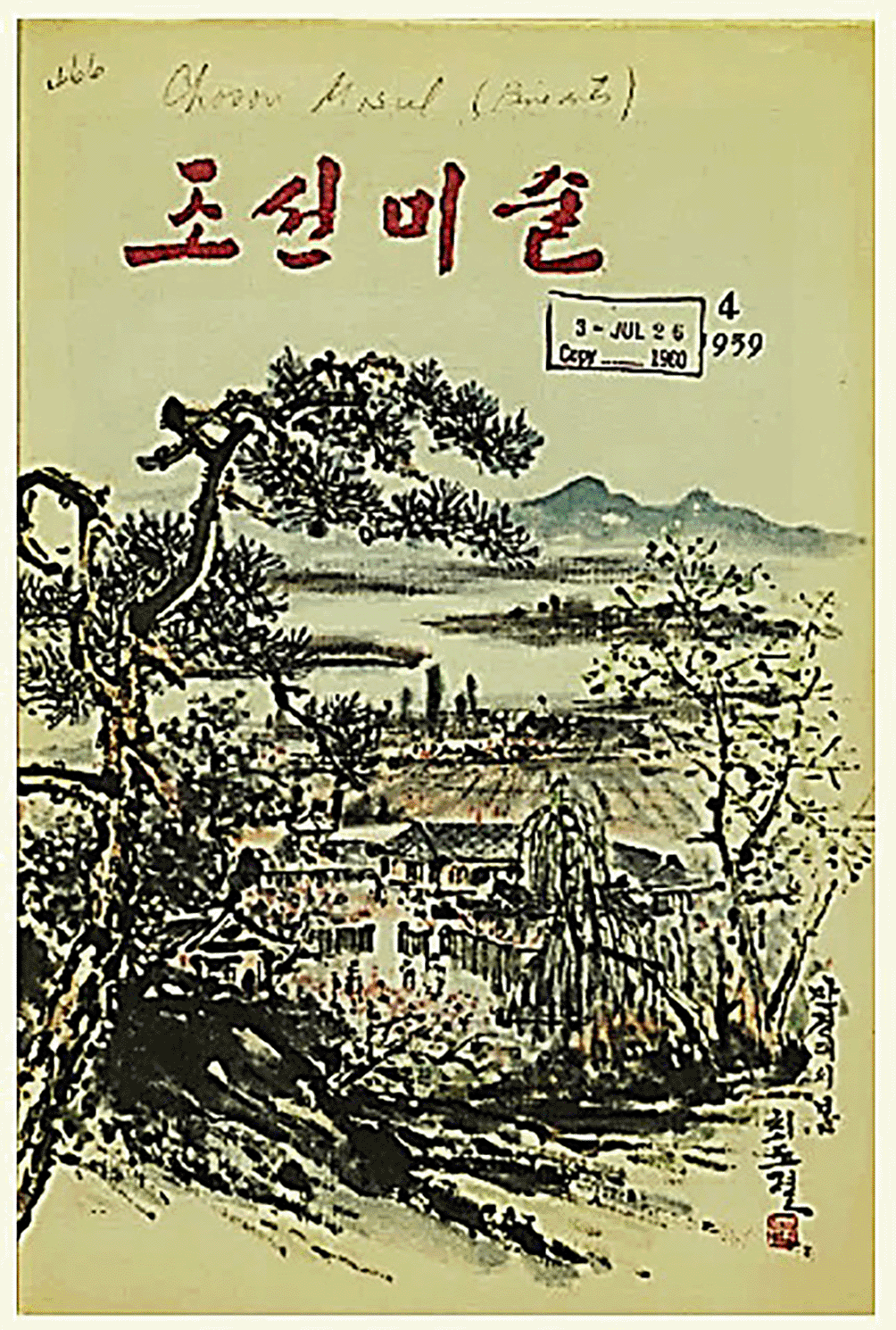
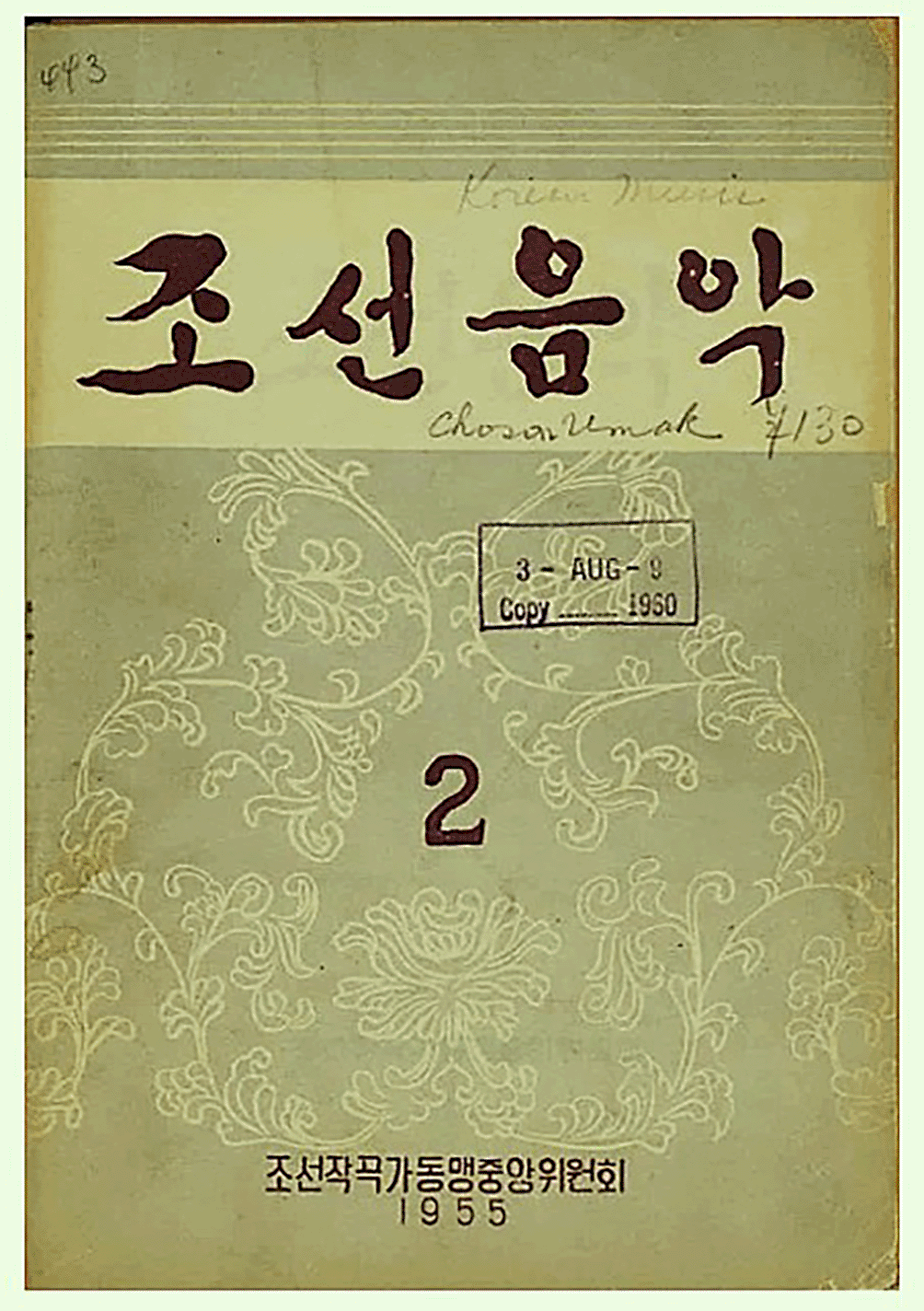
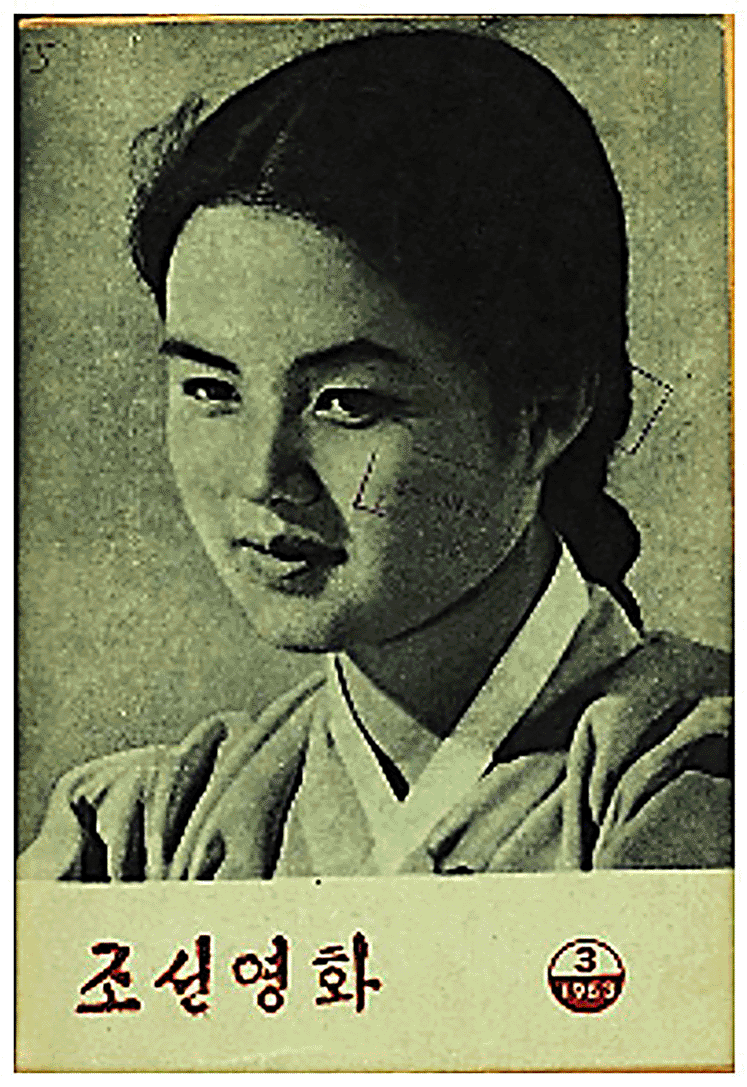
The table of contents design in the inaugural issue (September 1956) reflects the typographic conventions of its time, featuring four distinct typefaces, each set at No. 4 (4.71 mm) and tailored to the content. The main text used Ming type No. 5 (3.61 mm), while the title used Ming type No. 2 (7.43 mm). Beginning with (January 1959), the main text transitioned to a new Ming type No. 5, and the title adopted a Gothic typeface No. 2. Furthermore, in (January 1960), the main text continued with a Ming type No. 5 (3.61 mm), while the title retained the Gothic type No. 2 (7.43 mm) [Fig. 26]. This evolution highlights an intriguing trend: alongside changes in the cover title design, the typesetting and typeface of the main text were also restructured.
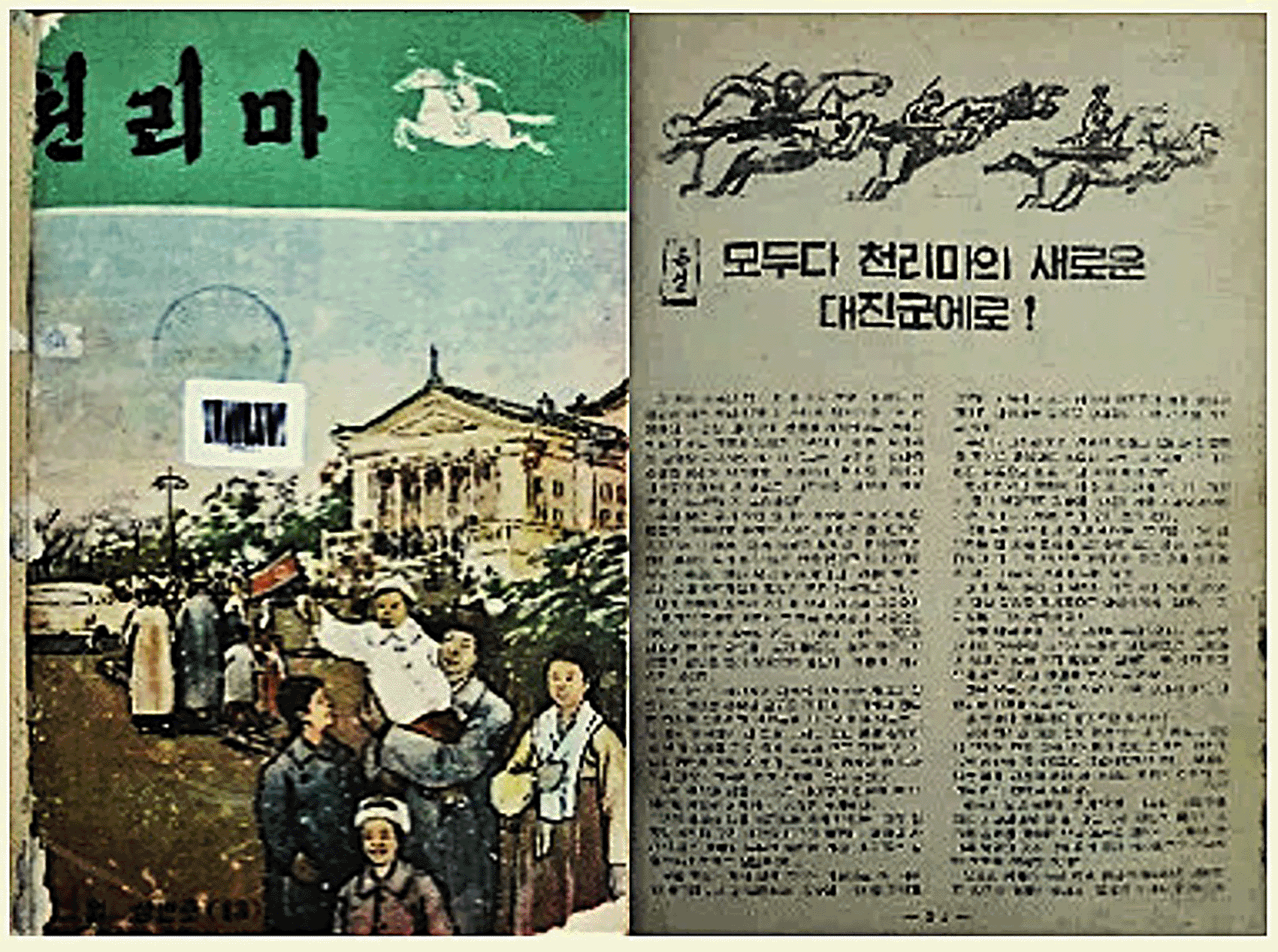
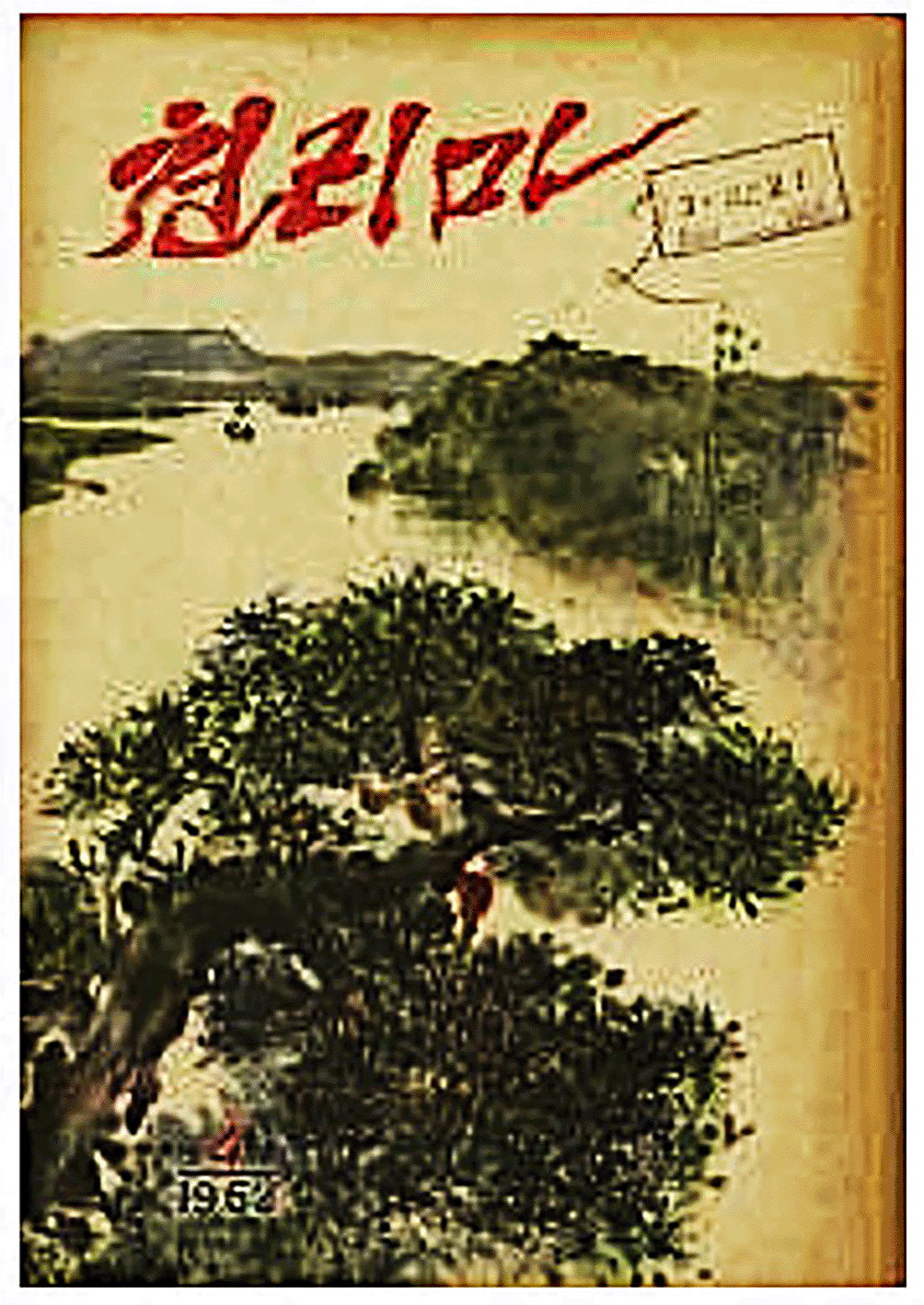
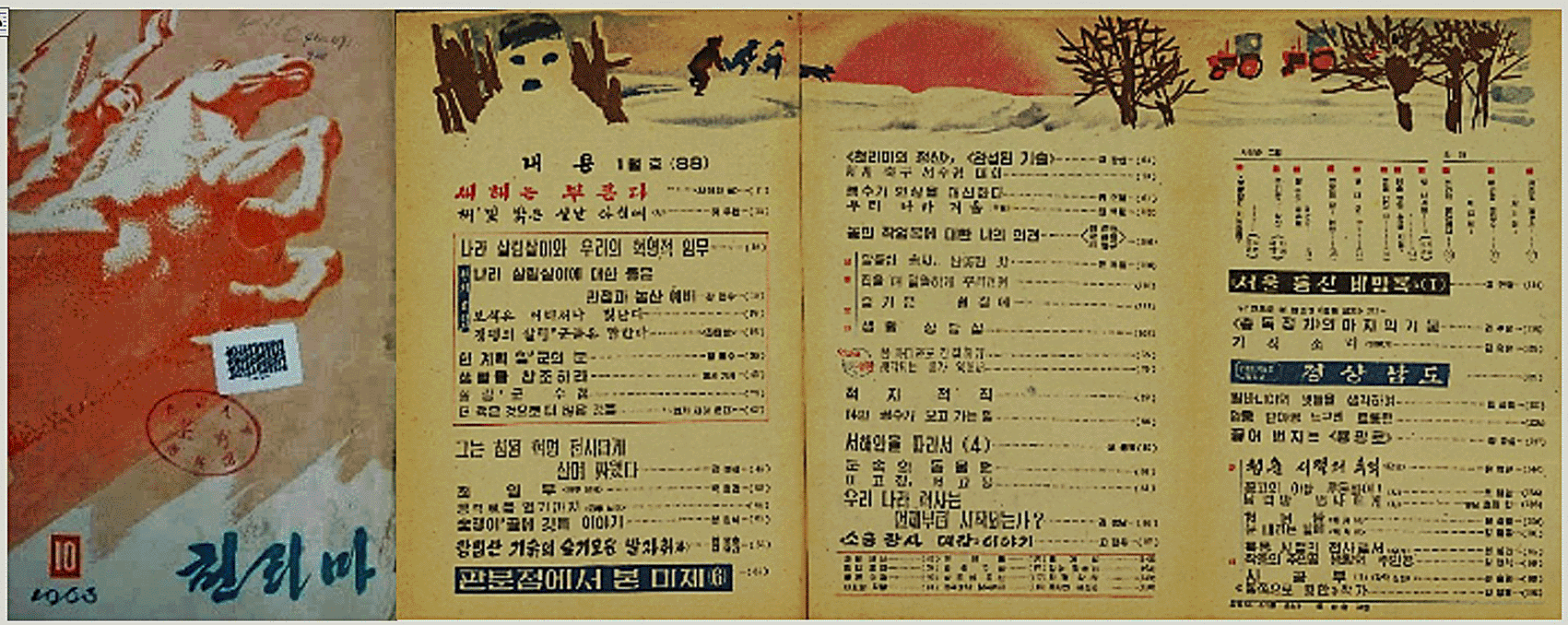
“Chollima” is a mythical horse symbolizing exceptional individuals and the rewards of perseverance and hard work. It first gained public attention on January 22, 1959, when the National Art Publishing House used it to promote the ‘Chollima Movement’. It is currently published monthly by the Chollima Editorial Committee of the Literary Publishing House.
1) Characteristics of Typesetting
The inaugural edition was produced in a horizontal layout with two columns and B5 dimensions (188 × 257 mm). This edition comprised 80 pages and showcased a high level of expertise in editing, typesetting, and printing technologies, reflecting various design styles typical of North Korean magazines. From the first issue onward, the publication featured colorful photographs and illustrations for promotional purposes.
The typesetting is notable for incorporating vertical text centered within the horizontal layout. Over the years, the content has been thematically organized to include topics such as praise of the regime, issues of unification, and general knowledge, as well as various compositions, including poetry, serialized novels, and cartoons. By 1998, the magazine had reached issue 467, maintaining the B5 size format with an expanded page count of 90 pages and special topics totaling 130 pages.
2) Characteristics of the Typeface
The title on the cover of “Chollima” (Issue 12, 1959) changed from brush-style calligraphy to a cursive brush style beginning with Issue 9 in 1962, a style that has continued to the present day. Starting with Issue 10 in 1963, the table of contents was laid out horizontally across three full pages. The body text employs type sizes No. 6, 5, 4, and No. 3 to maximize visual impact, while the titles are rendered in various creative brush calligraphy styles. In the body text of Issue 1, 1966, the Shin Ming typeface (3.1 Monthly type) in size 5 was used, and the Gothic typeface No. 2 was applied to the titles, resulting in an overall uniform appearance. Currently, the body text is set in Ming type, and the titles are presented in various typefaces such as Gothic and New Ming, establishing a distinctive North Korean style tailored to the content. Additionally, other magazines now fundamentally adopt the editorial design established in the 1960s by "Chollima" as a model. This represents a new perspective in design.
This study examines the transformations that occurred during the restructuring of publishing institutions, focusing on the inaugural issues of literary magazines through a genealogical lens. Based on the publication periods of representative magazines, changes in text typesetting can be categorized as follows: In the first period, during the Soviet occupation, a mixed vertical typesetting method utilizing both Korean and Chinese characters was introduced, which later evolved into a combination of vertical and horizontal typesetting. In the second period, during the establishment of the North Korean government, vertical typesetting in the Korean language became predominant. In the third period, during the socialist construction phase, the establishment of a horizontal typesetting system in Korean became evident.
The typographic characteristics of each representative magazine illustrate a significant evolution in cover title design, transitioning from traditional Korean calligraphy in regular script to a semi-cursive style. Beginning in 1962, changes were introduced to the table of contents, font types, and text sizes, following editorial design models. During the first period, under Soviet occupation, Ming type No. 5 was used for the body text, while Gothic type No. 2 was employed for the titles. In the second period, after the establishment of the government, Shin Ming type No. 5 was adopted for the body text, along with Ming and Gothic types No. 2 and No. 3 for the titles. In the third period, during the era of socialist construction, Ming type No. 5 continued to be used for the body text, while a variety of fonts—including Gothic, Shin Mincho, and custom lettering—were utilized for the titles.
It has been demonstrated that North Korean magazines are restructured in response to changes in leadership and party policies, with these shifts reflected in all aspects of magazine design. Consequently, the historical evolution of North Korean literary magazines—from the Soviet occupation period through the socialist construction era—along with changes in typography, has been systematically documented. Since the 1970s, North Korean magazines have maintained a consistent design, exhibiting no significant changes following the establishment of Kim Il-sung's unique ideology, although they have undergone three font enhancements.15
With the advent of the digital era in 2000, significant changes began to emerge in the editorial design of North Korean magazines. These modifications can be viewed as a self-help strategy aimed at addressing the growing disconnect between the previously ideology-driven editorial content and its readership. More broadly, these changes are likely connected to the "new thinking" policy promoted by Kim Jong-il during his 2001 visit to Shanghai, which emphasized the necessity of "changing everything."
Recently, literary and art magazines have begun to move away from the traditional editorial approach of exclusively publishing literary works or cultural and artistic essays. Instead, they are introducing sections that are more accessible to readers, thereby generating greater interest. General cultural magazines typically feature approximately 50% ideological content, with the remainder consisting of informative articles and practical information for daily life.
In this context, North Korean literary and artistic publications have developed into genuine forms of mass media that mirror contemporary trends. A thorough analysis of the unique characteristics of North Korean culture and art from a global perspective, coupled with an engagement with current realities, enables informed projections regarding future developments. Furthermore, interdisciplinary collaboration among North Korean literary history, art history, Korean history, and intellectual history has the potential to facilitate a more nuanced reconstruction of specific historical periods.16
Figure permission: All photographic data used are public domain materials whose copyrights have expired.
| Views | Downloads | |
|---|---|---|
| F1000Research | - | - |
|
PubMed Central
Data from PMC are received and updated monthly.
|
- | - |
Provide sufficient details of any financial or non-financial competing interests to enable users to assess whether your comments might lead a reasonable person to question your impartiality. Consider the following examples, but note that this is not an exhaustive list:
Sign up for content alerts and receive a weekly or monthly email with all newly published articles
Already registered? Sign in
The email address should be the one you originally registered with F1000.
You registered with F1000 via Google, so we cannot reset your password.
To sign in, please click here.
If you still need help with your Google account password, please click here.
You registered with F1000 via Facebook, so we cannot reset your password.
To sign in, please click here.
If you still need help with your Facebook account password, please click here.
If your email address is registered with us, we will email you instructions to reset your password.
If you think you should have received this email but it has not arrived, please check your spam filters and/or contact for further assistance.

Comments on this article Comments (0)