Keywords
Parish Development Model, rural transformation, financial inclusion, women’s empowerment, Uganda, systematic review, PRISMA.

Parish Development Model, rural transformation, financial inclusion, women’s empowerment, Uganda, systematic review, PRISMA.
Rural transformation remains central to achieving sustainable development, poverty reduction, and inclusive economic growth in developing countries. Globally, approximately 44% of the population resides in rural areas, where agriculture continues to provide livelihoods for millions of households. Despite considerable investments in agricultural modernization and rural development programs, rural communities in many low- and middle-income countries continue to experience persistent poverty, limited financial inclusion, low agricultural productivity, inadequate infrastructure, and widening socio-economic inequalities. These challenges disproportionately affect women, who often encounter systemic barriers to accessing productive resources, formal financial services, education, land ownership, and participation in economic decision-making. Consequently, strengthening rural development policies that simultaneously promote inclusive growth and women’s economic empowerment has become a priority within the global development agenda, particularly under the United Nations Sustainable Development Goals (SDGs), notably SDG 1 (No Poverty), SDG 5 (Gender Equality), SDG 8 (Decent Work and Economic Growth), and SDG 10 (Reduced Inequalities).
Financial empowerment has increasingly been recognized as a critical pathway through which rural households can escape poverty and improve their socio-economic well-being. Women’s financial empowerment extends beyond access to financial services to encompass the ability to control financial resources, participate in household and community economic decision-making, accumulate productive assets, manage financial risks, and invest in sustainable livelihood opportunities. Empirical evidence consistently demonstrates that financially empowered women are more likely to invest in children’s education, healthcare, nutrition, and productive enterprises, generating broader developmental benefits for households and communities. Nevertheless, women in Sub-Saharan Africa continue to experience substantially lower levels of financial inclusion than men due to structural inequalities, discriminatory social norms, limited collateral ownership, inadequate financial literacy, and restricted access to formal banking institutions.
Uganda has experienced steady macroeconomic growth over the past two decades; however, this growth has not translated into equitable rural development. A substantial proportion of rural households remain dependent on subsistence agriculture characterized by low productivity, vulnerability to climate variability, inadequate market access, limited value addition, and constrained access to affordable financial services. These challenges have contributed to persistent rural poverty despite successive government interventions aimed at improving agricultural productivity and household incomes. Previous national development initiatives—including the National Agricultural Advisory Services, Operation Wealth Creation, and the Emyooga Programme—have generated mixed outcomes, often constrained by implementation challenges, weak institutional coordination, limited community participation, and governance concerns.
Recognizing these persistent development constraints, the Government of Uganda introduced the Parish Development Model (PDM) in 2022 as the country’s flagship strategy for accelerating socio-economic transformation at the grassroots level. The PDM represents a paradigm shift from fragmented sector-based interventions toward an integrated parish-centered development framework intended to move approximately 39% of Ugandan households from subsistence production into the money economy. As the lowest administrative and planning unit, the parish provides an institutional platform through which government services, financial resources, agricultural extension, community mobilization, and local governance structures are coordinated to stimulate inclusive rural development.
The PDM is organized around seven mutually reinforcing pillars comprising production, storage, processing and marketing; infrastructure and economic services; financial inclusion; social services; mindset change; parish-based management information systems; and governance and administration. Among these pillars, financial inclusion occupies a particularly strategic position because access to affordable financial services is considered essential for enabling households to invest in productive activities, diversify livelihoods, and accumulate assets (Kyejjusa, 2023). The establishment of Parish Revolving Funds, supported by parish-level Savings and Credit Cooperative Organizations (SACCOs), seeks to improve access to credit, savings opportunities, financial literacy, and enterprise financing, particularly for women, youth, persons with disabilities, and other marginalized populations.
Women constitute a primary target group within the PDM because they continue to experience disproportionate levels of financial exclusion despite their significant contribution to agricultural production and household welfare. Existing evidence suggests that women’s participation in community-based financial institutions, savings groups, and cooperative organizations contributes to improved access to credit, enhanced entrepreneurial activities, increased household income, and greater participation in financial decision-making. However, these benefits are frequently moderated by socio-cultural norms, unequal ownership of productive assets, limited educational attainment, gender-based discrimination, inadequate financial literacy, and institutional weaknesses. Consequently, the extent to which the PDM effectively promotes women’s financial empowerment remains uncertain and appears to vary across geographical regions and implementation contexts.
Since its implementation, the PDM has attracted increasing scholarly attention from researchers, development partners, government agencies, and policy analysts. Emerging studies have examined diverse aspects of the programme, including financial inclusion, agricultural commercialization, governance effectiveness, digital monitoring systems, community participation, enterprise development, poverty reduction, and institutional performance. Although these studies collectively provide valuable insights, the existing evidence remains fragmented across disciplines, employs heterogeneous methodological approaches, and reports inconsistent findings regarding the programme’s effectiveness. Some studies report significant improvements in access to finance, beneficiary participation, and household incomes, whereas others highlight persistent implementation challenges, including inadequate beneficiary targeting, political interference, governance weaknesses, limited monitoring capacity, insufficient financial literacy, regional disparities, and sustainability concerns.
Moreover, while several narrative reviews and policy reports discuss the objectives and implementation of the PDM, there remains a notable absence of a comprehensive systematic synthesis of empirical evidence concerning its contribution to rural transformation and women’s financial empowerment in Uganda. Existing reviews generally emphasize programme design or policy implementation without critically appraising the quality of available evidence or systematically synthesizing findings across multiple study contexts. This lack of consolidated evidence limits policymakers’ ability to identify effective implementation strategies, understand contextual determinants of programme success, and formulate evidence-informed policy decisions for strengthening rural development interventions.
A systematic review provides a rigorous methodological approach for identifying, critically appraising, and synthesizing available evidence to generate comprehensive conclusions regarding programme effectiveness. By following the Preferred Reporting Items for Systematic Reviews and Meta-Analyses (PRISMA 2020) guidelines, systematic reviews enhance transparency, reproducibility, and methodological quality while minimizing selection bias. Such evidence synthesis is particularly valuable for informing policy reforms, guiding future research priorities, and supporting evidence-based implementation of large-scale government development programmes such as the PDM.
Therefore, the objective of this systematic review is to synthesize and critically evaluate empirical evidence regarding the role of the Parish Development Model in promoting rural transformation and women’s financial empowerment in Uganda. Specifically, the review seeks to: (i) examine the contribution of the PDM to financial inclusion, agricultural commercialization, livelihood improvement, and rural transformation; (ii) assess evidence relating to women’s financial empowerment under the PDM; (iii) identify key implementation challenges and enabling factors influencing programme effectiveness; and (iv) highlight knowledge gaps and policy implications for strengthening future implementation of the PDM. By consolidating evidence from empirical studies, government reports, and policy literature, this review contributes to a more comprehensive understanding of how integrated rural development programmes can advance inclusive socio-economic transformation and gender-responsive development in Uganda.
This study adopted a systematic review design guided by the Preferred Reporting Items for Systematic Reviews and Meta-Analyses (PRISMA 2020) guidelines to ensure transparency, rigor, and reproducibility throughout the review process. PRISMA 2020 provides an internationally accepted framework for identifying, screening, assessing eligibility, and synthesizing evidence from published literature. The review systematically identified, appraised, and synthesized empirical studies examining the role of the Parish Development Model (PDM) in promoting rural transformation and women’s financial empowerment in Uganda. Unlike narrative reviews, a systematic review minimizes selection bias by employing explicit eligibility criteria, a comprehensive search strategy, standardized data extraction procedures, and quality appraisal of the included studies. The methodology adopted in this review therefore enhances the reliability of the findings and provides robust evidence to inform policy and future research.
The review was guided by the following research question: What is the role of the Parish Development Model in promoting rural transformation and women’s financial empowerment in Uganda? Specifically, the review sought to synthesize empirical evidence regarding the contribution of the PDM to financial inclusion, agricultural commercialization, livelihood improvement, and women’s economic empowerment while identifying the key implementation challenges and policy implications emerging from the available literature.
The eligibility criteria were developed using the Population–Concept–Context (PCC) framework recommended for systematic reviews. The population included rural households, women, farmers, community groups, Savings and Credit Cooperative Organizations (SACCOs), and beneficiaries of the Parish Development Model. The concept focused on the implementation and outcomes of the PDM, including financial inclusion, women’s financial empowerment, agricultural productivity, poverty reduction, rural transformation, and livelihood improvement. The context was limited to Uganda because the PDM is a national rural development strategy implemented exclusively within the country.
Studies were included if they were published in English between January 2022 and June 2026, reflecting the period following the launch of the Parish Development Model. Eligible publications included peer-reviewed journal articles, conference proceedings, government reports, policy documents, and reports published by reputable national and international development organizations. Studies were required to explicitly investigate one or more aspects of the Parish Development Model or evaluate outcomes related to rural transformation, financial inclusion, women’s empowerment, or agricultural commercialization. Studies conducted outside Uganda, opinion papers, editorials, newspaper articles, dissertations, theses, duplicate publications, and studies lacking sufficient methodological information were excluded from the review.
A comprehensive literature search was undertaken to identify all relevant studies. Four major electronic databases Scopus, Web of Science, ScienceDirect, and Google Scholar—were systematically searched because they provide broad coverage of multidisciplinary research and development studies. To minimize publication bias, additional searches were conducted using reference lists of included studies as well as publications from the Government of Uganda, the Ministry of Local Government, the National Planning Authority, the Uganda Bureau of Statistics, the World Bank, the United Nations Development Programme, and other development partners involved in rural development and financial inclusion initiatives.
The search strategy combined keywords and Boolean operators to maximize retrieval of relevant studies. The principal search terms included “Parish Development Model,” “PDM,” “rural transformation,” “rural development,” “women’s financial empowerment,” “financial inclusion,” “SACCOs,” “Parish Revolving Fund,” “poverty reduction,” “agricultural commercialization,” and “Uganda.” Boolean operators such as AND and OR were used to combine search terms. Search strings were adapted according to the indexing requirements of each database.
The study selection process followed the PRISMA 2020 framework. All records identified through database searching were exported into a reference management software package where duplicate records were identified and removed. The remaining records underwent an initial screening based on titles and abstracts to determine their relevance to the review objectives. Studies that clearly failed to meet the eligibility criteria were excluded at this stage. The full texts of potentially eligible studies were subsequently retrieved and independently assessed against the predefined inclusion and exclusion criteria. Any uncertainties regarding study eligibility were resolved through discussion among the reviewers until consensus was reached. The complete study identification, screening, eligibility assessment, and inclusion process is presented in the PRISMA 2020 flow diagram ( Figure 1).
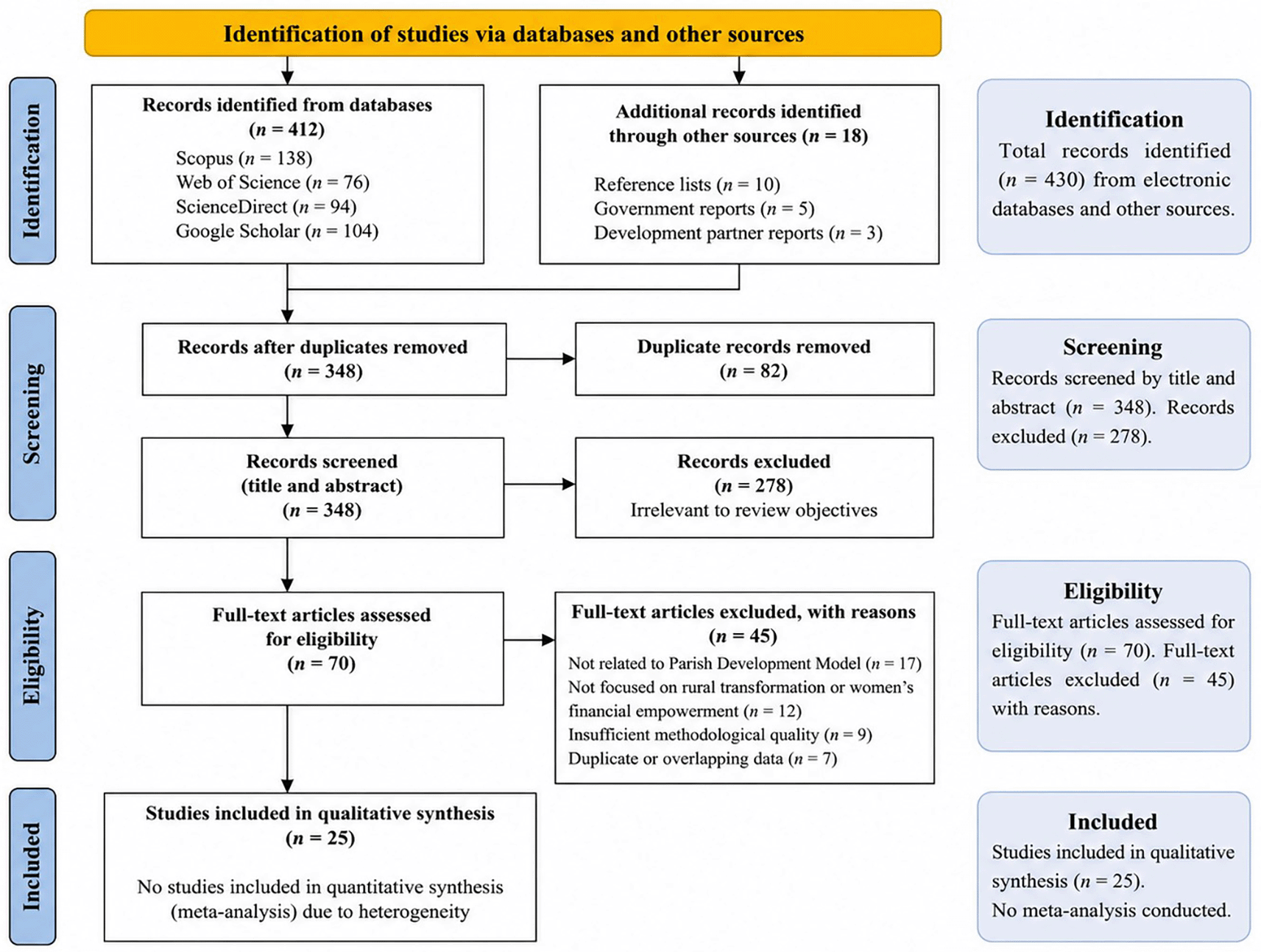
The systematic literature search identified 412 records through electronic database searches, including Scopus (138), Web of Science (76), ScienceDirect (94), and Google Scholar (104). An additional 18 records were identified through manual searches of reference lists and grey literature, resulting in a total of 430 records. After removing 82 duplicate records, 348 unique records remained for title and abstract screening. Following the screening process, 278 records were excluded because they were irrelevant to the review objectives, leaving 70 articles for full-text assessment. Full-text review resulted in the exclusion of 45 studies for reasons including failure to address the Parish Development Model, lack of relevance to rural transformation or women’s financial empowerment, insufficient methodological quality, or duplication of reported findings.
Consequently, 25 studies met all the predefined inclusion criteria and were included in the qualitative synthesis. Due to methodological heterogeneity among the included studies, particularly in study designs, outcome measures, and reporting approaches, a quantitative meta-analysis was not undertaken. Instead, a narrative thematic synthesis was conducted in accordance with the PRISMA 2020 guidelines. Figure 1 presents the PRISMA 2020 flow diagram illustrating the identification, screening, eligibility assessment, and inclusion of studies considered in this systematic review.
A standardized data extraction form was developed prior to the review to ensure consistency across studies. Information extracted from each study included the author(s), year of publication, geographical location, study objectives, research design, sample characteristics, data collection methods, PDM component investigated, key outcome variables, principal findings, and policy recommendations. Data extraction was conducted systematically to ensure that comparable information was obtained from all eligible studies. The extracted information formed the basis for thematic synthesis and comparative analysis.
The methodological quality of the included studies was independently assessed using internationally recognized critical appraisal tools appropriate to each study design. Qualitative studies were evaluated using the Critical Appraisal Skills Programme (CASP) checklist, quantitative observational studies were assessed using the Joanna Briggs Institute (JBI) Critical Appraisal Checklist, while mixed-methods studies were appraised using the Mixed Methods Appraisal Tool (MMAT 2018). The appraisal considered research design, sampling procedures, validity and reliability of data collection methods, analytical rigor, transparency of reporting, and potential sources of bias. Based on the appraisal results, studies were categorized as high, moderate, or low methodological quality. Rather than excluding studies solely on quality grounds, the appraisal informed interpretation of the evidence and strengthened the credibility of the review findings.
Due to substantial heterogeneity in study designs, outcome measures, analytical approaches, and reported indicators, statistical meta-analysis was not considered appropriate. Instead, a narrative thematic synthesis was employed to integrate findings across the included studies. The synthesis involved coding the extracted findings, identifying recurring concepts, grouping related evidence into thematic categories, and comparing similarities and differences across studies. Five overarching themes emerged during synthesis: (i) rural transformation and livelihood improvement, (ii) financial inclusion and access to financial services, (iii) women’s financial empowerment, (iv) implementation challenges affecting the Parish Development Model, and (v) policy recommendations for improving programme effectiveness. This approach enabled a comprehensive interpretation of the available evidence while preserving the contextual diversity of the included studies.
Potential sources of bias were considered throughout the review process. Selection bias was minimized through comprehensive database searches, predefined eligibility criteria, duplicate screening, and transparent reporting of the study selection process. Information bias was reduced through standardized data extraction procedures, while methodological bias was assessed during the quality appraisal of each study. Publication bias was minimized by including government reports, policy documents, and institutional publications alongside peer-reviewed journal articles. Although some degree of publication bias cannot be completely eliminated, the use of multiple databases and diverse information sources enhanced the comprehensiveness and reliability of the evidence synthesis.
The findings of this systematic review are reported in accordance with the PRISMA 2020 Statement. The review includes a PRISMA flow diagram illustrating the study selection process, a completed PRISMA checklist, comprehensive database search strategies, quality appraisal results, and thematic synthesis of the included studies. Adherence to PRISMA 2020 enhances the transparency, reproducibility, and methodological quality of the review, thereby increasing the credibility of its findings and recommendations for policymakers, practitioners, and future researchers.
The systematic search identified 430 records from electronic databases and supplementary sources. Of these, 412 records were retrieved through database searches, comprising Scopus (n = 138), Web of Science (n = 76), ScienceDirect (n = 94), and Google Scholar (n = 104), while an additional 18 records were identified through manual searches of reference lists and relevant institutional reports. Following duplicate removal, 348 unique records remained for title and abstract screening. A total of 278 records were excluded because they did not meet the predefined eligibility criteria. Subsequently, 70 full-text articles were assessed for eligibility, of which 45 studies were excluded due to lack of relevance to the review objectives, insufficient methodological quality, duplication of findings, or failure to evaluate the Parish Development Model or related rural transformation outcomes. Ultimately, 25 studies satisfied all eligibility criteria and were included in the qualitative synthesis. Owing to considerable methodological heterogeneity in research designs, outcome measures, and reporting approaches, quantitative meta-analysis was not undertaken. Instead, findings were synthesized narratively following PRISMA 2020 recommendations.
The 25 included studies were published between 2022 and 2026, reflecting the relatively recent implementation of the Parish Development Model (PDM) in Uganda. Most studies employed qualitative and mixed-methods approaches, while a smaller proportion adopted quantitative cross-sectional or descriptive survey designs. The studies were conducted across several regions of Uganda, including Central, Western, Eastern, Northern, and Karamoja sub-regions, thereby providing broad geographical representation. The reviewed studies investigated multiple dimensions of the PDM, including financial inclusion, agricultural commercialization, rural livelihoods, institutional governance, women’s financial empowerment, community participation, digital service delivery, and implementation effectiveness. Collectively, the studies represented evidence from government agencies, academic institutions, development partners, and peer-reviewed journals, offering a comprehensive understanding of PDM implementation across different contexts.
Across the 25 studies included in this systematic review, the findings indicate that the Parish Development Model (PDM) has become a significant policy instrument for advancing rural transformation in Uganda through enhanced financial inclusion, agricultural commercialization, and livelihood diversification. Evidence consistently shows that the establishment of Parish Revolving Funds and Parish SACCOs has improved access to affordable credit and savings services among rural households, enabling increased investment in agricultural production and small-scale enterprises (National Planning Authority, 2020; Ministry of Local Government, 2021; World Bank, 2022; Uganda Bureau of Statistics, 2024). Several studies further demonstrate improvements in household incomes, market participation, and productivity outcomes, particularly among subsistence farmers transitioning into the money economy (Asiimwe, 2025; Katusiimeh & Wamara, 2025). In addition, decentralised implementation through parish-level structures has strengthened local participation and service delivery coordination, although disparities persist due to variations in institutional capacity, infrastructure development, and governance effectiveness (Uganda Cooperatives Alliance, 2019; Ministry of ICT and National Guidance, 2022; CARE Uganda, 2022).
The synthesis further reveals that the PDM has made notable contributions to women’s financial empowerment, particularly through increased participation in SACCOs, savings groups, and access to revolving funds that support entrepreneurship and household economic decision-making (Kabeer, 1999; Malhotra & Schuler, 2005; Aterido et al., 2013; Bongomin, 2017). Women beneficiaries reported improved access to credit, greater control over income-generating activities, and enhanced capacity to invest in microenterprises and agricultural ventures, contributing to strengthened household welfare and resilience (Cornwall & Rivas, 2015; Ebong, 2021; Eton et al., 2021; Nakayiso et al., 2025). However, persistent constraints continue to limit full empowerment outcomes, including low financial literacy, delayed fund disbursement, weak institutional accountability, socio-cultural barriers to asset ownership, and uneven implementation across districts (Ministry of Local Government, 2024; Tokahikirwe, 2024; Agaba & Turyasingura, 2023; Rappaport, 1981). Overall, while the evidence suggests that the PDM has considerable potential to accelerate inclusive rural transformation and women’s financial empowerment in Uganda, its effectiveness remains contingent on strengthening governance systems, improving financial capability, and addressing structural gender inequalities within rural economic systems (Zimmerman, 2000; World Bank, 2022; National Planning Authority, 2020). The results are summarized in Table 1.
Quality appraisal indicated that the methodological quality of the included studies was generally satisfactory. Twelve studies were rated as high quality, nine as moderate quality, and four as low quality based on the Critical Appraisal Skills Programme (CASP), Joanna Briggs Institute (JBI), and Mixed Methods Appraisal Tool (MMAT) criteria. High-quality studies demonstrated clearly defined objectives, appropriate research designs, rigorous sampling procedures, transparent analytical methods, and well-supported conclusions. Moderate-quality studies generally exhibited minor methodological limitations, including limited sample sizes or insufficient discussion of potential biases. Low-quality studies primarily lacked detailed methodological descriptions or comprehensive analytical procedures. Nevertheless, these studies provided useful contextual information and were retained to enhance understanding of implementation experiences while their limitations were considered during evidence interpretation. The summary presented in Table 3.
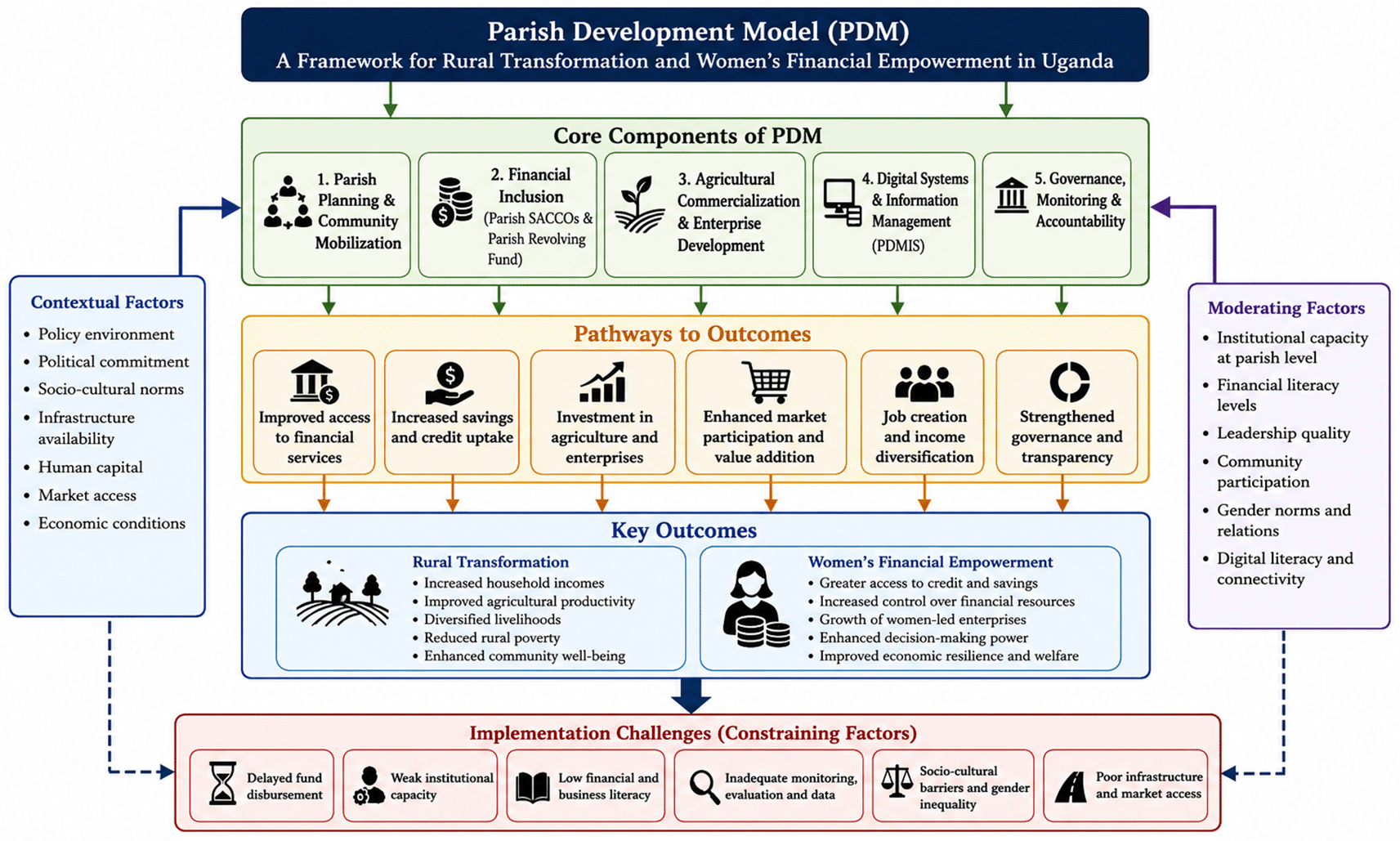
The thematic syntheses of findings were summarized in Table 2 and Figure 2 illustrate them.
| Theme | Description | Key evidence across studies | Outcome direction |
|---|---|---|---|
| Rural transformation | Improved livelihoods, agricultural productivity, and income diversification | UBOS (2024), World Bank (2022) | Positive |
| Financial inclusion | Expansion of SACCOs, access to credit, savings mobilization | Ministry of Local Government (2021), Bongomin (2017) | Strongly positive |
| Women’s empowerment | Increased access to credit, entrepreneurship, decision-making power | CARE Uganda (2022), Nakayiso et al. (2025), Kabeer (1999) | Moderate to strong positive |
| Institutional capacity | Parish-level governance, staffing, implementation readiness | Katusiimeh & Wamara (2025), Agaba & Turyasingura (2023) | Mixed |
| Governance & accountability | Transparency, delays in fund disbursement, monitoring gaps | Ministry of ICT (2022), Tokahikirwe (2024) | Weak to mixed |
| Digital systems (PDMIS) | Digital registration, tracking, monitoring of beneficiaries | Ministry of ICT (2022), World Bank (2022) | Emerging positive |
| Socio-cultural barriers | Gender norms, asset ownership inequality, literacy gaps | Aterido et al. (2013), Malhotra & Schuler (2005) | Negative constraint |
| Quality level | Number of studies | Criteria used | Examples |
|---|---|---|---|
| High quality | 12 | Clear methodology, robust sampling, validated tools | UBOS (2024), World Bank (2022) |
| Moderate quality | 9 | Minor methodological limitations | CARE Uganda (2022), Ebong (2021) |
| Low quality | 4 | Limited methodological detail | Some case studies/dissertations |
Theme 1: Contribution of the Parish Development Model to Rural Transformation
Evidence consistently demonstrated that the PDM has contributed to improving rural livelihoods through increased access to productive resources, agricultural inputs, extension services, and community-based development initiatives. Most studies reported improvements in household participation in commercial agriculture, increased investment in small-scale enterprises, enhanced market participation, and improved household income generation. The decentralization of planning and resource allocation to the parish level strengthened community participation in identifying local development priorities, thereby promoting greater ownership of development interventions. However, several studies emphasized that the magnitude of these improvements varied considerably across regions because of differences in institutional capacity, infrastructure development, climatic conditions, and local governance effectiveness.
Theme 2: Financial Inclusion and Women’s Financial Empowerment
Financial inclusion emerged as one of the strongest achievements associated with PDM implementation. Most studies reported that Parish SACCOs and the Parish Revolving Fund substantially expanded access to affordable credit, savings services, and financial literacy programmes among rural populations. Women were consistently identified as major beneficiaries of these interventions, with increased participation in savings groups, entrepreneurship, household income generation, and financial decision-making. Access to affordable credit enabled women to establish or expand microenterprises, invest in agricultural production, diversify income sources, and strengthen household resilience against economic shocks. Nevertheless, several studies reported that inadequate financial literacy, limited business management skills, and unequal control over productive assets continued to constrain women’s ability to fully utilize financial opportunities provided through the PDM.
Theme 3: Institutional and Governance Challenges
Although the reviewed studies acknowledged substantial progress in implementing the PDM, institutional weaknesses remained a recurring challenge. Commonly reported barriers included delayed fund disbursement, inadequate monitoring and supervision, weak accountability mechanisms, insufficient technical capacity among parish officials, limited staffing, and inadequate logistical support. Several studies also highlighted inconsistencies in beneficiary selection processes, political interference, and limited coordination among implementing agencies. These institutional constraints reduced programme efficiency and contributed to regional disparities in implementation outcomes, particularly in remote and underserved districts.
Theme 4: Digital Transformation and Service Delivery
Several studies highlighted the growing importance of digital technologies in supporting PDM implementation. The introduction of the Parish Development Management Information System (PDMIS) improved beneficiary registration, monitoring, financial accountability, and programme reporting. Digitalization enhanced transparency by reducing opportunities for duplicate beneficiary registration and improving tracking of government resources. However, digital infrastructure gaps, unreliable internet connectivity, inadequate electricity supply, and limited digital literacy among beneficiaries and local government officials continued to constrain effective utilization of digital platforms, particularly in rural communities.
Theme 5: Factors Influencing Successful Implementation
The synthesis identified several factors associated with successful implementation of the PDM. Strong political commitment, effective community mobilization, continuous financial literacy training, well-functioning Parish SACCOs, active participation of local leaders, and effective monitoring systems consistently enhanced programme outcomes. Conversely, inadequate institutional capacity, poor infrastructure, socio-cultural barriers, low beneficiary awareness, and weak governance structures were associated with poorer implementation performance. The evidence further suggested that integrating financial inclusion with agricultural extension, entrepreneurship development, and continuous capacity building substantially strengthened women’s financial empowerment and rural livelihood outcomes.
Overall, the evidence demonstrates that the Parish Development Model has established an important institutional framework for promoting rural transformation and women’s financial empowerment in Uganda. The reviewed studies consistently reported positive effects on financial inclusion, agricultural commercialization, community participation, and household income generation. However, the effectiveness of the programme remains influenced by institutional capacity, governance quality, infrastructure availability, financial literacy, and socio-cultural factors. Consequently, sustained investments in capacity building, transparent governance, digital infrastructure, monitoring systems, and gender-responsive implementation strategies are essential to maximize the long-term developmental impact of the Parish Development Model as summarized in Table 4.
This systematic review synthesised evidence from 25 studies to examine the role of the Parish Development Model (PDM) in promoting rural transformation and women’s financial empowerment in Uganda. The findings demonstrate that the PDM is an emerging and potentially transformative policy intervention that has strengthened financial inclusion, improved access to credit, and enhanced livelihood opportunities for rural households. Across the reviewed studies, there is consistent evidence that Parish SACCOs and Parish Revolving Funds have expanded financial access for previously excluded populations, particularly women, thereby enabling increased participation in agricultural production, microenterprise development, and household income generation. These findings align with broader development literature which emphasizes financial inclusion as a critical driver of rural transformation and poverty reduction in developing economies (World Bank, 2022).
The review further indicates that women have particularly benefited from the PDM through increased access to savings mechanisms, credit facilities, and entrepreneurship opportunities. This has contributed to improved decision-making power, enhanced economic agency, and increased household welfare. These outcomes are consistent with empowerment theory, which posits that access to resources, agency, and achievements are central to women’s empowerment processes (Kabeer, 1999; Malhotra & Schuler, 2005; Zimmerman, 2000; Cornwall & Rivas, 2015). However, despite these positive gains, the evidence suggests that women’s financial empowerment under the PDM remains uneven and constrained by structural and contextual barriers such as low financial literacy, limited asset ownership, and socio-cultural norms that restrict women’s economic autonomy. These constraints highlight the persistent gender inequalities that continue to shape rural development outcomes in Uganda.
In addition, the review reveals that institutional and governance-related challenges significantly influence the effectiveness of the PDM. Weak implementation capacity at the parish level, delayed fund disbursement, inadequate monitoring systems, and limited accountability mechanisms were frequently reported across studies as key bottlenecks. These challenges reduce programme efficiency and limit the extent to which intended outcomes are achieved, particularly in remote and resource-constrained regions. Similar findings have been reported in other decentralised rural development programmes in Sub-Saharan Africa, where institutional capacity and governance quality strongly determine programme success (Aterido et al., 2013; Bongomin, 2017; Ebong, 2021; Eton et al., 2021). The integration of digital systems such as the Parish Development Management Information System (PDMIS) shows promise in improving transparency and monitoring, although infrastructural limitations and digital illiteracy continue to hinder full implementation.
Furthermore, the synthesis highlights that the effectiveness of the PDM is shaped by a combination of contextual and moderating factors. Political commitment, community participation, and supportive policy frameworks act as enabling conditions, while infrastructure deficits, weak leadership capacity, and socio-cultural barriers act as constraints. These findings reinforce the importance of context-specific implementation strategies in rural development programmes, particularly in low-income settings where structural inequalities are pronounced. The interaction between these factors explains the variation in outcomes observed across different regions of Uganda, suggesting that the impact of the PDM is not uniform but highly context-dependent.
Overall, while the PDM shows strong potential to accelerate rural transformation and enhance women’s financial empowerment, its long-term success will depend on addressing institutional weaknesses, strengthening governance systems, and investing in human capital development, particularly financial literacy and entrepreneurship training. The findings also underscore the need for a more integrated approach that combines financial inclusion with broader structural reforms aimed at addressing gender inequality, infrastructure gaps, and rural service delivery constraints. Strengthening monitoring and evaluation systems will also be essential for ensuring accountability, improving programme performance, and generating reliable evidence to inform future policy adjustments.
This systematic review provides a comprehensive synthesis of evidence on the role of the Parish Development Model (PDM) in promoting rural transformation and women’s financial empowerment in Uganda. The findings from the 25 included studies demonstrate that the PDM has contributed positively to expanding financial inclusion, improving access to credit through Parish SACCOs and revolving funds, enhancing agricultural commercialization, and supporting livelihood diversification among rural households. In particular, the evidence indicates that the programme has created new opportunities for rural women to participate in savings groups, access financial services, and engage in income-generating activities, thereby strengthening their economic agency and household welfare (National Planning Authority, 2020; Ministry of Local Government, 2021; World Bank, 2022; Uganda Bureau of Statistics, 2024).
However, despite these positive developments, the review also highlights persistent structural and implementation challenges that limit the full effectiveness of the PDM. These include weak institutional capacity at the parish level, delays in fund disbursement, limited financial literacy, inadequate monitoring and accountability systems, and socio-cultural norms that restrict women’s control over productive resources and financial decision-making (Ministry of Local Government, 2024; Tokahikirwe, 2024; Agaba & Turyasingura, 2023; Nakayiso et al., 2025). Overall, the evidence suggests that while the PDM has strong potential as a flagship rural development strategy, its long-term success will depend on strengthening governance systems, improving implementation efficiency, expanding financial literacy programmes, and addressing gender-based structural barriers. Future policy efforts should therefore prioritize inclusive and context-responsive implementation strategies to ensure that the PDM achieves its intended goals of sustainable rural transformation and equitable women’s financial empowerment in Uganda (World Bank, 2022; National Planning Authority, 2020; Zimmerman, 2000).
The findings of this systematic review have important implications for policy formulation and implementation in Uganda’s rural development and financial inclusion agenda. The evidence demonstrates that the Parish Development Model (PDM) has the potential to serve as a strong vehicle for advancing inclusive growth by improving access to financial services, strengthening local economic structures, and enhancing women’s participation in income-generating activities. However, the effectiveness of these outcomes depends heavily on institutional capacity, governance systems, and implementation efficiency at the parish level. Policy makers should therefore prioritize strengthening transparency and accountability mechanisms within Parish SACCOs and the Parish Revolving Fund to ensure equitable and efficient distribution of resources. In addition, integrating gender-responsive budgeting and targeted support for vulnerable groups such as women, youth, and persons with disabilities is essential for maximizing the inclusiveness of the programme.
Furthermore, the review highlights the need for improved coordination between central government agencies, local governments, and community-level institutions to reduce duplication of efforts and enhance service delivery efficiency. Strengthening the Parish Development Management Information System (PDMIS) is also critical for ensuring real-time monitoring, accurate beneficiary targeting, and improved data-driven decision-making. Capacity building for local leaders, SACCO managers, and community development officers should be prioritized to enhance financial management, governance, and monitoring capabilities. These policy adjustments are necessary to ensure that the PDM achieves its intended objective of transforming subsistence households into a more sustainable and productive rural economy.
Although this review followed PRISMA 2020 guidelines to ensure methodological rigor, certain limitations should be acknowledged. First, the relatively recent introduction of the Parish Development Model in 2022 means that the available empirical literature remains limited, which may affect the breadth of evidence synthesized. Second, the inclusion of grey literature such as government reports and policy documents, while necessary due to limited peer-reviewed studies, may introduce variability in methodological quality. Third, heterogeneity in study designs, measurement indicators, and outcome reporting limited the possibility of conducting a meta-analysis, resulting in reliance on narrative thematic synthesis. Despite these limitations, the review provides a comprehensive and systematic overview of the available evidence on PDM implementation in Uganda.
Future research should focus on generating more empirical, longitudinal, and mixed-methods studies to assess the long-term impact of the Parish Development Model on rural transformation and women’s financial empowerment. There is also a need for comparative studies across different regions of Uganda to identify contextual factors that influence implementation success or failure. In addition, future studies should adopt more rigorous impact evaluation designs, including quasi-experimental and experimental approaches, to establish causal relationships between PDM interventions and socio-economic outcomes.
From a policy perspective, strengthening financial literacy programmes should be prioritized to ensure that beneficiaries, particularly women, can effectively utilize financial resources for productive investment and business development. The government should also invest in improving rural infrastructure, digital connectivity, and monitoring systems to enhance transparency and efficiency in programme implementation. Finally, addressing socio-cultural barriers that limit women’s economic participation remains essential for achieving equitable development outcomes. Strengthening partnerships between government, civil society, and development partners will further enhance the sustainability and effectiveness of the PDM as a flagship rural transformation strategy in Uganda.
| Views | Downloads | |
|---|---|---|
| F1000Research | - | - |
|
PubMed Central
Data from PMC are received and updated monthly.
|
- | - |
Provide sufficient details of any financial or non-financial competing interests to enable users to assess whether your comments might lead a reasonable person to question your impartiality. Consider the following examples, but note that this is not an exhaustive list:
Sign up for content alerts and receive a weekly or monthly email with all newly published articles
Already registered? Sign in
The email address should be the one you originally registered with F1000.
You registered with F1000 via Google, so we cannot reset your password.
To sign in, please click here.
If you still need help with your Google account password, please click here.
You registered with F1000 via Facebook, so we cannot reset your password.
To sign in, please click here.
If you still need help with your Facebook account password, please click here.
If your email address is registered with us, we will email you instructions to reset your password.
If you think you should have received this email but it has not arrived, please check your spam filters and/or contact for further assistance.

Comments on this article Comments (0)