Keywords
gamification, cognitive development, early childhood education, meaningful learning.

This article is included in the Developmental Psychology and Cognition gateway.
gamification, cognitive development, early childhood education, meaningful learning.
Early childhood education plays a fundamental role in children’s holistic development, as it constitutes the stage in which cognitive, motor, emotional, and social foundations are established, factors that significantly influence their educational trajectory and future performance (Alotaibi, 2024; Buendía-Cueva & Maza-Mori, 2025). During these formative years, essential mental processes are consolidated, enabling children to interact with their environment, construct knowledge, and develop skills that will be crucial for subsequent learning.
In this regard, numerous studies have emphasized the importance of cognitive development in early childhood, highlighting functions such as attention, concentration, memory, language, and logical thinking as fundamental processes for learning and school adaptation (Buendía-Cueva & Maza-Mori, 2025).
These cognitive functions constitute essential pillars of child development. Attention allows children to focus on relevant environmental stimuli, while concentration supports sustained engagement in tasks over a given period. Memory, in turn, is involved in the encoding, storage, and retrieval of information, enabling the progressive construction of knowledge. Language, understood as both a communication and thinking tool, develops through social interaction and facilitates children’s understanding of the world around them. Finally, logical thinking enables children to establish relationships, classify information, and solve simple problems, skills that gradually evolve from early childhood and are critical for subsequent cognitive development.
Strengthening these cognitive abilities in early childhood education is essential, as it contributes to the construction of meaningful learning, fosters student autonomy, and facilitates adaptation to the school environment. In this context, various studies have indicated that early stimulation through active, playful, and meaningful educational experiences promotes children’s holistic development and lays the foundation for more complex future learning (Jaramillo-Mediavilla et al., 2025; Rincon-Flores et al., 2022).
Consequently, the incorporation of innovative pedagogical strategies has become a necessity in addressing current educational demands. Among these strategies, gamification has gained increasing relevance in the educational field. This methodology involves integrating game elements such as challenges, rewards, levels, and feedback into learning contexts, with the aim of enhancing motivation, active participation, and student engagement in the educational process.
Several studies have shown that gamification contributes to improved motivation and academic performance by promoting more dynamic and interactive learning experiences (Murillo Zamorano et al., 2021). However, in many educational contexts, traditional pedagogical approaches centered on memorization and repetition still prevail, which may limit active student participation and hinder the development of complex cognitive skills (Chang & Yang, 2023; Deterding et al. (2011a,b).
In educational practice, it is also observed that many children experience difficulties in basic skills such as sequencing, pattern recognition, size discrimination, and counting, competencies that are essential foundations for the development of logical and mathematical thinking. These challenges highlight the need to incorporate more innovative, dynamic, and playful teaching strategies that promote cognitive development from the earliest stages of schooling.
Although gamification has demonstrated promising results in various educational contexts, empirical evidence regarding its impact on cognitive development in early childhood education remains limited (Peñafiel -Villavicencio et al., 2025; Sailer et al., 2017). Therefore, it is necessary to further explore gamification based pedagogical strategies that can strengthen key cognitive skills during the early stages of formal education.
In this context, the general objective of this study is to determine the relationship be-tween the implementation of gamified strategies and the cognitive development of children in early childhood education. To achieve this, the following specific objectives are proposed: to analyze teachers’ perceptions of gamification as a pedagogical tool; to identify cognitive skills that require strengthening in early childhood students; to design and implement gamified activities aimed at developing these skills; and to evaluate the relationship between gamification and the development of cognitive abilities in participating children.
Based on the above, the following research hypothesis is formulated: the implementation of a gamification based digital teaching strategy significantly influences the cognitive development of children in early childhood education.
This study adopted a quantitative approach, using a quasi experimental comparative design, as two groups were involved: a control group and an experimental group. This design allowed for the analysis of the relationship between the implementation of gamified strategies and the cognitive development of children in early childhood education. The scope of the research was descriptive correlational and explanatory. In the initial phase, teachers’ perceptions were described, and subsequently, the relationship between the gamified intervention and the development of cognitive skills was evaluated.
The study was conducted in an educational institution that offers early childhood education, with the active participation of five teachers and twenty children. The children were divided into two groups: ten in the control group and ten in the experimental group. A non probabilistic purposive sampling method was employed. According to Hernández González (2021), this technique allows for the selection of representative cases from a population by focusing on specific characteristics. Both groups presented similar characteristics in terms of age and educational level, which enabled a valid comparison of the results obtained.
The study considered two main variables. The independent variable was gamified strategies, operationalized through activities designed using the digital tool Genially. The dependent variable was cognitive development in early childhood education.
Cognitive development was structured into four dimensions:
Each dimension was evaluated through measurable indicators adapted to the educational level of the participants.
To achieve the specific objectives, different techniques and instruments were employed.
To assess teachers’ perceptions regarding the use of gamification as a pedagogical tool, a survey technique was applied using a questionnaire composed of ten items. These items evaluated prior knowledge, experiences, attitudes, and willingness to incorporate gamified strategies in the classroom. Responses were measured using a Likert scale ranging from 1 (strongly disagree) to 5 (strongly agree).
The validity of the instrument was established through expert judgment, evaluating clarity, relevance, and objectivity. The questionnaire was administered digitally using online forms, ensuring anonymity of responses.
To identify the cognitive skills that required strengthening and to evaluate the effect of the gamification intervention, a structured observation sheet was used. This instrument was applied through systematic observation of the children.
The observation sheet was organized into four dimensions: attention and concentration, memory, language, and logical thinking, and consisted of eighteen items. Each item was assessed using a Likert scale with four response options: 1 (never), 2 (almost never), 3 (almost always), and 4 (always).
The observation sheet was applied at two different stages: first as a baseline before the implementation of gamified activities, and then as a post intervention evaluation. This was conducted for both the control and experimental groups, ensuring comparability of results.
Instrument reliability was assessed using Cronbach’s alpha coefficient, based on baseline data collected from the twenty participating children. The results showed high internal consistency, with a value of α = 0.91, indicating a strong degree of homogeneity among the items and coherent measurement of the construct.
Additionally, descriptive analysis yielded a mean value of 3.5 (SD = ±0.72; standard error), placing responses between the categories “almost always” and “always.” The observed dispersion suggests a tendency toward higher scores, indicating that participants frequently demonstrated the evaluated skills. Overall, these results confirm that the instrument has adequate psychometric properties for assessing the cognitive dimensions considered in the study.
Based on the diagnostic results, digital gamified activities were designed and implemented to strengthen the identified cognitive skills. These activities were developed using the Genially platform and incorporated elements such as challenges, rewards, feedback, and narrative structures.
Data analysis was conducted using both descriptive and inferential statistics, with a significance level set at α = 0.05.
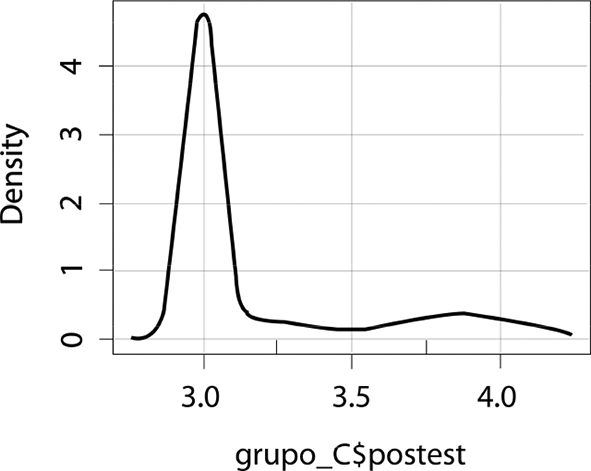
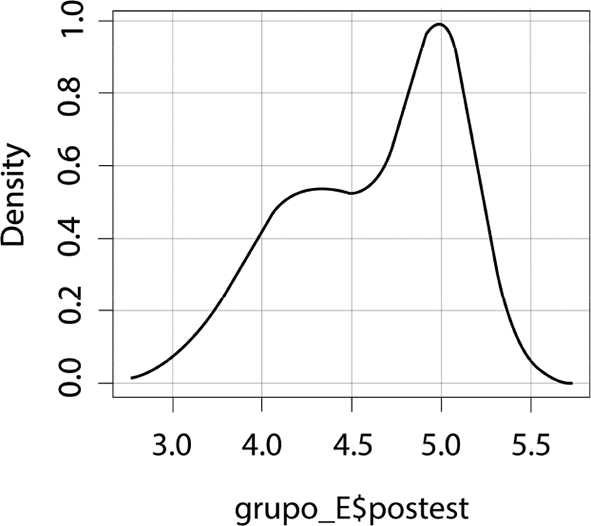
First, a normality test was performed using the Shapiro Wilk test, considering that the sample size was smaller than fifty participants. The results indicated that most of the cognitive variables did not follow a normal distribution.
Consequently, the non parametric Mann Whitney Wilcoxon test was applied, as it is appropriate for comparing two independent groups with ordinal scale data.
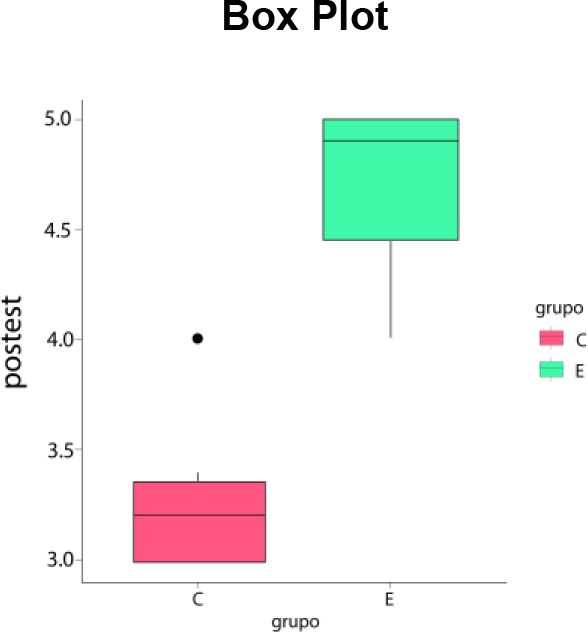
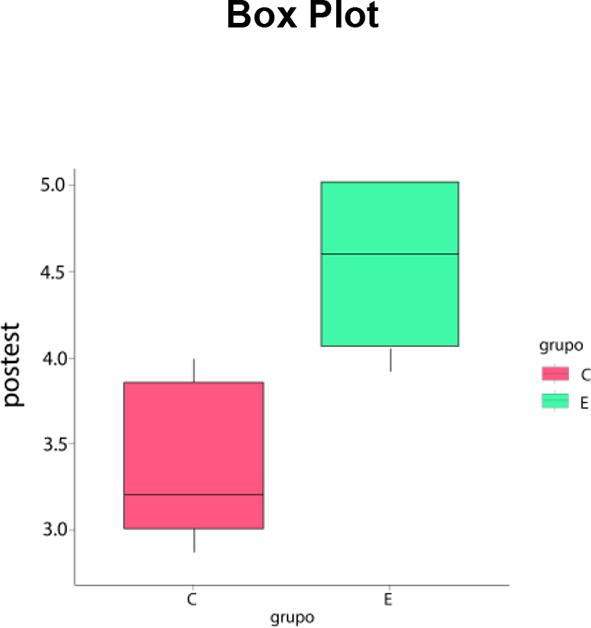
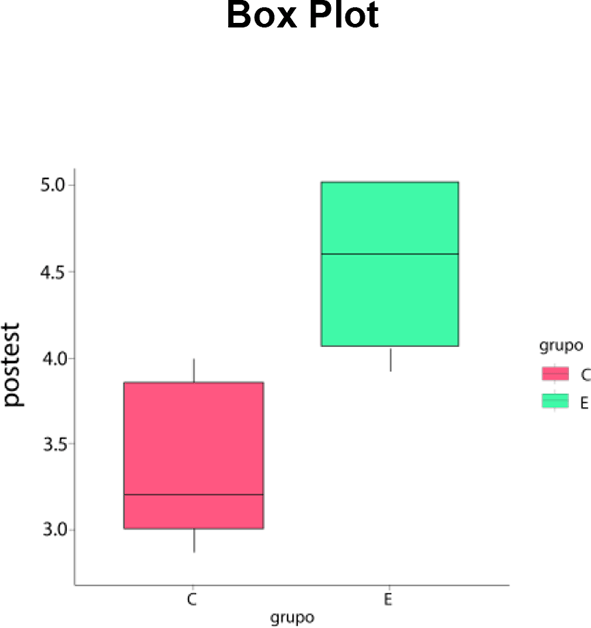
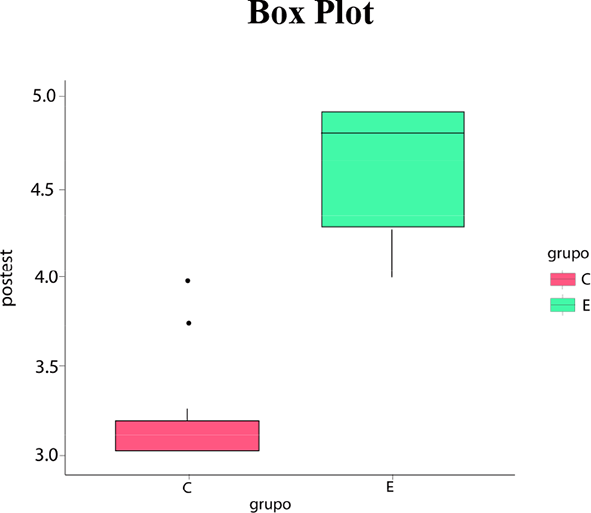
Additionally, medians were calculated for each cognitive dimension in both groups and represented graphically through box plots. This allowed for a clearer visualization of differences and strengthened the interpretation of the results.
This study adhered to ethical principles governing research involving human participants. Prior to data collection, formal institutional authorization was obtained from the authorities of both participating educational institutions, who endorsed the study through official written authorization. This institutional authorization covered the implementation of all research activities within the school setting and was granted in accordance with the regulations of the Ecuadorian Ministry of Education. Given that participants were minors, informed assent was additionally obtained from the participating children. Written informed consent was obtained from the parents or legal guardians of all participating children prior to data collection, using a structured consent form that included an explicit Consent to Publish clause (available at https://doi.org/10.6084/m9.figshare.32520117). Parents and legal guardians were fully informed of the study objectives, procedures, data collection methods, and publication intentions prior to the commencement of the study. All collected information was used exclusively for academic purposes, ensuring confidentiality, anonymity, and the wellbeing of all participants at every stage of the research process.
This section presents the results obtained from the analysis of the collected data:
After administering the survey to the five participating teachers, the results indicate that most of them demonstrate a high level of knowledge regarding the concept of gamification applied in the classroom, with responses predominantly concentrated in the categories “agree” and “strongly agree.” However, a smaller proportion of teachers reported having received formal training from the Ministry of Education on gamification strategies, which suggests the existence of a gap between knowledge and professional training.
Regarding pedagogical impact, a positive consensus was observed that gamification enhances motivation, supports cognitive development, and promotes meaningful learning. Likewise, a considerable proportion of teachers reported having implemented gamified activities in their classes and using elements such as symbolic incentives as strategies to encourage active student participation.
However, teachers consistently pointed out that the lack of time, resources, and adequate infrastructure in educational institutions constitutes a significant limitation for the implementation of gamification in the classroom. Despite these constraints, a high level of willingness to receive training was identified, with the aim of integrating these strategies into micro curricular planning.
A structured observation checklist using a four point Likert scale (1 = never, 2 = almost never, 3 = almost always, 4 = always) was administered to the 25 children, including both the control and experimental groups, in order to establish a baseline of cognitive skills requiring attention in early childhood students.
In the dimension of attention and concentration, an overall mean score of 2.1 was obtained, with greater difficulty observed in indicators such as “focuses on color patterns” and “identifies body parts,” indicating limitations in this area.
In the memory dimension, the overall mean was 2.3. The lowest performance was observed in indicators such as “recalls rhymes” and “memorizes shapes and colors,” suggesting deficiencies in sequential and visual memory.
Regarding language and communication, an overall mean score of 2.4 was recorded, with greater difficulty in indicators such as “explains numerical responses” and “verbalizes color patterns,” indicating challenges in expressive language.
Finally, in the dimension of logical thinking, an overall mean score of 2.2 was obtained, with lower performance observed in indicators such as “associates images with words” and “identifies color sequences,” suggesting difficulties in processes of association and sequencing.
Overall, these results indicate that the dimensions requiring the greatest strengthening are attention and concentration and logical thinking ( Figure 1), which therefore represent the main focus areas for pedagogical intervention through gamified activities.
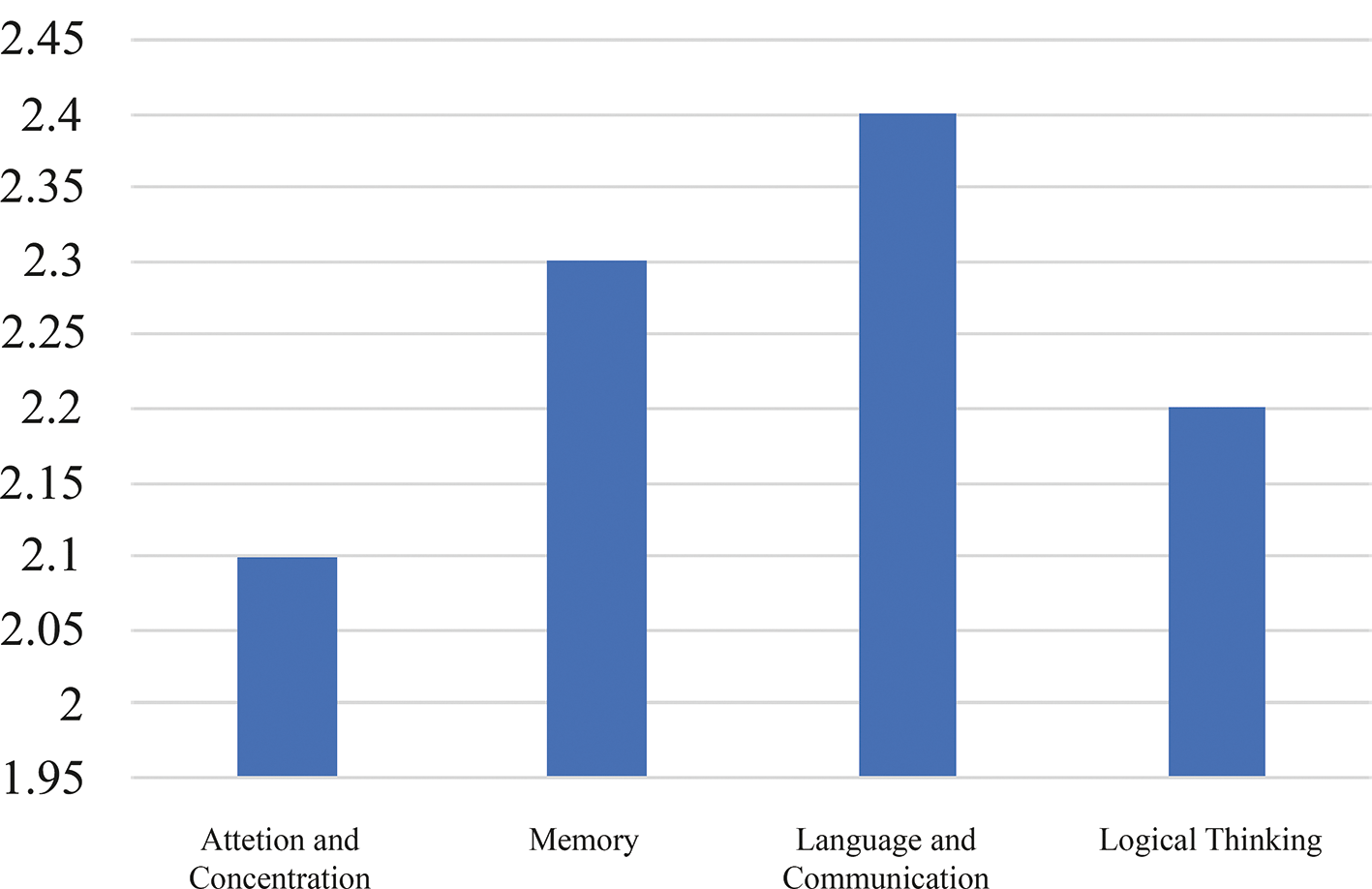
Bar chart showing the mean scores per dimension (attention and concentration, memory, language, and logical thinking) obtained from the baseline observation checklist administered to 25 early childhood students.
For the design of the gamified activities, the Genially platform was used. One game was developed for each cognitive dimension, after which these activities were implemented with both the control group and the experimental group.
Dimension: Attention and Concentration
Attention in young children refers to their ability to focus on relevant stimuli while filtering out distractions (Karakaş, 2024), whereas concentration involves sustaining that focus on a task over an extended period (Sop & Hançer, 2025). In this context, the use of this interactive resource in early childhood education acts as a catalyst for holistic development, as it requires a high level of selective attention to filter stimuli and identify relevant information.
By integrating physical movement with digital exploration, children not only enhance their visomotor coordination but also develop the ability to sustain concentration, which is essential for following complex instructions ( Figure 2).
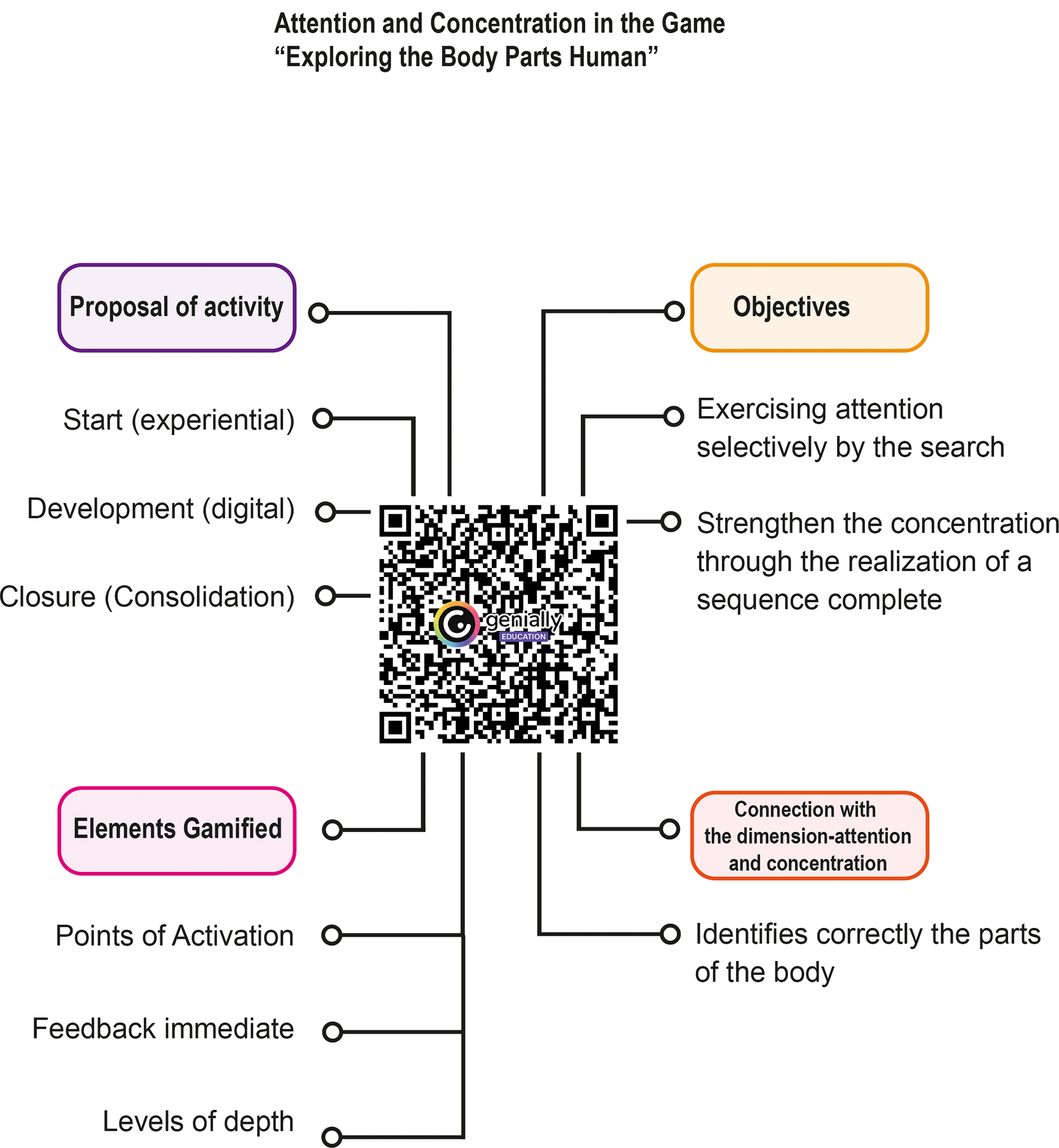
Screenshot of the Genially interactive activity designed to develop selective and sustained attention in early childhood students through visual search tasks involving body parts.
To ensure that the Genially game extends beyond the screen, the following pedagogical framework can be implemented ( Table 1):
Dimension: Memory
Memory in early childhood, according to Forsberg et al. (2023), enables the storage, organization, and retrieval of information, thereby facilitating children’s overall development across multiple domains, including language, emotions, cognition, and motor skills. During the early years of life, memory develops progressively, and its evolution is closely linked to brain maturation, environmental stimulation, and social interactions (Buendía-Cueva et al., 2025).
For this reason, strengthening memory during childhood is essential for holistic development and future academic success. In this context, the use of this interactive resource in early childhood education supports children’s overall development by integrating key skills within the learning process. This activity goes beyond the digital environment and contributes to the development of the child’s self concept, as identifying and naming body parts on the board helps children construct their self image and recognize themselves and others, thereby linking cognitive memory with bodily awareness ( Figure 3).
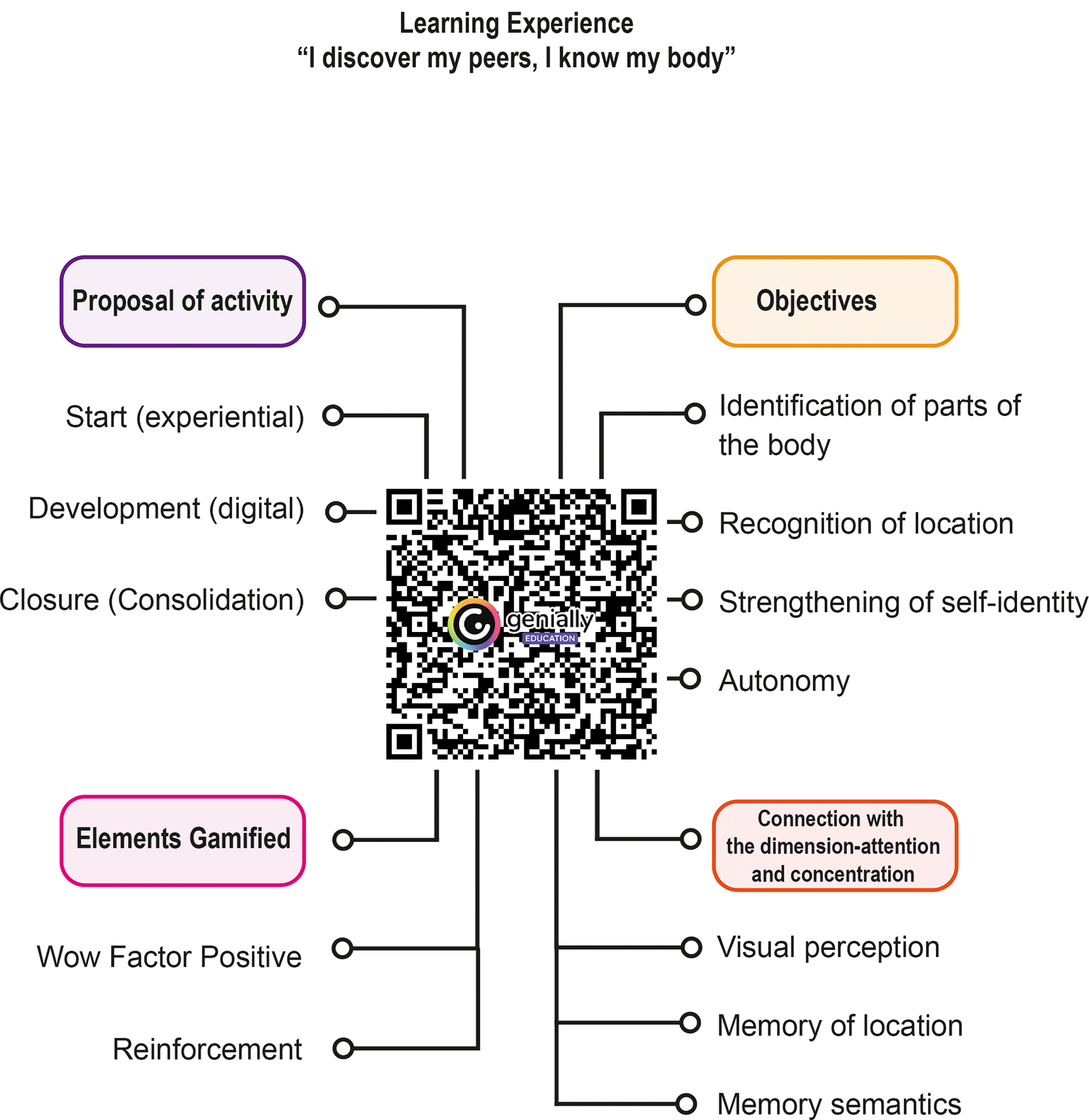
Screenshot of the Genially memory card-matching game designed to stimulate visual and sequential memory by associating images of body parts.
To ensure that the Genially game extends beyond the screen, the following pedagogical framework can be followed ( Table 2):
| Moment | Suggested Activity |
|---|---|
| Beginning (Experiential) | Sing a song such as “Head, Shoulders, Knees and Toes” to activate prior body related memory. https://www.youtube.com/watch?v=8aZ-t8vZB4U&list=RD8aZ-t8vZB4U&start_radio=1 |
| Development (Digital) | Use the Genially activity on a tablet or any mobile device, where the child flips a card and, before searching for its matching pair, must touch that corresponding body part on their own body. |
| Closure (Consolidation) | Upon finding the matching pair in the game, the child must state a function of that body part (e.g., “With my eyes, I can see colors”). |
Dimension: Language
Language in early childhood is an essential skill that enables children to communicate, express emotions, and construct knowledge. Its development begins in the early years of life through interaction with the surrounding environment (Quevedo-Seminario, 2025). Strengthening language during childhood not only promotes effective communication, but also supports learning and social interaction with peers and adults, thereby facilitating overall cognitive development. Therefore, the use of this resource, focused on sequencing, allows children to move beyond visual recognition while strengthening working memory through processes of encoding and decoding. Moreover, this activity not only enhances the ability to follow simple instructions, but also develops selective attention and language skills, enabling the brain to filter distractions and focus on the hierarchical organization of information, which is a critical foundation for learning color sequences ( Figure 4).
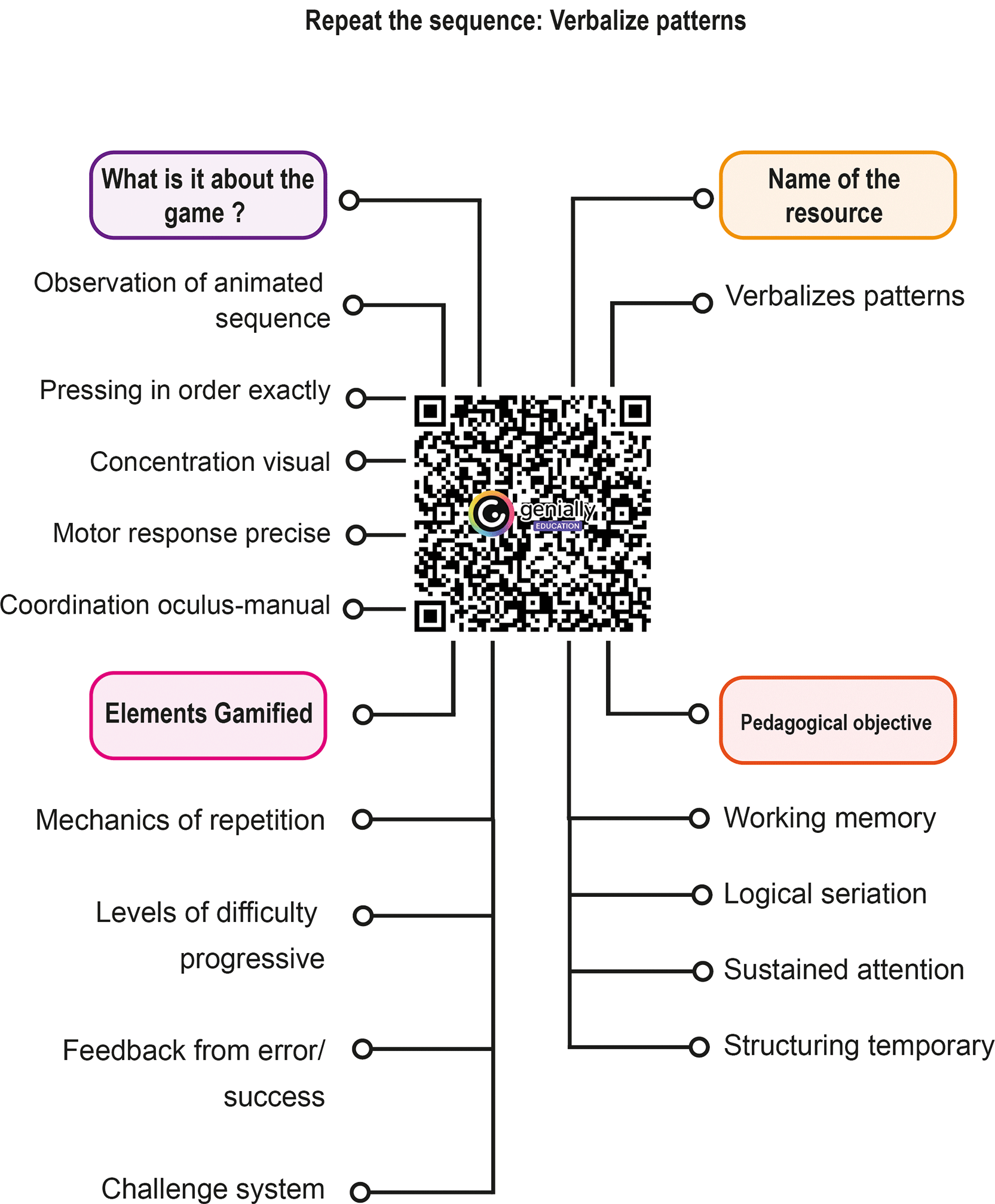
Screenshot of the Genially language activity in which children identify and verbalize color sequences, strengthening working memory, selective attention, and expressive language.
To ensure that the Genially game extends beyond the screen, the following pedagogical framework can be followed ( Table 3):
Dimension: Logical Thinking
Logical thinking in early childhood is a key ability that enables children to analyze, com-pare, classify, and solve problems effectively (Wijoyo, 2025). According to Lara Núñez et al. (2025); Magadan-Diaz and Rivas-Garcia (2022); Navarro-Mateos et al. (2021); Peñas-Moreno et al. (2020); and Ruíz-Chávez and Terrones-Marreros (2023), it develops through exploration and play. Therefore, the use of this resource acts as a cognitive bridge that facilitates the transition from concrete to abstract thinking, as the child engages in a cycle of mental analysis and synthesis: first, the child attempts to identify a hidden image based on visual cues, and subsequently discovers the corresponding word. This cognitive exercise not only reinforces the relationship between images and words, but also enhances logical deduction and selective attention, which are essential skills for organizing information from the environment and solving complex problems through semantic categorization ( Figure 5).
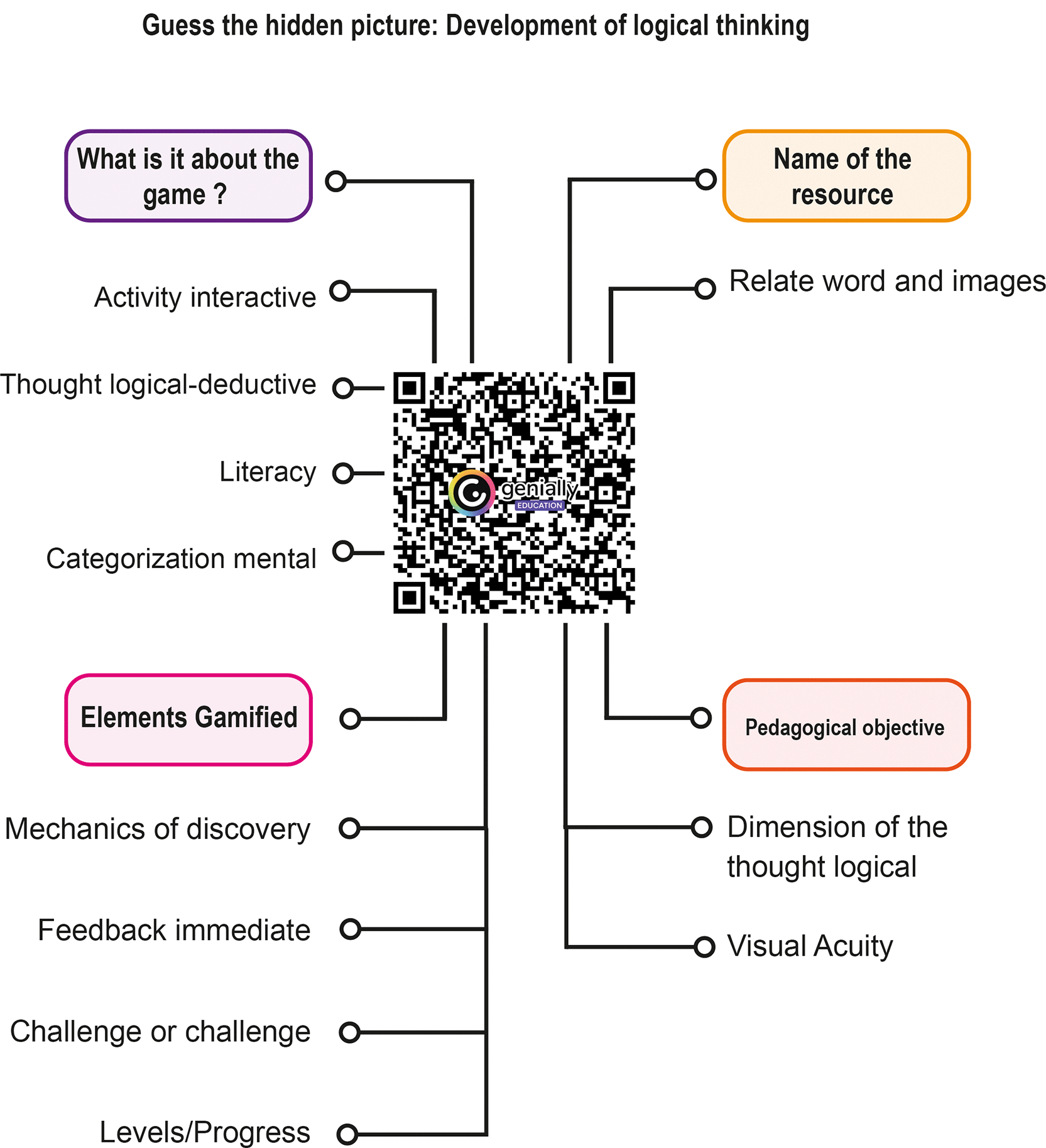
Screenshot of the Genially activity in which children use a magnifying glass tool to uncover a hidden image and identify the corresponding word, promoting logical deduction and image–word association.
To ensure that the Genially game extends beyond the screen, the following pedagogical framework can be followed ( Table 4):
This section presents the results of the comparative analysis between the control group and the experimental group, with the aim of evaluating the relationship between gamification and the development of cognitive skills in early childhood students. The data were analyzed using nonparametric statistical tests, considering the dimensions of attention and concentration, memory, language, and logical thinking. This approach made it possible to identify differences between the two groups and determine the effect of the gamified intervention.
Variable Attention and Concentration
In order to analyze the relationship between the implementation of gamified strategies and the development of attention and concentration in children, the normality of the data distribution was first assessed using the Shapiro–Wilk test ( Table 5), given that the sample size was fewer than 50 participants. Subsequently, the nonparametric Mann–Whitney–Wilcoxon test was applied ( Table 6).
The null hypothesis (H₀) is rejected and the alternative hypothesis (H₁) is accepted, indicating that the data do not follow a normal distribution. Consequently, the nonparametric Mann–Whitney–Wilcoxon test is applied, as the data originate from two independent samples and are measured on an ordinal scale.
Memory Variable
In order to analyze the relationship between the implementation of gamified strategies and the development of memory in children, the normality of the data distribution was first assessed using the Shapiro–Wilk test ( Table 7), given that the sample size was fewer than 50 participants. Subsequently, the nonparametric Mann–Whitney–Wilcoxon test was applied ( Table 8).
The null hypothesis (H₀) is rejected and the alternative hypothesis (H₁) is accepted, indicating that the data do not follow a normal distribution. Consequently, the nonparametric Mann–Whitney–Wilcoxon test is applied, as the data originate from two independent samples and are measured on an ordinal scale.
Language Variable
In order to analyze the relationship between the implementation of gamified strategies and the development of language in children, the normality of the data distribution was first assessed using the Shapiro–Wilk test ( Table 9), given that the sample size was fewer than 50 participants. Subsequently, the nonparametric Mann–Whitney–Wilcoxon test was applied ( Table 10).
Shapiro–Wilk Normality Test.
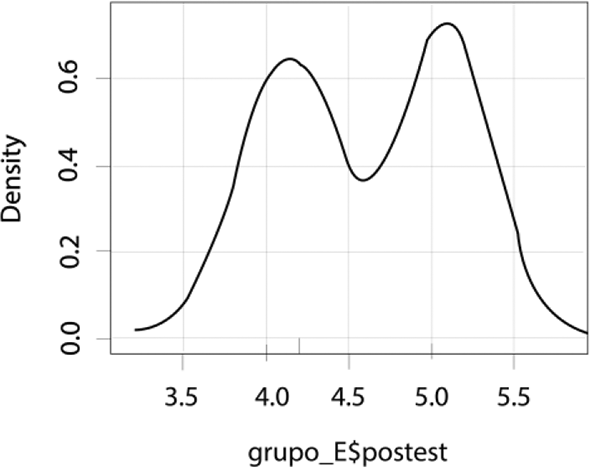
The p-value (0.088) is greater than 0.05 in the control group, indicating that the data follow a normal distribution. However, the p-value (0.01) is less than 0.05 in the experimental group, indicating a non-normal distribution. Therefore, the Mann–Whitney test was applied.
Logical Thinking Variable
In order to analyze the relationship between the implementation of gamified strategies and the development of logical thinking in children, the normality of the data distribution was first assessed using the Shapiro–Wilk test ( Table 11), given that the sample size was fewer than 50 participants. Subsequently, the nonparametric Mann–Whitney–Wilcoxon test was applied ( Table 12).
Shapiro–Wilk Normality Test.
The null hypothesis (H₀) is rejected and the alternative hypothesis (H₁) is accepted, indicating that the data do not follow a normal distribution. Consequently, the nonparametric Mann–Whitney–Wilcoxon test is applied, as the data originate from two independent samples and are measured on an ordinal scale.
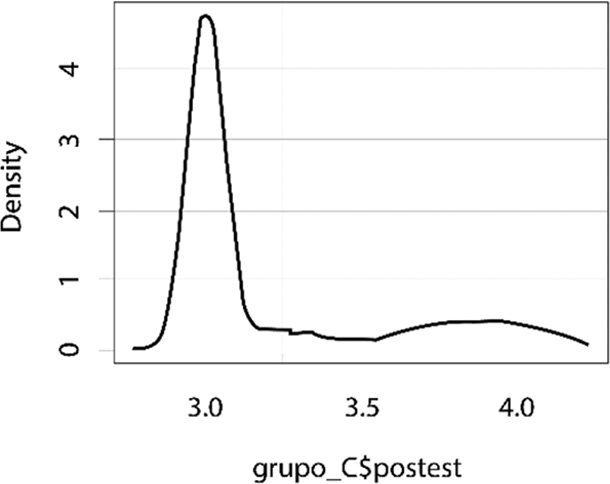
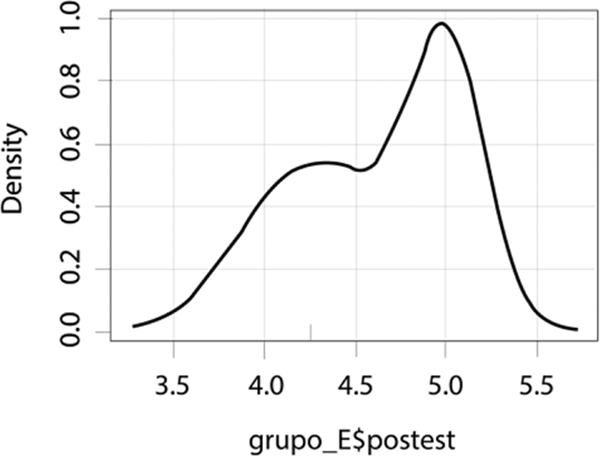
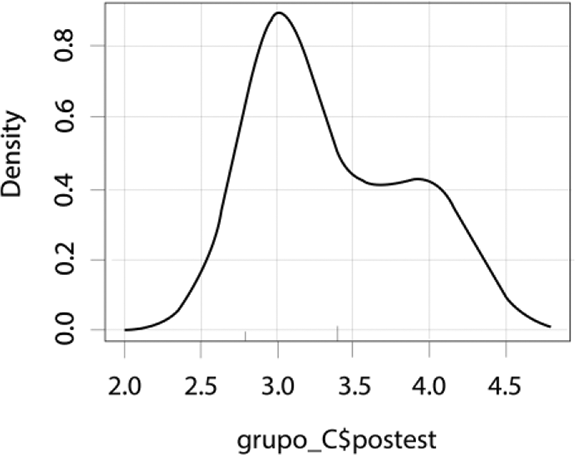
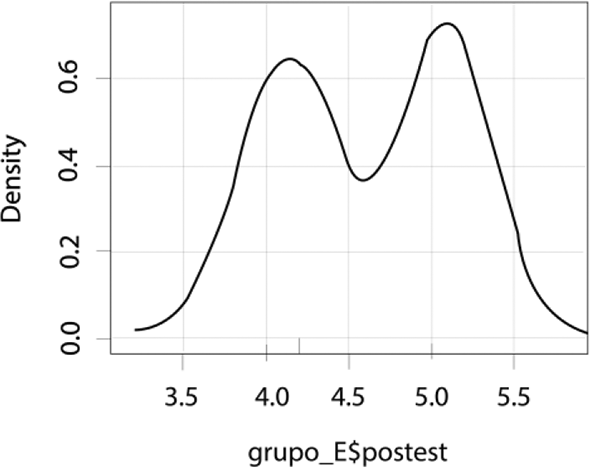
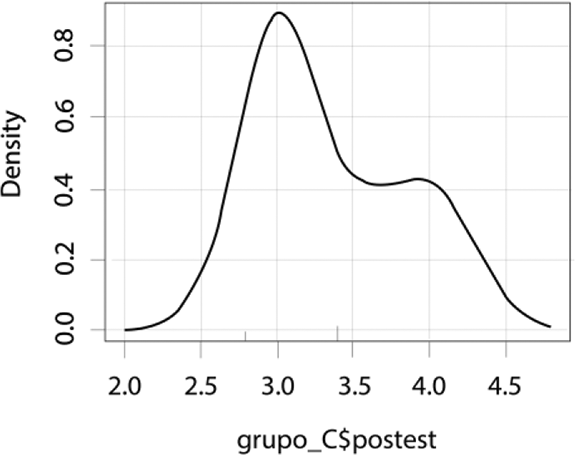
By analyzing the differences between the medians across the different variables, it can be concluded that the implementation of gamification strategies has had the greatest impact on attention and concentration, as well as on logical thinking.
In relation to teachers’ perceptions, a positive evaluation of gamification as a pedagogical strategy was observed, which is consistent with studies by Chang and Yang (2023), Deterding et al. (2011), and Zakrzewski et al. (2025), who highlight its strong potential to motivate students in their learning processes. However, certain limitations related to time and infrastructure were also identified, reflecting common technological barriers in educational settings (Yandún-Cartagena et al., 2025).
On the other hand, the initial diagnosis revealed that the dimensions of attention and concentration, as well as logical thinking, showed the lowest levels of performance. Although gamified activities were implemented across all dimensions, greater emphasis was placed on these areas, which justified the pedagogical relevance of the gamified design and confirmed its effectiveness in addressing cognitive needs in early childhood education. In this regard, Alotaibi (2024), Baah et al. (2024), Deterding et al. (2011), Murillo-Zamorano et al. (2021), Prieto-Andreu (2020), and Rivera and Garden (2021) state that gamified strategies particularly enhance attention and reasoning processes through challenge based dynamics, immediate feedback, and positive reinforcement, thereby promoting cognitive development in early educational contexts.
Furthermore, the results of this study confirm a significant relationship between the implementation of gamified strategies and the development of cognitive skills in early childhood students, particularly in the dimensions of attention and concentration and logical thinking. These findings are consistent with studies by Baldrich et al. (2024), Corchuelo Rodriguez (2018), Khaldi et al. (2023), Rodríguez-Iglesias et al. (2022), and Romero-Rodríguez et al. (2024), which emphasize the importance of incorporating gamified activities in the classroom to promote more complex cognitive processes such as meaningful learning. Additionally, as noted by Pegalajar-Palomino (2021), these strategies strengthen student engagement and motivation, which are key psychological and educational factors that directly influence learning outcomes (Alcívar-Chávez and Solórzano-Loor, 2026; Chen et al., 2025; Olivo García et al., 2023).
In line with the literature, the results obtained demonstrate that the gamified intervention produced statistically significant improvements across all evaluated dimensions, with particularly notable effects in attention and concentration and logical thinking. These findings are consistent with studies by Lathifah et al. (2025), López-Navarro et al. (2023), and Ortiz-Colón et al. (2018), which indicate that gamified environments enhance attention and logical thinking in young children. Moreover, Cáceres-Hidalgo and Freire-Aillón (2023) and Indah (2025) highlight that such activities have transformed the educational field by providing immediate feedback and positive reinforcement. In this context, the observed effect may be explained by the interactive, visual, and motivational nature of the Genially platform, which facilitates early cognitive stimulation.
As noted by Ungau et al. (2023) and Valenzuela-Segura et al. (2025), this platform constitutes a key component of the intervention, as it enables the integration of visual elements, immediate feedback, and age-appropriate playful dynamics. These features not only enhance learning motivation but also strengthen cognitive skills such as attention, memory, language, and logical thinking. These findings are consistent with those of Cavus et al. (2023), who report that such environments promote meaningful learning experiences, particularly when intuitive and engaging tools are incorporated.
Similarly, the results obtained in the dimensions of memory and language confirm that gamification influences not only attentional processes but also other aspects that are essential for children’s overall development. These findings are consistent with studies by Arroyo-Barahona and Chiza-Paiz (2024) and Liberio-Ambuisaca (2019), which indicate that the use of narrative-based strategies generates cognitive processes that go beyond simple repetition, fostering memory development and the construction of more robust language skills in children, including vocabulary expansion and syntactic structuring.
From a methodological perspective, the quasi-experimental research design and the use of validated instruments provided solid empirical evidence regarding the impact of gamification on cognitive development in early childhood. However, the small sample size and the lack of random assignment limit the generalizability of the results. Therefore, future research should consider expanding the sample, incorporating longitudinal de-signs, and analyzing moderating variables such as teaching style and digital competence.
In conclusion, the findings of this study support the incorporation of innovative pedagogical approaches, such as gamification, in educational contexts from the earliest stages of formal instruction. Gamification should not be viewed solely as a motivational strategy, but also as an approach that directly impacts cognitive development. In line with recent literature (Zakrzewski et al., 2025), gamification emerges as an effective alternative for transforming educational environments into more dynamic, participatory, and cognitively stimulating spaces, thereby promoting meaningful learning from early stages of development.
Teachers’ perceptions of gamification as a pedagogical strategy were positive, particularly regarding its potential to enhance motivation, participation, and meaningful learning in early childhood education. However, several barriers to its full implementation were identified, including limited access to resources, inadequate infrastructure, and insufficient up-to-date teacher training. These findings suggest the need to develop training programs that promote the sustainable integration of innovative methodologies in school contexts.
Regarding the identification of cognitive skills requiring greater attention in early childhood students, baseline results revealed that attention and concentration and logical thinking were the dimensions with the lowest levels of performance. This diagnosis guided the design of the intervention toward priority areas of cognitive development, thereby ensuring the relevance of the implemented activities.
The design and implementation of gamified activities, supported by the Genially platform, proved to be an effective strategy for promoting cognitive development in early childhood. The incorporation of playful elements and immediate feedback contributed to strengthening essential cognitive processes such as memory, language, attention, and logical reasoning.
Finally, a positive relationship was confirmed between the implementation of gamified activities in the classroom and cognitive development in early childhood students, as significant improvements were observed across all evaluated dimensions following the pedagogical intervention. These findings support the acceptance of the proposed hypothesis, namely that the implementation of a didactic strategy based on digital gamification significantly influences the cognitive development of young learners. In this regard, future research should expand the sample, incorporate longitudinal designs, and explore mediating variables to further deepen the understanding of the positive effects of gamification in early educational contexts.
This research was approved by the Ethics Committee of the Research Directorate of the Universidad Técnica del Norte under Resolution No. UTN-CI-2024-208-R. The study was carried out in accordance with the guidelines of the university’s code of ethics (UTN, 2012). The students who took part in this research attend public educational institutions in Ibarra that are included in the cooperation agreement with the Universidad Técnica del Norte (014–2021), whose aim is to promote improvements across all educational fields.
This study was conducted with a minor population. Formal institutional authorization was obtained prior to data collection from the directors of both participating educational institutions through an official written request, in compliance with the regulations of the Ecuadorian Ministry of Education. This authorization granted permission for the research to be conducted within the school setting and covers the use of data for academic and publication purposes under the oversight of the Universidad Técnica del Norte Ethics Committee (Resolution No. UTN-CI-2024-208-R). In addition, informed assent was obtained from all participating children, ensuring their voluntary participation. Written informed consent was obtained from the parents or legal guardians of all participating children prior to data collection, using a structured consent form that explicitly included a Consent to Publish clause. The blank consent form template, which details the scope of data collection, anonymization procedures, and publication authorization, is publicly available at https://doi.org/10.6084/m9.figshare.32520117. Parents and legal guardians were fully informed of the study objectives, procedures, data handling practices, and publication intentions, and voluntarily signed the consent form prior to the commencement of the study. All participant data have been fully de-identified prior to publication: names have been replaced by anonymous participant codes (P001–P050), and no directly or indirectly identifying information appears in this manuscript or in any associated public dataset. The anonymized dataset has been deposited in an open-access repository (Figshare: https://doi.org/10.6084/m9.figshare.32519529) in compliance with F1000Research data-sharing requirements. The Consent to Publish was additionally supported by the institutional authorization granted by the directors of the participating educational institutions within the Ecuadorian educational legal framework, and informed consent for publication was further ensured through the parents and legal guardians who were fully briefed on the scope and nature of the publication prior to data collection.
| Views | Downloads | |
|---|---|---|
| F1000Research | - | - |
|
PubMed Central
Data from PMC are received and updated monthly.
|
- | - |
Provide sufficient details of any financial or non-financial competing interests to enable users to assess whether your comments might lead a reasonable person to question your impartiality. Consider the following examples, but note that this is not an exhaustive list:
Sign up for content alerts and receive a weekly or monthly email with all newly published articles
Already registered? Sign in
The email address should be the one you originally registered with F1000.
You registered with F1000 via Google, so we cannot reset your password.
To sign in, please click here.
If you still need help with your Google account password, please click here.
You registered with F1000 via Facebook, so we cannot reset your password.
To sign in, please click here.
If you still need help with your Facebook account password, please click here.
If your email address is registered with us, we will email you instructions to reset your password.
If you think you should have received this email but it has not arrived, please check your spam filters and/or contact for further assistance.

Comments on this article Comments (0)