Keywords
Sewage sludge management, Bibliometric analysis, Resource recovery, Green technologies, VOSviewer, Thematic structure, Circular economy, Environmental Risks

Sewage sludge management, Bibliometric analysis, Resource recovery, Green technologies, VOSviewer, Thematic structure, Circular economy, Environmental Risks
Sludge is a semi-solid waste generated during the primary and secondary treatment of domestic and industrial wastewater in wastewater treatment plants. Traditionally, sewage sludge (SS) has been regarded as a liability, and its volume has steadily increased due to global population growth and rapid industrialisation (Naqvi et al., 2021). The disposal of SS remains a critical challenge for stakeholders worldwide (Djandja et al., 2020). Currently, over 70% of sludge is disposed of via landfilling and incineration (Tarpani et al., 2020).
Landfilling requires large areas of land, contributes to greenhouse gas emissions, and poses significant risks of groundwater contamination (Naqvi et al., 2021). Incineration reduces sludge mass and volume by approximately 70% and 90%, respectively (Elmi et al., 2020), but generates residues and releases air pollutants, which contribute to ecological degradation (Lynn et al., 2018). These environmental and regulatory pressures have shifted the focus toward valorising SS as a resource rather than treating it solely as waste (Heimersson et al., 2017).
Utilising SS as a resource can reduce storage requirements and mitigate environmental impacts, including greenhouse gas emissions and pollutant release (Grobelak et al., 2024). Potential applications include energy generation and soil enrichment. However, high pathogen content, heavy metal contamination, and increasing sludge volumes necessitate the implementation of proper management strategies (Smoliński et al., 2019). The reuse, recycling, and disposal of SS are regulated in many countries through well-established legislative frameworks that define the conditions for safe handling. (Wiśniowska et al., 2019).
Over the past decades, extensive research has explored the treatment and management of wastewater sewage sludge (WWSS) globally. The vast and growing body of literature makes it challenging to identify trends, innovations, and knowledge gaps in sludge management research. Therefore, this review aims to investigate the thematic framework of SS management research over the past ten years and propose directions for future studies in the field.
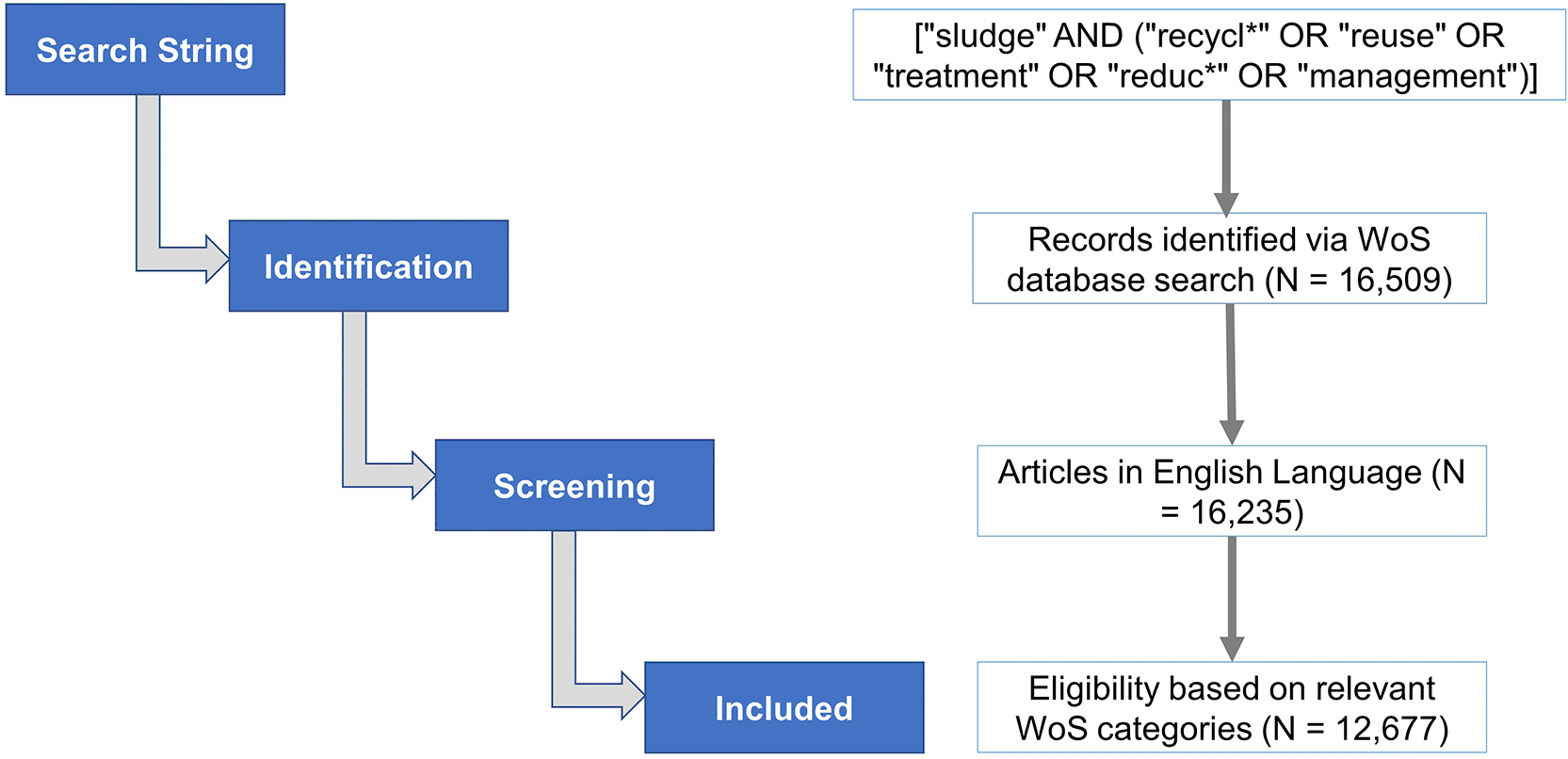
This study employed a systematic bibliometric analysis to examine the thematic structure of sludge management (SM) research. Data were sourced exclusively from the Web of Science (WoS) Core Collection to ensure inclusion of peer-reviewed and high-impact publications. A comprehensive search encompassing publications on wastewater sludge management (SM) from 2015 to 2024 was executed on January 3, 2025, applying the query (in title, abstract, and keywords): “sludge” AND (“recycl*” OR “reuse” OR “treatment” OR “reduc*” OR “management”). This initial procedure yielded 16,509 records.
The dataset was refined through the following inclusion and exclusion criteria:
• Non-research documents (reviews, conference papers, editorial material, book chapters)
• Studies in categories unrelated to SM (e.g., infectious diseases, pharmacology, veterinary sciences, economics)
After screening, 12,677 articles remained and were exported in text format for bibliometric processing (Aniyikaiye & Ikudayisi, 2026a). A PRISMA workflow ( Figure 1) was applied to ensure transparency and replicability (Aniyikaiye & Ikudayisi, 2026b). Bibliometric mapping and keyword co-occurrence analysis were conducted in VOSviewer (version 1.6.20), which generated thematic clusters and network visualizations. The resulting clusters were then qualitatively interpreted to characterise research hotspots within the SM domain.
Keyword co-occurrence analysis was undertaken in VOSviewer to identify the principal thematic areas within the SM research field. Using 996 keywords with a threshold frequency of 20, a co-occurrence network with 6 clusters was generated ( Figure 2). Each cluster comprises closely related keywords (represented by nodes of the same colour) used by authors in the SM research domain (Aniyikaiye & Ikudayisi, 2025).

Summarily, the popular themes used by SM researchers are stated below;
1. The significance of microbial diversity in nutrient recovery from SS (green cluster)
2. Biological conversion processes of SS (lilac cluster)
3. Thermochemical conversion of SS and the reuse of the end products in concrete production (red cluster)
4. Bioavailability of heavy metals and ecological risks (sky blue cluster)
5. The fate of emerging contaminants (ECs) present in the SS (lemon cluster)
6. Removal of dye(s) from SS (blue cluster)
This theme comprises keywords such as activated sludge, microbial community/diversity, nutrient, recovery, filamentous bacteria, nitrifying bacteria, nitrogen removal, nitrite, partial nitritation, N2O, free ammonia, anammox, dissolved oxygen, and metagenomic, amongst others (as shown in the green cluster). SS can be used as an alternative to synthetic fertilizers due to its high micronutrient and organic content (Elmi et al., 2020). Using SS on arable land can provide nitrogen, phosphorus, and other nutrients, thus enabling nutrient recycling in society (Heimersson et al., 2017). However, SS needs to be treated before it is applied to the soil. A common method for nutrient recovery is the activated sludge. Activated sludge is a biological wastewater treatment process composed of a diverse microbial community including bacteria, archaea, fungi, protozoa, and other microorganisms, but dominated by bacteria (95%). Bacteria such as the nitrifying and filamentous bacteria play crucial roles in removing organic pollutants and nutrients from wastewater (Xu et al., 2018) through a series of steps involving nitrification (conversion of ammonia to nitrite), partial nitritation (conversion of ammonia to nitrite), and denitrification (conversion of nitrate to nitrogen gas), depending on the presence of oxygen and other conditions; this process can also lead to the recovery of nutrients like nitrogen and phosphorus (Rahimi et al., 2020). The diversity of this microbial community is crucial for wastewater treatment, as the metabolic capabilities of the microbial species vary (Zhang et al., 2019). Activated sludge is often reused in the bioreactor for further nitrogen and phosphorus removal processes (Grobelak et al., 2024).
Terminologies such as Hydrogen production, bio-gas, methane, renewable energy, digestion, sludge dewatering, mesophilic, biodegradability, electricity, fermentation, anaerobic digestion, and dark fermentation mainly were used by authors with this school of thought (lilac cluster). SS could be transformed into valuable energy resources via biological conversion processes. Biological conversion processes include: anaerobic digestion, dark/photo fermentation, and saccharification, which are used to produce biomethane, biohydrogen, and ethanol, respectively. Bioconversion requires the pre-treatment and hydrolysis of SS to release monomeric cellulose and hemicellulose for microbial fermentation (Singh et al., 2023).
Anaerobic digestion is the natural process in which microorganisms decompose organic material in the absence of air (Khawer et al., 2022). During anaerobic digestion, SS are stabilised and biogases, majorly methane (55-65%) and carbon dioxide, along with trace amounts of other gases such as nitrogen (N2), hydrogen sulfide (H2S), and water vapor (H2O) as well as biosludge, are generated (Singh et al., 2023). Sludge from WWTPs is concentrated through dewatering, after which the sludge undergoes pre-treatment. The pre-treated sludge is then transferred to the anaerobic digester, where it undergoes hydrolysis, acidogenesis, acetogenesis, and methanogenesis (Khawer et al., 2022). Different types of microorganisms are involved in each of these processes. Microorganisms produce hydrolytic enzymes, such as cellulases, amylases, hemicellulases, lipases, and proteases, which depolymerise proteins, lipids, fats, carbohydrates, and polysaccharides into sugar monomers and soluble derivatives. The sugars, monosaccharides, and amino acids are further broken down by the acidogenic bacteria into smaller compounds and volatile fatty acids. Afterwards, acetogenic bacteria ferment the volatile fatty acids to produce CO2, H2, NH3, and organic acids (acetic and propionic acids).
Lastly, using H2 as fuel, methanogenic bacteria produce CH4 and CO2 from acetates and other intermediates (Nanda & Berruti, 2021). The growth of methanogenic bacteria is often inhibited by NH3 and salts generated from nitrogenous compounds and cations present in the sludge (Nanda & Berruti, 2021). The quality of the generated biogas is determined by the sludge composition, microbial load, and process parameters, including pH, temperature, organic load, carbon-to-nitrogen ratio, moisture content, oxygen levels, carbon and hydrogen sources, and nutrients (Nanda & Berruti, 2021). Biogas has numerous potential applications, including the generation of heat, electricity, and vehicle fuel (Singh et al., 2023). Different procedures, including membrane separation, adsorption, absorption, and cryogenic techniques, can be utilised in producing biogas with a methane percentage higher than 90% (Singh et al., 2023). Additionally, the biosludge produced after anaerobic digestion contains essential plant nutrients and could serve as a plant fertilizer. Although anaerobic digestion is a cost-effective and climate-friendly technique, the nauseating foul odor in the proximity of the digesters and its time-consuming factor (20–40 days) are significant challenges (Nanda & Berruti, 2021).
In this school of thought, terminologies such as pyrolysis, combustion, gasification, torrefaction, co-combustion, carbonization, incineration, temperature, fly-ash, ash, cement, concrete, compressive strength, compost, lignocellulosic biomass, biomass, CO2, heat, landfill, were commonly used (red cluster). Thermochemical conversion (TCC) is a process used to convert SS into energy and chemicals (Grobelak et al., 2024). TCC techniques, such as pyrolysis, gasification, torrefaction, and hydrothermal carbonisation, among others, have gained prominence as significant means for waste disposal due to the production of a larger proportion of value-added products (Ganesapillai et al., 2023).
Pyrolysis is a biomass-to-liquid thermochemical conversion technology operated at 300°C to 900°C in the absence of oxygen to produce hydrocarbon fuels, mainly bio-oil, char, or gases. Nonetheless, the product distribution is significantly influenced by temperature, heating rate, vapor residence time, reactor geometry, inert gas flow rate, and feedstock properties (such as moisture, particle size, and elemental composition) (Nanda and Berruti, 2021). Depending on the heating rate and vapour residence duration, pyrolysis can be classified as slow, fast, intermediate, or flash pyrolysis (Ganesapillai et al., 2023). Fast and flash pyrolysis procedures, characterised by high temperatures, high heating rates, and brief residence durations, produce higher yields of bio-oil. High pyrolysis temperatures cause biomass and other organic materials to dehydrate and depolymerise, producing volatile components which, when condensed, yield bio-oil. On the other hand, slow pyrolysis is characterized by prolonged residence times, modest heating rates, and moderate temperatures, which enhance char yields (Parakh et al., 2020). Based on gaseous emission, pyrolysis is environmentally friendly compared to combustion and incineration (Manara & Zabaniotou, 2012).
Liquefaction is a biomass-to-liquid thermochemical conversion technique that produces high-quality, energy-dense bio-oil at temperatures between 200 and 370°C and 4 to 20 MPa of pressure in the presence of catalysts (Isa et al., 2018). Value-added products, such as adhesives, epoxy resins, bio-polyols, polyurethane foams, and bio-oil, are also produced through the liquefaction process. Series of chemical reactions occur in liquefaction, including: (i) reduction and thermal cracking of cellulose, hemicellulose, lignin, lipids, fats, proteins, and other organics (ii) hydrolysis of polysaccharides (iii) hydrogenolysis (iv) amino acid reduction (v) dehydration, decarboxylation, and other reformation reactions (vi) cleavage of C-O and C-C bonds; and (vii) hydrogenation of functional groups (Nanda et al., 2014). The presence of catalysts in liquefaction assists in boosting bio-oil yields, improving reaction kinetics, and minimising reaction temperature.
Gasification is a biomass-to-gas thermochemical technology that converts carbon-based organic compounds into synthesis gas, also known as syngas. Synthesis gas is a mixture of H2, CO, CO2, CH4, and trace amounts of C2H2, C2H4, and C2H6. Gasification is regarded as an appealing biomass-to-gas technique due to its capacity to produce H2 as a clean energy carrier with a superior heating value (141.7 MJ/kg) at the lowest energy rate compared to most hydrocarbon fuels (Salam et al., 2018). Longer residence durations, low input concentrations, and ideal high temperatures and pressures largely influence high yields of H2-rich syngas production. Water, steam, or air can be used as the gasification medium. In hydrothermal gasification, subcritical or supercritical water serves as the reactant and the reaction medium. Benefits derived from gasification include faster hydrolysis, improved feedstock solubility, quicker degradation, higher H2-rich syngas yields, lower char and tar formation, increased carbon conversion efficiency even at lower temperatures, and a decreased likelihood of intermediate component polymerization (Okolie et al., 2019). Given the high moisture content in SS, SS can be gasified in supercritical water, thereby reducing the costs associated with drying of sludge. Furthermore, the yields of selected individual gases could be improved in the presence of catalysts (Nanda & Berruti, 2021).
Torrefaction is another technique used for the thermal decomposition of biomass, resulting in the formation of biochar, bio-oil, and biogas, with biochar forming a significant portion of the product. Torrefaction is often carried out under atmospheric pressure with limited to no oxygen, at temperatures between 200 and 300°C, and a slow heating rate for a long residence time (Room & Bahadori-Jahromi, 2024). Torrefaction is classified into two types, namely dry and wet torrefaction. Dry torrefaction is carried out after the biomass has been pre-treated (which includes drying). Although adding the pre-treatment step increases the process’s cost and energy consumption, it may enhance process performance (Yek et al., 2021). For wet torrefaction, the pre-treatment stage is omitted, and the operating temperature is relatively lower than that of dry torrefaction (Bach & Skreiberg, 2016). Subcritical water is also utilised as a reaction medium in wet torrefaction, thereby increasing the solubility of the biomass (Zhu et al., 2022). Due to its lower temperature and shorter holding time, wet torrefaction is more effective than dry torrefaction.
Incineration is a common technique of waste disposal, which reduces sludge volume and generates a substantial quantity of ash containing heavy metals and other toxic inorganic residues (Ganesapillai et al., 2023). The limited availability of landfill space has led to an increase in the incineration of sewage sludge (Grobelak et al., 2024). After the sludge dewatering process, incineration is carried out at 850°C with the addition of fuel and lime to improve combustion efficiency and control acid gases, respectively (Tarpani et al., 2020). During incineration, the organic matter content of SS is converted to carbon dioxide and water vapor while energy is simultaneously generated (Grobelak et al., 2024). Heat from incineration is used to generate electricity and heat (Tarpani et al., 2020). Incineration is a cost-effective method of sludge management due to its minimal capital expenses, low operational costs, and reduced human labour requirements. However, the generation of particulates, dioxins, furans, hydrocarbons, NOX, SOX, volatile organic carbons, polyaromatic hydrocarbons, and benzene-like compounds via the incineration of SS poses a serious threat to the natural ecosystem and living organisms (Nanda & Berruti, 2021). Incineration, alongside agricultural application, is the prevalent disposal method, in which over 70% of SS is disposed of. Both agricultural application and incineration are subject to strict regulations for monitoring pathogens, air pollution, and emissions.
Co-firing, also known as co-combustion, a technology related to incineration, involves the combustion of biomass and organic waste with coal for power production (Nanda & Berruti, 2021). Co-incineration of SS with fossil fuels is a viable way to reduce environmental pollution (Grobelak et al., 2024). Supplementing coal with SS biomass helps reduce the amount of coal, thereby reducing greenhouse gas emissions. Additionally, it was reported that SS improves the ignition and combustion properties of anthracite and bituminous coal, as well as that of coal slurries in power plants (Grobelak et al., 2024). Although co-incinerating SS in thermal power plants offers sustainability, its high moisture content and complex composition cause unstable combustion and limited blending ratios (Cao et al., 2024).
Other SS thermochemical processing methods include: hydrothermal carbonization (HTC), hydrothermal liquefaction (HTL), and hydrothermal gasification (HTG). Hydrothermal carbonization (HTC) technology is a treatment that transforms organic waste in process water into biogas, with the optimal temperatures ranging from 180 to 200°C and pressures of 2–25 MPa, resulting in the formation of biochar, hydrochar, or char (Grobelak et al., 2024). A study has shown that ten times more energy could be derived from SS using HTC relative to the fermentation technique (Aragón-Briceño et al., 2021). HTL produces bio-oil, also known as aqueous phase oil, at temperatures ranging from 250 to 374°C and pressures of 2 to 25 MPa. HTG is carried out at temperatures higher than 375°C and pressures between 18 and 25 MPa to yield gaseous products (such as CH4, H2, CO2, and C2H4) (Mathanker et al., 2021). Although HTC, HTL, and HTG are economical, they have issues with process optimisation and product quality control (Grobelak et al., 2024).
This school of thought also discusses the significance of SM in cement improvement and production. SS has been found to have a similar mineralogical composition to clay and Portland cement due to the presence of oxides such as SiO2, Al2O3, CaO, and Fe2O3 in it; therefore, SS is often employed in the production of construction products such as ceramics, bricks, eco-cement, lightweight aggregates, and supplemental cementitious materials (Feitosa et al., 2023). Additionally, sludge-based biochar (SBC) can be used as an additive to enhance the properties of cement and supplement its use in concrete (Ganesapillai et al., 2023). A study has shown a 60% increase in the compressive strength of cement slurry with the introduction of 2% sludge pyrolysis biochar, made at a firing temperature of 500°C, compared to cement specimens without biochar (Maljaee et al., 2021). Furthermore, it has been discovered that adding biochar significantly improves the concrete’s impermeability and durability (Cao et al., 2024). When used in the right proportion, biochar can be a viable alternative to cement, enhancing structural properties (Senadheera et al., 2023). Thermal bridging within the concrete can be disrupted by the biochar pores, thereby providing thermal insulation and enhancing the concrete’s ability to control humidity (Park et al., 2021). Studies have also revealed that the introduction of fine biochar particles enhances the filler effect and water retention capacity of concrete, as the biochar fills the gaps between sand and cement particles, thereby reducing the setting time (Zhang & Islam, 2012).
The sky blue cluster addresses the drawbacks of using SS in terms of the bioavailability of heavy metals, such as Cu, Cd, Zn, and Pb, in the soil. The cluster comprises keywords such as Cu, Cd, Zn, Pb, soil, heavy metals, and bioavailability. SS, although a rich source of nutrients, contains heavy metals that are not biodegradable; therefore, the challenge of phytotoxicity from heavy metals in the sludge restricts its long-term utilization as a resource (Elmi et al., 2020). Additionally, particulate matter containing heavy metals and other harmful substances is emitted into the atmosphere during thermochemical processes, thereby affecting air quality. Ash generated during the SS thermochemical conversion processes contains a significant level of heavy metals (Ganesapillai et al., 2023). Heavy metals have the potential to contaminate surface and groundwater, and can accumulate in the food chain, resulting in undesired toxicological effects, such as enzymatic impairments (Tarpani et al., 2020). Manara & Zabaniotou, (2012) recommend the use of pyrolysis for concentrating the heavy metals (excluding mercury and cadmium) present in the final residue. Several other effective methods have also been proposed for removing heavy metals from SS, including ion exchange extraction, thermal conversion, chemical treatment, adsorption, and electrokinetic techniques (Grobelak et al., 2024).
The lemon cluster deals with the fate of emerging contaminants (ECs) present in the SS in the environment. Keywords such as pharmaceuticals, personal care products, organic contaminants, perfluoroalkyl substances, illicit drugs, microplastics, toxicity, antimicrobial/antibiotic resistance, antibiotic resistance genes, and biodegradation were included in the cluster. All the aforementioned keywords (except toxicity and biodegradation) are referred to as emerging contaminants (ECs). ECs are defined by the United States Geological Survey as any synthetic or naturally occurring chemical or microorganism that is not commonly monitored or regulated in the environment and has potentially known or suspected adverse ecological and human health impacts (U.S. Geological Survey, 2025). ECs possess characteristics such as environmental persistence, biotoxicity, and bioaccumulation (Li & Yuan, 2024). Wastewater treatment plants (WWTPs) are recognized as the primary source of ECs. EC residues can accumulate in sewage sludge and frequently persist through wastewater treatment procedures (Całus-Makowska et al., 2023). These materials may enter water supplies or the food chain through improper disposal or agricultural use, potentially negatively impacting human health with symptoms such as hormone imbalances and antibiotic resistance (Adelodun et al., 2022). A number of reactive intermediates or altered products, which may be more harmful than the parent molecule, are produced when pharmaceuticals and personal care products are not completely removed (Dubey et al., 2021). The presence of ECs in sewage sludge is of great concern due to its persistence and ecotoxicological effects on human health and the environment, consequently, the use of SS for land application is still a contentious matter (Tarpani et al., 2020). Biodegradation, sorption, and covalent bonding are the primary methods used to accomplish elimination in both the mesophilic and thermophilic phases. Improved treatment techniques, such as membrane filtration, activated carbon adsorption, and advanced oxidation, like heat hydrolysis, ozonation, and ultrasonication, may be effective in reducing resistant ECs levels in the sludge (Dubey et al., 2021). Additionally, the negative effects of SS on human health can be mitigated by implementing and enforcing robust management and disposal procedures (Grobelak et al., 2024).
In this school of thought, terminologies such as decolorisation, dye(s), aqueous solution, removal, water, adsorption, equilibrium, nanoparticle, and azo-dye were commonly used by the authors (blue cluster). Environmentalists have long raised concerns about the concentration of organic dyes in wastewater. Industries, including those in the fabric, food, makeup, and paper sectors, are significant sources of organic dye pollution in water bodies, resulting in adverse effects on aquatic organisms (Bal & Thakur, 2022). Using coagulation-flocculation and adsorption processes, dyes in wastewater are concentrated in sludge. The adsorption process has gained popularity due to its cost-effectiveness in refining high-concentration dyes without generating by-products, and its potential for recovery and reuse (Bal & Thakur, 2022). Factors influencing dye removal include particle and pore size distribution, adsorption capacity, pore volume, and specific surface area of the adsorbent (Cao et al., 2024). Advanced oxidation processes like photocatalysis or electro-Fenton processes enhance the complete decolorization of dye in effluent (Al-Tohamy et al., 2022).
This study applied a systematic bibliometric approach to map the thematic structure of SS management research over the past decade (2015–2024). The analysis identified six dominant thematic clusters, reflecting ongoing scholarly interest in microbial nutrient recovery, biological and thermochemical conversion pathways, heavy-metal bioavailability, emerging contaminant mitigation, and dye removal processes. Collectively, these themes illustrate a clear shift from conventional disposal practices toward green, resource-oriented technological solutions that align with circular economy principles. Although sewage sludge demonstrates significant potential for energy, nutrient, and material recovery, challenges persist. Key constraints include the bioavailability and ecotoxicity of heavy metals, the persistence of emerging contaminants, and operational limitations associated with the deployment of large-scale technology. Addressing these issues will require integrated management frameworks supported by functional regulatory systems, standardized monitoring protocols, and adaptive policy instruments. Future research should prioritise the development of scalable bioremediation strategies, the optimisation of advanced conversion technologies for commercial applications, and lifecycle assessments to evaluate the techno-economic and environmental viability. Greater public engagement and awareness, alongside stakeholder participation in SS management initiatives, will further support the transition toward sustainable sludge-to-resource systems.
Corresponding author: Tolulope Elizabeth Aniyikaiye ([email protected])
| Views | Downloads | |
|---|---|---|
| F1000Research | - | - |
|
PubMed Central
Data from PMC are received and updated monthly.
|
- | - |
Provide sufficient details of any financial or non-financial competing interests to enable users to assess whether your comments might lead a reasonable person to question your impartiality. Consider the following examples, but note that this is not an exhaustive list:
Sign up for content alerts and receive a weekly or monthly email with all newly published articles
Already registered? Sign in
The email address should be the one you originally registered with F1000.
You registered with F1000 via Google, so we cannot reset your password.
To sign in, please click here.
If you still need help with your Google account password, please click here.
You registered with F1000 via Facebook, so we cannot reset your password.
To sign in, please click here.
If you still need help with your Facebook account password, please click here.
If your email address is registered with us, we will email you instructions to reset your password.
If you think you should have received this email but it has not arrived, please check your spam filters and/or contact for further assistance.

Comments on this article Comments (0)