Keywords
disaster, flood, humanitarian logistics operations, Taman Sri Muda, 5M

disaster, flood, humanitarian logistics operations, Taman Sri Muda, 5M
During the monsoon season, Malaysia frequently experiences severe flooding that results in significant destruction and numerous fatalities annually. The most common causes of catastrophic floods include extreme monsoon or stormy rainfall, fast river system growth, decreased river its limit and poor drainage systems that fail to keep up with urban development (Hemmati et al., 2020). Although advancements in building structures have lowered the fatality rate and property damage from urban floods, their influence on society and economy remains unquestionable.
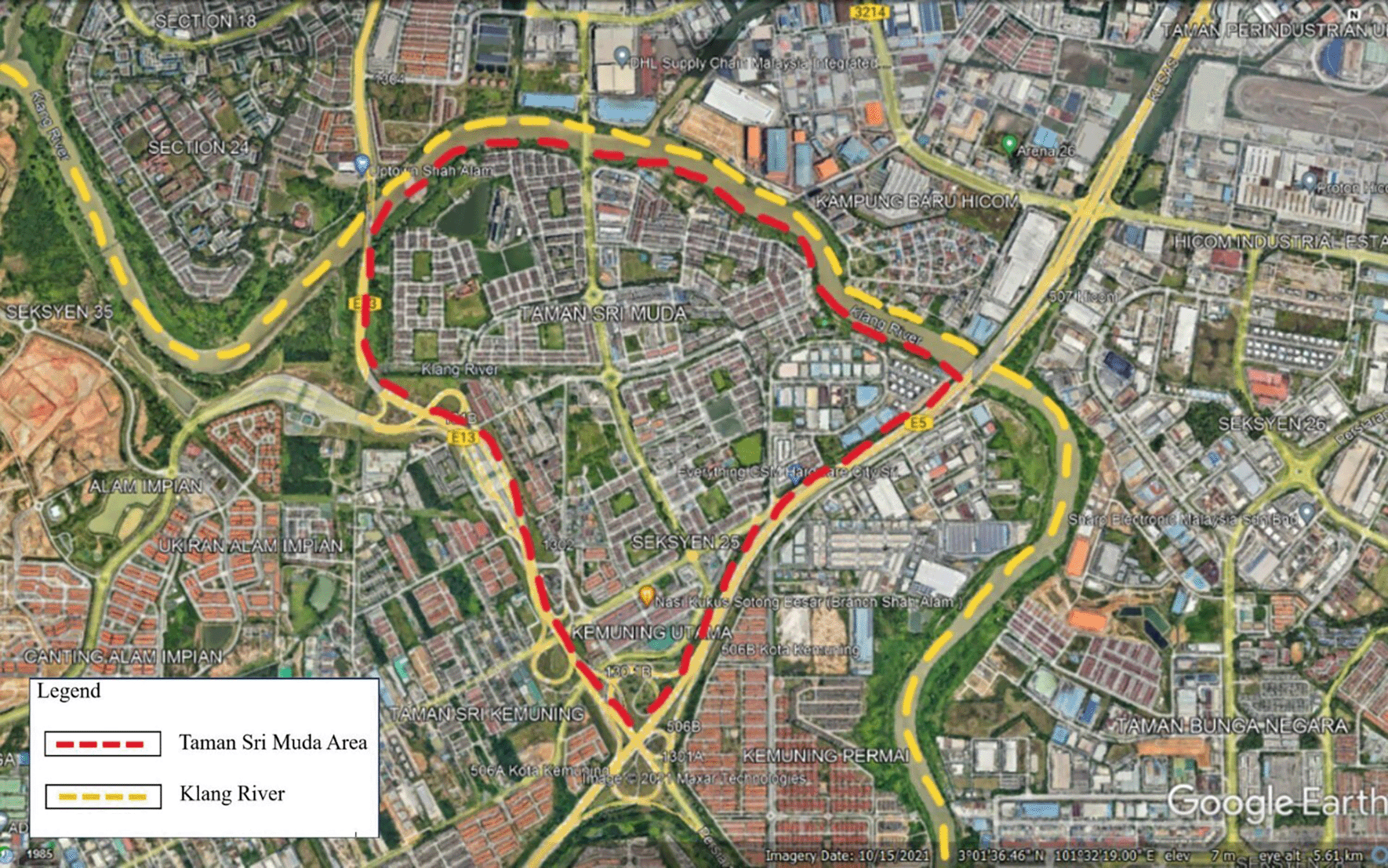
Urban flooding is a common issue in both developing and industrialised countries, including Malaysia (Ming Yuan, 2022). According to Samsuri et al. (2018), the common floods that occurred in Malaysia can be classed as monsoon flood and flash flood. The Northeast Monsoon generally causes flooding in the East Coast states at the end of the year, but this time the natural disaster stunned everyone by ‘storming’ the Klang Valley, which had previously only seen flash floods. There are many causes contribute to flood disasters (Ming Yuan, 2022). For example, a major flash flood in 2021, killed 50 individuals and left five others missing (Berita Harian, 2021). This is the largest number of fatalities in Malaysia’s flood disaster history. The Klang River flows through Shah Alam’s state capital region which it has multiple waterways, especially the Damansara River which flows through the Damansara Mukim and contributes to flash floods (Bin-Ismail et al., 2022). Due to the river water storage that exceeded the maximum allowable amount, excessive rainfall rates raised the water level and increased the river flow, leading to flooding in the Shah Alam region (Zulkifli, 2021).
The 2021 flooding incident in Shah Alam, which resulted in over 20,000 evacuations and destroyed major infrastructures, including road closures and delays to essential services, exposed the weaknesses of current flood control measures (Ming Yuan, 2022). An effective flood relief management system is urgently required in Shah Alam, Selangor, a location where floods are on the rise. While being one of Malaysia’s most important economic centres, fast population expansion and development in flood-prone areas has greatly increased the area’s potential for flooding (Norizan et al., 2021; Rosmadi et al., 2023).
The efficiency of disaster response operations depends on how effectively available resources are mobilised and coordinated to meet urgent humanitarian needs. An efficient response ensures that aid reaches victims quickly, reduces loss of life, and minimises disruption to affected communities. According to Goldschmidt & Kumar (2019), the effectiveness and timeliness of humanitarian operations rely on the ability to coordinate multiple resources under unpredictable and urgent conditions. To achieve efficiency, several key resources must be managed carefully, including the workforce, coordination, funding, logistics mobilisation, and relief supplies.
In the context of humanitarian logistics, the disaster workforce is an essential component of operational response. During crises, operational units which comprise individuals on the front lines carrying out critical tasks, play a vital role carrying out response plans and ensuring continuity (Aghsami et al., 2024). The frontline teams tasked with carrying out operational duties within the organization are known as operational units. They include various departments or teams engaged in essential operations (Aghsami et al., 2024).
The significance of disaster workforce, which pertain to human resources during disaster relief operations, has been underscored by various studies. Due to the involvement of various departments in humanitarian logistics operations (HLOs), disaster relief management has emerged as a complex task which is frequently associated with uncertainty and dynamics. As a result, there have been many disaster situations where management has faced difficulties in effectively sharing responsibility during the distribution of relief items (Crosweller & Tschakert, 2021).
While disaster response has received a lot of attention in humanitarian operations management (HOM) research (Goldschmidt & Kumar, 2016), there is increasing focus on emergency preparedness (Jahre et al., 2016) to increase the efficacy and efficiency of disaster response and post-response operations. Amaya et al. (2024) examine how trust can be established and sustained in various situations. Individuals who have more trust in obtaining assistance from different response agents are willing to face longer periods of deprivation time to obtain free food or water. When it comes to disaster preparedness, people must prepare themselves and acquire survival skills; they cannot only rely on organizations and wait for assistance when a crisis happens.
Disaster Operations Management (DOM) activities are coordinated with governmental and central humanitarian organisations (Sebatli et al., 2017). In humanitarian logistics, coordination ensures that different agencies including government agencies, non-governmental organisations, the military, and private partners collaborate effectively to deliver aid and services to affected communities. Effective coordination prevents duplication of efforts, minimises delays, and ensures that limited resources are used efficiently (Balcik et al., 2010). Strong coordination mechanisms promote faster information sharing, integrated decision-making, and more responsive logistics operations (Sebatli et al., 2017).
Heaslip et al. (2012) state that the complexity of the humanitarian logistics process is influenced by the engagement of several stakeholders, including governments, non-governmental organizations (NGOs), and military forces. Managing an effective humanitarian logistics (HL) system presents a number of significant challenges as compared with traditional (commercial) logistics. First, it is extremely complex because several different parties are involved from the source network to the delivery network (Abidi et al., 2014). The governments of both impacted and unaffected countries, corporate and public funders, NGOs, volunteers, members of the military forces and members of disaster relief teams are some examples of these players, who may be portrayed as different stakeholders of HL (Azmat et al., 2019).
Diverse disaster responses are usually carried out by governments, non-governmental organizations, United Nations agencies, the military, and business organizations. Humanitarian activities should be coordinated by one of the participants who is knowledgeable in corporate operations and the logistics industry (Moore and Antill, 2000). However, the specific goals of the many participants in humanitarian operations may not always lead to coordinated and integrated activities. Additionally, the different administrative and management styles and complex connections between different organizations make it difficult to implement successful logistical plans.
Furthermore, high degrees of coordination across its many components are required for humanitarian logistics to be responsive and integrated. Despite having the same goals to complete the requirements of the same assignment, relief groups have been shown to sometimes operate separately with little coordination (Thomas and Kopczak, 2005). According to Balcik et al. (2010) and Carroll & Neu (2009), humanitarian operations may be invalid since various parties involved may not always have integrated and coordinated efforts because of their different goals. Response times may lengthen as a result of the players competing for resources in the absence of efficient coordination and collaboration mechanisms. As a result, victims’ and the impacted population’s well-beings are harmed. According to Váncza et al. (2011), collaboration can be strengthened if participants exchange information.
Moreover, effective coordination is strongly related to financial management. Coordination that is well-organized ensures that financial resources are distributed and used effectively throughout the response process while sufficient funding supports planned actions by enabling rapid procurement and delivery of relief supplies (Norizan et al., 2021; Rosmadi et al., 2023). In this context, financial capability is essential to maintaining coordinated logistical operations since sufficient financing determines an agency’s ability to mobilize resources, maintain communications channels, and conduct out relief activities effectively.
Financing in disaster management refers to the distribution and use of financial resources to assist with preparedness, response, and recovery efforts (UNDRR, 2023). Adequate budget provision is essential to ensure that logistics operations, resource mobilisation, and humanitarian aid can be executed effectively and without delay. Financial resources are especially needed for the procurement of relief supplies, transportation, communication systems, and temporary shelter, which are all critical to meet urgent humanitarian needs (Beamon & Balcik, 2008). Securing reliable financial sources is also vital for maintaining procurement and logistics mobilisation throughout the disaster response phase (Arikan et al., 2023). Agencies with strong financial capability are able to maintain transportation readiness, make prompt purchase choices, and ensure supply chain continuity even in uncertain settings.
Furthermore, financing disaster is closely connected to the management of relief supplies. Adequate financial resources determine how quickly and effectively essential materials can be procured, transporting, and distributing the essential supplies to impacted communities. Without sufficient funding, the supply of critical supplies such as food, water, medical aid, and temporary shelter can be delayed, limiting the capability of humanitarian agencies to respond quickly. According to Arikan et al. (2023), stable and flexible financial structures enable continuous procurement and supply-chain operations even under unpredictable and high-pressure situations. Effective financial management therefore strengthens the availability and accessibility of relief supplies, creating an important connection between financial capacity and the effectiveness of humanitarian logistics.
Facility allocation requires the consideration of both pre- and post-disaster operations (Rawls & Turnquist, 2010; Görmez et al., 2011; Rawls & Turnquist, 2011; Murali et al., 2012; Salman & Gül, 2014; Kilci et al., 2015), since for an optimal allocation, it is necessary to consider the post-disaster activities such as the distribution of relief supplies. Three types of relief supplies considered are water, meal ready-to-eat (MRE) and medical kit (Sebatli et al., 2017). Moreover, humanitarian logistics operations (HLOs) prioritised the rescue and removal of the dead and injured, the rapid mobilisation of forces, and a timely supply of food, medication, and shelter (Costa et al., 2012).
According to Perdana et al. (2022), delivering supplies like food and clean drinking water is a significant logistical challenge. Humanitarian logistics includes organising, conducting, and monitoring the movement of people from a natural disaster area to safer locations as well as the efficient and successful transportation and storage of aid supplies (Boonmee et al., 2017; Oruc & Kara, 2018; Kawase & Iryo, 2023). Providing victims with medical attention, shelter, food, water, sanitation, and hygiene supplies as soon as possible is crucial to minimising disaster-related losses (Mansoori et al., 2020; Burkhardt et al., 2023).
Furthermore, one of the most difficult tasks during a crisis is ensuring a consistent, timely supply of food, money, and medical assistance. However, determining the exact demand, its types and amounts, the locations where it is required, and the times when it is needed is extremely difficult. In the worst cases, the problem is made even more severe by the main challenges caused by the unpredictability of demand, the unexpected timeliness of supply, and the scarcity of resources (Kovács & Spens, 2009). To properly handle these problems, a humanitarian aid supply chain system must be functional.
Moreover, an optimal logistics strategy should also include planning the distribution of resources and relief supplies, locating and setting up distribution centers (Das et al., 2021). Facility location models are crucial to disaster management because they assist in identifying the ideal sites for distribution centers, warehouses, shelters, and medical facilities. Additionally, they support the development of efficient distribution strategies for activities both before and during a disaster (Boonmee et al., 2017). One of the main challenges in this sector is creating a well-organized distribution network to facilitate the efficient delivery of relief goods via distribution centers (DCs).
Additionally, the efficiency of relief supply management is strongly influenced by the ability to mobilise logistical assets such as vehicles, equipment, and communication systems. No matter how complete or organized the aid supplies are, they are worthless if they cannot be delivered immediately to the affected population. According to Moshtari et al. (2021), the transportation and mobilisation phase is one of the most resource-intensive aspects of humanitarian logistics, as it determines how quickly supplies can be delivered from warehouses to distribution centres. Effective coordination between supply management and logistical mobilisation not only supports rapid response but also improves the overall resilience and adaptability of humanitarian operations.
Stillström and Jackson (2007) define mobility as the ability to relocate between distinct geographic locations with minimal expenses. In the context of disaster relief, logistics mobilisation refers to the strategic deployment of vehicles, equipment, and personnel to ensure the effective distribution and delivery of supplies to impacted areas. Mobile facilities, such as portable vehicles equipped with service bundles containing food, water, and medical kits, enable humanitarian organisations to reach remote or inaccessible areas quickly (Bayraktar et al., 2022). Moreover, both road and air transportation technologies are frequently used in disaster operations to ensure that essential supplies are delivered despite infrastructure disruptions such as rough or damaged terrain (Costa et al., 2012).
Additionally, reducing the amount of fuel required for logistical operations also contributes in the effective utilisation of fuel supplies, which might run out during a crisis. The efficient allocation of few resources is a major challenge for humanitarian organizations (van Wassenhove & Pedraza Martinez, 2012). The processes must address several constraints, including the full or partial breakdown of the road infrastructure and transportation systems (Cotes & Cantillo, 2019). Uncertainty in the difficulties further complicates the decision-making process and increases the difficulty of the challenge (Tavana et al., 2018; Cotes & Cantillo, 2019; Abazari et al., 2021; Bilir, 2025; Turkeš et al., 2023).
Therefore, analysing the critical success factors in humanitarian logistics operations is essential to improve the efficiency of aid delivery during disaster relief. Given the difficulties involved with disaster relief logistics, it is important to understand the critical success factors that result in effective operations. By exploring these factors in the context of Taman Sri Muda’s flood response, this study intends to offer insights into enhancing logistical operations to enhance future preparedness and response. In order to perform the study, researchers intend to identify those factors that significantly influence the success of humanitarian logistics operations in disaster relief.
This study utilises a qualitative research design to investigate the critical success factors for logistics operations in disaster relief. Qualitative approach seeks to understand, interpret or describe the meanings of social phenomena from participants’ perspectives (Merriam & Tisdell, 2016). Therefore, this approach is suitable to obtain deep insights into participants’ experiences and viewpoints, especially regarding the Taman Sri Muda flood response. Participants were selected through purposive sampling based on specific criteria, leading to high-quality data (Patton, 2014). This type of sampling is appropriate because they are directly involved in logistics operations, which gives them valuable firsthand knowledge. Two Social Welfare Department officers who played a direct role in the disaster relief efforts during the Taman Sri Muda flood were interviewed in person using a semi-structured method. This approach enabled a concise exploration of the participant’s experiences and perspectives. The participants hold more than 18 years of experience in disaster relief operations and were part of in coordinating logistics during the Taman Sri Muda flood. The interview took place at Social Welfare Department Headquarters and occurred for about 1.5 to 2 hours each. The interview was transcribed verbatim within a two-week period and analysed with NVivo software. According to Panagiotopoulos et al. (2016) and Naeem (2020), NVivo supports thematic analysis of data gathered from semi-structured interviews, including the generation of codes, keywords and themes for enhanced explanation and comprehension.
Thematic analysis was employed in this study to identify key themes within the data. Braun and Clarke (2006) define thematic analysis as “a method for identifying, analysing and reporting patterns (themes) within data.” The research data were compiled into verbatim transcripts and later analysed thematically. Thematic analysis was divided into three phases, each guided by the 5M framework (Man, Material, Machine, Mechanism and Monetary). In the first phase, the researcher chose the 5M framework as the key themes and categorising the data accordingly. Relevant statements from interview transcripts were reviewed, and keywords connected to each theme were discovered. In the second phase, the researcher extracted particular keywords from each theme statements, concentrating on phrases that conveyed crucial characteristics of logistical operations. These keywords highlighted important concepts that aligned to the themes, offering greater insights into the issues along with processes involved in disaster relief. In the third phase, the researcher grouped related keywords into codes that represented common patterns and concepts within each theme. These codes enabled a more systematic analysis of the data, making it simpler to identify critical success factors and understand the linkages between different aspects of logistical operations. This systematic approach enabled the theme to be analysed efficiently and collected crucial ideas from the interview data, providing a thorough knowledge of the factors impacting disaster relief operations (See Figure 2).
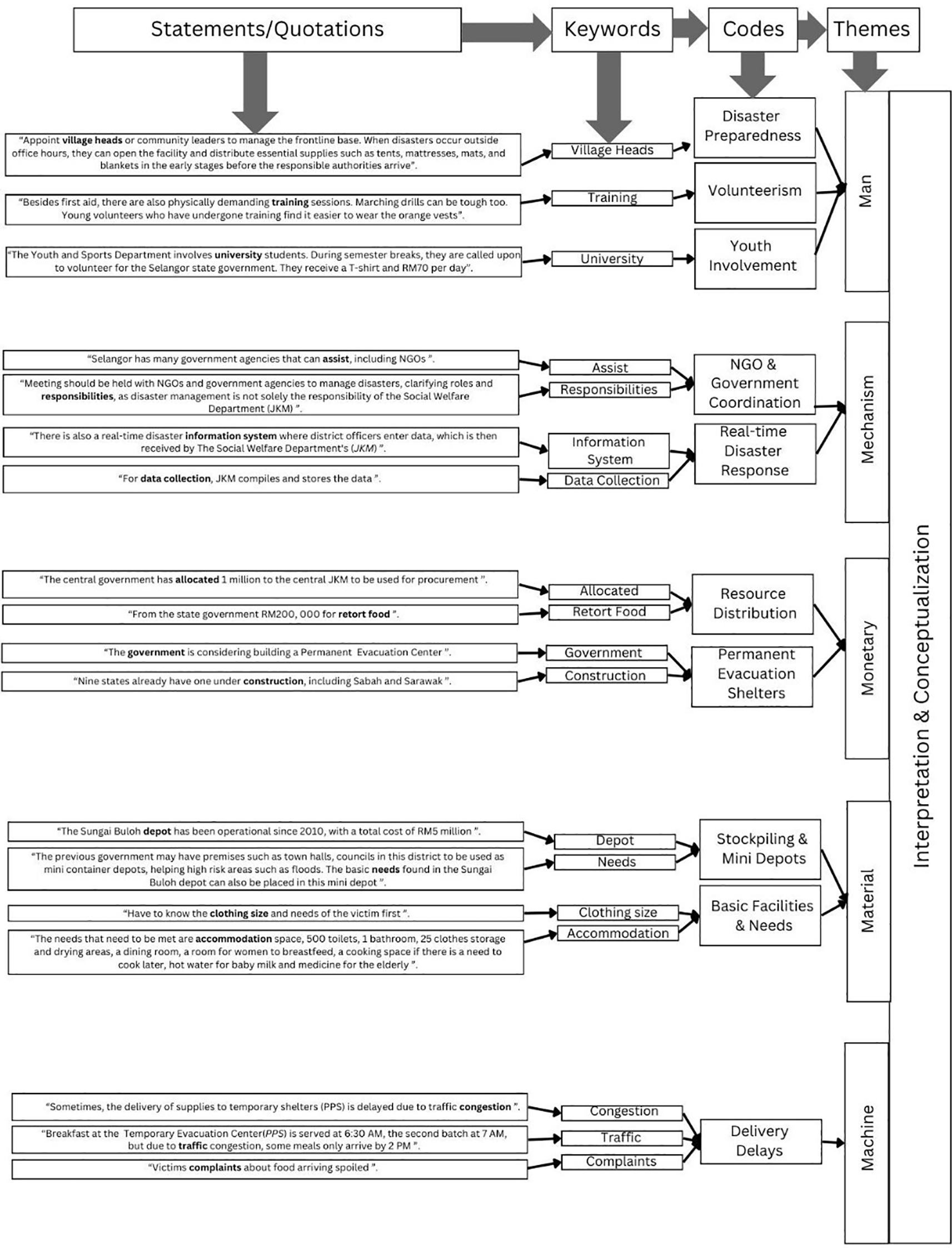
Man refers to those who are the first to respond in a disaster before the responsible agency arrives to provide help (Twigg & Mosel, 2017). Therefore, the group in charge needs to be ready with all the essential supplies to assist the victims at first. In this study, Man under the 5M framework focuses on the mobilisation, coordination and preparedness of human resources in response to the Taman Sri Muda flood. The primary theme is conveyed through three codes: disaster preparedness, volunteerism and youth involvement (See Figure 2).
It is crucial for everyone to be knowledgeable about the necessary actions to take in order to save themselves and those nearby when a disaster strikes. This way, they can always maintain their preparedness and independence. Individuals ready for emergencies do not experience anxiety or fear; they understand how to handle the circumstances around them without relying on others. The term village head symbolises the leader within a community. Specifically, in Taman Sri Muda, this refers to the chairman of the residents’ association or the zone head of an apartment/high-rise building. They must always be ready by creating a storage area for essential items to be used in case of an unexpected disaster. They can unlock the door and prepare to handle and allocate all the items to the residents in their area of responsibility prior to the arrival of the designated agency.
“…Appoint village heads or community leaders to manage the frontline base. When disasters occur outside office hours, they can open the facility and distribute essential supplies such as tents, mattresses, mats and blankets in the early stages before the responsible authorities arrive… [sic]”
- Research Participant 1.
The act of volunteering involves providing time, skills or services of own accord and without the expectation of payment. This entails people or collectives’ participation in efforts to support for a goal, assist communities or address crises. Volunteerism is essential in disaster relief as it provides the necessary manpower for rescue operations, aid distribution and emotional support for impacted communities. A disaster may encourage a variety of local groups and organisations that are not usually involved in emergencies to extend their regular tasks in response.
Training is crucial for volunteers who wish to participate in disaster situations, as they must understand the concept of self-preservation before attempting to assist others. Prior to putting on an orange jacket to aid victims, individuals must equip themselves with a range of rescue skills, including first aid, water rescue techniques and basic psychological support. Volunteers can learn these techniques from agencies like the Civil Defence Department, Fire Department or Red Crescent Society before entering the field. For example, participant shared in an interview,
“…Besides first aid, there are also physically demanding training sessions. Marching drills can be tough too. Young volunteers who have undergone training find it easier to wear the orange vests… [sic]”
- Research Participant 2
Mechanism refers to the coordination between various parties in an activity (Sopha, 2023). They work together to use their expertise towards a common goal. Even though they have the same goal, problems occur when they function independently with minimal cooperation (Thomas & Kopczak, 2005). This study examines Mechanism within the 5M framework, which looks at the effectiveness of agencies coordination of their efforts during the Taman Sri Muda flood. The primary theme is conveyed through two codes: NGO & government coordination and real-time disaster response (See Figure 2).
Coordinating disaster relief between NGOs and governments entails working together to optimise the delivery of assistance, gather resources and prevent duplication of duties. Governments deliver infrastructure, policies and official backing, whereas NGOs contribute specialised expertise, community networks and adaptability in reaching impacted populations. For example, participant shared in an interview,
“…Selangor has many government agencies that can assist, including NGOs. During the flood in Taman Sri Muda, there were NGOs that provided assistance such as Darul Ehsan Islamic Foundation, which manages solid waste including government subsidiaries such as Indah Water and Selangor Zakat Board, which offered help primarily aimed at Muslim communities… [sic]”
- Research Participant 1
Here we see, although Social Welfare Department plays an important role in disaster management such as temporary evacuation shelters management and welfare for victims, cooperation from other parties also needs to be there and they need to know their roles and responsibilities well so that there is no overlapping of roles, and every matter can be managed effectively and efficiently
Real-time disaster response refers to the capacity to monitor, coordinate and act immediately during a disaster using live data and communication tools. This entails monitoring the situation as it occurs, providing immediate updates among agencies and making quick decisions to distribute resources efficiently.
“…There is also a real-time disaster information system where district officers input data, which Social Welfare Department then receives… [sic]”
- Research Participant 2
It is evident that during a disaster, district officers are vital as they serve as the operational commander at the district level. District officers are responsible for updating the latest information regarding the current situation, enabling Social Welfare Department to gather and archive data about the ongoing disaster. Thus, it can also fasten and systematise the obtaining of information and offer convenience for utilising the latest reports to enhance preparedness among responsible agencies in case of future disasters
Monetary, such as finances or funds, play a critical role in enabling agencies or local actors to respond effectively to humanitarian needs (Manlutac, 2021). This allocation ensures that operations during disasters can be conducted effectively by providing sufficient resources and funds for successful disaster management. Due to the fact that humanitarian actors typically cannot fund themselves through income generated from the services they offer, they rely on external financing (Hein et al., 2020). During disasters in Malaysia, the government and NGOs are crucial for allocating funds or donations to affected agencies and victims. The primary theme is conveyed through two codes: resource distribution and permanent disaster evacuation centre (See Figure 2).
The term resource distribution signifies the process of providing and allocating vital supplies and services to communities impacted by a disaster. These resources may encompass food, water, medical supplies, clothing, shelter and other essentials. Financial resources must be available at the initial stage to create these resources, and according to statements, the government has directed a significant amount of donations for disasters in Selangor state.
This allocation can be used by Social Welfare Department to stock essential supplies, including food, water, medical kits, blankets and other necessities in depots for quick deployment during disasters. Financial allocations enable agencies like Social Welfare Department to stock essential supplies in depots for rapid deployment during emergencies. For example, one participant mentioned that the state government allocated funds specifically to procure ready-to-eat retort food.
“…From the state government RM200,000 were allocated for retort food… [sic]”
- Research Participant 2
This targeted funding helps agencies to respond more efficiently, as ready-to-eat food saves cooking time and ensures that victims receive meals promptly during relief operations. As a result, financial allocation forms the basis for effective logistical preparedness, ensuring that relief supplies are available and distributable when disasters occur.
Permanent disaster evacuation centre are specialised, purpose-designed facilities intended to provide housing and protection for individuals during emergencies or disasters like floods, earthquakes or fires. These structures are designed for long-term disaster preparedness, in contrast to temporary shelters like schools or community halls.
“…The government is considering building Permanent disaster evacuation centre. Nine states are already under construction and also in Sabah and Sarawak. The permanent evacuation shelters is a model like Rest and Recreation (R&R) … [sic]”
- Research Participant 1
Permanent disaster evacuation centre model was designed based on the concept of R&R facilities frequently seen along Malaysian highways. This concept implies that the shelter would feature an open-concept design with amenities similar to those of R&Rs, such as open areas for community activities, proper restrooms and washing facilities and storage spaces for emergency supplies. Although the permanent disaster evacuation centre were built specifically during disasters, but to ensure that the building does not declining, on days when there is no disaster, this permanent disaster evacuation centre can be used for the public.
“…Open style, like a futsal court and when there is no flood, people can use it to play football and can also be rented out. However, the permanent disaster evacuation centre is under the care of the district office, and maintenance is also under them… [sic]”
- Research Participant 1
In the context of disaster relief and logistics, materials refer to the physical resources and supplies needed to support emergency response operations and aid impacted communities (Sri Asih et al., 2023). These materials are crucial to guarantee the safety, health and well-being of disaster victims. This study examines materials within the 5M framework, concentrating on their management, distribution and accessibility in disasters like the Taman Sri Muda flood. The primary theme is conveyed through two codes: stockpiling and mini depots (See Figure 2).
Stockpiling is the act of gathering and keeping significant amounts of essential supplies ahead of time as a precaution against a possible disaster (Keren, 2023). Supplies usually consist of food, water, blankets, medical kits and emergency gear. By decreasing the necessity of retrieving items during a crisis, stockpiling helps to save essential time and ensures a swift reaction. Meanwhile, mini depots are small storage facilities established in high-risk or remote areas to keep stockpiled items closer to communities that could be affected by a disaster. Mini depots act as forward bases to speed up the delivery of relief supplies during a disaster, particularly when the main storage facility or supply route is unreachable. Mini depots in Taman Sri Muda enable local leaders such as village heads, to distribute essential goods in advance before the arrival of main agencies.
“…The previous government could have utilised places like the town hall or council within this district as mini container depots to assist high-risk areas like those prone to flooding… [sic]”
- Research Participant 2
Basic facilities and needs pertaining to the vital necessities for the impacted victims, including clothing, food, shelter and medical care. Nevertheless, understanding their needs more precisely is crucial, such as the size of their clothing. As an example from the interview, following the story of passengers from the Wuhan flight with varied backgrounds, it became clear that Social Welfare Department did not supply them with appropriate clothing beforehand for after their attire were sanitised. Consequently, they had to make do with what was in hand.
“…They wore only the available clothes, disregarding size considerations and the necessity of understanding both the victims’ requirements and clothing sizes first… [sic]”
- Research Participant 1
Even though this appears complex, for the sake of the comfort of victims within the temporary evacuation shelters, it is essential to first gather their data and information. It is recommended that Social Welfare Department can collect details regarding their needs in advance to the occurrence of the disaster.
In the context of disaster relief, machinery involves the tools, vehicles and equipment utilised to aid emergency response efforts (Azmat & Kummer, 2020). These machines are crucial for ensuring the smooth transport of supplies, carrying out rescue missions and maintaining infrastructure during disasters. This research examines machinery within the 5M framework, concentrating on their availability, utilisation and maintenance during disaster response. The primary theme is conveyed through one code: delivery delays (See Figure 2).
When it comes to disaster relief operations, delays in equipment delivery are disruptions or late arrivals in the transport of important supplies, equipment or assistance. Rescue operations and resource allocation to impacted area can be greatly affected by such delays.
“…The delivery of supplies to the temporary evacuation shelters is sometimes delayed because of traffic congestion. Breakfast at the temporary evacuation shelters is scheduled for 6:30 am for the first group and 7:00 am for the second group, but due to traffic congestion, food arrives only a few hours later… [sic]”
- Research Participant 2
This issue arises from the necessity for emergency vehicles to take longer routes or wait for the water level to drop due to flooded roads and route closures which resulted in delays in delivery times. Moreover, restricted access routes and issues such as miscommunication among agencies or delays in vehicle delivery can lead to multiple trucks arriving simultaneously, worsening the congestion.
“Victims complain about spoiled food arriving… [sic]”
- Research Participant 2
This is due to the fact that later problems impact the victims who may suffer from food poisoning, with consequences that could include the necessity of medication for recovery. Consequently, it is advisable to manage traffic and plan routes by establishing a dedicated emergency lane for supply vehicles, thereby preventing them from becoming blocked in public traffic. Next, establish a centralised command centre to enhance communication and coordination of movements between Social Welfare Department, NGOs, police and transportation teams. Utilising the use of walkie-talkies or mobile applications to give drivers immediate information about changes in their route or areas of congestion.
The results and findings indicate that all of the above-mentioned themes - man, mechanism, monetary, material and machine, are essential for humanitarian logistics operations during disasters. They create an interconnected framework that affects the efficiency, speed and results of disaster response. First and foremost, man. It is crucial to have a skilled and knowledgeable workforce, along with volunteers, in disaster preparedness for future events. This ensures that operations can be conducted effectively. Trained responders are crucial for rescuing victims, distributing essential supplies and managing shelters. Lack of adequate training will also impact volunteers’ ability to aid in rescuing victims. An effective human resource framework will impact decision-making, response times and community trust, resulting in organised and efficient relief operations.
Next, mechanism. With a strong coordination system in place, communication and management between agencies and stakeholders become more effective. A well-functioning mechanism in humanitarian logistics operations ensures that all parties involved, including government agencies, Social Welfare Department, NGOs, local authorities and volunteers, are aware of their roles, communicate effectively and respond quickly without duplication or delay. As an example, in the case of flooding in Taman Sri Muda, it was vital for agencies and NGOs to work together to prevent overlapping in the supply of resources and to make assurances that all impacted regions could be handled efficiently. District officers were crucial in organising coordination meetings and overseeing logistics. Real-time disaster platforms, WhatsApp groups and disaster dashboards assist in coordinating efforts and sharing updates quickly. In the absence of a strong mechanism, relief operations will be troubled by delays, miscommunication and resource waste, even if there are adequate human resources, materials and funding.
Subsequently, monetary. Funding that is sufficient and timely will assist with procurement, transport, staffing and the overall disaster relief operation. Successful humanitarian logistics operations rely on sufficient manpower and materials, as well as effective financial support that is in time and adequate. For the case of Taman Sri Muda, operational activities will be affected by slowed procurement processes and prevented transport and supply movement due to delays in fund disbursement. As a result of these financial constraints, resources are often inadequate, aid delivery is delayed, and frontline workers are affected.
Next, material. The success of humanitarian logistics operations relies significantly on the availability and accessibility of these materials, as well as their efficient and organised management. These comprise of food, clean water, medical supplies, clothing, hygiene kits, shelter (like tents and blankets) and other essential survival items. Adequate preparation in advance of a disaster and the strategic positioning of resources in mini depots located in areas of high risk facilitate rapid aid distribution during a crisis. In a study in Taman Sri Muda, the use of mini depots helped village heads distributing aid quickly to victims using mini depots before rescue agencies arrived. This demonstrates the life-saving potential of proactive material positioning.
Lastly, machine. Transport and equipment play a crucial role in ensuring quick delivery of goods, particularly in challenging and damaged terrains. Research conducted in Taman Sri Muda identified limited boat availability and road congestion as significant barriers. Delays in obtaining transport from surrounding districts slowed rescue efforts and the distribution of vital supplies. This underscored the impact of insufficient machinery on the timeliness and effectiveness of operations. Additionally, the condition and maintenance of machinery are vital considerations. Moreover, areas with damaged roads or flooding necessitate equipment that is both adaptable and durable.
To summarise, all five elements which are Man, Mechanism, Monetary, Material, and Machine form an interconnected system that determines the efficiency and effectiveness of humanitarian logistics operations. These elements function together to improve disaster response performance rather than operating on their own. As shown in Figure 3, this relationship is conceptualised through the 5M Framework, which integrates the key factors identified in this study.
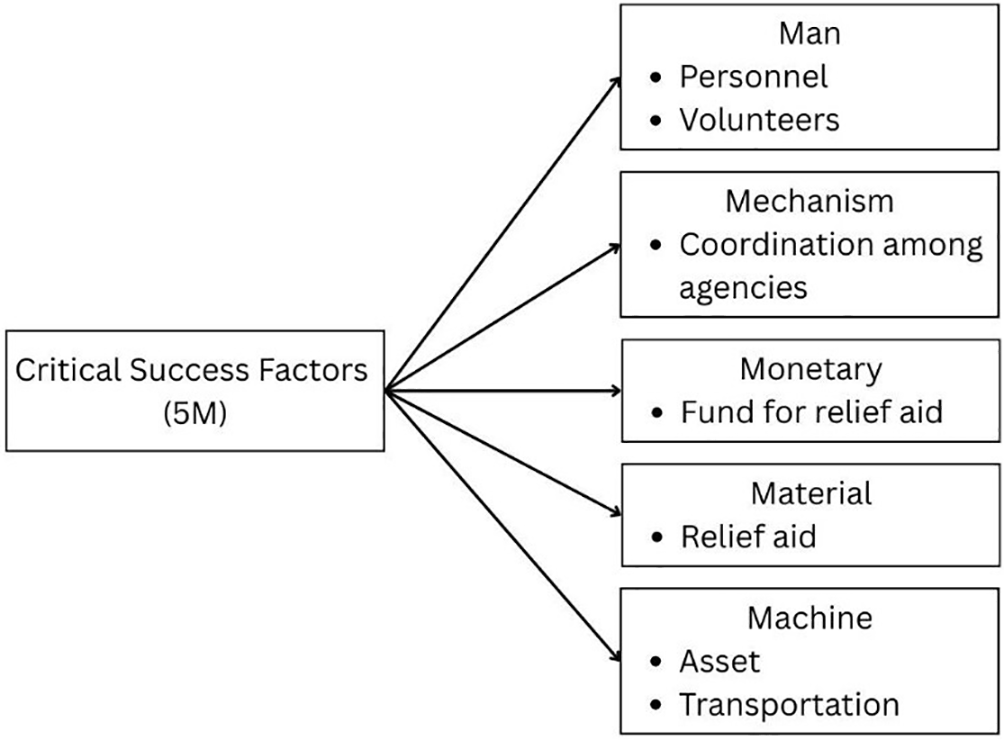
The 5M Framework demonstrates how the performance of disaster relief efforts is influenced by a number of factors, including skilled personnel (Man), well-coordinated management structures (Mechanism), sufficient financial support (Monetary), well-managed supplies (Material), and effective logistical assets (Machine). This framework emphasises that these factors must be integrated and aligned for humanitarian logistics to be effective. It gives organisations a comprehensive viewpoint to improve their response, recovery, and readiness plans for upcoming disaster operations.
The study highlights the critical success factors that impact logistics operations in disaster relief by utilising the 5M framework specifically Man, Mechanism, Monetary, Material and Machine as a lens to overcome the complexities encountered during the Taman Sri Muda flood response. The interrelation among these factors highlights the necessity of a comprehensive and well-synchronised logistics framework for effective disaster management. Key to improving future disaster preparedness and response is to boost manpower capacity, increasing disaster preparedness, optimising resource distribution, ensuring machinery availability, refining coordination mechanisms and smoothening financial processes. These insights provide important lessons for humanitarian agencies and policymakers who seek to create more capable disaster relief operations.
This study was conducted in accordance with the ethical guidelines and integrity policies outlined by F1000Research. Ethical approval for this research was granted by the Research Ethics Committee of the National Defence University of Malaysia (JKEP Control No.: 02/2023) on 14 February 2023.
| Views | Downloads | |
|---|---|---|
| F1000Research | - | - |
|
PubMed Central
Data from PMC are received and updated monthly.
|
- | - |
Provide sufficient details of any financial or non-financial competing interests to enable users to assess whether your comments might lead a reasonable person to question your impartiality. Consider the following examples, but note that this is not an exhaustive list:
Sign up for content alerts and receive a weekly or monthly email with all newly published articles
Already registered? Sign in
The email address should be the one you originally registered with F1000.
You registered with F1000 via Google, so we cannot reset your password.
To sign in, please click here.
If you still need help with your Google account password, please click here.
You registered with F1000 via Facebook, so we cannot reset your password.
To sign in, please click here.
If you still need help with your Facebook account password, please click here.
If your email address is registered with us, we will email you instructions to reset your password.
If you think you should have received this email but it has not arrived, please check your spam filters and/or contact for further assistance.

Comments on this article Comments (0)