Keywords
Generation Alpha Learning Style; Vocational Education; Psychometric Instrument; Confirmatory Factor Analysis

Generation Alpha Learning Style; Vocational Education; Psychometric Instrument; Confirmatory Factor Analysis
Generation Alpha, born after 2010, grew up in a hyper-digital ecosystem that is highly connected and interactive, exhibiting learning characteristics that differ significantly from previous generations (Höfrová et al., 2024; Ziatdinov & Cilliers, 2021). In Indonesia, vocational education is crucial for developing an adaptable workforce; addressing this generational change is strategically essential to fulfill the requirements of digital transformation in the context of Industry 4.0 and Society 5.0 (Han et al., 2023; Muktiarni et al., 2023). Technology-enhanced education, incorporating gamification and visual media, has demonstrated efficacy in enhancing engagement and learning outcomes among digital generation students (Abbazio & Yang, 2022; Chen et al., 2023; Fernando & Premadasa, 2024; Khaldi et al., 2023). Consequently, a profound comprehension of the learning styles and inclinations of Generation Alpha is crucial for developing pertinent and efficient pedagogical strategies in the digital age, particularly by enhancing the learning autonomy and digital proficiency of vocational students (Gacusan et al., 2023; Morris, 2024; Tan et al., 2024).
Although digital integration in teaching and curriculum is advancing, many vocational schools in Indonesia still rely on conventional teacher-centered methods (Han et al., 2023; Shaikh Ali et al., 2024). This methodology frequently prioritizes memory and technical abilities, while neglecting essential soft skills such as teamwork, creativity, and adaptability, which are crucial competences in Industry 5.0 (Adigun et al., 2025; Jaedun et al., 2024; Priyanshu et al., 2025). Generation Alpha learners, predisposed to visual-digital, interactive, and gamified educational experiences, frequently encounter a dissonance with traditional methodologies (Rathnasekara et al., 2025), resulting in diminished engagement and intrinsic motivation, alongside restricted advancement of higher-order thinking skills (HOTS) (Abbazio & Yang, 2022; Sudirtha et al., 2022). Consequently, technology-driven and collaborative learning methodologies are essential to address their learning preferences and foster the cultivation of crucial competencies (Morris, 2019; Siddiquei & Khalid, 2021).
Theoretically, effective learning should place students as active agents in knowledge construction. Vygotsky’s social constructivism (2018) posits that knowledge is formed through social interaction and collaboration, which is particularly pertinent to digital-native learners. Siemens’ connectivism (2005) argues that learning occurs through connections between digital information sources and online networks (Dziubaniuk et al., 2023). Hase and Kenyon’s (2007) heutagogy expands on this concept by emphasizing learner autonomy, reflection, and self-determined learning, facilitated by broad access to digital resources (Blaschke, 2021; Mukuka & Tatira, 2025). Wang and Torrisi-Steele (2017) present a comprehensive paradigm that amalgamates cognitive, emotional, and social aspects to facilitate adaptable, collaborative, and significant digital learning experiences (Amiruddin et al., 2018; Bizami et al., 2023). Generation Alpha’s learning styles in vocational education should be comprehended as an integrated construct comprising four dimensions: Visual-Digital Learning (VDL), Collaborative Learning (CL), Self-Directed Learning (SDL), and Game-Based Learning (GL), each representing the necessity for visual, social, autonomous, and engaging experiences, respectively (Siddiquei & Khalid, 2021).
A systematic review indicates a deficiency of research that explicitly combine theory, technology, and practice within the realm of Technical and Vocational Education and Training (TVET) (Kravchenko et al., 2024; Noguera et al., 2024). Classic tools such as VARK or Kolb’s Learning Style Inventory are inadequate, as they were designed for the pre-digital generation and fail to capture the hierarchical, digital, and integrative nature of Generation Alpha’s learning preferences. This reveals a critical gap: the absence of a valid, reliable, and structurally sound psychometric tool to holistically assess Generation Alpha’s learning styles in Indonesian vocational education. Pedagogical innovations like Cooperative Project-Based Learning (Co-PjBL), which inherently incorporates VDL (real-world projects), CL (interdisciplinary teamwork), SDL (self-management), and GL (real-time rewards), necessitate diagnostic tools that can systematically capture individual learning profiles rather than merely describing them (Angelova et al., 2025; Mutohhari et al., 2021; Rodrigo-Ilarri et al., 2025).
This study seeks to create and evaluate the Alpha Generation Learning Style Scale (ALSS), a psychometric instrument intended to assess the four interconnected characteristics of Generation Alpha’s learning preferences within Indonesian vocational education. Theoretically, this study strengthens the conceptual foundation of generation-based learning styles in TVET and expands the understanding of how digital-native characteristics shape integrated, rather than fragmented, learning profiles (Siddiquei & Khalid, 2021). The ALSS offers empirical insights to educators, curriculum developers, and policymakers for creating adaptive, individualized, and responsive teaching methods for Generation Alpha in the context of digital transition towards society. 5.0 (Noguera et al., 2024; Tan et al., 2024). This instrument serves not only as a diagnostic tool but also as a scientific foundation for matching the execution of Cooperative Project-Based Learning (Co-PjBL) with individual learning profiles, so ensuring that vocational education transcends uniformity and genuinely caters to the distinctiveness of each student (Angelova et al., 2025; Mutohhari et al., 2021; Rodrigo-Ilarri et al., 2025).
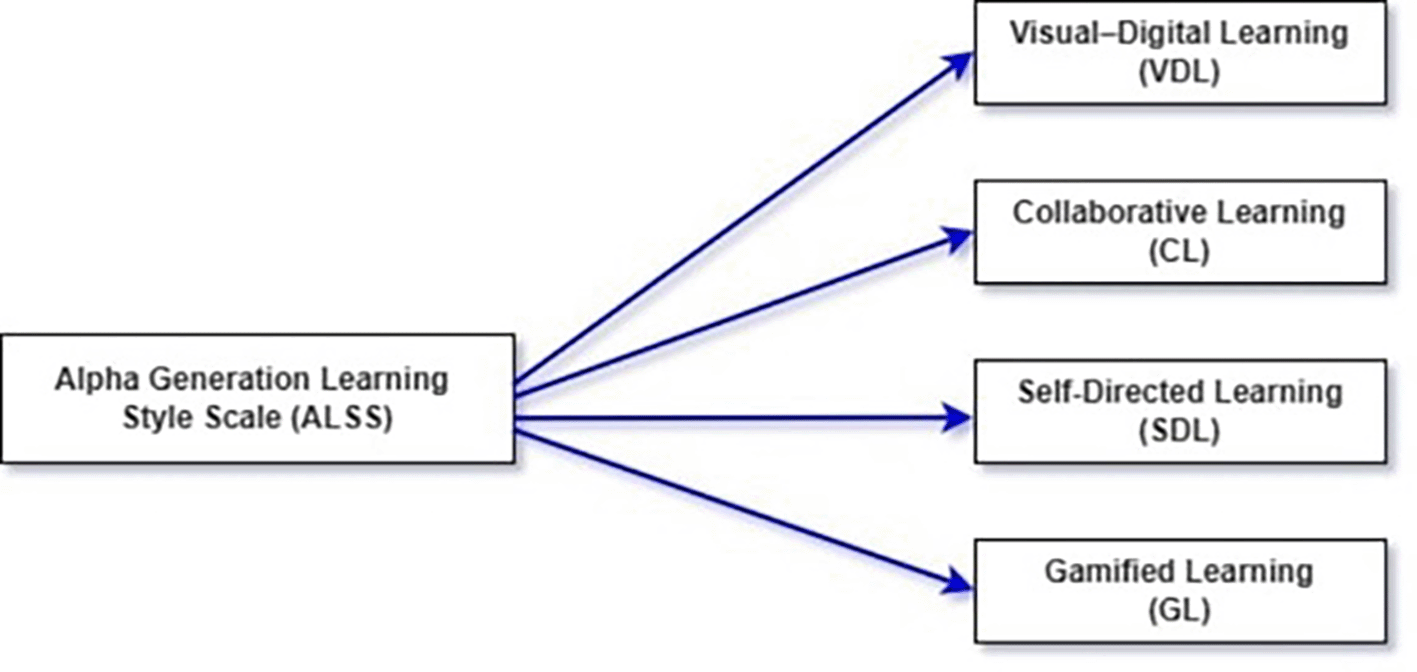
Figure 1 illustrates the conceptual framework underlying the ALSS. The model posits Alpha Generation learning style as a higher-order construct manifested through four interrelated dimensions: Visual–Digital Learning (VDL), Collaborative Learning (CL), Self-Directed Learning (SDL), and Gamified Learning (GL). Each dimension captures a distinct yet complementary aspect of how Generation Alpha students engage with learning in technology-rich environments. This framework guided item generation, ensured theoretical coherence, and provided the basis for the hypothesized measurement model tested empirically in this study.
2.1.1 Generation Alpha Learning Style (ALSS)
Generation Alpha denotes individuals born post-2010 who have been raised in a technology-saturated milieu. They demonstrate high proficiency in using digital devices and have different learning preferences compared to previous generations (Höfrová et al., 2024). Their learning is defined by requirements for flexibility, adaptation, and personalization. The application of technology, interactive media, and gamification strategies has demonstrated an enhancement in motivation and engagement (Sabariah et al., 2020). This generation is more motivated when learning is tailored to individual interests and needs (Kaplan-Sayi, 2020) and demonstrates the ability to learn independently, with or without supervision, especially when encouraged by external incentives such as recognition systems and real-time feedback.
Hybrid learning models that combine physical and digital environments, practical real-world tasks, and collaborative interactions with peers are considered most suitable for Generation Alpha’s characteristics. The use of multimedia such as videos, animations, and infographics increases their understanding and engagement (Abbazio & Yang, 2022; Ukonu & Warlimont, 2025). As “tech thumbs,” Generation Alpha feels comfortable in digital learning environments and expects technology to be seamlessly integrated into the education system (Yurtseven & Karadeniz, 2020; Ziatdinov & Cilliers, 2021). As a result, pedagogical approaches that integrate gamification, multimodal learning, and personalization are effective strategies to support their learning. In vocational education, these strategies must be designed collaboratively, contextually, and integrated with technology. Classic learning style theories such as VARK and Kolb are no longer entirely adequate. Educators and policymakers must redesign curricula and instructional designs that are appropriate for the learning characteristics and preferences of Generation Alpha (Ukonu & Warlimont, 2025).
2.1.2 Visual–Digital Learning (VDL)
Visual-Digital Learning (VDL) denotes the inclination of learners to assimilate and comprehend information via visual and digital mediums, including movies, animations, infographics, augmented reality (AR), and virtual reality (VR). This approach utilizes the intuitive and engaging nature of visual content to enhance the learning experience. The main components of VDL include:
• Video and Animation: Widely used to present information in an engaging and easy-to-understand format, enhancing students’ cognitive skills, self-awareness, and cultural values (Latheef et al., 2021).
• Infografis: Graphical depictions of data that elucidate intricate information, facilitating comprehension and retention (Wu et al., 2024).
VDL’s advantage resides in its enhanced capacity to capture attention relative to conventional text-based materials, hence augmenting the efficacy of learning for generations familiar with digital technology (Siddiquei & Khalid, 2021).
2.1.3 Collaborative Learning (CL)
Collaborative Learning (CL) emphasizes cooperation, communication, and shared responsibility to achieve common goals, based on Vygotsky’s social constructivism (2018). In the context of Generation Alpha, collaboration occurs both directly and through digital platforms such as LMS, online forums, and virtual laboratories, which enhance social interaction and access to resources (Janssen & Kirschner, 2020; Van Helden et al., 2023). Generation Alpha, as digital natives, relies on digital devices to collaborate efficiently, creating more flexible and inclusive learning (Bigdeli et al., 2023; Krath et al., 2021).
Research by (Qawaqneh et al., 2023) found that digital collaborative learning environments enhance critical thinking and creativity among vocational students. Moreover, the utilization of social media and interactive applications enhances interdisciplinary and intercultural communication (Zhao et al., 2024). Therefore, CL as a dimension of ALSS reflects the abilities and preferences of Generation Alpha in digital social interactions, both synchronous and asynchronous (Van Helden et al., 2023).
2.1.4 Self-Directed Learning (SDL)
Self-directed learning (SDL) is an educational methodology wherein learners assume responsibility for recognizing their learning requirements, establishing objectives, sourcing materials, implementing tactics, and assessing outcomes. This notion, presented by Knowles in 1975, underscores learner autonomy and accountability. The incorporation of digital technology in education is vital for promoting self-directed learning, as it enables learners to personalize their educational experiences and cultivate independence (Chatwattana, 2021). Self-directed learning (SDL) is an educational methodology wherein learners assume responsibility for recognizing their learning requirements, establishing objectives, locating resources, implementing learning strategies, and assessing educational results. This concept, proposed by Knowles in 1975, underscores learner autonomy and accountability. The incorporation of digital technology in education is crucial for fostering self-directed learning, as it enables learners to tailor their educational experiences and cultivate independence (Morris, 2019).
In vocational education, SDL is particularly important because it encourages independence and adaptability to rapidly changing industrial technologies (Tan et al., 2024). Therefore, SDL as a component of ALSS serves to identify the level of digital autonomy and self-management skills of Generation Alpha in a vocational learning environment.
2.1.5 Gamified Learning (GL)
Game-Based Learning (GBL) denotes the integration of game components, including points, levels, challenges, immediate feedback, and rewards, inside a non-gaming educational framework. This approach has been proven to increase intrinsic motivation, emotional engagement, and active participation (Khaldi et al., 2023; Krath et al., 2021). Within the framework of Generation Alpha, who are maturing in a digital game environment, gamification is crucial in cultivating curious, competitive, and collaborative attitudes (Fernando & Premadasa, 2024; Krath et al., 2021).
Recent research indicate that gamification in occupational training enhances critical thinking and problem-solving abilities. For example, (Lo et al., 2021) found that gamified learning modules in electrical engineering training increased student persistence and learning outcomes. This aligns with the findings of (Priyanshu et al., 2025), which confirmed that digital game elements strengthen the relationship between learning experiences and social motivation in Generation Alpha. Furthermore, GL can be efficiently integrated with PBL to enhance educational outcomes (Huang et al., 2023; Li et al., 2025). In digital vocational education, gamification can simulate industry scenarios, develop technical competencies, and encourage student competition in a fun and meaningful learning environment. Therefore, the GL dimension in ALSS represents the extent to which Generation Alpha prefers to learn through fun, competitive, and challenge-based digital experiences. Gamification enhances motivation and functions as an efficient instructional approach for cultivating soft skills, including teamwork, creativity, and perseverance, in digital vocational education (Angelova et al., 2025; Hsieh et al., 2022).
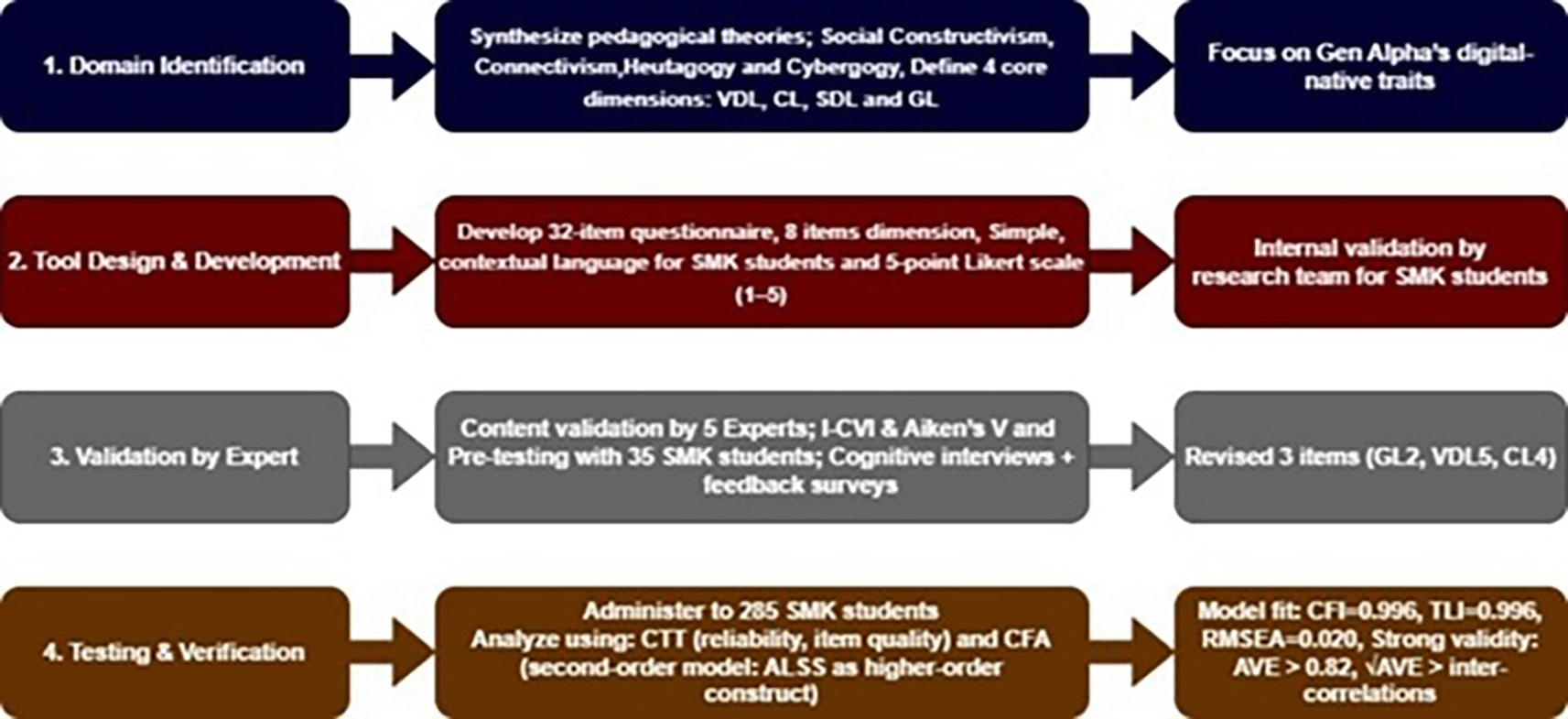
This study sought to create and evaluate the psychometric tool, the Alpha Generation Learning Style Scale (ALSS), to assess the learning preferences of Generation Alpha within Indonesian vocational education. The research employed a quantitative survey design based on (Cantabrana et al., 2019) four-phase instrument development model: (1) Domain Identification, (2) Tool Design & Development, (3) Validation by Expert, and (4) Testing & Verification. This approach ensured high construct validity, reliability, and contextual relevance in the digital vocational education context in Indonesia.
Figure 2 presents the multi-phase research procedure used to develop and validate the ALSS. The process consisted of four main stages: (1) domain identification through an extensive literature review on Generation Alpha learning preferences; (2) tool design and development, in which 32 items were constructed to reflect the four dimensions; (3) expert validation and pre-testing, combining quantitative content validation with cognitive interviews to refine wording and clarity; and (4) testing and verification through large-scale administration and psychometric analysis (CTT and CFA). The figure emphasizes the systematic and iterative nature of the instrument development process, integrating both expert judgment and end-user feedback.
2.2.1 Research procedure
The development of ALSS was conducted systematically in four phases:
1) Domain Identification
The conceptual domain of ALSS was established through a comprehensive theoretical review of Generation Alpha’s characteristics and contemporary pedagogical frameworks, including cybergogy (Wang & Kang, 2006), heutagogy (Blaschke, 2021), social constructivism (Vygotsky & Cole, 2018), and connectivism (Siemens, 2005). Four fundamental learning dimensions Visual–Digital Learning (VDL), Collaborative Learning (CL), Self-Directed Learning (SDL), and Gamified Learning (GL) were identified as foundational constructs due to their alignment with contemporary literature on digital-native learning preferences.
2) Tool Design & Development
Based on these four dimensions, 32 items (eight per dimension) were developed as a self-report questionnaire. Items were formulated using simple, contextual, and easily understandable language suitable for Indonesian vocational high school (SMK) students. Responses were quantified utilizing a five-point Likert scale, with 1 representing Strongly Disagree and 5 denoting Strongly Agree. All initial items were internally validated by the research team to ensure alignment with operational definitions.
3) Validasi by Expert & Pre-Testing
As an integral part of rigorous psychometric instrument development, both Expert Validation and Pre-Testing were conducted sequentially and complementarily to ensure the ALSS was not only theoretically valid but also practically understandable and relevant to end-users Generation Alpha SMK students in Indonesia. This approach aligns with (Cantabrana et al., 2019) four-phase model, with explicit inclusion of pre-testing as a critical step prior to field testing.
a) Expert Validation
Content validity was assessed by five independent experts in psychometrics, vocational education evaluation, educational technology, and instructional design. Each expert rated the 32 ALSS items across three criteria:
• Construct relevance (how accurately the item represents VDL, CL, SDL, or GL),
• Clarity of wording (freedom from ambiguity),
• Dimensional representation (proportionality to the domain of Generation Alpha learning styles).
Items were rated on a 4-point ordinal scale: (1) Not Valid, (2) Less Valid, (3) Fairly Valid, (4) Highly Valid. Quantitative analysis used two indicators:
• Item-Content Validity Index (I-CVI): Ratio of experts assigning scores of 3 or higher. Items were considered valid if I-CVI ≥ 0.78 (Polit et al., 2007).
• Aiken’s V: Measures inter-rater agreement, accounting for score distribution. Aiken’s V ≥ 0.80 is acceptable (Penfield & Giacobbi Peter, 2004).
The results indicated that all 32 items attained I-CVI values ranging from 0.80 to 1.00, with a mean Scale-Level Content Validity Index (S-CVI/Ave) of 0.981, indicating very high content validity (Zamanzadeh et al., 2015). All Aiken’s V scores exceeded 0.85, indicating strong consensus among experts. Qualitative feedback from experts was used to revise item wording for improved clarity without altering construct meaning.
b) Pre-Testing
After revisions, pre-testing was conducted with 35 SMK Mechatronics students not included in the main sample (N = 285), but sharing similar demographic, technological access, and school context characteristics. The instrument was administered via Google Form, followed by a brief open-ended feedback survey and cognitive interviews with 10 randomly selected participants using the think-aloud technique to gain deeper insight into item interpretation.
Table 1 summarizes the pre-testing of the ALSS with 35 Mechatronics students. The average completion time was 12 minutes and 34 seconds (range: 9–16 minutes), indicating that the 32-item scale is feasible to administer without causing respondent fatigue. Three items (GL2, VDL5, CL4) were repeatedly identified as problematic because certain terms (e.g., “interactive,” “seeking additional explanations,” “learning becomes more meaningful”) were perceived as vague or unfamiliar. Cognitive interviews showed that students more easily understood everyday expressions such as “working together,” “learning alone,” and “learning while playing” than more technical terminology. All students completed the online questionnaire voluntarily and without technical difficulties, confirming the practicality and acceptability of the instrument. Based on these findings, only minor wording revisions were applied, and the revised version was used in the main survey.
4) Testing & Verification
After revisions, the instrument was administered to the field sample to test internal reliability and construct validity. The data analysis occurred in two phases: (1) Classical Test Theory (CTT) was employed to evaluate reliability, item discrimination, and difficulty index; and (2) Confirmatory Factor Analysis (CFA) was utilized to examine the proposed second-order measurement model, wherein the four dimensions serve as manifest indicators of a higher-order latent construct ALSS.
2.2.2 Instrument and Data Collection
The primary instrument was the Alpha Generation Learning Style Scale (ALSS), a closed-ended web-based questionnaire developed on Google Form. Each dimension was operationalized as follows:
• Visual–Digital Learning (VDL): Measures tendency to process information through visual/digital media (videos, animations, infographics, simulations).
• Collaborative Learning (CL): Assesses the inclination towards learning by cooperation, communication, and collective accountability, in both in-person and virtual environments.
• Self-Directed Learning (SDL): Measures ability to set goals, select learning resources, manage time, and evaluate outcomes independently.
• Gamified Learning (GL): Measures motivation and engagement triggered by game elements (challenges, points, levels, real-time feedback).
Data collection occurred in two stages: (1) Online distribution of the instrument and evaluation forms to experts for content validation; (2) After revision, distribution to student participants via coordination with subject teachers. Participation was conducted anonymously, and informed consent was acquired by digital forms. All procedures adhered to ethical research norms, encompassing data confidentiality and participant autonomy.
2.2.3 Data Analysis Techniques
Data were analyzed quantitatively in stages:
1) Content Validity Analysis
Computed utilizing Aiken’s V and Item-Level Content Validity Index (I-CVI) for each item. The Scale-Level Content Validity Index (S-CVI/Ave) was calculated to assess overall validity. Validity criterion were satisfied if Aiken’s V was more than or equal to 0.80 and I-CVI was greater than or equal to 0.78 (Polit et al., 2007).
2) Classical Test Theory (CTT) Analysis
Internal Reliability: Measured by Cronbach’s Alpha; ≥0.70 acceptable (DeVellis & Thorpe, 2021). Item Validity: Assessed via item-total correlation (r-drop ≥ 0.30). Discrimination Power: Calculated using discrimination index (≥0.30 classified as good). Difficulty Index: Calculated as mean item score; optimal range: 0.30–0.70 (Allen & Yen, 2001).
3) Construct Validity (Confirmatory Factor Analysis/CFA)
Executed with R program utilizing the lavaan package to evaluate the second-order factor model. Criteria for model fit included:
Discriminant validity: √AVE of each construct > inter-construct correlations (Fornell & Larcker, 1981). The results were anticipated to yield empirical data about the validity and reliability of ALSS as an assessment of Generation Alpha’s learning style in digital vocational education.
2.2.4 Ethical considerations
This study was conducted in accordance with the Declaration of Helsinki and approved by the Research Ethics Committee of Universitas Negeri Yogyakarta, with document number B/1861/UN34.17/LT/2025 (Ramadhani W, 2025). All procedures involving human participants adhered to national and international ethical guidelines, including informed consent, confidentiality, voluntary participation, and data protection (Sadam & Al Mamun, 2024).
Parents or legal guardians of participants aged below 18 years received comprehensive written informed consent forms in Indonesian explaining the study’s purpose, procedures, risks, benefits, confidentiality protections, and participant rights; parents were provided a minimum of 24 hours to review and ask questions before providing written consent. All minor participants provided independent child assent through age-appropriate forms and face-to-face explanations by trained research staff, with explicit information that participation was voluntary and could be withdrawn without consequences. Only participants with both signed parental consent and child assent were included in the study. Participant confidentiality was ensured through coded identification numbers, encrypted data storage, anonymized reporting, and secure deletion of identifiable information following data analysis.
Content validity was evaluated by five specialists in vocational education and psychometrics utilizing Aiken’s V and the Item-Level Content Validity Index (I-CVI). Results showed all items across the four constructs CL, GL, SDL, and VDL achieved I-CVI values between 0.86 and 1.00, indicating very high content alignment with the intended constructs (Penfield & Giacobbi Peter, 2004; Polit & Beck, 2006). As recommended by Zamanzadeh et al. (2015), I-CVI ≥ 0.78 indicates item validity. Thus, the developed indicators conceptually represent Generation Alpha’s learning characteristics in vocational education.
Table 2 presents the item-level content validity indices (I-CVI) for the 32 ALSS items across four dimensions: Visual–Digital Learning (VDL), Collaborative Learning (CL), Self-Directed Learning (SDL), and Gamified Learning (GL). All items achieved I-CVI values between 0.80 and 1.00, exceeding the commonly accepted cut-off of 0.78 and indicating that experts judged each item to be highly relevant to its intended construct. A small number of CL and GL items obtained I-CVI = 0.80, suggesting minor differences in expert judgment but still within the valid range. The Scale-Level Content Validity Index (S-CVI/Ave) was 0.98125, which is above the 0.90 threshold and reflects excellent overall content validity for the instrument. Thus, the table demonstrates that the ALSS items collectively provide a strong and theoretically coherent representation of Generation Alpha learning styles in vocational education.
CTT analysis included reliability, item validity, discrimination power, and difficulty index. Results showed:
• Cronbach’s Alpha = 0.96 (95% CI: 0.95–0.97), signifying exceptionally good internal consistency (DeVellis, 2017).
• No item deletion improved reliability, confirming item stability.
• Item-total correlation (r-drop): 0.60–0.72, indicating strong item validity.
• Discrimination index: 0.63–0.73, classified as very good.
• Difficulty index mean = 3.00, indicating balanced response distribution.
Table 3 reports the CTT-based psychometric properties of the ALSS. The Cronbach’s alpha coefficient is 0.96 (95% CI: 0.95–0.97), indicating very high internal consistency. No item deletion improved this coefficient, which confirms the stability and coherence of all items. Item–total correlations (r-drop) range from 0.60 to 0.72, showing strong item validity and substantial contribution of each item to the total score. The discrimination index for all items lies between 0.63 and 0.73, categorized as very good, meaning that the scale effectively differentiates students with higher and lower levels of the measured construct. The mean difficulty index of 3.00 (on a 1–5 Likert scale) indicates a balanced response distribution without floor or ceiling effects. Overall, this table confirms that the ALSS possesses strong reliability and adequate item-level properties, justifying its use in subsequent CFA.
A Confirmatory Factor Analysis (CFA) utilizing a second-order model was performed to assess the structural validity and hierarchy of the ALSS. The model hypothesized that the four first-order latent constructs CL, GL, SDL, VDL collectively form a higher-order latent construct: Alpha Generation Learning Style (ALSS).
Figure 3 depicts the hypothesized second-order confirmatory factor model of the ALSS. In this model, ALSS functions as a second-order latent factor that loads onto four first-order latent constructs: VDL, CL, SDL, and GL. Each first-order construct is in turn measured by its respective set of observed items, which were theoretically derived and validated by experts. The diagram reflects the assumption that while the four dimensions are distinct, they are jointly structured by a single overarching construct representing Alpha Generation learning style.
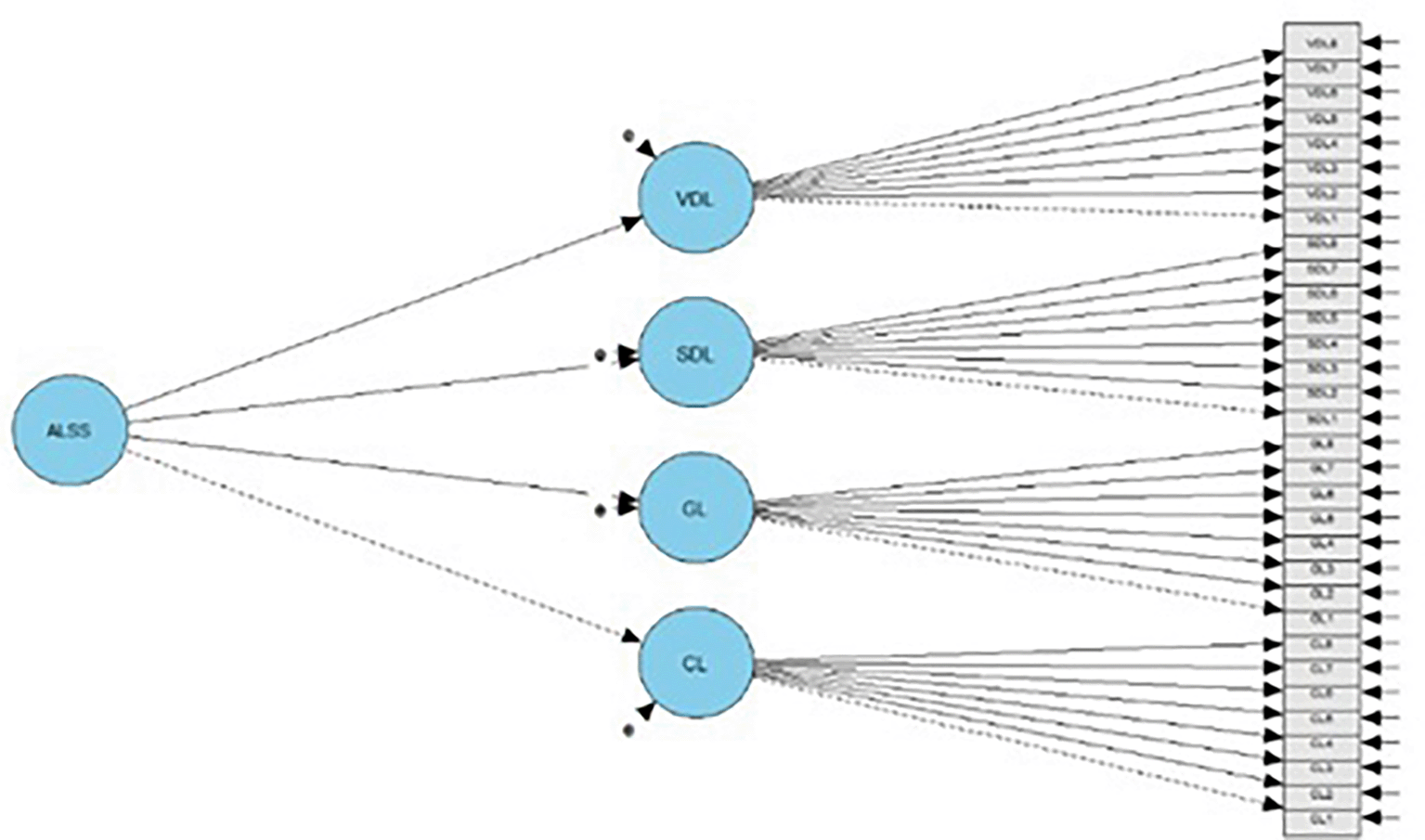
Figure 4 shows the unstandardized parameter estimates obtained from the second-order CFA. The paths from the higher-order ALSS factor to the four first-order dimensions are all positive and statistically significant, with coefficients of 0.97 (VDL), 1.01 (SDL), 0.88 (GL), and 1.00 (CL). These values indicate strong dependence of each dimension on the overarching ALSS construct. The figure also displays the unstandardized loadings of the items on their respective first-order factors and the associated error terms, demonstrating that the indicators contribute meaningfully to their latent dimensions and supporting the structural specification of the model.
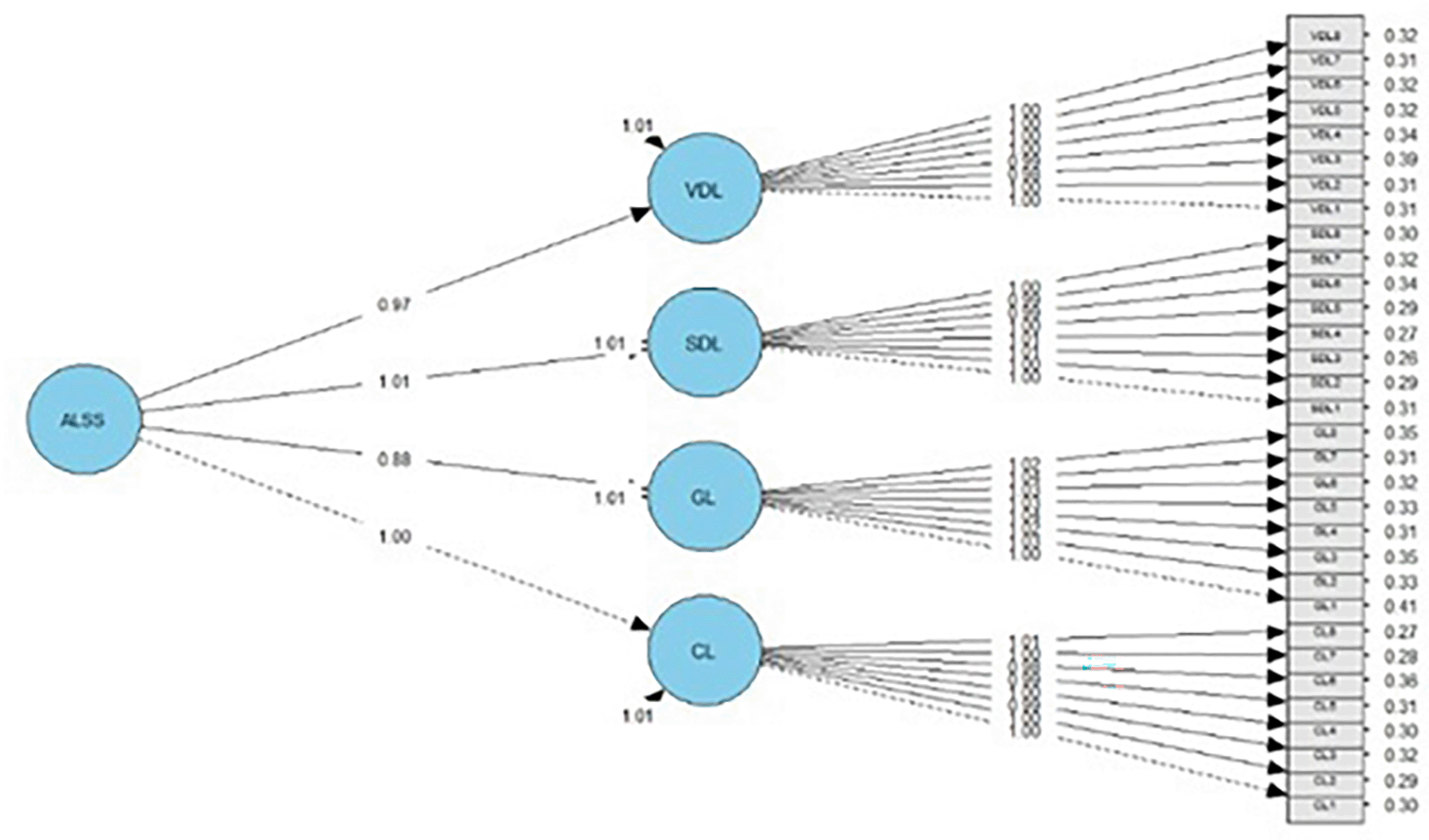
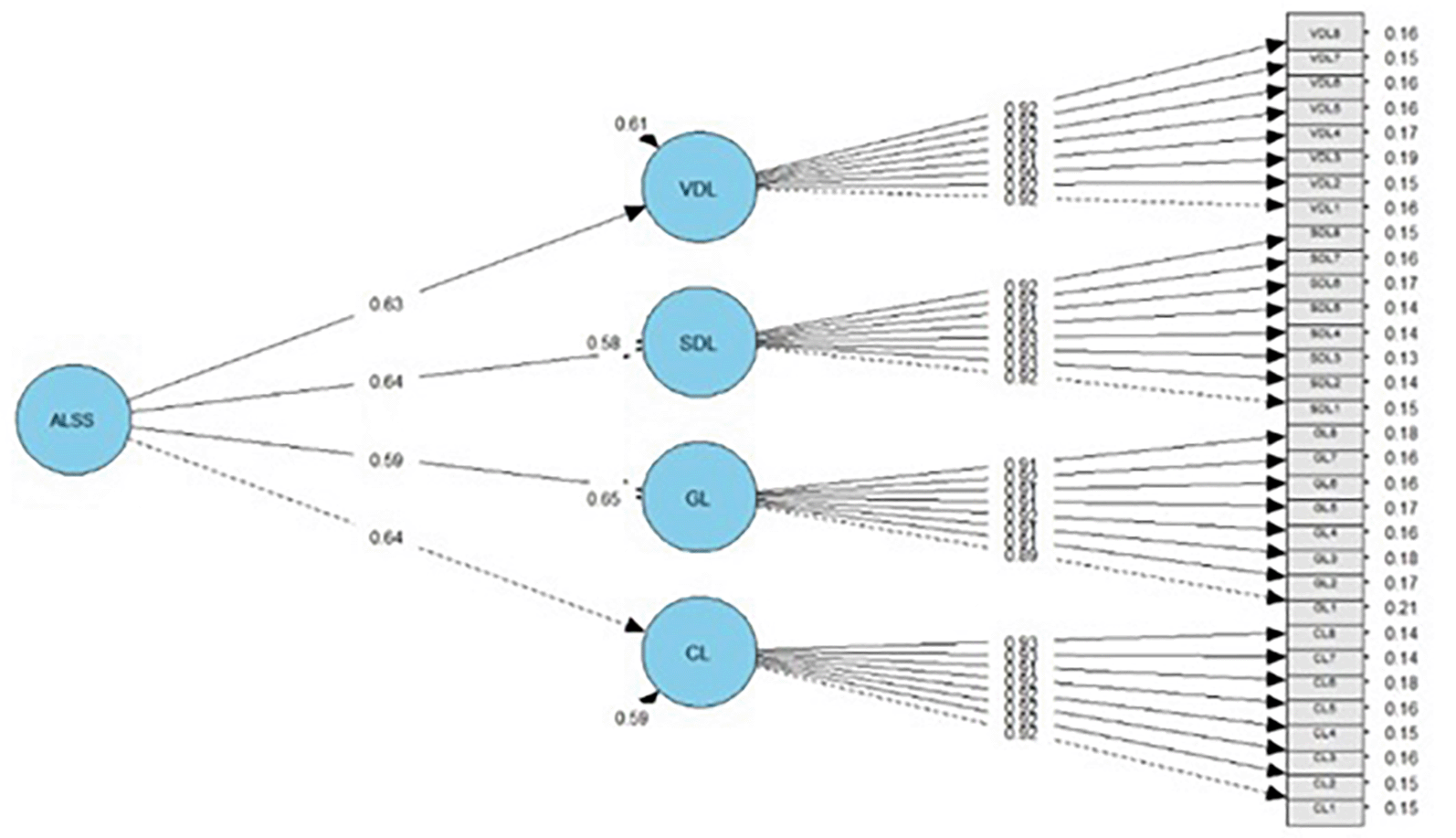
Figure 5 presents the standardized parameter estimates of the second-order CFA model. The standardized loadings from ALSS to the four dimensions range from 0.59 to 0.64 (VDL = 0.63; SDL = 0.64; GL = 0.59; CL = 0.64), all exceeding the conventional 0.50 threshold and indicating substantial contributions of each dimension to the higher-order construct. Standardized item loadings on the first-order factors are high (approximately 0.85–0.93), with corresponding error variances in the low-to-moderate range, providing strong evidence of convergent validity. Together with excellent fit indices (χ2(463) = 515.635, p = 0.046; CFI = 0.996; TLI = 0.996; RMSEA = 0.020), this figure supports the conclusion that the second-order ALSS model is both statistically well-fitting and theoretically robust.
a. Discriminant Validity
Table 4 presents the discriminant validity of the four first-order constructs: CL, GL, SDL, and VDL. The diagonal entries display the square root of the Average Variance Extracted (√AVE), which ranges from 0.906 to 0.929, indicating strong convergent validity for each construct. The off-diagonal cells show inter-construct correlations, which are moderate (approximately 0.34–0.42) and consistently lower than the corresponding √AVE values. This pattern satisfies the Fornell–Larcker criterion, confirming that each construct is empirically distinct from the others. Complementary indicators reported together with this table show high construct reliability (CR) for the first-order factors (0.965–0.993) and acceptable reliability for the second-order ALSS factor (CR = 0.714). The standardized second-order loadings (0.593–0.645) and R2 values (0.351–0.415) further indicate that ALSS explains 35–42% of the variance in each dimension. Collectively, Table 4 supports the conclusion that ALSS is a valid and reliable second-order model in which four interrelated, yet distinct, dimensions form a holistic construct of Generation Alpha learning style.
b. Construct Reliability (CR)
All CR > 0.70 → High reliability for first-order constructs. ALSS CR (0.714) is slightly below 0.70 but acceptable for higher-order constructs with excellent fit indices.
c. Second-Order Factor Loadings (Standardized)
All significant (p < 0.001). SDL showed the strongest influence, followed by CL, VDL, and GL.
d. R 2 (Indicators of Determination)
ALSS explains 35–42% of variance in each dimension → Significant contribution
| Construct | √AVE | CL | GL | SDL | VDL |
|---|---|---|---|---|---|
| CL | 0.923 | – | 0.362 | 0.411 | 0.422 |
| GL | 0.906 | – | 0.413 | 0.337 | |
| SDL | 0.929 | – | 0.394 | ||
| VDL | 0.910 | – |
Conclusion of CFA: The ALSS model is valid and reliable. The second-order structure confirms that Generation Alpha’s learning style in vocational education is best represented as a unified, holistic construct (ALSS) composed of four interrelated dimensions.
This study successfully developed and validated the ALSS, the first psychometric instrument measuring Generation Alpha’s integrated learning style in Indonesian vocational education. Unlike traditional instruments (VARK, Kolb), ALSS captures the digital-native, multidimensional, and hierarchical nature of this generation’s learning preferences through a theoretically grounded second-order model.
The elevated S-CVI/Ave (0.981), Cronbach’s α (0.96), and outstanding CFA fit indices (CFI = 0.996, RMSEA = 0.020) validate the superior psychometric quality of ALSS. The second-order structure validates the theoretical assumption that VDL, CL, SDL, and GL are not isolated preferences but manifestations of a unified learning identity shaped by digital immersion.
The finding that SDL and CL had the highest standardized loadings on ALSS suggests that autonomy and collaboration are the most dominant drivers of Generation Alpha’s learning identity in vocational settings. This aligns with findings from (Mukuka & Tatira, 2025) and (Flavian, 2024), who argue that digital natives prioritize agency and social connection over passive consumption.
The ALSS provides educators and policymakers with a diagnostic tool to personalize Co-PjBL instruction. For example, a student with high SDL and low GL may benefit from self-paced digital projects with minimal gamification, while one with high GL and CL may thrive in team-based challenge simulations with point systems.
This instrument bridges a critical gap in TVET research: the lack of validated, theory-driven scales for Generation Alpha. It enables data-driven curriculum design, teacher training, and policy development aligned with the actual learning profiles of Indonesia’s digital-native youth.
This study developed and validated the Alpha Generation Learning Style Scale (ALSS), a psychometrically robust instrument to measure the integrated learning preferences of Generation Alpha in Indonesian vocational education. The second-order CFA model confirmed that Visual–Digital Learning, Collaborative Learning, Self-Directed Learning, and Gamified Learning collectively form a higher-order construct ALSS representing a holistic, digitally mediated learning identity.
With exceptional content validity (S-CVI/Ave = 0.981), reliability (Cronbach’s α = 0.96), and structural fit (CFI = 0.996, RMSEA = 0.020), ALSS offers educators, curriculum designers, and policymakers a scientifically grounded diagnostic tool to implement personalized, Co-PjBL-informed instruction. By aligning pedagogy with students’ authentic learning profiles, ALSS supports the transition from uniform to individualized vocational education in the digital age. Future research should explore cross-cultural validation and longitudinal impacts of ALSS-informed instruction on learning outcomes.
This study provides substantial theoretical, practical, and policy implications for vocational education. The validation of ALSS through a second-order CFA model reinforces that Generation Alpha’s learning style is an integrated construct rather than separate preferences, reflecting the combined influence of social constructivism, connectivism, heutagogy, and cybergogy. This contributes to modernizing learning style theory by demonstrating the need for a contemporary psychometric model suited to digital-native learners. Practically, ALSS serves as a diagnostic tool that enables teachers to design personalized, data-driven learning strategies, adapt instructional resources, and align Cooperative Project-Based Learning (Co-PjBL) with learners’ strengths to improve engagement, motivation, and higher-order thinking. The instrument also informs teacher professional development by guiding the adoption of digital pedagogy and differentiated instruction. At the policy level, ALSS offers an evidence-based mechanism to support digital transformation in SMK, informing curriculum development, resource allocation, and standards for technology-integrated learning, ultimately strengthening workforce preparation for Industry 4.0 and Society 5.0.
This study has several limitations that should be considered when interpreting the findings. The sample was restricted to Mechatronics students, limiting the generalizability of ALSS to other vocational fields with different learning environments. The use of self-report questionnaires introduces potential response bias, especially among younger learners. The study focused primarily on validating the instrument’s structure and reliability without examining its direct impact on learning performance, engagement, or project-based learning outcomes. Additionally, validation was conducted solely within the Indonesian context, leaving cross-cultural applicability uncertain. Future research should extend validation across diverse vocational areas and cultural settings, conduct longitudinal studies to observe changes in learning styles over time, and examine whether ALSS predicts autonomy, collaboration, or digital engagement. Investigating the effects of ALSS-informed instruction on academic outcomes and integrating behavioral data from learning analytics could improve objectivity. Developing adaptive digital systems based on ALSS may further enhance personalized vocational learning.
The Research Ethics Committee of Universitas Negeri Yogyakarta granted ethical permission for this investigation (Approval No. B/1861/UN34.17/LT/2025). All procedures adhered to international ethical standards for research involving human subjects, encompassing the concepts of respect, beneficence, and fairness (Association, 2002). Data were obtained through an online questionnaire administered to vocational high school students who participated voluntarily. Before participation, students were apprised of the research objectives, anonymity, confidentiality, and their freedom to withdraw at any moment (Creswell & Creswell, 2017). Digital informed consent was obtained through an online form, and permissions for underage students were coordinated through school authorities in accordance with institutional regulations (BERA, 2018). All replies were gathered anonymously, devoid of identifying information, and securely stored with access limited to the research team, so ensuring confidentiality and minimizing risk to participants (Flick, 2017).
In preparing this manuscript, the author utilized DeepL AI to enhance grammatical accuracy and improve readability. Following the use of this tool, the author conducted a thorough review and made necessary revisions, taking full responsibility for the final content of the publication.
| Views | Downloads | |
|---|---|---|
| F1000Research | - | - |
|
PubMed Central
Data from PMC are received and updated monthly.
|
- | - |
Provide sufficient details of any financial or non-financial competing interests to enable users to assess whether your comments might lead a reasonable person to question your impartiality. Consider the following examples, but note that this is not an exhaustive list:
Sign up for content alerts and receive a weekly or monthly email with all newly published articles
Already registered? Sign in
The email address should be the one you originally registered with F1000.
You registered with F1000 via Google, so we cannot reset your password.
To sign in, please click here.
If you still need help with your Google account password, please click here.
You registered with F1000 via Facebook, so we cannot reset your password.
To sign in, please click here.
If you still need help with your Facebook account password, please click here.
If your email address is registered with us, we will email you instructions to reset your password.
If you think you should have received this email but it has not arrived, please check your spam filters and/or contact for further assistance.

Comments on this article Comments (0)