Keywords
Sagwa, Traditional medicine, Herbal toxicity, Infants, Acute gastroenteritis, Iraq

This article is included in the Fallujah Multidisciplinary Science and Innovation gateway.
Sagwa, Traditional medicine, Herbal toxicity, Infants, Acute gastroenteritis, Iraq
This revised version addresses reviewer comments and includes several important improvements. The study design has been clarified as a prospective case–control study, with participants classified based on Sagwa exposure status and outcomes compared between groups. The Methods section has been expanded to provide detailed descriptions of Sagwa exposure (route, frequency, duration, and variability), caregiver-reported variables, and pre-hospital management, including the use of oral rehydration solution (ORS). Clinical outcome definitions, including renal failure, have been clearly specified.
The statistical analysis has been strengthened with clarification of analytical methods and inclusion of adjusted estimates where applicable. Tables have been revised for clarity, including specification of reference categories. The Discussion has been restructured to emphasize the main findings and their clinical implications, and the Limitations section has been updated to address potential biases, including caregiver-reported data and sample size considerations.
These revisions improve the clarity, methodological transparency, and overall scientific rigor of the manuscript.
To read any peer review reports and author responses for this article, follow the "read" links in the Open Peer Review table.
Diarrhea and the complications it produces are a major cause of morbidity and mortality in children, especially in the developing countries being second most common cause of death in children less than five years old worldwide. Diarrhea is responsible for 2.4 million deaths every year.1,2 In Iraq, diarrhea is the main cause of 70% of deaths among children, and yearly every child may have an average of 6 episodes of diarrhea.3 Acute gastroenteritis may be infectious or non-infectious.4 Morbidity and mortality of gastroenteritis are affected by many factors like antibiotics misuse; however, the herbal remedy (Sagwa) use is one of the prominent factors in Iraq.5
Using herbal medicine and supplements has been higher over the last three decades so that approximately 80% of the global population rely on them. A majority of these products are unlicensed, and their consumption is unregulated.6,7 Their potential toxicity may include neurotoxic, hepatotoxic nephrotoxic and cardiotoxic effects.8 As many as 80% of individuals in Africa consume herbal preparations for health problems, while in China, herbal medicine accounts for 30-50% of all medicines consumed.6
Certain herbal folk remedies are popularly used mainly in rural areas in Iraq & other countries. These include plants, roots, seeds and berries which are frequently used for treating diseases. Sagwa is one of these main remedies in Iraq. It is commonly used among people from low socioeconomic classes with limited literacy to treat neonates, infants and children with diarrhea and abdominal discomfort.5 Sagwa is made of a mixture of boiled animal parts of urchin, lomotil (diphenoxylate and atropine), tar, cow feces & rose water. This is commonly used by some midwives & elderly woman in rural areas as part of traditional knowledge & wrong beliefs for treating prolonged diarrheal diseases despite of its known harmful effects.1 After shaving the infant’s head, Sagwa mixture is put on it and left for at least 24 hours to make sure all the substances will be absorbed. This folk remedy is highly dangerous and can cause serious complications and even death in infants.1,9–12
Adequate data on Sagwa’s constituents -such as its mechanism of action, contraindications, adverse effects, and drug interactions- is absent, rendering it inherently risky. Some people prefer herbal remedies since they consider conventional medicines are industrially prepared.6 The reports received by the Iraqi pharmacovigilance center from many Iraqi pediatric hospitals show that analysis of Sagwa showed that its made of many toxic organic and inorganic substances like mercury, arsenic, animal skin and lead. More than half of the adverse events were gastrointestinal and in about half of them, the presentation was life threatening. So, this dangerous practice is worthy to be shed light on and given enough attention so as to raise the awareness of people about its detrimental results.5 This study was conducted to determine the morbidity and mortality of Sagwa use in acute gastroenteritis in infants and associated factors.
This was a prospective case–control study conducted at Al-Fallujah Hospital for Maternity and Children, Iraq, between July 1st, 2022, and January 1st, 2023. Infants were enrolled and classified according to Sagwa exposure status (exposed vs non-exposed), and outcomes were compared between groups. Ethical approval was obtained from the Ethical Committee at Al-Fallujah College of Medicine, and verbal consent was obtained from children’s caregivers.
The study included infants with acute diarrhea, defined as at least four episodes of liquid stool per day, who were admitted to the pediatric wards, emergency department, or neonatal nursery. Cases were infants with acute diarrhea who had been given Sagwa by their families, while controls were age- and sex-matched infants with acute diarrhea who had not received Sagwa.
Caregivers were interviewed using a structured questionnaire that captured information on:
• Frequency of Sagwa administration.
• Interval between exposure and hospital admission.
• Duration of hospital stay.
• Route of Sagwa administration (oral, topical/scalp, or both)
• Duration and frequency of use prior to hospital presentation
• Use of oral rehydration solution (ORS) or other treatments before admission primary caregiver (mother vs grandmother vs others).
Sagwa preparation was non-standardized and varied between households.
Information on Sagwa exposure (use, frequency, duration, and route of administration), caregiver characteristics (mother’s education, grandmother involvement), and pre-hospital management (including ORS and other treatments) was obtained through caregiver interviews and therefore considered self-reported.
Some exposure and caregiver-related variables were self-reported, which may introduce recall bias and affect the accuracy of the collected data.
Clinical outcomes were prospectively documented during hospitalization, including severity of dehydration, renal failure, need for dialysis, convulsions, coma, and mortality. Renal failure was defined as elevated serum creatinine above age-specific reference ranges or reduced urine output (<1 ml/kg/hour). Stool pathogen identification was not routinely performed due to limited resources and was not available for all participants.
Data were analyzed using SPSS version 26. Categorical variables were summarized as numbers and percentages, while continuous variables were expressed as mean ± standard deviation (SD). Multivariable analysis was performed, and adjusted odds ratios (aOR) with 95% confidence intervals were calculated where applicable. Associations between categorical variables were assessed using the Chi-square test, and a p value of <0.05 was considered statistically significant.
Ethical approval for this study was obtained from the Ethics Committee of the College of Medicine, University of Fallujah. Verbal informed consent was obtained from the parents or legal guardians of all participating children prior to enrollment.
In accordance with the World Medical Association (WMA) Declaration of Berlin on Racism in Medicine (2022), the authors affirm that this study was conducted with full respect for human dignity, equity, and non-discrimination. The study design, data collection, and analysis were undertaken without bias related to ethnicity, socioeconomic status, or cultural background. The authors recognize racism as a social determinant of health and affirm their commitment to ethical, inclusive, and equitable research practices.
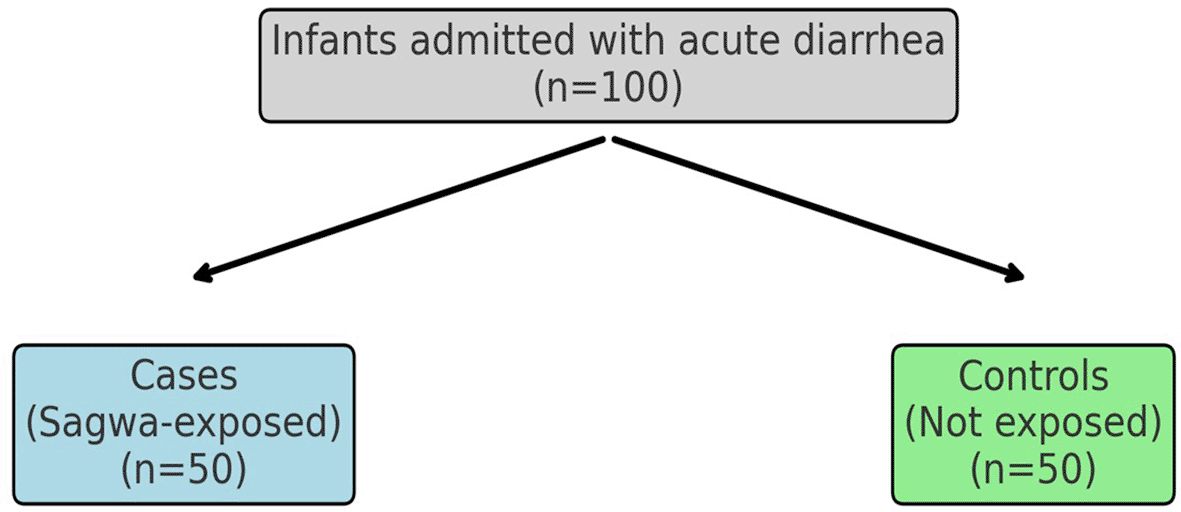
A total of 100 infants were enrolled, comprising 50 cases and 50 controls. No significant differences in age and sex were observed between cases and controls, as these variables were matched by design. (Table 1). The process of enrolment and classification of participants into cases and controls is illustrated in Figure 1.
| Variable | Cases (No. %) | Controls (No. %) | p value |
|---|---|---|---|
| Age | 0.9 | ||
| 1 month | 20 (40.0) | 23 (46.0) | |
| 2–6 months | 15 (30.0) | 12 (24.0) | |
| 7–12 months | 15 (30.0) | 15 (30.0) | |
| Sex | 0.9 | ||
| Male | 28 (66.0) | 27 (64.0) | |
| Female | 22 (34.0) | 23 (36.0) |
A significant association was observed between residence and Sagwa exposure, with cases more likely to live in rural areas compared with controls (p=0.03). Maternal education was also significantly associated, as cases were more likely to have mothers who were not educated (p=0.007). A highly significant association was found between grandmother responsibility for caregiving and Sagwa exposure (p<0.001), whereas grandmother’s educational level did not differ significantly between cases and controls (p=0.2) ( Table 2).
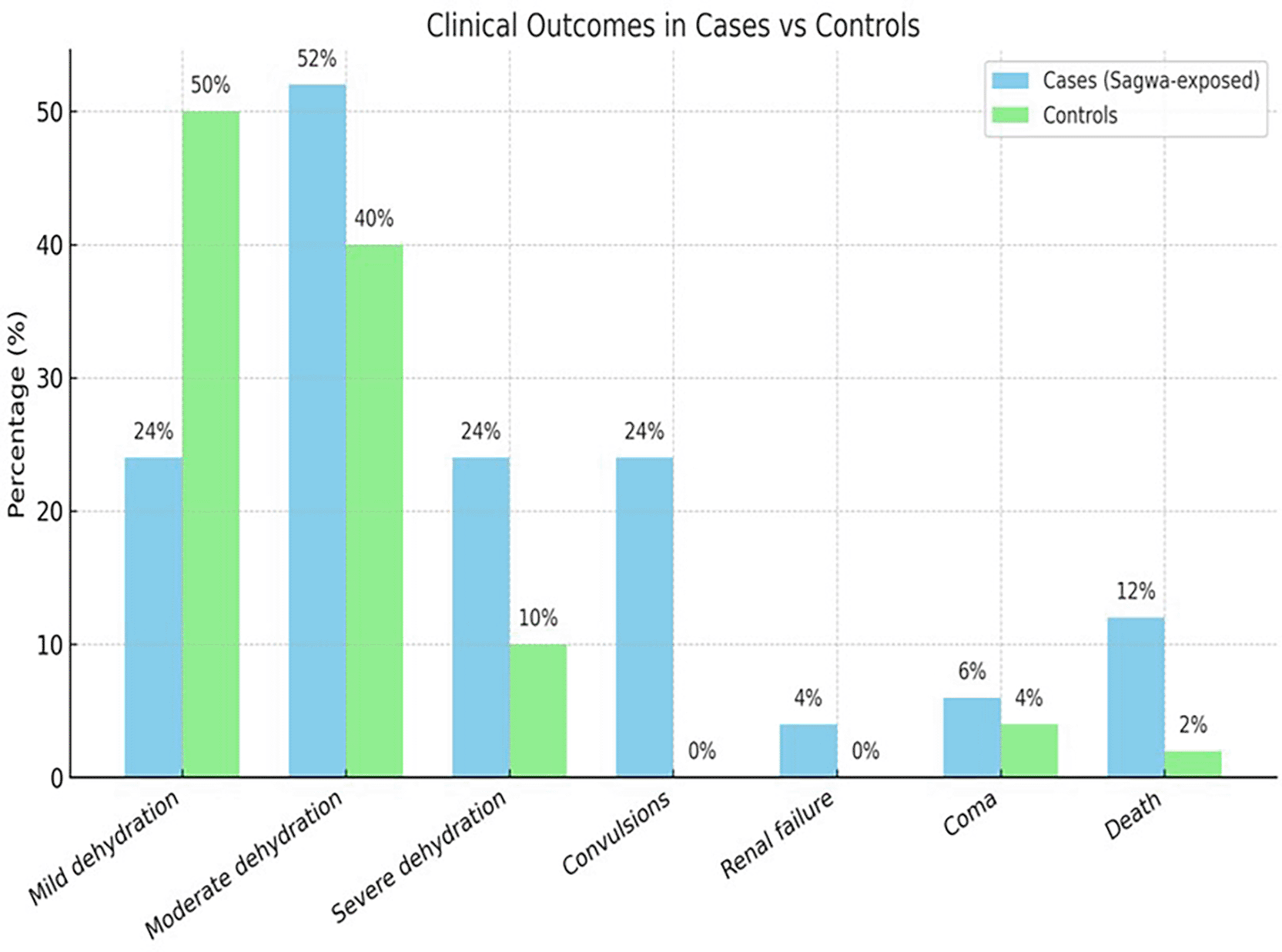
Regarding clinical outcomes, severe dehydration was significantly more common among cases compared with controls (p=0.01). Convulsions were strongly associated with Sagwa exposure, occurring only in cases (p<0.001). Mortality was also significantly higher among cases than controls (p=0.05). In contrast, no significant differences were noted between the two groups regarding renal failure (p=0.1), dialysis (p=0.3), or coma (p=0.6) ( Table 3). These contrasts in outcomes are summarized visually in Figure 2, which highlights higher rates of severe dehydration, convulsions, and mortality among cases.
| Variable | Cases (No. %) | Controls (No. %) | p value |
|---|---|---|---|
| Dehydration* | 0.01 (S) | ||
| Mild | 12 (24.0) | 25 (50.0) | |
| Moderate | 26 (52.0) | 20 (40.0) | |
| Severe | 12 (24.0) | 5 (10.0) | |
| Convulsions | 12 (24.0) | 0 (0) | <0.001 (S) |
| Renal failure | 2 (4.0) | 0 (0) | 0.1 (NS) |
| Dialysis | 1 (2.0) | 0 (0) | 0.3 (NS) |
| Coma | 3 (6.0) | 2 (4.0) | 0.6 (NS) |
| Death | 6 (12.0) | 1 (2.0) | 0.05 (S) |
Clinical outcomes were further analyzed according to routes of Sagwa administration (oral, scalp, or combined). Convulsions and renal failure were significantly associated with combined oral and scalp administration (p<0.001 for both). However, dehydration severity did not differ significantly by administration route (p=0.1) (Table 4).
This study demonstrates a significant association between Sagwa use and increased morbidity among infants with acute diarrhea. Exposed infants had higher rates of severe dehydration, convulsions, and mortality compared with non-exposed controls. These adverse outcomes may be explained by potential toxic components of Sagwa, delayed initiation of appropriate medical treatment, and variability in preparation and dosing. It shows that using Sagwa is really a significant public health problem in Fallujah like other areas in Iraq. The study shows no significant differences in the age between cases ((Sagwa-exposed infants) and controls, which is expected as age was a matched variable in the study design, though in the both groups age of less than one month was more common in contrast to another Iraqi study where age of more than six months was more common.6 Although in both groups male was more common but was not significantly different in line with other studies.5,6,13 Consumption of Sagwa was more frequent among children whose mothers had a lower educational attainment, consistent with findings in Iraq.14,15 Mothers with poor education may have limited awareness regarding appropriate management of diarrhea and may be more susceptible to traditional beliefs. Additionally, the primary caregiver being the grandmother was strongly associated with Sagwa use, reflecting the role of cultural and intergenerational practices in perpetuating this harmful intervention. This relationship is clearly demonstrated in Figure 1, which shows the case–control distribution of Sagwa-exposed and non-exposed infants.
Dehydration was found to be significantly different between cases and controls with predominance of moderate dehydration in cases similar to other studies.6,16
Clinically, Sagwa exposure is significantly associated with convulsions, severe dehydration, and higher mortality. These outcomes agree with documented evidence of Sagwa’s toxicity which may be related to toxic substances such as heavy metals (lead, cadmium, and mercury) and contaminated organic materials, contributing to neurotoxicity and systemic complications10
Several studies found severe neurological consequences of Sagwa use. Similarly, an Iraqi prospective case–control study from Diyala reported central nervous system (CNS) complications in 43% of Sagwa-exposed children including altered consciousness, seizures and coma as compared to controls. Mortality in the Sagwa group reached 9%.6 Likewise, another Iraqi study from Baghdad did pharmacovigilance analysis of 43 individual case safety reports and concluded about half of cases had life-threatening complications with neurological signs being prominent upon presentation. Toxicology revealed hazardous substances like lead, arsenic, mercury, and animal-derived material that all are likely to induce acute neurotoxicity.5 Our findings are illustrated in Figure 2, which highlights that convulsions, severe dehydration, and mortality were markedly more frequent among cases compared with controls.
Renal failure and need for dialysis are not statistically significant in our study but were present among infants who received Sagwa, and this suggests potential underestimation of its toxicity mostly due to sample limitations. Another study reported dialysis-requiring renal involvement after Sagwa use,17 and a study found renal complications in 49% of Sagwa-exposed children with metabolic derangements in 83% indicating multi-system involvement.6
Our study found a high mortality of 12% among Sagwa-exposed infants as compared to 2% in controls with acute diarrhea which even higher than another Iraqi study from Diyala where it was 9%.6 Furthermore, a cross-sectional observational study from Baghdad found that among Sagwa-exposed children mortality was 58.3% compared to only 2.1% in the non-using group. Additionally, 25% of those who survivors had significant complications.18
The main limitations of our study are; First, it was conducted at a single center, which may limit generalizability. Second, Sagwa preparation was non-standardized, with variability in composition, route, and dosing. Third, some exposure data were caregiver-reported, introducing potential recall bias. Fourth, stool pathogen identification was not routinely performed. Finally, the sample size was relatively small and based on feasibility, which may limit the power to detect some associations.
In conclusion, Sagwa use in infants with diarrhea is dangerous and contributes to morbidity and mortality which are preventable. We recommend focusing on culturally sensitive education that targets mothers and grandmothers in rural areas and imposing stricter regulation of hazardous traditional remedies by authorities.
| Views | Downloads | |
|---|---|---|
| F1000Research | - | - |
|
PubMed Central
Data from PMC are received and updated monthly.
|
- | - |
Provide sufficient details of any financial or non-financial competing interests to enable users to assess whether your comments might lead a reasonable person to question your impartiality. Consider the following examples, but note that this is not an exhaustive list:
Sign up for content alerts and receive a weekly or monthly email with all newly published articles
Already registered? Sign in
The email address should be the one you originally registered with F1000.
You registered with F1000 via Google, so we cannot reset your password.
To sign in, please click here.
If you still need help with your Google account password, please click here.
You registered with F1000 via Facebook, so we cannot reset your password.
To sign in, please click here.
If you still need help with your Facebook account password, please click here.
If your email address is registered with us, we will email you instructions to reset your password.
If you think you should have received this email but it has not arrived, please check your spam filters and/or contact for further assistance.

Comments on this article Comments (0)