Keywords
Blended training, teachers’ professional development, vocational teachers, teachers’ competence, Kirkpatrick model

Blended training, teachers’ professional development, vocational teachers, teachers’ competence, Kirkpatrick model
Teachers’ professional development has long been acknowledged as a crucial factor in enhancing educational quality (Farabi, Bahar & Agam, 2025; Revina et al. 2023; Bolt, 2012). It is a continuous process of learning, training, and reflection designed to enhance a teacher’s knowledge, abilities, and proficiency in their work (AbdulRab, 2023; Germuth, 2018). Additionally, it is also essential for enhancing student outcomes, since it provides educators with new skills, updates them on teaching trends and technology, and improves their instructional efficacy (Salmerón Aroca, Moreno Abellán, & Martínez de Miguel López, 2023). In the absence of professional development, educators may experience diminished confidence in addressing new classroom difficulties due to a lack of exposure to contemporary teaching methodologies, research, and resources (Jones & Macpherson, 2021).
In Indonesia, teachers’ professional development programs have been implemented for decades utilising diverse methodologies, concepts, and designs traceable to the 1970s (Farabi, Bahar & Agam, 2025; Revina et al., 2023; Revina et al., 2020; Tanang & Abu, 2014). Presently, the teacher development programs are based on Law Number 14 of 2005, which seeks to enhance teachers’ pedagogical and professional competencies (Government of the Republic of Indonesia, 2005). The government is implementing a program known as teachers’ certification to enhance their competency (Purnamansyah, 2018). It emphasises instructors’ deficiencies in subject area expertise and pedagogical competencies (Revina et al., 2023; Revina et al., 2020).
Scholarly debates frequently arise on the efficacy and consequences of teachers’ professional development in Indonesia. Policy scholars such as Revina et al. (2020) and Revina et al. (2023) focus on teachers’ professional development, which, despite prolonged efforts, exhibits stagnation and minimal impact on the quality of both instructors and pupils (Revina et al., 2020). Conversely, Purnamansyah (2018) discovered that certified teachers who succeed in the competency test exhibit professional proficiency, encompassing subject mastery and ongoing professional advancement through reflective practice, thereby indicating the efficacy of the government program for teacher professional development. Rasmitadila et al. (2025) indicated that engagement in teachers’ professional development programs enhances the competencies of practicing teachers and fosters their ongoing professional development. Moreover, educators’ professional growth significantly influences student performance (Rahmi and Rassanjani, 2025).
Nevertheless, numerous studies frequently overlook the teachers’ personal viewpoints regarding their needs and compensation. The evaluation method frequently regards teachers merely as objects of study (see Costa and Ceccim, 2022). Research conducted by Revina et al. (2020) and Revina et al. (2023) examines the contributions of instructors to educational quality and student outcomes. Purnamansyah (2018) and Rasmitadila et al. (2025) examine their contributions to the outcomes of teachers’ assessments. As a result, the recommendations frequently emphasise the methodology, design, and actions to be taken about the educators that disregard the teachers’ point of view of what they actually perceived from the program and what they expect for their future career (e.g., Setiadi & Muhafidin, 2024; Wongso, Aida, & Habibi, 2024; Chambers-Ju, Beatty, & Pramana, 2022). Therefore, it is essential to undertake a complete study that emphasises instructors’ perspectives.
This study will examine the effects of teachers’ professional development from the teachers’ perspectives. The objective is to ascertain instructors’ sentiments regarding their attitudes, values, motivation, and skills following participation in professional development therefore Kirkpatrick Model approach was applied (Kirkpatrick & Kirkpatrick, 2006). Further, this study will examine the perspectives of vocational high school teachers in Indonesia who participated in the government-conducted teacher development program based on longitudinal surveys conducted over four years from 2020 to 2023. Given that teachers’ development is an ongoing process, monitoring it over the years will provide valuable data for future policymakers to consider in their policy design (Tamkin, Yarnall, & Kerrin, 2002).
The study is significant to be conducted as the study which employed the Kirkpatrick Model with a longitudinal approach that focuses on teachers’ perspectives is rarely to be carried out. The study from Revina et al. (2023) focuses on the development of the teachers’ development program via documentation, interviews and observation that measure all of the results to national development. Meanwhile, Rahmi and Rassanjani (2025) measure the management, pedagogy, educational practices, and assessment methodologies using a qualitative approach, via systematic review analysis to assess the effectiveness of the program. Thus, the past studies strongly encouraged the researchers to conduct the present study.
The research data is obtained from the participants who enrolled in a government-sponsored professional development program under the The Directorate General of Vocational Education Ministry of Primary and Secondary Education in Indonesia (MoPSE) from 2020 to 2023. All participants underwent a systematic training program comprising online and offline instruction, internships, and coaching across three training cycles. The program aims to enhance the professional development of educators in the domains of business and tourism. The programs involved vocational high school teachers throughout Indonesia.
Ultimately, addressing the deficiency in existing literature regarding the effects of teachers’ professional development in Indonesia exclusively from the teachers’ viewpoints. This study seeks to ascertain instructors’ perspectives following training activities including attitudes, values, motivation, and skills. The professional development occurred from 2020 to 2023. Consequently, the research utilises a longitudinal data gathering methodology. This study is anticipated to provide insights for future policy creation that incorporates the perspectives of vocational teachers.
The vocational education policy in Indonesia is governed by several legal instruments and strategic planning documents, including the National Education System Law No. 20 of 2003, the Labour Law No. 13 of 2003, and Presidential Instruction No. 9 of 2016 regarding the Revitalisation of Vocational High Schools (SMK). The primary objective of these policies is to enhance the alignment of vocational education with labour market requirements via a Public–Private Partnership (PPP) model and the principle of link and match (Government of the Republic of Indonesia, 2016; Government of the Republic of Indonesia, 2003a; Government of the Republic of Indonesia, 2003b). The government underscores the significance of vocational education as educational entities proficient in generating graduates equipped with technical, management, and interpersonal abilities that correspond with national and worldwide industry advancements (UNESCO-UNEVOC, 2020).
The Ministry of Primary and Secondary Education (Kemendikdasmen) offers pre-service and in-service training programs to facilitate competency development for vocational teachers. These initiatives are underpinned by national regulations, notably Ministerial Regulation No. 3/2021, which stipulates the function of Vocational Teacher Quality Assurance Development Centres (BB/BPPMPV) in competency enhancement alongside Ministerial Regulations No. 16/2007 and No. 143/2014, which formally establish collaborative teacher development forums via KKG and MGMP. Activities encompass teacher competency certification, qualification enhancement training, competency-based training, and train-the-trainer programs aimed at augmenting teachers’ capacity to impart skills pertinent to current demands (Government of the Republic of Indonesia, 2021; Government of the Republic of Indonesia, 2017; Government of the Republic of Indonesia, 2007; Government of the Republic of Indonesia, 2003b).
Academics hold varying viewpoints regarding the state of professional development in Indonesia. Scholars are polarised; some concur that professional development in Indonesia positively influences teachers, while others disagree. Researchers such as Revina et al. (2023), Arif et al. (2022), and Revina et al. (2020) discovered that professional development for teachers in Indonesia is unlikely to significantly affect their competencies and attitudes. On a larger scale, they discovered that the kids’ academic outcomes are deficient, perhaps due to the shortcomings of the teachers’ professional development program in Indonesia. Contrary to this, research by Rahmi and Rassanjani (2025) indicates that the teachers’ professional development program in Indonesia positively influences teachers’ instructional delivery, self-esteem, and students’ academic outcomes. The study corroborates the findings of Rasmitadila et al. (2025) that the professional development program for teachers in Indonesia enhances their proficiency. It also significantly influences teachers’ motivation (Kholifah et al., 2024; Purwanti & Zarger, 2025). Furthermore, Herda et al. (2024) discovered that the teachers’ development program could influence instructors’ views. Ultimately, there is a divergent outcome that underscores the need of conducting this study.
In light of the research purpose, the study utilised a quantitative methodology within a longitudinal design. It refers to a methodology in which researchers gather and analyse quantitative data within a singular study to attain an in-depth understanding of the research problem, using repeated observations of the same individuals over a lengthy period (Shorten & Smith, 2017; Plano Clark et al., 2014). Furthermore, Creswell (2018) asserts that quantitative research is a process that produces numerical data suitable for statistical analysis. The connotation process can be delineated in Figure 1.

The study will utilise the evaluation approach proposed by Kirkpatrick (Kirkpatrick and Kirkpatrick, 2006). This study will test only three levels, specifically level 1, level two and level three. In level 1 - reaction, we evaluate motivation; in level 2 - learning, we assess skills; and in level 3, we examine values and attitudes. Numerous researchers critique the hierarchical placement of the level (e.g., Reio et al., 2017; Bates, 2004). Consequently, we see all levels as structural elements of equal significance to the effects of the participants, thus circumventing the hierarchical positioning of these levels.
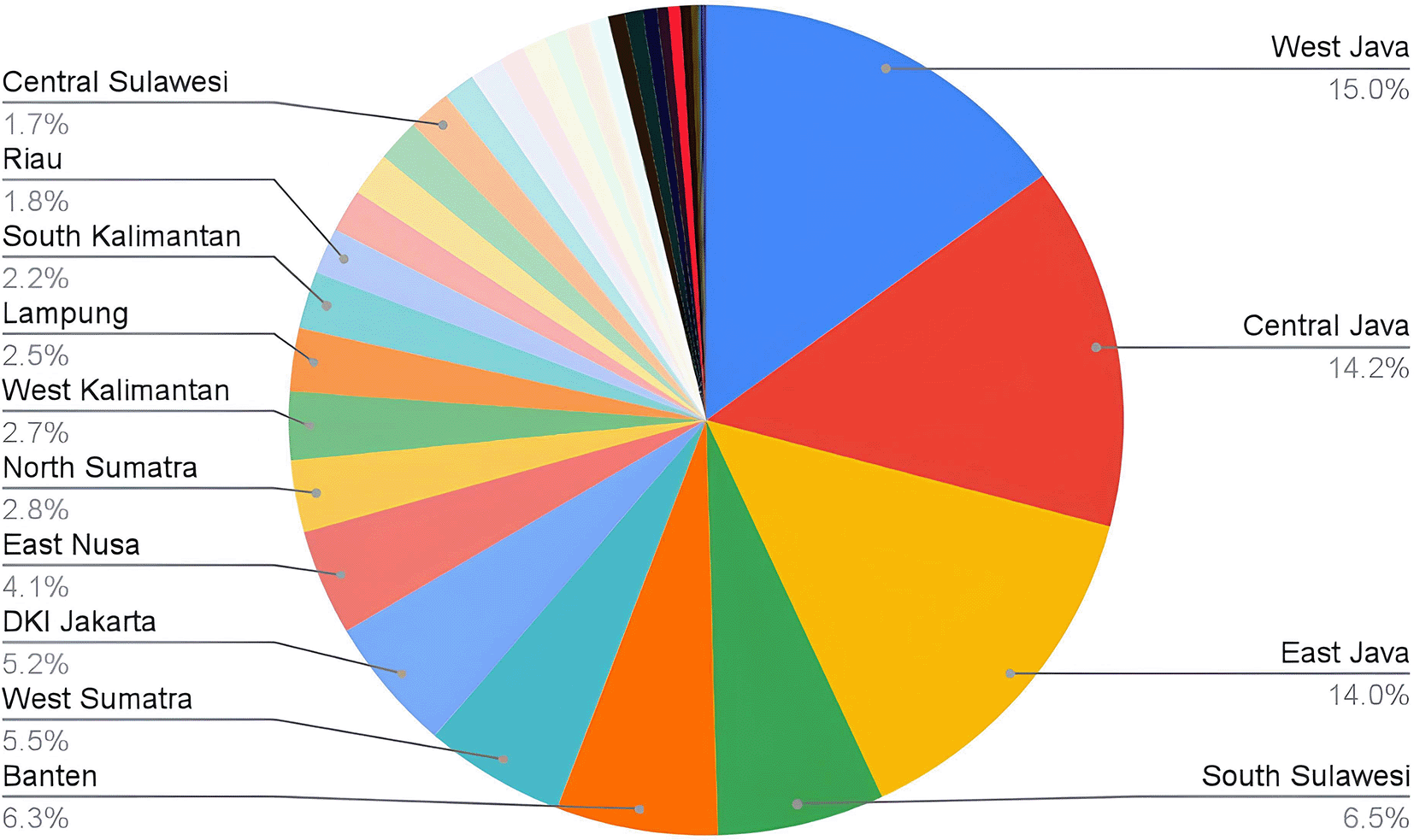
This study’s participants consisted of vocational high school educators in Indonesia. They were instructing in business and tourism, particularly in marketing. The method of participant selection employed convenient sampling, relying on data availability (Taherdoost, 2016). The research included 944 instructors as respondents, comprising 28.87% male teachers (273) and 72.13% female teachers (671). The participants originated from 34 provinces in Indonesia. The majority of participants originate from West Java, Central Java, and East Java, comprising approximately 40% of the total. The intricate construction is illustrated in Figure 2. They participated in the professional development programs administered by The Directorate General of Vocational Education under the Ministry of Primary and Secondary Education in Indonesia (MoPSE) from 2020 to 2023. They engaged in three training cycles that encompassed online and offline instruction, internships, and coaching.
Data collection
This study utilised a survey method for data collection. It gathers data from chosen individuals using questionnaires to comprehend their perspectives, behaviours, and personal characteristics (Ponto, 2015). This methodology is appropriate for extensive research that effectively gathers data (Creswell, 2018). The study participants completed an online survey following their involvement in the training program. The questionnaire employed a Likert scale methodology. Koo and Yang (2025) describe a Likert scale as a measurement instrument intended to assess individuals’ perspectives by offering statements and requesting them to rate their level of agreement or disagreement using a series of ordered response alternatives. Consequently, it is pertinent to the objectives and design of this study. The participants completed both quantitative and qualitative enquiries and statements. All questionnaire items were derived from The Directorate General of Vocational Education, Ministry of Primary and Secondary Education in Indonesia (MoPSE) for the Upskilling and Reskilling Program (Directorate General of Vocational Education, 2020).
Data analysis
The study utilised a quantitative methodology involving surveys, and the data will be analysed through percentage data analysis. Percentage data analysis entails transforming raw values into percentages to standardise outcomes, facilitating data comparison and proportion identification (Shapiro, 2008). Furthermore, colour coding and visualisation will be utilised to enhance comprehension of the data. The analysed data will be further validated against pertinent prior studies, established frameworks, and theories.
Statistical Percentage Formula:
Where:
count of the category of interest
= total number of observations (the whole)
= number of categories
Adapted from Triola (2020)
Validity and reliability
We employ an expert judgement technique to guarantee the quality and dependability of the data. This approach enables researchers to authenticate the validity and reliability of the procedure and data analysis through expert consultation (Nguni et al., 2024). This study involved consultation with a minimum of two specialists, and based on analytical considerations, the data and the analysis procedure are deemed legitimate and credible.
Ethical considerations
All of the research processes have followed the protocol and procedures which were mandated by the letter of decree number 008/UN27.02/HK/2016 from the Governing Body of Universitas Sebelas Maret. The participant data, including names, institutions, and any identifiable information, is eliminated during the data cleaning and analysis process. Consent was obtained from participants when they agreed and submitted their data and took part in the study process at the end of the questionnaire form. Thus, the participants gave the written consent. Ultimately, all procedures were performed in accordance with the ethical standards of the Declaration of Helsinki, ensuring respect for participants’ rights and adherence to the authors’ ethical responsibilities.
Findings
Following a thorough analysis of the study’s data, the findings of instructors’ viewpoints post-training—encompassing motivation, skills, values and attitudes acquired throughout professional development from 2020 to 2023—will be provided. This study will evaluate each component individually to enhance the clarity of the information. The findings will guide the outcomes of the data analysis.
Level 1: Teachers’ Motivations Post Training Program
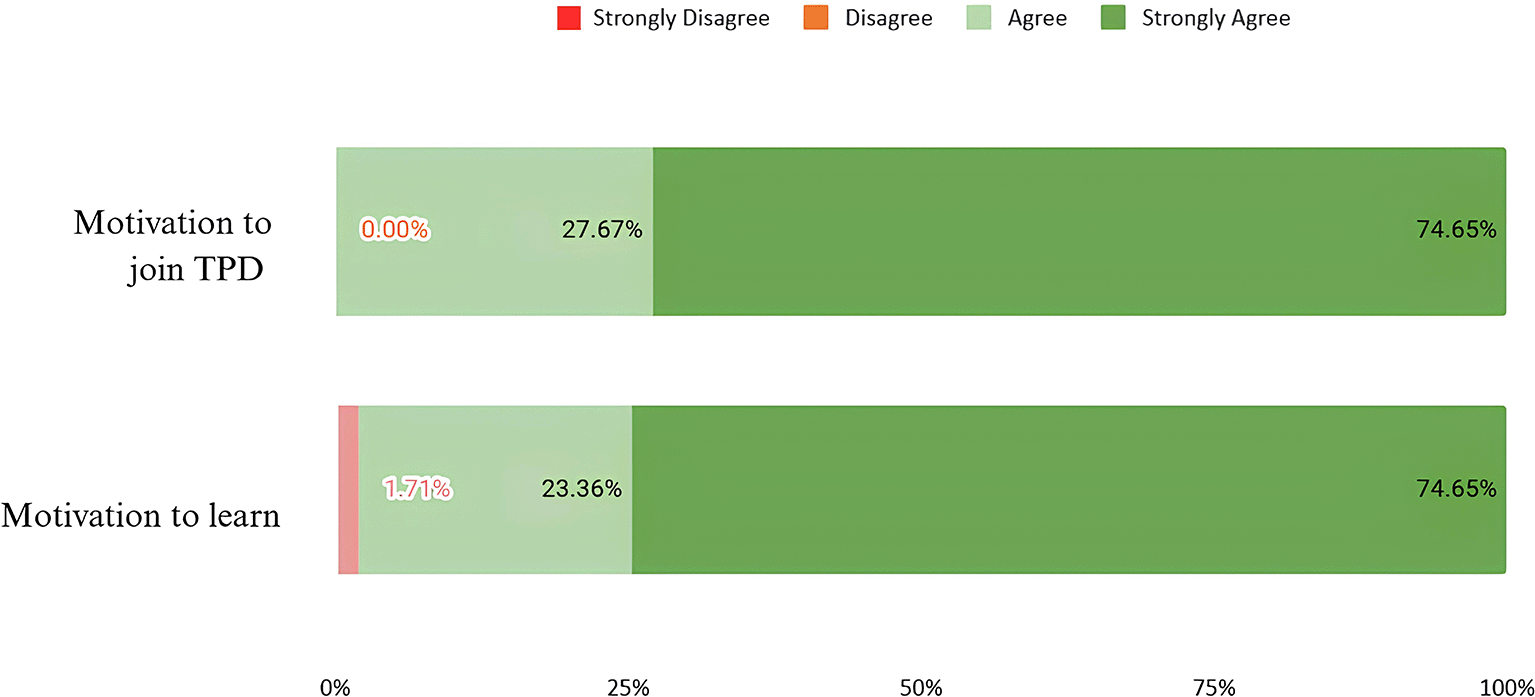
This study evaluated motivation, a fundamental psychological driver of individuals’ actions and aspirations. A four-point Likert scale, spanning from strongly disagree to strongly agree, was utilised to assess participants’ degrees of agreement with various assertions. The gathered responses indicate a markedly favourable trend. On average, over 98% of participants chose responses within the affirmative range (agree and strongly agree), signifying a substantial motivational enhancement subsequent to their involvement in the professional development sessions.
The motivation to participate in future professional development events was exceptionally high. Approximately 76.65% of respondents indicated strong agreement, while 27.67% stated agreement with their readiness to participate in future professional development programs. A limited percentage of teachers opted to disagree or strongly disagree, constituting a statistically insignificant minority. A similar trend was noted in participants’ motivation to learn following the completion of the program. Approximately 74.65% showed strong agreement, while 23.36% conveyed agreement, indicating that the training effectively enhanced their participation in learning activities. A small subset—approximately 2%—expressed dissatisfaction or strong disagreement, suggesting that the training did not significantly improve their motivation.
Overall, despite a minor percentage of adverse responses, the evidence robustly suggests that the majority of participants experienced heightened motivation subsequent to their involvement in the program. The findings indicate that the teacher development program was seen as advantageous and motivated educators to seek continuous professional enhancement. A more comprehensive distribution of replies is illustrated in Figure 3.
Level 2: Teachers’ Skills Post Training Program
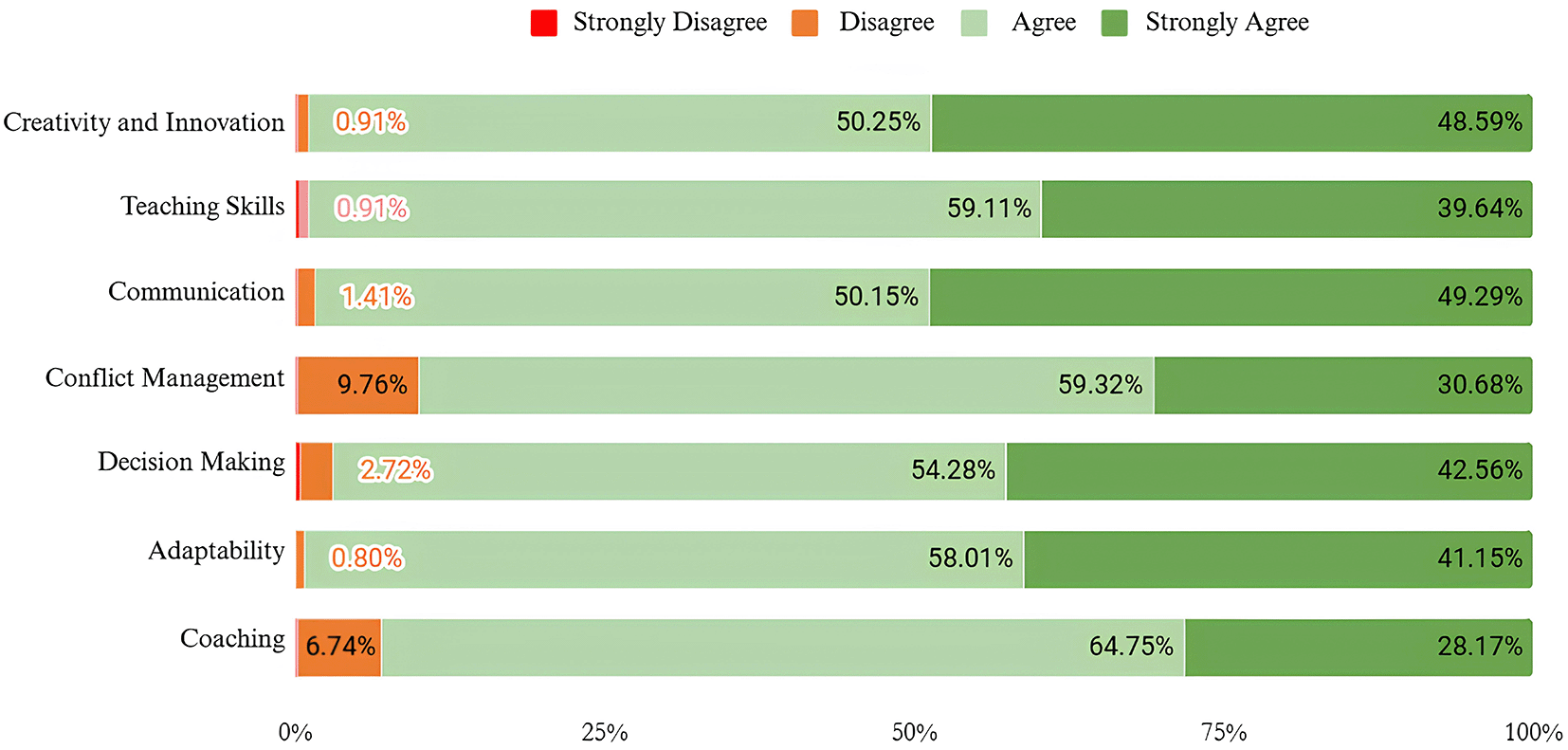
The study participants were also requested to assess their perceived skills enhancement following their involvement in the teachers’ development programs, utilising a four-point Likert scale with the options: strongly disagree, disagree, agree, and highly agree. The assessment concentrated on several fundamental characteristics deemed vital in professional education: creativity and innovation, pedagogical skills, communication, conflict management, decision-making, adaptation, and coaching.
The analysis of the responses reveals an overall favourable trend. The majority of educators reported enhancements in nearly all assessed domains, with overall agreement rates surpassing 90%. Specifically, communication was identified as the most enhanced competence, with respondents primarily selecting and expressing strong agreement. Creativity, creativity, and decision-making received substantial endorsement. Notwithstanding the predominantly favourable distribution, the data nevertheless indicates regions of worry. Approximately 10% of respondents indicated dissent concerning enhancements in conflict management, signifying an ongoing necessity for techniques to address interpersonal or classroom tensions. Approximately 7% of participants indicated no substantial improvement in coaching skills. These findings underscore potential deficiencies in the existing framework of the training modules. Addressing these deficiencies may necessitate more focused interventions, such as practical simulations, prolonged mentorship sessions, or subsequent courses aimed at reinforcing behavioural competences. Although the descriptive results suggest a largely positive view of the program’s impact, the existence of a significant number of teachers who did not observe progress indicates the necessity for more evaluation. A more thorough analysis of these perceptions is shown in Figure 4.
Level 3: Teachers’ Values Post Trainings Program
A crucial sign of a professional development program’s performance is its impact on participants’ values and behavioural inclinations. This study analysed participants’ values to see if the training enhanced their readiness to implement their new knowledge within their institutional contexts. Two value-oriented factors were examined: the goal to disseminate information among colleagues and the intention to interact within their educational communities.
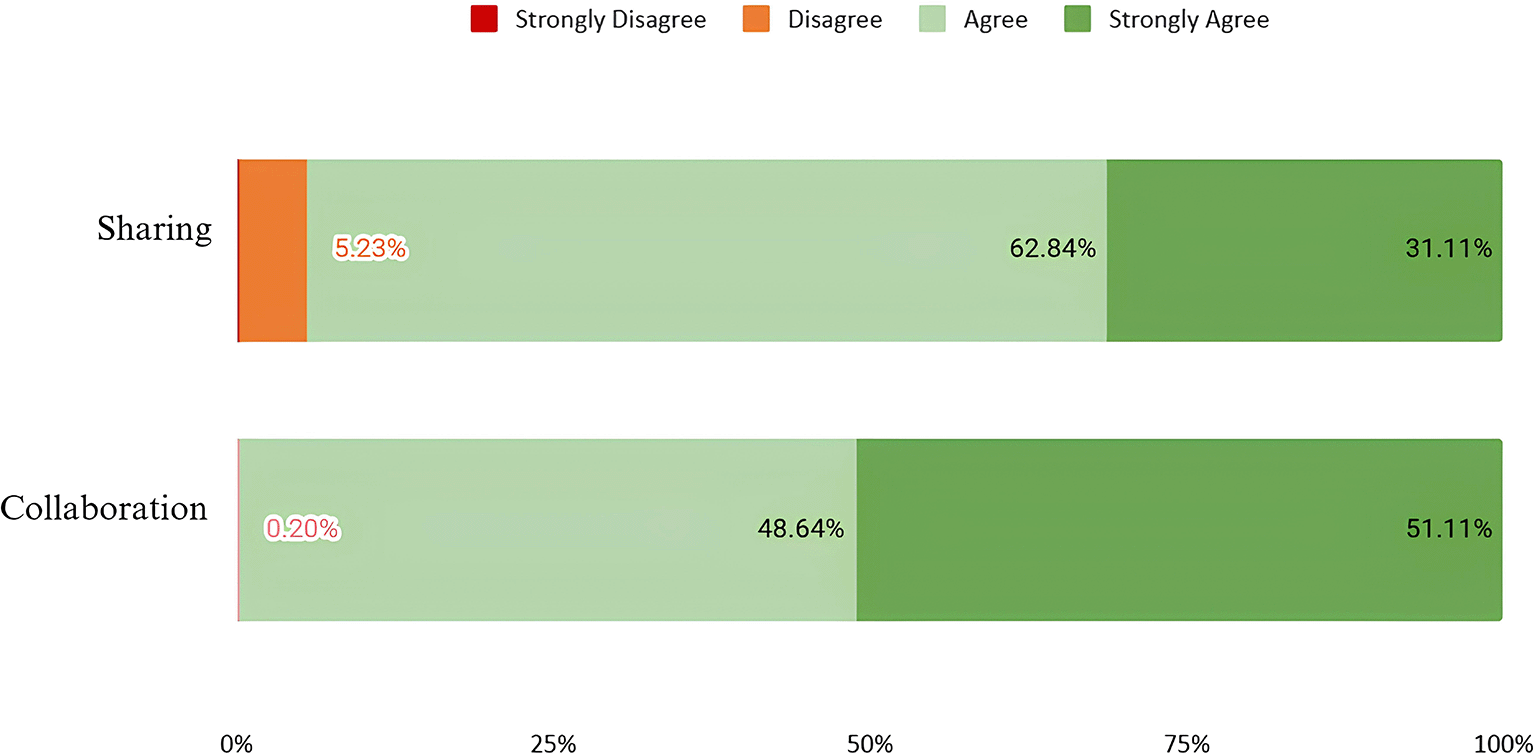
The results indicate a primarily favourable trend. A significant majority of participants expressed positive sentiments (agree and strongly agree), indicating that the training not only improved their skills but also cultivated a sense of duty about knowledge sharing and professional teamwork. Almost all participants expressed a willingness to collaborate with colleagues to promote school-level improvement efforts.
A comparable inclination was noted about their goal to disseminate knowledge acquired during the course. Approximately 31.11% of respondents strongly concurred, while 62.84% felt that they were inclined to share their acquired knowledge with coworkers. Approximately 5% of participants expressed disagreement or strong disagreement, suggesting they did not perceive the program as a catalyst for information sharing. Despite the relatively tiny percentage, its existence necessitates attention, as it may indicate contextual obstacles such as a deficient collaborative school culture, limitations in personal confidence, or a perceived lack of relevance of the topic within peer situations. These criteria underscore that skill enhancement alone may be inadequate; the institutional environment is also essential in determining whether teachers feel empowered to participate in collaborative activities.
Notwithstanding this modest category of adverse feedback, the comprehensive data unequivocally indicates that the program promoted values consistent with a collaborative culture and knowledge-sharing. The comprehensive distribution of these responses is illustrated in Figure 5.
Level 4: Teachers’ Attitudes Post Trainings Program
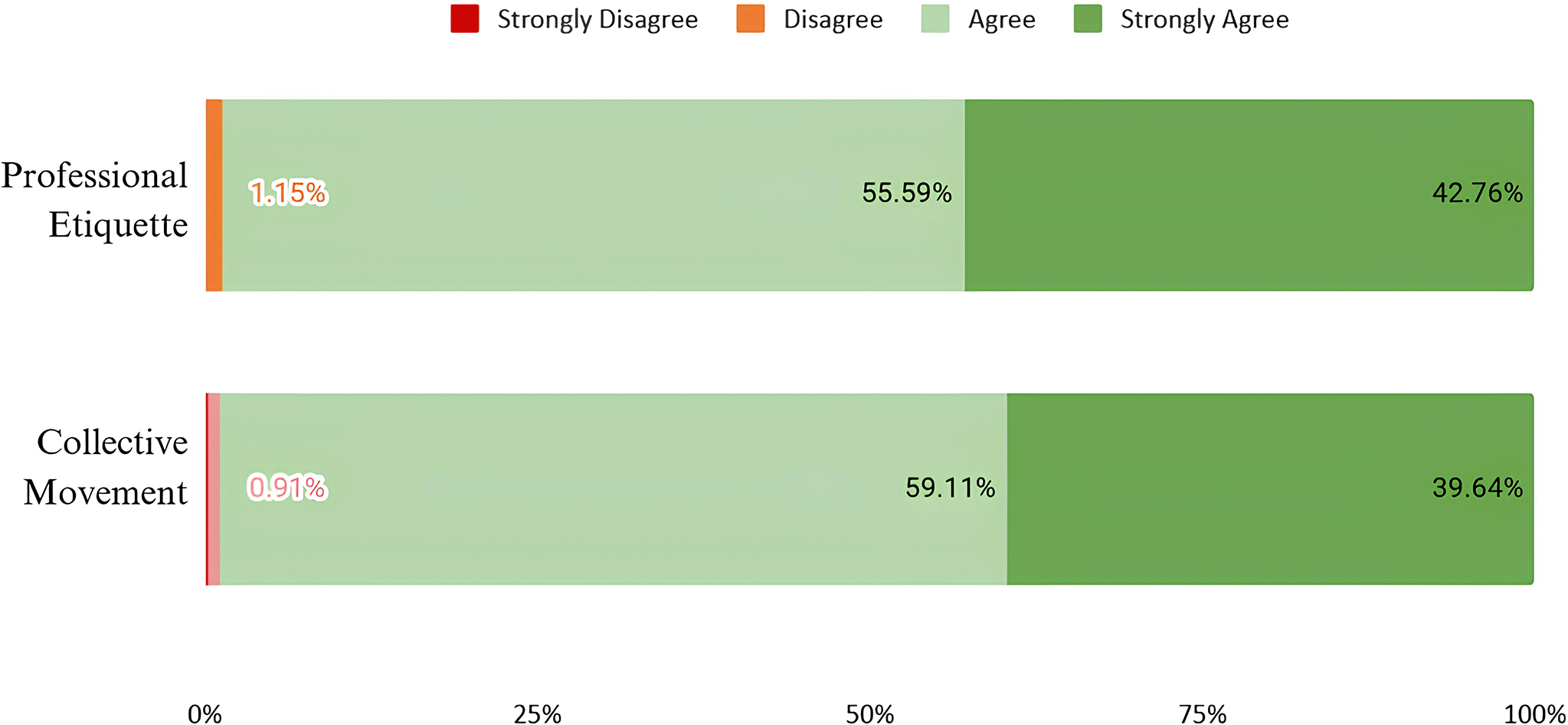
The results demonstrate that the training program significantly enhanced participants’ attitudes. The exceptionally elevated degree of consensus (about 98%). This study assessed opinions towards professional etiquette and collaborative efforts. The study examines the participants’ levels of agreement or disagreement with the statement concerning the attitudes they were expected to adopt following their participation in the professional development program.
Regarding professional decorum, 42.76% expressed strong agreement, while 55.59% indicated agreement. The participants exhibit strong consensus regarding the professional attitudes acquired as educators after completing the curriculum. Approximately 1% of the participants express significant disagreement or disagreement with the assertion that the program lacks an influence on their professional development.
Subsequently, regarding the collaborative movement, around 39.64% of participants strongly concur, while 59.11% feel that alignment with their peers in their surroundings is necessary. In this research evaluation, participants reported that the program influenced their attitudes towards collective movements.
The results indicate that the training program significantly influenced participants’ attitudes, establishing professional etiquette and collaborative momentum as essential factors for school growth. Nonetheless, ongoing surveillance is advised to guarantee that these attitudinal improvements result in enduring practice over time. The comprehensive information can be found in Figure 6.
This study utilised the Kirkpatrick evaluation model to evaluate the perceived impact of a national professional development program on vocational educators throughout Indonesia. Instead of perceiving the model as hierarchical, the study regarded each level as equally significant in representing various dimensions of impact.
Participants exhibited considerable enthusiasm for the training program, as evidenced by their high levels of agreement regarding their willingness to attend similar programs in the future. The results indicate that the program successfully cultivated positive emotional responses and conveyed the importance of continuous professional development. The perceived significance of the content, the practical nature of instructional delivery, and its alignment with educators’ pedagogical needs are likely key factors influencing participants’ responses. These findings align with evidence presented by Kholifah et al. (2024) and Purwanti & Zarger (2025), who recognised increased teacher motivation as a consistent result of engaging in professional development.
Educators indicated significant enhancements in the fundamental skills evaluated, especially in communication, creativity and innovation, and decision-making. These competences pertain to the cognitive and practical aspects of teaching practice and are crucial in vocational settings where instructional clarity, adaptive reasoning, and innovation are needed for industry-relevant education. Significantly, fewer respondents indicated minimal improvements in conflict management and coaching skills—domains that typically necessitate prolonged practice, mentorship, and feedback for enhancement. This pattern corresponds with Rasmitadila et al. (2025) and Rahmi and Rassanjani (2025), who noted skill enhancements post-training, although contradicts Revina et al. (2023), who discovered that teacher professional development frequently does not result in significant competency improvement. Additionally, Yansyah and Dwintan (2024) also suggest considering the diversity of participants, including their geographical context, particularly those from rural areas.
Educators also indicated favourable changes in professional values and dispositions. The program promoted a culture of collective growth through strong intentions to collaborate and share knowledge, rather than focussing on isolated individual improvement. Heightened dedication to professional etiquette and initiatives for school enhancement further signifies behavioural internalisation, implying that training results were regarded not solely as cognitive advancements but as professional standards. A minority expressed dissent, likely due to school-level constraints, leadership dynamics, or time pressures, rather than the ineffectiveness of the program. These findings are consistent with Rahmi & Rassanjani (2025) and Herda et al. (2024), but contrast with Arif et al. (2022), who identified a minimal attitudinal effect from professional development.
Participants primarily situated themselves within the affirmative spectrum regarding motivation, learning, and behavioural domains (agree and strongly agree). The results demonstrate that the training enhanced teachers’ skills and influenced their professional identity and collaborative approach (AbdulRab, 2023; Salmerón Aroca, Moreno Abellán, & Martínez de Miguel López, 2023; Germuth, 2018). These results highlight the significance of continuous, iterative professional development over isolated interventions. Programs that emphasise relevance, practical skill development, and collaborative culture can produce effects that transcend individual educators and foster school-wide enhancement.
This study investigates the impact of the vocational teacher development program in Indonesia on teachers’ competences. The study employed a three-level Kirkpatrick evaluation framework within a longitudinal design, resulting in a four-year assessment of participants’ experiences and outcomes. The results demonstrate that the majority of educators expressed favourable views towards the program. Significant enhancements were noted in their motivation and professional competencies, including alterations in values and attitudes—indicative of the program’s substantial influence. The study underscores the need for continuous professional development opportunities for educators. Participants showed eagerness for forthcoming training and a belief that the skills gained from the program influenced their professional attitudes. Consequently, it is advisable that such initiatives be executed not as singular interventions, but as components of a sustained, systematic strategy designed to enhance vocational teachers’ competencies over time.
This study is a comprehensive analysis conducted solely from the teachers’ perspective. Thus, the results are confined to self-reported impressions and experiences, lacking validation from external evaluators or other stakeholders. Subsequent research should utilise many methodological approaches, including direct classroom observations, tracer studies to evaluate impacts on students’ career paths, and assessments involving supervisors and school administrators. Integrating these supplementary viewpoints and methodologies would facilitate a more thorough evaluation of the program’s efficacy and yield a deeper comprehension of its enduring results.
| Views | Downloads | |
|---|---|---|
| F1000Research | - | - |
|
PubMed Central
Data from PMC are received and updated monthly.
|
- | - |
Provide sufficient details of any financial or non-financial competing interests to enable users to assess whether your comments might lead a reasonable person to question your impartiality. Consider the following examples, but note that this is not an exhaustive list:
Sign up for content alerts and receive a weekly or monthly email with all newly published articles
Already registered? Sign in
The email address should be the one you originally registered with F1000.
You registered with F1000 via Google, so we cannot reset your password.
To sign in, please click here.
If you still need help with your Google account password, please click here.
You registered with F1000 via Facebook, so we cannot reset your password.
To sign in, please click here.
If you still need help with your Facebook account password, please click here.
If your email address is registered with us, we will email you instructions to reset your password.
If you think you should have received this email but it has not arrived, please check your spam filters and/or contact for further assistance.

Comments on this article Comments (0)