Keywords
residential projects, investment, Fuzzy AHP technique, risk, risk matrix, delay causes.

This article is included in the Fallujah Multidisciplinary Science and Innovation gateway.
residential projects, investment, Fuzzy AHP technique, risk, risk matrix, delay causes.
The current version of this article does not introduce modifications to the core content, methodology, results, or conclusions of the previously published work. Instead, this version primarily focuses on providing detailed clarifications and formal responses to reviewer comments raised during the post-publication review process.
Specifically, the authors have expanded the explanation of the methodological framework, particularly the integration of Fuzzy Analytic Hierarchy Process (FAHP) with the probability–impact risk matrix, to better highlight its advantages in handling uncertainty and supporting decision-making in construction delay analysis. In addition, further justification has been provided regarding the selection and classification of the identified delay factors, as well as the rationale for focusing on a limited number of context-specific causes relevant to residential investment projects in Iraq.
Clarifications have also been made concerning the interpretation of results, including the distinction between relative importance and risk classification, and the roles of different project stakeholders. Moreover, additional explanation has been included to address comments related to data reliability, sampling structure, and the use of decision-making methods rather than conventional statistical approaches.
Overall, this updated version enhances the clarity, transparency, and interpretability of the study without altering its original scientific contributions, thereby improving its accessibility to readers and reviewers.
See the authors' detailed response to the review by Victor Imohnikhe Aligamhe
See the authors' detailed response to the review by Hana Astrid Canseco-Tuñacao
See the authors' detailed response to the review by Ha Duy Khanh
Project delays occur throughout the building phase. Completing a construction project on schedule and within the allocated budget is crucial. In the construction sector, it is considered a common difficulty when a project takes longer than anticipated. There are numerous variables that affect delays, and they vary depending on the kinds of projects, their locations, sizes, and scopes.1 Delays in construction projects occur all around the world. The construction industry’s capacity and volume have changed significantly, necessitating a thorough investigation and evaluation of the causes of project delays in India as well as corrective action. Even with the use of cutting-edge technology and project management strategies, construction projects still experience delays.2
Additionally, the author in3 concentrated on the risks that could have a detrimental impact on the execution of residential projects and result in delays or higher costs. This is because most state institutions and private sector businesses lack an efficient risk management policy, and the government provides little assistance to construction enterprises.4 There are numerous reasons, including inadequate management, corruption, and a lack of funding for the implementing businesses.5
That poor performance by construction phase stakeholders results in delayed construction.6 Inadequate evaluation and poor feasibility Studies indicate that client interference leads to delays in construction projects.7 Therefore, I found that carrying out a construction project often leads to numerous issues, with time and cost overruns emerging as the primary concerns. Overruns in time and expenses can lead to various negative outcomes, such as project failure.8
Iraq requires around 2.5 million housing units, according to the development plan from the Ministry of Housing and the former Ministry of Planning, and this number continues to grow due to the country’s rapid population increase.9 Delay management guarantees the prompt identification and recording of the delay’s cause. Numerous scholars have examined construction project delays from various angles due to their significant nature.10
This study builds upon the authors’ earlier work on residential investment projects in Iraq, where key delay and failure factors were systematically reviewed and categorized.11 In that study, a comprehensive overview of critical issues affecting project performance was established, providing a foundational understanding of delay mechanisms within the Iraqi construction sector. However, the previous work was primarily descriptive and focused on identifying and classifying delay factors without quantitatively prioritizing their relative significance or assessing their associated risk levels. The current research extends this foundation by adopting a more structured and analytical approach, integrating multi-criteria decision-making techniques to evaluate and rank the identified factors. Specifically, this study advances beyond qualitative assessment by incorporating methods such as AHP and risk matrix analysis to provide a more rigorous evaluation of delay impacts. In doing so, it not only refines the understanding developed in the earlier work but also contributes a decision-support framework for practitioners and policymakers. Therefore, this research represents a logical continuation and methodological advancement of prior findings, transforming descriptive insights into actionable and quantifiable outcomes.
Therefore, to address the problem as soon as possible, this study focuses on identifying the actual causes of the delays in residential investment projects in Iraq, as well as the risk analysis of their relative importance, probability, and impact, which will be used in the forecasting model.
Several possible outcomes define a scenario, action, or event as risky. Risk refers to the existence of actual or potential limitations that could impede project performance and lead to partial or total failure during construction or usage. Ultimately, the inability to adhere to the cost estimate, projection, and budget connects every risk that arises throughout a project. Financial loss will be the result of unfavorable circumstances. The goal of the professional advisers, contractors, and suppliers is to identify the distinct risk factors that lead to failure and create a risk management plan that allows the best firms to assume that risk. Establishing the context and identifying, evaluating, assessing, treating, monitoring, and communicating risk are all duties that fall under the scope of risk management, which is the schematic or well-organized application of management rules, processes, and procedures. The fundamental idea behind comprehending and controlling risks in a project is the risk management process. Identification, evaluation and analysis, and response are its three primary stages.
Incorporating all risk management steps into the project is crucial for effective integration. Some models include an additional step, which most sources refer to as risk monitoring or review.12
The construction industry is a very dangerous field with dynamic and complicated project environments that foster a high level of risk and uncertainty.13 More risks and uncertainties are present in the construction industry than in any other sector. Risk management refers to the process of identifying project risks, evaluating them, and deciding on countermeasures for any dangers. The process includes the ideas of risk management and various risk analysis approaches to provide a comprehensive answer for all the different kinds of hazards that are most likely to arise during the life cycle of a construction project. The benefits of risk management include reduced uncertainty, goal achievement, dependability, capital cost reduction, and value creation. There are limitations of risk management. If we fail to effectively prioritize and assess risks, we may waste time dealing with unlikely losses. Resources that could be used more profitably can be diverted if too much time is spent managing and accessing unlikely hazards. If the risk is low, it may be better to accept it and deal with the consequences if it happens.
According to authors in,14 risks are uncertain occurrences that can have detrimental effects. These uncertainties, which encompass complex and diverse dangers, are prevalent in the construction sector. An essential component of project management, risk management is a proactive and constructive process designed to reduce or eliminate risk. The organizational culture of construction companies and projects should incorporate risk management. This would enable eventually become a standard for project planning and execution. It has been noted that certain companies have been unwilling to participate because of their lack of understanding of risk management in the domestic construction sector.
According to authors in,15 risk management is the methodical process of recognizing, addressing, and evaluating project risk. Risk is an inherent uncertainty in plans and possibilities that might impact the likelihood of accomplishing project and commercial objectives.
Every cause for delay may be a risk that leads to partial or total failure of the project. Therefore, we must know the probability and impact of each cause for delay. Usually, these causes depend on uncertainty. Therefore, we must use the Fuzzy AHP technique to equate the uncertainty of each cause and indicate its importance. Therefore, the fuzzy AHP technique and the risk matrix complement each other.
This method is used to rank the risks, including risk response and qualitative risk analysis. This method efficiently ranks the impact and probability of risks. For this strategy to be more effective, organizations should appropriately rank the risks. Numbers, such as 1 to 5, are typically used to indicate ranking, with 1 denoting “very low” and 5 denoting “very high,” as shown in Table 1. We should consider the company’s management, project stakeholders, and expert recommendations when ranking. We have applied this approach in this study.16
| Scale | Probability | Impact |
|---|---|---|
| 1 | Rare | Very low |
| 2 | Occasional | Low |
| 3 | Somewhat frequent | Moderate |
| 4 | Frequent | High |
| 5 | Very frequent | Very high |
The risk score is determined by multiplying the probability and impact ratings. The classification of risks is based on these scores. Three color codes are used to classify risks, as shown in Table 2:
• Red (risk score 15–25) indicates threats that require an immediate response.
• Yellow (risk score 5-14) indicates risks that require further research and analysis.
• Green represents minor dangers (Risk score: 1–4).16
Pairwise comparison using the Analytic Hierarchy Process (AHP) approach. Thomas Saaty first proposed the Analytic Hierarchy Process (AHP) method in 1980.17 Thomas Saaty developed the enhanced AHP from the conventional AHP. When faced with multi-criteria decision-making problems, decision makers’ judgments are vital, and fuzziness in these situations may result in imprecise assessments. Multi-criteria decision-making, management, and planning employ the FAHP approach.18 Linguistic factors need to assess technological, social, and economic factors that could be involved in the decision-making process. Multi-Criteria Decision-Making (MCDM) methods based on linguistic evaluations, like FUZZY AHP, help select the best choice through a pairwise comparison in determining the criteria’s relative weight for every option. The main steps of the Multi-Criteria Decision-Making (MCDM) process include determining the fuzzy weights of each criterion, constructing the fuzzy pairwise comparison matrix for weights, and constructing the pairwise contribution matrix from experts evaluating the relationships between criteria. The following are the steps19:
For every goal, gi., an extent analysis is conducted and each object is taken. Consequently, it is possible to acquire M extent analysis values for every item can be obtained . Where gi is the goal set (i = 1,2,3,4, … …, n) and (j = 1,2,3,4, … …, m), all are TFNs.
To obtain , for a particular matrix such that:
And to obtain , where (j = 1,2,3,4, …..,m) such that:
And then compute the inverse of the vector in Equation (5) such that:
2. M1 = (l1, m1, u1) and M2 = (l2, m2, u2) are two TFNs, the degree of possibility of M2 = (l2, m2, u2) ≥ M1 = (l1, m1, u1) and can be equivalently expressed as follows:
Where d is the ordinate of the highest intersection point D between μM1 and μM2. To compare M1 and M2, we need both the values of V (M1 ≥ M2) and V (M2 ≥ M1).
3. The degree possibility for a convex fuzzy number to be greater than k convex fuzzy numbers Mi (i = 1,2,3, 4 … …, K) can be defined by:
Assume that d′ (Ci) = min V (Si ≥ Sk) for k = 1,2,3, 4 … …, n. k ≠ 1, then the weight vector is given by:
Where W is non-Fuzz numbers.
A questionnaire is a tool used by the researcher to collect data from the chosen sample for a field study. The questionnaire’s function is to distribute the questionnaire forms to each of the 80 selected samples. Thereafter, only 76 of the respondents’ questionnaire forms were received and examined to verify that the answers were complete; the remaining 4 questionnaire forms were ignored due to some issues with incomplete responses. Thus the final number of forms is 76, as shown in Figure 1 and Figure 2.
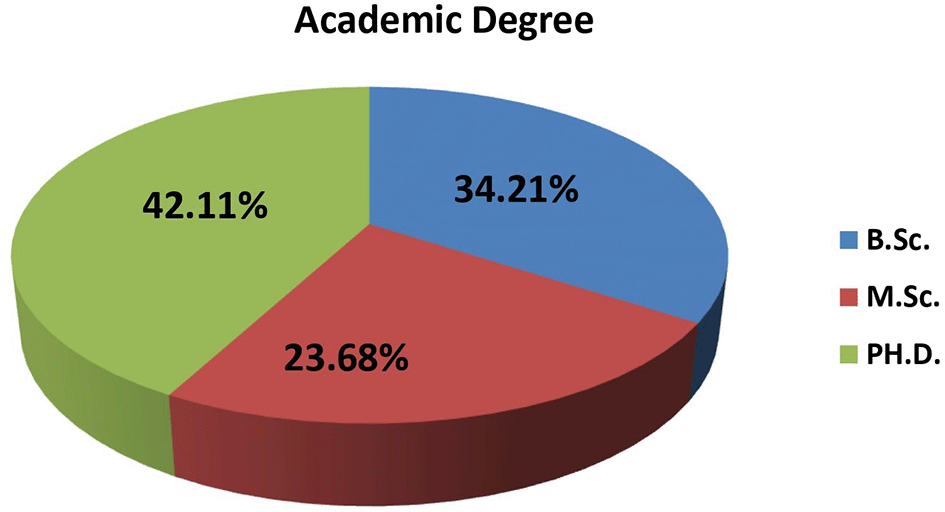
This figure shows the educational backgrounds of the people who took part in the evaluation of residential investment housing projects. The participants are categorized into Bachelor’s degree (B.Sc.), Master’s degree (M.Sc.), and Doctoral degree (Ph.D.) holders, representing 34.21%, 23.68%, and 42.11% of the total sample, respectively. The high proportion of postgraduate qualifications reflects the technical and professional expertise of the respondents, supporting the reliability of the engineering, economic, and managerial assessments adopted in this study.
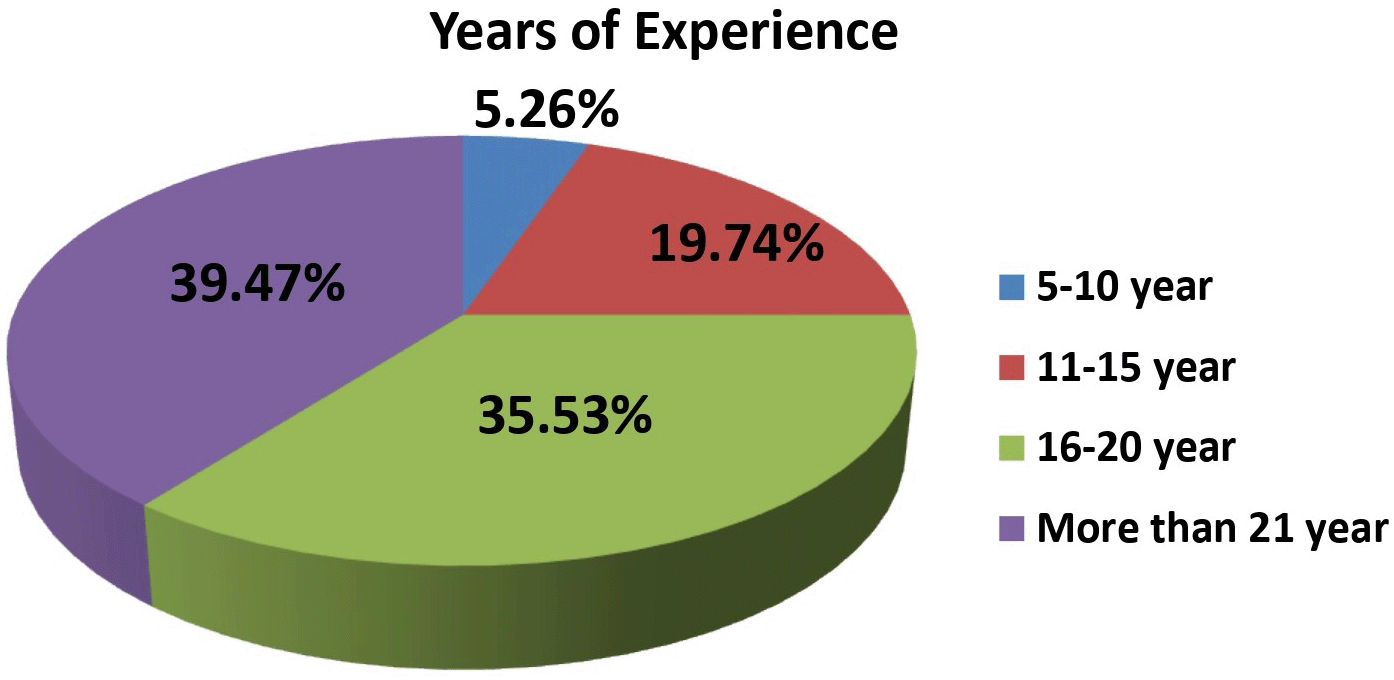
This Figure illustrates the distribution of respondents based on their years of experience in engineering and residential investment projects. The results indicate that the largest proportion of respondents have more than 21 years of experience (39.47%), followed by those with 16–20 years of experience (35.53%). Respondents with 11–15 years of experience represent 19.74%, while a smaller proportion (5.26%) have 5–10 years of experience. This distribution indicates that the survey sample is dominated by highly experienced individuals, enhancing the reliability and credibility of the study findings related to residential investment project management.
As shown in Figure 3. A check mark (√) is placed below the appropriate level of importance. If the cause on the left is more important than the corresponding cause on the right, place your check mark to the left under your preferred level of importance. If the cause on the right is more important than the corresponding cause on the left, place your check mark to the right under your preferred level of importance. The example below illustrates how to answer:
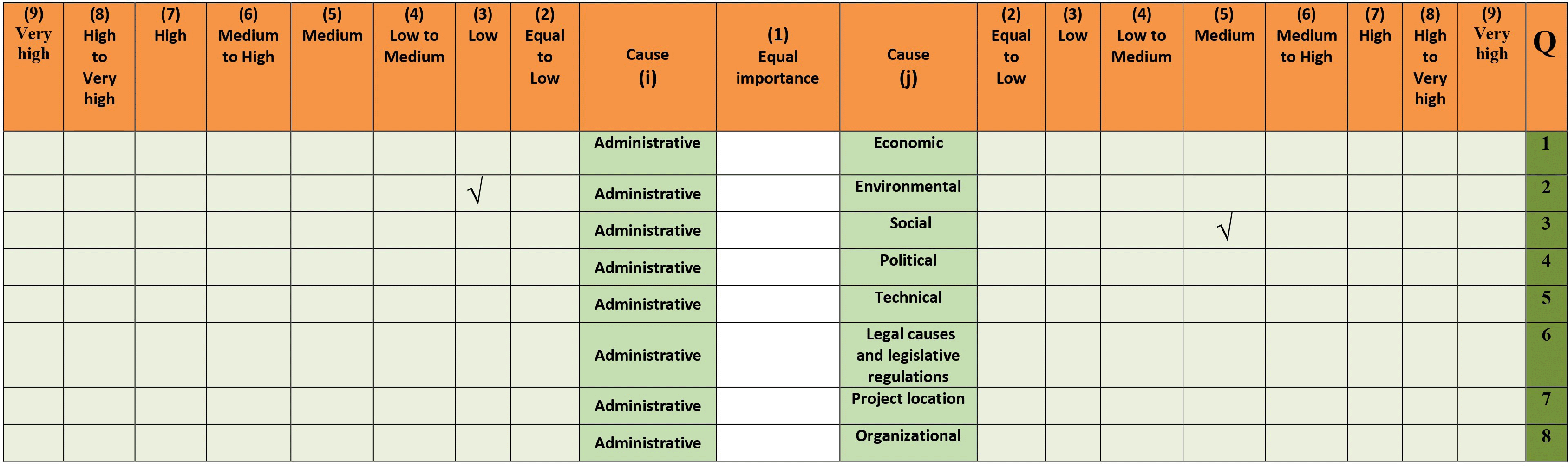
This figure presents the pairwise comparison matrix used to evaluate the relative importance of Management factors against other influencing categories, including economic, environmental, social, political, technical, legal and legislative, project location, and organizational causes. The assessment is based on a nine-point importance scale ranging from equal importance (1) to very high importance (9). Check marks indicate expert judgments used to quantify the relative influence between cause pairs, forming the basis for subsequent weighting and priority analysis in residential investment projects.
Question 1: What is the importance of the “Management cause” when compared to the “Environmental cause”?
Question 2: What is the importance of the “Management cause” when compared to the “Social cause”?
In the example in Figure 3, the Management cause is compared with other causes. When comparing the Management cause with the environmental cause, the mark is placed on the left side of the low importance column, meaning that the Management cause is of higher importance than the environmental cause, but to a low degree.
When continuing to compare the Management cause with the social cause, we notice that the mark is placed on the right side under the medium importance column, meaning that the Management cause is of lower importance than the social cause, but to a medium degree. And Table 3 shows Linguistic variables. The full questionnaire is provided in Appendix A (Extended Data).
Then, apply Equations (2), (3), (4), and (5) to the decision-making matrix for the causes shown in Figure 4 to extract the values of Si, as demonstrated below:
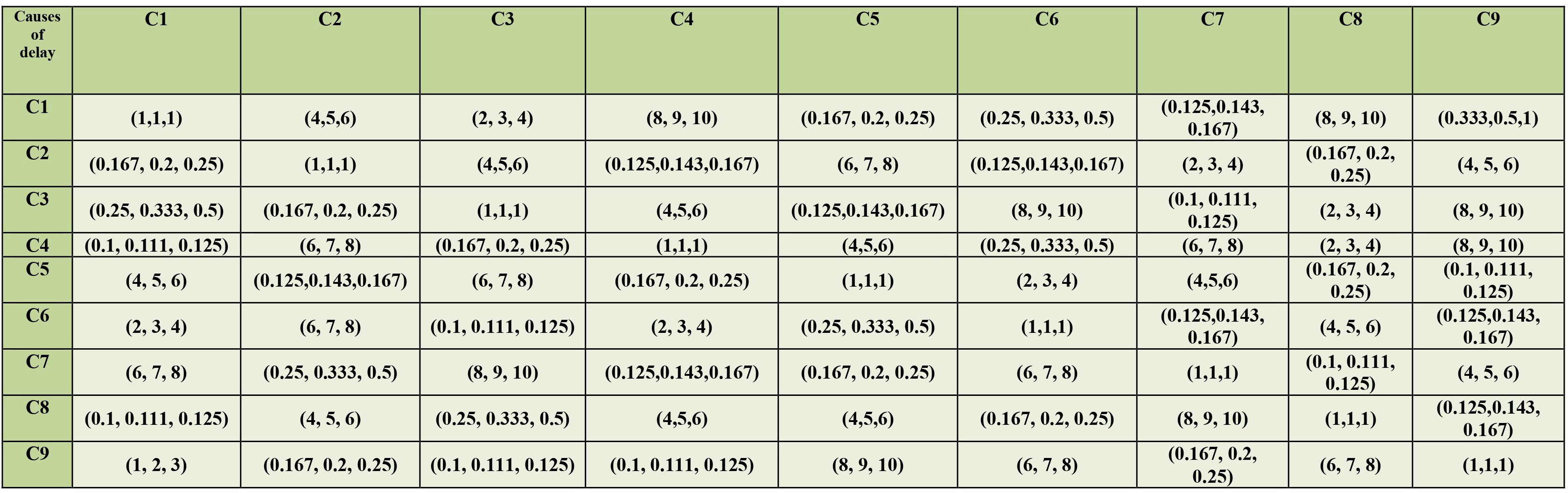
This figure presents the fuzzy pairwise comparison matrix used to evaluate the relative importance of delay causes (C1–C9) in residential investment projects. Each element of the matrix is expressed as a triangular fuzzy number (l,m,u), representing the lower, middle, and upper values of expert judgments. The matrix was developed based on expert opinions to capture uncertainty and subjectivity in assessing the impact of different delay causes. Diagonal elements are equal to (1,1,1), indicating equal importance, while reciprocal values are used to maintain consistency in pairwise comparisons. This matrix serves as the basis for determining the priority weights of delay causes using the fuzzy Analytic Hierarchy Process (FAHP).
S2 = (0.065, 0.094, 0.133), S3 = (0.088,0.120,0.167), S4 = (0.095, 0.129, 0.176), S5 = (0.065, 0.094, 0.133), S6 = (0.058, 0.085, 0.124), S7 = (0.095, 0.129, 0.176), S8 = (0.080, 0.111, 0.155), S9 = (0.083, 0.115, 0.160). Also applying the Equation (6) to extract the values of V (M1 ≥ M2) and V (M2 ≥ M1) as it shown in the following accounts:
V (S1 ≥ S2) = 1; V (S1 ≥ S3) = 1; V(S1 ≥ S4) = 0.915; V(S1 ≥ S5) = 1; V(S1 ≥ S6) = 1; V(S1 ≥ S7) = 0.915; V(S1 ≥ S8) = 1; V (S1 ≥ S9) = 1. Then applying Equation (7) to get the values min V (M ≥ Mi) as follows:
d′(C2) = 0.521; d′(C3) = 0.888; d′(C4) = 1; d′(C5) = 0.521; d′(C6) = 0.397; d′(C7) = 1; d′(C8) = 0.769; d′(C9) = 0. 823. To calculate the weights of the criteria (W), the Equations (8) and (9) are applied as follows:
The relative importance of the 15 causes for delay, after all calculations have been performed, is shown in Table 4, Table 5, and Table 6, illustrating the final relative importance of each cause.
| Main causes | Relative importance |
|---|---|
| Owner causes | 0.506 |
| Contractor causes | 0.156 |
| Consultant causes | 0.338 |
| Main causes | Relative importance |
|---|---|
| Labor causes | 0.612 |
| Equipment causes | 0.015 |
| Materials causes | 0.373 |
Experts’ opinions were considered regarding the probability and impact of each cause, based on the risk matrix in Table 1 and Table 2, to assess how each cause contributes to delays in residential investment projects, as illustrated in Table 7.
After making the required calculations to extract the relative importance of each cause of the main general causes, as shown in Figure 5, as follows:
1. It indicates that the relative importance of management causes is considered greater, with a ratio of 14.6% compared with the other causes, including poor initial planning, unclear timetables and cost estimates, bureaucracy, lengthy Management approval procedures, and a shortage of qualified management personnel due to a lack of experience in managing large and complex projects.
2. It indicates that the relative importance of political causes is considered the larger relative importance with a ratio of 14.6% compared with the other causes, due to political instability through changes in governments or sudden decisions and local conflicts and disputes that affect the continuity of work at project sites, as well as Management and political corruption through increased bribery.
3. While legal and legislative regulations accounted for 13.4%, they were found to be the second most important factors after political and management causes, primarily due to changes in laws and regulations related to investment or construction.
4. Economic causes accounted for 13.1%, primarily due to inflation, commodity price volatility, currency exchange rate fluctuations, and cash flow or financing crises experienced by the owner or investor.
5. Environmental causes received (12.0%) in terms of strict environmental legislation can delay projects due to environmental impact assessment requirements, as can the scarcity of natural resources (water, building materials) or the difficulty of providing them in a timely manner, as well as harsh climatic conditions and geological problems.
6. Social causes received were (11.3%) in terms of the availability of spatial characteristics and social benefits. The project faces opposition from local residents due to concerns about expropriation and compensation, community pressures like requests for enhanced services or a shift in project priorities, and a lack of community acceptance when the project doesn’t meet their needs or cultural values.
7. As for project location causes and technical causes received (7.6%), it is because the location is far from city centers or material sources and is difficult to access.
8. As for technical causes received (7.6%), there are errors in studies or designs, the application of technologies unsuitable for the local environment, and issues with technology systems (software, tracking systems, BIM).
9. While the organizational causes received 5.8%, it was found that a lack of effective follow-up or project management systems, led to poor coordination between government agencies and multiple approvals.
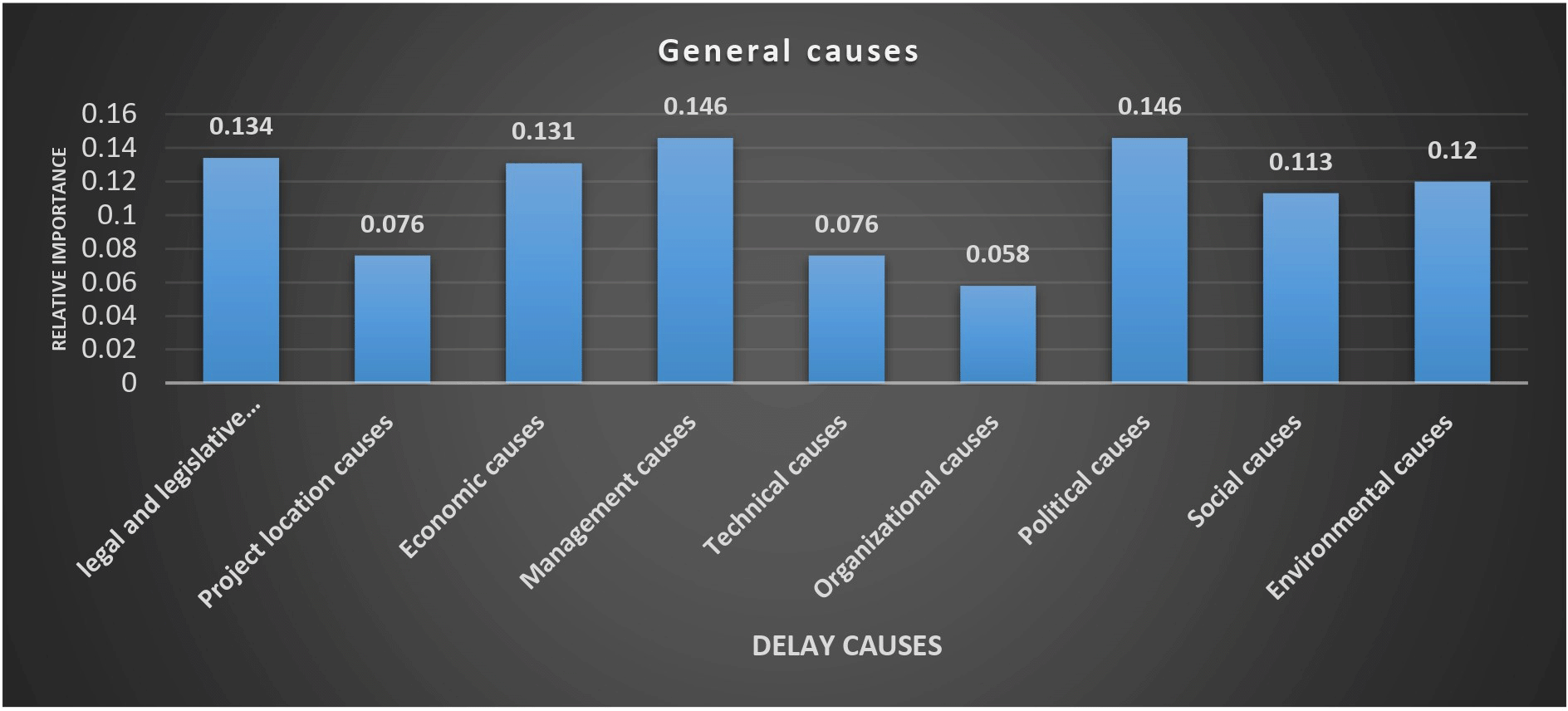
The figure illustrates the weighted relative importance of major delay categories, including legal and legislative causes, project location causes, economic causes, management causes, technical causes, organizational causes, political causes, social causes, and environmental causes. The results indicate that management and political causes have the highest relative impact on project delays, while organizational causes exhibit the lowest influence. These findings highlight the critical role of managerial efficiency and external political factors in determining delays in residential investment projects.
After making the required calculations to extract the relative importance of each cause related to project stakeholders, the results are shown in Figure 6, as follows:
10. The analysis indicates that the causes related to the owner have the highest relative importance, with a ratio of 50.6% compared to the other causes. Weak funding, frequent changes to designs, or the addition of new work, in addition to his lack of experience in project management and direct intervention in implementation without consulting the consultant.
11. While causes related to consultants accounted for 33.8%, it was found that the second most important issue, following owner-related causes, is the presence of delays in issuing implementation plans or approvals, inconsistencies or weaknesses in technical specifications, and inadequate field follow-up or supervision.
12. As for causes related to contractors, they received 15.6% because of poor technical competence or experience, poor management of resources (labor, equipment), and poor adherence to schedules.
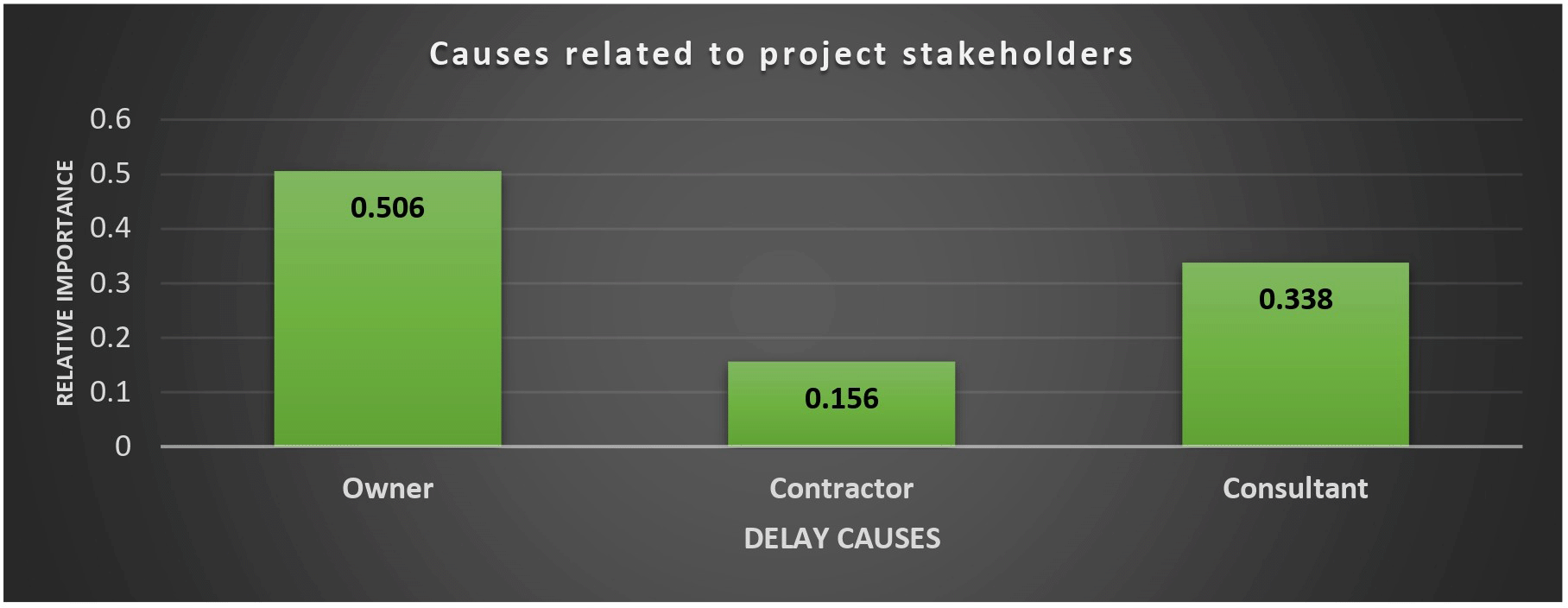
Figure shows The figure illustrates the relative importance of delay causes related to project stakeholders in residential investment projects. The results indicate that owner-related causes represent the highest contribution to project delays (0.506), followed by consultant-related causes (0.338), while contractor-related causes have the lowest relative importance (0.156). These findings highlight the dominant role of owner and consultant decisions and management practices in influencing project schedule.
After making the required calculations to extract the relative importance of each causes related to resources, as shown in Figure 7 as follows:
13. It shows that the relative importance of causes related to labor are considers as the larger relative importance with ratio (61.2%) compared with the other causes, there is a shortage of skilled labor as a result of immigration, inadequate training, and worker or union strikes or sit-ins.
14. While causes related to materials received (37.3%), it was found that the second most important goal after Political causes and management causes, the delivery of materials may be delayed or of poor quality, and there are problems with transportation and storage, as well as monopolization of certain materials in the market.
15. As for causes related to equipment received (1.5%) because the lack of modern equipment or contractor reliance on outdated equipment.
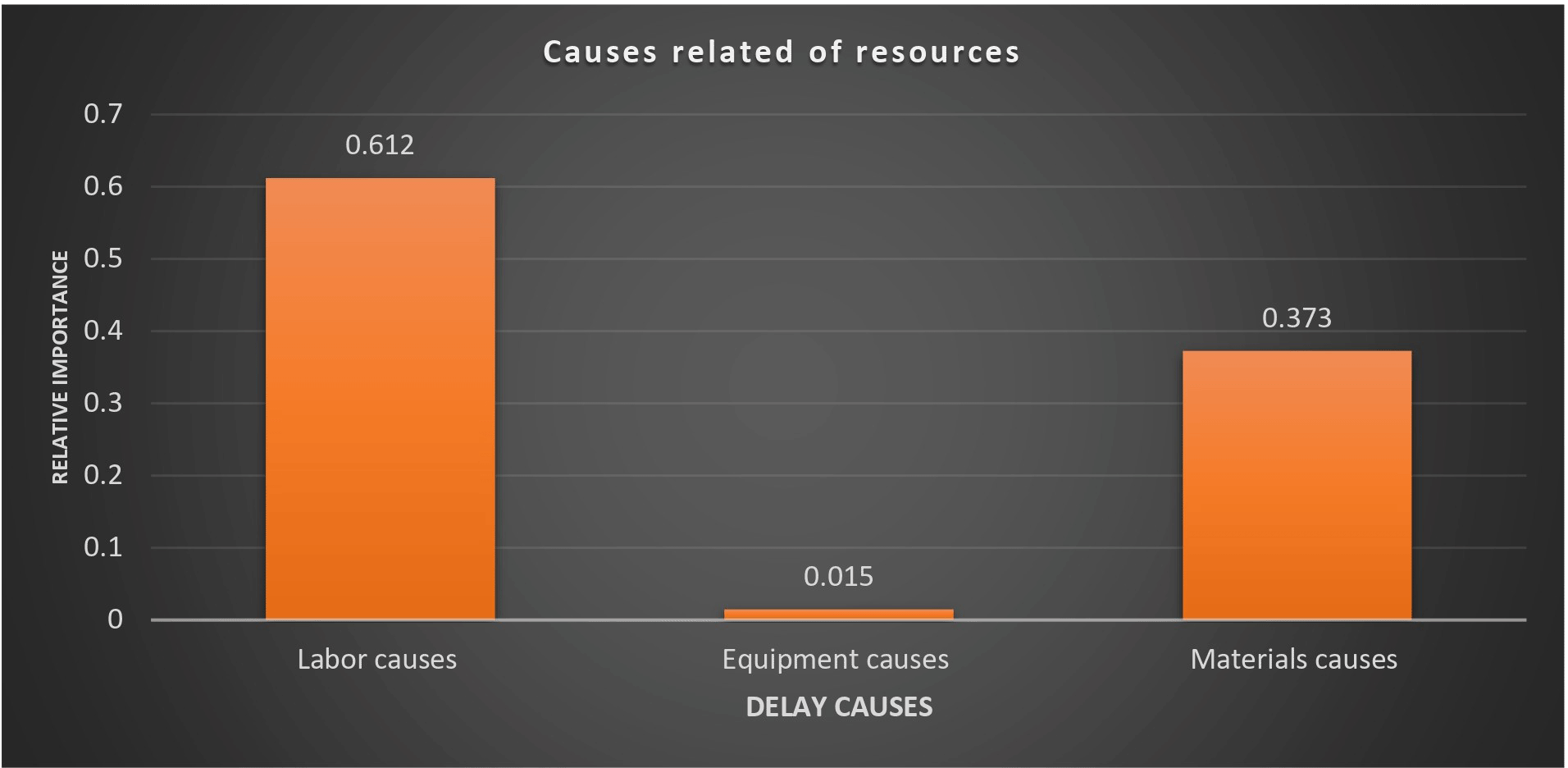
This figure illustrates the relative importance of major resource-related causes contributing to delays in residential investment projects. Labor-related causes exhibit the highest impact with a relative importance value of 0.612, indicating that workforce availability, productivity, and management issues are the dominant sources of delay. Materials-related causes rank second with a value of 0.373, reflecting the influence of material supply, availability, and procurement challenges. Equipment-related causes show a minimal effect on project delays, with a relative importance value of 0.015. The results highlight the critical role of labor and material management in mitigating schedule delays in residential construction.
The majority of delay studies fail to offer solutions, and those that do align with the results often yield unfeasible suggestions. It is easier to recognize and comprehend the associated risk when one is aware of the many kinds of construction delays. The primary causes for delays in underdeveloped nations differ greatly from those in developed nations, according to the studies. In poor nations, internal contractor or client issues are the primary source of delays. This might be the case because contractors operating in poor nations face unique restrictions that are less severe in developed nations. The study also found that the majority of risks are entirely the responsibility of the contractor. However, other research identified legal, technological, and security issues as the primary causes of delays.
The research results categorize residential investment projects into 15 main causes, each contributing to a delay. We discovered that some projects experience the effects of all 15 causes, while others only experience some. The Fuzzy AHP method was used to determine the weight of each cause for the project, combined with a risk matrix to determine the probability of the cause’s occurrence and its impact on the project. The above procedure resulted in a value for the cause of delay, which includes its relative importance, probability, and impact on the project delay. This value is entered into the regression equation to predict the number of days of delay in advance and take proactive measures to avoid it. This method has worked well in the past and has given accurate results. A clear understanding of the degree of delay contributes to identifying the cause, monitoring performance, and continuous improvement. It also reduces the probability of delays and failure in residential investment projects.
This study involved human participants through questionnaires/interviews conducted with engineers, planners, and stakeholders involved in residential investment projects. Informed consent was obtained from all participants prior to their participation in the study. The purpose of the research was explained, and participation was entirely voluntary. Verbal informed consent was obtained due to the non-invasive nature of the study and to ensure ease of participation, with no personal identifying information collected.
This research is an engineering study focusing on residential investment projects and is based on a questionnaire survey conducted with experts in the field. The research did not include patients, medical records, or confidential personal information.
Participation in the questionnaire was voluntary, and informed consent was obtained from all participants prior to data collection. Participants were informed about the purpose of the study, and their responses were collected anonymously and used solely for academic research purposes.
In accordance with institutional guidelines, formal ethical approval from an Institutional Review Board (IRB) was not required for this type of non-clinical, expert-based survey research. The study was conducted in compliance with the principles of the Declaration of Helsinki.
Data are available under the terms of the Creative Commons Attribution 4.0 International license (CC BY 4.0).
| Views | Downloads | |
|---|---|---|
| F1000Research | - | - |
|
PubMed Central
Data from PMC are received and updated monthly.
|
- | - |
Provide sufficient details of any financial or non-financial competing interests to enable users to assess whether your comments might lead a reasonable person to question your impartiality. Consider the following examples, but note that this is not an exhaustive list:
Sign up for content alerts and receive a weekly or monthly email with all newly published articles
Already registered? Sign in
The email address should be the one you originally registered with F1000.
You registered with F1000 via Google, so we cannot reset your password.
To sign in, please click here.
If you still need help with your Google account password, please click here.
You registered with F1000 via Facebook, so we cannot reset your password.
To sign in, please click here.
If you still need help with your Facebook account password, please click here.
If your email address is registered with us, we will email you instructions to reset your password.
If you think you should have received this email but it has not arrived, please check your spam filters and/or contact for further assistance.

Comments on this article Comments (0)