Keywords
Scientific Literacy, Creative Learning, Higher Education, Bibliometric Analysis, Educational Innovation.

Scientific Literacy, Creative Learning, Higher Education, Bibliometric Analysis, Educational Innovation.
In the development of global higher education, heavily influenced by the technological revolution and digital information flows of the 21st century, scientific literacy is no longer understood merely as the ability to understand scientific facts or interpret data graphs, but rather encompasses more complex cognitive, affective, and social aspects, including critical thinking skills, evidence-based problem-solving, and active participation in scientific discourse (Giesenbauer, 2020; Gube, 2020). In this context, creative approaches to learning are becoming increasingly important because they have been shown to enhance deep conceptual understanding and student engagement in the learning process (Habib, 2024). Creative pathways are defined as a variety of pedagogical strategies, educational technologies, and transdisciplinary practices that combine art, design, open-ended exploration, and project-based approaches to stimulate students’ scientific literacy in a more meaningful and contextual way (Sun, 2022).
Improving scientific literacy at the tertiary level is not only part of the national curriculum requirements but also a strategic necessity in preparing graduates capable of participating in a science and technology-based society. However, many higher education institutions, particularly in developing countries, still face challenges in developing curricula and learning approaches that can stimulate creativity while strengthening students’ scientific understanding (Wannapiroon, 2022). Conventional learning that emphasizes memorization and final exam-based evaluation still dominates many study programs, resulting in students’ weak ability to apply scientific principles in real-life situations (Marshalsey, 2020). In this study, creative pathways are defined as a constellation of pedagogical strategies, learning technologies, and transdisciplinary practices that systematically activate creative cognition—such as divergent thinking, reflective inquiry, and exploratory problem-solving—to support the development of scientific literacy in higher education.
Phenomena found in various international reports and educational research indicate that higher education institutions that integrate creative approaches such as project-based learning, inquiry-based learning, creative design thinking, and STEAM (Science, Technology, Engineering, Arts, and Mathematics) integration tend to have higher student scientific literacy outcomes than those using traditional approaches (Soomro, 2023). Studies examining the relationship between creative pathways and scientific literacy remain fragmented, spread across various disciplines, and have not been systematically mapped in terms of global trends, academic collaborations, or thematic developments over the past decade (Johinke, 2023).
The need for a more structural scientific mapping is becoming increasingly urgent, especially as scientific literacy has become a key indicator in various global higher education quality indices such as QS Graduate Skills and OECD Education at a Glance (Murillo-Zamorano, 2021). Data from the Scopus and Web of Science databases show that the number of publications containing the keywords “scientific literacy” and “creative approach” or “creative pedagogy” has surged since 2020, particularly after the COVID-19 pandemic spurred massive innovation in online learning systems (Baxter, 2020). Preliminary keyword-based retrieval conducted prior to PRISMA screening indicates a substantial increase in publications addressing scientific literacy and creative approaches since 2020. These figures reflect initial search outputs used to identify the broader research landscape and should be distinguished from the final corpus of articles included for systematic and bibliometric analysis.
Scientific literacy in the context of higher education is inextricably linked to the creative role of lecturers and innovative curriculum design that fosters exploration, collaboration, and critical reflection on the scientific process. Several studies have shown that practices such as student-led digital media creation, visual arts-based scientific simulations, and collaborative research-based community projects significantly impact students’ critical and reflective scientific thinking (Delgado, 2021; Shu, 2020). In this context, the term “creative pathway” becomes more than just an additional approach, but rather a transformative strategy for creating learning experiences that stimulate students’ scientific literacy and innovative thinking.
The global research ecosystem on the integration of creative approaches and scientific literacy still faces challenges in terms of methodological integration, diverse geographic contexts, and a lack of mapping of collaboration patterns between authors and institutions (Alt, 2020). Many studies are descriptive, disconnected, and rarely utilize bibliometric techniques to identify the evolving scientific structure in this field. To address these challenges, a systematic and bibliometric approach is needed that can explore how the concepts of creative pathways and scientific literacy interact in the scientific literature, both thematically, institutionally, and geographically.
Based on the problems and phenomena described, this study urgently needs to conduct a bibliometric mapping of scientific publication trends that discuss the integration of creative pathways in the development of scientific literacy in higher education. This approach is crucial not only for understanding research patterns that have developed during the 2020–2024 period, but also for identifying research gaps, influential academic actors, and international collaborations in this field. Through visualization using software such as VOSviewer and Bibliometrix, this study is expected to provide a comprehensive overview of the evolving knowledge structure.
The main objective of this study is to map global trends in scientific publications that discuss the relationship between creative approaches and scientific literacy in higher education during the period 2020–2024 using a systematic and bibliometric approach. Specifically, the objectives of this study are: (1) Identifying the number and growth trends of scientific publications related to creative pathways and scientific literacy, (2) Revealing the most productive institutions, authors, and journals in this field, (3) Analyzing collaboration patterns between researchers and between countries, (4) Analyzing key keywords and their relationships in the literature network, (5) Identifying under-explored research areas that could become future research agendas. With this approach, the research results are expected to be a significant contribution to the development of higher education policies, curriculum development, and learning innovations that are evidence-based and relevant to the challenges of the 21st century.
RQ1:What are the development trends of global scientific publications related to creative pathways and scientific literacy in higher education during the period 2020–2024?
RQ2:Which countries and institutions contributed the most to this research and what was the pattern of collaboration between researchers?
RQ3:What are the most frequently used keywords and how are they conceptually related to each other in the literature network?
RQ4:What is the thematic and temporal distribution of publications on creative pathways and scientific literacy based on bibliometric visualization results using VOSviewer?
RQ5:What research areas are still underexplored in the global literature regarding the integration of creative pathways and the development of scientific literacy?
Scientific literacy has emerged as a foundational competency in higher education, reflecting the growing demands of a knowledge-based society that requires individuals to critically engage with scientific information in both academic and everyday contexts. According to (Shafait, 2021), “Scientific literacy is not just about knowing science content, but about being able to use scientific knowledge to make informed decisions and participate in civic life.” This perspective aligns with the broader framework of 21st century education, which integrates scientific reasoning with ethical awareness and social responsibility. (Yustina, 2020) emphasize that “students in higher education must be equipped not only with factual knowledge, but also with the ability to question, investigate, and communicate science effectively.” This illustrates that the scope of scientific literacy extends beyond memorization of concepts and includes analytical, evaluative, and communicative dimensions. In this context, scientific literacy becomes a multi-layered construct that combines cognitive, procedural, and epistemic knowledge that students need to navigate complex realities.
Recent developments in higher education have shown a growing interest in integrating scientific literacy with interdisciplinary and student-centered approaches. (Campillo-Ferrer, 2020) argue that “scientific literacy is best developed through active engagement in inquiry, project-based learning, and real-world problem solving.” This aligns with the shift from teacher-centered instruction to models that promote exploration and creativity as central to learning. As a result, many universities have begun to embed scientific literacy not only into science-related courses but also into general education curricula. However, challenges remain, particularly in terms of designing curricula that balance content mastery with inquiry-based processes, especially in countries where traditional didactic teaching methods still dominate. (Sahibzada, 2020) state that “while institutions recognize the importance of scientific literacy, its practical implementation is often hindered by rigid assessment standards and lack of training for faculty.” Therefore, the development of scientific literacy in higher education must be seen not only as a curricular priority but also as a systemic transformation that involves pedagogy, policy, and professional development.
Creative learning pathways are gaining increasing attention in global education systems, which demand that students become adaptive, innovative, and critical thinkers. (San-Martín, 2020) state that “creative learning is not an optional element, but rather a core component of a holistic 21st-century education.” This statement emphasizes that the development of creativity is no longer limited to the arts or design, but has become an essential part of all disciplines, including the sciences and humanities. (Phi, 2021) describe creative learning as “an approach that encourages students to explore, take risks, and construct knowledge through meaningful and often unexpected learning experiences.” This indicates a shift in pedagogical orientation from a uniform instructional model to one that values originality, divergent thinking, and open inquiry. In this context, creative pathways are understood not merely as a learning method, but as an epistemological perspective that places equal importance on the learning process as much as on the outcome.
Creative pathways in learning are implemented through various strategies such as project-based learning, design thinking, STEAM integration, and transdisciplinary collaboration. (Kijima, 2021) note that “creative pedagogy encourages students to combine cognitive and affective domains by engaging in imaginative, reflective, and collaborative tasks.” This approach enables learners to connect scientific knowledge with their personal experiences and social contexts, resulting in deeper understanding and increased engagement. Furthermore, creative learning also strengthens higher-order thinking skills such as synthesis, evaluation, and innovation skills increasingly needed in the modern workplace and society. However, the implementation of creative pathways in institutional settings still faces various challenges. (Pellas, 2023) note that “educators often struggle to align creative pedagogy with rigid curricula and standardized assessments.” Therefore, while the theoretical basis for creative learning is strong, its practical realization requires institutional flexibility, professional training, and a shift in academic culture that values creativity as an integral part of educational quality.
The bibliometric approach is a quantitative method used to analyze scientific publication patterns, literature growth, and the structure of knowledge within a research field. In the educational context, bibliometrics is a crucial tool for understanding how academic trends evolve, who the key actors are in the scientific community, and how specific educational issues gain global attention (Iatsyshyn, 2020). (AlAli, 2022) explain that “bibliometrics is a systematic approach to evaluating and visualizing scientific literature using statistical techniques based on publication metadata.” Through bibliometric analysis, researchers can explore dimensions such as the number of publications, citations, collaborations between authors, and the geographic distribution of a topic. This allows researchers not only to access knowledge but also to understand how it is structured and disseminated globally.
One of the advantages of the bibliometric approach is its ability to produce visual mapping of the relationships between concepts, topics, and authors within the scientific literature network. Software such as VOSviewer, Bibliometrix (R Studio), and CiteSpace allow users to analyze keyword co-occurrence, co-authorship, and co-citation relationships in the educational literature (Khalid, 2020). According to (Elfeky, 2021), “bibliometrics provides valuable strategic insights for researchers and policymakers to identify emerging and underdeveloped research areas.” In education, this approach has been used to map trends in topics such as online learning, STEM education, educational technology, and school leadership. Thus, bibliometrics is not only a technical method but also a conceptual framework capable of contributing to developing a more focused and evidence-based research agenda.
Bibliometric mapping is highly relevant because it can demonstrate how a concept develops across disciplines and regions. For example, a bibliometric study of scientific literacy can demonstrate the link between science education, creative pedagogy, and the use of digital technology in developing student competencies. (Peña, 2021) stated that “bibliometrics not only show who writes and where they publish, but also why and how scientific ideas are interconnected to form a knowledge ecosystem.” Furthermore, bibliometrics is also a reflective tool that educational institutions can use to evaluate their research performance and determine the strategic direction of scientific development. Therefore, this approach is increasingly used in systematic literature reviews, particularly to explore paradigm shifts and practices in education.
Bibliometric approaches also have limitations that require critical examination. Some critics argue that bibliometrics rely too heavily on quantitative data and index databases such as Scopus or Web of Science, which can overlook the quality of content or contextual contributions of specific research (Ansari, 2020). Furthermore, differences in language and access to publications can create biases against literature originating from developing countries. (Álvarez-Huerta, 2021) state that “bibliometric mapping results must always be interpreted taking into account the social, cultural, and policy contexts that influence the publication process.” Therefore, it is important to combine bibliometric analysis with qualitative or narrative approaches to achieve a more holistic and meaningful understanding of the dynamics of educational research. Nevertheless, with careful methodological management, bibliometric approaches remain invaluable tools for constructing knowledge maps, formulating research policies, and strengthening cross-border academic collaboration.
Despite the growing body of research on creative approaches and scientific literacy, existing studies remain fragmented across disciplinary boundaries and often focus on isolated pedagogical practices without examining global research patterns, collaboration structures, or thematic evolution over time. Moreover, few studies integrate bibliometric mapping with qualitative thematic synthesis to provide a comprehensive overview of how creative pathways function as a systemic strategy in higher education. This gap underscores the need for a systematic and bibliometric analysis that captures both the structural and conceptual dynamics of creativity-based scientific literacy research.
The research method used in this study is a Systematic Literature Review (SLR), which is a structured and systematic approach to identify, evaluate, and critically analyze all scientific literature relevant to the topic of creative pathways in the development of scientific literacy in higher education (Creswell, 2017; Mubarok, Sari, Wibowo, 2025). This study uses stages that refer to the SLR protocol, starting from the formulation of research questions, determining inclusion and exclusion criteria, the process of searching and selecting scientific articles from reputable databases such as Scopus and Web of Science, to the process of analyzing and synthesizing the obtained literature data. In addition, this study also applies bibliometric analysis as an integral part of the SLR process, to map publication trends, main keywords, influential authors and institutions, as well as the structure and development of research topics visually using software such as VOSviewer and Bibliometrix. With this approach, the study is expected to provide a comprehensive picture of conceptual developments and transformative practices in the integration of creative pathways to improve scientific literacy in higher education.
To ensure comprehensive coverage of interdisciplinary research on creative pathways and scientific literacy, this study utilized Google Scholar as the primary retrieval source accessed through Publish or Perish software. Google Scholar was selected due to its broad indexing scope, which includes peer-reviewed journal articles across education, science education, educational technology, and interdisciplinary studies that may not be fully captured by subscription-based databases alone.
To enhance transparency and reproducibility, the search strategy, Boolean query syntax, inclusion and exclusion criteria, and PRISMA-based screening procedures are explicitly documented. These elements provide sufficient methodological detail to enable replication of the study despite variations in database updates over time.
Figure 1 illustrates the research stages used in this study, using the Systematic Literature Review (SLR) approach. The process begins with defining the research focus and formulating the main keywords to be used in the literature search. The next stage is conducting a systematic literature search through indexed databases using a predetermined keyword strategy. Afterward, the literature is screened based on inclusion and exclusion criteria to ensure only relevant articles are analyzed further. In the fourth stage, the selected literature is analyzed and synthesized to identify patterns, trends, and relationships between topics. The final step is the preparation of a research report that includes key findings, data visualizations, and conclusions that answer the research questions. This flow demonstrates a systematic and layered approach designed to produce a valid and relevant knowledge map in the field of scientific literacy development and creative pathways in higher education (Creswell, 2016).
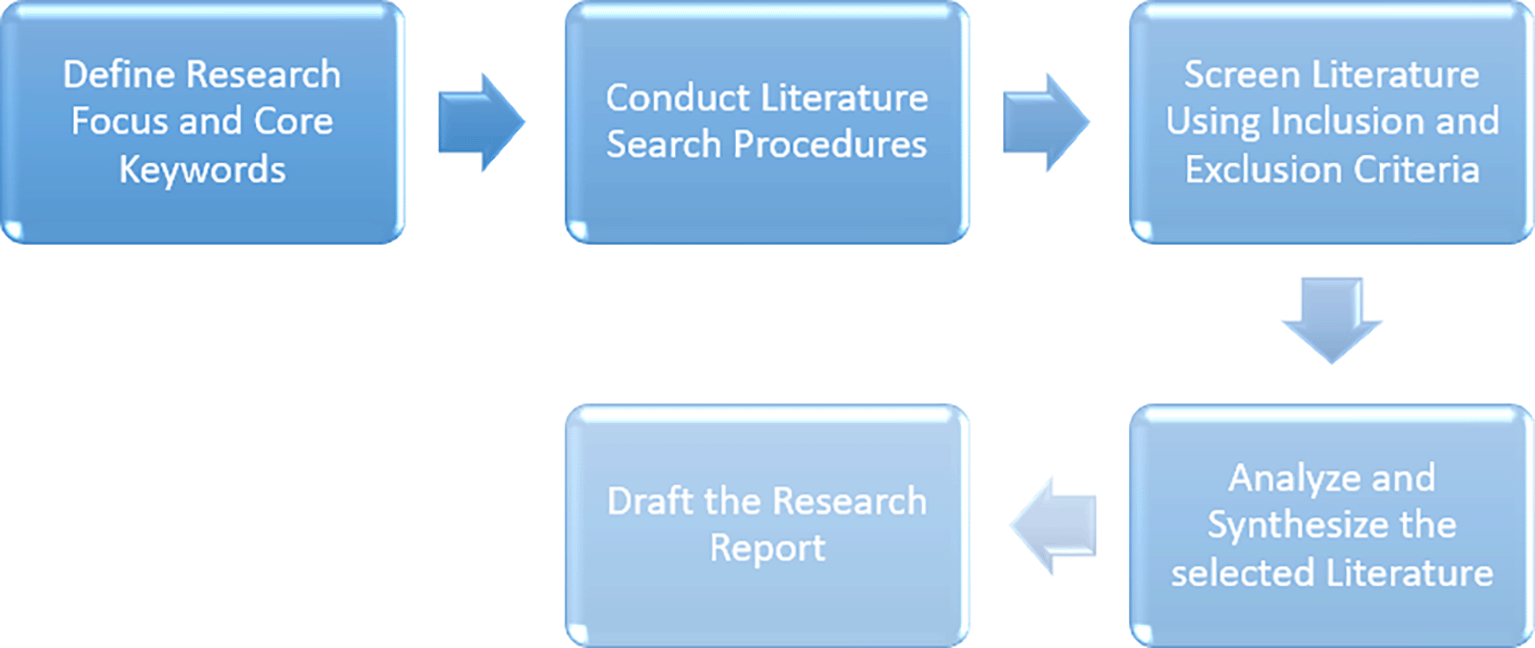
Source: Processed Data (2025).
To support the process of searching for relevant and academically accountable literature, a specific keyword formula in English was used, namely: “scientific literacy” and (“creative learning” or “creative pedagogy” or “creative approach”) and (“higher education” or university or college). This search formula was designed to ensure that the results obtained focused on the context of higher education and avoided publications from irrelevant domains such as pure science without a pedagogical approach. The literature search process was carried out entirely with the help of Publish or Perish (PoP) software connected to various scientific databases such as Google Scholar, Scopus, and Microsoft Academic, so that accurate and reliable bibliographic data was obtained (Creswell & Creswell, 2023). The use of Boolean syntax in the search allows for more focused, relevant, and in-depth results according to the focus and criteria of the study, while minimizing topic bias from fields not directly related to the development of scientific literacy through a creative approach in higher education.
Figure 2 displays a PRISMA (Preferred Reporting Items for Systematic Reviews and Meta-Analyses) chart illustrating the systematic literature selection process for this study. Of the 475 documents identified through the scientific database search, 175 records were eliminated prior to the screening stage, comprising 125 duplicates and 50 documents that were irrelevant for other reasons (such as limited access or not meeting the required scientific publication format). Thus, 300 documents entered the initial screening stage. During the screening stage, 160 articles were excluded for not meeting the topic or objectives of the study, leaving 140 documents deemed suitable for further review. However, some reports were inaccessible due to limited access or incomplete formats, resulting in only 40 articles being eligible for eligibility review. After further assessment, no articles were eliminated during the eligibility stage, resulting in a total of 40 scientific publications being included in the final stage as the primary source of this systematic review.
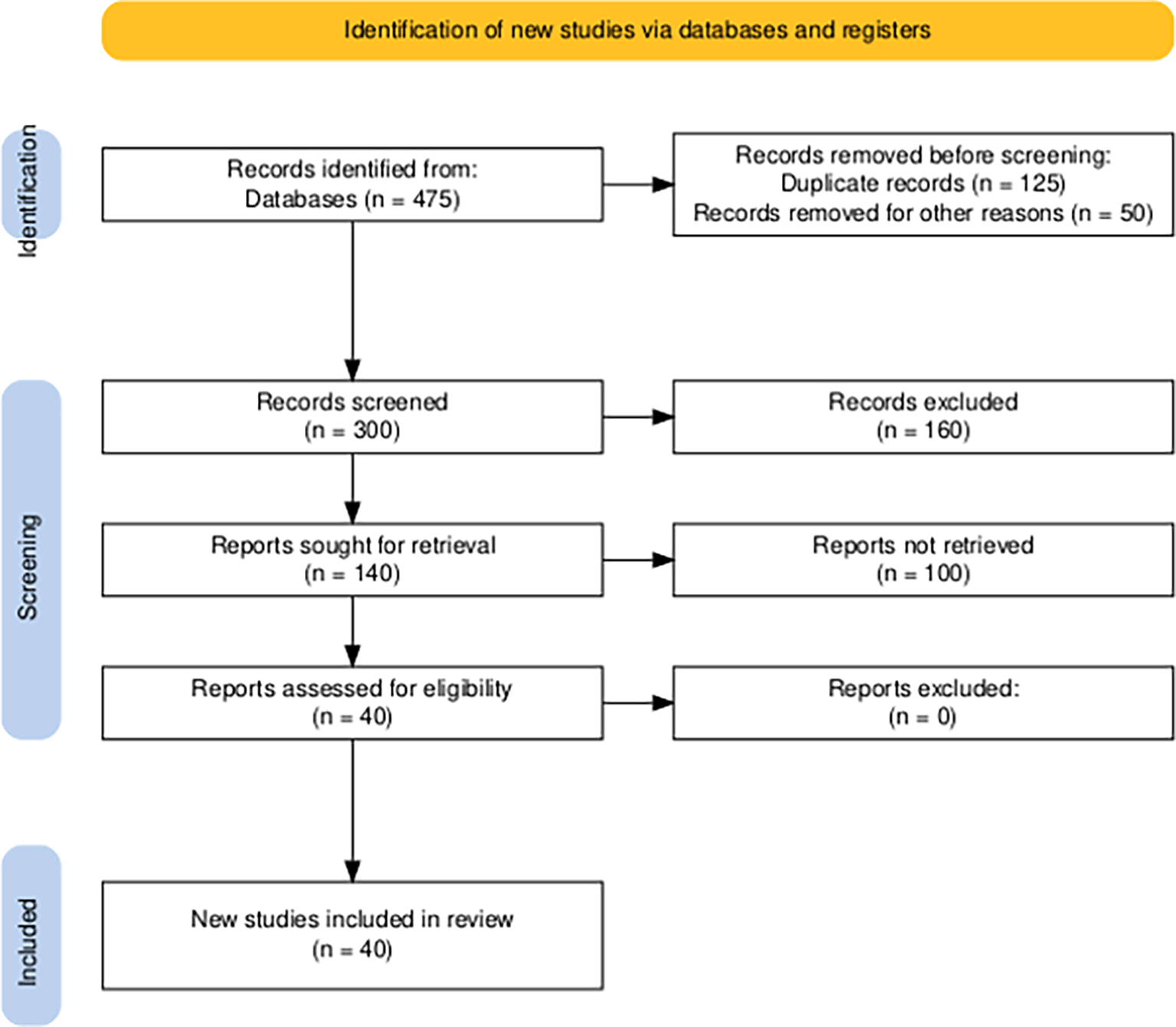
Source: PRISMA Database (2025).
Inclusion criteria for this study included articles explicitly discussing the relationship between creative approaches and scientific literacy in the context of higher education, published between 2020 and 2024, available in full-text format, and in English. Exclusion criteria included articles from medical/nursing disciplines, non-empirical publications such as editorials or opinion pieces, and articles that did not directly address the relationship between the two main concepts. Data collection was conducted through a systematic search using Publish or Perish (PoP) software connected to databases such as Google Scholar, Scopus, and Microsoft Academic. All search results were then strictly filtered based on predetermined inclusion and exclusion criteria to maintain the focus and relevance of the study. The analysis was carried out in layers, starting with publication metadata extraction and thematic coding, followed by analysis of inter-concept relationships and visualization of publication trends. To support the sharpness and validity of the analysis results, several tools were used: VOSviewer 1.6.20 to map the network of keyword relationships and author collaborations, NVivo 14 for qualitative content analysis based on inductive themes, and Microsoft Excel 2021 for processing publication growth charts, tabulating the distribution of countries, journals, and reference sources. The integration of these three tools provided comprehensive results, both quantitatively, visually, and thematically exploratory.
Research by (Zainuri, 2023) shows that “creative learning approaches can strengthen students’ scientific understanding in a more contextual and applicable way.” This finding suggests that when students engage in activities that emphasize the exploration of ideas, critical reflection, and cross-disciplinary connections, their scientific literacy develops not only conceptually but also in its application to real-world problems. Support for this view is also expressed by (Baumber, 2020) who state that “a learning process that provides space for divergent thinking and the collective construction of creative products can improve students’ ability to assess and communicate scientific information effectively.” This suggests that creative approaches impact not only the cognitive side but also scientific communication literacy skills, which are crucial in facing the complexities of the information age. (Chan, 2024) emphasize that “creative collaboration in the context of higher education is an important means to foster scientific awareness and social responsibility among students.” This means that the integration of creativity and scientific literacy values creates more meaningful and impactful learning.
Another study by (Sajja, 2023) highlighted that “when students were involved in creative design-based learning projects, their ability to analyze scientific data and generate innovative solutions significantly improved.” This indicates that hands-on experience in designing something new encourages students to think scientifically and creatively simultaneously. (Barrett, 2021) found that “exploration- and reflection-based learning strategies proved more effective in fostering scientific literacy than conventional lecture methods.” This means that creative methods that allow for active engagement and personal interpretation encourage students to develop deeper scientific understanding. In a more technological context, (Guan, 2023) stated that “the application of digital technology combined with a creative approach encourages students to synthesize scientific information visually and narratively.” Thus, technology becomes a reinforcement in the transformation of creative pedagogy towards multimodal-based scientific literacy.
(Hardy, 2021) stated in their study that “a transdisciplinary curriculum that emphasizes creativity and open-ended problem-solving contributes significantly to improving scientific literacy at the university level.” This demonstrates that a flexible and cross-disciplinary curriculum design facilitates students’ ability to view scientific issues from a broader perspective. Furthermore, research by (Pozo-Sánchez, 2022) emphasized that “the role of lecturers as creative facilitators is crucial for the successful integration of creative approaches and the strengthening of scientific literacy.” This means that the pedagogical competence of teaching staff in designing activities that stimulate creative and scientific thinking is a key element in the learning ecosystem. (Chang et al., 2022) added that “a learning model that balances art and science can bridge the gap between theoretical understanding and scientific application in everyday life.” This reinforces the assumption that the creative pathway is not only about imagination, but also about transforming scientific knowledge into a more contextual and humanistic form.
Research by (Hursen, 2021) shows that “students’ participation in creative project-based scientific activities improves their ability to assess the validity of information sources and construct logical scientific arguments.” This demonstrates the concrete contribution of creative approaches to the evaluative dimension of scientific literacy. Other findings from (Sanina, 2020) emphasize that “the integration of storytelling techniques in scientific learning allows students to reframe knowledge in a more personal and relevant way.” This approach encourages students not only to understand concepts but also to narrate and share them effectively. In terms of visualization, (Giesenbauer, 2020) found that “the use of digital concept maps and creative illustrations in scientific reporting improves information retention and cross-conceptual understanding.” All these findings consistently demonstrate that creative approaches to learning not only stimulate creativity but also expand the ways in which students construct, convey, and critique scientific information.
Based on the accumulation of various studies, it can be tentatively concluded that the integration of creative approaches in higher education makes a significant contribution to the development of students’ scientific literacy. Creativity is not a separate component of scientific education, but rather an essential foundation that supports the analytical, expressive, and collaborative skills that are at the core of modern scientific literacy. Project-based approaches, scientific narratives, digital exploration, and transdisciplinary design have proven to be strategic pathways in creating learning that not only conveys knowledge but also fosters creative and reflective scientific thinking. Thus, the development of creative pathways in learning can be seen as a systemic response to the challenges of 21st-century education, which demands synergy between innovation, literacy, and the humanization of science within a unified pedagogical framework.
Table 1 presents the categorization of previous studies analyzed using NVivo 14 software, highlighting five major thematic clusters that underscore the strategic role of creativity in advancing scientific literacy in higher education. The first category emphasizes creative learning approaches that promote exploration, reflection, and cross-disciplinary engagement as foundations for strengthening both conceptual understanding and real-world scientific application. The second category focuses on design-based projects and the use of digital tools to enhance students’ analytical thinking, multimodal synthesis, and the ability to generate innovative scientific solutions. Both categories illustrate that active involvement in creative processes enriches the learning experience and cultivates deeper, more applicable scientific competencies.
| Category | Researcher name | Core quotes |
|---|---|---|
| Creative Learning and Contextual Scientific Understanding | Zainuri (2023), Baumber (2020), Chan (2024) | Creative learning emphasizes exploration, reflection, and cross-disciplinarity to strengthen both conceptual and applied scientific literacy and communication. |
| Design-Based Projects and Analytical Scientific Thinking | Sajja (2023), Barrett (2021), Guan (2023) | Learning through creative design and digital tools enhances data analysis, multimodal synthesis, and students’ ability to generate scientific solutions. |
| Transdisciplinary Curriculum and Pedagogical Innovation | Hardy (2021), Pozo-Sánchez (2022), Chang et al. (2022) | A flexible, interdisciplinary approach that balances science and creativity requires lecturers to act as creative facilitators bridging theory and application. |
| Scientific Evaluation and Narrative Expression | Hursen (2021), Sanina (2020), Giesenbauer (2020) | Creative scientific tasks like storytelling and visualization improve students’ evaluative thinking, personal engagement, and retention of scientific concepts. |
| Systemic Role of Creativity in Scientific Literacy Development | Zainuri (2023), Guan (2023), Chang et al. (2022) | Creativity acts not as an addition to scientific learning but as a core driver that supports analytical, expressive, and collaborative competencies in higher ed. |
The remaining three categories broaden the perspective to include curriculum design, evaluation methods, and the systemic function of creativity in scientific literacy development. The third category highlights the importance of a flexible, transdisciplinary curriculum that integrates science and creativity, with educators serving as facilitators of innovation. The fourth category stresses the use of narrative and visualization techniques in scientific tasks to improve students’ evaluative thinking, personal engagement, and retention of scientific concepts. Lastly, the fifth category asserts that creativity is not an add-on but a central driver of analytical, expressive, and collaborative competencies in higher education. Altogether, these classifications confirm that creative pathways are not supplementary elements, but strategic approaches in the transformation of 21st-century science education.
One of the main indicators in analyzing the dynamics of a research topic’s development is the number of scientific publications published annually. In the context of this study, the trend in the number of publications discussing the integration of creative pathways and scientific literacy in higher education is an important focus to determine the extent to which this topic has received attention within the global academic community. The growth in the number of articles from year to year not only indicates increasing interest in the topic but also reflects the urgency and relevance of the issue in addressing the challenges of 21st-century education. Furthermore, this temporal analysis can serve as a baseline for identifying patterns of spikes or declines in publications that may be related to global phenomena such as the COVID-19 pandemic or changes in digital education policy.
Visualizing the number of publications by year of publication also serves as a basis for evaluating the maturity of a field of study. A consistent increase indicates that the discourse on creative approaches to strengthening scientific literacy is developing progressively and beginning to establish a stable research space. Conversely, if the trend fluctuates or declines, it may indicate the need for academic intervention through more focused and collaborative follow-up research. Therefore, this quantitative data serves not only as statistical information but also as a reflection of the direction and intensity of scientific development on a topic over a specific period.
Figure 3 presents two important visualizations representing the dynamics of global research related to creative pathways in developing scientific literacy in higher education during the 2020–2024 period. Figure A shows the distribution of the number of publications per year. It can be seen that in 2020, no publications were found that met the topic criteria and search syntax used. From 2021 to 2022, the number of publications increased slowly, from around 10 articles to more than 15. Significant growth occurred in 2023, peaking in 2024 with more than 35 articles. This pattern indicates that although this topic was underexplored at the beginning of the period, researcher interest in the integration of creative pathways and scientific literacy in higher education has consistently increased over the past two years. This is in line with the shift in focus in higher education toward innovative, transformative, and 21st-century learning (Gube, 2020).
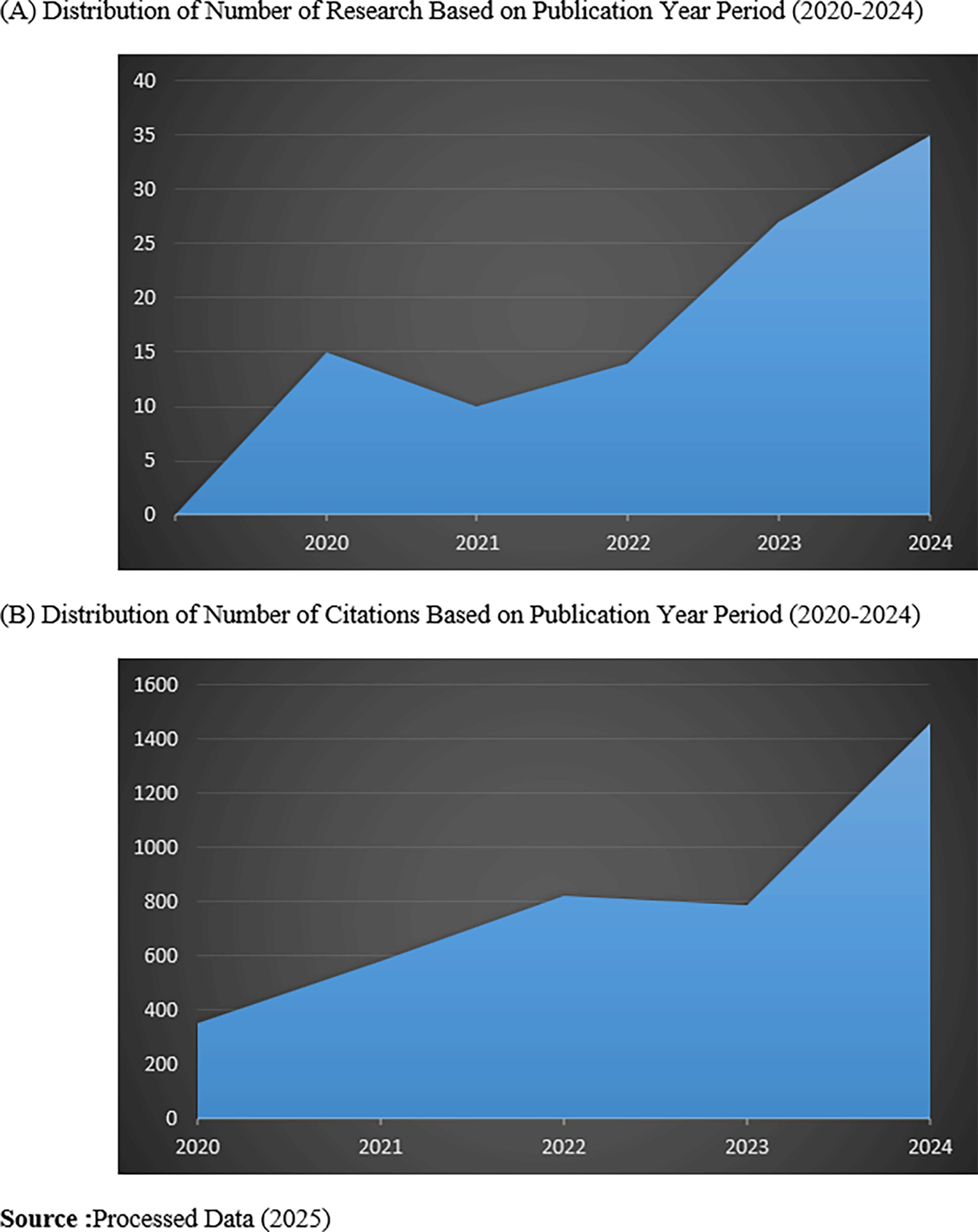
(A) Distribution of Number of Research Based on Publication Year Period (2020-2024).
(B) Distribution of Number of Citations Based on Publication Year Period (2020-2024).
Graph B depicts the distribution of citations to relevant publications over the same period. The data shows that, although the number of publications is not yet large, their scientific influence has expanded significantly. The number of citations increased steadily from 2020 to 2022, with a slight decline in 2023, but then surged sharply in 2024 to over 1,400 citations. This surge indicates that articles discussing creative pathways and scientific literacy are beginning to become important references in various multidisciplinary research, particularly in the fields of education, learning technology, and curriculum design. This phenomenon demonstrates that, although research in this field is not yet massive in quantity, it has a high citation value, reflecting significant conceptual and practical contributions in addressing the challenges of modern education (Habib, 2024).
This situation suggests that literature discussing the development of scientific literacy through creative approaches is likely to have a significant long-term impact. Although the number of publications is still growing, the high number of citations indicates that research on this topic is widely used as a primary reference in developing innovative learning strategies in higher education. This also strengthens the topic’s position in global academic discourse, which increasingly emphasizes the importance of creativity, critical thinking skills, and scientific literacy as core competencies for today’s students (Sun, 2022). Overall, the two graphs in Figure 3 demonstrate that the quantitative and qualitative trends in the scientific impact of this topic complement each other. The surge in citations in 2024 reflects not only academic recognition but also the urgency of a more humanistic and creativity-based learning approach to developing scientific literacy capacity. These data support the need for systematic mapping of global trends in creativity-based scientific literacy research to serve as a foundation for the formulation of more adaptive, contextual, and evidence-based educational policies and curriculum design.
One important aspect of bibliometric analysis is identifying a country’s contribution to a specific research topic. In the context of this study, mapping the distribution of publications by country serves to understand the scientific centers actively researching the theme of creative pathways in developing scientific literacy in higher education. By understanding the country of origin of publications, we can trace the geographic patterns of research activity, identify the dominance of certain regions, and observe the involvement of developing countries in global academic discourse. This analysis also provides an initial overview of the potential for cross-national collaboration and regional trends in adopting creative approaches as a strategy for improving scientific literacy in higher education. This data provides an important foundation for understanding the distribution of scientific contributions globally and assessing the extent to which this issue has become a shared concern in the international higher education landscape.
Based on Table 2 and Figure 4, the distribution of research addressing creative pathways in developing scientific literacy in higher education shows a strong tendency for developed countries such as the United Kingdom, the United States, and India to dominate. These three countries collectively contributed more than a third of total publications in the 2020–2024 period, with 18, 16, and 12 articles, respectively. This indicates that robust research infrastructure, higher education policy support, and established academic ecosystems enable innovative topics such as scientific literacy and creativity to develop more rapidly in these countries. Research by (Wannapiroon, 2022) shows that higher education institutions in these countries have national strategies to encourage the integration of 21st-century skills, including creativity and scientific literacy, into the university curriculum. Therefore, the dominance of these countries reflects not only academic productivity but also the successful integration of progressive educational policies and practices.
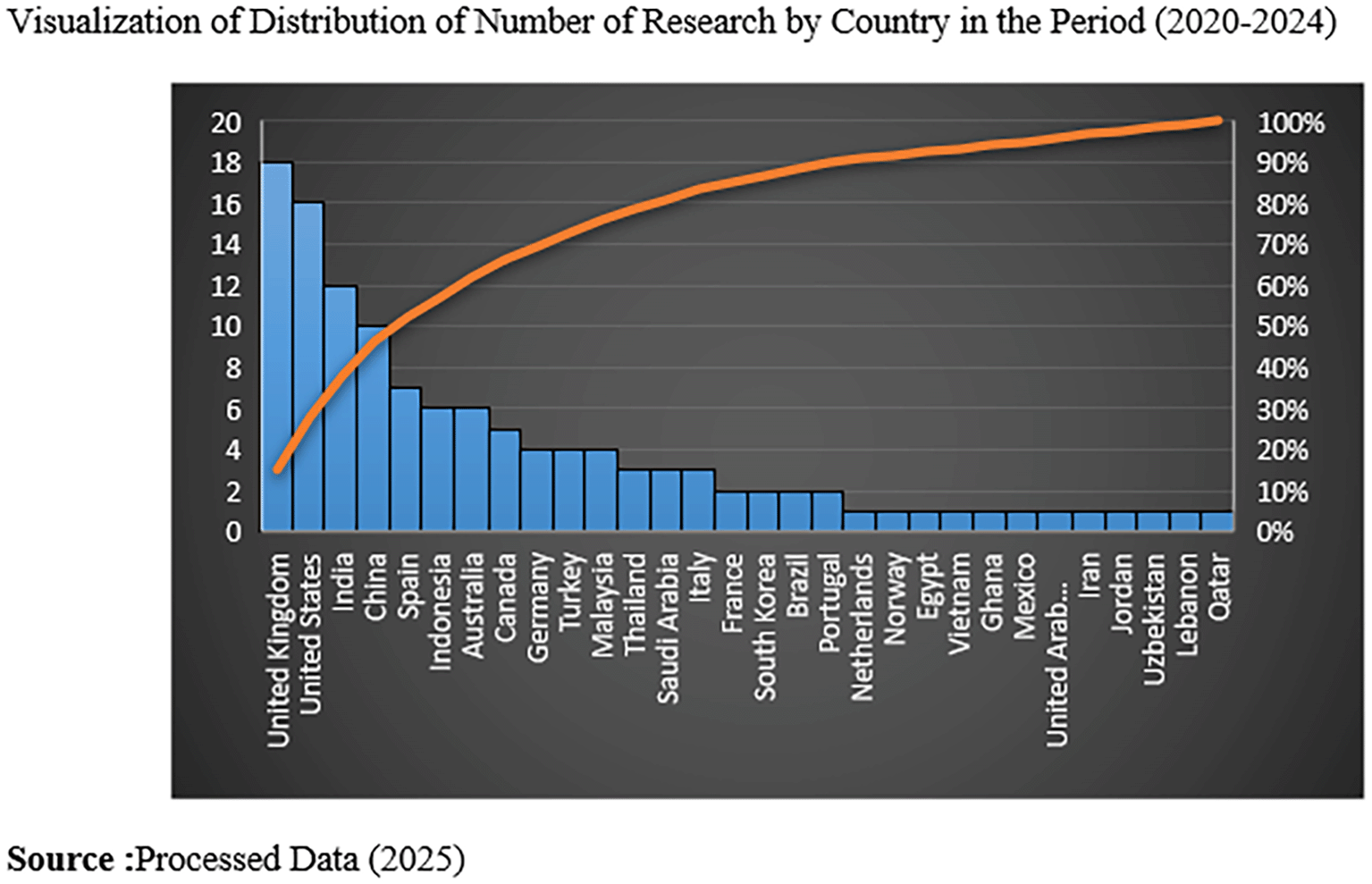
Visualization of distribution of number of research by country in the period (2020-2024).
The significant contributions of countries like Spain and Indonesia are also interesting to note, given that neither country has the highest number of publications globally, but boasts a very high citation ratio. Spain, with 7 articles, recorded a total of 176 citations, even higher than the United States and the United Kingdom. Meanwhile, Indonesia, with 6 articles, recorded 154 citations, demonstrating that despite its relatively small number of publications, the scientific substance and influence of these works are very strong. This aligns with findings (Marshalsey, 2020) that the contributions of developing countries to scientific literacy are beginning to show global influence thanks to international research collaboration and a focus on authentic local contexts. This means that in the global research ecosystem, quality and contextual relevance can be crucial factors in enhancing academic resonance, not simply quantity.
In addition to major countries, the data also shows active participation from various countries, contributing single articles but with significant citation counts, such as Vietnam (49 citations), Ghana (47 citations), and the Netherlands (45 citations). This pattern indicates that articles from these countries have an equally significant influence on the discourse on creativity-based scientific literacy, despite their low publication volume. A study by (Soomro, 2023) stated that the emergence of articles from smaller countries in global publication volume but with high citation quality is an indicator of “selective impact,” that is, scientific influence determined by unique local perspectives and innovative approaches. This reinforces the importance of inclusivity in global research and opens up space for diversifying scientific learning contexts beyond the Western mainstream.
Overall, the distribution of publications and citations by country shows that the topic of creative pathways in scientific literacy is not only dominated by developed countries but is also starting to become an important focus for developing countries. The Pareto chart shown in Figure 4 makes it clear that the top 20% of countries contribute more than 80% of total publications, but citation patterns indicate that articles from various parts of the world also find a place and recognition in the academic community. This finding aligns with a study (Johinke, 2023) that emphasized the importance of cross-national collaboration in strengthening creativity-based educational practices and culturally adaptive scientific literacy. Therefore, strengthening international cooperation and expanding the participation of developing countries is a strategic agenda in broadening the scope and depth of research in this field, as well as building a more global, relevant, and sustainable learning ecosystem.
Figure 5 displays a spatial visualization of countries’ contributions to the number of scientific publications related to creative pathways in developing scientific literacy in higher education during the period 2020–2024. This map depicts the dominant concentration of research in Western Europe and North America, with the United Kingdom (18 publications) and the United States (16 publications) as the two main contributors. South and East Asia, particularly India (12) and China (10), also play a significant role in the global research landscape. Interestingly, Southeast Asian countries such as Indonesia, Malaysia, and Thailand are beginning to make their presence felt, indicating that attention to this topic has spread to developing countries. This finding aligns with research findings (Murillo-Zamorano, 2021) which confirms that the globalization of higher education discourse is encouraging non-Western countries to begin integrating creative approaches into their science and technology curricula.
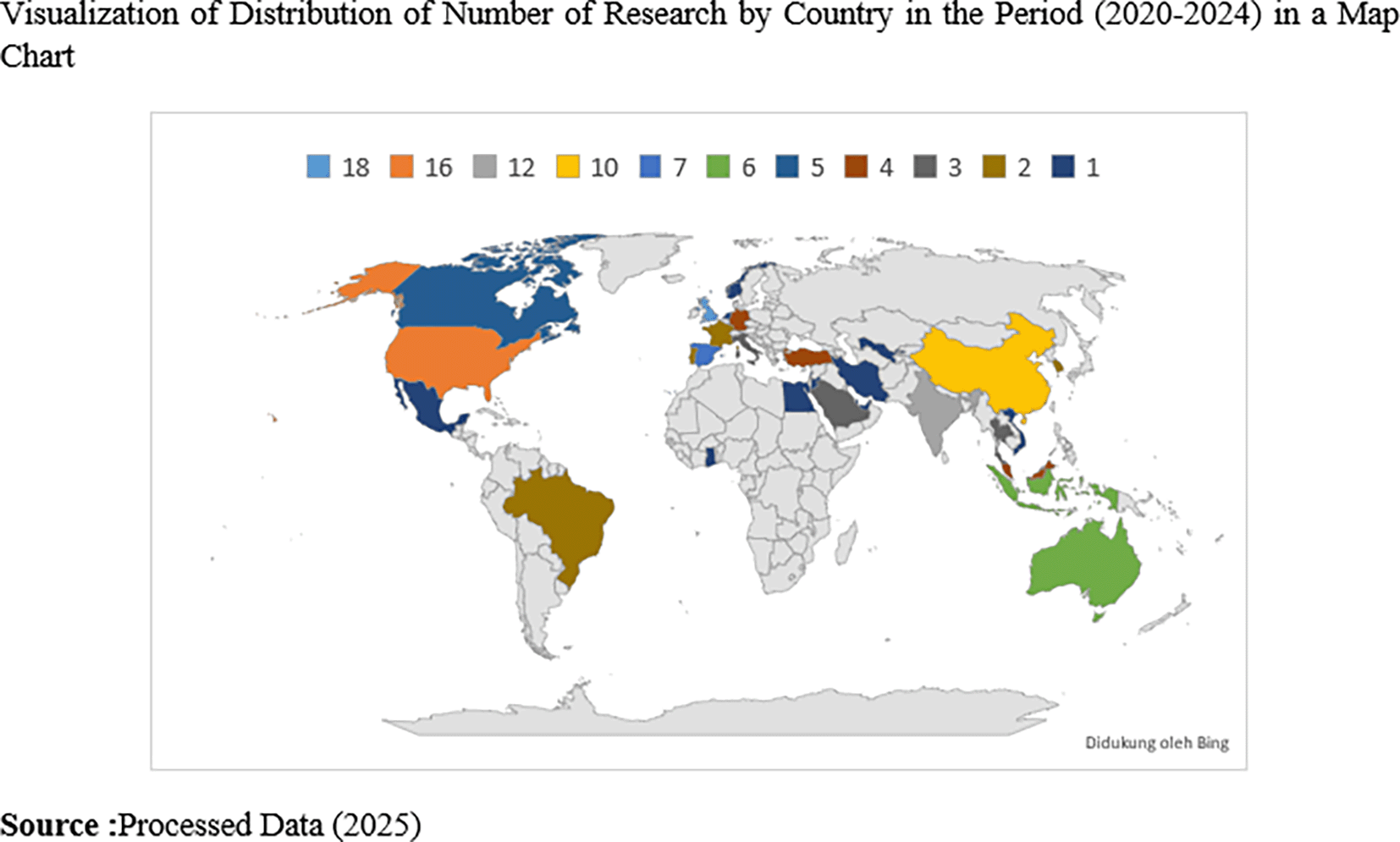
Visualization of distribution of number of research by country in the period (2020-2024) in a map chart.
This map also reveals the distribution of participation across continents, including contributions from Middle Eastern countries such as Iran, Saudi Arabia, and the United Arab Emirates, as well as Latin American countries such as Brazil and Mexico. Although their contributions are still limited in number of articles (1–2 publications), the involvement of these countries is important to demonstrate that the issues of creativity and scientific literacy have transcended regional boundaries and are beginning to be adopted in various cultural contexts and educational systems. This reinforces the view (Baxter, 2020) that creative approaches are not solely the preserve of developed countries but can be flexibly adapted to address scientific literacy challenges in various parts of the world. This visualization serves not only as a map of participation but also as early evidence of the need for more equitable international collaboration to expand transformative and evidence-based higher education practices.
The distribution of the number of publications by higher education institutions provides important insights into the main actors driving scientific development in the field of Problem-Based Learning (PBL) and creative thinking skills. Universities from the five countries with the highest number of publications play a very strategic role, not only in terms of quantity but also in shaping the quality and direction of scientific discourse at the national and regional levels. Table 3 displays the most productive institutions from Indonesia, Thailand, Malaysia, Spain, and Taiwan, showing how higher education institutions in these countries are actively involved in research and development of innovative pedagogies. This involvement is generally driven by national policy incentives, access to research funding, and strong international collaboration networks.
Table 3 displays the distribution of the number of articles from leading universities in the five countries with the highest contributions to research on creative pathways in developing scientific literacy in higher education. The data shows that the United Kingdom is the country with the highest number of contributions, dominated by world-class universities such as the University of Oxford (5 articles) and the University of Cambridge (4 articles). The presence of these prestigious institutions indicates that the topic of creativity in scientific literacy has become a key agenda within the research ecosystem of top universities. This is in line with findings (Delgado, 2021) which state that UK universities tend to be pioneers in innovative, transdisciplinary pedagogical approaches, which encourage the emergence of creative learning practices in science and technology. Furthermore, the consistent contributions from UCL, the University of Edinburgh, and Manchester indicate that creative approaches are not merely individual initiatives but have become part of institutional strategies.
The United States ranked second, with contributions from leading institutions such as Harvard, Stanford, MIT, UC Berkeley, and the University of Michigan, each contributing between three and four articles. The dominance of these universities reflects a strong research culture exploring creativity-based learning methodologies and scientific thinking, particularly through approaches such as design-based learning and problem-centered inquiry, which have been widely adopted at Ivy League campuses and major research universities. A study by (Shu, 2020) shows that the US higher education model emphasizes the integration of creativity, collaboration, and scientific literacy as a pillar of the curriculum, particularly in the context of STEM and innovation-based education. India, China, and Spain also demonstrate the presence of nationally prominent universities such as IIT Delhi, Tsinghua, and the University of Barcelona, which collectively contribute actively to enriching the global literature on this topic. This demonstrates that attention to creative pathways and scientific literacy has become a strategic issue across regions, encouraging higher education institutions in various countries to strengthen their research portfolios in the field of innovative pedagogy.
The use of visualization tools such as VOSviewer is crucial for understanding the intellectual structure and conceptual dynamics within a field of study. VOSviewer allows researchers to map the network of interrelationships between keywords, collaborative relationships between authors or institutions, and the interconnectedness of references between publications within the analyzed literature. In the context of this research, the analysis using VOSviewer focused on identifying important patterns in the development of creative pathway-based scientific literacy in higher education, both in terms of the development of main themes and the connections between frequently occurring key terms. The resulting visualization not only shows the frequency of a term or citation relationships but also provides thematic insights into the direction and focus of global research in the 2020–2024 period. Therefore, the following analysis of VOSviewer output is an important part of deepening the knowledge map formed from a collection of systematically reviewed literature.
Figure 6 presents the analysis results from VOSviewer in three visualizations: (A) Network Visualization, (B) Overlay Visualization, and (C) Density Visualization. In the network visualization (A), the term “creative thinking” appears to be the dominant term, connected to various other keywords such as “higher education,” “creativity,” “educational technology,” “design thinking,” and “machine learning.” This pattern indicates that the discourse on creative thinking in higher education does not stand alone but is closely related to transdisciplinary approaches and the integration of modern technology. This visualization aligns with research findings (Alt, 2020) which emphasize that developing creativity in 21st-century learning involves cross-theme connectivity and digitally integrated pedagogical innovation. The interconnectedness of these keywords also indicates that creative pathways in strengthening scientific literacy in higher education tend to be complex and multidimensional.
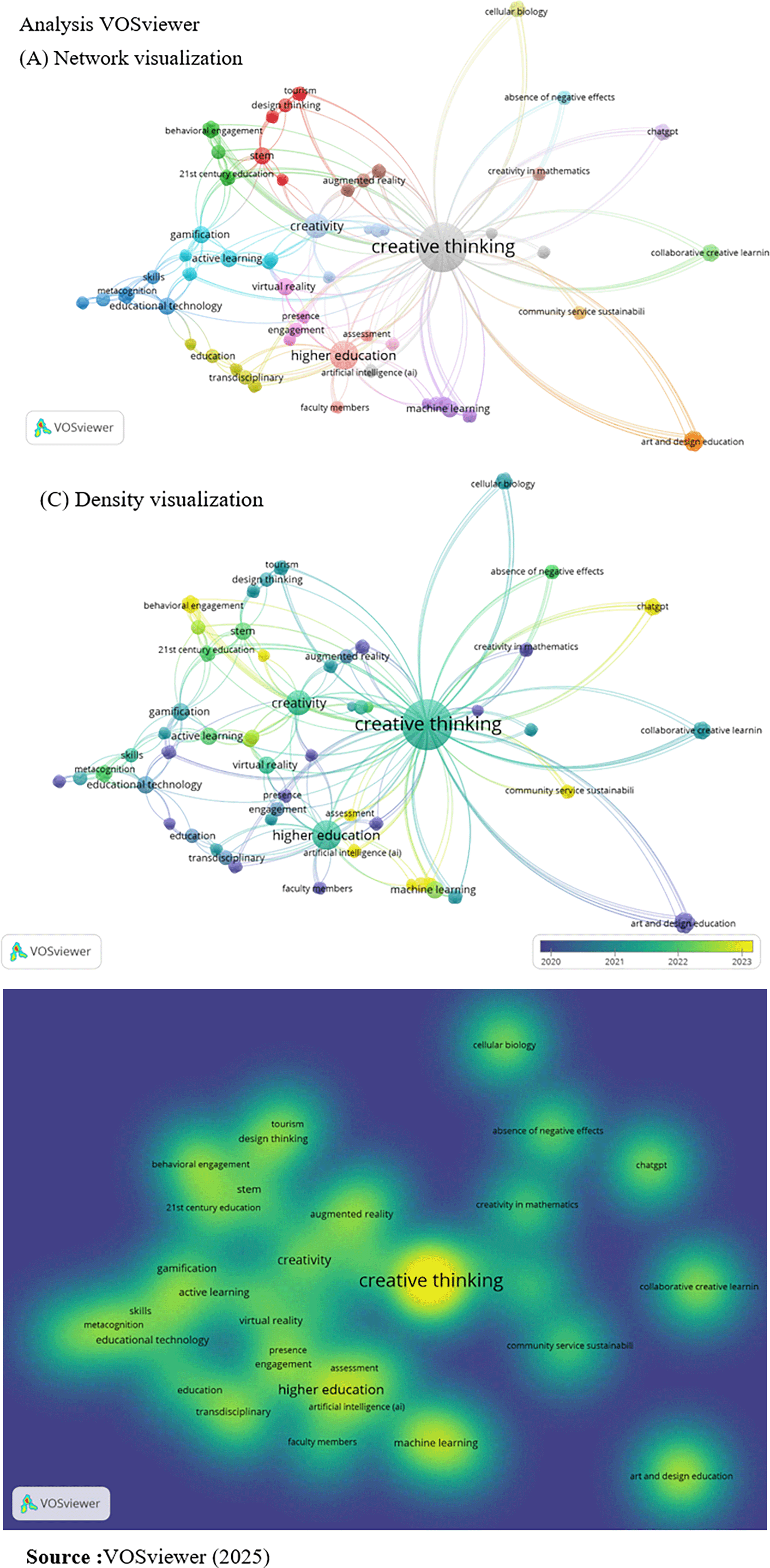
(A) Network visualization.
(B) Overlay visualization.
(C) Density visualization.
Meanwhile, Overlay Visualization (B) provides information on the chronology of the emergence of these terms in the 2020–2024 timeframe. The bright yellow color for terms such as “ChatGPT,” “machine learning,” “artificial intelligence,” and “community service sustainability” indicates that these keywords are recent discoveries and have become research trends in the past two years. This corroborates the results of a study (Shafait, 2021) that showed a surge in research on scientific literacy and creativity in the context of artificial intelligence and community-based learning post-pandemic. Meanwhile, Density Visualization (C) displays the density of terms based on the intensity of associations and the number of occurrences in articles, where areas such as “creative thinking,” “creativity,” and “higher education” are shown in bright yellow as the center of the most research activity. Thus, the combination of these three visualizations provides a comprehensive overview that the theme of creative thinking in higher education continues to develop, expanding into various fields of study, and experiencing increasing relevance in line with the demands of innovation and digital transformation in learning.
Based on the overall results of the bibliometric and systematic research analyzed, it is clear that the creative pathway in developing scientific literacy in higher education has experienced significant growth, both in terms of the number of publications, geographic distribution, producing institutions, and thematic networks. The increase in publications from 2020 to its peak in 2024 demonstrates a global response to the demands of creativity-based learning in the post-pandemic era. This indicates that creativity is not only an added value in the academic process but has transformed into a core competency in building scientific literacy relevant to the digital age. A study by (Yustina, 2020) also shows that problem-solving and creative learning approaches play a role in improving students’ scientific abilities, especially when combined with the use of educational technology. Therefore, the creative pathway in scientific literacy can be understood as an integrative approach that combines divergent thinking, critical reflection, and multidisciplinary exploration.
The distribution of research contributions from various countries, such as the UK, the United States, India, and China, demonstrates that initiatives to strengthen scientific literacy through creative pathways are a global agenda, but with varying contexts. Developed countries tend to have more established research bases, supported by world-class universities such as Oxford, Harvard, and Tsinghua University. On the other hand, developing countries such as Indonesia and India also make significant contributions, reflecting the need to transform their higher education systems to be more adaptive to current developments. This confirms the findings of (Campillo-Ferrer, 2020), who stated that higher education practices in developing countries are shifting toward project-based and collaborative learning approaches to enhance students’ scientific thinking capacity. In this context, creative pathways serve as a crucial bridge between global innovation demands and the local realities of higher education institutions.
Visualization analysis from VOSviewer shows that the concept of “creative thinking” is the center of gravity within a broad and intersecting thematic network. Keywords such as educational technology, active learning, STEM, design thinking, and virtual reality demonstrate that creative pathways in scientific literacy development are not only theoretical but also highly applicable. The integration of technology and innovative pedagogy strongly indicates that scientific literacy development has entered a transformational phase, emphasizing not only content mastery but also the development of transdisciplinary competencies and problem-solving. This finding is supported by research by (Sahibzada, 2020) which states that the implementation of creativity- and technology-based learning has been proven to improve students’ scientific literacy and scientific communication skills. Thus, the creative pathway approach is a strategic instrument in building a higher education curriculum that is responsive to the dynamics of the 21st century.
Temporally, the overlay visualization results reveal that the research trend of creativity-based scientific literacy has increased in relevance over time, especially with the emergence of terms such as ChatGPT, community service sustainability, and machine learning in the past two years. This indicates that higher education is no longer limiting scientific literacy to conventional academic texts, but is beginning to adopt new technologies as part of a creative learning ecosystem. With the introduction of artificial intelligence into academic practice, creative pathways in scientific literacy development expand the space for students’ scientific reflection to be more collaborative, personalized, and adaptive. In accordance with the opinion of (San-Martín, 2020), an educational environment that supports free exploration and technological empowerment will produce individuals with high levels of creativity and complex scientific literacy. Therefore, the transformation of the higher education system requires a strong commitment to opening up a comprehensive and cross-sectoral innovation space.
Overall, the results of this study confirm that the creative pathway is an integral and strategic approach to developing scientific literacy in higher education. The application of methods such as problem-based learning, design thinking, and the integration of AI technology has proven effective in encouraging students to not only understand science conceptually but also to be able to apply it in dynamic real-life contexts. This bibliometric analysis provides a strong foundation for educational institutions and policymakers to redesign learning systems to emphasize creativity as the foundation of scientific literacy. As emphasized by (Phi, 2021), the future success of higher education is largely determined by the ability to foster an academic culture that encourages innovation, collaboration, and scientific curiosity. Therefore, the strategy of developing a creative pathway in scientific literacy is not merely a methodological choice but an urgent need to address increasingly complex and rapidly changing global challenges.
Based on the results of a systematic and bibliometric analysis of global trends in the development of scientific literacy through creative pathways in higher education, it can be concluded that a creativity-based approach has become a transformative strategy that is increasingly widely adopted in academic practice. Creative pathways, which are realized through the integration of digital technology, project-based learning, and interdisciplinary collaboration, have been proven to encourage increased scientific thinking skills and creativity in students. These findings indicate that scientific literacy is no longer understood simply as the ability to understand scientific texts, but rather includes the capacity to create, evaluate, and apply knowledge innovatively in various contexts. The active participation of developing countries in this literature also indicates a paradigm shift in higher education globally towards a more inclusive and creative direction.
This study has limitations in terms of database coverage and the time period analyzed. It only covers publications between 2020 and 2024 and is limited to sources accessible through specific bibliometric search engines such as Publish or Perish. Furthermore, the focus on English-language articles may introduce linguistic bias, excluding significant contributions from potentially relevant local-language literature, particularly from non-English-language countries. Data visualization based on keyword co-occurrence also has limitations in capturing the deeper contextual and narrative meaning of individual articles. Therefore, careful interpretation of the results is essential, particularly when extrapolating practical implications from aggregate bibliometric findings.
To strengthen the development of creative pathways in scientific literacy, it is recommended that higher education institutions begin formulating policies and curriculum designs that more explicitly integrate elements of creativity, technology, and transdisciplinary learning. Future research is expected to expand the scope by including sources from various languages and other types of publications such as institutional reports, proceedings, or dissertations to enrich the dimensions of literature mapping. Furthermore, a mixed-methods approach that combines bibliometrics with in-depth qualitative content analysis can provide a more comprehensive picture of how creative pathways not only develop quantitatively but also have a tangible impact on the transformation of learning and academic culture in higher education.
| Views | Downloads | |
|---|---|---|
| F1000Research | - | - |
|
PubMed Central
Data from PMC are received and updated monthly.
|
- | - |
Provide sufficient details of any financial or non-financial competing interests to enable users to assess whether your comments might lead a reasonable person to question your impartiality. Consider the following examples, but note that this is not an exhaustive list:
Sign up for content alerts and receive a weekly or monthly email with all newly published articles
Already registered? Sign in
The email address should be the one you originally registered with F1000.
You registered with F1000 via Google, so we cannot reset your password.
To sign in, please click here.
If you still need help with your Google account password, please click here.
You registered with F1000 via Facebook, so we cannot reset your password.
To sign in, please click here.
If you still need help with your Facebook account password, please click here.
If your email address is registered with us, we will email you instructions to reset your password.
If you think you should have received this email but it has not arrived, please check your spam filters and/or contact for further assistance.

Comments on this article Comments (0)