Keywords
Systematic review, bibliometrics, export strategies, agricultural exports, trade perfor-mance, PRISMA 2020, sustainability, Phaseolus lunatus.

Systematic review, bibliometrics, export strategies, agricultural exports, trade perfor-mance, PRISMA 2020, sustainability, Phaseolus lunatus.
In a globalised environment, companies seek to formulate and implement strategies that enable them to strengthen their competitive advantage and thus ensure their expansion into international markets.1,2 In order to address this issue, these companies implement strategies that enable them to meet and ensure the requirements of different destinations. In the current context, it is imperative for stakeholders to implement effective strategies that promote market concentration and diversification. This is essential to mitigate dependence on a single market and thereby ensure leadership in the field of agricultural exports.3,4 The sustainability strategy, understood as a component of the ‘green logistics’ toolkit, is a process that has a positive impact on customer perception and corporate image.5,6 Furthermore, it facilitates the integration of environmentally sustainable technologies and methodologies, thereby reducing the ecological footprint by enhancing the efficiency of production processes.7 In line with the above, the process optimisation strategy is intrinsically linked to supply chain management. In this sense, it is implemented as a system that manages each operational process efficiently, profitably and in an organised manner, which includes meeting delivery times and improving logistics performance. As a result, there is a noticeable increase in companies’ revenues.8
In Peru, agricultural exports represent a mechanism for transformation and growth in production by creating a highly competitive organisation with its exportable supply.9,10 This performance reinforces the comparative advantage and insertion in the global chain. In addition, positive figures are noted in the trade balance, where revenues reached approximately 2.4 billion dollars. By 2023, there was an increase of 1.5% compared to the previous year, showing greater diversification in exported agricultural products, which favoured the country’s economic position.11 On the other hand, exports were estimated at $119 million, destined for more than 45 markets, where domestic vegetable production reached 343,000 tonnes on 93,000 hectares, reflecting a growing diversification in exportable supply and the country’s positioning.12
The commercial export potential of the lima bean (Phaseolus lunatus), known as the ‘Andean lima bean’, is high in dietary fibre, protein and micronutrients, which positions it as a superfood in terms of food security.13,14 Thanks to its ancestral domestication in the regions of Peru and the regional climate of Lambayeque and the valleys of Ica, Junín, Apurímac, Ayacucho, Puno and Huancavelica, give it characteristics that make it competitive from production onwards.15,16 Likewise, the commercialization of beans generates momentum to maintain efficiency in the supply chain in order to obtain freshness of the product, which implies coordination in transport, storage and distribution in the formulation of guidelines that improve the quality and potential of the grain, given that the current consumer trend is based on choosing more nutritious and sustainable food products.17
The challenges faced by agro-export companies in beans are diverse, including limited market diversification, which reduces the sustainable development of the agricultural sector.18,19 This deficiency is reflected in the threat of climate change, such as reduced crop yields, increased diseases and pests affecting production, high temperatures and high production costs.20 Other shortcomings in early commercial operations include the positioning of competitors, the difficulty of finding an attractive market for their supply, understanding the specifications in a product data sheet and consumption standards. Another important point is export barriers, which, given the lack of knowledge of market regulations and requirements, become an obstacle that hinders the initiative to develop or maintain operations in international markets.21
In an overview of Peruvian agricultural exports, the beans is one of the legumes that deserves attention in terms of export figures. So far in 2025, in the months of January to August, export figures show approximately 12.10 million dollars in FOB value, representing a 46% increase compared to 2024. Similarly, the exported weight was approximately 7,500.00 tonnes, with a variation of 63.78%. The main importers of beans are the United States, Japan, Spain, Canada and Jamaica.22
Despite theoretical and empirical advances in export strategies and commercial performance in exporting companies, gaps remained in their application in the legume sector, particularly in beans exporters and how they contributed to their positioning in international markets. Although the literature recognises the importance of sustainability, market diversification and logistics, most studies address these issues without establishing a comprehensive link between the factors involved in the processes of production, marketing and expansion. This theoretical dispersion limits the understanding of how export strategies contribute to improving commercial performance and consolidating the participation of Peruvian beans as an agro-export product with great potential in the global environment.
Consequently, this research arises from the need to organise and synthesise existing knowledge, identify trends, methodologies and gaps in the scientific literature in order to provide a comprehensive, consolidated and up-to-date overview of export strategies and commercial performance in exporting companies. In this regard, the study seeks to contribute both at a theoretical level (integrating conceptual approaches) and at a practical level, guiding future research and policy studies in the sector. To this end, a systematic review and bibliometric analysis of scientific output was carried out in order to examine its evolution, characteristics and main academic contributions.
Given this context, the following general question arises: how can we determine the effectiveness of export strategies in companies that export beans in the agricultural sector? In addition, the following specific questions are raised: (a) What are the dynamics of production, collaboration, and thematic and semantic evolution of the export strategies implemented by companies that export beans in the agricultural sector? (b) How can we determine the relationship between export strategies and commercial performance in companies that export lima beans? (c) What is the current state of the relationship between export strategies and commercial performance in companies that export lima beans? and (d) What are the convergences in the empirical findings of researchers?
Thus, the overall objective was to determine the extent of the effectiveness of export strategies in agricultural companies exporting beans, based on a bibliometric analysis of the scientific literature. The specific objectives are as follows: (a) to describe the dynamics of production, collaboration, and thematic and semantic evolution of the export strategies implemented by agricultural companies exporting beans; (b) to understand the relationship between export strategies and commercial performance in companies exporting lima beans; (c) to identify the current state of the relationship between export strategies and commercial performance in companies exporting lima beans; and (d) to describe the convergences in the empirical findings of researchers.
The methodology describes the process designed to review and analyse the scientific literature on export strategies and commercial performance in companies exporting lima beans in the agricultural sector. Using a non-experimental, descriptive and cross-sectional design, a mixed methodological approach was adopted, integrating qualitative and quantitative procedures.23 The research approach is mixed because it combines qualitative and quantitative methods that allow for a more complete understanding of the facts studied.24 Thus, the quantitative methodology focuses on a bibliometric review based on the formulation of a canonical equation for searching and obtaining scientific research related to the topic under study.25 Thus, the quantitative methodology focuses on a bibliometric review based on the formulation of a canonical equation for searching and obtaining scientific research related to the topic under study.26
Bibliometrics is a type of systematic review defined as the study of quantifiable methodology that allows for the analysis of scientific and literary articles to evaluate the impact and trends in different fields of research, as well as publication journals and authors.27 On the other hand, bibliometric review is a method widely used in systematic reviews seeking to analyse a set or group of scientific publications in high-impact journals using different software tools that allow bibliographic data to be studied in a better way.28 Likewise, Bradford’s law is a principle that distributes articles on a specific topic in scientific journals, which are classified into three zones: Zone 1 (core), Zone II (intermediate), Zone III (peripheral). This allows us to understand the concentration and dispersion of bibliographic searches in order to evaluate relevance and productivity.29
The Prism in an investigation represents a guide that is used to ensure transparency. It also establishes criteria, which are divided into two parts: the first is a checklist of 27 items intended to ensure thoroughness, and the second is a flowchart that manually details the entire article selection process through three phases (identification, screening, and inclusion), ensuring that the research has been conducted properly and completely.30 Likewise, this research used PRISMA 2020 to ensure that the identification, screening, selection, exclusion, and inclusion of articles was carried out correctly and transparently.
This study conducted an exhaustive and systematic literature search using the Scopus, Dimensions, and Web of Science (WoS) databases. Articles were identified using a search equation, and the evaluation and identification of trends and author performance was carried out using Bibliometrix with Rstudio, as well as Vosviewer software, which enabled the construction of bibliometric maps. The tools used for the analysis, both Bibliometrix and Vosviewer, are essential because they allow for a much more in-depth and objective evaluation of the articles found and also the creation of maps for greater control.31
For this study, bibliometric analysis was applied using three databases. The first to be processed was the Scopus database, where the inclusion criteria for scientific articles were applied. On the other hand, exclusion criteria were applied, which were: publications before 1937 and after 2024, press articles, and research fields that were not relevant, such as Materials Science, Chemical Engineering, Agricultural and Biological Sciences, Engineering (general), Earth and Planetary Sciences, Physics, Astronomy and Medicine, specific types of documents, conference papers, book chapters, conference reviews, books, notes, retractions, editorials, brief surveys, letters, errata, data documents, During the review process, four documents were identified that could not be retrieved. These records were considered lost documents and were therefore excluded from the final analysis.
In the case of Dimensions, the same exclusion criteria were used, as follows: publications from before 1965 and after 2024, as well as book chapters, monographs, conference proceedings, procedures and preprints, articles related to specific SDGs, including: SDG 1, SDG 2, SDG 8, SDG 9, SDG 12, and SDG 17. Journals not associated with APC, PUBMED, Science and Technology, UGC Group I Journals, and Norwegian Register Level 0 were specifically excluded.
Finally, we used the Web of Science database, applying the same exception criteria to publications prior to 2006 and after 2024. Specifically, we eliminated meetings, review articles, and articles with early access, as well as publications belonging to various areas considered not directly relevant to the study. The excluded research fields were: Food Science and Technology, Science and Technology Topics (other topics), Computer Science, Information Science and Librarianship, Materials Science, Nutrition and Dietetics, and Psychology.
PRISMA 2020 process flow
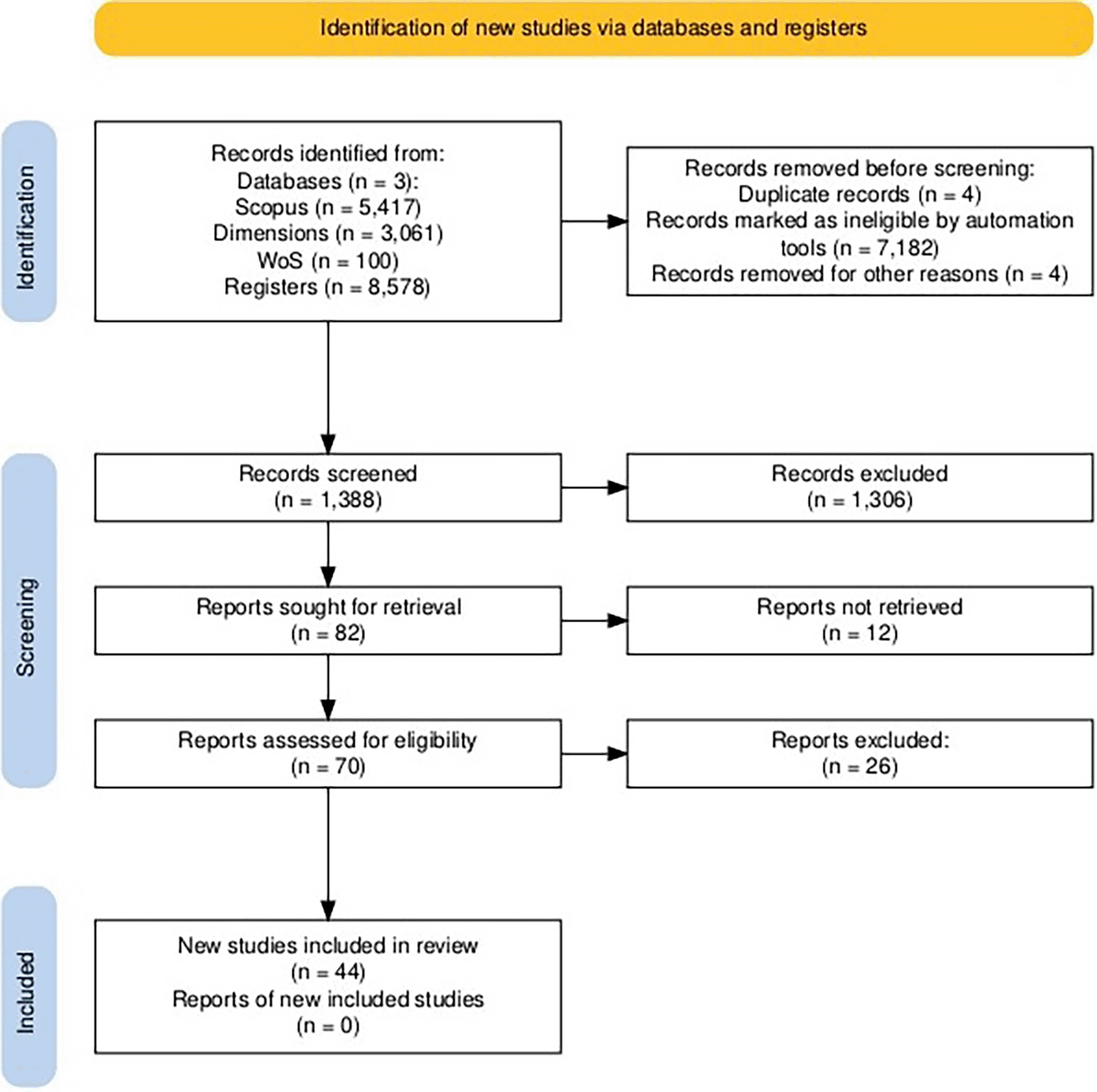
Following the PRISMA 202032 flow diagram, three phases were carried out: identification, screening, and inclusion. For the identification phase, the search was performed (Scopus: 5,417; Dimensions: 3,061; WoS: 100). For the Scopus database, the search strategy was “export” OR “trade” OR “shipment” OR “distribution”) AND (“strategy” OR “approach” OR “plan” OR “method”) AND (“commercial” OR “business” OR “economic” OR “financial”) AND (“performance” OR “success” OR “efficiency” OR “outcome”) AND (“agriculture” OR “agricultural” OR “farming” OR “crop”, resulting in 5417 records. In the case of Dimensions, “export strategy” OR “exporting strategy” OR “export strategies”) AND (“commercial performance” OR “business performance” OR “export performance”) AND (agriculture OR “agricultural sector” OR farming, reaching 3,061 records. Finally, for Web of Science, the search was “export strategy” OR “exporting strategy” OR “export strategies”) AND (“commercial performance” OR “business performance” OR “export performance”) AND (agriculture OR “agricultural sector” OR farming reaching 1,000 records), resulting in a total of 8,578 initial records across the three platforms, which were subsequently subjected to a cleaning and selection process (see Figure 1).
Note. Data organised in Prisma 2020 (2025).
For each database, filters were applied by year (Scopus: 1937 to 2024; Dimensions: 1965 to 2024; Web of Science: 2015 to 2024), by document type (scientific articles only), duplicate records. After the first clean-up, 7,190 records were obtained, which were discarded, leaving 1,388 documents. In the second screening phase, the first step was to examine the titles and abstracts to identify those articles related to the subject of this study, excluding a total of 1,306 records, leaving 82 documents. The second step was to identify those articles that did not have open access (Closed Access), removing 12 documents and leaving a total of 70 related articles. In the final step, a thorough review was conducted of questions related to the evaluation of each article, as well as objectives to determine whether they were directly related to the present research, resulting in the exclusion of 26 reports. In the case of the inclusion phase, the result was 44 related documents, and no new reports were obtained (see Figure 2).
Note. Graph obtained from Robvis (2025).
Assessment of risk of bias
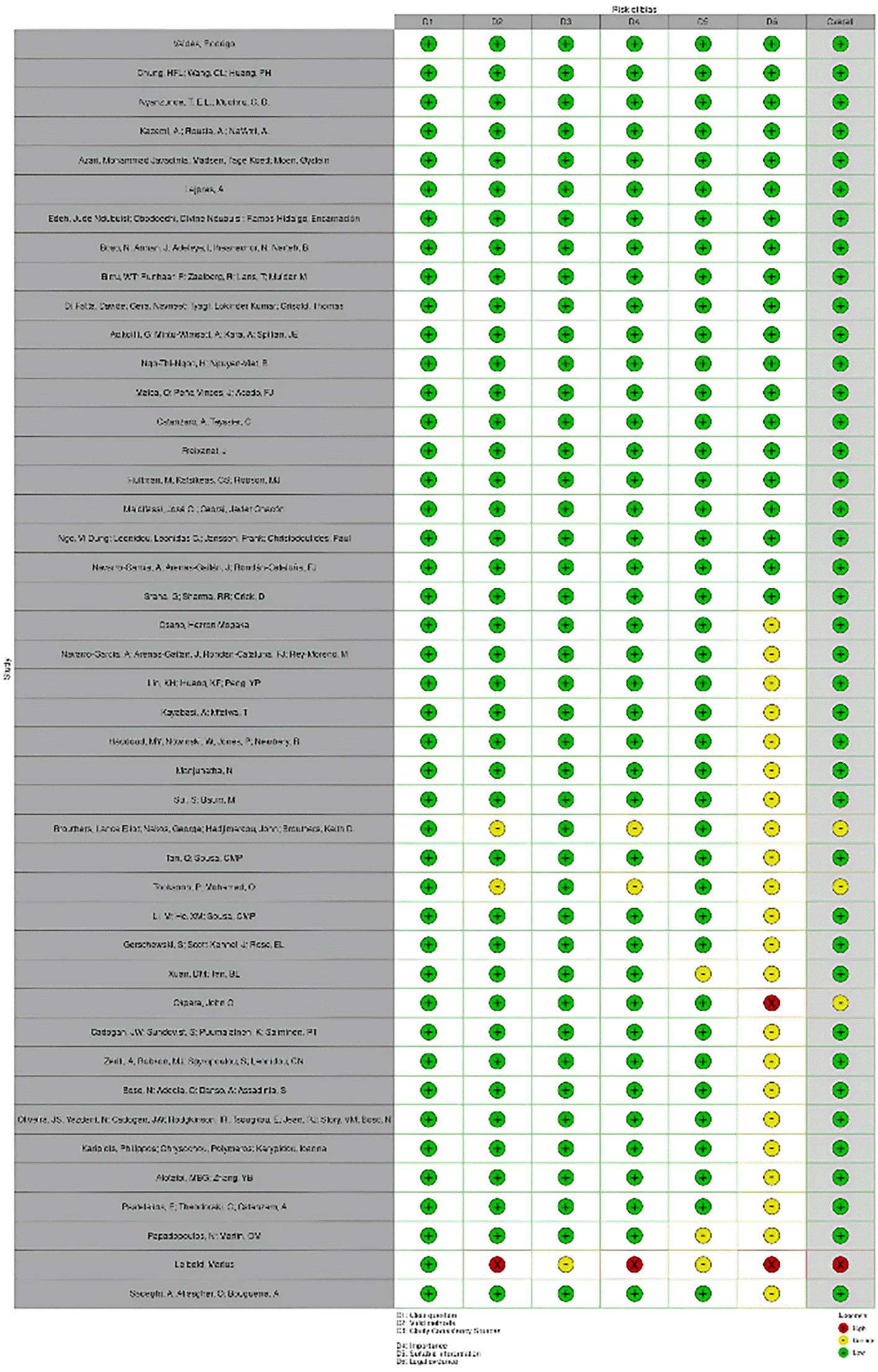
The validity of the systematic review in this study was assessed by evaluating the risk of bias in the 44 articles obtained after the three phases or processes carried out in PRISMA 2020.33 In this analysis, a matrix was used to evaluate methodological, empirical, and theoretical criteria. It also focused on each of the published articles, assessing their internal consistency (objectives, problem, methods, and results), the value of the instruments, and the reliability of the sources used. A ‘traffic light’ system was used to classify risk. Documents with significant bias, unreliable instruments, invalid results, or even poor interpretations were considered high risk. Moderate risk was assigned when there was evidence of incomplete information or methodological limitations. Finally, low risk is defined as research or articles with high consistency in their overall coherence or internal structure, with appropriate methods and high reliability in their results. This process ensures that the research is of high quality, transparent and methodologically sound (see Figure 2).
Table 1 shows the search protocol used in the three databases, as well as the number of articles, in order to subsequently carry out a thorough analysis of the titles, abstracts, and keywords with the intention of verifying their relevance to the present research (see Table 1).
The risk of bias was assessed by classifying each of the resulting articles using the traffic light method, with green indicating low risk, yellow indicating moderate risk, and red indicating high risk. This allowed for an evaluation of methodological quality and reliability.34–36
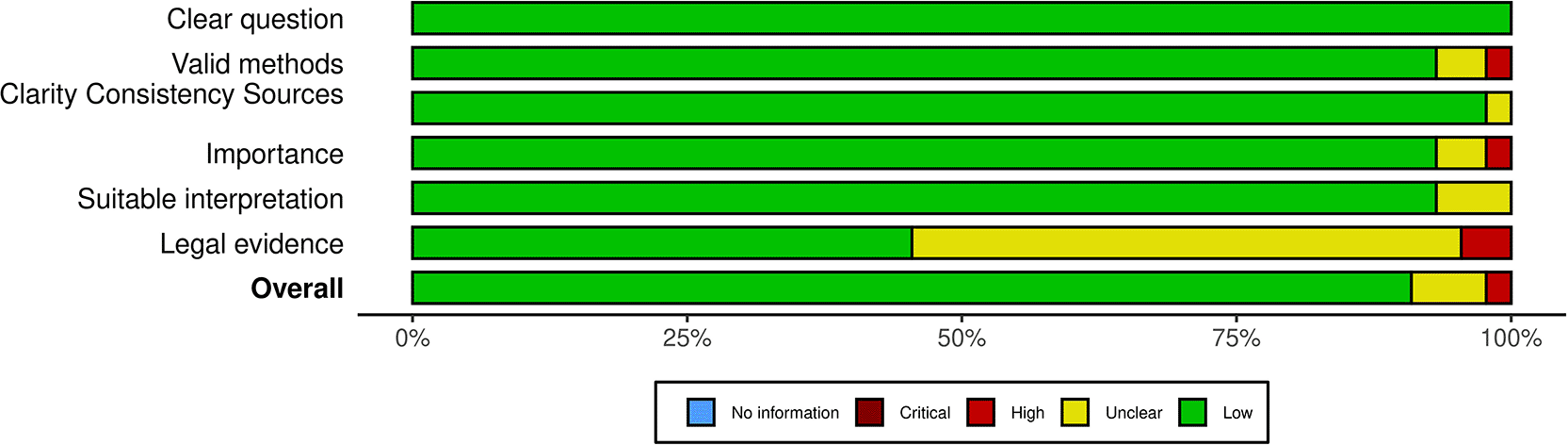
Figure 3 uses the traffic light method to measure the risk of bias, with green representing low risk, yellow representing moderate risk, and red representing high risk. This is done using six methodological domains, which for this research represent the following: Domain 1 (D1): Clear question: refers to evaluating whether each article has a defined and reliable research question. Domain 2 (D2): Valid methods: analyses whether the research methods are appropriate and valid. Domain 3 (D3): Clarity, coherence and sources, in this case the logic, coherence and quality of the sources used in each of the documents used for the research are evaluated; Domain 4 (D4): Importance, refers to assessing whether these articles contribute scientific or practical value to the field of study being evaluated; Domain 5 (D5): Adequate interpretation, recognises and evaluates whether the conclusions are consistent and related to the results obtained; Domain 6 (D6): Legal evidence, which determines whether there is evidence to support the results and analysis. All these domains allow for a general evaluation to determine which research projects pose the greatest risk. The data was then processed, yielding the following results: Domain 1: 100% of articles in green (low risk); Domain 2: 93.2% in green (low risk), 4.5% in yellow (moderate risk), 2.3% in red (high risk); Domain 3: 97.7% green and 2.3% yellow, followed by Domain 4: 2.3% red (high risk), 4.5% yellow and 93.2% green, Domain 5 with 93.2% green and 6.8% yellow (moderate risk), and finally Domain 6 with 45.5% green, 50% yellow, and 4.5% red. The overall average percentage of the domains was obtained, showing that green has a percentage of 90.9%, representing a low risk and therefore quality in this work, transparency and reliability. Similarly, yellow, with 6.8%, represents a moderate risk, and red, with 2.3%, represents a high risk for the 44 articles processed on the Robvis web platform.
Note. Graph obtained from Robvis (2025).
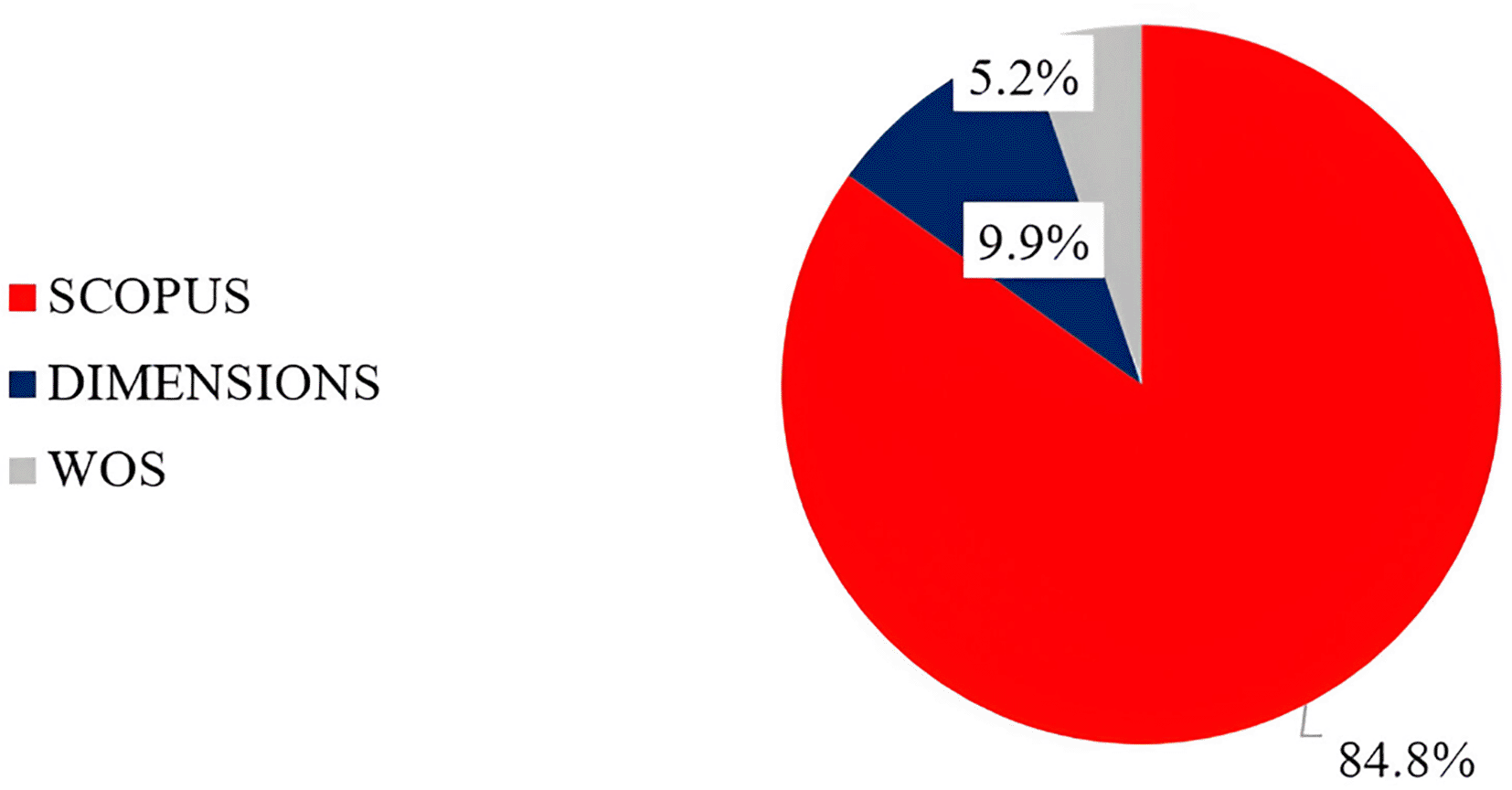
The results verified prior knowledge and contributed to theories based on bibliometrics as a tool in the research process. Bibliometrics leads to the recognition of gaps in knowledge, contributing to the development of studies that aid scientific research in the future. Systematic reviews provide an overview of the selected publications, allowing trends and patterns to be recognised that might otherwise go unnoticed. The sample included 84.8% for the Scopus database, representing most of the articles related to the topic of this research. Dimensions represented 9.9%, while Web of Science (WoS) had a lower percentage, covering 5.2%. This meant that, in the case of this database, articles were published in the range of 1976–2024 (see Figure 4).
Note. Data obtained from Bibliometrix (2025).
Agricultural export companies develop strategies to optimise their processes and increase their competitive performance with a view to expanding into international markets.37 Figure 5 illustrates the evolution of scientific production on export strategies and commercial performance in exporting companies from 1976 to 2024. This increase is associated with the interest of exporting companies in applying strategies that allow them to expand beyond the domestic market, which leads to the generation of more lines of research focused on informed decision-making. This increase is associated with the acceleration of digital transformation in commercial processes, the rise of data analysis, and the adoption of technologies in productive sectors, which has generated new lines of research focused on informed decision-making. The predominance of the Scopus database suggests that a large part of the articles produced are disseminated in open access repositories, with an interdisciplinary approach, indicating the expansion of the field to practical applications in international trade and agricultural economics (see Figure 5).
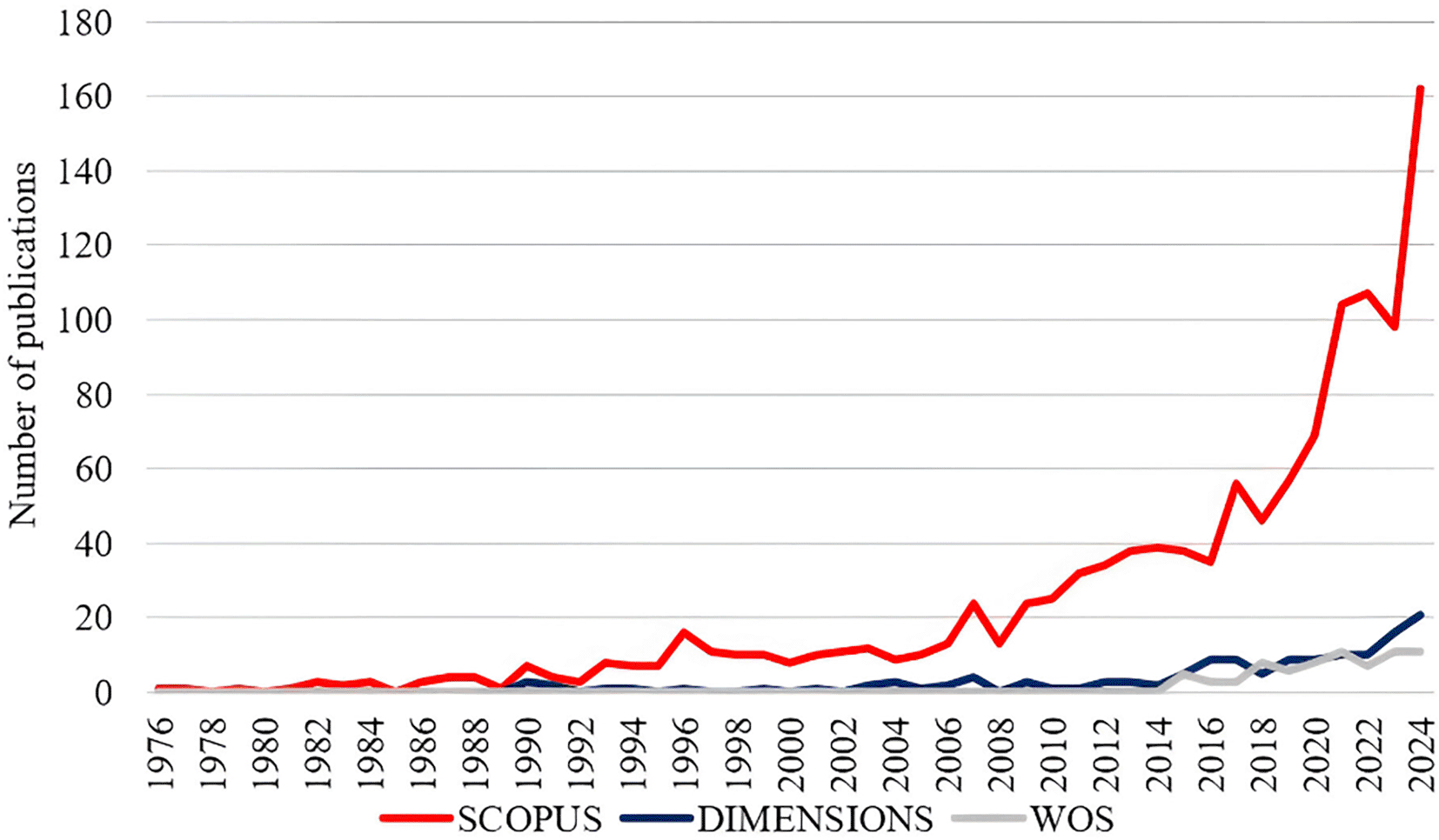
Note. Data obtained from Bibliometrix (2025).
Figure 6 illustrates the fragmentation of scientific production in Scopus with regard to export strategies and commercial performance in exporting companies. It can be seen that the top 15 authors have published between three and five articles on the subject, which highlights a lack of authors, as most authors have published fewer than five papers on the subject, reflecting the lack of an academic community in this field. Researchers such as Giller Ken E, Groot Jeroen, Rofriguez Daniel, and Van Wijk M. come from fields such as process optimisation and agricultural activity. This suggests a predominance of market studies based on the application of strategies that promote exports in companies. There is evidence of a growth pattern in the field, characterised by academic leadership that opens up opportunities for future studies in Latin America that integrate the application of theories in productive sectors, especially in agro-exports (see Figure 6).
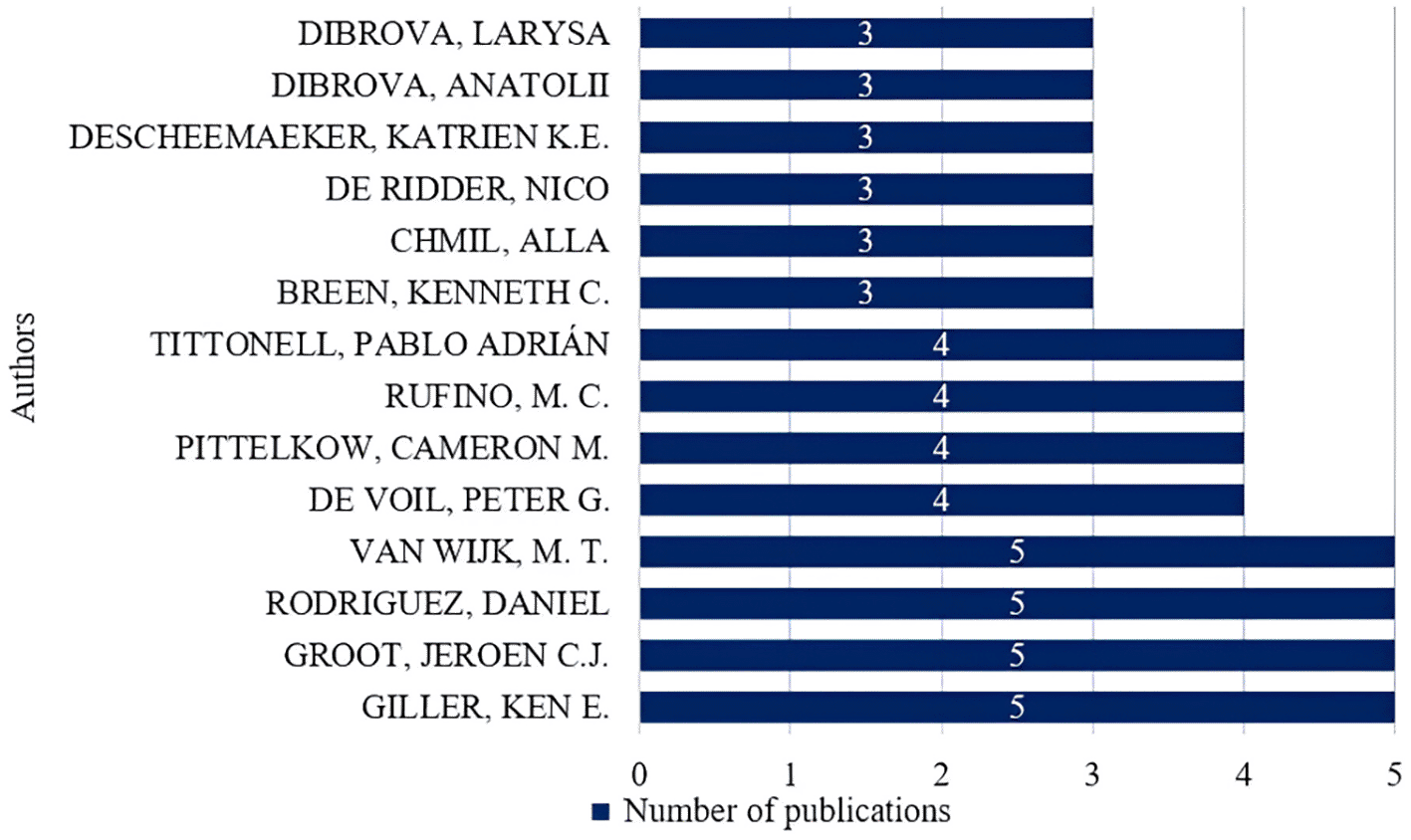
Note. Data obtained from Bibliometrix (2025).
In contrast, Figure 7 shows that in the Dimensions database, article production is concentrated in Gnangnon S.K., who accumulated 10 publications, with the rest of the leadership distributed among publications by each author, including Hasanov F. J, Javid M, Latouche K, Latouche K, Nguyen H, Rustenova E, Talapbayeva G, Yerniyazova Z and Zhang Q. From a thematic point of view, the centrality of a highly productive author suggests the presence of a consolidated line of research based on international trade, export performance and trade policies. compared to that of the other authors, is fragmented and less persistent over time, with diversity and geographical coverage identified in Asia and Europe, but a gap in the literature with few publications in Latin America that are consistent in terms of agricultural exports. This structure explains the absence of an integrated perspective on the export strategies of companies in the agricultural sector, which justified the relationship between export strategies and trade performance (see Figure 7).
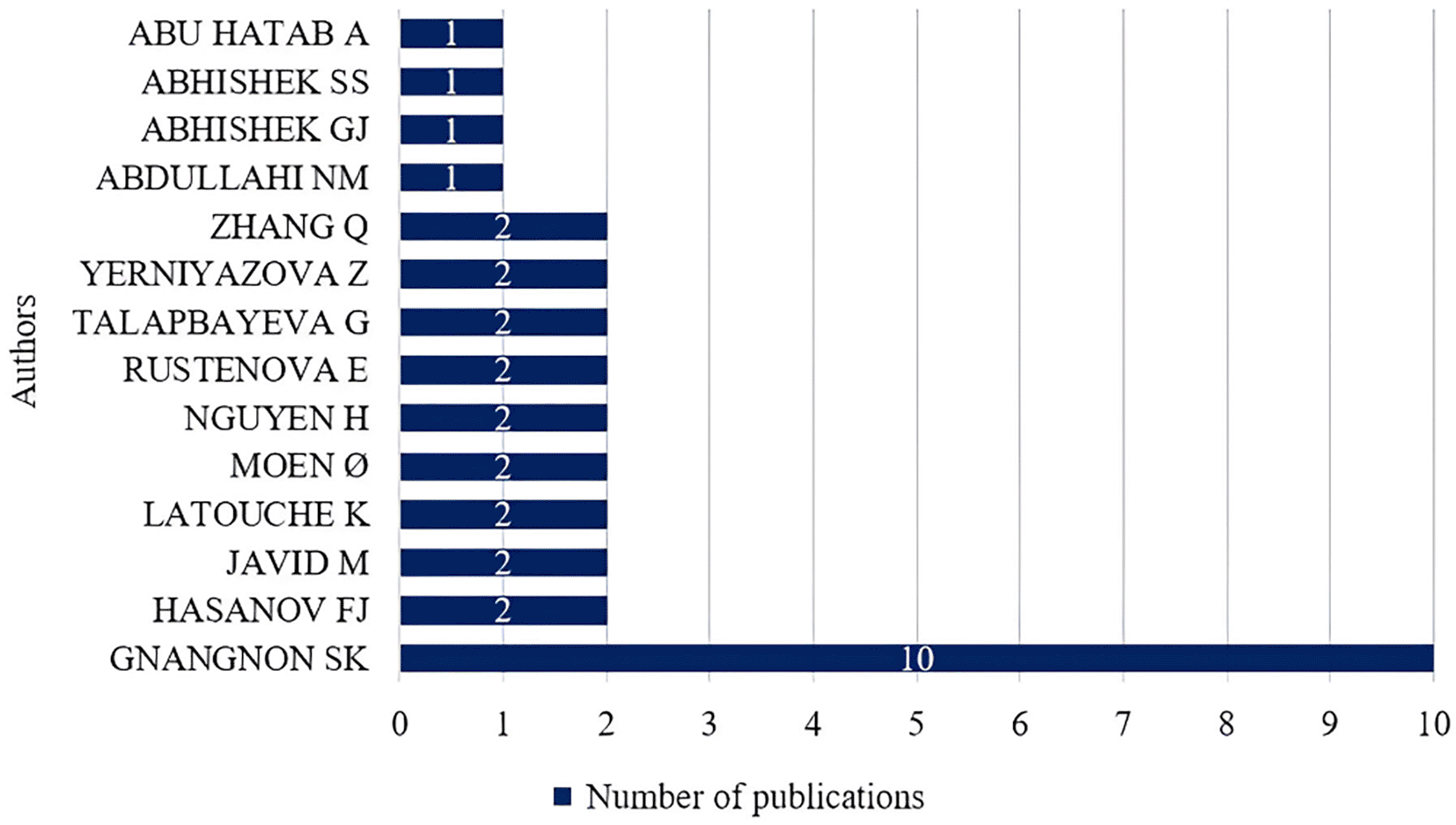
Note. Data obtained from Bibliometrix (2025).
For the Web of Science database, in Figure 8, the production of scientific articles on export strategies shows a balanced author structure, compared to the concentration visualised in Dimensions. The analysis shows that Malca Oscar was the most prolific author with three publications, followed by the group of authors Acedo Francisco J, Boso Nathaniel, Catanzaro Alexis, Fernandez-Olmos Marta, Rubio Donet Jorge Luis and Sousa Carlos M. P., with two publications each. Next, the authors Abu Hatab Assem, Acedo, Francisco, Acedo Francisco, Adeola Ogechi, Aditya Anwesha, Aliasghar Omid, and Alotaibi Majed Barjas G. recorded one publication, forming a typical pattern of dispersed collaboration. Overall, the results show that the distribution of authorship is collaborative, with a greater degree of geographical and thematic diversification, which allows for the identification of complementary lines of research towards a sustainability approach that characterises the agro-export sector. This panorama reinforces the relevance of the systematic review, as it detects gaps in the literature on export strategies in the agricultural sector and proposes an integrated vision that export companies should implement (see Figure 8).
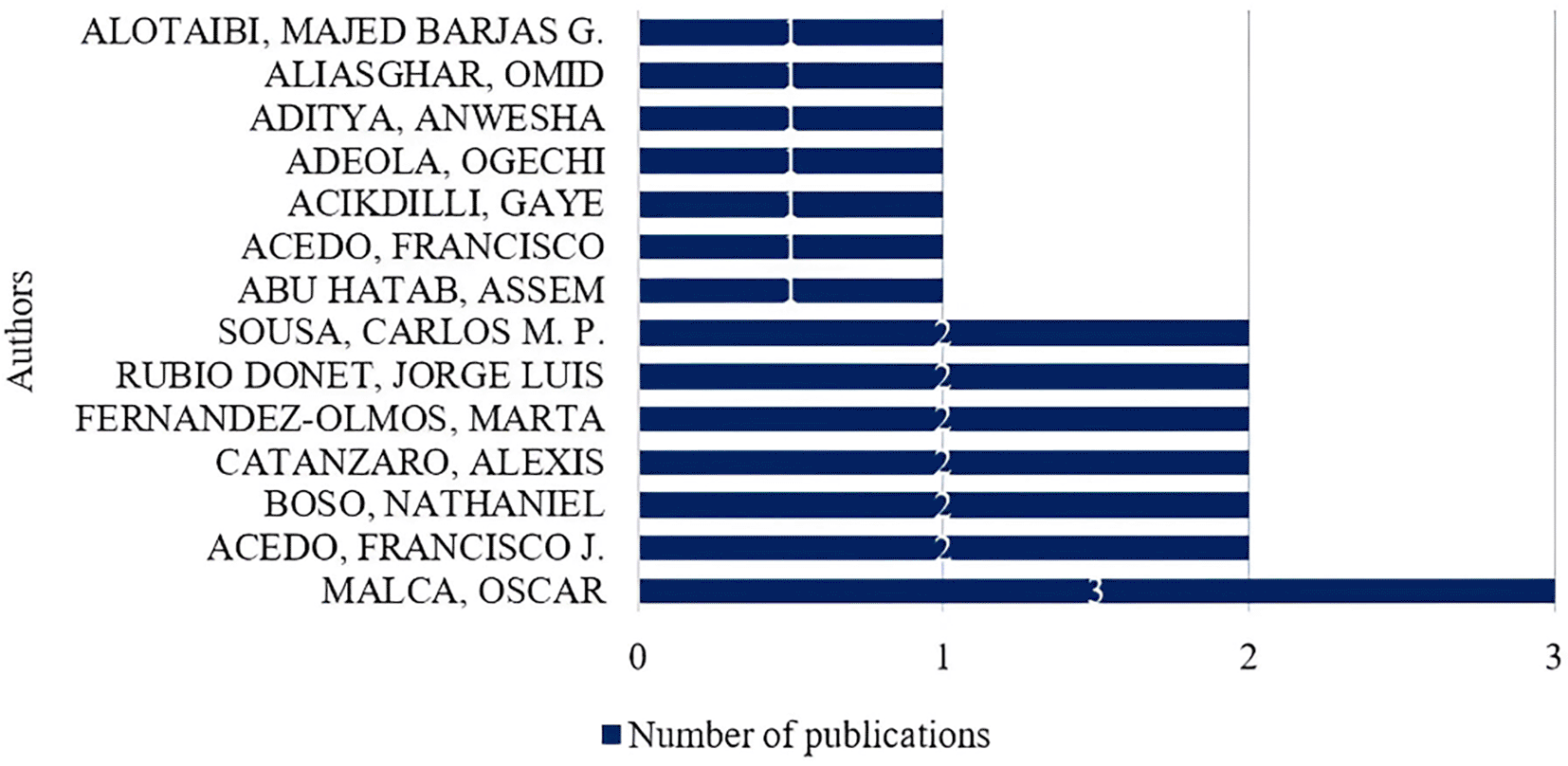
Note. Data obtained from Bibliometrix (2025).
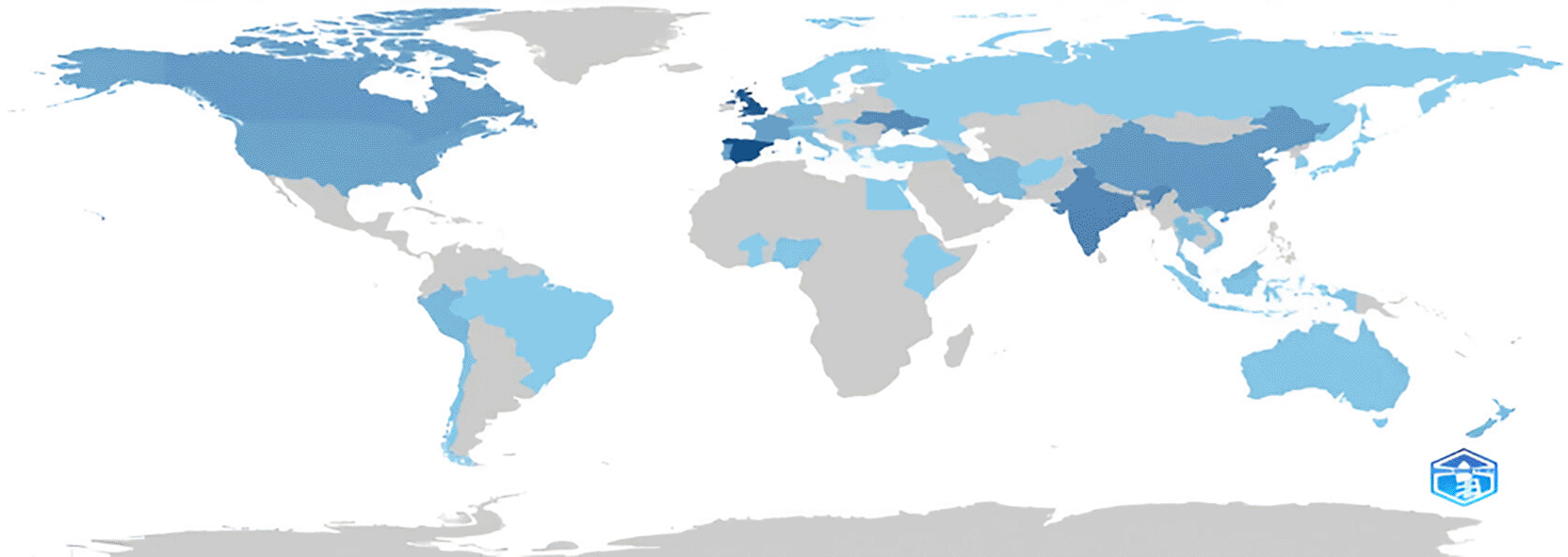
Figure 9 shows the global distribution of scientific production related to export strategies and competitiveness in the agricultural sector. According to the Scopus database, China and the United States are the countries that led scientific production in the Scopus database, accounting for 14.4% and 9.6% of publications in the field of research on international strategies and competitiveness. This predominance was due to the development of consolidated academic ecosystems, which are characterised by high investment in applied studies, international trade, and innovation in logistics and production processes. In second place are the Netherlands, Germany, the United Kingdom, Italy, France, India and Australia, with shares of between 4% and 5%, reflecting interest in issues such as market diversification and innovation in export management. In contrast, countries in the Americas, such as Brazil and Canada, are less represented, which is the pattern of scientific concentration that reveals a regional gap in the generation of knowledge on export strategies in the sector under study. This reinforces the relevance of studies aimed at systematising existing evidence and analysing the dynamics of business competitiveness (see Figure 10).
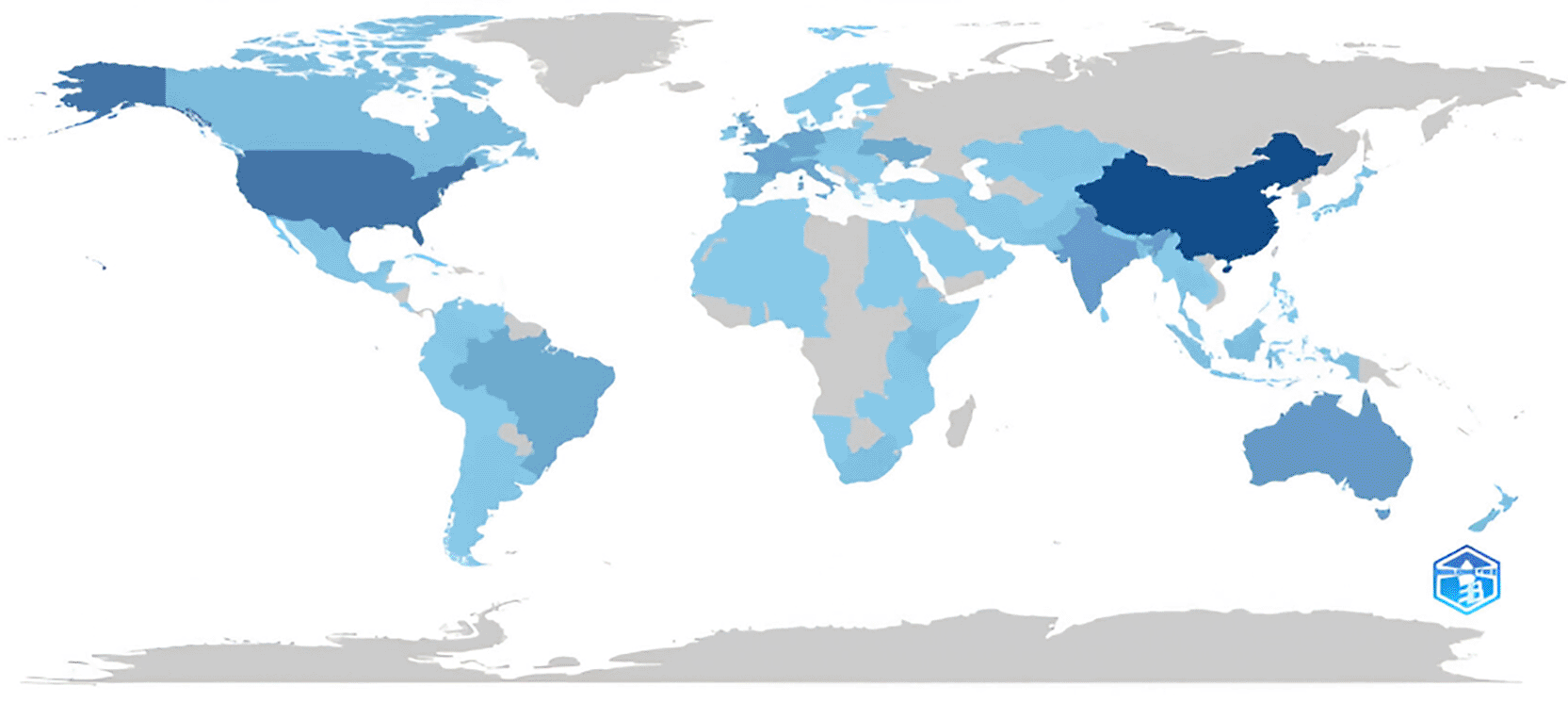
Note. Graph obtained from Bibliometrix (2025).
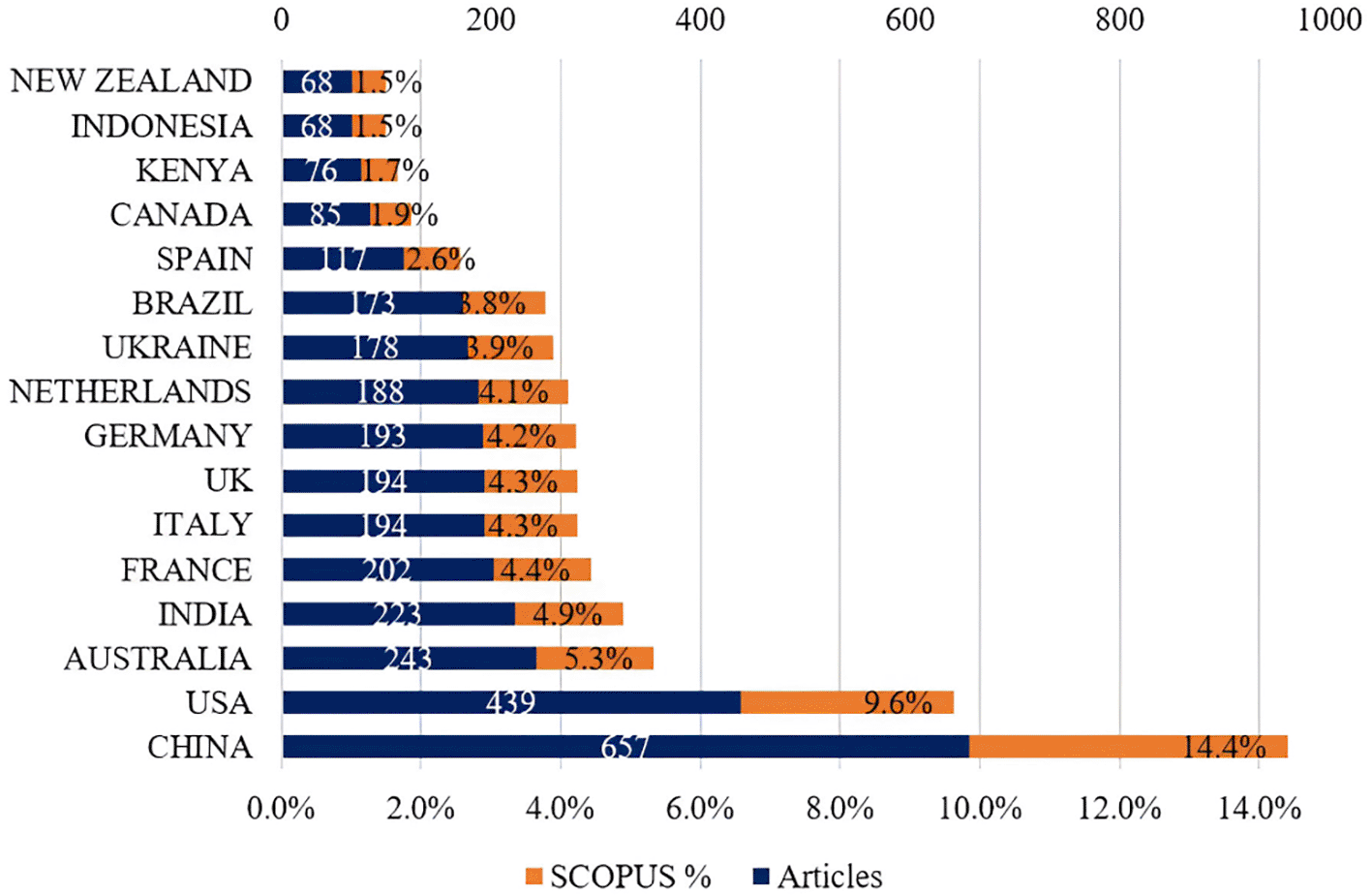
Note. Data obtained from Bibliometrix (2025).
Figure 11 shows the geographical distribution of scientific articles published worldwide on competitiveness and export strategies in the agricultural sector, which shows a concentration in Asia, Europe and North America, particularly in China, Italy, India, Spain and Switzerland, suggesting that academic advances in this field are driven by economies with high technological capacity, export innovation policies and growing influence in the global supply chain. The consolidation in China and India reflects the shift in academic leadership towards the Asian continent, where research is geared towards strengthening market diversification, competitiveness and the international sustainability of agricultural products. In contrast, the limited participation of Latin American countries highlights a regional scientific gap that restricts the generation of knowledge and application of agro-exports. This situation underscores the need to promote studies based on commercial performance and export strategies for legume products in order to strengthen the positioning of companies in different markets (see Figure 12).
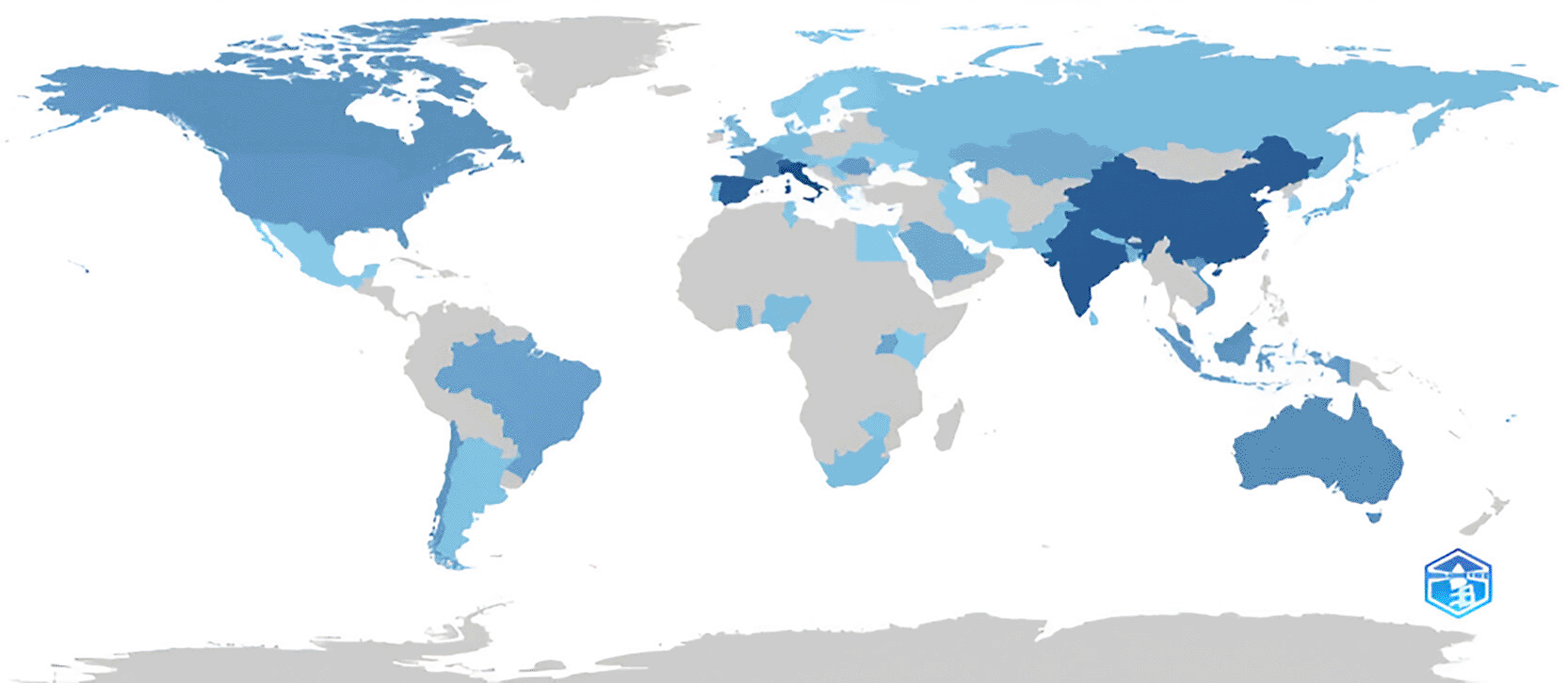
Note. Graph obtained from Bibliometrix (2025).
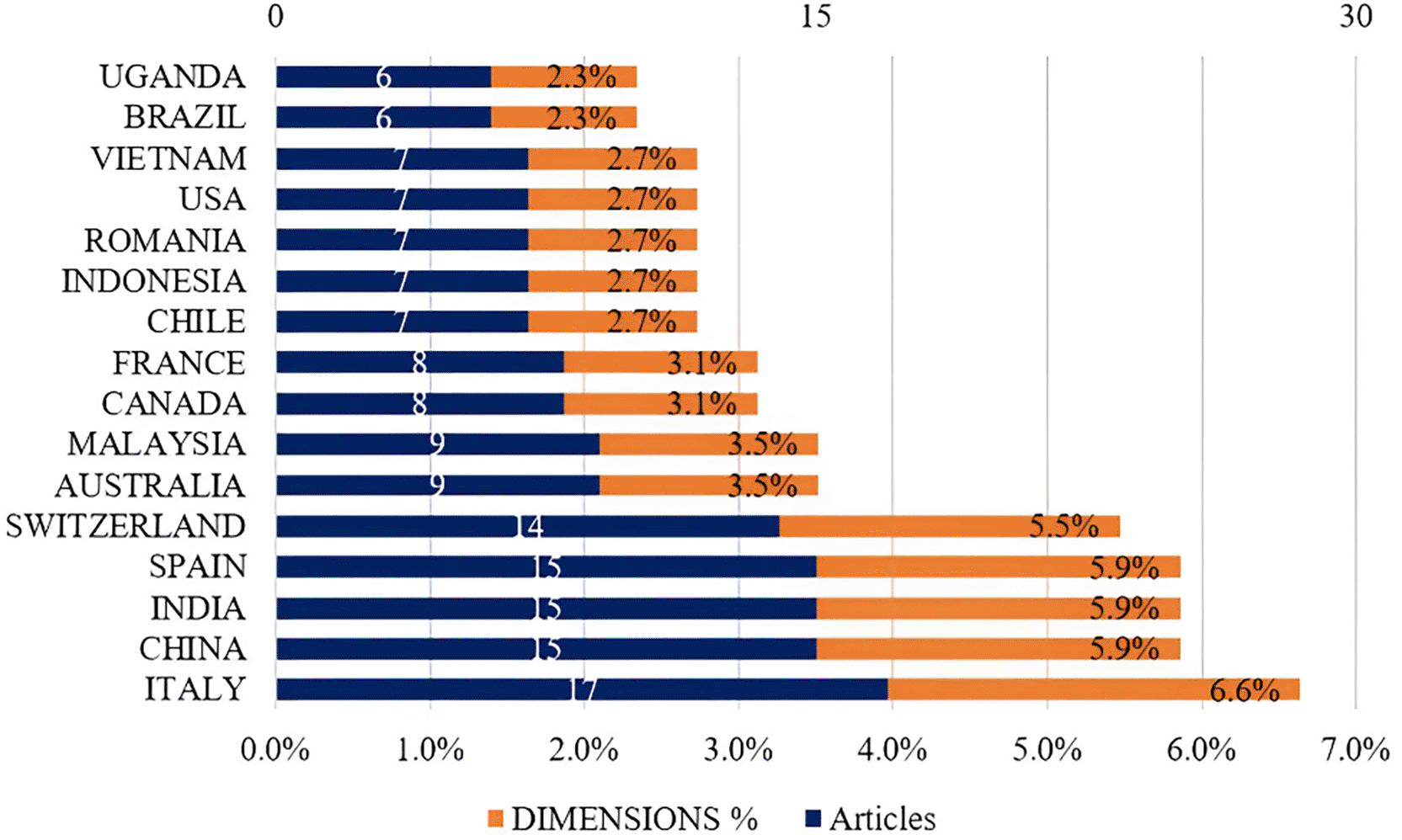
Note. Data obtained from Bibliometrix (2025).
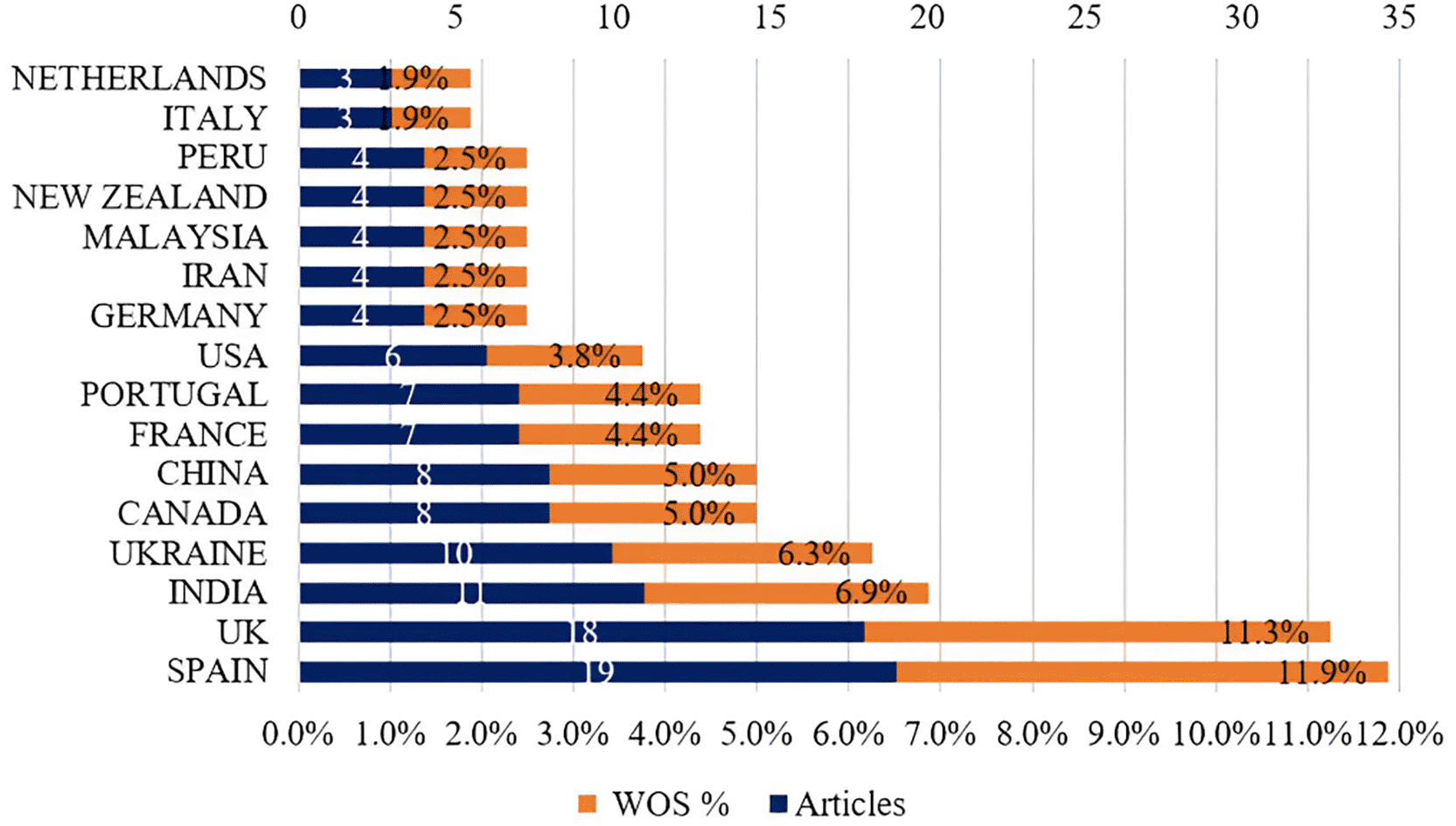
Figure 13 shows that most production is concentrated in Europe and Asia, regions where the strategic and theoretical orientation based on business management, sustainability and export internationalisation predominates, which are consistent aspects of great interest in economies with research systems. In addition, scientific output indexed with Web of Science is led by topics such as agricultural competitiveness and the application of export strategies, which is led by Spain (11.9%) and the United Kingdom (11.3%), followed by India (6.9%), Ukraine (6.3%), Canada and China (5%). These countries demonstrate the strong link between academic research and export development. However, the limited participation of Latin American countries, including Peru, confirms the persistence of the regional gap in scientific production on export strategies in the agricultural sector, which reinforces the importance of promoting research that analyses the sustainability of agricultural products and their competitive performance in order to generate knowledge that contributes to the positioning of agricultural exports (see Figure 14).
Note. Graph obtained from Bibliometrix (2025).
Note. Data obtained from Bibliometrix (2025).
Bradford’s Law, when applied to research, allows us to describe the quantitative relationship between the scientific articles contained in a bibliography and the journals, which in turn allows us to identify areas of the journals in order to understand the concentration of the information structure.38
Table 2, following Bradford’s Law, identifies the main scientific areas linked to commercial performance, agricultural sciences and agricultural economics in the Scopus database. Zone 1 groups together the most productive journals, specialising in commercial performance and agriculture, such as Agricultural Systems, Plos One, Agricultural Economic, Agriculture Hortuculturae and Field Crop Research. These findings demonstrate that knowledge creation in the commercial performance of the agricultural sector comes mainly from agricultural innovation, economic sustainability, and productive efficiency. The multidimensional approach combines technical analyses of production, which allows for an understanding of the competitiveness of agricultural products in the international market. In this sense, Zone 1 represents the central core where agricultural systems studies converge, where resource management and rural development reinforce the importance of the productive-economic approach for understanding the dynamics of commercial performance in the agricultural sector with the formulation of strategies and policies aimed at sustainable growth (see Table 2).
In Table 3, generated by applying Bradford’s Law to the Dimensions database, Zone 1 comprises interdisciplinary journals that address international markets, sustainability and management, such as the British Food Journal, the International Journal of Emerging Markets, the Journal of Business Research, Management Decision, Sustainability, and Technological Forecasting and Social Change. These journals demonstrate that scientific publications on export strategies in the agricultural sector focus on international trade, sustainable innovation, and business management. There is a clear trend towards the integration of technological development, sustainability and competitiveness variables, which are factors that directly affect the export performance of companies. Similarly, the presence of the Journal of International Food & Agribusiness Marketing and the Journal of Global Marketing reveals a growing interest in analysing the commercial dynamics of agricultural products. Overall, the results of Dimensions show that export strategies are developed in an interdisciplinary space where studies focused on sustainability, organisational innovation and international business converge, thereby broadening the field of agricultural analysis and competitive export management (see Table 3).
For Table 4, applying Bradford’s Law based on Web of Science, Zone 1 consists of journals with a high degree of specialisation in the fields of rural development, agricultural sciences and agricultural economics, including Agricultural Systems, Plos One, Agricultural Economics, Agriculture, and Field Crops Research, which confirm the improvement in agricultural quality and the optimisation of productivity, key points for strengthening exportable supply and consolidating competitive advantages in foreign trade. In this regard, Zone 1 of WoS represents a hub for the generation of scientific knowledge with sustainable, technical and economic approaches that support the commercial and export performance of the agricultural sector. This pattern reinforces the need to articulate the efficiency of the agricultural sector with export strategies that integrate innovation, resource management, and sustainable and competitive development (see Table 4).
Lotka’s Law is the principle of bibliometrics that describes the frequency of publications by authors in a given field. It is relevant to analyse the productivity of authors in export strategies and commercial performance in the agricultural sector, as this allows us to identify the authors who have the greatest influence and describe their publication patterns.39
Table 5 shows the concentration in the production of articles related to the Scopus, Dimensions, and Web of Science databases with topics addressing export strategies and commercial performance in the agricultural sector. In Scopus, 96% of authors have published one article, while in Dimensions this proportion rises to 97%, and in WoS it reaches 96.7%. The small number of researchers who have published two or more scientific articles confirms a highly dispersed production structure.
This is consistent with the ‘long tail’ behaviour described by Lotka, where a small number of authors are highly productive and most of them make contributions that advance research. This phenomenon shows that the field of study of export strategies in the agricultural sector is in a stage of consolidation, without a solid core of scientific specialists who contribute knowledge on a constant basis.
The high proportion of ‘authors with a single contribution’ suggests the existence of fragmented leadership with a limited accumulation of lines of research. This implies that scientific studies depend largely on sporadic collaborations rather than on established and consolidated networks or research groups.
Furthermore, the slight difference between the databases reflects the fact that Scopus and Dimensions focus on practical and export management-oriented research, while WoS presents a more selective and theoretical trend with less recurrence of authors. Overall, academic sites reinforce the need to promote the continuity of research and the formation of academic communities specialising in the sustained development of knowledge based on the export strategies of the agricultural sector (see Table 5).
The VOSviewer tool allows bibliometric networks to be visualised and constructed, generating interactive visualisations via online platforms.40 This shows the relationship between the topics of ‘export strategies’, ‘marketing’, ‘commercial performance’, ‘agricultural production’, ‘innovation’, ‘internationalisation’, and ‘sustainability’, ‘marketing’; which are terms found in the WoS, Scopus, and Dimensions databases.
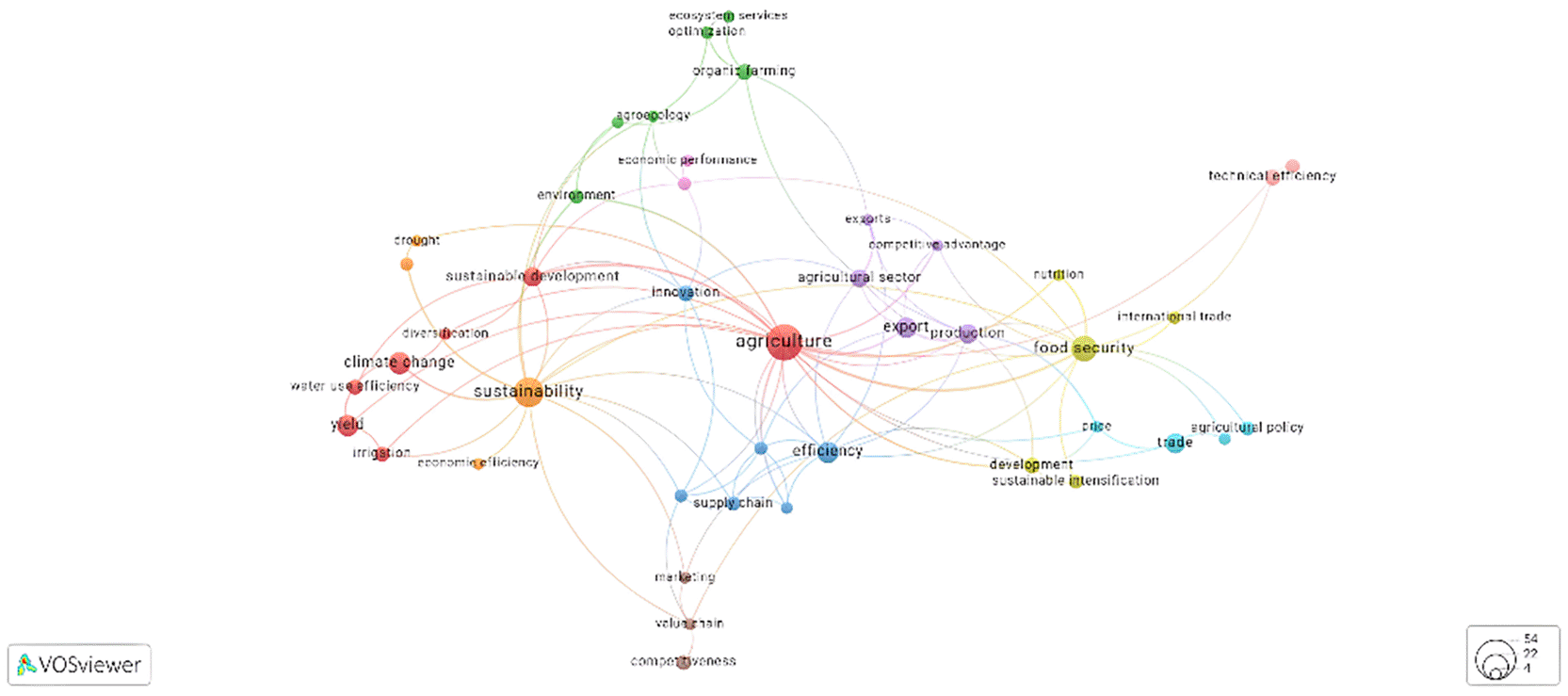
Figure 15 shows a semantic map illustrating the co-occurrence of keywords related to export strategies in the sector, where the terms with the highest concentration were ‘agriculture’, ‘technical efficiency’, ‘sustainable development’, ‘diversification’, ‘agricultural sector,’ and ‘competitive advantage,’ indicating that scientific studies prioritised improving export performance through resource optimisation and technological innovation. In turn, there is a strong link between sustainability and climate change, referring to the competitiveness and performance of agro-export companies. Overall, the map reflected the trend toward sustainable and integrated approaches in agricultural export management, highlighting the importance of developing strategic methodologies applied to specific products such as the bean, which has great potential in terms of the efficiency, diversification, and sustainability of production systems (see Figure 15).
Note. Graph obtained in VOSviewer (2025).
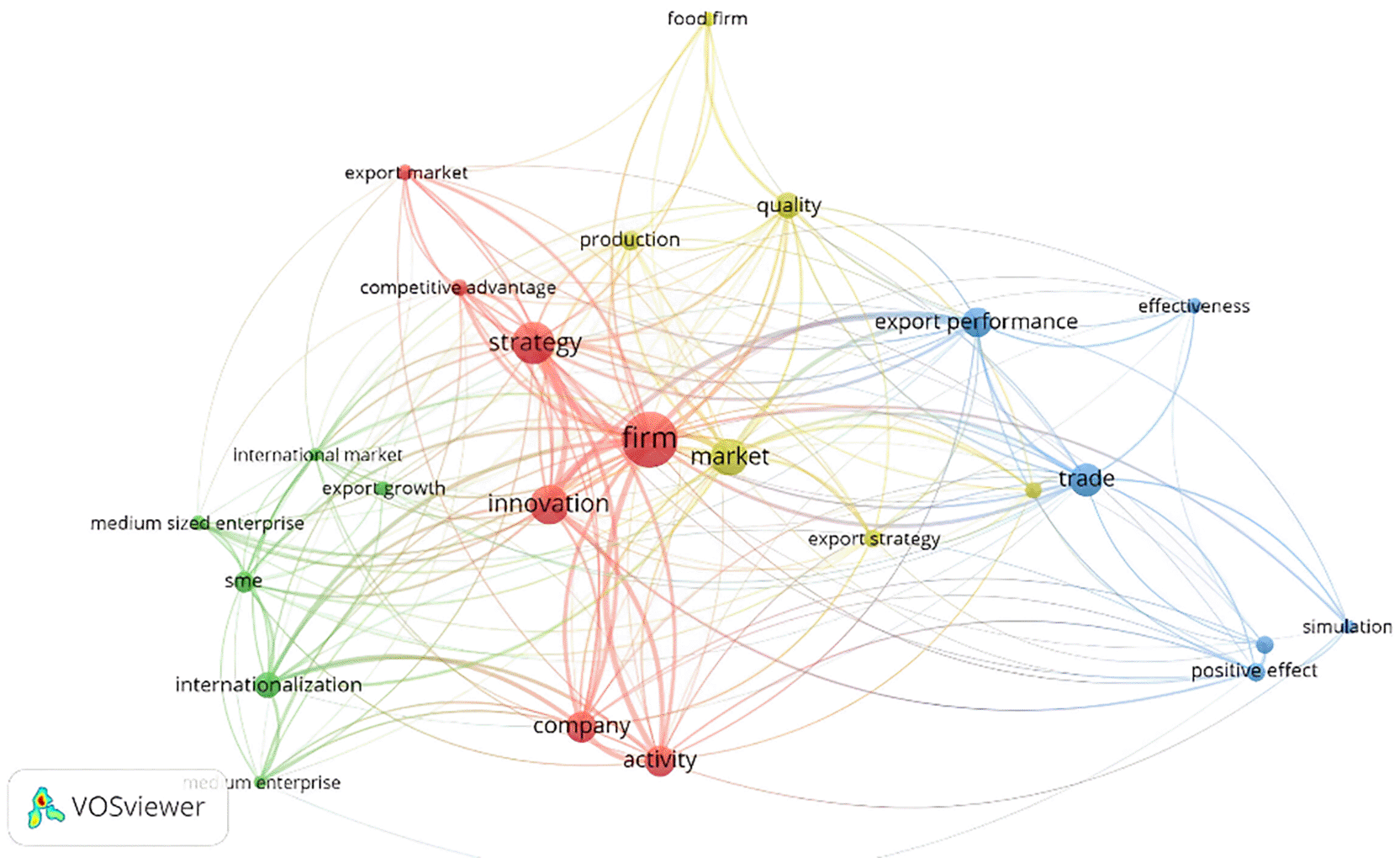
Figure 16 shows an illustration of Dimensions metadata, representing a conceptual framework for scientific research into export strategies in the agricultural sector. Frequently used terminology includes ‘firm,’ ‘strategy,’ ‘market,’ ‘innovation,’ ‘export strategy,’ ‘export performance,’ ‘production,’ and ‘competitive advantage,’ reflecting the interrelationship between sustainability, export efficiency, and productivity. Four clusters were identified, including red, which focuses on innovation, strategy, and company, showing how the competitiveness of the agricultural sector depends on the export capacity of the company; green for internationalisation, export growth, and medium enterprise; the yellow cluster groups terms such as production, export strategy, quality and market; and finally, the blue cluster groups trade, export diversification, export performance and effectiveness. This highlights the link between foreign trade policies and food security, considering the integration and effectiveness of export strategies to boost the competitive performance of the beans in the agricultural sector, applying specialised strategies in sustainable practices to international markets (see Figure 16).
Note. Graph obtained in VOSviewer (2025).
Figure 17 shows a semantic map created from Web of Science data, with the central terms ‘export performance’, ‘SMEs’, ‘international trade’, ‘internationalisation’ and ‘dynamic capabilities’, reflecting that scientific studies focused on evaluating export performance from the point of view of company capacity and competitive advantage, identifying four main themes: orange focused on ‘export knowledge’; yellow on ‘export performance’ and ‘export proactivity’; green on ‘exporting’ and ‘internationalisation’; blue linked terms such as ‘export intensity’ and ‘export promotion programmes’, which highlighted the importance of medium-sized companies in international agricultural markets, where export strategies were integrated in line with organisational management innovation, providing a solid analysis to form a conceptual basis for analysing the competitive and commercial performance applied in companies (see Figure 17).
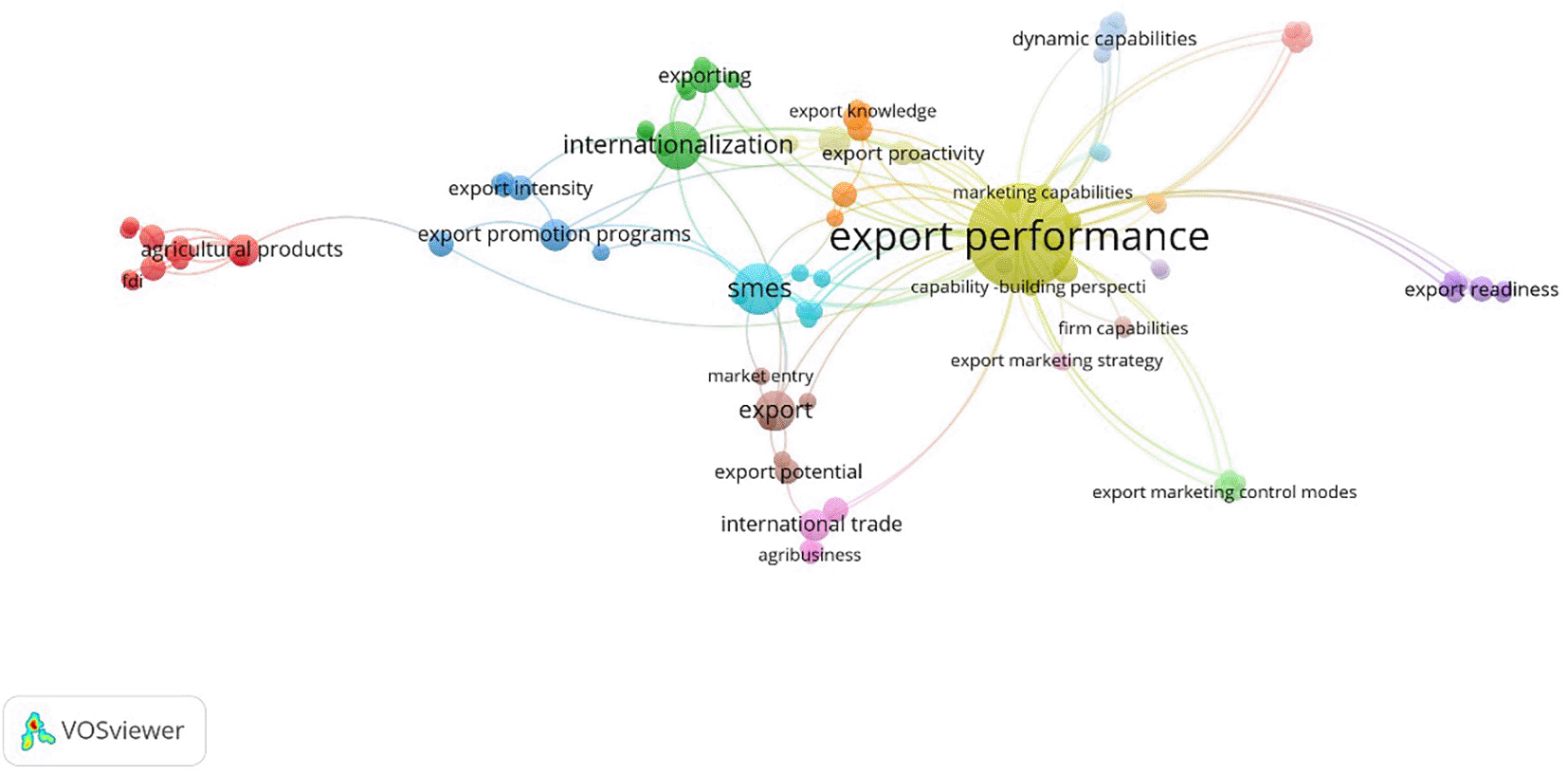
Note. Graph obtained in VOSviewer (2025).
A comparative analysis of the three databases used in the research reveals marked contrasts in terms of development, focus on the subject matter, and degree of scientific consolidation. Dimensions shows high growth in publications linked to practical studies and open access. Scopus presents established and moderate scientific output. Web of Science is more rigorous and restrictive in its selection of articles.
From a geographical point of view, scientific output is led by China, the United States, Australia, India, and France as centres for knowledge generation in Scopus, while Spain, the United Kingdom, Italy, China, and India are indicated for the Dimensions and Web of Science databases. On the other hand, Latin American countries maintain a low participation, representing a significant gap given the importance of the agricultural sector in exports for the economy.
With regard to indexed journals, Scopus concentrates its research on agricultural performance, Dimensions focuses on applied management and strategic marketing, and WoS targets global strategic and theoretical approaches based on agricultural systems. This variety of topics highlights the interdisciplinary nature of the scientific field presented by descriptive research on models aimed at innovation and competitiveness for export.
The high dispersion in Lotka’s Law according to the authorship of the publications, which shows the lack of academic consolidation and the absence of sustained lines of research. The semantic maps reflect conceptual convergence based on export strategies and commercial performance as sources of information and pillars of competitive advantage for companies. However, there is a noticeable lack of terms in the agricultural or export field, suggesting that this has not yet been addressed from a sectoral perspective.
The systematic review allowed us to identify areas of knowledge that have contributed to the development of export strategies in the commercial performance of agro-export companies. These points are essential for the expansion of knowledge (see Table 6).
| Authors | Contribution block | Mechanisms of export strategies in commercial performance |
|---|---|---|
| Tuffa birru et al. (2018)41; Tan & Spusa (2015)42 Ngo-ThiNgoc & Nguyen-Viet (2021)43 Cadogan et al. (2012)44 Navarro-García et al. (2016)45 Acikdilli & Mintu-Wimsatt (2020)46 Boso et al. (2018)47 Di Fatta et al. (2018)48 Sraha et al. (2016)49 Chung et al. (2012)50 Chung et al. (2011)51 Tooksoon & Mohamad (2010)52 Ku-Ho et al. (2017)53 Leibold (1990)54 Alotaibi & Zhangb (2016)55 Azari et al. (2017)56; Dung Ngo et al. (2024)57 M. Li et al. (2023)58 Sui & Baum (2014)59 Sadeghi et al. (2023)60); Edeh et al. (2020)61 Yacine Haddoud et al. (2018)62 Oliveira et al. (2017)63 Papadopoulos & Martín Martín (2010)64; Brouthers et al. (2009)65 Mogaka Osan (2019)66 | The revised articles contribute to export performance depending on the combination of internal capabilities (human resources, innovation and knowledge) and external capabilities (institutional support, trade barriers and environment), which influence product and market diversification to achieve a successful strategic adjustment between available resources, organisational structure and export market orientation (EMO), highlighting the speed of internationalisation to sustain good results over time. This converges in successful diversification with adaptation, innovation and a solid export structure to transform resources within production processes, allowing for the adoption of added value and alignment with international demand, which in turn enables favourable results over time. | The central mechanism identifies that the transformation of resources into export capacities is important because companies learn from international experience to adapt their commercial strategies and achieve better competitive performance. Among the diversification strategies, key points are highlighted: (a) the formalisation of export areas or processes, (b) the adaptation of products and distribution channels, and (c) investment made to improve quality or differentiation. In the context of the agro-export sector, these actions enable the development of differentiated products with better positioning and profitability, reducing the risks of rejection in export destinations. |
| Valdés (2024)67 Karipidis et al. (2020)68 Maldifassi & Chacon Caorsi (2015)69; Ku-Ho et al. (2017)53 Boso et al. (2017)70 Manjunatha (2020)71; Malca et al. (2019)72; Catanzaro & Teyssier (2020)73; Freixanet (2012)74; Mai Xuan & Le Tan (2024)75 | Studies highlight the importance of business networks, cooperation mechanisms and strategic alliances as factors that determine improved export performance. This shows that cooperation and partnerships between companies enable coordination with support organisations and international knowledge to strengthen export capacities, especially for SMEs in the agricultural sector. Furthermore, it is evident that public policies and institutional support programmes lead to better results in learning, information management and risk management in export activity. They also generate economies of scale that improve negotiating capacity. | The operating mechanisms for building institutional capital and relationships based on partnership strategies enable agro-export companies to: (a) access international markets and customers through contact networks, (b) reduce costs when entering a market through clusters or consortia, (c) share knowledge and improve innovation in production chains, and (d) take advantage of institutional or government programmes for better training, all with a view to strengthening collective competitiveness and improving export performance. |
| Gerchewski et al. (2020)76; Okpara (2009)77 | Research links export readiness, sustainability, and strategic orientation as conditions that achieve high levels of performance, so that companies have standardised processes, an organisational culture based on continuous improvement, and international certifications that guide them in strengthening their competitive advantage, reputation, and easy access to demanding markets. This is achieved through the adoption of quality management systems and sustainable practices that consolidate the companies' permanence in the international market, thanks to the trust between partners and consumers. | Mechanisms based on certifications and quality standards increase the confidence of international markets in the agro-export sector. this strategy operates through: (a) product traceability and quality control, (b) adoption of sustainable and environmental regulations, and (c) alignment between market requirements and resources that produce positive effects on commercial performance and allow for the opening of premium markets with better prices and, therefore, ensure commercial relations. |
| Navarro-García et al. (2014)78 Zeritti et al. (2014)79; Hultman et al. (2011)80; Nyanzunda & Mudimu (2016)81; Lejpras (2018)82 | Scientific evidence provides a solid basis for achieving export success with an international marketing strategy geared towards the conditions of the environment and the export market, highlighting the design of flexible and sustainable strategies that allow for the integration of institutional, competitive and cultural variables, which generate an international experience that enhances the export promotion of marketing in the competitive performance of companies. In this sense. Marketing is consolidated as a fundamental axis for the creation of value that enables companies to adapt their offer to changing demands and strengthen their positioning against competitors, carrying out brand management to maintain the relevance of organisations that promote a more reliable image in order to build loyalty among international customers and promote sustained growth in more demanding markets. | Specialised literature shows that the commercial performance of exporting companies depends on their ability to interpret the international environment and translate it into marketing decisions that are adaptable and consistent. This highlights the effectiveness of an export strategy that does not reside specifically in the global market, but rather in the ability to adjust marketing elements such as product, price, place and promotion, which in turn are perceived as a good brand by the end consumer. Therefore, marketing is a tool that reinforces the reputation and perception of the value of products by anticipating trends, building sustainable advantages, and differentiating the offer to create a deeper understanding of the market. |
Block 1: ‘Product and market diversification strategy’, signed by the authors: Tuffa birru et al. (2018)41; Tan & Spusa (2015)42 Ngo-ThiNgoc & Nguyen-Viet (2021)43 Cadogan et al. (2012)44 Navarro-García et al. (2016)45 Acikdilli & Mintu-Wimsatt (2020)46 Boso et al. (2018)47 Di Fatta et al. (2018)48 Sraha et al. (2016)49 Chung et al. (2012)50 Chung et al. (2011)51 Tooksoon & Mohamad (2010)52 Ku-Ho et al. (2017)53 Leibold (1990)54 Alotaibi & Zhangb (2016)55 Azari et al. (2017)56; Dung Ngo et al. (2024)57 M. Li et al. (2023)58 Sui & Baum (2014)59 Sadeghi et al. (2023)60); Edeh et al. (2020)61 Yacine Haddoud et al. (2018)62 Oliveira et al. (2017)63 Papadopoulos & Martín Martín (2010)64; Brouthers et al. (2009)65 Mogaka Osan (2019),66 they assert that export performance is related to internal and external capabilities for successful diversification that enable productive resources to be transformed into strategic capabilities that respond to the dynamics of the international market, enabling companies to increase their profitability and adapt their distribution channels by gaining greater expansion and lower risk.
Block 2: ‘Strategy for partnership and organisational strengthening’, composed of the authors: Valdés (2024)67 Karipidis et al. (2020)68 Maldifassi & Chacon Caorsi (2015)69; Ku-Ho et al. (2017)53 Boso et al. (2017)70 Manjunatha (2020)71; Malca et al. (2019)72; Catanzaro & Teyssier (2020)73; Freixanet (2012)74; Mai Xuan & Le Tan (2024),75 they state that the consolidation of strategic alliances, business networks and inter-organisational cooperation are key points for improving export performance, strengthening the collective capacities of agricultural companies focused on continuous learning to promote productive synergies that increase competitive advantages in relation to cost reduction and access to more demanding markets for sustainable growth in trust between trading partners and international consumers.
Block 3: ‘Quality and sustainability strategy’ presented by the authors: Gerchewski et al. (2020)76; Okpara (2009),77 they explain that certified quality, export readiness and sustainability are conditions that enable companies to achieve high levels of performance so that they can adopt continuous improvement processes in response to market demands, thereby consolidating stable competitive advantages in the agro-export sector. This is achieved through the application of sustainable practices, green certifications and traceability to strengthen buyer confidence and open up greater opportunities in other markets.
Block 4: ‘International Marketing Strategy’ by the authors: Navarro-García et al. (2014)78 Zeritti et al. (2014)79; Hultman et al. (2011)80; Nyanzunda & Mudimu (2016)81; Lejpras (2018),82 they mention that export success goes hand in hand with the mechanism of value creation, differentiation and positioning adopted in marketing to build a stronger brand image, associated with increasing customer confidence and loyalty. Therefore, this tool enhances the profitability, competitiveness and permanence of companies in international markets.
This scientific research integrated a systematic review using the PRISMA 2020 tool and bibliometric analysis, which confirmed the effectiveness of the export strategies for Peruvian beans implemented by agricultural export companies. These strategies constitute a network of factors that interacted in a complementary manner between 1976 and 2024. The findings were grouped into three central ideas: (i) the literature has increased steadily over the last 10 years, with the greatest contribution coming from European and Asian countries such as China, the United Kingdom, Spain and the United States; (ii) the predominant thematic clusters are organised into four areas: product and market diversification, associativity, international marketing, quality and sustainability; and (iii) the qualitative synthesis suggests that all export strategies are important for strengthening companies’ exports, although they vary in terms of their empirical consolidation and degree of application in business practice. They are therefore managed in a comprehensive manner so that the export process is based on the competitive advantages and sustainable development of the agricultural sector.
Cluster A links the strategy of product and market diversification. From the perspective of Tuffa Birru et al. (2018)41 they show that the combination of market, operational and innovation competencies enables improved export performance. On the commercial front, Ku-Ho et al. (2017)53 argue for the alignment of commercial decisions with customer needs in order to improve production, reduce friction and strengthen competitiveness. In this regard, Azari et al. (2017)56 corroborate product innovation and adaptation by applying differentiation and value enhancement to open new export routes. Within the same scope, M. Li et al. (2023)58 warn that optimal diversification is a means of internationalising a company based on adaptation and continuous improvement in processes. Likewise, Papadopoulus & Martín Martín (2010)64 specify that there must be a link between the selection of the distribution channel and the capacity for product development. In summary, the cluster explains that what is predominant is not the number of destination countries, but how logistics effectiveness, market information, innovation and channels are managed to reduce commercial risk and maintain survival over time.
Cluster B, relating to associativity and organisational strengthening, Valdés (2024)67 shows that business contacts and inter-organisational cooperation increase the building of collective capacities, enable access to customers and reduce entry costs, facilitating the insertion of agricultural SMEs into international markets. Complementarily, Karipidis et al. (2020)68 explain that input quality, networking, and interpersonal relationships based on trust, as well as relational governance, are determining factors in obtaining favourable results. In this regard, Malca et al. (2019)72 confirm that companies can take advantage of the benefits provided by government agencies, such as access to training that enhances export management capabilities, ensuring certification and quality for a greater probability of success, continuity, and stability of external sales. This pattern confirms that associativity is a fundamental resource for improving collective efficiency and trust among actors.
Cluster C, linked to quality and sustainability, Gerschewski et al. (2020)76 is one of the conditions for preparing to export, which demonstrates that the company is certified with quality requirements and organic certifications that increase acceptance by international consumers. Furthermore, preparation is a key point in ensuring quality, food safety and sustainability in companies in the agricultural sector, which are based on standardisation and traceability to reduce buyer uncertainty and risks of rejection. However, the magnitude of the effect will depend on the size of the organisation and its formalisation, as micro-enterprises face greater cost and knowledge barriers to maintaining quality standards.
Cluster D, associated with international marketing, Navarro-García et al. (2014)78 state that it is a mechanism that includes elements such as product, price, place and promotion that guide compliance with regulatory, competitive and cultural conditions at the destination. At the same time, Zeriti et al. (2014)79 indicate that persistent advantages based on the reputation, preference and loyalty of international consumers are important for maintaining permanence and profitability. Taken together, this underscores the effectiveness of marketing in not relying solely on promotion but also on synchronising the adaptation of the mix to compete in demanding markets. Therefore, if the company does not have consolidated management processes and certifications, it will be difficult to implement strategies that generate credibility and positioning in international markets.
From a theoretical perspective, the results are consistent with the postulates of the theory of resources, capabilities and competitive advantages that prove to be sustainable for commercial performance in export strategies. The interaction of the four clusters confirms the export competitiveness of the beans, so that it does not depend on a single factor, but rather, through an integrated system of internal capabilities (innovation, quality and management) and external capabilities (associativity and institutionality), associativity acts as the mediator between export performance and sustainability, while quality and diversification together are catalysts for legitimacy and confidence in the international market.
However, the study has some limitations related to the concentration of literature in geographical contexts such as Latin America, which restricts the generalisation of scientific findings in the Scopus, Dimensions and Web of Science databases consulted.
Based on the above considerations, several lines of future research are proposed. From an empirical perspective, it is advisable to develop studies that analyse the evolution of export strategies and their impact on the commercial performance of agricultural companies. Methodologically, it is recommended to complement bibliometrics with field studies in order to carry out comparative analyses in producing regions. In addition, competitiveness and sustainability explore how regulatory frameworks and public policies influence the effectiveness of export strategies.
In summary, the planning and management of export strategies, especially in the beans sector, show that sustainability, quality and cooperation are dimensions that complement each other in a coordinated manner to generate economic, environmental and social value, consolidating a conceptual framework applicable to other export chains, quality certifications and market orientation as pillars for the development of the country’s sustainable agricultural sector.
This research was conducted using a set of methods such as bibliometric analysis and systematic review, concluding that export strategies for companies in the agricultural sector, especially in the case of beans, are fundamental and effective when comprehensive and complementary management of mutually influential aspects is carried out, thereby improving export performance.
In response to the first specific objective, which mentions describing the dynamics of production and evolution, both thematic and semantic, there has been an increase in scientific research over the last 10 years, but with a high geographical concentration in Europe and Asia, led by countries such as Spain, China and the United Kingdom, and thus a lack of participation by Latin America. it can be concluded that the semantic and thematic evolution of this study focuses on key components such as export performance, sustainability, innovation and competitive advantage.
In relation to the second objective, scientific literature was reviewed showing that there are four thematic blocks: Block I (product and market diversification strategy), Block II (partnership and organisational strengthening strategy), Block III (quality and sustainability strategy) and Block IV (international marketing strategy). In this way, the information and the relationship are clear, but most studies are analysed separately and in a general manner, leaving aside specific terms or concepts such as the product or the agricultural sector.
For the third objective, the current status and relationship between export strategies and commercial performance were identified, confirming that there is a direct relationship and methodological soundness between the aforementioned points, demonstrating that companies use these strategies to strengthen their competitive advantage over their competitors, increasing their profits and ensuring their continuity in foreign markets.
Finally, for the fourth objective: to describe the convergences in the empirical findings, the authors agree that diversification is successful when commercial adaptation and innovation in internal processes are carried out, and that associativity is a key factor in strengthening collective potential, thus enabling cost reduction, mainly for small and medium-sized enterprises. In this way, they converge on international marketing as essential for creating value, positioning the brand in foreign markets, and differentiating it from other competitors.
Free access to RSL data: Zenodo: Export strategies in companies exporting beans (Phaseolus lu-natus) from the agricultural sector, based on a systematic review with bibliometric analysis. Version 1. https://doi.org/10.5281/zenodo.17582862.83
The data is available under the terms of the Creative Commons Zero v1.0 Universal (CC0 1.0) licence.
| Views | Downloads | |
|---|---|---|
| F1000Research | - | - |
|
PubMed Central
Data from PMC are received and updated monthly.
|
- | - |
Provide sufficient details of any financial or non-financial competing interests to enable users to assess whether your comments might lead a reasonable person to question your impartiality. Consider the following examples, but note that this is not an exhaustive list:
Sign up for content alerts and receive a weekly or monthly email with all newly published articles
Already registered? Sign in
The email address should be the one you originally registered with F1000.
You registered with F1000 via Google, so we cannot reset your password.
To sign in, please click here.
If you still need help with your Google account password, please click here.
You registered with F1000 via Facebook, so we cannot reset your password.
To sign in, please click here.
If you still need help with your Facebook account password, please click here.
If your email address is registered with us, we will email you instructions to reset your password.
If you think you should have received this email but it has not arrived, please check your spam filters and/or contact for further assistance.

Comments on this article Comments (0)