Keywords
Ultimate capacity, load settlement data, gypseous soil samples, pile geometry, and graphical theoretical methods.

This article is included in the Fallujah Multidisciplinary Science and Innovation gateway.
Ultimate capacity, load settlement data, gypseous soil samples, pile geometry, and graphical theoretical methods.
Soil properties around the pile are crucial for assessing its geotechnical capacity, as this capacity comprises two main aspects: load transfer capacity, which directly relates to the interaction between the pile and the soil, and structural capacity, which depends on the pile's material properties. Under soaking conditions, the cementation bonds between soil particles break down, increasing the potential for collapse and reducing the large void ratio, leading to rapid settlement and significant deformation in collapsible soil structures.1,2
Collapsible soils are problematic soils that exhibit considerable strength when dry but lose strength significantly upon saturation, which can lead to settlement problems. Gypseous soil is especially prone to collapse, influenced by factors like loading, moisture, soil density, and immersion conditions.3
Pile foundations are the most common type of foundation used in geotechnical engineering because of their remarkable carrying capacity, low settlement, high flexibility, and structural stability.4
The physical and mechanical properties of gypseous soil, including specific gravity and solubility (2-2.5 g/l), are directly affected by high gypsum concentration, as gypseous soil is a type of collapsed soil.5
Samarra Tourist Hotel, Karbala High Water Tank, and the deterioration and collapse under the weight of many facilities in Mosul and Tikrit were among the most significant soil-collapsing issues in Iraq.6
Because a down-drag force developed around the pile shaft embedded in collapsible soil, the structures were damaged during saturation.7 Determining the degree of gypseous soil severity based on the collapse potential value is essential for assessing the possible damage in the region.8
The pile is typically designed using theoretical equations provided by various codes. To verify the pile's load capacity, a pile load test must be conducted. The ultimate load capacity, also known as the load that causes rapid settlement due to a significant or moderate increase in applied load, is the sum of skin friction and end bearing resistance. According to ASTM D-3689(1995), ASTM D 3966-07, and ASTM D-1143, there are four main types of pile load tests: pull-out load, dynamic load, lateral load, and axial compression load. Four primary methods are used to apply axial compression loads in axial compression load tests.9
These techniques include the Slow Maintained Load Test (SMT), the Constant Rate of Penetration Test (CPR), and the Swedish Cyclic Test (SC). Any of these approaches has requirements and limits. The CRP method is recommended because, in some methods, a significant load is needed to reach the pile’s plunging failure load.10
Various criteria have been suggested for determining the ultimate load capacity using graphical methods based on load-settlement curve results. Hansen (1963), Chin-Kondner (1970), Fuller and Hoy (1970), Mazurkiewicz (1972), Buller and Hoy (1977), De Beer and Wallays (1989), Corps of Engineers (1991), Decourt (1999), and others proposed these graphical techniques. In accordance with ASTM 1143, the analysis was conducted using various criteria to determine the capacity of the board pile in Baghdad soil based on the pile load test. Hansen (1963), the Chin-Kondner estimation, and the Log-Log techniques all provided high estimates of the pile’s ultimate load capacity. Due to its simplicity, the Terzaghi method was used to predict the ultimate pile capacity. This method considers the load value corresponding to a settlement of about 10% of the pile diameter.11
The ultimate pile load test for the pile placement in gypseous ground was examined through an experimental simulation. When comparing the load-settlement graph data with the theoretical calculations, several failure criteria were considered, and the most appropriate one was selected. Results obtained using Shen's Approach (1980) were suitable, but the procedures developed by Brinch Hansen in 1963, Decourt extrapolation, and Chin-Konder extrapolation yielded higher values.12
Each technique may accurately estimate the ultimate load if the tested load is high and close to the ultimate load limit, but at lower loads, the results tend to be overstated. Davisson and De Beer's techniques cannot be used for non-failed piles in this study; however, Chin, Mazurkiewicz, and Decourt's methods are suitable. As a result, it is challenging to propose a precise strategy for determining the final pile capacity.13
Nine techniques were used to evaluate the bearing capacity of driven piles at various locations in Iraq. The most effective methods are De Beer, ChinKonder, and Vander Veen. Although Vander Veen's method is time-consuming, these techniques yield the highest bearing capacity, which is linked to minimal pile settlement. Meanwhile, the Bulter, Hoy, and Brinch Hansen's 90% techniques provided satisfactory capacity with limited settlement, while Fuller, Hoy, and Davison approaches produced acceptable results with sustainable settlement. The results indicated that the Terzaghi method (10% of pile diameter) was overestimated, and a sufficient criterion for this research is 4% of pile diameter.14
When calculating the ultimate load capacity using a mathematical formula or a computer program, several factors should be considered, including the specific pile type, the applied load, its dimensions, and the material used in its construction. A comparison of the results obtained through the computer program method was conducted using the Brinch-Hansen, Decourt, and Chin-Kondner approaches. Although the Decourt and Chin-Kondner procedures produced results roughly comparable to those of the Brinch-Hansen and software methods, the study suggested that none of these procedures should be used until a settlement failure occurs.15
The most accurate field-experiment data were obtained using Bazaar and Luciano Decourt’s empirical analysis method. Test results were interpreted with the methods of Chin, Lastiasih, and Mazurkiewicz. Based on the conclusions from these empirical techniques and the interpretation of the field test’s ultimate bearing capacity, pile load data were analyzed using the finite element approach. According to pile loading tests at failure, the study’s findings indicated that the finite element methods by Lastiasih and Luciano Decourt are among the most precise for determining ultimate load capacity.16
Various alternative interpretation methods were employed to determine pile capacity based on results from pile load tests conducted in three separate areas in Nasiriyah, south of Iraq. Considering that Chin-Kondner's ultimate load for the 22 pile load tests is 22% higher than Hansen's ultimate load, these methods cannot be used to predict pile capacity. The approaches of DeBeer, Decourt, and Mazurkiewicz produced the closest average failure load, but Buttler-Hoy's method showed the smallest failure capacity.17
Although several research studies have explored the behavior of piles in gypseous and other collapsible soils, the combined influence of pile geometry (shape) and saturation, and its analysis using multiple graphical criteria for ultimate capacity, has not been comprehensively assessed. The research aims to examine the impact of pile geometry and saturation using multiple interpretation criteria that have not been fully explored. The three pile geometries (square, circular, and rectangular) were chosen to investigate how cross-sectional shape affects shaft resistance while maintaining a constant area, despite differing perimeter-to-area ratios. This structural analysis provides a systematic approach, while the physical model allows for direct observation of pile-soil interaction under controlled boundary conditions. Comparing dry and saturated conditions is essential because wet gypseous soil behaves differently mechanically. Gypsum bond dissolution and apparent cohesiveness influence pile performance in both environments, aiding in assessing pile geometry failure susceptibility and establishing safe design parameters. Twelve load-settlement interpretation methods were employed to improve scientific accuracy and minimize judgment bias.
The floating bored piles (square 14 mm, circular 16 mm, and rectangular 20×10 mm) used in this study are hollow aluminum, 1.3 mm thick and 250 mm long.
Rigid-type friction piles were used in this study; therefore, hollow piles were selected to minimize the impact on the bases. The lateral roughness was standardized across the three pile types to eliminate it as a variable, allowing the study to focus on the effect of pile geometry on load-bearing capacity. Table 1 presents the geometric properties of the model piles and details of their cross-sectional areas. They are placed in the soil inside the experimental steel box.
| Pile shape | Dimensions (cm) | Area, A (cm2) | Perimeter, P (cm) | P/A |
|---|---|---|---|---|
| Circular | 1.6 | 2.01 | 5.03 | 2.5 |
| Square | 1.4*1.4 | 1.96 | 5.6 | 2.86 |
| Rectangular | 2 *1 | 2 | 6 | 3 |
The values indicate that the cross-sectional areas are nearly equal. The perimeter increases from circular to square and rectangular piles, which may affect the available shaft surface for skin friction mobilization. The perimeter-to-area ratio is a key dimensionless parameter that may directly influence pile behavior, but shear and loading mechanisms also play significant roles. Air-dried, collapsible, gypseous soil containing 58% gypsum, with a loose dry density of 11.4 kN/m3, was used. It was placed in a steel container measuring 37×80×80 cm with a 6 mm wall thickness to accurately simulate pile behavior on site and maintain boundary conditions.
As shown in Figure 1, sandpaper was used to roughen the pile shafts to generate friction along the embedded length of the piles in gypseous soil.18 Based on the soil sample's physical characteristics (a mixture of fine to medium-sized particles with a high gypsum concentration, which imparted some cohesiveness), medium-grit sandpaper (80-120 grit) was selected.19
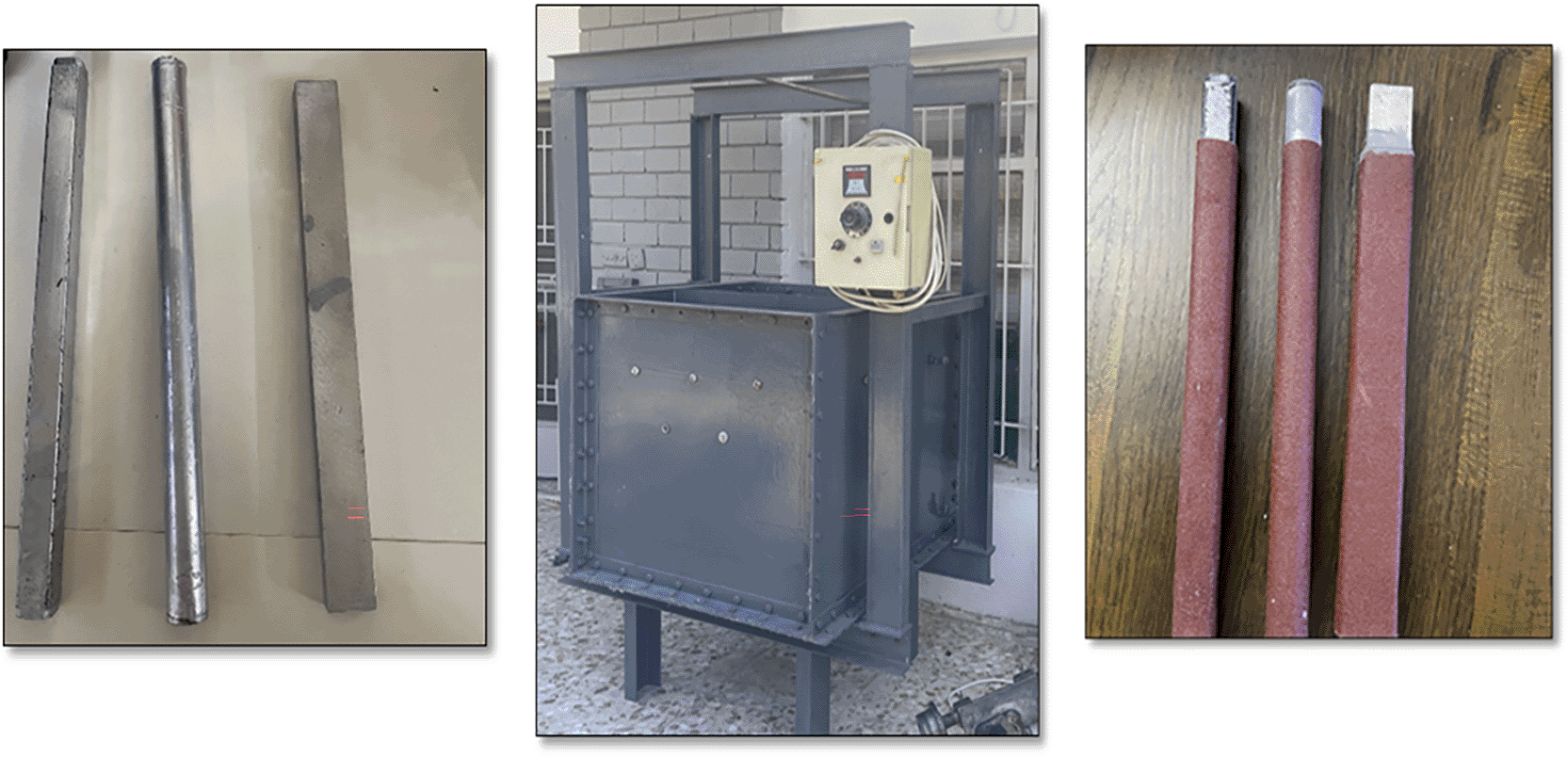
The floating bored piles were installed using a steel frame that maintains their vertical position, with an embedded length of 200 mm. The surface roughness of each pile was treated with medium-grit sandpaper to simulate pile shaft friction. Table 2 lists the soil characteristics.
| Soil | Properties | Values |
|---|---|---|
| Gypseous Soil Sample | Soil Classification (USCS) | SP |
| Gypsum Content | 58 | |
| Dry Unit Weight (kN/m3) | 11.4 | |
| Relative Density % | 30 | |
| Cohesion | 8 | |
| Angle of Internal Friction (°) | 38 |
Note that the 250 mm pile length reflects a realistic L/D ratio for a small laboratory model of a rigid pile. This minimizes the influence of test box boundaries and aligns with laboratory measurements of gypseous soil. It has all the features needed to simulate a high-gypsum friction pile. Due to the loose, dry soil, a relative density of 30% effectively mimics natural gypseous soil in certain areas and clearly demonstrates soil settlement from load and saturation. A highly compressible soil with 58% gypsum enables the observation of saturation effects.
Analyzing full-scale pile behavior under specific field conditions requires a detailed model, which is often more costly and time-consuming. The practicality of using a scaled-down model, despite its limitations, must be acknowledged, including stress distributions and pile movements, which can be affected by the soil container's boundaries and by the friction between the container wall and soil particles. The ratio of the pile diameter to mean grain size (D50) should be greater than 35 for vertical loading.20
The distance below the pile tip to ensure it is a friction pile should be about 8d, which is 8(16) = 128 mm. However, the actual distance was approximately 400 mm, and the distance between piles exceeded 7d to ensure a single isolated pile and prevent group effects.
To reduce the internal scale effect between the pile and the tested soil21:
The Constant Rates of Penetration Testing Method, as defined in ASTM D-1143, was employed in this study by gradually increasing the pressure load to push the pile through a collapsible gypseous soil sample at a steady rate of 1mm per minute. Various criteria can be used to interpret the test's load-settling curve. The soil model was designed to represent three different pile geometries installed in a dry, loose gypseous soil sample.
The rain technique was employed to achieve a relative density of 30%, with a consistent drop height of 25 cm to ensure uniform particle deposition. The resulting dry density of 11.4 kN/m3 was confirmed through three density measurements of the container after deposition. Six layers of gypsum soil were placed in the steel box model, each 10 cm thick, as shown in Figure 2.
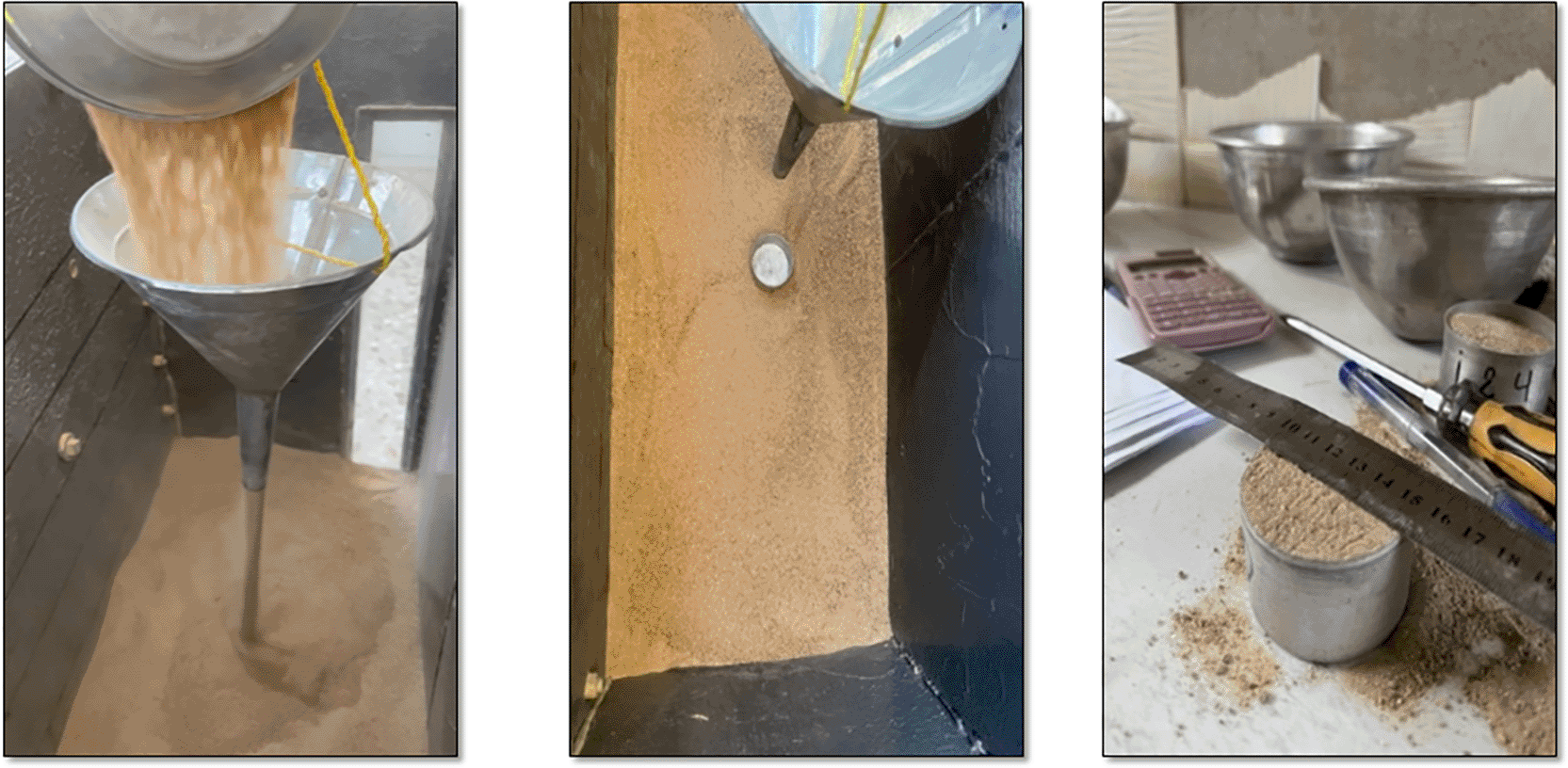
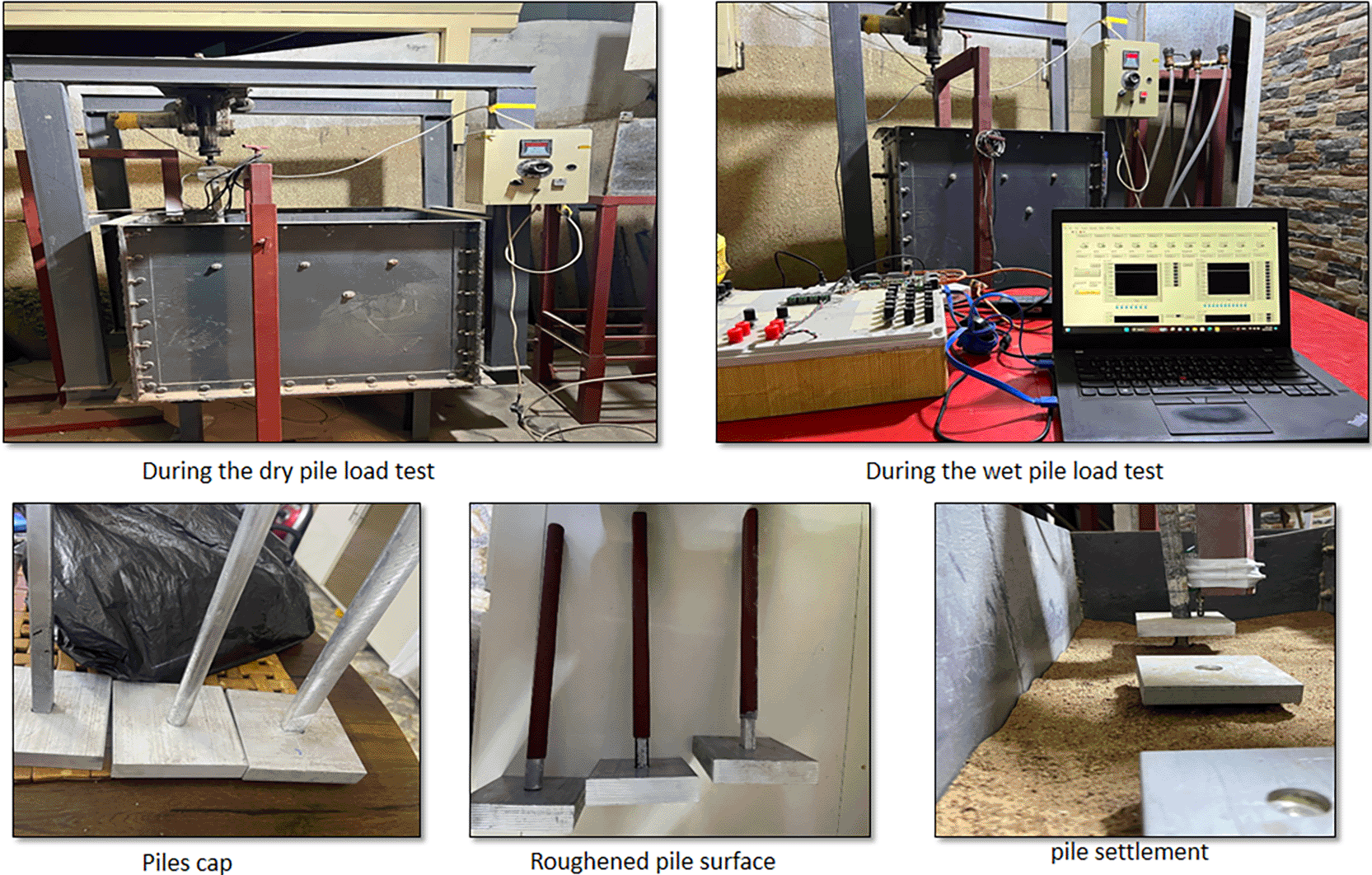
Figure 3 shows that a mechanical jack can be used to apply axial compression force to the pile after soil preparation and pile installation. The load cell, shaped like an 'S,' recorded the load transmitted to the pile, which differs from the ultimate load. Ensure that the weight is transmitted as a central pressure over the pile head; each pile has an aluminum plate cover measuring 10 cm × 10 cm × 2 cm. The load cell was calibrated with known weights, while the LVDTs were calibrated using a micrometer. The recommended static loading rate of 1 mm/min is advised for slowly applied loads in collapsible soils to minimize sudden collapse surges and prevent pore pressure buildup during saturation. Both the LVDT and the load cell are connected to the data logger, which records the LVDT measurements of the pile's settlement. The soil must be saturated for a full day to ensure complete saturation. A tank measuring 45×45×45 cm was constructed and positioned beside the laboratory model box. Water is pumped from the tank to three openings at the base of the model, allowing the soil layers to become saturated from below over 24 hours. The rise of water through the surface layers was observed through a side glass window integrated into the laboratory model. When the readings stabilized and water flooded the upper soil layers, it indicated full saturation.
A load-settlement curve shows the results of the pile load test for both saturated and unsaturated samples. This study considers three pile shapes: square, round, and rectangular, with equivalent cross-sectional areas. In loose, dry soil with a relative density of 30%, the piles were installed as bored piles. Figure 4 illustrates a simulation of a floating pile on gypseous soil under unsaturated conditions, and Figure 5 presents a soaked test.
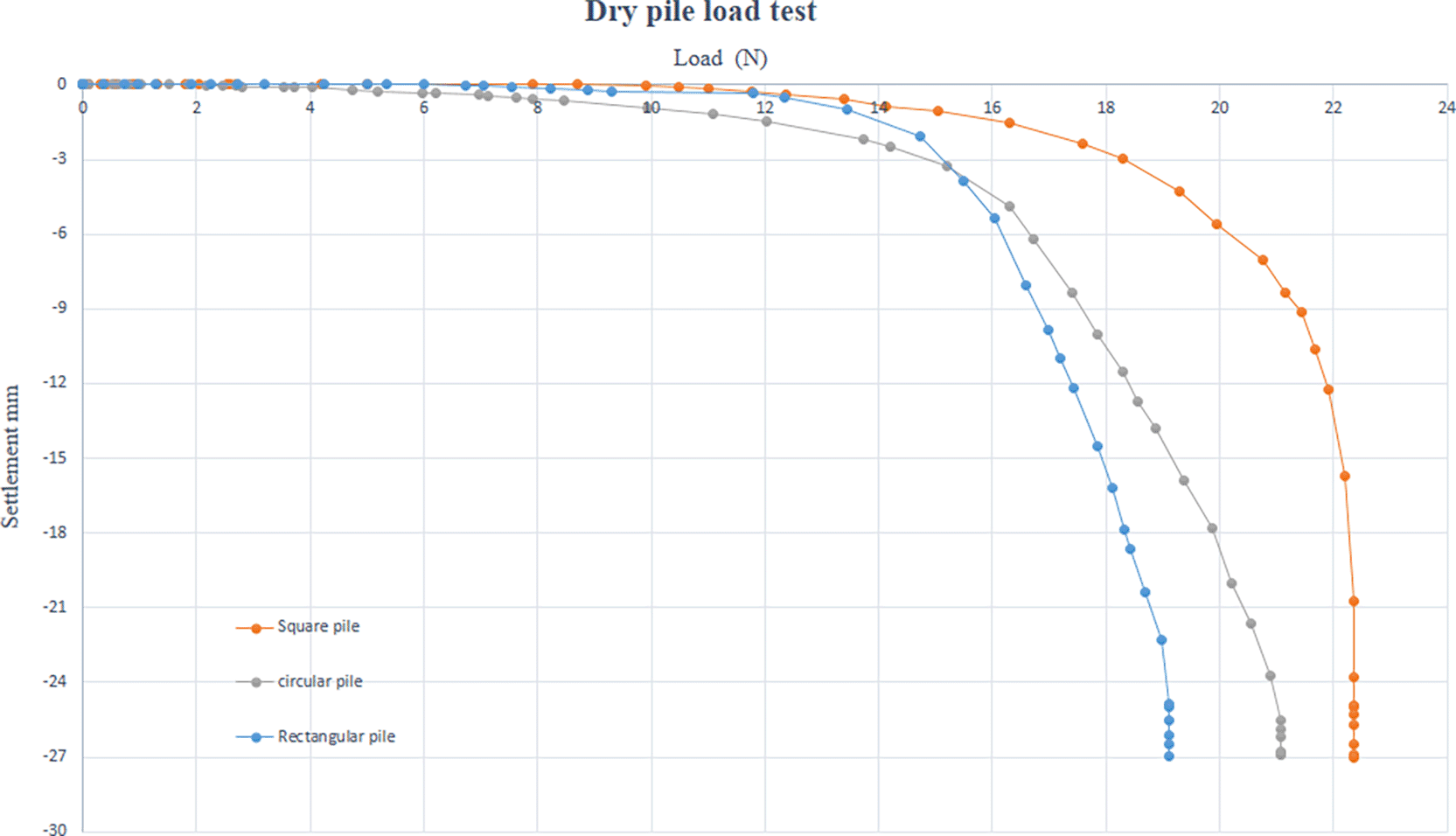
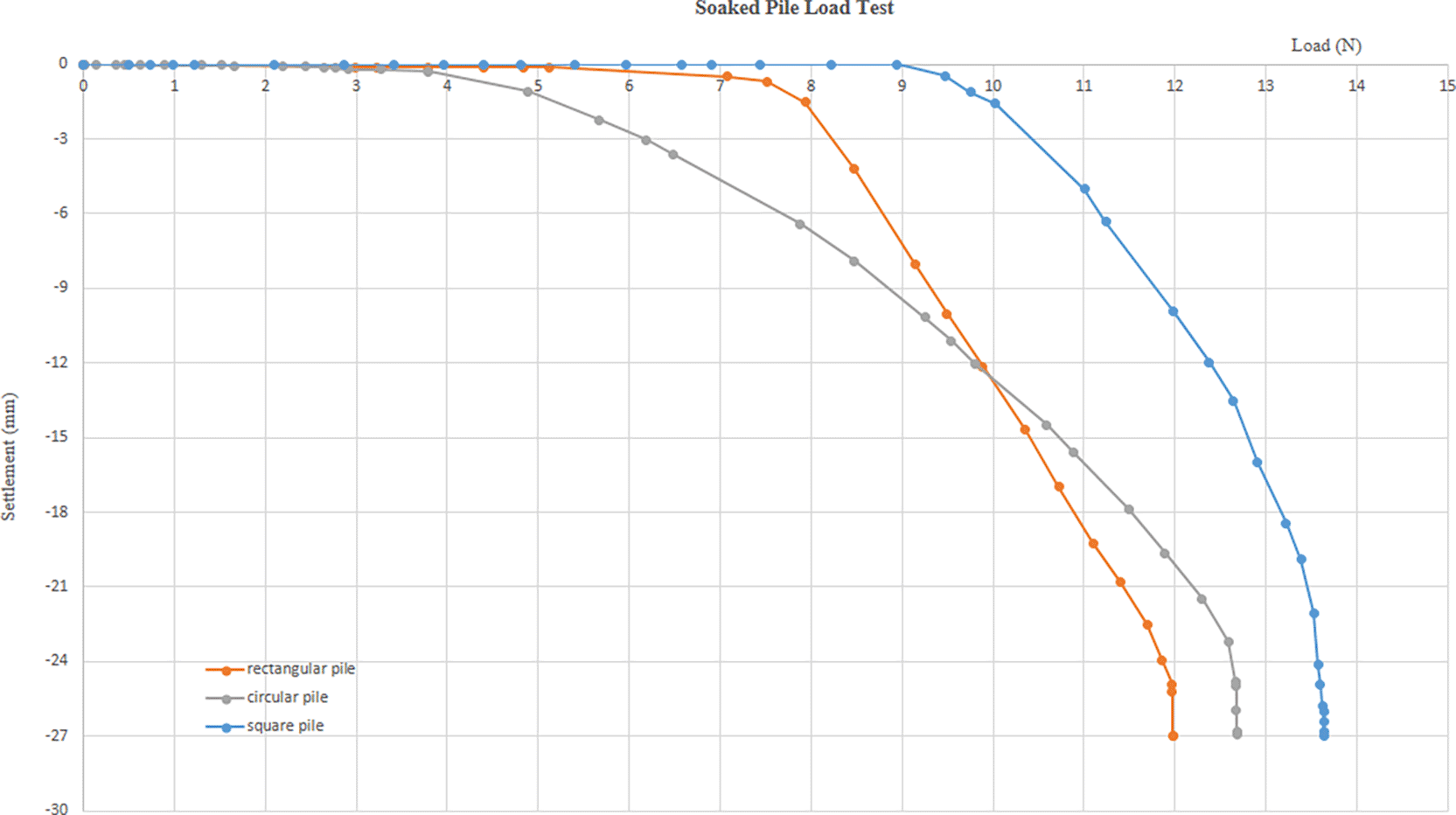
Figures 4 and 5 display the measured load-settlement response of the three pile shapes under dry and saturated gypseous soil conditions, respectively. The curves show an initially stiff, nearly linear reaction, followed by gradual nonlinearity and progressive degradation in stiffness. These plots serve as the basis for the 12 graphical and semi-empirical interpretation methods used in this study.
The ultimate load capacity of the piles under the specified conditions has been determined from the provided load-settlement curves. As discussed in the next section (part 5), many factors have been taken into account to complete this review.
Several criteria were used to evaluate the results of the pile-loading experiment for each pile geometry, with a dry unit weight of 11.4 kN/m3 and a loose relative density of 30%, under both wet and non-soaked conditions. The following conditions were applied:
Davisson (1972) proposed using Equation (1) to determine the failure load, which corresponds to the pile's elastic movement.22
Where D: the pile diameter in inches.
Based on the curve from the pile load test, the pile's load capacity equals the load causing settlement, which is 10% of the pile diameter.23
The ultimate load is the load resulting from the pile continuing to penetrate, which is at least 15% of the pile's average diameter or width.24
De Beer was the first to introduce this method in 1968. A double-logarithmic diagram is used to depict load-movement data. The failure load is defined as the point at which the logarithmic lines for load and settlement intersect.25
According to Hansen (1963), pile capacity is defined as the load that causes the pile head to settle four times, or 80% of the load. The experimental data are plotted as S/Q versus S, where S is the pile settlement, and Q is the applied load. The data in the near-liner range of this plot are fitted by Equations (2)26:
Where C1 and C2 are obtained from the intercept and slope of the best-fit line.
This method was introduced by Chin-Kondner in 1970 to estimate a pile's ultimate capacity. Equation (3), where C1 is the slope of the straight line, can be used to determine the ultimate load by plotting the settlement-versus-load curve and dividing by the corresponding settlement.27
Where C1: Straight line's slope.
This method was introduced by Decorut (1999). It involved plotting a curve of applied load versus corresponding settlement at each load. The intersection of the regression line with the load axis was used to determine the Decorut load.21
Drawing the load settlement graph and identifying the load (Q ult) and settlement (δ) that result in double the amount of pile head settlement observed at 90% of Q ult, this is known as the failing load.9
The log load was plotted against the settlement to establish the pile’s ultimate capacity load. By using this procedure, the ultimate load was represented by a straight line.28
The intersection of the load axis and the tangent to the load-settlement curve, with a slope of 0.05 inch per ton, was used to determine the ultimate load capacity.29
This method resembles Fuller and Hoy's technique, which determined the ultimate load by identifying the point where the tangent to the loading-settlement curve with a slope of 0.05 inch per ton intersects the curve's initial straight segment.30
This method, introduced by Mazurkiewicz in 1972, assumes that the load-settlement curve is parabolic. Horizontal lines are drawn at the points where vertical lines from the settlement axis intersect the curve. The ultimate load is located at the point where a line, drawn at a 45-degree angle, meets these horizontal lines and crosses the load axis.13
Final load capacities for all pile geometries tested in the soil sample during the dry- and saturated-pile load tests are detailed in Tables 3 and 4, respectively.
A statistical analysis of the ultimate capacities obtained from twelve interpretation methods for each pile shape under both dry and saturated conditions was performed as illustrated in Table 5. This analysis used the ultimate load capacity values from Tables 3 and 4, based on,31 and was carried out using Equations 4, 5, and 6, as shown in Table 5.
Where:
х̅: mean ultimate load N.
= individual measured ultimate load value.
Where:
SD: standard deviation.
COV: coefficient of variation.
The values in Table 5 show that the square pile has the highest average ultimate capacity under both dry (20.5 N) and saturated (12.3 N) conditions, with relatively low COV values (14% and 13%). In comparison, the circular pile demonstrates greater variability, especially after saturation (COV = 31.8%), indicating a more scattered interpretation of capacity due to its increased vulnerability to gypsum dissolution and loss of interface friction. The rectangular pile exhibits moderate performance regarding both average capacity and variability. These trends confirm that the square pile is not only stronger on average but also more consistent across the twelve interpretation methods.
The perimeter-to-area ratio (P/A) is a key factor influencing the behavior of different pile geometries. However, shear and loading mechanisms also play a significant role. The results indicated that square and rectangular piles exhibit greater bearing capacity in dry soil compared to circular piles. This can be linked to the P/A ratio, which is higher for square and rectangular piles than for circular ones. In a saturated state, the square pile demonstrated greater bearing capacity than both the rectangular and circular piles by a larger margin. This difference is due to the loading mechanism associated with the various pile shapes. Contact loss is most severe for the pile with a high P/A ratio (rectangular pile) because the long, flat surfaces tend to lose contact with the soil more than other shapes. The square shape offers better load-bearing capacity due to the arching effect at the corners.
The geometry of the pile clearly affects its bearing behavior and the load transfer to the surrounding layer. This effect becomes more pronounced under different soil-moisture conditions. This study uses various failure criteria methods under both dry and saturated conditions to determine the pile's bearing capacity:
1- The results from the axial compression load test on modeled piles placed in loose gypseous soil under both dry and soaked conditions show that the shape of the pile significantly influences the ultimate bearing capacity and load-settlement response.
2- Although the cross-sectional area is the same for all tested piles (circular, square, and rectangular), the square pile exhibited the highest ultimate bearing capacity across all interpretation methods in both the dry and soaked states. This finding supports observations by,32,33 who noted that shaft resistance is strongly influenced by pile shape and surface characteristics, especially in short piles, where side friction primarily controls load transfer.
3- Considering the length of the model piles (25 cm), shaft resistance seems to be the primary factor in determining pile behavior. This explains the significant influence of cross-sectional shape observed in dry conditions.
4- The pile load test under saturated conditions revealed a significant decrease in ultimate bearing capacity compared to the dry state, attributed to gypsum dissolution and a corresponding drop in apparent cohesion. This reduces skin friction by breaking cementation bonds, thereby lowering bearing capacity.
5- The reduction in bearing capacity due to saturation was more significant for the circular pile, whereas the square pile performed relatively better. This illustrates the impact of pile geometry on shaft resistance.
6- Shear and loading mechanisms significantly influence behavior, so the results show that square and rectangular piles have greater dry-soil bearing capacity than circular piles. The ratio of perimeter to area is higher for square and rectangular piles than for circular ones, which explains this trend. In the saturated state, the square pile exhibited a higher bearing capacity than the other shapes. Different pile shapes have distinct loading mechanisms. Because of their long, flat surfaces, rectangular piles with high P/A ratios lose soil contact, making arching and corner stress concentration more prominent, allowing square shapes to bear more load.
7- The most effective method for estimating ultimate pile capacity under both dry and saturated conditions is the Chin-Kondner method, which closely aligns with load-settlement behavior in floating piles and gypseous soils.
8- The Davisson method provided the most conservative estimate of pile capacity among the twelve interpretation methods, especially in saturated conditions. This aligns with its displacement and is particularly relevant for gypseous collapsible soils, where gradual bond degradation causes significant settlements before failure. In these soils, serviceability factors often influence design, making displacement-based criteria, such as Davisson's, more suitable than purely strength-based definitions.
9- The ASTM D-1143, Decourt, and De Beer methods yield moderate results and are less accurate than the Chin Kondner method.
10- The Terzaghi and Brinch Hansen methods (80% and 90%) assume clear shear failure, which does not reflect the gradual behavior or collapse in gypseous soil. Fuller and Hoy, as well as Butler and Hoy, are unsuitable for unstable or collapse-prone loading and subsidence behavior.
11- The dissolution of gypsum, which previously acted as a cementing agent, the breakdown of interparticle bonds, and sudden settlement under relatively small load increments due to increased compressibility were observed. The results of this study align with Al-Mukhtar et al. (1996), who reported substantial strength loss in gypseous soils after wetting, as well as with,5,33 which noted dissolution and collapse characteristics observed in this study.
| Views | Downloads | |
|---|---|---|
| F1000Research | - | - |
|
PubMed Central
Data from PMC are received and updated monthly.
|
- | - |
Provide sufficient details of any financial or non-financial competing interests to enable users to assess whether your comments might lead a reasonable person to question your impartiality. Consider the following examples, but note that this is not an exhaustive list:
Sign up for content alerts and receive a weekly or monthly email with all newly published articles
Already registered? Sign in
The email address should be the one you originally registered with F1000.
You registered with F1000 via Google, so we cannot reset your password.
To sign in, please click here.
If you still need help with your Google account password, please click here.
You registered with F1000 via Facebook, so we cannot reset your password.
To sign in, please click here.
If you still need help with your Facebook account password, please click here.
If your email address is registered with us, we will email you instructions to reset your password.
If you think you should have received this email but it has not arrived, please check your spam filters and/or contact for further assistance.

Comments on this article Comments (0)