Keywords
Diode laser; Low-level laser therapy (LLLT); Tooth extraction; Type 2 diabetes mellitus; Postoperative healing; Soft tissue repair; Oral surgery; Hemostasis.

Diode laser; Low-level laser therapy (LLLT); Tooth extraction; Type 2 diabetes mellitus; Postoperative healing; Soft tissue repair; Oral surgery; Hemostasis.
In this revised version, several improvements have been made to enhance clarity, transparency, and accuracy of the manuscript.
The abstract has been rewritten to improve structure, readability, and scientific clarity, with clearer presentation of objectives, methodology, and outcomes. Minor language refinements have also been applied throughout the manuscript to improve consistency and academic tone.
The author list has been updated by interchanging the positions of the first and fourth authors. This change was made to better reflect the relative contributions of the authors to the study, particularly in terms of study design, data analysis, and manuscript preparation. No changes have been made to author identities, affiliations, or contribution statements beyond order adjustment.
No changes were made to the title, figures, tables, or underlying data. The results and conclusions remain unchanged.
All revisions have been implemented directly in the Word version of the published manuscript with tracked changes enabled, in accordance with journal requirements.
Type 2 diabetes mellitus (T2DM) is a chronic metabolic disorder characterized by persistent hyperglycemia resulting from impaired insulin secretion, insulin resistance, or both.1 Prolonged hyperglycemia increases the risk of developing microvascular and macrovascular complications, including neuropathy, nephropathy, retinopathy, and cardiovascular disease.2,3 These vascular alterations, combined with impaired leukocyte function, compromise the body’s ability to mount an effective inflammatory response, resulting in delayed wound healing and increased susceptibility to infection.4
Low-level laser therapy (LLLT) has emerged as a promising adjunctive modality for improving wound healing outcomes. LLLT acts by delivering photons at specific wavelengths to stimulate cellular processes, enhancing proliferation, collagen synthesis, and angiogenesis, thereby accelerating tissue repair.5,6 Evidence suggests that LLLT may improve post-extraction outcomes by reducing pain, minimizing bleeding, and promoting faster soft tissue regeneration, which are particularly beneficial for patients with diabetes who experience delayed healing.7,8
These cases highlight the potential benefits of incorporating LLLT as an adjunctive treatment following dental extractions in patients with type 2 diabetes mellitus. The use of LLLT was associated with accelerated soft tissue healing, reduced post-extraction bleeding, and decreased discomfort, underscoring its value in improving clinical outcomes in this high-risk patient population.
This study was conducted as a prospective split-mouth case series and included six patients with controlled type 2 diabetes mellitus who presented to the Department of Oral and Maxillofacial Surgery, Faculty of Dentistry, Damascus University, for dental extraction. Ethical approval was obtained from the Scientific Committee of the Faculty of Dentistry, Damascus University (Approval No: DN-261124-351, dated 26-11-2024). All participants provided written informed consent for participation and publication of anonymized clinical data and images. For each patient, one extraction site was randomly allocated to receive diode laser therapy, while the contralateral site served as the control and received a placebo (sham) laser application. This split-mouth design was chosen to minimize interpatient variability. Due to the nature of the intervention, operator blinding was not feasible; however, outcome assessment was conducted by an independent examiner who was not involved in the treatment procedures. Patient confidentiality was strictly maintained in accordance with the Declaration of Helsinki9 and institutional ethical guidelines. This clinical report follows the SCARE 2020 criteria7 for case series reporting. Given the small sample size, this study is intended to provide preliminary clinical observations rather than statistical generalization.
Patients were eligible if they had a confirmed diagnosis of type 2 diabetes mellitus with adequate glycemic control (HbA1c ≤ 8%) and required one or more tooth extractions. Exclusion criteria included uncontrolled diabetes (HbA1c > 8%), systemic conditions contraindicating tooth extraction, presence of acute oral infection at the extraction site, recent use of corticosteroids or immunosuppressive drugs, and history of radiotherapy to the head and neck region.
A thorough medical history was taken for each patient, and panoramic radiographs were obtained to rule out periapical pathology. Dental extractions were performed under local anesthesia (2% lidocaine with 1:100,000 epinephrine) using a minimally traumatic surgical technique. Standard postoperative instructions were provided to all patients.
Low-level laser therapy (LLLT) was performed using an 808-nm diode laser device (Klas DX-61, Konftec, Taiwan) in continuous wave mode. The laser was applied at an output power of 300 mW using a 400 μm fiber tip with a spot size of 0.04 cm2, resulting in a power density of 7.5 W/cm2. Each irradiation point received 18 J over 60 seconds, corresponding to an energy density (fluence) of 450 J/cm2 per point. Laser irradiation was performed at three sites around the extraction socket—vestibular, lingual/palatal, and occlusal surfaces.10 The procedure was repeated on postoperative days 2 and 7. In each patient, the contralateral extraction site served as the control and received a placebo (sham) laser application without energy emission.
Healing was clinically evaluated on days 2 and 7 post-extraction.11 Outcomes assessed included:
• Presence and stability of the blood clot
• Degree of postoperative bleeding (qualitatively observed)
• Soft tissue healing (epithelialization, edema)
• Patient-reported pain and discomfort
To enhance objectivity and standardization:
• Soft tissue healing was assessed using the Landry, Turnbull, and Howley Wound Healing Index (WHI), which scores healing on a scale from 1 (very poor) to 5 (excellent).
• Postoperative bleeding was evaluated using a modified bleeding score: 0 = No bleeding, 1 = Slight oozing, 2 = Moderate bleeding, 3 = Active bleeding.
• Pain intensity was assessed using a Visual Analog Scale (VAS, 0–10) recorded on Day 2 post-extraction, where 0 = no pain and 10 = worst possible pain.
All evaluations were performed by an independent examiner who was not involved in the surgical procedure or laser application to minimize assessment bias.
Case 1
A 49-year-old male, a non-smoker, presented with partial edentulism and requested a complete removable denture. His medical history included type 2 diabetes mellitus and angina pectoris, diagnosed five years earlier. Current medications were aspirin 81 mg and metformin 850 mg daily. HbA1c was 6.6%, confirming adequate glycemic control. Teeth numbers 13, 23, and 24 were indicated for extraction. Tooth no. 13 was extracted first and received a placebo (sham) laser application. Follow-up evaluations were conducted on days 2 and 7 to assess healing. Subsequently, tooth no. 23 was extracted, followed by low-level laser therapy using an 808-nm diode laser at 300 μW, delivering 18 J per point. Laser irradiation was applied for 60 seconds to the vestibular, lingual/palatal, and occlusal surfaces. The same protocol was repeated on days 2 and 7 post-extraction to promote tissue repair and hemostasis ( Figure 1).
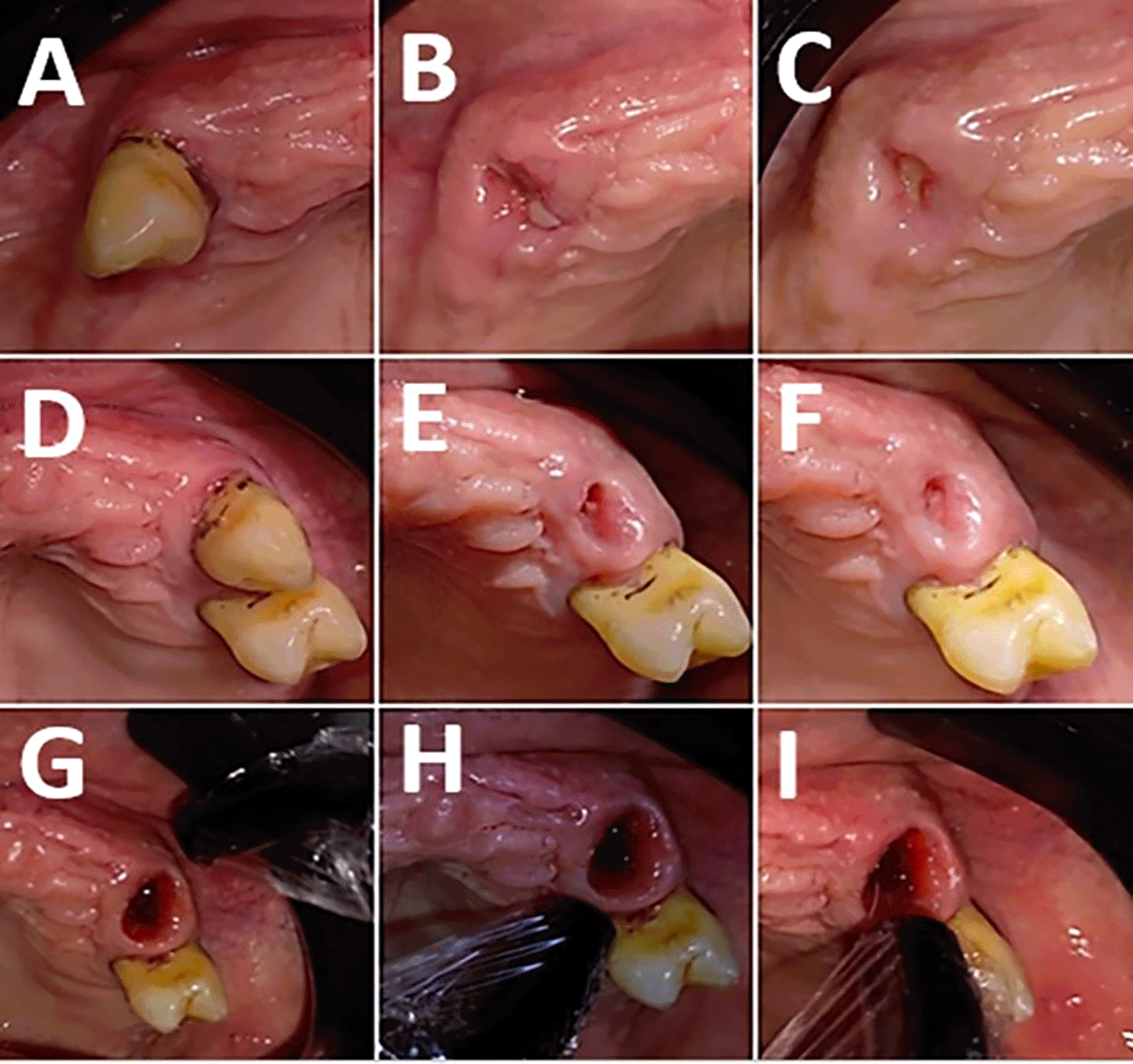
(A–C) Placebo-treated site (tooth no. 13): pre-extraction, Day 2, and Day 7 post-extraction. (D–F) Laser-treated site (tooth no. 23): pre-extraction, Day 2, and Day 7 post-extraction. (G–I) Diode laser application from vestibular, occlusal, and palatal aspects.
Case 2
A 67-year-old female, a non-smoker, presented with partial edentulism and requested a removable denture. Her medical history included type 2 diabetes mellitus and controlled hypertension. She was taking aspirin 81 mg and metformin 1000 mg daily. HbA1c was 6.0%, confirming adequate glycemic control. Teeth numbers 13 and 23 were indicated for extraction. Tooth no. 23 was extracted first with a placebo laser application. Follow-up assessments were performed on days 2 and 7. Tooth no. 13 was subsequently extracted, followed by diode laser therapy using an 808-nm laser at 300 μW, delivering 18 J per point for 60 seconds to vestibular, lingual/palatal, and occlusal surfaces. The same laser protocol was repeated on days 2 and 7 post-extraction ( Figure 2).
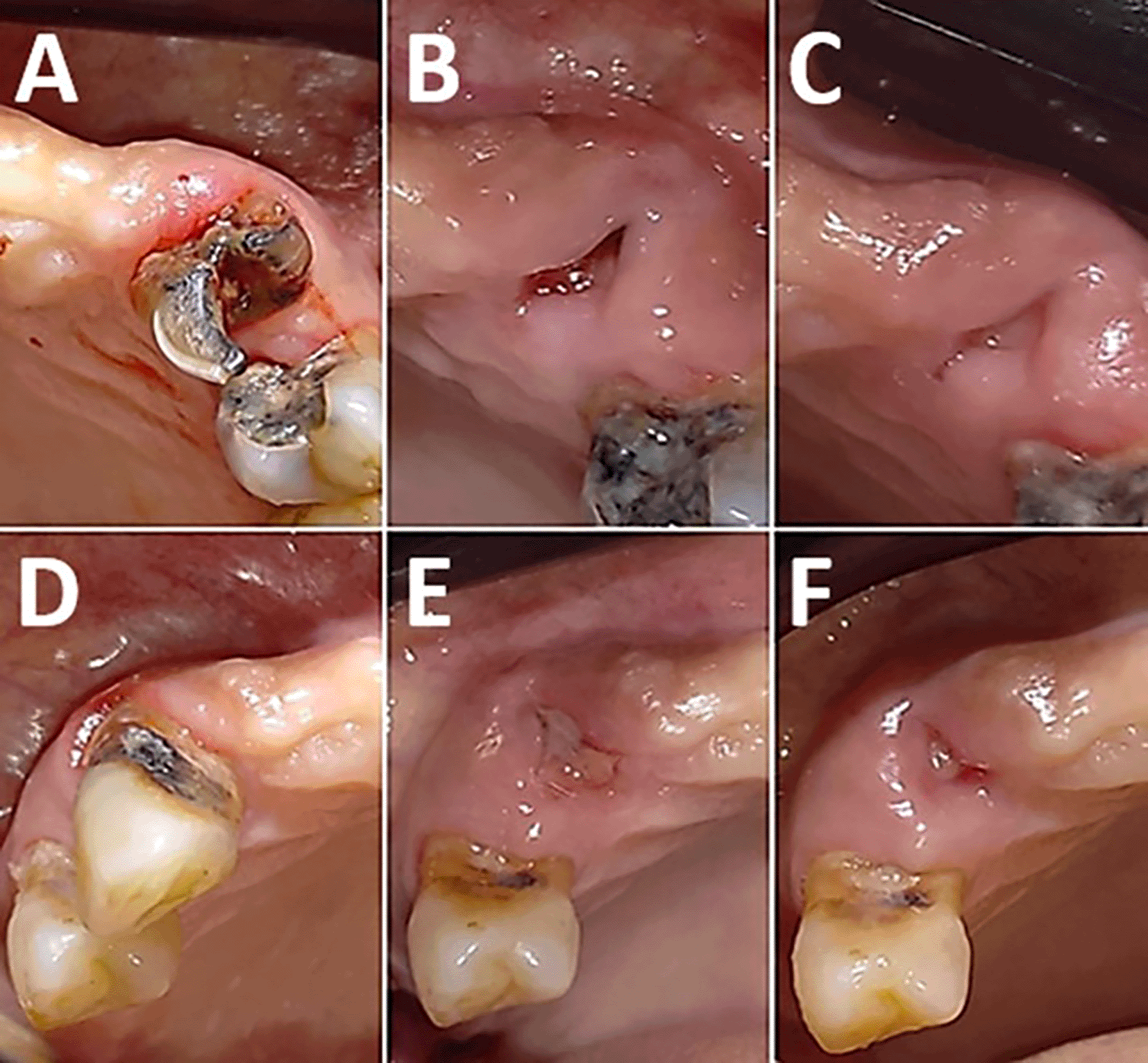
(A–C) Placebo-treated site (tooth no. 23): pre-extraction, Day 2, and Day 7 post-extraction. (D–F) Laser-treated site (tooth no. 13): pre-extraction, Day 2, and Day 7 post-extraction.
Case 3
A 67-year-old female, a non-smoker, presented with partial edentulism for removable denture placement. Her medical history included type 2 diabetes mellitus, controlled hypertension, and hypothyroidism. Current medications included thyroxine 100 μg, lorazepam, magnesium, metformin 1000 mg, and vitamin D. HbA1c was 6.0%. Teeth numbers 32 and 42 were indicated for extraction. Tooth no. 42 was extracted with a placebo laser application. Tooth no. 32 was subsequently extracted and treated with diode laser therapy (808 nm, 300 μW, 18 J per point, 60 seconds per site applied to vestibular, lingual, and occlusal surfaces). Follow-up assessments were conducted on days 2 and 7 post-extraction ( Figure 3).
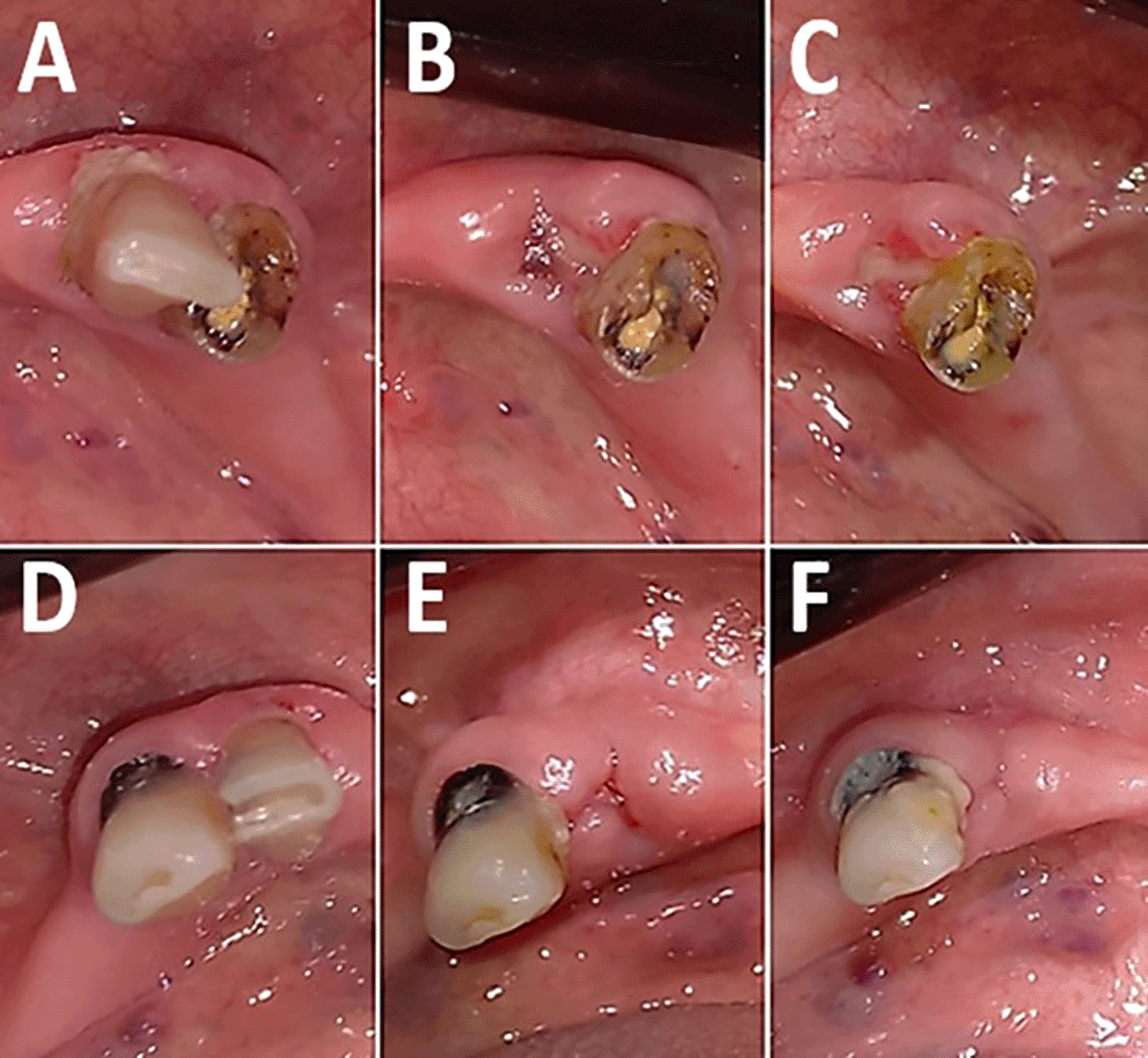
(A–C) Placebo-treated site (tooth no. 42): pre-extraction, Day 2, and Day 7 post-extraction. (D–F) Laser-treated site (tooth no. 32): pre-extraction, Day 2, and Day 7 post-extraction.
Case 4
A 56-year-old male, a non-smoker, presented with fractured anterior teeth. His medical history included type 2 diabetes mellitus, treated with metformin 1000 mg daily. HbA1c was 8.0%, indicating moderately controlled diabetes. Teeth numbers 12 and 22 were indicated for extraction. Tooth no. 22 was extracted with a placebo laser application. Tooth no. 12 was subsequently extracted and treated with diode laser therapy using the same protocol described previously. Follow-up evaluations occurred on days 2 and 7 post-extraction ( Figure 4).
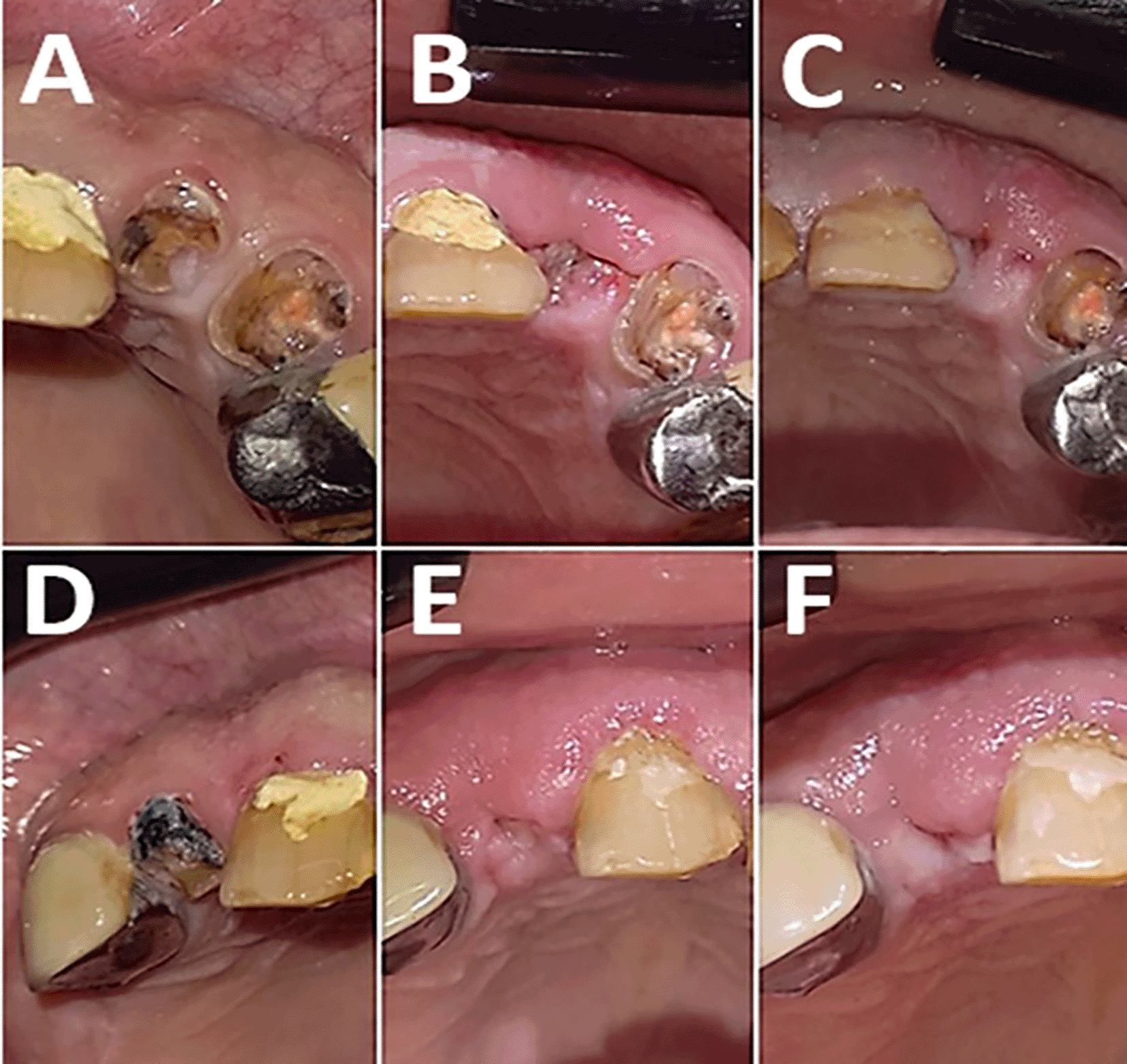
(A–C) Placebo-treated site (tooth no. 22): pre-extraction, Day 2, and Day 7 post-extraction. (D–F) Laser-treated site (tooth no. 12): pre-extraction, Day 2, and Day 7 post-extraction.
Case 5
A 63-year-old male, a non-smoker, presented with partial edentulism. His medical history included type 2 diabetes mellitus, treated with metformin 1000 mg daily. HbA1c was 8.0%. Teeth numbers 12 and 22 were indicated for extraction. Tooth no. 12 was extracted with a placebo laser application, followed by the extraction of tooth no. 22 with diode laser therapy (808 nm, 300 μW, 18 J per point, 60 seconds per site applied to vestibular, lingual, and occlusal surfaces). Follow-up assessments were conducted on days 2 and 7 post-extraction ( Figure 5).
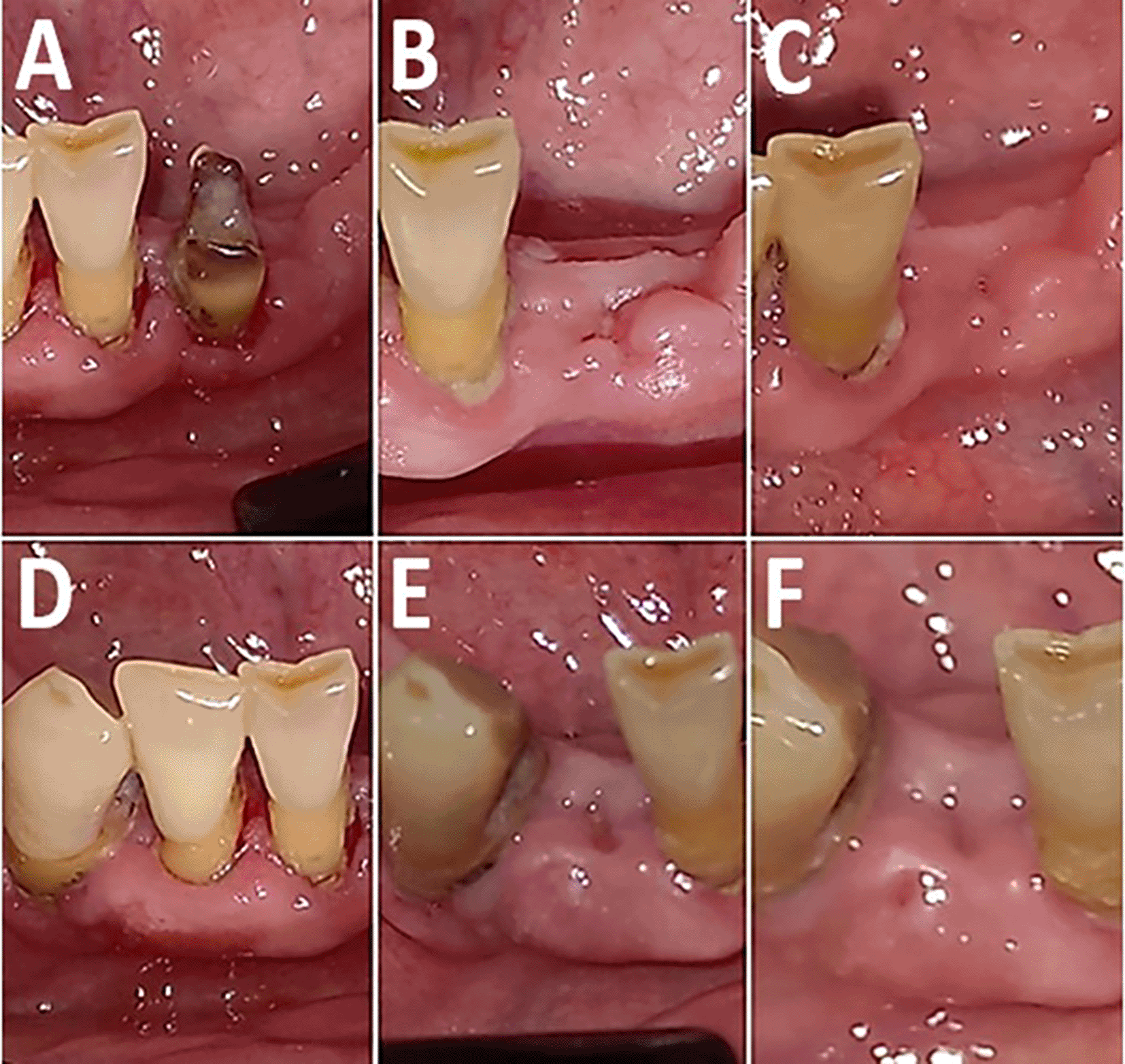
(A–C) Placebo-treated site (tooth no. 12): pre-extraction, Day 2, and Day 7 post-extraction. (D–F) Laser-treated site (tooth no. 22): pre-extraction, Day 2, and Day 7 post-extraction.
Case 6
A 67-year-old female, a non-smoker, presented with partial edentulism. Her medical history included type 2 diabetes mellitus, treated with gliclazide 60 mg and enalapril 10 mg daily. HbA1c was 8.0%. Teeth numbers 32 and 34 were indicated for extraction. Tooth no. 34 was extracted with a placebo laser application. Tooth no. 32 was subsequently extracted and treated with diode laser therapy (808 nm, 300 μW, 18 J per point, 60 seconds per site applied to vestibular, lingual, and occlusal surfaces). Follow-up evaluations were performed on days 2 and 7 post-extraction ( Figure 6).
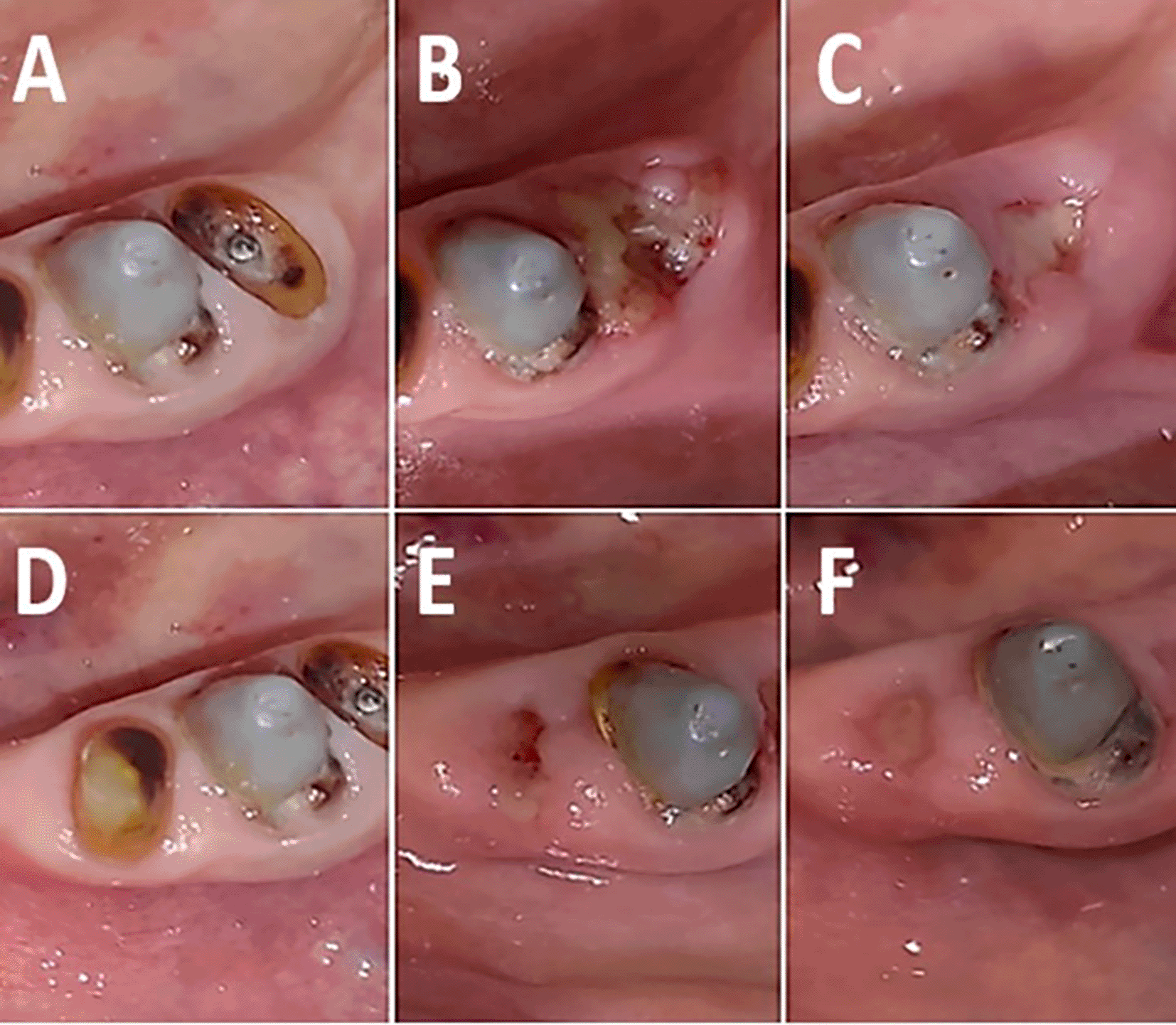
(A–C) Placebo-treated site (tooth no. 34): pre-extraction, Day 2, and Day 7 post-extraction. (D–F) Laser-treated site (tooth no. 32): pre-extraction, Day 2, and Day 7 post-extraction.
A total of six patients (3 males, 3 females; mean age 61.5 ± 7.5 years) with controlled type 2 diabetes mellitus were included. In all cases, comparisons were made between laser-treated and placebo (sham) extraction sites in the same patient using the split-mouth design ( Table 1).
Bleeding and Clot Stability: Laser-treated sites demonstrated noticeably reduced postoperative bleeding compared to placebo sites. On Day 1, mean bleeding scores were 2–3 (moderate to active bleeding) at placebo sites, while laser-treated sites ranged from 0–1 (no bleeding to slight oozing). Bleeding ceased more rapidly, and clot stability was higher in all laser sites.
Soft Tissue Healing (Landry Wound Healing Index – WHI): Soft tissue healing measured using the Landry Wound Healing Index (WHI) showed superior outcomes at laser-treated sites. Laser-treated sockets exhibited better epithelialization, reduced edema, and earlier granulation tissue formation.
Pain Assessment (VAS): Pain intensity was evaluated using the Visual Analog Scale (VAS) on Day 2: Laser-treated sites: 2–3 (mean ≈ 2.7), placebo sites: 4–6 (mean ≈ 5.1). Patients consistently reported lower pain, less swelling, and reduced discomfort at laser-treated sites compared to control sites.
Improved patient comfort: Although subjective, patients reported less discomfort and swelling in laser-treated areas compared with control sites.
Safety: No postoperative complications such as infection, dry socket, or delayed healing were observed in any of the patients. All laser applications were well tolerated without adverse effects.
The observed effects were consistent regardless of patient age, sex, HbA1c level, or coexisting systemic conditions (including controlled hypertension, hypothyroidism, or cardiovascular disease). These findings support the notion that LLLT can enhance post-extraction healing even in patients with compromised systemic conditions, such as type 2 diabetes.
This study evaluated the effectiveness of diode laser therapy applied after tooth extraction in patients with type 2 diabetes, a population known to exhibit delayed wound healing. While literature on this specific application is limited, existing evidence suggests that low-level laser therapy (LLLT) may offer significant benefits in patients with compromised immune systems, including diabetics or individuals who have undergone radiation therapy, due to their inherently slower healing processes.8 LLLT may also exert analgesic effects by stimulating endogenous endorphin production, inhibiting bradykinin,12 or modulating C-fiber activity, thereby reducing postoperative discomfort.13 Its anti-inflammatory effects are mediated through the suppression of pro-inflammatory cytokines, such as tumor necrosis factor-alpha and interleukins, which modulate vascular and lymphatic responses and help reduce edema.14 Individual pain perception is influenced by factors such as age, sex, genetics, and prior experiences, which may explain variability in patient-reported discomfort. Formation of a stable blood clot is critical for proper alveolar healing.15 Laser application to the extraction site may promote rapid clot formation, reducing postoperative bleeding.16 Furthermore, LLLT enhances tissue repair by delivering energy directly to cellular targets. Mitochondrial cytochromes absorb laser radiation and convert it into adenosine triphosphate (ATP), which drives protein synthesis and stimulates cell proliferation. This results in increased fibroblast and keratinocyte activity, which are key contributors to wound healing.17,18 Laser therapy also enhances early macrophage activity, facilitating the removal of damaged tissue and preparing the site for the proliferative phase of healing.19 Histologically, the blood clot transitions to granulation tissue within six to eight weeks post-extraction, eventually being replaced by immature mineralized bone. Laser application during this period is safe and promotes a bio-stimulatory effect that accelerates tissue repair.20 Clinical studies support these findings. Salim et al. demonstrated that diode laser application in diabetic patients accelerated blood clot formation, improved healing, and reduced postoperative complications compared with no laser treatment.21 Similarly, Hamza et al. reported that low-level laser application after anterior tooth extraction significantly decreased pain, bleeding, and discomfort, while promoting the formation of a stable clot in the extraction site.22 Overall, these mechanisms provide a biological rationale for the observed clinical benefits of diode laser therapy in accelerating post-extraction healing in patients with type 2 diabetes.
This study has several limitations that should be acknowledged. The most significant is the small sample size (n = 6), which limits statistical analysis and prevents generalization of the results to the broader diabetic population. While a split-mouth design was used to minimize interpatient variability, the findings remain descriptive and observational in nature. To improve objectivity, we incorporated semi-quantitative measures, including the Landry Wound Healing Index (WHI), a modified bleeding score, and pain assessment using VAS. However, histological evaluation and statistical testing were beyond the scope of this case series. Additionally, four of the six patients were taking low-dose aspirin (81 mg/day), which is known to inhibit platelet aggregation and may affect clot formation and postoperative bleeding. Interestingly, despite aspirin use, laser-treated sites demonstrated faster clot stabilization and reduced bleeding compared with placebo sites. This suggests that diode laser therapy may help counteract aspirin-induced delays in hemostasis by promoting local vasoconstriction and improving clot organization. Nevertheless, due to the small sample size, no subgroup statistical analysis could be performed to compare aspirin versus non-aspirin patients. Therefore, while these preliminary observations are promising, larger randomized controlled trials with stratification for systemic medications such as aspirin and anticoagulants are required to validate these findings.
Within the limitations of this small split-mouth case series, diode laser therapy appears to promote hemostasis, enhance soft tissue healing, and reduce postoperative discomfort following tooth extraction in patients with type 2 diabetes mellitus. These clinical observations suggest that low-level laser therapy (LLLT) may serve as a useful adjunctive treatment in managing high-risk diabetic patients. However, due to the limited sample size and absence of statistical analysis, the results should be interpreted with caution. Further randomized controlled clinical trials with larger patient cohorts, objective outcome measures, and stratification for systemic medications such as aspirin and anticoagulants are required to confirm these preliminary findings and establish standardized treatment protocols.
The authors affirm that all patients included in this study provided written informed consent for participation and for publication of anonymized clinical data and images. Patient confidentiality has been strictly maintained in accordance with the ethical standards of the responsible institutional committee and with the Helsinki Declaration, and ethical approval was obtained from the Scientific Committee of the Faculty of Dentistry, Damascus University (DN-261124-351) on 26-11-2024.
| Views | Downloads | |
|---|---|---|
| F1000Research | - | - |
|
PubMed Central
Data from PMC are received and updated monthly.
|
- | - |
Provide sufficient details of any financial or non-financial competing interests to enable users to assess whether your comments might lead a reasonable person to question your impartiality. Consider the following examples, but note that this is not an exhaustive list:
Sign up for content alerts and receive a weekly or monthly email with all newly published articles
Already registered? Sign in
The email address should be the one you originally registered with F1000.
You registered with F1000 via Google, so we cannot reset your password.
To sign in, please click here.
If you still need help with your Google account password, please click here.
You registered with F1000 via Facebook, so we cannot reset your password.
To sign in, please click here.
If you still need help with your Facebook account password, please click here.
If your email address is registered with us, we will email you instructions to reset your password.
If you think you should have received this email but it has not arrived, please check your spam filters and/or contact for further assistance.

Comments on this article Comments (0)