Keywords
Medicine, technology, innovations, content analysis, patient care.

Medicine, technology, innovations, content analysis, patient care.
The global digital healthcare market is rapidly expanding, valued at approximately USD 180.2 billion in 2023, and projected to reach USD 549.7 billion by 2028, with a compound annual growth rate (CAGR) of 25%.1 These developments are occurring alongside groundbreaking advances in medical technologies, which have improved patient care and are transforming the broader healthcare industry, currently valued at $8.45.2 The boundaries of innovations in laboratory techniques, medical technologies, artificial intelligence (AI) and telemedicine have modernized the landscape of scientific pursuits and its clinical applications. For instance, such modernizations have revolutionized healthcare accessibility during the COVID-19 pandemic and integrated AI with machine learning to offer better diagnostic and treatment tools. Accordingly, the global health care system witnessed the emergence of numerous innovative leaps in health care technologies.3 Innovations in healthcare have redesigned medical treatments, and changed the way physicians perform their jobs.4 More specifically, innovations in medical technologies have expanded beyond traditional diagnostic imaging machines, with today health wearables reinventing patients care, records, and management.5
Subsequently, technology is now considered an integral part of modern healthcare. In addition to new treatments and medical procedures that improved the patients’ quality of life, technology has redesigned the healthcare business models. For example, printing patient medical record is a bygone protocol; laboratory test results or those from diagnostic imaging can now be accessed efficiently and securely through electronic health records.6
Furthermore, the impact of innovative advancements in medicine have empowered the scientific community and pushed the boundaries of explorations. Highlighting such novelties can stimulate further collaborations amongst professionals to expand scientific pursuits. Identifying the most impactful innovations can revitalize interest and appreciation for science amongst the public, stimulate needed conversations regarding their effectiveness and ethical considerations.7,8
To systematically examine how such technologies are represented in the literature and identify emerging themes and trends, Content Analysis (CA) techniques can be used. The CA rely on both qualitative and quantitative measures to analyze large statistical data with unique characteristics. As a multipurpose research technique, it provides an objective, systematic, and comprehensive description of both the manifest and latent content of communication.2,9 As a research tool, CA determines the reoccurrence of words, themes, or concepts in qualitative data10 thus enabling researchers to quantify and analyze the presence, meanings, and relationships of concepts, words, or themes in various communication mediums. Interestingly, it has been used in healthcare research to draw interpretation from variety of sources.11,12
The response to global health crisis showed severe weaknesses in particular during the COVID19 pandemic. To elaborate, lack of preparedness as well as resources in non-developing countries and depletion of resources in some advanced countries intensified the problem. Market failure to current health challenges is the major driver toward innovation to solve key problems but also to prepare countries for immediate health challenges.13 We previously showed that global media on COVID19 greatly influenced local population behavior in less developed countries toward implementing preventing measures.14 The latter was majorly due to lack of sufficient resources to implement efficient national health care strategies while funds are being invested toward major illnesses (e.g., cancer, cardiovascular ….). Whether these funds are optimally allocated in the various subfields is still largely unknown. Therefore, evaluating the impact of healthcare innovations globally is a key element to fuel further investment.
This study reported the most recent breakthrough technological innovations in the medical literature. Using CA methodologies and the “ScienceDirect” database, the investigators have gathered data from thirty scientific medical journals over five years period (2018-2022). The selected journals are leading journals in their field, and they represent major clinical resources for the scientific and the public healthcare community worldwide. The aim of the study is to enable health professionals, researchers, and organizations to learn about the most advanced technological innovations reported in the medical literature. The intent of the study is to use word frequency count to answer the following research questions:
1. How is the healthcare industry represented in the literature with regard to embracing technological innovations?
2. Which technologies are most frequently highlighted as breakthroughs across medical fields in the literature?
3. In what ways are technological innovations presented as shaping future healthcare industry norms?
4. How is technology represented as transforming healthcare delivery and organizational practices in the literature?
5. To what extend are technological innovations presented as improving patient care and quality of life in the literature?
The study was conduct by medical researchers at two internationally recognized medical schools (the University of Texas Medical Branch Galveston, TX and the Lebanese American University School of Medicine, Byblos campus, Lebanon). Data was collected from thirty medical journals listed in the ScienceDirect database. For efficient data revival, management and reporting, the journals were broken down into four clusters: Surgical, interventional medicine, internal medicine, and research in medicine ( Table 1).
Using the thirty journals as data source, researchers conducted online keyword searches for all articles containing the word “technology”. Since there were so much technological innovations in medicine, the investigators focused their search on the most frequently reported technological innovations in fifteen areas of medicine: 1) mRNA technologies, 2) cancer immunotherapy, 3) molecular freeze-frame, 4) neurotechnology, 5) precision medicine, 6) clustered regularly interspaced short palindromic repeats (CRISPR), 7) sustainability and decarbonization, 8) regenerative medicine, 9) virtual reality or augmented virtual reality, 10) 3D printing and organ care technology, 11) digital therapeutics, 12) AI, 13) telemedicine and telehealth, 14) health wearables, and 15) technology in mental health.
The investigators have manually browsed each journal throughout the period of the study (January 1, 2018 to December 31, 2022) to identify all articles containing any of the fifteen keywords. Such procedure enabled researchers to compile a large data set of published communication containing or referring to the word “technology”.
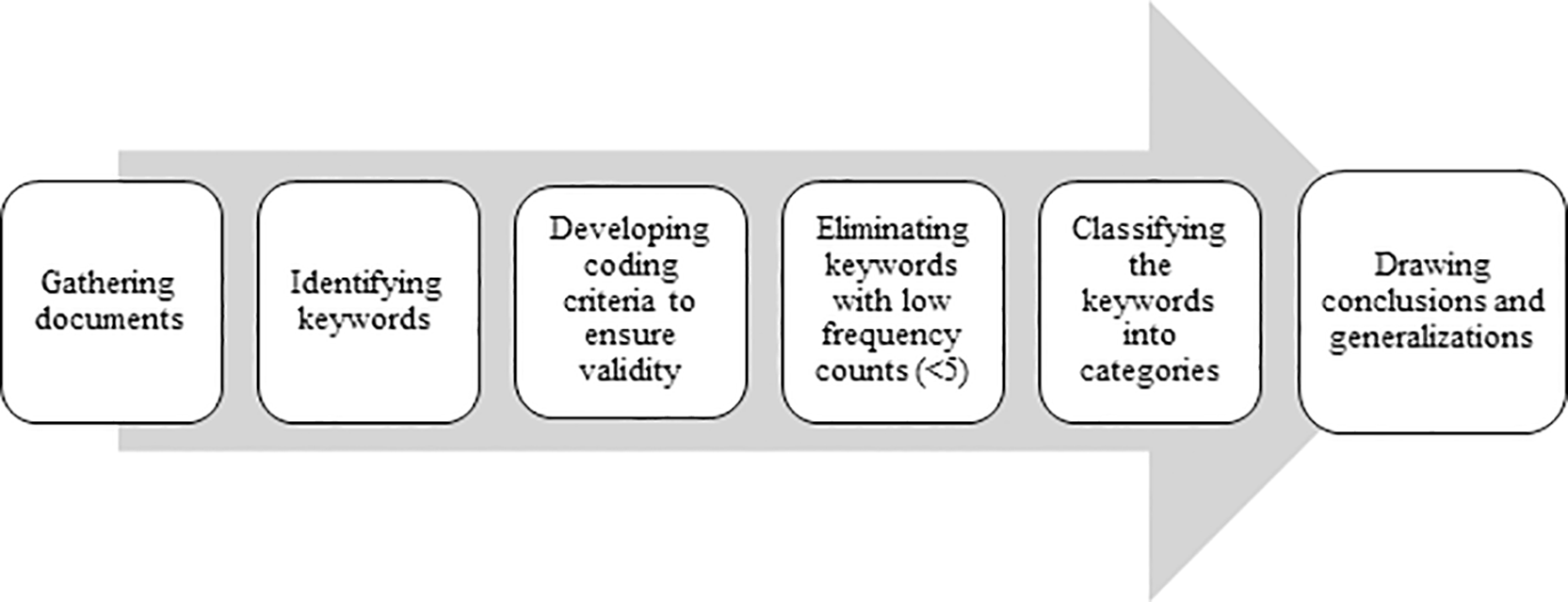
The investigators recorded and analyzed the occurrences of words, phrases, and sentences related to “technology”. To eliminate data redundancy and to ensure the validity, reliability of collected information the below protocol was followed ( Figure 1).
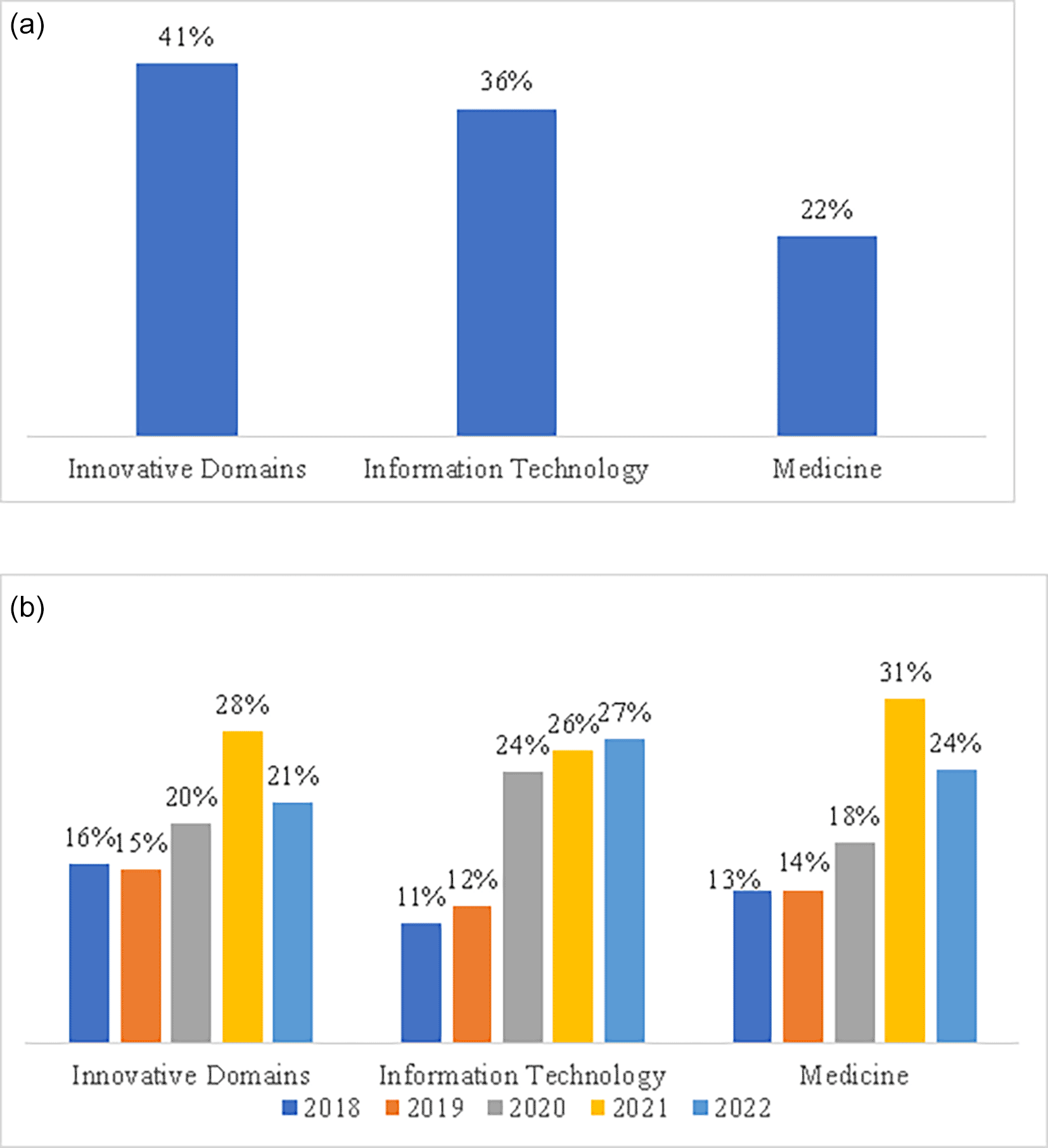
Based on frequency counts and data interactions, three categories were formed then integrated into a framework to answer the research hypotheses. The examination of frequency counts, and the formation of data into categories provide unobtrusive input to healthcare providers, governments, researchers, and the general public about the most advanced incoming technologies of the future ( Table 2). Moreover, Figure 2a displays the percentage of each category relative to the total word count with innovative domains representing the largest proportion (41%) while Figure 2b illustrates the yearly distribution within each category relative to its total count.
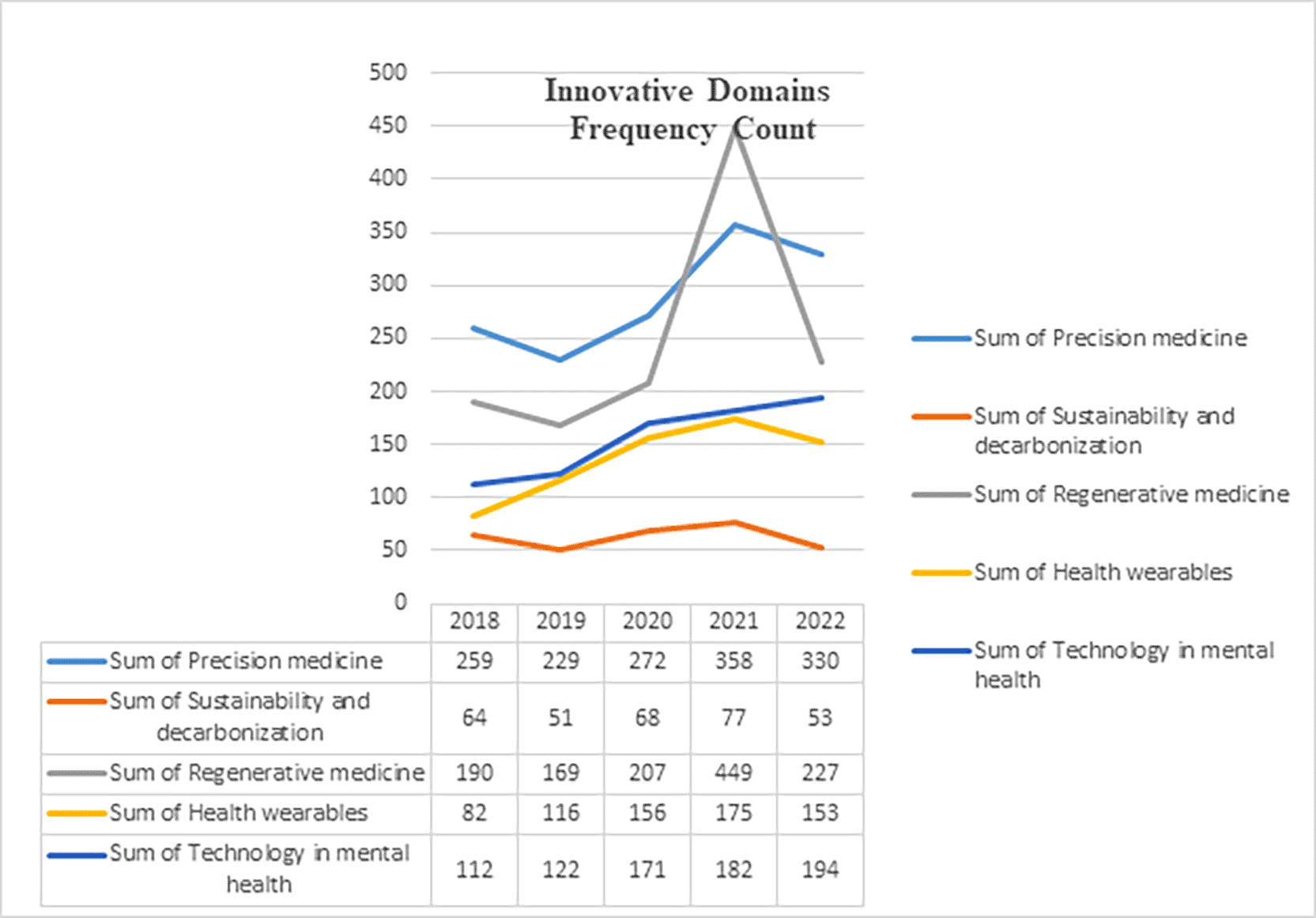
The first category, innovative domains was composed of five variables. Precision medicine (n=1448), regenerative medicine (n=1242), and technology in mental health reported the highest frequencies (n=781). Regardless of one’s mental health, technological innovations are being developed to aid people overcome their challenges. Smart phone apps, computer, the internet, AI, and software are some of the reported technological innovations used for mental health treatments ( Figure 3).
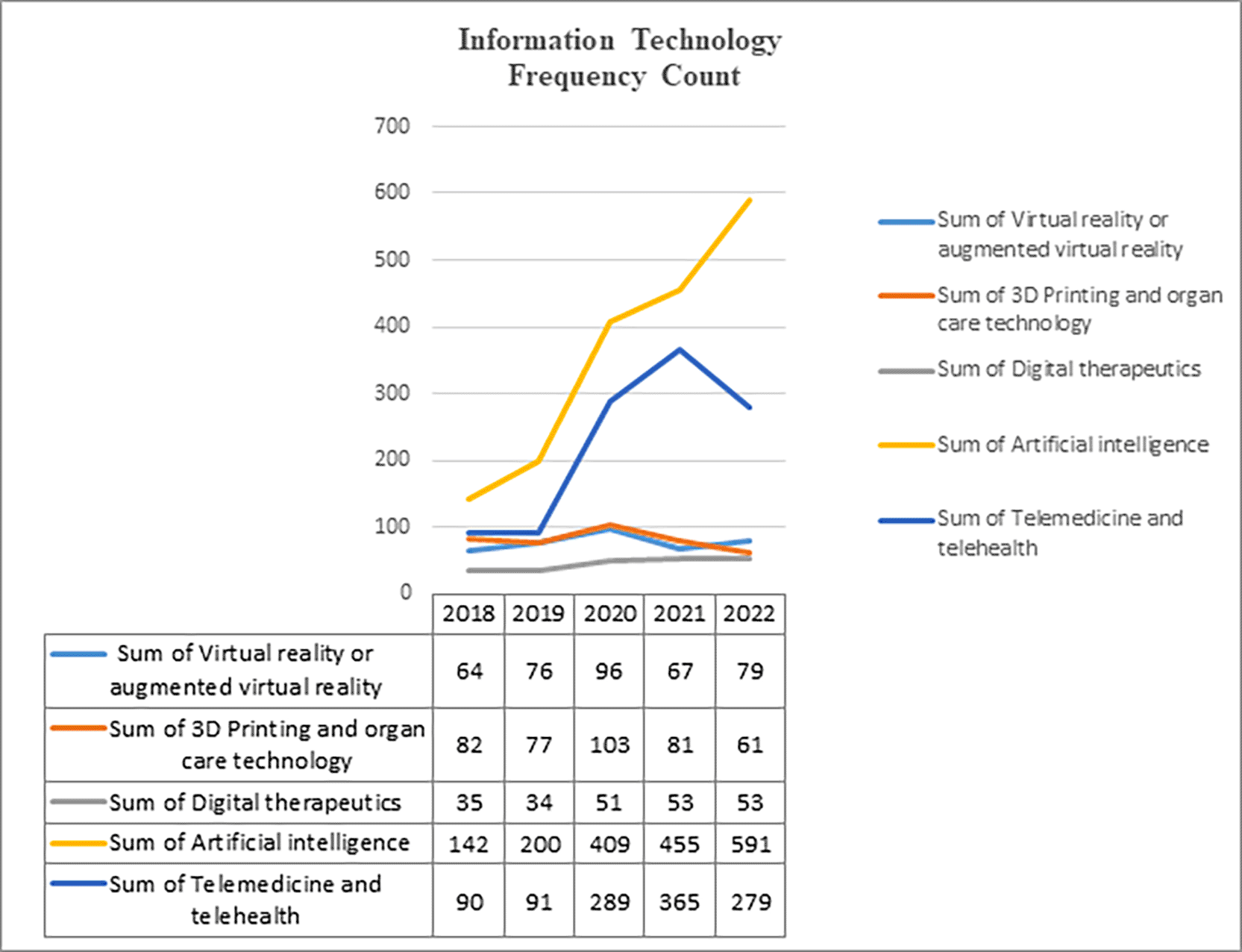
The second category, information technology had five variables. The highest frequencies were reported in the areas of AI (n=1797). Examples include Computed Tomography (CT) scans, x-rays, Magnetic Resonance Imaging (MRIs) and other images for lesions or other findings that a human radiologist might miss. Furthermore, blood sample data can be integrated so that the machines learn how to identify harmful bacteria, repurposed drug discovery to treat conditions that can be incredibly complicated. ML can classify skin lesions and images as indicators of diabetic retinopathy. Next, highest frequencies were in telemedicine and telehealth (n=1114), such as remote monitoring, real-time interactive services, administrative meetings, continuing medical education, and training. 3D printing and organ care technology, virtual reality or augmented virtual reality and digital therapeutics reported lower frequencies ( Figure 4).
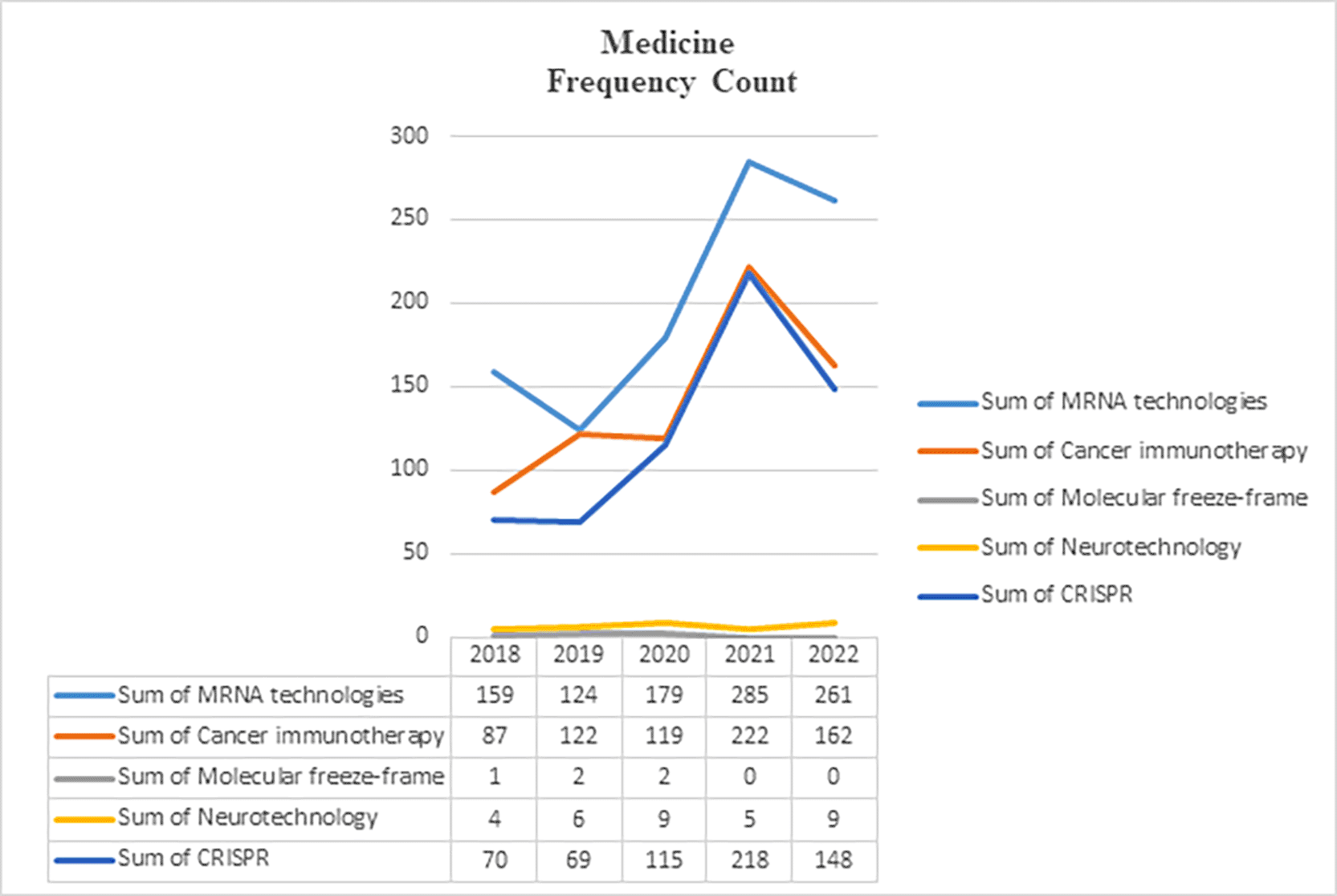
The third category, “medicine”, had five variables. The highest frequencies were reported in messenger RiboNucleic Acid (mRNA) technologies (n=1008), such as treating existing diseases like cancer, and vaccination for COVID-19, influenza, Lassa fever, malaria, and TB. Subsequent highest frequencies were reported in cancer immunotherapy (n=712) and CRISPR (n=620). Despite its importance, neurotechnology and molecular freeze frame reported the least frequencies (n=33 and n=5 respectively) ( Figure 5).
The content analysis highlighted several prominent technological innovations reported in the literature as transforming medicine such as smart technologies or big data. Moreover, it revealed three main categories, innovative domains, information technology, and medicine, each defined by their most frequently cited terms: precision medicine and regenerative medicine, AI and telemedicine, and mRNA, cancer immunotherapy, and CRISPR, respectively. These categories were then integrated into a framework to address the research hypotheses.
A highlight of the most prominent technological innovations that are transforming medicine is provided below:
Smart technologies show how the healthcare industry adopts technology, transform delivery, and impact patient care. Smart technologies refer to devices that uses the internet, cloud connectivity, telemedicine, biosensors, monitoring remotely, 3D bioprinting, connected inhalers, wearables, augmented reality, genomics, robotics, technology in mental health and most recently AI.15 Remote monitoring devices include blood pressure monitors, smart thermometers, ECG monitors, connected inhalers, fitness trackers (FitBits), smart watches, and Biosensors. To support proactive care, such technologies are increasingly implemented worldwide. Newer technologies, like cloud, blockchain and AI are being integrated in healthcare to push forward the frontiers of patient services.16–18
Innovative scientific medical research illustrates breakthrough technologies and how innovations shape future healthcare norms. Scientific medical research encompasses a wide range of fields, including biology, chemistry, pharmacology and toxicology,19 and it can be categorized into three main areas of innovative explorations: basic (experimental), clinical, and epidemiological research.15 All of this aim to develop new medicines or medical procedures to enhance existing healthcare applications. Modern biomedical research is not only exploring treatments for diseases “that have relatively simple causes and well-understood genetic risk factors”, but also for diseases that has very “complex genetics, with many genes each making relatively small, poorly understood contributions to disease risk”.20 Thus, modern technologies have transformed biomedical research and healthcare by enabling the study of diseases with complex genetic contributions, analyzing large datasets through AI and bioinformatics, and translating discoveries into improved diagnostics, personalized treatments, and more precisely clinical interventions. For example, Innovations in type 1 diabetes research scientists are investigating ways to treat diabetes with stem cell therapies. The goal is to create “glucose-sensing, insulin-producing beta cells, the cells impacted in both type I and type II diabetes”.20 Alongside conventional cancer treatments such as chemotherapy and radiotherapy, cancer research is increasingly exploring more advanced approaches such as immunotherapy (active and passive), stem cell-based therapies, and nanocarrier-based therapies.21
The big data and biobanks reflect adoption of technology for research or decision-making, transformation of practices, and potential impact on patient care. Forms of big data in health care include hospital records (suppliers, legal, financial, government, procedures, policies, compliance, maintenance, etc.), patients medical records, results of medical exams, etc. The integration of biomedical and healthcare data enables healthcare providers to deliver personalized medicine and medical therapies.22 Biobanks are characterized by the data therein (health records and/or lifestyle information) and biological samples from various populations (gene samples, cord blood banks, banks for storage of gametes and embryos for use in IVF, and stem cell bank).23 Biobanking and biorepositories have been implemented in many areas of public health, such as drug and biomarker development, clinical trials monitoring of the effects of drugs on eventual outcomes, and clinical care for therapy.23 Today, most healthcare organizations have an abondance of data that could be used to improve business operations and streamline medical procedures.
Healthcare innovations are driving technology-based practices as the norm, shaping future industry standards, transforming delivery and organizational practices, and improving patient outcomes. Tech companies are getting involved in reinventing the healthcare sector.24 Amazon Alexa and Apple Siri are paving the way for innovation I healthcare. For example, the Clustered Regularly Interspaced Short Palindromic Repeat (CRISPR) and CRISPR-associated proteins (Cas 12) systems have immensely advanced the field of biomedicine.25 It is about half the size of a credit card, containing a complex network of channels less than the width of a human hair, and can provide coronavirus test results in less than 30 minutes. Similarly, the Personal Care Kit (CareKit) is proof that companies are investing heavily in the healthcare innovations domain.26 Thus, there is a huge demand for healthcare app developers and healthcare software development companies by the disruptors to bring a change. Drone delivering life sustaining medical supplies and connecting hospitals, laboratories physicians, and patients with the objective to save lives, improve patient care, and reduce waiting time.27,28 A study published in The Lancet Global Health reported that the use of drones for blood product delivery in Rwanda led to shorter delivery times and fewer product expirations, thus improving the efficiency and reliability of blood supply chains in low-resource settings.29
Though technological innovations (digital breakthroughs, new drugs, treatments, new devices, etc.) will continue to transform healthcare industry, it is incumbent upon the healthcare industry has to keep up the pace and embrace innovative technologies to improve patient care.
Advances in medical technologies refers to tools or software developed to improve patient care and overall quality of health. The medical industry is reinventing itself by adopting new technological innovations that not only reduce administrative inefficiencies, but also provides advanced medical treatments. The new technologies eliminated unbearable extended wait times and reduced medical care bills.30
The four highlighted groups of technological innovations provide an overview of the key trends shaping modern medicine. These innovations are further organized into three categories, innovative domains, information technology, and medicine, to structure the analysis and directly address the research questions.
Breakthroughs in innovative domains, such as precision and regenerative medicine, illustrate which technologies are most frequently highlighted in the literature and demonstrate how these innovations are expected to influence future healthcare norms. Innovations in regenerative and precision medicine have improved healthcare accessibility and enabled more personalized patient experiences.31 For instance, surgical procedures are being reimagined, and new efficiencies introduced. In this context, robots are frequently assisting surgeons, from open-heart surgeries to minor minimally invasive procedures.32 In addition, virtual augmented reality technologies support physicians by providing visual demonstrations to patients. These technologies have also emerged as promising tools in managing multiple diseases such as Alzheimer’s disease, depression, and post-traumatic stress disorder (PTSD). Specifically, exposure therapy have enabled patients to train their brain to develop resilience against post-traumatic stress.33–37
The frequent reporting of information technologies, such as AI and telemedicine, reflects the healthcare industry’s engagement with technological innovations and highlights how these tools are transforming healthcare delivery and organizational practices.38 In the area of information technology such as AI, robotic assisted surgeries, medical diagnosis and surgical procedures, have renovated the industry.39 AI and machine learning have speed up drug research and development, identified new chemical combinations, creating optimal drugs, and occasionally personalized drug treatment.40 Furthermore, telemedicine have provided open wide access to healthcare counselors and professionals by providing open lines of communications while reducing extended wait time for medical appointments.41
Advances in medicine, including mRNA, cancer immunotherapy, and CRISPR, highlight technologies recognized as breakthroughs in the literature and underscore their potential to improve patient care and quality of life. Innovations in Medicine, mRNA, is considered a potential game-changer for a range of infectious diseases, including tuberculosis, malaria, and Lassa fever, which disproportionately affect people in low- and middle-income countries.42 Cancer immunotherapies, and CRISPR enabled researchers to design therapeutic treatment that are tailored to specific cells, to potentially repair the cell's ability to make certain proteins. Innovations in this domain are designed to be flexible and scalable. Innovation centers are developing protein-coding sequences, and engineering lipid nanoparticles for targeted delivery to particular tissues.43–45
This study has several strengths. First, it used a systematic content analysis approach with clearly defined inclusion criteria, which enhances transparency and reproducibility. Second, the use of manual coding improved methodological rigor. Third, the analysis covered a 5 years period and a large dataset, allowing for the identification of meaningful patterns.
Nonetheless, certain limitations should be acknowledged. Content analysis is inherently interpretive, and some degree of subjectivity is unavoidable. Moreover, the dataset was limited to ScienceDirect, which may restrict the generalizability of the findings to other contexts. Finally, this study was limited to the most frequently reported technological innovations across fifteen predefined medical domains. Consequently, less common or emerging innovations may not have been captured. However, focusing on the most frequently reported innovations provided a representative overview of the dominant trends in the literature, ensuring that the analysis highlighted developments with the greatest reported impact and visibility.
The CA indicates that the literature reports the medical community and healthcare industry as actively engaging with various technologies to advance patient care and enhance quality of life. Reported frequency counts show that some medical technologies are more frequently discussed in the literature than others. AI, precision medicine, regenerative medicine, telemedicine, mRNA, CRISPR, and cancer immunotherapy, were the most cited high frequency words in this study. Though technological innovations will continue to take place, it is important to mention that funding and ongoing research are instrumental tools for the advancement of patients’ care. Future research could expand the scope by incorporating additional databases and sources, which may capture a broader range of publications and provide a more comprehensive picture of the topic.
| Views | Downloads | |
|---|---|---|
| F1000Research | - | - |
|
PubMed Central
Data from PMC are received and updated monthly.
|
- | - |
Provide sufficient details of any financial or non-financial competing interests to enable users to assess whether your comments might lead a reasonable person to question your impartiality. Consider the following examples, but note that this is not an exhaustive list:
Sign up for content alerts and receive a weekly or monthly email with all newly published articles
Already registered? Sign in
The email address should be the one you originally registered with F1000.
You registered with F1000 via Google, so we cannot reset your password.
To sign in, please click here.
If you still need help with your Google account password, please click here.
You registered with F1000 via Facebook, so we cannot reset your password.
To sign in, please click here.
If you still need help with your Facebook account password, please click here.
If your email address is registered with us, we will email you instructions to reset your password.
If you think you should have received this email but it has not arrived, please check your spam filters and/or contact for further assistance.

Comments on this article Comments (0)