Keywords
Maternal Malnutrition, Pregnancy, Scientometric Analysis, Normalised Citation, Thematic Analysis, Topic Dendogram, Social Media, Altmetrics

This article is included in the Global Public Health gateway.
Maternal Malnutrition, Pregnancy, Scientometric Analysis, Normalised Citation, Thematic Analysis, Topic Dendogram, Social Media, Altmetrics
we have updated the literature with the latest publications (20232025), provided more details about the methods used, uploaded the dataset to Zenodo with a DOI, included a qualitative discussion of the highly cited articles and added a limitations section explaining what influences Altmetric trends.
See the authors' detailed response to the review by Guangxin Yue
See the authors' detailed response to the review by Suryakanta Jena
Nutrition is a dynamic and intricate aspect of human life that extends beyond simple nourishment. It influences every part of our physiological, cognitive, and emotional wellbeing. A mother’s diet during pregnancy is crucial for both maternal and child health. Enhanced physiological needs during pregnancy require adequate energy, macronutrients, and micronutrients for fetal development and maternal health. During pregnancy, a woman’s nutritional needs increase to support the growing baby, maintain her health, and prepare for breastfeeding. Important nutrients, such as folic acid, iron, calcium, and protein, play vital roles in preventing birth defects, supporting brain development, and reducing risks such as preterm birth, low birth weight, long-term health conditions and mortality rates.1–5 Inadequate intake of energy, protein, and essential micronutrients is linked with preterm birth, low birth weight, impaired neurodevelopment, and maternal complications.6–10
The micronutrient deficiencies of iron, iodine, and folic acidare still a significant issue globally, especially in low-income countries where access to healthcare is poor.11–14 Such deficiencies lead to many health risks, such as maternal anemia, preterm birth, and neural tube defects.14–17 Recent large cohort studies confirm that lower haemoglobin levels increase the risk of postpartum haemorrhage and maternal death.8,18 Nutrition also affects breastfeeding and lowers milk quality and infant immunity.19 Mothers suffering from undernutrition have an increased risk of hypertension, low birth weight, and infant mortality, creating vicious cycles of poor health.20
Recent studies have also emphasized how maternal stress interacts with nutrition. Stress may have an impact on appetite, metabolism, and absorption of nutrients, leading to long-term health consequences for the child.21–30 This interaction embodies developmental plasticity, in which the prenatal period has a lasting impact on lifelong health.
The period of pregnancy is a crucial time for interventions, but most of the time, psychosocial issues such as stress, which can have a direct impact on dietary recommendations and utilization of nutrients by the human body, are ignored. There should be an integrated approach that combines nutritional education, access to healthcare, and stress management, which may enhance the health of mothers and children. Ensuring a balanced diet, proper supplementation, and access to healthcare can significantly improve outcomes for both mothers and babies, laying the foundation for a healthier future.
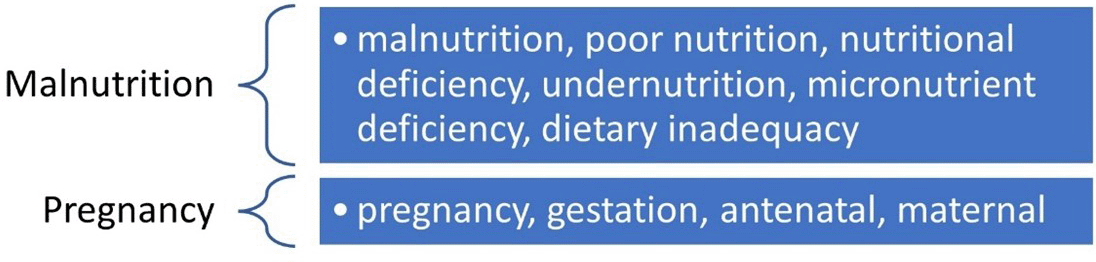
The study initially divided the keywords into two groups such as “Malnutrition” and “Pregnancy”.31 All possible synonymous keywords related to these two groups were collected and connected with the Boolean Operator to create a relevant search string to obtain an exhaustive list of literature related to “Maternal Malnutrition in the database. Figure 1 shows a list of the keywords related to Malnutrition and Pregnancy.
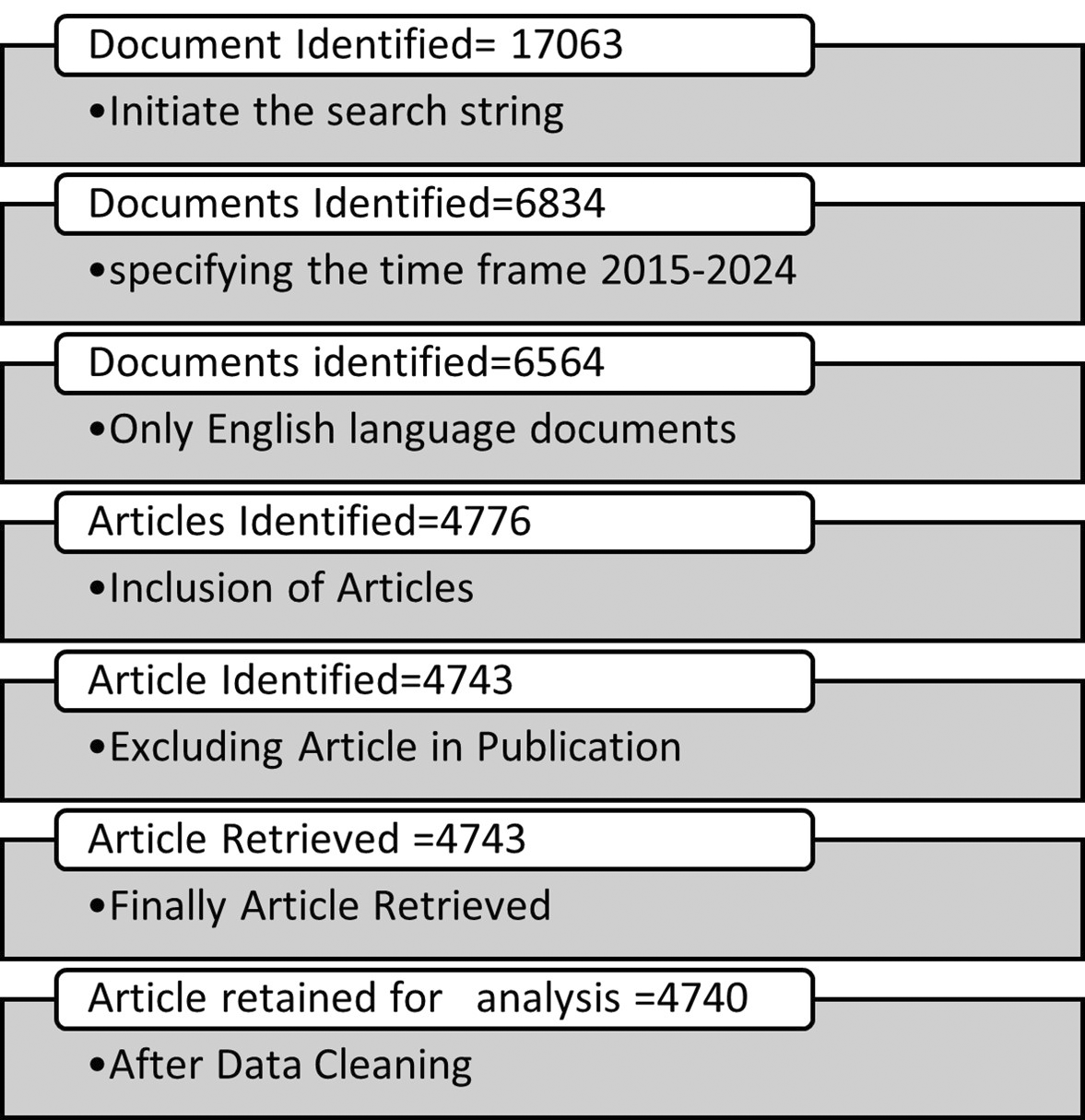
By using the search string, the study conducted a literature search in SCOPUS database. Scopus database is a wide-ranging platform that has been argued to be universally popular as a tool for research publication coverage, quality, and relevance in scientometric analysis.32–36 The documents identified after initial search in SCOPUS database have been filtered out by using various inclusion and exclusion criteria. The documents published only between year 2015 to 2024 have been identified, only English language documents included and the publications type were selected as “Article” to maintain the homogeneity of publications and the “Article in Publication” have been excluded. After using these exclusion and inclusion criteria a total of 4743 articles were selected to export in CSV file format by choosing the all-bibliographic details for the 4743 articles. The study used DOI matching approach to find the duplicate record. Documents that are incomplete bibliographic metadata were excluded. It was found that a total of three number of works did not have the authors name hence these works were deleted and a final 4740 articles were retained for further analysis. Figure 2 shows the inclusion and exclusion criteria and the available number of results from each step of the search techniques.
The current research involved the use of several analytical tools to support data processing, bibliometric analysis, visualization, and retrieval of altimetric data. Microsoft Excel, developed by Microsoft, was used for preliminary data cleaning, removal of duplicates using DOI matching, descriptive statistical analysis and preparation of datasets for further processing. Advanced bibliometric analysis and scientific mapping were performed with Biblioshiny, a web-based graphical interface built in Bibliometrix package in R programming environment. Biblioshiny facilitates full bibliometric analysis, including performance analysis, co-occurrence network construction, thematic evolution and visualization of research trends of large datasets. Altmetric Attention Scores were collected using automated data extraction techniques from the App Script functionality integrated into the Google Sheets, cloud-based platform, offered by Google. The process required for scripting enabled DOI-based retrieval and organisation of altmetric data to ensure consistency and reproducibility of the dataset.
Altmetric indicators were extracted using the DOI through Google Sheets App Script functionality integrated in the cloud environment provided in Google. The Altmetrics database was queried by the script using unique DOI identifiers and Altmetric Attention Scores and associated engagement indicators were extracted. This extraction process minimized manual error and ensured consistency in altmetric data integration to enhance transparency and reproducibility, the App Script workflow developed for DOI-based Altmetric data retrieval has been made publicly available through a GitHub repository (https://github.com/sangeeta25496-alt/MaternalMalnutrition-AltmetricWorkflow).
It was observed that the articles were authored by either a single author or multiple authors. To study the authorship pattern in the concerned set of literature, the publications were divided into two groups: single-author publications, publications with a single author and multiple author publications, and publications with two or more authors. The year-wise distribution of the number of publications, citations, and average citations per publication across the year is presented in Table 1.
The authors tried to normalize the citations across publications published across the studied period. A suitable year can be defined as the number of years a publication is available for citations. For instance, the citable year for an article published in 2015 is 10 years, for an article published in 2016 is nine years, and for an article published in 2024 is one year, as we have taken the data in 2024. The Total citable year is defined as the total number of available citable years for all articles published in a given year; this is calculated by multiplying the number of publications by the citable year. Normalised citation is a measure of how efficiently the publication of a given year accrues citations in proportion to its outflow time. There is a normalization done, which helps mitigate the bias of older publications getting time to accrue more citations than newer ones. The formula used to calculate the Normalised citation is given in Equation 1.
Table 2 represents the Normalised citations received across each studied period. It can be observed that the Normalised citation score is highest for 2015, 2016, and 2017, of which 2016 topped the list, which shows that articles published during 2016 are more impactful than articles published during any other period.
RGR and DT provide an understanding of the growth rate and dynamicity of publications. Higher RGR values tend to increase the growth rate of publications, whereas lower DT values indicate rapid growth in publications. The doubling time (DT) is defined as the time required to double the total number of articles. The present study used the formulas mentioned in Equations 2 and 3 to calculate the RGR and DT.37–39 In the calculation of the RGR, W1 is the natural logarithm of the initial number of papers, W2 is the natural logarithm of the final number of papers, T1 is the initial year, and T2 is the final year. DT is inversely proportional to the RGR. In Equation 3, 0.693 is the natural logarithm of the two variables.
Table 3 demonstrates the year-wise trends in the Relative Growth Rate (RGR) and Doubling Time (DT) for publications between 2015 and 2024. The total number of publications has grown significantly from 344 in 2015 to 4,740 in 2024. During the emergent phase (2016–2018), RGR was high (0.716 in 2016) and declined to 0.338 by 2018, whereas DT increased from 0.968 to 2.051 years. This indicates the rapid growth that is typical of a nascent research field. In the transition phase (2019–2021), RGR steadily decreased from 0.267 to 0.194 and DT increased from 2.600 to 3.581 years, reflecting slower growth as the field began to stabilize. The mature phase (2022–2024) showed continued declines in RGR (0.165 in 2022 to 0.121 in 2024) and steeper increases in DT (4.205–5.741 years), suggesting stabilization as publication growth slowed. These trends highlight the progression of the domain from a rapid initial growth to a stable and consolidated stage, following the typical lifecycle of a research field.
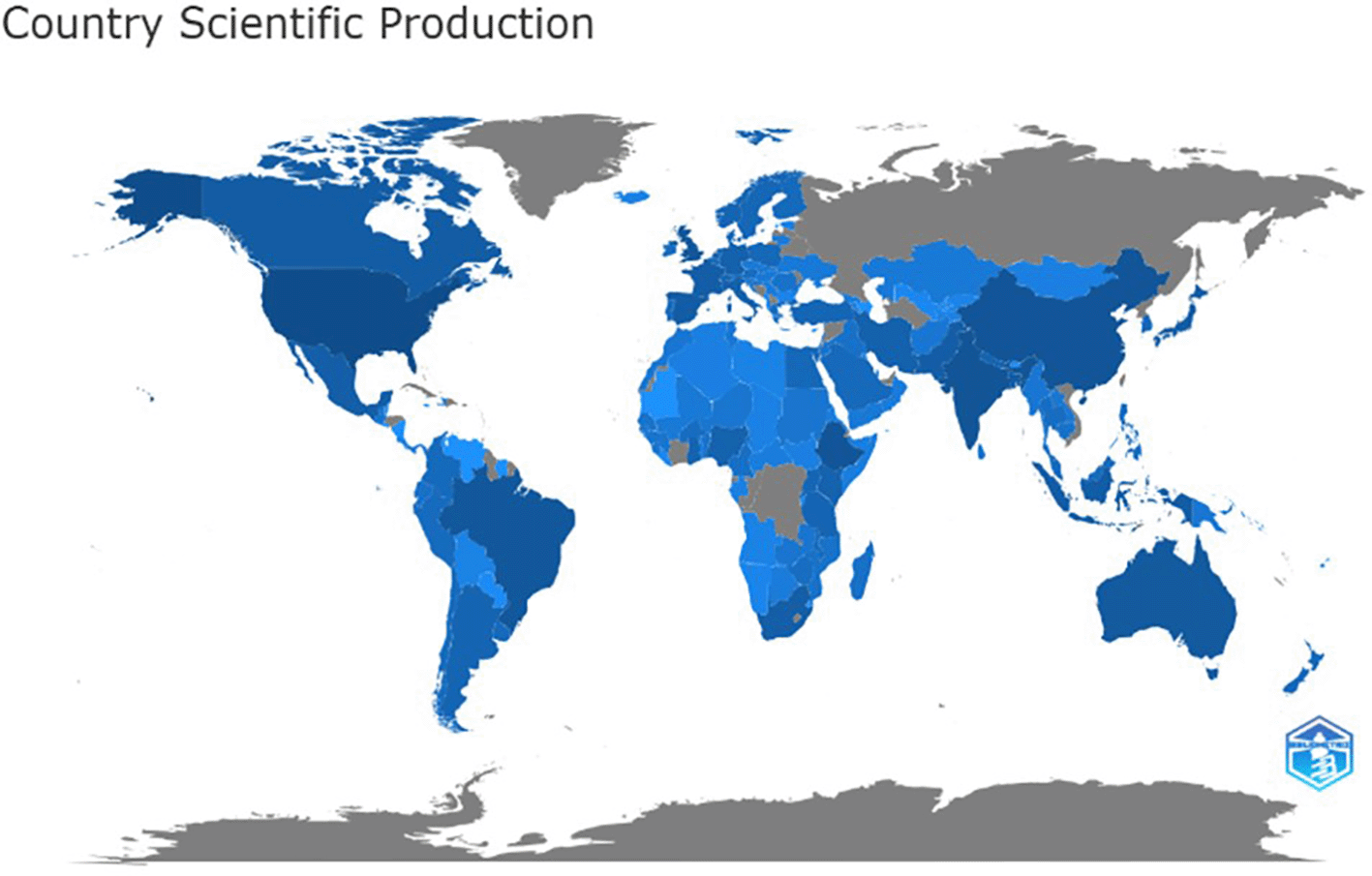
The global distribution of literature production is depicted in Figure 3, with the intensity of deep blue indicating higher publication output from specific regions. Regional contributions highlight diverse scientific engagement across the globe. In Latin America and the Caribbean, Brazil has contributed the most, followed by Mexico. Ethiopia and South Africa are the primary contributors to Sub-Saharan Africa, while India and Pakistan dominate South Asia. Iran and Saudi Arabia represent the Middle East and North Africa, respectively, and the USA and Canada lead in North America. In East Asia and the Pacific, China tops the list, followed by Australia, while the UK and Spain are the major contributors in Europe and Central Asia. Globally, the USA has emerged as the top contributor, followed by China, India, Ethiopia, and the UK, underscoring the geographic breadth of research in the domain.
The corresponding authors, typically the principal investigators or senior researchers, ensure the accuracy and integrity of a study. Publications are categorized as single-country publications (SCP), involving authors from a single country, or multiple-country publications (MCP), where authors collaborate across nations. Figure 4 illustrates the distribution of the corresponding authors by country, along with the MCP and SCP contributions. The USA leads the corresponding authorship, followed by Ethiopia, India, and the UK. Notably, MCP accounts for over 50% of the publications with corresponding USA-based authors, indicating a high level of international collaboration. In contrast, Ethiopia and India show MCP percentages below 20%, reflecting a stronger focus on local collaboration. Countries such as the UK, Australia, and Bangladesh also exhibit high MCP proportions, surpassing 50%, suggesting a significant emphasis on global research partnerships.
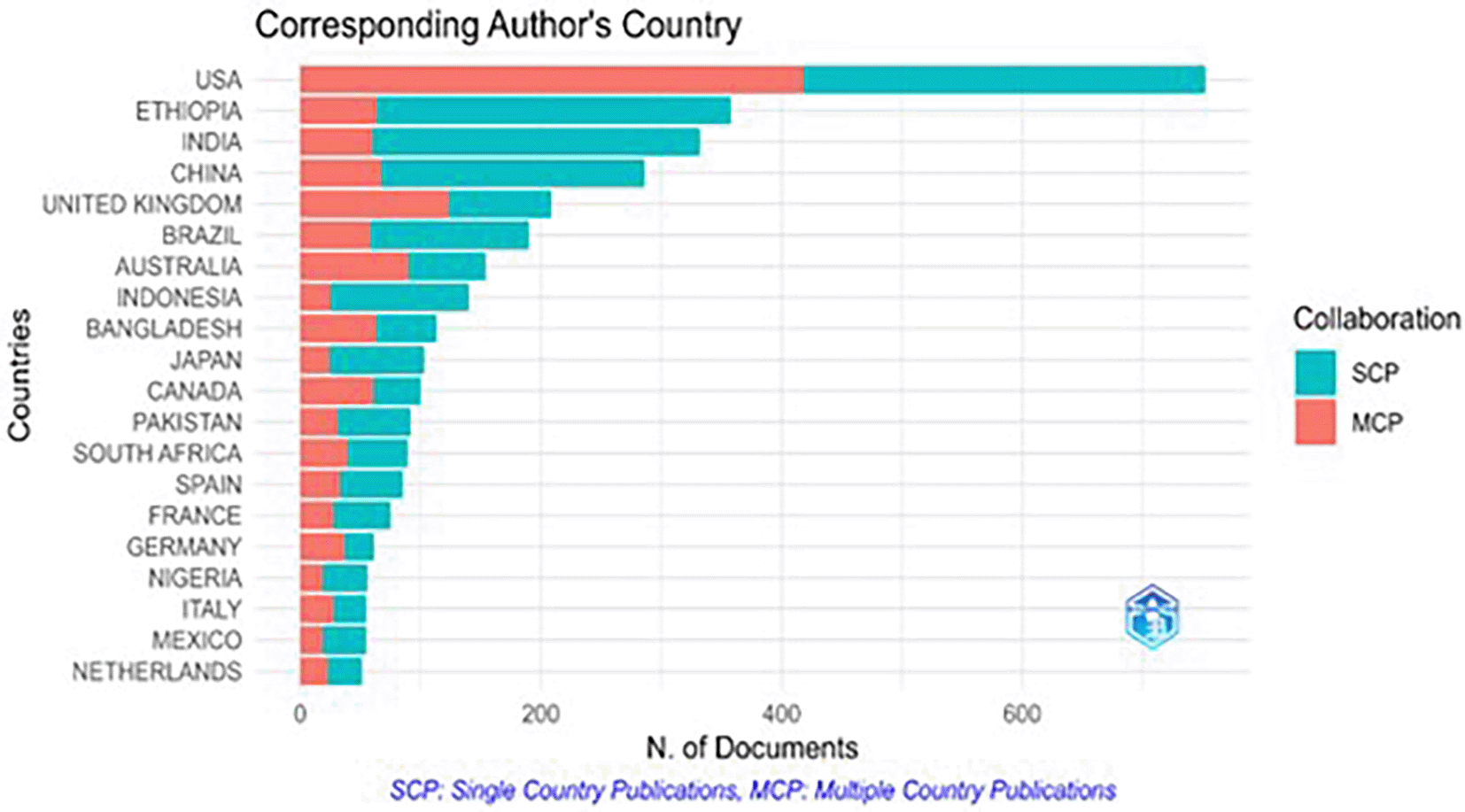
Table 4 shows the year wise distribution of Highly Cited (HC) publications. The publications were classified into five groups based on citation accrual as more than 1000 citations, 500-1000 citations, 100-500 citations, 1-100 citations, and uncited publications. It was found that publications with extremely high citation levels (>1000 citations) were very focused in earlier years of the study period especially between 2015 and 2017, which shows the cumulative citation advantage of the longer exposure to publication. Likewise, articles in the 500-1000 and 100-500 citation categories were found most in the first years, which showed citation maturity effects and time-dependent aspect of academic impact. Most publications in all the years are in the 1-100 range of citation, which shows the active academic involvement and average exposure to the research. Conversely, the number of uncited publications is significantly increasing since 2022, especially in 2023 and 2024, which is in part due to the recency of the publications and lack of time to cite new publications.
It was noticed that ten publications had received more than 1000 citations. Table 5 represents most HC publications in the data set. The top ten HC publications were published in 2015-2020 with citations of 1,511 to 6,153. The majority of the ten top works were published between 2015 and 2017 and it suggests that older publications were more likely to receive citation accrual because of a more extended period to cite. It was observed that all HC publications were published on The Lancet journal, hence it demonstrates the dominance of this journal in disseminating influential research in this area. The ten most cited papers in the dataset of present study have come from the Global Burden of Disease (GBD) study, which were published between 2015 and 2020 with citation counts ranging from 1,511 to 6,153.40–49 They provided a systematic way to understand global health trends over time and across different countries. A major theme across these publications was the burden of maternal and child malnutrition. The GBD 2013 risk factor study founded that child and maternal malnutrition was one of the six leading risk factors worldwide. It caused 1.7 million deaths and 176.9 million DALYs in 2013. The highest burden was in sub-Saharan Africa and South Asia.44 Later studies confirmed this finding. The GBD 2019 risk factor analysis ranked child and maternal malnutrition as the leading risk factor for global DALYs. It accounted for 295 million DALYs, or 11.6% of all DALYs worldwide.45 Iron-deficiency anaemia was the leading impairment by number of individuals affected globally, reaching 2.36 billion people in 2015.41 Among children under 10 years old, the three most important risk factors were all related to malnutrition. This included childhood wasting, stunting, and underweight.42,46 These papers also showed how maternal health connects to child survival. Maternal disorders remain leading causes of death and disability in women of reproductive age. Nutritional deficiencies in mothers directly contributed to poor outcomes in newborns.41–47 The GBD 2015 mortality study noted that neonatal preterm birth complications and maternal disorders were among the causes showing significant declines, yet they still account for substantial burden in low-income regions.48 The GBD 2015 non-fatal analysis highlighted that in low SDI countries, nutritional deficiencies accounted for a large portion of disability. Iron-deficiency anaemia alone affected 2.36 billion people globally in 2015.49 The study by Foreman and colleagues projected that child malnutrition risks would continue to drive health disparities in sub-Saharan Africa through 2040, unless addressed through deliberate policy action.43
Despite overall improvements in global health, malnutrition persists. This highlighted the need for continued investment in maternal and child health. Key interventions include better antenatal care, micronutrient supplements, and programs that improve food security and early childhood nutrition.42–48
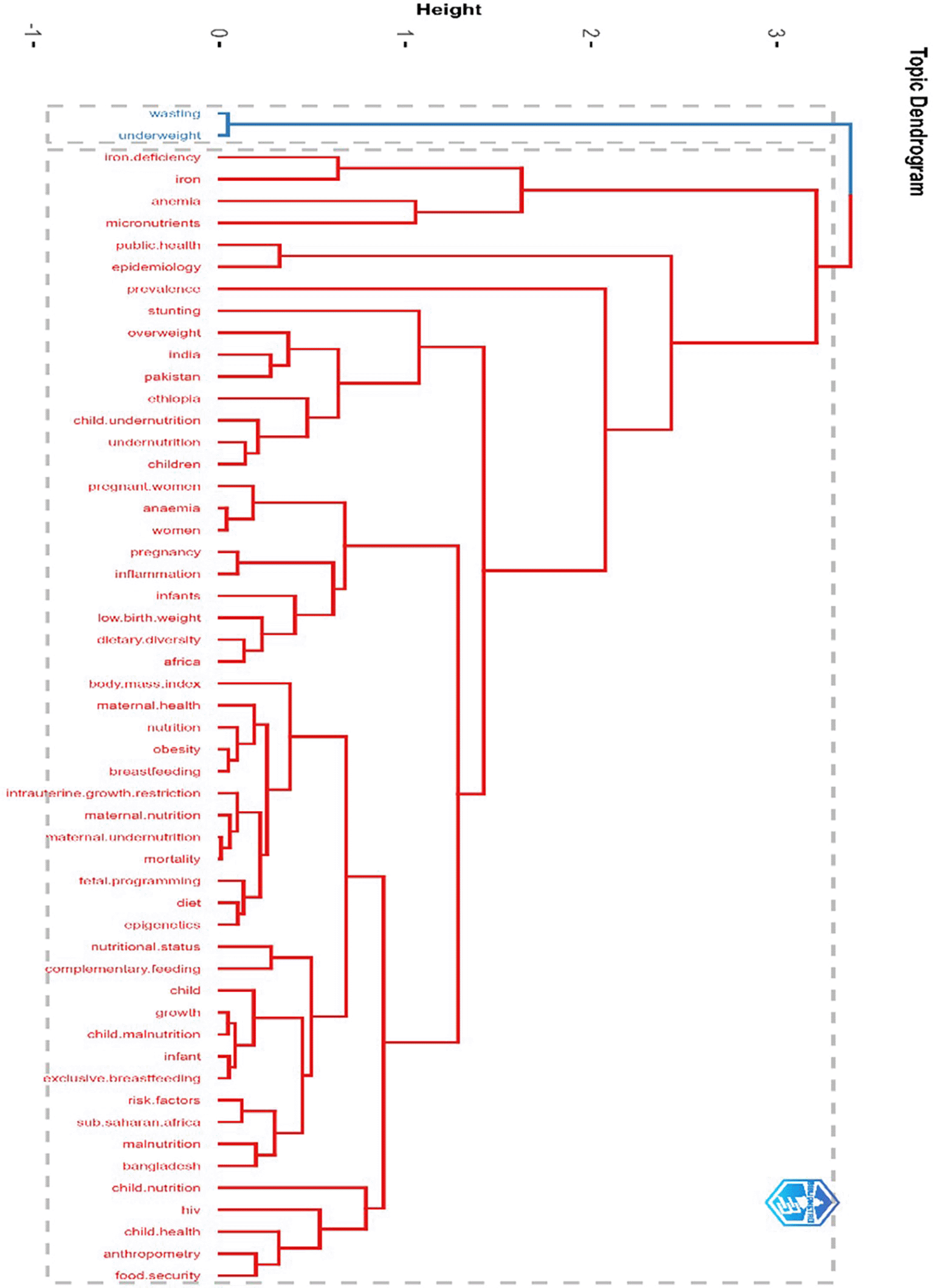
The topic dendrogram in Figure 5 displays the hierarchical relationships among the various research themes. A dendrogram was generated by clustering the authors’ keywords using Multiple Correspondence Analysis. Concepts are connected through a hierarchical structure, forming a cluster according to the similarity, and connecting with another cluster through the axis. The shorter axis shows a narrower relationship, and the larger branches show a broader relationship. The vertical axis shows the similarities and dissimilarities among topics. The larger vertical axis shows the distance relationship between concepts, and vice versa. In this case, the focus lies on nutrition, malnutrition, maternal-child health, and related public health themes. The vertical axis of the dendrogram lists the key research terms, whereas the horizontal axis quantifies the degree of similarity or dissimilarity between these terms. Terms that merge at lower heights exhibit close conceptual relationships, whereas those connected at greater distances signify broader, less direct associations.
The four-quadrant approach of the thematic map in biblioshiny provides the idea of thematic areas of research in the concerned domain. Four thematic areas were embedded in the two-dimensional Figure as shown in Figure 6. The Horizontal axis shows the density, which indicates the level of development of the thematic areas compared to the internal association of keywords. The second aspect is centrality, which measures the importance of the thematic area by means of an external association among the keywords.50 Centrality represents the volume of citations associated with the theme, and density represents the number of publications associated with theme.35 The upper-right side of the quadrant is the motor theme, which represents the central and developed areas of the domain. The Upper left quadrant is the Niche Theme, which represents very specialized areas of the domain; the lower left quadrant of the Figure represents the Emerging or Declining theme, which represents the emerging or declining areas of the domain; and the lower right quadrant represents the Basic Theme, which represents the underlying areas of research that are regarded as the base for research development.51,52
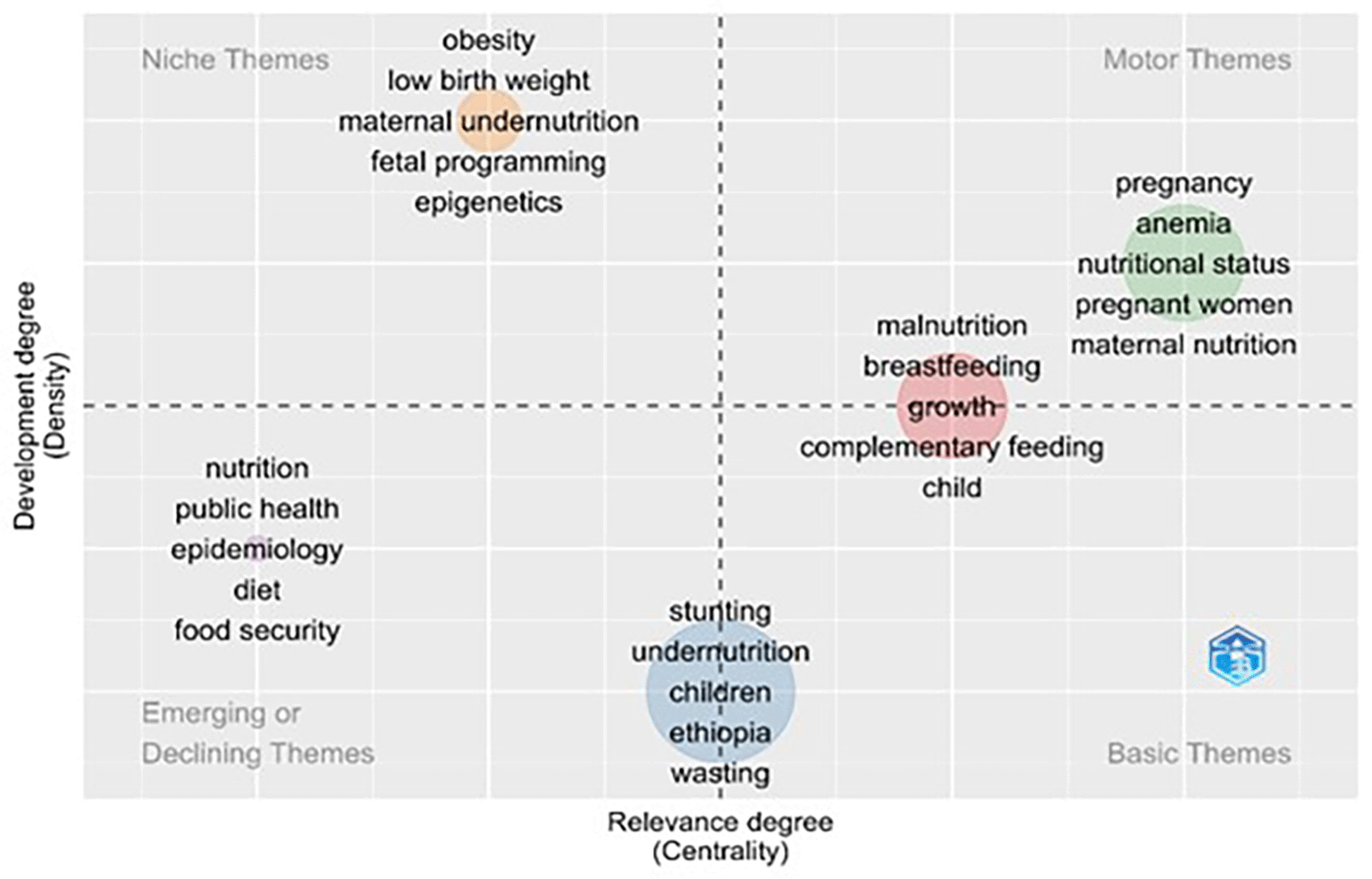
A thematic map is shown in Figure 6, which was created using the keywords of the authors as inputs. The map was generated with specific parameters: a minimum cluster frequency of 5 per thousand, 250 words, 5 labels, and a label size of 0.35. Its thematic map is an informative and insightful visualization based on the authors’ keywords, showing which key themes they refer to and how they are related. The thematic map provided a comprehensive analysis of research trends and themes in the domain of maternal nutrition. This map, structured into four quadrants—Motor Themes, Niche Themes, Emerging or Declining Themes, and Basic Themes—illustrates the density and centrality of various thematic areas, based on scientometric data. Below is a detailed interpretation of each quadrant and the identified clusters.
The growing importance of social media has ignited scholarly communication in several ways. In this regard, alternative metrics or altmetrics provide a better understanding of public discourse on a particular topic. Traditional citation-based metrics limited their scope to measure the academic impact of scholarly output, but the alternative metrics empower us to capture and understand the social impact of scholarly output. Altmetrics measures scholarly output on various social media platforms. The altmetrics attention score (AAS) on various platforms gives us the idea of how a particular topic is discussed among the public, policymakers, and other stakeholders. In other words, altmetrics empowers us to study the real-world impact of scholarly output in real time scenario.53,54
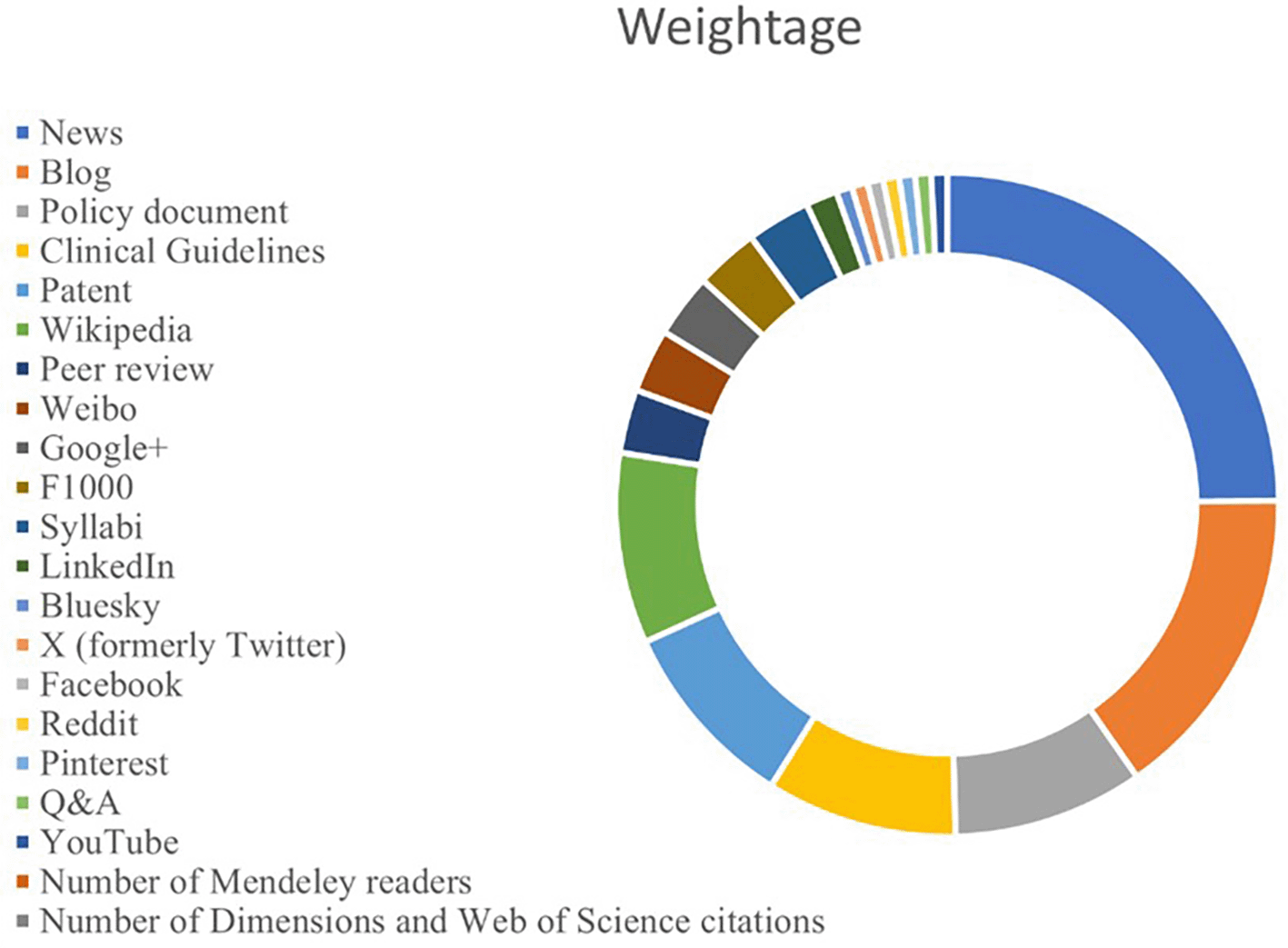
The study used altmetrics data from altmetrics.com through an API call on Google Sheets. The overall AAS is the weighted average of the article’s engagement on various social media platforms, calculated using an automated algorithm.55 It can be observed from Figure 7 that, out of all platforms, the maximum weightage has been given to “News” (8) followed by “Blog” (5). Online platforms such as “Policy document”, “Clinical Guidelines”, “Patent, and “Wikipedia” have a weighting of three.
Out of 4741 articles, 4589 articles have a digital object identifier (DOI). The DOI of 4589 articles was processed in Google Sheet, and the overall AAS and the individual attention score of each article across various platforms were retrieved through suitable API calls on Google Sheet. It was found that out of 4589 articles, 2529 had zero overall altmetrics scores. It was also found that a total of 763 such articles have zero overall attention score but have at least one attention score in any one of the platforms, since the overall AAS is the weighted average of the attention received across various platforms. The year-wise individual AAS across each platform of each of the articles across all platforms have been summed up. Table 6 shows the year-wise attention scores of all the articles across various platforms. The Data of Table 6 reveal an evolving pattern of individual AAS across the various platforms. A surge in Mendeley readership can be noticed during the years 2015–2016, but a steady decline in AAS over Mendeley can be noticed from the year 2017 to the recent year, which suggests that the particular topic has gained saturated attention or a shift in academic focus during this period. A significantly high score on Blogs and Twitter suggests continuing public discourse on the topic of concern. However, the AAS on Blogs and Twitter can be noticed during the year 2018, 2021 and 2024, which suggests that research conducted during this period gathers more public interest. The AAS on News platform was highest during 2018 and then showed a declining trend, which suggests that research during the year 2018 had potential mainstream attention. The score on policy documents was high during the initial period, which suggests that research conducted during the earlier period was considered for policy discussions, and the gradual declining trend on social media platforms such as Facebook suggests that research during the earlier period attracts more informal attention to social media sites like Facebook. An immediate spike in Wikipedia mentions can be noticed in 2016, but a declining trend can be noticed afterward, which indicates reduced public references or edits related to the topic. A high score on patents can be noticed during the early period, but a declining trend can be noticed afterward, which suggests that research during the earlier period was used to create innovation or technological development in the concerned field.
The observed trends in Relative Growth Rate (RGR) and Doubling Time (DT) are indicative of the evolutionary trajectory of the research field. During the starting years (2016–2018), it was observed that the RGR was higher and the DT was lower, which indicates rapid progress in the research field of maternal malnutrition. This implies that research interest was rising, probably because of emerging issues and ongoing studies in new research areas. However, from 2019 onwards, a gradual decline in RGR and an increase in DT were observed. This marks a period of slow-pace growth where the research output becomes steady, the domain reaches a more established stage in its lifecycle, wherein growth rates stabilize, and research efforts become more consolidated. This simply indicates that it is the normal course of evolution of a research domain, from explosive growth to stabilizing and levelling off.
Country-wise scientific contributions show variations in research output. The study reveals that the USA has the highest number of multiple-country publications (MCP), implicating its strong research capacity, infrastructure, and effective network of collaboration. Ethiopia and India have lower MCP values, leading to limited international collaborations. Strengthening global partnerships can provide countries with greater access to knowledge, information, funding, and joint research possibilities, which may improve the overall quality and reach of their research.
The cluster analysis presented in the dendrogram shows the key thematic clusters. These clusters focused on nutrition and public health research. The first cluster emphasized acute malnutrition and micronutrient deficiencies. It includes terms such as wasting, underweight, iron deficiency, anemia, and iron and highlights the need for integrated interventions. Cluster 2 focused on epidemiology and public health frameworks, and the key terms included epidemiology, public health, and prevalence. This cluster emphasizes the importance of epidemiological methods that help track malnutrition and identify high-risk groups. Cluster 3, with terms stunting, overweight, India, Pakistan, Ethiopia, and child undernutrition, highlights the double burden of malnutrition, especially in low- and middle-income countries (LMICs). Rapid lifestyle changes and nutrient-poor diets are the main reasons for rising obesity in these regions and the coexistence of undernutrition and overnutrition. Cluster 4 focuses on the link between maternal and child health, and how maternal malnutrition affects poor health outcomes in children. It includes key terms, such as child undernutrition, pregnancy, women, low birth weight, inflammation, infants, anemia, and dietary diversity. Cluster 5 examined anthropometric indicators and maternal-child health metrics. Key terms were BMI, maternal health, nutrition, obesity, breastfeeding, maternal undernutrition, IUGR, fetal programming, and mortality. The cluster stresses the role of maternal BMI in identifying undernutrition and overnutrition, and the long-term effects of maternal nutrition on fetal development and child survival. It also shows the importance of exclusive breastfeeding and overall maternal health in improving children’s well-being. Cluster 6 focused on the systemic determinants of malnutrition. It includes terms such as food security, child health, malnutrition, HIV, and sub-Saharan Africa (SSA). This cluster brings attention to structural and regional issues, especially in malnutrition-prone areas, such as sub-Saharan Africa. These findings collectively emphasize the importance of evidence-based policies and multisectoral collaboration to combat malnutrition on a global scale.
The thematic map divides research related to maternal nutrition into four key areas, based on importance and development. The most critical and well-researched topics (Motor Themes) include pregnancy, anemia, and maternal nutrition, laying the foundation for current policies and programs. Specialized but less central topics (Niche Themes), such as obesity and low birth weight. Emerging or less-developed areas (emerging or declining themes) such as public health and food security represent opportunities for future research. Foundational topics (Basic Themes), including stunting, wasting, and breastfeeding, form the core of foundational research on nutrition and continue to be essential in addressing global malnutrition. This framework highlights the need to integrate established knowledge with emerging research areas, while strengthening basic interventions.
Altmetrics analysis reflects how research is received by a wider public. The AAS reflects the concern domain, which gathers potential public attention on Blogs and Twitter. The higher AAS on Patents and Policy Documents during the earlier period suggests a greater amount of actionable research during the earlier period. The Mendley score suggests that although the concern area of research has achieved saturated attention, research is still in the domain of concern in recent times.
The analysis of global scientific output and its temporal evolution provides key insights. It was observed that the authorship pattern is gradually shifting toward increased collaboration, as multi-author publications have better citation rates than single-author papers. Normalized citation metrics suggest that articles published in 2016 were most impactful; hence, there is a need to use time-adjusted measures for scientometric analysis. The RGR and DT trends represent a steady decrease in the research growth rate, signifying that the publication landscape is maturing. The analysis of highly cited publications indicates that a number of influential studies come from the Global Burden of Disease research published in The Lancet, which have made significant contributions to the understanding of the global impact of maternal nutrition research. Country wise contributions highlight that the USA has taken the lead, followed by China and India. Altmetric analysis reflects that research relevance is beyond the traditional citation scenario, with significant engagement in formal academic research as well as in informal public discourse. The findings emphasize the necessity of integrating scientometric and altmetric approaches to capture the multifaceted impact of scientific literature, guiding future research prioritization and policymaking in academia and beyond.
Despite of the extensive analysis and interpretation, the present study also has some limitations. The first limitation of the study is, the study solely depended on SCOPUS database for primary point of data collection, which may potentially ignore the publications indexed in other major databases. Secondly the study is limited for the period 2015 to 2024, which may potentially ignore the publications published beyond this period.
Third, altmetric analysis quantifies the impact of research by the attention it receives in online and social media and thus depends on technological and dissemination issues. The AAS cannot be regarded as the only measure of academic impact. The social media platforms regularly update their algorithm for better content visibility to get the competitive advantage, which directly influence the AAS. Moreover, fluctuations in the popularity of the platform and alterations in the Altmetric policies of data collection could affect the trends in attention in the years of publication. Thus, Altmetric indicators must be viewed as an indicator of public and media attention and not as the direct indicator of scientific quality and the long-term academic impact.
| Views | Downloads | |
|---|---|---|
| F1000Research | - | - |
|
PubMed Central
Data from PMC are received and updated monthly.
|
- | - |
Provide sufficient details of any financial or non-financial competing interests to enable users to assess whether your comments might lead a reasonable person to question your impartiality. Consider the following examples, but note that this is not an exhaustive list:
Sign up for content alerts and receive a weekly or monthly email with all newly published articles
Already registered? Sign in
The email address should be the one you originally registered with F1000.
You registered with F1000 via Google, so we cannot reset your password.
To sign in, please click here.
If you still need help with your Google account password, please click here.
You registered with F1000 via Facebook, so we cannot reset your password.
To sign in, please click here.
If you still need help with your Facebook account password, please click here.
If your email address is registered with us, we will email you instructions to reset your password.
If you think you should have received this email but it has not arrived, please check your spam filters and/or contact for further assistance.

Comments on this article Comments (0)