Keywords
conflict, displacement, teachers, burnout, resilience, gender, education in emergencies, female educators,

conflict, displacement, teachers, burnout, resilience, gender, education in emergencies, female educators,
Education systems around the globe are crippled by armed conflicts and humanitarian crises displacing both learners and educators. Even schools are burned, entire communities are displaced, and teachers are forced to leave their classrooms (GCPEA, 2020; Human Rights Watch, 2018). In this upheaval, the women teachers play an ironic role: they are the most vulnerable to the psychological and professional impacts of war, and are still the ones who hold the key to maintaining education during the time of emergencies (Munene & Wambiya, 2019; UNESCO IIEP, 2023). It has been reported that their presence is linked to increased enrollment and performance of girls, and guarantees increased community support of schooling of girls (United Nations Girls’ Education Initiative, 2017; Education Development Trust, 2023). Several reports have noted the increase in gendered inequities in conflict contexts, as female educators in many situations are at risk of violence, harassment, exploitation, and, at the same time, are forced to perform unpaid caregiving duties, which reduces their professional security (Munene & Wambiya, 2019; UNESCO IIEP, 2023).
Even though the literature on education in emergencies has grown in the last 20 years, the majority of the focus has been on student achievement, school infrastructure, and school accessibility on humanitarian grounds (Burde et al., 2017; Dryden-Peterson, 2015; Mendenhall, 2019). Teacher experiences- especially those of the female educators have been less systematically looked into. Their sufferings are usually described and rarely examined in a combined context, where the psychological trauma, gendered influences, and career disruption intersect (Mendenhall, Gomez, and Varni, 2018; Sharifian and Kennedy, 2019; Abramova, 2013; Bhatta, 2024). This presents a serious research and policy gap: what is the simultaneous relationship between conflict and displacement and mental health and career trajectories of female teachers and what can be effective in terms of such interventions?
These dynamics can only be understood in a dual lens. The ecological systems theory developed by Bronfenbrenner can be used to explain how conflict pressures can be applied at micro (family, classroom), meso (institutions, communities), and macro (policy, cultural) levels (Bronfenbrenner, 1979; Kirk, 2004). In a complementary manner, trauma-informed care models (SAMHSA, 2014) focus on such pillars as safety, empowerment, trust and peer support, which are strongly required to inform educational intervention in conflict zones. This intersection positioning of female teachers prefigures their agency with the recognition of layered vulnerabilities of displacement, insecurity and gendered discrimination.
This review is a synthesis of the evidence that has been systematically reviewed on the psychological and professional impact of conflict and displacement on female teachers. It integrates the fragmented results of education, psychology, gender studies, and humanitarian policy based on narrative synthesis and a systematic, clear search and evaluation procedure. The examples of Syria, Ukraine, and South Sudan case studies serve to illustrate how stressors and resilience mechanisms are common to various crises (Adelman, 2019; Myers, 2022; UNESCO, 2018a; Buchanan, 2019; Al Sakbani, and Beaujouan, 2024; AFT, 2022). The review makes three contributions:
1. It offers the initial combined description of trauma, career disruption, and gender-based obstacles in the context of female teachers working in conflict environments.
2. It also emphasizes resilience approaches and novel support systems that may inform practice (Alisic, 2012; Mendenhall and Richardson, 2024).
3. It highlights gaps in research and policy, demanding gender-responsive, trauma-informed, credential sensitive intervention to support female educators during emergencies (UNESCO, 2023; ERICC Consortium, 2024).
With focus on the central role of female educators in conflict and displacement situation and their experiences, this review identifies them as not only victims of war but also central actors of continuity in education and post-conflict recovery (Yousafzai and Winthrop, 2015; Long, 2023).
This review employed a systematic narrative synthesis to draw on evidence on the psychological and career impact of conflict and displacement on female teachers. A systematic approach was used to ensure maximum transparency and reproducibility, and the narrative synthesis enabled the integration of heterogeneous evidence from education, psychology, gender and humanitarian studies (Burde et al., 2017; Mendenhall, Gomez, & Varni, 2018). The review protocol was guided by key principles of the PRISMA 2020 statement (Page et al., 2021) and structured with stages of searching, screening, appraisal and synthesis.
Literature searches were conducted in four bibliographic databases - PubMed, Scopus, ERIC and Google Scholar - complemented by targeted searches of organisational repositories (UNICEF, UNESCO, Human Rights Watch, Education Cannot Wait and the Global Coalition to Protect Education from Attack). Grey literature was found to be crucial given the policy-driven and humanitarian nature of the topic (GCPEA, 2020; UNESCO, 2023).
Search terms were combined by teacher, gender, and conflict/displacement using Boolean operators:
(“women teachers” OR “female educators” OR “women academic staff”) AND (“conflict” OR “war” OR “displacement” OR “refugee” OR “internally displaced persons”) AND (“psychological trauma” OR “burnout” OR “mental health” OR “resilience”) AND (“career discontinuation” OR “teacher certification” OR “reemployment”)
The search was restricted to studies published in English language and between January 2000 and March 2025, in order to include evidence from protracted crises such as Syria and South Sudan and recent conflicts such as Ukraine (Dryden-Peterson, 2015; Myers, 2022). Reference lists of key articles were hand searched to identify additional studies. Google Scholar was limited to the first 200 hits, in order of relevance. Grey literature was restricted to publications of known agencies (UNESCO, UNICEF, GCPEA, INEE, World Bank).
Inclusion criteria were:
• Empirical studies, systematic/narrative reviews or peer-reviewed policy reports.
• Explicit emphasis on female teachers in conflict or displacement settings.
• Examining Psychological Well-Being or Trauma, Burnout, Resilience, or Career/Professional Disruption.
• Studies conducted in conflict/displacement contexts (e.g. Syria, South Sudan, Ukraine, Yemen and Sub-Saharan Africa).
The exclusion criteria were:
• Editorials, opinion articles, and news articles that were not peer-reviewed (except in the case of humanitarian reports, when the reports were a main source of facts).
• Studies of students only or male teachers only.
• Articles that do not pay attention to the gendered dimensions of teaching in crises.
The first search produced 571 records. After the removal of duplicates (n = 71), 490 titles/abstracts were screened. Of these, 322 were excluded as being irrelevant. 168 full texts were checked against eligibility criteria and 34 studies were included in the final synthesis (see Figure 1 PRISMA Flow Diagram). Conflicts in data extraction were resolved by consensus, with an inter-rater reliability score of Cohen’s kappa = 0.78, which is high agreement (Landis and Koch, 1977).
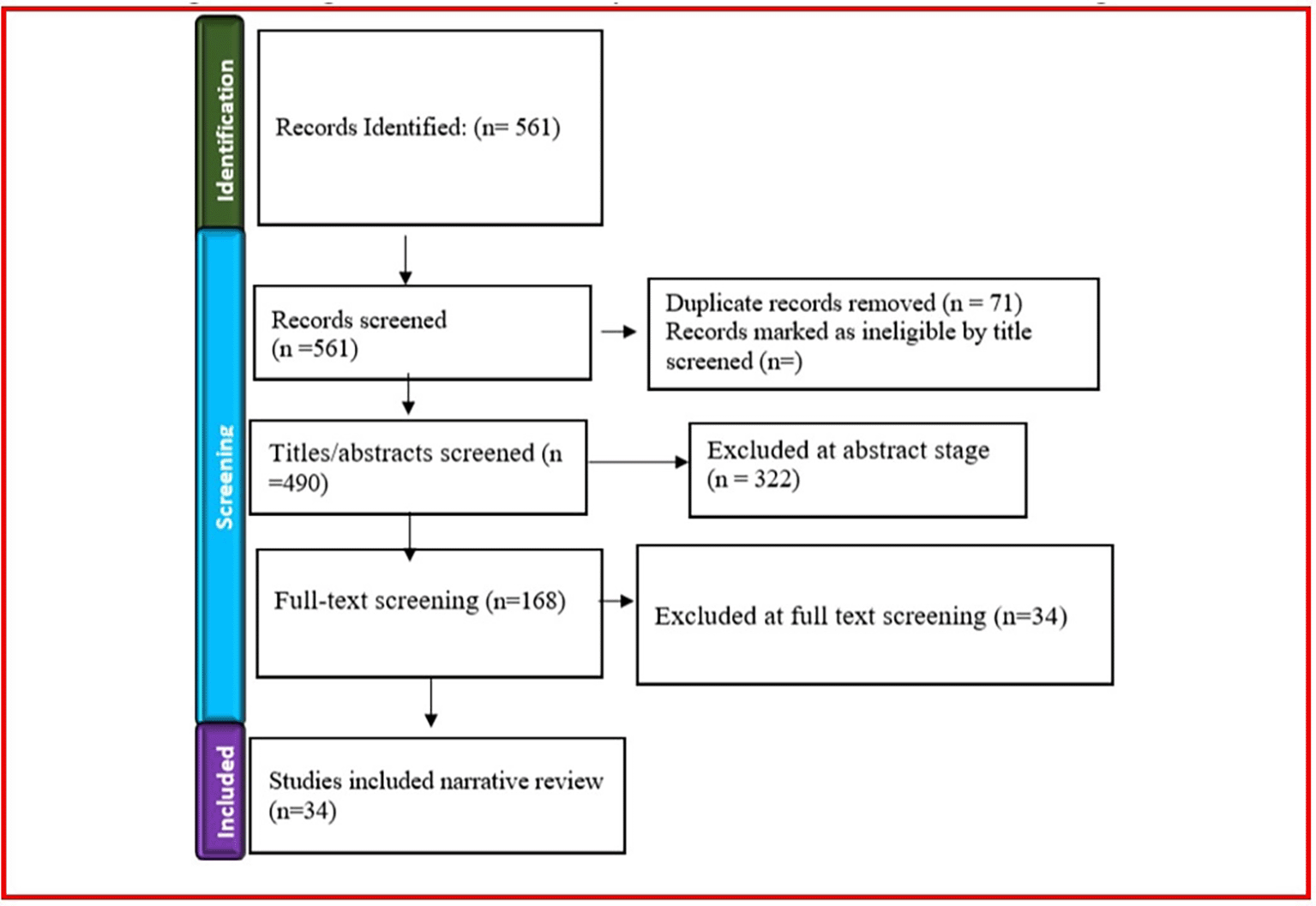
The figure is a summary of identification, screening, eligibility assessment, and inclusion of the studies in the review. Database searches were used to identify records, duplicate records were eliminated, titles and abstracts were filtered and full text was evaluated against inclusion criteria and the final list of studies included in the narrative synthesis was obtained.
The methodological quality of peer-reviewed studies was evaluated using the Critical Appraisal Skills Programme (CASP) checklists and systematic reviews were evaluated using the ROBIS tool for risk of bias (Whiting et al., 2016). Policy and NGO reports were reviewed for advocacy bias and methodological transparency, including sampling information and triangulation. Two reviewers independently carried out the assessments and disagreements were agreed upon by discussion (Mendenhall & Richardson, 2024).
Key study characteristics (author, year, country, conflict context, sample size, design, outcomes) were extracted into structured evidence tables (see Tables 1-8). The synthesis was carried out in two steps:
| Author/Year | Countr/Region | Conflict/Context | Study/Design | Sample type/N | School/Level | Displacement Status | Data Source | Key Notes |
|---|---|---|---|---|---|---|---|---|
| Windle Trust International, 2023 | South Sudan | Protracted conflict | NGO field report | — | Primary+Secondary | In-country | Grey | T–S ratio 1:77; ≈$50/month; ~35% trained primary teachers |
| Sharifian et al., 2023 | Syria | Active war | Mixed (quant+qual) | ~120 (NR F) | Primary | In-country | Peer-reviewed | MBI burnout; resilience scales; training ↓ emotional exhaustion |
| Nadyukova & Frenzel (2025) | Ukraine | Russian invasion | Mixed-methods | ~1,000 (majority F) | Primary+Secondary | Displaced & non-displaced | Peer-reviewed | ~70% high stress; peer support/coping |
| Adelman, 2019 | Lebanon (Syrian refugees) | Displacement | Qual interviews | 42 (F) | Non-formal | Refugee | Peer-reviewed | Identity tension, harassment, burnout narratives |
| Mendenhall et al., 2024 | 16 countries (incl. Chad, Uganda, Malaysia) | Refugee & displacement | Mixed (survey+KIIs) | Global (varies) | Primary+Secondary | Refugee+IDP | UNHCR report | Salary, CPD, attrition, pay delays |
| Alaug, 2020 | Yemen | War/economic collapse | Desk review | — | Basic–HE | IDP/refugee children | Grey | 2M children OOS; 513k IDPs |
| AFT, 2022 | Ukraine | Russian invasion | Media/union testimonies | — | Primary+Secondary | Refugee & IDP | Media | Teaching in shelters; 12M displaced |
| Penson & Yonemura, 2012 | Multi-country (refugee camps) | Displacement | Policy/empirical synthesis | — | Various | Refugee | Grey | Credential non-recognition; management gaps |
| Hure & Taylor, 2023 | Kenya (Kakuma) | Displacement/COVID | Case study | — | Primary+Secondary | Refugee | Peer-reviewed | Informal CPD continuity despite exclusion |
| Barrier Cluster | Examples (Context) | Consequences for Female Teachers | Sources |
|---|---|---|---|
| School closures & infrastructure damage | Syria: ~½ schools destroyed/occupied; Ukraine: >2,400 damaged; South Sudan/Somalia: “under trees” | Job loss, unsafe spaces, relocation fatigue; double shifts; care burden | UNESCO, 2018a; Windle Trust International 2021, 2023; Ukraine stress studies, Al Sakbani, & Beaujouan, 2024 |
| Salary disruptions & unpaid months | Yemen: salaries suspended >2 yrs; South Sudan: <$50/mo, long delays | Exit from profession; multiple jobs; morale erosion | Alaug 2020; Windle 2021; Mendenhall, 2024 |
| Credential non-recognition | Syrian teachers in Lebanon/Turkey; refugees in Uganda/Kenya | Downgraded to assistant roles; skill atrophy; demoralization | Adelman 2019; Bradley et al., 2022; Penson & Yonemura 2012 |
| Legal/bureaucratic constraints | No work permits; restrictive NGO contracting | Volunteer/incentive roles; chronic poverty; instability | UNESCO 2018a; Guven 2019 |
| Hazardous working conditions/GBV | Active fire near schools; bombardment (Gaza/Ukraine) | Trauma, absenteeism; safety-driven attrition | GCPEA 2018; AFT 2022 |
| Interrupted CPD & weak mentorship | TTC closures; camp settings; remote postings | Stagnant skills; isolation; higher attrition | INEE TiCC 2019/ 2022; Mendenhall et al., 2018 |
| Intersectional gender risks | SGBV stigma (Kosovo); caregiving constraints (Gaza/Yemen) | Leadership exclusion; reduced participation | Shala et al., 2024; Veronese et al., 2025 |
| Source_ID | Outcomes | Measurement Tool | Prevalence/Mean | Sample_N | Subgroups | Notes |
|---|---|---|---|---|---|---|
| Sharifian et al.,_2023 | Burnout, trauma, resilience | MBI, Harvard Trauma, CD-RISC | High burnout; resilience protective | ~120 | Primary, Syria | Training ↓ exhaustion |
| Nadyukova & Frenzel (2025) | Stress, coping | Survey + interviews | ~70% high stress | ~1000 | Majority female | Coping = peer solidarity |
| Adelman_2019_SyrianRefugeeEducators | Psychological exhaustion, identity strain | Interviews | Qualitative only | 42 | Refugee, Lebanon | Narratives of hopelessness |
| Xue et al.,_2024_BurnoutGenderNetwork | Burnout, resilience, gendered patterns | Network analysis | Gender-specific predictors | Large national | Male vs female | Non-refugee comparator |
| AFT_2022_UkraineTeachersResilience | Stress, trauma exposure | Testimonies | Qualitative | — | Ukraine | Teaching in shelters |
| Sambu_2015_Kenya_IDP_Resilience | Resilience correlates | Survey | r≈0.84 (social support ↔ resilience) | IDPs | Kenya | Strong quantitative correlation |
| Country/Setting | Context Snapshot | Main Challenges for Female Teachers | Resilience/Support Mechanisms | Sources (primary set) |
|---|---|---|---|---|
| Syria | >10 yrs war; internal/external displacement | Violence exposure, harassment; unpaid “incentive” roles; credential loss | Community/non-formal schools; CPD/bridging; peer solidarity | Adelman 2019; Bradley et al., 2022; UNESCO, 2018b, c; Sharifian et al., 2023 |
| Ukraine | 2022 invasion; mass displacement | Burnout; school destruction; air-raid risks; rapid online shift | Peer solidarity; teaching in shelters; salary continuity; NGO PD | Nadyukova & Frenzel (2025) ; AFT 2022; Hook, 2023 |
| South Sudan | Chronic instability; very low female literacy | <20% women in profession; GBV; pay delays; unsafe schools | Community recruitment; stipends; CPD for unqualified teachers | Windle Trust International 2021/2023; UNESCO 2018a |
| Lebanon (Syrian refugees) | Large non-formal sector | Credential non-rec; harassment; low pay; identity loss | NGO/community schools; digital-literacy CPD; peer groups | Adelman 2019; Bradley et al., 2022; INEE TiCC 2022 |
| Uganda/Kenya (camps) | Long-term hosting; mixed systems | Credential barriers; low incentive pay; GBV/safety; turnover | NGO CPD; communities of practice; persistence through COVID | Hure & Taylor 2023; Mendenhall, 2024; Mohamoud et al., 2015 |
| Yemen/Gaza | Protracted conflict/blockade | Salary collapse; mobility limits; caregiving burden; GBV risks | Community/faith supports; NGO stopgaps | Alaug 2020; |
| Kosovo | Post-conflict SGBV legacy | Stigma; leadership underrepresentation | Survivor networks; rights processes | Shala et al., 2024 |
| Somalia (IDP) | Chronic displacement/insecurity | GBV risk; absent CPD; mobility limits | Women’s groups; clan/faith networks; psychosocial supports | Mohamoud et al., 2015 |
| Iraq (Yazidi) | Genocide/CRSV legacy | Trauma sequelae; re-entry barriers | Culturally sensitive MHPSS; solidarity groups | Yazidi resilience studies |
| Bangladesh/Myanmar (Rohingya) | Cox’s Bazar camps; uncertain return | Credential non-rec; restricted participation; low pay | Coaching; TiCC models; communities of practice | INEE TiCC 2019/2022; Mendenhall, 2024 |
| Source_ID | Coping/Practice | Scale/Reach | Observed Outcome |
|---|---|---|---|
| Sambu_2015_Kenya_IDP | Social support; spirituality | IDP communities | High resilience correlation (r≈0.84) |
| Nadyukova & Frenzel (2025) _Ukraine | Peer solidarity; collective efficacy | ~1,000 teachers | >70% stressed; peer networks central to coping |
| Sharifian et al.,_2023_Syria | Training + resilience | ~120 teachers | Training ↓ emotional exhaustion; resilience protective |
| Veronese_2025_Yazidi | Faith/cultural rituals | Qualitative cohort | Religious practice central to coping |
| Mohamoud et al., _2015 | Women’s groups; faith institutions | N. Uganda IDP | Anchors resilience; governance gaps hinder scale |
| AFT_2022_Ukraine | Improvised shelter-teaching | Testimonies | Maintained continuity + psychosocial support |
| Hure_Taylor_2023 | Informal CPD continuity | Refugee camp | Sustained teaching despite exclusion |
Thematic analysis based on codes e.g. trauma (Table 3), resilience (Table 6), gender-based violence (Table 2), professional disruption (Table 5), policy interventions (Table 4). Descriptive quantification of recurrent findings such as prevalence of PTSD, attrition rates or frequency of symptoms of burnout in teachers ( Table 7-8) (Ainamani et al., 2020; Tsybuliak et al., 2023). An intersectional lens was used to illuminate the further stratification of teachers experiences based on age, disability, ethnicity and marital status.
This review used 34 sources of primary data from peer-reviewed articles, dissertations, NGO reports and agency briefs, supplemented by secondary literature for the context. The research was conducted in Sub-Saharan Africa (Uganda, South Sudan, Kenya, Somalia), the Middle East (Syria, Lebanon, Yemen, Gaza, Iraq) and Eastern Europe (Ukraine, Kosovo) with a smaller contribution from Asia (China, Rohingya camps). Most of the evidence was from cross-sectional surveys and qualitative interviews and few longitudinal designs were identified. The study selection flowchart has been summarized in Figure 1.
Table 1 synthesizes the evidence from nine consolidated key studies from across South Sudan, Syria, Ukraine and Lebanon, Yemen, Kenya, as well as multi-country refugee contexts, using mixed methods and qualitative research, and NGO-based approaches. The collective findings highlight that the working life of teachers is greatly disrupted due to low remuneration, professional devaluation, loss of credentials and psychosocial distress. Importantly, female teachers experience intersecting vulnerabilities - economic, emotional and institutional - that combine their exclusion from the opportunities for formal education and professional development.
Gendered barriers
Inequalities in gender were prominent. In South Sudan only 20% of secondary schools employed even one female teacher (Windle Trust International, 2023). In Lebanon and Gaza, women educators were confronted with harassment, stigma and threats of GBV, which were often compounded by poverty and caregiving burdens (Adelman, 2019; Veronese et al., 2025).
While female teachers play a critical role in the education and protection of girls evidence unearthed has shown them to be systematically underrepresented and overexposed to risks (Bhatta, 2024).
The evidence reviewed in the Table 2, illustrates a recurring theme of psychological distress, professional precarity as well as striking resilience amongst female teachers working in conflict and displacement contexts. In Yemen, Ukraine, South Sudan, East Africa, South Asia refugee camps, women teachers face repeated dangers to their safety, economic well-being, and respect in their professional life. Kirk (2004) and Adelman (2019) found that women teachers manage persistence in the context of unpaid or volunteer work, harassment and burnout, while in Syria (Sharifian et al., 2023) and Ukraine (AFT, 2022, Nadyukova & Frenzel, 2025) quantitative data evidence high stress levels, but the importance of training, peer support and resilience reduces emotional fatigue. Certainly, salary arrears, non-recognition of international qualifications, and the exclusivity towards participation in professional development activities, are common themes (Mendenhall 2017; Windle Trust International, 2023; Penson & Yonemura 2012), while gendered barriers frequently deny women membership to formal and senior roles (Shala et al., 2024; Mendenhall & Richardson 2024). Still, almost all the studies have reported adaptive strategies such as community-based teaching materials, NGO facilitated CPD, and peer learning groups (INEE TiCC 2019, 2022; Hure & Taylor 2023). Collectively, the evidence presents a picture of female teachers as being both on the frontlines of crisis and in the midst of it - as survivors whose grit keeps education going through a crisis, pointing to a dire need for policies that place teacher well-being, gender equity, and the recognition of the qualification of displaced educators at the heart of humanitarian and post-conflict education systems.
Psychological effects on teachers
The teachers experienced a high prevalence of PTSD, depression, anxiety and burnout in these settings, with estimates of 22-35% for PTSD to 40-70% for burnout (Sharifian et al., 2023, Nadyukova & Frenzel, 2025). The Syrian teachers reported severe trauma and exhaustion, while in the Ukrainian surveys more than 70% of teachers reported severe stress due to the 2022 invasion (Nadyukova & Frenzel, 2025).
Resilience was found to be protective in all 3 datasets: training lowered emotional exhaustion in Syria (Sharifian et al., 2023), and social support was highly correlated with resilience among IDPs in Kenya (r[?]0.84) (Sambu 2015). Compassion fatigue was also highlighted in Lebanon (Adelman, 2019) and Ukraine (AFT, 2022) reflecting a double trauma of overcoming personal trauma in aid of students.
Career disruptions
Teachers’ professional lives were destabilized by salary delays, credential non-recognition, and exclusion from CPD. In South Sudan, teachers survived on $50/month, with salaries often unpaid (Windle Trust International, 2023). Refugee teachers in Lebanon and Uganda found their prior qualifications dismissed (Bradley et al., 2022; Penson, 2012). Global surveys confirmed refugees were paid less and experienced routine delays (Mendenhall, 2024).
Table 4 provides a summary of comparative parameters in relation to indicators of career stability of teachers - especially female teachers - in conflict and displacement situations. The data shows recurring patterns of credential non-recognition, limited access to CPD or mentorship, high employment loss, salary disruptions, and gender-based inequities in the reintegration of the professions. Female teachers are disproportionately affected by inconsistencies of credential validation and donor-related professional development with most working on precarious or volunteer basis offering little or delayed compensation (Windle Trust International, 2023; Penson & Yonemura, 2012; Mendenhall, 2024; Bradley et al., 2022; Hure & Taylor, 2023).
Resilience and coping strategies
Teachers were found to be very resilient in the face of adversity (See Table 5). In Ukraine, peer resilience and collective efficacy were the main mechanisms of coping (Nadyukova and Frenzel 2025); in Iraq, faith and cultural practices were central in realizing resilience among Yazidi women (Veronese et al., 2025); and in Uganda, IDP communities’ resilience was rooted in cultural practices (Mohamoud et al., 2015).
Professional development mitigated teachers’ stress in the Kakuma refugee camp (Sharifian et al., 2023), and informal teacher learning supported refugee teachers in Kakuma camp (HureTaylor, 2023).
Taken together, the Teacher Stability Index (TSI) visual (Figure 2) and Table 8, show a clear gradient in teacher workforce stability across crisis-affected contexts. Ukraine, Lebanon/Sweden, and Kenya (Kakuma) lie in the transitional band (TSI 0.32–0.50; yellow), indicating moderate but still fragile stability. Other settings, in particular Yemen but also the refugee-hosting countries, South Sudan, multi-country refugee camps and Syria score less than 0.30 and are labeled fragile (red). Yemen has the lowest TSI (0.02) followed by camps in Syria and multi-country camps signalling that the most protracted and intense emergencies come with the weakest and unstable teacher work force.
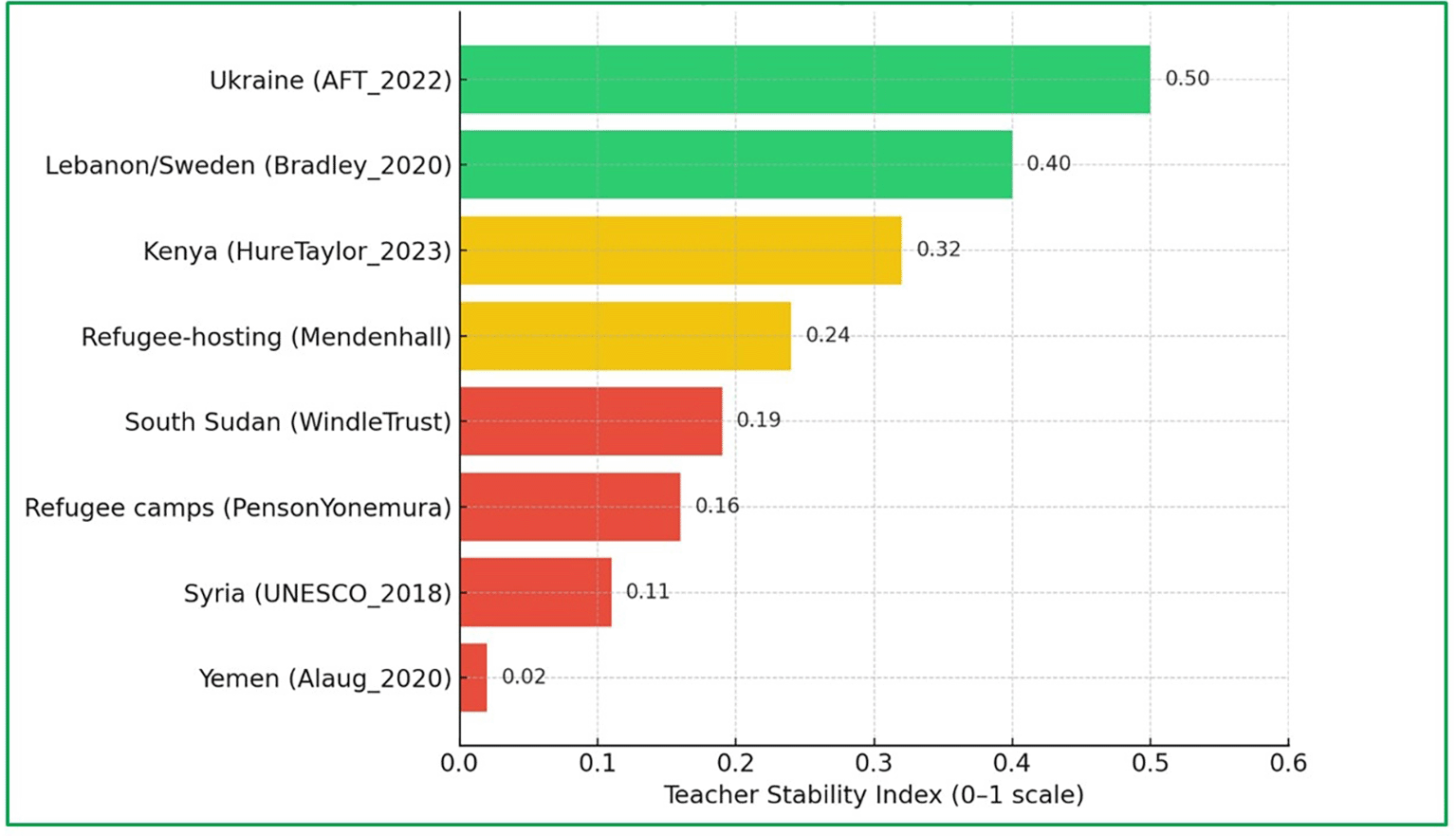
The bar chart provides teacher stability index scores, by country and context, with a traffic-light color scheme depicting high (green), moderate (yellow), and low (red) scores of index of teacher stability.
Illustration in Figure 3, models the relationship between conflict and displacement and its impact on the well-being of female teachers through interconnected micro, meso, and macro pathways. Personal trauma, professional disruptions, and gendered barriers flow through these ecological layers and contribute to the destabilization of teacher stability and continuity of career. The compounded stressors are ultimately affecting the well-being of teachers and have cascading negative effects on student learning.
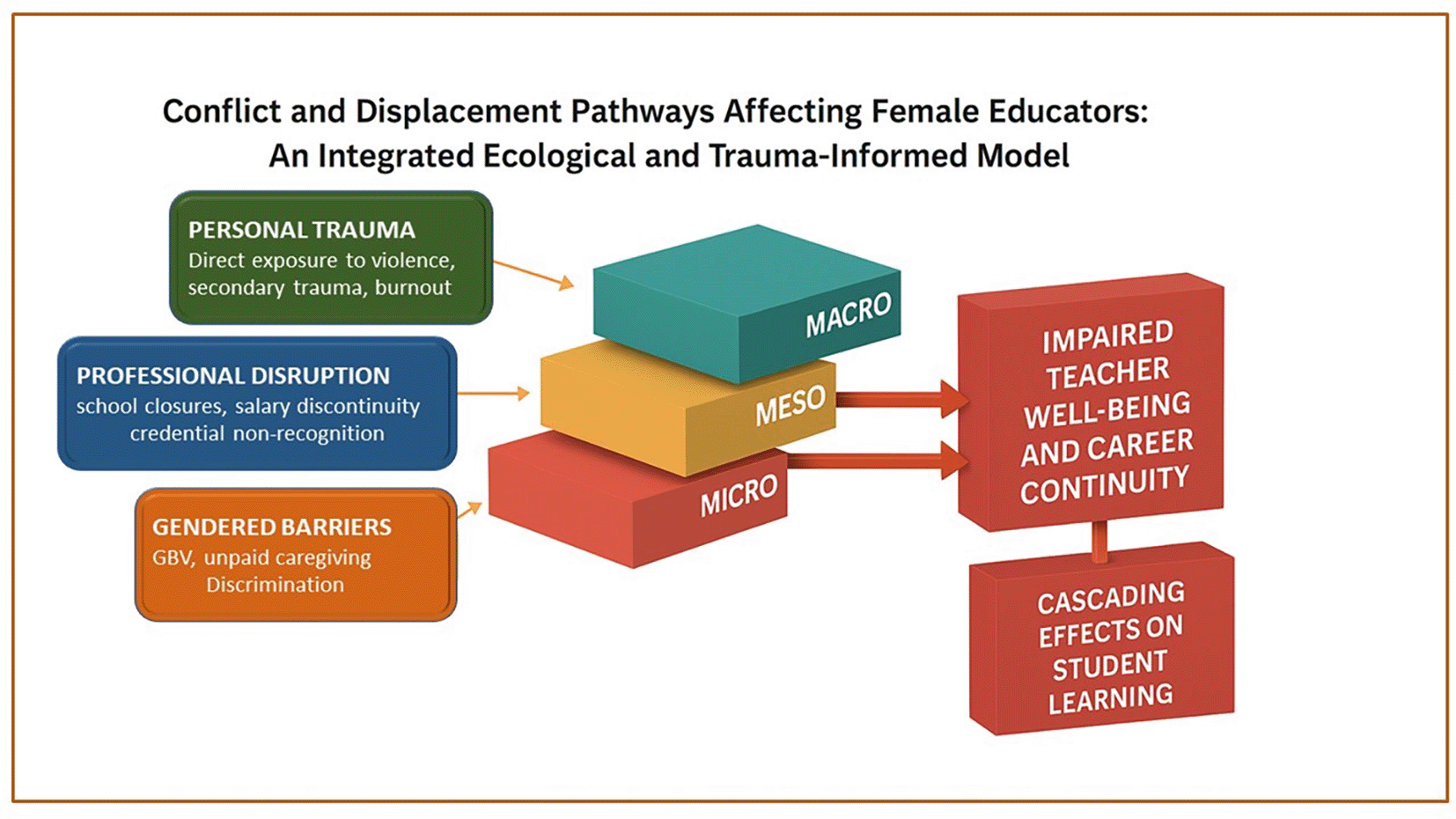
The schematic depicts the interplay between personal trauma, professional disruption and gendered barriers at micro, meso and macro-level resulting in impaired teacher well-being, career continuity and downstream student learning effects.
Figure 4 maps a sequential pathway in which conflict onset triggers displacement and direct violence exposure, which in turn precipitate psychological distress and interruption of formal teaching roles. These shocks force a large number of female teachers to enter informal work and structurally constrained labour markets, and this creates persistent barriers to re-employment. Reintegration pathways are at the end of the chain, suggesting that we cannot do without addressing each of the prior disruption stages to achieve recovery of professional identity and stable posts.
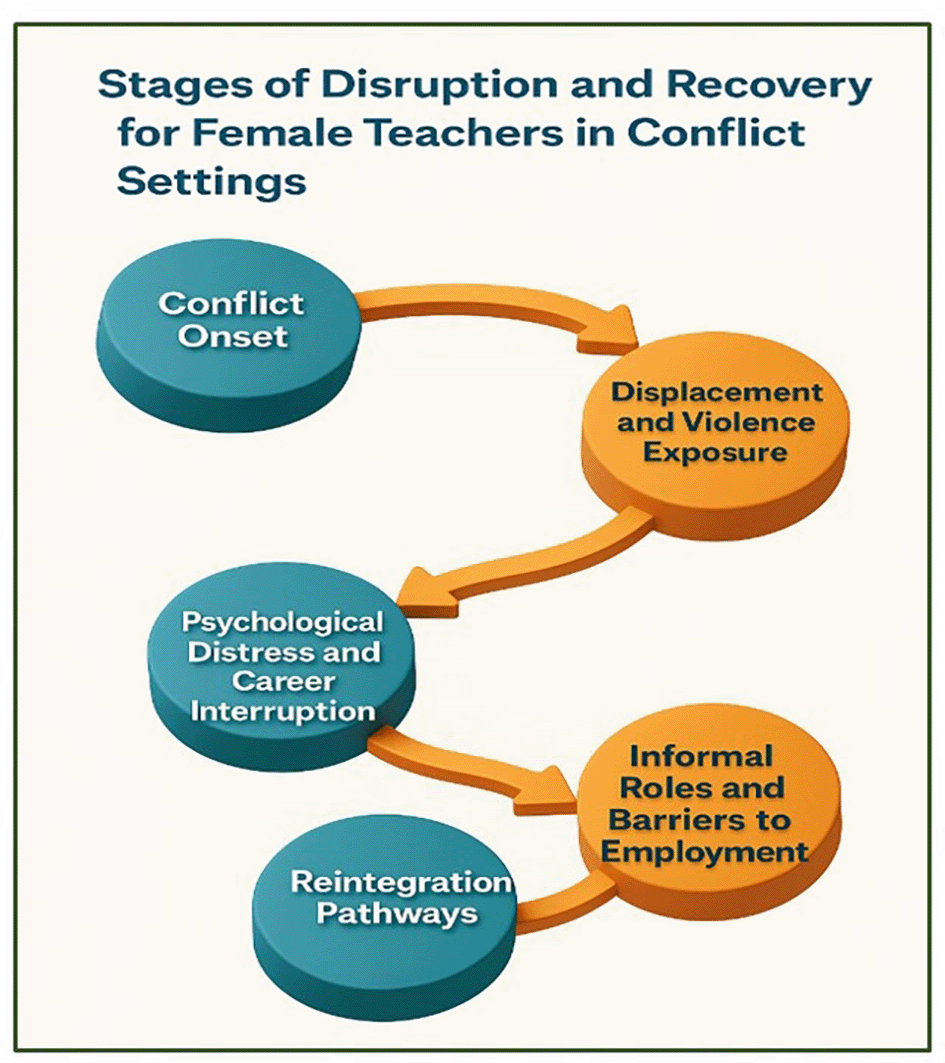
The figure illustrates the main phases through which female educators pass after the conflict onset such as displacement and violence exposure, psychological distress accompanied by interrupted career, involvement in informal activities because of employment barriers, and the possible routes to reintegration. Arrows depict the progressive and even cyclical aspects of such experience in situations of refugees and conflict.
The geographic distribution of studies included in the review coded by region is shown on the map ( Figure 5). Evidence is heavily concentrated in the Middle East - particularly in Gaza, Yemen, Lebanon and Syria - but there are also clusters in sub-Saharan Africa (South Sudan, Uganda, Kenya) and Asia (Myanmar/Rohingya, China). Eastern Europe is represented by Ukraine and Kosovo. The distribution emphasizes great regional imbalances as there is very little documentation from Latin America and North Africa which shows that the global understanding of the experience of female teachers is still influenced by a handful of conflict-affected areas.
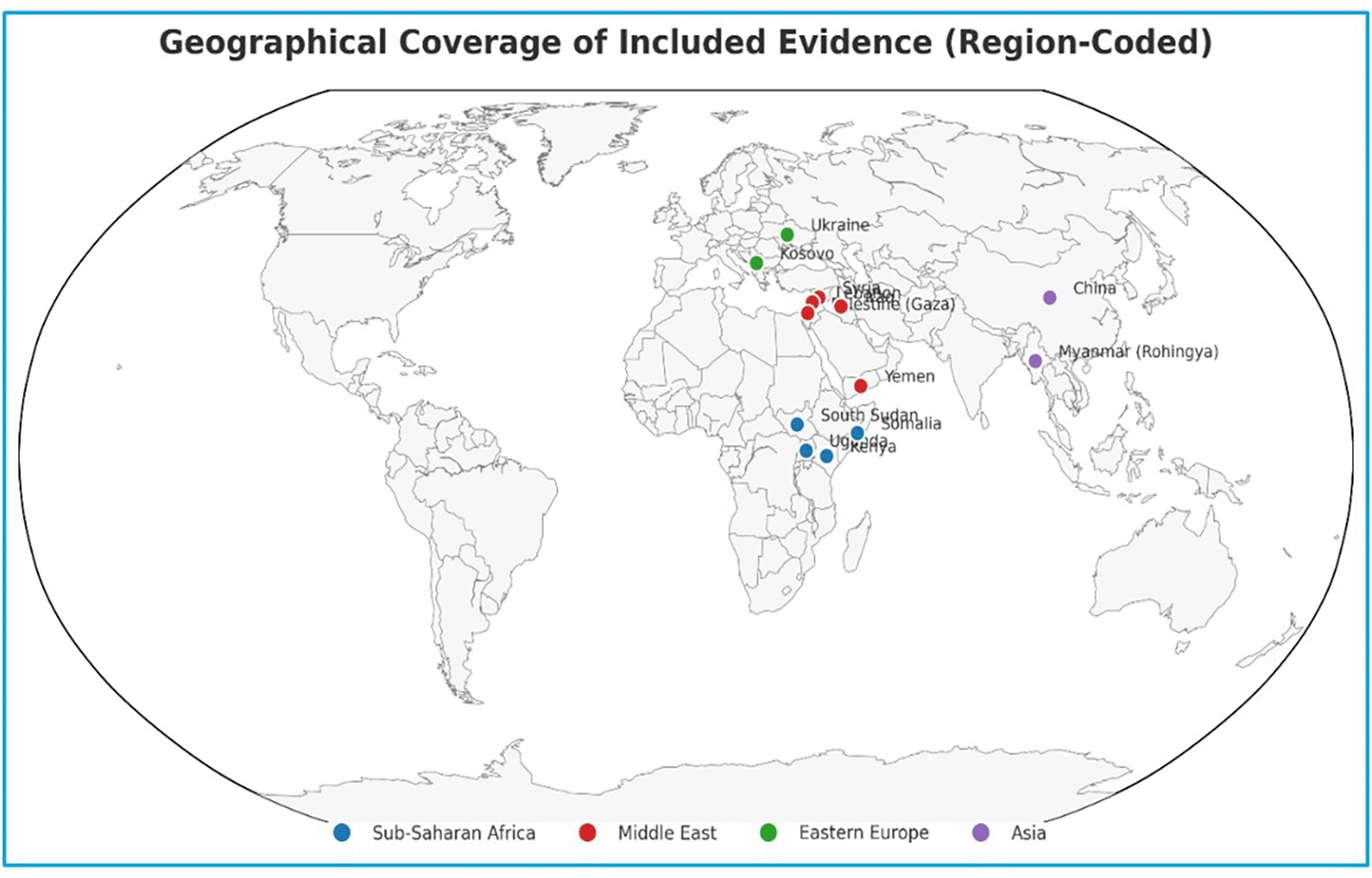
The map depicts the distribution of the 34 studies used in this review throughout the world with each location coded by region to demonstrate representation in Sub-Saharan Africa, the Middle East, Eastern Europe, and Asia. The evidence is based on markers of countries and conflict-affected settings.
In Africa (Sub-Saharan), the Middle East and Eastern Europe, teachers have a paradoxical identity: they are both victims and responders in crisis. They make their own way through their losses while serving as the emotional and instructional anchors of traumatized communities. This dual identity is the first and most pervasive theme that emerges from the review. Together with the Teacher Stability Index (TSI) and the cross-country evidence tables, this paper reveals that teacher well-being and system recovery increase or decrease together-and that the steepest slope towards stability represents female teachers.
Teachers have the great humanitarian task of being themselves victims of conflict and displacement, while having to continue children’s education and psychosocial recovery (Adelman, 2019; Nadyukova & Frenzel, 2025). Syrian and Ukrainian educators described teaching from bomb shelters, tents, and makeshift classrooms while struggling with fear, grief, and unrelenting uncertainty, all associations with secondary trauma, compassion fatigue and moral injury.1 The professional consequences are manifold: cognitive overload, burnout, sleep disturbance and deterioration in teaching quality that in turn also affect student attendance and the continuity of schools (Sharifian, Hoot, & Reyhanian, 2023).
These realities call for a fundamental policy change: Teachers must be regarded as the frontline humanitarian workers and not simply implementors of the curriculum. Their mental health, safety and material security should be included in education, health and protection clusters of crisis response frameworks (Adelman, 2019). For female teachers, this recognition is more worrying. Their dual survival role overlaps with gendered expectations of caregiving and community service, placing them at risk for increased emotional burden, workplace insecurity, and risk of harm. Supporting their resilience, therefore, is not just a matter of occupational welfare - it is a linchpin of educational recovery and gender equitable reconstruction in conflict and displacement contexts.
In conflict and displacement-affected areas, female teachers experience structural and psychosocial injustices and, simultaneously, show situational resilience as well. In Syria, educators have been excluded internally and externally for more than a decade due to war, exposed to violence, harassment, unpaid ‘incentives’ and lack of recognition of their qualifications. However, school-based adaptive strategies including community-based non-formal schools, peer networks and continuous professional development (CPD) opportunities were identified as coping anchors (Adelman, 2019; Bradley et al., 2022; UNESCO, 2018a). The 2022 invasion of Ukraine caused massive school destruction and significant teacher displacement, worsening the problems of burnout and psychological distress but, in spite of ongoing threats of air raids, Ukrainian educators maintained peer solidarity by teaching in shelters and supporting one another by maintaining continuity of teacher salaries and professional development, including that facilitated by a nongovernmental organization (NGO; American Federation of Teachers [AFT], 2022; Hook, 2023; Nadyukova & Frenzel, 2025). In South Sudan where ongoing insecurity, gender based violence (GBV) and late or inadequate salaries have seen women’s professional participation rise only to under 20 percent; whereas community recruitment, stipends and CPD for non-qualified teachers has aided retention (UNESCO, 2018a; Windle Trust International, 2021, 2023). In relation to non-recognition of credentials, violence against professionals, and the loss of identity, Syrian refugees in Lebanon have also been fitfully enabled to move across professions via NGO and community-school networks through digital-literacy CPD and peer-mentoring programs (Adelman, 2019; Bradley et al., 2022; Inter-Agency Network for Education in Emergencies [INEE], 2022). In the refugee camps in Uganda and Kenya, refugee educators faced pay insufficiency, limited certification, and exposure to GBV, but continued to successfully overcome COVID-19 with the help of communities of practice led by NGOs and psychosocial support provided by the Resilient Africa Network (RAN) (Hure & Taylor, 2023; Mendenhall, 2024; Mohamoud et al., 2015). In Yemen and Gaza, protracted conflict, salary collapse, mobility restrictions and caregiving burdens increase GBV risks, and despite this, community and faith based networks offer stopgap psychosocial and financial support for the people (Alaug, 2020; Veronese et al., 2025). Kosovo’s post-conflict landscape upholds the stigmatization of the survivors of sexual and gender-based violence, which restricts female leadership, although from an emerging survivor’s rights movement, there has been professional reintegration (Shala et al., 2024). In the IDP context of Somalia, for example, where chronic insecurity, a lack of CPD, and risks of GBV throughout the region remains, clan and women’s groups continue to provide psychosocial and social-capital resources that foster resilience (Mohamoud et al., 2015). For the Yazidi teachers of Iraq, genocide in their homeland and conflict relating S.V. A long-lived trauma and re-entry barriers, Culturally sensitive mental health and psychosocial support (MHPSS) programs and solidarity networks are a cornerstone of gradual professional recovery (Yazidi resilience studies, 2022). Finally, in Bangladesh/Myanmar’s Rohingya camps, the non-recognition of credentials, gender-segregated work restrictions and low pay continue to be barriers; however, models of TiCC-based coaching and NGO-supported, community of practice has helped build pedagogical continuity and psychosocial wellbeing (INEE, 2019, 2021; Mendenhall, 2024).
Career instability is a structural -- not a contingent -- characteristic of frail systems. Is it the case that salary suspensions and extremely low remuneration, non-payment of months and non-recognition of the certificate and/or degree for permanent professional activity, and the interruption of CPDdeny continuation across contexts (Windle Trust International, 2023; Mendenhall, 2024; Penson & Yonemura, 2012)? Our Teacher Stability Index (TSI) transcends these qualitative patterns into a quantifiable gradient. No case reached “Resilient” ([?] .70). “Transitional” systems (TSI [?] .40-.50), such as the combined partial salary continuity (hybrid/digital CPD) in Ukraine and Lebanon/Sweden, and “Fragile” ([?] .20) with collapsed payroll, arrears and no state-backed CPD in Yemen, Syria and South Sudan (AFT, 2022; Bradley et al., 2022; Mendenhall, 2024; Windle Trust International, 2023). The causal chain is shared among tables and figures, for example, continuity of pay - retention - stability, with CPD being resilient multiplier only when remuneration and recognition are put in place (Sharifian et al., 2023; UNESCO, 2018a).
Within this continuum, the progress for female teachers is steeper down the continuum. In South Sudan, women are a minority within the workforce, and they are concentrated as part of the workforce and tend to be in low-paid, short-term or volunteer jobs; risk of harassment and GBV and caregiving responsibilities further depress the workforce and advancement of women (Windle Trust International, 2023). For refugees in Lebanon and in camps in East Africa, the non-recognition of credentials and limited contracting position qualified women as assistants/incentives and thus enforce a “double invisibility” as refugee and as women (Adelman, 2019; Bradley et al., 2022; Penson & Yonemura, 2012). Cumulative loss - loss of income, stalled careers, erosion of professional identity - and the impact that this has at the system level, in relation to girls’ access to role models at post-primary levels.
In spite of headwinds at the systems level, relational ecosystems keep practicing teachers functioning:
• Peer support/collective efficacy: In Ukraine the prevalence of high stress reported in >70%, but the maintenance of performance was centralized around collegial networks (Nadyukova & Frenzel, 2025; AFT, 2022).
• Targeted training: CPD can also be used for targeted training, as was done in Syria, where the training was linked to a significant decrease in the level of emotional exhaustion and improvement in the level of activities in the classroom, observing the pedagogical and psychosocial value of CPD (Sharifian et al., 2023).
• Faith/cultural anchors: Among Yazidi and other minority educators, religious ritual and cultural continuity fostered agency and identity in the process of recovery (Veronese, Hamamra, Mahamid, Bdier, & Cavazzoni, 2025).
• Women’s groups and community structures: In northern Uganda and Somalia, women’s collectives and faith institutions have helped to strengthen resilience and are limited by gaps in governance and resourcing (Mohamoud et al., 2015).
• Informal CPD continuity: The continuity of professional practice among refugees was notably sustained in Kakuma through refugee-led CPD (WhatsApp groups, peer mentoring, shared resources), where they were excluded from formal pathways.
Collectively, resilience is relational and contextual, and thus not merely an individual characteristic: it is braided from ties with peers, practices of identity restoration, and structured opportunities to learn and lead (Sambu, 2015; Hure & Taylor, 2023; Veronese et al., 2025).
The State of the Intervention--What Works and Where the Borders Are--Today.
Bridging pathways digital CPD and hybrid
Hybrid and digital CPD programs in Lebanon, Sweden, and refugee camps like Kakuma have been reported to transform the lives of displaced female teachers. These programs, provided by mobile learning, internet-based mentoring and local workshops allow women to restore professional self-belief, pedagogical renewal, and confirm previous education interrupted by conflict (Bradley et al., 2022; Hure and Taylor, 2023). To most refugee teachers, home-based, online training is a safer and more culturally appropriate option to face-to-face training, leading to fewer drop-outs and burnout and enabling mothers who combine child-rearing and employment to re-enter the workforce. Notably, these CPD models will also foster peer to peer solidarity networks, forging informal mentorship networks among women teachers that is lasting even after the donor funding cycles.
Partial payroll safeguards and salary continuity measures
Municipal and national payroll protection mechanisms (at least in part) have been instrumental in ensuring that female teachers remain engaged in active conflict in Ukraine. These interventions maintain income, lessen absenteeism, and maintain identity of teaching so that there can be no massive workforce collapse on a mass scale (AFT, 2022; Nadyukova and Frenzel, 2025). Psychosocial stability is also pegged on consistent remuneration, even at lower levels, to curb shame and dependency that in most cases accompanies financial precarity among the displaced women. Women teachers in various towns resorted to small allowances to feed or equip pupils, and sustained their functions as homemakers and social stabilizers.
Faith-based and community support systems
In situations where the state structures fail, the community and faith-based networks offer important scaffolding of psychosocial development. There are prayer groups and peer circles of women along with the religious organizations where women can release their emotions, process traumas, and solve joint problems (Mohamoud et al., 2015; Veronese et al., 2025). Such groups serve as informal mental-health ecosystems and allow women to cope with grief, GBV-related stigma, and professional isolation in the context of the northern Uganda and Gaza. These informal culturally-based networks have been found to be more approachable compared to clinical interventions particularly to women who are limited because of the mobility conditions or cultural traditions.
These interventions, combined, demonstrate that female teachers have the most leverage with gender-sensitive flexibility, relational networks, and localized innovation as the most powerful resilience facilitators. They enable displaced women not only to survive as professionals, but to also teach as social care and resistance to instability as a means of survival.
Donor reliance and project disintegration
Most of the interventions are short-lived, project-driven, and reliant on donor aid, producing momentum and collapse cycles (Mendenhall, 2024; UNESCO, 2018b, c). As soon as funding runs out, female educators are deprived of CPD, stipend, and mentorship safe spaces. This instability, especially damages women, whose engagement is usually dependent on the logistical backups, such as childcare, transport allowances, or digital devices, which are lost upon the termination of projects. As a result, skills improvements are not institutionalized and therefore, progress towards gender equity is re-initiated every funding round.
Credential non-recognition and structural invisibility
Credit disappearance or re-entry continues on international borders in spite of local bridging/re-entry programs. Women teachers who are refugees often go through trainings that do not translate into official equivalence and national accreditation (Penson and Yonemura, 2012; Bradley et al., 2022). Their professional position is not very high and depends on NGO jobs without standardized regional systems of qualification transfer. Such exclusion continues to create what some scholars term gendered brain waste - the systematic underutilization of qualified women educators in host country systems.
Unrelenting GBV vulnerability and protection systems
Gender-based violence is an un-addressed widespread threat. Women educators usually have to travel by insecure paths or operate in unsecured institutions, as they are harassed, kidnapped, or raped (UNESCO, 2018a; Veronese et al., 2025). There is a lack of reporting mechanisms, underfunded survivor services and disclosure is hindered by social stigma. Protection policies of contractual teachers or volunteers are not common even in the aid programs. The outcome is trauma and attrition that is sustained by a culture of silence.
Mentorship gaps and thin leadership pipelines
Although women are the core of the provision of education during emergency situations, not many of them reach the position of decision-making or supervision. The institutional leadership standards do not often accept displacement-based career gaps, informal experience, or part-time tracks (Windle Trust International, 2023). Such lack of gender-responsive promotion ladders does not only marginalise potential women but also denies systems sympathetic leadership that is sensitive to survivor realities.
Even the strongest female teachers will be in the periphery of the classroom instead of making reform, unless deliberate mentorship programs and quotas on leadership are implemented.
Integrative insight
Combined, the existing interventions reveal how inventive and resolute the female teachers are yet limited by structural vulnerability and intermittent institutionalization. The three best supports, flexible CPD, partial salary protection, and community networks, are mostly peripheral, not part of core systems operations. To achieve long-term development, it is necessary to entrench these mechanisms into education systems of the countries, guaranteeing the predictability of funding, formal credential transfer, survivor protection, and career opportunities.
Fundamentally, the effectiveness of interventions is determined not only by their existence but also permanence and gendering, to convert improvisational solutions to permanent systems that respect women teachers as the key architects of educational salvation.
1) Acknowledge woman teachers as humanitarian professionals
Integrate the well-being of women into the systems of crisis response
Female teachers should be recognized as dual survivors and responders by education-in-emergency (EiE) frameworks. Their health, including mental and physical, as well as reproductive, should be integrated into national and humanitarian education funding, and access to evidence-based short-term, trauma-sensitive screening, psychosocial referral, and intervention (Adelman, 2019; Sharifian et al., 2023).
Empower women educators with stronger duty of care
Create gender-sensitive work safety criteria such as safe school structures, consistent work schedules in case of alerts and workload policies under crisis circumstances. These can be directly countermeasured towards burnout and re-traumatization (UNESCO, 2018a).
2) Stabilize female pay and work security
Create payroll integrity in female-dominated education sectors
Ensure the existence of ring-fenced salary lines and arrears clearance systems, and even the national and refugee cadres get the same pay to avoid the feminization of low-paid “incentive” labour (Mendenhall, 2024).
Implement gender sensitive allowances
Establish crisis stipends, bridge allowances to female teachers who juggle caregiving and teaching roles, to avoid leaving the workforce upon displacement or insecurity (Windle Trust International, 2023).
3) Secure credential recognition and mobility opportunities to displaced women teachers
Quickly develop credential recognition
Create cross-border equivalency frameworks and competency-based tests which confirm previous qualification of women, most of which are not compensated post-displacement (Penson and Yonemura, 2012; Bradley et al., 2022).
Institutionalize host-origin co-operation
Establish Memoranda of Understanding (MOUs) between host country and home country to transform emergency work as a volunteer teacher into formal teaching experience. This will guarantee the transferable credentials and continuity of careers among the displaced female teachers.
4) Organize gender-transformative systems in education
Provide survivor-based safety and mobility
Introduce GBV reporting systems, in-country transport to schools, and survivor services which involve displaced and contract women teachers (UNESCO, 2018a; Veronese et al., 2025).
Supportive infrastructure retention
Subsidize childcare services and flexible work hours, as well as offering women who are returning to teaching after a break or maternity leave, scholarships (Windle Trust International, 2023).
Provide learning and teaching environments that are design safe
Enhance security structures in schools, including lighting, boundary walls and safe toilets and encourage communities to sign security agreements to minimize harassment and intimidation of female teachers.
5) Develop relationship resilience as essential educational infrastructure
Organize peer networks and women groups
Finance female teacher associations, religious women groups and mentorship groups as budget lines and not expenses that are subject to donations. These relational ecosystems can offer long-term psychosocial and professional assistance (Mohamoud et al., 2015; Veronese et al., 2025).
Scale gender-sensitive hybrid CPD
Creating digital learning platforms which are low-bandwidth and flexible will allow displaced and caring women to engage in professional development without the physical constraints of travelling (Hure & Taylor, 2023).
Establish official mentorship channels
Assign displaced women teachers pair mentors with in-system mentors- principally senior female educators or head teachers and include the time of mentorship as an official workload to promote institutional buy-in.
6) Monitoring, accountability and Teacher Stability Index (TSI)
Implement gender-disaggregated TSI monitoring
Expand the Teacher Stability Index as a national indicator (disaggregated by gender) to capture pay continuity, CPD access, credential recognition, GBV safety, and attrition patterns (AFT, 2022; Mendenhall, 2024).
Make gender progress measurable
Connect donor payments and national education grants to measurable changes in female teacher stability indicators- especially pay equity, women in leadership and CPD.
• Longitudinal research of female teacher mental health, retention, and burnout paths in sustained crises.
• GBV prevalence mapping among women teachers with culturally sensitive innovations of reporting.
• Girls Secondary and TVET education Secondary and TVET female educators as a central agent in educational transition in girls, which is currently underrepresented in EiE research.
• Intersectional studies based on age, ethnicity, disability and caregiving status to enhance support targeting.
• Cost-effectiveness of hybrid CPD, peer-support networks, and survivor-centered safety systems on the cost-effectiveness of career stability among women.
The evidence base compiled in this review has certain limitations. A number of the included studies were cross-sectional or descriptive; others may have mainly relied on self-reporting and non-standardized outcome measures, therefore limiting the possibility of inferring causality and comparability across contexts. Geographical coverage was uneven, with some regions and crisis contexts under-represented. Part of the materials used was from grey literature and NGO reports with varying levels of methodological transparency and potential advocacy or publication bias. Experiences of most of the marginalised female educators, including in informal or unregistered schools, are likely to be under-documented, so the patterns described here are likely to under-estimate both the severity and diversity of their realities.
The data all points to an objective necessity that is clear-cut: the role of a female teacher is the key to the successful educational recovery in crisis situations, and this role is nonetheless structurally marginalized in the systems they support. They are all dependent on the dimensions that are intertwined (economic security, credential mobility, psychosocial safety, and relational resilience). It is not just a fair policy to identify and fund women educators as key humanitarian workers, but it is critical in restoring learning ecosystems in the post-conflict period.
Education systems can become less fragile (red) and transitional (yellow) and ultimately to resilient (green) architecture in which the survival of women in the professions translates into a renewed society.
| Views | Downloads | |
|---|---|---|
| F1000Research | - | - |
|
PubMed Central
Data from PMC are received and updated monthly.
|
- | - |
Provide sufficient details of any financial or non-financial competing interests to enable users to assess whether your comments might lead a reasonable person to question your impartiality. Consider the following examples, but note that this is not an exhaustive list:
Sign up for content alerts and receive a weekly or monthly email with all newly published articles
Already registered? Sign in
The email address should be the one you originally registered with F1000.
You registered with F1000 via Google, so we cannot reset your password.
To sign in, please click here.
If you still need help with your Google account password, please click here.
You registered with F1000 via Facebook, so we cannot reset your password.
To sign in, please click here.
If you still need help with your Facebook account password, please click here.
If your email address is registered with us, we will email you instructions to reset your password.
If you think you should have received this email but it has not arrived, please check your spam filters and/or contact for further assistance.


Comments on this article Comments (0)