Keywords
bibliometric analysis, peri-implantitis, regenerative therapy, VOS viewer, OpenRefine software

bibliometric analysis, peri-implantitis, regenerative therapy, VOS viewer, OpenRefine software
Peri-implantitis is an inflammatory complication affecting peri-implant tissues, often leading to progressive bone loss and implant failure.1,2 Its reported prevalence reaches up to 19.83% and continues to rise alongside the growing global demand for dental implants.3,4 This makes peri-implantitis a significant clinical concern, driving the need for effective therapeutic strategies.1,5 Current guidelines and recommendations for peri-implantitis therapy emphasize a multi-faceted approach. Among the various treatment modalities, regenerative therapy has gained increasing attention due to its potential to restore lost bone and soft tissue, thereby improving implant survival rates. While regenerative therapy has shown to improve clinical and radiographic outcomes compared to baseline, the superiority of a specific material or membrane for long-term benefits remains unproven.2,4,5 Achieving predictable and complete regeneration is still challenging, and complications such as membrane exposure have also been reported.1,2
Given the complexity and evolving nature of peri-implantitis management, especially in regenerative therapy, a comprehensive understanding of the research landscape is paramount.4,5 While numerous systematic reviews have addressed clinical outcomes of various peri-implantitis treatments, including regenerative approaches, a bibliometric analysis offers a unique macro-level perspective. This method allows for the quantitative evaluation of publication trends, identification of influential authors, institutions, and journals, and mapping of research clusters and emerging themes within the field.1,3–5 Bibliometric analysis applies quantitative analysis to scientific publications, enabling the identification of trends, key contributors, and research networks.6,7 In peri-implantitis, bibliometric studies have already been used to track publication growth and to highlight the increasing focus on regenerative therapy.6,7
Therefore, this study conducts a comprehensive bibliometric analysis to explore how research on regenerative therapy in peri-implantitis has evolved over time. By examining publication trends, identifying leading authors, institutions, countries, and journals, and mapping research clusters and emerging themes, we aim to provide an integrated overview of the field and highlight key developments and future research directions.
Bibliometric analysis is a widely used scientific, computer-assisted review methodology that employs statistical calculations and scientific information to provide a clear overview of how a research field develops. By covering all publications related to a given topic, it can identify core research or authors and their relationships, as well as correlate scientific literature with current trends, leading to significant improvements in healthcare systems.8,9 This method helps researchers get an overall picture of how a research field develops, identify the most influential authors and institutions, and understand collaboration patterns and emerging topics. In recent years, bibliometric analysis has become increasingly popular as a valuable tool in health sciences and dentistry, providing comprehensive insights into research progress and guiding future study directions.9,10
In the context of peri-implant diseases, bibliometric studies have shown a significant increase in the number of publications over the past decade, reflecting development in implant procedures, therapies, and understanding of disease complications.6 These studies use bibliometric indicators to map networks of authors, collaborations between institutions, and keyword trends, helping to identify influential researchers and emerging areas of study. Tools like VOSviewer or Pajek make it easier to visualize these networks, providing a clear picture of how the research field is structured and evolving.8,9 Furthermore, bibliometric analysis helps show where research funding comes from and how public and private institutions support scientific work. This information is important for planning and making good decisions about future research.8,11
Peri-implantitis is an inflammatory condition affecting the tissues surrounding dental implants, characterized by progressive bone loss that can ultimately result in implant failure. Its pathogenesis involves bacterial biofilm accumulation and the host immune response, along with systemic and behavioral risk factors such as smoking, diabetes, and poor oral hygiene. Although we don’t have exact numbers, it’s clear that more dentists and researchers are focusing on this issue and trying to find better ways to manage it.1,5,6
Researchers have been working hard to figure out who is most at risk, how to catch peri-implantitis early, and which treatments work best. Most of this work is coming out of Europe and North America, which are leading the way in studying this condition.6,12 A lot of important findings are published in top dental journals, showing just how critical this topic is in implant dentistry.
Regenerative therapy focuses on restoring the bone and soft tissues that have been lost around dental implants due to peri-implantitis.4,5 Various approaches have been developed, often involving bone grafts, barrier membranes, and, in some cases, biologic agents to enhance tissue healing.2,13 Recent studies show that these regenerative treatments can lead to better clinical results, such as reduced probing depths, more bone growth, and healthier soft tissues. For example, Mordini and colleagues (2021) highlighted guided bone regeneration (GBR) as a key approach for managing peri-implantitis defects.13 Similarly, Solderer and Schmidlin (2020) found that regenerative techniques improved both clinical and radiographic parameters, but no single material or protocol has demonstrated clear long-term superiority.14 Overall, regenerative therapy represents a valuable treatment modality for peri-implantitis but requires further high-quality studies to establish standardized protocols and enhance the predictability of clinical outcomes.
As a world-leading scientific database, Scopus offers an abstract database in the form of peer reviewed citations to several literatures, scientific journals, books and conference proceedings. It also contains a number of publications published by international publishers such as Springer, Pubmed, Elsevier and many others. Thus, searching for scientific literature sources using Scopus can be done easily by exploring the sophisticated search features that allow searching by author, keyword, publisher, year of publication and geography. Scopus was chosen for this study due to its comprehensive coverage of peer-reviewed scientific literature and reliable citation data, making it an ideal source for bibliometric research in the field of dental science.6,10,12
This study uses a descriptive and analytical observational research approach. Bibliographic data was obtained from the Scopus online database, retrieved in May 2025. The study population consisted of all publications related to the keywords “peri-implantitis” AND (“regenerative therapy” OR “bone regeneration”) indexed in Scopus. The search strategy was to obtain all relevant articles by combining these specific terms, focusing on regenerative approaches to peri-implantitis. The extracted data served as the basis for identifying trends such as frequently used keywords, annual publication patterns, most frequently cited articles, leading countries in publication output, and the most productive journals in this field.
Publications were collected from the Scopus database and screened using predefined inclusion and exclusion criteria. The dataset was then refined with OpenRefine software to clean and standardize keywords and metadata, ensuring consistency for the analysis.15
To ensure data quality and relevance, exclusion criteria were applied to remove in vitro and in vivo experimental studies, non-article publications such as books and book series, and publications not written in English. The inclusion criteria were limited to original research articles and review papers published between 1995 and May 2025. Only peer-reviewed journal articles were considered to maintain the focus on scientific literature of consistent quality.
Researchers divided the dataset into three different time periods—1995–2005, 2006–2015, and 2016–2025—to analyze developments and trends in regenerative therapy research for peri-implantitis over time. Each group was processed separately to identify trends based on keywords in those intervals.
The filtered and divided data was analyzed using VOSviewer to create keyword maps and perform bibliometric distribution analysis. The data set included information on countries, institutions, journals, authors, and the number of citations. VOSviewer facilitated the creation of network visualizations, enabling the examination of author collaborations, co-occurrence of keywords, and collaboration patterns in the field of research. In addition to VOSviewer, Microsoft Excel was also used for descriptive statistical analysis and to organize data into tables and graphs. The analysis results are presented through tables, images, and graphs, each accompanied by detailed explanations.
4.1.1 Publication trends over time
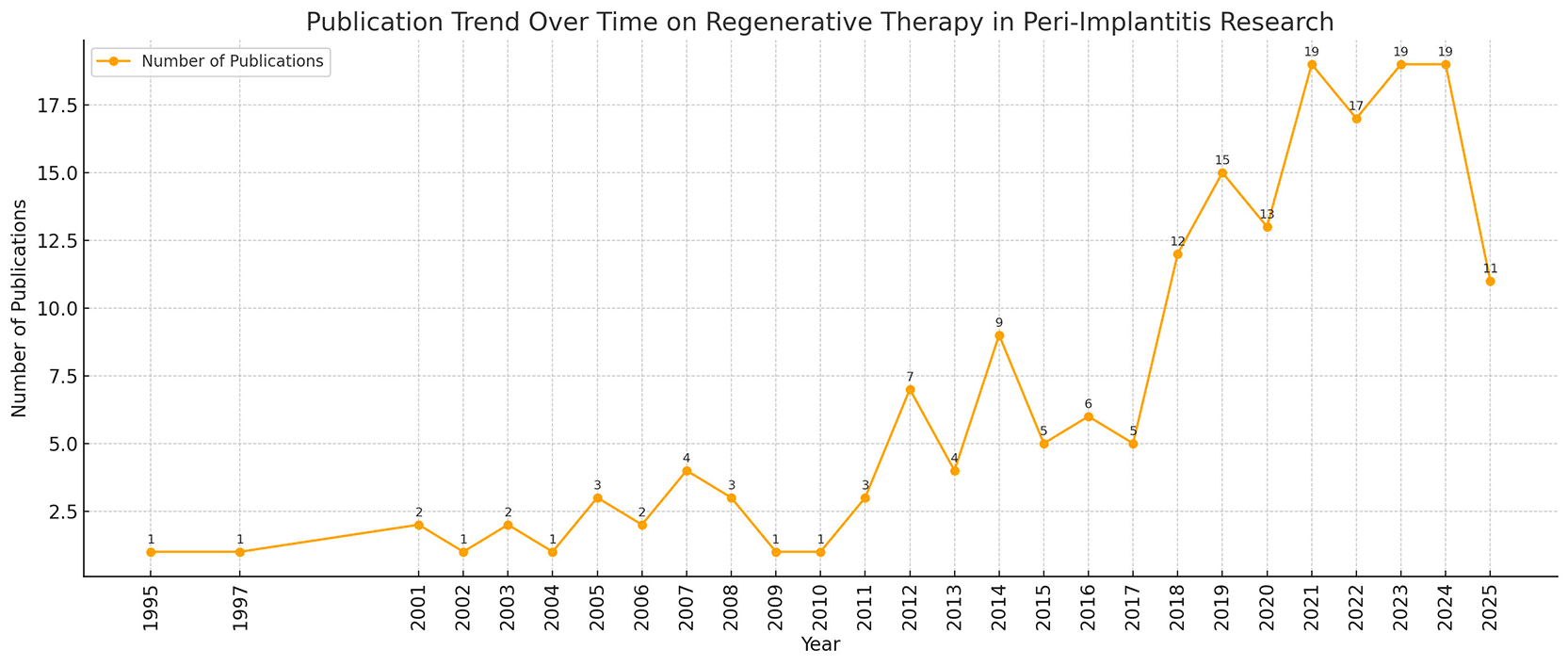
A total of 186 publications on regenerative therapy for peri-implantitis were identified from 1995 to 2025. As shown in Table 1, the largest increase in publications occurred in the last decade, from 2016 to 2025, with 136 papers published, accounting for over 70% of all studies included in this review.
| Decade | Number of publications | Percentage (%) |
|---|---|---|
| 1995 – 2005 | 11 | 5,9 % |
| 2006 – 2015 | 39 | 21,0 % |
| 2016 – 2025 | 136 | 73,1 % |
| Total | 186 | 100 % |
Figure 1 further illustrates the pattern of annual publications from 1995-2025. A steady rise has been shown since 2010, reaching its highest levels in recent years.
4.1.2 Leading journals, keywords, and citation metrics
The top journals that have significantly contributed to the domain regenerative therapy for peri-implantitis are listed in Table 2. Clinical Oral Implants Research has published the highest number of articles with 17 articles, and also has the highest H-index among the listed journals at 191. Right behind it is the International Journal of Periodontics and Restorative Dentistry with 16 publications, and then the Journal of Clinical Periodontology with 13. Among these, the Journal of Clinical Periodontology recorded the highest citation count (1,412). In contrast, lower-ranked journals, such as Case Reports in Dentistry, published fewer papers with lower H-index and Q3 ranking.
The prevalent keywords in the research domain of regenerative therapy for peri-implantitis from 1995 to 2025 are highlighted in Table 3, indicating the primary areas of investigation and the most discussed topics. These prevalences are based on author keywords extracted from the analyzed publications.
Table 4 presents the top 10 most cited publications in the field of regenerative therapy for peri-implantitis. The list is ordered by the frequency of citations, with the top-ranked article being “Current knowledge and perspectives for the use of Platelet-Rich Plasma (PRP) and Platelet-Rich Fibrin (PRF) in oral and maxillofacial surgery part 2: Bone graft, implant and reconstructive surgery” cited 212 times, published in a journal ranked Q2. Most articles were published in journals ranked Q1, including Journal of Clinical Periodontology and Clinical Oral Implants Research.
4.1.3 Geographic distribution of publications
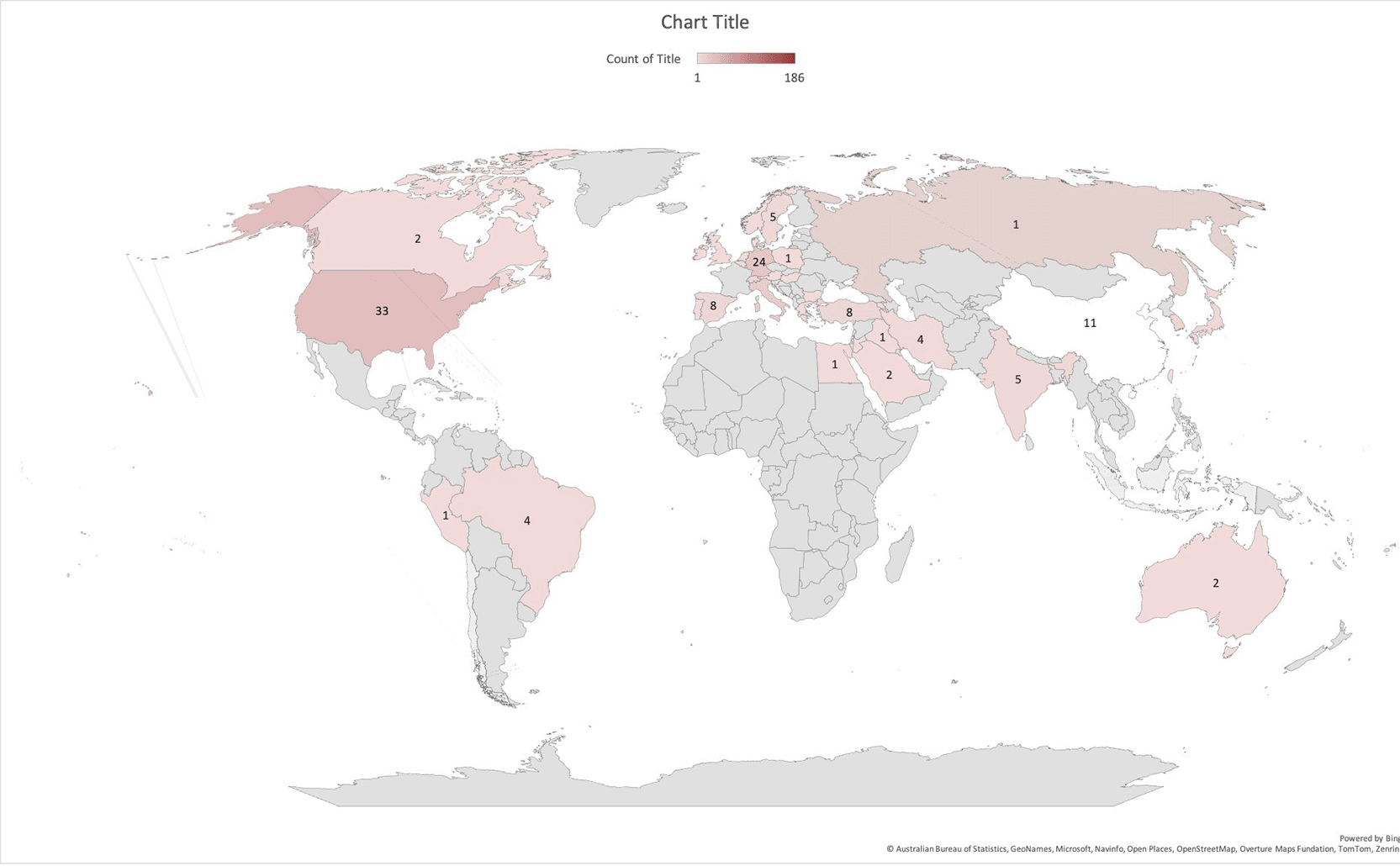
When we look at the global distribution of research on regenerative therapy in peri-implantitis as shown in Table 5, it is clear that several countries are leading the field. The United States stands out as the main contributor, with 33 publications, followed by Germany with 24 and Italy with 20. Other countries, such as China, South Korea, and Switzerland, have also made significant contributions, although on a smaller scale.
| Rank | Country | Number of publications |
|---|---|---|
| 1 | United States | 33 |
| 2 | Germany | 24 |
| 3 | Italy | 20 |
| 4 | China | 11 |
| 5 | South Korea | 9 |
| 6 | Switzerland | 8 |
| 7 | Turkey | 8 |
| 8 | Spain | 8 |
| 9 | Sweden | 5 |
| 10 | India | 5 |
The geographic visualization in Figure 2 highlights the dominance of North America and Europe, while also illustrating emerging contributions from Asia and South America. Countries such as India, Brazil, and Japan have contributed a smaller number of publications.
4.2.1 Keyword co-occurrence analysis
To analyze trends and developments in regenerative therapy for peri-implantitis, we conducted a network analysis divided into three decades: 1995–2005, 2006–2015, and 2016–2025. Dividing the research into ten-year intervals allows for a clearer observation of how this field has evolved over time, highlighting shifts in research topics, methodologies, and technologies that often occur during these periods. This approach reduces the influence of short-term fluctuations and highlights more stable long-term trends. Additionally, the use of decade intervals aligns with common practices in bibliometric research and facilitates meaningful comparisons across disciplines and funding cycles.11,16
The images show a bibliometric analysis from different periods created using the VOS viewer application. Network visualization shown in Figures 3-5 represented keywords with high occurrences, as the dots become bigger and darker in color. As the time increases, we can observe that the network becomes more complex and it makes it harder to compare each keyword by decade. When we compare the decade of centrality and analyze the network visualization with the keywords, evolution in the research of regenerative therapy in peri-implantitis can be analyzed.
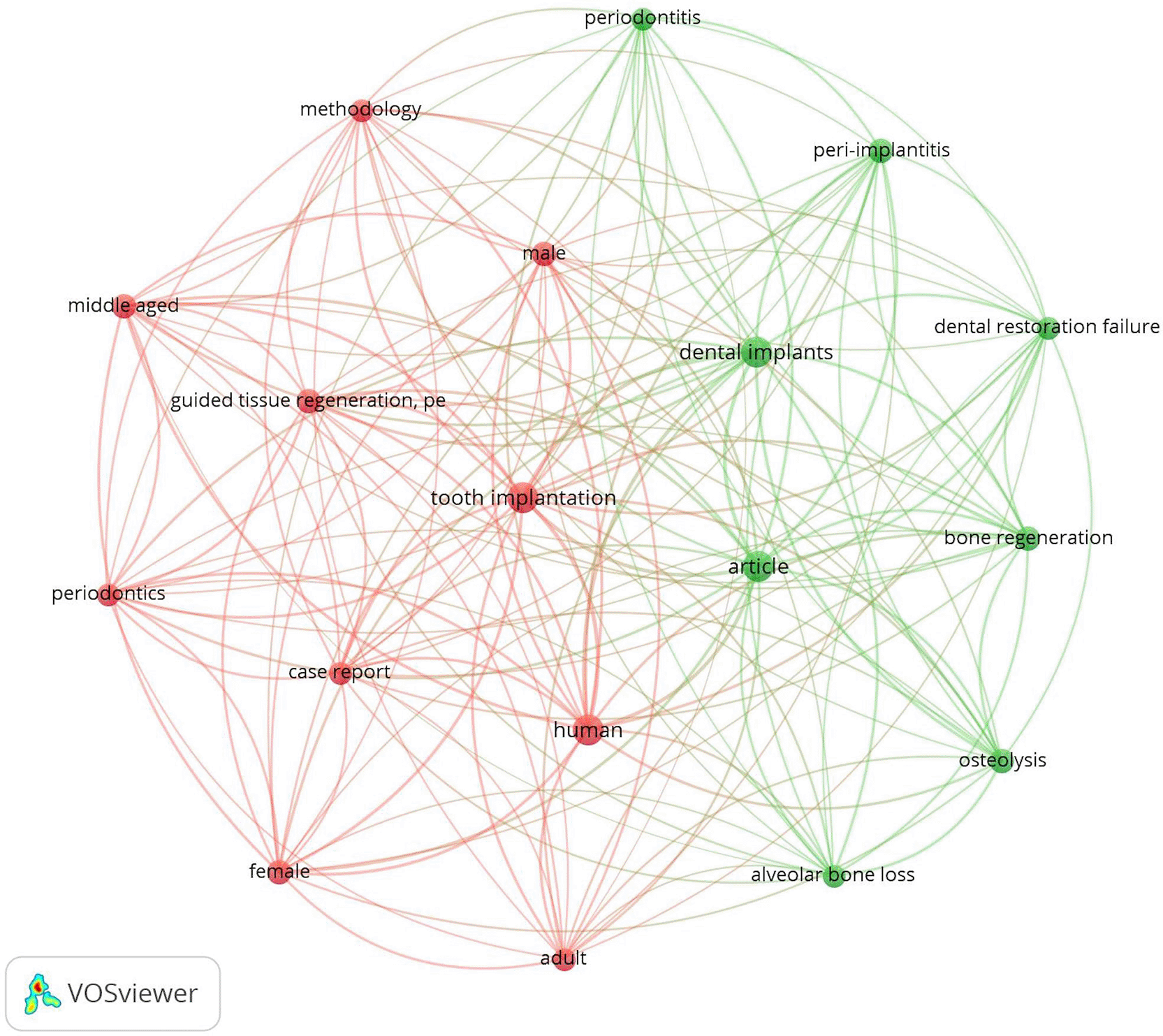
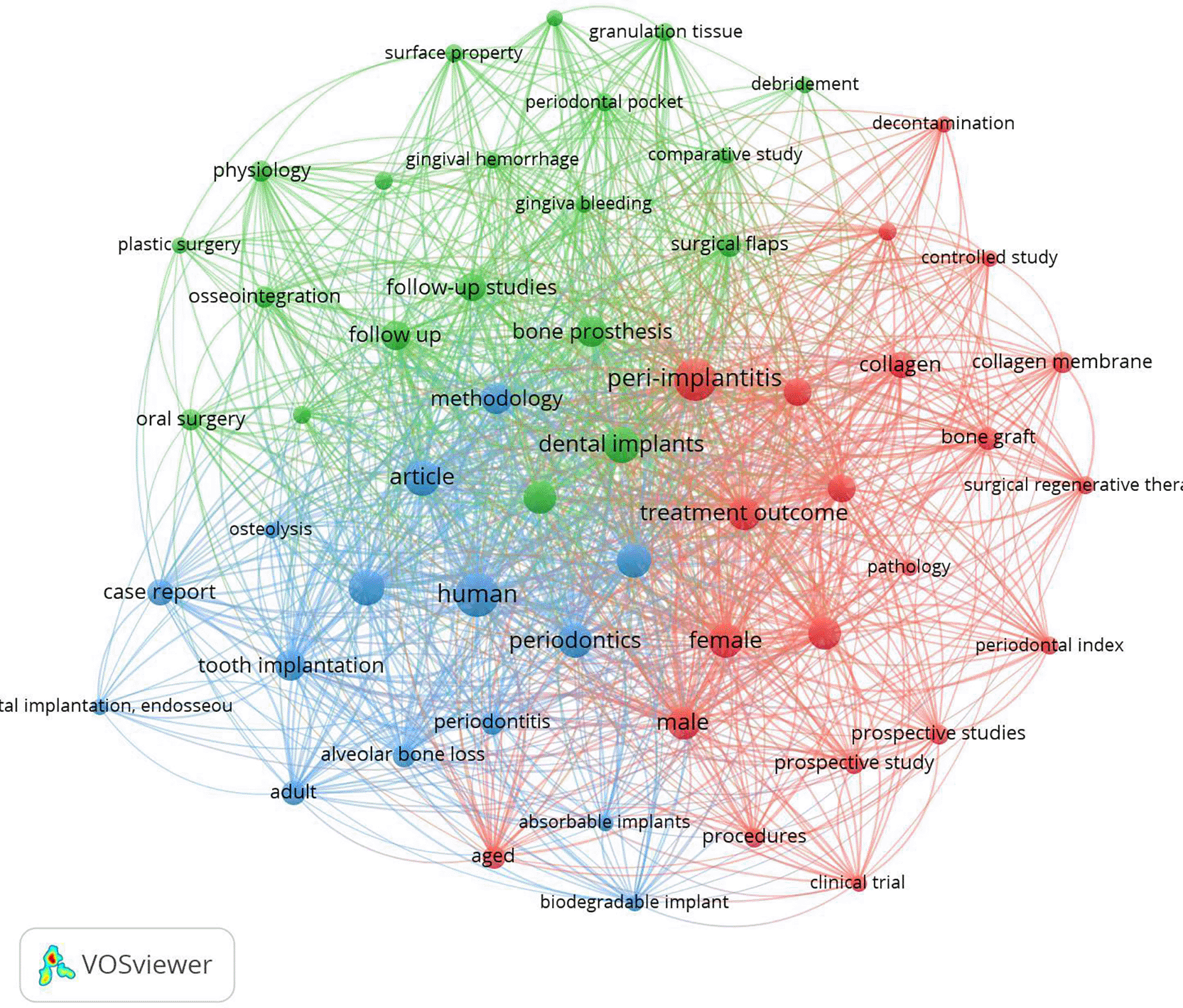
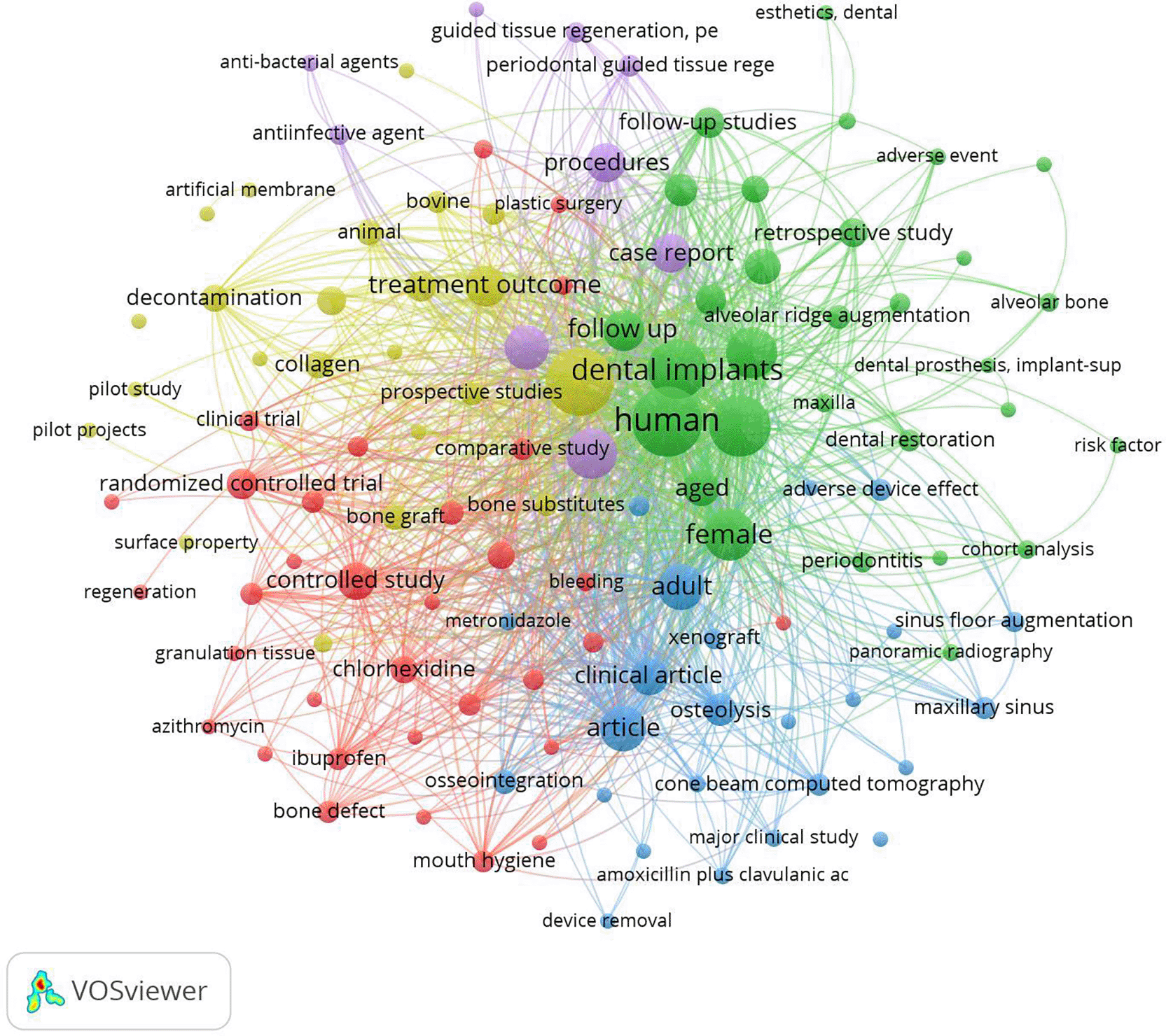
Figure 3 (1995-2005) illustrates a network of terms associated with “peri-implantitis”, “guided tissue regeneration”, “bone regeneration”, “human” and its related fields.
Figure 4 presents a network visualization of co-occurring terms in peri-implantitis research. The most prominent nodes include “peri-implantitis,” “dental implants,” “treatment outcome,” “bone graft,” and “collagen.” The map also shows clustered terms that group together based on their co-occurrence in the literature. It shows the interrelated research area linking various aspects of periodontal diseases, regenerative methods and dentistry.
Figures 5 and 6 (2016-2025) illustrates a complex network of keywords related to regenerative therapy in peri-implantitis. Central keywords like “peri-implantitis,” “human,” “female,” and “adult” appear as prominent nodes. Terms like “randomized controlled trial,” “bone graft,” and “clinical trial” are also visible, along with keywords related to imaging techniques such as “cone beam computed tomography” and surgical procedures like “sinus floor augmentation” and “dental restoration.” The diverse clusters demonstrate how the field has expanded to various research methodologies, clinical outcomes, surgical procedures, and adjunctive therapeutic approaches.
4.2.2 Evolution of keywords over time
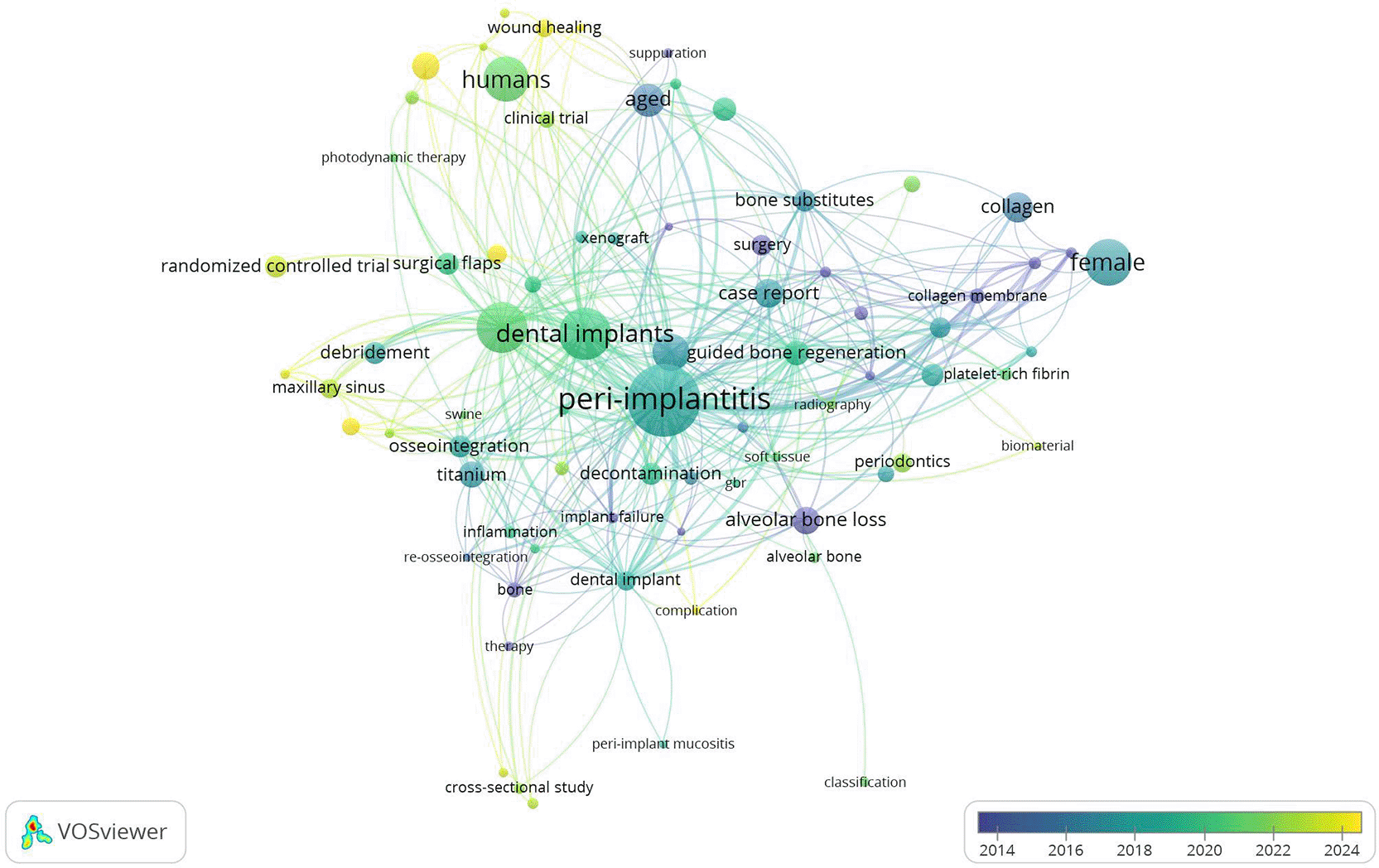
This overlay visualization illustrates how research keywords in regenerative therapy for peri-implantitis have evolved from 1995 to 2025. The color gradient represents the average publication year of each keyword. Blue represents older studies and yellow represents newer studies. Keywords such as “peri-implantitis,” “dental implants”, “humans,” and “female,” have remained consistent and significant over the past 30 years. Newer keywords like “photodynamic therapy,” “bone graft,” “collagen,” and “sinus floor augmentation,” represented by yellow and green colors, reflect growing interest in these fields.
The development of regenerative materials in peri-implantitis therapy is greatly influenced by the demographic characteristics of populations across major continents. In Europe and America, the increasing elderly population is a primary factor driving the adoption of more advanced implantation techniques, including computer-assisted implantology and minimally invasive surgical procedures tailored to the needs of older patients.17,18 This trend aligns with the increasing demand for effective regenerative therapies to address complications related to tissue aging and chronic diseases. Such therapies have become essential for patients with chronic conditions and the elderly, as the natural regenerative capacity of periodontal and peri-implant tissues declines with age. Consequently, interventions using biomaterials and regenerative techniques have been shown to improve clinical outcomes.4,13,18 Additionally, health policies and regulations in Europe strongly support the development of bioactive materials and precision technologies, further strengthening the region's position as a center of innovation in implantology.16,17
Meanwhile, Asia has seen significant growth in research and application of regenerative technologies, driven by rapid economic development and increased investment in healthcare, which responds to the needs of a relatively young but growing population both quantitatively and qualitatively.7,10 These demographic differences reflect distinct policy strategies on each continent in addressing health challenges related to peri-implantitis and evolving needs for regenerative therapies.6,19
The keyword analysis in this study reveals the main focus and emerging research trends in regenerative therapy for peri-implantitis. Among the identified keywords, several terms stand out as dominant and frequently occurring, “guided bone regeneration,” “bone regeneration,” and “collagen-based approaches”. These keywords reflect a strong emphasis on the biological and clinical aspects of tissue regeneration around implants.
Furthermore, keywords related to surgical techniques and clinical methods, including “randomized controlled trial,” “clinical trial,” and “controlled study,” indicate an increasing trend toward more structured and evidence-based research in recent decades. This shift signifies a move from basic research to more complex and measurable clinical applications.
Collectively, these findings demonstrate that research is increasingly driven by innovation in regenerative strategies while aligning with the global trend toward evidence-based peri-implantitis management.
The Q1-ranked journals dominate the list of leading journals in the field of regenerative therapy for peri-implantitis. This indicates that most high-quality and impactful research is published in journals with strict scientific standards. Clinical Oral Implants Research contributes the largest number of publications (17 articles), while the Journal of Clinical Periodontology records the highest number of citations (1,412), reflecting its substantial influence and visibility in this field.
Other journals, such as the International Journal of Periodontics and Restorative Dentistry and the International Journal of Oral and Maxillofacial Implants, also make notable contributions as reflected by their relatively high H-index scores and citation counts. Conversely, lower-ranked journals, such as Case Reports in Dentistry, have limited impact due to fewer publications and lower citation metrics.
Overall, these findings demonstrate a concentration of high-quality research within a small group of leading journals and underscore the importance of selecting publication platforms with broader reach and higher credibility to maximize the visibility and impact of future studies.
This bibliometric study has several limitations worth noting. First, the data were obtained exclusively from the Scopus database, which may exclude relevant publications indexed in other databases such as Web of Science or PubMed. Second, only articles published in English were included, potentially overlooking important research published in other languages. Third, experimental studies, including in vitro and in vivo research, as well as non-article publications, were excluded, limiting the scope of the analysis. Additionally, bibliometric analysis provides a quantitative overview of research trends and patterns but does not allow an in-depth evaluation of the quality and content of each study. Future research should consider combining quantitative bibliometric methods with qualitative assessments and expanding data sources to achieve a more comprehensive and representative understanding.
Future bibliometric studies on regenerative therapy for peri-implantitis should expand the scope and depth of analysis. Using multiple databases beyond Scopus, such as Web of Science and PubMed, and including non-English publications would provide a more comprehensive and global view of research trends. Examining emerging topics like biomaterials enhanced with growth factors, stem cell therapies, and advanced surgical techniques through bibliometric mapping can highlight innovation areas and knowledge gaps.
An interdisciplinary bibliometric approach linking regenerative therapy with related fields such as biomaterials science, immunology, and clinical dentistry will also help reveal collaboration networks and open new research directions. The advancements will offer deeper insights and better guidance for researchers and policymakers in advancing regenerative therapy for peri-implantitis.
This bibliometric analysis highlights the significant growth and evolving trends in regenerative therapy research for peri-implantitis over the past three decades. The increasing number of publications, particularly since 2016, reflects heightened scientific interest and clinical relevance. Leading journals with high impact factors have played a pivotal role in disseminating influential research, while key countries such as the United States and Germany dominate publication output. Keyword analysis reveals a shift from foundational biological research toward more complex clinical applications, emphasizing evidence-based approaches. Despite progress, challenges remain in optimizing therapies and achieving consistent, predictable outcomes, underscoring the need for continued rigorous research. Overall, this study provides valuable insights to guide future investigations and improve therapeutic strategies for peri-implantitis.
| Views | Downloads | |
|---|---|---|
| F1000Research | - | - |
|
PubMed Central
Data from PMC are received and updated monthly.
|
- | - |
Provide sufficient details of any financial or non-financial competing interests to enable users to assess whether your comments might lead a reasonable person to question your impartiality. Consider the following examples, but note that this is not an exhaustive list:
Sign up for content alerts and receive a weekly or monthly email with all newly published articles
Already registered? Sign in
The email address should be the one you originally registered with F1000.
You registered with F1000 via Google, so we cannot reset your password.
To sign in, please click here.
If you still need help with your Google account password, please click here.
You registered with F1000 via Facebook, so we cannot reset your password.
To sign in, please click here.
If you still need help with your Facebook account password, please click here.
If your email address is registered with us, we will email you instructions to reset your password.
If you think you should have received this email but it has not arrived, please check your spam filters and/or contact for further assistance.

Comments on this article Comments (0)