Keywords
Gastric signet ring cell carcinoma; bone marrow metastasis; bone marrow biopsy; case report

Gastric signet ring cell carcinoma; bone marrow metastasis; bone marrow biopsy; case report
Gastric cancer most commonly metastasizes to the peritoneum, liver, and distant lymph nodes, whereas skeletal and bone marrow dissemination are far less frequent.1,2 Diffuse marrow involvement, often described within the spectrum of disseminated carcinomatosis of the bone marrow, may present with cytopenias, disproportionate elevation of alkaline phosphatase, and diffuse lytic or mixed skeletal lesions on imaging.1,3 Because this clinical and radiologic profile can mimic hematologic malignancies particularly multiple myeloma, timely histologic confirmation is critical to avoid diagnostic delay and to expedite appropriate oncologic management.4 What makes the present case unique is that the malignancy was first suggested by osteo-medullary metastases, while cross-sectional imaging did not reveal an obvious primary tumor, and the gastric origin was ultimately established only after marrow immunohistochemistry prompted targeted upper endoscopy.
A 53-year-old man with no significant past medical history was admitted for evaluation of chronic epigastric pain for the past two months associated with unintentional weight loss and functional decline. He reported progressive anorexia and fatigue, without vomiting, overt gastrointestinal bleeding, or fever. Physical examination was unremarkable except for epigastric tenderness, with no palpable abdominal mass, peripheral lymphadenopathy, or clinically evident hepatosplenomegaly. The patient’s clinical course is summarized in Table 1.
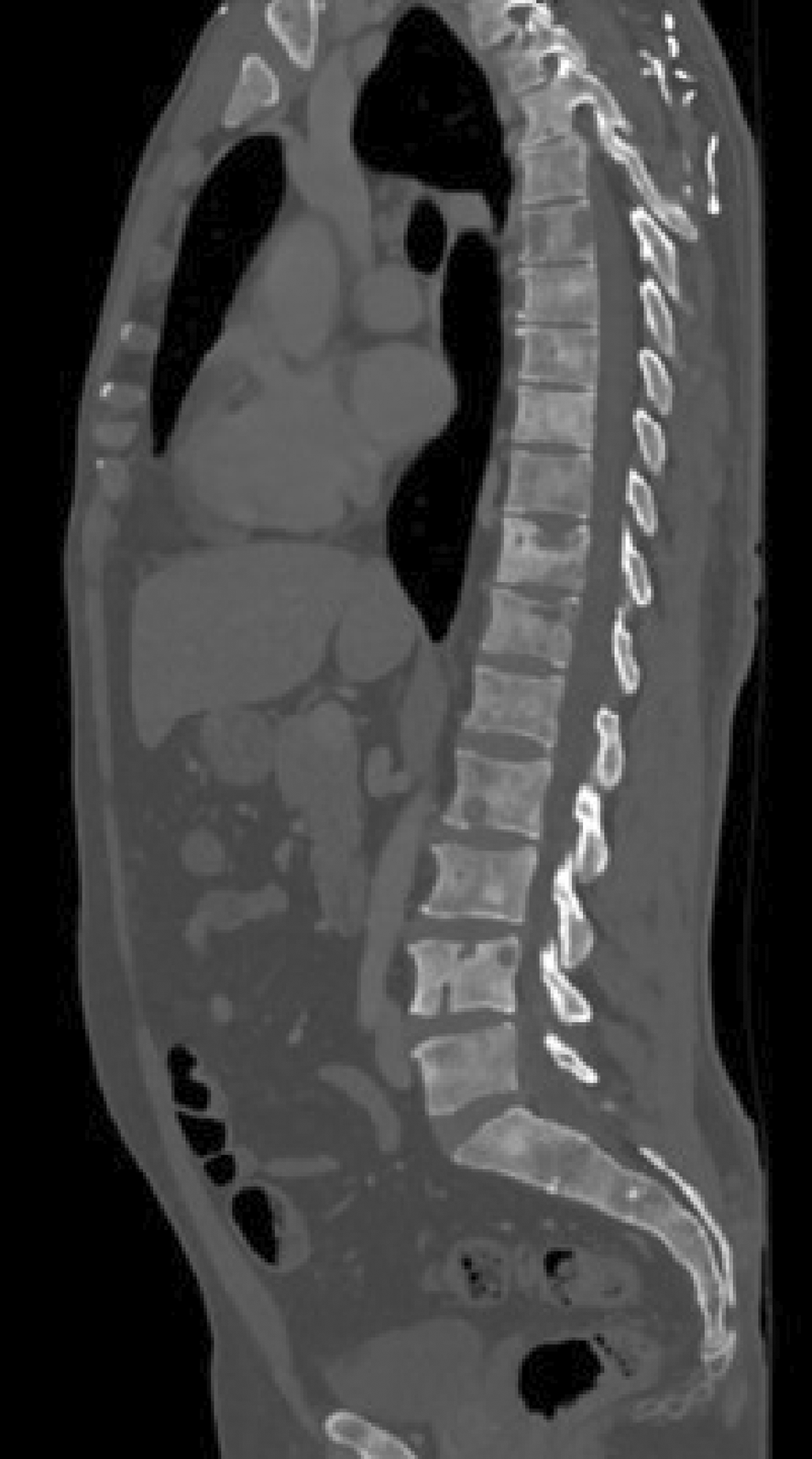
Thoraco-abdominopelvic computed tomography (CT) demonstrated diffuse osteolytic lesions involving the vertebral bodies and pelvis, without radiologic spinal cord compression and without an obvious primary tumor ( Figure 1). Given new-onset thrombocytopenia in association with diffuse bone disease, bone marrow infiltration was suspected. A bone marrow trephine biopsy showed a markedly hypercellular marrow with reduced adipocytes, extensively replaced by a malignant epithelial proliferation composed of isolated, non-cohesive cells and single-file infiltration within a fibrous stroma. Immunohistochemistry demonstrated cytokeratin positivity, supporting metastatic carcinoma ( Figure 2).
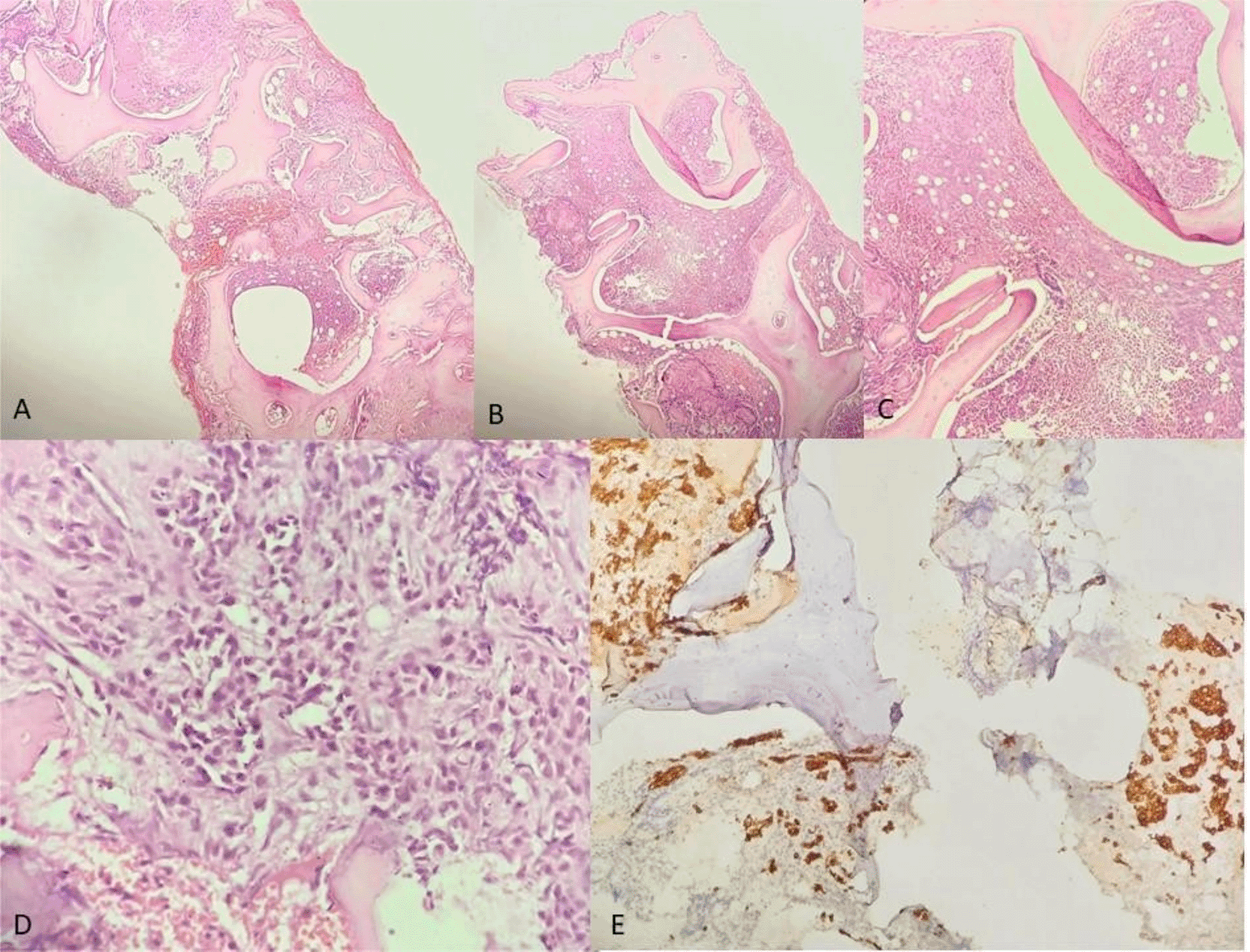
(B) H&E × 100: markedly increased cellular density with reduced adipocytes. (C) H&E × 200: marrow spaces occupied by malignant epithelial proliferation. (D) H&E × 400: isolated, non-cohesive cells and single-file infiltration within a fibrous stroma. (E) Immunohistochemistry ×10: tumor cells positive for cytokeratin, supporting epithelial origin.
Upper gastrointestinal endoscopy was performed to identify a possible primary. It revealed an ill-defined ulceroinfiltrative lesion at the incisura angularis along the lesser curvature, with friable margins and spontaneous bleeding on minimal touch. Biopsies from the ulcer margins showed a poorly differentiated gastric adenocarcinoma with signet-ring cells, consistent with a gastric primary ( Figure 3). The diagnosis of gastric carcinoma with bone marrow metastasis was then retained. Immunohistochemistry demonstrated retained expression of mismatch repair (MMR) proteins consistent with proficient MMR (microsatellite stable), and Human epidermal growth factor receptor 2 (HER2) immunostaining was negative. The case was discussed in a multidisciplinary tumor board. Palliative systemic chemotherapy based on fluoropyrimidine and platinum as well as supportive management were initiated. At 10 months of follow-up, the patient remains alive while continuing palliative treatment.
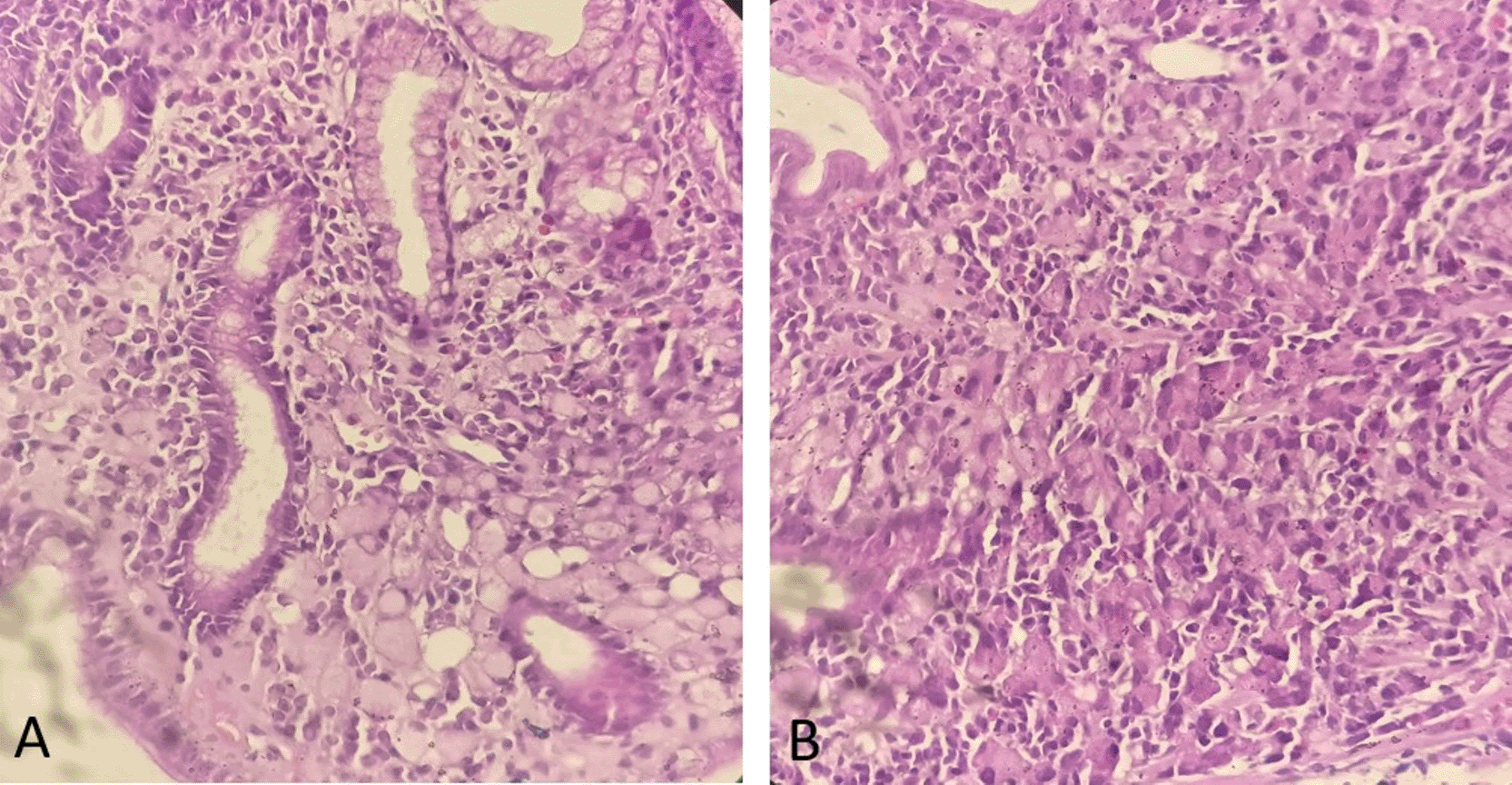
(B) H&E × 40: tumor cells with signet-ring appearance.
Strengths of this report include early use of bone marrow trephine biopsy with immunohistochemistry, which promptly established an epithelial origin and prompted the search for an occult primary, leading to a definitive diagnosis. In addition, the multidisciplinary approach and documented 10-month survival under palliative chemotherapy provide clinically relevant, practice-oriented insights. Limitations include the single-patient design and the absence of standardized longitudinal imaging and biomarker follow-up.
Bone marrow metastasis from solid tumors is uncommon and under-recognized, as it may masquerade as a primary hematologic disorder and can be the initial clue to an occult malignancy.4 In gastric cancer, marrow dissemination is most often associated with poorly differentiated or signet ring cell histology and may occur with extensive skeletal involvement. Retrospective series have shown poor outcomes, particularly when marrow carcinomatosis is associated with coagulopathy or rapid clinical deterioration.3,5
In our patient, the combination of thrombocytopenia and disproportionate alkaline phosphatase elevation in the setting of diffuse osteolytic lesions raised suspicion for marrow infiltration. The differential diagnosis includes multiple myeloma, lymphoma, leukemia, and metastatic solid tumors.6–8 While advanced imaging methods including radiomics approaches are being explored to differentiate myeloma from metastases, histology remains the key determinant in routine practice.8,9 Accordingly, early bone marrow trephine biopsy is a high-yield step when cytopenias coexist with diffuse bone lesions and can rapidly establish epithelial lineage through immunohistochemistry.10,11
Disseminated carcinomatosis of the bone marrow is thought to reflect a distinctive metastatic behavior characterized by rapid diffuse marrow infiltration with limited nodularity. Tumor–bone microenvironment interactions, including osteoclast activation, may contribute to aggressive marrow tropism and osteolysis in susceptible gastric cancer phenotypes. Clinically, red flags include disproportionate alkaline phosphatase and/or lactate dehydrogenase elevation, cytopenia, particularly thrombocytopenia, and diffuse bone pain or constitutional symptoms.3,12 Marrow metastasis may also occur years after gastrectomy or during chemotherapy, underscoring the need for vigilance when unexplained cytopenias or biochemical abnormalities arise.13–15
Management is multidisciplinary and primarily palliative, integrating systemic therapy, transfusion support, and symptom control. Current guideline-based strategies favor fluoropyrimidine–platinum doublets with treatment individualization based on HER2 status, Programmed Death-Ligand 1 (PD-L1), Microsatellite Instability (MSI) status, performance status, and comorbidities, and reinforce that systemic therapy should be initiated promptly when clinically appropriate.16,17 Although prospective evidence is limited, retrospective analyses and case-based experience suggest that palliative chemotherapy can improve cytopenias and performance status in selected patients and may prolong survival compared with best supportive care alone. Reports describe survival beyond several months in patients treated with modern fluoropyrimidine–platinum based regimens when adequate supportive care is available.18–20 Consistent with these data, our patient remains alive at 10 months after diagnosis, supporting the concept that palliative chemotherapy may translate into meaningful survival in carefully selected patients with gastric cancer and marrow involvement.
Diffuse osteolytic disease with unexplained cytopenias and disproportionate alkaline phosphatase elevation should prompt consideration of occult solid malignancy with bone marrow involvement. Early bone marrow biopsy with immunohistochemistry can rapidly confirm metastatic carcinoma and prompt evaluation for a gastrointestinal primary, shortening time to appropriate multidisciplinary management.
| Views | Downloads | |
|---|---|---|
| F1000Research | - | - |
|
PubMed Central
Data from PMC are received and updated monthly.
|
- | - |
Provide sufficient details of any financial or non-financial competing interests to enable users to assess whether your comments might lead a reasonable person to question your impartiality. Consider the following examples, but note that this is not an exhaustive list:
Sign up for content alerts and receive a weekly or monthly email with all newly published articles
Already registered? Sign in
The email address should be the one you originally registered with F1000.
You registered with F1000 via Google, so we cannot reset your password.
To sign in, please click here.
If you still need help with your Google account password, please click here.
You registered with F1000 via Facebook, so we cannot reset your password.
To sign in, please click here.
If you still need help with your Facebook account password, please click here.
If your email address is registered with us, we will email you instructions to reset your password.
If you think you should have received this email but it has not arrived, please check your spam filters and/or contact for further assistance.

Comments on this article Comments (0)