Keywords
Augmented Reality, Development Media, Social Studies Learning, Nationalism, Elementary School Students

This article is included in the Research Synergy Foundation gateway.
Augmented Reality, Development Media, Social Studies Learning, Nationalism, Elementary School Students
In this revised version, we have made several important improvements. The Introduction has been reorganized to strengthen the conceptual coherence of the study and to clarify the relationship between nationalism education, the Indonesian elementary Social Studies (IPAS) curriculum, and the role of local historical narratives in fostering civic values. We have also expanded the pedagogical and theoretical justification for the use of Augmented Reality (AR) in history learning.
In addition, the conceptual framework has been redesigned to more clearly illustrate the theoretical relationships among AR implementation, the learning process, and the development of students’ nationalism. The conceptualization of nationalism has also been strengthened by incorporating perspectives from contemporary civic education literature and by clarifying the operational indicators used in this study.
Furthermore, we have expanded the methodological explanation related to the development and validation of the research instruments and have acknowledged limitations related to the use of self-report measures and the short-term pretest–posttest design.
To read any peer review reports and author responses for this article, follow the "read" links in the Open Peer Review table.
Nationalism is an important civic value that should be cultivated from an early age in elementary education. Through nationalism education, students are expected to develop a sense of pride in their country, respect for national history, and appreciation for the struggles of national heroes (Putra, 2023). In the Indonesian elementary school curriculum, these values are integrated into the Social Studies component of the Ilmu Pengetahuan Alam dan Sosial (IPAS) subject, which aims not only to develop students’ cognitive understanding of historical events but also to foster civic attitudes, national identity, and social responsibility. However, recent studies indicate that the level of nationalism among students has shown signs of decline, reflected in a limited appreciation of historical heritage, low awareness of local culture, and weak engagement in activities that promote national values (Atmaja, 2023). One of the contributing factors to this issue is the way history is often taught in elementary schools. Learning activities frequently rely on conventional instructional methods such as lectures and memorization, which limit students’ opportunities to engage actively with historical narratives. As a result, historical learning tends to remain abstract and distant from students’ daily experiences. In addition, the limited use of innovative learning media makes it difficult for students to visualize historical events and understand their significance (Firmansyah, 2025). Furthermore, history learning in schools often emphasizes national-level historical narratives while providing limited exposure to local historical events and regional heroes. In fact, learning about local history can help students develop a stronger emotional connection to historical events because they are directly related to their own environment and community (Agustiningsih, 2018).
The Rawa Gede Monument as can be seen in Figure 1 below which located in Karawang is an important historical witness to the Indonesian people’s struggle against colonialism. Within the context of local historical learning, the Rawa Gede Monument in Karawang represents an important historical site that reflects the struggle of the Indonesian people against colonialism. The Rawa Gede tragedy, which occurred on December 9, 1947, is recognized as one of the significant events in the Indonesian struggle for independence, symbolizing the resistance of local communities against Dutch colonial forces (Rahmadani, 2022).
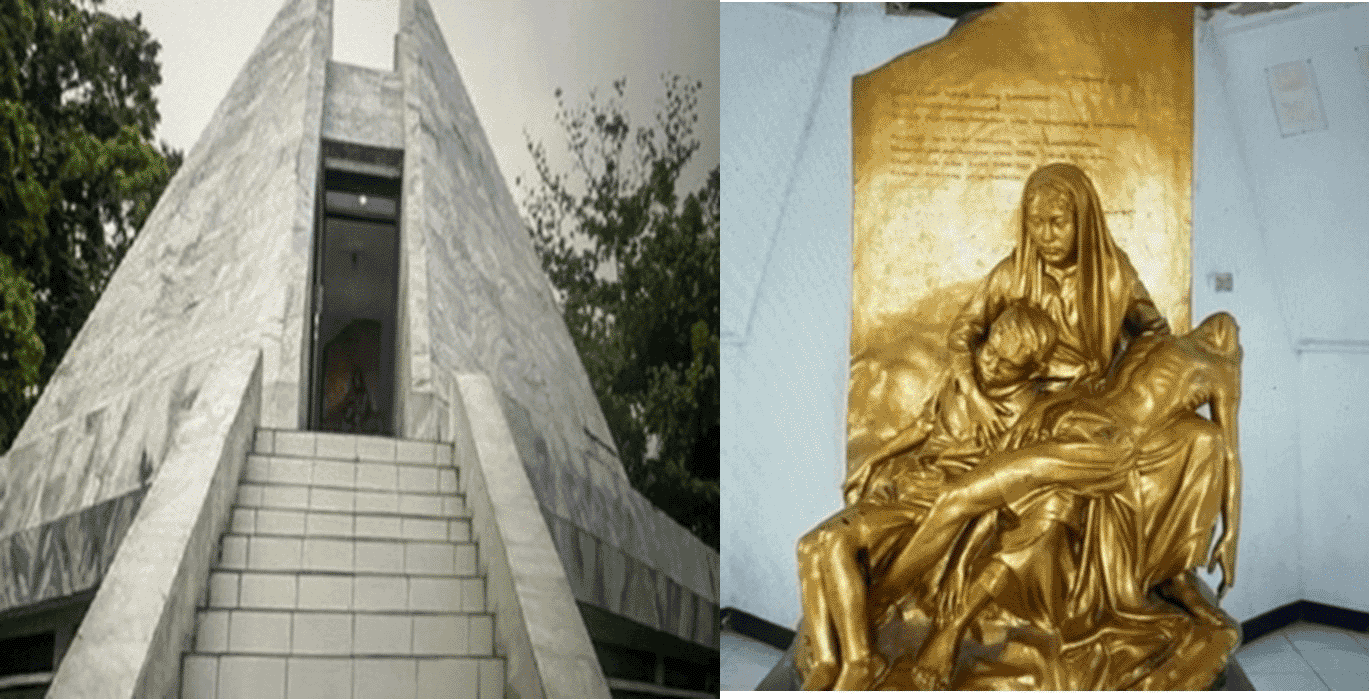
Integrating such local historical narratives into elementary school learning can provide contextual experiences that help students understand the meaning of historical struggles and strengthen their sense of national identity. However, preliminary observations conducted at SDN Anggadita V revealed that many students still have limited understanding of the historical significance of the Rawa Gede event. This condition is partly caused by the lack of innovative and engaging learning media that can present historical events in ways that are meaningful and accessible for elementary school learners.
The development of educational technology offers opportunities to address this challenge by providing more interactive and immersive learning experiences. One emerging technology that has shown potential in educational contexts is Augmented Reality (AR). AR enables the integration of virtual objects into real-world environments, allowing learners to interact with three-dimensional representations of learning content in real time (Wahiddiyah, 2023). In history learning, AR can visualize past events through interactive simulations, helping students to better imagine historical situations that cannot be directly observed. Previous studies have suggested that AR-based learning environments can enhance students’ engagement, motivation, and conceptual understanding by providing experiential and contextualized learning experiences (Praseptya et al., 2024). From a pedagogical perspective, the use of AR aligns with constructivist learning theory, which emphasizes that knowledge is actively constructed through meaningful experiences and interactions with the learning environment. Elementary school students, who are generally at the concrete operational stage of cognitive development, benefit from learning media that provide visual, interactive, and contextual representations of abstract concepts (Wardani, 2022).
By presenting historical events in the form of interactive three-dimensional visualizations, AR can help students connect historical narratives with tangible experiences, thereby supporting the internalization of civic and national values.
Based on these considerations, this study develops an Augmented Reality learning media based on the historical narrative of the Rawa Gede Monument, named “Morage”. Through this media, students can explore digital reconstructions of historical events related to the Rawa Gede tragedy, enabling them to observe historical scenes and narratives in a more immersive and meaningful way. Such experiences are expected to help students better understand the struggles of national heroes, appreciate historical heritage, and foster a stronger sense of nationalism (Alfarez, 2021).
Various studies have been conducted to increase student nationalism in social studies learning in elementary schools (Musyaffa, 2024) highlighting cognitive aspects in learning with AR media; while (Prawira, 2021) highlighting the development of AR media on the history of Hindu-Buddhist temples in West Java and the history of Majapahit to raise historical awareness. In addition, research has been conducted to create Busan 3D AR media to enhance understanding of the culture of the Indonesian archipelago (Marjaya, 2024). AR to maintain the spirit of nationalism (Fitriyanti, 2024) enhancing understanding of civic values (Arsiva, 2024), and foster a sense of pride and love for the homeland (Dzulfikar, 2025). AR in introducing Indonesian batik culture (Afthon, 2025) fostering a sense of patriotism towards the golden generation of 2045 (Dwikayani, 2024). AR based card innovation as an educational medium for learning about Indonesian culture (Aryanti, 2025) namely Introduction to Fort Rotterdam Heritage with AR (Hayati, 2019). Visualisation the Loyal Heart Lotus Brotherhood Symbol by AR (Rachman, 2024), AR introduction to Animals of the Archipelago to Grow the Nations (Abadi, 2022), AR as an introduction to heroic figures (Djamaludin & Mahmudin, 2021), AR in the introduction to the history of Trowulan (Martono, 2024).
Augmented reality (AR) technology offers opportunities to transform historical learning into immersive experiences by combining real environments with virtual 3D objects and narratives. AR enables students to visualize historical events more concretely and interactively, thereby supporting emotional engagement and value internalization. Therefore, this study develops AR learning media based on the Rawa Gede historical event (Morage AR) and examines its effectiveness in fostering nationalism among elementary school students.
Accordingly, this study aims to analyze: (1) how the development of AR learning media based on the history of the Rawa Gede Monument (Morage) can support the development of nationalism among elementary school students, and (2) how effective the AR-based learning media is in increasing students’ nationalism in social studies learning. To address these objectives, the study first examines students’ initial attitudes and knowledge related to nationalism through tests, questionnaires, interviews with teachers, and analysis of students’ responses. The study then develops AR-based learning media by considering learning objectives, student characteristics, and the contextual relevance of local historical narratives. Finally, the effectiveness of the developed AR media is evaluated through statistical analysis using a t-test and observation of student learning activities related to the development of nationalism during classroom learning sessions.
Nationalism in civic education is often conceptualized as a multidimensional construct that encompasses cognitive, affective, and behavioral components related to individuals’ sense of belonging to a nation. Contemporary scholars distinguish civic oriented nationalism from purely emotional patriotism by emphasizing values such as respect for national history, commitment to collective identity, and appreciation of national heritage. In the context of elementary education, nationalism is reflected through students’ understanding of national history, appreciation for the struggles of national heroes, pride in national identity, and willingness to participate in activities that support national values. Therefore, in this study nationalism is conceptualized as a civic oriented attitude that integrates knowledge, emotional attachment, and behavioral tendencies related to national identity and historical awareness.
Nationalism at the elementary school level is understood as a set of attitudes, knowledge, and behaviors that foster a love for the homeland, pride in national identity, and a willingness to respect and defend national values. At the stage of cognitive and moral development of children in elementary school. According to Piaget (Dewi S. S., 2022) consistent character education can form the foundation for lasting nationalistic attitudes. The ideal elementary school curriculum integrates cognitive aspects such as understanding history and national symbols, affective aspects such as pride and empathy for historical heroes/victims, and psychomotor aspects such as nationalistic activities: ceremonies and community projects. Instilling nationalism is not merely a transfer of historical facts, but also an appreciation of the values of heroes’ services, the spirit of unity, and social responsibility, which can be mediated through meaningful and contextual learning experiences (Dewi S. M., 2018).
Local history, which covers events, figures, and historical sites in the students’ surroundings, has pedagogical advantages as a relevant starting point for understanding national history. By studying local history, students can more easily relate abstract history to their daily lives, thereby forming emotional connections and local identities that contribute to national identity. Dewi S. M. (2021) emphasizes that local history can serve as a “gateway” to understanding the national narrative because it humanizes history and presents concrete evidence of struggle at the community level. The Rawa Gede incident occurred on December 9, 1947, in Balongsari Village, Rawamerta District, Karawang, West Java. This event was part of the Dutch military operation in the First Military Aggression to destroy the forces of the Republic of Indonesia, particularly the Siliwangi Division. To commemorate this event, the government built the Rawa Gede Monument as a symbol of the people’s sacrifice and evidence of the cruelty of colonialism. This event has important historical value for the education of nationalism, especially for the younger generation, because it emphasizes the meaning of struggle, sacrifice, and love for the homeland (Lorenz, 2015). In the context of Rawa Gede, introducing local stories, events, and monuments can strengthen regional pride while fostering a sense of belonging to the nation’s history and an important component in the formation of nationalism at the elementary school level. The use of local resources such as interviews with prominent figures, site visits, and artifacts also helps construct authentic historical meaning for students.
Learning media serve as intermediaries to convey pedagogical messages more clearly, attractively, and effectively. In social studies and history, visual, audiovisual, and interactive media play a role in transforming chronological information into learning experiences that are easier for elementary school students to digest. Ediyani (2020) states that the right media can increase motivation, clarify concepts, and support a variety of teaching methods. Media that provide context, such as maps, archival photos, dramatizations, and 3D models, help build temporal and spatial understanding and important skills in history learning.
Augmented Reality (AR) is a technology that combines virtual objects (images, text, 3D animations) into the real world interactively through digital devices. In the context of education, AR can increase student engagement by providing an immersive, interactive, and contextual learning experience. Several studies show that the use of AR in learning (1) can increase student motivation to learn, (2) help students understand abstract concepts more concretely, and (3) increase students’ cognitive, affective, and psychomotor engagement (Wahiddiyah N. L., 2023).
The use of AR in promoting the local history of Rawa Gede can be an innovative strategy in instilling nationalism. Through interactive visualizations in the form of historical figures, monuments, and scenes from historical events, students not only understand historical facts, but also experience emotional experiences that can strengthen their love for their country. This is in line with the constructivist views of Piaget and Vygotsky (Huang, 2021), which emphasize the importance of meaningful learning experiences in building students’ knowledge and attitudes. By presenting history through AR, fifth-grade elementary school students can actively construct historical knowledge while fostering an attitude of nationalism through an appreciation of the values of struggle.
In the context of history education, AR can facilitate the visualization of past events that cannot be directly observed. By presenting historical narratives through three dimensional reconstructions and interactive elements, AR helps students imagine historical situations more concretely and develop a deeper understanding of historical events. This feature is particularly relevant for elementary school students who are generally at the concrete operational stage of cognitive development, where visual and experiential learning plays an important role in knowledge construction.
From a pedagogical perspective, the use of AR in learning is consistent with constructivist learning theory, which emphasizes that students actively construct knowledge through meaningful interactions with their learning environment. Through immersive learning experiences, students are able to connect historical information with contextual understanding and emotional engagement. These experiences are expected to support the internalization of historical values, particularly those related to the struggle for independence and national identity.
In this study, AR media is used to present the local historical narrative of the Rawa Gede tragedy in an interactive format. Through AR-based visualization of historical figures, monuments, and scenes of historical events, students are expected to develop a deeper understanding of the historical significance of the Rawa Gede event. This understanding may lead to the internalization of values related to heroism, sacrifice, and patriotism, which are important components of nationalism education.
Based on these theoretical considerations, the conceptual framework of this study proposes that the implementation of AR learning media influences students’ learning processes by increasing engagement, motivation, and visualization of historical events. These learning experiences facilitate students’ understanding of local historical narratives, which subsequently supports the internalization of historical values and contributes to the development of nationalism among elementary school students can be described in the following conceptual framework, can be seen in Figure 2 below:

In the Figure 2 above, it is explained the relationship among the variables in this study can be conceptualized as follows: the implementation of AR learning media enhances students’ learning engagement and visualization of local history, which improves their understanding of historical events. This understanding then supports the internalization of national values, ultimately contributing to the development of students’ nationalism.
This study applied a Research and Development (R&D) approach with the goal of producing a learning product, an Augmented Reality (AR)–based media on the history of Rawa Gede that is both valid and practical for use in schools. The R&D approach allows researchers to move systematically from identifying needs to developing, testing, and refining the product.
To guide this process, we adopted the ADDIE model, which consists of five key stages: Analysis, Design, Development, Implementation, and Evaluation. This model, first developed by Florida State University in 1975, remains widely used because of its structured yet flexible nature, making it suitable for educational innovation.
Each stage was carried out as follows:
• Analysis: We conducted classroom observations and interviews with teachers to understand students’ learning needs and their current understanding of nationalism.
• Design: Based on the findings, we created a detailed plan for the AR media, including storyboards, visual flow, interface design, and historical content elements related to Rawa Gede.
• Development: The AR prototype was built using Unity 3D software and Vuforia SDK. We then conducted expert validation involving both media and content specialists to ensure accuracy, usability, and educational value.
• Implementation: The validated media was used in real classroom settings across five public elementary schools located in four subdistricts in Karawang Regency. The implementation involved four learning sessions per school, engaging a total of 129 fifth-grade students.
• Evaluation: Finally, both formative and summative evaluations were conducted to review the effectiveness of the AR media in improving students’ nationalism. Feedback from teachers and students was also collected to guide further refinement of the media.
Figure 3 above shows the ADDIE model was chosen because it provides a systematic yet flexible framework that supports continuous improvement throughout the research process.
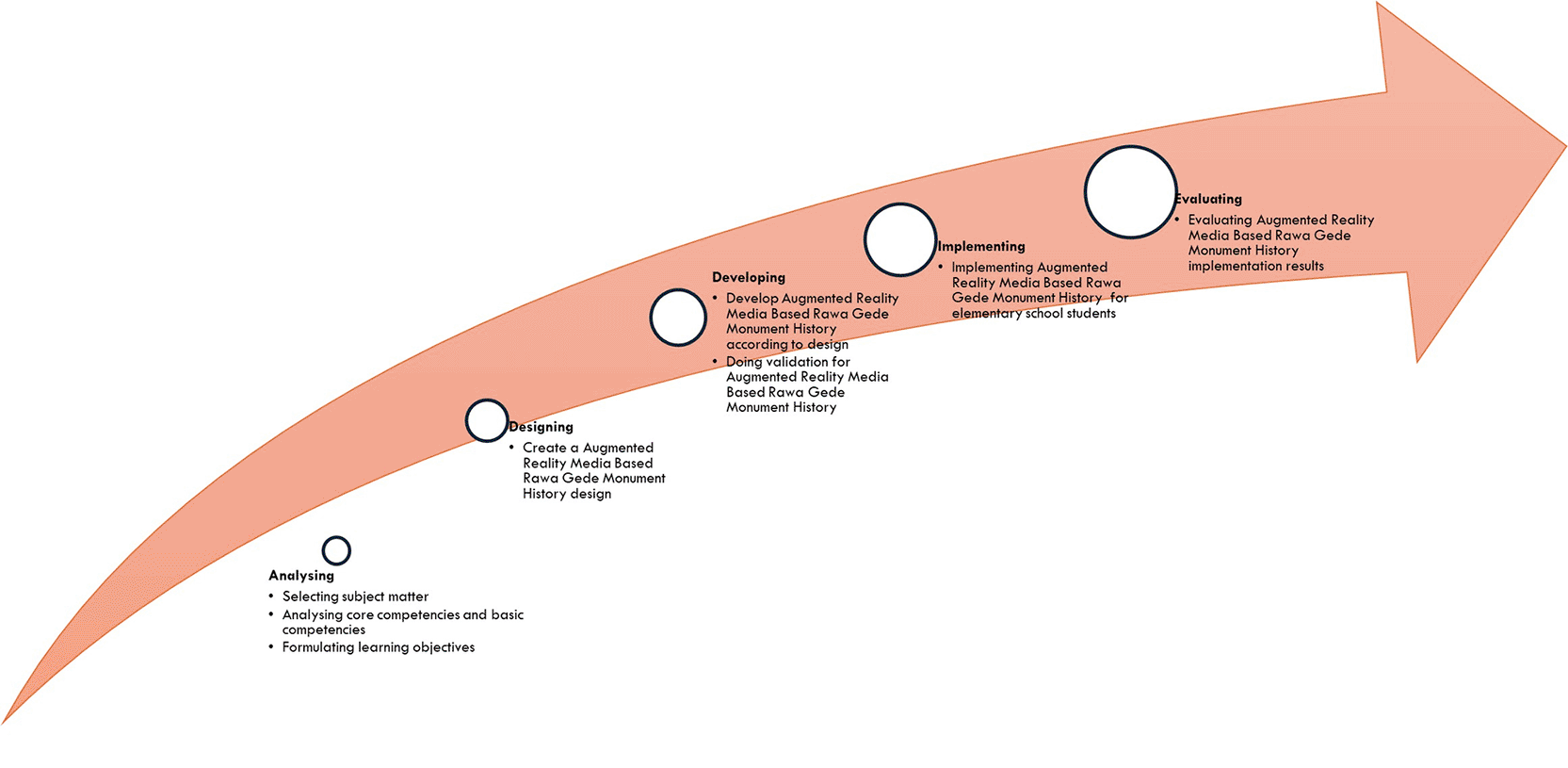
ADDIE is a learning development model consisting of five stages, namely Analysis, Design, Development, Implementation, and Evaluation. This model was first developed in 1975 by Florida State University for military training needs in the United States. To date, ADDIE has become one of the most widely used models in learning system development due to its systematic, flexible nature and applicability in various educational contexts (Rayanto Y. H., 2020). The analysis was conducted in one school to collect data related to the initial description of student nationalism and learning media needs. In the design stage, a design related to the Rawa Gede AR media was created. Next, in the development stage, the Rawa Gede History and Monuments AR media was developed. In the implementation stage, it was carried out in four schools with four classroom meetings. Finally, an evaluation was conducted to measure the effectiveness of learning using the Rawa Gede AR media.
The main reason for choosing the ADDIE method is because this model is systematic, flexible, and simple to apply in the context of developing technology-based learning media such as Augmented Reality (AR). In the Analysis stage, researchers conducted a study of elementary school students’ needs for local history learning media. The Design stage provides clear directions for designing media flow, visual content, and AR integration in order to instill the value of nationalism. Furthermore, the Development stage supports the AR media production process with internal testing, so that technical errors can be minimized. The Implementation stage provides space for students to try out the media in real learning situations, while the Evaluation stage provides a mechanism for continuous evaluation, both formative and summative, so that the media can be continuously improved and refined.
This study involved 126 fifth-grade students from five public elementary schools located in four subdistricts of Karawang Regency: Klari (SDN Anggadita V and SDN Gintungkerta II), Tegalwaru (SDN Cigunungsari I), Tirtajaya (SDN Tambaksari I), and Lemahabang (SDN Lemahmukti II). The total population consisted of 817 students, and the sample was selected using a purposive sampling technique.
Purposive sampling was used because it allowed the researchers to intentionally select participants who met specific criteria relevant to the study’s objectives (Dewi, 2019). The inclusion criteria were students currently enrolled in the fifth grade during the 2024/2025 academic year, who attended school regularly, and whose parents or guardians provided consent to participate in the study. Students who did not meet these criteria were not included.
The participants were between 10 and 11 years old, corresponding to Piaget’s concrete operational stage of cognitive development (Wardani, 2022).
At this stage, students are able to understand cause and effect relationships, historical space time concepts, and more complex visual representations, thus aligning with the interactive visual characteristics of augmented reality media. In addition to cognitive readiness, the selection of fifth grade students was also based on considerations of social identity development.
According to Erik Erikson’s theory of psychosocial development, elementary school age (10-11 years) is a crucial phase in the formation of social identity, a sense of belonging to a group, and the internalization of cultural and national values. At this stage, children begin to understand collective concepts such as nation, historical struggles, and national symbols, and develop empathy for historical events. Therefore, fifth-grade students are considered the most developmentally appropriate group for learning about local history-based nationalism through the augmented reality media of the Rawa Gede Monument (See Table 1 for details). The nationalism tests, classroom observations, and interviews were conducted according to this distribution during the data collection process.
In the first stage, researchers conducted observations and interviews with teachers and students to determine their level of nationalism and learning media needs. During the implementation process, observation guidelines were provided to assess the practicality of the media in relation to nationalism, and tests were administered at the end of the learning process to measure the effectiveness of AR media in relation to the nationalism of elementary school students.
Research on the development of Augmented Reality (AR) media on the history of Rawa Gede was conducted in several elementary schools spread across four different subdistricts in Karawang Regency. These schools were selected based on the diversity of student characteristics, geographical conditions, and socio-cultural environments that could influence students’ understanding and attitude towards nationalism.
With the variety of contexts in these four subdistricts, this study is expected to provide a comprehensive picture of the effectiveness of AR media in instilling nationalism in elementary school students. The results of this study can also be used as a reference for the development of similar media in regions with diverse social, economic, and geographical conditions.
This study used open ended interviews with teachers regarding their needs for AR learning media, questionnaires, observations, and nationalism tests for students. The 20 test questions were validated through expert review and construct validity testing, and reliability testing was conducted (See Table 2 for details).
Based on the results of the analysis of the test questions, the test questions are declared reliable and suitable for use in collecting data on nationalism among elementary school students. The reliability of the test questions can be seen from the coefficient value obtained of 0.902 > 0.60 as a requirement for test questions to be declared reliable. It can also be interpreted from the rtabel value of 0.361, which means that 0.902 > 0.361 and states that the test questions are proven to be reliable.
The tools used in this study were open-ended interviews regarding learning media needs. The following is an example of an interview question: “In your opinion, how does learning media play a role in fostering nationalism among students?”
Observations were conducted by observing learning activities using AR media related to nationalism (See Table 3 for details).
Data analysis was conducted as part of the research process so that the information obtained was meaningful. The analysis process for interview data was carried out through confirmatory review in accordance with the researcher’s questions and their relevance to the aspects that were the focus of the study. Tests were conducted to determine students’ knowledge of nationalism. The test data analysis process was carried out using a quantitative approach through the following formula:
After analysis, the results can be interpreted (See Table 4 for details). When the final score calculation process is complete, the researcher also measures classical achievement using a minimum achievement criterion of 70, which can be calculated as follows.
| No | Student name | Indicator | Total score | Final grade | ||||
|---|---|---|---|---|---|---|---|---|
| A | B | C | D | E | ||||
| 1 | ||||||||
| 2 | ||||||||
| 3 | ||||||||
| etc | ||||||||
Thus, through these calculations, it is possible to determine the level of achievement of students who have developed nationalism in the good category.
The analysis of the effectiveness of AR media was conducted using the following “t” test:
While:
di = The difference between the after score and the before score for each subject
Md = Average gain (d)➔ Md = ∑d:n
Xd = Deviation of gain score from its average ➔ Xd = di - Md
Xd2 = Square deviation of gain score from its average
N = The number of sample or research subjects
This study was reviewed and approved by the Research Ethics Committee of Universitas Buana Perjuangan Karawang (Approval No. 003/UBP-PI/V/2025). This written approval authorized the researchers to conduct the study in accordance with institutional and ethical standards. Prior to data collection, written permission to conduct classroom observations and interviews was obtained from the participating schools. In addition, written informed consent was obtained from the parents or legal guardians of all student participants. The students were also informed about the study’s purpose and procedures before their participation. The research involved minimal risk and was conducted under the supervision of classroom teachers. To protect the rights and privacy of respondents, all data obtained remain confidential and de-identified. No identifiable images or personal information are included in this manuscript.
The research and development conducted by researchers has resulted in a product in the form of augmented reality media based on the history of Rawa Gede and the Rawa Gede Golden Statue, created using the Rawa Gede Golden Statue created using a 2D design application using Photoshop, 3D design using the glb format, Hunyuan Tencent, Backend programming language using React Js, Frontend programming language using React Native. This product can be played on computers, laptops, smartphones, and tablets with Android systems.
The research began with a preliminary study through initial observation with reference to five indicators of nationalism, namely accepting Indonesia’s diversity, taking pride in Indonesia’s history and culture, having a love for the country, having an attitude of tolerance, and being willing to make sacrifices for the nation. To provide a more comprehensive picture, the researcher conducted structured observations, which can be seen in Figure 4 below.
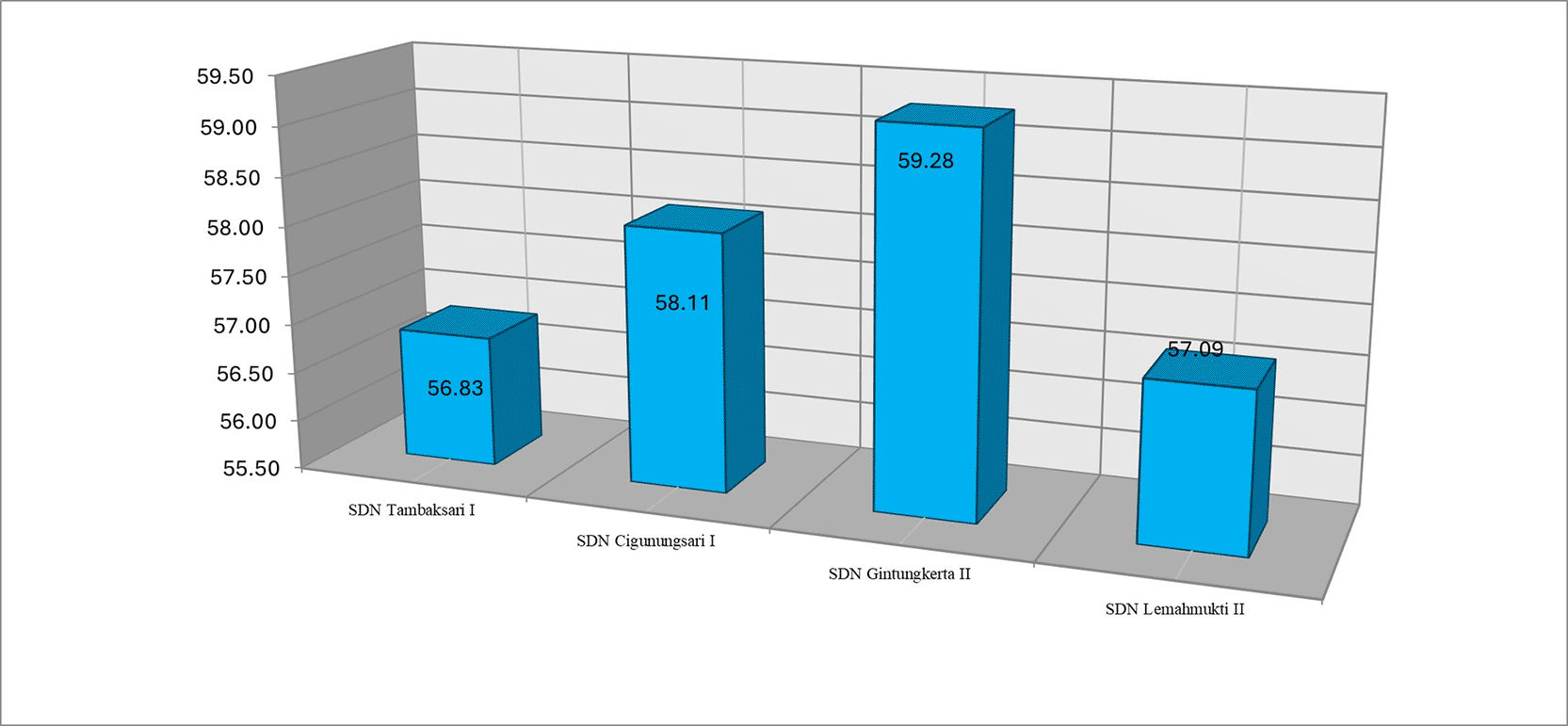
Based on the information presented in the figure above, it is clear that the lowest average score for students’ initial nationalism was achieved by SDN Tambaksari I, while the highest average score was achieved by SDN Gintungkerta II. When interpreting the average nationalism scores of students, all four sample groups fall into the category that needs further improvement because their achievements are relatively low.
The first indicator observed was acceptance of Indonesia’s diversity. Classroom observations indicated that tolerance among peers from different backgrounds was generally positive, although occasional teasing related to accents or skin color still occurred. This suggests that while inclusive attitudes are present, they remain in a developing stage. The second indicator observed was pride in Indonesian history and culture. Observations revealed that students’ knowledge of national history was largely limited to major national events presented in textbooks, such as the Proclamation of Independence and well-known national heroes. When asked about local history, particularly the Rawa Gede tragedy, most students were unfamiliar with it and tended to recognize more widely popular figures such as Soekarno, Hatta, and Kartini. Interview responses supported this finding, for example: “I am very happy to learn about the heroes of Karawang, but sometimes I forget their names.”
These findings indicate that students’ familiarity and emotional connection with local historical narratives remain limited. This condition may be associated with the relatively low exposure to contextualized and meaningful representations of local history in their learning experiences. However, this interpretation should be understood cautiously, as multiple factors such as curriculum emphasis, prior knowledge, and sociocultural environment may also influence students’ historical awareness.
The third indicator observed was love for the country. Initial observations showed that students demonstrated enthusiasm in participating in flag ceremonies and singing the national anthem. However, interview results suggested that many students interpreted love for the country primarily as compliance with school routines rather than as a deeper civic or historical awareness. For example, one student stated: “I know that the flag must be flown every Monday, but sometimes I forget what it means. The important thing is just to participate in the ceremony.” This suggests that symbolic participation is present, but reflective understanding remains limited.
The fourth indicator observed was tolerance. Observations indicated that students were generally willing to cooperate in groups despite different backgrounds. Interviews also highlighted their awareness of respecting peers and avoiding discrimination. Nevertheless, a tendency to form friendship groups based on similarity was still observed, indicating that inclusive attitudes are present but not yet fully internalized. The fifth indicator observed was willingness to sacrifice for the nation. This concept remained difficult for students to interpret. Interview responses showed that students associated “sacrifice” mainly with everyday prosocial behaviors such as sharing food or helping teachers. They had not yet connected this concept with historical sacrifices made by national heroes. This suggests that students require more concrete and contextual learning experiences to meaningfully understand abstract civic values such as national sacrifice.
Overall, the observation and interview results indicate that nationalism among fifth-grade elementary school students has begun to develop but remains at a relatively surface level of understanding. These findings highlight the need for learning approaches that can present historical narratives in more concrete, contextual, and experientially meaningful ways. In line with constructivist learning perspectives, meaningful engagement with historical content is strengthened when learners interact with representations that connect abstract narratives to tangible experiences. Therefore, the use of technology enhanced and immersive media, such as Augmented Reality (AR), may offer potential to bridge the gap between narrative historical knowledge and concrete learning experiences. This pedagogical rationale motivated the subsequent media needs analysis conducted with fifth-grade students, the results of which are presented in the following section ( Figure 5):
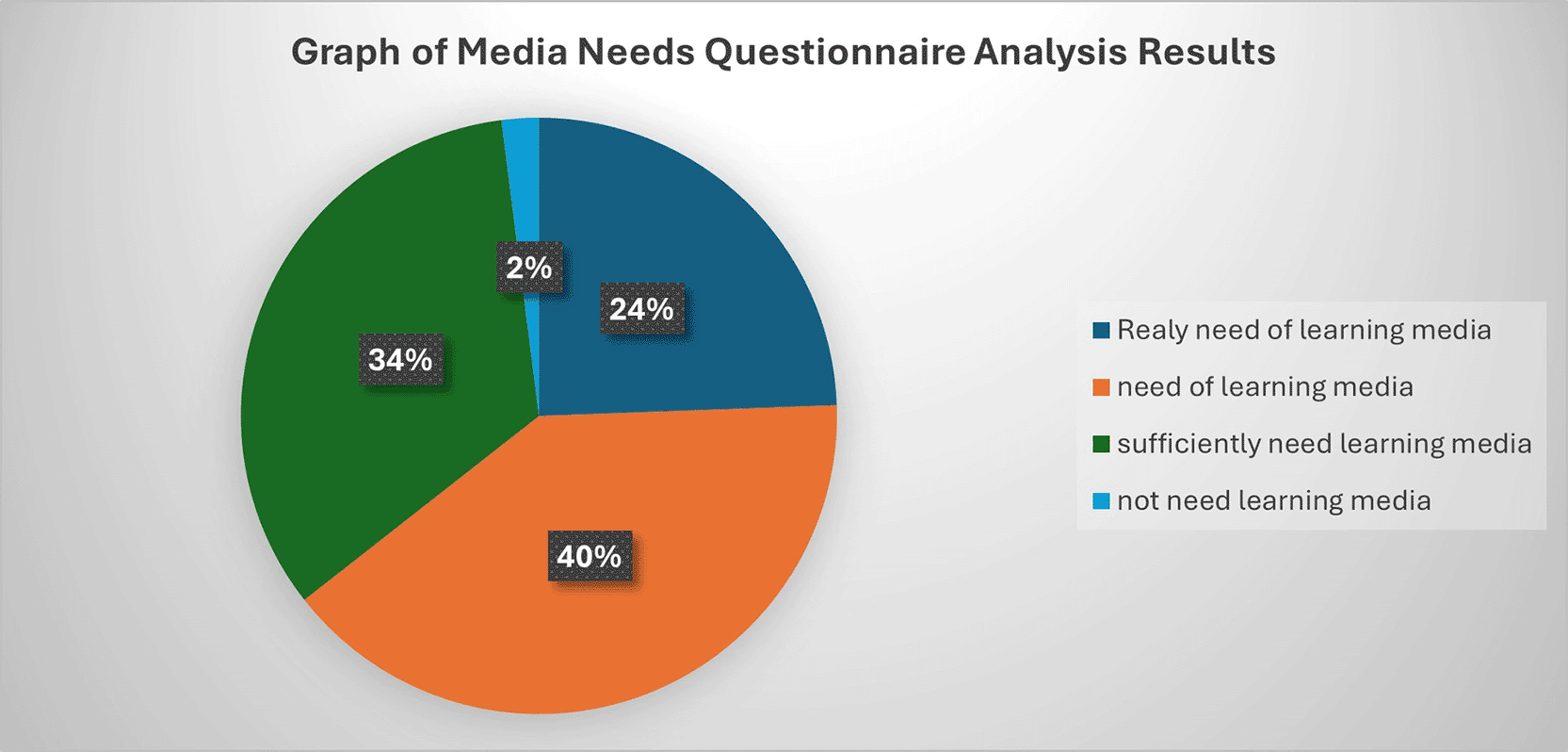
Based on the analysis of the media needs questionnaire that has been conducted, 24.3% of students are in dire need of learning media, 39.8% of students need learning media, 33.4% of students somewhat need learning media, and only 2% of students do not need learning media. Based on the results of observations and interviews with fifth-grade teachers and questionnaires with students, it was found that (a) local history learning is not yet part of the explicit curriculum in fifth grade. Learning tends to refer to thematic textbooks that focus more on national history or general events, resulting in students having fewer opportunities to learn about the history of their own environment. In fact, local history has strategic value in fostering a sense of identity, pride, and emotional attachment to one’s region of origin. (b) Students are unfamiliar with local historical events, particularly the Rawa Gede tragedy. It was found that most students are aware of major events such as the Proclamation of Independence, the struggles of national heroes, or the events of November 10, but almost none are able to explain the Rawa Gede tragedy in detail.
This shows that students’ knowledge is still limited to the grand narrative of national history and does not touch on events in their surrounding areas. This is evidence of the lack of exposure to local history, which results in students’ weak understanding of the struggles and sacrifices of the local community in defending independence. (c) Teachers find it difficult to deliver local history material due to limited media and contextual learning resources. Teachers say that limited media and contextual learning resources are the main factors. Material on the Rawa Gede tragedy is difficult to find in mainstream textbooks, and supporting resources such as documentation, videos, or interactive media are still rarely available. As a result, local history is only taught through oral stories or simple additional information.
This has resulted in a lack of appeal in learning and a low level of in-depth understanding among students; (d) There is a need for innovative media that can instill the values of nationalism, while utilizing digital technology that is attractive to students.
In this context, augmented reality (AR) media is one potential alternative solution. AR can provide an immersive learning experience, where students not only read or hear historical stories, but can also see interactive visual representations of events and figures. Thus, analysis of questionnaire data, observations, and interviews shows that there is a gap between student needs and the availability of appropriate learning media. Students need engaging media, teachers require contextual media support, while the curriculum has not fully accommodated local history.
The researchers concluded that AR-based learning media on the history of Rawa Gede Karawang is needed and is expected to be the answer to these needs. This media is not only relevant for introducing forgotten local historical events, but also serves as an effective means of instilling nationalism in students from an early age through a fun, meaningful learning experience that is in line with developments in educational technology.
The media design was carried out using an integrative approach between technology and historical material. The main components of the Augmented Reality (AR) media for the Rawa Gede Historical Monument, or “Morage” for short, are:
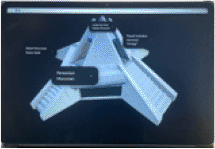
3D model of the Rawa Gede Monument and illustrations of historical events.
The Augmented Reality (AR) learning media design for the Rawa Gede Historical Monument (Morage) was created using an integrative approach, combining digital technology with contextual local historical content. This approach was chosen because elementary school students, especially those in fifth grade, need learning media that not only conveys information textually, but also provides an interesting, enjoyable, and interactive learning experience. Through the integration of AR technology with historical material, Morage is expected to create a more lively learning atmosphere and foster values of nationalism from an early age. The 3D model is designed to resemble the actual monument so that students can feel as if they are seeing the monument in person. In addition, illustrations of historical events of the Rawa Gede tragedy, such as the people’s struggle against the colonizers and the sacrifices of the fighters, are displayed to strengthen students’ understanding of the context of the events. These visual displays help students who are still in the concrete thinking stage to more easily understand abstract historical material.
The historical narrative is in text form and accompanied by music.
The text narrative is written in simple and communicative language, tailored to the cognitive development level of elementary school students. This narrative aims to explain the background, course of events, and meaning of the people’s struggle in the Rawa Gede tragedy. Meanwhile, accompanying music is used to add emotional nuance, so that students can better appreciate the historical story being presented. This combination of text and audio not only strengthens cognitive understanding, but also encourages students’ affective involvement.
AR interaction uses a QR Code scanner that can direct users to an augmented reality (AR) visual experience via a mobile device/cell phone.
In this medium, students can use their mobile devices to scan the QR Code provided in the book or worksheet. After scanning, students will be directed to an AR-based visual experience that displays 3D models, illustrations, and historical narratives. This mechanism provides an innovative learning experience that is in line with the digital habits of the current generation. AR interaction through QR codes also provides easy access, so that the media can be used both in class with teachers and independently by students at home.
Instilling nationalistic values such as accepting Indonesia’s diversity, taking pride in Indonesia’s history and culture, having a love for the country, and having an attitude of tolerance and willingness to sacrifice for the nation through interactive quizzes in the Wordwall application.
After exploring the AR material, students are directed to answer quizzes about the history of Rawa Gede. These quizzes not only serve to evaluate students’ understanding, but also to strengthen the internalization of nationalistic values. In this way, students not only learn to remember information, but also reflect on the meaning of the heroes’ struggles in their daily lives.
The historical material is adapted from the topic “My Region, My Pride” in the Ministry of Education, Culture, Research, and Technology’s textbook for fifth grade elementary school students.
This integration ensures that Morage media does not deviate from the applicable curriculum framework, but rather enriches and deepens existing material. Thus, the use of AR media can complement thematic learning that supports basic competency achievement while strengthening students’ understanding of their local history.
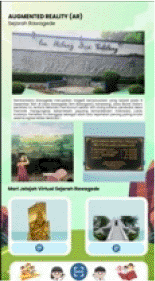
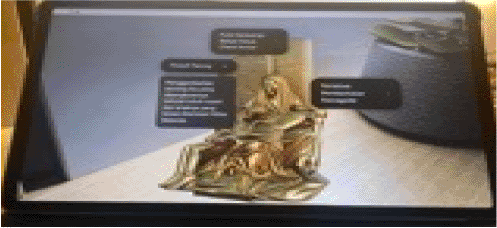
The Augmented Reality media developed consists of the Rawa Gege Monument and the Rawa Gede Golden Statue. The 3D images were created using a 2D design application called Photoshop, while the 3D glb format designs were created using 3D Hunyuan Tencent. The backend programming language used is React Js, while the frontend programming language used is React Native. This AR media has been published on the Android app store and has been refined through revisions by media experts, material experts, and language experts (See Table 5 for details).
| Appearance | Design | Content |
|---|---|---|
| Initial Display of the Augmented Reality Media Application | 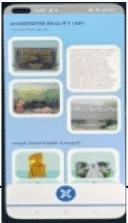
|
|
| Rawa Gede Gold Statue | 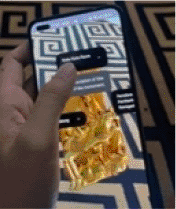
|
|
This media has been validated by experts consisting of material experts, media experts, and primary education practitioners. There are several notes from media experts, namely that interactive sentences should be provided at the beginning of the application display for virtual exploration, and several images related to primary school children should be created. Another recommendation is to fill in the blank text on the Rawa Gede gold statue.
Based on the reviews provided by experts, it was declared that the Morage AR Media was suitable for testing. The adjustments suggested by the experts were implemented by the researchers, resulting in the completion of improvements to the Rawa Gede AR Media (See Table 6 for details).
In a limited test, researchers used one class at one school, namely SDN Tambaksari I, as a test sample. In the class in question, there were 26 students who participated in history lessons using the Rawa Gede AR media. In this limited trial, the researchers first conducted training of trainers (TOT) for the teacher who taught in the class, as the researchers acted as observers of the learning process to identify weaknesses and shortcomings of the AR Rawa Gede media. The process took place in accordance with the learning stages outlined in the lesson plan (RPP) for four meetings. The learning activities using the AR Rawa Gede media were conducted interactively, with students engaging in augmented reality exploration, discussion, and reflection guided by the teacher. To statistically test the research data obtained related to students’ pre-test and post-test achievements (See Table 7 for details).
| N | Range | Minimum | Maximum | Mean | Std. deviation | |
|---|---|---|---|---|---|---|
| Pre-Test | 26 | 30,00 | 60,00 | 90,00 | 75,4231 | 7,2 |
| Post-Test | 26 | 20,00 | 75,00 | 95,00 | 83,5000 | 6,05 |
| Valid N (listwise) | 26 |
As stated earlier, there was an increase in students’ nationalism achievement as seen from the scores obtained. In the pre-test, the average score achieved by students was 75.42, which increased to 83.5 in the post-test. This means that there was an increase of 8.08 points in students’ nationalism. As proof of the feasibility of using the Rawa Gede AR media in limited tests, an analysis was conducted using a t-test (See Table 8 for details). Test results, it is known that the significance value obtained is 0.001, which means < 0.05. Therefore, it can be concluded that the difference between the pre-test and post-test scores for each student is not equal to zero, meaning that the use of the Rawa Gede AR media has been proven to help develop students’ nationalism.
In a broad test, this study was conducted in four elementary schools consisting of four sub-districts, namely Tegalwaru subdistrict (SDN Cigunungsari I), Tirtajaya subdistrict (SDN Tambaksari I), Klari subdistrict (SDN Gintungkerta II), and Lemahabang subdistrict (SDN Lemahmukti II) with a total of 103 fifth grade students as subjects. The implementation was carried out in four learning sessions, which included an introduction to the history of Rawa Gede, the use of AR media in learning, discussions, and nationalism quizzes. From these four sessions, the results of students’ learning activities using AR media can be seen in Figure 6 below.
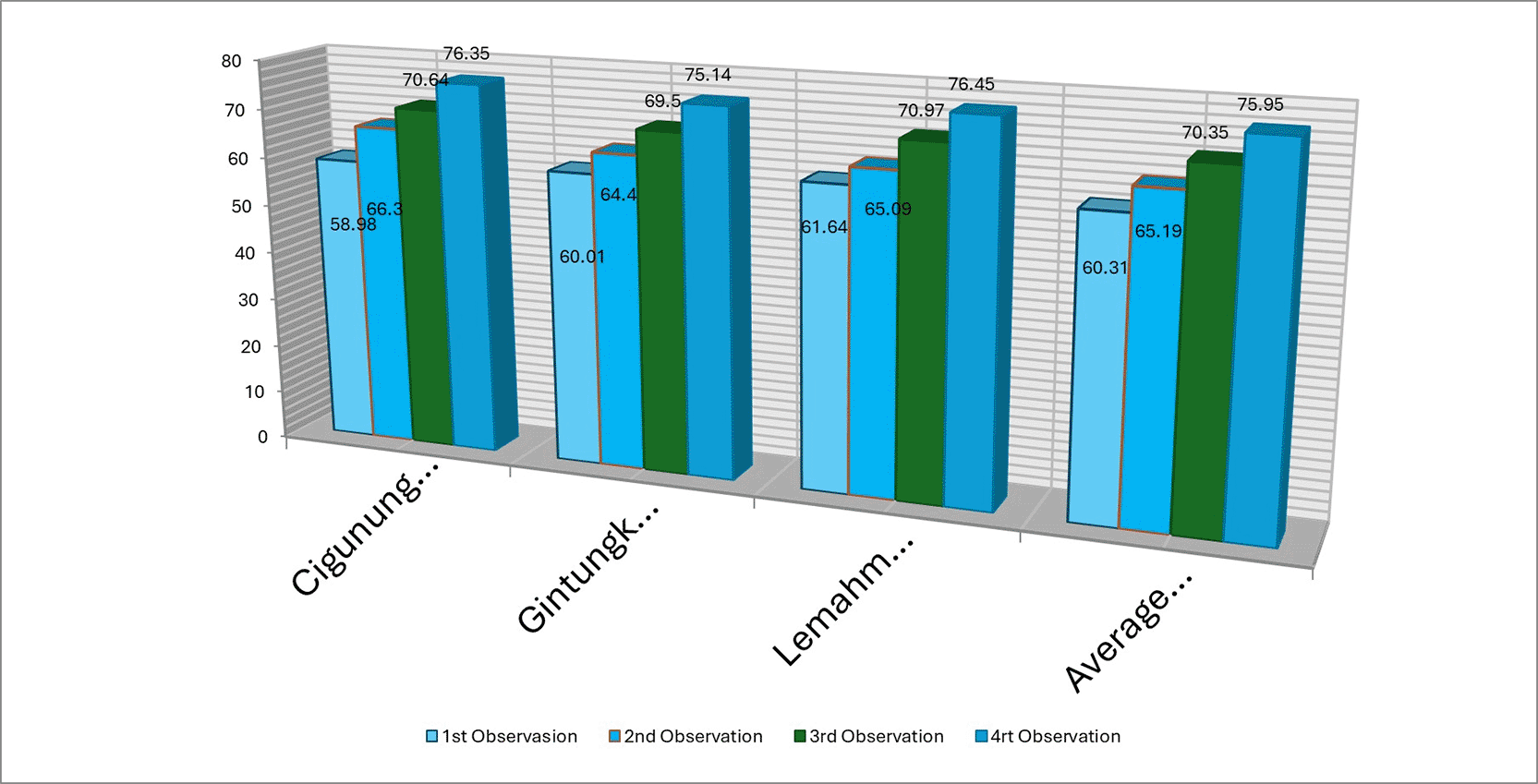
The figure above shows that augmented reality media on the history of Rawa Gede has been effectively used to optimize student learning activities and enhance student nationalism. This is evident in the increase in post-observation scores in each meeting. Observations and interviews after learning show that students are actively and enthusiastically involved in using AR, have a better understanding of local historical events, and experience a positive increase in national values.
The effectiveness evaluation was conducted using pre-posttests with a nationalism instrument in four elementary schools, and the results were as follows:
From Figure 7, in general, the average scores achieved by students in the four schools that were part of the large-scale pilot test show that students have a good understanding of nationalism. Based on the data in Figure 6, the percentage of achievement is calculated as follows:
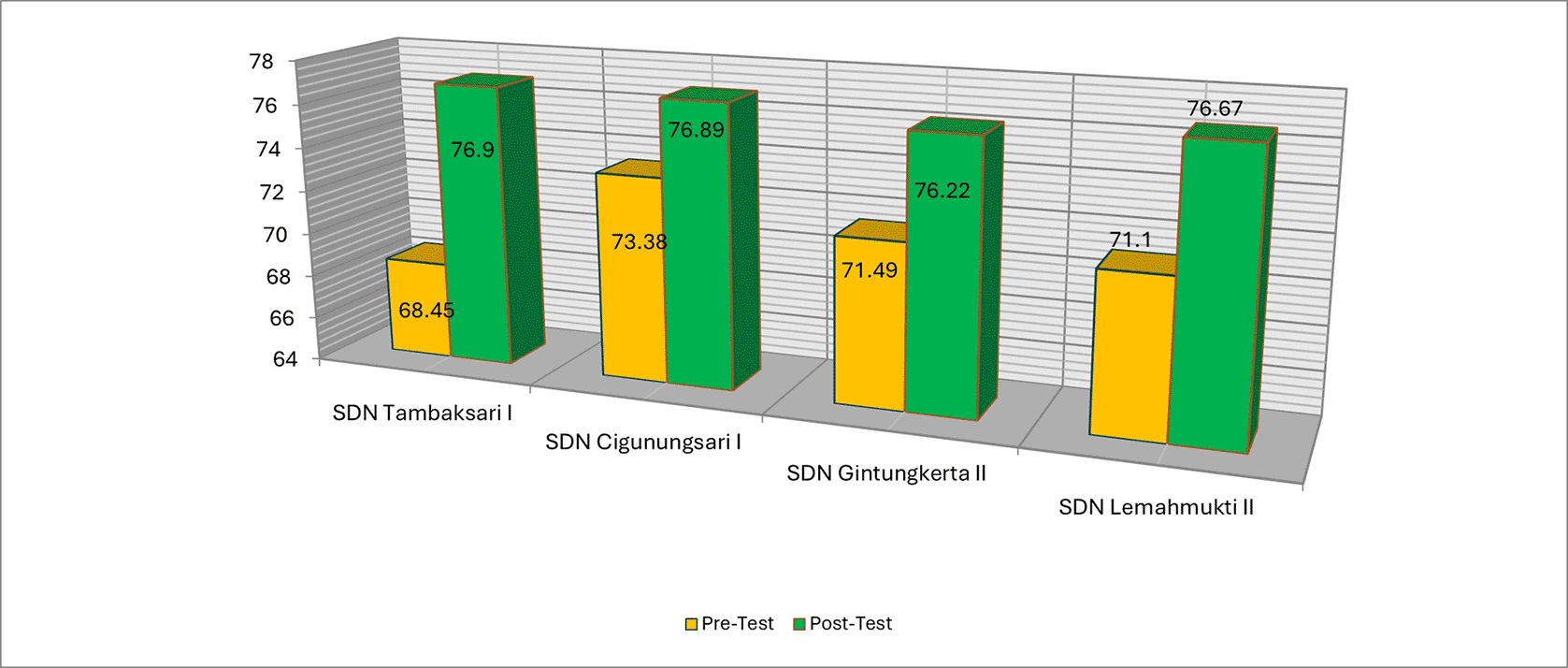
Based on the results of calculating the percentage of achievement in providing a minimum understanding of nationalism using AR media to elementary school students, it has been achieved, considering that a percentage of 93.20% is a very high level of achievement. As for testing the significance (effectiveness) of using AR media on the history of Rawa Gede, it can be done through a difference test (t-test) (See Table 9 for details). Based on the test results, it is known that the significance value obtained is 0.001, which means < 0.05. Therefore, it can be concluded that the difference between the pre-test and post-test scores for each student is not equal to zero, meaning that the use of the Rawa Gede AR media has been proven to help increase nationalism among elementary school students. Analyzing the results obtained, the implied meaning of this value is that the Rawa Gede AR media can be used effectively in learning to increase nationalism among students, especially in elementary schools. After adjustments were made at each stage of testing, the Rawa Gede AR media has become a complete learning media that has been tested for its validity and practicality and is effective in increasing nationalism among elementary school students.
The findings of this study indicate that nationalism among fifth grade elementary students in the five participating schools has begun to develop but remains at an early and surface level. Students demonstrate symbolic expressions of nationalism such as participating in ceremonies or recognizing national heroes yet their understanding of local historical identity and the meaning of collective sacrifice is still limited. This pattern suggests that value acquisition in social studies at the elementary level is occurring primarily at the level of recognition rather than internalization.
From a social studies education perspective, this gap can be interpreted as a representational imbalance between national and local history in students’ learning experiences (Khilmi, 2024). National history is typically presented in textbooks through simplified narratives and iconic figures (Riyadi, 2024).
While local historical events such as the Rawa Gede tragedy are rarely experienced as meaningful or tangible knowledge. As a result, students’ national identity tends to develop in an abstract and distant form rather than as a lived and contextualized sense of belonging.
The present findings highlight that students were able to recognize diversity and symbolic patriotism, yet struggled to connect these values with local historical realities and collective memory. This supports the view that value oriented learning in social studies requires experiential and contextual mediation rather than solely verbal or textual instruction (Nugraha, 2025). In constructivist learning theory, values are more effectively internalized when learners actively construct meaning through interaction with representations that connect knowledge to personal and cultural context (Nurfadilah, 2025).
Within this perspective, Augmented Reality (AR) offers a pedagogical affordance for bridging the gap between historical narrative and experiential understanding. By presenting three dimensional visualizations of the Rawa Gede monument, historical scenes, and local heroes within students’ real environment, AR situates abstract historical content into a perceivable and emotionally engaging context (Chalimi, 2024). This immersive contextualization enables students to imagine historical events, perceive the scale of sacrifice, and relate local history to their own community identity (Subair, 2024). First, contextual visualization makes local historical events cognitively accessible to concrete operational learners (Wiratama, 2025). Second, immersive representation fosters emotional engagement with collective struggle and sacrifice (Az-Zahra, 2024). Third, localization of national narratives strengthens students’ sense of belonging to the nation through their immediate cultural environment. Through these processes, nationalism shifts from symbolic compliance toward meaningful identification (Nova, 2024).
This study found that at SDN Lemahmukti II (Lemahabang), students even showed great enthusiasm in participating in competitions with the theme of independence. However, the broader concept of love for the country, such as preserving the environment, preserving culture, or appreciating local historical heritage, has not been fully understood. The Rawa Gede History AR Media serves as an invitation for students to experience what it was like to be at the site of the Rawa Gede tragedy, witness the struggle, and understand the meaning of sacrifice, which is in line with the research (Oktafiyanto, 2025). In this way, love for the homeland is not only manifested in formal symbols, but also in a deeper historical awareness (Ardiansa, 2023).
Based on these insights, this study proposes a conceptual model of AR mediated nationalism learning in elementary social studies. In this model, AR functions as an experiential bridge connecting historical narrative, local cultural context, and value internalization (Soemarsono, 2023). Rather than merely delivering information, AR facilitates students’ construction of national identity by linking personal experience with collective history (Salsabila, 2023). Therefore, the development of the AR “Morage” media contributes not only as an instructional innovation but also as a pedagogical approach for value-oriented social studies learning in elementary education (Muis, 2023).
Its integration into local history instruction has the potential to strengthen early national identity formation by situating national values within students’ lived cultural landscape.
This study concludes that the development of augmented reality (AR) media based on the historical event of Rawa Gede is effective in fostering students’ sense of nationalism at the elementary school level. This can be concluded based on: (1) The preliminary findings indicated that students’ nationalism attitudes were present but not yet well developed. Students were able to mention national symbols and heroes but showed limited understanding of historical struggles and national values. This confirms that nationalism learning at the elementary level often remains cognitive rather than affective and experiential. (2) The developed AR media (Morage AR) integrates local historical narratives, 3D visualization of events, and interactive exploration features. Expert validation results indicated that the media was feasible in terms of content accuracy, instructional design, visual quality, and usability. Revisions suggested by experts were incorporated to improve clarity of narration, historical accuracy, and interface usability. (3) The effectiveness test showed a significant increase in students’ nationalism after using the AR media. The paired sample t-test produced a significance value of 0.001 (p < 0.05), indicating that the difference between pre-test and post-test scores was statistically significant. This result demonstrates that AR-based historical learning provides meaningful and immersive experiences that support the internalization of nationalism values.
These findings support constructivist learning theory, which emphasizes that meaningful learning occurs when students actively construct understanding through experience. AR technology enables students to visualize abstract historical events and connect emotionally with national history. Therefore, integrating local history with immersive technology can strengthen nationalism education in elementary schools.
This study has several limitations that should be considered when interpreting the findings; First, measuring nationalism attitudes in elementary school students presents inherent challenges. Students at this developmental stage often express values through symbolic behaviors and situational responses rather than stable attitudinal constructs. Although this study combined observation and interview data to capture multiple dimensions of nationalism, the assessment still relies on interpretative indicators that may not fully represent internalized values.
Second, the sample involved fifth grade students from five elementary schools in Karawang Regency. While the selection represented diverse school contexts within the region, the findings remain context specific and cannot be generalized to all elementary populations. Cultural familiarity with local history and exposure to regional narratives may differ across regions.
Third, the study focused specifically on the local historical context of the Rawa Gede tragedy in Karawang. The relevance and emotional resonance of this historical content are closely tied to students’ geographical and cultural proximity. Consequently, the effectiveness of the AR media may vary when applied in areas without direct connection to this historical event.
Finally, the implementation of AR learning media depended on available technological infrastructure and teacher facilitation capacity in participating schools. Variations in device availability, digital literacy, and classroom management of AR activities may influence learning experiences and outcomes. Despite these limitations, the study provides initial empirical and pedagogical insights into the use of augmented reality for local history based nationalism learning in elementary social studies. Future research is recommended to examine long-term attitudinal change, broader regional implementation, and comparative experimental evaluation of AR-mediated value learning.
Future research is recommended to further validate the nationalism measurement model using factor analytic approaches such as exploratory or confirmatory factor analysis with larger samples. To expand and deepen the results of further research, other collections of local history-based AR media can be developed in various regions of Indonesia so as to enrich social studies and history learning in elementary schools while strengthening national identity more evenly.
| Views | Downloads | |
|---|---|---|
| F1000Research | - | - |
|
PubMed Central
Data from PMC are received and updated monthly.
|
- | - |
Provide sufficient details of any financial or non-financial competing interests to enable users to assess whether your comments might lead a reasonable person to question your impartiality. Consider the following examples, but note that this is not an exhaustive list:
Sign up for content alerts and receive a weekly or monthly email with all newly published articles
Already registered? Sign in
The email address should be the one you originally registered with F1000.
You registered with F1000 via Google, so we cannot reset your password.
To sign in, please click here.
If you still need help with your Google account password, please click here.
You registered with F1000 via Facebook, so we cannot reset your password.
To sign in, please click here.
If you still need help with your Facebook account password, please click here.
If your email address is registered with us, we will email you instructions to reset your password.
If you think you should have received this email but it has not arrived, please check your spam filters and/or contact for further assistance.

Comments on this article Comments (0)