Keywords
Patient-centered care, Artificial intelligence in healthcare, Digital health, Health systems governance, Health equity

This article is included in the Artificial Intelligence and Machine Learning gateway.
This article is included in the Health Services gateway.
This article is included in the AI in Medicine and Healthcare collection.
Patient-centered care, Artificial intelligence in healthcare, Digital health, Health systems governance, Health equity
Patient-centered care (PCC) has long been positioned as a foundational principle of modern health systems, commonly understood as a commitment to empathy, effective communication, shared decision-making, and respect for individual patient preferences. In parallel, artificial intelligence (AI), telehealth, and other digital health technologies have become increasingly embedded in healthcare delivery, reshaping how care is accessed, coordinated, and evaluated across clinical and population settings (Hamsal & Binsar, 2025). As a result, a growing body of literature has examined the relationship between digital innovation and PCC, often suggesting that AI-enabled tools can enhance personalization, efficiency, and patient engagement (Sharma et al., 2023).
Much of this literature, however, continues to frame PCC primarily at the level of clinical interaction or technology adoption. Studies on telehealth-enabled care pathways and digital monitoring systems, for example, typically focus on improving communication, follow-up, or workflow efficiency, implicitly assuming that enhanced technological mediation translates into more patient-centered care (Binder et al., 2020; Howland et al., 2020). Similarly, research on machine learning–based clinical decision support systems emphasizes predictive accuracy and risk stratification as mechanisms for proactive and personalized care, without interrogating how such systems reshape patient agency, accountability, or power relations within health systems (Hung et al., 2020). While these studies offer valuable insights into the clinical and operational potential of AI, they rarely engage with the broader institutional and governance contexts in which such technologies are deployed.
Recent reviews and empirical analyses in digital health further reinforce this tendency by equating patient-centeredness with access to digital tools, personalization features, or patient-facing interfaces. In doing so, they often overlook how AI-mediated care may reproduce or amplify structural inequalities, particularly for populations affected by digital exclusion, data bias, or uneven access to technological infrastructure (Garcia-Saiso et al., 2024; Sikstrom et al., 2022). Although ethical concerns are sometimes acknowledged, they are frequently treated as secondary considerations rather than as constitutive elements shaping whether PCC is realized at scale (Al Kuwaiti et al., 2023).
This focus on technology adoption and micro-level outcomes reveals a significant gap in the existing literature. Despite the rapid integration of AI into health systems, there remains limited conceptual clarity regarding how and why AI transforms the meaning of patient-centered care at the level of health system organization and population health equity. Prior studies seldom integrate the mediating role of algorithms and digital platforms with governance arrangements such as regulation, accountability, and institutional oversight, nor do they systematically examine how AI-enabled PCC affects different social groups in distributive terms (Crawford & Serhal, 2020). As a result, PCC is often discussed as an individual or interpersonal ideal, rather than as a system-level outcome shaped by policy choices, regulatory capacity, and the design of digital infrastructures (Lieneck et al., 2021; Seshamani, 2022).
Addressing this gap is particularly important from a public health perspective, where AI increasingly influences access pathways, care coordination, triage processes, and resource allocation across entire populations. When patient-centeredness becomes embedded in algorithms, platforms, and data infrastructures, failures in governance or inequitable system design can undermine PCC even when clinical interactions appear patient-focused. In this context, PCC can no longer be understood solely as a matter of clinician behavior or patient choice, but must be examined as an emergent property of health systems operating under AI-mediated conditions (Ammenwerth et al., 2020; James et al., 2021).
This systematic review responds to these challenges by reframing patient-centered care in the age of artificial intelligence as a system-level governance and equity issue. Rather than asking whether AI improves personalization or satisfaction, the review examines how PCC is conceptualized when mediated by AI within health systems, what governance mechanisms shape the implementation and operation of AI-enabled PCC, and how these initiatives affect health equity at system and population levels. By synthesizing interdisciplinary evidence from public health, health systems research, management studies, and digital health scholarship, the review moves beyond descriptive accounts of technological innovation to illuminate the institutional, regulatory, and distributive conditions under which AI-enabled patient-centered care is produced or constrained.
In doing so, this review contributes a novel conceptual synthesis that shifts the analytical focus from technology as an intervention to governance capacity as a determinant of patient-centered outcomes. The findings aim to inform policymakers, health system leaders, and researchers seeking to design AI-enabled health systems that are not only innovative and efficient, but also capable of delivering patient-centered care in ways that are accountable, inclusive, and equitable at scale.
This systematic literature review (SLR) was designed and conducted following the PRISMA 2020 guidelines (Page et al., 2021) to ensure transparency, rigor, and reproducibility in the review process. Given the conceptual and theory-driven nature of this review, aimed at reframing PCC in the age of artificial intelligence (AI) from a public health systems perspective, the protocol was developed a priori to guide the identification, screening, and synthesis of relevant literature.
Rather than focusing on effect-size estimation or clinical outcome aggregation, the protocol emphasized conceptual clarity, system-level analysis, and governance and equity implications. The review protocol specified the research questions, eligibility criteria, search strategy, and synthesis approach prior to data collection to minimize selection bias and ensure analytical coherence. Formal registration in PROSPERO was not pursued, as the review does not involve clinical intervention comparisons or health outcome meta-analysis (Liu et al., 2024), but instead focuses on conceptual, organizational, and policy-oriented evidence.
This systematic review was guided by a systems-oriented review framework designed to reframe PCC in the age of AI as a public health system capability, rather than a purely interpersonal or technological attribute. The framework integrates perspectives from public health, health systems research, and management studies to capture how AI-mediated PCC emerges from the interaction between technological infrastructures, governance arrangements, and equity mechanisms.
The framework conceptualizes AI-enabled PCC across three interconnected analytical layers. First, AI mediation refers to the ways digital technologies and algorithmic systems shape care delivery, decision-making processes, patient engagement, and personalization of services. Second, governance capacity captures the regulatory, organizational, and ethical structures that influence how AI systems are designed, implemented, monitored, and held accountable within health systems. Third, health equity mechanisms address how AI-enabled PCC may differentially affect populations, including issues of access, digital exclusion, data bias, and distributional consequences across social groups.
By adopting this framework, the review moves beyond descriptive accounts of digital health technologies and focuses instead on system-level mechanisms that enable or constrain patient-centered outcomes. The framework informed all stages of the review process, including the development of eligibility criteria, data extraction categories, and the synthesis of findings. In doing so, it provides a coherent analytical lens for identifying tensions, trade-offs, and governance challenges associated with implementing PCC in AI-driven health systems.
Eligibility criteria were defined to ensure conceptual and analytical alignment with the aim of reframing PCC in the age of AI from a public health systems perspective. Rather than applying a clinical intervention framework, eligibility was determined based on the phenomenon of interest, level of analysis, and relevance to governance and health equity (Sauer & Seuring, 2023).
Studies were eligible if they examined PCC within healthcare systems or organizations where AI or advanced digital technologies played a role in shaping care delivery, decision-making, or patient engagement. No restrictions were placed on specific patient groups or clinical conditions, as the unit of analysis was the system-level implementation of PCC, rather than individual clinical encounters.
To be included, studies were required to explicitly address at least one of the following: (i) conceptualizations of PCC in AI-enabled or digitally mediated contexts; (ii) implications for health system organization, management, or decision-making; (iii) governance, ethical, or regulatory considerations; or (iv) health equity issues such as access disparities, digital exclusion, or algorithmic bias. Studies focusing solely on technical aspects of AI or reporting patient satisfaction without broader system or equity implications were excluded.
Eligible studies addressed PCC at micro, meso, or macro levels of analysis, provided that micro-level analyses were analytically linked to organizational or system-level dynamics. The review included empirical studies, conceptual or theoretical papers, and policy-oriented analyses, while excluding editorials without analytical content and non-healthcare AI studies. Only peer-reviewed publications in English were included.
Consistent with the eligibility criteria, this review included a broad range of study types in order to capture the multidisciplinary nature of PCC in AI-enabled health systems. Eligible publications encompassed empirical qualitative and quantitative studies, conceptual and theoretical papers, policy analyses, governance-focused studies, as well as systematic and narrative reviews with a relevant analytical scope. This inclusive approach was necessary to reflect the diversity of disciplinary perspectives through which AI-enabled PCC has been examined across public health, health systems research, management, and digital health scholarship. Studies were excluded if they focused solely on technical aspects of artificial intelligence, such as algorithmic performance or hardware design without reference to care delivery, organizational processes, or system-level implications. Editorials lacking analytical content and studies situated outside healthcare or human health contexts were also excluded.
To ensure comprehensive coverage of interdisciplinary literature relevant to the review objectives, multiple bibliographic databases were consulted. Scopus was selected for its extensive coverage of health systems, management, and digital health research, while PubMed/Medline was included to capture core literature on patient-centered care and health system organization within biomedical and public health domains. The combined use of these databases was intended to enhance the robustness of the review and reduce the risk of publication bias by drawing on complementary disciplinary sources. To further mitigate disciplinary bias, the screening and synthesis processes explicitly prioritized studies engaging with health system organization, governance arrangements, or equity considerations, including those published in management, informatics, or policy-oriented journals.
A structured search strategy was developed based on three core conceptual domains: patient-centered care, artificial intelligence and digital health, and health systems governance and management. These domains were operationalized through a combination of controlled vocabulary and free-text terms.
The search string is as follows:
("patient-centered care" OR "person-centered care" OR "patient engagement")
AND
("artificial intelligence" OR "machine learning" OR "algorithm*" OR "digital health" OR "digital platform*" OR "telehealth" OR "health information system*")
AND
("health system*" OR "governance" OR "policy" OR "management" OR "organization*")
Search terms were adapted to the syntax of each database. No restrictions were placed on geographic location, but only English-language publications were included to ensure analytical consistency.
All records retrieved from the database searches were imported into reference management software, and duplicate records were removed prior to screening. Study selection was conducted in two sequential stages. In the first stage, titles and abstracts were screened to assess relevance to AI-enabled patient-centered care and its system-level implications. In the second stage, full-text articles were reviewed to confirm alignment with the predefined eligibility criteria. Title and abstract screening was supported by the Rayyan web-based platform (Ouzzani et al., 2016) to facilitate systematic, transparent, and blinded review. Studies were included only if they explicitly examined patient-centered care within AI or digital health contexts and addressed organizational, governance, or equity dimensions relevant to public health systems. Any disagreements during the screening and selection process were resolved through discussion among the authors to reach consensus.
Given the heterogeneity of study designs, methodological quality was assessed using design-appropriate appraisal tools (Hong et al., 2018) rather than a single standardized checklist. Qualitative rigor, conceptual clarity, analytical depth, and relevance to public health systems were emphasized over methodological hierarchy.
Rather than excluding studies solely based on quality scores, methodological assessment informed the interpretive weighting of evidence during synthesis, consistent with best practices for theory-driven systematic reviews.
A standardized data extraction framework was developed to systematically capture both descriptive and conceptual information from the included studies. Extracted data comprised study characteristics (year, country, and disciplinary orientation), conceptualizations of patient-centered care, the role and function of artificial intelligence or digital health technologies, level of analysis (micro, meso, macro), governance and ethical considerations, as well as equity-related mechanisms and outcomes.
Data extraction was conducted using structured extraction forms to ensure consistency across studies. Coding decisions were guided by an a priori analytical framework derived from the review objectives, while allowing for inductive refinement as new concepts emerged during the extraction process. All inclusion, exclusion, and coding judgments were based on qualitative analytical interpretation by the authors to ensure conceptual coherence and theoretical relevance.
Data synthesis followed a theory-driven narrative synthesis approach (Rodgers et al., 2009), drawing on established guidance for interpretive synthesis in systematic reviews. This approach combined systematic comparison across studies with in-depth qualitative interpretation to examine how patient-centered care is conceptualized and operationalized in AI-enabled health system contexts.
Studies were iteratively grouped into conceptual clusters based on shared patterns in the framing of patient-centered care, the mediating role of AI technologies, and the governance and equity dimensions emphasized. The synthesis focused on identifying dominant conceptualizations of AI-enabled patient-centered care, system-level mechanisms shaping patient-centered outcomes, and tensions between personalization, efficiency, governance capacity, and equity considerations.
Findings were presented through integrated narrative explanations, comparative tables summarizing key study characteristics, and conceptual figures illustrating how artificial intelligence reshapes patient-centered care as a health system capability embedded within governance structures and equity conditions, rather than as a purely clinical or technological attribute.
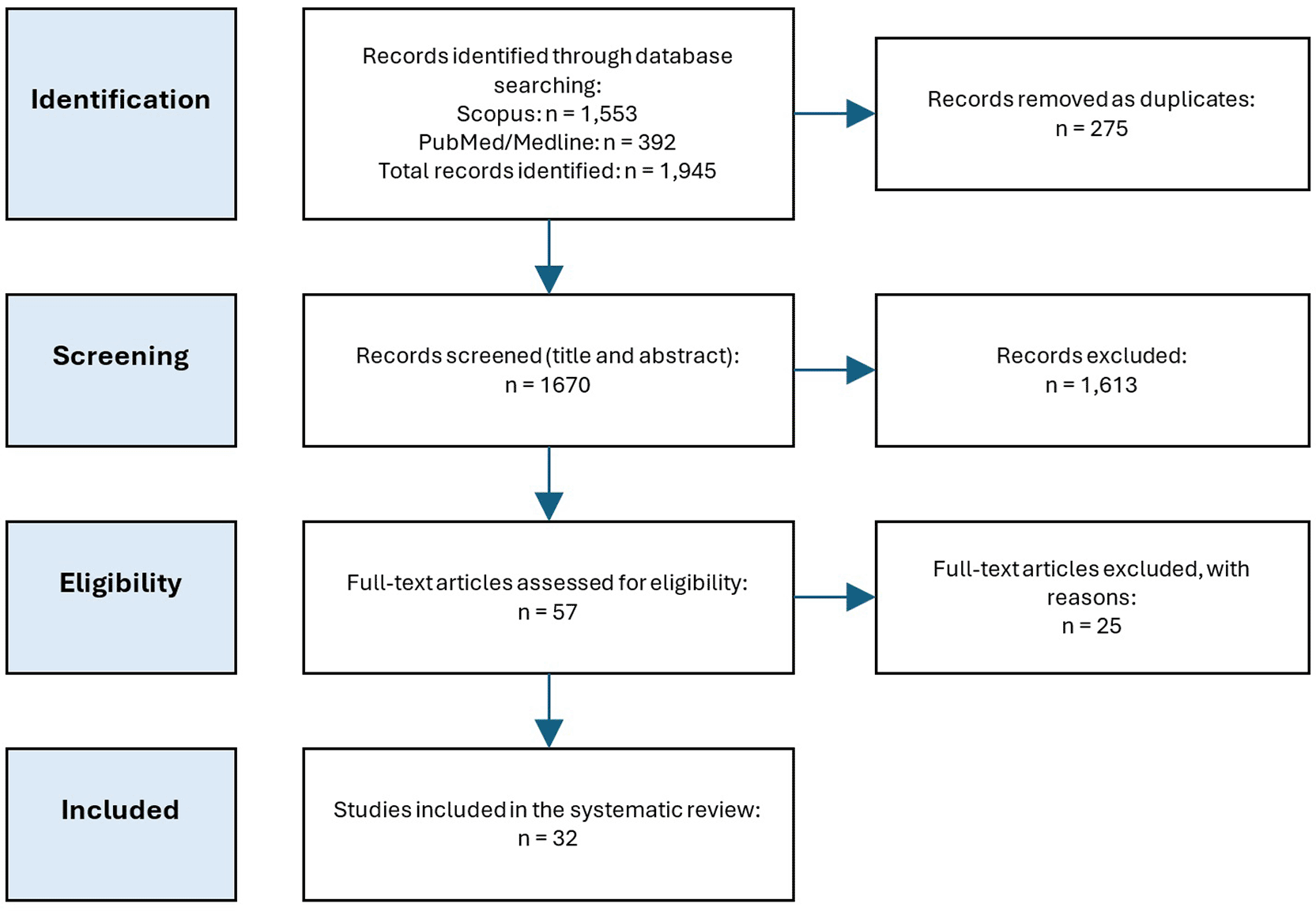
The database search yielded a total of 4,078 records, comprising 2,464 records from Scopus and 1,614 records from PubMed/Medline. Following the application of database-specific filters—restricted to peer-reviewed journal articles published in English between 2020 and 2025 and aligned with the scope of health systems and public health research—1,945 records remained for further assessment (Scopus: n = 1,553; PubMed/Medline: n = 392).
After removing 275 duplicate records, 1,670 unique records were retained for title and abstract screening. This screening stage focused on identifying studies that addressed PCC in the context of AI or advanced digital health technologies, with explicit or implicit relevance to health systems, governance, or equity considerations.
Of the records screened, 1,613 studies were excluded for failing to meet the inclusion criteria. Exclusions were primarily driven by four recurring patterns. First, a substantial proportion of studies focused on conventional patient care or service delivery models without incorporating artificial intelligence or digital health technologies. Second, many records adopted a narrowly technical or purely clinical orientation, emphasizing algorithm development, hardware architecture, or clinical efficacy testing without engaging with broader organizational, governance, or policy dimensions relevant to health systems. Third, a subset of studies addressed non-healthcare or non-human contexts, including veterinary medicine, animal models, or industrial and manufacturing applications of digital technologies, and were therefore outside the scope of this review. Finally, some records were excluded due to irrelevant publication types, such as editorials, conference abstracts lacking substantive analytical content, or incomplete publication records that did not permit full assessment.
Following title and abstract screening, 57 articles were identified as potentially eligible and progressed to full-text review. Full-text assessment resulted in the exclusion of 24 articles, primarily due to insufficient engagement with patient-centered care as a conceptual framework, lack of system-level or governance analysis, or absence of equity-related considerations despite the use of digital technologies.
Ultimately, 32 studies met all eligibility criteria and were included in the final synthesis. These studies collectively form the empirical and conceptual basis for examining how patient-centered care is being reframed in AI-enabled health systems, with particular attention to governance mechanisms and equity implications at organizational, system, and population levels.
The study selection process is summarized in the PRISMA flow diagram ( Figure 1), which illustrates the number of records identified, screened, excluded, and included at each stage of the review (Page et al., 2021).
A total of 32 studies met the eligibility criteria and were included in the final synthesis. As shown in Table 1, the included literature reflects a methodologically and substantively diverse body of work, spanning multiple disciplines, health system settings, and analytical levels. To ensure the credibility of the synthesis, a rigorous audit was conducted based on predefined exclusion criteria. Studies focusing exclusively on conventional healthcare without digital intervention, pure technical/algorithmic performance without organizational analysis, or non-human/non-clinical contexts were excluded. Consequently, the final selection remains strictly aligned with the review’s focus on AI and digitally mediated PCC within public health systems.
The included studies were published between 2020 and 2024, with a clear concentration in the later years of the period reviewed. Publication output increased steadily following the onset of the COVID-19 pandemic, peaking in 2023 (n = 10), before a modest decline in 2024 (n = 3). Earlier years contributed fewer studies (2020: n = 6; 2021: n = 7; 2022: n = 6). This temporal pattern indicates that scholarly engagement with AI-enabled and digitally mediated PCC has intensified in recent years, particularly as health systems rapidly scaled digital infrastructures and re-evaluated care delivery models during and after the pandemic.
The geographic scope of the included studies was predominantly high-income and upper-middle-income country contexts, with the United States most frequently represented. Several studies were situated explicitly in national health systems such as the US Medicare system, military health services, or large academic medical centers (Elsener et al., 2023; Wickwire et al., 2023). A smaller number of studies reflected multinational or global perspectives, including benchmarking studies across multiple countries and reviews addressing global or low- and middle-income country (LMIC) contexts (Garcia-Saiso et al., 2024; Liska et al., 2024). In a subset of studies, the country context was not explicitly specified, particularly in conceptual, framework, and review-based publications (Al Kuwaiti et al., 2023; Madanian et al., 2023). Overall, the evidence base reflects a strong emphasis on institutionally mature health systems, where digital health and AI adoption is closely linked to organizational capacity and policy environments.
The included studies encompassed a broad range of study designs, underscoring the interdisciplinary and system-oriented nature of the field. Empirical studies included implementation studies, qualitative research, mixed-methods designs, prospective observational studies, feasibility studies, and randomized controlled trials, often embedded within real-world health system settings (Barreveld et al., 2023; Neill et al., 2023). Alongside these, a substantial proportion of the literature consisted of systematic reviews, scoping reviews, narrative reviews, and conceptual or framework papers (Buchanan et al., 2021; Eaton et al., 2024). This diversity reflects the evolving and exploratory character of AI-enabled PCC research, where empirical evaluation of interventions coexists with efforts to conceptualize, synthesize, and guide system-level transformation.
Across the included studies, AI and digital technologies played heterogeneous roles, ranging from enabling patient engagement and self-management to supporting clinical workflows, decision-making, and population-level monitoring. Many studies focused on telehealth platforms, EHR-integrated tools, remote monitoring systems, mobile health applications, and digital patient-reported outcome mechanisms (Fuller et al., 2020; Howland et al., 2020), with AI functions variably embedded in data analysis, personalization, predictive analytics, or decision support (Sikstrom et al., 2022). In several conceptual and policy-oriented studies, AI was examined less as a discrete tool and more as a systemic capability shaping how care is organized, governed, and experienced (Al Kuwaiti et al., 2023; Garcia-Saiso et al., 2024). Notably, few studies isolated algorithmic performance as a primary outcome; instead, digital technologies were typically situated within broader organizational, professional, or policy contexts.
The health system settings represented in the included studies were wide-ranging. Hospital-based care, particularly inpatient discharge processes, transitional care, and specialist services such as oncology and cardiology, featured prominently (Aapro et al., 2020; Elsener et al., 2023; Fuller et al., 2020). Other studies addressed primary care, mental health services, chronic disease management (Crossen et al., 2020; Slevin et al., 2021), and community-based or home-based care models (Madanian et al., 2023; Neill et al., 2023). Several reviews and framework papers adopted a system-wide perspective, considering digital health and AI across multiple care settings or along the continuum of care (Mather & Almond, 2022). This distribution highlights that AI-enabled PCC is not confined to a single service domain but is being operationalized across diverse organizational and clinical contexts.
Although detailed governance mechanisms are examined in subsequent sections, Table 1 illustrates that governance considerations were present across all included studies at varying levels. Governance dimensions ranged from organizational governance (e.g., workflow oversight, leadership, implementation strategies) to policy, regulatory, ethical, and equity-oriented governance at national or system-wide levels. Correspondingly, the level of analysis spanned micro, meso, and macro levels, with a predominance of meso-level analyses focusing on organizational implementation and service delivery, often complemented by macro-level policy perspectives. Only a limited number of studies were confined exclusively to micro-level patient–provider interactions, and those that were included explicitly linked such interactions to organizational or system dynamics.
Taken together, the characteristics of the included studies demonstrate that the literature on AI-enabled and digitally mediated PCC is methodologically pluralistic, system-oriented, and increasingly attentive to organizational and governance contexts. Rather than being dominated by narrowly technical evaluations, the body of evidence reflects sustained engagement with how digital technologies are embedded within health systems, shaping care delivery across settings and levels of analysis. This diversity provides a robust empirical and conceptual foundation for the subsequent synthesis of how patient-centered care is being reframed in the age of artificial intelligence.
In line with the conceptual and system-oriented scope of this review, digital health and AI were interpreted along a continuum ranging from algorithmic decision-support systems to digitally mediated care infrastructures that reshape governance, organizational workflows, and patient engagement. This selection strategy ensures that the body of evidence moves beyond a narrow clinical or technical focus, providing instead a holistic perspective on how digital intelligence is governed and operationalized to support patient-centeredness at the system level.
Across the included studies, PCC is no longer conceptualized solely as an interpersonal ethos rooted in clinician–patient communication or shared decision-making at the point of care. Instead, AI-enabled and digitally mediated PCC is increasingly framed as a systemically produced condition, emerging from the interaction between digital infrastructures, organizational workflows, and data-driven decision environments.
Several studies conceptualize AI-enabled PCC as a shift from relational proximity toward infrastructural mediation, where patient-centeredness is embedded within digital systems rather than enacted exclusively through face-to-face encounters. Implementation-focused studies demonstrate how digital tools such as EHR-integrated dashboards, patient portals, self-reporting interfaces, and automated monitoring systems reshape how patient needs are surfaced, interpreted, and acted upon within care processes (Ekstedt et al., 2021; Elsener et al., 2023; Fuller et al., 2020).
In this framing, PCC is not defined by the clinician’s communicative style, but by the capacity of the system to continuously register patient-reported concerns, preferences, and symptoms, and to translate them into actionable signals within clinical workflows. Digital engagement tools thus function as intermediaries that redistribute attention, responsibility, and responsiveness across patients, professionals, and information systems.
A second dominant conceptualization frames AI-enabled PCC as a data-mediated capability of health systems. Studies focusing on clinical decision support systems, remote monitoring, and digital self-tracking conceptualize PCC as the ability of AI-enabled systems to personalize care pathways through continuous data collection and algorithmic interpretation (Barreveld et al., 2023; Victoria-Castro et al., 2022; Wickwire et al., 2023; Willis et al., 2022).
Within this perspective, patient-centeredness is linked to: the granularity and timeliness of patient-generated data, the system’s ability to integrate such data into decision-making processes, and the responsiveness of care delivery to dynamically changing patient states.
Importantly, several articles caution that this data-centric framing redefines what “knowing the patient” means, shifting emphasis from narrative understanding toward computational representation (Chute et al., 2022; Sikstrom et al., 2022). PCC is thus conceptualized less as mutual understanding and more as alignment between algorithmic outputs and patient needs, raising questions about what forms of patient experience become legible, or invisible, within AI-driven systems.
A third conceptual strand emphasizes PCC as a co-created outcome, produced through participatory design and stakeholder engagement rather than technological deployment alone. Several conceptual and framework-oriented studies argue that AI-enabled PCC must be understood as a negotiated construct, shaped by the involvement of patients, caregivers, clinicians, and communities in the design and implementation of digital health solutions (Addario et al., 2023; Madanian et al., 2023; Strudwick et al., 2021).
In this framing, AI does not “deliver” patient-centered care; rather, PCC emerges when digital systems are intentionally designed to reflect patient values, lived experiences, and contextual realities. Co-creation models challenge instrumental views of AI as a neutral optimization tool and instead position PCC as contingent upon whose knowledge, priorities, and voices are embedded within digital infrastructures.
Several studies explicitly expand the conceptual boundaries of PCC beyond clinical encounters to encompass organizational, educational, and population-level dimensions. Scoping and narrative reviews highlight how AI-enabled PCC is increasingly framed as a feature of system design, shaping access pathways, continuity of care, and coordination across settings (Auxier et al., 2023; Eaton et al., 2024; Lieneck et al., 2021).
From this perspective, PCC is conceptualized as a distributed property of health systems, manifested through: interoperability between digital platforms, alignment between care delivery models and patient life contexts, and the integration of digital tools across care transitions.
This reconceptualization shifts analytical attention away from individual clinician behavior toward institutional capacities and structural arrangements that condition whether patient-centered outcomes can be realized at scale.
Despite convergence around broader, system-oriented conceptualizations, the reviewed literature also reveals persistent ambiguities and tensions. Some studies implicitly equate PCC with increased digital access or engagement, without critically interrogating how algorithmic mediation may reshape agency, responsibility, or power relations (James et al., 2021; Pogorzelska et al., 2023). Others explicitly problematize the assumption that personalization through AI necessarily aligns with patient-centered values, warning that algorithmic optimization may conflict with experiential, relational, or ethical dimensions of care (Garcia-Saiso et al., 2024; Sikstrom et al., 2022).
Taken together, these conceptualizations indicate that AI-enabled PCC is not a singular or settled construct. Rather, it represents a contested and evolving concept, variably framed as infrastructural responsiveness, data-driven personalization, participatory co-production, or system-level capability. This conceptual plurality underscores the need to examine not only how AI is used in healthcare, but how its integration reshapes the very meaning of patient-centeredness within contemporary health systems.
To synthesize these heterogeneous perspectives, Figure 2 illustrates the dominant conceptualizations of AI-enabled patient-centered care identified across the included studies, highlighting a shift from relational interaction toward infrastructural, data-mediated, and co-created system capabilities. The figure synthesizes the dominant conceptualizations of PCC identified across the included studies, illustrating how artificial intelligence and digital health technologies reconfigure PCC from an interpersonal care paradigm into a system-mediated construct. Rather than representing mutually exclusive models, the four conceptual clusters depicted in the figure reflect overlapping and complementary ways through which AI-enabled health systems operationalize patient-centeredness.
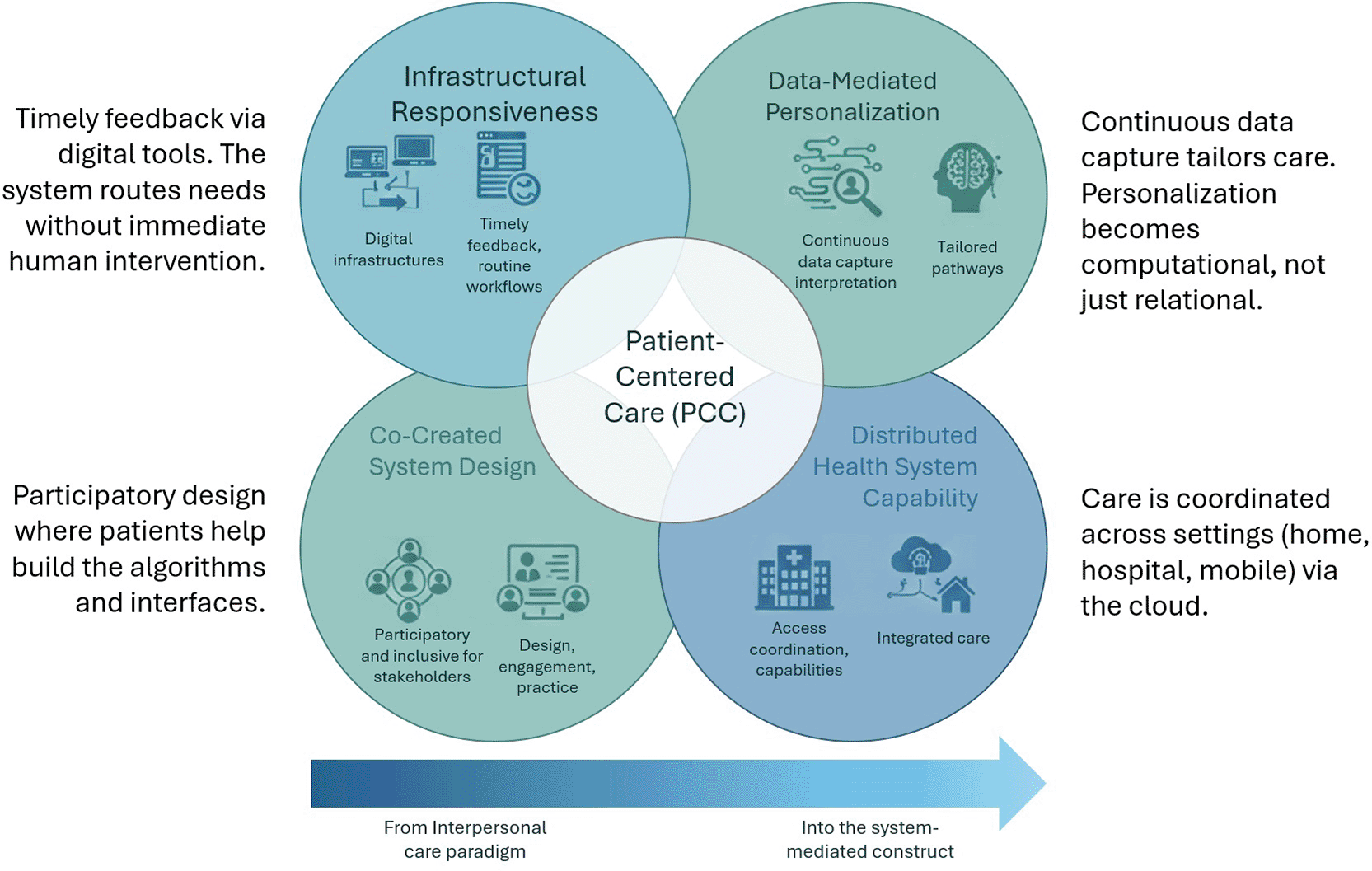
The figure illustrates four overlapping conceptual clusters identified in the systematic review: (1) patient-centered care as infrastructural responsiveness, (2) data-mediated personalization, (3) co-created system design, and (4) a distributed health system capability. Together, these conceptualizations depict a shift from interpersonal models of patient-centered care toward system-mediated and digitally enabled understandings of patient-centeredness.
First, several studies conceptualize PCC as infrastructural responsiveness, emphasizing the role of digital infrastructures in mediating patients’ needs, concerns, and preferences across care processes. In this view, patient-centeredness is less dependent on individual clinician discretion and more contingent upon the capacity of digital systems, such as electronic health records, dashboards, and communication platforms, to capture patient input, enable timely feedback, and integrate patient-reported information into routine workflows. PCC thus emerges as an infrastructural property of the health system, shaped by interoperability, system integration, and responsiveness rather than solely by face-to-face clinical interactions.
Second, a related but distinct conceptualization frames PCC as data-mediated personalization. Here, patient-centered care is operationalized through continuous data capture and algorithmic interpretation, whereby digital tools and AI systems infer individual needs, risks, or preferences based on patient-generated or clinically derived data. Personalization is no longer primarily relational but computational, relying on predictive models, decision-support systems, and automated recommendations to tailor care pathways. This perspective positions PCC as an outcome of data flows and analytical capacities embedded within health systems, rather than a function of individualized clinician judgment alone.
Third, a subset of studies conceptualizes PCC as co-created system design, highlighting participatory approaches in the development and implementation of digital health technologies. In this framing, patient-centeredness is not an attribute added post hoc to technological solutions, but a process embedded in system design through the active involvement of patients, caregivers, and other stakeholders. PCC is thus understood as a collective and institutional achievement, emerging from inclusive design practices, iterative feedback mechanisms, and shared decision-making during technology development and implementation.
Finally, the review identifies a broader conceptualization of PCC as a distributed health system capability. This perspective moves beyond discrete technologies or encounters and situates patient-centeredness across multiple dimensions of health system performance, including access, coordination, continuity, and integration of care. PCC is understood as an emergent property of complex health systems, distributed across organizational boundaries and care settings, and sustained through digital infrastructures that link services over time and space. Taken together, the Figure illustrates how AI-enabled PCC is increasingly conceptualized not as a singular intervention or relational ideal, but as a multidimensional system-level phenomenon. These conceptualizations underscore a shift from viewing patient-centered care as an individual-level interaction toward understanding it as a capability embedded within digital infrastructures, data practices, and institutional arrangements of contemporary health systems.
Across the included studies, governance emerges as a central mechanism shaping how PCC is operationalized in AI-enabled health systems. Rather than functioning as a background regulatory condition, governance actively mediates the translation of digital and AI technologies into patient-centered outcomes by structuring decision-making authority, accountability, and institutional coordination. The reviewed literature demonstrates that AI-enabled PCC is contingent not only on technological capabilities, but on governance arrangements that align digital innovation with organizational priorities, professional norms, and system-level objectives.
At the organizational level, several studies highlight governance mechanisms embedded within healthcare institutions that influence the integration of AI-enabled tools into clinical workflows. Implementation-focused studies describe how leadership engagement, workflow oversight, and clinician accountability structures determine whether digital tools designed to enhance patient engagement are meaningfully adopted in practice (Fuller et al., 2020; Touson et al., 2021). In these contexts, PCC is governed through managerial decisions regarding role allocation, responsibility for monitoring digital outputs, and integration of patient-generated data into routine care processes. Weak or fragmented governance, such as unclear ownership of digital tools or inconsistent leadership support, was repeatedly associated with limited realization of patient-centered objectives despite technological availability (Binsar et al., 2025).
Beyond individual organizations, governance mechanisms operating at meso- and macro-levels shape the scalability and sustainability of AI-mediated PCC initiatives. Several reviews and policy-oriented studies emphasize the role of regulatory frameworks, reimbursement policies, and professional standards in enabling or constraining the use of AI-enabled patient-centered models of care (Lieneck et al., 2021; Seshamani, 2022). For instance, temporary regulatory flexibilities introduced during periods of rapid telehealth expansion facilitated broader patient access and continuity of care, whereas rigid reimbursement structures and fragmented policy guidance limited long-term institutionalization of patient-centered digital services. In this sense, governance determines whether AI-enabled PCC remains an episodic innovation or becomes embedded within health system architecture.
A distinct strand of the literature foregrounds governance as an ethical and normative process guiding the design and deployment of AI systems. Framework and conceptual papers emphasize that patient-centeredness in AI-mediated contexts depends on governance principles such as transparency, accountability, and stakeholder inclusion, particularly where algorithmic systems influence care decisions (Al Kuwaiti et al., 2023; Sikstrom et al., 2022). These studies frame governance not merely as compliance with external regulation, but as an institutional capacity to align algorithmic design with patient values and clinical accountability. Governance mechanisms such as ethical review processes, cross-disciplinary oversight committees, and participatory design structures are presented as key instruments for embedding PCC within AI-driven decision infrastructures.
Importantly, several studies underscore that governance mechanisms for AI-enabled PCC operate across multiple levels simultaneously. Health systems characterized by effective coordination between policy, organizational management, and frontline practice were more likely to sustain patient-centered digital initiatives over time (Ammenwerth et al., 2020; James et al., 2021). In contrast, misalignment between national policy objectives, organizational incentives, and clinical workflows often resulted in fragmented implementation and variable patient-centered outcomes. These findings suggest that governance for AI-enabled PCC is inherently multi-level, requiring coherence across institutional, regulatory, and operational domains. These multi-level governance arrangements position governance as an intermediary mechanism through which AI-enabled technologies are translated into patient-centered outcomes across health systems. Figure 3 synthesizes these relationships by illustrating how governance mechanisms mediate between AI tools and patient-centered care outcomes at organizational and system levels.
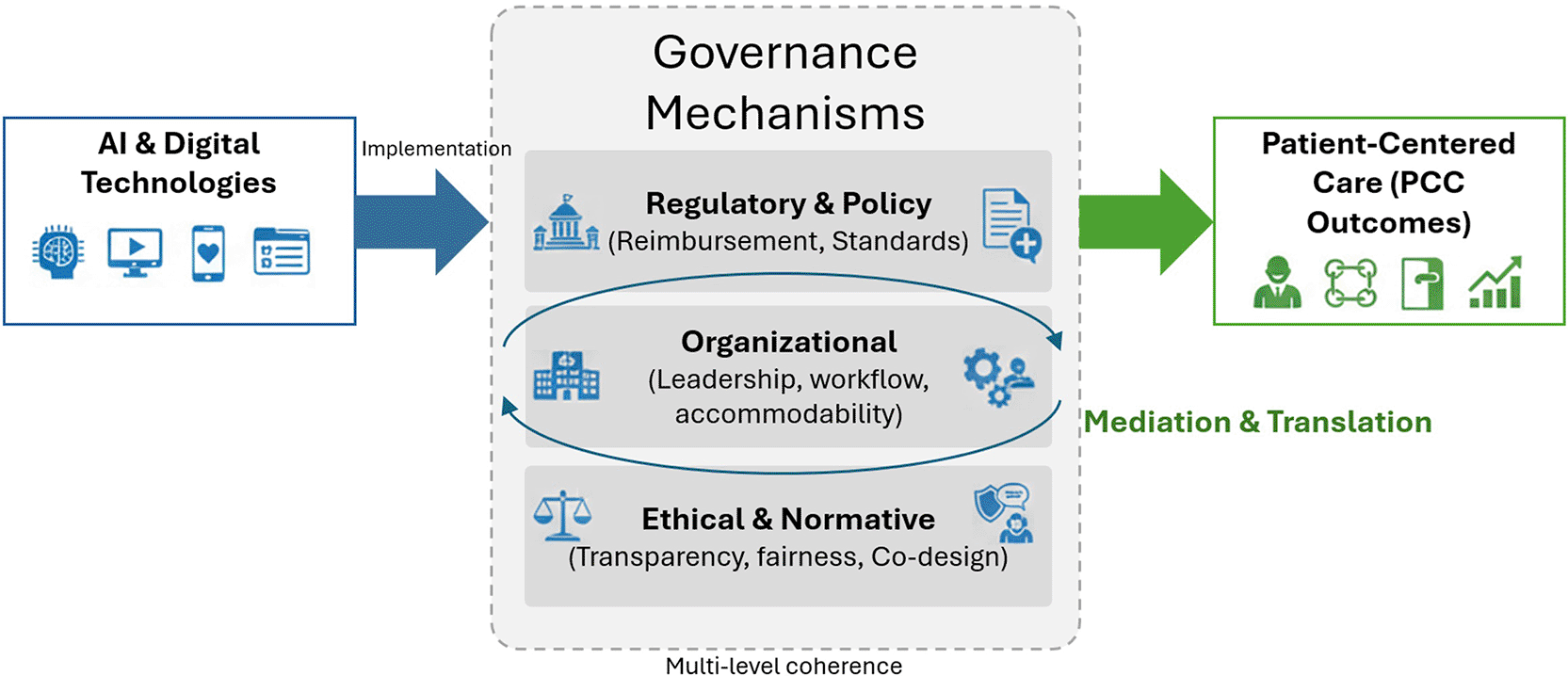
Taken together, the reviewed evidence indicates that AI-mediated patient-centered care is not an automatic by-product of digital innovation. Instead, it is actively produced, or undermined, through governance mechanisms that structure how technologies are authorized, implemented, monitored, and adapted within health systems. Governance thus functions as a key intermediary between AI capabilities and patient-centered outcomes, shaping whether digital transformation reinforces or reconfigures existing models of care delivery.
The reviewed studies consistently indicate that artificial intelligence and digital health technologies reshape patient-centered care in ways that have significant implications for health equity at both system and population levels. Rather than uniformly enhancing patient-centeredness, AI-enabled PCC introduces new patterns of inclusion and exclusion that are mediated by access to digital infrastructures, data practices, and institutional capacity. Equity thus emerges as a structural dimension of AI-enabled PCC, embedded in how health systems design, deploy, and govern digital technologies.
A first set of studies highlights how AI-enabled PCC can exacerbate existing inequities when access to digital tools and services is unevenly distributed. Several empirical and review studies document disparities related to socioeconomic status, geographic location, age, and digital literacy, which shape who is able to benefit from telehealth, remote monitoring, and AI-supported care pathways (Eaton et al., 2024; James et al., 2021; Lieneck et al., 2021). In these contexts, patient-centered care is effectively redefined by system-level access conditions, such that individuals or populations lacking reliable connectivity, appropriate devices, or digital skills are structurally excluded from AI-mediated forms of engagement and personalization.
Beyond access, a second equity concern identified across the literature relates to data representation and algorithmic bias. Conceptual and framework-based studies emphasize that AI-enabled PCC depends on data infrastructures that may systematically underrepresent marginalized populations, thereby reproducing or amplifying existing inequities in care delivery (Garcia-Saiso et al., 2024; Sikstrom et al., 2022). In these accounts, patient-centeredness becomes contingent on whose data are captured, how they are interpreted, and which patient profiles are rendered visible within algorithmic systems. As a result, AI-driven personalization may privilege populations whose health experiences align with dominant data patterns, while others remain misclassified or overlooked.
Several studies also underscore that equity implications of AI-enabled PCC operate at the level of health system design rather than individual encounters. Research examining safety-net settings, public health systems, and underserved populations illustrates how AI-enabled interventions can either mitigate or reinforce structural disadvantage depending on system-level choices (Mitchell et al., 2023; Seshamani, 2022). For instance, AI-supported telehealth models implemented within publicly funded or safety-net systems demonstrated potential to expand reach and continuity of care, but only when accompanied by deliberate strategies to address language, cultural relevance, and affordability. In the absence of such strategies, digital PCC initiatives risk reinforcing stratified models of care delivery. These system-level pathways illustrate how AI-enabled patient-centered care can generate differentiated equity outcomes depending on access conditions, data practices, and institutional capacity. Figure 4 synthesizes these relationships by depicting the mediating pathways through which AI-enabled PCC interventions translate into population-level equity implications.
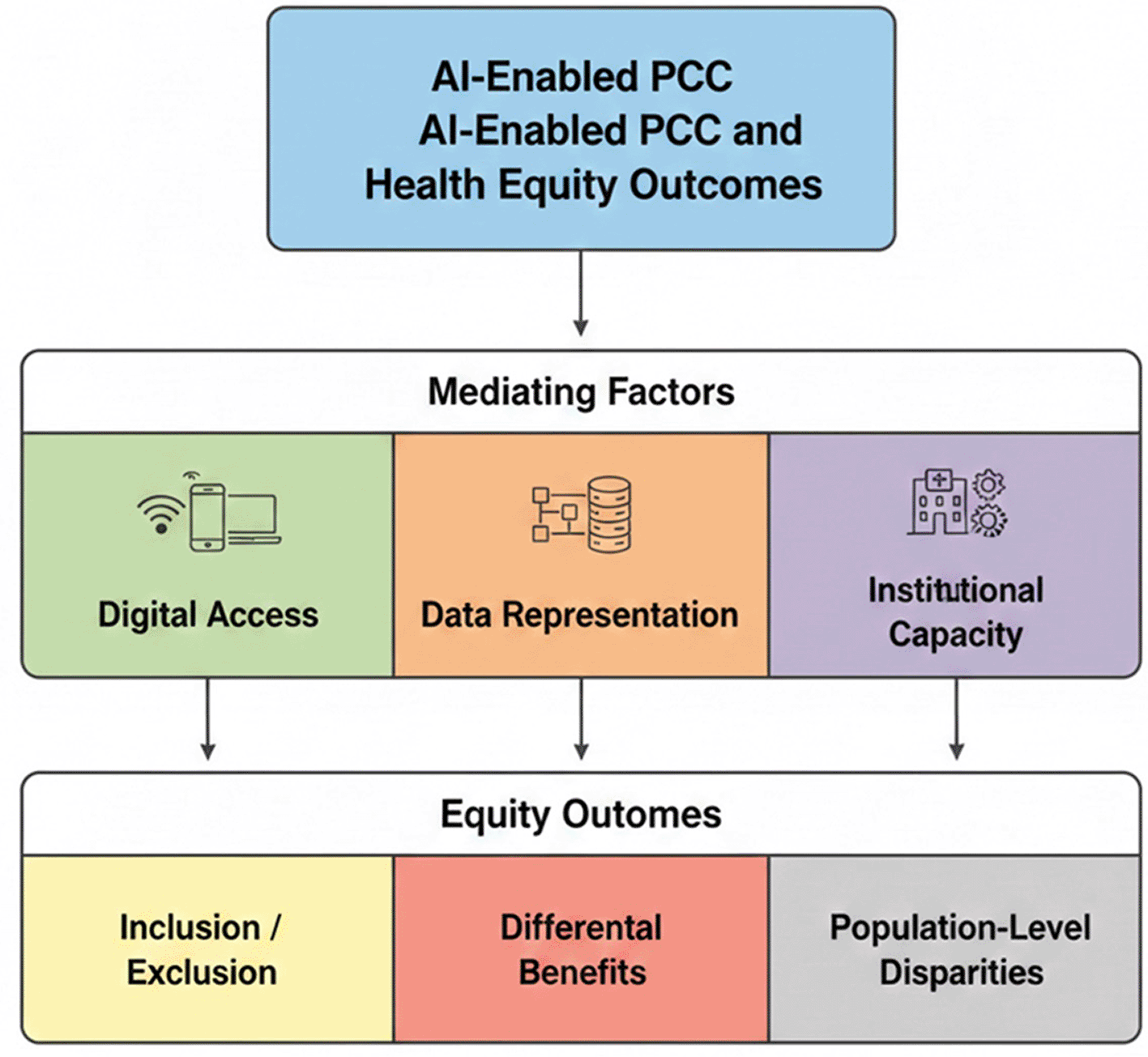
Importantly, the literature reviewed does not conceptualize equity as an automatic outcome of patient-centered digital innovation. Instead, equity is framed as a contingent and mediated effect, shaped by how health systems operationalize patient-centeredness through AI-enabled infrastructures. Studies focusing on participatory design and co-creation further suggest that equity-oriented PCC requires institutional mechanisms that actively incorporate diverse patient perspectives into digital health design and evaluation processes (Addario et al., 2023; Madanian et al., 2023). These approaches position equity not only as an outcome to be measured, but as a process embedded within system-level decision-making.
Taken together, the findings indicate that AI-enabled patient-centered care reconfigures equity from an interpersonal concern to a systemic challenge. Equity implications arise from cumulative design and implementation decisions related to access, data practices, and institutional capacity, rather than from individual clinician behavior alone. As such, patient-centered care in AI-mediated health systems cannot be disentangled from broader questions of population-level inclusion and exclusion, reinforcing the need to examine equity as a core dimension of system-level PCC.
This review reframes patient-centered care (PCC) in the age of artificial intelligence not as an interpersonal virtue or a technological add-on, but as a system-level outcome produced through the interaction of digital infrastructures, governance capacity, and equity-oriented policy choices. Across the 32 included studies, PCC consistently emerged not at the point of care alone, but upstream—embedded within algorithmic design, platform architectures, regulatory arrangements, and institutional decision-making processes. This reframing challenges dominant narratives that position AI primarily as a tool for enhancing personalization, efficiency, or patient satisfaction at the clinical interface.
Figure 5 conceptualizes the reframing proposed in this review, positioning patient-centered care as a system-level outcome that emerges from the interaction between AI-mediated infrastructures, governance structures, and equity moderators. The three reframings discussed below correspond to the analytical layers depicted in Figure 5, moving from infrastructural mediation, to equity dynamics, and finally to governance capability.
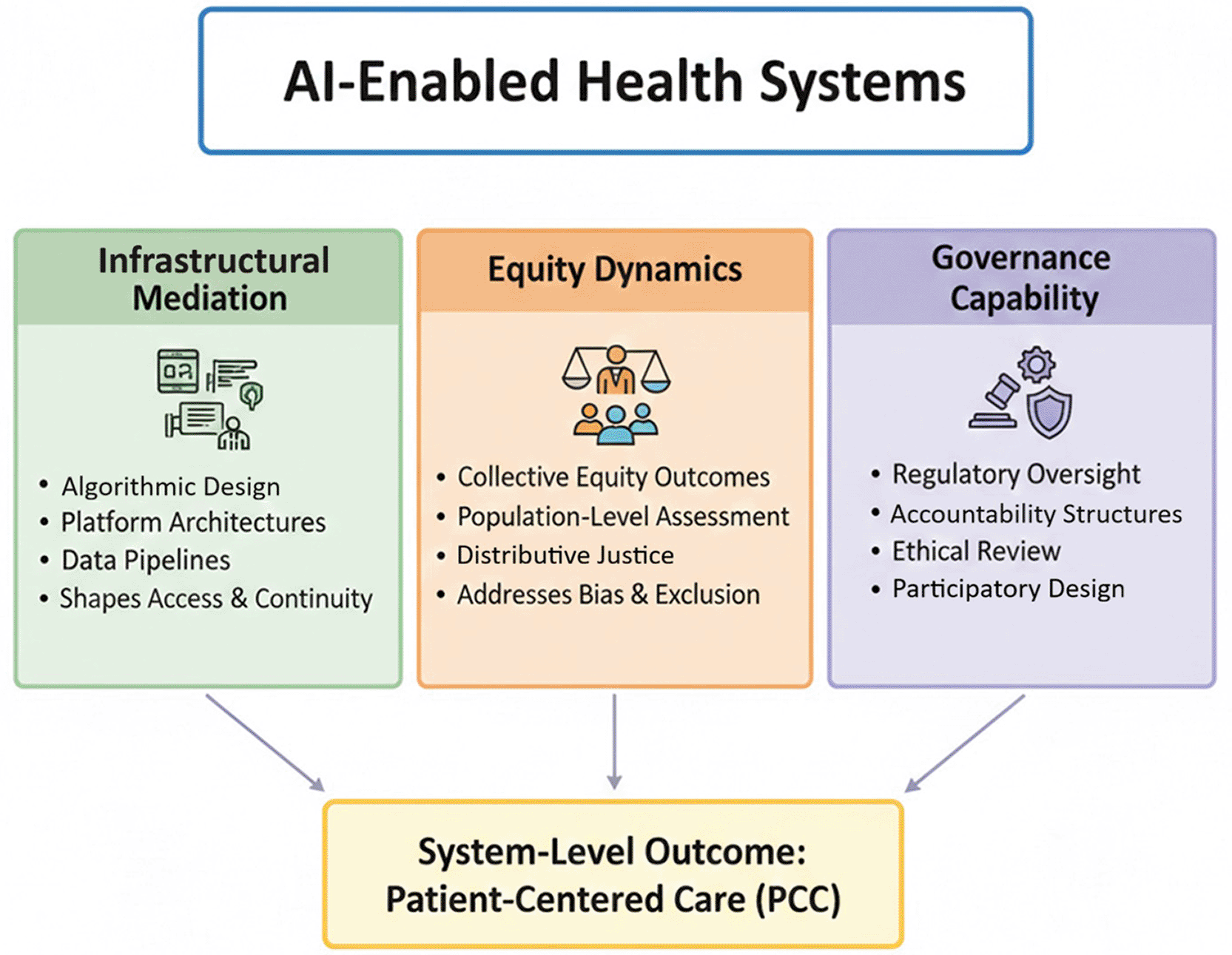
Traditionally, PCC has been conceptualized as a quality of the clinician–patient relationship, emphasizing communication, empathy, and shared decision-making. However, the findings of this review suggest a decisive shift: in AI-enabled health systems, patient-centeredness is increasingly infrastructural. Digital platforms, data pipelines, and algorithmic logics mediate how patient needs are recognized, interpreted, and acted upon, often before any clinical interaction occurs.
Studies included in this review demonstrate that telehealth systems, remote monitoring infrastructures, and AI-supported decision tools shape access, continuity, and responsiveness of care at scale (Elsener et al., 2023; Lieneck et al., 2021; Wickwire et al., 2023). In these contexts, PCC is no longer solely dependent on individual clinician behavior, but on whether digital systems are designed to accommodate patient variability, temporal needs, and contextual constraints. This aligns with but extends earlier digital health literature (e.g., Penedo et al.; Rosenlund et al.), which largely framed technology as an adjunct to patient-centered encounters rather than as the substrate through which PCC is produced.
Importantly, infrastructural mediation also introduces new failure modes: when algorithms are poorly aligned with patient contexts, or when platforms impose rigid workflows, patient-centeredness can be undermined despite intentions of personalization. Thus, PCC becomes contingent upon infrastructural design choices rather than interpersonal competence alone.
A second critical reframing concerns the normative foundation of PCC. Prior literature has predominantly equated patient-centeredness with respecting individual preferences and choices. In contrast, the evidence synthesized in this review highlights that AI-enabled PCC must be evaluated through collective equity outcomes, not merely individual satisfaction metrics.
Several included studies illustrate how AI-mediated care can differentially benefit or disadvantage population groups depending on digital literacy, access to devices, language compatibility, and data representation (Al Kuwaiti et al., 2023; Garcia-Saiso et al., 2024; Mitchell et al., 2023). In these cases, PCC cannot be meaningfully claimed if systems systematically privilege digitally fluent or socioeconomically advantaged populations. This extends equity-oriented arguments raised in earlier telehealth and eHealth studies (Anaya et al., 2021; Appuswamy & Desimone, 2020) by situating inequity not at the margins of implementation, but at the core of AI system design.
Consequently, PCC in AI-mediated systems becomes inseparable from distributive justice. A system may offer highly personalized outputs for some users while simultaneously eroding patient-centeredness for others through exclusion, misclassification, or surveillance burdens. This review therefore supports a shift from individualized PCC metrics toward population-level equity assessment as a defining criterion of patient-centeredness in AI-enabled care.
Finally, this review reframes the central challenge of AI-enabled PCC from technology adoption to governance capability. While much prior work has focused on whether AI and digital tools can be implemented effectively, the included studies underscore that patient-centeredness hinges on who governs these systems, how accountability is structured, and which values are encoded into decision-making processes.
Across diverse contexts, governance mechanisms, such as regulatory oversight, organizational leadership, ethical review structures, and participatory design processes, mediate the relationship between AI tools and PCC outcomes (Addario et al., 2023; Ammenwerth et al., 2020; Sikstrom et al., 2022). Where governance capacity is weak or fragmented, AI systems risk prioritizing efficiency, cost containment, or institutional convenience over patient needs. Conversely, strong governance arrangements enable alignment between technological capabilities and patient-centered goals.
This finding contrasts with earlier AI health literature that emphasized technical performance and clinical accuracy (Hung et al., 2020; Sandeep Ganesh et al., 2022), often assuming that improved prediction or automation would naturally translate into better patient-centered care. The present review demonstrates that without explicit governance structures to address bias, accountability, transparency, and inclusion, AI adoption alone is insufficient, and may be counterproductive, to PCC.
Taken together, these reframings position AI-enabled PCC as an emergent property of health systems rather than a feature of isolated technologies or encounters. Patient-centeredness becomes embedded in infrastructures, negotiated through governance, and evaluated through equity outcomes. This perspective advances the field beyond instrumental narratives of AI-driven personalization and calls for a system-level understanding of PCC aligned with public health values.
This systematic review has several limitations that should be acknowledged. First, although the review followed PRISMA 2020 guidelines and employed a transparent, theory-driven synthesis approach, the evidence base remains heterogeneous in terms of study design, disciplinary orientation, and analytical depth. Many included studies conceptualized patient-centered care in AI-enabled contexts implicitly rather than through explicit theoretical frameworks, which limited direct comparability across studies.
Second, the review relied on peer-reviewed literature indexed in Scopus and PubMed/Medline and restricted inclusion to English-language publications. While these databases provide strong interdisciplinary coverage, relevant work from regional journals, policy reports, and gray literature, particularly from low- and middle-income countries, may have been underrepresented. As a result, some governance and equity dynamics specific to resource-constrained health systems may not be fully captured.
Third, despite the focus on system-level implications, much of the empirical literature remains concentrated at the meso level of organizations and service delivery settings. Macro-level analyses examining national governance arrangements, regulatory enforcement, and long-term population equity outcomes remain relatively scarce. Similarly, few studies provided longitudinal evidence on how AI-enabled PCC evolves over time or how governance mechanisms adapt in response to unintended consequences such as algorithmic bias or digital exclusion (Garcia-Saiso et al., 2024; Sikstrom et al., 2022).
Future research should therefore move beyond descriptive accounts of AI-enabled patient engagement and examine patient-centered care as a dynamic system property shaped by governance capacity, institutional learning, and political choice. Comparative studies across health systems, particularly those integrating regulatory analysis with equity-sensitive outcome measures, are needed to understand how different governance models influence PCC trajectories. Methodologically, future reviews and empirical studies would benefit from explicitly integrating health systems theory, implementation science, and critical data studies to deepen conceptual clarity and analytical rigor.
The findings of this review have important implications for clinical practice in AI-enabled health systems. First, patient-centered care should no longer be understood solely as a function of clinician behavior, communication skills, or individual patient engagement. Instead, clinical practice increasingly depends on the design, configuration, and governance of digital infrastructures that mediate access to care, information flows, and decision-making processes (Fuller et al., 2020; Lieneck et al., 2021).
Clinicians operate within algorithmically mediated environments that shape which patients are visible, which needs are prioritized, and which actions are deemed appropriate or efficient. As such, patient-centeredness in clinical practice is contingent on the transparency, interpretability, and fairness of the AI systems embedded in everyday workflows (Al Kuwaiti et al., 2023). Without appropriate governance and organizational oversight, even well-intentioned digital tools may constrain professional judgment, exacerbate workload, or marginalize patient voices (Wickwire et al., 2023).
The review also highlights the need for clinicians to be actively involved in the co-design, evaluation, and governance of AI-enabled tools. Clinical practice benefits when digital systems are aligned with real-world workflows, ethical standards, and patient diversity, rather than imposed as efficiency-driven solutions (Addario et al., 2023; Madanian et al., 2023). Training and professional development should therefore extend beyond technical proficiency to include competencies in digital ethics, data governance, and equity-aware care delivery.
Ultimately, supporting patient-centered clinical practice in the age of AI requires organizational and policy environments that empower clinicians and patients alike, rather than shifting responsibility for system-level failures onto individual actors.
This systematic review demonstrates that patient-centered care in the age of artificial intelligence cannot be adequately understood as an interpersonal interaction paradigm or a technological feature of digital tools. Instead, AI-enabled patient-centered care emerges as a system-level outcome shaped by the interaction between digital infrastructures, governance arrangements, and equity-oriented policy choices.
By synthesizing evidence across diverse health system contexts, this review reframes patient-centered care as a public health governance challenge. AI systems mediate how care is accessed, personalized, and coordinated, while governance mechanisms determine whose values are embedded in algorithms, how risks are managed, and how accountability is enforced. Equity considerations, in turn, moderate whether AI-enabled PCC expands access and empowerment or reproduces existing disparities.
These findings suggest that advancing patient-centered care in AI-enabled health systems requires more than technological innovation. It demands deliberate investment in governance capacity, inclusive system design, and equity-sensitive evaluation frameworks. Without such efforts, the promise of AI to enhance patient-centered care risks being undermined by structural inequities and governance failures.
Reframing patient-centered care as a system-level capability provides a foundation for more accountable, equitable, and sustainable integration of artificial intelligence into public health systems.
| Views | Downloads | |
|---|---|---|
| F1000Research | - | - |
|
PubMed Central
Data from PMC are received and updated monthly.
|
- | - |
Provide sufficient details of any financial or non-financial competing interests to enable users to assess whether your comments might lead a reasonable person to question your impartiality. Consider the following examples, but note that this is not an exhaustive list:
Sign up for content alerts and receive a weekly or monthly email with all newly published articles
Already registered? Sign in
The email address should be the one you originally registered with F1000.
You registered with F1000 via Google, so we cannot reset your password.
To sign in, please click here.
If you still need help with your Google account password, please click here.
You registered with F1000 via Facebook, so we cannot reset your password.
To sign in, please click here.
If you still need help with your Facebook account password, please click here.
If your email address is registered with us, we will email you instructions to reset your password.
If you think you should have received this email but it has not arrived, please check your spam filters and/or contact for further assistance.

Comments on this article Comments (0)