Keywords
Indonesia, Youth mental health, Islamic Beliefs, Theory of Planned Behavior, Mental health literacy, Coping mechanisms, Internal determinism

This article is included in the Japan Institutional Gateway gateway.
Indonesia, Youth mental health, Islamic Beliefs, Theory of Planned Behavior, Mental health literacy, Coping mechanisms, Internal determinism
Mental health disorders affect approximately one in eight people globally yet a staggering treatment gap persists, particularly in developing nations where psychosis treatment reaches only 29% of those in need despite receiving a mere 2% of global health funding (Institute for Health Metrics and Evaluation [IHME]). This systemic neglect is exacerbated by a Western-centric research bias that frequently overlooks Islamic perspectives, risking the application of culturally biased diagnostics to Muslim communities (Mojaverian et al., 2013; Kirmayer, 2012). Indonesia, as the world’s largest Muslim-majority nation (Muslim Population by Country 2025, 2025), presents a critical case study where severe infrastructure shortages and a lack of professionals coexist with deeply rooted religious healing practices. Understanding this complex intersection is vital to addressing the unique cultural and structural barriers that define mental health coping mechanisms outside the Western paradigm.
Within this landscape, Indonesia faces a burden that is particularly acute among younger demographics. While definitive national prevalence data varies, the Indonesia - National Adolescent Mental Health Survey (I-NAMHS) conducted in 2022 revealed that 34.9% of adolescents experience mental health problems and 5.5% meet the criteria for a clinical disorder. This distress is met by a severely limited formal infrastructure, characterized by a critical shortage of just 0.3 psychiatrists per 100,000 people and inconsistent access to medication at the primary care level (Rahvy et al., 2020; Tristiana et al., 2018; World Health Organization, 2022). Consequently, professional service utilization is extremely low at 2.6% (Center for Reproductive Health et al., 2022), yet structural scarcity is not the sole driver of why many Indonesians do not utilize these services. The same survey states that instead, religious pathways serve as a form of “first line of defense,” with 45.4% of adolescents utilizing prayer or worship as a core self-help strategy. This reliance suggests that, for some Indonesians, mental health is viewed through a religious lens rather than a psychological one.
This cultural conceptualization of mental health is fundamentally shaped by a bio-psycho-social-spiritual framework. The physical symptoms associated with or changes in behavior from mental disorders are commonly associated with a holistic balance of the inner self (batin), the social collective, and the spiritual relationship with the Creator (Liem, 2019; Marsella, 1982). Traditionally, distress is often interpreted through internalized belief systems as either a trial of faith (iman) or a consequence of supernatural intrusions, such as jinn possession or black magic (santet). These attributions drive a “hierarchy of resort” where families of those experiencing mental health issues prioritize religious strategies (Anjara et al., 2021; Salan & Maretzki, 1983). They range from personal acts of piety like mandatory daily ritual prayers (sholat) to external interventions such as the act of treating an illness through recitation of Qur’anic verses (ruqyah). On top of the high accessibility of these religious resources, many families believe that it is to avoid the stigma associated with clinical psychiatry, such as a sign of not being faithful to God or being labelled as mentally insane ( gila) (Brooks et al., 2022; Ciftci et al., 2013; Subu et al., 2021; Wahyuni et al., 2019). This landscape is particularly complex for the “sandwich generation” of youth, who are caught between global mental health discourses found online (Thelandersson, 2018; Hasan et al., 2023) and traditional household expectations to remain as a devout child (anak sholeh) (Collins & Bahar, 2000; Willenberg et al., 2020). Young adults globally, including Indonesia, are experiencing this “Normative Transition” where globalization is at odds with conservative values. Since parents act as primary gatekeepers to care, some adolescents face a conflict between their recognition of medical need and a parental preference for religious coping (Brooks et al., 2022; Subu et al., 2021), frequently leading to the concealment of symptoms until they become acute.
While existing literature acknowledges that culture influences the conceptualization of mental health issues, it frequently treats Islamic belief as a static barrier, either a barrier or facilitator to seeking help, rather than a nuanced decision-making factor. This study proposes a paradigm shift toward a more nuanced understanding of faith as a dynamic decision-making factor. Central to this transition is the key research question: “To what extent do Islamic beliefs play in determining how young adults in Indonesia cope with psychological distress through professional, religious, or informal secular approaches?”. Identifying specific internal and external drivers that influence the coping mechanism intentions provides crucial insights for developing targeted, culturally sensitive interventions tailored to young Indonesian adults navigating their mental well-being in a modernizing society.
To address the research inquiry, the study adopts a Qualitative Research Design underpinned by a Pragmatist approach. Pragmatism is selected as the most appropriate paradigm because it prioritizes the research problem over strict adherence to rigid conceptual boundaries. While the research question seeks to determine the “extent” of influence, a concept often associated with quantitative prediction, the context involves a complex, internal negotiation between religious identity and medical necessity that statistical measures cannot fully illuminate. Therefore, a qualitative approach utilizing semi-structured interviews is required to capture the nuanced, subjective mechanisms of decision-making.
To explain the mechanistic decision-making process of Indonesian youth, this study utilizes the Theory of Planned Behavior (TPB) developed by Ajzen (1991). Unlike broad concept maps that mainly focuses on environmental factors, the TPB provides a volitional framework that isolates personal evaluation (Attitude), social pressure (Subjective Norms), and structural or internal barriers (Perceived Behavioral Control). This approach is uniquely suited for Indonesian adolescents because it allows the research to determine exactly where their preferred coping intentions break down in an individual’s decision-making process. The influences on the individual’s final intentions can be attributed to these TPB elements, whether it will be their internal attitudes towards the different forms of help, their surrounding community’s beliefs towards mental health, or a lack of resources and access to these coping mechanisms. Adams et al.’s (2022) scoping review also shows that TPB remains the most common and favorable approach to frame help-seeking in literature. It argues that the constructs of the framework are significant predictors of help-seeking across diverse populations, making it a reliable tool for capturing the motivational factors influencing an individual’s effort to seek care.
Data analysis was conducted using a hybrid deductive/inductive thematic analysis (Proudfoot, 2023). The TPB provided three distinct “buckets”, namely the individual’s attitude towards the behavior (Attitude Towards the Behavior), their surrounding community’s beliefs of that behavior (Subjective Norms), and the individual’s perceived control over performing that behavior (Perceived Behavioral Control). These components serve as high-level categories for a literature-based coding protocol, ensuring theoretical rigor by isolating religious influence within specific constructs rather than conflating it into a general cultural factor. Codes were then developed based on the framework and existing literature (see Figure 1). While a comprehensive codebook was developed prior to data collection (Rasyad, 2026), the analysis remained iterative; emergent themes were rigorously triangulated with existing literature. This hybrid method ensures that the final findings are both grounded in participant data and supported by the broader corpus of mental health research.
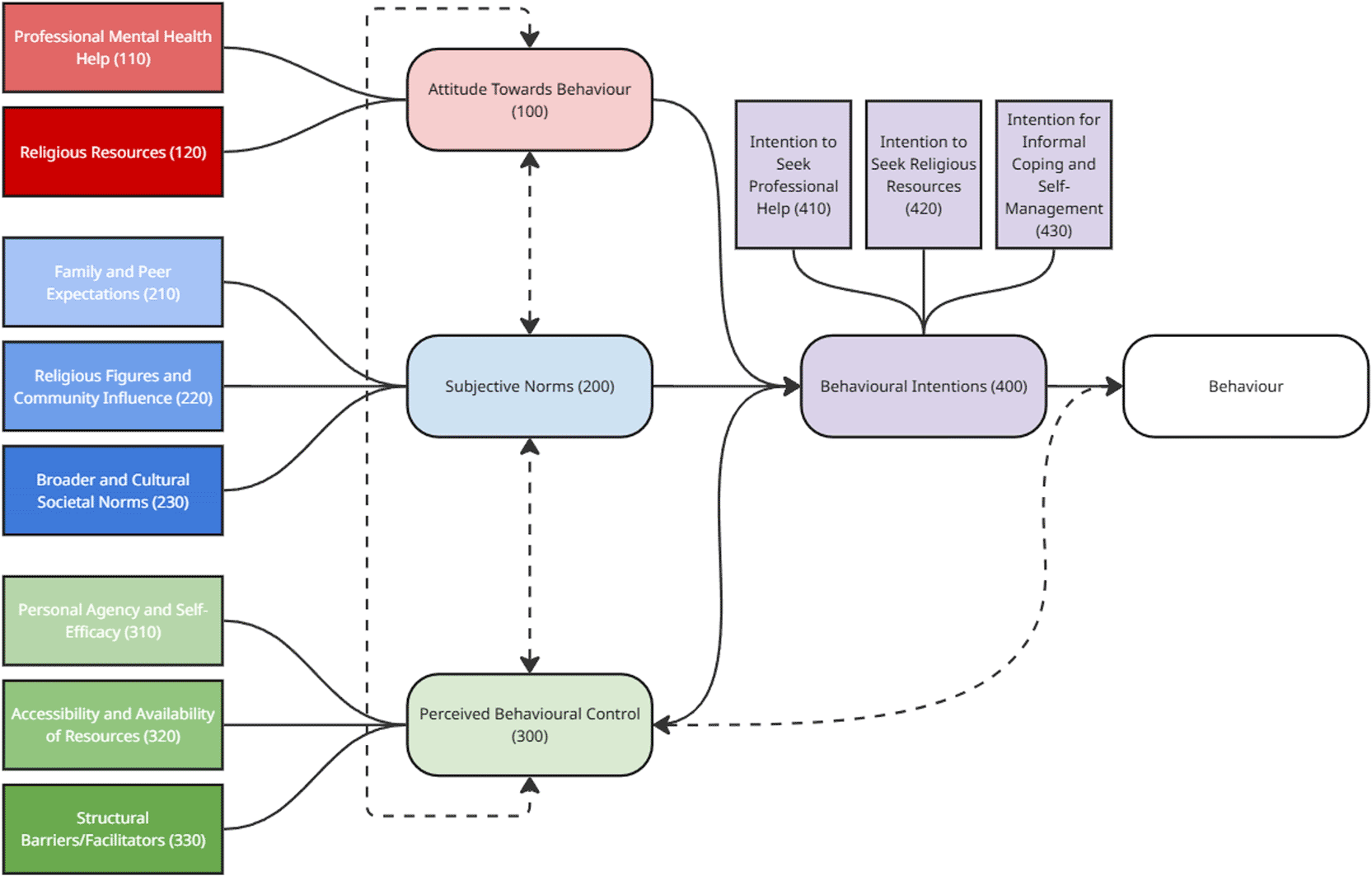
To evaluate the decision-making mechanisms within the TPB, this study operationalizes five key constructs. First, Islamic Beliefs are defined as the internalization of theological doctrines (e.g. ‘Tawakkul’, the reliance on God) which frame health outcomes as divinely determined or spiritually mediated (Geertz, 1961; Wahyuni et al., 2019). This worldview is analyzed in relation to Psychological Distress, defined here not merely as clinical pathology, but as the subjective experience of emotional suffering (tekanan) that necessitates a coping response (Liem, 2019). The study then distinguishes between three coping pathways: Professional Help, referring to the utilization of secular, evidence-based services provided by credentialed practitioners such as psychiatrists or psychologists; Religious Resources, encompassing consultation with spiritual authorities (e.g., Ustadz, Islamic clerics) or the performance of therapeutic rituals such as Ruqyah and prayer (Subu et al., 2021); and Informal Secular Approaches, defined as self-regulation strategies, both internal or external, including peer support, avoidance behaviors, or lifestyle adjustments that function independently of both clinical and religious institutions (Rickwood & Thomas, 2012).
To ensure interpretive validity, the primary researcher acknowledges their positionality as an Indonesian Muslim young adult sharing the same cultural and religious background as the participants. This shared identity facilitated deep rapport and trust when discussing sensitive topics, such as “weak faith,” and provided the cultural competence necessary to accurately interpret indigenous idioms of distress and religious terminology without the loss of meaning common in cross-cultural research. While this insider status enhanced the depth of the data, the primary researcher remained aware of the risk of “over-familiarity,” where nuanced cultural assumptions might be taken for granted. To mitigate this bias and ensure the results remain grounded and transferable, a strict reflexivity protocol was employed, involving adherence to a rigorous data-driven codebook.
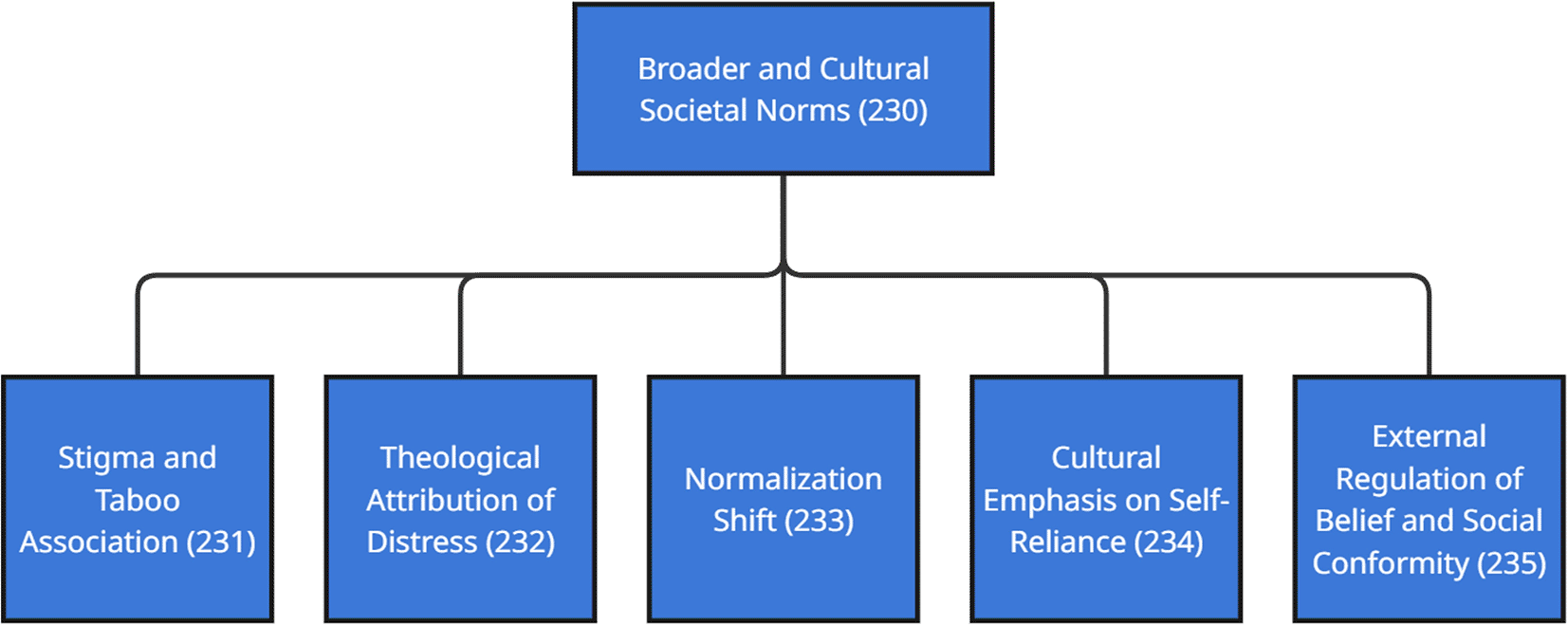
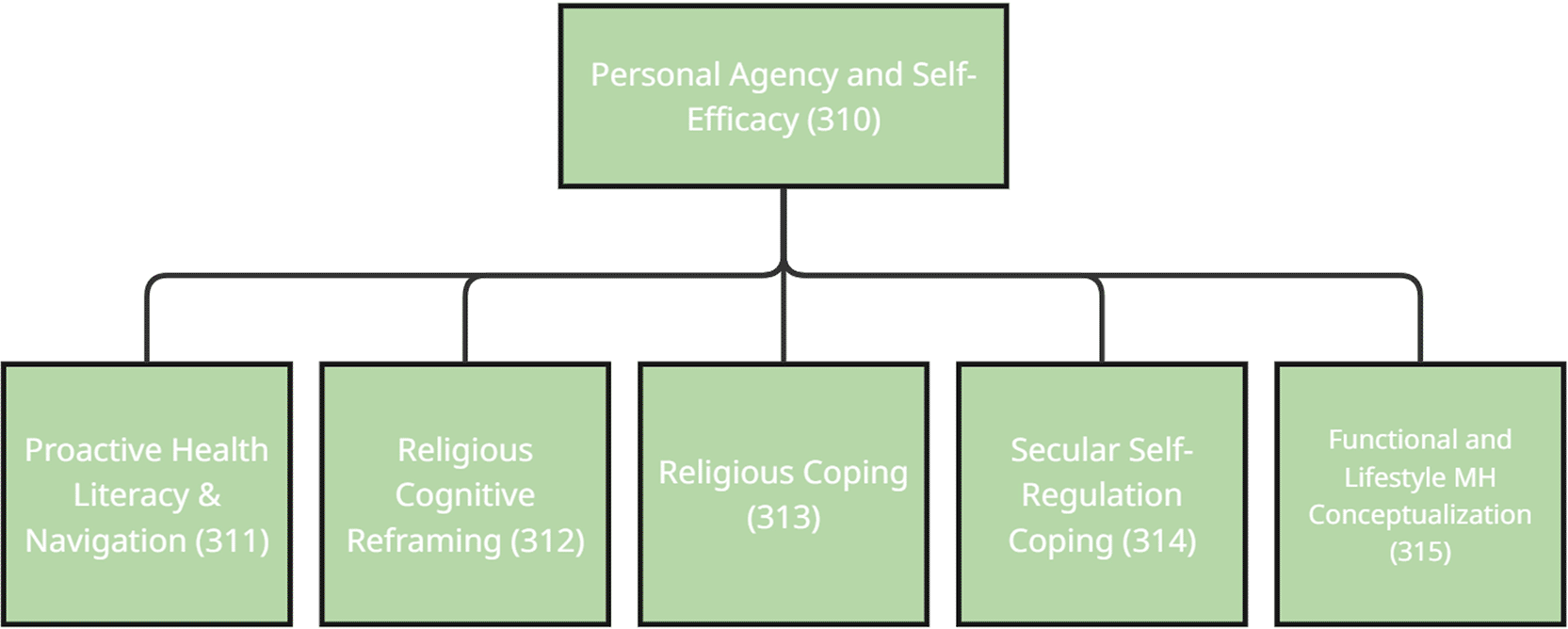
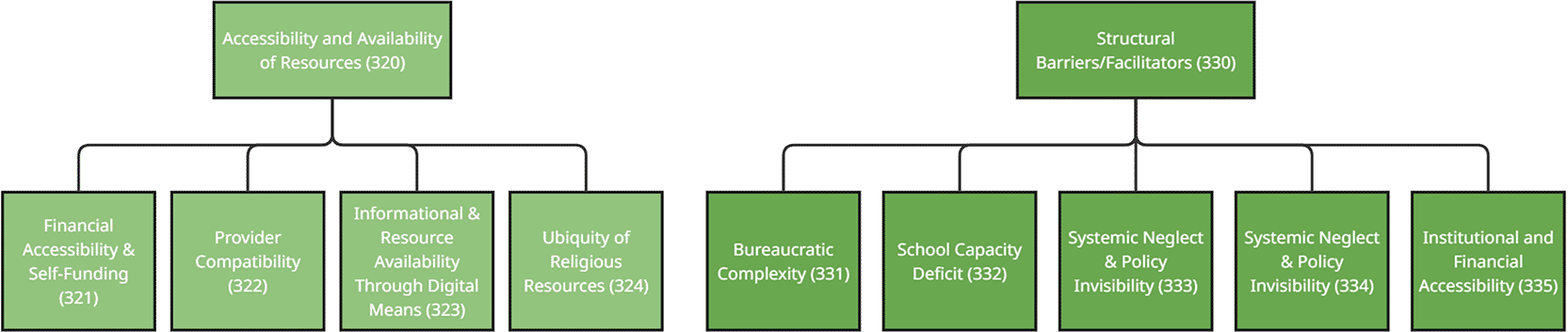
Note. Diagram of the decision-making process interacting with Islamic Beliefs for Indonesians in the Theory of Planned Behavior (TPB) Framework along with its respective codes based on existing literature that was used in this study. Each TPB construct is given a unique code number and color for distinction purposes. ‘Attitude towards Behavior’ (100) branches into two codes, Attitude towards ‘Professional Mental Health’ (110) and Attitude towards ‘Religious Resources’ (120). ‘Subjective Norms’ (200) branches into three codes, ‘Family and Peer Expectations’ (210). ‘Religious Figures and Com unity Influence’ (220), and ‘Broader and Cultural Societal Norms’ (230). ‘Perceived Behavioral Control’ (300) branches into three codes, ‘Personal Agency and Self-Efficacy’ (310), ‘Accessibility and Availability of Resources’ (320), ‘Structural Barriers/Facilitators’ (330). ‘Behavioral Intentions’ (400) branches into three codes, ‘Intention to Seek Professional Help’ (410), ‘Intention to Seek Religious Resources’ (420), and ‘Intention for Informal Coping and Self-Management’ (430).
Data collection was conducted through a hybrid format where participants were offered the choice between face-to-face in the Jakarta Metropolitan Area for interviews during a designated fieldwork period in August 2025 or online video conferencing throughout the data collection window of July – September 2025. This flexible, participant-led approach was designed to maximize ecological validity, providing a secure environment for discussing sensitive topics regarding mental health and spiritual standing. Interviews were held in either Indonesian or English based on participant preference. Utilizing the language participants were most comfortable speaking in was critical for preserving the semantic integrity of the data, as it allowed for the accurate capture of the participants’ opinions and perceptions.
Data collection followed a multi-stage strategy designed to balance accessibility with data richness, beginning with a six-participant pilot study to refine the interview questions and validate the initial codebook (Rasyad, 2026). For the primary study, participants were selected using opportunistic sampling via social media and messaging apps, supplemented by snowball sampling to reach the older adult comparison group, a demographic less accessible through digital channels, by asking participants to refer acquaintances.
Participants were stratified into two cohorts to examine the “Generational Divide”: a Target Group of young adults (18–34 years) and a Comparison Group of older adults (35–64 years). To ensure sufficient acculturation to local norms, inclusion criteria required participants to self-identify as Muslim, reside in Indonesia, and have maintained continuous residency from birth through high school graduation, (adapted from Bleidorn et al., 2013). Data collection involved recording basic demographics, self-rated religiosity, and qualitative interview data regarding attitudes, social norms, and intentions toward mental health coping. Informed written consent was obtained digitally via a standardized protocol where participants actively agreed to the study’s terms by replying with a specific confirmation phrase.
This study adhered to strict ethical guidelines for human subject research and received formal approval from the University of Tsukuba Medical Ethics Committee. To ensure the integrity of the data and the protection of participants, several key safeguards were implemented. First, participation was entirely voluntary and involved no financial compensation; this decision was made to avoid “economic coercion,” ensuring that engagement was motivated solely by a genuine willingness to share experiences rather than financial need. This is particularly a relevant consideration in the Indonesian context where monetary incentives can skew participation toward lower-income demographics. Furthermore, participant anonymity was rigorously maintained by removing all personal identifiers during the transcription process and referring to individuals solely by their respective age groups followed by a number based on the chronological order each participant was interviewed in their respective groups (e.g. Target 5). Finally, all participants were explicitly informed of their right to withdraw from the study at any stage without consequence, ensuring their autonomy was respected throughout the research process.
The primary research instrument was a semi-structured interview screening tool, with questions adapted from established TPB scales and contextualized for the Indonesian population through the pilot studies. Data collection followed a multi-method approach to ensure robustness, gathering quantitative demographic profiles alongside qualitative insights. Specifically, the guide elicited data across five categories: basic demographics and self-rated religiosity, personal evaluations of professional versus religious support (Attitudes), perceived social pressures from family and community (Subjective Norms), internal agency and structural barriers (Perceived Behavioral Control), and explicit plans regarding mental health management (Intentions) (see Table 1). The interview guide, both in English and Indonesian, are freely available on the Data Repository https://doi.org/10.6084/m9.figshare.31337851 (Rasyad, 2026).
| Raw data extract (Participant quote) | Inductive code (emergent theme) | Deductive code (existing theme) | Theoretical justification |
|---|---|---|---|
| “Maybe (mental health is) related to depression or mental illnesses like bipolar (disorder). ADHD is also included. Basically, it’s anything that is related to our mental (state), whether it’s trauma from childhood or trauma from something else, that’s mental health for me.” | Biomedical MH Conceptualization (117) | Professional Mental Health Help (110) | Represents a secular ‘Cognitive Evaluation’ of the problem. By defining distress through medical terminologies, the participant forms a positive foundation for professional help-seeking (Liem, 2019; Brooks et al., 2022). |
| “Most people still think that mental health means one, lack of worship, two, crazy. So, the stigma is bad because maybe they think that indeed it’s a lack of faith in God or something like that. And it’s like they see them only as crazy people, not people who are facing some kind of illness. They just think they’re crazy.” | Stigma and Taboo Association (231) and Theological Attribution of Distress (232) | Broader and Cultural Societal Norms (230) | Illustrates ‘Normative Beliefs’ where the perceived societal consensus (that illness = weak faith) acts as an external pressure. This stigma functions as a “Social Veto,” discouraging the individual from acting to avoid shame (Subu et al., 2021; Adams et al., 2022). |
| “The advantages are clearly many. We just have to surrender ourselves when encountering problems by praying. Maybe if we need a second opinion, we can ask a kyai who understands more about the Sunnah and everything, that’s important in my opinion. I don’t know if there are any disadvantages either, because if something happens, we just surrender, we ask Allah.” | Religious Cognitive Reframing (312) | Personal Agency and Self-Efficacy (310) | Demonstrates control through internal means via religious coping. The participant relies on Tawakkul (surrender to God) as a self-regulation strategy, providing them with sufficient internal agency to manage distress without external professional intervention (Anjara et al., 2021). |
To maintain procedural reliability, all interviews followed a standardized protocol. Prior to the sessions, participants provided informed written consent via a standardized digital text format and completed a demographic survey. Interviews were then conducted either through online video conferencing or face-to-face, with audio captured using a digital recording device to ensure accurate verbatim transcription. Throughout the sessions, the researcher utilized field notes to document non-verbal cues and indigenous idioms of distress, triangulating these with the audio data to preserve semantic integrity. Each session concluded with a formal debriefing period to resolve ambiguities and ensure participant well-being.
To prepare the collected data for analysis, a rigorous processing workflow was established to ensure both accuracy and accessibility. First, raw audio files were transcribed using Turboscribe, an AI-assisted transcription software, to generate verbatim records of the interviews. Audio files were then listened through again to correct mistakes of the software. Subsequently, for interviews conducted in Indonesian, the full transcripts were translated into English by the researcher prior to coding. Although analyzing in the original language is often preferred in qualitative research to preserve indigenous meaning, full translation was necessary to ensure linguistic consistency across the dataset within the coding matrix. To mitigate the potential loss of semantic nuance regarding culturally specific terms (e.g., sakit jiwa, galau ), the researcher, a native Indonesian speaker, verified all translations against the original audio, combined with the field notes, to ensure the English text accurately reflected the participant’s intent. This step ensured that the English codes remained conceptually faithful to the indigenous Indonesian meaning, effectively bridging the semantic gap before the formal coding process began.
The English transcripts were imported into a coding matrix in Google Sheets, where data segments were first deductively sorted into one of the codes (see Figure 1) depending on the related three constructs of the TPB framework: Attitude, Subjective Norms, and Perceived Behavioral Control. New sub-codes were added inductively during the transcription process as themes emerged. To ensure theoretical rigor, no new sub-code was added based solely on subjective interpretation. Instead, emergent themes were rigorously triangulated with existing academic literature to ensure theoretical transferability.
To move beyond simple frequency counting, a rigorous weighting analysis was conducted to identify the specific drivers of decision-making by applying distinct criteria to each construct. For Attitude, an evaluative centrality analysis based on Rokeach’s (1968) belief systems theory was utilized to categorize sub-codes by valence and depth, ensuring core beliefs about fundamental validity took precedence over peripheral circumstantial experiences. Subjective Norms and Perceived Behavioral Control were evaluated through a saliency analysis (Guest et al., 2011) that categorized themes as “Dominant” or “Peripheral” based on spontaneity, causal linkage, and emotional intensity. These refined codes were then visually mapped using Miro software to facilitate a cross-case comparison of “decision-making architectures,” which ultimately revealed the four distinct participant typologies (see Table 2).
| Construct | Analytical dimension | Classification criteria | Indicator/precedence rule |
|---|---|---|---|
| Attitude (100) ( Rokeach, 1968) | Valence | Positive (+) | Evaluation supports the utility/validity of the help-seeking behavior. |
| Negative (−) | Evaluation questions or rejects the utility/validity of the behavior. | ||
| Centrality (Depth) | Core (Fundamental) | Relates to the inherent validity of the practice itself.(e.g., “Religious help tends to reduce mental health to a lack of worship.”) | |
| Peripheral (Circumstantial) | Relates to situational experience or logistics. (e.g., “My psychologist is very supportive of my decisions”) | ||
| Determination Rule | Core > Peripheral | Precedence: Core beliefs override Peripheral experiences when determining the final Attitudinal Valence of the participant. | |
| Subjective Norms (200) & PBC (300) | Saliency (Weighted) (Guest et al., 2011) | Dominant (Heavy) |
|
| Peripheral (Mentioned) |
|
The final dataset comprises nineteen participants (N = 19) (Rasyad, 2026). Table 3 below outlines the aggregate characteristics of these two groups. Two key demographic trends should be noted. First, the sample is highly educated, with all but one of the participants having completed or currently undertaking university education (spanning both STEM and Social Sciences degrees). This educational profile reflects an urban, middle-class demographic, suggesting that the ‘Health Literacy’ observed in the Target Group is likely influenced by their access to higher education. Second, the self-rated religiosity scores reveal a generational divergence (3.636 vs. 4.75), reflecting the “Normative Transition” regarding the role of faith these young adults in this study are facing. Given the qualitative nature of the sample, the religiosity scores are presented for descriptive profiling purposes only to illustrate the generational characteristics of the specific cohorts analyzed. They are not intended to represent statistically generalizable population data.
Data analysis revealed that the TPB constructs were not uniform across the sample; rather, the specific sub-codes populating “Attitude,” “Subjective Norms,” and “Perceived Behavioral Control” differed fundamentally depending on the participant’s profile. The following sections outline the specific sub-codes developed for each construct. Definitions of each sub-codes are freely available on the Data Repository https://doi.org/10.6084/m9.figshare.31337851 (Rasyad, 2026).
Attitude Toward Behavior (100)
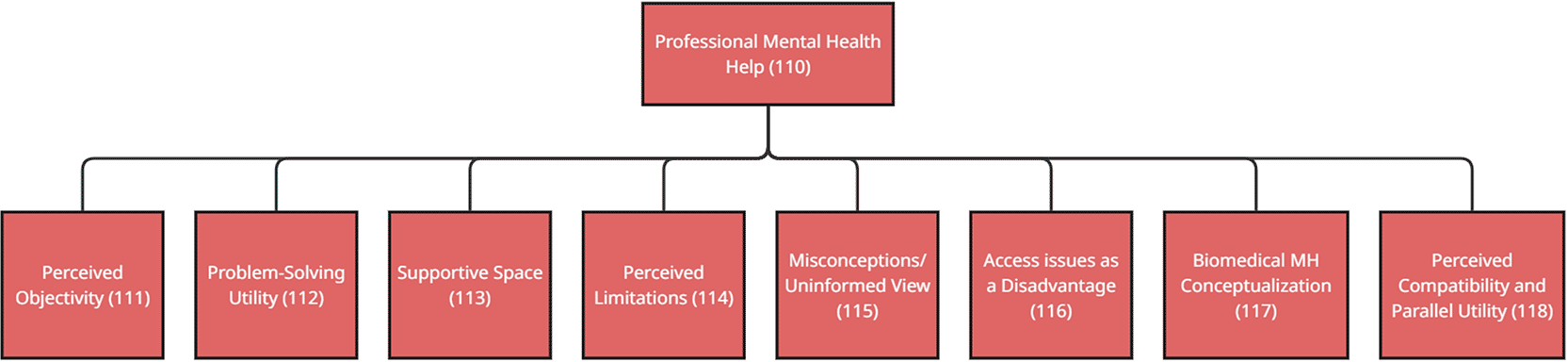
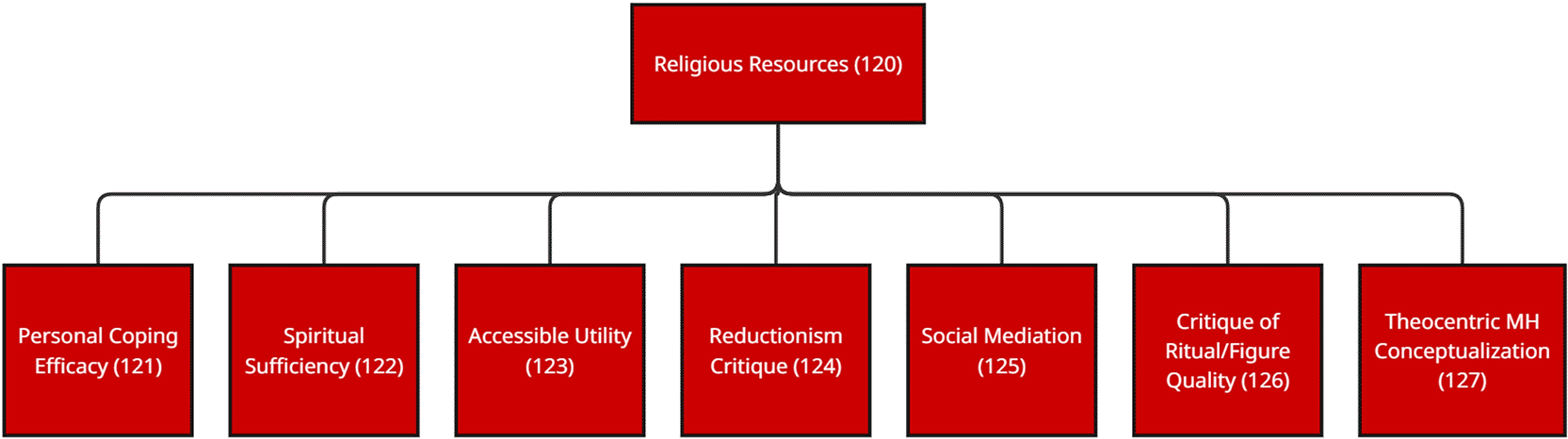
Codes were split between Professional Mental Health Help (110) (see Figure 2) and Religious Resources (120) (see Figure 3). This dichotomy captured the fundamental tension in help-seeking: participants evaluated the utility of secular intervention, underpinned by a Biomedical MH Conceptualization (117), against theological intervention, where Spiritual Sufficiency (122) often negated the need for clinical support.
Subjective Norms (200)
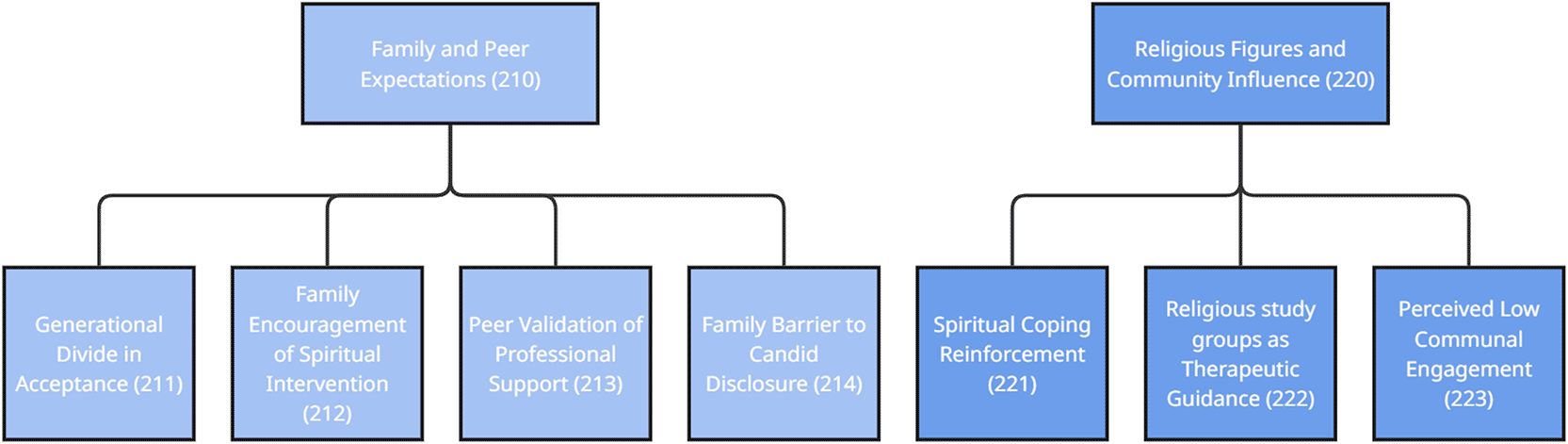
Subjective Norms captured the external pressures exerted by three primary referents: Family (210), Religious Figures (220) (see Figure 4), and Broader Societal Norms (230) (see Figure 5). Analysis indicated that this construct frequently functioned as a negative driver (barrier). Specifically, the prevalence of Stigma and Taboo Association (231) and the Theological Attribution of Distress (232), where mental illness is equated with “weak faith”, emerged as powerful social vetoes that is, at the very least, a notable barrier towards professional help-seeking even among participants with positive personal attitude.
Perceived Behavioral Control (300)
The Perceived Behavioral Control (PBC) construct was split into internal capacity (see Figure 6) and external structure (see Figure 7). Personal Agency and Self-Efficacy (310) captured the internal resources of the participant. Crucially, this included Proactive Health Literacy & Navigation (311), where participants demonstrated the ability to critically evaluate and access services, and Functional MH Conceptualization (315), where distress was viewed as a manageable lifestyle issue. In contrast, Accessibility (320) and Structural Barriers (330) mapped the external reality, where Financial Accessibility (321) and Systemic Neglect (334) frequently obstructed participant’s intention.
The qualitative analysis identified four distinct typologies that represent fundamental divergences in how the TPB constructs interact to drive intention (see Table 4).
1. The Aligned Traditionalist (n = 9)
This typology, comprising the majority of the older Comparison Group (n = 7), exhibited a decision-making process pre-determined by Attitude (100). For this group, the “Cognitive Filter” of Islamic belief through Spiritual Sufficiency (122) rendered professional help irrelevant. Distress was not interpreted as a medical condition requiring external intervention, but as a spiritual event requiring internal submission. As one participant articulated:
“The advantages (of seeking religious help for MH issues) are clearly many. We just have to surrender ourselves when encountering problems by praying. Maybe if we need a second opinion, we can ask a kyai who understands more about the Sunnah and everything, that's important in my opinion. I don't know if there are any disadvantages either, because if something happens, we just surrender, we ask Allah.” - (Participant ‘Comparison 7’)
This extract illustrates the mechanism of Spiritual Sufficiency (122). By explicitly stating they “just have to surrender [them]selves” the participant reveals their conviction that religious guidance is entirely prompt. The act of Tawakkul (reliance on God) functions here as the primary driver for their conceptual relevancy; negating the perceived need for the Problem-Solving Utility (112) offered by professionals.
2. The Aligned Modernist (n = 5)
In direct contrast, the Aligned Modernist, consisting of all the younger Target Group participants, demonstrated a positive Attitude (110) toward professional help. While some participants did note how important religion is in their day-to-day, this seemingly did not affect their conceptualization of mental health. They faced the same structural barriers as other, groups however their defining characteristic was the presence of Proactive Health Literacy (311), which functioned as a “Resilience Buffer”. This high Perceived Behavioral Control (300) allowed them to critically evaluate and navigate the healthcare system until they found a provider who matched their secular standards. One participant described this agency explicitly:
“For me, maybe it's a bit difficult (to get the proper help for your MH issues). Because before my current psychologist, I used to change (psychologists) a lot. And the last psychologist, (before this one), turned out to be religious and even though he studied psychology in graduate school, he still gave the advice for me to pray more often. So (it's like) even if you found one and have the access, not everyone is suitable [for you].” - (Participant ‘Target 1’)
This quote highlights the sophistication of the Aligned Modernist’s Health Literacy (311). Unlike the Traditionalist who prioritizes religious alignment, this participant explicitly rejects a psychologist who utilizes a religious framework, viewing it as a failure of professional standards (Provider Compatibility, 322). The phrase “I used to change psychologists a lot” demonstrates high tenacity and Self-Efficacy (310); the participant encountered a barrier (a religious provider) but did not abandon the professional pathway. Instead, they utilized their agency to navigate the system until they secured secular, evidence-based care.
3. The Constrained Modernist (n = 1)
This typology represents the study’s “Deviant Case”. This participant, belonging in the Target Group, possessed a positive attitude toward professional help but failed to act on it. This profile illustrates the power of Subjective Norms (200) as a “Social Veto.” Unlike the Aligned Modernist, this participant lacked the “Literacy Buffer.” Consequently, the fear of Stigma and Taboo Association (231) overrode their personal desire for help:
“Because, I'm scared of people's perception of me so it makes me scared of opening up, so I'll choose God. If I was found (to pursue professional help) I'll be more scared.” - (Participant ‘Target 4’)
When asked further which pathway they would prefer if societal discrimination were removed, the participant admitted:
“I think it'll be more towards professional help.” - (Participant ‘Target 4’)
This quote maps the Intention-Behavior Gap. The participant explicitly identifies Stigma & Taboo Association (231), specifically the fear of judgment, as the causal factor forcing them into a “Religious Resources” pathway they do not personally prefer.
4. The Private Coper (n = 4)
The final typology carved a pathway defined by Internal PBC, rejecting both professional and religious systems (Target Group n = 3). This group utilized Secular Self-Regulation (314), citing flaws in the external options available to them. Their decision-making was driven by skepticism. First, regarding professional help, many expressed dissatisfactions with the Problem-Solving Utility (112) of medication, viewing it as ineffective:
“Then finally it didn't work. None of the professionals helped with anything. It kind of just got better over time, but then again, I did take medication for like maybe a good portion of it… I don't think it's something that really got rid of the whole thing.” - (Participant ‘Target 3’)
Crucially, this dissatisfaction did not lead them back to religious coping. The same participant simultaneously offered a Reductionism Critique (124) of religious intervention, rejecting it as simplistic:
“It's pretty much the same as my opinion on mental health professionals. It might just go away, but sometimes you actually do need medication.” - (Participant ‘Target 3’)
By triangulating these two perspectives, the Private Coper reveals a unique evaluative structure. Unlike the Traditionalist who rejects doctors due to faith, or the Modernist who rejects religion in mental health due to science, this group rejects Indonesia’s established form of coping entirely. Their pathway is determined by a low estimation of Response Efficacy across both systems, leading them to rely mainly on Personal Agency (310) and the passage of time to manage distress.
The demographic distribution of the typologies reveals a distinct “Generational Divide” regarding mental health coping in Indonesia. The older Comparison Group exhibited high uniformity, with the vast majority (n = 7) clustering within the Aligned Traditionalist typology. In sharp contrast, the younger Target Group demonstrated typological fragmentation, with participants distributed across every identified pathway, including the Aligned Modernist (n = 5), the Aligned Traditionalist (n = 2), the Private Coper (n = 3), and the Constrained Modernist (n = 1). This data suggests that while the older generation maintains a consistent reliance on religious resources, the younger generation’s intentions are no longer determined by a single shared cultural norm, but are instead fragmented by individual variables such as Personal Agency and Health Literacy.
This study addresses the primary research question “To what extent do Islamic beliefs play in determining how young adults in Indonesia cope with psychological distress through professional, religious, or informal secular approaches” by revealing that the influence of Islamic beliefs on mental health by itself is neither monolithic nor static. Contrary to binary assumptions that religion acts solely as a barrier or a facilitator (Anjara et al., 2021; Liem, 2019), the findings demonstrate a “Spectrum of Theological Influence” where the extent of religious impact is contingent upon the individual’s typological profile, especially since religious beliefs and modern medicine frequently intertwine in this cultural context (Anjara et al., 2021; Brooks et al., 2022). Specifically, the analysis reveals that Islam’s influence operates through three distinct mechanisms: internal determinism, external coercion, and negotiable context.
Internal Determinism (Religion as One’s Worldview)
At one end of this spectrum lies the Aligned Traditionalist, for whom the extent of influence is absolute. For this group, Islamic beliefs function as a non-negotiable “Cognitive Filter” within the Attitude construct of the TPB. This finding aligns with the meta-analysis by Adams et al. (2022), which establishes Attitude as a significant predictor of help-seeking intentions.
The dominance of Spiritual Sufficiency (122) creates a worldview where mental distress is intrinsically linked to spiritual deficit, thereby rendering secular professional help conceptually irrelevant. As illustrated in the Results (Section 3.3.1), even when participants possessed a rudimentary, semi-secular understanding of stress triggers (e.g., acknowledging personality traits or external pressures), this awareness was immediately subordinated to theological conviction.
For this typology, the Attitude (100) construct acts as a gatekeeper. Because the participants believe that surrender to God (Tawakkul ) and daily prayers (Sholat) are some of the most important remedies for distress, the decision-making process is resolved internally before external factors can intervene. Consequently, structural variables such as cost, access, or distance play no role in their coping pathway, as the fundamental motivation to utilize secular services is pre-emptively filtered out by their worldview.
External Coercion (Religion as Social Veto)
Moving along the spectrum, the influence of Islamic beliefs shifts from an internal conviction to an external coercion. This dynamic is best exemplified by the Constrained Modernist. For this profile, the extent of religious influence remains high, but its function within the TPB migrates from Attitude to Subjective Norms.
While this participant held a secularized, positive attitude toward professional help, their behavior was ultimately inhibited by the “Social Veto” of the community. As the “Deviant Case” highlighted in the Results (Section 3.3.3), this participant explicitly identified the fear of societal stigma, specifically the association of mental illness with “weak faith”, as the sole barrier preventing their preferred behavior.
This finding aligns with Adams et al. (2022), confirming that in collectivist societies, Subjective Norms frequently override personal attitudes to determine intention. The presence of Stigma and Taboo Association (231) demonstrates that in the Indonesian context, one does not need to be personally religious for Islamic beliefs to dictate behavior; the perception of others is sufficient. This echoes Subu et al.’s (2021) study, who identified that the preservation of family honor and avoidance of shame (malu) function as powerful external regulators. Beliefs that mental distress represents a spiritual failure (Wahyuni et al., 2019) create a social cost so high that it overrides personal utility, creating a definitive Intention-Behavior Gap. This suggests the presence of a religious barrier that is not theological, but sociological, a fear of judgment rather than a fear of God.
Negotiable Influence (The Role of Agency & Literacy)
Crucially, the study identifies the limits of this theological influence. For nearly half the sample [Aligned Modernists (n = 5) and Private Coper (n = 4)] the extent of Islamic influence was effectively mitigated by internal resources, rendering it a secondary or negotiable factor.
The divergence between the Aligned and Constrained Modernists highlights the moderating role of Proactive Health Literacy (311). This is vital because optimizing mental health literacy can function as an effective tool for prevention and the improvement of outcomes (Brooks et al., 2022). Both groups acknowledge identical stigmatizing forces deeply rooted in traditional beliefs (Subu et al., 2021) and structural barriers, such as the severe difficulty of accessing services due to cost and geographical distance. However, the Aligned Modernists successfully navigated these hurdles. As illustrated in the Results, these participants utilized high internal Perceived Behavioral Control (PBC) to independently fund and locate care, effectively bypassing parental gatekeepers identified by Brooks et al., (2022). This suggests that health literacy functions as a “Resilience Buffer,” dampening the coercive nature of religious stigma. As with the rest of the constructs, Adams et al. (2022) also identifies PBC as a significant predictor of help-seeking intentions; for these individuals, knowledge provided the agency to bypass the “Social Veto” that guides the Constrained Modernist.
Similarly, the Private Coper carved a pathway where Islamic beliefs played a secondary role. Their rejection of both professional and religious help was driven by a critique of limitations rather than theology. Their perception of professional inaccessibility (Code 116) is supported by global data on service underutilization (Adams et al., 2022) and the severe shortage of specialized professionals in Indonesia (WHO, 2022; Anjara et al., 2021). Simultaneously, their view of religious help as reductionist (Code 124) reflects findings that spiritual therapies are often perceived as lacking scientific evidence or carrying potential risk (Liem, 2019). Driven by Secular Self-Regulation (314), this group demonstrates that a growing segment of Indonesians are becoming “System Skeptics,” whose help-seeking is determined by self-efficacy rather than theological doctrine or community pressure.
Theoretically, these findings call into question the standard application of the Theory of Planned Behavior (TPB) in religious contexts, suggesting that “Islamic Belief” should not be modeled as a single, static variable. Instead, this study observes a phenomenon of “Variable Migration,” where the influence of Islamic belief shifts between TPB constructs depending on the individual’s typological profile. For Aligned Traditionalists, religion occupies the Attitude construct as an internal “Cognitive Filter” that defines the fundamental validity of help-seeking behavior. For Constrained Modernists, it migrates to the Subjective Norms construct, acting as an external “Social Veto” where community pressure enforces compliance even if the individual does not internalize the theological attribution. Finally, for Aligned Modernists and Private Copers, religion is relegated to a secondary contextual factor subordinated to the Perceived Behavioral Control (PBC) construct, where its influence is successfully navigated through high personal agency and health literacy.
The observed generational clustering of typologies suggests that for the previous generation, the influence of Islamic beliefs functioned as a hegemonic societal norm that standardized behavior around religious coping. This pattern is consistent with the embedded religious frameworks identified by French et al. (2008), where spiritual approaches function as the default first line of defense. The collective nature of Javanese society emphasizes conforming to authority and maintaining interpersonal harmony (rukun), often defining maturity by one’s ability to manage emotion internally (Geertz, 1961). Consequently, for this generation, the “Weakness of Faith” narrative identified by Wahyuni et al. (2019) is not merely a stigma, but an accepted cultural consensus.
Conversely, the fragmentation within the Target Group indicates a “Normative Transition” where the “Sandwich Generation” is caught between traditional religious upbringings and secularized medical models. Unlike their elders, they are not bound by a single authoritative narrative. As noted by Thelandersson (2018) and Hasan et al. (2023), increased exposure to digital media has normalized psychiatric terminology for this demographic. However, this new awareness collides with the parental gatekeeping identified by Brooks et al. (2022), creating the friction observed in the Constrained Modernist typology.
Ultimately, this fragmentation suggests that contemporary help-seeking behavior is no longer determined solely by shared cultural norms, but by individual variables: specifically, Health Literacy and Secular Self-Regulation (as observed in the Aligned Modernists and the Private Coper). Those with high resources negotiated the transition successfully to their desired professional help (Aligned), while those without resources remained trapped by the friction between the two worlds. This finding implies that Indonesia is moving away from a collective, religion-based consensus on mental health toward a fragmented landscape defined by individual access.
While this study offers significant theoretical insights into the typological drivers of help-seeking behavior, several limitations must be acknowledged to contextualize the findings. First, the study utilized a purposive sample of nineteen participants (N = 19), the majority of whom were university-educated individuals residing in Java. In a country where professionals are generally scarce, this specific demographic profile suggests that the emergence of the Aligned Modernist typology may reflect a privilege only experienced in urban areas and not representative of the broader population. Access to facilities is typically limited in remote areas, suggesting that the “Generational Divide” observed here may be significantly less pronounced in rural regions or among those with lower educational attainment, where traditional norms likely maintain the hegemony of the Aligned Traditionalist profile.
Second, the recruitment process relied on voluntary participation without financial compensation, which likely introduced a self-selection bias by attracting participants who already possessed a heightened interest in the mental health discourse. As Brooks et al. (2022) identify, mental health literacy is often lower in the general population, where stigma functions as a silencer. Therefore, individuals for whom the stigma is paralyzing, who are the most susceptible to the “Social Veto”, may be underrepresented in this dataset (Center for Reproductive Health et al., 2022). This suggests that the prevalence of the Constrained Modernist typology might be significantly higher in the general Indonesian population than captured in this sample, or in contrast represent an outlier in this dataset. Further inquiries are necessary to find out whether this typology truly has grounds to exist.
Finally, the study employs a cross-sectional design within the Theory of Planned Behavior (TPB) framework. While it effectively maps the intentions (the internal resolution) of the participants, it did not include a longitudinal follow-up to verify the actual behavior. As Ajzen (1991) himself notes, intentions do not always translate into action when faced with real-world structural constraints. While the “Autonomous Agents” expressed a clear intent to self-manage, future longitudinal research would be required to determine if this agency persists during acute crises or if they eventually succumb to the “Intention-Behavior Gap.”
This study sought to answer the central research question: “To what extent do Islamic beliefs play in determining how young adults in Indonesia cope with psychological distress through professional, religious, or informal secular approaches”.
The findings reveal that the extent of this influence is neither uniform nor static; rather, it is typologically contingent. The data demonstrates that Islamic beliefs function along a spectrum of influence depending on whether the belief operates as an internal worldview, a social pressure, or a contextual variable.
Absolute Determinism (The Aligned Traditionalist)
Where the extent of influence was dominant. Driven by Spiritual Sufficiency (Code 122), Islamic beliefs functioned as a non-negotiable worldview. This “Cognitive Filter” pre-emptively rendered professional help conceptually irrelevant.
Coercive Determination (The Constrained Modernist)
Where the extent of influence was coercive. Despite a positive attitude toward professional help, Islamic beliefs functioned as a “Social Veto” via Stigma and Taboo Association (Code 231). The fear of being viewed as “lacking faith” overrode the personal intention to seek care, determining the outcome through the social cost of violating religious norms rather than spiritual conviction.
Negotiable Influence (The Aligned Modernist & Autonomous Agent)
Where the influence of Islamic beliefs was secondary. The Aligned Modernist successfully sought professional help by utilizing Proactive Health Literacy (311) to buffer against religious stigma. Conversely, the Autonomous Agent prioritized Secular Self-Regulation (314), rendering Islamic beliefs a contextual factor rather than a behavioral determinant. In summary, Islamic beliefs play a definitive role when internalized as a worldview, a regulatory role when externalized as stigma, and a marginal role when countered by high health literacy.
Given the typological fragmentation among the younger generation, this study provides further justification that Indonesian mental health policy should transition from broad awareness campaigns to a multi-pronged strategy targeting specific social and structural barriers. This involves engaging religious leaders as “referral bridges” to connect spiritual coping with medical care and redirecting public health messaging toward parents to alleviate the stigma currently functioning as a “social veto”. Furthermore, structural improvements should include investing in anonymized telehealth tools to support self-management and expanding BPJS coverage to mitigate financial barriers for those pursuing professional pathways.
As Indonesia undergoes rapid modernization, the mental health of its “Sandwich Generation” stands at a critical juncture between the traditional authority of the past and the secular possibilities of the future. This study demonstrates that Islamic belief is not inherently an obstacle to professional care; rather, it becomes a barrier only when it acts as a “Social Veto” or solidified into a strict “Cognitive Filter.”
Ultimately, the emergence of the “Aligned Modernist” offers a hopeful trajectory. It suggests that when equipped with health literacy and agency, young Indonesian Muslims can successfully integrate their spiritual identity with evidence-based care. The challenge for policymakers and communities is not to remove religion from the conversation, but to transition it from a barrier of stigma into a bridge of support, ensuring that no young adult is forced to choose between their faith and their mental well-being.
This study used Generative AI tools to improve language and iteratively refine qualitative themes throughout the production of the manuscript. Gemini 2.5 Pro (Google) was used to ensure the conciseness and conceptual clarity of the findings. The author reviewed, edited, and takes responsibility for all outputs of the tools used in this study.
This study was not preregistered with an independent registry, and no prior data analysis plan was submitted.
All procedures involving human participants in this study were conducted in accordance with the ethical standards of the University of Tsukuba, which granted formal approval under reference number 2175. The study was performed in alignment with the principles of the Declaration of Helsinki, prioritizing participant well-being, safety, and confidentiality throughout the research process.
Written informed consent was obtained from all participants prior to data collection. Each participant was provided with comprehensive information regarding the study’s objectives, the voluntary nature of their involvement, potential risks, and the measures taken to ensure data de-identification. Consent was documented via a standardized digital format, and all data has been fully anonymized to protect participant privacy without distorting the scientific meaning of the findings.
| Views | Downloads | |
|---|---|---|
| F1000Research | - | - |
|
PubMed Central
Data from PMC are received and updated monthly.
|
- | - |
Provide sufficient details of any financial or non-financial competing interests to enable users to assess whether your comments might lead a reasonable person to question your impartiality. Consider the following examples, but note that this is not an exhaustive list:
Sign up for content alerts and receive a weekly or monthly email with all newly published articles
Already registered? Sign in
The email address should be the one you originally registered with F1000.
You registered with F1000 via Google, so we cannot reset your password.
To sign in, please click here.
If you still need help with your Google account password, please click here.
You registered with F1000 via Facebook, so we cannot reset your password.
To sign in, please click here.
If you still need help with your Facebook account password, please click here.
If your email address is registered with us, we will email you instructions to reset your password.
If you think you should have received this email but it has not arrived, please check your spam filters and/or contact for further assistance.

Comments on this article Comments (0)