Keywords
Salmonella, Multidrug-resistant, Biofilm, Selenium nanoparticles, Antimicrobial activity, csgD, ssrB, RT-qPCR, Nanotherapy

This article is included in the Nanoscience & Nanotechnology gateway.
This article is included in the Fallujah Multidisciplinary Science and Innovation gateway.
Salmonella, Multidrug-resistant, Biofilm, Selenium nanoparticles, Antimicrobial activity, csgD, ssrB, RT-qPCR, Nanotherapy
Salmonella is a rod-shaped, facultative anaerobic, non-spore-forming, Gram-negative bacterium that can cause disease among humans as well as animals. The bacteria are a member of the Enterobacteriaceae family.1
The ongoing face-off between the multidrug resistance (MDR) of Salmonella on one hand and the drug development and use of antibiotics and other antipathogenic substances on the other hand remains an important global problem.2 The infectivity of these bacteria and the threats that follow to many industries, including healthcare, water, food, and energy, wherein Salmonella could cause a terrible deal of harm, continue to be highlighted among critical world concerns.3 The increasing drug resistance among Salmonella species is an emerging problem and the syndrome of MDR keeps getting worse. Given Salmonella’s massive toll on public health, ongoing alerts for its drug resistance pattern will be needed to understand resistive evolution, enable proper clinical treatment protocols, and curb its transmission and infection.4
The past decade has witnessed a great increase in the prevalence of multidrug-resistant Salmonella species, with MDR Salmonella typhimurium imposing such significant therapeutic challenges because of rising morbidity and mortality rates sustained by its infection. Alarmingly, accession of mortality rates is by the MDR-ACSSuT resistance pattern that is 4.8 times higher than that for non-MDR-ACSSuT strains, with resistance including Ampicillin, Chloramphenicol, Streptomycin, Sulfamethoxazole, and Tetracycline.5 Beyond cellular drug resistance mechanisms, S. typhimurium acquires adaptive resistance mechanisms, such as the capability to form biofilms. Observations of biofilm formation are postulated to be aiding in significantly increasing the drug resistance in the strains.6 In addition, studies have increasingly shown that virulent multidrug-resistant bacterial pathogens are emerging from a variety of sources, thereby stressing the need for proper use of antibiotics. This is coupled with the pressing imperative for the design and implementation of rapid, reliable diagnostic tools for the detection of emerging virulent multidrug-resistant strains.7–9
The increased pathogenicity of Salmonella is an aggravating factor increasing public health consequences.10 Biofilm formation by Salmonella species on biotic or abiotic surfaces is a well-documented mode of bacterial existence.11,12 Biofilm formation is considered clinically relevant since about 80% of chronic bacterial infections are associated with this mode of growth.13,14 Biofilms can increase bacterial survival rates by promoting resistance against antimicrobial agents and decoying immune defenses, thereby allowing them to play an important role in chronic and device-related infections.15–17
A biofilm is a membrane-like structure composed of bacteria encapsulated by extra-cellular macromolecules forming a hydrated matrix during bacterial growth. Research has established that almost all Salmonella strains can form biofilms, and most have been shown to be highly proficient in this.18 The formation of biofilms greatly increases bacterial resistance to stress conditions, which include drying, extreme temperature, antimicrobial agents, and disinfectants, and hence facilitates the survival of Salmonella in diverse environments.19 In-depth investigation of biofilm formation mechanisms could aid in developing preventive measures against Salmonella spread and infection.20
Therefore, further studies are needed for a more effective Salmonella biofilm control. The present study will focus on drug resistance to Salmonella species and will test those in vitro for biofilm formation in relation to the gene expression of biofilm-producing strains, which will provide important data that can be utilized for the clinical treatment of Salmonella infections. The context explored in connection with the study involved the observation of SeNPs as a possible candidate to hinder biofilm-associated genes in Salmonella.
The unique properties of metal NPs have led to their great interest as antimicrobial agents. Silver (Ag), Zinc oxide (ZnO), Titanium dioxide (TiO2), Copper (Cu), Iron oxide (Fe3O4), Selenium (Se), and Gold (Au) metal NPs have been widely studied for their antimicrobial properties.21 Previous studies have suggested that NPs can operate by mechanisms other than those used by conventional antibiotics, thus perhaps improving their activity against MDR bacteria. Antibacterial studies have shown that these NPs penetrate bacterial cells, bind to receptors on their surface, and exert their action by inflicting intracellular damage to finally kill the cells. NPs are also able to inhibit essential metabolic enzymes responsible for bacterial proliferation and respiration. Furthermore, some of these NPs can interfere with biofilm formation by disrupting the signaling pathways involved, preventing infections associated with biofilm.22,23 This review presents the potential of metal and metal oxide NPs as some of the most powerful therapeutics to treat biofilm, specifically focusing on their inhibition of the bacterial biofilm-associated genes.
Blood samples from a total of 167 patients were collected between January and June of 2024 at the Medical City Teaching Hospital in Baghdad, Iraq. For all participants, demographic and social information was collected, including age and sex. For initial identification of the isolates, conventional microbiological methods were employed, namely, colony morphology on selective agar, Gram staining, and biochemical testing. The strains were confirmed at the species level using the VITEK® 2 Compact system (bioMérieux, France) for accurate identification, and molecular confirmation through PCR targeting the gapA gene, a specific marker for Salmonella species.
Antimicrobial susceptibility testing of Salmonella isolates was performed using the Laboratory Standards Institute (CLSI) standards.24,25 They were applied on the antibiotic discs from Liofilchem, Italy, at concentrations of 100 μg for Piperacillin (PR), 10 μg for Ampicillin (AM), 30 μg for Cefotaxime (CTX), 10 μg for Imipenem (IMP), 10 μg for Meropenem (MEM), 5 μg for Ciprofloxacin (CIP), 5 μg for Levofloxacin (LEV), 25 μg for Trimethoprim-Sulfamethoxazole (SXT), 30 μg for Chloramphenicol (C) and 30 μg for Tetracycline (TE). Those isolates that show resistance against more than three antibiotics are considered multidrug resistant (MDR).26
Biofilm formation was assessed qualitatively using the Congo Red Agar (CRA) method. Colonies that were black, dry, and rough were considered positive for slime production, whereas red or smooth colonies indicated weak or no biofilm formation.27 Congo Red Agar was prepared by supplementing brain heart infusion agar with 0.8 g/L Congo red dye (Sigma-Aldrich, USA, Cat. No. C6277).
For quantitative evaluation, biofilm formation was assessed using the microtiter plate assay. Each well of a sterile 96-well polystyrene microtiter plate (Corning, USA, Cat. No. 3599) was inoculated with 100 μL of bacterial culture in nutrient broth and incubated at 37 °C for 24–48 hours. After incubation, non-adherent cells were removed, and the remaining biofilm was stained with 1% (w/v) crystal violet (Sigma-Aldrich, USA, Cat. No. C0775). Biofilm biomass was quantified by measuring the absorbance at 570 nm using a microplate reader.
Biofilm formation was categorized into four distinct groups based on an arbitrary optical density (OD) cutoff defined as ODc28: 3 standard deviations above the mean OD of the negative control.
• Non-producer: OD ≤ ODc
• Weak producer: ODc < OD ≤ 2 × ODc
• Moderate producer: 2 × ODc < OD ≤ 4 × ODc
• Strong producer: OD > 4 × ODc
All the assays were maintained in triplicates for reproducibility, and the experiment was performed in biological replicates for validation of the results. Such a systematic approach was established to quantify and compare biofilm formations in different isolates.
Biosynthesis and characterization of Selenium Nanoparticles (SeNPs)
SeNPs were biosynthesized using Escherichia coli ATCC 35218 according to the protocol described by Kora and Rastogi.29 Sodium selenite (Na2SeO3; Sigma-Aldrich, USA, Cat. No. S5261) was used as the selenium precursor.
Morphological characterization was performed using a scanning electron microscope (SEM; MIRA3 LMU). SEM images were acquired at magnifications ranging from 5,000× to 100,000× under an accelerating voltage of 15 kV to evaluate particle shape, surface morphology, and size distribution within the nanoscale range.30
Determination of Minimum Inhibitory Concentration (MIC)
The broth microdilution method, in conjunction with CLSI guidelines, was used to determine the MIC of SeNPs against the selected Salmonella isolates. MIC determination was performed using Mueller-Hinton broth (Oxoid, UK, Cat. No. CM0405) in sterile 96-well microtiter plates (Corning, USA, Cat. No. 3599). Standardized bacterial suspensions (0.5 McFarland standards) were inoculated into the plates containing serial dilutions of SeNPs. Appropriate controls included positive (bacteria without SeNPs) and negative (broth only). After incubation for 24 h at 37 °C, the MIC was defined as the lowest concentration that inhibited visible bacterial growth.31 For gene expression studies, concentrations lower than the MIC (12.5%, 25%, 50%, and 100% of MIC) were selected.
RNA extraction and quantitative Real-Time PCR (RT-qPCR)
The selected sub-MIC concentrations of SeNPs in Mueller–Hinton broth were used to treat the three MDR and biofilm-producing Salmonella isolates. Total RNA was extracted using a commercial RNA extraction kit (Geneaid Biotech Ltd., Taiwan, Cat. No. RN050) as per the manufacturer’s instructions. RNA purity and concentration were measured using a NanoDrop spectrophotometer at 260/280 nm. Reverse transcription of 1 μg total RNA was performed using a cDNA synthesis kit (Bioneer, Korea, Cat. No. K-2041).
The RT-qPCR susceptibility test was conducted using a 20-μL reaction mixture containing SYBR Green Master Mix (Promega, USA, Cat. No. A6001), specific primers for biofilm-associated genes csgD and ssrB, and the housekeeping gene gapA as an internal control. The primer sequences and expected amplicon sizes are presented in Table 1.
The efficiency of the primers developed for csgD, ssrB, and gapA was determined through the construction of a standard curve using cDNA serially diluted. The efficiency calculated via this method was related to the slope of the standard curve-generated efficiency value, ensuring it fell within the range of 90–110% for every pair of primer.
A melt curve analysis was conducted after amplification to confirm the specificity of the amplification products. A melt curve was generated by increasing gradually the temperature from 60 °C to 95 °C, and the melting temperature (Tm) was determined as the result of the dissociation of the PCR products.
Thermal cycling conditions consisted of the following: an initial denaturation step of 95 °C for 5 min, followed by 40 cycles which consisted of denaturation at 95 °C for 20 seconds, annealing at 60 °C for csgD and ssrB, and 56 °C for the reference gene gapA, for 20 seconds, and extension at 72 °C for 20 seconds.
All reactions were performed with three technical replicates, since that enhances reproducibility. The relative gene expression was then analyzed using the 2 − ΔΔCt method,32 comparing SeNP-treated isolates with untreated controls. The Ct values were then calculated using Bio-Rad CFX Manager Software (version 3.1).
Data were analyzed using SPSS version 26.0 (IBM, USA), and results were expressed as mean ± SD. One-way ANOVA was used to assess differences between groups, with post-hoc tests performed to identify specific differences. A p-value of less than 0.05 was considered statistically significant.
Ct values have been determined using Bio-Rad CFX Manager Software (version 3.1).
SEM images of biosynthesized selenium nanoparticles at magnifications of 5,000×, 10,000× and 20,000× with an accelerating voltage of 20 kV show nanomaterials sparsely aggregated in certain areas, but even distribution across most of the surface. At higher magnifications (10,000× and 20,000×), aggregation is reduced, allowing for uniform distribution of particles, as shown in Figure 1. The overall particle size is within nanometer range, proving them appropriate for biological purposes.
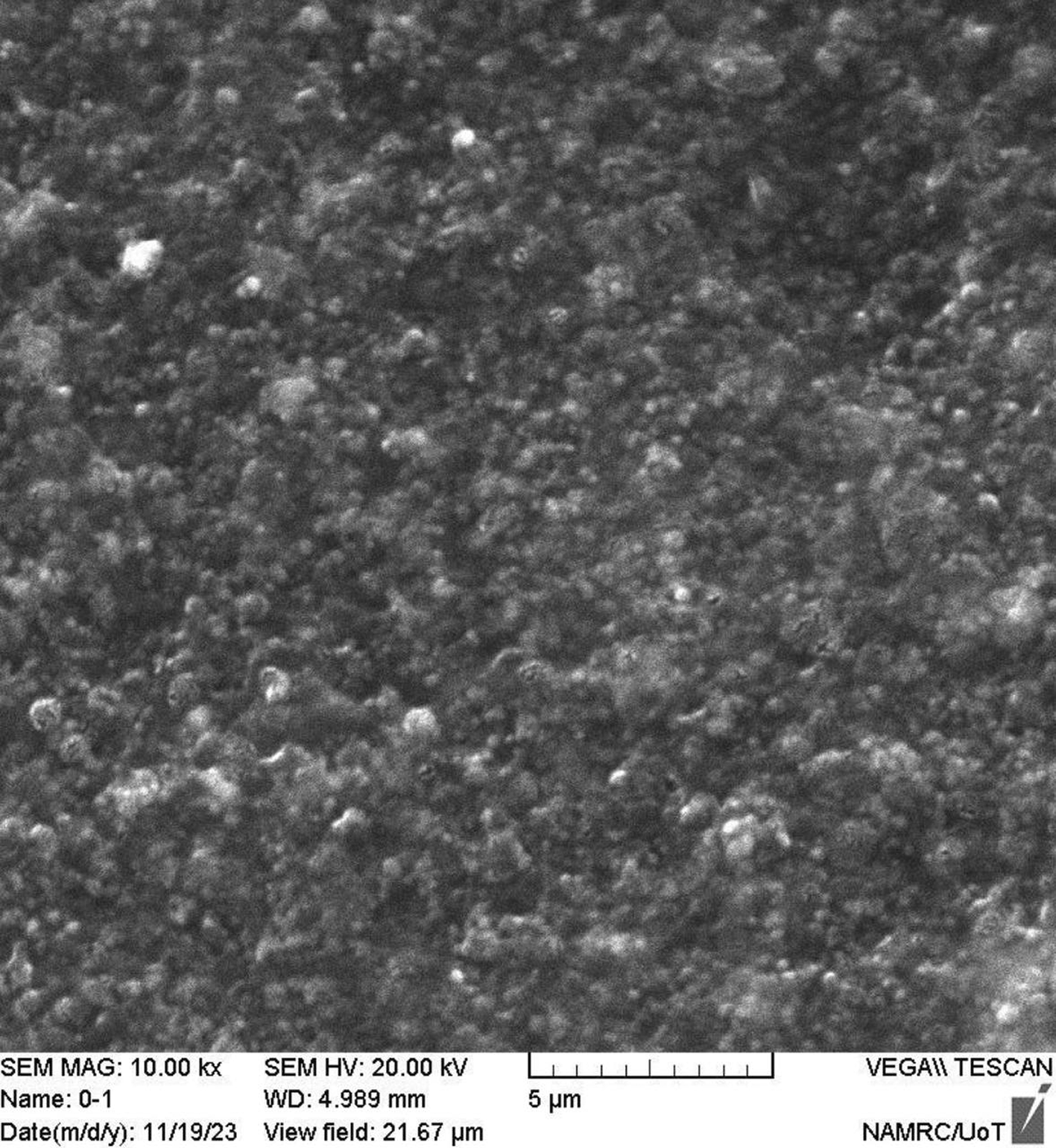
Scanning electron microscopy (SEM) image illustrating the surface morphology of biosynthesized selenium nanoparticles (SeNPs), acquired at an accelerating voltage of 20 kV and a magnification of 10,000×. The scale bar represents 5 μm.
The demographic distributions of 32 Salmonella isolates from blood samples collected from 167 patients are summarized in Table 2. Eighteen (56.3%) of these isolates are female and 14 (43.7%) are male.
Isolate recovery was dominantly from subjects in the age range less than 20 years, with 12 females (37.5%) affected and 6 males (18.8%). Sure group isolates in the 20–29 years category made up 7 (21.9%) with 3 females (9.4%) and 4 males (12.5%).
Antimicrobial susceptibility testing on 32 Salmonella isolates revealed high levels of resistance towards certain beta-lactam antibiotics. All isolates (32, 100%) gave a positive result towards resistance against Piperacillin (PR), Ampicillin (AM), and Cefotaxime (CTX).
Only 2 (6.3%) of these isolates showed resistance to Imipenem (IMP) and 5 (15.6%) to Meropenem (MEM), thus indicating low resistance to carbapenems. Resistance among the fluoroquinolones was moderate, with resistance confirmed among 23 isolates (71.9%) for ciprofloxacin (CIP) and 24 isolates (75%) for levofloxacin (LEV).
Resistance toward other antibiotics comes as follows: Trimethoprim-Sulfamethoxazole (SXT) with 1 isolate (3.1%), Chloramphenicol (C) having 2 isolates (6.3%), and Tetracycline (TE) with 4 isolates (12.5%), as summarized in Table 3.
The ability of the bacterial isolates to form biofilms was determined using the Congo Red and Microtiter Plate (MTP) assays. In the Congo Red assay, all 32 isolates were identified as biofilm producers, showing 100% positivity for biofilm generation. In the Microtiter Plate assay, 24 isolates (75%) were classified as strong biofilm formers, 7 isolates (22%) as moderate biofilm formers, and 1 isolate (3.1%) as a weak biofilm former, as summarized in Table 4, Figure 2.
| Assay | Category | Number of isolates | Percentage (%) |
|---|---|---|---|
| Congo Red | Producer | 32 | 100 |
| Microtiter Plate | Strong | 24 | 75 |
| Moderate | 7 | 22 | |
| Low | 1 | 3.1 |
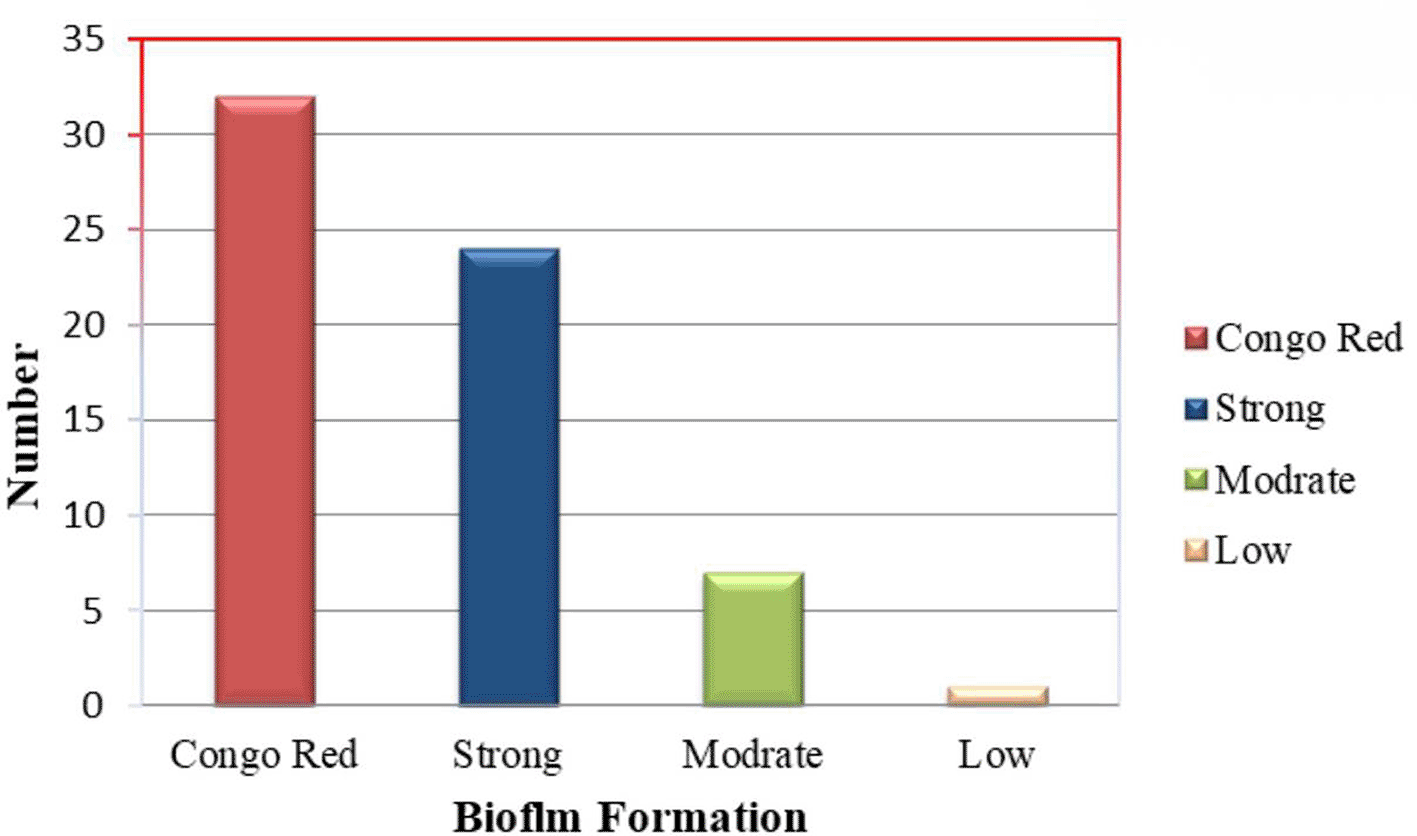
Biofilm formation profile of the bacterial isolates as assessed by the Congo red agar method and the microtiter plate assay, showing the distribution of isolates classified as strong, moderate, or low biofilm producers.
Relative expression levels of the csgD and ssrB genes were determined by RT-qPCR, with gapA as the housekeeping gene for normalization. Fold change values (2^-ΔΔCt) were calculated relative to the control group and are shown as mean ± SD.
For csgD, the control group showed a stable expression (1.01 ± 0.18). Treatment at 12.5% concentration decreased expression (0.16 ± 0.01), whereas further decreases were recorded at increased concentrations: 0.09 ± 0.06 at 25%, 0.08 ± 0.04 at 50%, and 0.03 ± 0.02 at 100%, as shown in Figure 3.
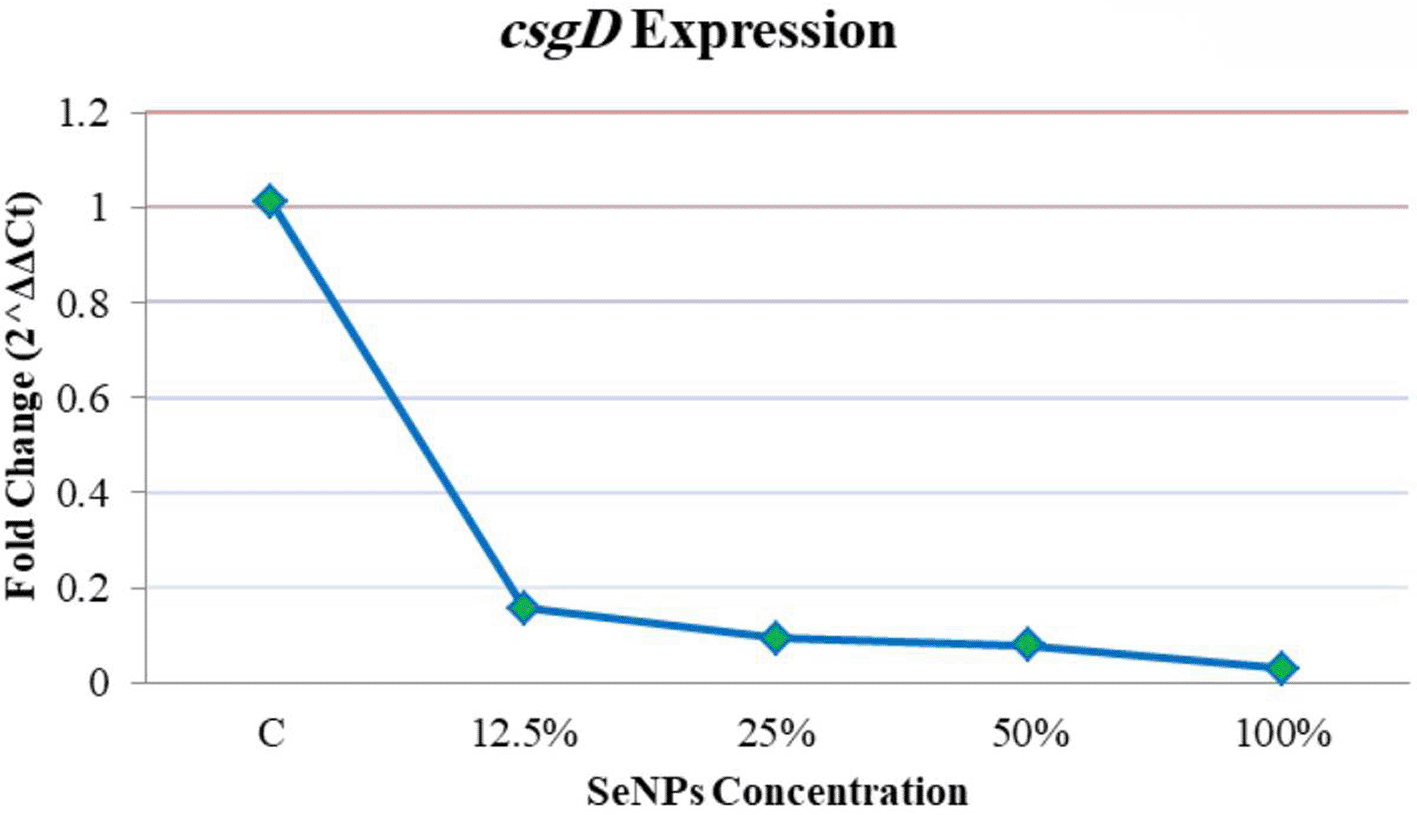
Gene expression levels were quantified using the 2^−ΔΔCt method and normalized to the housekeeping gene gapA. Data are presented as mean ± SD.
For ssrB, the control group showed stable expression (1.02 ± 0.23). At 12.5% concentration, moderate reduction was detected (0.91 ± 0.29), followed by stronger decreases being recorded at 25% (0.75 ± 0.30), 50% (0.56 ± 0.23), and 100% (0.28 ± 0.16), as shown in Figure 4.The RT-qPCR results thus show that both csgD and ssrB gene expression was downregulated in a dose-dependent manner with respect to the treatment, with stronger reduction seen at higher concentrations.
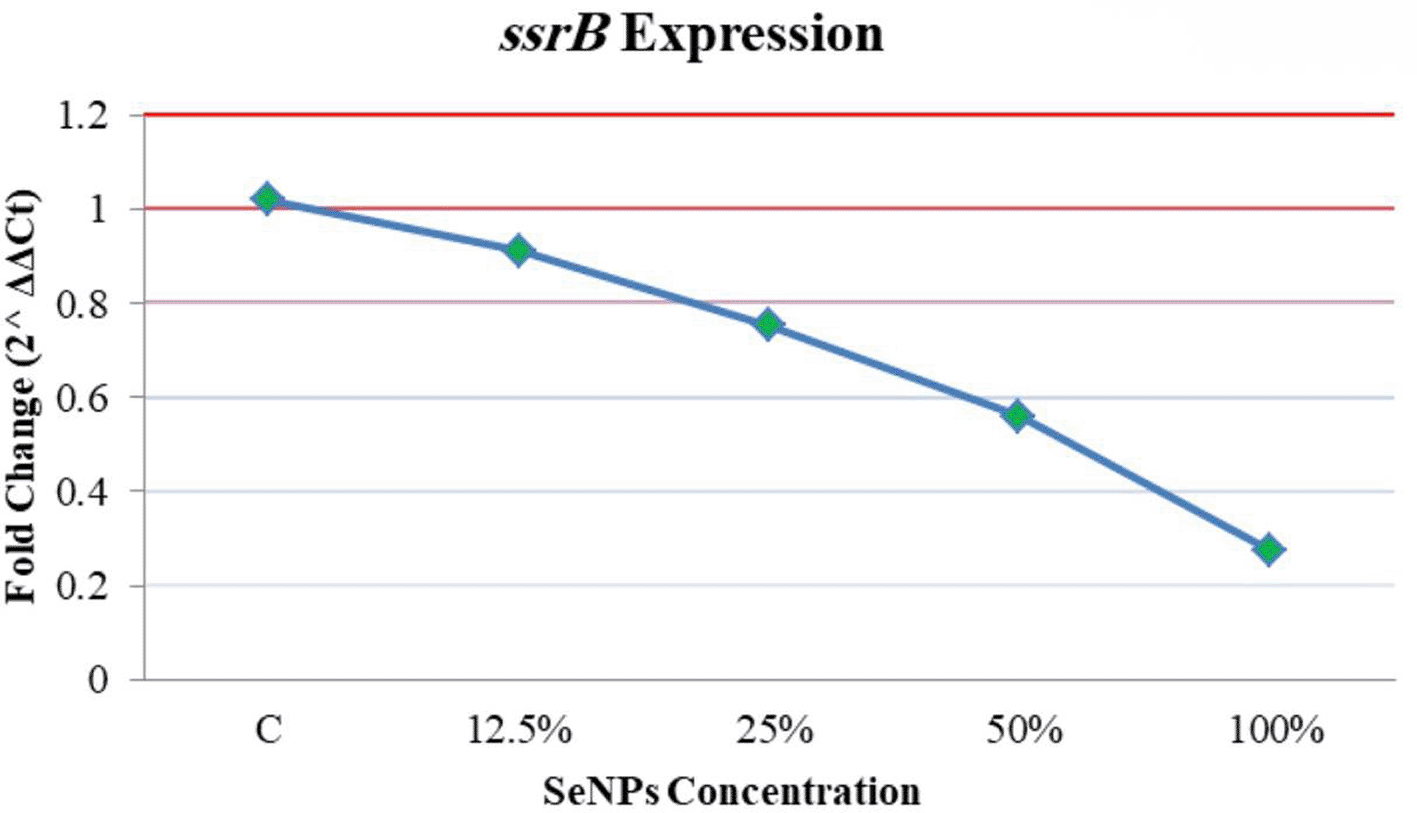
Relative gene expression was calculated using the 2^−ΔΔCt method and normalized to the housekeeping gene gapA. Data are presented as mean ± SD.
The above factors, among others, should contribute to the improved incidence of salmonellosis in persons less than 20 years old. These factors include lower doses needed to infect children, more symptomatic infection likely, more biological samples could be obtained for laboratory analysis, and heightened hospitalization rates to document better the cases of infection.33 Gender-specific analysis demonstrated that infection rates were higher among females under 20 than among their male counterparts. This trend follows a previous study that reported that women are more exposed to contaminated food during preparation, especially raw meat and eggs.33 Similar national indices were found internationally. For example, in Hong Kong (2003–2011), the ratio for females to males was 1.24:1; in the USA (2011), it was 1.09:1. Several studies conducted in London (2007–2011) and in Ireland (2012) reported negligible gender differences with ratios set at 1:1 and 0.90:1.11, respectively.34–36 Moreover, Green (1992) had indicated that generally, females aged between 15 and 44 years recorded the incidence rates of enteric infections, including salmonellosis, higher than that for males.37
Bacterial resistance has emerged as an issue acknowledged by the global community as a health hazard. Multi-drug resistant bacterial pathogens are rampant throughout the world. While the greatest numbers of pathogenic strains with serious resistance to drugs are those resistant to broad-spectrum cephalosporins and fluoroquinolones, Salmonella is one of them.38 Clinical studies assess the strains resistant in general to common antibiotics such as ampicillin, nalidixic acid, and streptomycin, cefoperazone, and tetracycline.39 The latest research has highlighted the serious health implications of multidrug-resistant Salmonella infection. For example, individuals infected with Salmonella resistant to one or more clinically important antibiotics are three times more susceptible to bloodstream invasion, and require hospitalization, compared with patients infected with the susceptible strains.40 Excessive antibiotic uses have enabled the bacterial resistance-rising phenomenon as well as the resistance-gene arrays.41
Bacterial biofilm (BBF) comprises a unique survival strategy that enables adaption of bacteria to environmental stress. Reportedly, most Salmonella strains can form biofilms that endow these bacteria with resistance from bactericidal actions such as host antibodies and often cause refractory infections. Biofilms are organized microcolonies differentiated by a complex communication system known as bacterial quorum sensing. Latest studies have portrayed quorum sensing as a major regulator in the control of biofilm formation, development, and functionality.42
Salmonella virulence inside the host is mainly determined by its ability to form biofilms.34 Biofilms provide an adaptive response to environmental stresses and antibiotics by altering bacterial gene expression for further resistance against both43). Those feature characteristics by which Salmonella biofilms develop include causative factors composed mainly of curli fimbriae and cellulose in those aggregates.44 Biofilm formation is mainly regulated by the curli subunit gene csgD, belonging to the LuxR family.45 Post-transcriptional modulation is available through various environmental signals, including those from transcription factors like c-di-GMP and small RNAs (sRNA) that can act on csgD expression.46
In the current study, SeNPs have a reducing effect on the Salmonella gene expression due to their anti-bacterial properties including Cathodestrupture of the cell wall; Referring DNA and protein interactions, Anti-biofilm development, Production of reactive oxygen species (ROS).47 Nanotechnology gives a new boon to biofilms because engineering materials at the atomic and molecular levels provides high surface-to-volume ratios and reactivity.48 Nanoscale metals can therefore change their physicochemical properties and new abilities that allow them to penetrate and inhibit biofilm formations.49
Three stages characterize the interaction between nanoparticles and biofilms: transport near the biofilm, adherence to the biofilm surface, and migration within the biofilm. These processes differ by environmental conditions and composition of the extracellular polymeric matrix that hosts some nanoparticle property.50 Some nanoparticles have intrinsic properties of anti-biofilm activity because they contain several antibacterial components, e.g. metal oxides or cationic surfactants.42 Their large surface area combined with high reactivity and surface functionalization leads to an excellent-wave efficacy in biofilm destruction. Besides, nanoparticles also act as quorum-quenching)QQ) agents that interfere in bacterial cell-cell communication or inhibit quorum-sensing signaling that in turn forms complexes with signaling molecules and receptors.51
This establishes selenium nanoparticles as a very promising antibiofilm and antimicrobial agent against multidrug-resistant Salmonella with probable use in clinical and food safety applications.
Under dose-dependent conditions, selenium nanoparticles significantly reduced biofilm-related gene expression (csgD and ssrB) and strongly inhibited the growth of multidrug-resistant Salmonella. Therefore, SeNPs may be contemplated as a potential adjunctive treatment for Salmonella infections.
The Ethics Committee of the College of Science, Al-Mustansiriyah University approved this study on 2 January 2024 (Ref. No. BCSMU/1724/00073 M). The study involved the collection of clinical isolates and human blood samples. Written informed consent was obtained from all adult participants prior to sample collection. For participants under 18 years of age, written informed consent was obtained from their parents or legal guardians, in accordance with the Declaration of Helsinki and internationally accepted ethical standards for biomedical research. Consent for publication was obtained from all participants (or their legal guardians, where applicable), and all data were handled anonymously to ensure confidentiality.
| Views | Downloads | |
|---|---|---|
| F1000Research | - | - |
|
PubMed Central
Data from PMC are received and updated monthly.
|
- | - |
Provide sufficient details of any financial or non-financial competing interests to enable users to assess whether your comments might lead a reasonable person to question your impartiality. Consider the following examples, but note that this is not an exhaustive list:
Sign up for content alerts and receive a weekly or monthly email with all newly published articles
Already registered? Sign in
The email address should be the one you originally registered with F1000.
You registered with F1000 via Google, so we cannot reset your password.
To sign in, please click here.
If you still need help with your Google account password, please click here.
You registered with F1000 via Facebook, so we cannot reset your password.
To sign in, please click here.
If you still need help with your Facebook account password, please click here.
If your email address is registered with us, we will email you instructions to reset your password.
If you think you should have received this email but it has not arrived, please check your spam filters and/or contact for further assistance.

Comments on this article Comments (0)