Keywords
Lichen planus, cutaneous lichen planus, lichenoid dermatosis, dermoscopy, inflamoscopy, ultraviolet-induced fluorescence dermoscopy, UVFD, histopathology.

Lichen planus, cutaneous lichen planus, lichenoid dermatosis, dermoscopy, inflamoscopy, ultraviolet-induced fluorescence dermoscopy, UVFD, histopathology.
The exact pathogenesis of LP remains uncertain; however, it is postulated that keratinocyte damage occurs through CD8+ cytotoxic T-cell-mediated apoptosis following antigen presentation by basal keratinocytes. A deficiency in TGF-β1-mediated immunosuppression may lead to sustained overactivity of these cytotoxic T cells, contributing to the chronicity of the disease.1,2
Accurate epidemiologic data on LP are limited. A systematic review and meta-analysis conducted in September 2019 reported a global pooled prevalence of LP at 1.01% with significant geographical variation.3 Due to the lack of robust, large-scale epidemiologic data specifically on cutaneous LP, we have used published data on oral LP as a proxy for estimating prevalence. We acknowledge this limitation, and an interim analysis is planned to validate the prevalence assumptions within our study population.
Currently, the diagnosis of lichen planus relies primarily on clinical evaluation, including assessment of the “6P’s” (planar, purple, polygonal, pruritic, papules and plaques) and distribution that commonly affects the skin of the flexor surfaces. The presence of Wickham striae, which are prominent, lacy, reticular white lines, is considered diagnostic. However, differential diagnoses such as Prurigo, Lupus Erythematosus, erythema dyschromicum perstans, psoriasis, secondary syphilis, pityriasis rosea, lichen nitidus, graft versus host disease, and keratosis lichenoides chronica must be ruled out, often necessitating histopathological confirmation via excisional biopsy.4,5
Dermoscopy enhances the visualisation of subtle skin changes that are not apparent to the naked eye, thereby revolutionising the diagnosis of inflammatory dermatoses. Dermoscopic patterns have been shown to correlate with histopathological features; for example, Wickham striae (WS) reflect focal thickening of the stratum granulosum, while red dots indicate vascular changes.6–9
Histologically, LP is characterised by hyperkeratosis (typically orthokeratosis), acanthosis, and irregular thickening of the stratum granulosum (hypergranulosis) resulting in the “saw-tooth” appearance of the rete ridges. Basal cell liquefaction leads to the formation of apoptotic keratinocytes (Civatte or cytoid bodies) and the development of a cleft (Max Joseph space). A dense band-like lymphocytic infiltrate (interface dermatitis) is observed at the dermo-epidermal junction, sometimes accompanied by a few plasma cells, and in drug-induced cases, eosinophils.4,10–12
Dermoscopy offers an attractive adjunct to reduce the need for invasive biopsies. UVFD, by providing additional optical data (through penetration, absorption, scattering, and Stokes-shift phenomena), may further enhance diagnostic accuracy.13–16
Although some literature suggests that UVFD may be less effective than non-contact polarised dermoscopy in diagnosing LP, we hypothesise that its integration will improve diagnostic accuracy by revealing both specific and non-specific features that correlate with histopathological findings. For instance, loose keratin may appear as white lines and compact keratin plugs as yellow clods on conventional dermoscopy, whereas UVFD may reveal white fluorescence in both, confirming keratin’s natural fluorescence. In early-stage disease, when vascular structures are not distinctly visible as red dots or clods, UVFD may delineate them as dark structureless areas at the lesion periphery. Accordingly, an additional rationale for this study is to document both specific and non-specific UVFD features and correlate them with polarised dermoscopy and histopathological findings.13,17,18
1. To investigate the specific and non-specific dermoscopic features of cutaneous lichen planus.
2. To document the specific and non-specific ultraviolet-induced fluorescence dermoscopic (UVFD) findings in cutaneous lichen planus.
3. To correlate dermoscopic and UVFD findings with histopathology.
4. To assess agreement between dermoscopic impression and histopathological diagnosis.
5. Predictive performance measures, including positive predictive value, negative predictive value, and area under the receiver operating characteristic curve, where applicable.
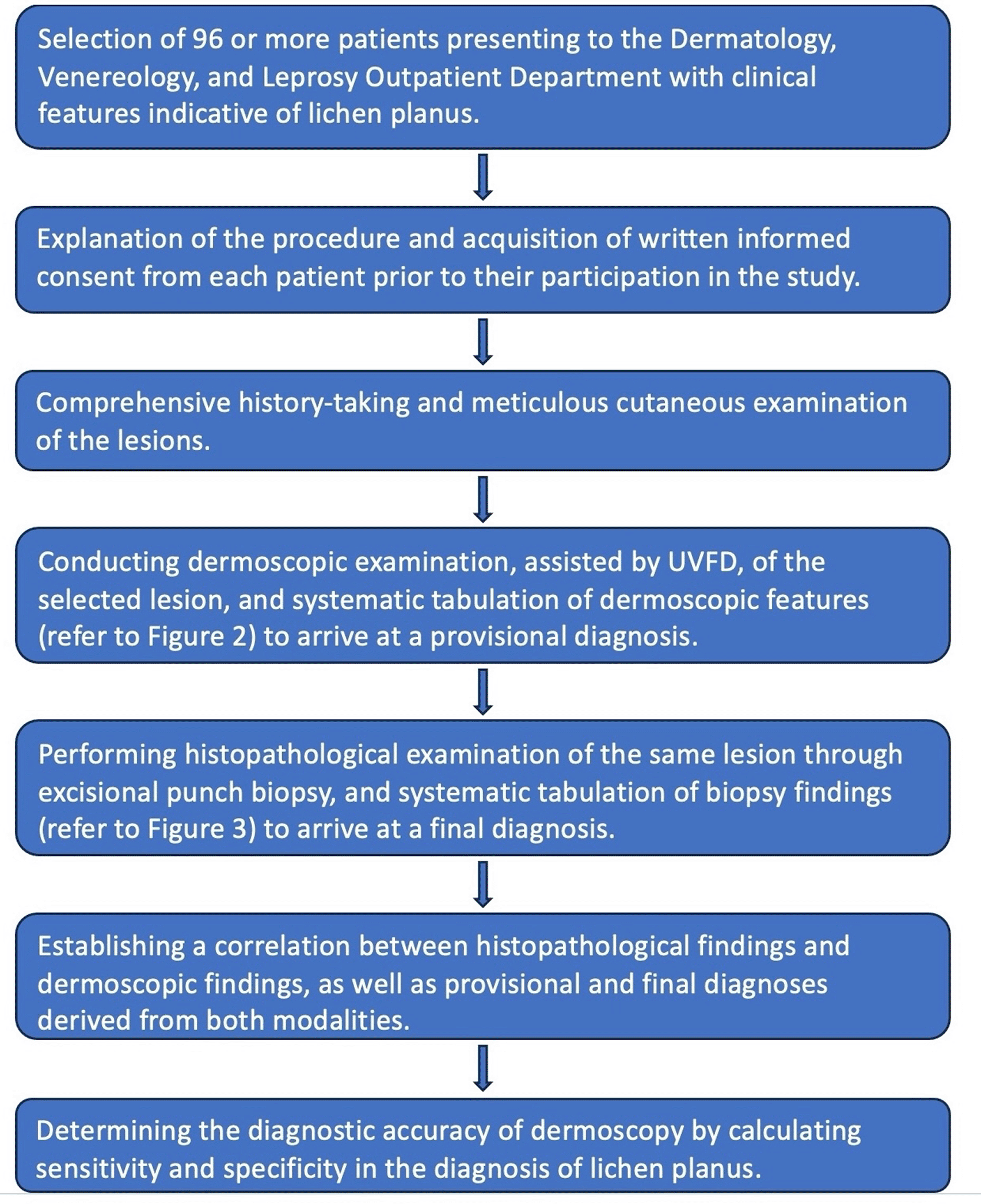
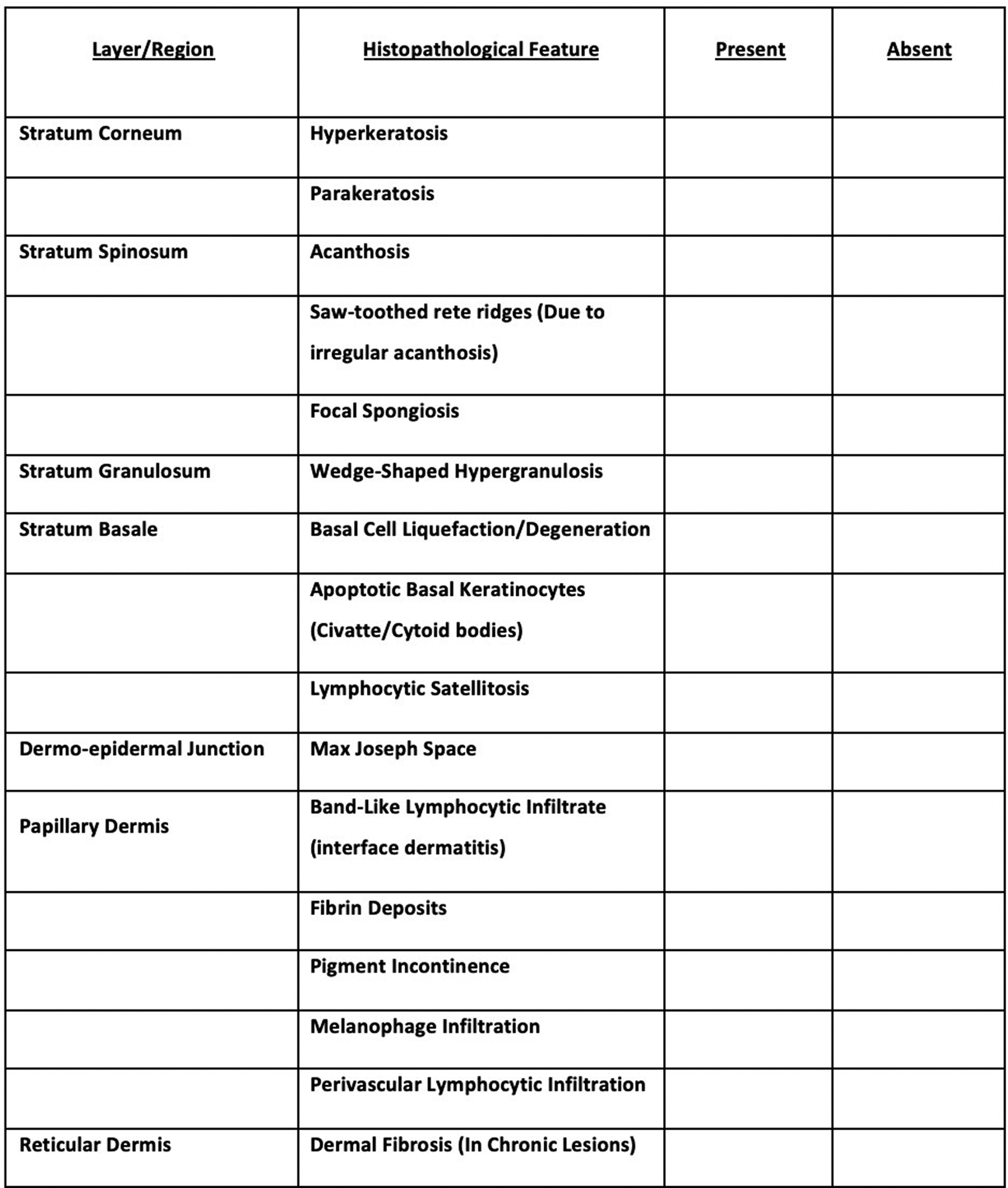
This is a two-year prospective observational analytical study to be conducted in the Department of Dermatology, Venereology and Leprosy at Acharya Vinoba Bhave Rural Hospital (AVBRH), a tertiary care teaching hospital in Wardha, Maharashtra, India. The overall study workflow is outlined in Figure 1. Dermoscopic findings will be recorded using a predefined data collection form ( Figure 2), and histopathological findings will be documented using a predefined histopathology template ( Figure 3).
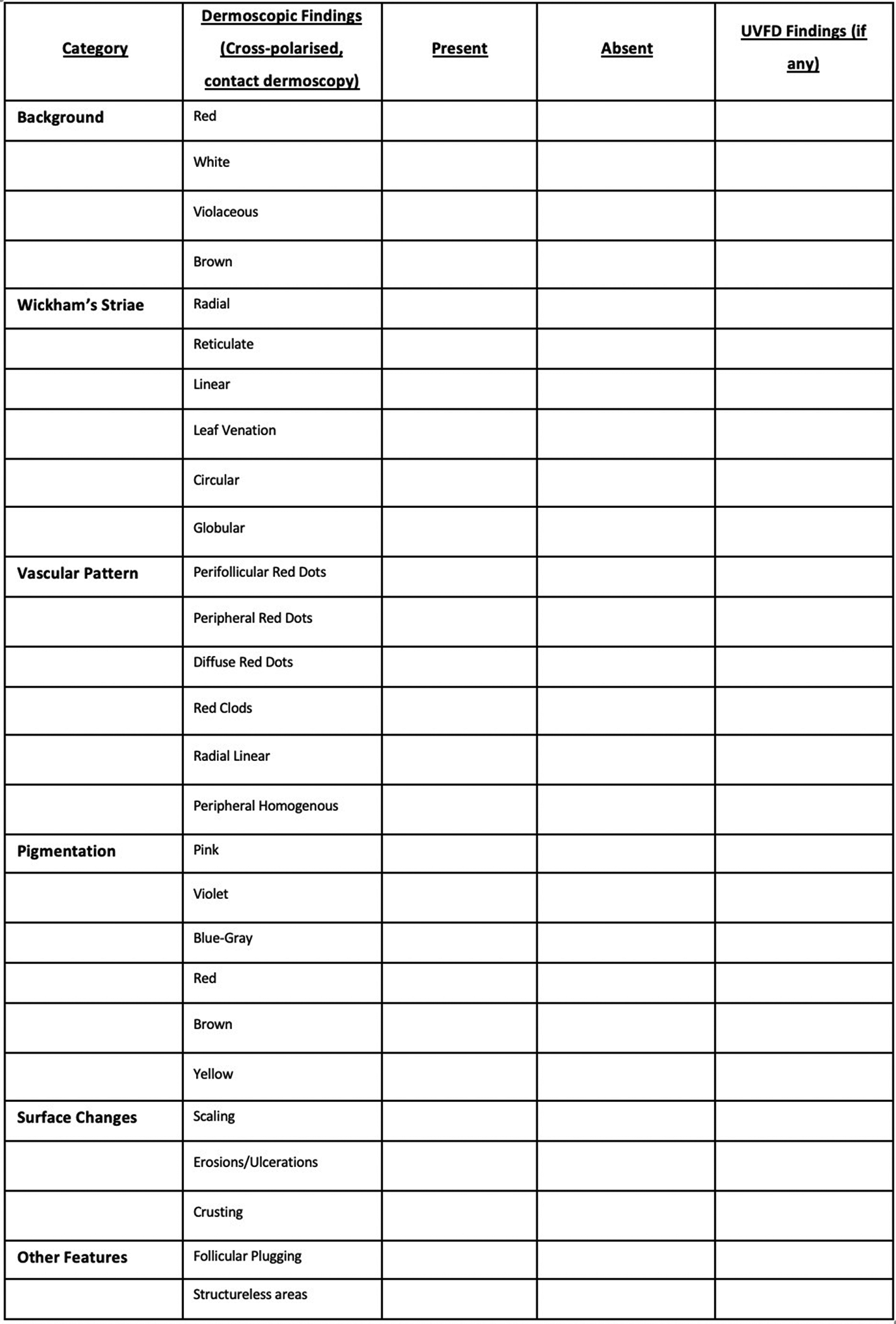
For the purposes of this study, the presence of Wickham striae on dermoscopy will be considered highly suggestive of lichen planus. In lesions without obvious Wickham striae, the presence of at least three of the following five dermoscopic domains will be recorded as supportive of a provisional dermoscopic diagnosis: background colour, vascular pattern, pigmentation, surface changes, and other associated features. UVFD findings will be documented descriptively and explored as adjunctive diagnostic features.
Histopathologically, wedge-shaped hypergranulosis, band-like lymphocytic infiltrate, Max Joseph spaces, and Civatte bodies will be considered major features, while other compatible findings will be treated as minor features. A histopathological diagnosis of lichen planus will require either two major features or one major feature with at least two minor features.
Adults aged 18 years or older attending the AVBRH outpatient department with clinically suspected cutaneous lichen planus and willing to provide written informed consent will be considered eligible. Patients with isolated mucosal, genital, or scalp lichen planus will be excluded. Patients who have received topical or systemic treatment likely to alter lesional morphology within one month prior to enrolment will also be excluded.
Potentially eligible participants will be recruited consecutively from the dermatology outpatient department during the study period. After clinical evaluation and written informed consent, one representative cutaneous lesion planned for punch biopsy will be selected for dermoscopic examination, UVFD assessment, and histopathological correlation. Dermoscopic and UVFD assessments will be performed before biopsy.
For each enrolled participant, demographic and clinical details will be recorded in a structured proforma. The selected lesion will undergo dermoscopic examination and ultraviolet-induced fluorescence dermoscopic assessment. Images will be captured and archived for analysis. A provisional dermoscopic impression will be recorded before biopsy. Punch biopsy will then be performed from the same representative lesion, and the specimen will be processed for histopathological examination. Dermoscopic, UVFD, and histopathological findings will subsequently be correlated.
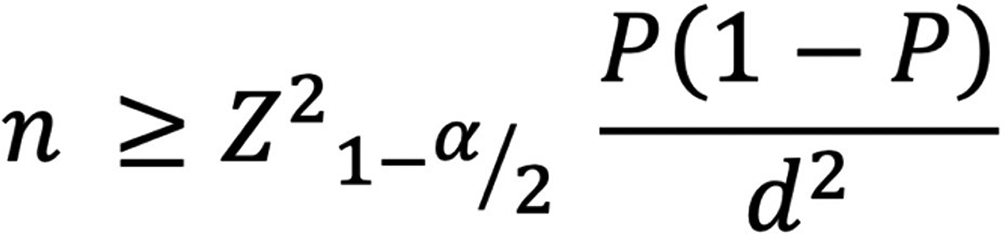
Published data specifically addressing the diagnostic accuracy of dermoscopy in cutaneous lichen planus are limited. Therefore, a pragmatic minimum sample size of 96 participants has been planned for this prospective observational study. This estimate was derived using a prevalence-based approach as an initial planning method, while acknowledging that prevalence-based calculations are not the ideal method for diagnostic accuracy studies. Because robust epidemiologic data for cutaneous lichen planus are scarce, published prevalence estimates for oral lichen planus were used as a proxy during protocol development, based on the systematic review by González-Moles et al.3 This limitation is acknowledged, and the assumptions underlying the sample size will be revisited during the conduct of the study. The sample size estimation approach is illustrated in Figure 4.
All analyses will be conducted using R version 4.3.2. Continuous variables will be summarised using mean, standard deviation, median, minimum, and maximum values, as appropriate. Categorical variables will be summarised using counts and percentages.
Histopathology will serve as the reference standard for the diagnosis of cutaneous lichen planus. The diagnostic performance of dermoscopy will be assessed by calculating sensitivity, specificity, positive predictive value, and negative predictive value, together with 95% confidence intervals where appropriate. Agreement between dermoscopic and histopathological findings will be evaluated using percentage agreement and the kappa statistic.19 Receiver operating characteristic analysis and area under the curve will be used where applicable.20
Categorical variables will be compared using the chi-square test or Fisher’s exact test, as appropriate.22 Continuous variables will be compared using the independent t-test or Wilcoxon Mann–Whitney U test, depending on data distribution.21 A p-value of less than 0.05 will be considered statistically significant.
1. Correlation between dermoscopic and histopathological findings may be challenging because dermoscopy provides an axial surface view, whereas histopathology provides a cross-sectional tissue view.23,24
2. As this is a single-centre study conducted in central India, the study population may be relatively homogeneous, which may limit generalisability to other settings and skin phototypes. Future multicentre studies will be required for broader validation.
This study is expected to clarify the diagnostic utility of dermoscopy and ultraviolet-induced fluorescence dermoscopy in cutaneous lichen planus and to identify imaging features that correlate with histopathological findings. By exploring both conventional dermoscopic patterns and UVFD-derived observations, this protocol may contribute to the development of more refined non-invasive diagnostic approaches for lichen planus. The study’s prospective design and planned clinicodermoscopic-histopathological correlation are strengths, although its single-centre setting may limit generalisability. The findings may also provide preliminary data to inform future multicentre validation studies.
This study has been approved by the Institutional Ethics Committee of Datta Meghe Institute of Higher Education and Research, Wardha, Maharashtra, India (study approval number: DMIHER (DU)/IEC/2024/141; IEC Re-reg. No. ECR/440/Inst/MH/2013/RR-2019) in December 2023. Written informed consent will be obtained from all participants before enrolment into the study. Separate written consent will be obtained for the use of clinical images where applicable. The study will be conducted in accordance with the ethical principles of the Declaration of Helsinki.
Clinical Trials Registry–India (CTRI): CTRI/2025/05/086296; Reference No. REF/2024/03/080873. Registered on 05/05/2025 URL: https://ctri.nic.in/Clinicaltrials/regtrial.php?modid=1&compid=19&EncHid=71931.98915
The study findings will be disseminated through publication in peer-reviewed journals and presentation at academic conferences.
Image analysis will be performed using ImageJ and QuPath. Statistical analysis will be conducted using R version 4.3.2. These are publicly available software tools. No custom source code was generated or used for this study protocol.
During manuscript preparation, the authors used OpenAI ChatGPT (GPT-5.4 Thinking), Google Gemini 3.1 Pro, and Grammarly (Superhuman Go, running on OpenAI’s GPT-4.1 family) solely to improve the English language, enhance readability, and cross-check journal author guidelines. These tools were not used for data generation, statistical analysis, interpretation of findings, or scientific decision-making. All generated suggestions were critically reviewed and edited by the authors, who take full responsibility for the final manuscript content.
| Views | Downloads | |
|---|---|---|
| F1000Research | - | - |
|
PubMed Central
Data from PMC are received and updated monthly.
|
- | - |
Provide sufficient details of any financial or non-financial competing interests to enable users to assess whether your comments might lead a reasonable person to question your impartiality. Consider the following examples, but note that this is not an exhaustive list:
Sign up for content alerts and receive a weekly or monthly email with all newly published articles
Already registered? Sign in
The email address should be the one you originally registered with F1000.
You registered with F1000 via Google, so we cannot reset your password.
To sign in, please click here.
If you still need help with your Google account password, please click here.
You registered with F1000 via Facebook, so we cannot reset your password.
To sign in, please click here.
If you still need help with your Facebook account password, please click here.
If your email address is registered with us, we will email you instructions to reset your password.
If you think you should have received this email but it has not arrived, please check your spam filters and/or contact for further assistance.

Comments on this article Comments (0)