Keywords
Low grade glioma, gross total resection, radiation, chemotherapy, network meta-analysis

Low grade glioma, gross total resection, radiation, chemotherapy, network meta-analysis
Low-grade gliomas (LGGs), classified as World Health Organization (WHO) Grades I and II, represent a common category of primary brain tumors.1 In the United States, LGGs account for approximately 17% of all primary brain tumor cases.2,3 These tumors demonstrate diverse pathological characteristics and clinical manifestations. Patients with LGGs face significantly reduced survival rates when early recurrence occurs.4 Consequently, multidisciplinary teams comprising neurosurgeons, medical oncologists, and radiation oncologists collaborate to improve progression-free survival (PFS).
Gross total resection (GTR) significantly improves PFS in LGG patients. Current evidence demonstrates that GTR is associated with prolonged PFS, particularly in molecularly defined subtypes such as IDH-mutant tumors.5 Cohort studies reveal a marked difference in outcomes, with GTR patients achieving a median PFS of 46 months compared to just 29 months for those undergoing subtotal resection.6 The evolution of surgical techniques over recent decades has further enhanced GTR’s survival benefits.7 As a cornerstone of LGG management, GTR plays a pivotal role in maximizing PFS, underscoring the critical importance of surgical approach in therapeutic decision-making.
Recent systematic reviews and meta-analyses examining LGG management4,8–13 have demonstrated that various therapeutic interventions - including surgical resection,4,8,10–13 radiation therapy,9,12 and chemotherapy12 - can effectively prolong PFS. However, current evidence has not yet established any single treatment approach as the optimal strategy for maximizing PFS outcomes.
Network meta-analysis (NMA) represents an advanced methodological approach that facilitates comprehensive comparisons of multiple interventions through both direct and indirect evidence. This technique is particularly valuable for evaluating treatment options that may not have been directly compared in randomized controlled trials (RCTs).14 In the present study, we employed NMA to systematically assess all available evidence regarding LGG treatments and their effects on PFS in adult patients. This analytical approach enabled us to identify the most efficacious therapeutic strategies for this patient population.
We conducted a systematic search of three major electronic databases (PubMed, Embase, and Cochrane Library) from their inception through September 22, 2025. Additionally, we performed an exhaustive review of 10 relevant pairwise meta-analyses and their reference lists. The search strategy employed multiple keyword combinations related to LGG treatment. No restrictions were applied regarding publication language or date. Complete details of the search methodology are provided in Table 1.
This systematic review and NMA were conducted in accordance with the Preferred Reporting Items for Systematic Reviews and Meta-Analyses (PRISMA) guidelines.15 The study protocol was prospectively registered in the International Prospective Register of Systematic Reviews (PROSPERO; registration number: CRD42023470802).
We considered RCTs that satisfied the subsequent criteria: (1) patients diagnosed with LGG; (2) diverse therapeutic strategies aimed at enhancing PFS; (3) a control group receiving any treatment or biopsy; and (4) PFS documented as a study endpoint. The definition of therapies is outlined in Table 2. Thresholds for GTR (>80%) and STR (<80%) were based on NCCN Guidelines.16–18
Two researchers, designated as F.H. and L.T.Y., performed independent assessments and analyses of the titles and abstracts of eligible papers. Subsequently, the entirety of the remaining research was meticulously analyzed. In instances of disagreement, discussions were held with a third reviewer to attain consensus.
Two investigators (F.H. and L.T.Y.) autonomously gathered data from every study that was included. Information pertaining to the study, patients, interventions, additional treatments, and results were compiled. Correspondence with the original authors via email was initiated to acquire any missing or essential data. Any discrepancies were settled through deliberation.
A trio of researchers (H.Y.C., F.H., and L.T.Y.) independently assessed the potential for bias in each study that was included utilizing the Cochrane risk-of-bias tool19 and the Joanna Brigg Institute for cohort study.20 Consensus was reached to resolve any conflicts that arose.
We performed all NMA using the network command in Stata version 15 (StataCorp, TX, USA). Treatment effects on PFS were expressed as HR with 95% confidence intervals (CIs), calculated by exponentiating Cox regression coefficients (HR = e^β). These multiplicative measures interpret HR > 1 as increased risk and HR < 1 as decreased risk relative to the reference group. Our frequentist approach incorporated random-effects modeling to account for between-study variability. We assessed heterogeneity using the Cochrane Q test (P < 0.01 threshold) and I2 statistics (I2 > 50% indicating substantial heterogeneity). Consistency between direct and indirect evidence was evaluated through loop-specific, side-splitting, and design-by-treatment interaction models.14,21 Treatment hierarchies were established using Surface Under the Cumulative Ranking (SUCRA) values and relative efficacy measures,22 while publication bias was examined via Egger’s test.22 Final forest plots comparing treatments against standard care were generated using R version 4.2.2 (R Foundation) with the netmeta package.23
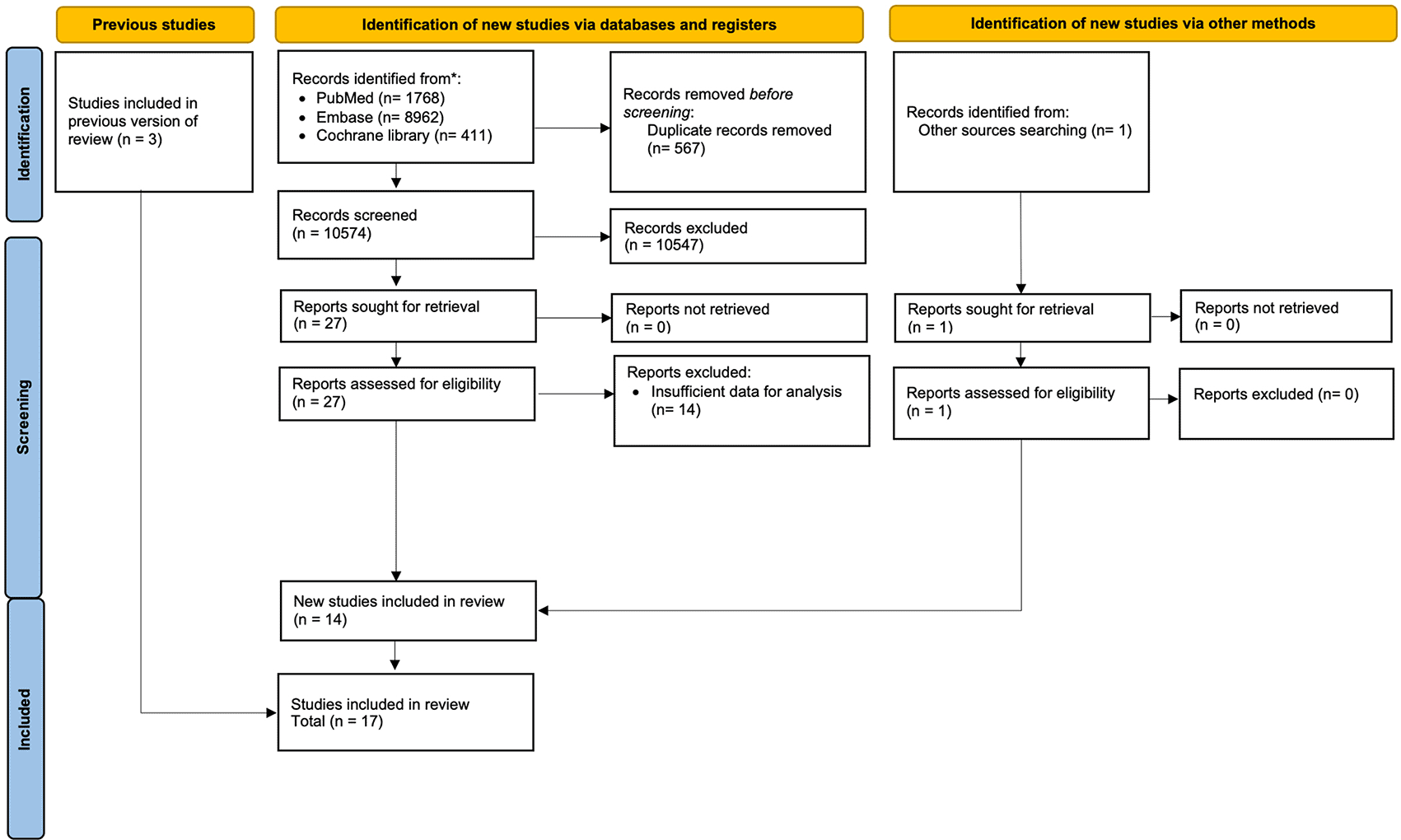
Figure 1 depicts the procedure for conducting a literature search. In our initial search, we found 11,141 articles. After removing duplicates and irrelevant articles, there were 27 left for full-text screening. 1 of them were withdrawn for the reason mentioned in Table 3. We found three more RCTs through prior reviews and one through investigating other sources. As a result, we considered 17 RCTs in our study.24–40
| Author, year | Reasons of exclusion |
|---|---|
| Reijneveld, et al 2016 | Insufficient data for analysis |
Table 4 summarizes the patient and study characteristics of the 17 RCTs that met the inclusion criteria. The total sample size was 3,588 people. The majority of the research was conducted in the United States of America. Tables 5 contain further information and study characteristics.
| Author, year | Country | Participant | Age | AE |
|---|---|---|---|---|
| Baumert et al 201624 | Netherland | Adult LGG patients | aged ≥18 years | Overall, 22 (9%) of 235 patients in the safety population who received temozolomide had grade 3–4 haematological damage, compared to one (1% of 228 patients in the radiation group). Two (1%) patients had grade 3 or worse infections during radiation, and eight (3%) patients had Pneumocystis jirovecii pneumonia (one in each treatment group). The most common non-haematological adverse effects were neurological (sensory deficits, mood changes, ischaemia, seizures, and neurocognitive problems), which occurred in both groups and were most likely due to the underlying brain disease. Moderate to severe fatigue was noted in eight (4%) radiotherapy patients (grade 2) and 16 (7%) temozolomide patients (one classified as grade 4). Three (1%) individuals experienced thromboembolic events (two in the radiation group and one in the temozolomide group). Two patients in the radiotherapy group died of progressive disease 8 days after the last dose of treatment, and two patients in the temozolomide group died of progressive disease 5 days after the last dose of treatment, and one for unknown reasons 2 days after the last dose of treatment. |
| Bell et al 202025 | USA | Adult LGG patients | ≤29, 30–39, 40–49, ≥50 | NR |
| Buckner et al 201626 | USA | Adult LGG patients | Median 40/41 | The most common symptomatic toxic effects were fatigue, anorexia, nausea, and vomiting, all of which were grade 1 or 2. Three patients required red cell transfusions, and one required platelet transfusions. There was one case of neutropenic fever. All of these events occurred in patients who received radiation therapy in addition to chemotherapy. |
| Gousias et al 201427 | Germany | Adult LGG patients | Median 38 (18.0–74.1) | NR |
| Ius et al 201228 | Italy | Adult LGG patients | <40, 40–60, >60 | NR |
| Jung et al 201129 | South Korea | Adult LGG patients | <18, 18–60, >60 | NR |
| Karim et al 199630 | Netherland | Adult LGG patients | (age 16–65 years) | Acute minor complications of short duration were observed in both arms of the trial, as is common during and after radiation treatment (e.g., skin reactions, vomiting, headache, otitis). |
| Rezvan et al 200931 | Germany | Adult LGG patients | Median 36.9 (18–70) | NR |
| Schomas et al 200932 | USA | Adult LGG patients | Median 36 (18–74) | NR |
| Shaw et al 200833 | USA | Adult LGG patients | Median 30 (18–39) | NR |
| Shaw et al 201234 | USA | Adult LGG patients | Median 40 (22–79)/41 (18–82) | The incidence of grade 3 and 4 hematologic toxicity with RT alone was 8% and 3%, respectively, compared to 51% and 15% with RT+ PCV. Late grade 3 RT toxicity occurred in 1% to 2% of patients. There were no reports of late grades 4 to 5 RT or chemotherapy toxicities. |
| Sunyach et al 2007a35 | France | Adult LGG patients | Median 45 (21–72) | NR |
| Sunyach et al 2007b35 | France | Adult LGG patients | ≤45, >55 | NR |
| Youland et al 201336 | USA | Adult LGG patients | Mean 39.5 (18.6–76.0) | NR |
| Smith et al 200837 | USA | Adult LGG patients | Median 38 (19–72) | NR |
| McGirt et al 200838 | USA | Adult LGG patients | STR 35 ± 14 NTR 36 ± 16 GTR 32 ± 15 | NR |
| Nitta et al 201539 | Japan | Adult LGG patients | NR | NR |
| Yeh et al 200540 | Taiwan | Adult LGG patients | <40, ≥40 | During the follow-up period, 23 patients had somnolence. |
| Author, year | Country | Intervention | Control |
|---|---|---|---|
| Baumert et al 201624 | Netherland | STRR | STRC |
| Bell et al 202025 | USA | STRR | STRRC |
| Buckner et al 201626 | USA | STRRC | STRR |
| Gousias et al 201427 | Germany | GTR STR | Biopsy |
| Ius et al 201228 | Italy | GTR STR | Biopsy |
| Jung et al 201129 | South Korea | STR | Biopsy |
| Karim et al 199630 | Netherland | GTRR STRR | BR |
| Rezvan et al 200931 | Germany | GTRR | STRR |
| Schomas et al 200932 | USA | GTRR | STRR |
| Shaw et al 200833 | USA | GTR | STR |
| Shaw et al 201234 | USA | STRR | STRRC |
| Sunyach et al 2007a35 | France | STRR | STR |
| Sunyach et al 2007b35 | France | STRC | STR |
| Youland et al 201336 | USA | GTRR | STRR |
| Smith et al 200837 | USA | GTR | STR |
| McGirt et al 200838 | USA | GTR | STR |
| Nitta et al 201539 | Japan | GTR | STR |
| Yeh et al 200540 | Taiwan | STRR | STR |
Figure 2 depicts a PFS network plot. The plot comprises 8 nodes (treatments), 17 trials, 10 head-to-head comparisons, and 3 closed loops. Subtotal resection was the most common comparative intervention, followed by subtotal resection combined with radiation therapy.
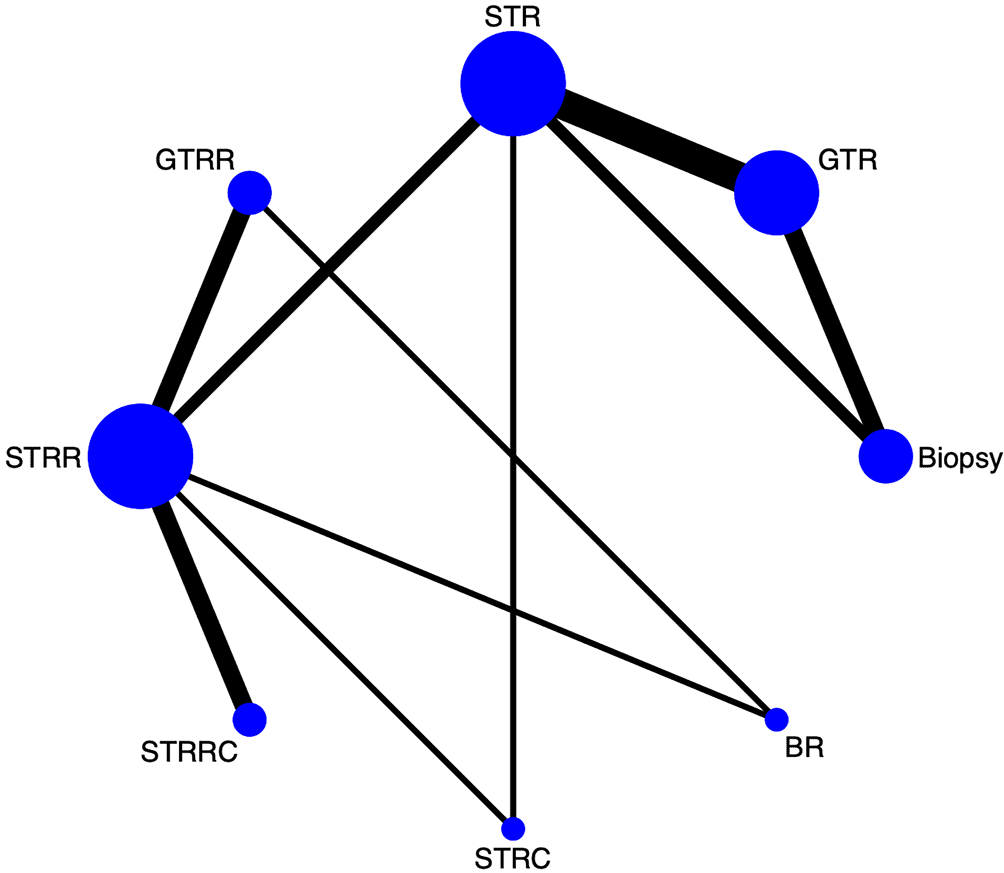
The sizes of each node correspond to the population size associated with each treatment. The line’s thickness corresponds with the quantity of trials linked to the network.
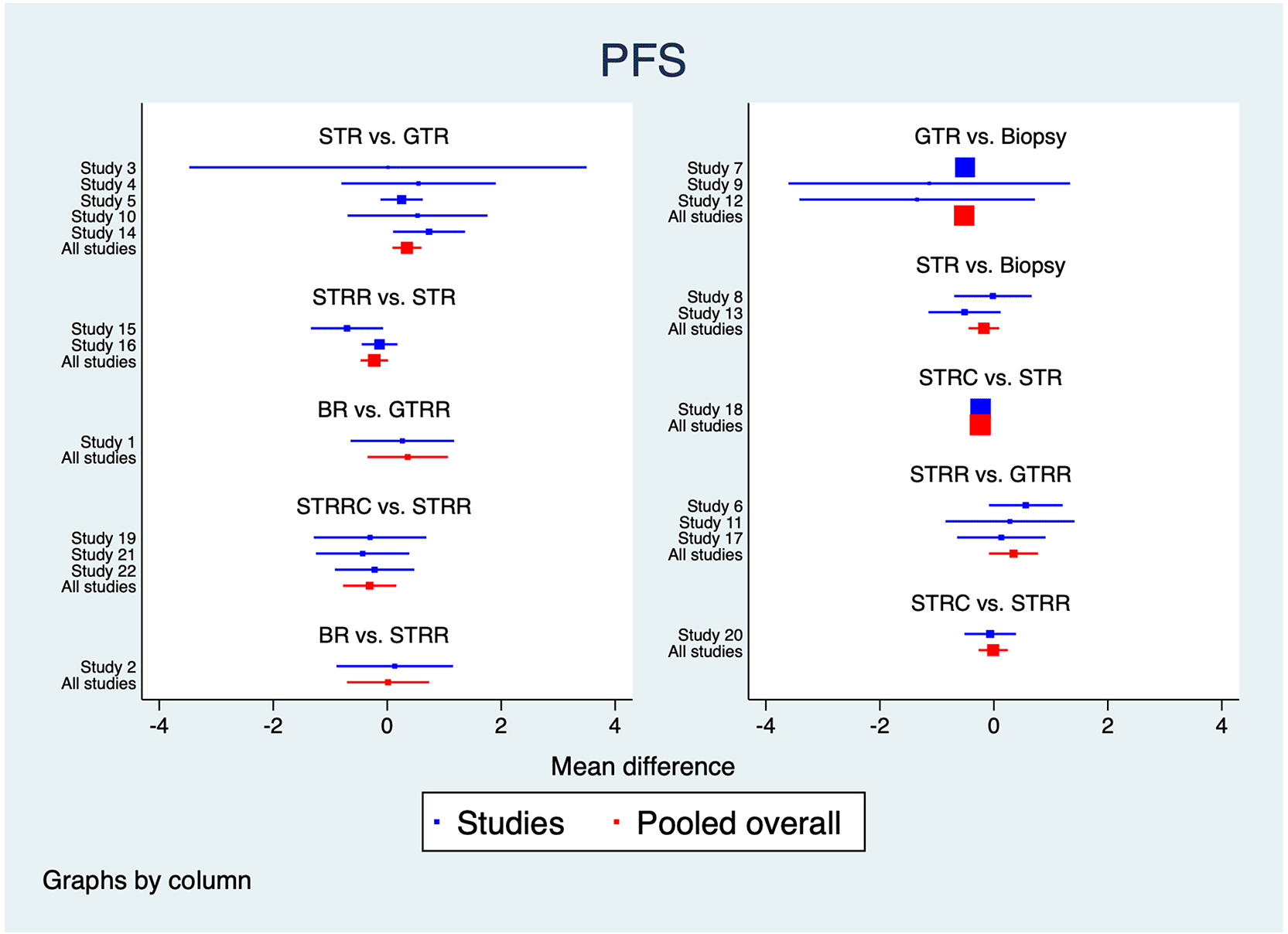
The overall effects are depicted in Figure 3. Figure 4 compares the impact of several treatments with biopsy. The SUCRA analysis findings are shown in Figure 5.
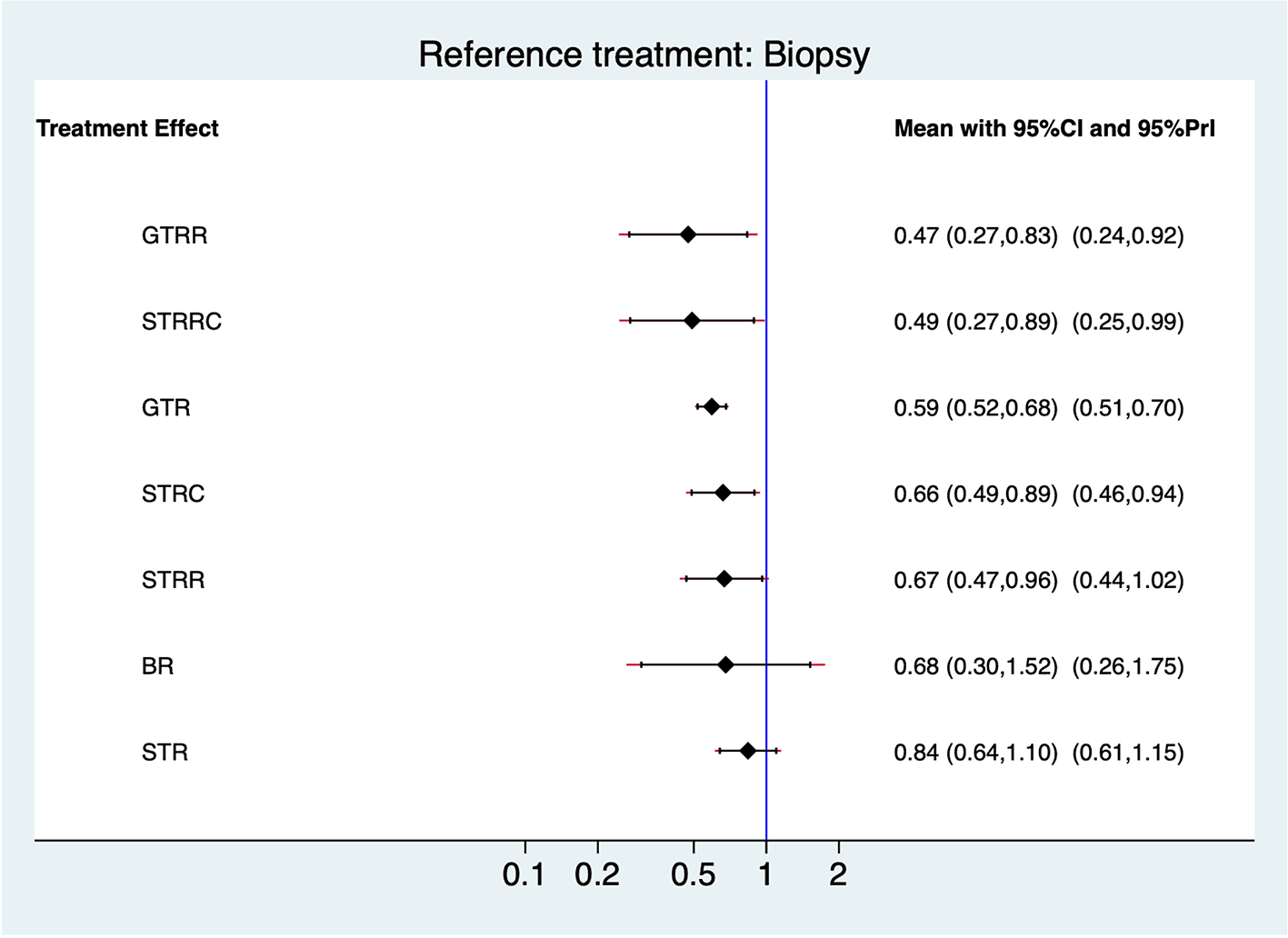
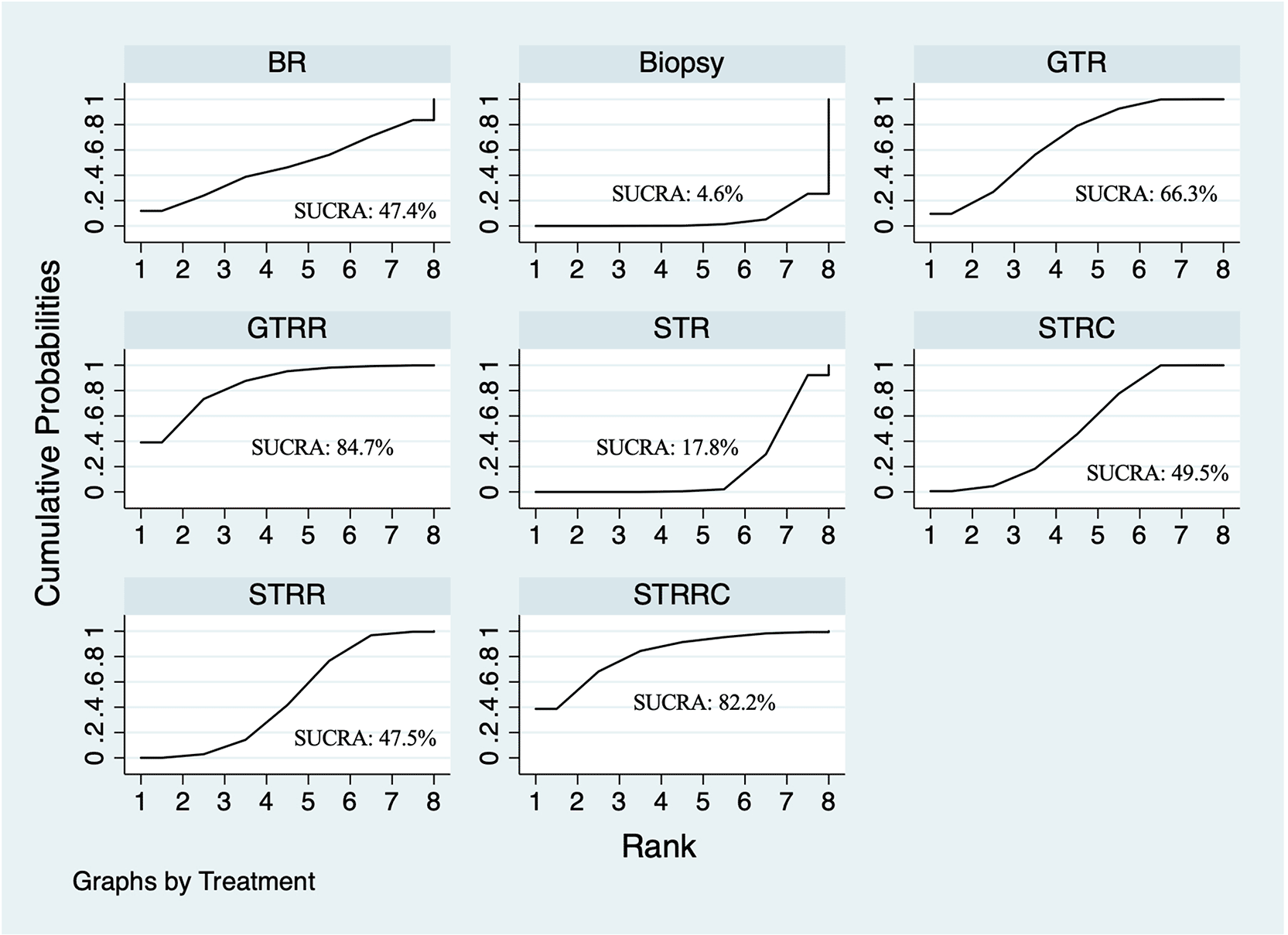
Compared with biopsy, GTRR, STRRC, GTR, STRC, and STRR significantly decreased the hazard of progression (HRs = 0.47 [CIs 0.27 to 0.84], 0.49 [0.27 to 0.89], 0.59 [0.52 to 0.68], 0.66 [0.49 to 0.90], and 0.67 [0.47 to 0.96], all P < 0.05, respectively, see Table 2). GTRR, STRRC, GTR, and STRC (0.57 [0.34 to 0.92], 0.59 [0.35 to 0.99], 0.70 [0.55 to 0.91], and 0.79 [0.69 to 0.90]) achieved superior results compared with STR (P < 0.05, Table 6). The SUCRA analysis indicated that GTRR was ranked first (84.7%) and followed by STRRC (82.2%). Additionally, the dose of radiation was presented in Table 7.
We employed the loop-specific methodology and node-splitting approach to detect local inconsistencies. We employed the design-by-treatment method to detect global discrepancies. There were no loop inconsistencies (P = 0.93), design-by-treatment inconsistencies (P = 0.93), or side-splitting inconsistencies (all P > 0.05; Table 8). Egger’s test found no evidence of publication bias among the studies examined (P = 0.55).
The results of the risk of bias for RCT studies were presented in Table 9. Meanwhile, the quality assessment of cohort studies was tabulated in Table 10. Overall, most of the included studies had a low risk of bias.
| Author, year | Random sequence generation | Allocation concealment | Performance bias | Detection bias | Attrition bias | Reporting bias |
|---|---|---|---|---|---|---|
| Baumert et al 201624 | L | L | H | L | L | L |
| Buckner et al 201626 | U | U | U | U | L | L |
| Karim et al 199630 | L | L | L | L | L | L |
| Shaw et al 201234 | L | U | U | L | L | L |
| Author, year | 1 | 2 | 3 | 4 | 5 | 6 | 7 | 8 | 9 | 10 | 11 |
|---|---|---|---|---|---|---|---|---|---|---|---|
| Bell et al 202025 | Y | Y | Y | Y | Y | Y | Y | Y | Y | Y | Y |
| Gousias et al 201427 | Y | Y | Y | Y | Y | Y | Y | Y | Y | Y | Y |
| Ius et al 201228 | Y | Y | Y | Y | Y | Y | Y | Y | Y | Y | Y |
| Jung et al 201129 | Y | Y | Y | Y | Y | Y | Y | Y | Y | UC | Y |
| Rezvan et al 200931 | Y | Y | Y | Y | Y | Y | Y | Y | Y | UC | Y |
| Schomas et al 200932 | Y | Y | Y | Y | Y | Y | Y | Y | Y | Y | Y |
| Shaw et al 200833 | Y | Y | Y | Y | Y | Y | Y | Y | Y | Y | Y |
| Sunyach et al 2007a35 | Y | Y | Y | Y | Y | Y | Y | Y | Y | Y | Y |
| Sunyach et al 2007b35 | Y | Y | Y | Y | Y | Y | Y | Y | Y | Y | Y |
| Youland et al 201336 | Y | Y | Y | Y | Y | Y | Y | Y | Y | UC | Y |
| Smith et al 200837 | Y | Y | Y | Y | Y | Y | Y | Y | Y | Y | Y |
| McGirt et al 200838 | Y | Y | Y | Y | Y | Y | Y | Y | Y | Y | Y |
| Nitta et al 201539 | Y | Y | Y | Y | Y | Y | Y | Y | Y | UC | Y |
| Yeh et al 200540 | Y | Y | Y | Y | Y | Y | Y | Y | Y | UC | Y |
To the best of our knowledge, this is the first novel systematic review and network meta-analysis of survival studies investigating the effect of multiple treatments on PFS among LGG patients. Our results suggest that GTRR is the most effective treatment, ranking number one compared to other treatments, for prolonging PFS in this population. Because we used relatively recent study methods and rigorous methodology, our results should be considered valid.
In line with previous findings, the implementation of GTR may enhance PFS in non-conventional meta-analyses.8,12 Similarly, LGG patients engaged in radiation therapy were found to have a prolonged survival rate.12 However, both individual studies failed to identify the best treatment or combination. Interestingly, our novel findings are able to suggest that GTRR may enhance PFS among LGG patients. Hence, we recommend the implementation of GTRR to prolong PFS among LGG patients.
The enhanced PFS results linked to GTRR might be ascribed to its capacity to attain maximal tumor burden reduction while limiting residual malignant cells that may lead to disease recurrence. Complete tumor excision via GTR diminishes the probability of residual tumor growth, while the supplementary application of radiation efficiently eliminates microscopic tumor cells that may remain after surgery.30–32,36 This integrated strategy improves local tumor management and postpones disease advancement, hence enhancing long-term survival rates. Moreover, prior research indicates that individuals who get gross complete resection followed by radiotherapy experience markedly reduced recurrence rates in comparison to those undergoing subtotal resection or radiotherapy alone.30–32,36 These data indicate that adopting GTRR as a routine treatment approach may enhance PFS, offering significant clinical direction for neurosurgeons and oncologists in therapeutic decision-making.
The radiation dose in the GTRR studies ranged from 28.5 to 70.2 Gy, with a median dose of 54 Gy ( Table 3), provided in fractions of 1.8–2.0 Gy over a duration of 5–6 weeks.30–32,36 This dosage is frequently employed for its efficacy in controlling residual disease while minimizing harm. Certain research30 suggest that increased dosages may not provide further advantages and could exacerbate neurotoxicity; yet, a definitive agreement on dose escalation is lacking. Further investigation is necessary to evaluate the possible advantages of customizing radiation doses based on patient or tumor attributes on treatment results.
The National Comprehensive Cancer Network (NCCN) guidelines16 suggest that the treatment of a patient with LGG should involve a GTR. However, if a GTR is not possible due to diffuseness, the application of STR with combination therapy, such as radiation or chemotherapy, might be the preferable choice.16 Similarly, the findings of this NMA support the NCCN guidelines. Compared to biopsy, both GTR, either alone (GTR) or in combination (GTRR), and STR with combination therapy (including STRRC, STRC, and STRR), have been shown to prolong PFS among adults with LGG. It’s worth noting that from a clinical perspective, ideally, the neurosurgeon will pursue GTR as the initial step. However, if the tumor is diffusely spread or if the tumor is located within the eloquent cortex or deeply seated, they may only achieve STR and will then need to consider radiation or chemotherapy.
We found the alternative approaches such as STRRC also present advantages over biopsy alone. In line with the guideline from the oncologist association, the resection10 combined with additional therapy such as radiation and chemotherapy may improve the life expectancy among cancer patients.41 Numerous evidences also prove the efficacy of treatment combination between resection and radiation or chemotherapy on patient survival.41 This finding offers valid clinical evidence for researchers and neurosurgeons, particularly for better LGG management in clinical settings.
Molecular markers, particularly IDH mutation status and 1p/19q codeletion, have become essential for prognosis, treatment selection, and outcome prediction in modern neuro-oncology. Current evidence demonstrates that IDH-mutant tumors show significantly better response to temozolomide compared to radiation therapy.24 Furthermore, 1p/19q codeletion has been established as both a prognostic marker and predictor of enhanced chemosensitivity to procarbazine, lomustine, and vincristine chemotherapy when combined with radiation.25 Molecular stratification by IDH status and 1p/19q codeletion reliably identifies patients who benefit most from adjuvant therapies, confirming these markers’ dual prognostic and predictive value.26
Despite the WHO’s incorporation of molecular classification, our analysis revealed that only 3 of 17 included studies reported IDH or 1p/19q status,42–44 severely limiting opportunities for molecular subgroup analysis. This striking gap underscores the critical need to integrate molecular profiling into routine clinical practice to enable truly personalized treatment approaches. Future prospective studies must prioritize comprehensive molecular characterization to address this knowledge gap and optimize therapeutic decision-making for LGG patients.
The investigation brings to light several limitations, aside from its strengths. To begin with, the study’s internal validity suffered from discrepancies in participant characteristics and study factors (e.g., disease features, treatment duration, sample size), potentially undermining result reliability. Furthermore, the study’s inability to evaluate the impact of varying treatment dosages on the correlation between different treatments and PFS restricts the practicality of our discoveries in clinical settings. The absence of molecular stratification (e.g., by IDH mutation or 1p/19q status) in most included studies limits the clinical applicability of our conclusions. Given the known prognostic and predictive roles of these markers, the benefits of GTR or adjuvant therapies may vary significantly across molecular subtypes. Future prospective studies should prioritize molecular stratification to refine treatment recommendations. Lastly, it is worth mentioning that our NMA did not uncover any discrepancies. Nevertheless, it is crucial to recognize that the statistical power to detect inconsistencies was limited due to the inclusion of a minimal number of studies compared to the number of treatment comparisons, particularly those related to STRRC.
In conclusion, GTRR becomes the best treatment to prolong the PFS among adult with LGG. Nevertheless, in the case of a tumor that has spread extensively, the attainment of gross total resection may not be feasible, and alternative treatment options such as radiation therapy or chemotherapy should be considered. This NMA provides evidence supporting the effectiveness of a combination therapy such as GTR with radiation therapy and STR with radiation and chemotherapy for improving PFS in adult with LGG.
| Views | Downloads | |
|---|---|---|
| F1000Research | - | - |
|
PubMed Central
Data from PMC are received and updated monthly.
|
- | - |
Provide sufficient details of any financial or non-financial competing interests to enable users to assess whether your comments might lead a reasonable person to question your impartiality. Consider the following examples, but note that this is not an exhaustive list:
Sign up for content alerts and receive a weekly or monthly email with all newly published articles
Already registered? Sign in
The email address should be the one you originally registered with F1000.
You registered with F1000 via Google, so we cannot reset your password.
To sign in, please click here.
If you still need help with your Google account password, please click here.
You registered with F1000 via Facebook, so we cannot reset your password.
To sign in, please click here.
If you still need help with your Facebook account password, please click here.
If your email address is registered with us, we will email you instructions to reset your password.
If you think you should have received this email but it has not arrived, please check your spam filters and/or contact for further assistance.

Comments on this article Comments (0)