Keywords
ring footing, reinforcement, eccentric-inclined load, weak soil, reinforcement length, reinforcement spacing, reinforcement layers number

This article is included in the Fallujah Multidisciplinary Science and Innovation gateway.
ring footing, reinforcement, eccentric-inclined load, weak soil, reinforcement length, reinforcement spacing, reinforcement layers number
The foundation is the most important lower hidden part of any structure. It receives a huge amount of load from the superstructure and distributes it to the bearing stratum of the ground. The soil around the foundation is essential for its stability. The performance of a structure is mainly affected by the performance of its foundation. Because it is such a crucial component, it must be carefully designed.
Ring footings are more appropriate and cost-effective for supporting buildings with circular planes, such as bridge piers, underground stops, TV antennas, chimneys, water tower constructions, silos, transmission towers, and storage tanks. These are examples of axis-symmetric structures. The increasing usage of these foundations in many key projects has raised interest in their behavior.1,2
Footings could be exposed to various types of loading, vertical, inclined, and eccentric loads, and could be subjected to a combination of eccentric-inclined loads. Footings exposed to inclined loads are a common concern in the footings of stanchions, retaining walls, columns, abutments, and portal-framed structures etc.3
The structure will experience inclined loads since it is subjected to both vertical and horizontal loads at the same time. If the load’s horizontal component is off-center from its height, the resultant load will be eccentric. Footings at the property line and machine foundations are two types of foundations that are exposed to eccentric loading.4
When the load is eccentrically inclined, the stress distribution beneath the footing is not uniform, resulting in differential settling at corners. An inclined eccentric load reduces the soil carrying capacity.5 Additionally, the combination of eccentricity and inclination, which results in tilting and horizontal displacement, has different impacts as their values change. As eccentricity increases, displacement decreases regardless of the inclination angle.6,7
Reference 8 employed the finite element method (PLAXIS 3D) to investigate the performance of strip footings resting on dense sand under eccentric and inclined loading situations. The study found that both load inclination and eccentricity considerably reduce ultimate carrying capacity, with reductions of up to 69% for surface footings with a load inclination of 20°. An empirical reduction factor (RF) was proposed to measure the loss in capacity under various combinations of eccentricity ratio and inclination angle, and the results were consistent with previous experiments. These findings demonstrate the crucial significance of eccentric-inclined loading on shallow foundation performance and show how essential it is to consider such effects in design practice.
Numerous soil enhancement techniques are currently utilized in soil engineering processes to improve the soil characteristics and reduce foundation settlement. Reinforcing materials such as geotextiles, geosynthetics, and geogrids have recently been shown to significantly raise soil ultimate carrying capacity (UBC). This rise is due to their open grid structure, which strengthens the bond between the geogrid and the surrounding soil. Furthermore, geosynthetic materials have excellent tensile strength at low strain, are lightweight, and have a long operating life.9 Geogrid is becoming more popular and is manufactured from high-modulus polymer materials such as polyethylene and polypropylene. Geogrid may be classified into many categories based on the production method, such as biaxial and uniaxial geogrid.
Reference 10 tested the carrying capacity of a square footing on loose sand reinforced with geogrid under eccentric load. The study investigates the impacts of reinforcing factors, such as the geogrid layers number (N), the depth ratio of the first layer (U/B = 0.75), and (Z/B = 0.5) layers spacing ratio, under different eccentricity values (e/B). The key findings include: Single-layer reinforcement (N = 1) increased bearing capacity by ~20%, whereas two layers (N = 2) increased it by ~47.5%, irrespective of eccentricity. Bearing capacity dropped as eccentricity increased, although strengthening considerably alleviated this loss. The work emphasizes the effectiveness of geogrid reinforcement in stabilizing loose sand under eccentric loads and provides useful design equations.
Reference 6 evaluated the optimal reinforcement depth ratio for ring footing on sandy soil exposed to a load combination of eccentricity and inclination. The research analyzed the impact of radius ratio (Ri/Ro), where Ri is the inner diameter, Ro is the outer diameter, and reinforcement depth ratio (U/B) on footing performance. The main findings found that: The ideal radius ratio for eccentrically-inclined loads was 0.30, as opposed to 0.40 for vertical loads, due to the reduced effective footing area under eccentricity. The optimal depth ratio for the first reinforcement layer was 0.50 B, which increased carrying capacity by 115–131% for inclination angles of 5°-15° for 𝑒/B=0.16. Reinforcement at U/B = 1.0 resulted in minimal improvement, comparable to unreinforced soil. Footing horizontal displacement and tilt increased with increasing inclination and eccentricity, respectively, with eccentricity having a greater impact than inclination.
Reference 7 recently conducted experiments to demonstrate the complex performance of shallow footings under eccentric-inclined loading situations, notably for negative and positive loading angles. Their examination of inclined-skirted square footings on loose sand demonstrated that negative eccentric-inclined loading produces unique failure modes, with foundations initially sliding before shifting to overturning as eccentricity rises. Under severe loading conditions (e/B = 0.15, β = 15°), inclined skirts (α = 30°) reduced tilting from 2.3% to 0.66%. However, this stabilization resulted in higher horizontal displacement relative to unskirted footings. The study demonstrates how eccentricity dominates foundation behavior under negative loading conditions, with horizontal displacement reducing as eccentricity increases at constant load angles. These findings highlight the need to consider both eccentricity and the inclination angle in foundation design, particularly for constructions susceptible to asymmetric loading conditions.
Reference 11 used experimental modeling to determine the optimal reinforcement length for a ring footing placed on sandy soil and exposed to inclined loading. The study examined crucial characteristics such as the radius ratio (Ri/Ro), depth ratio (U/ B) of the first geogrid layer, and reinforcement length ratio (L/B). The findings showed that the optimal radius ratio was 0.4, while the optimal depth ratio was 0.25 B, and the length ratio was 5 B. The geogrid reinforcement greatly enhanced the footing load-bearing capability, lowering tilting by 10–15% for load inclinations ranging from 5°-15°. The study revealed that reinforcement lengths greater than 5B yielded decreasing results, making 5B the most cost-effective option. These findings provide practical suggestions for building reinforced ring footings in sandy soils under eccentric-inclined loads, filling gaps in the available research.
The significant reduction in the footing carrying capacity and increasing tilting and horizontal displacement due to the combination of eccentric inclined load was confirmed by several studies, such as3,8 while the studies on reinforced soil illustrate how the reinforcement layers can enhance the carrying capacity by redistribution of stress and soil confinement, as mentioned by.9,12 For reinforcement parameters, previous investigations identified optimal values for each parameter under various loading and footing types, such as6 who found that the optimum depth of the first layer was U/B = 0.50, and11 who showed that the optimum and most economical reinforcement length ratio is L/B = 5 under inclined loading. Other studies also illustrate that spacing ratios very large or very small, like (Z/B < 0.5 or Z/B > 1.0), result in inefficient improvement13 Furthermore, further studies such as7,14 Examination of eccentrically inclined loading revealed that eccentricity and inclination control tilting and horizontal displacement, respectively.
Despite all the previous papers that demonstrate the improvement effect of reinforcement on footing under eccentric or inclined loads separately, and focusing on the square or strip footing, it’s almost rare to find experimental research for reinforced ring footing under the combined loading of eccentrically inclined, particularly defining the optimal reinforcement parameters. This research provides an experimental program to clarify the most effective reinforcement criterion parameters for ring footing under eccentric inclined load.
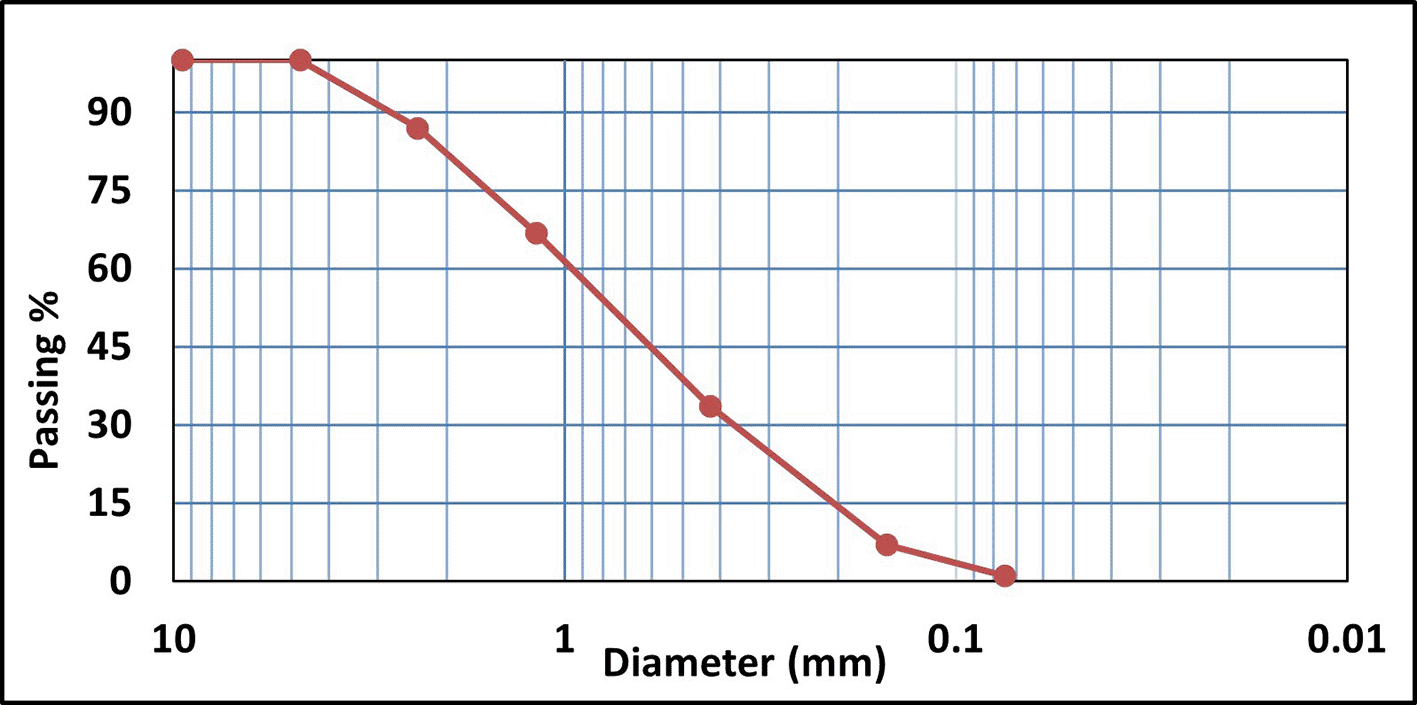
Natural, clean, low-grade sand (SP) was used in this study. Karbala governorate in Iraq, the place where it is collected. It was air-dried and sieved through sieve no 10 mesh, using the unified soil classification system (USCS) and the grain size distribution in accordance with ASTM D422–63.
The sand was categorized as SP, as shown in Figure 1, and the physical and mechanical characteristics are demonstrated in Table 1.
In this study biaxial geogrid was used as reinforcement material with a tensile strength of 2.25 MPa and a mass per unit area of area of 720 g/m2. its mechanical and dimensional characteristics are shown in Table 2.
| The physical properties | ||
|---|---|---|
| Property | Data | |
| Mesh type | rectangular | |
| Standard color | green | |
| Packing | rolls | |
The experimental tests were carried out using the physical model illustrated in Figure 2 to examine the performance of a ring footing subjected to eccentrically inclined loads on reinforced soil. Ring footing with radius ratio n = 0.3 (n = Ri/Ro, Ri = inner diameter, Ro = outer diameter) was used in this study, the footing was fabricated with outer diameter of 100 mm and inner diameter of 30 mm as illustrated in Figure 2. whereas the depth of the first layer of reinforcement was taken as U/B = 0.5, where (U = reinforcement first layer depth, B = footing outer diameter).
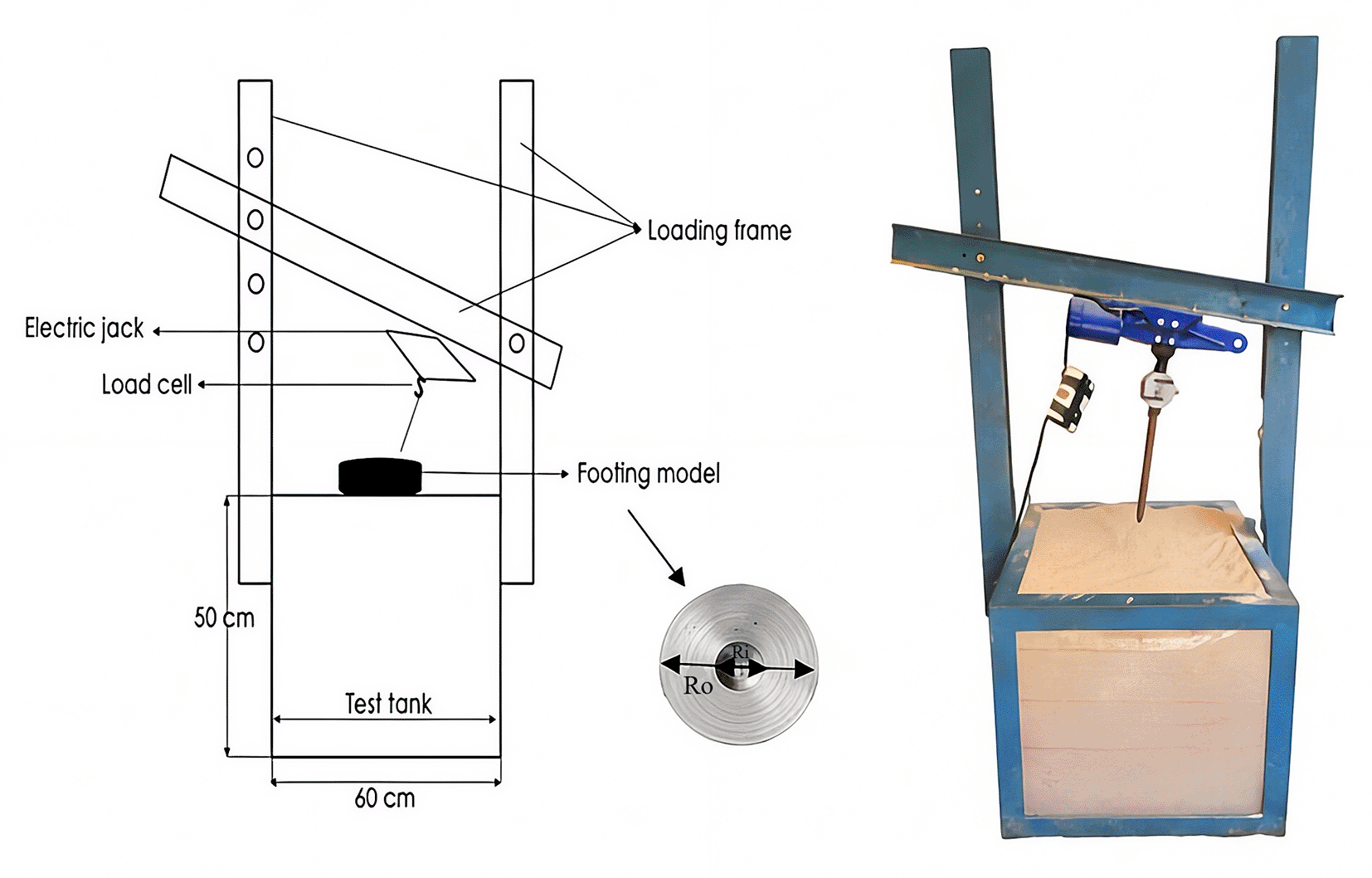
The tests were conducted using a physical model consisting of a rigid steel box with dimensions 60* 60* 50 (width* length* depth) and with a front face of glass to simplify and control the process of placing soil and reinforcement. To control and minimize the boundary effects and to ensure sufficient distance from the sides, the footing was placed at the center of the box. Loading frame connected to the box with a 2-ton electronic jack and a 12 V and 15A battery, with an adjuster to adjust the loading rate, and a constant electric current is maintained by using a voltage-stabilizing card without varying the loading rate of 1 mm/min.
The load was measured using a 1-ton capacity SI400 load cell, connected to a digital indicator to display the results. Three dial gauges were used: 2 dial gauges with 50 mm maximum travel to measure the vertical settlement on the edges of the footing, and one with a 25 mm measurement range to measure horizontal displacement that was placed horizontally. The dial gauges were securely attached to the model by using magnetic holders.
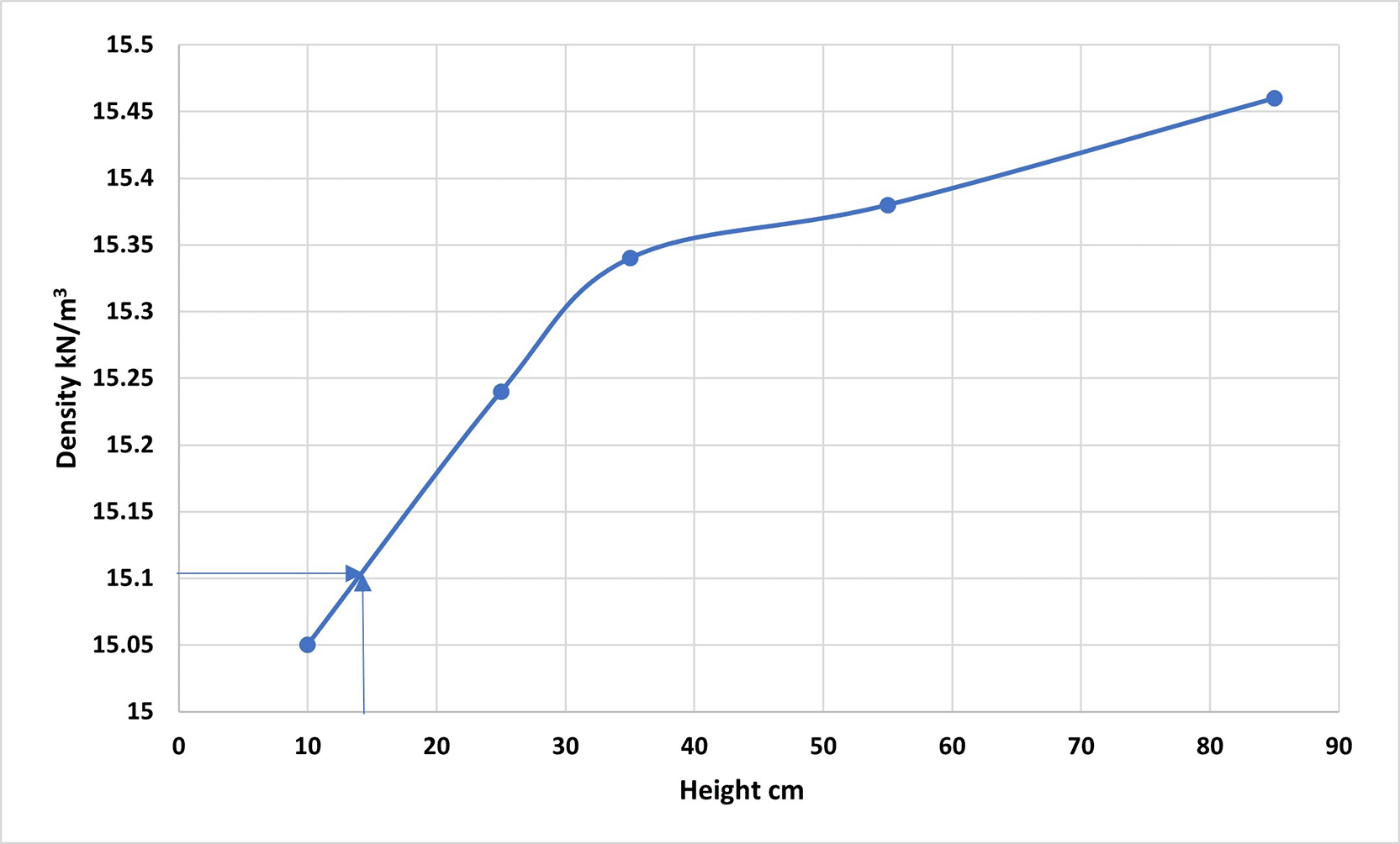
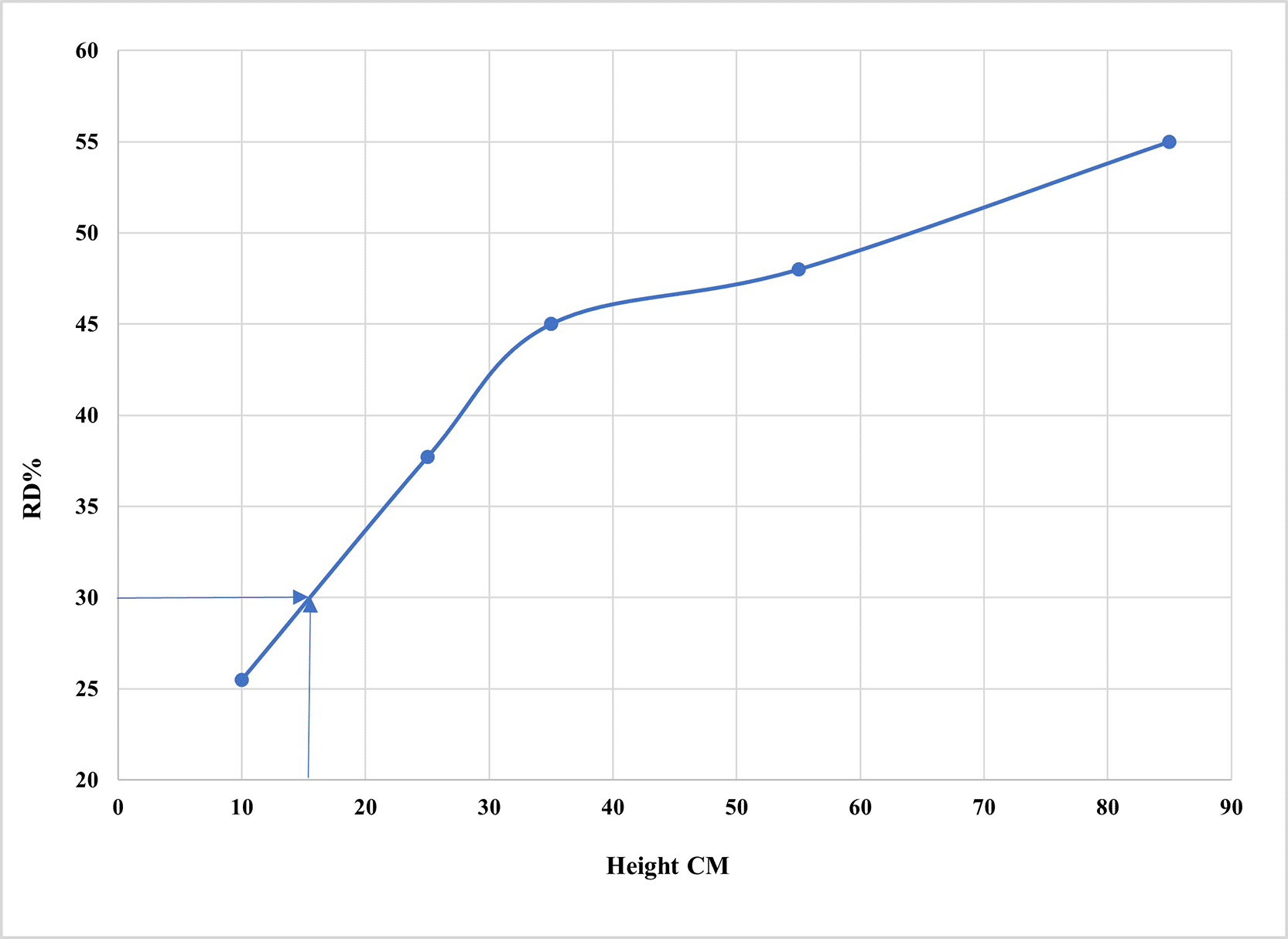
To achieve a relative density of 30% (γ = 15.1 kN/m3 dry unit weight) and control the uniformity of sand, the raining technique was used to fill the box with soil. The system that is utilized through this research is similar to Bieganousky and Marcuson’s (1976) mechanical system, and many other researchers have also employed this approach, such as.15–18 In order to clarify the preparation of sand in the test box, the detailed procedure is described below.
A sand hopper with a 5 cm outlet diameter, was raised to a height of 15 cm, the sand was let to feel freely from this height and by using an electric hoist the hopper was fixed to the required height, the process of filling box with sand was divided in to interval where the box was filled with 5 layers each layer of 10 cm until we achieve the total height of the box, the sand is delicately smoothed to guarantee that there is no disturbance. To ensure and regulate the homogeneity of the sand bed, the rainfall mechanism and the chosen height were selected by calibrating loops of trials with different heights before placing the sand in the box, as illustrated in Figures 3,4.
The sand was placed in the box in layers, and reinforcement was placed at predetermined depths according to the tests program between these layers without any constraints until we achieved the box height of 50 cm, and the top face of the soil was gently leveled to place the footing on a smooth surface.
The eccentricity and inclination of the load then fixed to the required value in accordance to the test program by the long shaft of the electric jack that is connected to the horizontal part of the loading frame e/B = 0, 0.04, 0.08, 0.16 and α = 0°, 5°, 10°, 15° respectively, were chosen for eccentricity and inclination, the electric jack is moving horizontally along the horizontal beam of the frame to achieve eccentricity and the horizontal frame tilted along the vertical parts to achieve inclination, during the test. Two vertical measurement ranges were fixed to the edges of the footing, and one is positioned horizontally to record horizontal displacement. The three dials are fixed to the box by the magnetic holders. Following that, the load is applied by the electric jack, and load measurements are shown on the digital screen connected to the load cell.
During the tests, the failure was considered to occur at a settlement of 10% B where (B= footing outer diameter), which was taken as the ultimate bearing capacity. Tilt was calculated from the differential settlement recorded by the two vertical dial gauges, tilting % = ((max. Settlement - min. settlement) /footing outer diameter)*100, while horizontal deformation was expressed as a displacement ratio % calculated from horizontal gauge readings.
To investigate the impact of reinforcement layer length, 60 tests were carried out on a ring footing with a radius ratio of n = 0.3 over reinforced soil and with an initial reinforcement depth of U / B = 0.5 (where U = first layer depth, B footing diameter, where n and U/ B are the optimal values that were determined by the author’s earlier published work6 These values were used as a baseline for the extended parameters investigation. The study considers various lengths of reinforcement layer (L/B = 1, 2, 3, 4, 5, 6) where (L = reinforcement length, B = footing outer diameter) under inclined eccentric loading, where (α = 0°, 5°, 10°, 15°) and (e = 0, 0.04, 0.08, 0.16) B respectively.
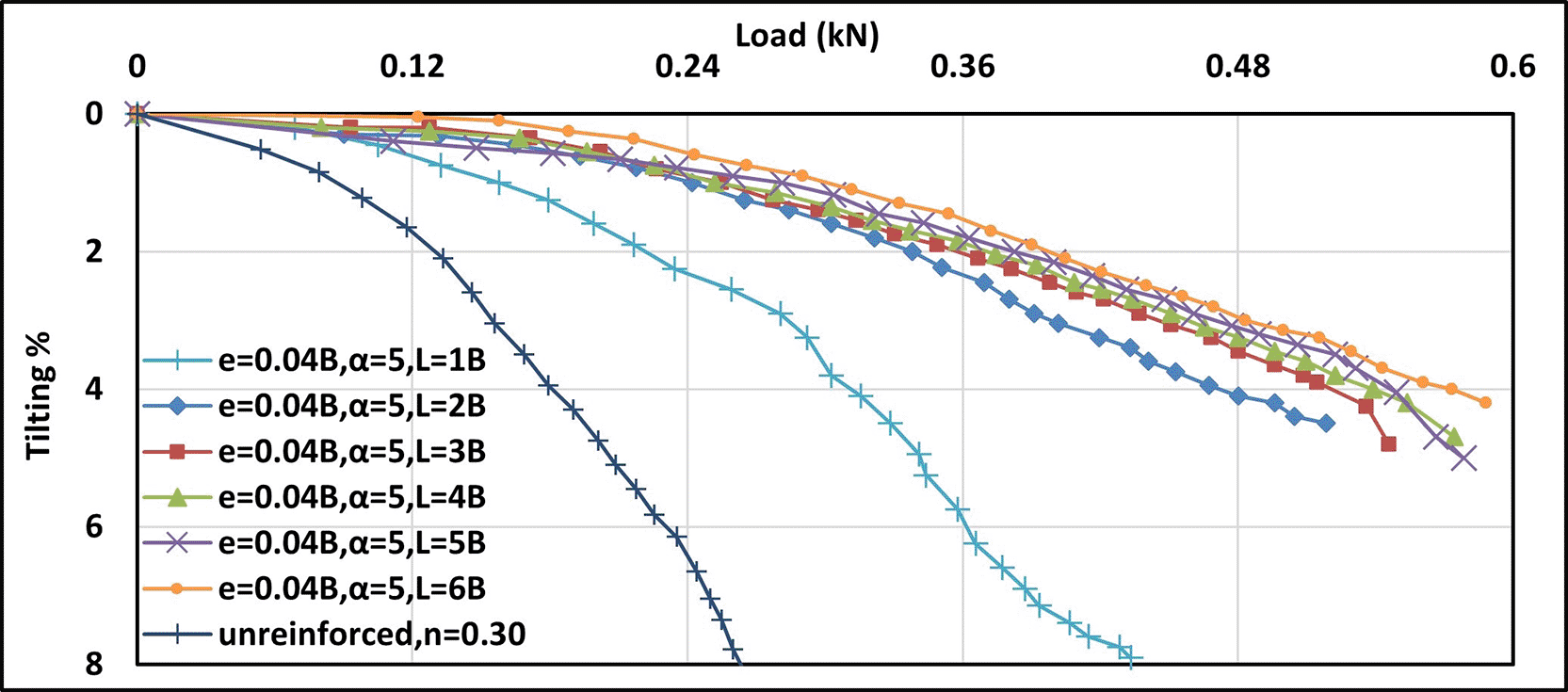
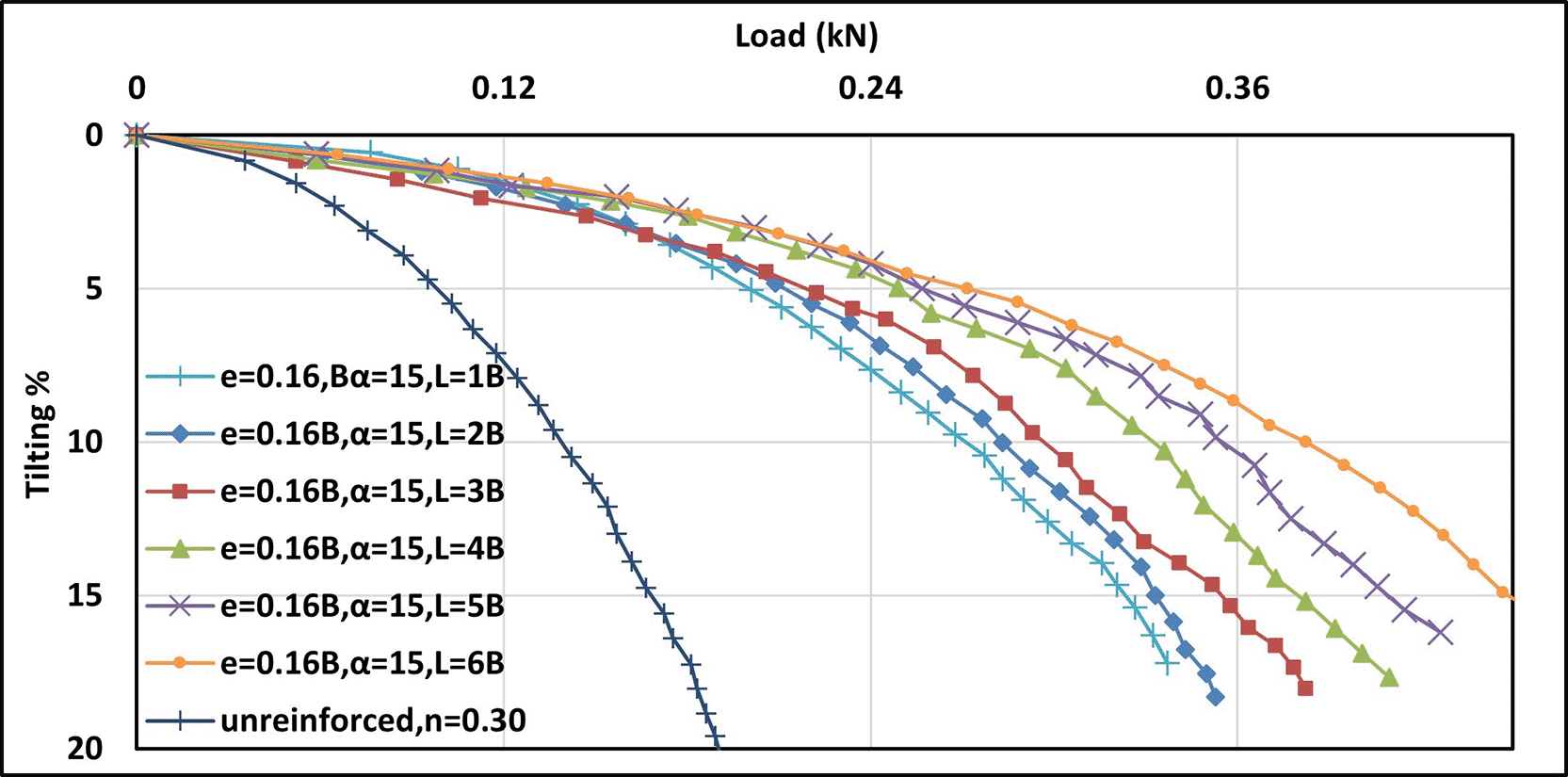
The outcomes of the experimental test show how the carrying capacity increases with length ratio and reaches its most effective and economical value at L /B = 5. It is also clear that titling decreases at this value, as illustrated in Figures 5, 6, and the findings of11 revealed similar results regarding the optimum reinforcement length, based on improved bearing capacity and reduced tilting, was L/B = 5.
The results also showed that the increment in the horizontal displacement increases with the lengthening of the reinforcement. This behavior can be explained and attained not only by placing the footing on the surface without any restrictions, but also due to the reinforcement layer that changed the spreading of the stresses around and under the footing, so there are changes in soil mass and failure mode. So, as the reinforcement length increases, the horizontal displacement also increases, especially under large inclinations. On the other hand, as the eccentricity increases, the horizontal displacement decreases due to the component of the eccentricity that resists sliding, as illustrated in Figures 7 and 8.
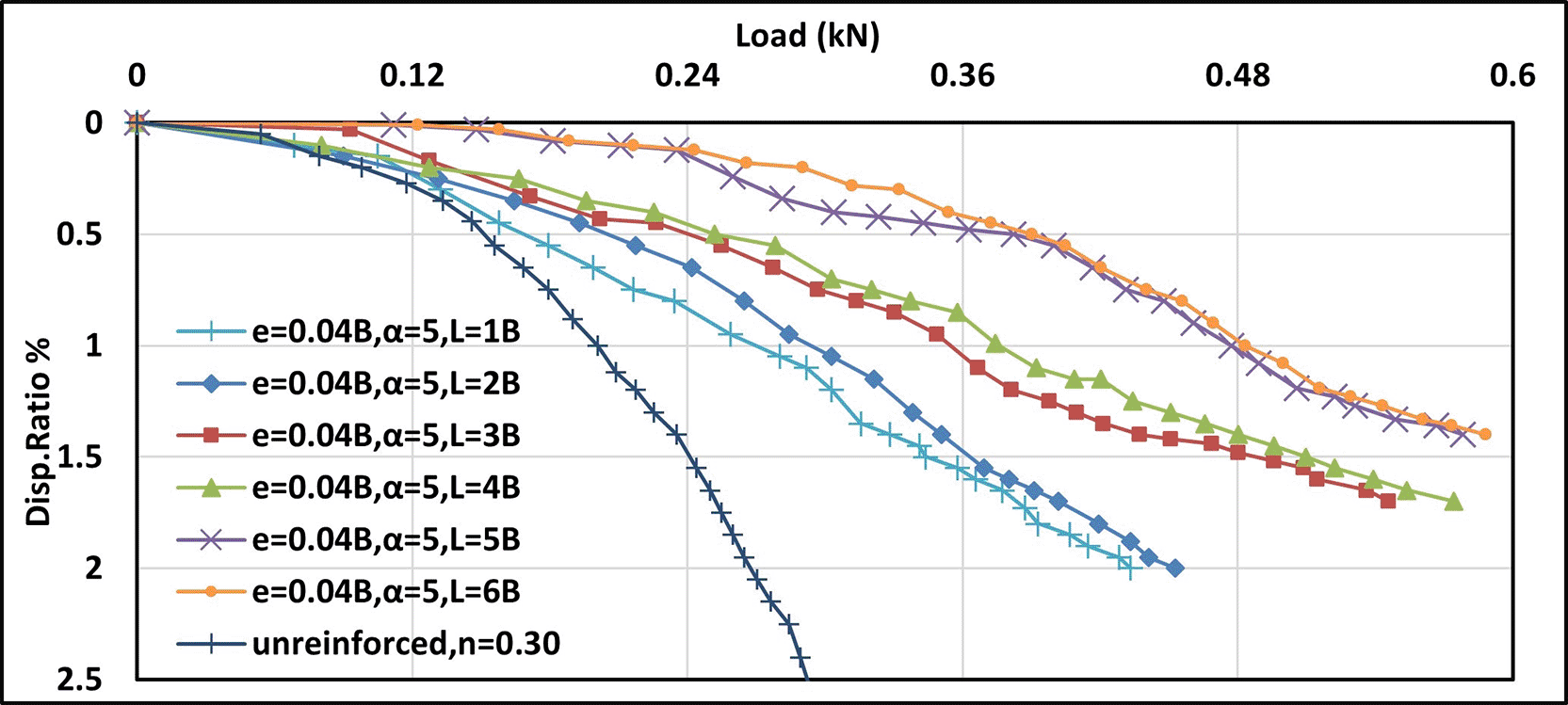
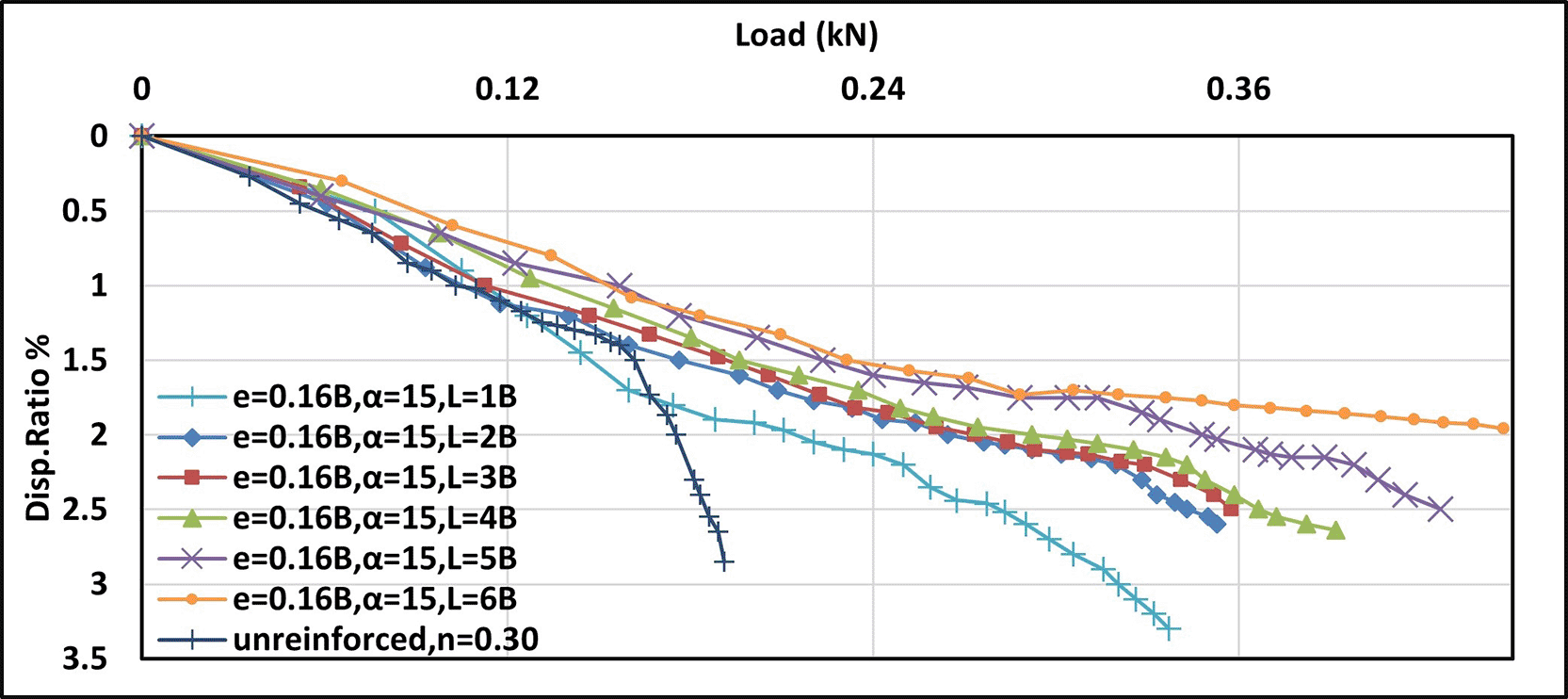
It’s also noticed that footing behavior with L/B = 1 is almost similar to footing over unreinforced soil, and this can be attributed to the limited area of the reinforcement, which did not extend sufficiently beyond the stress zone beneath the footing. As a result, the reinforcement could not mobilize significant tensile resistance, and the stress distribution remained nearly unchanged compared to the unreinforced case.
Several sets of experiments were conducted on ring footing over reinforced soil with various values of spacing ratio Z/B (where Z = vertical spacing between reinforcement layers, B = footing outer diameter) under different values of inclined-eccentric loading, where n = 0.30, U/B = 0.50, L/B = 5, and N = 2.
It was noticed that the footing carrying capacity increases with decreasing depth between reinforcement layers, and this increment reaches its optimum value at (Z / B) = 0.50, while13 found that Z/B = 0.42 is the optimal value for eccentrically loaded ring footing. This can be attributed to the efficient spacing between layers that distributes stress effectively. Whereas at Z/B = 0.25, the two reinforcement layers act as a single unit without any enhancement in carrying capacity due to the ineffective soil arching and inadequate soil reinforcement contact, in addition to the overlap of the stress transmission of the layers with very close spacing like this.
Figures 9 and 10 show how the spacing ratio increases until it reaches a value of Z/B = 0.50, which is the optimum reinforcement spacing ratio, and after that, it decreases due to a reduction in reinforcement soil improvement as an outcome of the increase in the spacing ratio between layers.
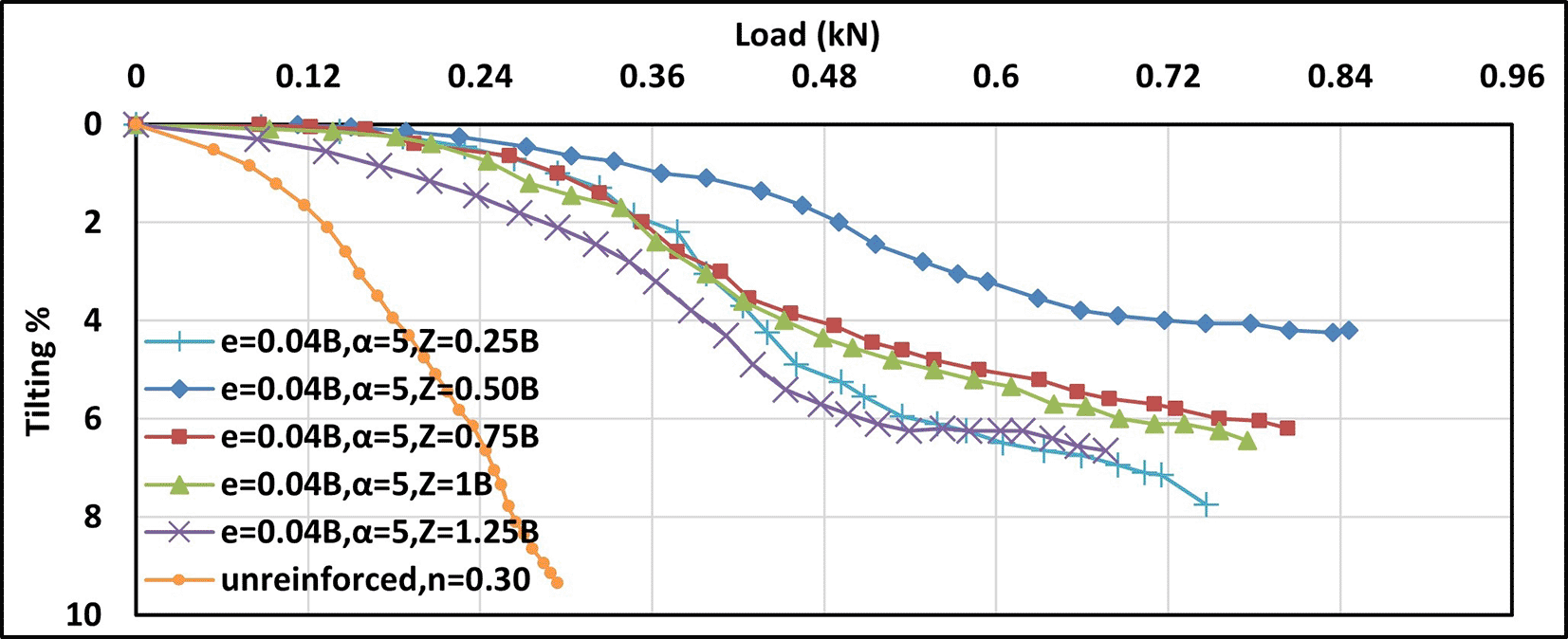
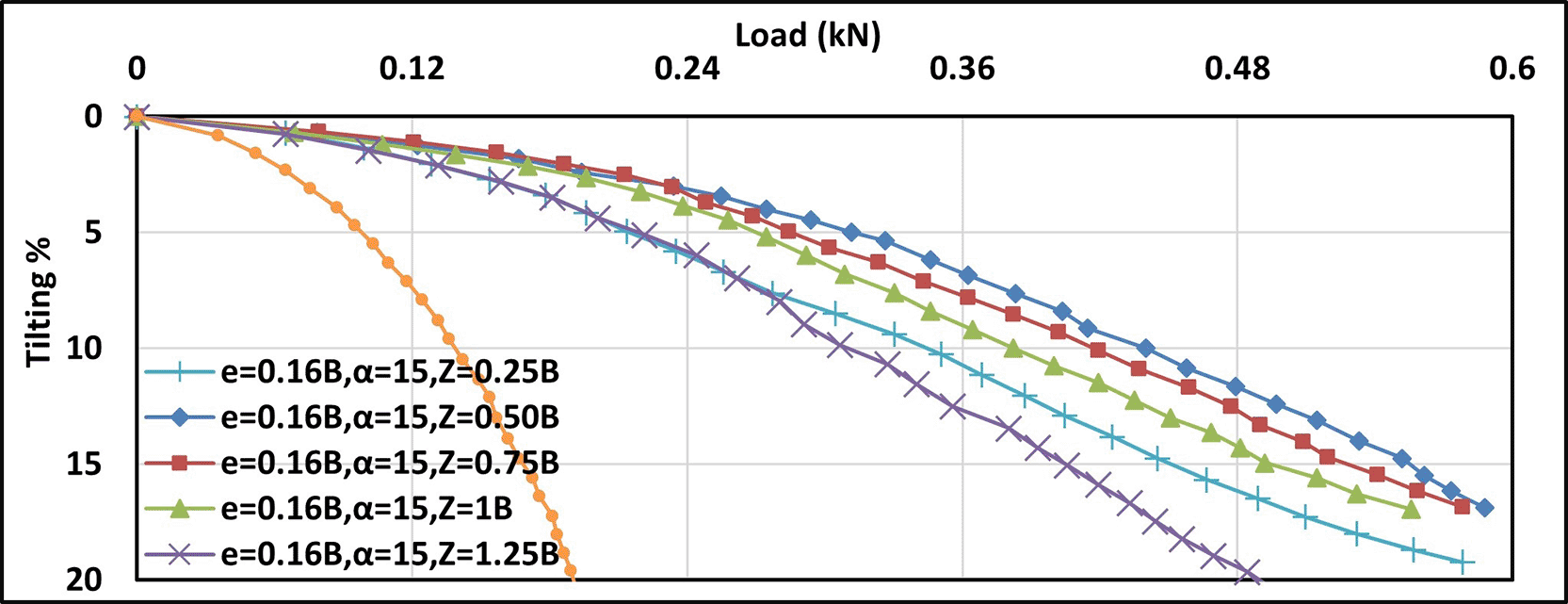
Figures 11 and 12 show the experimental results that corroborate the findings of19 demonstrating that a reinforcement spacing ratio of 0.5 B optimizes load-bearing capacity and reduces lateral displacement under inclined loading, where the optimal Z/B is similarly 0.5.
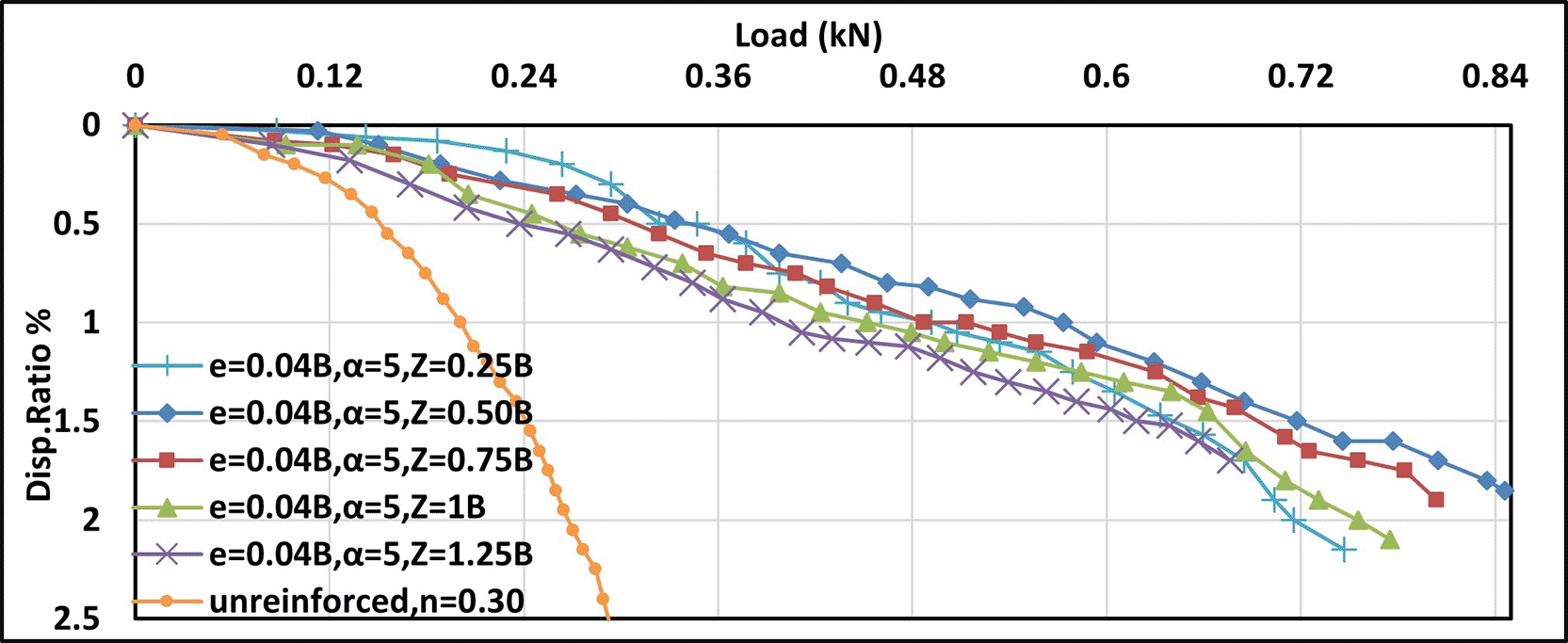
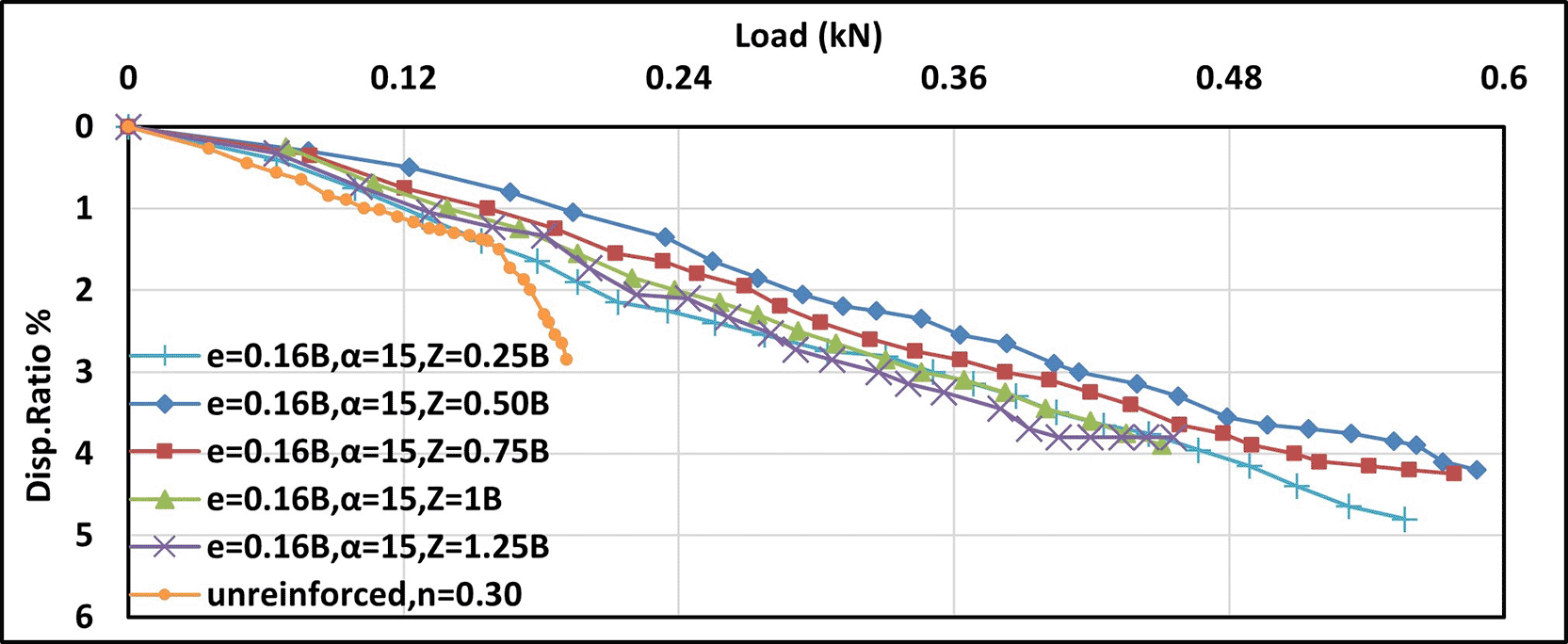
It can be noticed from the previous outcomes that the spacing ratios of Z / B = 0.25 and 1.25 have almost no impact on enhancing the carrying capacity of the footing. Also,20 Found that Z/B above 1 does not influence enhancing the footing carrying capacity.
A number of experiments have been performed to assess the impact of the number of reinforcing layers on the carrying capacity of ring footing subjected to eccentrically inclined loads, where (n = 0.30, U/ B = 0.50, L/ B = 5, and Z/B = 0.50) and N = 1,2,3,4,5 where (N = reinforcement layers number).
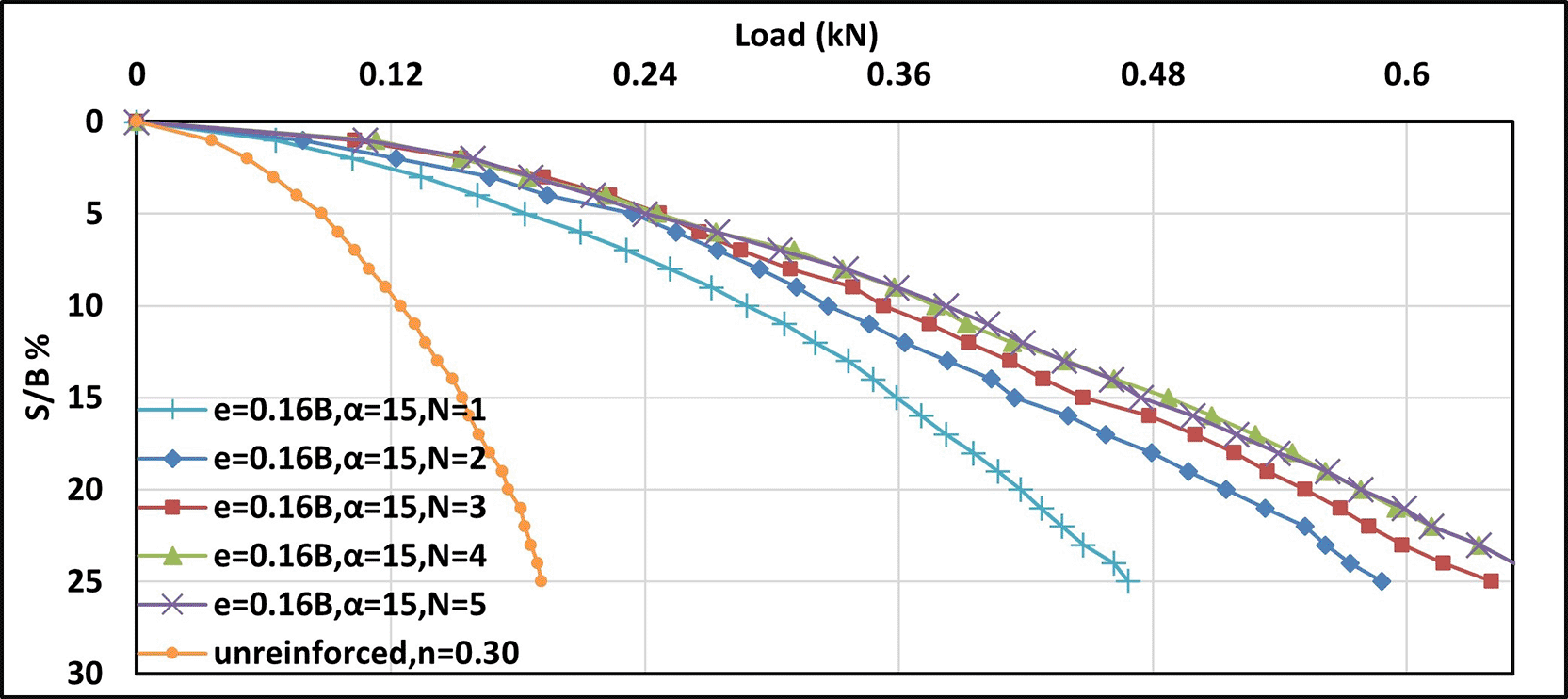
Figure 13 shows how the increase in the reinforcement layers number increases the carrying capacity of the ring footing beneath an eccentrically-inclined load, and this increment reaches its optimal values at the number of layers N = 4 where it increases by (195.9%, 208.8%, and 211.1%) for e = 0.16 and α = 5°, 10°, 15°, and this increment can be attributed to the cumulative effect of each layer of the 4 layers, and increasing in the number of layers after this has negligible increment in the carrying capacity due to the fact of that layer is deeper than the effective zone of the ring footing.
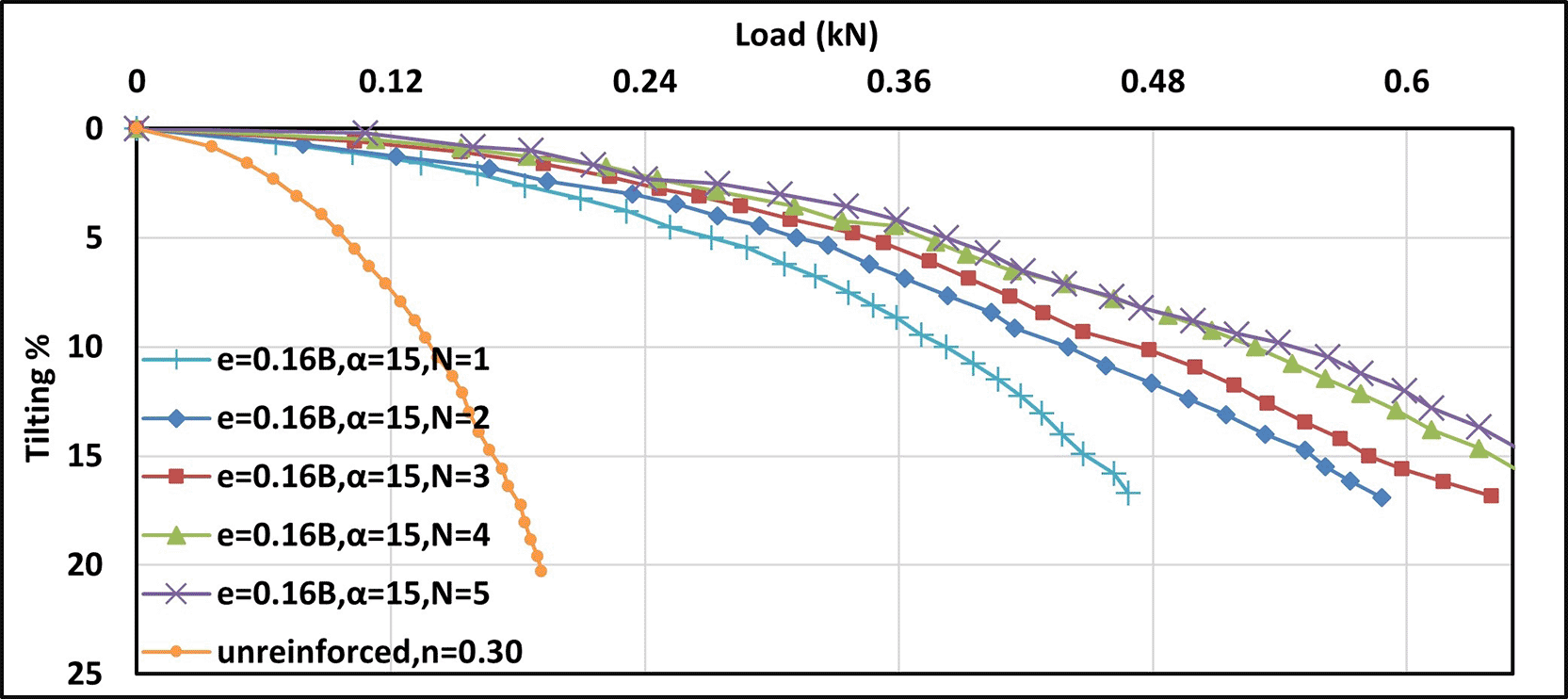
The tilting improvement factor increases with the increasing value of eccentrically inclined load and also increases with the increase in the number of layers. Tilting improvement factor increases by (1.46, 1.51, 1.52) for e = 0.16 and α = 5°, 10°, 15° for N = 4, as shown in Figure 14.
In general, horizontal displacement is an expression of the footing behavior. Figure 15 shows how the displacement of the footing varies according to the angle of inclination and the associated eccentricity value, where a footing with a small inclination angle and a large eccentricity ratio tilting due to the eccentricity is more pronounced than sliding due to inclination. Simultaneously, the horizontal displacement increases as the inclination angle increases and decreases with the increment in the eccentricity, and this was similar to what was found by,14 who investigated the square footing behavior under eccentric and inclined loads and a combination of them by using Plaxis 3D.
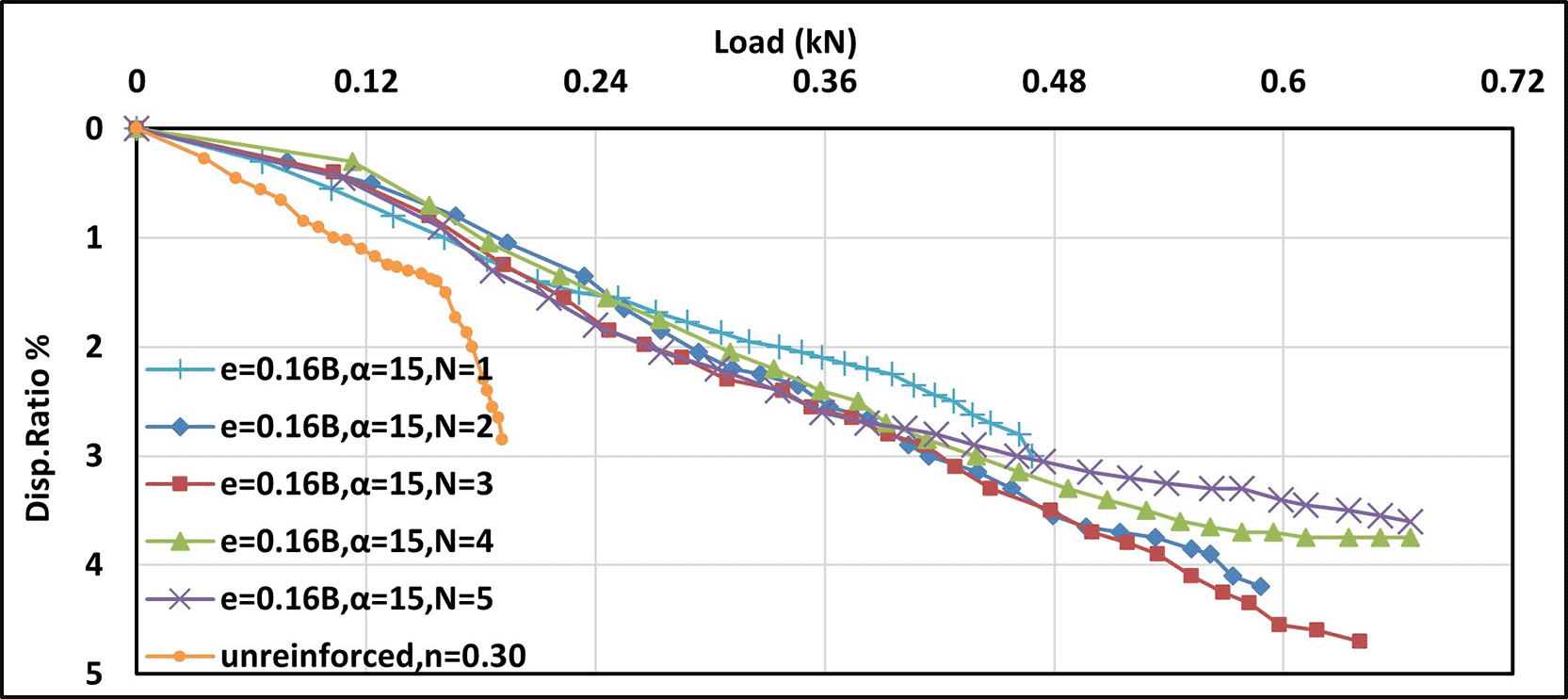
Also,4,5 noticed an increase in the horizontal displacement with increasing inclination angle. The soil carrying capacity increases as the number of reinforcement layers increases, reducing footing tilting while increasing horizontal displacement for a while until the footing penetrates the soil, making the reinforcement more effective in reducing footing displacement.
The performance of a ring footing over reinforced sandy soil under eccentrically inclined load was explored experimentally in this study. This study demonstrates several key findings that contribute to geotechnical design practice.
• As the reinforcement length is equal to its width (L/B = 1), the performance of the ring footing on reinforced soil is similar to that of the unreinforced because the reinforcement is too short to intersect the active shear zone or participate effectively in stress transfer.
• L/B = 5 is the optimal reinforcement length ratio as the footing reaches its maximum carrying capacity and tilt improvement, in addition to soil reinforcement interaction, where this value provides the most efficient and economical improvement.
• Z/B = 0.50 is the optimal spacing ratio, where the reinforcement provides the highest improvement in the carrying capacity and stability, and as the reinforcement within this depth provides effective stress distribution and soil confinement.
• Z/B = 0.25 and Z/B = 1.25 are spacing ratios with almost no or negligible improvement. Where Z/B = 0.25, where the reinforcement is placed very close, preventing efficient development of soil arching; on the other hand, at Z/B = 1.25, the reinforcement is positioned below the influence zone.
• Reinforcement layers number up to N = 4 significantly improve footing performance, where the carrying capacity increases by more than 200% under e/B = 0.16 and 15° load inclination. Adding layers above this number yielded minimal improvement due to placing it outside the active stress zone.
• The tilting improvement factor increases to 1.46, 1.51, and 1.52 for load inclinations of 5°, 10°, and 15° and eccentricity of e/B = 0.16, respectively, when using N = 4, demonstrating effective reduction of differential settlement and improved rotational stability.
• The combination of L/B = 5, Z/B = 0.50, and N = 4 represents the most efficient and economically optimized reinforcement configuration, providing maximum bearing capacity, minimized tilting, and improved overall stability under eccentric–inclined loading.
| Views | Downloads | |
|---|---|---|
| F1000Research | - | - |
|
PubMed Central
Data from PMC are received and updated monthly.
|
- | - |
Provide sufficient details of any financial or non-financial competing interests to enable users to assess whether your comments might lead a reasonable person to question your impartiality. Consider the following examples, but note that this is not an exhaustive list:
Sign up for content alerts and receive a weekly or monthly email with all newly published articles
Already registered? Sign in
The email address should be the one you originally registered with F1000.
You registered with F1000 via Google, so we cannot reset your password.
To sign in, please click here.
If you still need help with your Google account password, please click here.
You registered with F1000 via Facebook, so we cannot reset your password.
To sign in, please click here.
If you still need help with your Facebook account password, please click here.
If your email address is registered with us, we will email you instructions to reset your password.
If you think you should have received this email but it has not arrived, please check your spam filters and/or contact for further assistance.

Comments on this article Comments (0)