Keywords
Augmented Reality, Critical Thinking Skills, Fuzzy C-Means Clustering, Structural Equation Modelling, Technology Acceptance Model.

Augmented Reality, Critical Thinking Skills, Fuzzy C-Means Clustering, Structural Equation Modelling, Technology Acceptance Model.
Interactive and digital-based media have become the means of increasing the learning process. The changes have promoted creativity in the way of teaching and involving students. Technology has been a driver in the creation of an adaptive and dynamic learning ecosystem (Zou et al., 2025). Digital equipment like computers, laptops, smartphones and other technologies has been effectively used to aid the learning process of students.
The application of web-based media and interactive systems has been effective in stimulating the process of student analysis and reflection (Alifteria et al., 2023; Cao & Yu, 2023). This strategy applies to the requirements of 21st-century learning. Education is no longer about memorisation, but rather about the information processing in detail (Setianingsih & Siswono, 2024). Logical, analytical, and systematic thinking are the necessary skills that should be possessed by students in the context of mathematics education (Wang et al., 2025). Such competencies are significant to meet the challenges of complicated and fast-developing life.
One of the possible technologies that can be applied in mathematics learning is Augmented Reality (AR) technology (Adnan & Osman, 2024; Rossetto et al., 2023; Wen et al., 2023). AR allows the real and contextual visualisation of abstract concepts. AR can be used in geometry studies to make students learn about shapes, spaces, and the interrelations of objects. An immersive learning experience may also be improved with the use of AR (Nadzri et al., 2023; Supriyadi et al., 2023; Suryanti et al., 2020).
The implemented technologies, like AR, can be successfully used only in the case of student acceptance and proficiency. Perceived usefulness and ease of use are some of the factors that are determinants. To ensure the quality of learning, it is essential to evaluate the performance of technology in education. These aspects can be analysed through such technology acceptance models as TAM (Al-Shorman et al., 2025; Jang et al., 2021). Therefore, the study is intended to assess the comfort level with which students embrace the application of the Augmented Reality (AR) technology in learning regarding different elements that are discussed within the Technology Acceptance Model (TAM) framework (Alkhabra et al., 2023; Oktafiani et al., 2024; Purwadi et al., 2023).
The trend of using Augmented Reality (AR) in education has been on the increase; little focus has been directed towards the cognitive ability of students, especially critical thinking, with respect to the adoption of these technologies (Altmeyer et al., 2020; Demircioğlu et al., 2022). The majority of the past research that has used the Technology Acceptance Model (TAM) in education has predominantly concentrated on the concept of perceived usefulness, ease of use, and behavioural intention as opposed to cognitive aspects that support meaningful learning. Such a gap creates the ambiguity of how the analytical skills of students influence their willingness to embrace new methods of learning mathematics, such as AR.
The present study is innovative, considering that it builds upon TAM to incorporate critical thinking skills as a cognitive antecedent of perceived usefulness and ease of use. This integration is the one that connects educational psychology with technology adoption theory, which provides a more detailed account of the interactions between learning and acceptance processes. It is hoped that the results offer theoretical understanding to educational technology studies and offer practical advice to educators struggling to create cognitively stimulating, technology-enhanced learning settings. Based on this, the research questions that are addressed in this study are as follows:
1. What effects do students’ critical thinking abilities have on the perceived utility (PU) and perceived usability (PEU) of geometry learning applications based on augmented reality?
2. How much does students’ actual system use (ASU) of Augmented Reality in geometry learning depend on perceived usefulness (PU) and perceived ease of use (PEU)?
3. Is the relationship between actual system use (ASU) and critical thinking skills (CTS) mediated by perceived usefulness (PU) and perceived ease of use (PEU)?
Critical thinking skills are higher-order cognitive functions of analysis, evaluation, and reflection about information and arguments. (Franco-Mariscal, 2024; Nusroh et al., 2022; Saphira et al., 2022). These concepts are based on principles from cognitive psychology and metacognition and reflect people’s dispositions to think openly and rationally. The development of critical thinking skills can consist of three dimensions: knowledge, skills and disposition, and employ scientific methods of inquiry and technology (e.g., augmented reality) (Alifteria et al., 2023; Hanggara et al., 2024; Herliandry et al., 2021; Oktafiani et al., 2024).
Three leading indicators show students possess critical thinking skills: Interpretation, Analysis and Evaluation (Anggraini et al., 2020; Badriyah et al., 2023; Demircioğlu et al., 2022). Interpretation is a student’s ability to understand, clarify, and organise information that is collected from various contextual sources. Interpretation is essential for the reading of data, graphs and texts as content is being constructed to find negating or confirming patterns. During a learning process that is based on science, data interpretation is the foundation to be used to formulate arguments and make conclusions concerning scientific phenomena (Martin et al., 2025).
The process of analysis is the possibility of a student to perceive the patterns, structures, and strategies of problem-solving (Cahya & Juandi, 2021; Wu & Molnár, 2022). Higher education also implies critical thinking that is examined in a project-based learning setting, and it has been discovered that analytical skills can be developed in this learning environment (Wang et al., 2025).
The opportunities to be impartial in taking the decisions concerning the credibility of the information, the logic of the argument, and methods of overcoming the problem (De Bruijn et al., 2022). As a person who has experience in evaluation, the students can consider different possibilities of the solution to a problem and select the alternative which they believe is the most appropriate of all the sensible solutions (Zakir et al., 2025). Evaluation can also mean the critique of digital media in technological learning.
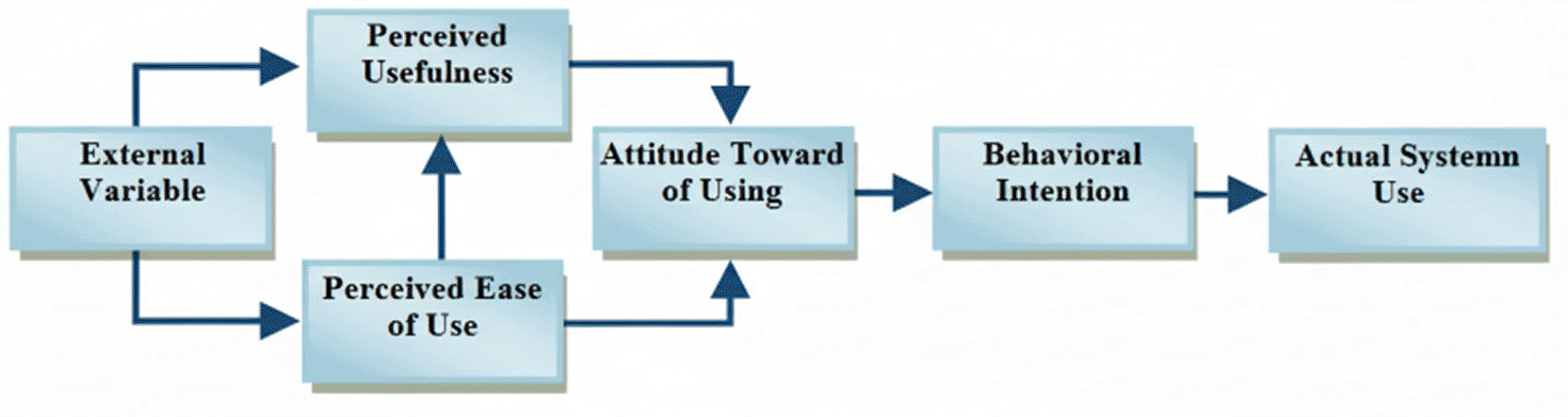
Technology Acceptance Model (TAM), which is the result of the Theory of Reasoned Action (TRA), describes the impact of individual motivation on the process of technology adoption (Al-Adwan et al., 2023; Hidayat et al., 2024; ). It is among the most powerful theories of explaining the behavioural intentions and attitudes of users towards technology, according to their perceptions of a system (Marian et al., 2025). TAM is used in the analysis of user-technology interaction widely in education, business, and healthcare. The model consists of five connected constructs, which are Perceived Usefulness (PU), Perceived Ease of Use (PEU), Attitude Toward Use (ATU), Behavioural Intention (BI), and Actual System Use (ASU) (Purwadi et al., 2023). PU represents the extent to which technology enhances performance, while PEU reflects how effortless it is to use. Both PU and PEU shape users’ positive attitudes and behavioural intentions toward adopting digital technologies.
One of the strengths of the TAM model is that it can be easily used to simplify user experiences and enhance efficiency in the processes of engaging a system (Al-Shorman et al., 2025; Purwadi et al., 2023). Users who think that a certain technology is useful and is readily available to them would likely have positive attitudes and intentions to carry on with the usage of the technology. ATU shows the feelings one has towards the system, and BI shows the feelings that one has towards using the same technology again (Li & Jiang, 2023; Trieu, 2023). Also, ASU can be used as a sign of an effective technology implementation regarding the experiences of the users that trigger the desire to be satisfied with it and use it constantly (Marian et al., 2025).
PU and PEU are two different constructs which always determine the selection decisions made by the users toward adopting a technology. Despite the relationship of these constructs, PU and PEU have an independent effect on attitude and behavioural intention of the users. Awareness of PU and PEU is a privilege in technology-based learning systems design, as it helps in generating user engagement, besides promoting technology acceptance (Dalle et al., 2024; Othman et al., 2024). TAM is a model that may be expanded with more aspects like learning motivation, digital experience, and social context.
The thesis of the study is the three primary variables of TAM, PU (perceived usefulness), PEU (perceived ease of use), and ASU (actual system use), due to their relevance in the context of learning with the use of the Augmented Reality (AR) technology (Nugroho & Sukirman, 2023; Putu et al., 2023; Wen et al., 2023; Wibowo, 2023). Moreover, the critical thinking abilities of the students are determined as the possible external variables that can influence the perception of AR technology and attitude towards learning among students (Koumpouros, 2024; Nikou, 2024; Rossano et al., 2020). The connection of TAM to the cognitive variables (analytical and problem-solving skills) substantiates the relevance of the model to technology-based learning in higher education (Al-Shorman et al., 2025). This is where a student learning technology framework proposed by Fred Davis (1989) is presented.
Figure 1 presents Technology Acceptance Model (TAM) diagram illustrating the relationships between variables in system acceptance. This figure shows how Perceived Usefulness (PU) and Perceived Ease of Use (PEU) influence Attitude Toward Using. External variables influence both Perceived Usefulness and Perceived Ease of Use, which in turn affect Behavioral Intention and ultimately Actual System Use (ASU).
Source: Davis & Venkatesh (2004)
Augmented Reality (AR) is a technology according to which virtual elements can be superimposed on the visual perception of another user in the real world at the same time, which gives them some form of authentic learning, which is immersive and contextualised (Jang et al., 2021; Lismaya et al., 2022; Nusroh et al., 2022; Yanto et al., 2024). The students can immerse directly into the digital representations that become interacting with the real-world environment, and it is considered experience-based learning and active inquiry (Chiliquinga et al., 2024). AR has three signature features in the education industry, namely interactive visualisation, spatial tracking, and sense integration (Oktafiani et al., 2024; Putu et al., 2023). Students can view 3D objects in a dynamic environment thanks to interactive visualisation. To preserve the original object’s context, the system spatially monitors the objects, a process known as spatial tracking (Singh et al., 2024). Sensory integration produces additional multisensory reactions that enhance emotional, cognitive, and educational experiences (Singh et al., 2024). By utilising the AR interface to manipulate shapes and spaces, students can engage with geometry while also honing their spatial perception and critical thinking abilities (Farhah et al., 2024; Pratiwi & Nugraheni, 2024; Saphira et al., 2022).
Researchers can create traceable, systematic processes for producing systematic knowledge by using the research method. The objective identification, measurement, and analysis of the identified variables are possible only through the systematic method of inquiry that researchers use in the context of education. The aim of the research method is for researchers to come up with valid, reliable and relevant research studies, which are applied by researchers during a series of steps, which include the following:
The entire research is composed of a number of themes of background, population, sample, data collection and research procedures. The subjects were 234 learners of 13 schools in the Special Region of Yogyakarta (DIY). The students were requested to use a specific Android application named GeoMater, based on an Augmented Reality (AR), in order to learn geometry concepts. The research was undertaken by visiting the schools and helping the students fill out questionnaires, and the subject teacher has control over the study. The general overview of the GeoMater application was collected in the form of descriptions/features, modes of use and geometry material shown.
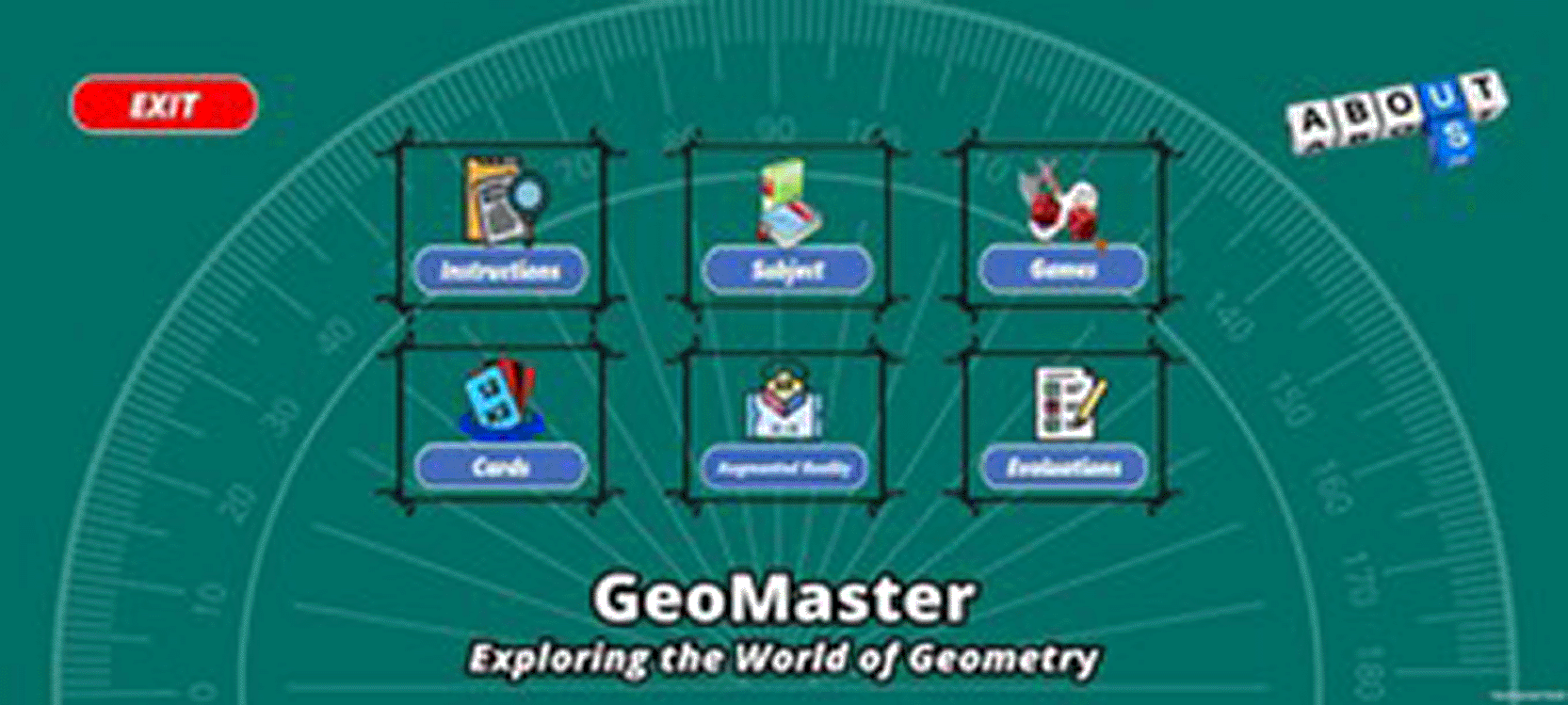
Figure 2 presents the main menu of the GeoMaster application, which allows users to explore the world of geometry. The menu includes options for Instructions, Subject, Games, Cards, Augmented Reality, and Evaluations. The application is designed to provide an interactive and engaging learning experience for geometry.
Source: Author, 2026
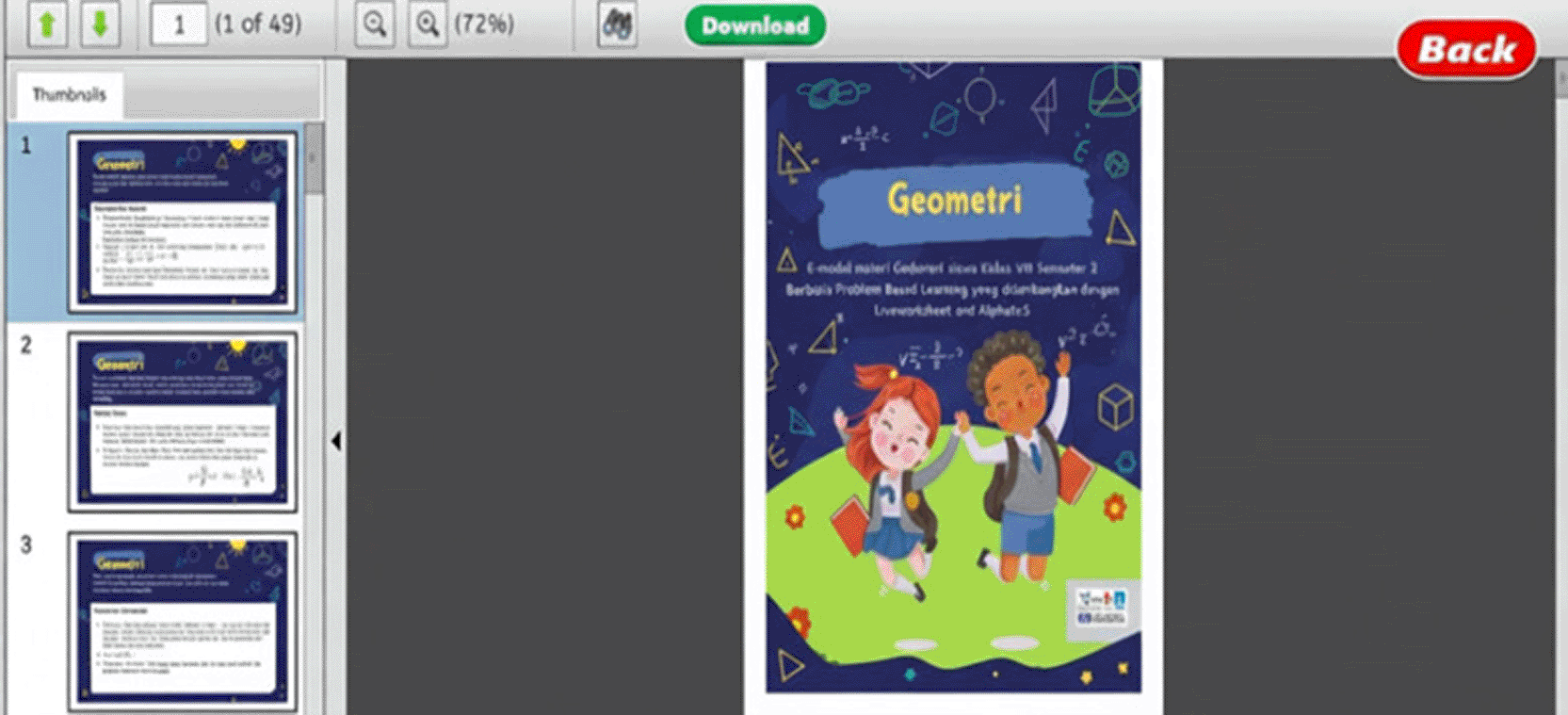
Figure 3 presents the cover page of the GeoMaster geometry learning material. The image features two children, one girl and one boy, happily exploring the world of geometry. This material is designed to engage young learners with interactive content and visually appealing elements to enhance their learning experience.
Source: Author, 2026
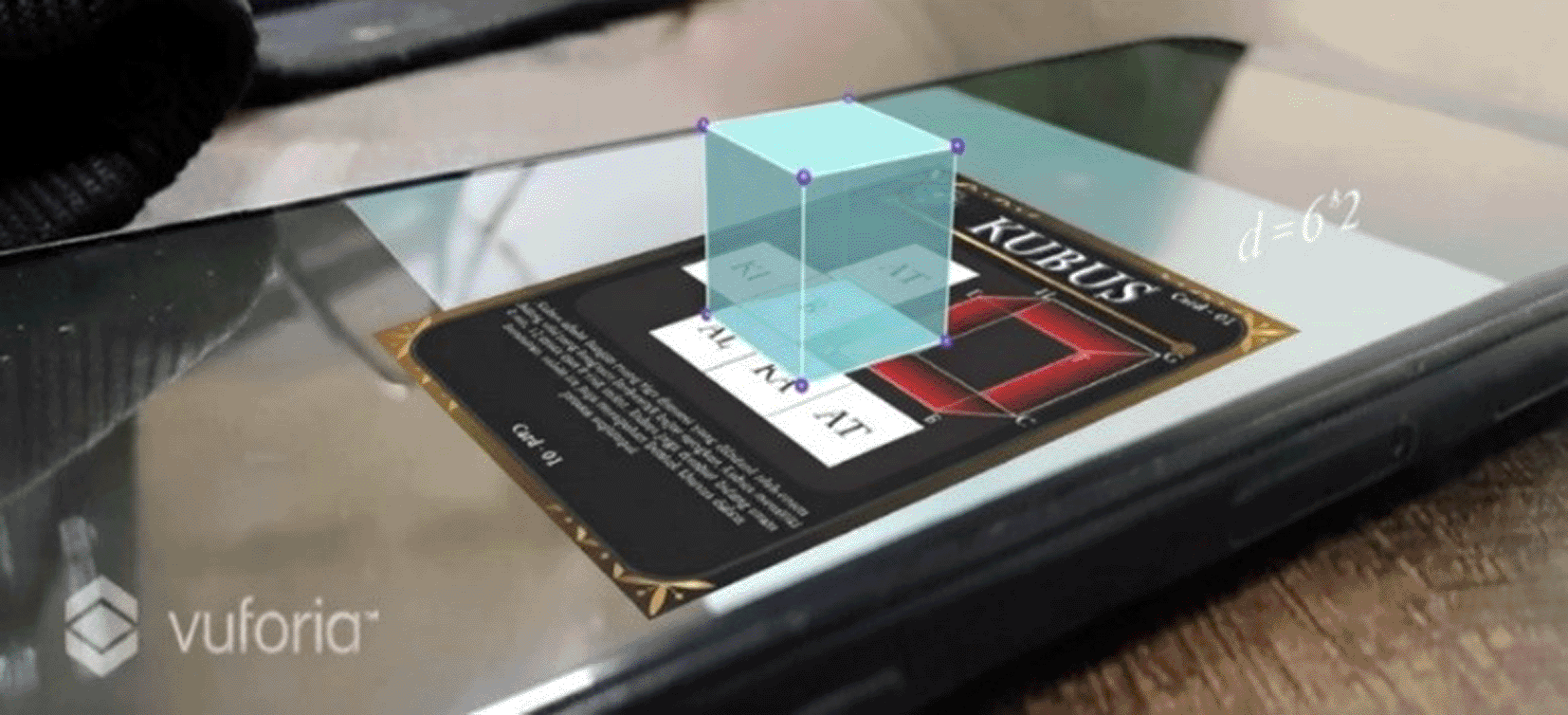
Figure 4 presents Augmented Reality (AR) interaction in the GeoMaster application, showing a 3D cube being displayed on a smartphone screen. The cube is visualized using Vuforia AR technology, with the dimension labeled as d = 62. This demonstrates how the application integrates AR to help students visualize geometric concepts interactively.
Source: Author, 2026
A Likert-type scale measuring various statements from one to five was employed in this study. The measurement tool was developed from previous studies and was then adjusted to be appropriate for the current study. In particular, five items were used to measure the variable of critical thinking skills. Items developed from appropriate studies and validated in regard to technology-enhanced learning were adjusted to refer to students’ skills to utilise the GeoMaster application appropriately. Specifically, the students demonstrated their skills by analysing geometric objects, judging a visual representation, and drawing conclusions based on their activity using the virtual application.
The skills mentioned above (analysis, judgment, and conclusion) are the preliminary components of critical thinking constructed in a technology-enhanced, project-based, interactive learning environment. The students were interacting and manipulating the virtual elements provided by the GeoMaster application as an Augmented Reality-based learning medium to construct and demonstrate their critical thinking skills while engaging and observing virtual objects in a physical space.
Data were gathered for this study through the use of questionnaires as a source. The Partial Least Squares Structural Equation Modelling (PLS-SEM) approach was applied in the analysis using SmartPLS 3 software since it provided more insight into the relationships and it was the prescribed procedure in PLS-SEM. As part of data analysis procedures, convergent validity was verified with the help of the Average Variance Extracted (AVE) value that should be larger than 0.5. Reliability testing entailed a measure that included indicators like Cronbachs alpha, Composite Reliability (CR) and outer loading with a value of above 0.7 was the pre-requisite measure. The discriminant validity across constructs was also analyzed using Fornell-Larcker and Heterotrait- Monotrait Ratio (HTMT) as a distinctive measure of different concepts. To obtain further confirmation of the results, cluster analysis of the data was also performed via Fuzzy C-Means (FCM) method and analysed with the help of the JASP software in order to find the patterns of respondent groups in a more flexible way.
The sample for this study consisted of 234 students from 13 junior high schools in Yogyakarta. Non-probability sampling with random sample selection was used for this purpose.
According to Table 1, out of the total number of 234 respondents, 116 (49.6) were male and 118 (50.4) were female. Students were stratified according to their classes with 90 students (38.5%), 34 students (14.5%), 41 students (17.5%), 16 students (6.8%), and 53 students (22.7) belonging to class 7A, 7B, 7C, 7D, and 7E respectively. According to age, 153 (65.4) were aged between 11–12 years, 64 (27.3) aged between 13–14 years and 17 (7.3) above 15 years.
In this study, written informed consent was obtained from the parents/guardians of the minor participants (ages 11–15). The parents/guardians were fully informed of the study’s purpose, procedures, potential risks, and their rights. In addition, the minor participants (students) provided verbal assent after being explained the study details in an age-appropriate manner. The participants were informed that their participation was voluntary and they could withdraw from the study at any time without any negative consequences. The data collected from the participants was kept confidential, anonymized, and solely used for academic purposes.
The primary point of this section is to present the results of the research systematically, give an interpretation of the findings, and evaluate their consequences about the creation of the area of study of relevance. This is a list of findings which were made during the data analysis process.
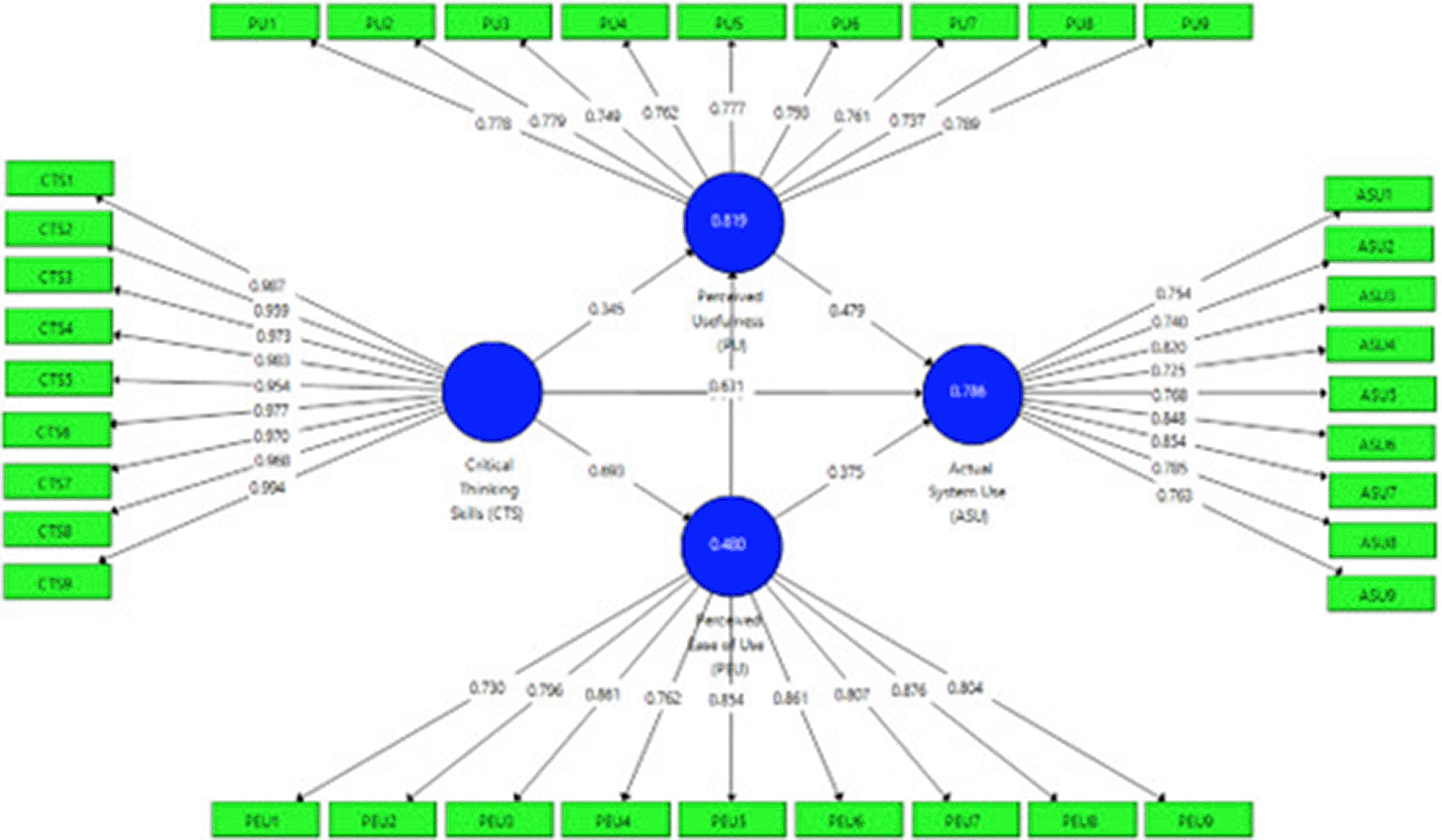
Figure 5 presents Structural Equation Model (SEM) illustrating the relationships between Critical Thinking Skills (CTS), Perceived Usefulness (PU), Perceived Ease of Use (PEU), and Actual System Use (ASU) in the context of the study. The diagram shows how Critical Thinking Skills (CTS) influence both Perceived Usefulness (PU) and Perceived Ease of Use (PEU), which in turn affect Actual System Use (ASU). The path coefficients represent the strength and significance of these relationships. The values near the arrows indicate factor loadings, showing how strongly each observed variable (such as CTS1, CTS2, PU1, ASU1, etc.) correlates with its respective latent variable (CTS, PU, PEU, ASU). Notably, Critical Thinking Skills (CTS) has a strong impact on Perceived Usefulness (0.819), while Perceived Ease of Use shows a moderate impact on Actual System Use (0.786). The Perceived Usefulness variable is directly influenced by CTS and has a significant effect on ASU. The overall model represents how these key constructs interact to explain users’ acceptance and usage of the system in educational contexts.
Source: Author, 2026
The model illustrates the connections between Actual System Use (ASU), Perceived Utility (PU), Perceived Ease of Use (PEU), and Critical Thinking Skills (CTS). CTS has a moderate impact on PU (β = 0.345) and a strong influence on PEU (β = 0.693). Additionally, PEU has a significant effect on PU (β = 0.631), suggesting that perceived usefulness is increased by ease of use. ASU is positively impacted by both PU (β = 0.479) and PEU (β = 0.375), indicating that users are more engaged when systems are helpful and straightforward. Strong measurement reliability is confirmed by high indicator loadings (≥ 0.70). Overall, the model shows how perceived ease and utility in critical thinking indirectly motivate actual use.
Table 2 presents the measurement model results for the constructs in the study, including Critical Thinking Skills (CTS), Perceived Usefulness (PU), Perceived Ease of Use (PEU), and Actual System Use (ASU). The table shows the Outer Loadings, Cronbach’s Alpha, Composite Reliability (CR), and Average Variance Extracted (AVE) for each variable and its corresponding items. For Critical Thinking Skills (CTS), all items (CTS1 to CTS9) exhibit high outer loadings, ranging from 0.954 to 0.994, with excellent internal consistency (Cronbach’s alpha = 0.993) and strong reliability (CR = 0.994), along with a high AVE of 0.948. In the case of Perceived Usefulness (PU), the items (PU1 to PU9) show moderate to high outer loadings, ranging from 0.737 to 0.793, with Cronbach’s alpha of 0.914, CR of 0.929, and an AVE of 0.592, demonstrating good internal consistency and convergent validity. For Perceived Ease of Use (PEU), the items (PEU1 to PEU9) show strong outer loadings, ranging from 0.730 to 0.876, with excellent internal consistency (Cronbach’s alpha = 0.938), high reliability (CR = 0.948), and an AVE of 0.669. Finally, for Actual System Use (ASU), the items (ASU1 to ASU9) exhibit high outer loadings, ranging from 0.725 to 0.854, with strong internal consistency (Cronbach’s alpha = 0.922), high reliability (CR = 0.935), and an AVE of 0.616. These results indicate that all constructs in the study show strong reliability and validity, confirming the robustness of the measurement model.
Table 3 displays the outcomes of the discrimination validity assessment through the Fornell-Larcker criteria, suggesting that the root value of the AVE for each of the constructs exceeds the correlation between constructs, satisfying the criteria for discriminant validity. Table 4 shows the results of the discriminant validity test using the HTMT Ratio of Correlations with scores ranging from 0.715 to 0.936. Based on the accepted threshold of below 0.90. The values that meet the criteria are 0.715, 0.743, and 0.809, while the other values are close to the threshold and need to be considered. Furthermore, the results of the hypothesis testing are shown in Table 5.
| Variables | ASU | CTS | PEU | PU |
|---|---|---|---|---|
| ASU | 0.785 | |||
| CTS | 0.711 | 0.974 | ||
| PEU | 0.845 | 0.693 | 0.818 | |
| PU | 0.865 | 0.782 | 0.870 | 0.770 |
Table 5 shows that five hypotheses were accepted because the T-statistic value exceeded 1.96 and the P value was less than 0.05 (Hair et al., 2021). Five hypotheses are declared significant and accepted because they have T values >1.96 and P values <0.05, namely CTS affects PEU (β = 0.693; T = 12.896; P = 0.000) and PU (β = 0.345; T = 6.895; P = 0.000), PEU affects ASU (β = 0.375; T = 4.683; P = 0.000) and PU (β = 0.631; T = 13.910; P = 0.000), and PU affects ASU (β = 0.479; T = 5.646; P = 0.000), while one hypothesis was rejected, namely CTS on ASU (β = 0.076; T = 1.103; P = 0.271) because it was not statistically significant.
The items in this study were analysed using FCM, a clustering approach that allows data elements to be assigned to more than one group with measurable membership degrees (Sawu et al., 2023). In the implementation, a degree of membership is assigned to each data point for each cluster, allowing the same data point to have different levels of membership. This study proposed an improved FCM based on t-SNE, focusing on decreasing the dimension of the t-SNE clustering samples and on classifying the sample points based on feature distribution as the initial cluster centre for FCM clustering analysis.
The Bayesian information criterion (BIC) is another statistical criterion that is similar to the Akaike information criterion (AIC). Statistical criteria, such as AIC and BIC, are frequently utilised in academic research both for model selection and as a statistical tool for assessing, in a timely manner, whether models are suited to the data while considering model complexity (Kasali & Adeyemi, 2022; Zhang et al., 2023). The lower the AIC or BIC, the better the model fits the data (Kasali & Adeyemi, 2022; Zhang & Meng, 2023). Researchers use AIC and BIC with many types of statistical analyses, including regression and time series. Similarly, AIC and BIC are also utilised in clustering analysis, namely the k-means algorithm (Cohen & Berchenko, 2021; Zhang et al., 2023). In these analytic approaches, AIC or BIC is used to determine the best number of clusters as well as WSS. The WSS, together with AIC or BIC, are all incorporated to determine cohesion or clustering of results for each statistical model.
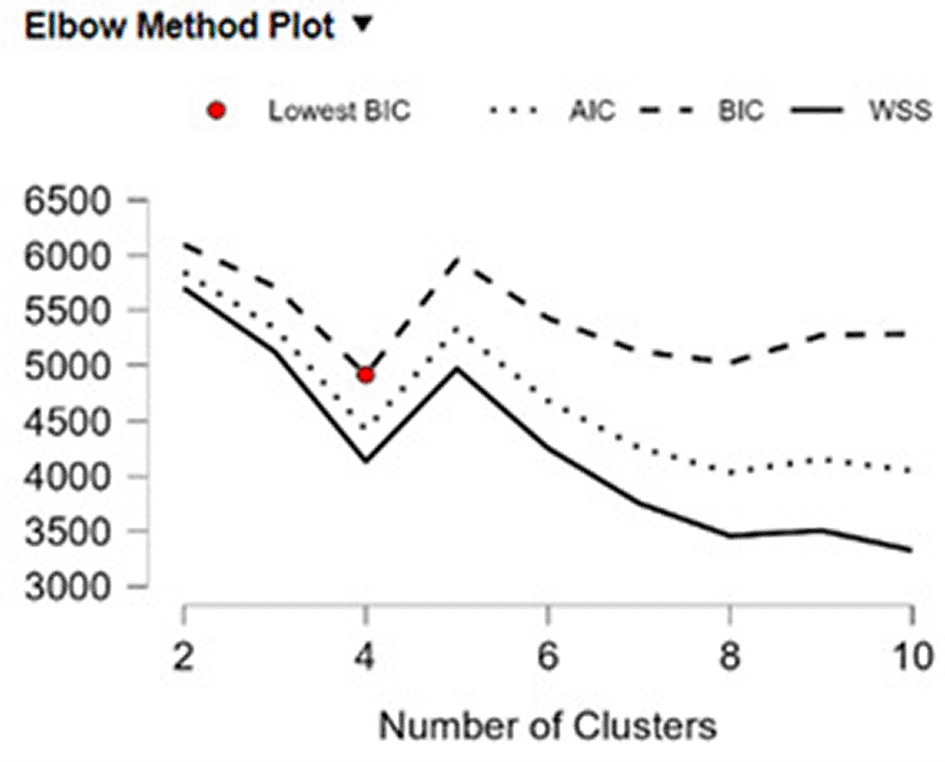
Figure 6 presents three evaluation metrics: WSS (Within-Cluster Sum of Squares), AIC (Akaike Information Criterion), and BIC (Bayesian Information Criterion). According to the plot, the most evident elbow point appears at 4 clusters, marked by a red dot indicating the lowest BIC value. This suggests that at 4 clusters, the model achieves the best trade-off between the number of clusters and efficiency of modelling, without unnecessarily complicating the model. Thus, the most reasonable number of clusters to choose is 4.
Source: Author, 2026
Figure 6 presents Elbow Method Plot used to determine the optimal number of clusters for the data. The plot shows the values of AIC (Akaike Information Criterion), BIC (Bayesian Information Criterion), and WSS (Within-Cluster Sum of Squares) for different numbers of clusters, ranging from 2 to 10. The red dot indicates the lowest BIC value, suggesting the optimal number of clusters. The AIC and BIC values help assess the model fit, while the WSS indicates the compactness of the clusters. The Elbow Method identifies the point where increasing the number of clusters no longer significantly improves the model, with the lowest BIC guiding the selection of the ideal number of clusters.
Table 6 presents the results of the clustering analysis, including the number of clusters (N), the R-squared (R2) value, Akaike Information Criterion (AIC), Bayesian Information Criterion (BIC), and Silhouette Score for the optimal number of clusters (4 clusters). The number of observations in the 4 clusters is 234. The R2 value of 0.552 indicates that the model explains 55.2% of the variance in the data. The AIC and BIC values are 4194.090 and 4691.660, respectively, which help assess the model fit and determine the optimal number of clusters. The Silhouette Score of 0.290 indicates a moderate level of clustering quality, with values closer to 1 suggesting well-separated clusters and values closer to 0 indicating overlapping clusters.
Table 7 demonstrates more evaluation metrics for cluster solutions. Person’s γ is 0.550, signifying a correlation between the distances of data within and between clusters. The Dunn Index (0.147) indicates the separateness of clusters and distances between data within a cluster and the distance between clusters. The entropy is 1.123, which suggests diversity of data within clusters. A smaller entropy value indicates higher data homogeneity. The Calinski-Harabasz index value is 87.969, indicating the effectiveness of data separation into clusters. A higher Calinski-Harabasz value indicates better separation between clusters. Based on these results, the identified clusters are of high quality.
| Metrics | Value |
|---|---|
| Person’s γ | 0.550 |
| Dunn index | 0.147 |
| Entropy | 1.123 |
| Calinski-Harabasz index | 87.969 |
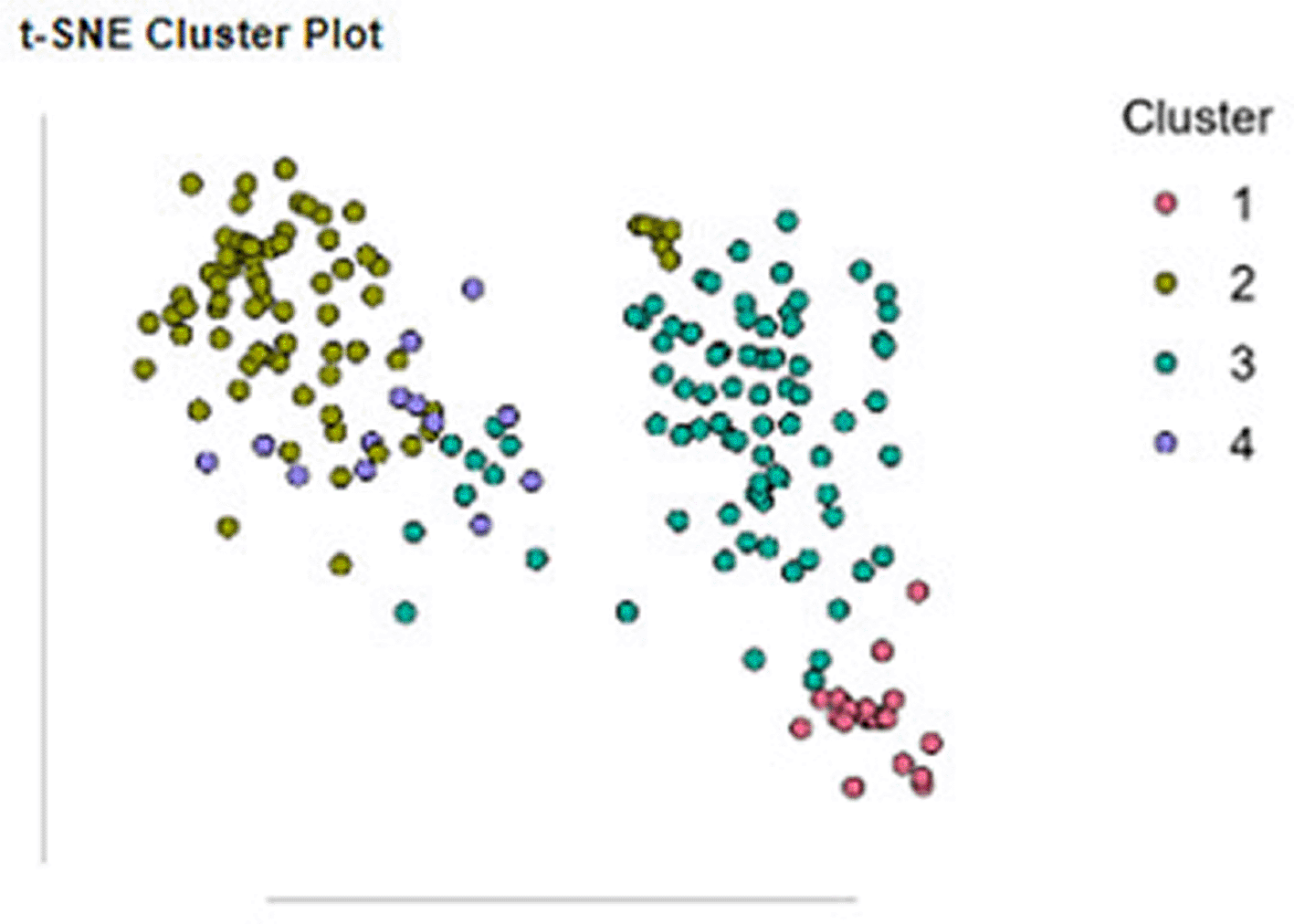
Figure 7 presents t-SNE Cluster Plot showing the visual representation of clusters formed based on the data. Each point represents an observation, and the colors indicate different clusters. Cluster 1 is shown in pink, Cluster 2 in green, Cluster 3 in cyan, and Cluster 4 in purple. The plot demonstrates how the t-SNE (t-distributed Stochastic Neighbor Embedding) algorithm has grouped the data into distinct clusters, highlighting the separation between different clusters in the reduced-dimensional space.
Source: Author, 2026
Figure 7 presents t-SNE Cluster Plot showing the visual representation of clusters formed based on the data. Each point represents an observation, and the colors indicate different clusters. Cluster 1 is shown in pink, Cluster 2 in green, Cluster 3 in cyan, and Cluster 4 in purple. The plot demonstrates how the t-SNE (t-distributed Stochastic Neighbor Embedding) algorithm has grouped the data into distinct clusters, highlighting the separation between different clusters in the reduced-dimensional space.
All the clusters in this t-SNE Cluster Plot image are coloured in different colours: purple (Cluster 4), bluish green (Cluster 3), greenish yellow (Cluster 2), and pink (Cluster 1). The colour differences are the reflection of the sets of data with similar qualities in the original space prior to the dimension reduction. The points of a plot are very close to each other indicating that the data are related or similar to each other in high-dimensional space. To ensure that the closeness of colours in this visualisation should indicate similar patterns in the underlying data, t-SNE procedure is designed such that it preserves relative distances between data points as well as their local structures.
In the process of defining critical thinking abilities as an external cognitive construct that influences perceived usefulness (PU) and perceived ease of use (PEU), this study expands on the Technology Acceptance Model (TAM). Without specifically addressing the role of higher-order cognitive skills that mediate learning engagement, prior research has primarily used TAM to measure behavioural intention or technology acceptance (Al-Adwan et al., 2023). The present study contributes a new theoretical extension to the TAM framework by adding the dimension of critical thinking to the framework.
This study demonstrates that Augmented Reality (AR) technology can be incorporated through smartphone-based applications in the study of geometry, with a significant contribution made to the improvement of students’ critical thinking skills. Results of the analysis show that critical thinking skills (CTS) are significantly related to perceived ease of use (PEU) as well as perceived usefulness (PU), which hinders actual system usage (ASU).
The Fuzzy C-Means (FCM) cluster type analysis further demonstrated results related to varying patterns of technology acceptance associated with the students, and the coding of the clusters provided some directions as to how AR acceptance and use differed among students within an educational context. The infusion of AR-based learning indicates that AR can support the development of understandings of abstract concepts, require additional interactive learning opportunities, and help broaden engaging opportunities for students.
Overall, the results of the study suggest that the use of AR in smartphone-based learning can help to strengthen students’ cognitive abilities as well as optimise the use of digital technology to improve the quality of education. Future research is encouraged to examine long-term uses of AR for academic achievement, as well as 21st-century skill development, within specific levels of education.
This study was conducted in accordance with institutional ethical standards for research involving human participants (BERA, 2018). Prior to data collection, ethical approval was obtained from the Research Ethics Committee of Universitas Negeri Yogyakarta (approval number: B/2910/UN34.13/TU.01/2025), with official permission granted by the Education and Youth Affairs Office of Yogyakarta City (approval number: 000.9/1278).
Given that the participants were secondary school students (ages 11–15), written informed consent was obtained from parents/guardians and the school authorities. Additionally, children provided verbal assent before participation, and they were informed, in an age-appropriate manner, that their participation was voluntary, and they could withdraw from the study at any time.
All recruited participants were informed of these details and assured that their data would remain confidential, anonymized, and solely used for academic purposes. Participants were also informed that non-participation or withdrawal from the study would result in no negative consequences.
Verbal assent from the children and written consent from the parents were used to ensure that the children understood the study and felt comfortable with all aspects of participation (Mitchell & George, 2022; O’Harra et al., 2022).
| Views | Downloads | |
|---|---|---|
| F1000Research | - | - |
|
PubMed Central
Data from PMC are received and updated monthly.
|
- | - |
Provide sufficient details of any financial or non-financial competing interests to enable users to assess whether your comments might lead a reasonable person to question your impartiality. Consider the following examples, but note that this is not an exhaustive list:
Sign up for content alerts and receive a weekly or monthly email with all newly published articles
Already registered? Sign in
The email address should be the one you originally registered with F1000.
You registered with F1000 via Google, so we cannot reset your password.
To sign in, please click here.
If you still need help with your Google account password, please click here.
You registered with F1000 via Facebook, so we cannot reset your password.
To sign in, please click here.
If you still need help with your Facebook account password, please click here.
If your email address is registered with us, we will email you instructions to reset your password.
If you think you should have received this email but it has not arrived, please check your spam filters and/or contact for further assistance.

Comments on this article Comments (0)