Keywords
Sport Food; Exchange List; Athletes; Sport nutrition; Lebanon

Sport Food; Exchange List; Athletes; Sport nutrition; Lebanon
Food exchange lists (FEL) are tools used by nutrition and dietetic professionals to plan meals in a fast and feasible manner. FELs are easy to use and can be customized based on people’s tastes and preferences.1 Initially, the first edition of food exchange lists was developed in 1950 by the American Dietetic Association, the American Diabetes Association, and the United States Public Health Service.2 While the FEL was originally designed as a tool for diabetic meal planning and subsequently extended to weight-loss and chronic disease dietary management, recent work has highlighted its adaptability to other contexts.3,4 In this study, we extend its application to sports nutrition, where athletes’ macronutrient requirements and product choices vary widely. Although general food exchange lists are available for clinical and population-based dietary planning, they do not adequately reflect the nutritional profile of specialized sports foods, which differ substantially from traditional foods in formulation, portion size, and macronutrient distribution. Existing exchange lists, for example, do not account for concentrated protein powders, fortified nut butters, or energy drinks that athletes routinely consume before, during, and after training.5 Recent publications have emphasized the need for contextual adaptations of exchange lists, such as for different populations or dietary practices.3,4 Building on this emerging evidence, the present study addresses a clear gap in sports dietetics by providing the first sports food exchange list tailored to commercial products available in Lebanon and the wider Eastern Mediterranean region. This foundational work is intended to serve as a reference framework that will subsequently be validated through surveys and testing among sports dietitians and athletes in future studies. By developing a sports food exchange list, we demonstrate how a clinically validated system can be repurposed to optimize dietary planning in training and competition, thus addressing a gap in sports dietetics. Consistent with current international guidelines, a ‘food-first’ approach remains the cornerstone of athlete nutrition, whereby sports foods and supplements are considered only when whole foods are insufficient or impractical to meet training demands.
Macronutrients which include carbohydrates, protein, and fat are essential to consider in an athlete’s diet as they play a vital role in providing energy before, during and after exercise, allowing to build and maintain muscle, and most importantly, enhances performance.5 To enhance training and performance through nutrition, athletes must consume the proper amounts of carbohydrates, protein, and fat in their diet. For instance, athletes involved in moderate and high-volume training need greater amounts of carbohydrates and protein in their diet to meet macronutrient needs. Therefore, macronutrient intake should be adjusted based on the type of sport/exercise and the athlete’s goals and individual requirements.5
Sports foods can be defined as “specialized products used to provide a convenient source of nutrients when it is impractical to consume everyday foods”6 and are of particular benefit to athletes and are specially formulated to help people achieve specific nutritional or sporting performance goals.7 The consumption of sports products has been on the rise globally with the dietary supplements industry being expected to reach $278 billion by 2024.8 The prevalence of sports foods consumption ranges from 11% to 100% globally, with a higher prevalence observed among men compared to women.5 In Lebanon, initial consultations with sports dietitians and certified fitness coaches conducted during the study’s design phase revealed the absence of standardized tools for integrating commercially available sports foods into individualized athlete meal plans. These professionals reported relying mainly on product labels, which are often inconsistent across brands and lack uniformity in nutrient reporting. Consequently, developing a structured exchange list was deemed essential to enhance the consistency and accuracy of dietary planning in sports nutrition practice. Although formal validation by professionals and athletes was not undertaken in this study, it is planned as a subsequent phase. Given the wide variety of sports foods available on the market with differing macronutrient compositions, such a tool would assist athletes in meeting their specific nutritional needs during training and competition. Accordingly, the present study aims to develop a sports food exchange list that incorporates energy, macronutrient content, and percent contribution to daily values of sports products available in the Lebanese market. This work builds on established sports nutrition frameworks, particularly the International Olympic Committee (IOC) and the American College of Sports Medicine (ACSM) consensus on nutrition and athletic performance6,7and adapts the validated concept of exchange lists, originally designed for clinical nutrition, to the emerging field of sports nutrition in Lebanon.3,4
Product Selection Criteria
Sports foods from various national and international commercial brands were included in this study. Products were selected based on the following specific inclusion criteria:
1. Nutritional Relevance: Products explicitly marketed for sports nutrition or with claims to support athletic performance, muscle building, or recovery.
2. Nutritional Composition: Priority was given to products with high protein content, balanced macronutrient distribution (carbohydrates, fats, and proteins), or specific ingredients beneficial for sports nutrition, such as branched-chain amino acids (BCAAs), creatine, or electrolytes.
3. Availability: Products readily available in markets within the study area during the data collection period (January 2022–April 2022).
4. Variety of Product Categories: To ensure a comprehensive analysis, products were chosen across diverse categories of sports foods, including protein powders, protein bars, nut butter, sports chips, and energy drinks.
Exclusion Criteria
o Products with incomplete or missing nutritional information.
o General snack foods or beverages not marketed for sports purposes.
o Products targeted at children or those with specific dietary restrictions (e.g., medical or therapeutic foods).
Data Collection
The nutritional composition data of selected products were obtained directly by visiting 50 markets across multiple locations. From January 2022 to April 2022, researchers physically inspected products and documented their nutritional information by taking photographs of the nutrition facts panels and ingredient lists. These photographs were subsequently transcribed into an Excel sheet for analysis.
Final Product Selection
Following a comprehensive analysis of the nutritional composition, 60 sports foods were selected. The products were categorized into the following seven groups: protein powders, protein bars, nut butters, sports chips, and energy drinks. Categorization was based on the primary purpose and typical usage of the products within the sports. Nut butters were included in the study only when marketed with explicit sports-related claims such as ‘high-protein,’ ‘fitness spread,’ or ‘muscle fuel.’ These products were categorized as sports foods due to their target positioning in the sports nutrition sector, rather than as general food products. Nutrition context ( Figure 1).
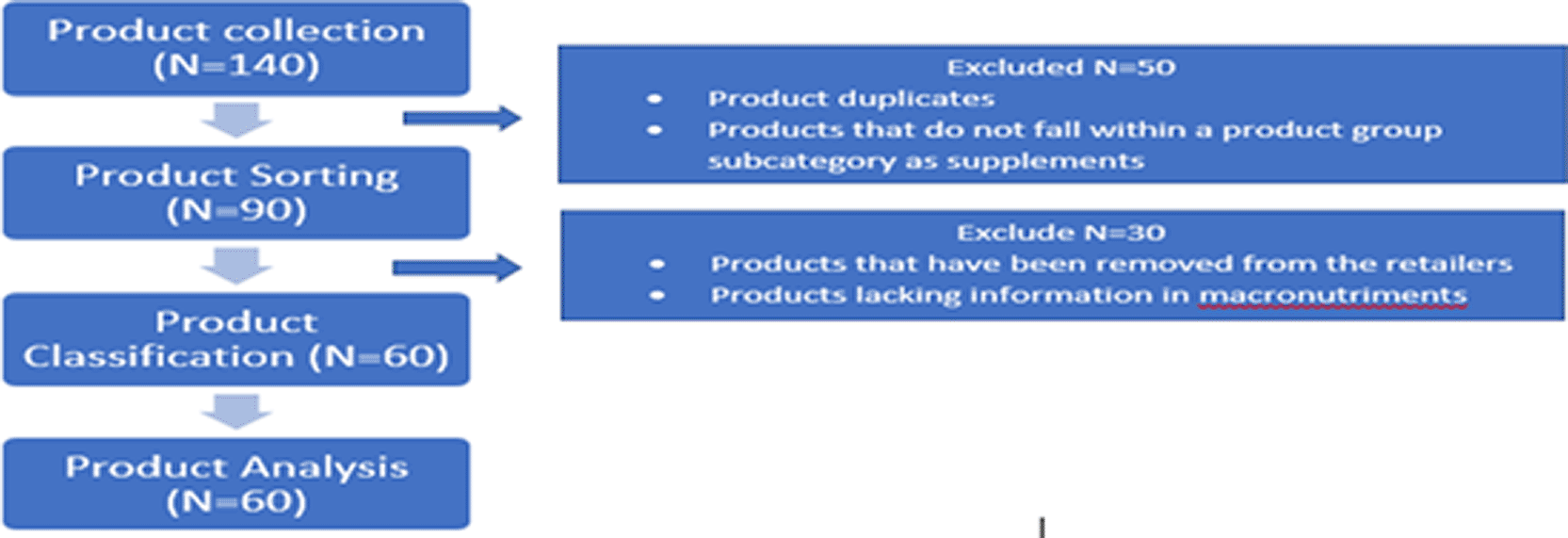
The sports foods were classified into two groups according to the following criteria: the net weight of the serving size and the definitive values of macronutrients and energy assigned to each sport food. All products were standardized according to the manufacturer-declared serving sizes (typically 30 g for protein powders and bars, and 28 g for protein chips), which reflect the actual consumption patterns of athletes. This standardization ensures that the exchange calculations correspond directly to the amounts indicated on product label. This portion size aligns with the most frequently sold retail units in the Lebanese market and corresponds to single-use sachets or bars typically consumed by athletes during or after training, as confirmed through on-site observations and informal consultation with sports dietitians Therefore, the exchange list does not replace existing label information but provides a translation framework that allows dietitians to quickly estimate equivalent macronutrient exchanges when integrating sports foods into an athlete’s overall meal plan.
Although the products analyzed were collected from the Lebanese market, the classification and exchange methodology are nutrient-based and not brand-specific, making it adaptable across regions.8 Future research will validate this system through testing with athletes and dietitians, as well as comparison with international sports nutrition guidelines.9
Sport foods were fitted according to their macronutrients’ content based on the American Dietetic Association and the American Diabetes Association 22 exchange system.10 Every 15 grams of carbohydrate was counted as one serving of starch, 7–8 grams of protein was considered one serving exchanging with 1 serving meat, and 5 grams of fat was considered a serving of fat. In this study, we followed Wheeler et al. rounding-off method (described below) to fit items with macronutrients’ content of more or less than the above-mentioned values.10 The rounding was as follows: For carbohydrate exchange, a food portion containing 1–5 grams of carbohydrates was not counted as a serving whereas 6–10 grams and 11–20 grams of carbohydrates were counted as half a serving and one serving, respectively. For fat exchange, a food portion containing 0–2 grams of fat was not counted as a serving whereas a food portion containing 3 grams, and 4–7 grams of fat were counted as half a serving, and one serving, respectively. For protein exchange, if a food portion contains 0–3 grams of protein from the meat and meat substitutes list, it was not counted as a serving. On the other hand, the food portion was counted as one serving if it contained 4–10 grams of protein. ( Table 1)
For protein chips and related sports snack products, a serving size of 28 g was applied, reflecting the standard packaging unit most frequently available in the Lebanese market. This portion size is also consistent with the declared serving size on nutrition fact labels, ensuring comparability across products and alignment with manufacturer-provided data.
Daily value (DV) according to the US Food and Drug Administration (FDA), is defined as “reference values for reporting nutrients on the nutrition labels” (FDA, n.d.).11 The percentage DV represents the percentage of the daily value for each nutrient in a serving of the food. This assists the consumer in recognizing how the serving of food and its content in nutrients fit into their daily diet and allows them to assess if a food is high or low in a given nutrient (FDA, n.d.).11 According to the USFDA, 5% or less of nutrient per serving is considered low whereas 20% or more is considered high.
The variables listed in Table 2, including macronutrients, were used to calculate the percentage contribution to daily values based on a 2000 kcal daily intake as recommended by the WHO (n.d.).12 Within this framework, the USFDA sets the recommended daily limit for caffeine at 400 mg (Center for Food Safety and Applied Nutrition, n.d.), highlighting the importance of monitoring both macronutrient and stimulant intake13. . Although Daily Values (DV) are established for the general population, they were used here solely to provide a standardized reference for comparing nutrient density across sports foods. This facilitates interpretation for both consumers and practitioners; however, athlete-specific requirements are expressed per kg body weight as detailed in the guideline comparisons.
Subgroups assist the consumer in recognizing its content in nutrients fit into their daily diet and allows them to assess if food is high or low in a given nutrient (FDA, n.d.)11. Products were classified into subgroups according to their predominant macronutrient contribution. The thresholds for classification followed U.S. FDA nutrient content claims and daily values (DV): ≤5% DV per serving was considered low, 5–20% DV was considered moderate, and ≥ 20% DV was considered high.11 For example, products with carbohydrate content providing less than 5% DV (≤13.75 g in a 2000 kcal diet) were classified as low-CHO, those providing 5–20% DV (13.76–55 g) as moderate-CHO, and those providing more than 20% DV (>55 g) as high-CHO. Similar cut-offs were applied for protein (≤2.5 g = low, 2.6–10 g = moderate, >10 g = high) and fat (≤3.9 g = low, 4–15 g = moderate, >15 g = high), based on the exchange system defined by the American Dietetic Association and Wheeler et al.10 This systematic classification ensured that categories were threshold-driven rather than result-driven. To ensure consistency, each macronutrient was classified based on predetermined cut-off values. For protein, ≤10% DV was defined as low, 11–49% DV as moderate, and ≥ 50% DV as high. Similar rules apply for carbohydrates and fat. Therefore, a product providing 49% DV protein would fall under the moderate subgroup, while ≥50% DV was required for classification as high protein. This approach avoided arbitrary allocation and ensured reproducibility, aligning with FDA standards for nutrient claims and the American Dietetic Association exchange system.10–12 Future research will validate this exchange system through testing with athletes and dietitians in practice, as well as comparing international guidelines for sports nutrition. This step is essential to confirm usability and accuracy in real-world contexts.
The findings obtained from screening the composition of sports foods and the calculation of the percentage contribution to the daily values are presented in Tables 2-6. Subgroup classification (low, moderate, high) was based on the predefined cut-offs described in the Methods section, rather than on distribution of products within the sample. This ensured comparability across product types and categories.
According to table 3, protein powders were categorized into 6 subgroups based on their compositions. The highest protein content was present in protein powders under subgroups 1, 2, 4 and 6 which provided 24 g, 22 g, 25 g, and 24 g which are equivalent to 57.6%, 44%, 50%, and 49% of the daily values needed for protein in a 2000 kcal diet, respectively. As for the fat content, the highest was observed in subgroup 3 which provided 3.9 g of fat which is equivalent to 5% of the daily value needed for fat in a 2000 kcal diet, some of these products include “Diet Whey Keto”. On the other hand, the lowest levels of fat were present in subgroups 2 and 4 which provided on average 0.48 g and 0.03 g of fat which is equivalent to 0.6% and 0% of the daily value needed for fat in a 2000 kcal diet, some of these products include “Pharma Whey” and “Diet Whey Clear”. As for the carbohydrate content, the highest levels were observed in subgroup 6 which provided 25 g of CHO which is equivalent to 9% of the daily value needed for CHO in a 2000 kcal diet, this subgroup includes products such as “Whey Isolate”. Subgroups 4 and 5 provided moderate levels of CHO with percent daily values of 1.5% and 8% respectively. Subgroups 1, 2, and 3 provided low levels of CHO with percent daily values of 0.8%, 0.6%, and 1.1% respectively.
As for the number of macronutrients exchanges, the highest levels of protein exchanges were observed in subgroups 1, 2, 4 and 6 where 30 g of these products provided around 2.5, and 3 exchanges of protein. The highest number of fat exchanges was observed in subgroup 3 where 30 g of these products provided 0.5 exchanges of fat. Similarly, the highest number of carbohydrates exchanges was observed in subgroup 6 where 30 g of these products provided 2.5 exchanges of carbohydrates ( Table 3).
Table 4 presents the protein bars categorized into subgroups based on their compositions. Subgroup 1 is categorized as having low carbohydrate, moderate fat and moderate protein content and provided 1 g of fat, 3 g of protein, and 3 g of CHO per 30 g. These values are equivalent to 1.5%, 6%, and 1% of daily values needed for fat, protein, and CHO, respectively and include products such as “Keto Slim”. Subgroups 2 and 3 provided higher levels of protein with 11 g and 8 g which are equivalent to 22% and 16% of the daily values needed for protein in a 2000 kcal diet, respectively and include products such as “Smart Bar” and “Pure Protein”. The highest level of fat was observed in subgroup 2 which provided 7 g of fat which is equivalent to 9% of the daily value needed for fat in a 2000 kcal diet. On the other hand, fat levels were moderate in subgroup 3, which provided 4% of the daily value needed for fat. As for carbohydrate levels, the highest levels compared to subgroup 1 were observed in subgroups 2 and 3 which provided 14 g and 10 g of CHO which are both equivalent to percent daily values of about 5% and 4% in a 2000 kcal diet. As for the number of macronutrients exchanges, subgroup 2 provided the highest number of exchanges for fat, protein, and CHO where 30 g of these products provided 1 exchange of fat, protein, and CHO respectively. The lowest number of macronutrients exchanges was observed in subgroup 1 where 30 g of these products provided 0 exchanges for fat, protein, and CHO.
According to table 5, nut butters from subgroup 1 contain 12 g of fat and 10 g of protein which is equivalent to 15% and 20% of the daily value needed for fat and protein in a 2000 kcal diet, respectively. Subgroup 1 represents nut butters that are very high in fat and protein especially since they make up around 20% of the DV. In addition, these products contribute to around 8% of the daily values needed for energy. As for the number of exchanges, 30 g of nut butters in subgroup 1 provide 2 exchanges of fat, 1 exchange of protein, and 0 exchanges of CHO. On the other hand, nut butters in subgroup 2 contain 3 g of fat and 9 g of protein which is equivalent to 4% and 18% of the daily values needed for fat and protein in a 2000 kcal diet. However, the main noticeable difference that differentiates subgroup 2 from subgroup 1 is the high levels of carbohydrates present in nut butters belonging to subgroup 2. Nut butters in subgroup 2 provide 14 g of CHO which is equivalent to 5% of the daily value needed for CHO in a 2000 kcal diet compared to 5 g of CHO and 2% of the daily value for CHO in subgroup 1.
According to Table 6, 28 g of protein chips products from subgroup 1 contains 9 g fat which is equivalent to 12% of the daily value needed for fat in 2000 Kcal diet. This product is surprisingly rich in fat and in CHO for a serving size of 28 g compared to protein. Not only that but it contributes 11% of the daily values needed for energy. As for exchanges, 28 g of this product provides 0 exchanges of protein, 1 exchange of CHO and 1.4 exchanges of fat. On the other hand, the subgroup 2 product contains high amounts of protein that exceeded the daily value needed in 2000 Kcal diet (50%) with low concentrations in fat and CHO. As for subgroup 3, it provides moderate levels of carbohydrates and fat and high levels of protein. In addition, 28 g of these products provide 0.5 exchanges of fat and 1 exchange of protein and CHO.
Table 7 categorizes energy drinks based on their caffeine, sugar, CHO, and sodium levels. The highest levels of caffeine were observed in subgroups 1 and 2 which provided 80 mg per 100 ml which is equivalent to 20% of the daily value needed for caffeine in a 2000 kcal diet. On the other hand, subgroup 8 provided the lowest amounts of caffeine providing 2.8% of the daily value needed for caffeine. Subgroups 3, 4, 5, 6, and 7 provided moderate levels of caffeine. As for sugar levels, the highest were observed in subgroups 4, 6, and 7 which provided 13 g, 22 g, and 18 g of sugar which are equivalent to 27%, 43%, and 36% of the daily value needed for sugars. The lowest levels of sugar were observed in subgroups 1 and 5 which provided 0.7 g and 1 g of sugar which is equivalent to 1.5% and 2% of the daily value needed for sugars. Moderate sugar levels with percent daily values ranging from 8% to 10% were observed in subgroups 2, 3, and 8. On the other hand, the highest sugar levels were observed in subgroups 4, 6, and 7 which provided 27%, 43%, and 36% of daily values needed for sugars respectively. Similarly, all subgroups were classified as having low CHO levels apart from subgroups 6 and 7 which were classified as having moderate CHO levels since they provided 8% and 7% of daily values needed for CHO in a 2000 kcal diet respectively. In terms of sodium levels, all subgroups were classified as having low sodium levels apart from subgroup 6 which were classified as having moderate sodium levels. Subgroups that were classified as having low sodium levels provided percent daily value ranges from 1% to 4% of sodium whereas products under subgroup 6 provided 78 mg of sodium which is equivalent to 6.5% of the daily value needed for sodium.
| Level of exercise | CHO | Protein | Case study (60 Kg)_CHO | Case study (60 Kg)_P | Dietary plan based on the food items and exchange list | |
|---|---|---|---|---|---|---|
| Daily requirements | 1 h/d | 5–7 g/kg/d | 1.4 g/kg/d | 420 g/d | 84 g/d | Food items based on Mediterranean diet. |
| 1-3 h/d | 6–10 g/kg/d | 600 g/d | ||||
| ≥4 h/d | 8–12 g/kg/d | 720 g/d | ||||
| *Pre-exercise | <90 min | 6 g/kg/d | 0.3 g/kg/h | 360 g/d | 18 g/h | 2 exchanges of protein, 2 exchanges of fat and 2 exchanges of CHO derived from 200 g of subgroup 1 of protein powders. |
| >90 min | 10–12 g/kg/d | 720 g/d | 11 exchanges protein, 2.5 exchanges CHO derived from 50 g protein chips subgroup 2 and 250 ml of sport drink subgroup 7. | |||
| During exercise (fueling) | <2.5 h exercise | 30–60 g/h | 0.25 g/kg/h | 60 g/h | 15 g/h | 1 exchange protein, 5 exchange CHO derived from 100 g of subgroup 1 protein chips and 50 g protein powders from subgroup 3 (protein wafers) providing 2 exchanges protein, 0.5 exchange CHO and 1 exchange fat**. |
| >2.5 h exercise | 90 g/h | 90 g/h | 2 exchanges protein and 10 exchanges CHO derived from 200 g of protein chips from subgroup 1. | |||
| Post exercise (recharge) | first 24 h | 8–10 g/kg/h | 0.3 g/kg/h | 600 g/h | 18 g/h | 11 exchanges protein, 2.5 exchanges CHO derived from 50 g protein chips subgroup 2 and 250 ml of sport drink subgroup 7. |
As shown in Table 7, energy and macronutrient targets for endurance athletes are best expressed relative to body mass rather than per 2000 kcal. The examples provided illustrate how the sports food exchange list can be used to design pre-, during- and post-exercise nutrition plans aligned with established international recommendations. The exchange list was applied to estimate macronutrient needs and to demonstrate practical substitution of sports foods under pre-exercise, during, and post-exercise phases. While endurance sports are emphasized here, adaptations of the exchange system for combat, strength, or intermittent sports will require further validation. Based on the exchange list, this example shows that during the pre-exercise event, an individual weighing 60 kg undergoing exercise at a level of less than 90 minutes requires 360 g of CHO per day and 18 g per hour of protein which is equivalent to 2 exchanges of protein, 2 exchanges of fat and 2 exchanges of CHO derived from 200 g of protein powders in subgroup 1. As for the pre-exercise for an individual weighing 60 kg undergoing exercise for over 90 minutes, the requirement of CHO would be 720 g per day and 18 g per hour of protein which is equivalent to 11 exchanges of protein, 2.5 exchanges of CHO which are derived from 50 g protein chips from subgroup 2 and 250 ml of sport drink from subgroup 7.
During the event of exercising that lasts less than 2.5 hours, 60 g per hour of CHO and 15 g per hour of protein are required for an individual weighing 60 kg which is equivalent to 1 exchange protein, 5 exchanges of CHO which are derived from 100 g of protein chips in subgroup 1 and 50 g of protein powders from sub group 3 (protein wafers) providing 2 exchanges of protein, 0.5 exchanges of CHO and 1 exchange of fat. For exercise duration lasting more than 2.5 hours, 90 g per hour of CHO and 15 g per hour of protein is required which is equivalent to 2 exchanges of protein and 10 exchanges of CHO derived from 200 g of protein chips from subgroup 1.
This study responds to a growing call in the sports nutrition literature for practical, population-specific tools that facilitate dietary planning based on commercial sports foods. Existing general exchange systems, although widely used in clinical dietetics, do not capture the variability of macronutrient composition across sports food categories or brands. Therefore, developing a tailored exchange list represents a necessary first step toward standardization before large-scale validation and implementation in practice.
The development of a preliminary sports food exchange list tailored to commercial sport products in Lebanon provides a potentially useful framework for enhancing athlete well-being and dietary planning. This exchange list categorizes sports foods, including protein powders, protein bars, nut butters, sport chips, and sport drinks, into various groups and subgroups based on nutrient content. Such categorization may assist nutrition and dietetics practitioners in customizing dietary prescriptions according to an athlete’s specific nutritional objectives. From a scientific perspective, this study represents a methodological adaptation by extending a clinically validated nutrition tool to the field of sports foods. While descriptive in nature, the classification establishes a structured system that can serve as a foundation for hypothesis-driven research on dietary planning, athlete performance, and product regulation.
It is important to note that some products, such as nut butter and energy drinks, occupy a gray area in sports nutrition classification. While nut butter is traditional foods, those marketed with protein fortification and performance claims were included as sports foods in this study.
Although FELs are most widely associated with diabetes and weight management, their systematic framework for grouping foods based on macronutrient equivalence offers promise for sports nutrition. Athletes often face challenges in tailoring intake of proteins, carbohydrates, fats, and ergogenic aids according to training intensity and duration. By translating the FEL model into this context, our study introduces a tool that may complement existing sports nutrition guidelines and support dietitians in adapting athletes’ meal plans in a structured and practical way. One important objective of the exchange list is to estimate the required energy and macronutrients, thereby facilitating the design of daily menus for training and competition sessions.
It is important to clarify that the sports food exchange list is intended as a complementary planning aid rather than a substitute for label-based dietary analysis. By aligning exchange calculations with standard serving sizes, the tool facilitates quick translation of commercial sports products into exchange equivalents, allowing dietitians to combine these with traditional foods more efficiently in training and competition meal plans. This approach reduces calculation time and supports individualized dietary prescriptions that align with athletes’ macronutrient goals.
Despite its potential utility, it is important to highlight potential risks associated with certain dietary choices. For example, prolonged and excessive protein consumption may lead to adverse effects such as bone mineral loss and kidney damage. While high protein intake is generally safe for healthy athletes, excessive consumption without appropriate hydration or in individuals with pre-existing kidney dysfunction warrants caution.14–16
Similarly, the exchange list highlights the risk of overconsumption of caffeine, a common ingredient in sports products used for its ergogenic effects. This aligns with previous research on the variability in caffeine content in energy drinks.17–20 Excessive caffeine intake can result in adverse health effects and performance issues, underscoring the importance of caution and informed decision-making.
In the European context, legislation such as Regulation (EU) No. 1169/2011 and Regulation (EC) No. 1924/2006 plays a key role in protecting athletes.21–22 These regulations provide guidelines for the commercialization and advertising of sports food products, ensuring safety and efficacy. In Lebanon, however, the absence of similar legislative measures increases risks for athletes consuming sports food products. This gap underscores the urgency of developing regulatory frameworks and establishing monitoring mechanisms to safeguard consumers. Importantly, although our data were collected in Lebanon, the exchange methodology itself is nutrient-based and transferable across contexts. Dietitians elsewhere can apply the same thresholds to local products. The lack of an established %DV for caffeine highlights the need for clear labeling and regulatory oversight, as athletes may otherwise misinterpret serving sizes and safety thresholds.
Beyond the European regulatory landscape, international frameworks also provide structured guidance for classifying and regulating sports foods. The Australian Institute of Sport (AIS) Sports Supplement Framework categorizes sports foods within a clear practical and regulatory structure.23 Similarly, Food Standards Australia New Zealand (FSANZ) defines these products under Standard 2.9.4 — Formulated Supplementary Sports Foods, outlining compositional and labeling requirements. These systems are widely used by researchers and sports nutrition professionals worldwide and highlight the absence of comparable guidance in Lebanon, further underscoring the relevance of the present work.
Current nutritional recommendations for sports events, encompassing both training and competition, provide valuable insights into the dietary needs of athletes during physical activity. According to established guidelines, the average hourly intake during exercise should include 500 mL of liquid, 250–350 mg of sodium, and 30–90 g of carbohydrates.24,25 These carbohydrate recommendations are further specified as 30 g in the first hour, 60 g in the second hour, and 90 g in the third hour, with a maximum intake of 120 g per hour.24,25
Meeting these nutritional needs is essential for optimizing performance and preventing adverse outcomes such as dehydration and electrolyte imbalances. The intake of water, energy drinks, sports bars, and foods is highlighted as effective means to achieve these goals. Furthermore, post-exercise nutritional recovery requires carbohydrates and proteins, typically in a ratio of 0.8 g carbohydrate and 0.2–0.4 g protein per kilogram of body weight.25 This recovery phase supports glycogen replenishment, muscle repair, and overall recovery after exertion.
In this context, the sports food exchange list offers a preliminary framework for athletes to make more informed choices. While it can serve as a guide for planning and selecting sports foods that align with established nutritional recommendations, its current form should be regarded as exploratory. The study is limited by reliance on Lebanon-specific products and the absence of validation with athletes in practice. Future research should validate this tool through testing in real-world settings, adapt it across populations, and evaluate its effectiveness in improving dietary planning and performance outcomes.
The current case study illustrates application in an endurance athlete; however, sport-specific adaptations remain necessary. Combat and strength athletes, for example, prioritize protein distribution, body composition goals, and weight-class requirements, which differ from carbohydrate-focused fueling in endurance sports. Future research should therefore tailor the exchange list methodology for various athletic disciplines.
Moving forward, collaboration between regulatory bodies, educational institutions, and sports nutrition professionals will be essential to refine and adapt such approaches, promoting safer and more informed dietary practices among athletes in Lebanon and beyond.
In conclusion, the escalating global use of dietary and sports foods underscores the urgency for prioritized research in this domain. Despite their widespread popularity, there remains a significant gap in understanding knowledge and attitudes towards sports foods, particularly in the Arab region. The absence of data on the quality and safety of these products in Lebanon is especially concerning, given the lack of appropriate legislative frameworks to monitor and establish recommendations for safe consumption.
The deficiency in protective measures exposes athletes and the general population to potential risks, including false advertising concerning sports food products. It is imperative to stress that these products should complement, not replace, a healthy diet and we must align with recommendations from specialists and professionals.
The potential development of a sports food exchange list for the Lebanese population emerges as an opportunity to facilitate effective meal planning and encourage informed nutritional choices. By shedding light on these issues, this work sets the stage for future investigations that can contribute to the development of guidelines, ensuring the safe and beneficial integration of sports foods into the diets of athletes and the wider population in Lebanon.
Our research provides perspectives for advancing sports nutrition practice and informing future policy development. The findings reveal gaps in labeling and regulation of sports foods in Lebanon, highlighting opportunities for future research and intersectoral collaboration to guide the creation of protective legislative measures that ensure product safety, accurate labeling, and responsible marketing. Establishing such frameworks would complement future validation studies and promote safer sports nutrition practices in the region.
Another key perspective concerns the potential risk of excessive protein consumption, which may lead to adverse effects such as bone mineral loss and kidney damage. This underscores the importance of developing nuanced, evidence-based guidelines that encourage appropriate protein intake. Future work should also expand the sports food exchange list to include micronutrient values, providing practitioners with a more comprehensive tool for optimizing performance, recovery, and long-term health in athletes. Overall, this research contributes to a deeper understanding of sports nutrition and supports informed practices that prioritize the well-being of athletes and the wider population.
There are several potential limitations of the descriptive research on developing a Lebanese sports food exchange list. Firstly, the study analyzed only 60 sports foods, which may not be representative of all sports foods available in Lebanon. Thus, the exchange lists developed from this study may not be generalizable to all types of sports foods. In addition, the limited scope of the study focused on the nutritional composition of sports foods and did not examine other factors that may influence food choices among athletes, such as taste preferences, cultural influences, and availability. Therefore, the exchange lists may not fully reflect the dietary needs and preferences of all athletes even if they were questioned through a questionnaire asking about the brand athletes uses. Finally, reliance on self-reported data since the nutritional information of the sports foods were collected through a field visit to markets, which may not accurately reflect the nutritional composition of the products. Additionally, the nutritional information on the labels may not be accurate, which could affect the validity of the exchange lists. Another limitation is that this exchange list focused exclusively on macronutrient classification. Micronutrients, which play a critical role in energy metabolism, bone health, immunity, and recovery, were not considered. As such, the list may overlook potential deficiencies or excesses in key nutrients such as iron, calcium, vitamin D, antioxidants, and electrolytes.
On the other hand, this work should be regarded as both a practical methodological note and a foundation for future research. It bridges the gap between evidence-based sports nutrition guidelines and the tools needed by practitioners in the field, while also opening avenues for validation studies and cross-country adaptations. The exchange list was based on commercial products available in Lebanon and has not yet been validated in practice. Second, micronutrients were not included in the categorization, although vitamins and minerals such as iron, calcium, vitamin D, antioxidants, and electrolytes play a critical role in athlete performance, recovery, and health. Third, the exchange list was developed as a general framework rather than tailored to specific athletic disciplines. Endurance, combat, and strength sports differ in macronutrient distribution, energy demands, and supplementation strategies; future work should therefore adapt and validate the system for sport-specific contexts.
| Views | Downloads | |
|---|---|---|
| F1000Research | - | - |
|
PubMed Central
Data from PMC are received and updated monthly.
|
- | - |
Provide sufficient details of any financial or non-financial competing interests to enable users to assess whether your comments might lead a reasonable person to question your impartiality. Consider the following examples, but note that this is not an exhaustive list:
Sign up for content alerts and receive a weekly or monthly email with all newly published articles
Already registered? Sign in
The email address should be the one you originally registered with F1000.
You registered with F1000 via Google, so we cannot reset your password.
To sign in, please click here.
If you still need help with your Google account password, please click here.
You registered with F1000 via Facebook, so we cannot reset your password.
To sign in, please click here.
If you still need help with your Facebook account password, please click here.
If your email address is registered with us, we will email you instructions to reset your password.
If you think you should have received this email but it has not arrived, please check your spam filters and/or contact for further assistance.

Comments on this article Comments (0)