Keywords
Implementation research; Hybrid type II design; Pregnant women; India; Consolidated Framework for Implementation Research (CFIR); Reach, Effectiveness, Adoption, Implementation, Maintenance (RE-AIM).

This article is included in the Global Public Health gateway.
Implementation research; Hybrid type II design; Pregnant women; India; Consolidated Framework for Implementation Research (CFIR); Reach, Effectiveness, Adoption, Implementation, Maintenance (RE-AIM).
Anaemia in pregnancy is a persistent global health problem and a leading contributor to maternal and neonatal morbidity and mortality. The World Health Organization estimates that 36–42% of pregnant women worldwide are anaemic, with the burden disproportionately concentrated in low- and middle-income countries (LMICs).2–4 However, this challenge is not confined to LMICs. In the high-income countries like the United States, analyses from the Special Supplemental Nutrition Program for Women, Infants, and Children-Participant and Program Characteristics (WIC-PC) survey revealed a steady increase in the prevalence of gestational anaemia from 10.1% in 2008 to 11.4% in 2018, representing a mild public health concern overall.5 Significant disparities were also evident by race and trimester of pregnancy, with the highest prevalence observed among non-Hispanic Black women (>20%), indicating a moderate public health problem in this subgroup.4 The causes extend beyond iron deficiency to include folate and vitamin B12 deficiencies, infections (such as hookworm, malaria and HIV), inherited haemoglobinopathies, chronic kidney disease, and systemic inflammation. Anaemia during pregnancy is associated with an elevated risk of postpartum haemorrhage, preterm birth, low birth weight, intrauterine growth restriction, impaired neurodevelopment, stillbirth and maternal mortality.6
India bears nearly one-third of the global burden of maternal anaemia, contributing to an estimated 80% of anaemia-related maternal deaths.7 According to India’s National Family Health Survey (NFHS), prevalence among pregnant women declined from 57.9% in NFHS-3 (2005–06) to 50.4% in NFHS-4 (2015–16), but rose again to 52.2% in NFHS-5 (2019–21).8 In the northern state of Haryana, prevalence is even higher at 56.5%.7 District-level data further highlight the challenge: in Palwal, a predominantly rural district with low female literacy and socio-economic vulnerabilities, and care-seeking patterns for any diseases is low and hence anaemia in pregnancy is deeply entrenched.9,10 Baseline findings from the parent study Sustainable, Scalable Interventions for Improving Maternal and Newborn Health in India (SIIMA) in the same setting revealed that over 80% of women were anaemic in the first trimester, with nearly 70% still anaemic at delivery, underscoring both the magnitude of the burden and the limited recovery during pregnancy. (unpublished data).
The Government of India has introduced several national initiatives to tackle anaemia. The National Nutritional Anaemia Control Programme (NNACP), launched in 1970, focused on IFA supplementation for high-risk groups and iron-rich dietary promotion.11 The National Iron Plus Initiative (NIPI), introduced in 2013, adopted a life-cycle approach with age-specific IFA supplementation and deworming.8 Despite these programmes, progress has been modest. In 2018, the Government launched Anaemia Free India “Anaemia Mukt Bharat (AMB)” under the country’s flagship scheme to improve nutritional outcomes for various groups, called the Prime Minister’s Overarching Scheme for Holistic Nutrition (POSHAN) Abhiyaan (Campaign), aiming for a 3% annual reduction in prevalence.12 The AMB package includes six evidence-based interventions: (i) universal Iron and folic acid (IFA) prophylaxis, (ii) deworming, (iii) intensified social and behaviour change communication, (iv) point-of-care testing and treatment, (v) provision of fortified foods, and (vi) inter-sectoral convergence.12
However, programme reviews and independent evaluations indicate persistent implementation gaps. National surveys show that only half of pregnant women in Haryana consumed IFA for 100 or more days, just one-third for 180 days, and fewer than 60% received deworming.8,12 Knowledge barriers are also pronounced: studies reveal limited awareness about anaemia, its consequences and preventive measures.13 Social determinants, including inadequate dietary diversity, household food insecurity, and gender norms that prioritise other family members over women during meals-further exacerbate anaemia risk.10,14 These findings point to systemic bottlenecks in last-mile delivery, including irregular IFA supply, weak counselling and follow-up, inadequate supervision of frontline workers and limited community engagement.8,12
The persistence of high anaemia prevalence despite decades of programming highlights a clear evidence-practice gap. Uniform, top-down strategies have proven insufficient in addressing India’s diverse socio-cultural and health system contexts.12 Districts such as Palwal, with high anaemia prevalence and entrenched vulnerabilities, require context-sensitive and adaptive solutions that strengthen service delivery, promote compliance and are feasible within routine systems.7 Implementation research provides a structured approach to address this gap. Frameworks such as the Consolidated Framework for Implementation Research (CFIR); Exploration, Preparation, Implementation, Sustainment (EPIS); Reach effectiveness, adoption, implementation and maintenance (RE-AIM); and capability, opportunity, motivation-behaviour (COM-B) enable systematic diagnosis of barriers and enablers, stakeholder engagement in co-design, and iterative refinement of delivery strategies.15–18 Embedding this process within government systems enhances scalability, ownership and sustainability.19
This study therefore aims to develop and evaluate an optimised, government-embedded implementation model for AMB in Hodal block, Haryana. By combining formative research, stakeholder co-design and iterative implementation cycles, the study seeks to improve effective coverage of AMB interventions for pregnant women, while generating lessons applicable to similar high-burden districts across India, other LMICs and in high burden population settings of developed countries.20,21
How does an optimised, co-designed implementation model influence the effective coverage of AMB interventions among pregnant women in rural Haryana, and what individual, health system, and contextual factors shape compliance and outcomes?
To develop, refine, implement and evaluate an optimised implementation strategy to improve effective coverage of AMB interventions among pregnant women, with a target of ≥80% IFA prophylaxis (100 days) and albendazole coverage.
1. To increase coverage of 180-day IFA prophylaxis and treatment of mild, moderate, and severe anaemia, including appropriate referrals.
2. To improve coverage of fortified food consumption through ICDS.
3. To enhance compliance with AMB guidelines among providers.
4. To measure change in mean haemoglobin levels during pregnancy.
5. To assess acceptability, feasibility, and fidelity of implementation strategies among stakeholders.
This is a mixed-methods, hybrid type II effectiveness–implementation study designed to develop, optimise, and evaluate an implementation model for AMB among pregnant women in rural Haryana.22,23 The design allows for simultaneous testing of programme effectiveness and implementation strategies.22 ( Figure 1).
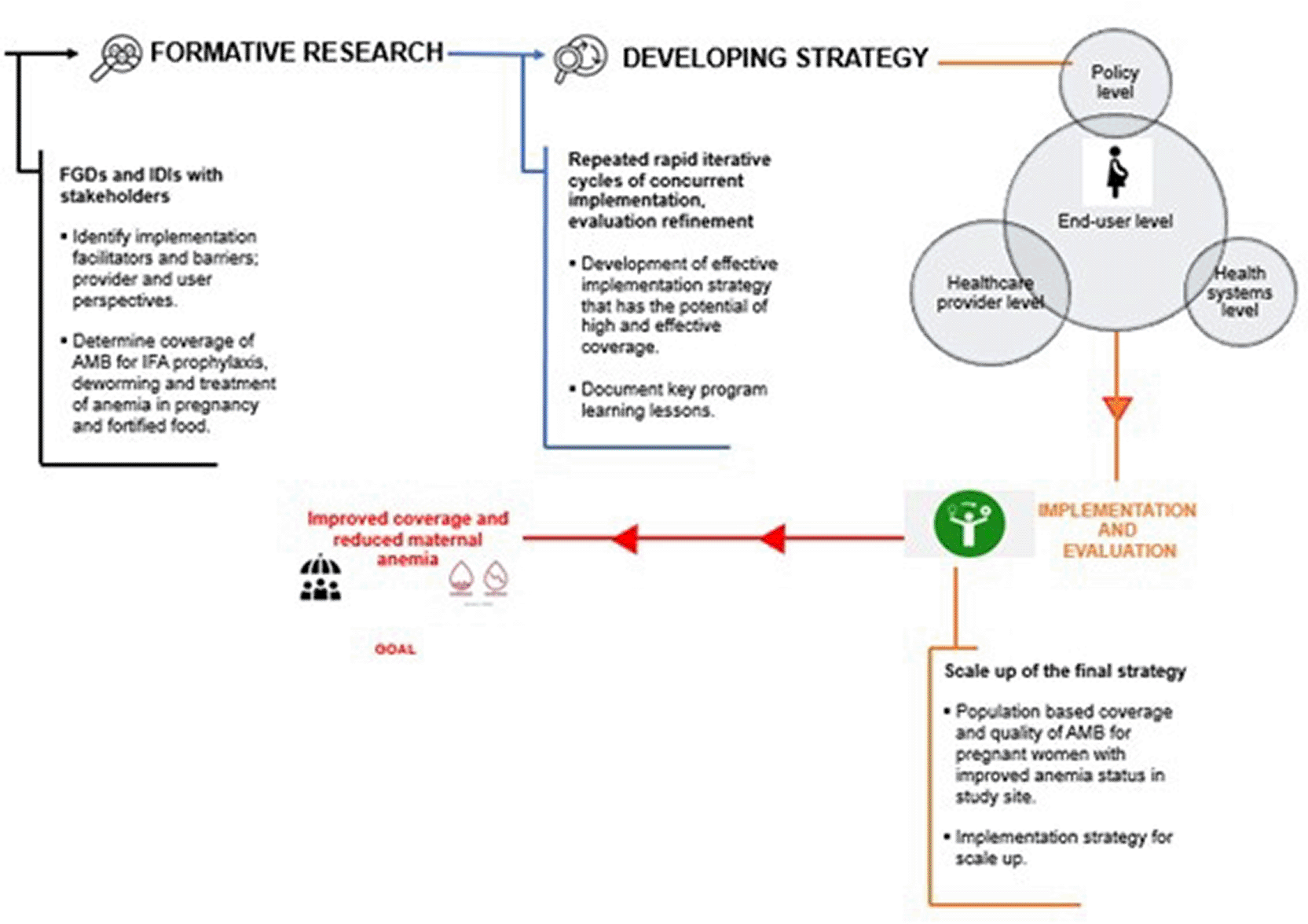
Implementation science frameworks
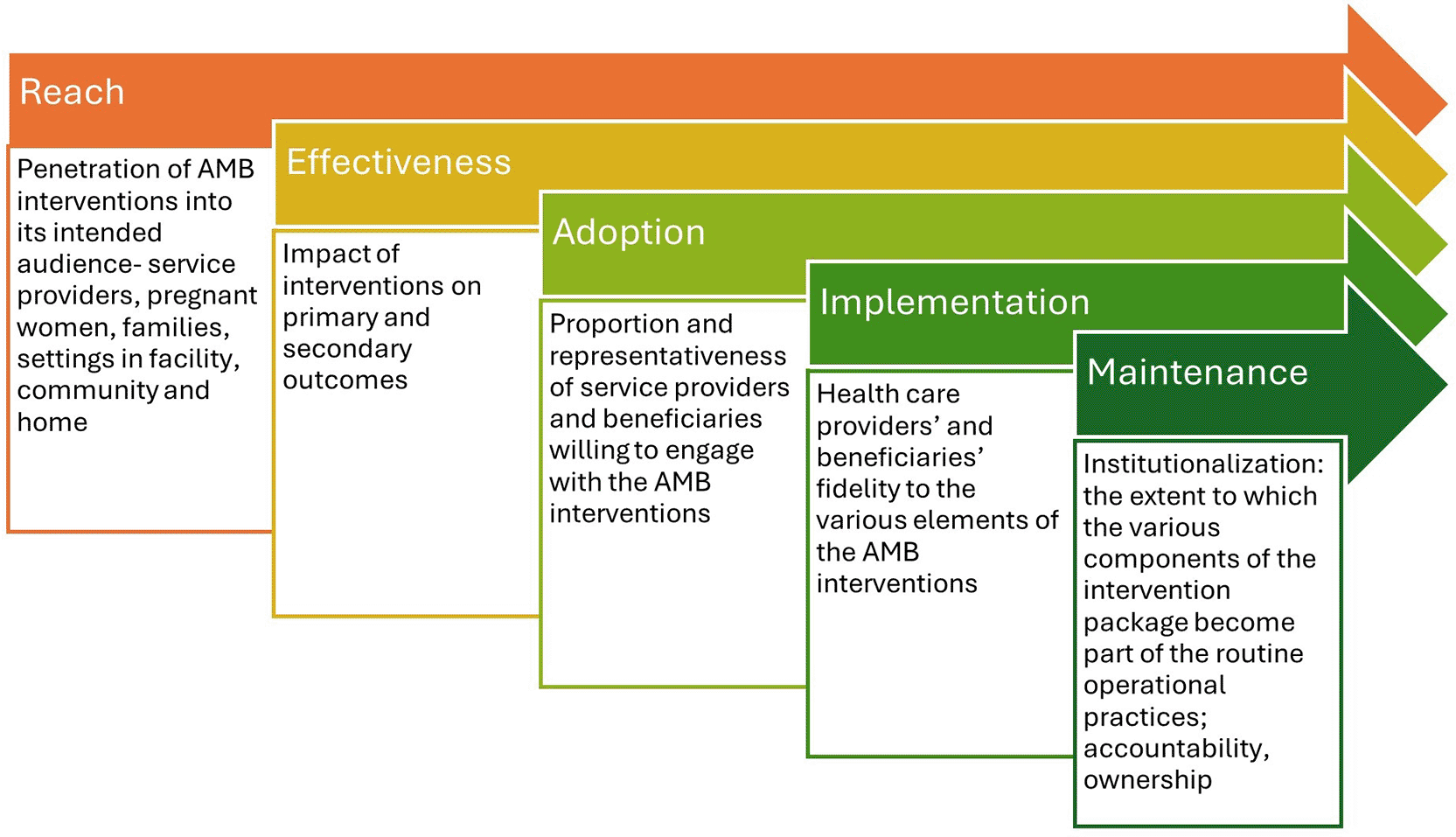
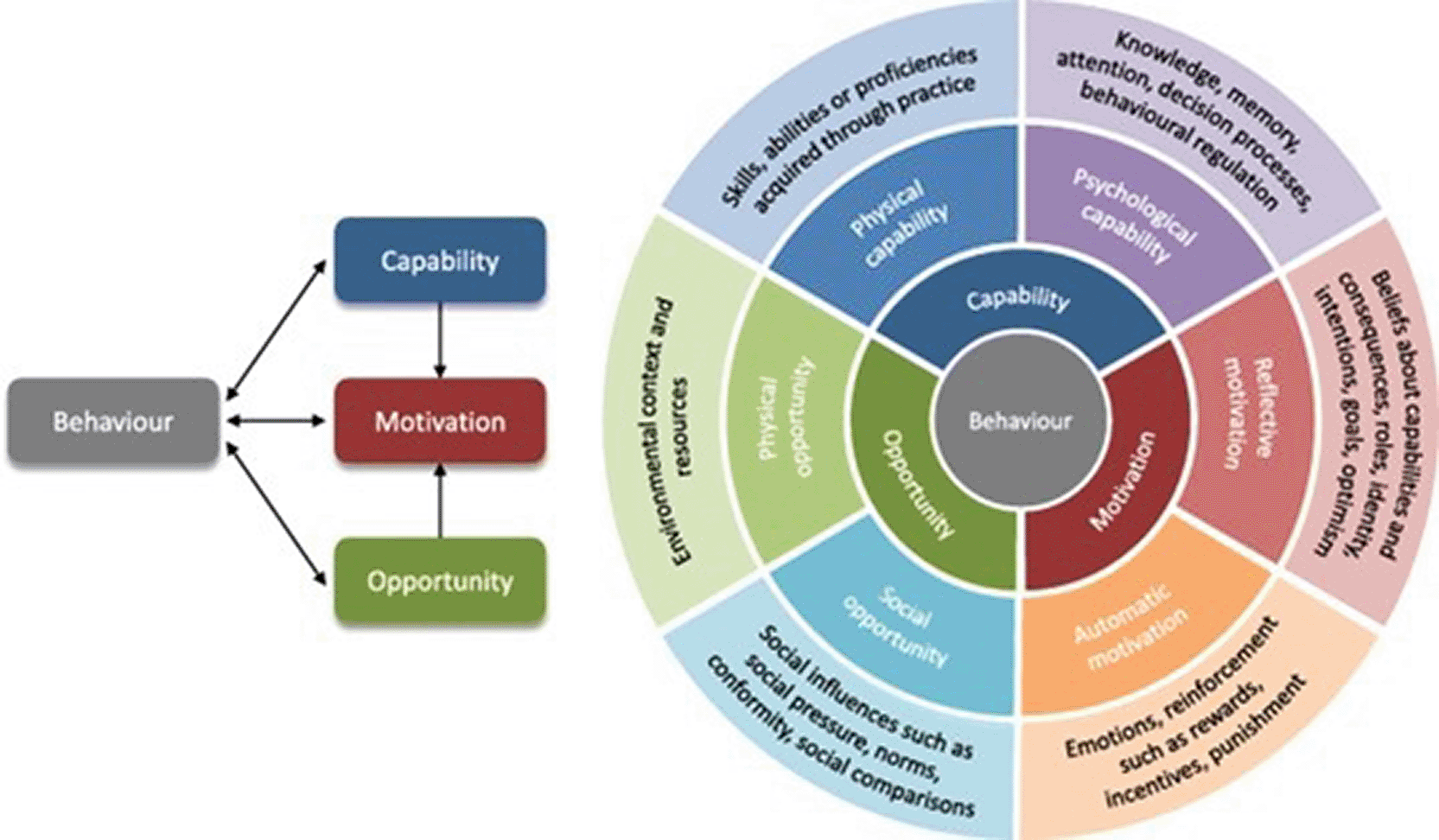
The study is grounded in multiple implementation science frameworks to provide both diagnostic and evaluative rigour. The Consolidated Framework for Implementation Research (CFIR) will be used to identify barriers and enablers across the policy, health system, provider, and end-user levels.24 The Exploration, Preparation, Implementation, Sustainment (EPIS) framework will guide iterative cycles of development, refinement, and scaling of the intervention model.17 The RE-AIM (Reach, Effectiveness, Adoption, Implementation, Maintenance) framework will provide structure to the evaluation, ensuring that both outcomes and processes are assessed.16 ( Figure 2) Finally, the COM-B model (Capability, Opportunity, Motivation leading to Behaviour change) will explicitly inform the design of social and behaviour change communication (SBCC) and intervention strategies aimed at both providers and beneficiaries.18,25 ( Figure 3).
The CFIR is composed of the following five domains, with multiple constructs related to each domain24:
1. Characteristics of individuals involved: This domain refers to characteristics of the individuals who would be key for the implementation of AMB, which includes pregnant women and families, community health workers (CHWs), nurses, doctors, facility managers, and MNH program managers at district, state, and national levels.
2. Intervention definition and characteristics: This domain refers to characteristics of the intervention, which in our case will be an intervention package for pregnant women in AMB.
3. Outer setting or broader context: This domain refers to the economic, political, social, and cultural context which would influence the implementation of AMB.
4. Inner setting or health system context: This domain refers to the health system, and health facility, the context which would influence the implementation of AMB
5. Process of implementation: This is one of the most important domains of the framework, and focuses on engaging the relevant stakeholders, executing, reflecting, and evaluating with the aim of optimizing the implementation model for AMB.
The study will take place in Hodal block, Palwal district, Haryana, an area with a high burden of maternal anaemia. Four purposively selected clusters (6–9) from the Sustainable, scalable Interventions to Improve Maternal and newborn health in India (SIIMA) study (another ongoing study) catchment area, covering approximately 64,000 people across 19 villages, will serve as the study area. The block is served by six sub-centres, nine Auxiliary Nurse Midwives (ANMs), and 59 Accredited Social Health Activists (ASHAs). Clusters 1–5 are excluded from this implementation study as they are concurrently engaged in the other study of same research team, which could create artificial conditions that do not reflect routine service delivery.
The study population will include pregnant women, lactating mothers, their families, and community members such as self-help groups etc., as well as healthcare providers including Auxiliary Nurse midwives (ANMs), Accredited social health activities (ASHAs), Anganwadi Workers, staff nurses, Medical Officers, Integrated child development services (ICDS) staff, and programme managers. Women will be eligible if they have a confirmed pregnancy in the first trimester, reside in the catchment area, and provide informed consent. Women will be excluded if they are under 18 years of age, have a non-viable pregnancy such as ectopic or molar pregnancy, are unable to provide informed consent, or plan to relocate outside the study catchment during pregnancy or the postpartum period.
A sample of 246 pregnant women at the time of delivery will allow us to estimate 80 percent coverage of IFA consumption for 100 days during pregnancy with absolute precision of ±5 percent and a confidence interval of 95 percent. Therefore, the estimated required sample size adjusted for an 80 percent response rate will be 308. We will round this off to a minimum of 310 pregnant women at the time of delivery. Additionally, with the above sample size, we will be able to detect a difference of as small as 2.7 g/dl in the mean Hb level with a power of 80 percent. ( Table 1).
The study will be conducted in two sequential but overlapping phases.
3.5.1 Phase 1 will focus on formative research and co-design of the implementation model. This phase will use qualitative and quantitative methods to examine policy-level guidance, inter-ministerial convergence, and decentralisation mechanisms; health system factors such as financing, infrastructure, supply chain management, and supervision; provider-level elements including knowledge, skills, perceptions, and motivation; and end-user perspectives on awareness, cultural beliefs, felt need, accessibility, and affordability. Guided by CFIR, in-depth interviews, focus group discussions, observations, and facility assessments will be combined with analysis of SIIMA baseline data and routine CHW registers. Insights will be synthesised in collaborative workshops with government stakeholders to create an initial implementation strategy, moving from an expert-informed “Model 0” to a contextually adapted “Model 0 + .” ( Figure 4).
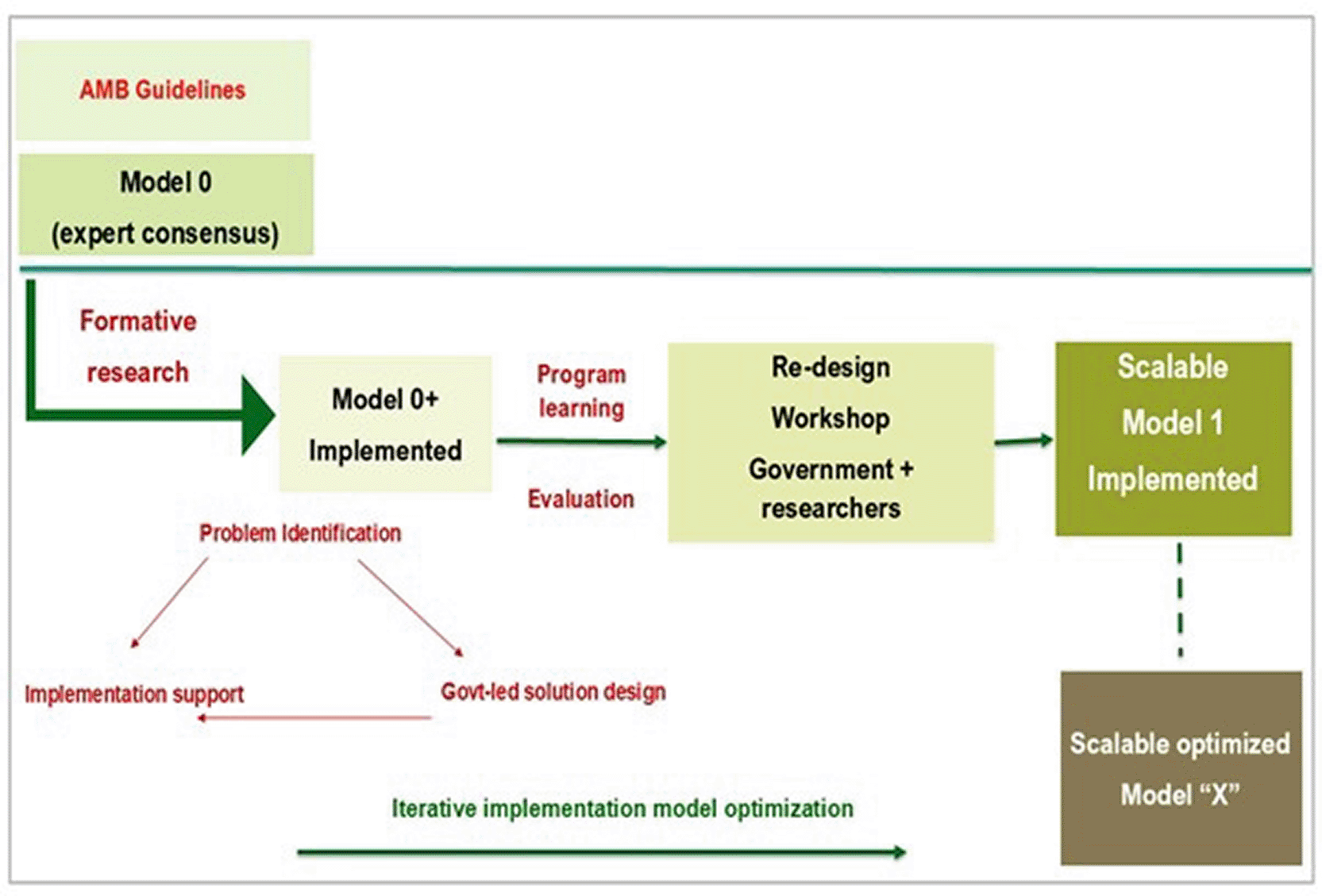
Figure adapted from World Health Organization.
3.5.2 Phase 2 will concentrate on implementation, optimisation, and evaluation. Model 0+ will be introduced in a learning block and refined through iterative cycles of delivery, monitoring, and adaptation using the EPIS framework. Feedback loops between the outcome measurement and programme learning teams, government partners, and the implementation support team will ensure real-time course correction. Once stabilised, the optimised model will be scaled up across the study area. Evaluation will follow the RE-AIM framework, measuring the reach of interventions, effectiveness in improving haemoglobin and coverage outcomes, adoption by providers and facilities, fidelity of implementation, and maintenance of the strategies within government systems over time.
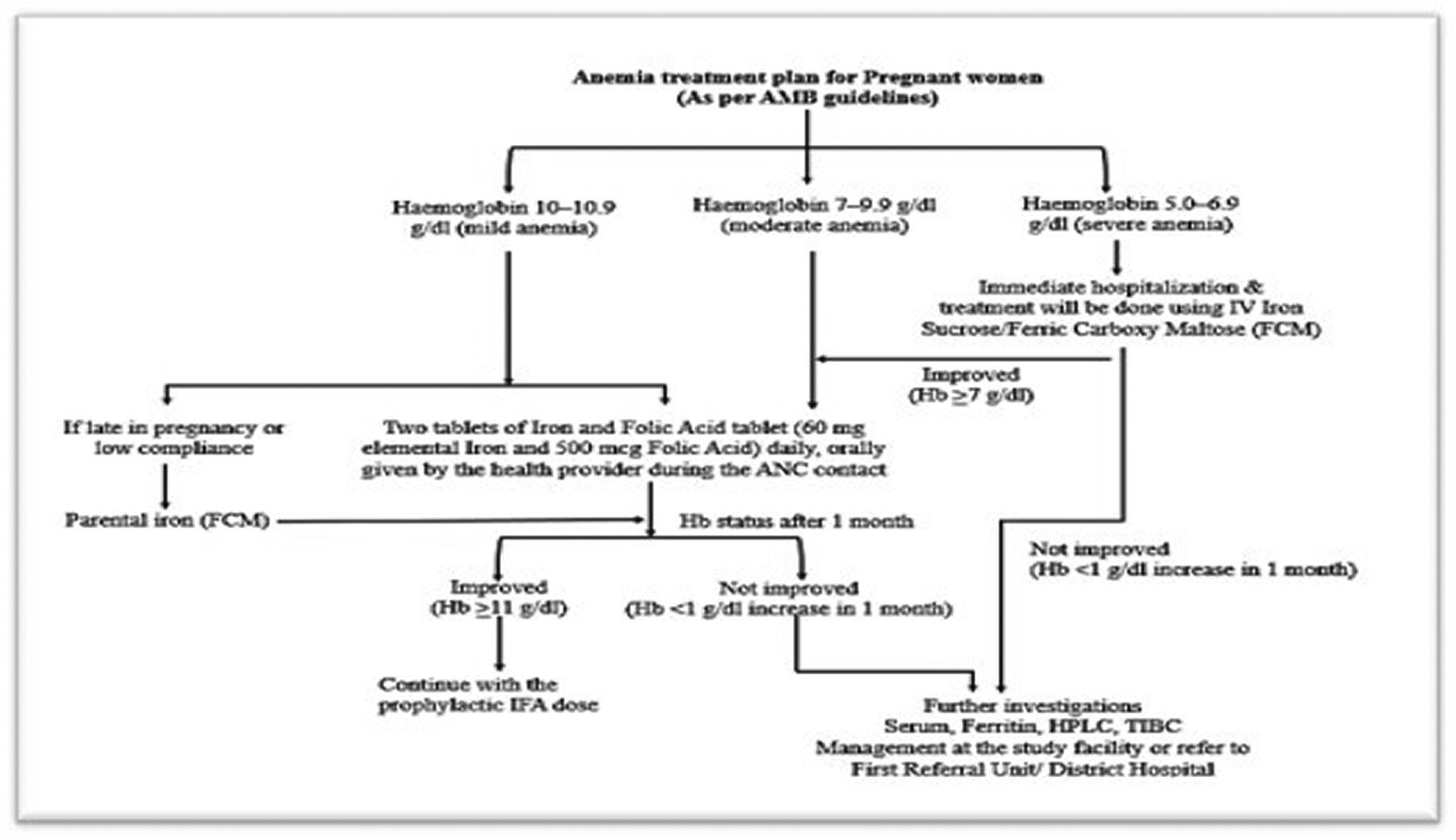
The study interventions will be aligned with the existing Government of India AMB guidelines ( Figure 5) to develop a sustainable and scalable model. It is an umbrella approach to prevent and treat anaemia with a focus on the following six interventions:
1. Prophylactic Iron and Folic Acid supplementation during the pregnancy
2. Testing of anaemia using digital methods and point of care treatment for pregnant women
3. Deworming (in second trimester)
4. Intensified year-round Behavior Change Communication Campaign focusing on key behaviors
• Improving compliance to Iron Folic Acid supplementation and deworming,
• Increase in intake of iron-rich food through diet diversity/quantity/frequency and/or fortified foods with focus on harnessing locally available resources (Counselling for pregnant women and family members)
• Ensuring delayed cord clamping after delivery (by 3 minutes) in delivery facilities
5. Encouraging pregnant women to consume warm cooked meal and THR (take home ration through ICDS)
6. Intensifying awareness, screening, and treatment of non-nutritional causes of anemia, with special focus on any endemic condition prevalent in the study area.
The study will be implemented through three interlinked teams. The Implementation Support Team (IST) will provide technical and managerial support, facilitate government staff training, and work closely with partners to address bottlenecks and adapt strategies in real time. The Programme Learning Team (PLT) will focus on qualitative enquiry, using interviews and focus groups to explore barriers, enablers, and experiences of both providers and beneficiaries, and to assess fidelity and compliance with interventions. The Outcome Measurement Team (OMT) will function independently to collect quantitative data, measure coverage and compliance outcomes, and evaluate programme effectiveness.21,26 Finally, a Technical Advisory Group (TAG) comprising domain experts will oversee the process, provide technical guidance, and ensure alignment of study activities with broader maternal and child health priorities.
Primary outcomes will be the proportion of pregnant women consuming IFA for at least 100 days and the proportion receiving a dose of albendazole during the second or third trimester.
Secondary outcomes will include IFA consumption for at least 180 days, mean change in haemoglobin levels, the proportion of women appropriately treated or referred as per AMB protocol, provider compliance with guidelines, fortified food consumption through ICDS, and coverage of appropriate antenatal care (ANC) laboratory investigations. Exploratory outcomes will include trimester-wise anaemia prevalence, referral adherence, quality of anaemia care at referral facilities, and adverse maternal and neonatal outcomes such as low birth weight, preterm birth, small-for-gestational-age infants, stillbirth, and postpartum haemorrhage.
Data will be collected through a combination of quantitative and qualitative methods. Quantitative data will be derived from baseline and endline household surveys, CHW registers, facility readiness assessments, stock audits, and laboratory results. Qualitative data will be collected using interviews, focus groups, and observations with women, families, providers, and health officials. Continuous monitoring will be ensured through monthly joint review meetings with government partners, an adaptive management tracker to log challenges and responses, and rapid Plan–Do–Study–Act (PDSA) cycles to test and refine strategies.27
Quantitative data will be collected electronically with inbuilt range and consistency checks and transferred to secure servers for storage and analysis. Descriptive statistics will summarise baseline and follow-up indicators. χ2 or McNemar’s tests will be applied to categorical variables, t-tests or Wilcoxon tests to continuous data, and multivariable regression models will identify predictors of key outcomes such as IFA adherence, deworming uptake, and haemoglobin improvement.28,29 Qualitative data will be transcribed, translated, and coded in NVivo.30 Thematic analysis will combine deductive coding based on CFIR domains with inductive identification of emergent themes.24 Triangulation across data sources will enable integration of quantitative and qualitative findings to explain compliance patterns, fidelity, and contextual influences on intervention success.
Findings will be disseminated to government partners through workshops and policy briefs, and through peer-reviewed publications and conference presentations.
Ethics approval and CTRI registration have been obtained. Formative research, Phases I and II are over. This protocol is reported in accordance with the SPIRIT (Standard Protocol Items: Recommendations for Interventional Trials) guidelines. The completed SPIRIT checklist is available at: https://doi.org/10.6084/m9.figshare.31827730.1
Anaemia in pregnancy persists as one of the most pressing public health challenges in India, with prevalence stubbornly high despite successive national initiatives.7 The Anaemia Mukt Bharat (AMB) strategy represents an ambitious and comprehensive programme that combines supplementation, deworming, fortified foods, testing, and behaviour change communication.12 However, suboptimal coverage, inconsistent compliance, and wide inter-district variations demonstrate that evidence-based interventions alone are insufficient unless their delivery is adapted to the realities of local health systems and communities.8 This study addresses that implementation gap by applying principles of implementation science to develop, refine, and evaluate a contextually optimised delivery model embedded within government systems.
A key strength of the study is its use of multiple, complementary frameworks. CFIR provides a structured way to diagnose barriers and facilitators across the policy, system, provider, and beneficiary levels.24 EPIS ensures that solutions are iteratively developed and refined in collaboration with government partners and frontline workers.17 RE-AIM offers a comprehensive evaluation framework that goes beyond efficacy to assess reach, adoption, fidelity, and long-term maintenance, while COM-B explicitly guides the design of behaviour change strategies to influence both provider practices and beneficiary compliance.18,31 Together, this framework-driven approach enhances the study’s rigour and ensures that findings are both explanatory and actionable.
Another innovation is the hybrid type II design, which allows simultaneous testing of effectiveness and implementation strategies.22 By embedding learning cycles within routine government structures, the study aims not only to demonstrate improved coverage of AMB interventions, but also to strengthen the capacity of district health systems to adapt and sustain these gains over time. The co-design process with government stakeholders, community health workers, and beneficiaries is central to enhancing ownership, acceptability, and scalability.32
The mixed-methods approach is also a major strength.33 Quantitative measures of coverage, haemoglobin change, and adverse maternal and neonatal outcomes will be triangulated with qualitative insights into perceptions, motivations, and contextual barriers.34 This integration will provide a nuanced understanding of both “what works” and “why it works,” which is essential for designing replicable models for other high-burden settings.32
Nevertheless, some limitations are anticipated. Reliance on self-reported data for compliance, particularly with IFA consumption, may introduce recall or social desirability bias.35 While independent verification through registers and stock audits is planned, under- or over-estimation remains possible.35 Contamination across clusters may also occur, especially as awareness and demand for interventions spread beyond the immediate study areas.35,36 Sustaining all components of the strategy after the study period could be challenging given resource constraints and competing programme priorities.36 Finally, the study is situated in a single block of Haryana, and although lessons are likely transferable, findings may not be universally generalisable without adaptation.37
Despite these challenges, the study makes an important contribution by addressing how evidence-based interventions can be operationalised at scale within resource-constrained health systems. By grounding strategies in theory, iteratively refining them with stakeholders, and embedding evaluation within government systems, this research aims to generate both practical solutions for Haryana and broader lessons for maternal anaemia reduction strategies in India and other LMICs.38,39 If successful, the optimised model has the potential to inform national AMB scale-up and serve as a template for tackling other persistent maternal and child health challenges where the implementation gap, rather than lack of effective interventions, is the primary barrier to progress.
This study will provide critical insights for improving the delivery and scale-up of maternal anaemia interventions in India and globally. By systematically identifying health system, provider, and community-level barriers through implementation science frameworks, the findings from this study would guide policymakers in designing more contextually adapted, evidence-informed anaemia control strategies. The co-designed, government-embedded model developed through this research would offer a replicable and scalable approach for strengthening the coverage and quality of national nutrition programmes through some contextual adaptations. Lessons from this work are highly relevant to programmes targeting maternal nutrition and health equity in both developing and developed countries, including those in the United States, where disparities in anaemia prevalence persist among low-income and minority populations. Importantly, the study underscores the need to address non-nutritional causes of anaemia, such as haemoglobinopathies, and to promote interministerial convergence between health and nutrition sectors to ensure continuity of care and stronger coordination across service platforms. Collectively, the study highlights a pathway to institutionalising integrated, scalable, and sustainable anaemia reduction strategies that can accelerate progress toward maternal health and nutrition goals.
The protocol has been approved by the Institutional Review Board of the Society for Applied Studies, New Delhi (Ref: SAS/IRB/2023/001) and Protocol version 1. Additionally, this study has obtained approvals from the Government of Haryana state under the parent study titled “Antenatal care and postnatal care Research Collaborative (ARC)” (Memo number: ED/HSHRC/2020/589, dated: 22nd May 2020). Written informed consent will be obtained from all participants for research activities.
Trial registration number: Clinical Trial Registry-India, CTRI/2023/02/049354 [Registered on: 01/02/2023].
Written informed consent will be obtained from all participants for research activities. Confidentiality will be ensured by anonymised IDs and secure storage. Dissemination will include district/state NHM review meetings, stakeholder workshops, policy briefs, peer-reviewed publications, and presentations at national/international conferences.
| Views | Downloads | |
|---|---|---|
| F1000Research | - | - |
|
PubMed Central
Data from PMC are received and updated monthly.
|
- | - |
Provide sufficient details of any financial or non-financial competing interests to enable users to assess whether your comments might lead a reasonable person to question your impartiality. Consider the following examples, but note that this is not an exhaustive list:
Sign up for content alerts and receive a weekly or monthly email with all newly published articles
Already registered? Sign in
The email address should be the one you originally registered with F1000.
You registered with F1000 via Google, so we cannot reset your password.
To sign in, please click here.
If you still need help with your Google account password, please click here.
You registered with F1000 via Facebook, so we cannot reset your password.
To sign in, please click here.
If you still need help with your Facebook account password, please click here.
If your email address is registered with us, we will email you instructions to reset your password.
If you think you should have received this email but it has not arrived, please check your spam filters and/or contact for further assistance.

Comments on this article Comments (0)