Keywords
Material Requirements Planning (MRP) , Blockchain technology , Italian Chaizlonat Furniture Exhibition, Corners

This article is included in the Fallujah Multidisciplinary Science and Innovation gateway.
Material Requirements Planning (MRP) , Blockchain technology , Italian Chaizlonat Furniture Exhibition, Corners
Blockchain are considered one of the most important cloud technologies of the Fourth Industrial Revolution (4.0), as they enable stakeholders (individuals and organizations) to conduct transactions without the need for an intermediary. They rely on peer-to-peer (P2P) networks. According to (Daluwathumullagamage & Sims, 2021: 2), blockchain is a network for exchanging data, assets, and values between individuals without intermediaries. This technology is expected to play a pivotal role in achieving sustainable global economic development in the future, given the many benefits it provides to society and customers in general (Hastig & Sodhi, 2019:4) describe it as an algorithm operating in decentralized network environments without relying on an external party to make or execute decisions.
The Material Requirements Planning (MRP) system is defined as a method based on planning requirements according to the Master Production Schedule (MPS), which is prepared according to actual customer orders (Yenisey, 2006:318). Meanwhile, (Heizer, et al., 2020a: 600) define it as a dependent demand management technique based on data from the bill of materials, available inventory, expected receipts, and the master production schedule, in order to determine material requirements accurately.
Since this system focuses on planning to provide an appropriate inventory of raw materials, components, and parts to ensure material availability at the right time for production stages while avoiding excessive excess inventory of raw materials, it ensures precision in determining the required input quantities and reliable delivery schedules. This, in turn, requires building strong and accurate databases with the organization’s suppliers. Through review the literature about blockchain and MRP systems, and the studies conducted in these two areas, it was found that there are indirect indications about the role of blockchain in improving MRP performance. These indications appear through discussions the role of blockchain in providing advanced technologies for direct communication between companies and their related partners, including suppliers who represent the backbone of the MRP system through directly data sharing without intermediaries. (Abdallah & Nizamuddin, 2023a: 2 (stated that this technology provides a decentralized, distributed peer-to-peer network that relies on an immutable ledger, eliminating the need for a central authority to verify transactions, whether financial or non-financial. This leads to the creation of reliable and secure records that are difficult to manipulate. Likewise, (Francisco & Swanson,2017: 1) noted that blockchain consists of a distributed database managed via a peer-to-peer (P2P) network, where participants reach a consensus on the validity of data. This database is composed of a linked chain of blocks. (Nakamoto, 2008: 1) also pointed out that blockchain enables participants to conduct direct transactions with each other without an intermediary.
However, these references have remained distant from addressing the specific and direct role of blockchain in improving communication between companies and their suppliers within MRP systems. Therefore, this research aims to design an MRP system using blockchain technology for the Italian Chaizlonat Furniture exhibition by developing a shared platform between the exhibition management and the suppliers. The platform includes digital databases containing all necessary information from both sides to design the system, and then tests the impact of this platform on improving MRP performance through a set of criteria.
The main research problem is represented in the following question: How can an MRP system be designed using blockchain Technology?
From this main question, a set of sub-questions is derived:
1. What is the current method used by the exhibition in planning its raw material requirements?
2. Is there a Possibility to applying MRP system in the studied exhibition?
3. How can blockchain Technology be adopted in designing an MRP system in the studied exhibition?
4. What are the criteria that will be used to compare between the current situation of the exhibition before applying an MRP system based on blockchain and the proposed system in the studied exhibition?
5. Which method is better, the current actual method or the proposed system in the studied exhibition?
Guided by the research problem and its sub-questions, the objectives of this research are as follows:
1. Identify the method adopted by the studied exhibition in planning its Parts and Components requirements.
2. Adopt the MRP system for planning the exhibition’s Parts and Components requirements.
3. Adopt blockchain Technology in designing an MRP system in the studied exhibition.
4. Determine the criteria for comparison between the current state of the exhibition before applying an MRP system using blockchain and the proposed system.
5. Identify the better method for planning of requirements of Parts and Components.
The importance of this research lies in the role that blockchain Technology can play in designing an MRP system for the products of the studied site (Italian Chaizlonat Furniture Exhibition), this role represented by timely fulfillment of customer demands for corners with minimal inventory, that lead to reducing costs, increasing profits, and achieving customer satisfaction.
The research problem needs historical, numerical, and factual data to design MRP system using blockchain Technology at The researched exhibition. Therefore, the researcher adopted the case study methodology, as it is suitable to the nature of the research, which depends on data available in the exhibition’s documents and records, as well as field observations and personal interviews with managers and specialized staff in the studied exhibition.
The Italian Chaizlonat Furniture Exhibition/Baghdad was selected as the research site for several reasons:
The Italian Chaizlonat Furniture Exhibition/Baghdad was chosen as a research site. The exhibition includes several products, which represent the research population, such as:
(Corner Vip, Premium, Unity, Pepose, Premium B5 Long, BK, Vip The Slim, Doversal, Corner ES).
The researcher selected the Corner ES product as the research sample, because of the high demand for this product.
1. Theoretical Aspect: The researcher relied on available sources in writing the theoretical part, including Arabic and foreign books, university theses, published journals, as well as researchs and articles published.
2. Practical Aspect: The researcher relied on field visits, personal interviews with exhibition staff, and the exhibition’s records and data for the purpose of designing the MRP system using blockchain Technology.
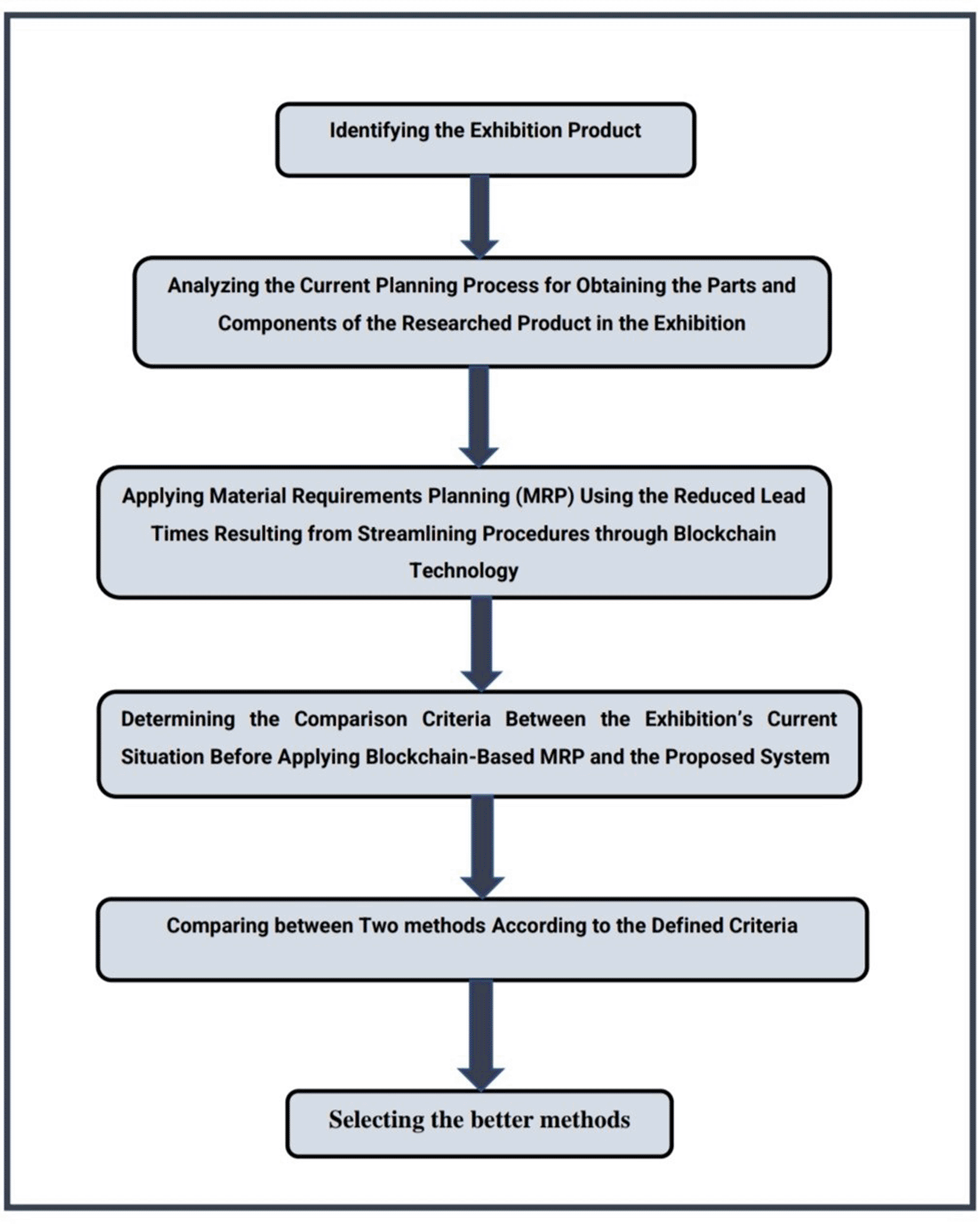
Figure 1 illustrates the research procedural framework, representing the applied pathway of this research.
First Axis: Material Requirements Planning (MRP) System.
The Material Requirements Planning (MRP) system is defined as: “A system used for planning and controlling both inventory and production capacity, providing accurate and valuable information on material stocks and major components involved in manufacturing operations, thereby supporting management in meeting its information needs for effective decision-making” (Schroeder and Roger, 2007:336) (Jassim Awad and Khuzam, 2024,2). According to (Krajewski & Malhotra, 2022:481), it is: “A computerized information system developed specifically to help manufacturers manage dependent demand inventory and schedule replenishment orders.”(Javadi et al.,2023:2) describe it as:“An intelligent information system concerned with determining the type, quantities, and timing of raw materials required to achieve production schedules, based on inputs such as the Bill of Materials (BOM), the Master Production Schedule (MPS), lead times, and current inventory levels.”
From the researcher perspective, the MRP system is viewed as an intelligent system aimed at aligning the flow of materials with production needs in an organized and precise manner. This is achieved by analyzing production and demand data and transforming them into effective procurement and manufacturing plans. It serves as a data-driven planning brain that ensures the availability of the required quantities of materials at the right time, while minimizing waste and costs.
MRP systems contribute to streamlining the production cycle by calculating net material requirements based on the Master Production Schedule and the Bill of Materials (Dinesh et al., 2014:1171).
The application of MRP systems helps reduce inventory costs, positively reflecting on the financial position of organizations (Rivera Poma et al., 2014:46).
The MRP system provides manufacturers with the ability to quickly adapt to changing market demands by delivering real-time and accurate data on material requirements (Ramadhan et al., 2024:3402).
From the researcher viewpoint, the importance of the MRP system lies in being a fundamental pillar in supply chain management and production operations. It ensures the timely availability of necessary materials, reduces waste levels, and improves operational efficiency. Moreover, with the rapid pace of technological advancement, this system is likely to evolve from a traditional planning tool into an intelligent system capable of highly accurate demand forecasting and adaptive responses to sudden changes in market and production environments.
The master production schedule is an essential component of material requirements planning, detailing the number of finished units required during specific time periods (Krajewski & Malhotra, 2022:483).
The BOM provides a record listing the quantities of components and materials necessary for manufacturing the product (Heizer et al., 2020b:602).
Inventory records are an important tool for displaying stock status, indicating the number of available parts and those still in transit to the organization. Industrial organizations typically hold inventory of raw materials, parts, work-in-progress, and finished goods. In some cases, inventory is distributed across distribution centers or intermediate warehouses at different levels of the supply chain.Holding inventory is essentially a capital freeze, and the cost of maintaining inventory often ranges between 20%–40% of the total inventory value, highlighting the importance of minimizing the creation of what is known as “dead stock” (Jacobs et al., 2008:83).
Second Axis: Blockchain Technology.
Blockchain Technology represents a modern digital transformation comparable to the fundamental global shift that occurred with the advent of Internet services. Owing to its numerous features and advantages, blockchain contributes to addressing current challenges in the world of finance and business, particularly those related to storing, securing, processing, and auditing all transactional records by verifying their execution efficiently.
The first seeds of the “distributed ledger” concept appeared in 1976 in a scientific article entitled “New Directions in Cryptography”, where the need for new cryptographic systems that reduce dependence on centralized distribution channels was discussed (Diffie & Hellman, 2019:144) (Mhaibes and Qadir, 2022: 13). This laid the foundation for the decentralized systems on which blockchain technology would later be built.
In 1982, (David Chaum) introduced a revolutionary concept in his research on the “blind signature,” in which he proposed an untraceable electronic payment system based on cryptographic structures that conceal user identities (AI-Housni, 2019: 29). This was considered one of the earliest attempts to develop digital currencies based on privacy principles.
Some scholars interpret blockchain Technology as a mechanism designed to protect customers by ensuring the secure delivery of goods and achieving customer objectives throughout the supply chain. Blockchain provides a decentralized, peer-to-peer distributed network that relies on an immutable ledger, eliminating the need for a central authority to verify transactions, whether financial or non-financial. This results in the creation of reliable and tamper-resistant records (Abdallah & Nizamuddin, 2023b:2). (Shi et al., 2020:2) emphasized that blockchain, by providing privacy and security, forms the foundation that enables electronic health records, allowing patients to control their data. Thus, data security is critical when processing, transmitting, and retrieving patient records digitally across various applications. (Hanafi et al., 2023:3) defined blockchain as an accounting Technology that enables the transfer of asset ownership and the accurate recording of financial transactions. It integrates with modern technological developments, offering a secure way to record financial transactions and reducing accounting errors.
From the researcher perspective, blockchain Technology represents a strategic, decentralized Technology system used to record, document, and track operational processes and products across production and distribution stages among stakeholders within the value chain—securely, transparently, and without the need for intermediaries. Each transaction creates an encrypted block that is chronologically linked to the previous one, enhancing data reliability, improving operational monitoring efficiency, and ensuring process quality.
Immutability is a fundamental property of blockchain Technology. The interconnection of blocks forms a key factor in preventing modification or alteration of recorded data. Once data is entered and documented within the blockchain, it becomes unchangeable, ensuring the preservation of user identities and reinforcing anonymity (Amponsah et al., 2021:448).
Decentralization refers to the transfer of legal and political authority in areas such as planning, decision-making, and the management of public functions from central entities to lower levels with local or specialized authority. In this sense, decentralization reduces central dominance and distributes authority across a network of relatively independent units (Saraphaivanich et al., 2022:11).
Blockchain contributes to reducing information asymmetry among parties and enhances the ability to verify transactions with ease and precision (Falwadiya & Dhingra, 2022:493).
Blockchain enables organizations to selectively share data within the network, granting them the ability to maintain confidentiality of sensitive information while ensuring the availability of necessary data to relevant parties. This achieves a balance between transparency and confidentiality requirements (Smith, 2022:19).
From the researcher point of view, integrating blockchain Technology into production, operations, and business management holds promising potential to enhance transparency, efficiency, and security. Future-oriented features include integration with the Internet of Things (IoT) for real-time product tracking and the adoption of smart contracts to automate processes and reduce human intervention, thereby lowering risks of fraud and manipulation. Advanced encryption Technologys can also be employed to safeguard sensitive business data without sacrificing overall transparency. Furthermore, blockchain can enable decentralized supply chain management systems, improving organizational responsiveness to risks and market changes.
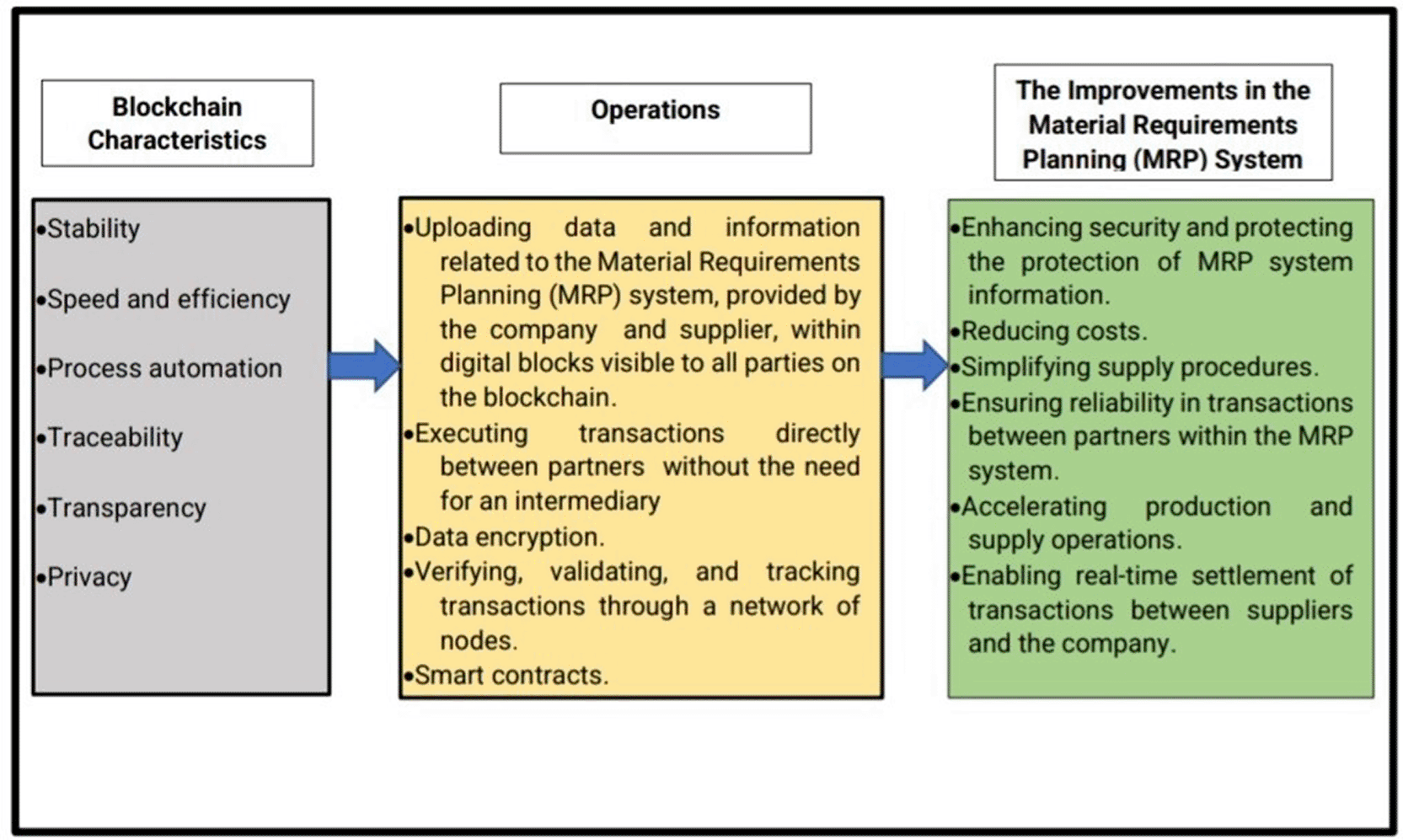
After reviewing the concepts related to Materials Requirements Planning (MRP) and blockchain technology, including its concept, characteristics, and components, the research reached to a conceptual model illustrate in Figure 2 which illustrates the effect of applying blockchain technology in improving MRP system.
To designing a material requirements planning (MRP) system using blockchain Technology, the following steps must be followed (Noting that 2024 represented the researched year).
To implement the MRP system, the monthly production plan for the (Corner ES) product must be converted into weekly plans, in order to design an MRP system accordingly, as shown in Table 1. It should be noted that the system design will rely on data from the first and second weeks of January 2024.
In order to prepare product structure and Bill of Materials (BOM) for the corner product, it is necessary to determine the quantities of parts and components required to product one corner. Table 2 illustrates the quantities of parts and components needed for producing one corner unit.
According to Table 2, Figure 3 illustrates the structure of the corner product.
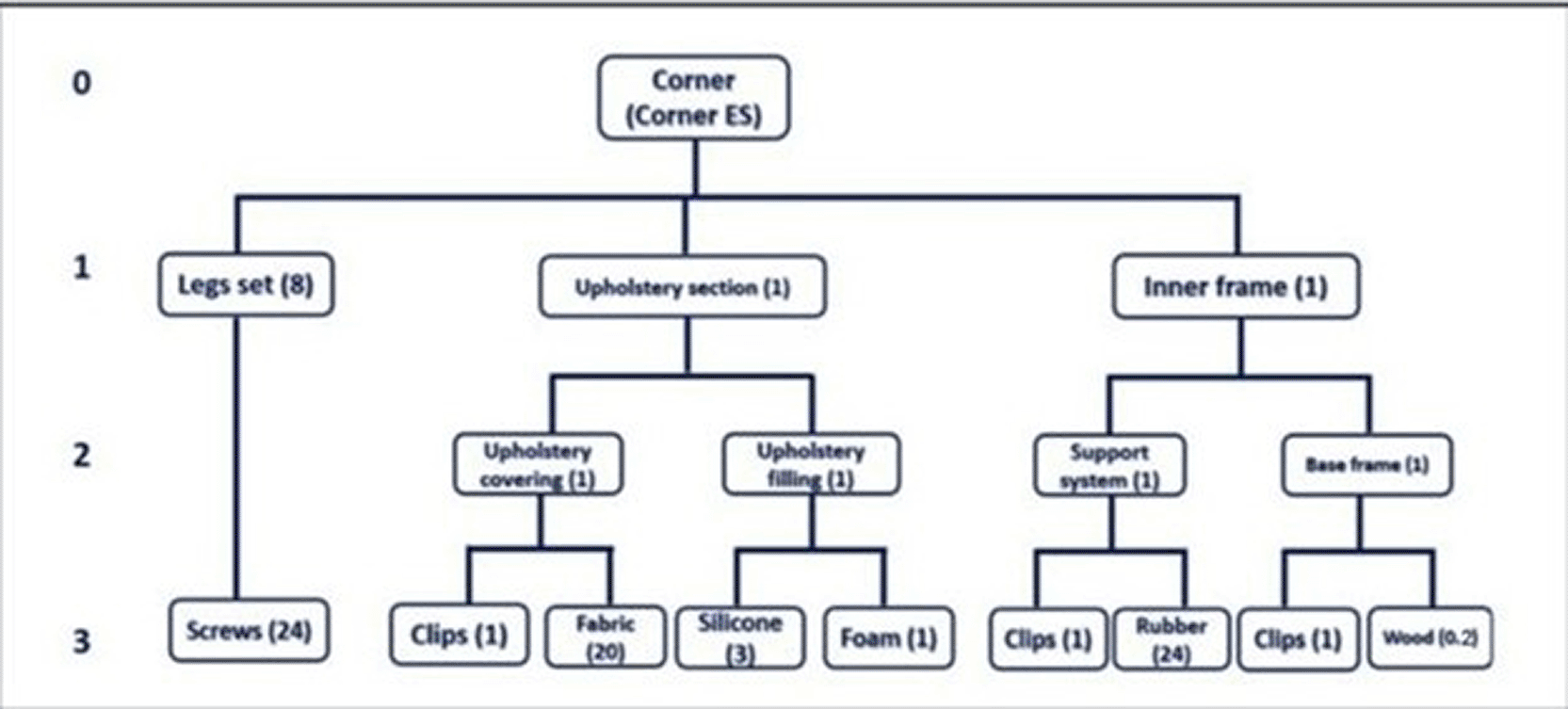
Source: Prepared by the researcher based on the exhibition’s records.
because some parts such as (Internal Structure, Upholstery Part, Base Frame, Support System, Upholstery Padding, Upholstery Cover) require only a few hours of production, they will be integrated into the production time of the preceding or subsequent levels. For example:
1. (Internal Structure, Upholstery Part) will be included within the overall production time of the corner unit.
2. (Base Frame) will be included within the production time of wood and clips.
3. (Support System) will be included within the production time of rubber and clips.
4. (Upholstery Padding) will be included within the production time of foam and silicone.
5. (Upholstery Cover) will be included within the production time of fabric and clips.
The developed system is a web-based Material Requirements Planning (MRP) platform integrated with blockchain technology to ensure transparency, traceability, and immutability of production and supply chain records. The system is for general use and it is not only designed for this company.
The system is built using the Flask framework (Python) and provides a user-friendly graphical interface for managing materials, products, production orders, and supply chain activities. After a user login to the system as Supervisor, Factory operator or Provider. The main page appeared according to the user’s roles. The architecture of the MRP–Blockchain integration is designed as a modular layered system, combining a web application layer with a blockchain ledger layer.
These Layers are as follow:
1. Presentation Layer (Frontend):
Built with HTML, CSS, and JavaScript templates rendered by Flask.
2. Application Layer (Backend):
Flask routes and APIs handle CRUD operations for materials, products, and production.
3. Database Layer:
SQLite stores structured MRP and production data.
4. Blockchain Layer:
Records immutable logs for key operations, ensuring transparency and traceability.
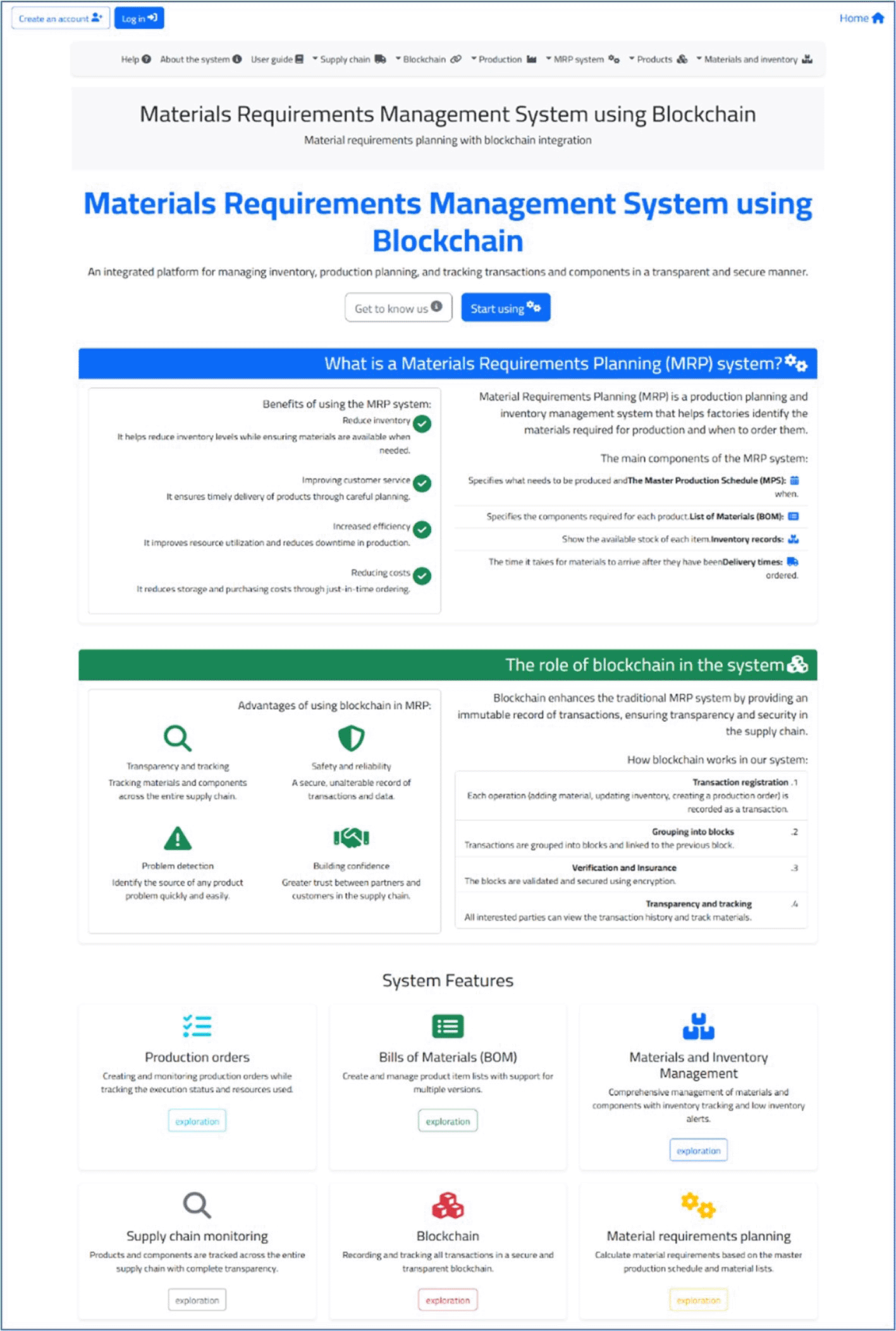
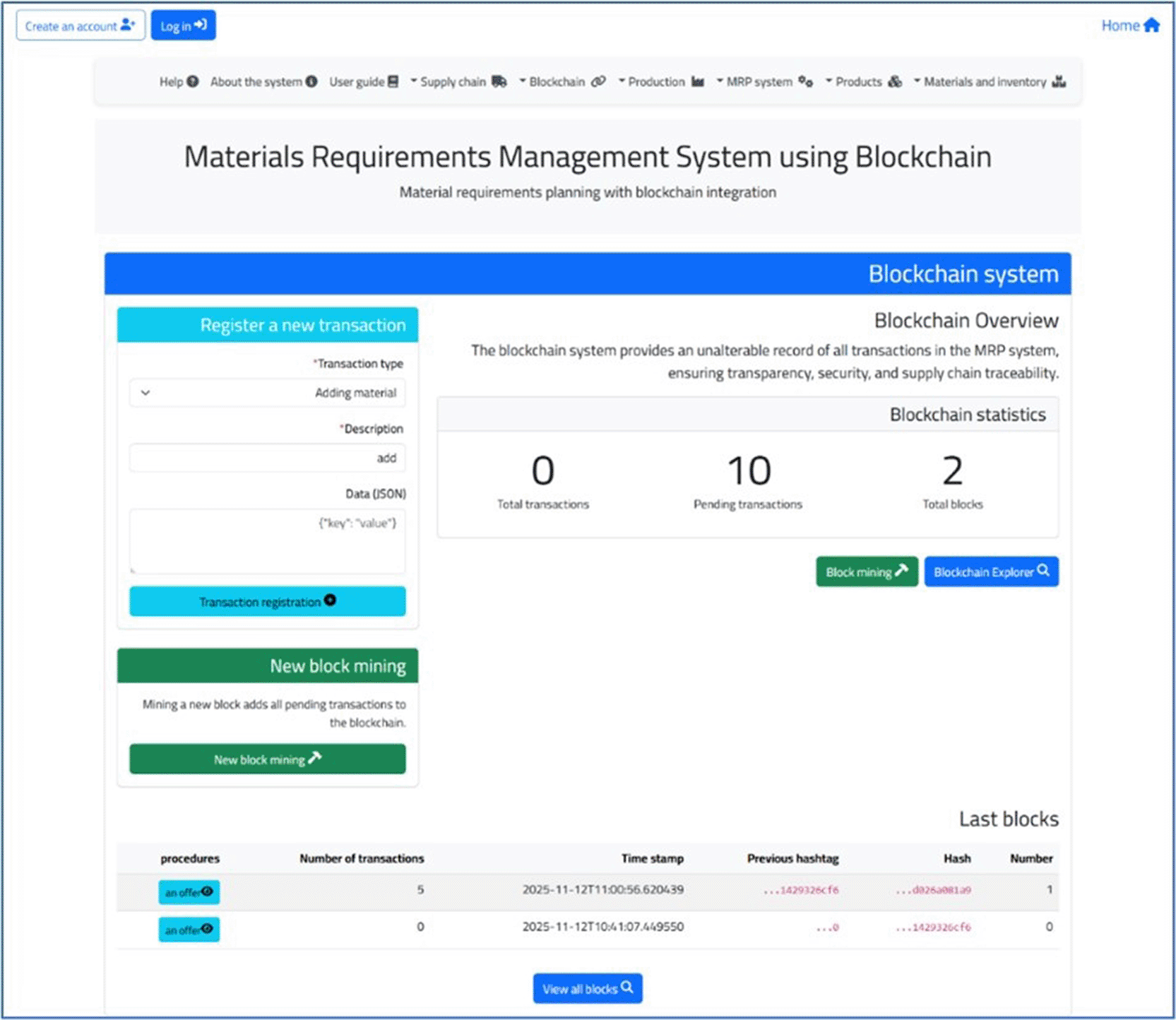
The main dashboard of the web-based MRP system showing key modules in figure 4.
The system includes several interconnected modules:
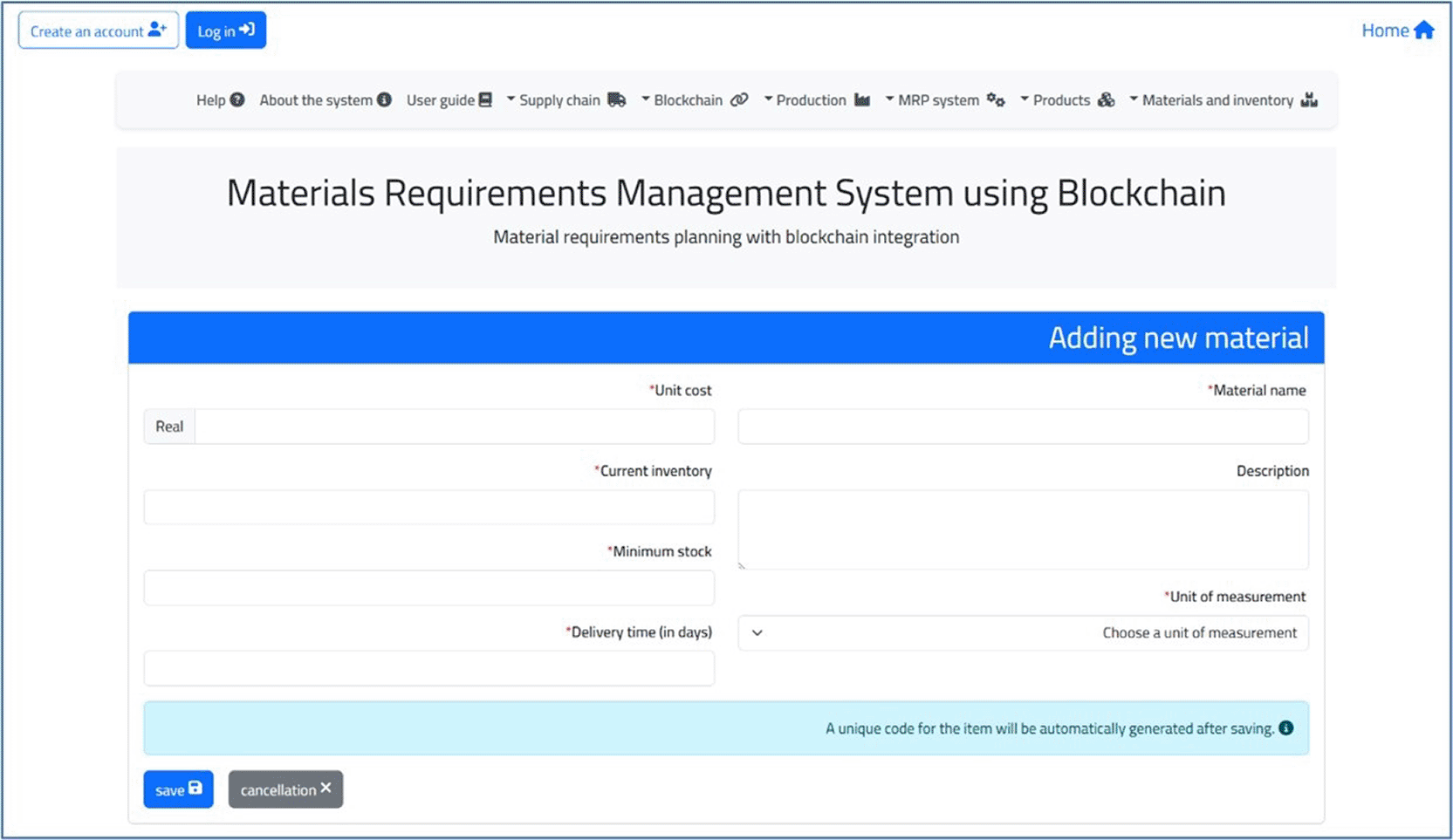
1. Materials Management Module
This module allows users to add, edit, and delete materials, monitor stock levels, manage costs, and receive alerts when stock falls below the minimum threshold. As shown in figure 5.
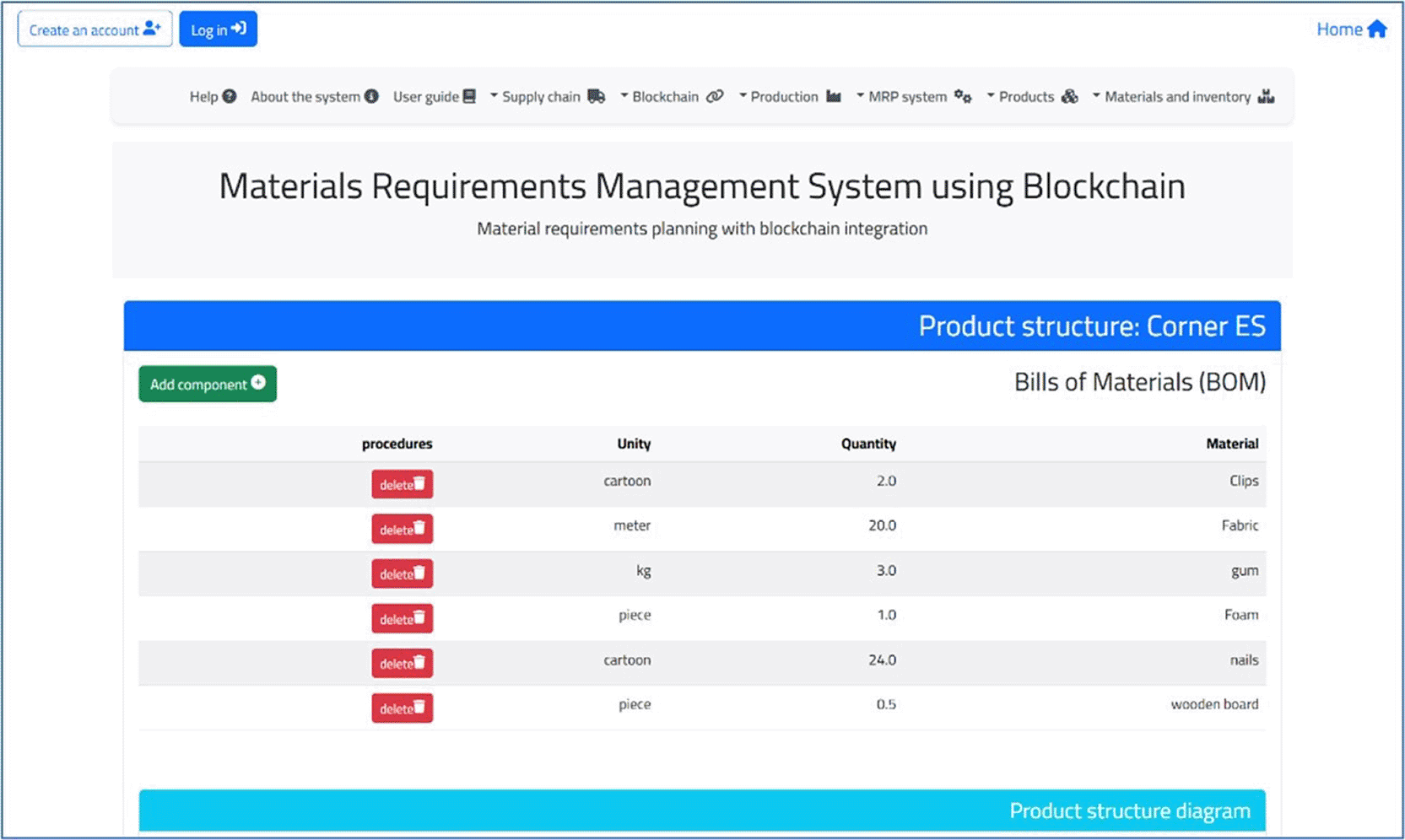
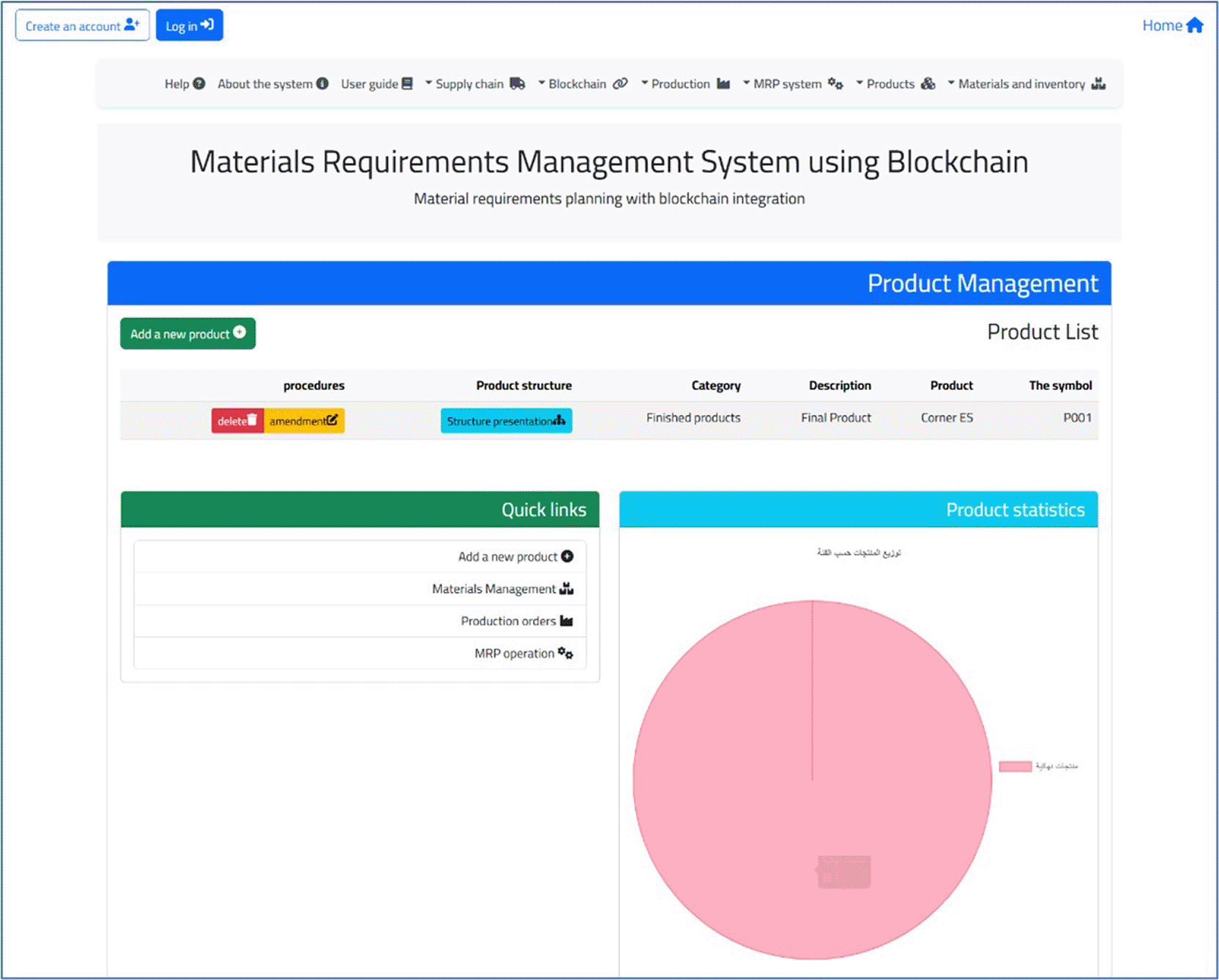
2. Product Management Module
Users can manage product information, define the Bill of Materials (BOM), and view product structure interactively. As shown in figure 6.
3. Production Management Module
This module handles production orders, scheduling, and real-time tracking of production stages (planned, in progress, completed). As shown in figure 7.
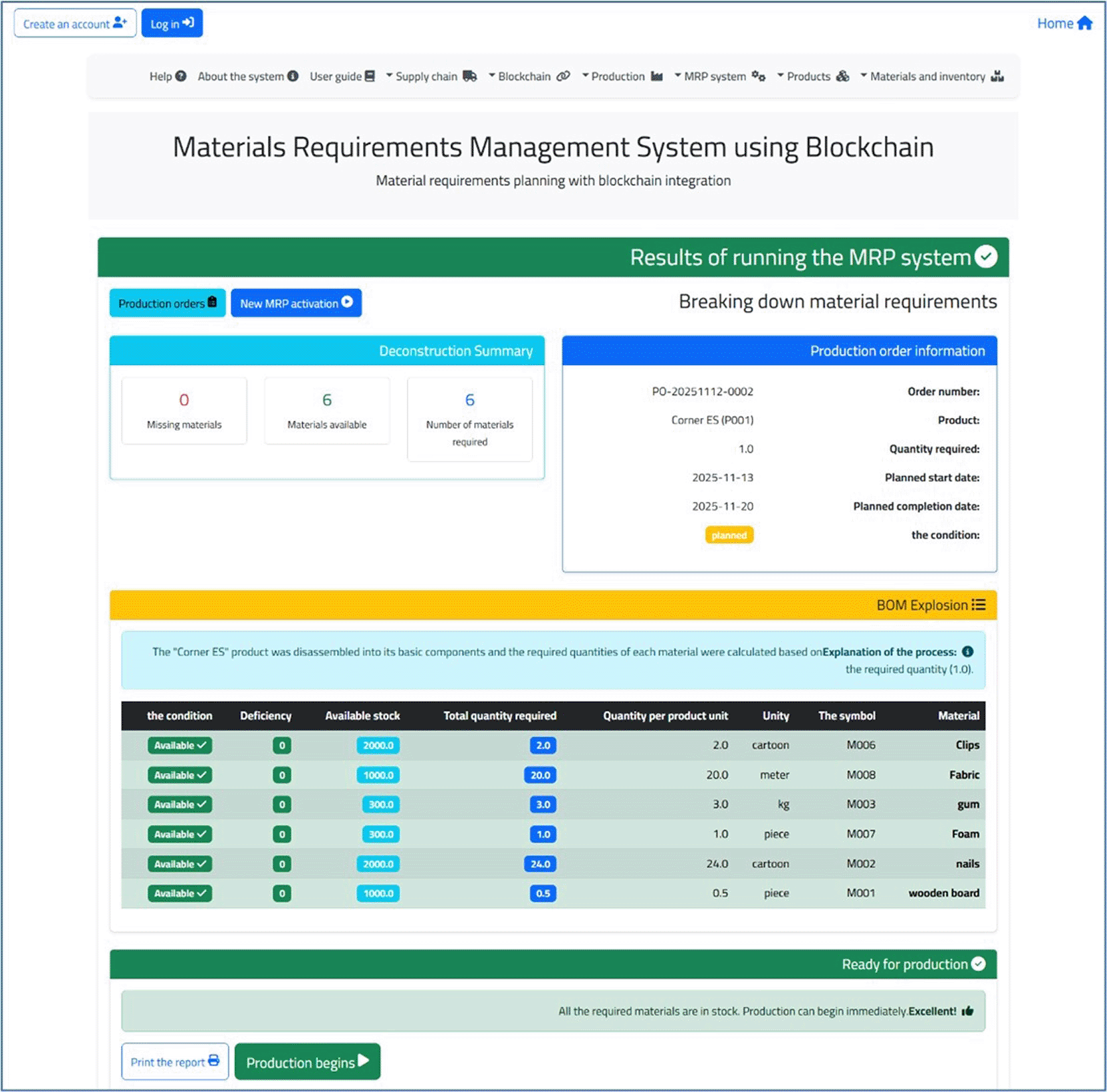
4. MRP Computation System Module
Automatically calculates material requirements based on active production orders, identifies shortages, and recommends purchase orders. As shown in figure 8.
5. Blockchain Integration Module
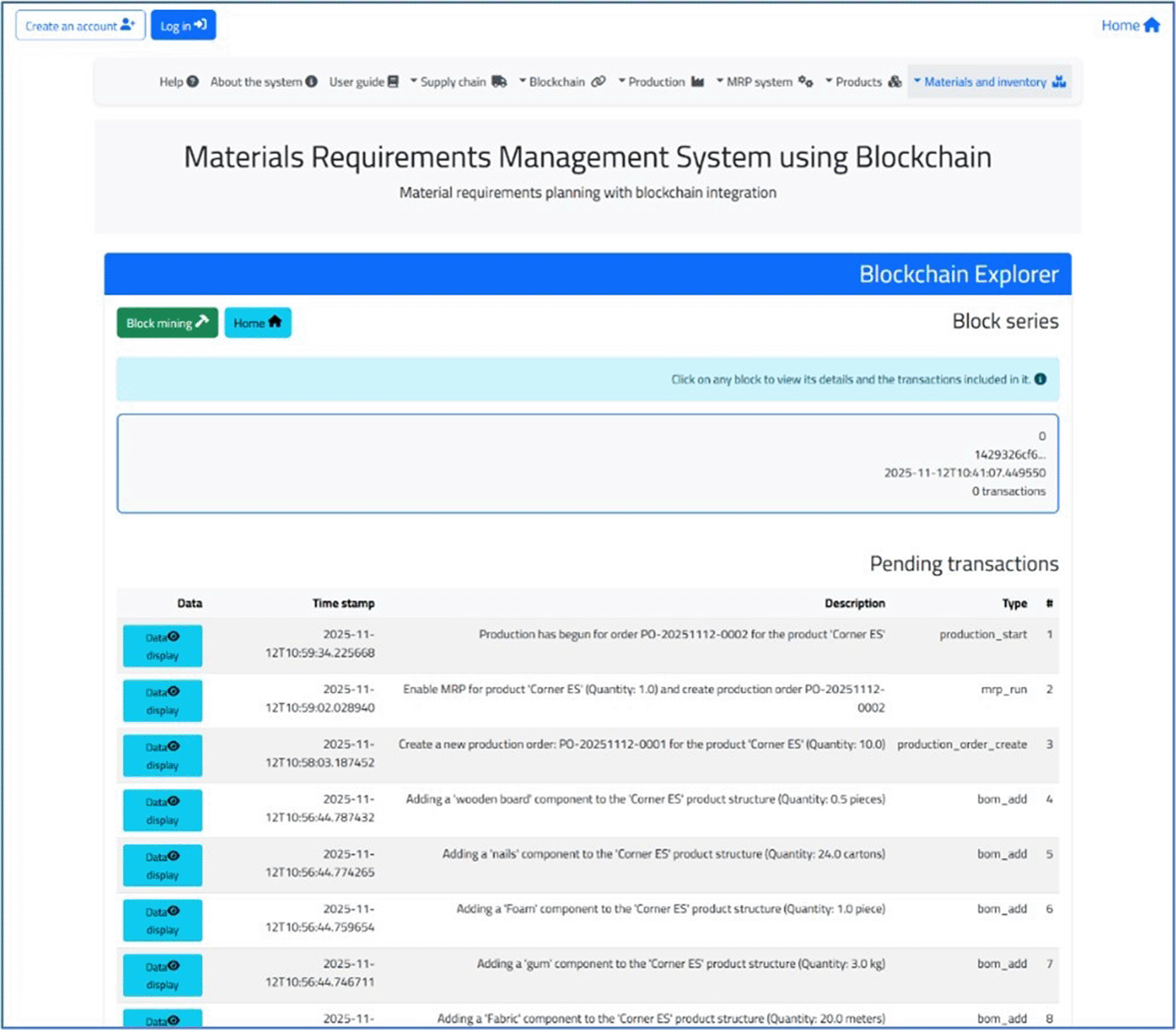
Every key transaction—such as adding materials, defining BOMs, and creating production orders—is recorded on the blockchain. This ensures transparency and prevents data tampering. The system also includes a Blockchain Explorer to view and verify recorded blocks and transactions. As shown in figures 9, and transaction history showing recorded operations show in figure 10:
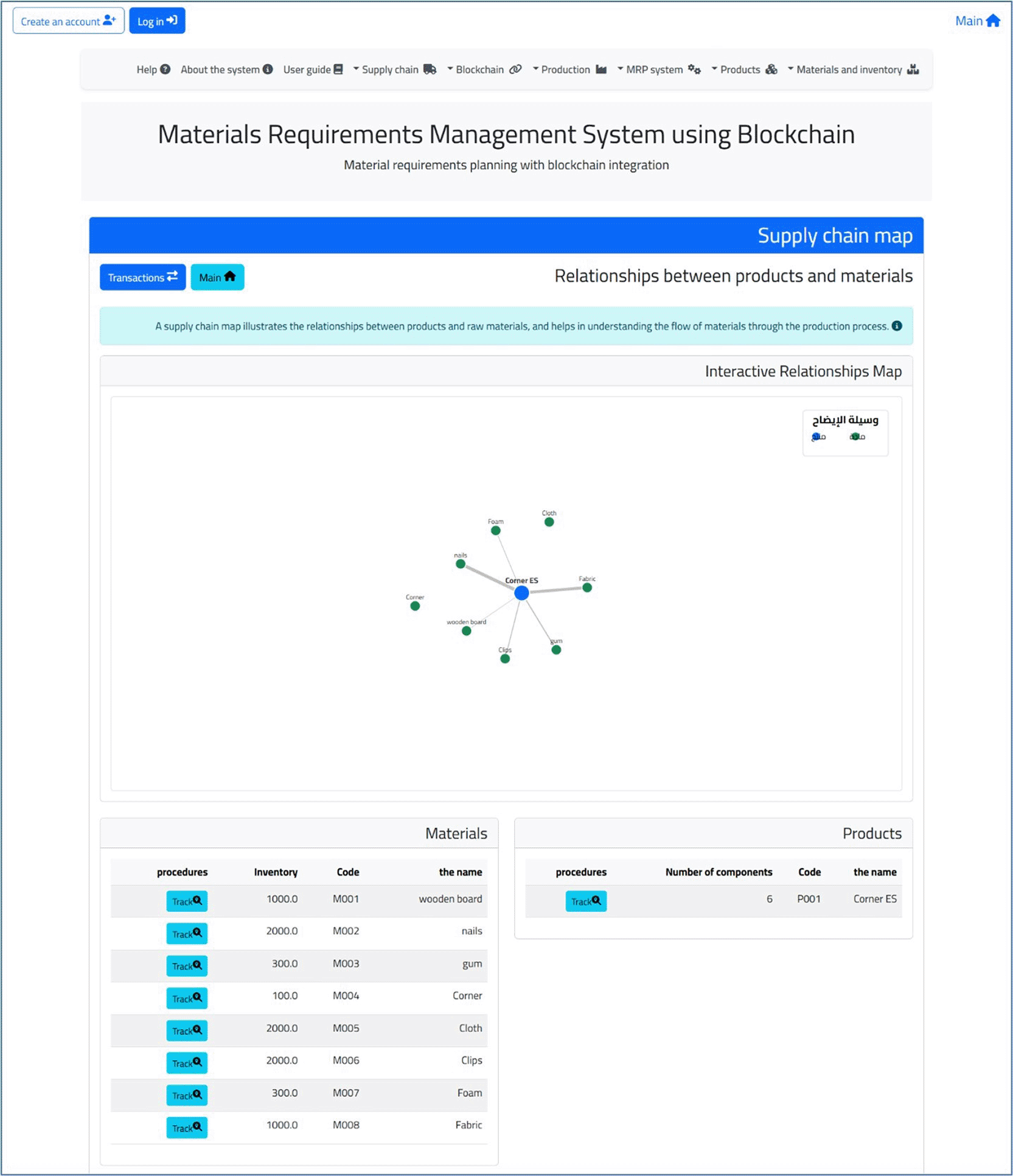
6. Supply Chain Visualization Module
Displays an interactive supply chain map showing relationships between materials, products, and production. As shown in figure 11.
Module Interaction to Simplified Data Flow:
The interaction between modules are as follow;
1. User Interaction: A manager logs into the web interface and enters a new production order.
2. MRP Computation: The MRP module calculates required raw materials, component dependencies, and due dates based on the Bill of Materials (BOM).
3. Database Update: Computed schedules and requirements are stored in the MySQL database.
4. Blockchain Integration: Key transaction records (e.g., purchase order creation, delivery verification, stock updates) are hashed and recorded on the blockchain via smart contracts.
5. Supplier Confirmation: Suppliers update delivery or shipment confirmations, which trigger new blockchain entries ensuring authenticity and non-repudiation.
6. Traceability and Audit: Authorized users can trace each material’s lifecycle — from raw material acquisition to finished product — through blockchain logs.
7. Simulation/Reporting: System performance metrics (transaction time, data integrity) are generated for analytical validation.
To provide the necessary information for direct supply via blockchain and to reduce the time wasted in exchanging information through Traditional methods between the suppliers and the exhibition management, the data to be uploaded on the blockchain records is divided into two categories:
Table 3 illustrates the procurement procedures before and after adopting blockchain Technology.
Table 4 illustrates the lead times for each part before and after adopting blockchain Technology.
Figure 12 illustrates the overall time production structure of corner based on the new lead times resulting from the reduction in time and procedures. This duration is constant for all weeks of the year 2024, as it represents the calculated production and supply lead times of the parts and components after applying blockchain Technology.
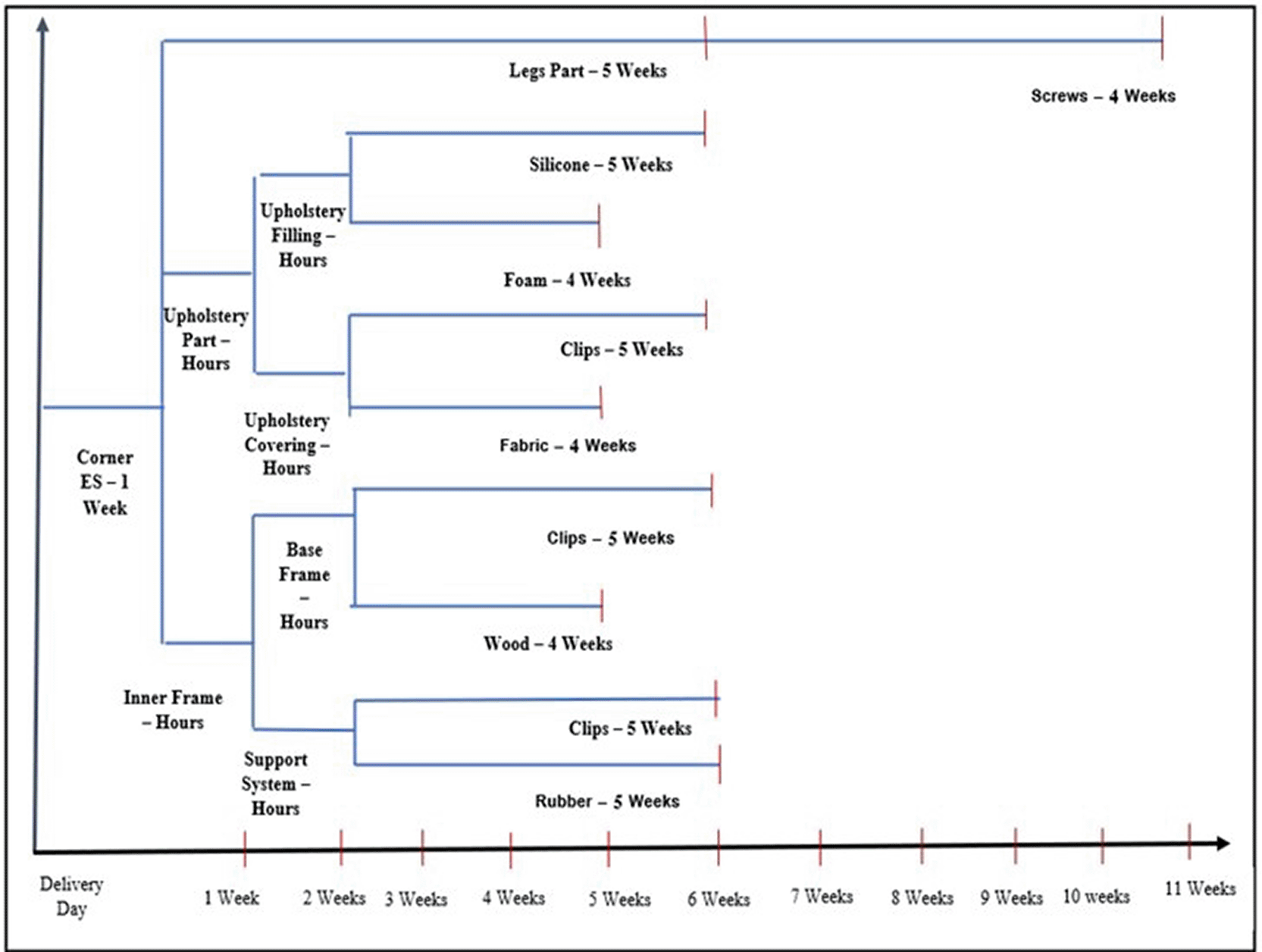
From Figure 12, the total duration required for the production and supply of the corner is approximately 11 weeks.
1. First Week
According to the Master Production Schedule ( Table 1), the demand for corners in the first week is 10 units, Table 5 shows the quantities of parts and components required to produce 10 corners.
At this stage, the net requirements of the corner and their parts and components are determined at each level of the production process, along with the timing of their needs and the schedules for supply orders of each part. This is illustrated in Table 6.
From Table 6, in order to fulfill the order for the first week of January 2024 and deliver it to the customer on time, it is necessary to confirm with the suppliers to start providing the required parts and components beginning from the third week of October 2023. The supply of the remaining parts and component whether from external suppliers or from the exhibition will follow according to the dates specified in the Net Requirements Table 6. It should be noted that these schedules are accessible to suppliers as part of the digital blockchain records. Therefore, there is no need for formal correspondence between the exhibition management and the suppliers.
2. Second Week
a. Bill of Materials Required for Production
According to the Master Production Schedule ( Table 1), the demand for corners in the second week is 5 units. Table 7 shows the quantities of parts and components required to produce 5 corners.
b. Planning the Net Requirements of Corners and Their Parts and Components
At this stage, the net requirements of the corners and their parts and components are determined at each level of the production process, along with the timing of their needs and the schedules for supply orders of each part. This is illustrated in Table 8.
From Table 8, the exhibition must confirm with the suppliers to start providing the required parts and components beginning from Week 4 of October 2023, followed by the remaining parts and components according to the schedules specified in the Net Requirements Table 8.
In order to select the better system, it is necessary to compare the actual situation with the proposed method by sit of criteria to compare the results of the two methods for January (Week 1 and Week 2) as shown in Table 9.
• Total inventory of parts and components used in producing corner units during Week 1 and Week 2 of January 2024.
• Production cost of one corner unit = 900,000 IQD.
• Price of one corner = 1,200,000 IQD.
From Table 9, it is clear that the best method for the exhibition to plan for its requirement from parts and components to product the corners is Material Requirements Planning system using blockchain Technology, This result were reached due to the superiority of this method in all comparison criteria between the two methods.
This study received ethical approval from the Scientific Research Ethics Committee at the Technical College of Management/Middle Technical University, Baghdad, Iraq, under the reference number 3030/27/7 dated 2025/5/12. All research procedures were conducted in accordance with the approved ethical standards, ensuring the protection of participants’ rights and the confidentiality of their information.
Verbal informed consent was obtained from all participants prior to conducting the interviews. Participants were informed about the objectives of the study, the voluntary nature of participation, and the confidentiality and anonymity of their responses. Verbal consent was deemed appropriate as the study involved non-sensitive professional opinions and posed no risk to participants.
1. The results confirmed the superiority of the proposed method (designing a Material Requirements Planning system using blockchain Technology) over the current system in place at the exhibition, particularly in meeting customer demand, reducing inventory and costs, minimizing shortages and their costs, increasing production, and most importantly, increasing profits.
2. The proposed system proved its effectiveness in reducing the surplus of wood, fabric, and foam, because the inventory became based on accurate real-time data rather than traditional estimates, thus reducing storage and shortage costs.
3. It was found that integrating blockchain Technology with the MRP system provided a shared and reliable database between the exhibition and external suppliers (Turkey and China), that lead to reducing cases of delayed supplies or receipt of parts and components not meeting specifications.
4. The new system contributed to shortening the time between placing orders from external suppliers (Turkey and China) and their arrival in Baghdad, through real-time tracking of orders via the blockchain platform, thereby reducing production delays.
5. The implemented blockchain-MRP platform functions as a prototype, and its performance may differ in large-scale industrial environments. Although real data from the exhibition was used, parts of the evaluation relied on simulated datasets, which may limit generalizability. The case study context represents a single pilot application, and therefore does not capture the full variability of other manufacturing settings. Moreover, the blockchain module was tested on a local lightweight network, not a fully distributed production environment.
Based on the conclusions, the researchers recommends the following:
1. Implement a Material Requirements Planning (MRP) system using blockchain technology for the Corner product line. This will positively effect on the performance of the production line. This Implementation will done by providing the necessary technological infrastructure and uploading the required MRP data, including (weekly corners demand, planned delivery times, parts and components required for each corners batch and their specifications, the master production schedule, and tables about net corners requirements, all within the blockchain platform designed by the Exhibition.
2. Plan to implement a blockchain-based MRP system for the other products manufactured by the Exhibition.
3. Eliminate the role of intermediaries and move towards direct interaction between the Exhibition and the supplier. This will be achieved by (sharing the data uploaded to the blockchain platform, real-time transaction tracking, and direct electronic payment) from both the Exhibition and the supplier.
4. Coordinate with the supplier and the managers of the Exhibition’s warehouse in design the blockchain platform and upload the required information from them to the platform, including (prices, available technical specifications, lead times, delivery and payment schedules) from supplier, and inventory status information from warehouses to ensure smooth demand fulfillment within the specified time.
5. Provide technologies that guaranty the security of information and documents on the proposed platform.
| Views | Downloads | |
|---|---|---|
| F1000Research | - | - |
|
PubMed Central
Data from PMC are received and updated monthly.
|
- | - |
Provide sufficient details of any financial or non-financial competing interests to enable users to assess whether your comments might lead a reasonable person to question your impartiality. Consider the following examples, but note that this is not an exhaustive list:
Sign up for content alerts and receive a weekly or monthly email with all newly published articles
Already registered? Sign in
The email address should be the one you originally registered with F1000.
You registered with F1000 via Google, so we cannot reset your password.
To sign in, please click here.
If you still need help with your Google account password, please click here.
You registered with F1000 via Facebook, so we cannot reset your password.
To sign in, please click here.
If you still need help with your Facebook account password, please click here.
If your email address is registered with us, we will email you instructions to reset your password.
If you think you should have received this email but it has not arrived, please check your spam filters and/or contact for further assistance.

Comments on this article Comments (0)