Keywords
youth unemployment; NEET; Africa; labour force partic-ipation; sectoral employment; educational attainment; gender gap; ILO modelled estimates

youth unemployment; NEET; Africa; labour force partic-ipation; sectoral employment; educational attainment; gender gap; ILO modelled estimates
Africa is undergoing an unprecedented demographic transition. By 2026, the continent hosts approximately 1.5 billion people, of whom an estimated 545 million are young persons aged 15–35 the largest youth cohort in the world. This demographic trajectory presents a dual opportunity: if adequately absorbed into productive employment, Africa’s youth could generate a demographic dividend capable of sustaining economic growth for decades; conversely, failure to integrate young people into the labour market risks perpetuating cycles of poverty, social exclusion, and political instability.1,2,3,4,5
Despite economic growth averaging 4–5% per annum across sub-Saharan Africa since 2000, employment generation has consistently lagged behind labour-force expansion. A structural disconnect persists between the sectors absorbing the largest share of workers predominantly sub-sistence agriculture and the informal economy and the productive, high-value activities needed to deliver sustain-able income gains.6,7 Simultaneous rapid expansion of tertiary enrolment without commensurate growth in high-skilled employment has generated widespread credential–employment mismatch.8,9,10
Gender represents a critical axis of labour market disadvan-tage. Young women face lower participation rates, higher unemployment, and greater concentration in precarious informal work relative to male counterparts, reflecting entrenched social norms, discriminatory hiring, and disproportionate care burdens.11,12 The NEET indicator has emerged as a more comprehensive proxy for youth disengagement than unemployment alone, capturing both active job-seekers and discouraged workers who have with-drawn from the labour market entirely.13,14,15
This study is guided by four research questions (RQ):
RQ1 What is the distribution of labour market status em-ployed, unemployed, inactive, in education/training among African youth aged 15–35 across all 53 coun-tries in 2026?
RQ2 To what extent do YUR, NEET rates, and LFPR vary by country, sub-region, age group, and sex?
RQ3 What is the relationship between educational attain-ment and youth unemployment, and is there evidence of credential–employment mismatch?
RQ4 How does the sectoral distribution of youth employ-ment differ by sex, and what structural implications does this hold for gender equity?
Building on theory and recent empirical evidence,16,17,18,19 this study tests four hypotheses (H):
YUR is significantly higher in North Africa than in sub-Saharan Africa, reflecting formal-sector scarcity and widespread informal agricultural employment.
Female youth face systematically higher YUR and lower LFPR than male youth.
Youth with upper secondary and tertiary qualifications account for a disproportionate share of unemploy-ment relative to their population weight (credential–employment mismatch).
YUR and NEET rate are positively correlated at country level.
Pan-African comparative analyses simultaneously exam-ining YUR, NEET, LFPR, sectoral structure, and educational attainment with full sex disaggregation across all 53 African countries remain scarce.16,1 This study fills that gap and provides an evidence base for policies aligned with the African Union’s Agenda 2063 and United Nations Sustainable Development Goal 8 (Decent Work and Economic Growth).
A cross-sectional, descriptive-correlational study design was employed. Analysis was conducted at country level across all 53 African Union member states for the calendar year 2026. The study follows the STROBE (Strengthening the Reporting of Observational Studies in Epidemiology) guidelines, adapted for secondary aggregate data.20 Geospatial analysis follows Bayesian approaches that account for spatial dependence and heterogeneity across countries and sub-regions.21
All data derive from ILO harmonised modelled labour market estimates (ILOSTAT, 2024 release).22 These estimates are produced through a multi-step framework com-bining national household survey microdata, administra-tive records, and econometric imputation for countries with incomplete or outdated survey coverage, ensuring cross-national comparability.23 The target population is youth aged 15–35 years, consistent with the African Union’s definition of youth.
Four labour-market status variables were examined:
• Employed: performed ≥1 hour of paid or self-employed work in the reference period; disaggregated by country, single year of age, sex, and ISIC Rev.4 sector (aggregated as Agriculture, Industry, Services).
• Unemployed: not in employment, actively seeking work, and available to start; disaggregated by country, age, sex, and educational attainment (no education; primary; lower secondary; upper secondary; tertiary).
• Inactive: neither employed nor seeking work (including discouraged workers); disaggregated analogously.
• Students: currently enrolled in formal or non-formal education or training; disaggregated analogously.
Three primary indicators were computed for each country:
Definitions conform to ILO resolutions adopted at the 13th and 19th International Conferences of Labour Statisticians.23
Sub-regional aggregates were computed for North Africa (Algeria, Egypt, Libya, Morocco, Sudan, Tunisia) and sub-Saharan Africa (the remaining 47 countries).
All analyses were performed in Python 3.12 using pan-das v2.2 and NumPy v1.26; figures were produced with matplotlib v3.10. To test H4, Pearson’s correlation coefficient r was computed between country-level YUR and NEET rate (n = 53; significance threshold α = 0.05). Cross-country inequality in YUR was quantified using the Gini coefficient. All descriptive statistics are reported to one decimal place.
This study uses exclusively publicly available, aggregate, anonymized ILO modelled estimates. No primary data collection involving human participants or animals was undertaken. Formal ethical approval was not required under applicable institutional guidelines. The dataset is freely accessible at https://africayouthjobs.io.
The total African youth population aged 15–35 comprised an estimated 545.1 million individuals across 53 countries in 2026 ( Figure 1). Of these, 311.5 million (57.1%) were employed, 23.1 million (4.2%) were unemployed, 81.7 million (15.0%) were economically inactive, and 128.8 million (23.6%) were in education or training. The continental YUR was 6.91% and the LFPR was 61.38%. The NEET rate reached 19.23%, representing approximately 104.8 million youth neither employed nor in education/training a population at elevated risk of long-term human-capital atrophy.13
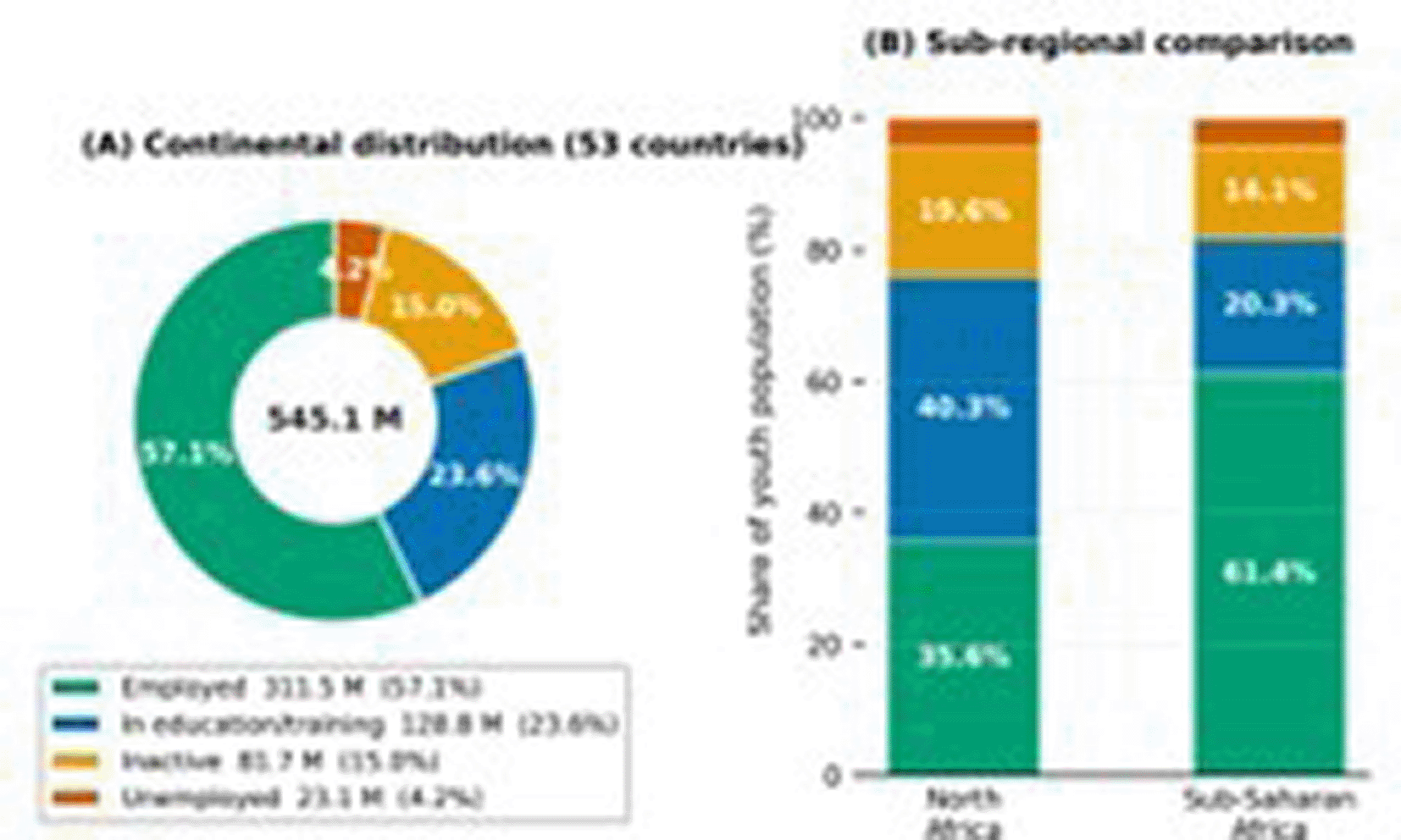
Panel (A): proportional distribution across four statuses for all 53 coun-tries combined (total = 545.1 million). Panel (B): sub-regional comparison between North Africa (n = 6) and Sub-Saharan Africa (n = 47). Source: Author’s calculations based on (World Data Lab 2026).
Figure 2 illustrates the pronounced cross-country heterogeneity in YUR. Rates range from 37.4% in Eswatini to 0.4% in Niger a 93-fold differential. The Gini coefficient for YUR across 53 countries equals 0.61, indicating very high cross-country inequality. The 15 highest-YUR countries include Eswatini (37.4%), South Africa (36.5%), Djibouti (33.6%), Botswana (29.2%), and the Republic of the Congo (25.1%), sharing characteristics of structurally constrained formal sectors relative to growing youth labour supply.18,19
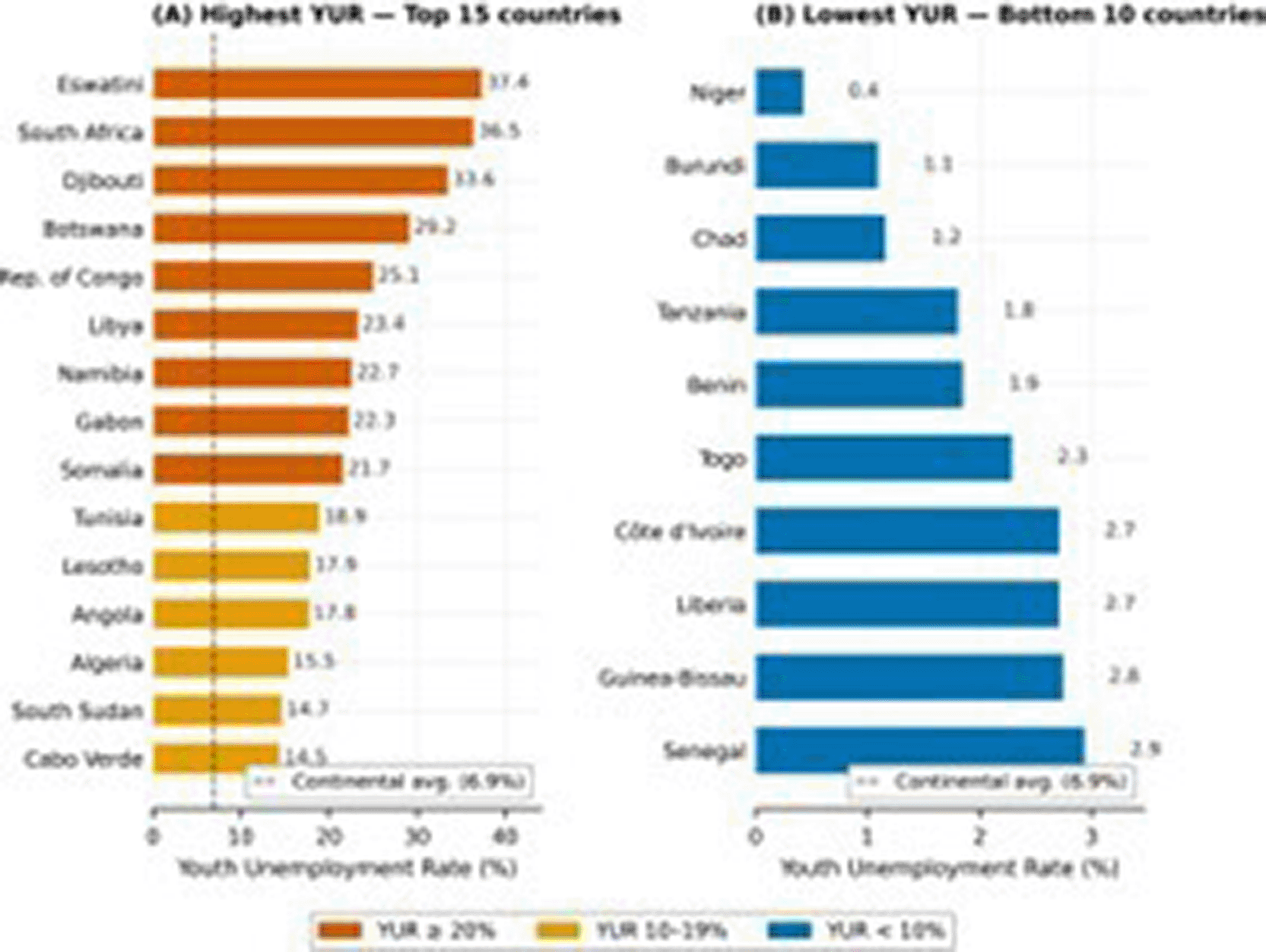
Panel (A): 15 countries with highest YUR. Panel (B): 10 countries with lowest YUR. Dashed vertical line = continental average (6.91%). Colour coding: red ≥20% (critical); amber 10–19% (high); teal <10% (moderate/low). Source: Author’s calculations based on (World Data Lab 2026).
Consistent with H1, North Africa recorded a substantially higher YUR(11.09%) than sub-Saharan Africa (6.40%), reflecting the distinctive characteristics of North African labour markets: large but saturated public sectors, limited private-sector dynamism, and elevated rates of educated unemployment, especially among women.24,17 Paradoxically, several sub-Saharan African countries record very low YUR (Niger 0.4%, Burundi 1.1%) yet high NEET rates (13.9% and 9.5%, respectively), reflecting necessity employment where the absence of social protec-tion compels any form of work regardless of productivity.2,25
Table 1 presents the full set of indicators for all 53 countries (selected, ranked by YUR).
Youth unemployment exhibits a non-linear age profile. Rates were highest in the 20–24 cohort (9.52%) and in the 15–19 cohort (9.41%), declining to 4.83% for ages 25–29 and 5.19% for ages 30–35. This pattern reflects transitional unemployment among recent school-leavers.1 The modest uptick for the 30–35 group is consistent with labour-market scarring, whereby prolonged early unemployment reduces long-run employability.13,26 Evidence from hysteresis tests confirms that youth unemployment persistence varies significantly across African countries and income levels.26
Supporting H2, female YUR(7.56%) exceeded male YUR(6.40%), a gap of 1.16 percentage points. Female employment totalled 136.3 million versus 175.2 million for males. Gender disparities are further visible in the sectoral distribution ( Figure 3; Table 2). Women were markedly under-represented in industry (10.1% of female employment vs. 17.1% of male employment), whilst services claimed a higher share among women (43.9%) than men (37.0%), reflecting the concentration of women in informal service activities, domestic work, and petty trade.11
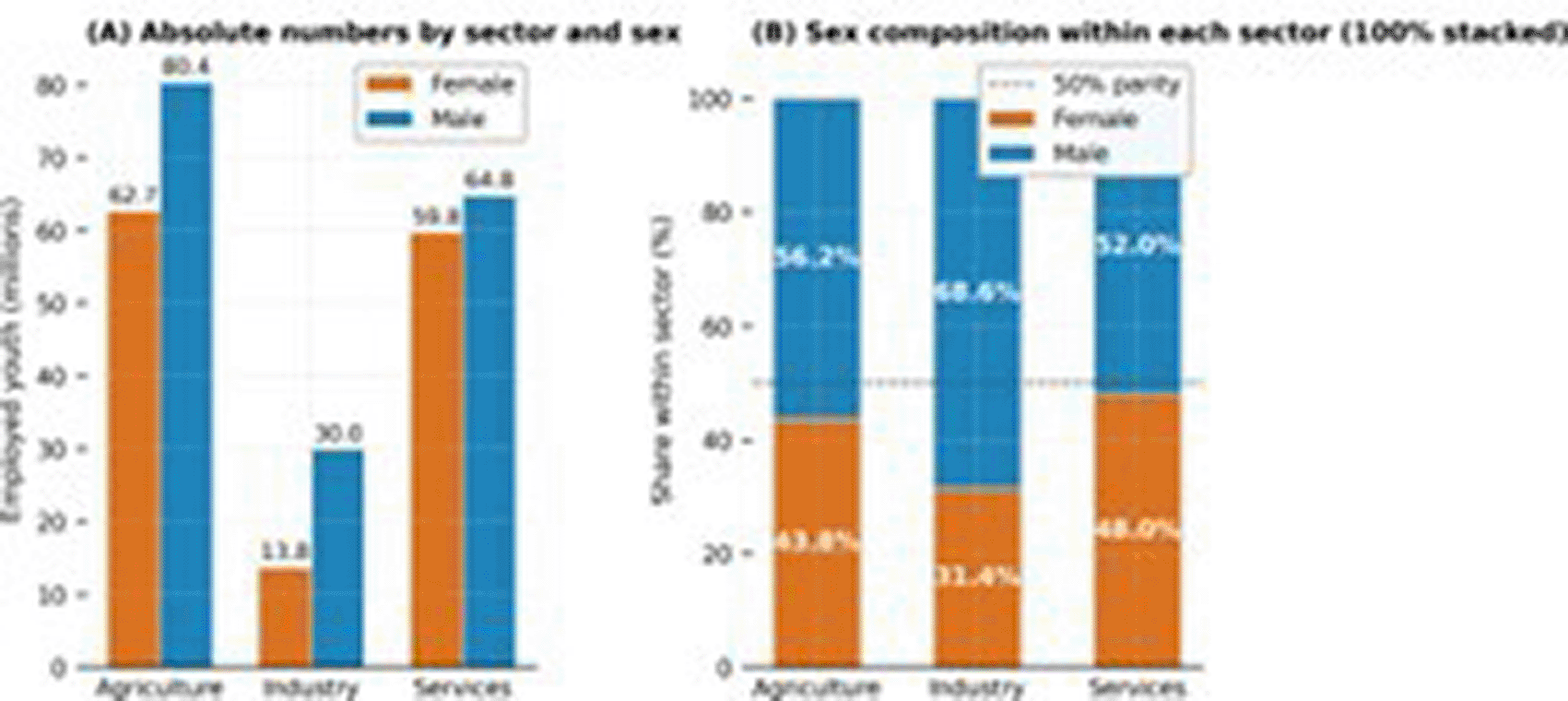
Panels (A)–(B): proportional sectoral distribution for female and male employed youth. Panel (C): absolute figures by sector and sex (millions). Sectors: Agriculture (green), Industry (amber), Services (navy). Source: Author’s calculations based on (World Data Lab 2026).
Agriculture dominated youth employment at 45.9% (143.1 million), followed by services at 40.0% (124.6 million) and industry at 14.1% (43.8 million) (creftab:t2). Agricultural dominance is most pronounced in Niger, Tanzania, and Ethiopia, where low measured YUR coexists with extensive subsistence farming. Countries with more diversified structures South Africa, North African states record higher industrial and services shares alongside higher formal unemployment.6,27,7 The agriculture sector represents both a repository of last-resort employment and a potential engine for inclusive development if adequately modernised and linked to youth-inclusive value chains.28,29,30
Figure 4 and Table 3 strongly support H3. Upper secondary graduates constituted 32.9% of all unemployed youth (7.6 million) and tertiary graduates 19.8% (4.6 million); together, 52.7% of total unemployment. By contrast, youth without formal education accounted for only 15.7% (3.6 million). This educated unemployment paradox reflects structural mismatches between curricula and private-sector demand.8,31,9,32 The persistent skills gap particularly in digital and soft skills constrains even educated youth from transitioning into productive employment.33,34,35
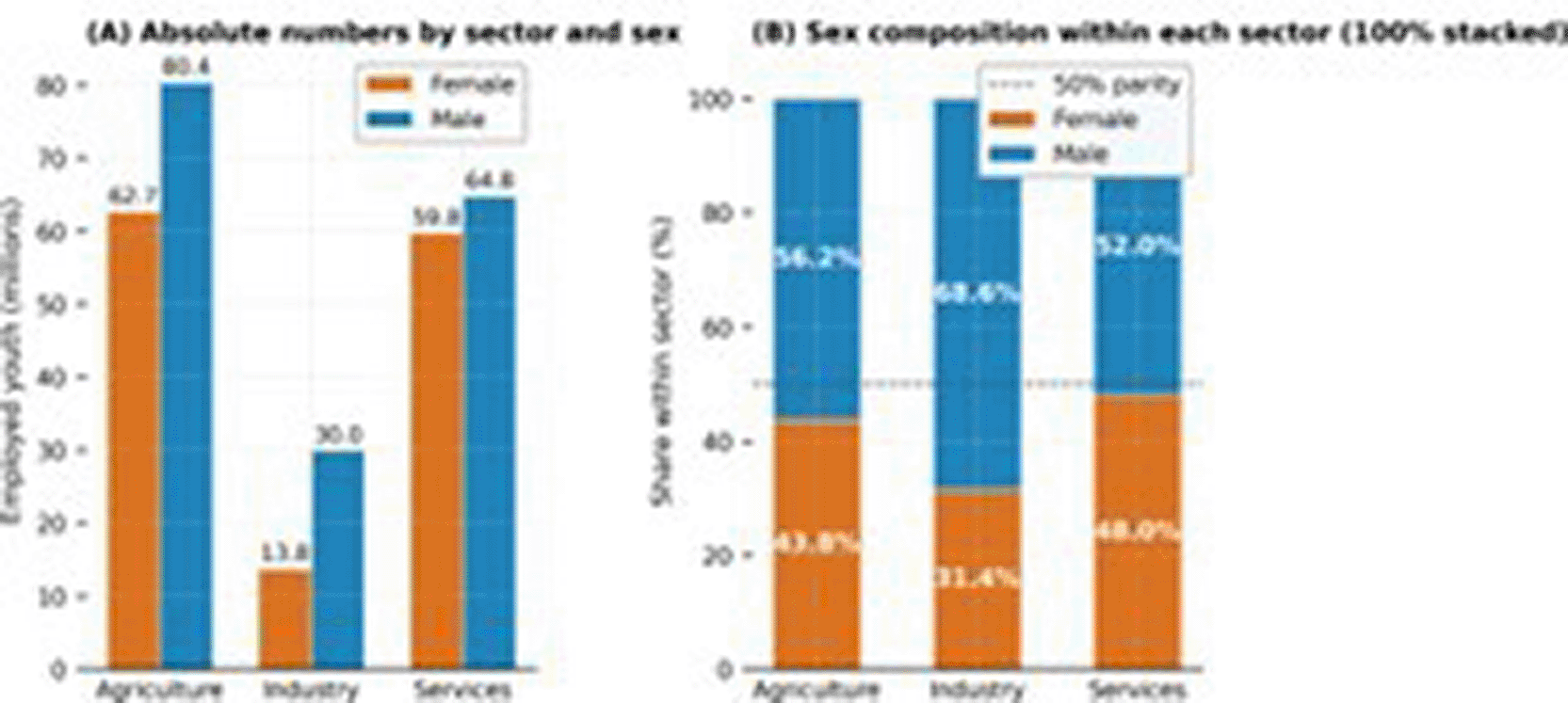
Panels (A)–(B): proportional sectoral distribution for female and male employed youth. Panel (C): absolute figures by sector and sex (millions). Sectors: Agriculture (green), Industry (amber), Services (navy). Source: Author’s calculations based on (World Data Lab 2026).
By sex, women with upper secondary credentials constituted 35.3% of female unemployment (3.9 million) versus 30.7% for males (3.7 million), reinforcing the compounding role of gender discrimination in amplifying educational mismatch.11
Pearson’s correlation between country-level YUR and NEET rate (n = 53) yielded r = 0.720 (p = < 0.001), confirming H4 ( Figure 5). A positive association between formal labour-market stress and broader youth disengagement is therefore evident. Notable deviations from the trend include Algeria (YUR 15.5%, NEET 35.0%) high on both dimensions and Chad (YUR 1.2%, NEET 31.3%) low unemployment yet extreme inactivity reflecting necessity employment in the absence of social protection.
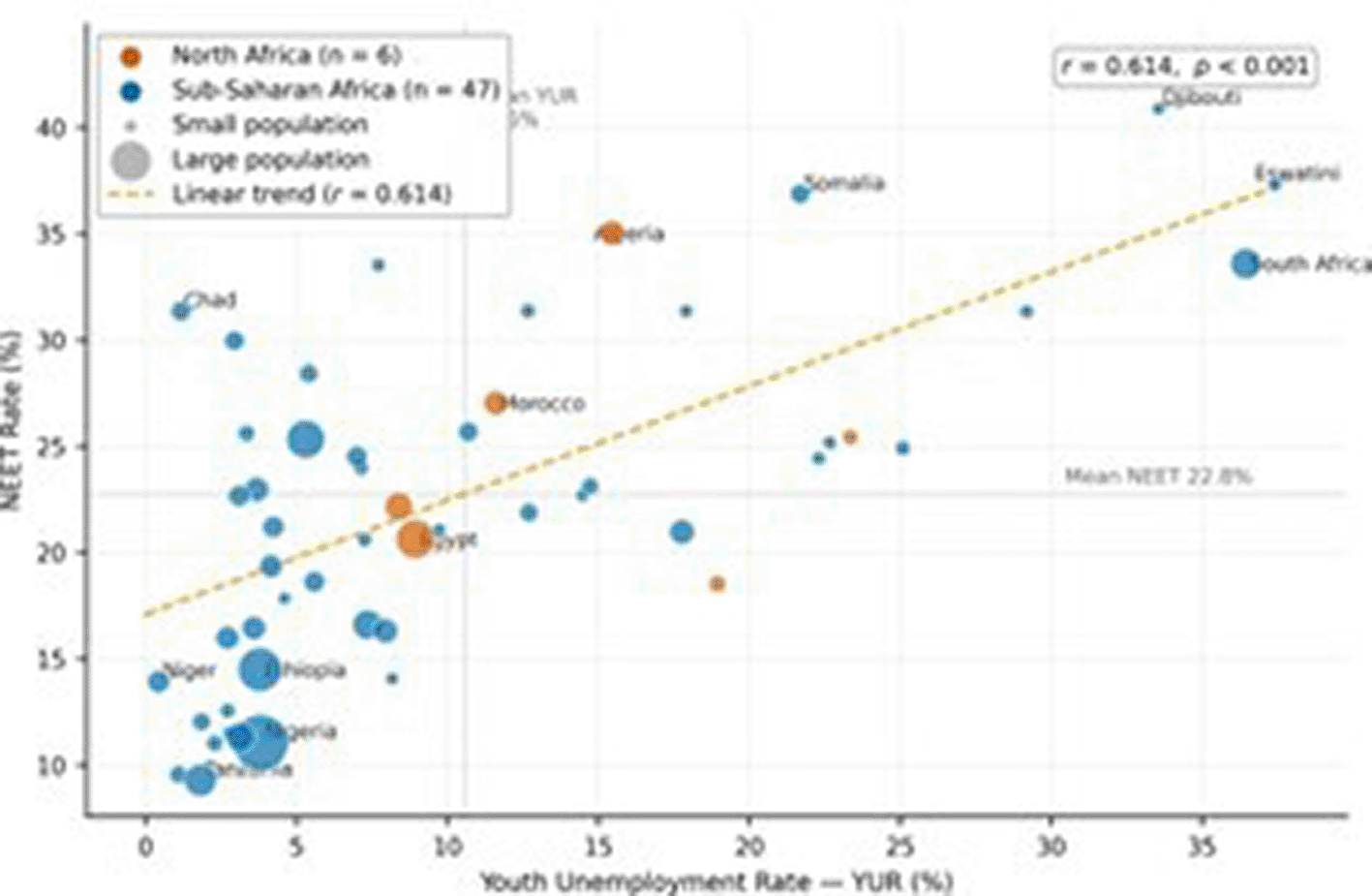
Bubble size is proportional to youth population aged 15–35. Red = North Africa; navy = Sub-Saharan Africa. Dotted lines denote continental averages on each axis. Dashed regression line: r = 0.720, p = < 0.001 (n = 53). Source: Author’s calculations based on (World Data Lab 2026).
This study provides a harmonised, pan-African portrait of youth labour markets in 2026, confirming all four hypotheses. The continental YURof 6.91% (Gini coefficient 0.61) masks a NEET rate of 19.23%, a 93-fold country-level YUR range, a strong YUR–NEET correlation (r = 0.720), and persistent structural imbalances.2,36 These findings underscore the inadequacy of YUR alone as a policy metric and highlight the need for multi-dimensional frame-works.13,14 Income inequality has been identified as a key accelerator of youth unemployment across African countries,5 while political instability exerts additional upward pressure through its effects on investment and labour market flexibility.4
Agriculture’s dominance (45.9%) reflects an unfinished structural transformation. Workers exiting agriculture are predominantly absorbed into low-productivity informal services rather than formal manufacturing, constraining wage growth and perpetuating vulnerable employment.6,27,7,3 This phenomenon is most acute in East and West Africa, where very low YUR coexists with extensive subsistence employment and underemployment. Climate shocks compound these challenges, with rising temperatures reducing agricultural employment and accelerating labour reallocation towards manufacturing and services.37 Addressing the agricultural trap requires strategies that modernise the sector while simultaneously creating alternatives in manufacturing and services for displaced agricultural workers.29,30
The finding that upper secondary and tertiary graduates constitute 52.7% of unemployment constitutes compelling evidence of the educated unemployment paradox.8,31 This reflects poorly aligned curricula, limited higher-education–employer linkages, and private-sector absorptive constraints. The disproportionate impact on credentialled women underscores the role of discriminatory labour market institutions.
The gender gap in YUR and LFPR is consistent with recent evidence on structural inequalities in African labour markets.11 Women’s under-representation in indus-try limits access to productivity-enhancing formal employment. Expanding women’s access to industrial and technology-intensive occupations is essential and requires both supply-side (education, skills) and demand-side (anti-discrimination, quotas) interventions.1
The prevalence of low YUR alongside high NEET rates in many sub-Saharan African countries reflects widespread necessity-driven informal employment rather than gen-uine labour market inclusion. Young people engage in informal activities including artisanal small-scale mining, street trading, and agricultural subsistence as survival strategies in the absence of formal opportunities.38,39 Entrepreneurship programs show promise but require comprehensive support including financial literacy, mentorship, and access to credit.40,41,42 Public-private partnerships, such as the Youth Employment Service in South Africa, represent innovative models but require stronger post-placement support mechanisms.43,44
Several limitations must be acknowledged. First, ILO modelled estimates carry inherent uncertainty for countries with outdated survey coverage; formal confidence intervals are unavailable, precluding strict inferential statistical testing. Second, the dataset does not capture employment quality (formal vs. informal, wage vs. self-employment), which is critical for comprehensive policy diagnosis. Third, the cross-sectional design precludes temporal trend analysis. Fourth, the 15–35 age bracket, whilst consistent with African Union definitions, is broader than the conventional 15–24 ILO window, affecting comparability. Future research should employ longitudinal panel designs, harmonised household survey microdata, multi-dimensional employment quality indices, and structural equation modelling.3
Evidence from this study supports the following priority interventions2,1,31,36,42,43,41:
1. Accelerate structural economic transformation through industrial policy promoting labour-intensive manufacturing.
2. Expand quality TVET aligned with private-sector demand to address credential–employment mismatch, incorporating both technical and soft skills development.33,34,45
3. Establish social protection floors for NEET youth to prevent human-capital atrophy.15
4. Mainstream gender-transformative employment policies, including anti-discrimination legislation and childcare infrastructure.12
5. Strengthen sub-regional labour market integration to enlarge effective labour markets, and leverage ICT and digital platforms to improve labour market matching.46
6. Address energy infrastructure gaps as a complementary strategy, given evidence linking energy poverty to youth unemployment.47
This study provides the most comprehensive cross-national analysis of African youth labour markets to date, covering all 53 African Union member states in 2026 with harmonised ILO modelled estimates. The YUR of 6.91%, NEET rate of 19.23%, Gini coefficient of 0.61, agricultural employment dominance at 45.9%, a systematic gender gap, and the educated unemployment paradox collectively define a multi-dimensional structural challenge. All four hypotheses were confirmed. These findings underscore the imperative of moving beyond YUR as the primary metric towards multi-dimensional frameworks incorporating NEET rates, employment quality, sectoral composition, and gender. Evidence-based, structurally transformative, and gender-sensitive policies are indispensable for harnessing Africa’s demographic dividend.
| Views | Downloads | |
|---|---|---|
| F1000Research | - | - |
|
PubMed Central
Data from PMC are received and updated monthly.
|
- | - |
Provide sufficient details of any financial or non-financial competing interests to enable users to assess whether your comments might lead a reasonable person to question your impartiality. Consider the following examples, but note that this is not an exhaustive list:
Sign up for content alerts and receive a weekly or monthly email with all newly published articles
Already registered? Sign in
The email address should be the one you originally registered with F1000.
You registered with F1000 via Google, so we cannot reset your password.
To sign in, please click here.
If you still need help with your Google account password, please click here.
You registered with F1000 via Facebook, so we cannot reset your password.
To sign in, please click here.
If you still need help with your Facebook account password, please click here.
If your email address is registered with us, we will email you instructions to reset your password.
If you think you should have received this email but it has not arrived, please check your spam filters and/or contact for further assistance.

Comments on this article Comments (0)