Keywords
Bibliometric Analysis, ELT Curriculum, English Language Teaching, Materials Development, Scopus

Bibliometric Analysis, ELT Curriculum, English Language Teaching, Materials Development, Scopus
English Language Teaching (ELT) has experienced numerous transformations over time, shaped by evolving educational paradigms, increased global mobility, and technological advancements. Furthermore, curriculum design and material development have a profound influence on both educators and students (Richards, 2017). A well-structured curriculum and instructional materials can effectively meet the needs of learners, particularly in language education, when they align with institutional objectives and cater to diverse learning styles (Grecu, 2021). In recent years, scholars have advocated for ELT courses to integrate communicative competence, digital literacy, and learner autonomy (Ali et al., 2021). Given the rapid expansion of global English education and the digitalization of learning environments, there is an increasing need to examine how ELT curricula and materials evolve in response to pedagogical, technological, and sociocultural shifts.
The fundamental principle of ELT curriculum design emphasizes the dual focus on linguistic competence and learners’ social-cognitive development. Despite its widespread use in classrooms, Communicative Language Teaching (CLT) places a stronger emphasis on communication with others rather than reciting grammar rules (Littlewood, 2014). Recent innovations in curriculum models incorporate scaffolding, collaboration, and contextualized learning to enhance engagement and authenticity in the classroom (Davis, 2015). Yüzlü and Dikilitaş (2022) further assert that translanguaging and multiliteracies pedagogy play a critical role in modern ELT curricula by encouraging teachers to draw upon diverse linguistic resources and online platforms. Various studies have demonstrated that this strategy is gaining popularity, especially in regions where people are exposed to diverse languages and cultures (Rahman et al., 2020). These trends reflect a paradigm shift toward more inclusive and multimodal pedagogies, which respond to the linguistic superdiversity of today’s classrooms. Consequently, it becomes essential to investigate how global academic communities conceptualize and respond to these emerging frameworks.
Concurrently, ELT textbooks and materials have transitioned from static, standardized resources to dynamic and learner-centered materials that integrate technological, cultural, and interactive dimensions (Tomlinson, 2012; Zhao, 2023). Research has shown that adopting culturally relevant and context-sensitive materials enhances comprehension and engagement compared to using generalized global textbooks (Sharma & Christ, 2017). Furthermore, the increasing use of educational technologies during and after the COVID-19 pandemic has further diversified instructional materials (Bozkurt & Sharma, 2020). This digital transformation has accelerated innovation in materials design, promoting multimodal, collaborative, and hybrid learning environments. As a result, it is critical to evaluate global research trends in ELT curriculum and materials development and their alignment with contemporary teaching objectives.
The global spread of English has prompted research on how local educational contexts adapt to global standards (Rose & Galloway, 2019). Scholars have examined how international norms influence national curricula and classroom practices, raising concerns over linguistic imperialism and the marginalization of local varieties of English (Galloway, 2017). While numerous bibliometric studies have investigated related fields such as technology in language learning (Shadiev & Yang, 2020), task-based instruction (Nunan, 2004), and learner autonomy (Okada, 2023), few have focused on the specific domains of ELT curriculum and materials development. This gap underscores the need for a systematic and data-driven exploration of how these subfields have evolved, collaborated, and contributed to global ELT research.
Existing bibliometric studies in applied linguistics have mostly concentrated on topics like language assessment, English for academic purposes, and corpus linguistics (Yan & Zhang, 2023). Although such studies contribute valuable insights into linguistic research patterns, they often overlook how ELT curricula are designed and materials are developed issues that directly impact pedagogical practice and educational policy (Heritage et al., 2020). Moreover, the COVID-19 pandemic has compelled educators to rethink priorities in curriculum and materials design (Nerlino, 2022), integrating blended, digital, and task-based elements into language education (Kandari & Qattan, 2020). These transformations further highlight the necessity of understanding the evolving scholarly discourse surrounding ELT curriculum innovation.
To address these research gaps, this study adopts a bibliometric approach to systematically map global research trends in ELT curriculum and materials development. By analyzing publication patterns, influential sources, authorship networks, and thematic clusters, this study aims to answer the following questions:
1. What are the publication trends, citation patterns, and productive sources in ELT curriculum and materials research from 2015 to 2024?
2. Which countries, institutions, and authors have contributed most prominently to this field?
3. What are the dominant and emerging themes shaping global ELT curriculum and materials development research?
Through this analysis, the study seeks to provide a comprehensive overview of the intellectual structure and evolution of ELT curriculum and materials research. The findings are expected to inform scholars, curriculum developers, and policymakers by offering data-driven insights into collaboration networks, thematic trends, and areas requiring deeper theoretical engagement. Ultimately, this study aims to bridge the gap between empirical bibliometric evidence and pedagogical theory, contributing to the advancement of contextually grounded and globally relevant ELT practices.
This research employed a bibliometric approach, which constitutes an empirical research methodology (Todeschini & Baccini, 2016). Bibliometric analysis quantitatively assesses published works, such as articles, books, or conference proceedings (Phoong et al., 2022). By analyzing the quantity and quality of publications, sources, important contributors, and data links, scholars could map the academic field of a specific topic or issue (Sukmojati et al., 2025). Trends in the field and contributions can be analyzed using the technological capabilities of Vosviewer, Biblioshiny, and Microsoft Excel. This study employed a descriptive qualitative analysis methodology. Acquiring pertinent bibliometric data sources and gathering essential information, including publication titles, years, authors, and institutions, necessitates thorough and precise identification analysis.
The data were evaluated according to relevant categories or themes, revealing noteworthy discoveries, methodologies, conceptual frameworks, and patterns that were meticulously studied within the articles’ content (Ravitch & Carl, 2019). This research offers comprehensive insights and knowledge into the latest publication patterns related to the research topic and academic accomplishments.
The researchers utilized the Scopus database to identify data sources related to global research trends in English language teaching (ELT) curriculum and materials development, given its comprehensive interdisciplinary scope. The refinement of the collected data entailed several phases, as seen in Figure 1. The stages include identification, screening, and eligibility. The first stage involves identifying relevant articles using the specified search parameters and removing equivalent or duplicate publications. Topics related to Global Research Trends in the Curriculum and Development of English Language Teaching Materials (ELT). A total of 1,091 publications were identified, excluding duplicates, indicating that only publications meeting specific criteria can be included as primary data in an extensive collection.
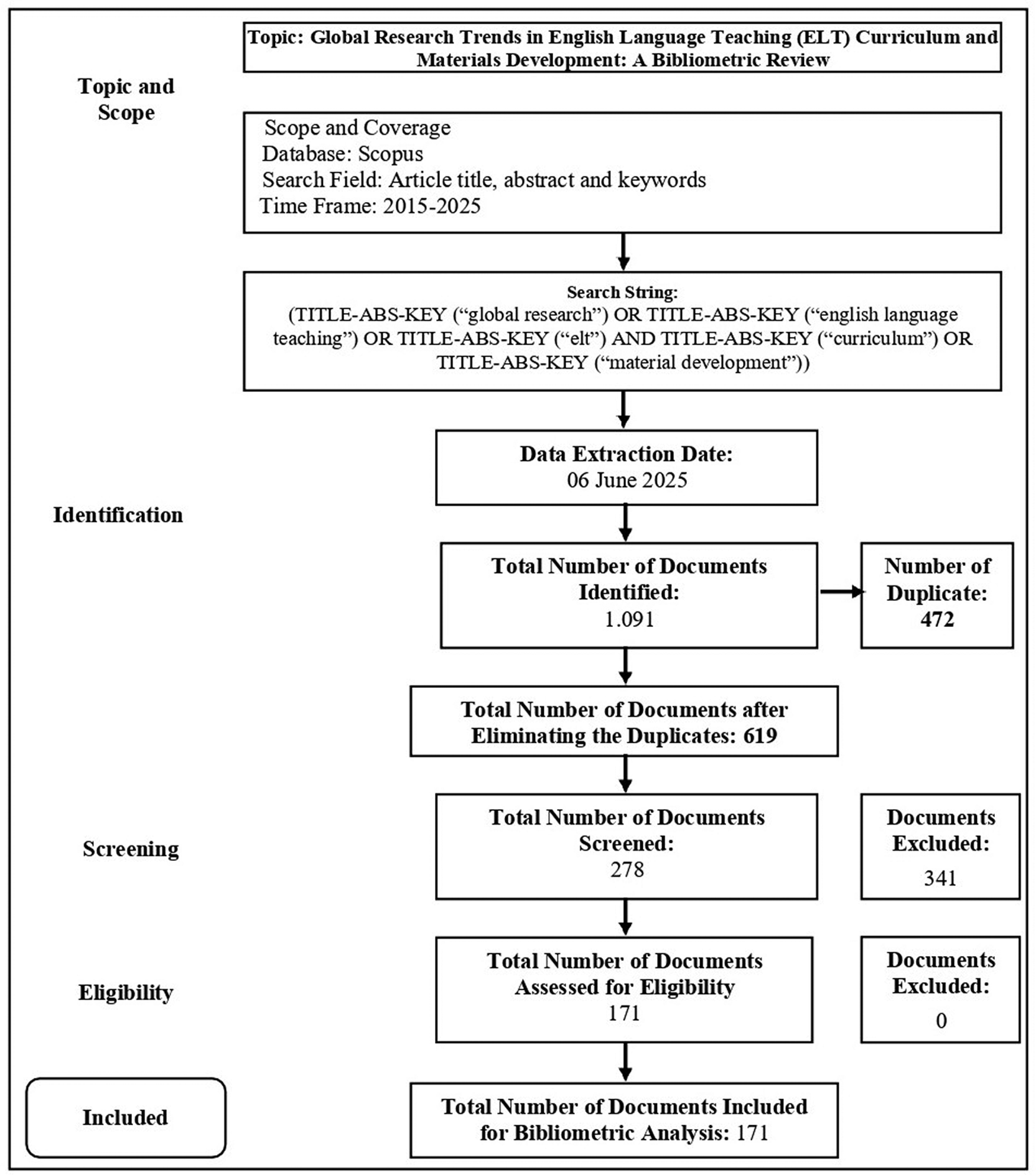
The second stage, screening, involves identifying publications in the relevant language and document types. English is the most prevalent language for global scientific communication, and it must meet the criteria of the researcher. Therefore, an investigation was conducted on the curriculum, and the development of ELT materials was limited to English only, resulting in 619 documents, which led to the elimination of 472 documents. Furthermore, re-sorting was carried out, and only journals and proceedings were allowed for documentation necessary for this investigation. After the screening process, 341 papers were eliminated from the dataset for failing to meet the criteria, resulting in 278 remaining publications.
Finally, 171 publications were qualified. The researchers evaluated the title and abstract to identify publications that satisfied the inclusion criteria. The primary criterion was publications addressing critical thinking in English language instruction. Publications that satisfy the criteria may be incorporated into the analysis pertinent to the research discourse. The data were taken during the inclusion phase on June 6, 2025.
The authors identified publication trends in curriculum and material development in English Language Teaching (ELT) through a search of the Scopus index database and subsequent bibliometric analysis. The mean number of complete citations was subsequently calculated from all published publications utilizing Microsoft Excel technology. In this study, the researcher employed the R.4.4.1 program, a bibliometric tool, to ascertain the h-index and g-index metrics of articles.
The journal publication rankings based on quartiles were noteworthy data presented using Microsoft Excel software. The data obtained from the Scopus database comprises 171 articles, which are further classified into Q1, Q2, Q3, and Q4 categories. The data also indicated that the articles were authored by researchers who had published their work in reputable journals and conferences.
The conclusion was derived by exporting the data to Microsoft Excel, enabling researchers to graphically represent the geographical distribution of articles by country on a globe map. The h-index and g-index of the analyzed publications were obtained using the R 4.4.1 program or Biblioshiny tools, which also included citation trends analysis. The VOSviewer software produces network visualizations illustrating the links between keywords. A study is undertaken to analyze the keywords related to curriculum and material development in English language education, aiming to determine the research focus. The analytical information is sourced from the Scopus database and comprises preliminarily processed data. The research purpose can be comprehended using the terminology provided by the VOSviewer application.
This chart displays the annual publication output in research of English Language Teaching (ELT) curriculum and materials development from 2015 to 2025, as seen in Figure 2. The data indicate strong and significantly rising interest in research. Following a period of relative stability and low output from 2015 to 2019, productivity surged beginning in 2020, culminating in a peak of 41 articles in 2024.
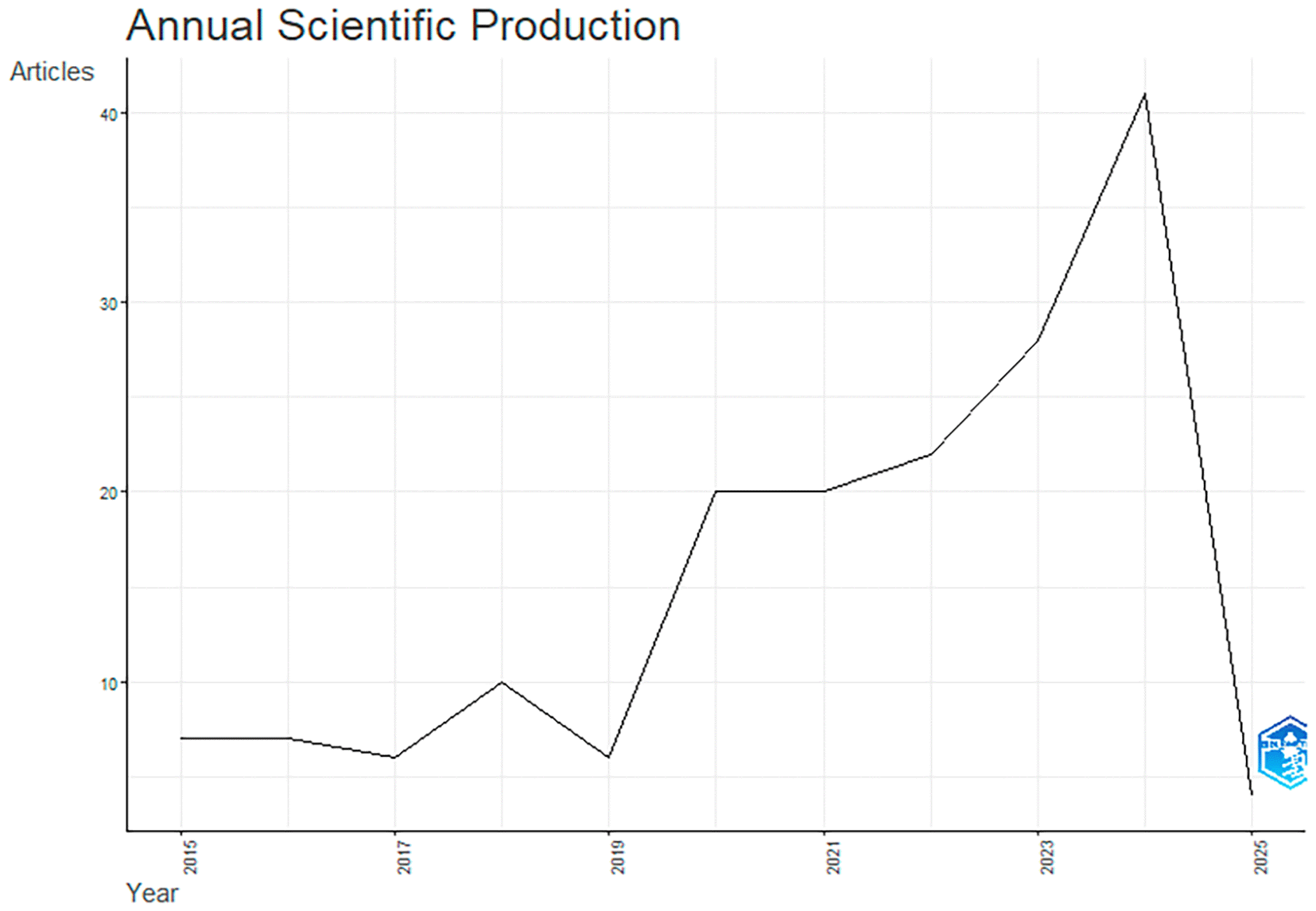
However, the exponential expansion can be ascribed to the global educational transformations prompted by the COVID-19 pandemic, which required the development of new curriculum and material formats. The modest figures for 2025 should be interpreted with caution, as they represent incomplete data for the current year rather than a decrease in academic interest.
The primary metric is the h_index, defined as the number of publications (N_p) from a specific source that have received at least h_index citations each. The h-index of Cogent Education is 3, indicating that it has a minimum of 3 papers, each of which has been cited at least 3 times. The g-index and m-index provide alternative metrics of influence, with the g-index valuing highly cited works and the m-index reflecting the h-index adjusted for the number of years since the initial publication. The acronyms “TC” and “NP” denote Total Citations and Number of Publications, respectively, whereas PY_start indicates the year the source commenced publication.
Data analysis and clarification, including elevated h-index, g-index, and TC, typically signify sources with greater local impact and influence within their respective domains. An illustration of such a source is Cogent Education, which seems to be significantly important, possessing an h-index of 3, a cumulative total of 31 citations, and 8 publications since 2017. Currently, the h-index of the Asian-Pacific Journal of Second is 2, significantly lower than its publication count (56) and total citations (56), suggesting a greater output but maybe less emphasis on high-impact research than anticipated based on its volume, as seen in Table 1.
This statistic provides a quantitative overview but falls short of delivering a thorough qualitative assessment of a source’s impact or prestige. A substantial h-index is more likely to result from numerous moderately cited publications than from a limited quantity of highly impactful works. PY_start is significant; emerging journals may possess a low h-index. Moreover, the local significance of this statistic suggests that it may pertain to a specific database or field and does not inherently reflect a worldwide effect. The disciplinary environment is crucial, as citation patterns and publication numbers vary significantly among different academic fields.
The total citations of a manuscript, denoted as “Total Citations,” serve as a fundamental metric of the paper’s overall effect. TC per Year standardizes this metric to the paper’s age, providing a more comparative assessment of influence across time. The “Normalized” column may represent an additional effort to adjust for factors such as publication year or database indexing, providing a consistent assessment of worldwide influence. Furthermore, Al-Khresheh Mh (2024) has garnered significant attention, evidenced by a total of 52 citations and an average of 26 substantial citations per year, reflecting its recent and considerable influence, particularly since its publication in 2024. Conversely, Basal A (2015) Turk Online J Dista possesses the highest total citations (132) and a lower “TC per Year” (12), signifying a sustained, although less recent, influence relative to more contemporary and frequently referenced works, as seen in Table 2.
Global citations may exhibit bias, resulting in the predominance of a limited number of highly cited papers while marginalizing other valuable contributions, particularly recent works that have not yet accumulated a substantial citation count. The methodology underlying the Normalized measure is crucial; without knowledge of its calculation, its utility is somewhat constrained. Moreover, citation counts can be influenced not only by the paper’s quality but also by the citations, the discipline’s growth, and the database’s reach. An essay may receive numerous citations within a specific niche while exerting minimal impact in the domain of English Language Teaching (ELT). This table serves as an initial framework for identifying significant works; however, a more qualitative examination of the content and its contribution to the broader context of ELT curriculum and materials development is essential for a comprehensive understanding of the situation.
The subsequent VOSviewer network map illustrates corresponding authorship links across nations with the ELT Curriculum and Materials coverage. Nodes represent countries, with the size of each node proportional to the number of publications featuring at least one author from that country. Connections between nodes signify corresponding authorship links, whereas the thickness of the lines denotes the strength of collaborative relationships, as seen in Figure 3.
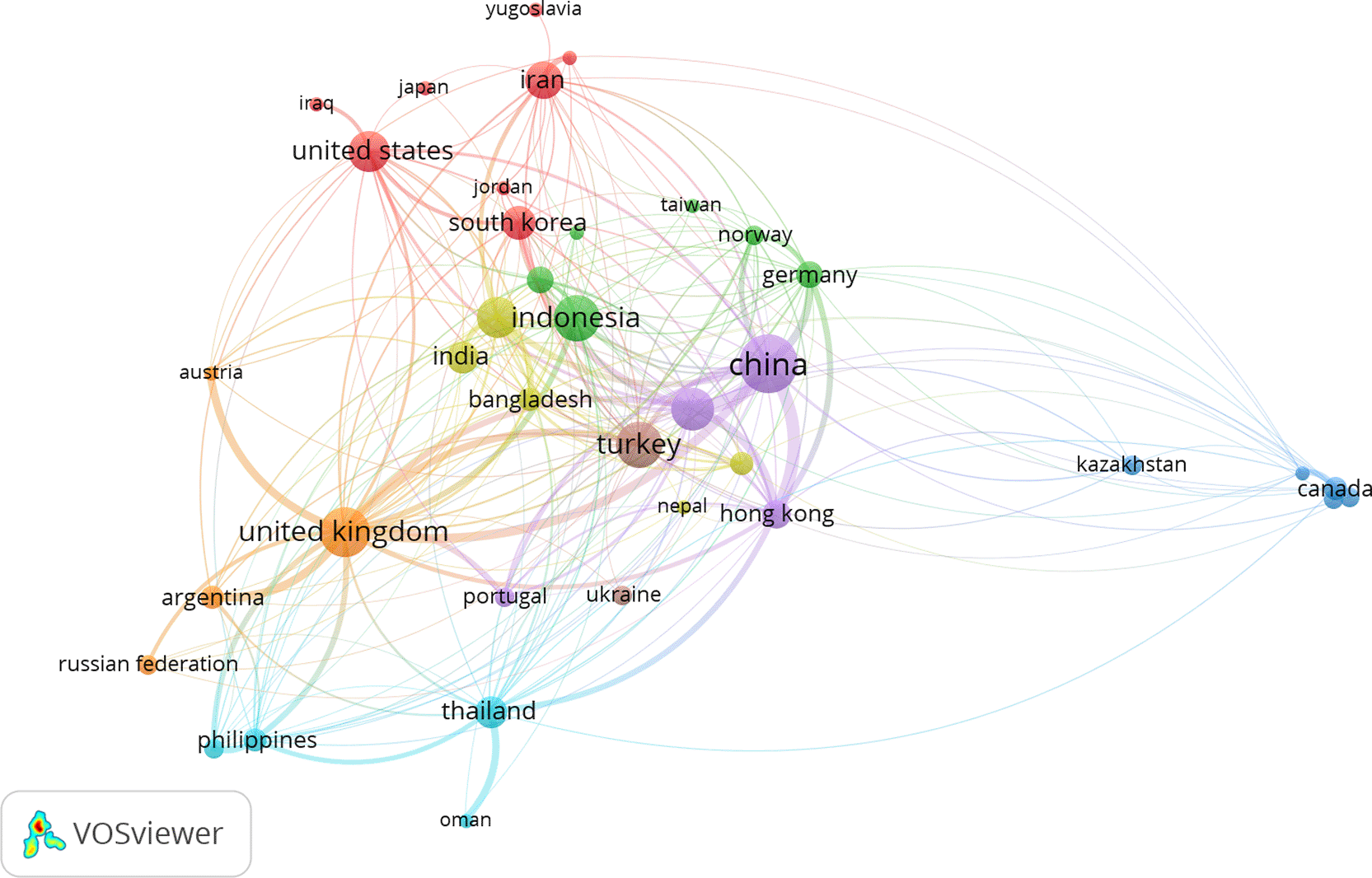
Several groups of collaboration are evident in the illustration. The notable green cluster exhibits robust alliances with China, Indonesia, South Korea, Taiwan, Norway, and Germany, with China positioned as the focal point of the cluster. This indicates the generation of significant and interrelated research in English Language Teaching in East Asia and certain regions of Europe. A significant cluster (red/pink) is situated in the United States, Iran, Iraq, and Japan, signifying a high prevalence of active research and co-authorship within this group. The United Kingdom has formed a notable orange cluster, demonstrating partnerships with Argentina, Portugal, and Thailand. Countries like Canada and Kazakhstan are depicted as more isolated, signifying a lack of significant cross-border corresponding authorship in this dataset. The differing node sizes distinctly indicate the relative contributions of corresponding writers from various nations, particularly highlighting China, Indonesia, and the United States as significant contributors.
This VOSviewer map visualizes the co-occurrence of keywords in publications related to ELT Curriculum and Materials Development, as seen in Figure 4. Each node represents a keyword, and its size indicates the frequency of that keyword in the dataset. The lines between keywords indicate their co-occurrence, with stronger links (thicker lines) indicating that they frequently appear together in the same articles. Different colors often indicate clusters of related keywords.
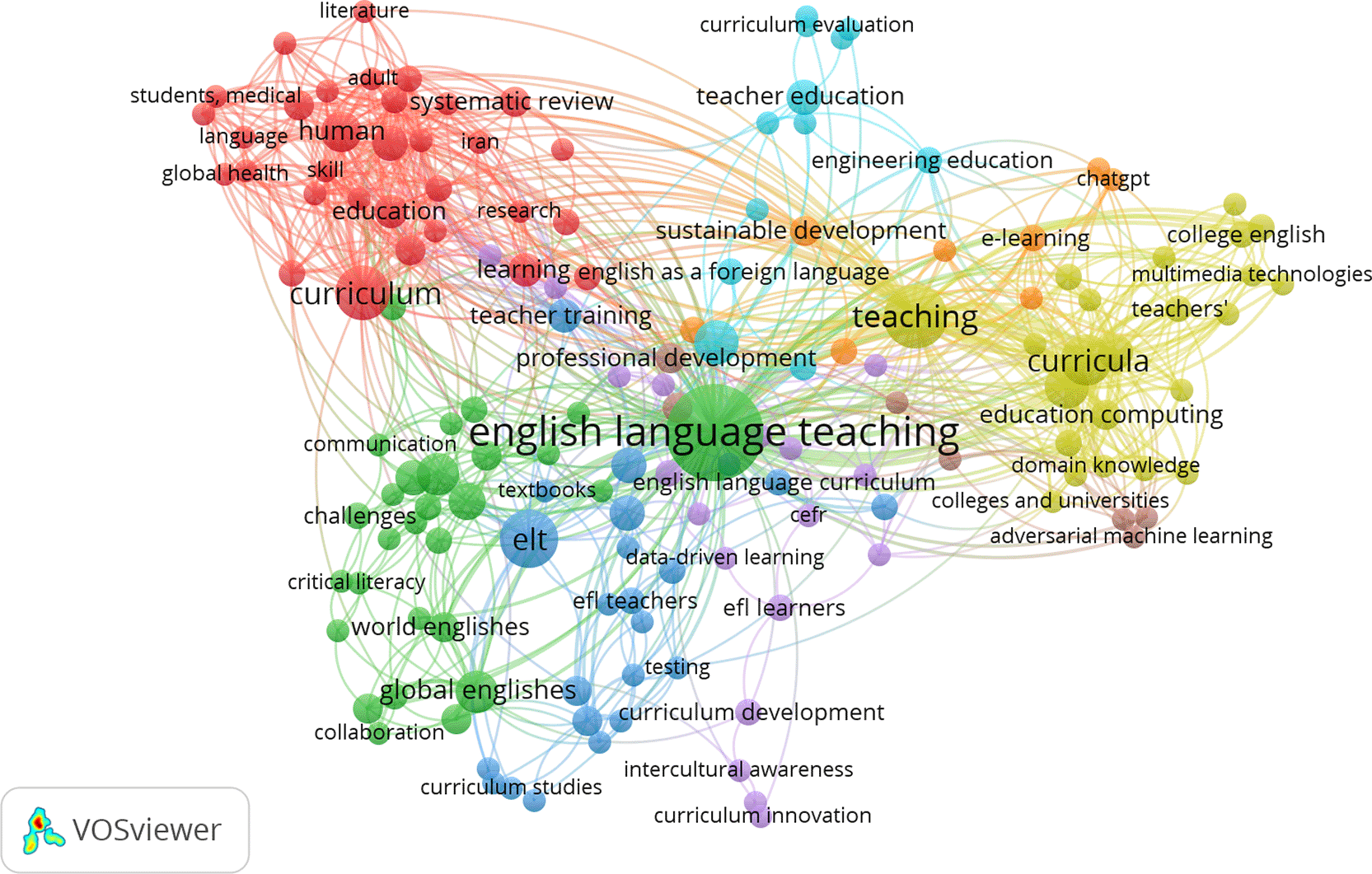
The map clearly shows English Language Teaching as the central and largest node, confirming its prominence as the core subject. Several distinct clusters emerge, indicating key sub-themes. The large red cluster, featuring curriculum, education, research, students, medical, and systematic review, suggests a strong focus on the foundational and methodological aspects of curriculum studies, potentially even hinting at interdisciplinary connections, such as ELT, in medical contexts. The green cluster, with teaching, sustainable development, e-learning, teacher education, and “engineering education, points towards pedagogical approaches, technological integration, and the professional development of teachers, possibly even exploring ELT in specific fields like engineering. The yellow cluster, encompassing curricula, college English, multimedia technologies, and teachers, highlights practical applications and specific educational levels. The blue cluster, including elt, textbooks, english language curriculum, challenges, and critical literacy, represents core components of ELT and emerging areas of concern.
While this keyword map offers valuable insights into the thematic landscape of ELT Curriculum and Materials Development, it has limitations. The co-occurrence of keywords does not necessarily imply a direct causal or hierarchical relationship; it simply indicates that these terms frequently appear together in the same context. The map does not reveal the depth of discussion or the impact of research on each keyword. For instance, ChatGPT appears, indicating its recent emergence, but its small size suggests it is not yet a dominant research theme. Furthermore, the selection and normalization of keywords can influence the map’s appearance; variations in how keywords are extracted or grouped could lead to different cluster formations. The map provides a snapshot of current research trends but does not necessarily predict future directions or highlight areas that may be overlooked. To gain a deeper understanding, a qualitative analysis of the articles associated with each cluster would be necessary to discern the specific research questions being addressed.
The thematic map presents an overview of research trends. The map is structured into four quadrants based on two dimensions: centrality (degree of relevance) and density (degree of development) as seen in Figure 5. The Motor Themes quadrant (upper-right) includes well-developed and highly relevant topics such as curriculum, material development, teaching, and English language teaching. These themes are central to the field and indicate mature areas with strong scholarly networks, showing that practical instructional aspects receive significant academic attention.
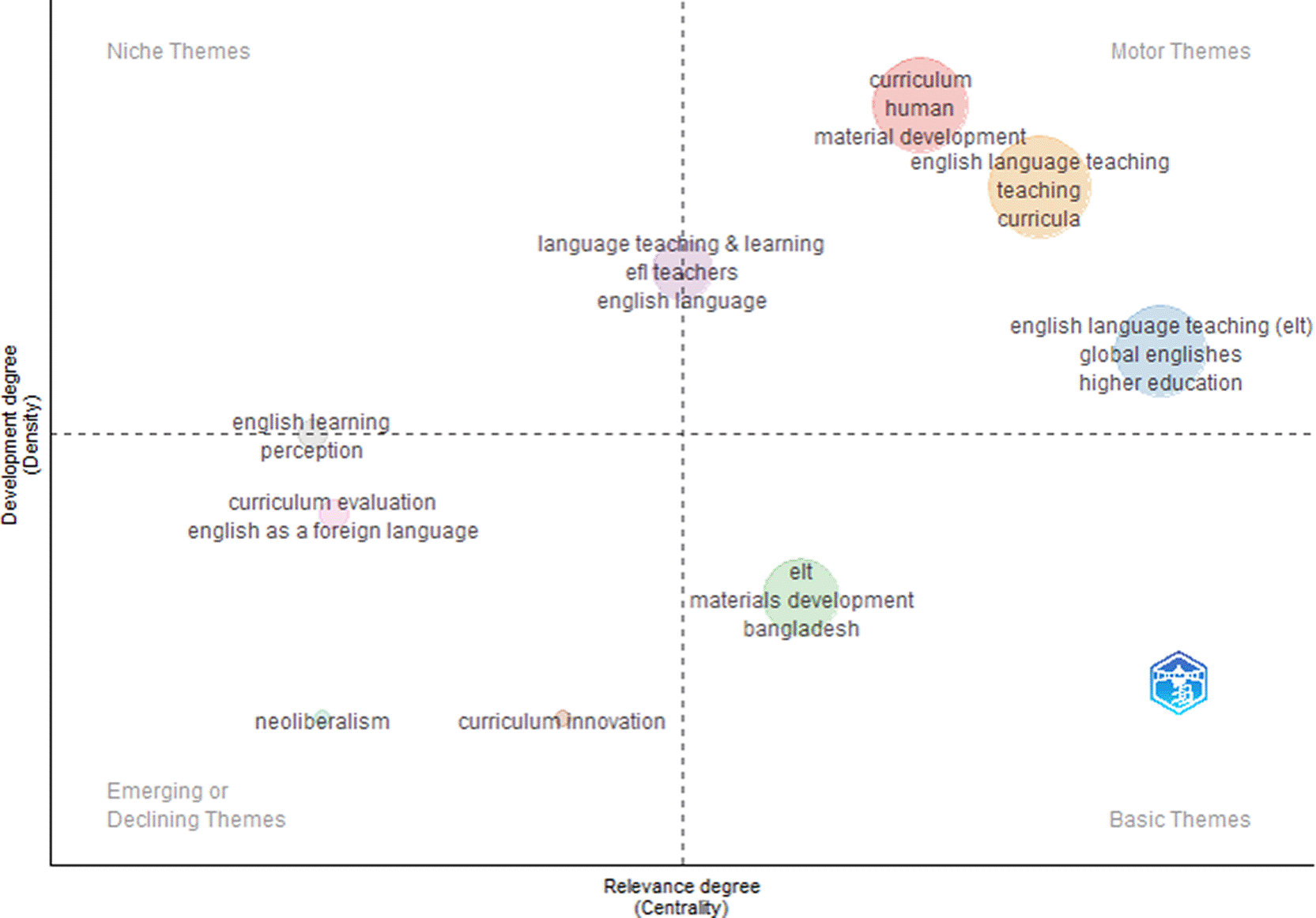
In the Niche Themes quadrant (upper left), themes like language teaching and learning, EFL teachers, and English language are well-developed but have low centrality. These areas may have strong internal research consistency but limited influence across broader themes. Meanwhile, the Basic Themes quadrant (lower right) encompasses global English, higher education, and English language teaching (ELT). These are central yet less developed, indicating foundational topics that require further theoretical and empirical exploration to become fully established. The Emerging or Declining Themes quadrant (lower left) includes topics such as neoliberalism, curriculum innovation, English as a foreign language, and curriculum evaluation. These themes are underdeveloped and have low centrality, suggesting they may be losing research interest or are still emerging without significant academic traction.
However, the thematic structure shows a concentration on applied areas with less emphasis on theoretical or ideological discussions. This presents an opportunity for future researchers to expand the field by exploring underrepresented yet significant perspectives, such as policy frameworks, innovation, globalization, and sociocultural dimensions, in ELT curriculum and materials development.
The results of this study reveal that the existing research on English Language Teaching (ELT) curriculum and materials creation provides a comprehensive overview on a global scale. The thematic emphasis on the Motor Theme of curriculum, teaching, and materials development aligns closely with the foundational importance highlighted by Richards (2017) and Tomlinson (2012), which asserts that curriculum and teaching materials are pivotal in fostering language-related learning outcomes. The international scientific community predominantly concentrates on these pillars, as articulated by Macalister (2016). Nonetheless, a disparity exists between theoretical importance and empirical examination. This gap suggests that, despite the pressing need to align the curriculum frameworks of educational institutions with English usage, their development has not been optimized due to the expedited timeline (Calder et al., 2022).
Meanwhile, the identification of keywords has revealed a rise in technology-related terms, such as multimedia, e-learning, and ChatGPT, aligning with the findings of Al-kfairy (2024), which indicate that digital transformation influences material development post-pandemic. The absence of centrality suggests that this discipline remains relatively nascent in integrating innovation into core curriculum studies. This aligns with the assertion by Kim et al. (2007) that, while technological devices are proliferating, the pedagogical dimensions of their application remain insufficiently explored. Furthermore, another significant conclusion pertains to the lack of dominance of theoretical or sociocultural perspectives. Despite the robust endorsement of Communicative Language Teaching (CLT) (Littlewood, 2014), translanguaging (Yüzlü & Dikilitaş, 2022), and multiliteracies (Mills, 2010) in the introduction, these approaches appear to be inadequately represented in the thematic organization. This observation aligns with the assertions of Jacobs (2010) who criticizes the frequent neglect of learners’ real-world experiences in curriculum design. This bibliometric analysis illustrates that these ideas remain peripheral to empirical research trends despite their growing popularity, as indicated by citation frequency.
Moreover, the results indicate that both neoliberalism and curriculum innovation, which are theoretically robust yet insufficiently examined, occupy the same quadrant, specifically Emerging or Declining Themes. This is surprising, given that scholars such as Bates et al. (2019) have noted the emergence of global education policymakers and a robust ideology in curriculum practices. Their peripheral placement on the map reflects the field’s sensitivity to the broader social processes that characterize language instruction globally. In addition, the keyword co-occurrence network exhibits significant multidisciplinary overlap, encompassing both medical and engineering education. This overlap may be significant for enhancing the application of ELT across academic disciplines; it remains secondary to the primary themes. This interdisciplinarity aligns with growing trends identified by Ball (2021) and Grossman (2017); the overlap is not substantial, indicating possibilities for extension to more nations.
However, the geographical over-representation of East and Southeast Asian nations in the authors’ collaborative networks indicates that research productivity is regionally limited. This may reflect characteristics of regional academic ecosystems and a deficiency in global equity and representation. The preeminence of China and Indonesia signifies the advent of English language education policy measures in this environment while also highlighting the necessity for more inclusive bibliometric data to enhance existing information (Fadillah et al., 2024). The analysis indicates a want for bibliometric examination in this domain, as asserted by Zhao et al. (2019) and Peng et al. (2019), highlighting that curriculum and materials development are less explored than assessment or corpus studies. The bibliometric review addresses part of this gap but also indicates that foundational theories are not integrated into conventional data-driven research methodologies. This necessitates a reconciliation between data-driven analysis and theory-driven exploration. The existing bibliometric landscape illustrates the practical and applied priorities of the subject, although it fails to encompass the equally significant conceptual frameworks and social dynamics sufficiently. Subsequent research ought to address this deficiency by incorporating robust theoretical frameworks, fostering multidisciplinary collaboration, and enhancing geographical variety in authorship and research environments.
The findings provide a thorough overview of contemporary trends in English Language Teaching (ELT) curriculum and materials development globally. The examination of 171 selected papers in the Scopus database indicates important topic focuses, collaborative networks, and citation patterns that influence the area. Research on English Language Teaching (ELT) curriculum and materials creation has surged, particularly following the COVID-19 pandemic, reflecting a shift towards digitalization, pedagogical adaptability, and the design of suitable materials.
The thematic map demonstrates that essential topics, such as curriculum development, resource production, and English language instruction, remain prominent and well-advanced, indicating a sustained focus on the practical aspects of enhancing the teaching process. Nonetheless, novel and conceptually rich topics, such as curriculum innovation, neoliberal influences, and socio-cultural contexts, remain inadequately covered despite their widespread citation in prior work. This indicates a disparity between theoretical discourse and empirical research practice. The study reveals regional advantages in publishing and collaboration, particularly in East and Southeast Asia; however, research output from other global regions is limited. This geographical trend indicates the potential for enhanced inclusivity and collaboration in global ELT research. The keyword analysis reveals a predominance of terminology associated with technology and transdisciplinary applications, signifying a shift toward innovation and adaptability in educational settings. Nonetheless, the presence of straightforward critical and ideological discourses encourages a more balanced integration of theory and practice.
Overall, the domain of ELT curriculum and materials creation is advancing swiftly. This field should expand its attention beyond solely operational and technical subjects to incorporate theoretical understanding and a broader perspective. Future research should prioritize the integration of theory and practice, as curriculum development must reflect the linguistic, cultural, and pedagogical diversity of global learners.
This study presents several limitations. Firstly, the analysis relies solely on bibliometric data extracted from the Scopus database, which, although comprehensive, may not include all relevant studies on English Language Teaching (ELT) curriculum and materials development. Publications indexed in other databases such as Web of Science, ERIC, or Google Scholar were not included, which may result in partial coverage of the field. Secondly, although efforts were made to manually filter irrelevant or duplicate records across Scopus categories, the screening process may not have been entirely exhaustive or error-free, and some relevant publications may have been unintentionally excluded. Third, inconsistencies in the Scopus metadata, particularly regarding author names, institutional affiliations, and citation counts, posed challenges for accurate data normalization, and manual correction of these inconsistencies was not feasible within the scope of this study. Fourth, certain analyses were not possible due to the technological limitations of the Biblioshiny and VOSviewer tools, which restrict detailed demographic or semantic examination of publications. Finally, bibliometric analysis measures research influence primarily through publication and citation metrics, which may not fully capture the conceptual depth or pedagogical value of the studies analysed. Future research could therefore complement bibliometric analysis with systematic or content analysis approaches to provide a more comprehensive understanding of ELT curriculum and materials development research.
| Views | Downloads | |
|---|---|---|
| F1000Research | - | - |
|
PubMed Central
Data from PMC are received and updated monthly.
|
- | - |
Provide sufficient details of any financial or non-financial competing interests to enable users to assess whether your comments might lead a reasonable person to question your impartiality. Consider the following examples, but note that this is not an exhaustive list:
Sign up for content alerts and receive a weekly or monthly email with all newly published articles
Already registered? Sign in
The email address should be the one you originally registered with F1000.
You registered with F1000 via Google, so we cannot reset your password.
To sign in, please click here.
If you still need help with your Google account password, please click here.
You registered with F1000 via Facebook, so we cannot reset your password.
To sign in, please click here.
If you still need help with your Facebook account password, please click here.
If your email address is registered with us, we will email you instructions to reset your password.
If you think you should have received this email but it has not arrived, please check your spam filters and/or contact for further assistance.

Comments on this article Comments (0)