Keywords
Threat Detection, Insider threats, User Behavior Analytics, Deep Learning, Attention-based LSTM, Context-Aware Models

This article is included in the Artificial Intelligence and Machine Learning gateway.
This article is included in the Cybersecurity collection.
Threat Detection, Insider threats, User Behavior Analytics, Deep Learning, Attention-based LSTM, Context-Aware Models
In recent years, cyber-attacks have become more sophisticated and pervasive, providing a huge risk to enterprises across the globe.1,2 The exponential growth in digital transformation, coupled with the increasing complexity of modern infrastructures, has amplified the hazards posed by malevolent cyber operations. Conventional cybersecurity technologies, like rule-based detection systems and signature-based techniques, are increasingly insufficient in countering evolving threats. These systems fail to detect subtle, complicated, and dynamic attack vectors, especially in contexts that need real-time analysis and adaptive responses.3,4,5,6
One of the most critical difficulties in contemporary cybersecurity is insider threats, which often go undetected by typical security procedures.7,8 Insider threats, involving malevolent or careless, disruptive, or damaging acts by employees or trusted individuals, are highly worrying because they exploit permitted access to systems and could inflict major damage.9,10,11 Recent studies indicate that insider threats constitute a substantial percentage of all cybersecurity incidents, with potentially catastrophic financial and operational repercussions.12 In 2021, insider-related incidents incurred an average expense of $15.38 million per breach.8 This underlines the need for more complex detection techniques that can spot anomalies indicative of malevolent intent or unintended neglect.12
The emergence of User and Entity Behavior Analytics (UEBA) has provided a promising solution to this dilemma. UEBA systems utilize advanced machine-learning models to analyze vast amounts of data behavioral, establishing baselines of “normal” activity and reporting deviations that can reveal possible threats.13,14 However, typical UEBA systems generally struggle to capture the subtle and dynamic nature of user behavior, particularly in situations where users exhibit various patterns of activity based on their jobs, activities, and responsibilities.14,15
To address these limitations, recent works have explored the integration of deep learning models, particularly Recurrent Neural Networks (RNNs), such as LSTM and Gated Recurrent Units (GRU), into UEBA frameworks.16,17,18,19,20 These models are well-suited for sequential data analysis, enabling them to capture temporal trends and long-term dependencies in user behavior over time. By doing so, RNN-based models can better detect minor irregularities that may not be obvious in short-term data samples. However, the problem remains in ensuring these models are both accurate and interpretable, especially when deployed in production contexts where the cost of false positives and negatives is considerable.21
In addition to RNNs, recent developments in attention mechanisms have showed tremendous promise in increasing the performance of UEBA systems.22 Attention mechanisms allow models to focus on the most significant parts of the input data, boosting their ability to capture important elements in sequential behavior. By integrating attention mechanisms into RNN architectures, such as Attention-based LSTM models, researchers have demonstrated improvements in detection accuracy and interpretability, making these models more suitable for real-world applications in cybersecurity.23,24,25
Another crucial feature of current cybersecurity is the necessity for context-aware risk profiling and user micro-segmentation.26 Traditional risk models frequently rely on static, role-based assessments, which fail to account for the dynamic and unique character of user activity. The incorporation of contextual information, such as user location, time of activity, and device usage, into risk assessments can considerably boost the accuracy of threat detection.27 Moreover, user micro-segmentation helps companies to develop more granular user profiles, boosting the ability to detect abnormal behavior at an individual level.28,29
The ISO/IEC 27001:2022 standard provides a comprehensive framework for managing information security risks, emphasizing the need of proactive threat detection and response.30 Management of enterprise cyber security: A review of ISO/IEC 27001:2022. International Conference on Cyber Management and Engineering (CyMaEn), (117–122). The approach underlines the need for systems that can dynamically adapt to shifting risks, employing data-driven insights to improve decision-making and mitigation measures. Leveraging automated interventions based on real-time user profiles is a significant step towards attaining this goal. By adopting advanced machine learning models, such as those including attention mechanisms and deep learning architectures, firms can proactively anticipate and reduce risks before they result in major damage.31
As enterprises rapidly utilize cloud computing, edge computing, and the Internet of Things (IoT), the complexity of cyber threat environments is projected to grow. Emerging technologies, like as Generative Adversarial Networks (GANs) and Reinforcement Learning (RL), are positioned to substantially enhance anomaly detection systems by enabling them to continuously learn and adapt to new threats.32 These advances are defining the future of cybersecurity, moving away from static, reactive systems towards dynamic, proactive, and intelligent protection mechanisms.
This study aims to systematically review and critically analyze the application of deep learning models in UEBA for insider threat detection and proactive cyber risk management. Specifically, the review seeks to evaluate the effectiveness of advanced deep learning architectures, including RNNs, LSTM networks, GRUs, CNNs, and Transformer-based models, in detecting anomalous user behavior within complex cybersecurity environments.
Furthermore, the study examines the role of context-aware modeling, attention mechanisms, and hybrid approaches in enhancing detection accuracy, reducing false positives, and improving interpretability. It also investigates how these models integrate with established cybersecurity frameworks, particularly ISO/IEC 27001:2022, to support dynamic risk assessment and proactive intervention strategies.
In addition, this review identifies key challenges and limitations associated with deep learning-based UEBA systems, including data imbalance, model interpretability, scalability, and real-time deployment constraints. By synthesizing existing research findings, the study aims to highlight current gaps and emerging trends, providing insights into future research directions and the development of more robust, adaptive, and trustworthy insider threat detection systems.
Cybersecurity has changed dramatically over the past few decades in response to the increased complexity and sophistication of cyber threats. In the early days, traditional cybersecurity technologies, such as signature-based detection, firewalls, and intrusion detection systems (IDS), were the key protection mechanisms.33 These early systems were rule-based, relying mainly on predetermined signatures and static threat definitions to identify malicious activities. While effective in addressing known threats, these systems struggled to adapt to the fast evolving cyber landscape, where new and sophisticated attack vectors arose often.34
The rising reliance on digital infrastructures, along with the advent of networked systems, cloud computing, and the IoT, has presented new risks. By the early 2000s, cyber dangers progressed beyond basic viruses and worms to encompass complex Advanced Persistent dangers (APTs), zero-day exploits, and ransomware assaults.35 This represented a change towards a more proactive approach to cybersecurity, as traditional rule-based systems were insufficient for detecting these developing threats.
1.1.1 Early beginnings of cybersecurity
The rise of personal computers and the growth of the internet in the 1980s brought new opportunities for digital connectedness but also introduced serious security dangers. During this period, the first known computer viruses arose, such as the Creeper virus in 1971 and the Brain virus in 1986. As a result, early cybersecurity efforts centered on the creation of signature-based antivirus systems, which could detect and neutralize known malware. These systems depended on pre-defined patterns, or signatures, of malicious code and were effective against easy, recognized threats, but struggled to meet the rising complexity of evolving attack techniques.
As internet usage developed throughout the 1990s, the focus of cybersecurity expanded from individual virus threats to network security. Firewalls were introduced as the first line of protection, filtering traffic between trusted internal networks and untrusted external sources. These security devices work based on established rules, allowing or blocking traffic based on factors such IP address and protocol.36 IDS also arose during this time, offering an extra layer of defense by monitoring network traffic and spotting aberrant patterns that may signal illegal access or malicious behavior.37,38
In the early 2000s, cybersecurity began to face a new set of issues as hackers and state actors developed more sophisticated techniques of assault. Zero-day exploits became a rising threat, as attackers took advantage of previously discovered weaknesses in software or hardware. Stuxnet, a sophisticated computer worm discovered in 2006, represented a turning point in the cyber threat landscape. Designed to undermine Iran’s nuclear program, it proved the ability for cyberattacks to cause physical harm to essential infrastructure. The advent of APTs, which involved covert, long-term cyber espionage tactics, further hampered cybersecurity efforts, requiring novel ways to detection and mitigation.39,40
As attacks got increasingly sophisticated, traditional signature-based detection methods struggled to keep pace with new, unknown threats. The limits of rule-based systems became obvious, as they could only detect previously established attack patterns and failed to account for innovative, changing techniques. This led to an increasing desire in more adaptable and data-driven security systems that might dynamically identify and respond to unknown threats. Early research on the application of machine learning (ML) techniques, particularly in anomaly detection, signaled the beginning of a new age in cybersecurity.41
In 1997, Sepp Hochreiter and Jürgen Schmidhuber invented LSTMs, a specialized form of RNN. These were meant to solve the constraints of traditional RNNs, which struggled to acquire long-term relationships in sequential data because to the vanishing gradient problem.19 They were pioneering because they allowed models to retain and exploit knowledge over extended sequences of data, making them particularly effective for tasks involving time-series data, such as speech recognition and sequential event prediction. Although initially focused on natural language processing (NLP) and speech recognition, these LSTMs began to find applications in cybersecurity as researchers realized their potential for analyzing sequential patterns in network traffic and user behavior.42,43
1.1.2 The rise of machine learning in cybersecurity
The early 2010s showed a dramatic shift in the utilization of machine learning (ML) for cybersecurity. Traditional approaches like signature-based detection were no longer sufficient to address the increasingly sophisticated and shifting nature of cyber-attacks.44 Machine learning algorithms, including decision trees, support vector machines (SVMs), and ensemble approaches, began to be used to tasks including malware detection, spam filtering, and network intrusion detection. These programs might learn patterns from vast volumes of data and discover novel risks that were previously unknown. The integration of machine learning into cybersecurity enabled for more dynamic, adaptive, and proactive protection measures.45
As threats became more complex, there was a rising need to move beyond static detection methods. The notion of UEBA arose as a new approach to cybersecurity in the mid-2010s. These focus on monitoring and analyzing the behavior of individuals and things (such as devices, applications, and systems) within an organization’s network to discover suspicious activity. By building baseline profiles of normal behavior, UEBA systems can detect variations that may suggest malicious activity or insider threats, such as irregular login times, unauthorized access to sensitive data, or unexpected network traffic. This technique suggested a change toward behavior-based anomaly detection as a more successful means of spotting sophisticated attacks.46,47
In line with breakthroughs in machine learning, deep learning approaches began to gain popularity in the early 2010s. Deep learning models, such as convolutional neural networks (CNNs) and deep belief networks (DBNs), excel at extracting features from complex, high-dimensional data. CNNs, which were originally employed for image recognition, find uses in cybersecurity for tasks such as malware categorization and detection. Deep learning models were able to uncover intricate patterns in big datasets and deliver greater accuracy compared to typical machine learning approaches. As deep learning algorithms got more developed, they started to be implemented into cybersecurity systems for a range of use cases, including intrusion detection and fraud prevention.48 Introduced in 2014, attention mechanisms altered the way deep learning models process sequential data. Initially applied to machine translation in natural language processing, attention mechanisms enable models to focus on the most significant sections of input data while processing extended sequences. This capacity was crucial for enhancing the performance of deep learning models in applications like machine translation and image captioning. Attention mechanisms work by weighing different sections of the input based on their value for the particular job, allowing models to prioritize relevant aspects and increase overall accuracy. In cybersecurity, attention techniques were immediately applied to boost anomaly detection systems by helping models focus on essential elements in user behavior data and network traffic.49 Following the success of attention mechanisms, researchers began researching hybrid models that combine the strengths of multiple types of neural networks. One such approach is the attention-based LSTM, which merges LSTM networks with attention mechanisms. These hybrid models have shown considerable promise in enhancing the context-awareness and accuracy of anomaly detection systems. By leveraging LSTMs to capture sequential dependencies in time-series data and attention methods to highlight significant aspects, these models can detect subtle and complex threats that may go undiscovered by typical security systems.50
Another notable innovation in the application of AI to cybersecurity is the usage of RL. RL is a type of machine learning where an agent learns to make decisions by interacting with an environment and receiving feedback in the form of rewards or penalties.51 In the context of cybersecurity, RL has been used to fields like as automated intrusion detection, real-time attack mitigation, and dynamic risk management. RL-based systems continually learn from their environment, adjusting their behaviors in response to new threats and shifting network conditions, making them a perfect fit for adaptive, real-time defense systems.51,52
1.1.3 The shift toward proactive cybersecurity (2018-Present)
As cyber threats continued to change, there was a greater emphasis on changing from reactive to proactive cybersecurity measures. Traditional security systems relied on discovering and responding to threats after they occurred. However, modern security techniques now focus on spotting threats before they can cause harm.13 This shift toward proactive security includes the deployment of advanced machine learning models, behavior analytics, and real-time monitoring systems that can spot anomalies and potential threats as soon as they appear. Proactive techniques, such as predictive risk modeling, aim to foresee and mitigate threats before they harm the organization’s digital infrastructure.53
As cybersecurity tactics progressed, there was a push toward more personalized security measures that could react to specific user habits. Personalized risk profiling involves establishing individualized security profiles based on a user’s behavior, access patterns, and other contextual data. By monitoring and analyzing how people interact with systems, security systems can discover odd or possibly dangerous actions and alter risk assessments dynamically. This technique allows businesses deliver tailored security measures for distinct users, reducing overzealous interventions while still shielding against personalized attacks.54,55 Along with individualized risk assessment, user micro-segmentation emerged as a crucial method for boosting cybersecurity. Micro-segmentation separates a network into smaller, isolated pieces to lower the attack surface and limit the lateral movement of threats. By segmenting persons and entities based on their behavior, security systems can apply more granular access controls, minimizing the risk of insider threats and lateral attacks. Micro-segmentation enables security teams to discover and isolate affected users fast, preventing attackers from propagating throughout the network.56
To keep up with the speed and sophistication of modern cyber threats, many firms are resorting to automated intervention systems.57 These systems employ AI and machine learning to detect possible risks and automatically take action in real-time. Automation lowers the need for manual intervention, enabling security teams to respond faster and more effectively to emerging threats. Dynamic intervention systems are capable of altering security policies in real-time, allowing companies to respond to evolving threat landscapes without necessitating constant oversight.58
In 2022, the ISO/IEC 27001 standard was modified to reflect the growing role of proactive and adaptive risk management in cybersecurity.30 The updated approach highlights the need for continual improvement in cybersecurity practices, urging firms to use AI-driven security solutions that can dynamically assess and mitigate risks. The combination of machine learning, user behavior analytics, and real-time threat detection systems coincides with ISO/IEC 27001:2022’s focus on resilience and adaptation in the face of developing threats.30,59
A complete review of the ML and DL algorithms employed in anomaly detection in UBA and UEBA is presented in Table 1. The table categorizes algorithms depending on their learning strategy, ranging from conventional ML approaches like KNN, SVM, and Random Forests (RFs), to clustering methods like DBSCAN and K-Means, and advanced DL models such as ANNs, LSTM, and GANs. Each algorithm is discussed in terms of its main functionality, important differentiating traits, advantages, and implementation issues. Furthermore, the chart shows specific use cases of these algorithms inside UBA/UEBA frameworks, including intrusion detection, fraud detection, insider threat identification, and user behavior profiling. This comparative analysis offers vital insights into the appropriateness and limitations of several AI techniques for behavioral anomaly detection in cybersecurity scenarios.
In today’s linked world, companies of all kinds and functions are increasingly exposed to insider threats emanating from personnel with authorized access to an organization’s essential systems, networks, and data.11,59 These insiders hold unique knowledge and access privileges, which, if exploited, can lead to substantial problems. Insider attacks have become one of the most important challenges for cybersecurity and organizational security. These risks can cause a wide array of damages, including the compromise of sensitive information, reputational injury, loss of intellectual property, and financial losses.60 Furthermore, the implications can extend beyond monetary losses, hurting personnel, customers, and business continuity. A complete awareness of insider threats, their different manifestations, and the appropriate mitigation measures is vital for businesses wishing to secure their critical assets.60,61
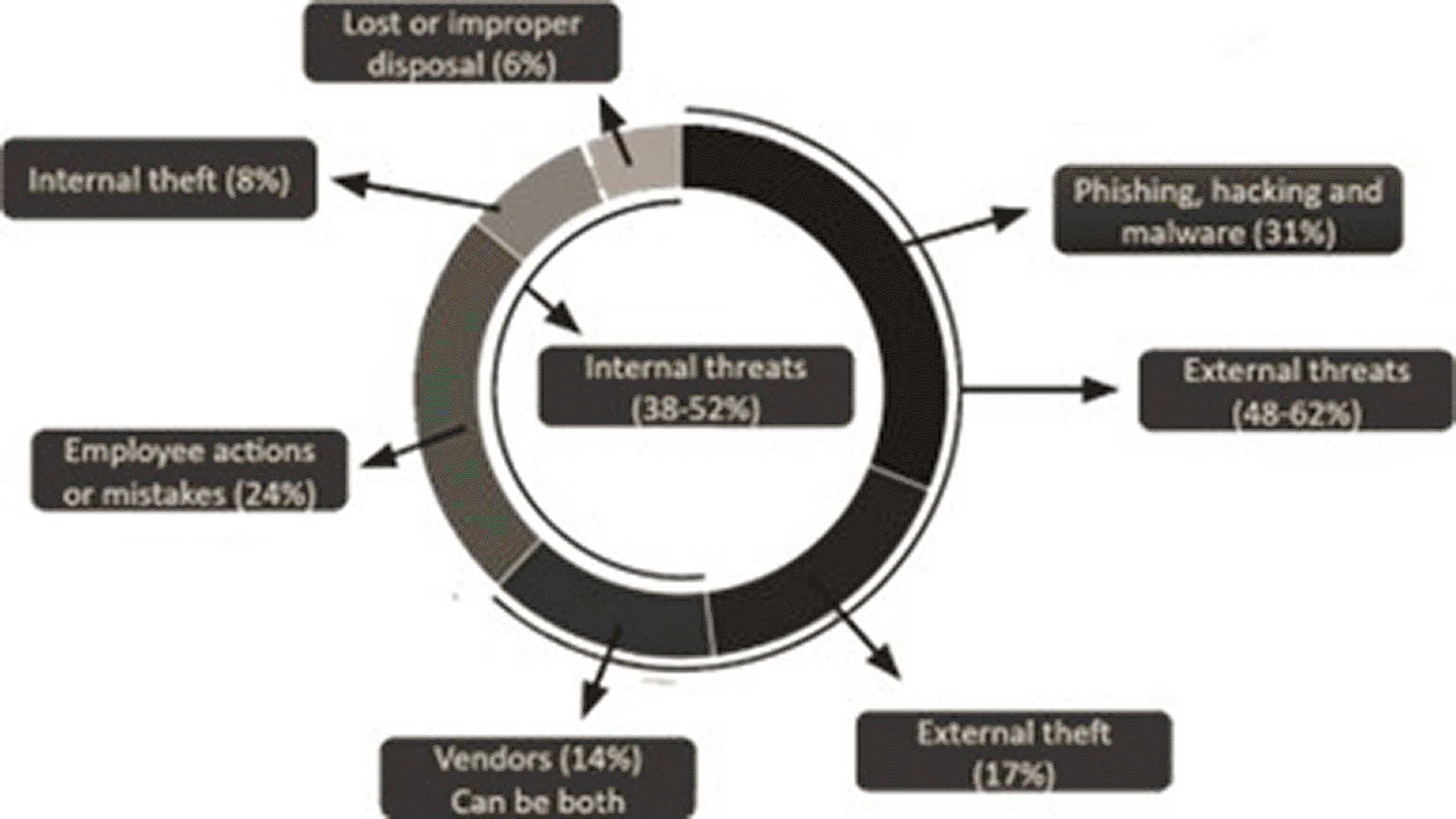
Insider threats can often be divided into two basic types: inadvertent and purposeful. Each variety provides specific issues in terms of identification, prevention, and mitigation. Unintentional insider risks typically result from negligence or unintended activities. Negligent insiders are typically aware of the security protocols in place but choose to disregard them. This disregard for established procedures can create vulnerabilities within the organization.60 Figure 1 presents the internal threat rates.
Outsiders:
Unauthorized individuals - Trying to gain access; they launch the majority of attacks, but are often mitigated if the organization has good Defense in Depth. Interception, malicious code (e.g., virus, logic bomb, trojan horse), sale of personal information, system bugs, system intrusion, system sabotage, or unauthorized system access. 48–62% of risks are from outsiders, as shown in Figure 1.
Insiders:
Authorized individuals who intentionally or unintentionally compromise the system or data. This could be an assault on an employee, blackmail, browsing of proprietary information, computer abuse, fraud and theft, information bribery, or input of falsified or corrupted data. 38–52% of risks are from insiders; another reason good Authentication and Authorization controls are needed. Negligent behaviors might include allowing unauthorized personnel to piggyback through secure access points, losing portable devices that contain sensitive data, or ignoring critical software updates and patches. While negligence can often be detected through awareness programs, it remains a pervasive issue because it arises from deliberate indifference or complacency.62 Accidental insider threats, on the other hand, are the result of mistakes or oversights. These types of incidents typically occur without malicious intent. For example, an employee might accidentally send an email with sensitive information to an incorrect recipient or click on a phishing link that leads to a malware infection. While these types of threats are more difficult to prevent entirely, their frequency can be reduced through training, clear protocols, and the implementation of systems that help monitor and mitigate human error.61
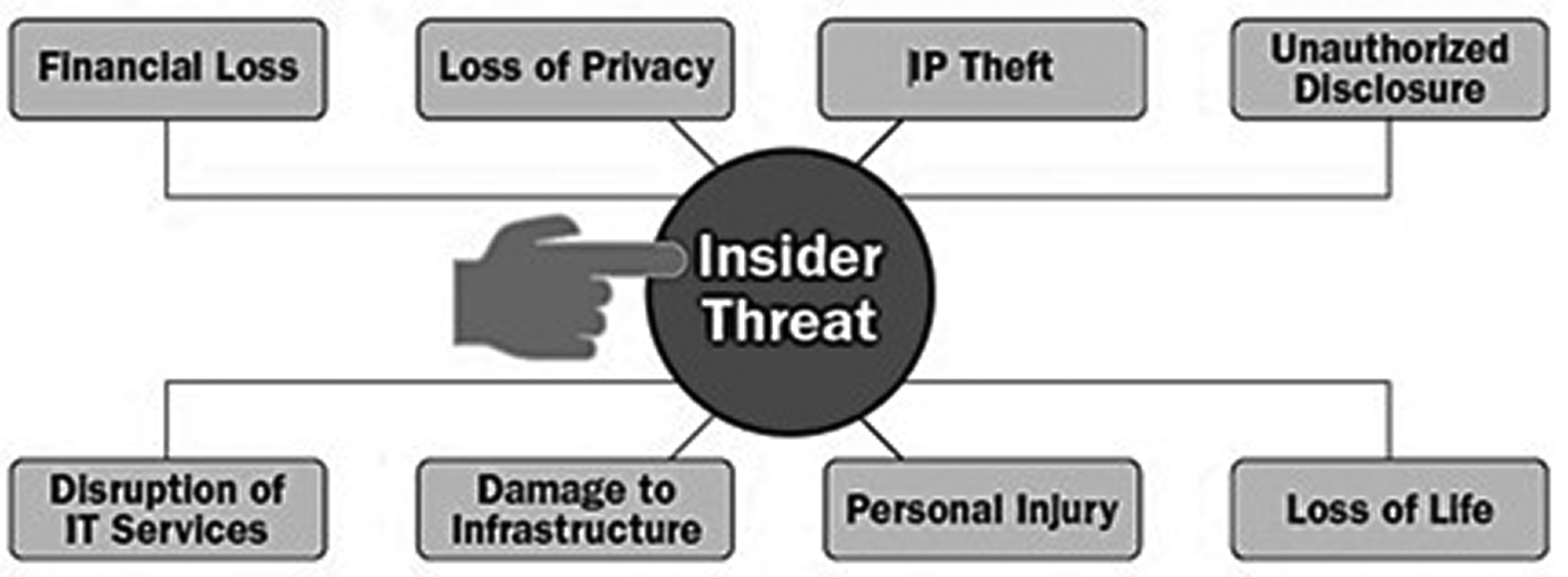
Intentional insider threats, however, are the most concerning and challenging to identify. These risks develop when insiders purposefully inflict harm to the organization, whether out of personal grudges, financial incentives, or other causes. Individuals who participate in intentional insider threats may have numerous justifications for their conduct. Some may be unhappy employees who seek revenge after unmet expectations or even job termination.63 Others may be motivated by financial gain, leveraging their access to steal intellectual property or trade secrets. In certain circumstances, insiders act out of a desire for recognition or a perception that they are justified in harming the organization for a perceived larger benefit, as depicted in Figure 2. Intentional attacks are more insidious because they often involve personnel with in-depth knowledge of organizational systems and security processes, making it more difficult to detect and prevent their actions.11,63
In addition to these direct insider dangers, companies also face the potential of collusive and third-party attacks. Collusive dangers occur when insiders work with external influences, such as cybercriminals or competitors, to compromise the organization. These risks are particularly difficult to identify because external actors, typically highly trained, might coordinate with insiders to avoid detection.61,63
Third-party hazards arise when contractors, vendors, or other external groups with access to an organization’s systems inflict harm, either purposefully or accidently. This can occur when external vendors fail to safeguard their systems or when an insider purposefully leverages their relationship with an external business to facilitate an attack.64
Recent studies suggest that when the personnel increase, the financial impact of insider threats generally rises. Organizations with fewer than 500 people bear an average cost of $7.7 million, while those with 500 to 1,000 employees have significantly lower costs at $6.9 million. Costs then progressively grow, reaching $17.9 million for organizations with 25,000 to 75,000 employees. Interestingly, firms with more than 75,000 workers saw a tiny drop in expenses to $16.7 million, potentially due to enhanced security controls, risk mitigation techniques, or economies of scale in incident response (Ponemon report, 2025).
The financial impact of insider threats is enormous, yet often difficult to measure due to underreporting and the complexity of quantifying damages. Insider threats can lead to severe direct and indirect costs, including the loss of intellectual property, operational disruptions, and reputational damage. In extreme situations, the financial toll of these occurrences can be enough to compromise the viability of a business.11
Additionally, the aftermath of an insider assault generally entails considerable recovery costs, as firms must invest in discovering the extent of the breach, minimizing the damage, and regaining confidence with customers, partners, and stakeholders. In many instances, the long-term financial impact of insider threats outweighs the immediate cost of mitigating the breach itself.65
1.3.1 The impact of insider threats on organizations
Given the high risks associated with insider threats, companies must prioritize the adoption of effective mitigation strategies. One of the most promising techniques to addressing insider threats is through the integration of UEBA inside broader insider threat programs.47,60 UEBA uses advanced machine learning algorithms to evaluate user and entity behavior patterns, enabling the discovery of aberrant actions that may suggest possible threats. By continuously monitoring interactions inside an organization’s systems, UEBA can detect deviations from typical behavior, such as unauthorized access to sensitive data or aberrant patterns of data transfer. When paired with other proactive security measures, UEBA boosts the ability to identify insider threats early in their development, decreasing the potential for harm.14 A complete insider threat mitigation program must address all aspects of insider threat risk, from prevention and detection to reaction and recovery. To be effective, such a program should focus on many critical areas, including access restriction, constant monitoring, and behavioral analysis.60 UEBA solutions, linked with current security infrastructure, give important insights into user actions, enabling security teams to spot potential threats before they escalate into full-blown crises. For example, UEBA can recognize when an employee suddenly accesses data or systems that they do not regularly contact with or when they demonstrate suspicious patterns of data exfiltration.66 By combining UEBA with additional technologies like anomaly detection and machine learning-based predictive modeling, enterprises may increase their entire security posture.
Moreover, insider threat programs should not only focus on detecting hostile activity but also include tactics for preventing careless or inadvertent behavior. This can be achieved by conducting frequent security awareness training programs, ensuring that staff understand the necessity of following security standards, and embedding security best practices into the business culture.60 Additionally, companies can increase their defenses through the implementation of real-time monitoring systems that automatically flag suspicious activity and generate alarms, allowing for fast responses before substantial damage occurs.13
The financial benefits of having a proactive insider threat program are enormous. According to studies, firms that build robust insider threat management systems often see a return on investment through cost savings, improved security, and enhanced organizational reputation.12,67 The cost of reducing an internal threat is often significantly cheaper than the expenditures incurred from dealing with an event after it occurs. For example, the Ponemon Institute’s study reveals that firms with active threat management programs save, on average, $1.2 million per incident prevented. This cost-saving benefit is especially relevant for smaller firms, where the consequences of an insider incident can be extremely catastrophic.
Therefore, a comprehensive insider threat prevention strategy requires a blend of proactive methods, governance, and technology. Organizations can reinforce their defenses by establishing a solid foundation through clearly defined threat models, identification of essential assets, and the promotion of a security-conscious culture. This foundation is reinforced with advanced technological integration, such as AI-driven threat identification and behavioral anomaly tracking, which boosts early warning capabilities. Equally crucial is the automation of response mechanisms using AI and chatbots, enabling rapid and effective problem handling. Governance and collaborative oversight enable responsibility and organized collaboration across departments, while ongoing evaluation and threat hunting preserve the relevance and efficacy of security measures. Training and cultural activities complete the cycle by embedding awareness and ethical responsibility into the organizational fabric. Together, these pillars ensure that insider threat strategies are not only reactive but also preventive, adaptable, and resilient.
In conclusion, the rise of insider threats creates a substantial concern for organizations across industries. The threat landscape is growing, with insiders utilizing increasingly sophisticated tactics to exploit weaknesses. A robust insider threat mitigation program, particularly one that combines modern technologies like UEBA, is vital for enterprises looking to protect their assets and data. By focusing on early identification, proactive monitoring, and a culture of security awareness, organizations can reduce their vulnerability to insider threats and minimize the financial, operational, and reputational harm they may inflict. The inclusion of UEBA into insider threat mitigation techniques is a promising route for enhancing defenses and assuring long-term organizational security.
The ability to detect and mitigate insider threats has become a paramount concern for organizations. Traditional security measures, such as signature-based detection and rule-based systems, are increasingly inadequate in identifying the sophisticated and dynamic nature of emerging cyber threats. AI techniques, specifically ML and DL, have gained prominence for proactively addressing these challenges by learning and adapting to abnormal patterns of behavior in real time.22,68
Several traditional machine learning algorithms have been applied to detect anomalies in user behavior, especially in the context of insider threat detection. These techniques analyze historical data to establish a baseline of normal activity, with deviations from this baseline flagged as potential threats. Some of the most widely used traditional machine learning algorithms are:
Support Vector Machines (SVM), a powerful classifier that works well for high-dimensional data. In insider threat detection, SVMs can identify complex boundaries separating normal and anomalous behaviors. They have been extensively used in applications where there is a clear distinction between regular and malicious activities. However, SVMs require significant labeled data and may struggle with imbalanced datasets, where malicious actions are far less frequent than normal behavior.
Random Forests (RF), an ensemble learning technique that combines multiple decision trees to enhance classification performance. They excel in handling large, noisy datasets, making them particularly useful for identifying insider threats. The algorithm can analyze a variety of features and flag anomalies effectively. However, one limitation is the lack of interpretability, which is critical in cybersecurity, as analysts must understand why specific behaviors are flagged as anomalous.
Support Vector Machines (SVM), a powerful classifier that works well for high-dimensional data. In insider threat detection, SVMs may identify complicated boundaries dividing normal and aberrant activities. They have been extensively employed in applications where there is a clear contrast between ordinary and harmful operations. However, SVMs require considerable labeled data and may struggle with imbalanced datasets, where malevolent activities are considerably less frequent than regular behavior.
Random Forests (RF), an ensemble learning technique that mixes numerous decision trees to boost classification performance. They excel in managing massive, noisy datasets, making them particularly effective for recognizing insider threats. The algorithm can analyze a range of features and identify irregularities effectively. However, one issue is the lack of interpretability, which is crucial in cybersecurity, as analysts must comprehend why specific behaviors are labeled as suspicious.
K-Nearest Neighbors (KNN), a basic, straightforward method that classifies data items based on their proximity to others. In cybersecurity, it can uncover aberrant user behaviors by comparing an individual’s actions to those of comparable users. While straightforward to build, KNN problems with computing efficiency when dealing with huge datasets, and the distance measure may not always capture complicated behavioral interactions.
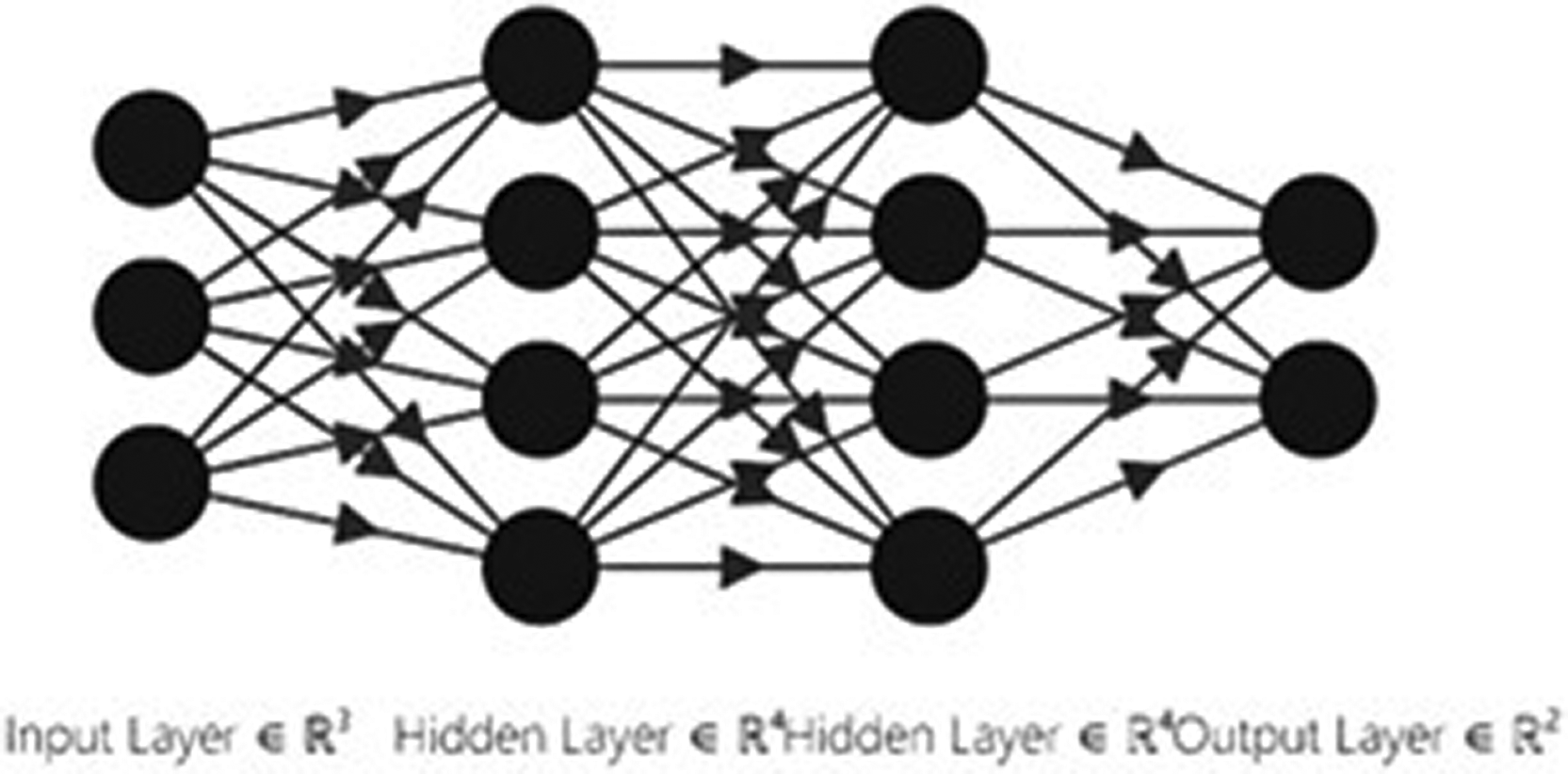
Neural Networks (NNs): Neural networks are machine learning algorithms based after the human brain, comprised of interconnected neurons that process and interpret data. These neurons are structured into layers: the input layer takes raw data, the hidden layers do sophisticated computations, and the output layer generates the final result. Neural networks thrive in tasks like audio/image identification, natural language processing, and decision-making.
In the 1950s–1960s, Frank Rosenblatt invented the perceptron, a sort of artificial neuron that analyzes binary inputs. The perceptron outputs 1 or 0, based on a threshold applied to the total of weighted inputs. While useful for linearly separable data, perceptrons are limited in tackling more complex jobs.
To solve this, sigmoid neurons were invented in the 1980s, enabling outputs between 0 and 1. This helps them to model more complex patterns. The output is calculated by passing the weighted total of inputs through a sigmoid function, expressed as:
Training sigmoid neurons utilizes gradient descent, which adjusts weights to minimize the error between the expected and actual output. Neural networks, particularly with sigmoid neurons, have become crucial in deep learning.
In NNs, neurons are grouped in layers, each executing a transformation on the input data to extract relevant information. The final output is produced using an activation function that brings non-linearity into the model, enabling it to capture complicated correlations in the data.
xi are the input features,
wi are the weights,
b is the bias term,
f is the activation function (e.g., ReLU, Sigmoid).
A Feedforward Neural Network (FNN) is one of the most basic types of neural networks, with data flowing from the input layer via the hidden layers to the output layer. Neuronal layers use weighted sums and activation functions to transform incoming data. In a feedforward network with a single hidden layer, the outputs are computed as:
Where:
are the weight matrices,
and are the bias vectors,
and are the activations at the hidden and output layers, respectively.
Backpropagation is the primary algorithm used to train neural networks and eliminate errors by altering weights. It comprises two basic phases: the forward pass and the reverse pass. In the forward pass, the network computes its output, whereas in the backward pass, the chain rule of differentiation is used to calculate error gradients with regard to weights. These gradients are then utilized to adjust the weights, directing the network to achieve a lower error. The error at the output layer is usually measured using the mean squared error (MSE) loss function:
Here, represents the loss, which is the average squared difference between the actual and predicted values. is the total number of samples, is the true value (target output) for the ith sample, and is the predicted value by the model for the ith sample. The gradient of the loss function with respect to a specific weight is computed as:
Where:
the derivative of the loss with respect to the predicted output for the i-th sample, which indicates how much the loss changes when the predicted value y^ changes.
the derivative of the predicted output with respect to the weight which shows how much the predicted value changes when the weight changes.
1.4.1 Architecture of a neural network
The architecture of a neural network typically consists of three types of layers: the input layer, hidden layers, and the output layer. The input layer receives the raw data and passes it to the hidden layers, where the data undergoes complex transformations. Finally, the output layer produces the network’s prediction or classification result. Since the neurons in the middle layer are neither inputs nor outputs, this is known as a hidden layer. Some networks contain more hidden layers than the network shown in Figure 3, which only has one.
1.4.2 Deep neural networks (DNNs)
DNNs are a class of neural networks that contain multiple layers of neurons, enabling them to learn and model highly complex patterns in data. Unlike shallow neural networks, which consist of only one or two layers, DNNs include several hidden layers between the input and output layers, giving them the ability to capture intricate relationships within large datasets.
Each layer in a DNN is made up of neurons that compute using their inputs, weights, and activation functions. The network’s ability to learn deep representations of data enables it to take on more complex tasks such as image identification, natural language processing, and speech recognition. DNNs rely largely on the backpropagation algorithm for training, which adjusts weights based on the difference between expected and true outputs.
A DNN is typically composed of an input layer, one or more hidden layers, and an output layer, with the input layer receiving raw data and each hidden layer gradually learning higher-level abstractions of the data. The output layer produces the ultimate prediction or classification result, with 𝐿 denoting the number of layers. Each hidden layer gathers higher-level features.
To optimize DNNs, numerous strategies are utilized, including gradient descent or its derivatives, such as stochastic gradient descent, to reduce the loss function. Non-linearity is introduced by activation functions like as ReLU (Rectified Linear Unit) or sigmoid, allowing the network to simulate complex functions, while regularization methods such as dropout or L2 regularization assist minimize overfitting and ensure that the network generalizes well to new data.
1.4.3 LSTMs for temporal dependencies
While attention mechanisms focus on key features, LSTM networks excel in detecting temporal connections in sequential data. The latter are specifically built to handle long-term dependencies, making them ideal for modeling time-based patterns in user interaction. LSTMs maintain an internal memory state, which helps them remember important past events while forgetting irrelevant ones. In UEBA, these networks can track users’ historical behavior over time, identifying shifts in patterns that might indicate emerging insider threats. The state update equations for an LSTM are:
Where: , and are the forget, input, and output gates, is the cell state, and is the hidden state.
1.4.4 Attention mechanisms
The use of attention mechanisms allows deep learning models to focus on the most relevant parts of the input data, improving model accuracy. In the context of cybersecurity, attention-based models can prioritize features such as high-risk actions (e.g., accessing critical data, logging in at unusual times) and enhance anomaly detection performance. While AI-driven techniques hold significant promise, they also face several challenges that need to be addressed for practical deployment in cybersecurity applications. An attention mechanism assigns a weight to each input feature, which is calculated based on its relevance to the current task. The attention score for a sequence , , … . is computed using the Query and Key vectors, followed by a softmax operation:
Where: is the dimension of the key vector. The output is the weighted sum of the Value vectors, computed as: . Attention mechanisms help models focus on important features and enable better handling of long-range dependencies.
1.4.5 Transformer models
Transformers, which were originally designed for natural language processing (NLP), use self-attention processes to detect long-range connections in data. These models excel at managing enormous amounts of sequential data, such as user activity logs or network traffic, when recognizing long-term patterns is critical. Despite their scalability and efficiency, transformers require enormous computer resources and big datasets to train. Transformers in UEBA can assess user and entity behaviors over time, including login patterns, access to sensitive resources, and network interactions. The self-attention mechanism in transformers enables the model to represent complicated correlations between behaviors at many time stages.
Traditional neural networks are used to identify intrusions, malware, and fraud. The inclusion of attention processes and Transformers improves these models’ ability to focus on key elements in huge, complicated datasets, such as anomalous user behavior patterns that indicate a security problem. Transformers in UEBA use self-attention to analyze temporal sequences of user and entity behaviors. This allows the system to detect deviations from regular activity and highlight abnormalities that may suggest insider threats, account compromise, or data exfiltration. Attention mechanisms enable the model to focus on crucial activities, such as anomalous resource access or unusual login times, which improves threat detection accuracy.
1.4.6 Hybrid models
Hybrid models, which incorporate several AI techniques, have proven to be useful for increasing anomaly detection in cybersecurity. Attention mechanisms, in particular, have proven a valuable addition to models such as LSTMs and GRUs. These algorithms allow the model to focus on essential elements of user behavior, highlighting acts that may be indicative of harmful intent. Combining the capabilities of decision tree models like Random Forests with sequential models like LSTMs might increase the overall detection performance. The Random Forest model can provide a high-level picture of user behavior, while the LSTM can capture temporal dependencies, leading to a more comprehensive threat detection system. Similarly, combining attention mechanisms with LSTM or GRU can allow models to focus on certain high-risk activities, such as reading confidential files or executing unusual login habits. Combining the strengths of several models for better insider threat identification and anomaly detection in large datasets.
A fundamental issue in training AI models for cybersecurity is the absence of high-quality labeled data. Cybersecurity data is generally skewed, with normal user behavior significantly outweighing criminal acts. This imbalance can limit the model’s ability to generalize, resulting in poor performance and false positives. Also, AI models, particularly deep learning models like LSTMs and Transformers, are often dubbed as “black boxes” because to their intricacy. Interpretability is another significant challenge in cybersecurity, as security personnel need to trust and understand why certain behaviors are identified as unusual. We emphasize that cyber risks are always developing. Models trained on previous data may struggle to recognize new attack pathways. As a result, there is a need for adaptable models that can learn from fresh data in real time. Finally, studies reveal that there is always a trade-off between false positives and false negatives. A false positive (flagging a lawful action as malicious) might result in wasteful investigations, while a false negative (failing to detect a threat) can have fatal repercussions.
The future of AI in cybersecurity, particularly in the context of User Behavior Analytics (UBA) and User and Entity Behavior Analytics (UEBA), is focused on constructing more sophisticated, proactive, flexible, and explainable models. Key areas of development include real-time anomaly detection, where AI models will be capable of spotting and responding to threats quickly, and individualized risk profiles. These leverage AI to develop individualized user profiles, boosting the accuracy of threat detection by factoring unique behavior patterns. And context-aware systems, which increase the difference between benign and dangerous acts by recognizing the context underlying user activity. Additionally, the advancement of Explainable AI (XAI) intends to produce systems that are not only accurate but also transparent, enabling security professionals to trust and act on AI-generated predictions with confidence.69,70,71
AI techniques, particularly machine learning and deep learning models, have shown immense potential in improving cybersecurity, especially in the detection of insider threats. These models analyze user behavior patterns, enabling proactive and dynamic detection of anomalous activities.72,73,74 While challenges such as data quality, interpretability, and adaptability remain, the continued development of hybrid models, attention mechanisms, and real-time learning systems will push the boundaries of cybersecurity.4,75,76 The integration of AI-driven approaches promises to revolutionize the field, offering more effective and adaptive defense mechanisms against evolving threats.
The incorporation of deep learning models within UEBA frameworks enables for dynamic and contextual detection of insider threats. These algorithms go beyond simple anomaly detection by factoring in contextual information that boosts the accuracy of threat identification. For example:
Individualized Risk Profiling: Deep learning models can use past data to develop individualized profiles for each user or entity. By evaluating the context of a user’s role, behavior, and prior interactions, the models can more effectively discriminate between normal and aberrant activities. This helps eliminate false positives, which are a major difficulty in traditional UEBA systems.
Dynamic treatments: Context-aware models can trigger dynamic treatments based on real-time risk levels. For instance, if a user suddenly starts accessing sensitive data they typically wouldn’t interact with, the system can trigger a warning or even lock down the user’s access while the anomaly is investigated. Such models can dynamically modify their sensitivity based on changing behaviors throughout time.
Hybrid and Ensemble Approaches: The hybridization of several AI techniques (e.g., integrating LSTM networks with attention mechanisms or ensemble methods) aids in boosting model accuracy and robustness. These models leverage the benefits of different methodologies to detect complex insider threats that may not be obvious using a single method.
While earlier techniques of insider threat detection depended on manual rules and signature-based systems, deep learning models adopt a data-driven approach, automatically learning patterns from user actions and making it feasible to detect sophisticated threats in real-time.
Deep learning-based insider threat modeling can entail a range of methodologies, such as: Anomaly Detection: Detecting abnormalities from typical behavior and reporting them as potential hazards. This is particularly effective in recognizing previously unnoticed attacks or new tactics.
Behavioral Classification: Categorizing different types of user behaviors, which can be beneficial in identifying malicious intent even if the activity appears normal on its own, while Temporal Analysis helps where many insider threats unfold over time, making them difficult to catch with traditional approaches. Deep learning models, particularly LSTMs and GRUs, excel at analyzing temporal patterns and detecting threats that grow gradually.
1.7.1 Real-world case studies in insider threat detection using deep learning models
The following real-world incidents illustrate the increasing necessity for advanced threat detection systems within organizations and demonstrate the potential impact of integrating deep learning models, such as LSTMs, GRUs, CNNs, and Transformers, into User and Entity Behavior Analytics (UEBA) for mitigating insider threats:
Yahoo Insider Threat Case (2024): The case centers on a significant incident where a former employee, Qian Sang, allegedly stole proprietary research data from Yahoo. Reports indicate that Sang, a senior research scientist at Yahoo, downloaded approximately 570,000 pages of source code, ad placement algorithms, internal strategy documents, and more upon securing a job offer from The Trade Desk, a direct competitor of Yahoo’s advertising technology arm. A deep learning model leveraging LSTM or Transformer architectures could have identified this threat by detecting temporal anomalies in Sang’s download behavior, particularly when correlated with resignation indicators.
Tesla Insider Data Leak (2025): Several Tesla employees were implicated in leaking confidential customer data, including Personally Identifiable Information (PII), to a foreign media outlet. The case refers to a significant incident where a website named DogeQuest exposed personal information of Tesla owners and DOGE employees. The site displayed an interactive map featuring names, addresses, email addresses, and other private details, alongside locations of Tesla facilities and charging stations. In a separate incident, a Tesla data breach in May 2023 was attributed to “insider wrongdoing,” impacting over 75,000 current and former employees. Two former employees misappropriated confidential information, including employee-related records, and shared it with a foreign media outlet. Tesla responded by filing lawsuits against the individuals, obtaining court orders to prevent further dissemination of the data, and cooperating with law enforcement agencies. Context-aware deep learning models equipped with attention mechanisms could have flagged unusual access and exfiltration patterns, especially by correlating role-based permissions with data usage.
Elliott Greenleaf Business Advantage Theft (2024): The case centers on a lawsuit filed by the Pennsylvania-based law firm Elliott Greenleaf against four former attorneys who allegedly stole sensitive client data before joining a competing firm, Armstrong Teasdale, in early 2024. Temporal behavior analysis using recurrent neural networks (RNNs) could have detected abnormal file access frequency and content type before the breach, triggering early intervention.
Defense Logistics Agency (DLA) Accidental Leak (2024): A DLA employee unintentionally sent a classified business document to an external competitor due to an email addressing error, highlighting an unintentional insider threat. The U.S. Government Accountability Office (GAO) reviewed the situation and concluded that the leak was unintentional and did not constitute an unfair competitive advantage. The GAO’s decision emphasized that the DLA had not intentionally disclosed the information to the rival company. Incorporating DL-driven email validation systems could have prevented this by analyzing the recipient’s domain and cross-checking it with past communication patterns.
Morgan Stanley Contractor Data Exfiltration (2023). A contractor at Morgan Stanley exploited temporary access privileges to exfiltrate large volumes of financial data. This activity, disguised as routine tasks, went undetected until weeks after the individual’s departure. The breach was eventually identified through routine system audits and anomaly detection mechanisms that flagged unusual access patterns and data transfer activities. Upon discovery, Morgan Stanley initiated an internal investigation and collaborated with cybersecurity experts to assess the extent of the damage and to reinforce security measures. Deep learning models analyzing access volume trends and temporal sequences could have uncovered this pattern deviation in real time.
Boeing Insider Sabotage Incident (2023): In 2023, a former Boeing employee, who had retained access to the company’s internal systems after their termination, deliberately deleted essential engineering files. These files were crucial to ongoing aerospace projects and the company’s intellectual property. The unauthorized access and subsequent data deletion went undetected for a period, highlighting vulnerabilities in Boeing’s post-employment access. The breach was eventually identified through routine system audits and anomaly detection mechanisms that flagged unusual access patterns and data deletion activities. Upon discovery, Boeing initiated an internal investigation and collaborated with cybersecurity experts to assess the extent of the damage and to reinforce security measures. This case underscores the importance of real-time access monitoring. Deep learning models with built-in contextual awareness could have flagged unauthorized activity from a post-employment account as anomalous.
Korbein Schultz – U.S. Army Intelligence Analyst (2022–2024): Korbein Schultz, a 25-year-old former U.S. Army intelligence analyst from Wills Point, Texas, was sentenced to seven years in prison after pleading guilty in 2024 to charges related to espionage and unauthorized information transmission. Between May 2022 and March 2024, Schultz conspired to provide sensitive and classified U.S. military documents to a foreign national believed to be connected to the Chinese government. Motivated by financial gain totaling approximately $42,000, Schultz handed over at least 92 documents, including export-controlled materials on military tactics, weapon systems, and strategic operations, specifically concerning U.S. operations in Eastern Europe, Taiwan, and actions involving Russia and China. This case underscores the importance of robust monitoring and anomaly detection systems to identify unusual access patterns and data exfiltration activities by individuals with elevated access privileges. A GRU or Transformer-based UEBA system could have correlated prior suspicious activities with recent behavior to escalate the risk level earlier.
These case studies demonstrate the real-world relevance and application of deep learning models in detecting insider threats. The adoption of advanced models such as LSTMs, GRUs, CNNs, and transformers can significantly enhance anomaly detection in real-time by considering both temporal dependencies and contextual data.
Insider threats in Sub-Saharan Africa, including Uganda, are an emerging concern, though specific high-profile cases are not as extensively documented as in other regions. However, sectors like banking, telecommunications, and government are vulnerable to internal risks. In the financial sector, employees with privileged access may engage in fraud, embezzlement, or unauthorized data access, which often goes undetected without proper monitoring systems. Similarly, in the telecommunications sector, insider threats can involve employees accessing sensitive user data or systems for personal gain or engaging in telecom fraud. Although not widely publicized, insider corruption and misuse of access in government-related institutions also represent significant risks in the region. While direct cases of insider threats may be less reported, these underlying risks highlight the importance of adopting effective cybersecurity measures and frameworks.
In Uganda, cybersecurity awareness is growing, with organizations and the government focusing more on mitigating insider threats. The Uganda Communications Commission (UCC) has identified cybersecurity as a critical area, particularly in sectors like banking and telecom. The National Information Technology Authority (NITA-U) is also spearheading efforts to enhance Uganda’s cybersecurity infrastructure, though insider threats remain a concern. The country is working on improving its cybersecurity policies and establishing frameworks to manage these risks more effectively. The telecom industry, with its large customer data sets, has also been identified as vulnerable to insider threats, with employees potentially misusing their access. As Uganda and other sub-Saharan African countries continue to develop their cybersecurity strategies, the importance of addressing insider threats will become increasingly vital.
1.7.2 Contextual awareness, user-based security patterns, and risk profiling
One of the key issues in recognizing insider threats is the necessity for contextual awareness.77 Unlike external attacks, insider threats often blend in with normal user activity, making it vital to examine actions within their context. For instance, viewing a file late at night may be common for one employee but unusual for another. DL models can combine contextual factors like as the user’s role, location, time of access, and the system’s operational state to boost the accuracy of threat identification.78
DL models can develop individualized profiles for each user, letting the system to grasp what constitutes normal behavior for an individual or object. Any deviation from this individualized baseline can subsequently be marked as suspicious. For example, a sudden rise in data access or a shift in login patterns may be an indicator of malicious activity. These models can also incorporate dynamic risk profiling by incorporating historical user behavior, role-based access restriction, and network-level activity. This profiling allows for a more granular understanding of the risk level associated with each user and can be utilized to select relevant interventions.
Financial institutions typically employ this strategy to detect fraudulent behavior, where a model might discover odd spending patterns or transactions that depart from a user’s typical behaviors. Therefore, combining deep learning models with dynamic interventions enables for real-time reactions to detected hazards. For example, once a model identifies suspicious activity, the system can instantly implement limitations or isolate the concerned user or entity (micro-segmentation) to reduce possible damage.
1.7.3 Challenges and limitations in contextualizing deep learning models
While deep learning models offer significant advantages in detecting insider threats, there are several challenges and limitations in their contextualization. Insider threat detection requires high-quality, representative data. However, organizations often face challenges with data imbalance (for example, many benign behaviors but few malicious ones), incomplete data, and data privacy concerns. Many deep learning models, especially those based on LSTMs and Transformers, are complex and lack interpretability. Understanding why a model flags a behavior as suspicious is crucial in security contexts, as false positives can cause unnecessary disruptions. Deep learning models require continuous training to adapt to new behaviors. The dynamic nature of insider threats means that models must continuously learn from evolving data without losing performance.
Deep learning models have transformed the identification and mitigation of insider threats within UEBA systems. By incorporating sequential and contextual information, these models boost the ability to detect subtle, changing dangers that typical rule-based techniques could overlook. However, the success of these models in real-world applications depends on overcoming problems related to data quality, interpretability, and constant modification. With continuous improvements in deep learning research, particularly in hybrid models and attention mechanisms, we predict that these approaches will continue to grow, delivering even more effective answers to the challenging challenge of insider threat identification.
As the cybersecurity ecosystem continues to evolve, deep learning models for UEBA and insider threat detection are also advancing. Several current trends and potential future areas for research in this field include:
Explainable AI (XAI): Deep learning models, particularly those with complicated structures like Transformers, are generally viewed as “black boxes” that lack transparency. In the cybersecurity arena, where knowing why a model flags an action is critical, the development of XAI methodologies can help make model judgments more interpretable and intelligible for security analysts.
Federated Learning: With privacy concerns mounting, federated learning is an emerging technology that allows models to be trained across decentralized data sources without sharing raw data. This could be particularly beneficial in insider threat detection, when user data may be sensitive and cannot be consolidated. Federated learning helps enterprises to train global models while retaining data privacy.
Multi-Modal Models: Future techniques may include multi-modal learning, incorporating data from multiple sources such as network traffic, user activity, and system logs. This holistic approach can lead to more robust threat identification by analyzing numerous dimensions of a user’s behavior.
Real-Time Monitoring with Edge Computing: To address the latency and scalability concerns, edge computing could enable the deployment of deep learning models closer to where the data is generated, allowing for faster anomaly detection and intervention in real-time.
Adaptive Learning: Given the dynamic nature of cyber threats, models that can adapt to new, changing behaviors will be vital. Online learning and incremental learning approaches will allow models to update themselves with new data continuously, boosting their ability to detect novel insider threats.
In conclusion, insider threats offer a substantial and growing challenge to businesses globally, demanding the development of improved detection mechanisms. Deep learning models, especially those leveraging architectures like LSTM, GRU, CNN, and Transformers, provide excellent tools for finding anomalies in UEBA. These models enhance danger detection by spotting deviations from regular activity patterns, including both temporal relationships and contextual data. The real-world case studies covered highlight the applicability of these concepts in diverse sectors, from tech titans like Yahoo and Tesla to defense agencies like the DLA.
Early UEBA systems predominantly relied on supervised and unsupervised machine learning techniques, including decision trees, support vector machines, and ensemble models, to identify anomalous user behavior. While these approaches demonstrated improved detection accuracy compared to rule-based systems, their evaluation was largely confined to static datasets and accuracy-driven metrics. This focus implicitly assumes that high predictive performance equates to reliable operational decision-making.
However, this assumption is increasingly untenable in real-world security environments. Insider threat detection operates under conditions of severe class imbalance, evolving behavior patterns, and incomplete ground truth. Models optimized solely for accuracy tend to produce overconfident predictions when exposed to novel or ambiguous behavior, increasing false-positive rates and undermining analyst trust. Consequently, while machine learning–based UEBA approaches represent an important advancement, their deterministic nature and lack of confidence awareness fundamentally limit their suitability for proactive insider risk management.
The purpose of this review is to analyze the usefulness of deep learning models in detecting insider threats, notably within UEBA systems, and to explore their integration with risk management frameworks. This review attempts to provide a full knowledge of how various models might meet the issues organizations have in recognizing and reducing insider threats. Additionally, it illustrates the limitations and continuing improvements in the field, with a focus on upcoming themes such as explainable AI, federated learning, and adaptive learning. By studying the implementation of deep learning in real-world circumstances, the review attempts to educate future research and aid enterprises in upgrading their cybersecurity defenses against insider threats.
This systematic review used the PRISMA (Preferred Reporting Items for Systematic Reviews and Meta-Analyses) guidelines to assess the efficacy and applicability of deep learning models in cybersecurity, specifically insider threat detection and User and Entity Behavior Analytics (UEBA). The PRISMA technique would ensure that the review process is transparent, reproducible, and rigorous, mirroring best practices from high-impact cybersecurity research.
To ensure a thorough and unbiased selection of relevant papers, a systematic search was done across multiple academic databases. The search strategy was designed to gather current research on deep learning techniques for cybersecurity and insider threat detection. The search encompassed a wide range of key academic databases, including IEEE Xplore, SpringerLink, ACM Digital Library, ScienceDirect, Web of Science, Scopus, and arXiv.org, which are well-known for hosting high-quality research in machine learning, cybersecurity, and artificial intelligence.
A carefully prepared set of search criteria was used to ensure that research relevant to the topic of this review were completely captured. The most searched terms were: “deep learning in cybersecurity,” “insider threat detection with deep learning,” “user and entity behavior analytics (UEBA),” “LSTM for anomaly detection,” “GRU for insider threat detection,” “Transformer models in cybersecurity,” “deep learning for anomaly detection,” or “neural networks for cybersecurity.” These terms were carefully chosen to cover the various deep learning architectures and their unique applications in cybersecurity, ensuring that all relevant studies on insider threats and behavioral analytics were identified. The search was limited to studies published between 2010 and 2025 to ensure the inclusion of the most recent developments and cutting-edge research in deep learning techniques applied to cybersecurity, reflecting the dynamic nature of both domains.
The following criteria were established to ensure the inclusion of only the most relevant and high-quality studies:
2.2.1 Inclusion criteria
The inclusion criteria for this review focused on studies published between 2010 and 2025 that specifically explore deep learning-based UBA models for proactive cyber threat detection and risk management, with an emphasis on insider threat detection. Also, studies that address the integration of deep learning models into existing cybersecurity frameworks, with a focus on risk management. And Studies that align with ISO/IEC 27001:2022 standards or focus on the implementation of the NIST framework for insider threat management and risk management were considered.
2.2.2 Exclusion criteria
Studies published before 2010 fall outside the defined publication time frame. Research that does not focus on deep learning-based UBA models for insider threat detection or risk management was also excluded, including studies that do not directly address insider threats or are limited to general cybersecurity topics without a clear connection to insider threat detection or mitigation. Papers that focus only on theoretical concepts without empirical evaluation or practical application of deep learning models for insider threat detection or risk management, as well as duplicate studies reporting the same data or findings, were excluded. Additionally, papers that lacked sufficient details on data sources, model architectures, or evaluation methods were excluded, along with studies focused on applications outside the scope of cybersecurity, insider threat detection, or UBA/UEBA.
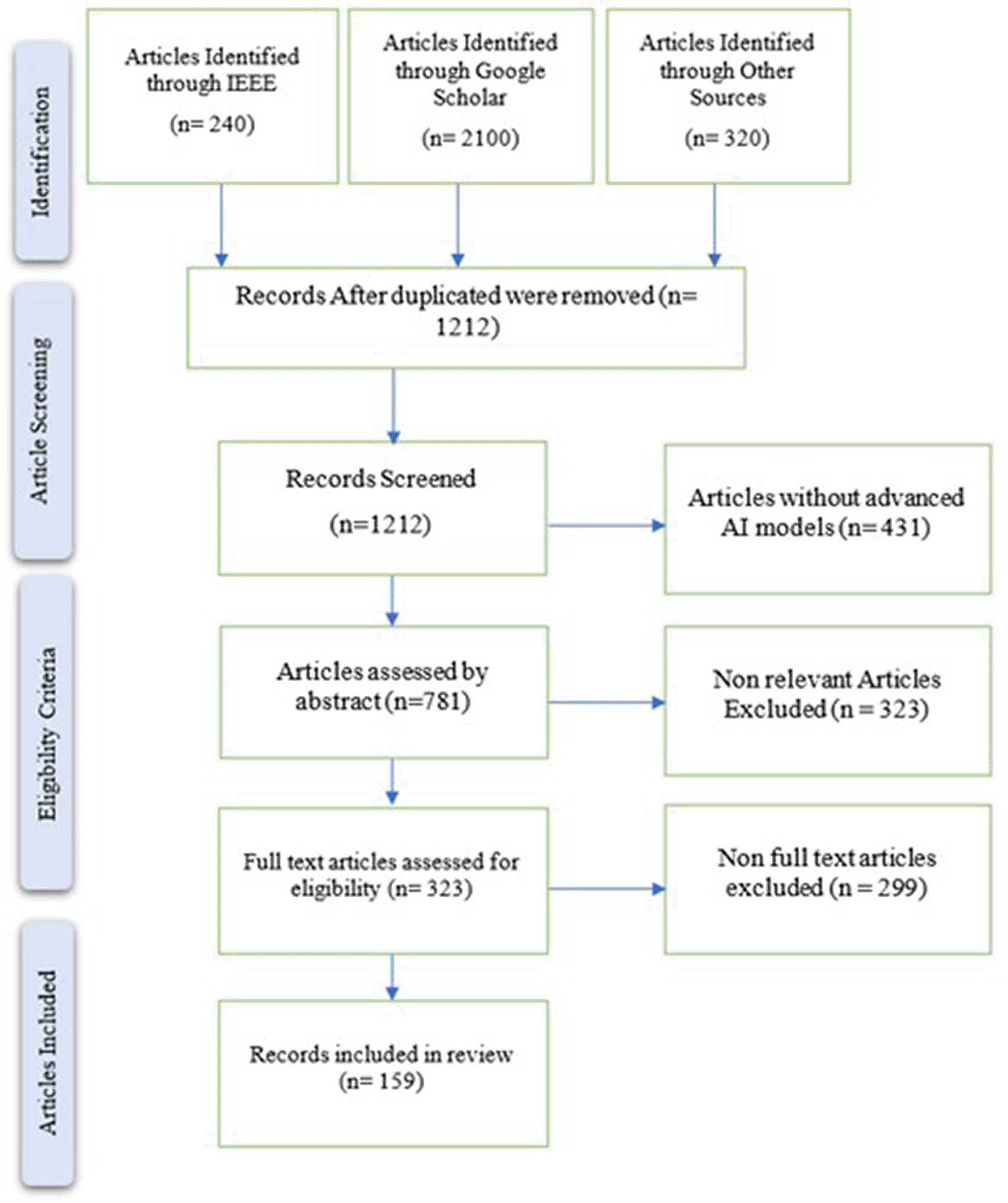
The study selection process was conducted by two independent reviewers who screened titles and abstracts based on predefined inclusion and exclusion criteria. Discrepancies were resolved through discussion and consensus. Full-text articles were then assessed for eligibility. The systematic selection process followed the PRISMA flow diagram in Figure 4, beginning with the identification of studies through an initial search, from which 980 studies remained after duplicates were removed. Studies that passed this screening underwent a full-text review, with quantitative results, where more rigorous inclusion and exclusion criteria were applied. Ultimately, 159 studies met the inclusion criteria and were included in the final analysis.
Study characteristics, such as publication year, authors, and journal/conference details. Model details, including the deep learning model used and associated parameters. Data sources, specifying the type of data. Performance metrics considered included accuracy, precision, specificity, recall, F1-score, AUC-ROC, and others that follow the general classification and clustering evaluation criteria like MSE. Evaluation methodology, such as whether cross-validation or external validation was employed, and the dataset’s size and characteristics. Results detailing the model’s strengths, weaknesses, and challenges are identified. Data extraction was performed by the authors using a standardized data extraction framework. Extracted information was cross-checked to ensure accuracy and consistency.
After data extraction and quality assessment, a comparative analysis of deep learning models (LSTM, GRU, CNN, Transformer) for insider threat detection and UBA/UEBA was conducted. Key findings highlighted model strengths, gaps in research (e.g., data diversity, interpretability), and challenges like data imbalance and scalability issues.
A formal risk of bias assessment was not conducted using standardized tools such as ROBIS, as this review focuses on methodological and qualitative synthesis of studies rather than quantitative meta-analysis. However, study quality was implicitly considered during the selection process by prioritizing peer-reviewed articles, well-documented methodologies, and studies with clearly defined evaluation metrics. Reporting bias was minimized by conducting a comprehensive search across multiple databases and including studies from diverse sources.
Traditional machine learning models, including Support Vector Machines (SVM), Random Forests (RF), and K-Nearest Neighbors (K-NN), are frequently applied for insider threat identification. These models typically rely on handcrafted characteristics and statistical techniques for data classification.79 Demonstrated the application of SVM and RF, attaining good accuracy on datasets like NSL-KDD and CIC-IDS-2017. However, the study emphasized the problems in managing large-scale data with sophisticated patterns, a constraint that traditional models suffer because to their reliance on pre-defined features. Singh et al. (2023) explored the application of SVM and K-NN for insider threat detection in industrial control systems, emphasizing the difficulty these models have in generalizing across varied assault scenarios.80
Also,81 Al-Shehari et al. (2022) studied the efficacy of CNN for detecting harmful insiders in network traffic and found that CNN beat other models in terms of precision and recall. However, it also revealed shortcomings when dealing with sophisticated assault types in dynamic situations.82 Utilized K-NN for real-time threat identification but experienced issues when dealing with imbalanced datasets, which is a common challenge for traditional models.
Also,83 studied SVM and Naive Bayes classifiers in the financial sector, highlighting the excellent precision of SVM but its computational burden on larger datasets. Other research, such as those by,84 revealed that Decision Trees gave transparency and interpretability but struggled with scalability in huge datasets, a known disadvantage for traditional models. Additionally,85 combined K-NN and RF for multi-stage insider threat detection, demonstrating a balanced approach that improved sensitivity and specificity across different attack vectors,86 applied SVM to detect insider threats in cloud environments, noting the model’s high detection rates but also its scalability challenges when faced with real-time data.
Hybrid models, which incorporate numerous machine learning and deep learning techniques, have gained appeal due to their ability to harness the capabilities of distinct algorithms.80 introduced a hybrid strategy integrating machine learning and deep learning models for insider threat identification, reaching 91% accuracy across diverse datasets. This approach exhibited better performance in settings where single-model solutions could underperform, but also revealed the complexities and interpretability problems that result from mixing many models. Also,87 examined a hybrid model incorporating CNN and LSTM, achieving a considerable performance gain when dealing with imbalanced datasets and unusual attack types.88 focuses on a mix of Decision Trees and Naive Bayes, enhancing recall rates for detecting rare insider threats.89 Proposed a hybrid model combining Neural Networks (NN) and SVM, exhibiting a considerable improvement in detection accuracy when applied to large-scale organizational data.
Additionally,90 integrated RF and Logistic Regression (LR) in a hybrid model, which outperformed individual models, improving classification accuracy by 8%.91 Utilized a hybrid model of XGBoost and LSTM for insider threat detection in cloud infrastructures, demonstrating an enhanced ability to handle complex assault patterns.92 Proposed a hybrid model integrating Convolutional Neural Networks (CNN) with K-NN to harness CNN’s feature extraction capabilities while benefiting from K-NN’s simplicity in final classification.88 studied an ensemble-based hybrid technique, integrating RF with Gradient Boosting Machines (GBM), and saw an improvement in precision and recall when applied to real-world datasets.
Deep learning approaches, such as LSTMs, Convolutional Neural Networks (CNNs), and Deep Neural Networks (DNNs), have showed tremendous potential in detecting insider threats due to their capacity to predict complex patterns in both sequential and unstructured data.8193 utilized deep autoencoders and variational autoencoders for insider threat detection, attaining an accuracy of 91% and an AUC of 0.94 on the CERT dataset. This methodology revealed the ability of deep learning models to capture subtle patterns in data that older methods often miss. Additionally,94 studied the use of LSTM networks for insider threat detection in time-series datasets, revealing that LSTMs excel in capturing temporal correlations, making them perfect for detecting abnormal insider activity over time.
Moreover,95 utilized DNNs for insider threat detection based on user behavior, obtaining improved detection accuracy compared to standard models, with a generalization capacity across varied situations. Also,96 focused on LSTM networks to increase real-time detection capabilities, successfully reducing detection time without sacrificing accuracy.
97 applied CNNs for the study of system logs, emphasizing CNN’s ability to extract useful features without requiring considerable manual feature engineering.98 presented the use of convolutional autoencoders for threat detection in IoT systems, where the model was able to efficiently detect abnormalities with high AUC values. Gul et al. (2023) merged CNNs with LSTM networks in a hybrid model, which caught both spatial and temporal patterns in network traffic, boosting detection accuracy.99 explored the use of deep autoencoders and LSTMs for insider threat detection in cloud computing environments, achieving state-of-the-art performance in real-time threat detection.
Ensemble methods, including boosting, bagging, and stacking, aim to combine multiple weak learners to improve the overall prediction power of a model.100 utilized boosting algorithms such as XGBoost, CatBoost, and Random Forest in an ensemble framework for insider threat detection, demonstrating improved F1-scores and more robust performance on imbalanced datasets.101 applied LightGBM for detecting insider threats in imbalanced datasets, showing that boosting techniques are well-suited for handling intrusion detection while providing fast and scalable solutions.102 explored stacking models, combining Random Forest, XGBoost, and SVM to improve robustness and detection accuracy in complex attack scenarios.87 used AdaBoost combined with Decision Trees to enhance the recall rate for detecting rare insider threats, highlighting the method’s ability to handle noisy data.103 investigated a bagging-based approach using SVM to detect insider threats in large-scale network traffic, finding that bagging helped mitigate overfitting while improving detection accuracy.104 integrated stacking with RF and XGBoost, which resulted in higher performance across a wide range of datasets and attack types.105 combined boosting with CatBoost and LightGBM for insider threat detection in the financial sector, achieving significant improvements in detection accuracy and processing efficiency.
3.5.1 Data imbalance
Data imbalance is one of the most significant difficulties in insider threat detection. Many datasets, including well-known ones like the CERT dataset, are characterized by a substantial imbalance between benign and malicious occurrences, with benign data overwhelmingly outnumbering attack data. This mismatch can lead to biased model training, as classifiers become skewed towards predicting the majority class (benign activities) and so struggle to effectively identify uncommon but essential attack events. The difficulty becomes considerably more evident in real-world contexts where insider threats are often sporadic yet can have disastrous implications.
Several strategies have been developed to address the issue of data imbalance in insider threat detection, with a focus on either altering the data distribution or modifying the learning process to accommodate for class imbalance. The Synthetic Minority Over-Sampling Technique (SMOTE) and ADASYN (Adaptive Synthetic Sampling) are two commonly accepted methods in this field. SMOTE works by generating synthetic cases of the minority class (e.g., insider threats) based on the feature space of existing minority instances. By doing so, it helps balance the dataset and enables the model to better generalize to the minority class.106
Al-Shehari et al. (2024) employed SMOTE to improve the identification of insider threats on the CERT dataset, demonstrating that producing synthetic data for infrequent attacks greatly increased classification accuracy.81 Similarly, the ADASYN approach, which modifies the synthetic sample generation process based on the distribution of minority cases, was found to increase model performance in detecting insider threats in highly imbalanced datasets. These data-level methods are commonly complemented with model-level techniques such as cost-sensitive learning, which modifies the learning process to assign more weight to misclassifications of the minority class. Moreover, ensemble techniques like Balanced Random Forests (BRF) and Easy Ensemble have been offered as alternate approaches to alleviate data imbalance. These ensemble approaches generate numerous classifiers on different balanced subsets of the data, boosting overall detection performance.88
However, despite these developments, data imbalance continues to be a significant difficulty in real-world cybersecurity systems, as adversary behavior can evolve rapidly, making it impossible to maintain an up-to-date balanced dataset. The requirement for ongoing adaptation and rebalancing is evident in dynamic contexts such as cloud computing and IoT, where attack types and techniques very quickly.
3.5.2 Sequential and temporal modeling
Many insider threats exhibit sequential or time-dependent behavior, which mandates the adoption of sequential and temporal modeling tools for successful identification. Traditional machine learning algorithms sometimes fail to capture these temporal dependencies, making them less effective for detecting assaults that unfold over time.31 Also, RNNs, particularly LSTMs and GRUs, have emerged as strong tools for modeling sequences of data due to their capacity to grasp long-range dependencies in time-series data.107
LSTMs and GRUs are particularly well-suited for insider threat identification because they can learn from past interactions to anticipate future behaviors.107,108 LSTMs are designed to address long-term dependencies by employing memory cells, making them perfect for modeling behavior patterns that span over longer durations. Similarly, GRUs, a variation of RNNs, simplify the learning process by employing fewer parameters, which might benefit in contexts with limited data or processing resources. Fagerlund (2024) exploited LSTM networks for detecting insider threats in time-series data from industrial control systems, exhibiting the model’s ability to recognize malicious behavior patterns over time.109 Rauf et al. (2023) also applied RNNs in their proposed insider threat detection framework, reaching the higher performance of 98.94% in detecting consecutive attacks that evolved over time.110
An intriguing breakthrough in this field is the Behavior Rhythm Insider Threat Detection (BRITD) model introduced by Song et al. (2024).111 The BRITD model combines Bi-LSTM (Bidirectional LSTM) and Feed-forward Neural Networks (FNN) to capture both forward and backward dependencies in time-series data, displaying an outstanding AUC of 0.9730. The Bi-LSTM design allows the model to handle input from both the past and the future, hence boosting the detection of insider threats that may exhibit delayed or reversed patterns of behavior. This model’s success emphasizes the efficiency of temporal models in capturing the dynamic nature of insider threats and their capacity to detect risks in real-time contexts.
The necessity for temporal modeling is particularly relevant in dynamic situations, because insider operations may stretch across numerous time intervals. Insider threats, such as data exfiltration or privilege escalation, can occur over extended periods, making sequential modeling approaches crucial for detecting these actions. LSTM and GRU-based models not only improve accuracy but also lower the probability of false positives by examining the sequence of actions leading up to a possible danger.
3.5.3 Contextual awareness
Contextual awareness is an important aspect in insider threat detection, since it allows models to interpret user activities regarding the environment in which those activities occur. Traditional models generally focus exclusively on raw data elements, such as user activities or network traffic, without considering the larger context, such as the time of day, the user’s job within the company, or the type of data being viewed. Incorporating contextual information into detection models can considerably increase the accuracy and relevance of the alerts given by these systems.112
Contextual data might contain elements such as time of day, geographical location, the organizational function of the user, and the sensitivity of the data being accessed. For instance, accessing critical information during off-hours may be suspicious for a typical employee but not for a system administrator.113 Similarly, an employee viewing a large volume of files may be normal in one context (for example, a data analyst’s typical work), but abnormal in another (for example, a non-technical staff member seeking to access sensitive data). Most studies propose a hybrid model that combines user behavior analysis with entity behavior analysis, integrating contextual data to improve the system’s sensitivity and reduce false positives. By incorporating factors such as time, user role, and access frequency, their model achieved high accuracy in detecting insider threats.114,115
Additionally, contextual awareness can be enhanced by multi-modal data fusion, where data from multiple sources (for example, system logs, network traffic, user activity, environmental variables) can be integrated to provide a more holistic view of potential threats. This approach would improve detection rates, particularly in complex environments where malicious activity may not be immediately apparent from any single data source alone.116 Therefore, combining contextual awareness with deep learning models like CNNs and RNNs can allow the model to understand subtle patterns in the data while being aware of the broader context, enhancing overall system performance and lowering false alarms.
The issue of introducing contextual awareness resides in the huge volume of data that needs to be processed and interpreted. Real-time processing of such data requires effective strategies for data aggregation and feature engineering, which can be computationally expensive. Moreover, the dynamic nature of organizational contexts and the growth of insider threat strategies necessitate constant updates and changes to the contextual models. Nevertheless, the inclusion of contextual awareness provides a viable path for boosting the precision and relevance of insider threat detection.
3.5.4 Real-time detection
Real-time detection is critical for effective insider threat identification, as these threats generally unfold swiftly, necessitating timely responses to reduce possible damage. Many insider threats, such as privilege escalation or data exfiltration, might be subtle and may only materialize as a succession of modest, seemingly innocuous actions. Detecting such risks requires models capable of processing data in real time and flagging questionable activity as it occurs, rather than depending on retroactive analysis.117
Prakash et al. (2024) focused on real-time anomaly detection for IoT systems, where detecting insider threats in real-time is critical due to the continuous flow of data from sensors and devices. Their solution utilized streaming algorithms to detect deviations from established behavior patterns, providing excellent detection accuracy with little delay. While real-time detection is vital for averting injury, it faces various obstacles, particularly in contexts where enormous volumes of data are generated regularly.117,118,118
The fundamental problem in real-time detection is the necessity for low-latency systems that can analyze incoming data streams without significant delays. In industrial control systems and IoT networks, where systems must run with little downtime, delays in detection might have catastrophic implications.119 Aminu et al. (2024) studied real-time threat detection in such situations, underlining the demand for models that can swiftly adapt to novel assault patterns without reducing detection accuracy. Their study underscored the relevance of edge computing and distributed learning in real-time applications, as these techniques can minimize latency by processing data closer to the source, hence reducing response times.120
Therefore, the dynamic nature of insider threats necessitates models that can adapt swiftly to new sorts of attacks. Incremental learning and online learning are two strategies that allow models to continuously learn from fresh data, thereby adjusting to emerging risks in real time. These technologies allow insider threat detection systems to remain successful over time without the need for frequent retraining, which can be resource-intensive.
Despite these developments, real-time identification remains a substantial difficulty, particularly in highly dynamic contexts. The requirement for low-latency processing, scalability, and adaptability makes it one of the most challenging parts of insider threat detection. However, continuing research in edge computing, streaming algorithms, and adaptive learning models shows promise for overcoming these problems and enabling more effective real-time detection in complex systems.
Table 2 presents a comprehensive analysis of recent studies in insider threat and intrusion detection, focusing on user behavior modeling and advanced machine learning and deep learning techniques. The reviewed literature spans from traditional methods like SVMs and statistical models to modern approaches employing deep neural networks, hybrid models, and autoencoders. Datasets such as CERT, KDD Cup, NSL-KDD, CICIDS2017, and NetFlow were commonly used for evaluation. Most studies achieved high performance metrics (accuracy, precision, recall, F1-score), with some models, particularly deep learning and ensemble techniques, demonstrating superior detection capabilities even under data imbalance conditions. Key strengths included improved detection accuracy, robust feature extraction, and adaptability to IoT and real-time environments. However, challenges remain in interpretability, scalability, high false positive rates, and limited generalization across datasets, especially in hybrid and deep learning approaches.
The introduction of deep sequential models, particularly LSTMs and Bi-LSTMs, marked a significant advancement in UEBA by enabling the modeling of temporal dependencies in user behavior. These architectures mitigate some limitations of traditional RNNs through gating mechanisms that improve gradient flow and long-term dependency retention. Empirical studies consistently report performance gains when deep sequential models are applied to insider threat datasets.
Nevertheless, the literature reveals that architectural improvements alone do not resolve the epistemic challenges inherent in insider threat detection. While Bi-LSTMs improve temporal representation, they remain sensitive to training data distributions and struggle with behavioral patterns that deviate from learned norms. Moreover, most studies evaluate these models exclusively through classification metrics, offering limited insight into how prediction reliability varies across user populations and behavioral contexts. As a result, deep sequential models improve what is detected but provide insufficient guidance on how confidently those detections should be acted upon.
In the evolving environment of cybersecurity, classic rule-based frameworks have struggled to keep pace with the dynamic nature of threats. Static risk management systems, which often fail to adapt to real-time changes in user behavior or system configurations, are becoming ineffective in handling modern security concerns. This gap has led to the creation of contextual awareness models for risk management. These models are designed to combine continuous, real-time data inputs from a range of sources, ranging from system logs to user activity and environmental conditions, enabling a more proactive, dynamic reaction to emerging risks.
Contextual awareness models try to capture the context in which a security event happens, realizing that not all user behaviors or system operations are intrinsically harmful. For example, a user accessing confidential files outside of typical working hours may seem suspicious, but if they are working on a crucial project, this conduct might be justifiable. Therefore, these models integrate real-time data and advanced machine learning (ML) algorithms to assess risk dynamically, enabling enterprises to modify security procedures according to the real-time scenario.
A major element of these models is user micro-segmentation, which splits users into small, highly-specific parts depending on their security profiles. By continuously monitoring user activity, companies can create “security risk profiles” that anticipate the possibility of malevolent activities or inadvertent security breaches. This profiling offers a tailored approach to risk management, where security measures can be ramped up or down based on the particular user’s risk assessment. For instance, people having access to highly sensitive data but limited suspicious activity may be permitted modest monitoring, whereas users with inconsistent or high-risk habits are subject to more thorough examination.
Furthermore, this technique can combine predictive analytics, where machine learning algorithms foresee possible security vulnerabilities based on historical user behavior and system occurrences. This helps to anticipate insider threats before they grow into big incidents. By continuously updating user profiles based on their actions and using contextual awareness, organizations can preemptively manage vulnerabilities, rather than just reacting once a breach has happened.
Moreover, contextual awareness is necessary for dynamic, proactive risk management, where responses to risks are not merely based on predetermined rules but are altered in real-time depending on the evolving environment. For instance, if a user’s behavior drastically deviates from their typical pattern, such as accessing secret information or systems during off-hours, the system can flag this for further inquiry, even if the action itself isn’t intrinsically malevolent. Additionally, the model can assess the context of this behavior, such as whether the user has previously been trusted or whether they are under extraordinary stress, which helps discriminate between potential hazards and benign anomalies.
The use of user risk profiles can also be expanded to incorporate aspects beyond merely user behavior. By combining data such as time of access, geographical location, and device kind, security models can generate a more comprehensive understanding of a user’s risk profile. This information enables the system to adapt its defenses dynamically, higher-risk users can be required to undergo additional authentication stages or be subject to more severe monitoring, while lower-risk users can keep more streamlined access.
In reality, such context-aware risk management systems can considerably increase the accuracy and efficiency of security measures by decreasing false positives and enabling targeted responses. Instead of ringing alarms for every tiny irregularity, these systems can prioritize activities that matter most based on the broader context of user behavior and situational circumstances, allowing for a more intelligent allocation of resources and concentrated threat mitigation efforts.
Overall, integrating contextual awareness with dynamic, proactive risk management helps organizations to not only respond faster to emerging threats but also to construct a security framework that predicts and adapts to the continuously evolving cybersecurity landscape. This transition from reactive to proactive management not only boosts threat detection but also supports a more efficient use of security resources, ensuring that defenses are tailored precisely to the threats at hand.
As cybersecurity threats continue to increase in sophistication and scale, the integration of modern technologies such as deep learning with existing cybersecurity frameworks becomes increasingly necessary. Deep learning, with its ability to learn from enormous volumes of data and recognize complicated patterns, can dramatically augment standard cybersecurity methods. The challenge, however, lies in ensuring the seamless integration of these cutting-edge tools with established frameworks like the National Institute of Standards and Technology (NIST) Cybersecurity Framework (CSF) or ISO/IEC 27001:2022, which are widely adopted in organizations for their structured approach to managing cybersecurity risks. By understanding how deep learning can supplement or integrate with these frameworks, cybersecurity practitioners can create a more resilient, adaptive, and dynamic defense posture.
The NIST Cybersecurity Framework (CSF), for instance, provides a collection of rules aimed to identify, protect, detect, respond to, and recover from cybersecurity incidents (NIST, 2018). Deep learning models can play a crucial role in improving the ‘Detect’ function by employing anomaly detection techniques to identify possible risks before they escalate. Traditional rule-based systems and signature-based detection approaches generally struggle to detect zero-day attacks or new types of malwares, which is where deep learning excels owing to its capacity to continuously learn and improve. By implementing deep learning into the NIST framework, enterprises can strengthen their threat detection capabilities with more accurate and preventative actions. For example, deep learning models trained on network traffic data might identify suspicious patterns that may be symptomatic of a cyberattack, such as lateral movement inside the network or aberrant data exfiltration, which older methods could miss.
Similarly, the integration of deep learning with the ISO/IEC 27001:2022 standard can further improve risk management procedures by offering an intelligent layer to threat analysis and decision-making. ISO/IEC 27001:2022 focuses on the systematic management of information security risks through a continuous improvement cycle. Deep learning models can contribute to the ‘Assessing and Treating Risks’ element of the standard by assessing historical attack data to predict future threats and by offering dynamic risk assessments based on real-time data. This continuous analysis would complement existing risk management methods, enabling firms to change from a reactive to a proactive approach. Moreover, deep learning models can automate portions of risk assessment, reducing the need on manual analysis and enabling speedier decision-making.
The integration of deep learning with these established frameworks is not without hurdles. It entails building the correct interfaces between older systems and modern AI models, as well as guaranteeing interoperability with existing security measures. Furthermore, while deep learning can dramatically improve detection capabilities, it must be properly adjusted to avoid generating false positives that could overload security staff. Nonetheless, when deployed properly, deep learning may considerably augment existing cybersecurity frameworks, providing enterprises with a resilient, adaptive, and proactive security posture.
One of the most potential applications of deep learning in cybersecurity is its capacity to provide real-time detection and mitigation, particularly in reaction to insider threats. Insider threats, which involve malevolent or irresponsible activities by persons within an organization, are notoriously difficult to identify because they come from trusted users with lawful access to important systems. Deep learning’s capacity to evaluate massive volumes of user behavior data, such as login timings, access patterns, and anomalous file movements, can assist identify potential insider threats more efficiently than previous methods. However, it’s not just about detection; the true benefit of incorporating deep learning comes in its capacity to trigger automatic, real-time mitigation steps that can prevent or contain threats before they do major damage.
Coupling deep learning with existing incident response systems can substantially speed up response times. Incident response processes generally rely on established criteria and thresholds to identify and neutralize risks, which can be time-consuming and less effective when facing complex, previously undiscovered attack techniques. By incorporating deep learning into these systems, enterprises may harness their real-time analysis capabilities to automatically trigger responses based on observed behavior. For example, deep learning models can detect anomalies such as an employee accessing sensitive data at unusual hours or attempting to transfer huge volumes of data outside the firm. In such circumstances, the system can instantly initiate countermeasures such as micro-segmentation or user isolation.
Micro-segmentation, which involves separating a network into smaller, isolated portions, can minimize the lateral movement of possible threats and reduce the impact of insider attacks. Deep learning models can detect odd activity that suggests an insider threat and activate an automated segmentation process, separating the infected individual or device from key resources in real time. This approach reduces the possible damage and guarantees that the remainder of the network remains secure. For instance, a person attempting to exfiltrate critical information might have their access to certain files and systems instantly banned, preventing further data loss.
User isolation is another essential mitigation strategy that deep learning may enable. When deep learning models detect anomalous user activity, such as accessing a sensitive file or system that is incongruous with the user’s customary work activities, the system can immediately isolate the user’s account from the network or restrict their access to sensitive resources. This allows security professionals to explore the situation further without having to physically intervene, which can be extremely advantageous in high-stress, high-stakes instances. Real-time detection and automatic mitigation also help firms to respond more effectively to quickly emerging threats, ensuring that any potential damage is mitigated before it can grow.
The integration of deep learning models with incident response automation, such as Security Orchestration, Automation, and Response (SOAR) systems, further strengthens these capabilities. SOAR systems allow for the automation of reactions to security incidents, and when linked with deep learning, these systems may automatically make judgments based on the analysis of incoming data. For example, when a deep learning model flags a potential insider threat, the SOAR system can autonomously take specified measures, such as alerting security staff, beginning isolation protocols, or even applying additional levels of encryption to critical data.
In conclusion, integrating deep learning into existing cybersecurity frameworks like NIST or ISO/IEC 27001:2022, as well as coupling it with real-time detection and mitigation methods, represents a big leap forward in protecting against modern cyber threats. By enabling automatic responses such as micro-segmentation and user isolation, businesses can improve response times and strengthen their capacity to protect sensitive data from insider threats. Deep learning not only enhances traditional security measures but also provides the necessary agility and scalability required to face the increasingly complex threat landscape.
As cybersecurity continues to change in response to increasingly sophisticated threats, several new trends and future directions are changing the environment. These breakthroughs are redefining the way organizations approach risk management, shifting from reactive tactics to proactive, adaptive systems that can learn, evolve, and autonomously minimize dangers. Hybrid models, self-healing systems, continuous learning frameworks, and improvements in artificial intelligence (AI) are at the forefront of this shift, each bringing unique capabilities that promise to revolutionize cybersecurity techniques.
One of the important breakthroughs in the sector is the rise of hybrid models. These models blend old, rule-based procedures with modern, AI-driven methodologies, exploiting the strengths of both. Traditional systems frequently rely on predetermined rules and signatures to identify risks, but AI models may examine patterns in data, find abnormalities, and even forecast possible dangers. The merging of these two technologies provides for a more holistic approach to cybersecurity, balancing the reliability and transparency of rule-based systems with the adaptability and scalability of machine learning (ML) techniques. As businesses evolve toward more sophisticated infrastructures, hybrid models offer a flexible, scalable option for managing a wide range of cybersecurity concerns, from simple malware detection to advanced persistent threats, as highlighted by Xie et al. (2022).99,102,110,121,124,126
Another promising innovation in cybersecurity is the creation of self-healing systems. These systems are designed to automatically detect and respond to security breaches in real-time, basically “repairing” themselves without human interaction. By employing AI and machine learning algorithms, self-healing systems may find vulnerabilities, patch them, and recover affected systems without requiring a full manual overhaul. This autonomous strategy not only saves response times but also lessens the impact of cyber catastrophes, allowing firms to retain continuity even during an attack. The capacity for a system to self-repair ensures that security measures are consistently up-to-date and that threats are neutralized soon as they develop, which has been stressed in125 and other recent studies.
In tandem with self-healing systems are continuous learning models. These models, backed by machine learning and AI, enable cybersecurity systems to learn from past occurrences and adapt to new types of threats over time. Unlike traditional models that may need to be manually updated or reprogrammed, continuous learning models can evolve automatically by analyzing new data and modifying their danger detection algorithms accordingly. This expertise is particularly essential in a context where cyber threats are continually changing. By learning from prior attacks and developing user behavior, these models are able to forecast future threats, allowing security systems to become more successful at preventing breaches before they occur. Continuous learning, in this context, implies a move from static to dynamic security, where systems are not merely reactive but actively anticipate and avoid potential risks.126,127,128
As AI continues to progress, AI-driven threat hunting is also gaining traction. AI and machine learning algorithms are rapidly being employed to help autonomous threat hunting, a technique that entails actively searching for possible dangers within a network before they cause harm. By exploiting massive datasets and advanced pattern recognition algorithms, AI can discover questionable activity that could go unnoticed by traditional methods. For instance, AI can highlight anomalous user activities, such as accessing sensitive data outside typical hours or from an unknown device, and launch an investigation. This proactive approach helps security teams to respond to attacks more promptly and precisely, boosting their capacity to remain ahead of malicious actors, as supported by multiple studies.41,126 The continued development of AI-driven threat hunting will undoubtedly lessen the strain on security analysts, allowing them to focus on more difficult duties while AI performs routine detection and response.
Federated learning is another new technique that holds significant potential for the future of cybersecurity. In federated learning, deep learning models are trained across decentralized data sources without requiring the data to leave its original location. This strategy ensures that data privacy is preserved, as sensitive information never has to be centralized. In the context of cybersecurity, federated learning can be used to train AI models on user behavior, device activity, or network traffic data across several sites, boosting the models’ accuracy without compromising privacy. This decentralization of data processing is particularly significant as worries about data security and privacy continue to develop. Federated learning can offer a solution to these difficulties by providing the collective benefits of shared data analysis while maintaining privacy rules and individual user rights. As organizations seek to reconcile the requirement for security with privacy issues, federated learning may become a crucial weapon in the armory of cybersecurity technology.117
With the growth of edge computing, the landscape of cybersecurity is altering yet again. Edge computing includes processing data closer to its source, such as on IoT devices or mobile devices, rather than transferring it to centralized cloud servers. This decentralized approach to data processing has various advantages, particularly when paired with UBA for real-time threat detection. By tracking user activity directly on devices, enterprises can spot abnormalities instantaneously, minimizing the time between threat occurrence and response. This is especially critical for IoT devices, which often operate in conditions where quick detection and mitigation are necessary to prevent widespread damage. In this sense, edge computing allows for a more nimble, real-time approach to security, which is crucial in today’s linked world, as illustrated by.123,129,130
Finally, as AI models grow increasingly crucial to cybersecurity, the demand for explainable AI (XAI) is becoming more obvious. Traditional AI systems, particularly deep learning models, are often considered as “black boxes”; their decision-making processes are not easily accessible by humans. This lack of openness can be a huge concern in cybersecurity, where trust and accountability are important. XAI attempts to make AI models more interpretable by providing insights into how decisions are made. In cybersecurity, this could involve describing why a certain user activity was marked as suspicious or how an AI model detected a potential threat. The expanding necessity of explainable AI is vital for ensuring that security professionals can trust and verify the behavior of AI systems, especially when critical choices are being made based on their outputs. XAI will assist bridge the gap between complicated machine learning models and human comprehension, boosting decision-making and assuring more responsibility in security systems,.49,53,122,131
As these technologies continue to advance, the future of cybersecurity looks increasingly autonomous, adaptable, and proactive. Hybrid models that mix the best of traditional and AI-driven methodologies, self-healing systems, continuous learning, and the integration of edge computing and federated learning are building a more resilient security framework. Furthermore, AI-driven threat hunting and explainable AI will continue to strengthen the ability to detect and respond to threats before they cause major damage. As these developments materialize, they will not only boost the effectiveness of cybersecurity but also foster more trust and collaboration between human operators and AI systems in securing the digital world.
Despite the various advantages of deep learning in dynamic and proactive cybersecurity, notably for insider threat identification using User Behavior Analytics (UBA), several limits and trade-offs must be considered.
One of the most critical obstacles in adopting deep learning models for cybersecurity is the trade-off between accuracy and explainability. Deep learning algorithms, such as neural networks, typically behave as “black boxes,” making very accurate predictions but affording no information regarding how these decisions are made. In a cybersecurity setting, especially when crucial choices like user isolation or access revocation are automated, this opacity can cause concerns among stakeholders, including compliance officers, legal teams, and end users.
Explainability is vital not only for establishing corporate trust but also for enabling incident investigation and auditing. If a model flags a valid user as a threat, security teams need to understand the rationale behind the decision to avoid costly blunders. While high accuracy is important, too complicated models without interpretability tools may limit effective risk communication and weaken operational openness.
Moreover, while deep learning excels in pattern detection, it is not immune to false positive cases when normal behavior is misclassified as suspect. In insider threat detection, false positives can lead to major operational disruptions, such as unjustified account lockouts, wasteful investigations, or erosion of employee trust. Excessive false alarms can also lead to alert fatigue among security analysts, allowing vital alerts to be disregarded or deprioritized.
Managing the balance between sensitivity (detecting all potential threats) and specificity (minimizing false alarms) is an important design consideration. Overly sensitive models may ensure threats are discovered, but at the cost of operational efficiency and confidence. On the other hand, conservative models may miss subtle, changing risks. Continual tuning and validation are consequently needed.
Regulatory Compliance: Compliance with Legal Standards: Add a section on how deep learning models for insider threat detection need to comply with legal standards like GDPR, HIPAA, or CCPA. Discuss how these models manage sensitive data and what protections are required to ensure compliance with data protection rules.
Model Maintenance and Adaptation: Continuous Model Maintenance: Deep learning models can become obsolete or overfit over time, especially in contexts where the nature of insider threats evolves. Discuss how these models can be maintained and updated routinely, with examples of best practices or automation mechanisms for retraining models as new data comes.
Attention mechanisms have been widely adopted in UEBA research to enhance contextual awareness and interpretability by assigning differential importance to behavioral features and temporal events. By focusing model capacity on salient inputs, attention-based architectures improve representation learning and offer post-hoc insights into model behavior.
However, the literature frequently overstates the role of attention as a solution to trust and reliability challenges. Attention weights explain where the model focuses but do not quantify how certain the model is about its predictions. Consequently, attention-enhanced UEBA systems remain deterministic and epistemically blind, particularly in cases involving ambiguous or previously unseen behavior. This limitation underscores the distinction between explainability and uncertainty awareness, a distinction that is insufficiently addressed in existing research and critical for operational insider threat decision-making.
The reviewed literature demonstrates that UEBA has evolved significantly from rule-based anomaly detection toward machine learning and deep learning, driven behavioral modeling. This evolution reflects growing recognition that insider threats are temporally complex, context-dependent, and difficult to characterize using static rules. Despite this progress, a critical synthesis of existing work reveals that current UEBA research remains constrained by foundational theoretical and operational limitations that restrict its effectiveness in real-world security environments.
A dominant trend across UEBA studies is the prioritization of classification accuracy as the primary indicator of model success. While numerous approaches report high performance using metrics such as accuracy, precision, recall, and AUC, this accuracy-centric paradigm assumes that predictive confidence is inherently reliable. In operational cybersecurity contexts, however, this assumption is problematic. Insider threat detection is an open-world problem characterized by incomplete data, evolving user behavior, and rare malicious events. Under such conditions, models that produce deterministic predictions without quantifying their own uncertainty risk overconfidence, leading to false positives, analyst fatigue, and erosion of trust in automated systems. The literature largely overlooks this epistemic limitation, treating uncertainty as noise rather than as a meaningful signal for decision-making.
Deep sequential models, particularly RNNs and LSTM variants, have improved temporal modeling of user behavior and mitigated some limitations of traditional machine learning approaches. However, despite architectural advances such as Bi-LSTMs and gated mechanisms, these models remain challenged by vanishing gradients, limited long-term dependency capture, and sensitivity to training data distributions. While attention mechanisms and Transformer architectures have been proposed to address aspects of these limitations, existing studies primarily evaluate their impact on performance and interpretability, rather than on decision reliability. As a result, improvements in sequence modeling are not systematically translated into confidence-aware or risk-sensitive security decisions.
Another persistent gap lies in the treatment of contextual awareness. Although several studies acknowledge the importance of user roles, access privileges, temporal patterns, and environmental conditions, these factors are often incorporated as auxiliary features rather than as integral components of the risk decision process. This results in UEBA systems that apply uniform thresholds across heterogeneous user populations, increasing the likelihood of misclassifying legitimate but rare behaviors as malicious while failing to detect slow, stealthy insider threats embedded within normal workflows. The absence of user-specific risk differentiation and micro-segmentation reflects a broader lack of alignment between UEBA modeling and operational risk management principles.
Furthermore, while attention mechanisms are frequently promoted as a means of enhancing explainability, the literature often conflates interpretability with trustworthiness. Attention weights indicate feature relevance but do not communicate the model’s confidence or uncertainty regarding its predictions. Consequently, attention-based UEBA models remain epistemically blind, offering limited guidance on when automated responses are appropriate and when human analyst intervention is necessary. This distinction between explanation and confidence is insufficiently theorized in existing work.
Finally, the synthesis reveals a weak integration between UEBA modeling techniques and established cybersecurity risk management frameworks such as ISO/IEC 27001 and Zero Trust Architecture. Although these frameworks emphasize continuous risk assessment, adaptive controls, and confidence-aware decision-making, most UEBA systems output static classifications or probability scores that are not explicitly grounded in uncertainty-aware risk reasoning. This misalignment constrains the practical adoption of UEBA solutions and limits their value in proactive insider threat mitigation.
In response to these gaps, this research is theoretically positioned to reconceptualize insider threat detection as a risk-confidence co-estimation problem rather than a pure classification task. The study advances the position that epistemic uncertainty is a first-class signal that must be explicitly modeled and integrated into risk scoring to support trustworthy, operational decision-making. By unifying sequential behavior modeling, contextual attention, and uncertainty quantification within a single framework, this research addresses the identified limitations and establishes a principled foundation for uncertainty-aware, context-sensitive UEBA systems aligned with cybersecurity risk management practice.
| Views | Downloads | |
|---|---|---|
| F1000Research | - | - |
|
PubMed Central
Data from PMC are received and updated monthly.
|
- | - |
Provide sufficient details of any financial or non-financial competing interests to enable users to assess whether your comments might lead a reasonable person to question your impartiality. Consider the following examples, but note that this is not an exhaustive list:
Sign up for content alerts and receive a weekly or monthly email with all newly published articles
Already registered? Sign in
The email address should be the one you originally registered with F1000.
You registered with F1000 via Google, so we cannot reset your password.
To sign in, please click here.
If you still need help with your Google account password, please click here.
You registered with F1000 via Facebook, so we cannot reset your password.
To sign in, please click here.
If you still need help with your Facebook account password, please click here.
If your email address is registered with us, we will email you instructions to reset your password.
If you think you should have received this email but it has not arrived, please check your spam filters and/or contact for further assistance.

Comments on this article Comments (0)