Keywords
Bamboo, Climate change, Coastal ecosystem, Community-based management, Community resilience, Lampung, Nature-based Solutions, Sustainable development

This article is included in the Ecology and Global Change gateway.
This article is included in the Climate gateway.
Bamboo, Climate change, Coastal ecosystem, Community-based management, Community resilience, Lampung, Nature-based Solutions, Sustainable development
East Lampung Regency in Lampung Province, Indonesia, holds vast potential in both land and marine natural resources. With a coastline of over 110 kilometres and a vast mangrove forest managed by local communities, this region contributes more than 35 percent to the province’s capture fisheries production.1,2 It plays a vital role in supporting the blue economy and national food security. To enhance this potential, the government is developing a modern fishing port in the Labuhan Maringgai Sub-district of East Lampung, which is set to support the industrialization of marine and fisheries-based industries. This development highlights the dependence of small-scale fishers in the regency on marine resources and coastal areas. However, the condition of marine waters is increasingly unpredictable due to seasonal variability and extreme weather related to climate change. This instability adversely affects fish catches and the income of small-scale fishermen.3 In addition to the fishermen, the livelihoods of local communities in East Lampung are diverse, encompassing groups engaged in shrimp paste processing, fish processing, farming, and mangrove conservation.4
In addition to marine resources, while renewable and organic materials are in great demand, bamboo emerges as a promising local resource that aligns with both green and blue economy principles.5 It is relatively abundant throughout East Lampung and has been intertwined with the daily lives of local communities, used in construction (both on land and in coastal areas), as household tools, in traditional fishing gear, and in local crafts for many years. Despite its considerable ecological and cultural value, bamboo use remains limited to small-scale, informal activities, with insufficient attention to its management, preservation, and value addition.
This situation presents both an opportunity and a challenge at the same time, while present practices are fragmented and uncoordinated, sustainable management of bamboo could be built up as one of the strategic paths toward improving livelihoods, adapting to and mitigating the consequences of climate change, and enhancing coastal ecosystems’ resilience in the framework of Nature-based Solutions.
This study aims to provide an overview of how communities in East Lampung Regency utilize bamboo along the coast and to offer policy recommendations for its sustainable management. Linking ecological restoration with economic empowerment will position bamboo as a prime driver of sustainable coastal development and community resilience.
Climate change and human activities have led to increased environmental degradation, loss of natural resources, and limited livelihood opportunities in the coastal areas of East Lampung. In this context, bamboo is one of the important strategic resources supporting sustainable livelihoods,5 reducing ecological pressures, and strengthening coastal ecosystem resilience. Beyond its economic value, bamboo plays a crucial ecological role, particularly in maintaining and rehabilitating mangrove ecosystems that protect coastal zones from erosion and seawater intrusion.
As part of this study, a Focus Group Discussion (FGD) was conducted in July 2025 in East Lampung Regency, involving over 30 participants. These participants included representatives from coastal communities, village and sub-district governments, academics, and bamboo practitioners, who collectively identified the strengths, weaknesses, opportunities, and threats related to the use of bamboo for enhancing coastal resilience. At the time of inviting participants to the Focus Group Discussion (FGD), the “Explanatory Manuscript Prior to Consent from Research Subjects: Respondents to the Focus Group Discussion on Bamboo Utilization in the Coastal Area of East Lampung Regency,” which received approval from the IPB Ethics Committee, was communicated verbally to each participant’s leader. This included the village head, the head of the office, the head of the department, and the head of the organization. Additionally, the Terms of Reference for this FGD were included with the invitation letter. The leaders informed the participants about the purpose and structure of the discussion and encouraged their participation. On the day of the FGD, this consent was verbally reiterated to all participants. The research team then provided a detailed explanation of the study’s objectives, procedures, the voluntary nature of participation, potential risks and benefits, and participants’ right to withdraw at any time. This information was effectively communicated through a PowerPoint presentation. Participants demonstrated their willingness to attend by signing the FGD attendance list. This verbal communication was essential for ensuring understanding among both leaders and participants, particularly since this study on bamboo is the first of its kind in the area, and participants preferred verbal explanations. Therefore, informed consent was obtained verbally from all participants prior to the FGD.
The FGD revealed that bamboo is widely used in the daily lives of coastal communities, primarily in the following categories:
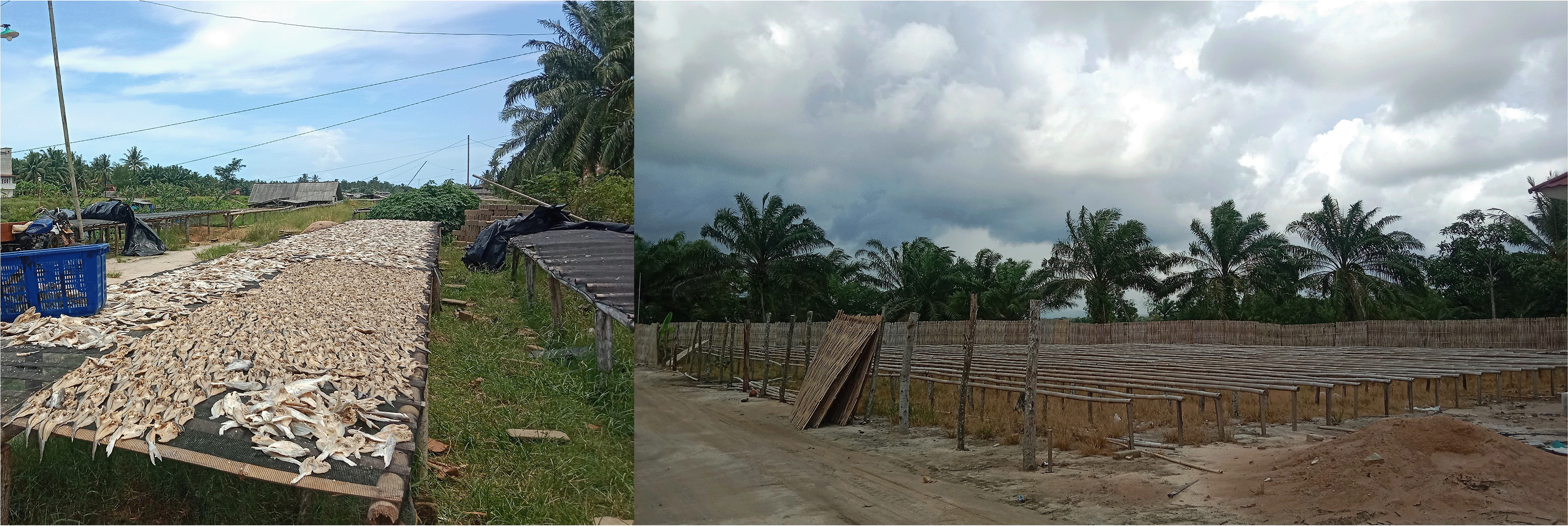
1. Fisheries: Bamboo is used for various purposes, such as bagan (floating fish cages), fishing gear, and fish-drying racks. For example, Figure 1 shows a bamboo structure used as a fish-drying rack in East Lampung Regency, and Figure 2 illustrates raw bamboo materials used in the construction of the bagan and the bagan itself.
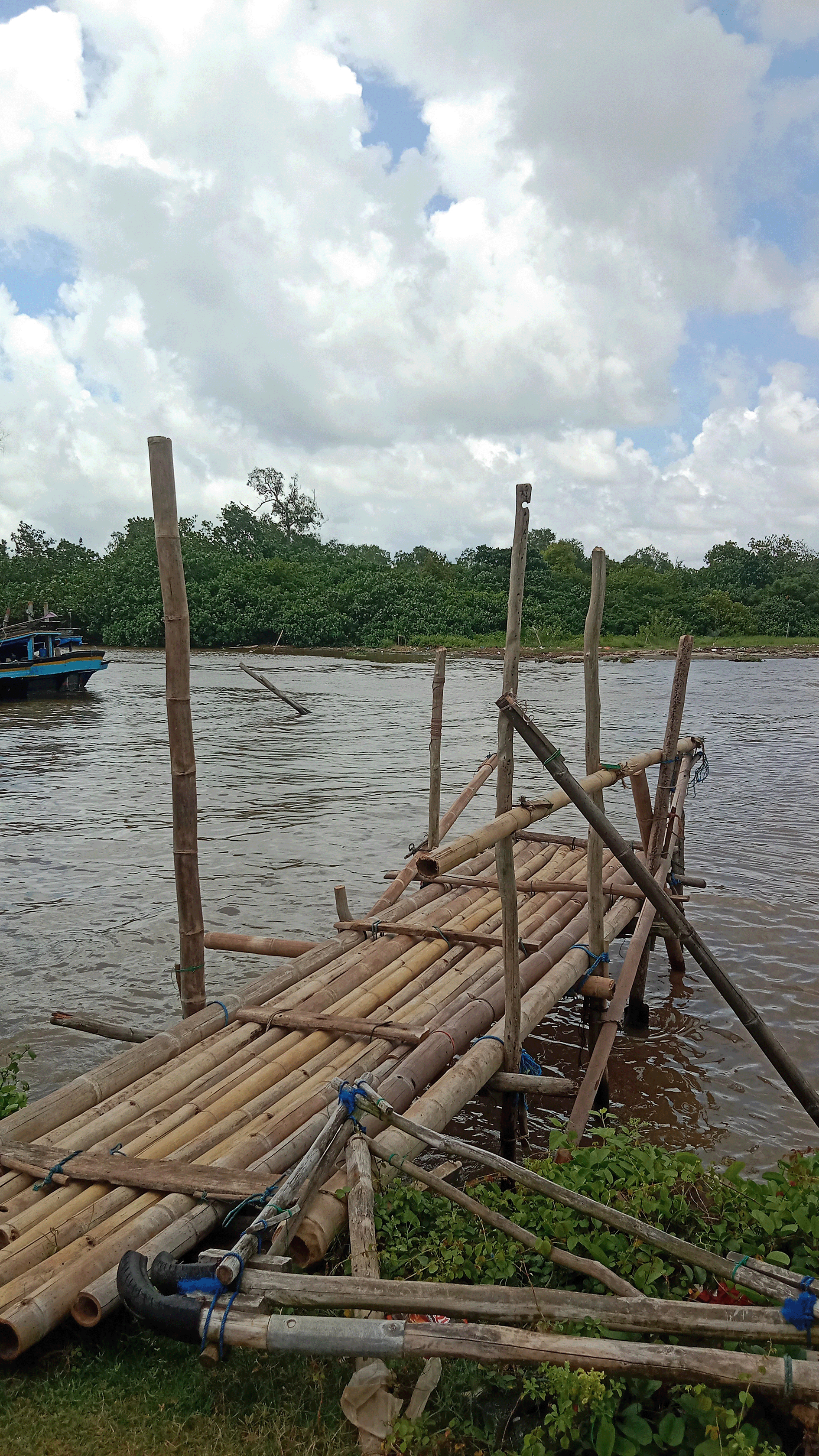
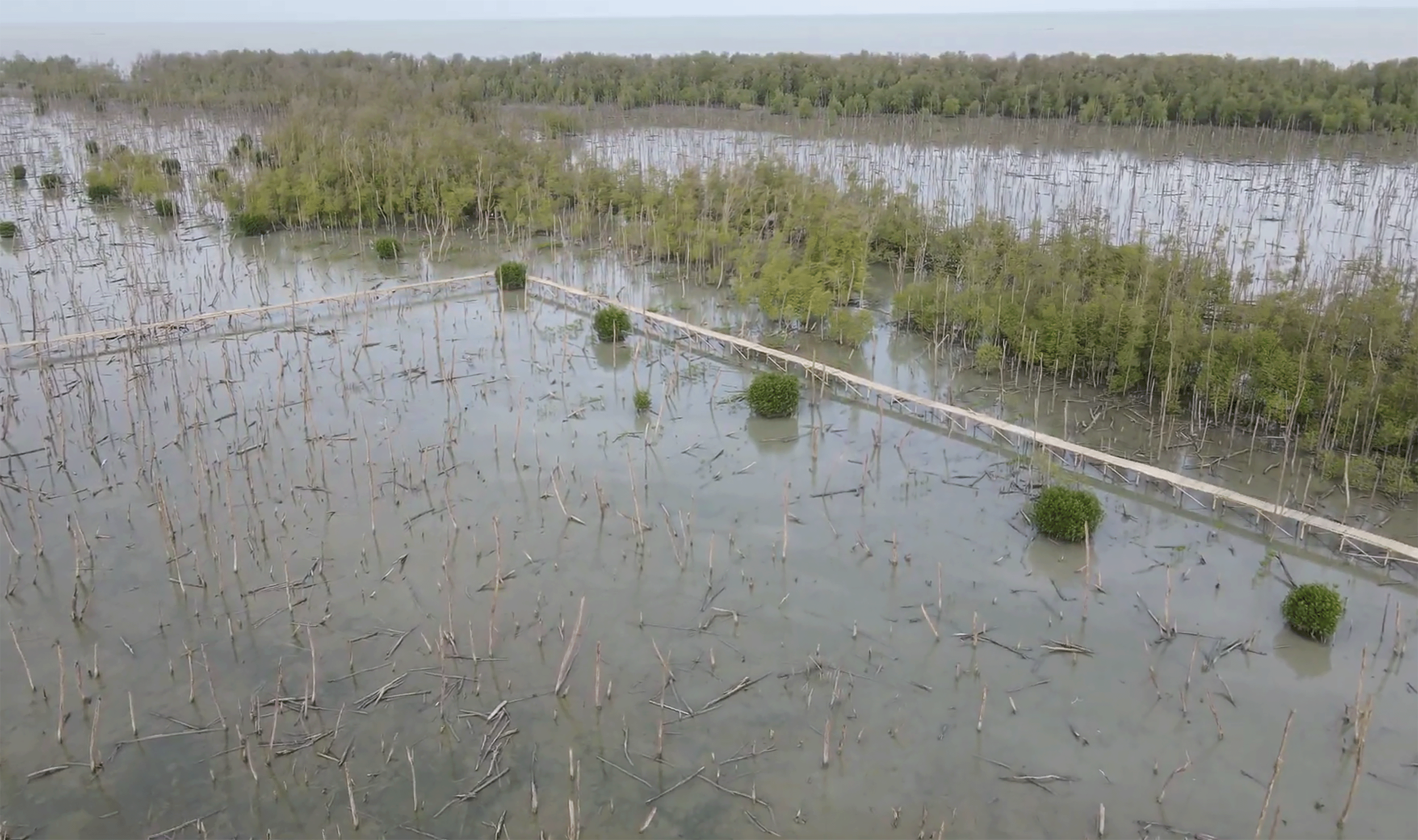
2. Building Materials: Bamboo serves as a key material for constructing houses, gazebos, scaffolding, jetties, walkways, bridges, fences, ladders, and flag/banner poles. Figure 3 depicts a bamboo jetty in East Lampung Regency, while Figure 4 showcases bamboo walkways located in the mangrove area of the regency.
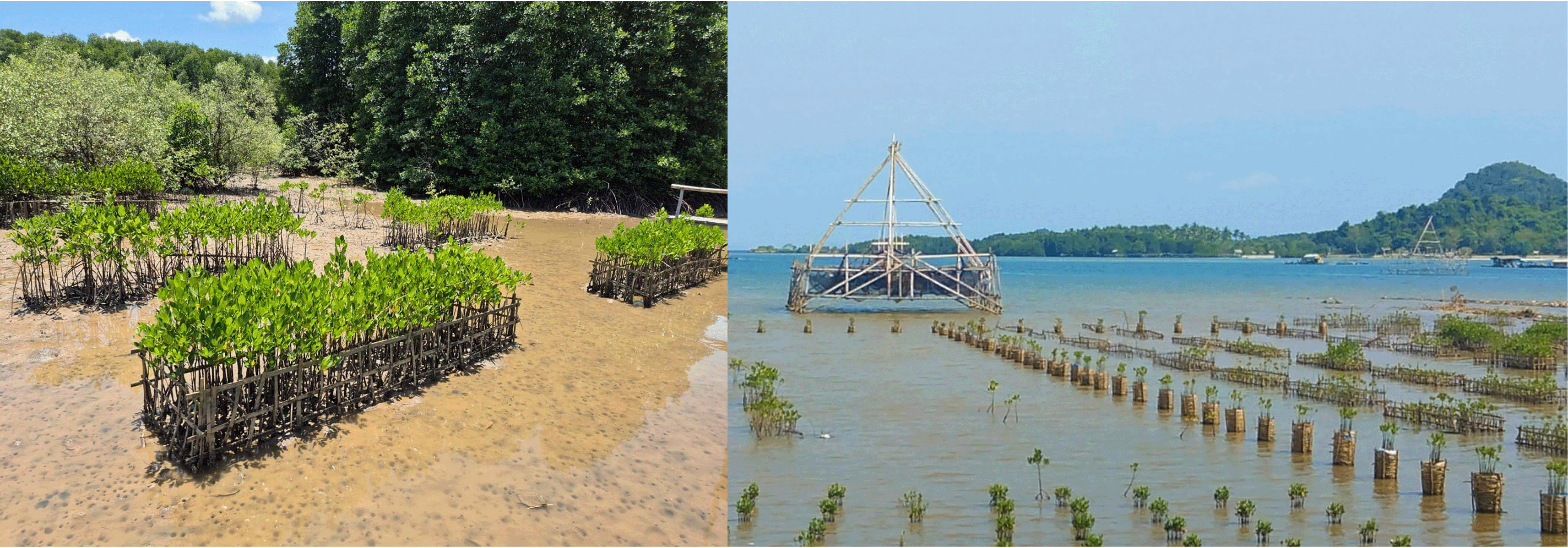
3. Mangroves: Bamboo is also used for creating planting baskets, planting beds, and protectors for mangrove seedlings. Figure 5 provides an example of planting baskets and beds designed for mangrove seedlings in East Lampung Regency.
4. Agricultural items: Bamboo is used for making planting sticks, trellises, and garden fences.
5. Household appliances: Items such as tables, chairs, baskets, crafts, kitchen utensils, and musical instruments are crafted from bamboo.
6. Food: Bamboo shoots are consumed as a food source.
7. Ornamental and garden plants: Woven bamboo items and decorative plants are also common.
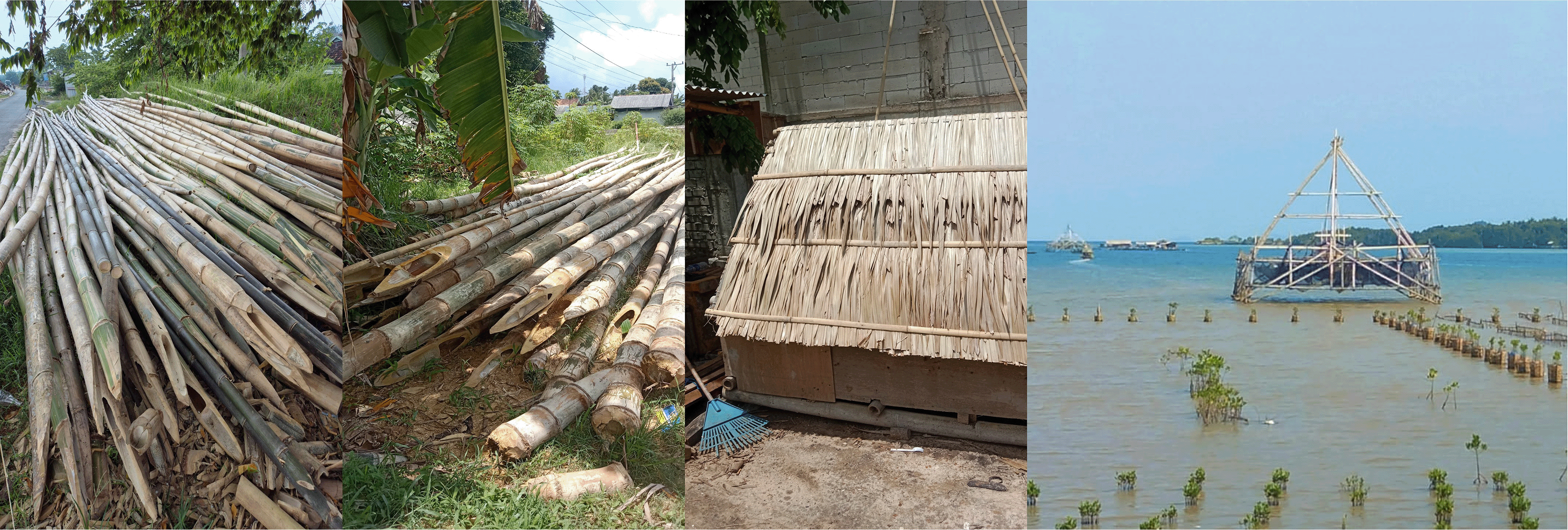
The bamboo utilization above involves various bamboo species. However, the demand is often met by suppliers from other regions outside the East Lampung Regency. Notably, large bamboo species such as petung bamboo (Dendrocalamus asper) and atter bamboo (Giganthocloa atter) are mainly used as construction materials. Several sub-districts in East Lampung Regency, such as Sukadana, Sekampung Udik, Way Jepara, Marga Sekampung, as well as South Lampung and West Lampung Regencies, serve as major suppliers of specific bamboo species, particularly tali bamboo (Giganthocloa apus), which is commonly found in East Lampung Regency.
Furthermore, based on the results of the focus group discussion (FGD), the strengths, weaknesses, opportunities, and threats related to the sustainable use of bamboo in East Lampung were successfully identified, as shown in Table 1. According to the community, the advantages of using bamboo in coastal areas include its affordability and durability, as well as the fact that older bamboo is more durable than wood, which is increasingly expensive. Moreover, tali bamboo (Gigantochloa apus) remains widely available around settlement areas. However, several weaknesses constrain its cultivation and development, including limited knowledge of bamboo cultivation, harvesting, and preservation, and higher product prices compared to plastics.
| Strengths | Weakness |
|
|
| Opportunity | Threat |
|
|
A notable example of bamboo’s ecological importance in East Lampung Regency is its use in mangrove rehabilitation. The mangrove ecosystem is one of the most crucial coastal ecosystems with a superior ability to absorb and store carbon, both above and below ground, exceeding that of many terrestrial systems.6 Bamboo is a key material in the bio-construction of planting-based embankments, also known as “guludan”, used for mangrove restoration. This technique, widely applied since its introduction by IPB University’s Faculty of Forestry in 2005, involves creating bamboo fences that are 4–5 meters wide and 6–10 meters long, filled with soil to serve as a planting bed ( Figure 5).7 It has proven highly effective, with mangrove seedling survival rates exceeding 80%.8 This approach creates an opportunity to promote the sustainable use of bamboo, which serves not only as an economic resource but also as a Nature-based Solution (NbS) supporting the successful rehabilitation of mangroves in coastal areas.
The use of bamboo for coastal protection and mangrove restoration primarily involves constructing bamboo-based wave-break structures that facilitate sediment trapping. The accumulated sediment behind these structures subsequently forms a suitable substrate for mangrove establishment and growth.9 In addition to their ecological function as breakwaters and coastal protection, bamboo structures can also generate supplemental income for local communities. The bamboo poles, arranged in multiple rows and layers along the shoreline, simultaneously serve as substrates for green mussel cultivation, thereby integrating coastal protection with livelihood enhancement.10 However, bamboo management in East Lampung remains mainly unstructured. Most harvesting is done directly from natural stands, without cultivation or preservation, leading to deterioration in quality and quantity. This poses a weakness to the sustainability of bamboo use. Additionally, several factors threaten the growth of the bamboo sector, including the lack of organized bamboo cooperatives or business groups, insufficient government support for bamboo development, limited involvement of young people, and competition for land between agriculture and settlements.
Large-scale bamboo development holds immense promise as an environmentally friendly alternative to wood. This could lead to more Nature-based Solutions for various industries. In addition to construction, bamboo can inspire creativity in crafts and furniture, and even open up opportunities in the food industry. Plus, it paves the way for the development of coastal ecotourism infrastructure, highlighting the many ways bamboo can be used for sustainable living.
The findings of this study highlight the fact that bamboo is not only an incredibly versatile raw material but also a strategic ecological and economic resource in East Lampung. The integration of bamboo into mangrove rehabilitation programs and community-based regional development would, therefore, represent a valuable tool to enhance ecosystem health through sustainable livelihoods that foster socioecological resilience in coastal communities.
Consequently, there is a need for a cohesive policy that integrates mangrove ecosystem restoration, economic empowerment, and the strengthening of local institutions to maximize bamboo’s contribution to Nature-based Solutions for sustainable coastal development in East Lampung.
The demand for bamboo as a construction material and for supporting equipment, including that used in marine and coastal fisheries in East Lampung Regency, remains high. Many obstacles to sustainable utilization include a lack of availability at the local level, a lack of appropriate technical capability to grow and process bamboo, a lack of market access, a lack of innovation in product development, and the absence of appropriately organized local institutions to support organized bamboo management and added value to production. To handle these challenges, this study proposes four integrated policy directions:
Promote community-based bamboo cultivation and planting activities that consider both ecological and economic values. Such a program should emphasize the cultivation and conservation of local genetic resources, for example, Gigantochloa apus (tali bamboo), Gigantochloa atter (ater bamboo), and Dendrocalamus asper (bbetung bamboo), to ensure a continuous supply for fisheries, agriculture, mangrove rehabilitation, and construction. Special attention should be given to the utilization of bamboo in mangrove rehabilitation, such as the guludan and ajir techniques, which favor ecosystem recovery, enhance carbon sequestration, and increase the success rate of mangrove planting.
Develop local community and stakeholder capacities through hands-on training in sustainable bamboo cultivation, harvesting, preservation, processing, and product innovation. Strengthen knowledge transfer and hands-on practice to increase productivity and improve the quality of bamboo products, leading to economic empowerment within communities.
Improve awareness and policy support for bamboo as a renewable resource that is economically viable and sustainable. The role of bamboo in climate adaptation, ecosystem restoration, green economy development, and socio-cultural sustainability should be emphasized in advocacy efforts, ensuring that local and regional policies incorporate bamboo management within the framework of coastal resource management, including establishing a local bamboo endowment fund.
Community-based, well-structured organizations, cooperatives, and partnerships will be essential to the sustainable management of bamboo resources at both the upstream and downstream levels. Supporting institutions, such as the Ministry of Forestry and Provincial Governments, as well as the East Lampung District Government, will facilitate consultations on coordination, value-added production, marketing, and knowledge sharing to achieve long-term sustainability for the bamboo-based economy.
Suppose all these recommendations are implemented in an integrated manner. In that case, bamboo will play a strategic role in increasing coastal resilience and achieving sustainable coastal development in East Lampung.
This study confirms that bamboo has strong ecological and economic potential to strengthen coastal ecosystem resilience and improve the livelihoods of communities in East Lampung Regency. The current study meets its objectives by demonstrating how sustainable bamboo management can effectively interlink environmental restoration and economic empowerment within a Nature-based Solutions framework. Realizing this potential requires integrated policy actions, including community-based cultivation and planting programs that emphasize ecological and economic values, capacity building for communities and local stakeholders, stronger policy advocacy to promote bamboo as a renewable resource, and the development of institutional systems that link production, processing, and market access. These could be the steps that will turn bamboo, a traditional local material, into a driver of sustainable coastal development if implemented coherently: improving ecosystem health and empowering coastal communities to move toward a more resilient and sustainable future.
Human Research Ethics Committee of the Bogor Agricultural University (IPB University), with regards of the protection of human rights and welfare in research involving human subject, has carefully reviewed and providing ethical approval for the study protocol entitled “Adaptation of Sustainable Bamboo Utilization for Coastal Building Construction in Supporting Ecosystem Resilience and Community Empowerment in Mangrove Areas in Lampung Province” (No.: 1706/IT3.KEPMSM-IPB/SK/2025).
| Views | Downloads | |
|---|---|---|
| F1000Research | - | - |
|
PubMed Central
Data from PMC are received and updated monthly.
|
- | - |
Provide sufficient details of any financial or non-financial competing interests to enable users to assess whether your comments might lead a reasonable person to question your impartiality. Consider the following examples, but note that this is not an exhaustive list:
Sign up for content alerts and receive a weekly or monthly email with all newly published articles
Already registered? Sign in
The email address should be the one you originally registered with F1000.
You registered with F1000 via Google, so we cannot reset your password.
To sign in, please click here.
If you still need help with your Google account password, please click here.
You registered with F1000 via Facebook, so we cannot reset your password.
To sign in, please click here.
If you still need help with your Facebook account password, please click here.
If your email address is registered with us, we will email you instructions to reset your password.
If you think you should have received this email but it has not arrived, please check your spam filters and/or contact for further assistance.

Comments on this article Comments (0)