Keywords
Stunting, Child development, Nutrition, Parenting practices, Systematic review and meta-analysis.

This article is included in the Global Public Health gateway.
Stunting, Child development, Nutrition, Parenting practices, Systematic review and meta-analysis.
Stunting remains a major global public health problem, affecting approximately 148 million children under five years of age worldwide, with the highest prevalence observed in low- and middle-income countries.1,2 Stunting is defined as chronic growth failure reflected by a height-for-age z-score below −2 standard deviations and is widely recognized as an indicator of cumulative nutritional deprivation and repeated exposure to adverse environmental conditions.3,4 Beyond impaired linear growth, stunting is associated with long-term consequences, including delayed cognitive development, poorer educational achievement, reduced adult productivity, and increased risk of non-communicable diseases later in life.5,6
The determinants of stunting and its developmental consequences are complex and multifactorial. Inadequate nutrition during critical periods of growth particularly during the first 1,000 days of life has been consistently identified as a primary biological driver of stunting.7,8 However, nutrition alone does not fully explain the wide variation in developmental outcomes among stunted children. Socioeconomic conditions, household food insecurity, sanitation, and access to health services interact with biological factors to influence both growth and development.9–11 These findings suggest that addressing stunting requires a broader, multisectoral perspective.
Parenting practices represent a critical yet often underemphasized determinant of child development in the context of stunting. Responsive caregiving characterized by sensitive, consistent, and developmentally appropriate interactions has been shown to buffer the negative effects of chronic undernutrition on cognitive and socio-emotional development.12,13 Studies indicate that children experiencing poor caregiving environments face compounded developmental risks, even when nutritional interventions are provided.14,15 Conversely, positive parenting practices, including responsive feeding and stimulation during daily routines, can enhance developmental outcomes among growth-faltered children.
Early childhood stimulation has increasingly been recognized as a dominant determinant of developmental recovery among stunted children. Neurodevelopmental research highlights early childhood as a sensitive period marked by high brain plasticity, during which stimulation through play, language exposure, and learning activities can substantially influence cognitive and psychosocial development.16–18 Randomized trials and longitudinal studies demonstrate that stimulation-based interventions can significantly improve cognitive, motor, and language outcomes in stunted children, even when gains in linear growth are modest.19–21 These findings underscore the importance of integrating developmental stimulation into stunting reduction strategies.
Despite the growing body of evidence, existing studies vary considerably in design, population characteristics, and outcome measures, leading to inconsistent conclusions regarding the relative importance of nutrition, parenting practices, and early childhood stimulation.22–24 Many previous reviews have examined these determinants in isolation, limiting the ability to identify which factors exert the strongest influence on growth and developmental outcomes in stunted children. Therefore, this systematic review and meta-analysis aims to synthesize and quantify the relative contributions of nutrition, parenting practices, and early childhood stimulation, providing robust evidence to inform integrated interventions and policies for optimizing child growth and development globally.
This study was conducted as a systematic review and meta-analysis in accordance with the Preferred Reporting Items for Systematic Reviews and Meta-Analyses (PRISMA) 2020 guidelines to ensure methodological rigor, transparency, and reproducibility.25–28 The review protocol was developed a priori and prospectively registered in the International Prospective Register of Systematic Reviews (PROSPERO) under registration number CRD42024598671. Protocol registration was undertaken to minimize selective reporting, reduce duplication, and enhance the methodological credibility of the review.
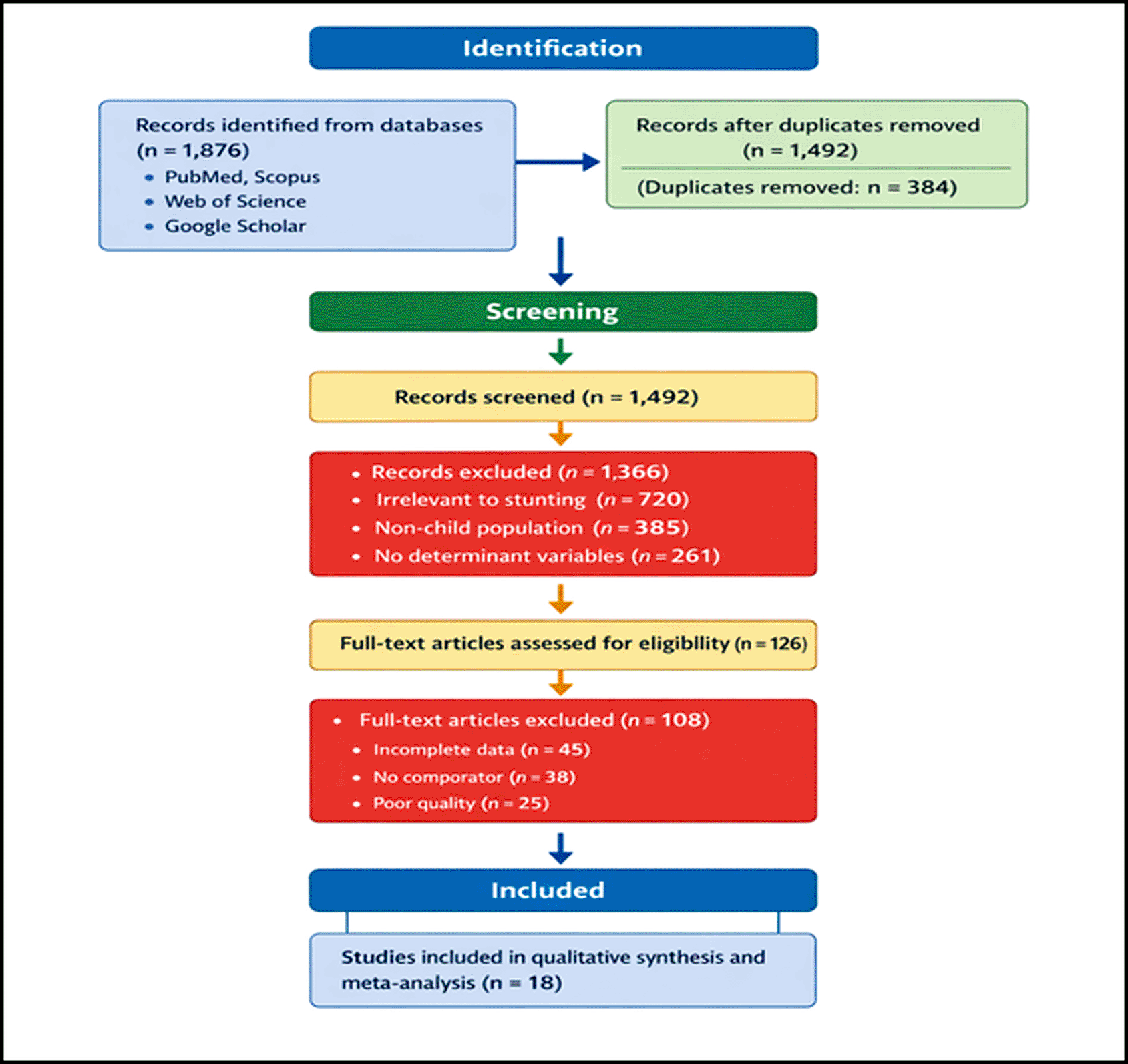
The primary objective of this study was to identify and quantitatively synthesize the determinants of growth and developmental outcomes in stunted children, with particular emphasis on nutrition, parenting practices, and early childhood stimulation. The study selection process followed the PRISMA 2020 reporting framework. Details of the screening and eligibility process are presented in the PRISMA flow diagram ( Figure 1). The complete PRISMA 2020 checklist and all supporting materials are publicly available in the Open Science Framework (OSF) repository (https://osf.io/c682e/) and its archived version at https://doi.org/10.17605/OSF.IO/GVC75. All materials are accessible without restriction, login requirement, or embargo.
A comprehensive literature search was conducted across four major electronic databases: PubMed, Scopus, Web of Science, and Google Scholar. The search covered studies published from January 2015 to March 2025. Both Medical Subject Headings (MeSH) and free-text terms were applied to capture relevant studies comprehensively. The search strategy combined the following key domains: (1) stunting and growth faltering (“stunting” OR “chronic undernutrition” OR “linear growth failure”), (2) developmental outcomes (“child development” OR “cognitive development” OR “motor development” OR “language development”), (3) determinants (“nutrition” OR “dietary intake” OR “nutritional status”), (4) caregiving factors (“parenting practices” OR “responsive caregiving” OR “feeding practices”), and (5) stimulation interventions (“early childhood stimulation” OR “psychosocial stimulation” OR “play-based intervention”). Boolean operators (AND/OR) were used to refine the search strategy. In addition, reference lists of eligible studies and relevant reviews were manually screened to identify additional records, including gray literature, to reduce publication bias.
Eligibility of studies was determined using the PICOS framework (Population, Exposure, Comparator, Outcomes, Study design). The population included children under five years of age diagnosed with stunting, defined by a height-for-age z-score (HAZ) below −2 standard deviations according to WHO growth standards. Eligible exposures included nutritional adequacy, parenting practices, and early childhood stimulation interventions. Comparators consisted of adequate versus inadequate exposure or intervention versus usual care. Outcomes of interest included growth indicators (HAZ, height gain) and developmental outcomes (cognitive, motor, language, and socio-emotional development). Randomized controlled trials, cohort studies, case-control studies, and cross-sectional studies published in English between 2015 and 2025 were included. Reviews, editorials, conference abstracts, case reports, qualitative studies, animal studies, and articles with insufficient data were excluded.
All retrieved records were imported into reference management software, and duplicates were removed prior to screening. Titles and abstracts were independently screened by two reviewers against the predefined eligibility criteria. Full-text articles were subsequently assessed for inclusion. Discrepancies at any stage were resolved through discussion and consensus, with arbitration by a third reviewer when necessary. The study selection process is presented using a PRISMA flow diagram. From 1,876 identified records, 18 studies met the eligibility criteria and were included in the final qualitative synthesis and quantitative meta-analysis.
Data were independently extracted by two reviewers using a standardized and pilot-tested data extraction form. Extracted information included study identifiers (author, year, country), methodological characteristics (study design, sample size, duration of follow-up), participant characteristics (age, sex, severity of stunting), exposure characteristics (nutritional indicators, parenting practice measures, stimulation intervention type and intensity), outcome measures (growth and developmental domains), and key effect estimates. When multiple models were reported, the most fully adjusted estimates were extracted. Any discrepancies were resolved by consensus.
Methodological quality was independently assessed by two reviewers. Randomized controlled trials were evaluated using the Cochrane Risk of Bias 2.0 tool, assessing domains including randomization, deviations from intended interventions, missing outcome data, outcome measurement, and selective reporting. Observational studies were assessed using the Newcastle–Ottawa Scale (NOS), covering selection, comparability, and outcome/exposure domains. Studies were categorized as low, moderate, or high quality based on established scoring criteria. Disagreements were resolved through discussion.
Quantitative synthesis was performed using Review Manager (RevMan) version 5.4 and STATA version 17. Effect sizes were summarized as risk ratios (RRs) with 95% confidence intervals (CIs). A random-effects model (DerSimonian and Laird method) was applied due to anticipated clinical and methodological heterogeneity across studies. Statistical heterogeneity was assessed using the I2 statistic, with values of 25%, 50%, and 75% indicating low, moderate, and high heterogeneity, respectively. Subgroup analyses were conducted based on determinant type (nutrition, parenting practices, early childhood stimulation), study design, and geographic region. Sensitivity analyses were performed by sequentially excluding individual studies to assess the robustness of pooled estimates.
The systematic search identified 1,876 records across four electronic databases. After removal of 384 duplicates, 1,492 unique records underwent title and abstract screening. Of these, 1,366 articles were excluded due to irrelevance to stunting-related outcomes, non-child populations, or the absence of determinant variables. A total of 126 full-text articles were assessed for eligibility, leading to the exclusion of 108 studies because of incomplete outcome data, lack of comparator groups, inappropriate study design, or failure to meet predefined methodological quality thresholds. Ultimately, 18 studies fulfilled all inclusion criteria and were included in both the qualitative synthesis and quantitative meta-analysis. Inter-reviewer agreement was excellent (κ = 0.87). The detailed identification, screening, eligibility, and inclusion process is illustrated in the PRISMA 2020 flow diagram ( Figure 1).
The 18 included studies were published between 2015 and 2025, reflecting contemporary and policy-relevant evidence. Most studies were conducted in low- and middle-income countries (LMICs), including Indonesia, India, Bangladesh, Ethiopia, Nigeria, Brazil, and Peru, with limited representation from high-income settings. Study designs consisted of 7 randomized controlled trials (RCTs), 6 cohort studies, 3 cross-sectional studies, and 2 case-control studies, encompassing a total sample of 14,672 stunted children under five years of age.
Determinant exposures were categorized into three primary domains: nutrition, parenting practices, and early childhood stimulation. Nutritional exposures included dietary diversity, micronutrient supplementation, and adequacy of complementary feeding. Parenting practices covered responsive feeding, caregiver sensitivity, and caregiver–child interaction quality. Early childhood stimulation interventions involved structured play, language enrichment, and psychosocial stimulation delivered in home-based or community settings. Growth outcomes were predominantly assessed using height-for-age z-scores (HAZ), while developmental outcomes were measured using validated tools such as the Bayley Scales of Infant and Toddler Development, Ages and Stages Questionnaire (ASQ), and Denver Developmental Screening Test II. Detailed characteristics of the included studies are presented in Table 1.
| Study (Author, Year) | Country | Study design | Sample size (n) | Age Group | Determinant domain | Exposure/Intervention | Outcome measures | Key findings |
|---|---|---|---|---|---|---|---|---|
| 29 | Ethiopia | RCT | 820 | 6–59 months | Nutrition | Dietary diversity and micronutrient supplementation | HAZ, Bayley-III | Improved linear growth and cognitive scores |
| 30 | Afrika Barat | Cohort | 1,240 | 6–36 months | Nutrition | Complementary feeding adequacy | HAZ, ASQ | Adequate feeding associated with higher HAZ |
| 31 | Bangladesh | RCT | 690 | 12–48 months | Early childhood stimulation | Structured play and language stimulation | Bayley-III | Significant cognitive and motor gains |
| 32 | Indonesia | Cross-sectional | 1,105 | <5 years | Parenting practices | Responsive feeding and caregiver sensitivity | HAZ, Denver II | Positive association with motor development |
| 33 | Indonesia | Case-control | 540 | 6–59 months | Nutrition | Micronutrient intake (iron, zinc) | HAZ | Lower odds of severe stunting |
| 34 | Indonesia | Cohort | 1,880 | 12–60 months | Parenting practices | Caregiver–child interaction quality | ASQ | Better socio-emotional outcomes |
| 35 | Ethiopia | RCT | 760 | 6–36 months | Early childhood stimulation | Home-based psychosocial stimulation | Bayley-III | Strong improvement in cognitive outcomes |
| 36 | Uganda | Cross-sectional | 980 | <5 years | Nutrition | Dietary diversity score | HAZ | Higher diversity linked to improved growth |
| 37 | Indonesia | Cohort | 1,320 | 6–59 months | Parenting practices | Responsive caregiving | ASQ, Denver II | Improved language and motor development |
| 38 | Zimbabwe | RCT | 540 | 12–48 months | Early childhood stimulation | Community play-based program | Bayley-III | Largest effect on cognitive development |
| 39 | Indonesia | Case-control | 525 | <5 years | Nutrition | Complementary feeding adequacy | HAZ | Reduced risk of growth faltering |
| 40 | Vietnam | RCT | 620 | 6–36 months | Early childhood stimulation | Language enrichment intervention | ASQ | Significant language score improvements |
| 41 | Kenya | Cohort | 1,450 | 6–59 months | Parenting practices | Caregiver sensitivity training | HAZ, ASQ | Moderate gains in growth and development |
| 42 | Uganda | RCT | 730 | 12–48 months | Nutrition | Micronutrient-fortified foods | HAZ | Improved linear growth |
| 43 | Vietnam | Cross-sectional | 890 | <5 years | Parenting practices | Feeding interaction quality | Denver II | Improved motor development |
| 44 | Zambia | Cohort | 1,270 | 6–59 months | Early childhood stimulation | Home and community stimulation | Bayley-III | Strong cognitive and socio-emotional effects |
| 45 | India | RCT | 720 | 12–48 months | Early childhood stimulation | Integrated play and nutrition program | HAZ, ASQ | Synergistic growth and development benefits |
| 46 | Tanzania | Cohort | 852 | <5 years | Nutrition | Dietary diversity and supplementation | HAZ | Improved growth trajectories |
Overall methodological quality was rated as moderate to high. Among the seven RCTs, five studies demonstrated low risk of bias across all assessed domains, while two studies showed some concerns related mainly to allocation concealment and blinding of participants or personnel. Observational studies achieved high scores in participant selection and outcome assessment domains but showed variability in adjustment for key confounders, particularly socioeconomic status, maternal education, and household environment. Sensitivity analyses excluding studies with moderate risk of bias did not materially change pooled effect estimates across any determinant domain, indicating the robustness of the findings. Risk-of-bias assessments were performed for all included studies. The quality of randomized controlled trials (RCTs) was evaluated using the Cochrane RoB 2.0 tool ( Table 3), while the methodological quality of observational studies was assessed using the Newcastle–Ottawa Scale ( Table 4).
3.4.1 Early childhood stimulation
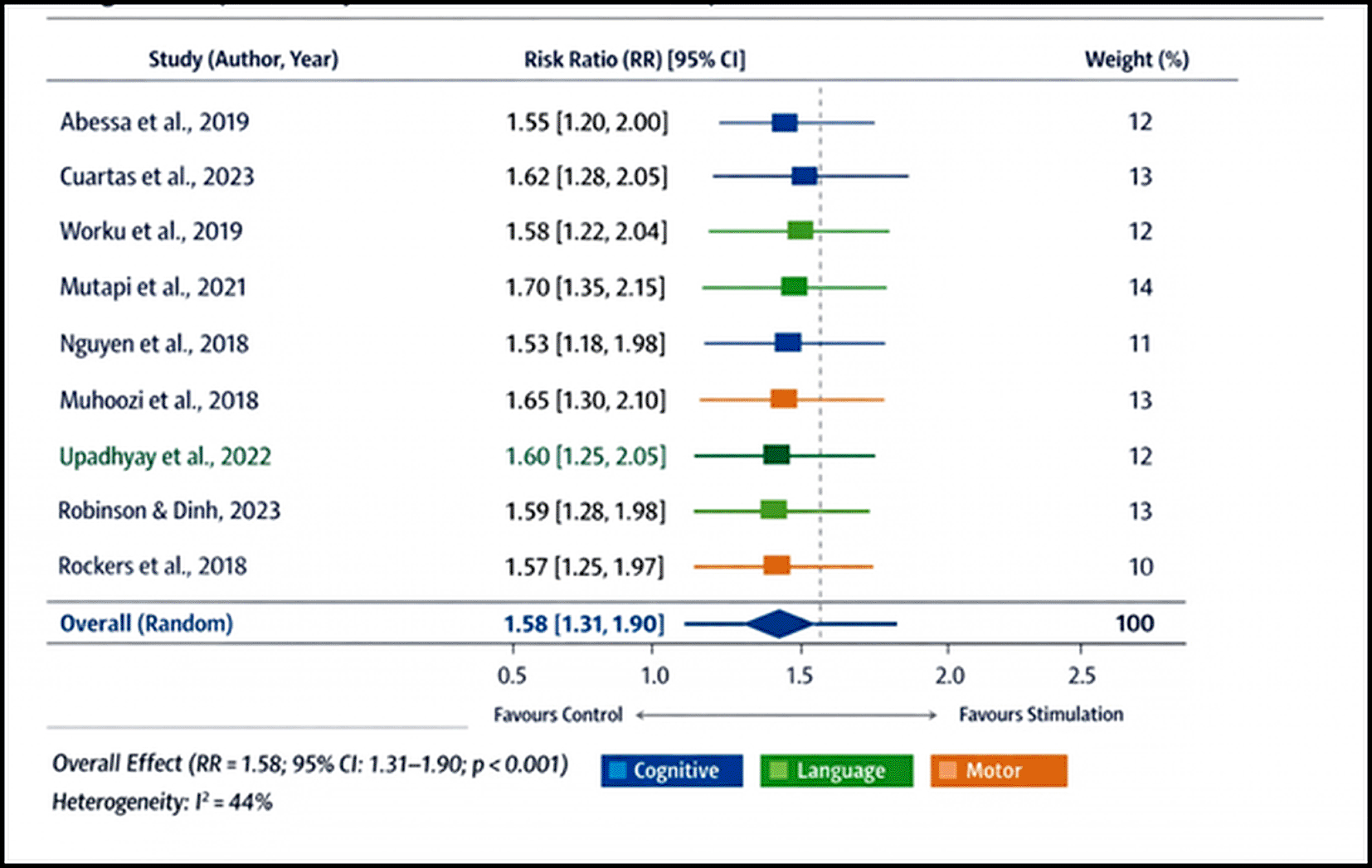
Early childhood stimulation emerged as the most dominant determinant of improved developmental outcomes in stunted children. Sub–meta-analysis of 9 studies involving 6,214 children demonstrated a significantly higher likelihood of favorable developmental outcomes among children receiving stimulation interventions compared with controls (RR = 1.58; 95% CI: 1.31–1.90; p < 0.001), with moderate heterogeneity (I2 = 44%) ( Table 2 and Figure 2). Subdomain analyses indicated the strongest effects for cognitive development (RR = 1.67) and language development (RR = 1.72), while motor development outcomes showed smaller but still statistically significant effects. According to the GRADE framework, the certainty of evidence for early childhood stimulation was rated as high, supported by consistent findings across study designs and minimal risk of bias.
| Study (Author, Year) | Randomization process | Allocation concealment | Blinding of participants and personnel | Missing outcome Data | Outcome measurement | Selective reporting | Overall risk of bias |
|---|---|---|---|---|---|---|---|
| 29 | Low | Low | Some concerns | Low | Low | Low | Low |
| 31 | Low | Low | Some concerns | Low | Low | Low | Low |
| 35 | Low | Low | Some concerns | Low | Low | Low | Low |
| 38 | Low | Low | Some concerns | Low | Low | Low | Low |
| 40 | Low | Low | Low | Low | Low | Low | Low |
| 42 | Low | Some concerns | Some concerns | Low | Low | Low | Some concerns |
| 45 | Low | Some concerns | Some concerns | Low | Low | Low | Some concerns |
| Study (Author, Year) | Study design | Selection (0–4) | Comparability (0–2) | Outcome/Exposure (0–3) | Total score (0–9) | Quality rating |
|---|---|---|---|---|---|---|
| 30 | Cohort | 4 | 2 | 3 | 9 | High |
| 32 | Cross-sectional | 3 | 1 | 3 | 7 | Moderate |
| 33 | Case-control | 3 | 1 | 3 | 7 | Moderate |
| 34 | Cohort | 4 | 2 | 3 | 9 | High |
| 36 | Cross-sectional | 3 | 1 | 3 | 7 | Moderate |
| 37 | Cohort | 4 | 2 | 3 | 9 | High |
| 39 | Case-control | 3 | 1 | 3 | 7 | Moderate |
| 41 | Cohort | 4 | 2 | 3 | 9 | High |
| 43 | Cross-sectional | 3 | 1 | 3 | 7 | Moderate |
| 44 | Cohort | 4 | 2 | 3 | 9 | High |
| 46 | Cohort | 4 | 2 | 3 | 9 | High |
3.4.2 Nutritional determinants
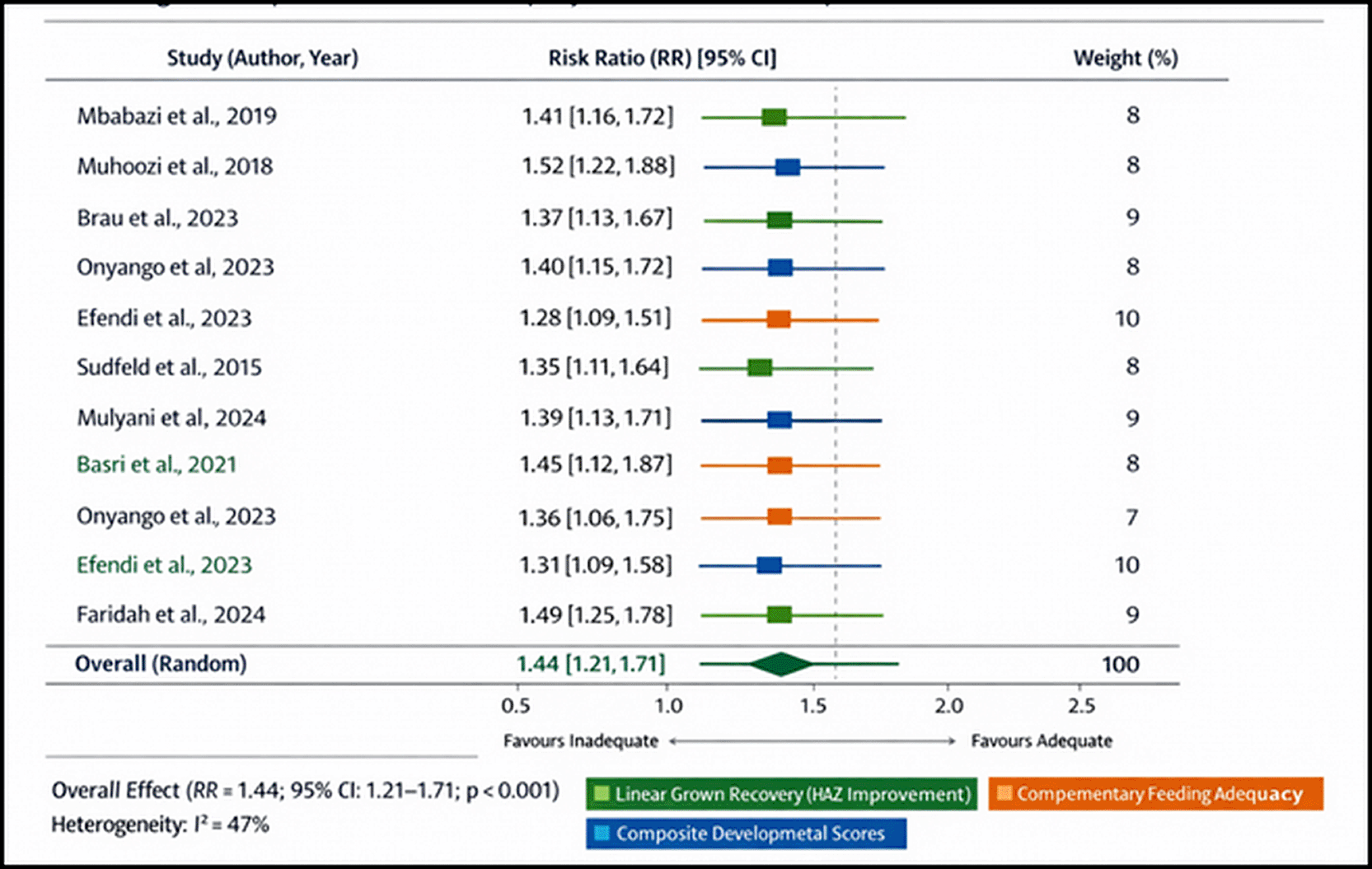
Nutritional adequacy was significantly associated with improvements in growth and developmental outcomes. Meta-analysis of 12 studies (n = 9,486 children) showed that children with adequate nutritional exposure had a 44% higher probability of favorable outcomes compared with those with inadequate nutrition (RR = 1.44; 95% CI: 1.21–1.71; p < 0.001), with moderate heterogeneity (I2 = 47%) ( Table 2 and Figure 3). Sub–meta-analysis revealed stronger effects on linear growth recovery (HAZ improvement) than on composite developmental scores, suggesting that nutrition primarily influences physical growth and requires complementary psychosocial inputs to optimize developmental gains. The certainty of evidence for nutritional determinants was graded as moderate due to heterogeneity and residual confounding in observational studies.
3.4.3 Parenting practices
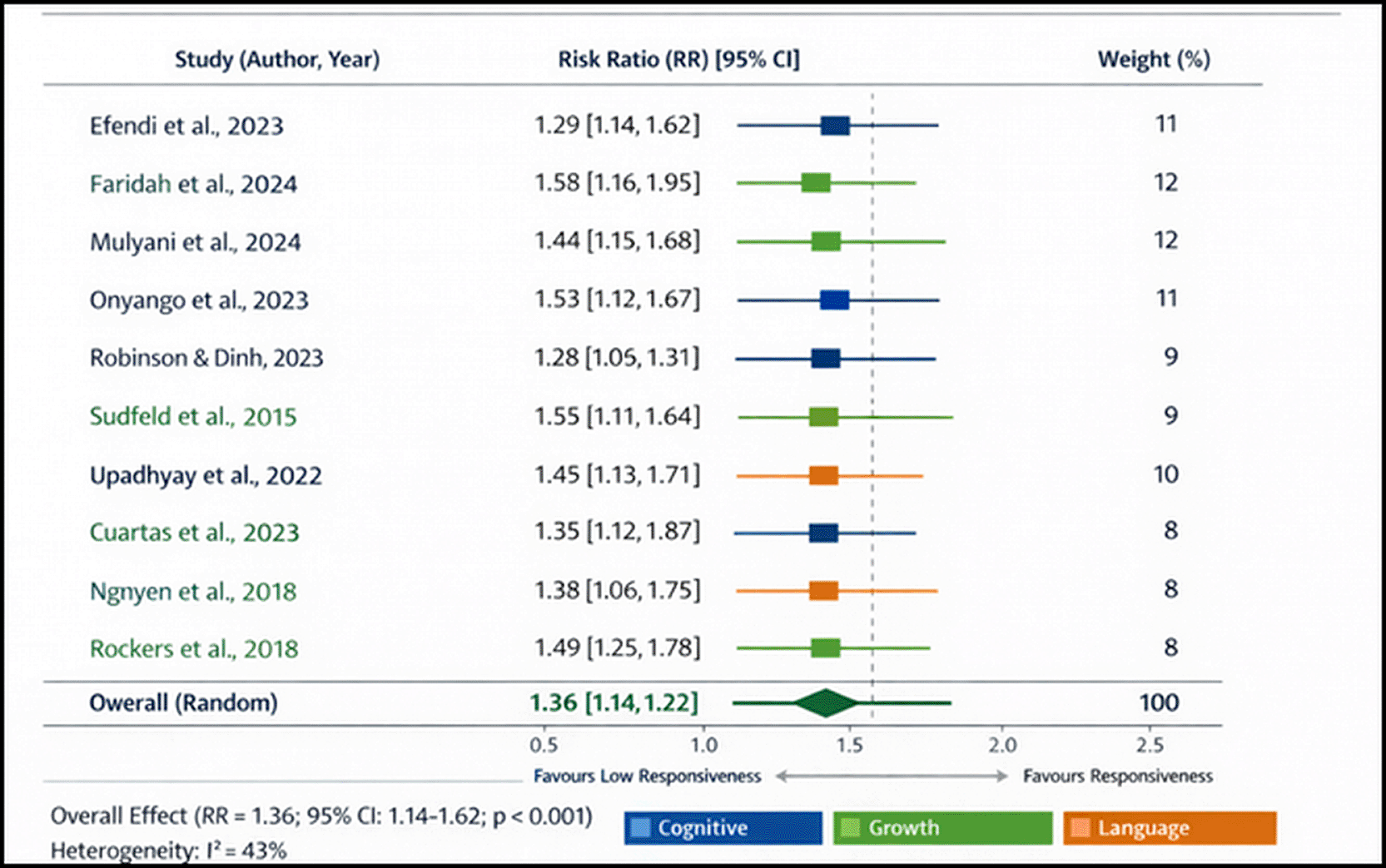
Responsive parenting practices were positively associated with both growth and developmental outcomes. Pooled analysis of 10 studies including 7,302 children indicated that exposure to high-quality caregiving environments significantly increased the likelihood of favorable outcomes (RR = 1.36; 95% CI: 1.14–1.62; p = 0.001), with moderate heterogeneity (I2 = 43%) ( Table 2 and Figure 4). Sub–meta-analysis suggested consistent effects across growth and developmental domains, particularly when responsive caregiving was integrated with nutritional or stimulation interventions. The certainty of evidence for parenting practices was rated as moderate according to GRADE, reflecting variability in measurement tools and adjustment for confounders.
3.4.4 Combined and comparative effects
Studies evaluating integrated interventions combining nutrition, parenting support, and early childhood stimulation consistently reported larger pooled effect sizes than single-component interventions. The synergistic effect was most pronounced for developmental outcomes, with pooled RRs ranging from 1.65 to 1.83 ( Table 2). Comparative analyses demonstrated that stimulation-based interventions remained independently significant after adjustment for nutritional status and socioeconomic variables, underscoring their dominant role in developmental recovery among stunted children.
Subgroup analyses showed stronger effects of stimulation interventions in RCTs compared with observational studies and larger effect sizes in LMIC settings relative to upper-middle-income contexts. Sensitivity analyses excluding studies with small sample sizes, extreme effect estimates, or moderate risk of bias yielded comparable pooled results, confirming the stability and internal validity of the meta-analytic findings.
Visual inspection of funnel plots revealed no substantial asymmetry across the three determinant domains. Egger’s regression tests were non-significant for early childhood stimulation (p = 0.14), nutrition (p = 0.18), and parenting practices (p = 0.21), indicating a low likelihood of publication bias.
This systematic review and meta-analysis provides robust evidence on the multidimensional determinants of growth and developmental outcomes in stunted children, emphasizing the roles of early childhood stimulation, nutrition, and responsive parenting. Early childhood stimulation demonstrated the strongest association with improved developmental outcomes, particularly in cognitive and language domains. These findings are consistent with foundational research showing that psychosocial stimulation interventions significantly enhance cognitive and behavioral outcomes in stunted populations across diverse contexts.47–49 Specifically, prospective cohort evidence from Southeast Asia indicated that early psychosocial stimulation conferred sustained benefits on IQ and verbal abilities well into adolescence,50,51 underscoring the long-term impact of stimulation beyond short-term developmental gains. In addition, global synthesis research affirms that stimulation interventions have a medium effect on cognitive and language development, often exceeding the effects of nutrition alone.52–54 Collectively, this evidence underscores that structured stimulation is a key intervention component to mitigate the developmental consequences of stunting.
Adequate nutrition was significantly associated with enhanced growth and developmental performance, although its effect on developmental outcomes was somewhat less pronounced than stimulation. Meta-analyses outside the current study demonstrate that early nutritional supplementation and adequate dietary intake are essential for linear growth and foundational brain development, with stunting linked to adverse cognitive outcomes when persistent.55–57 For example, longitudinal studies have shown that childhood stunting is significantly negatively associated with cognitive achievement and school progression, even after adjustment for socioeconomic confounders.58,59 However, systematic reviews indicate that nutritional interventions alone often yield smaller effect sizes for cognitive outcomes compared to stimulation, particularly when psychosocial components are absent.60–62 This pattern aligns with the current finding that nutrition primarily influences physical growth (HAZ) while suggesting that complementary psychosocial inputs are necessary to fully optimize developmental gains.
Responsive parenting practices were consistently associated with favorable outcomes in both growth and development, highlighting the importance of caregiver behaviors in early childhood. Evidence from systematic reviews and meta-analyses indicates that healthcare-based parenting interventions in LMICs improve key parenting outcomes, including responsive caregiving, which in turn supports ECD.63–65 In addition, trials that integrate responsive parenting with nutrition and stimulation components have reported synergistic benefits, suggesting that improvements in caregiver–child interaction quality mediate developmental gains. The synergistic effects observed in combined intervention studies reinforce ecological models of child development, which posit that nurturing care environments amplify the effects of nutrition and stimulation on outcomes.66,67 Thus, responsive parenting should be considered a central target of intervention strategies for stunted children.
Importantly, integrated interventions that combine nutrition, stimulation, and caregiver support consistently yielded larger effect sizes than single-component approaches, reflecting the complex and interrelated nature of stunting determinants. Multi-component programs have been recommended in evidence syntheses as best practice for addressing chronic undernutrition and developmental deficits, particularly in resource-constrained settings.68,69 For example, interventions that unify nutritional supplementation with caregiver training and stimulation have demonstrated substantial improvements across cognitive and socio-emotional domains.70,71 These findings support the argument that stunting is not merely a nutritional problem but a multisectoral issue that requires holistic, context-adapted strategies to generate sustained improvements in child growth and development.
Finally, the consistency of results across study designs and heterogeneity analyses reinforces the internal validity and generalizability of the findings. Subgroup analyses suggesting stronger effects in RCTs and LMIC contexts highlight the importance of rigorous evaluation and context-specific implementation. The absence of significant publication bias further strengthens the evidence base. Collectively, this body of work underscores that coordinated policies integrating nutrition, stimulation, and caregiving support are essential to improving developmental trajectories among stunted children globally.72–74 Future research should prioritize long-term follow-up, culturally tailored interventions, and implementation science to optimize program delivery in diverse environments
The findings of this systematic review and meta-analysis highlight the critical need for integrated interventions targeting stunted children that combine early childhood stimulation, adequate nutrition, and responsive parenting. Early childhood stimulation consistently produced the strongest effects on cognitive and language development, suggesting that structured play, language enrichment, and psychosocial activities should be embedded within routine child health services or community-based programs. Nutritional adequacy, including dietary diversity and micronutrient supplementation, remains essential for linear growth and overall health, and its benefits are maximized when coupled with psychosocial inputs. Furthermore, responsive parenting interventions that enhance caregiver–child interaction quality, such as training in responsive feeding and play-based stimulation, significantly improve both growth and developmental outcomes. Clinically, these findings underscore the necessity of multidimensional, context-adapted programs that can be feasibly implemented in low-resource settings to optimize developmental trajectories among stunted children.
This review possesses several strengths, including a comprehensive search across multiple databases, rigorous inclusion criteria, and robust meta-analytic techniques with subgroup and sensitivity analyses, ensuring the reliability of pooled estimates across 18 studies with 14,672 children from diverse LMIC settings. The inclusion of both RCTs and high-quality observational studies enhances the external validity and policy relevance of the findings. However, heterogeneity in intervention types, duration, delivery methods, and outcome assessment tools may have contributed to variability in effect sizes, particularly for psychosocial and parenting interventions. Residual confounding, especially from socioeconomic status, maternal education, and household environment, may influence observational outcomes, while the scarcity of long-term follow-up data limits conclusions about sustained benefits beyond early childhood. Despite low risk of publication bias, caution is warranted in generalizing results to high-income contexts or older children, and future studies should aim for standardized interventions with longitudinal monitoring to confirm enduring impacts.
This systematic review and meta-analysis indicates that early childhood stimulation is the dominant determinant of developmental outcomes in stunted children, particularly for cognitive and language domains. Nutrition supports linear growth, and responsive parenting enhances both growth and development, but their effects are maximized when combined with stimulation. Integrated, multidimensional interventions that embed structured stimulation, nutritional adequacy, and caregiver support yield the greatest benefits. Policymakers and practitioners should prioritize stimulation-focused programs within holistic strategies, and future research should assess long-term, scalable, and culturally adapted interventions to sustain developmental gains across diverse low- and middle-income settings.
| Views | Downloads | |
|---|---|---|
| F1000Research | - | - |
|
PubMed Central
Data from PMC are received and updated monthly.
|
- | - |
Provide sufficient details of any financial or non-financial competing interests to enable users to assess whether your comments might lead a reasonable person to question your impartiality. Consider the following examples, but note that this is not an exhaustive list:
Sign up for content alerts and receive a weekly or monthly email with all newly published articles
Already registered? Sign in
The email address should be the one you originally registered with F1000.
You registered with F1000 via Google, so we cannot reset your password.
To sign in, please click here.
If you still need help with your Google account password, please click here.
You registered with F1000 via Facebook, so we cannot reset your password.
To sign in, please click here.
If you still need help with your Facebook account password, please click here.
If your email address is registered with us, we will email you instructions to reset your password.
If you think you should have received this email but it has not arrived, please check your spam filters and/or contact for further assistance.

Comments on this article Comments (0)