Keywords
Type 2 Diabetes Mellitus, Mental Health Disorders, Depression, Severe Mental Illness, Mortality

This article is included in the Global Public Health gateway.
Type 2 Diabetes Mellitus, Mental Health Disorders, Depression, Severe Mental Illness, Mortality
Type 2 diabetes mellitus (T2DM) is one of the fastest-growing chronic diseases worldwide, with an estimated 589 million cases in 2024 and projections reaching 853 million by 2050 (IDF, 2021). This condition accounts for approximately 1.6 million direct deaths and 11% of global cardiovascular mortality, nearly 47% of which occur before the age of 70 (WHO, 2023). The burden of T2DM in Asia, particularly in Southeast Asia, has been reported to be higher than the global average prevalence of 9.3% in 2019, primarily driven by urbanization, lifestyle changes, and rising obesity rates (Deepa, Anjana and Mohan, 2017; Saeedi et al., 2019). Countries with large populations such as China, India, and Indonesia are the major contributors, with an estimated 89.5 million, 67.8 million, and 21.0 million cases, respectively, in 2017 (Lin et al., 2020).
The burden of T2DM is further exacerbated by the high prevalence of mental health disorders (MHDs), which affect approximately 28% of the global population, with a significantly higher prevalence among women (34%) compared to men (23%) (Roy and Lloyd, 2012; Khaledi et al., 2019). Depression, generalized anxiety disorder (GAD), severe mental illness (SMI), and bipolar disorder are the most frequently reported conditions, and their comorbidity with T2DM has profound implications for quality of life, treatment adherence, as well as increased risks of disability, cardiovascular mortality, and all-cause mortality (Gonzalez et al., 2007; Donald et al., 2013; Jung et al., 2021).
Evidence from the longitudinal U.S. National Health and Nutrition Examination Survey (NHANES) 2005–2020 indicates that the prevalence of depression among individuals with T2DM reached 21.3%, markedly higher than in those without diabetes (13.7%). The risk of T2DM also rose in parallel with depression severity, with adjusted odds ratios of 1.22 for mild depression, 1.62 for moderate depression, and 1.52 for severe depression (Jingda Cai et al., 2024a). Consistent findings were reported in India, where depressive symptoms were identified in 50.3% of patients with T2DM, including 21.4% with moderate-to-severe depression based on PHQ-9 scores (Patra et al., 2020). Evidence from a nationwide cohort study in Taiwan further reinforced this association, demonstrating that patients with both depression and diabetes had a 2.47-fold higher risk of mortality compared with those affected by either condition alone.
Several prior meta-analyses have demonstrated that comorbid depression in patients with diabetes is associated with a 50–75% increase in the risk of all-cause mortality and an approximately 50% increase in cardiovascular mortality (Park, Katon and Wolf, 2013; Farooqi et al., 2019; Inoue et al., 2020). Patients with diabetes mellitus who concurrently experience depression generally exhibit poorer prognostic outcomes than those without depression, primarily due to the elevated likelihood of developing cardiovascular disease and experiencing premature death (van Dooren et al., 2013). Beyond the heightened risk of cardiovascular-related mortality, the coexistence of diabetes and depression has also been strongly associated with an increased risk of suicide. A recent systematic review and meta-analysis revealed that individuals with diabetes face a significantly greater risk of suicide compared with non-diabetic populations, with a reported relative risk (RR) of 1.56 (95% CI: 1.29–1.89; p < 0.001). Collectively, these findings emphasize that mental health disorders in diabetic patients not only exacerbate morbidity and mortality attributable to chronic diseases, but also contribute to deaths from external causes such as suicide an outcome that frequently remains underrecognized in clinical settings (Wang et al., 2017). Nevertheless, a notable gap persists between the robust evidence on the deleterious impact of depression on mortality among patients with diabetes and the insufficient response of health systems in integrating physical and mental health services into routine care.
Most health systems in Asia have yet to integrate mental health care into the comprehensive management of diabetes. A combination of stigma, limited service availability, and the persistent separation between physical and mental health care contributes to poor clinical outcomes among patients with comorbid T2DM and psychiatric disorders (Wang et al., 2017). Limited access to psychological interventions and specialist services such as those reported in Indonesia and Malaysia further aggravates the clinical condition of patients with T2DM who experience depression or anxiety. Evidence also indicates that mental health problems among T2DM patients have not received sufficient clinical attention, with interventions such as counseling and cognitive-behavioral therapy still not being routinely implemented (Elnaem et al., 2025).
Although the association between mental health disorders and mortality in patients with T2DM has been reported, the available evidence remains constrained by methodological heterogeneity, inadequate adjustment for comorbidities, and the predominance of cross-sectional studies conducted in Western countries. To address these limitations, the present study conducts a systematic review with a global scope, emphasizing cohort designs to strengthen the understanding of the temporal relationship between depression and mortality. Specifically, this research evaluates the impact of comorbid mental health disorders on the risk of both all-cause mortality and cause-specific mortality, including cardiovascular disease and suicide. The findings are expected to enrich the global literature, support more comprehensive clinical practice, and provide an evidence base for developing health policies that are responsive to the dual burden of chronic disease and mental illness.
This study employed a Systematic Literature Review (SLR) approach to identify, evaluate, and synthesize the available scientific evidence on the impact of mental health disorders on mortality among patients with type 2 diabetes mellitus (T2DM). The review was conducted in accordance with the PRISMA 2020 to ensure transparency, completeness, and reproducibility. Furthermore, the review protocol was registered in the PROSPERO under registration number CRD420251103834 and can be accessed at: https://www.crd.york.ac.uk/PROSPERO/view/CRD420251103834.
The research question was formulated using the PICO framework (Population, Intervention/Exposure, Comparison, Outcome) as presented in Table 1.
A comprehensive literature search was conducted across nine electronic databases: Taylor & Francis, Scopus, ClinicalKey, ProQuest, Cochrane Library, ScienceDirect, PubMed, EBSCO, and AccessMedicine. The search terms included: “Type 2 Diabetes Mellitus” OR T2DM OR “Diabetes Mellitus”) AND (“All-Cause Mortality” OR Mortality OR “Death Rate” OR “Survival Rate”) AND (“Risk Factor*” OR Predictor* OR “Associated Factor*” OR Correlate* OR “Hazard Ratio” OR “Relative Risk”) AND (“Mental Health” OR “Mental Disorder*” OR Depression OR Anxiety OR “Psychological Distress” OR Stress OR “Psychiatric Condition*” OR “Psychological Factor*”. The search was performed using Boolean operators (AND, OR) to combine the search terms. Additional filters were applied to restrict the results to articles published between January 2020 and July 2025, written in English, and available in full text.
1. Original research articles (prospective/retrospective cohort studies, case-control studies, or cross-sectional studies).
2. Published between 2020 and 2025.
3. Written in English and available in full text.
4. Reported the association between mental health disorders (depression, anxiety, severe mental illness, or suicidal behavior) and mortality in patients with T2DM.
1. Studies focused on type 1 diabetes mellitus or gestational diabetes.
2. Non-research articles (narrative reviews, editorials, opinion papers, or case reports).
3. Studies without mortality data.
4. Studies without analysis of the association with mental health disorders.
5. Articles not written in English or without full-text access.
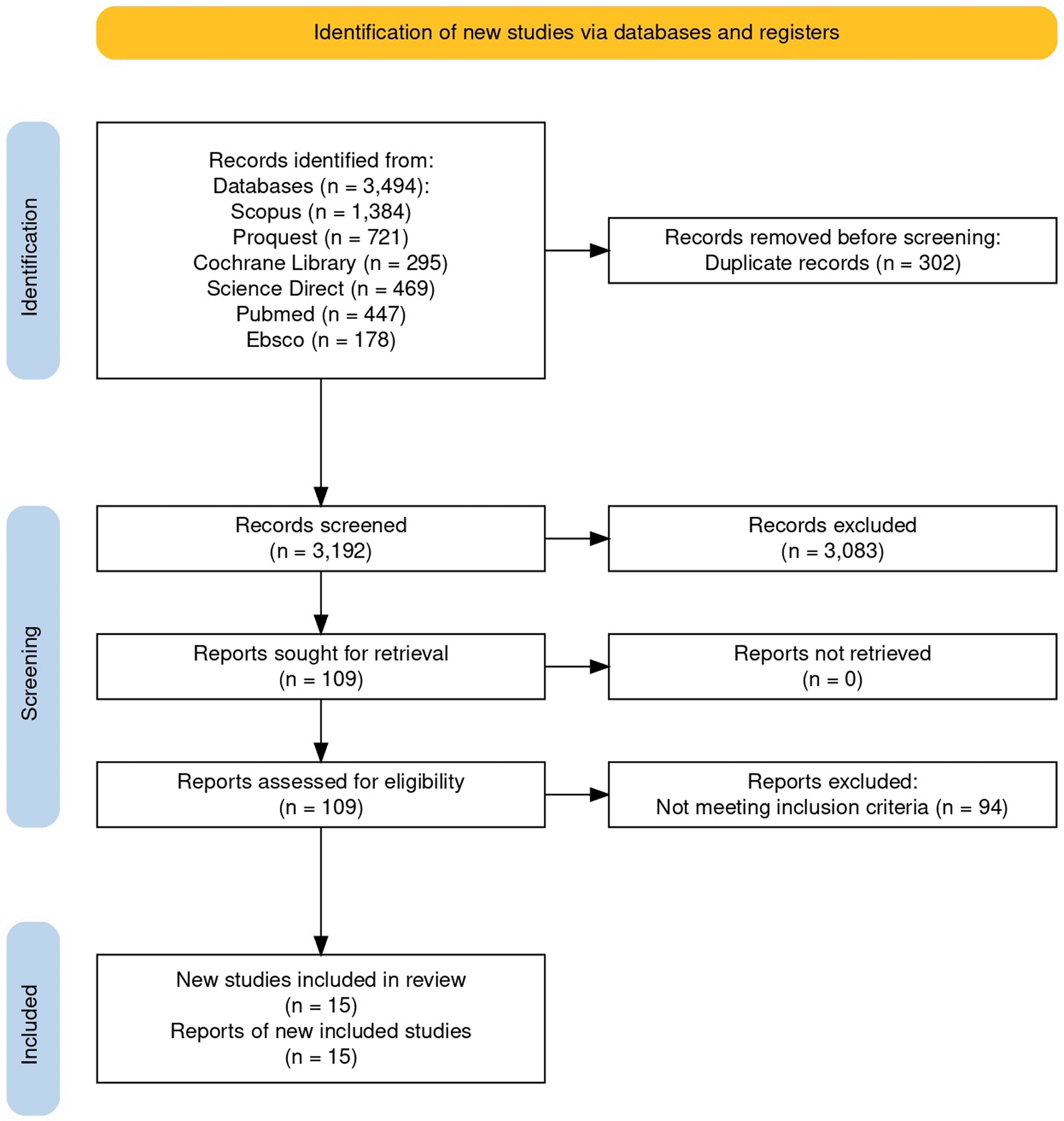
The literature selection process followed the PRISMA (Preferred Reporting Items for Systematic Reviews and Meta-Analyses) guidelines, consisting of four stages:
1. Identification: The initial search across six electronic databases yielded a total of 3,494 records (Scopus: 1,384; ProQuest: 721; Cochrane Library: 295; ScienceDirect: 469; PubMed: 447; EBSCO: 178). A total of 302 duplicate records were removed prior to screening.
2. Screening: After duplicate removal, 3,192 records were screened based on titles and abstracts, of which 3,083 records were excluded for being irrelevant.
3. Eligibility: A total of 109 full-text articles were assessed for eligibility. Of these, 94 articles were excluded for not meeting the inclusion criteria.
4. Inclusion: Finally, 15 studies were included in this review.
The PRISMA flow diagram illustrating the study selection process is presented in Figure 1.
Data were independently extracted by three reviewers using a standardized form that included:
1. Study characteristics: author, year of publication, title, study design, and study setting.
2. Sample and setting: sample size, demographic characteristics, and geographical context.
3. Methods: diagnostic tools for mental health disorders, mortality measurement approaches, and statistical analyses.
4. Key findings: hazard ratios (HR), odds ratios (OR), relative risks (RR), and qualitative findings regarding the association between mental health disorders and mortality.
Any discrepancies in data extraction were resolved through discussion among all reviewers.
Due to heterogeneity in study design, populations, and outcome measures, a narrative synthesis was performed. Findings were categorized based on types of mental health disorders (e.g., depression, anxiety, severe mental illness, suicidal behavior) and mortality outcomes (all-cause, cardiovascular, and suicide-related mortality). Effect estimates (HR, OR, RR) from individual studies were summarized in the study characteristics table ( Table 2). Subgroup patterns were described based on sex, age group, and type of mental health condition.
| No | Author And Year | Title Of The Study | Sample and Setting | Method | Key Finding |
|---|---|---|---|---|---|
| 1. | (Prigge, Wild and Jackson, 2022) | Depression, diabetes, comorbid depression and diabetes and risk of all-cause and cause-specific mortality: a prospective cohort study | UK; 499.830 participants aged 40–69 years from UK Biobank without schizophrenia or bipolar disorder at baseline. | Prospective cohort study | Individuals with comorbid depression and diabetes showed the highest hazard ratios for all-cause (HR 2.16), cancer-related (HR 1.62), circulatory (HR 2.22), and other-cause mortality (HR 3.60), compared to those without either condition. The combined mortality risk exceeded the sum of individual effects, indicating that depression and diabetes synergistically elevate mortality risk. |
| 2. | (Feng et al., 2023) | Prevalence of depression and association with all-cause and cardiovascular mortality among individuals with type 2 diabetes: a cohort study based on NHANES 2005–2018 data | USA; 5.695 adults aged ≥20 years with T2DM from NHANES 2005–2018, linked to National Death Index (NDI). | Prospective cohort study using PHQ-9 to assess depression. Cox proportional hazards models estimated associations between depression and mortality outcomes. | Depression especially at moderate to severe levels was significantly associated with increased all-cause mortality (aHR up to 1.67). The effect was more pronounced in males and older adults (≥60 years), highlighting the importance of depression screening in T2DM care to reduce premature death risk. |
| 3. | (Guerrero Fernández de Alba et al., 2020) | Association between mental health comorbidity and health outcomes in T2DM patients | Spain; 63.365 adults with T2DM from the EpiChron Cohort (Aragón region) enrolled in 2011. | Retrospective cohort study; mental health comorbidities identified via ICD/ICPC codes and grouped by EDCs; 4-year all-cause mortality analyzed using regression models. | Mental health comorbidities significantly increased the risk of 4-year all-cause mortality (OR 1.24), especially with substance use disorder (OR 2.18) and schizophrenia (OR 1.82), as well as higher odds of hospitalization and emergency visits. Findings highlight the need for integrating mental health screening and management in T2DM care. |
| 4. | (Han et al., 2021) | Impact of severe mental illness on healthcare use and health outcomes for people with T2DM | England; 2.192 adults with SMI and T2DM (cases) matched with 7.773 adults with T2DM only (controls), using data from the Clinical Practice Research Datalink (CPRD) linked to Hospital Episode Statistics (HES). | Matched case-control study; regression models adjusted for key covariates using linked primary hospital data. | SMI was significantly associated with increased risk of all-cause mortality (HR 1.9, 95% CI 1.6–2.3) and CVD-specific mortality (HR 2.242, 95% CI 1.54–3.25). Patients with SMI had higher consultation rates and more frequent blood pressure and cholesterol checks but lower angina prevalence and fewer elective admissions for ischaemic heart disease. Despite comparable metabolic monitoring, underdiagnosis and delayed treatment of CVD may contribute to increased mortality among patients with SMI. |
| 5. | (Bakkedal et al., 2024) | The development of type 2 diabetes management in people with severe mental illness in Denmark | Greater Copenhagen, Denmark; 66.914 individuals with T2DM identified from registry-based data (2001–2015), stratified by presence of SMI (schizophrenia spectrum or affective disorders) | Registry-based annual Cohort study; Poisson regression | Individuals with schizophrenia had consistently higher all-cause mortality compared to the non-SMI group (RR 1.99 in 2015, 95% CI: 1.26–3.12). Cardiovascular events were more frequent among those with affective disorders (RR 1.36, 95% CI: 1.18–1.57). Despite similar trends in T2DM management, people with schizophrenia received fewer cardiovascular medications, suggesting potential undertreatment and elevated mortality risk in SMI populations. |
| 6. | (Messina, Iommi and Rucci, 2022) | Is it time to consider depression as a major complication of type 2 diabetes? Evidence from a large population-based cohort study | Italy; 30.815 incident T2DM patients (2008–2017), followed up to 2020. | Population-based retrospective cohort. Depression identified from health records. Logistic regression for predictors of depression; Cox regression for risks of complications and mortality. | Depression in individuals with type 2 diabetes was significantly associated with a 2.3-fold increased risk of acute complications, a 1.6-fold risk of long-term complications, and a 2.8-fold increased risk of mortality. These findings emphasize the importance of recognizing and addressing depression as a critical factor in diabetes management. |
| 7. | (Caride-Miana, Mosteiro and Alba, 2025) | Risk factors for mortality among people with diabetes in Spain: The DIMORTES study | Spain; 1.781 adults aged >40 years with DM from the 2011/2012 Spanish National Health Survey, followed for 6 years using national death registry | Retrospective cohort studies | Depressive disorder was significantly associated with increased all-cause mortality in people with diabetes (HR 1.53; 95% CI: 1.05–2.23). Other independent risk factors included chronic respiratory disease, recent hospital admission, and smoking. These findings underscore the importance of managing mental health comorbidities to reduce mortality risk in the diabetic population. |
| 8. | (Li, Chen and Chen, 2024) | Depressive Symptoms Associated with Peripheral Artery Disease and Predicting Mortality in Type 2 Diabetes | Taiwan; 1.673 outpatients aged ≥60 with T2DM at Taichung Veterans General Hospital; participants in Taiwan’s diabetes P4P program | Retrospective cohort study | The study found that depression and peripheral artery disease (PAD) were both independently associated with increased mortality risk in older adults with T2DM. Notably, the combination of depression and PAD was linked to the highest mortality, with a more than two-fold increased risk (HR 2.21) compared to those without either condition. These findings indicate a significant elevation in all-cause mortality associated with depression, PAD, and especially their coexistence. |
| 9. | (Chen, Wang and Hsieh, 2022) | Depression, Diabetes Mellitus and Mortality in Older Adults: A National Cohort Study in Taiwan | Taiwan; 5.041 adults aged ≥50 years from the 1996 wave of the SHLSET cohort, a nationally representative longitudinal study, followed until 2007. | Prospective cohort study | The study demonstrated that both depression and T2DM independently increased the risk of all-cause mortality among older adults in Taiwan. Participants with comorbid T2DM and depression exhibited the highest mortality risk (adjusted hazard ratio [HR] 2.47; 95% CI: 2.02–3.03), followed by those with T2DM only (HR 1.95; 95% CI: 1.63–2.32), and those with depression only (HR 1.23; 95% CI: 1.09–1.39), compared to individuals without either condition. |
| 10 | Baek, Lee and Kang, 2025 (Gebreselassie, Metekiya and Gebrehiwot, 2020) | The Magnitude of Suicidal Behavior among People Living with Diabetes Mellitus Attending an Outpatient Department of Alamata General Hospital, Mekelle, Tigray, Ethiopia 2019: A Cross-Sectional Study | Ethiopia; A sample consisting of 146 diabetic patients treated at an outpatient chronic care clinic (May – June 2019). | Cross-sectional study; assessment of suicidal behavior using the WHO instrument; depression and anxiety measured with HADS; analysis using SPSS v25 | The prevalence of suicidal behavior among patients with diabetes mellitus at AGH was 30.8%, of which 15.8% reported suicidal ideation, 14.4% had attempted suicide, and 15.1% had suicidal plans. |
| 11 | (Baek, Lee and Kang, 2025) | Association between mental disorders and suicide risk among people with type 2 diabetes | Korea; Subjects aged ≥20 years with type 2 diabetes who underwent a health examination in 2009 (n = 875.671) were identified using the Korean National Health Information Database and followed until the end of 2021 | A population-based retrospective cohort study was conducted, with analysis performed using the Cox proportional hazards model. | A total of 4.755 suicide-related deaths were identified. Patients with mental disorders exhibited a markedly higher risk of suicide. The highest risk was observed among those with bipolar disorder (HR 3.00), followed by schizophrenia (HR 2.51), depression (HR 1.92), and anxiety disorders (HR 1.42). The risk increased with the number of psychiatric comorbidities; patients with two or more mental disorders had a substantially greater risk of suicide compared to those with only one. |
| 12 | (Kim, Kim and Cho, 2024) | Impact of mental disorders on the all-cause mortality and cardiovascular disease outcomes in adults with new-onset type 1 diabetes: A nationwide cohort study | Korea; 17.429 patients with new-onset type 1 diabetes without cardiovascular disease from the Korean National Health Insurance Service database | National population-based retrospective cohort study; diagnosis of mental disorders and heart/cardiovascular disease using ICD-10 codes; multivariate analysis with Cox proportional hazards model | There were 1.562 deaths (and 1.993 coronary heart disease [CHD] events) among patients with mental disorders, compared with 1.211 deaths (and 1.611 CHD events) among those without mental disorders. The risks of all-cause mortality and composite CHD were significantly higher in patients with psychiatric conditions (adjusted hazard ratios [aHR] 1.35 and 1.32, respectively). The risk increased with the number of psychiatric disorders: patients with a single mental disorder had an aHR of 1.27 for mortality and 1.28 for CHD, whereas those with multiple mental disorders had aHRs of 1.57 for mortality and 1.43 for CHD. |
| 13 | (Ho, Chan and Lo, 2025) | Risk of mortality and complications in people with depressive disorder and diabetes mellitus: A 20-year population-based propensity score-matched cohort study | Hong Kong; 12.175 patients with pre-existing depression and new-onset diabetes mellitus (depression-diabetes group), and 117.958 patients with new-onset diabetes mellitus only (diabetes-only group); data from the public healthcare system across the region between 2002 and 2021. | Population-based cohort study; 1:10 matching using propensity scores; mortality and complication risks analyzed using Cox proportional hazards models; complications assessed using the Diabetes Complications Severity Index (DCSI) | The depression-diabetes group had a significantly higher risk of all-cause mortality compared to the diabetes-only group (aHR: 1.06, 95% CI: 1.02–1.10), especially in men and older adults. More common complications in this group were neuropathy (aHR 1.44) and metabolic complications (aHR 1.30). Conversely, the risk of peripheral vascular complications, nephropathy, and retinopathy was lower. The most notable increase in mortality risk occurred in patients with a low burden of complications. |
| 14 | (J Cai et al., 2024b) | Association between depression and diabetes mellitus and the impact of their comorbidity on mortality: Evidence from a nationally representative study | China; 37.040 adult participants in a community-based population health survey adapted from NHANES, conducted in Hunan Province | Cross-sectional and longitudinal studies; depressive symptoms were measured using the PHQ-9 and classified as absent, mild, moderate, and severe; DM was determined from medical history, clinical results, and medication use; analysis used logistic regression and Cox regression. | The prevalence of diabetes was higher among individuals with depression (21.26%) compared to those without depression (13.75%). The risk of diabetes increased with the severity of depression, with the highest odds observed in moderate depression (OR 1.62). Comorbidity of depression and diabetes was associated with an elevated risk of all-cause mortality (HR = 2.09; 95% CI: 1.64–2.66). |
| 15 | (Salinero-Fort, Gómez-Campelo and Cárdenas-Valladolid, 2021) | Effect of depression on mortality in type 2 diabetes mellitus after 8 years of follow-up: The DIADEMA Study | Spain; 3,923 elderly patients with type 2 diabetes mellitus, treated in primary care services. Follow-up period of 8 years. | Prospective cohort study. Depression was measured using MINI 5.0.0, physician diagnosis, or antidepressant use ≥2 months. Mortality was calculated per 10.000 person-years. Analysis used Kaplan-Meier, log-rank test, and Cox regression model to identify mortality risk factors. | Depression at baseline was identified in 22.1% of patients. The depressed group showed higher mortality (31.9% vs. 26.9%) and a shorter median survival (7.4 vs. 7.8 years). Depression was associated with an increased risk of death (HR 1.40; 95% CI: 1.20–1.65). Other strong predictors of mortality included age > 75 years (HR 6.04), insulin use (HR 2.37), lower extremity amputation (HR 1.99), heart failure (HR 1.94), and male sex (HR 1.90). |
The assessment using the Joanna Briggs Institute (JBI) Critical Appraisal Tools indicates that most of the included studies were at low risk of bias, particularly those employing cohort designs ( Table 3). These studies demonstrated several methodological strengths, including valid and reliable measurement of both exposure and outcomes, the use of appropriate statistical analyses, and adequate identification and control of potential confounding factors. However, some limitations were identified across the studies, such as incomplete follow-up, insufficient reporting on the handling of missing data, and the potential for misclassification of exposure, particularly in studies relying on self-reported or administrative data. In addition, studies with cross-sectional designs exhibited a moderate risk of bias due to their inherent limitations in establishing causal relationships and controlling confounding variables. Despite these limitations, the overall body of evidence can be considered methodologically robust and provides consistent findings.
| No | Author (Year) | Study Design | Risk of Bias (JBI) |
|---|---|---|---|
| 1 | (Prigge, Wild and Jackson, 2022) | Prospective cohort | Low risk (strong methodology; minor issue in follow-up completeness) |
| 2 | (Feng et al., 2023) | Prospective cohort | Low risk (validated measurement; unclear handling of missing data) |
| 3 | Guerrero Fernández de Alba, I. et al. (2020) | Retrospective cohort | Low risk (reliable registry data; incomplete follow-up reporting) |
| 4 | Han et al. (2021) | Case-control (matched cohort) | Low risk (robust dataset; some missing data not fully addressed) |
| 5 | Bakkedal et al. (2024) | Registry-based cohort | Low risk (high-quality registry data; limited lifestyle confounder control) |
| 6 | Messina et al. (2022)(Messina, Iommi and Rucci, 2022) | Retrospective cohort | Low risk (appropriate analysis; unclear follow-up completeness) |
| 7 | Caride-Miana et al. (2025) | Retrospective cohort | Low risk (adequate adjustment; follow-up details not clearly reported) |
| 8 | Li et al. (2024) | Retrospective cohort | Low risk (validated tools; incomplete follow-up reporting) |
| 9 | Chen et al. (2022) | Prospective cohort | Low risk (standardized measurement; unclear missing data handling) |
| 10 | Baek et al. (2025) (Gebreselassie, Metekiya dan Gebrehiwot, 2020) | Cross-sectional | Moderate risk (limited confounding control; descriptive analysis design) |
| 11 | Baek et al. (2025) | Retrospective cohort | Low risk (large dataset; incomplete follow-up reporting) |
| 12 | Kim et al. (2024) | Cross-sectional | Moderate risk (limited causal inference; insufficient confounder adjustment) |
| 13 | Ho et al. (2025) | Cohort (propensity-matched) | Low risk (advanced design; unclear missing data handling) |
| 14 | J Cai et al., (2024a) | Mixed (cohort + cross-sectional) | Low (Moderate risk (mixed design; incomplete follow-up reporting) |
| 15 | Salinero-Fort et al. (2021) | Prospective cohort | Low risk (strong methodology; minor missing outcome data) |
Fifteen studies published between 2020 and 2025 met the eligibility criteria. These studies were conducted across diverse regions, including the United Kingdom, the United States, Spain, Taiwan, South Korea, China, Ethiopia, Italy, and Denmark. The characteristics of the included studies are summarized in Table 2. Together, they revealed a consistent and significant association between mental health disorders particularly depression and severe mental illness (SMI) and increased mortality risk in patients T2DM. The magnitude of the effect varied based on the type of mental disorder, sex, age, and the specific causes of death assessed.
The methodological quality of the included studies, assessed using the Joanna Briggs Institute Critical Appraisal Tools, is presented in Table 3. Overall, the majority of studies were judged to be at low risk of bias, reflecting generally robust study designs, large sample sizes, and the use of validated measurement tools. However, several studies exhibited moderate risk of bias, primarily due to limitations in confounding control, incomplete follow-up, and unclear handling of missing data. Cross-sectional studies were more likely to present moderate risk, particularly in relation to causal inference and adjustment for potential confounders. Despite these limitations, the overall body of evidence was considered methodologically sound, with consistent findings across studies suggesting that the observed association between mental health disorders and mortality in patients with type 2 diabetes is unlikely to be substantially affected by bias.
Depression consistently emerged as an independent predictor of all-cause mortality in individuals with T2DM. Study Salinero demonstrated a 40% increased risk of mortality (HR 1.40) in patients with baseline depression (Salinero-Fort, Gómez-Campelo and Cárdenas-Valladolid, 2021). Study Chen, in a large-scale cohort, observed the highest mortality risk among patients with both T2DM and depression (HR 2.47), compared to those with T2DM alone (HR 1.95) or depression alone (HR 1.23) (Chen, Wang and Hsieh, 2022). Prigge confirmed these findings, reporting an HR of 2.16 for all-cause mortality. (Feng et al., 2023) Identified an elevated risk (HR up to 1.67) associated with moderate-to-severe depression, particularly in men and older adults. Most recently, Cai reported a hazard ratio (HR) of 2.09, indicating a synergistic effect on mortality for patients with comorbid depression and T2DM (J Cai et al., 2024b). Taken together, the evidence underscores that depression substantially amplifies mortality risk in T2DM, primarily through its adverse impact on disease management and underlying biological mechanisms, including insulin resistance.
Studies investigating SMI, such as schizophrenia and bipolar disorder, consistently report an elevated mortality risk. Han found that patients with T2DM and SMI exhibited a 1.92-fold increased risk of all-cause mortality and a 2.24-fold increased risk of cardiovascular mortality compared to those without SMI (Han et al., 2021). Similarly, Bakkedal reported a twofold higher mortality risk in individuals with schizophrenia compared to a non-SMI cohort, despite comparable diabetes management, suggesting potential undertreatment of cardiovascular conditions (Bakkedal et al., 2024). Alba demonstrated that substance use disorders (OR 2.18) and schizophrenia (OR 1.82) significantly elevated the 4-year mortality risk, highlighting the profound impact of SMI on both all-cause and cause-specific mortality outcomes (Guerrero Fernández de Alba et al., 2020).
Two studies specifically addressed the risk of suicide among patients with T2DM and comorbid mental disorders. In a nationwide cohort of 875.671 individuals, Baek reported the highest suicide risk among patients with bipolar disorder (hazard ratio [HR] 3.00), followed by schizophrenia (HR 2.51) and depression (HR 1.92) (Baek, Lee and Kang, 2025). In Ethiopia, Gebreselassie documented a prevalence of suicidal behavior of 30.8% among T2DM patients, with 15.8% reporting suicidal ideation, 14.4% attempting suicide, and 15.1% having a suicide plan (Gebreselassie, Metekiya and Gebrehiwot, 2020). These findings underscore the substantial burden of suicide risk in T2DM patients with mental disorders, particularly those with severe mental illness, and highlight the urgent need for targeted mental health interventions.
This review emphasizes a mortality gradient associated with the comorbidity burden of mental health disorders. Kim reported that patients with T2DM and a single mental disorder had a hazard ratio (HR) for mortality of 1.27, which rose to 1.57 in those with two or more disorders (Kim, Kim and Cho, 2024). Ho et al further demonstrated that depression increased mortality risk in T2DM patients, even among individuals with a low complication burden (Ho, Chan and Lo, 2025). Similarly, Alba observed that substance use disorders and schizophrenia significantly elevated four-year mortality risk. Taken together, these findings suggest that multiple mental disorders exacerbate mortality risk, most likely through cumulative effects on disease management and limited access to healthcare services (Guerrero Fernández de Alba et al., 2020).
Several studies have highlighted disparities in healthcare provision for patients with T2DM and comorbid mental disorders. Study Bakkedal and Ho reported that patients with SMI were less likely to receive cardiovascular medications despite comparable levels of clinical monitoring, suggesting potential undertreatment (Baek, Lee and Kang, 2025; Ho, Chan and Lo, 2025). Study Han observed higher rates of emergency hospitalizations but fewer elective admissions for cardiac conditions among individuals with SMI, indicating gaps in proactive care (Han et al., 2021). These findings underscore the need for integrated care models that address both physical and mental health requirements in the management of T2DM.
This review identified 15 studies published between 2020 and 2025, encompassing a broad geographical scope, ranging from high-income countries (United Kingdom, United States, Italy, Denmark) to middle-income countries (China, South Korea, Taiwan, Ethiopia). This regional diversity provides a more representative global perspective, in contrast to prior reviews that were predominantly limited to developed nations (Farooqi et al., 2019; Wu, Hsu and Wang, 2020). The majority of studies employed prospective or retrospective cohort designs, which are robust for assessing temporal relationships, while a smaller subset utilized cross-sectional or nested case-control designs, which, despite certain limitations, contributed to the diversity of evidence (Han et al., 2021). Sample sizes varied widely, ranging from hundreds of participants to large-scale population studies exceeding 875.000 individuals (Chen, Wang and Hsieh, 2022), enhancing the validity of findings while highlighting contextual heterogeneity. Mental disorders investigated included depression, anxiety, schizophrenia, bipolar disorder, and substance use disorders, with diagnoses based on ICD codes or validated instruments such as the PHQ-9 and the HADS (Salinero-Fort, Gómez-Campelo and Cárdenas-Valladolid, 2021; J Cai et al., 2024b). The primary outcomes were all-cause mortality, cardiovascular mortality, and suicide, predominantly measured using national registries (Feng et al., 2023). Heterogeneity persisted due to variations in diagnostic methods and data sources; however, the consistent pattern of increased risk across studies underscores the robustness of these findings (van der Feltz-Cornelis et al., 2021). A novel contribution of this review is the application of the PRISMA methodology with multiple databases (Scopus, ProQuest, Cochrane Library, ScienceDirect, PubMed, EBSCO), resulting in a more rigorous study selection process compared to prior reviews limited to a single database (Farooqi et al., 2019).
Depression consistently emerges as the mental disorder most strongly associated with increased all-cause mortality in patients with T2DM. Large cohort studies report hazard ratios (HRs) ranging from 1.40 to 2.47, confirming depression as an independent risk factor for premature mortality (Salinero-Fort, Gómez-Campelo and Cárdenas-Valladolid, 2021; Chen, Wang and Hsieh, 2022; J Cai et al., 2024b). These findings align with the meta-analysis by (Wu, Hsu and Wang, 2020) but indicate a higher risk compared to the review by Farooqi, which was limited to South Asia. This discrepancy may reflect variations in diagnostic tools, cultural differences, and access to mental health services (Farooqi et al., 2019). Biological mechanisms include insulin resistance, chronic inflammation, and glucose dysregulation, while behavioural factors, such as poor treatment adherence and inadequate self-care, exacerbate prognosis in depressed patients (van der Feltz-Cornelis et al., 2021).
However, variations by gender and age are evident. Feng and Ho indicate that men with T2DM and depression face a higher mortality risk, particularly from cardiovascular causes, whereas reported a higher prevalence of depression in women, while found that T2DM onset before age 40 increases relative mortality risk nearly threefold compared to later-onset diagnoses (Mansour, Golden and Yeh, 2020; Khubchandani et al., 2023; Ho, Chan and Lo, 2025). These variations underscore the complex interplay of depression with biological, social, and demographic factors (Culman et al., 2013). Although the mortality risk associated with depression is lower than that of SMI, its population-level impact remains substantial due to its significantly higher prevalence among T2DM patients. Thus, depression worsens clinical control and significantly contributes to mortality at the population level (Han et al., 2021; Baek, Lee and Kang, 2025).
Studies investigating SMI, such as schizophrenia and bipolar disorder, exert a more pronounced impact on mortality in patients with T2DM compared to depression. A cohort study by Han reported a 92% increase in all-cause mortality and a 124% increase in cardiovascular mortality among patients with both T2DM and SMI (Han et al., 2021). These findings are consistent with Bakkedal, who noted that, despite declining mortality trends in the general population, patients with schizophrenia or bipolar disorder continue to exhibit elevated mortality rates. further identified a risk gradient, with the highest cardiovascular mortality hazard ratio (HR) for schizophrenia (2.38), followed by bipolar disorder (1.70) and major depression (1.84).
These results underscore that SMI not only worsens the prognosis of T2DM but also substantially increases the risk of cause-specific cardiovascular mortality. The underlying mechanisms are multifactorial: second-generation antipsychotics (e.g., clozapine, olanzapine) have been shown to exacerbate insulin resistance and dyslipidemia, while systemic barriers, such as delayed diagnosis of physical illnesses and limited access to cardiovascular care, further aggravate outcomes (Mitchell, Malone and Doebbeling, 2009; Baldessarini, Innamorati and Erbuto, 2017; Campbell and Campbell, 2020; Knudsen, Scheuer and Diaz, 2023).
SMI also exhibits risk variations based on demographic characteristics. Men with T2DM and SMI face higher mortality rates than women, particularly for cardiovascular causes, whereas women are more frequently diagnosed with depression but do not exhibit a comparable increase in relative risk (Feng et al., 2023b; Ho, Chan and Lo, 2025). Regarding age, elderly patients with SMI show higher absolute mortality rates, while those with early-onset T2DM face a greater relative risk, indicating a strong interaction between age and disorder type (Mansour, Golden and Yeh, 2020). Additionally, comparisons across disorder types reveal a risk gradient, with schizophrenia consistently showing the highest HR, followed by bipolar disorder and major depression (Han et al., 2021; Fleetwood et al., 2023). Thus, variations by age, gender, and disorder type highlight the heterogeneous nature of mortality risk in T2DM patients with SMI, necessitating stratified approaches in clinical practice.
Suicide risk represents a critical yet often overlooked outcome in patients with T2DM and comorbid mental disorders. A large cohort study by Baek Hs, reported the highest suicide risk in patients with schizophrenia (HR 3.24), followed by bipolar disorder (HR 2.47), depression (HR 2.08), and anxiety (HR 1.63) (Baek, Lee and Kang, 2025). Study Kim reinforced these findings, demonstrating that diabetic patients are more likely than the general population to experience suicidal ideation, plan suicide, and attempt suicide (Kim et al., 2022b).
Biological mechanisms linking these conditions involve activation of the hypothalamic-pituitary-adrenal (HPA) axis in chronic depression, which triggers norepinephrine secretion, exacerbates insulin resistance, and heightens susceptibility to suicidal ideation (Detka et al., 2013; Chung et al., 2014; Kim, Um and Kim, 2022b). Social factors, including advanced age, low socioeconomic status, insulin use, and mental health stigma, further elevate risk (Lofman et al., 2012; Kim, Um and Kim, 2022b). Several studies also confirm the mediating role of depression, whereby T2DM indirectly increases suicide risk through depressive symptoms (Myers et al., 2013; Sher, 2022). This review provides a novel contribution by highlighting that suicide risk in T2DM patients is not solely associated with depression but is also significant in schizophrenia and bipolar disorder, with higher HRs than depression. This expands on prior evidence that primarily focused on depression as the main determinant (Sartorius, 2021; Sher, 2023).
Subgroup analyses reveal variations in suicide risk by disorder type, gender, and age. The highest risks are observed in patients with bipolar disorder and schizophrenia, followed by depression and anxiety, indicating that SMI imposes a greater risk burden than depression alone (Baek, Lee and Kang, 2025). Demographically, men with T2DM and depression exhibit higher suicide mortality, despite depression being more prevalent in women (Khubchandani et al., 2023). Additionally, younger T2DM patients are more prone to suicidal ideation and attempts compared to older groups, although absolute mortality rates remain higher in older age groups (Conti et al., 2017; Kim, Um and Kim, 2022b). Thus, suicide risk in T2DM patients is a multidimensional phenomenon influenced by age, gender, and disorder type, underscoring the need for prioritized risk screening in vulnerable groups.
This review highlights significant disparities in healthcare delivery for patients with T2DM and comorbid mental disorders. While overall mortality rates have declined, patients with SMI have not experienced comparable reductions, indicating structural inequities. Study Han noted that patients with SMI are more likely to require emergency care but less likely to undergo elective hospitalization for cardiovascular conditions, suggesting inadequate preventive care (Han et al., 2021). Study Knudsen further reported poorer achievement of HbA1c and cholesterol targets in this group, reflecting disparities in diabetes management (Knudsen, Scheuer and Diaz, 2023).
Collaborative care models have proven effective in reducing depressive symptoms and improving glycemic control, supporting the integration of physical and mental health services as a strategic approach (van der Feltz-Cornelis et al., 2021). However, implementation in developing countries remains limited due to resource constraints and mental health stigma (Westling et al., 2012). This review underscores the importance of routine mental health screening in primary diabetes care and integrated interventions, which can reduce both cardiovascular and suicide-related mortality (Baek, Lee and Kang, 2025; Ho, Chan and Lo, 2025).
A novel contribution of this review is its emphasis on the need for a cross-sectoral approach to T2DM management, extending beyond pharmacological therapy to include psychosocial interventions and public health policies. This broadens the perspective of prior literature, which often focused on clinical relationships without addressing health system dimensions (Knudsen, Scheuer and Diaz, 2023).
Disparities in health system interactions also vary by disorder type, gender, and age. Patients with SMI are less likely to receive preventive cardiovascular care despite comparable metabolic monitoring, with more pronounced disparities among men, who experience delayed diagnoses and worse outcomes (Knudsen, Scheuer and Diaz, 2023). Regarding age, elderly patients with T2DM and mental disorders exhibit the highest absolute mortality due to accumulated comorbidities, while those with early-onset T2DM face greater relative risks of complications and failure to meet clinical targets (Mansour, Golden and Yeh, 2020). Variations by disorder type are also significant, as patients with schizophrenia and bipolar disorder encounter more substantial service gaps compared to those with depression. Therefore, health system improvements must integrate considerations of gender, age, and disorder type to enhance the effectiveness of complication prevention and mortality reduction strategies.
This review is limited by substantial heterogeneity across included studies in terms of design, populations, diagnostic criteria, and outcome definitions, which may affect comparability of findings. Differences in healthcare systems and sociodemographic contexts may also influence the reported effect estimates. In addition, several methodological limitations of the review process should be acknowledged. The search was restricted to English-language publications and did not include grey literature, which may introduce publication bias. Due to heterogeneity, no meta-analysis or formal assessment of reporting bias was conducted, and findings were synthesized narratively. Furthermore, although study selection and data extraction were performed systematically, the process may still be subject to potential reviewer bias.
This systematic review demonstrates that mental health disorders, particularly depression and SMI, are consistently associated with an increased risk of mortality in individuals with T2DM. Depression is linked to a 40–70% increase in all-cause mortality, while SMI, including schizophrenia and bipolar disorder, contributes to a higher risk of mortality from cardiovascular diseases and suicide. The risk varies by gender, age, and the number of psychiatric comorbidities, with greater risks observed in men, older adults, and younger patients with earlier-onset T2DM. The underlying mechanisms are multifactorial, encompassing biological dysregulation (chronic inflammation, insulin resistance, and pharmacotherapy effects), suboptimal health behaviours (such as poor treatment adherence and unhealthy lifestyles), and social factors, including stigma, limited healthcare access, and disparities in service provision. Collectively, these factors exacerbate glycemic control, accelerate vascular complications, and elevate mortality risk. Practically, these findings underscore the urgency of developing integrated healthcare models that combine diabetes and mental health management through routine screening, timely pharmacological and psychosocial interventions, and improved access tailored to gender, age, and socio-cultural contexts.
| Views | Downloads | |
|---|---|---|
| F1000Research | - | - |
|
PubMed Central
Data from PMC are received and updated monthly.
|
- | - |
Provide sufficient details of any financial or non-financial competing interests to enable users to assess whether your comments might lead a reasonable person to question your impartiality. Consider the following examples, but note that this is not an exhaustive list:
Sign up for content alerts and receive a weekly or monthly email with all newly published articles
Already registered? Sign in
The email address should be the one you originally registered with F1000.
You registered with F1000 via Google, so we cannot reset your password.
To sign in, please click here.
If you still need help with your Google account password, please click here.
You registered with F1000 via Facebook, so we cannot reset your password.
To sign in, please click here.
If you still need help with your Facebook account password, please click here.
If your email address is registered with us, we will email you instructions to reset your password.
If you think you should have received this email but it has not arrived, please check your spam filters and/or contact for further assistance.

Comments on this article Comments (0)