Keywords
Data sharing, environmental assessment, systematic literature review, open data, environmental policy, data infrastructure.

Data sharing, environmental assessment, systematic literature review, open data, environmental policy, data infrastructure.
Environmental protection has become a global issue that demands increasing public attention (Ceylan, 2022). Environmental challenges such as climate change, deforestation, industrial waste disposal, and ecological disasters in recent years have intensified global awareness of the importance of sustainable environmental protection efforts. One key approach to environmental protection, particularly amid rapid development, is the implementation of environmental assessment (EA) as an integral component of the development process. Environmental assessment is a critical process in both policy formulation and development implementation, aiming to evaluate the potential impacts of projects or policies on the environment. It enables the identification of potential risks, thereby supporting more informed decision-making (Kågström & Faith-Ell, 2025). However, the effectiveness of environmental assessment processes largely depends on the availability and integration of heterogeneous data, which facilitate collaborative analysis, enhance transparency, and support evidence-based decision-making (Korchenko et al., 2026).
Limited availability of high-quality data remains a major constraint in achieving effective and sustainable environmental assessment processes. Empirical studies have shown that data accessibility is a critical challenge when environmental assessment is implemented across diverse contexts (Bola et al., 2022). Many environmental datasets are either not publicly available or difficult to access. Even when data are accessible, the absence of standardization, such as inconsistencies in terminology and data structures—hinders interoperability. In addition, ethical and security concerns present significant barriers, as fears of data misuse may reduce stakeholders’ willingness to share data.
These challenges related to data availability and adequacy in EA processes can be addressed through data sharing practices. Data sharing refers to the provision of data in a manner that allows it to be accessed and used by others (Michener, 2015). In the scientific context, data sharing enables research data to be accessed, reused, and analyzed within broader scientific communities, thereby fostering research reproducibility and further innovation. In practice, data sharing encompasses several aspects, including metadata management, the development of metadata standards, and the use of data repositories to facilitate accessibility. Within the context of environmental assessment, data sharing plays a crucial role in improving the efficiency and accuracy of assessments, enabling more informed decision-making, supporting sustainability and innovation, and enhancing multi-stakeholder collaboration.
Previous studies have highlighted several important contributions of data sharing practices to environmental assessment processes. (Aggestam, 2019), for instance, demonstrates that data-sharing initiatives such as the Shared Environmental Information System (SEIS) have supported environmental assessment and policy-making processes. However, these initiatives still face challenges, including the limited utilization of data flows and the selective use of environmental indicators. Other studies emphasize the role of data sharing in strengthening global collaboration through organizations such as the World Meteorological Organization and the Group on Earth Observations (GEO), which promote data sharing practices through open data policies (Borowitz, 2013). In line with these findings, Ziegler et al. (2015) underline the importance of open data access in enhancing research quality and environmental monitoring by facilitating systematic reviews, meta-analyses, and the identification of knowledge gaps in environmental studies. Furthermore, the integration of data with technologies such as Geographic Information Systems (GIS), Building Information Modelling (BIM), and other digital platforms has improved the efficiency of environmental assessment processes and strengthened the informational basis for environmental decision-making (Shyam, 2015; van Eldik et al., 2020).
Despite these contributions, several gaps remain in the implementation of data sharing within environmental assessment processes. First, issues of data accessibility and availability continue to pose significant barriers, as many datasets remain difficult to access, while documents such as public environmental statements are not always openly available, thereby limiting cumulative environmental assessment. Second, concerns related to data quality and standardization are prominent, particularly due to the lack of international data compatibility and standardization, as well as inconsistencies in terminology and ecosystem indicator frameworks, which ultimately hinder interoperability and cross-project data integration. Third, challenges persist in policy and governance aspects, where many funding agencies, journals, and repositories lack clear policies regarding data citation and sharing. Additionally, ethical and privacy concerns arise, particularly in environmental health studies involving data that may be linked to external datasets, thereby posing risks to participant confidentiality.
In response to these issues, this study offers a new perspective through a Systematic Literature Review (SLR) to examine the role of data sharing in enhancing the effectiveness of environmental assessment processes. This study addresses the following research questions:
RQ1: What is the role of data sharing in environmental assessment processes?
RQ2: What strategies and challenges are associated with the implementation of data sharing in environmental assessment?
This study aims to: (1) identify and analyze the role of data sharing in environmental assessment processes; (2) examine the various strategies employed in the implementation of data sharing in environmental assessment; and (3) map the challenges associated with the implementation of data sharing across different environmental assessment contexts. In addition, this study seeks to synthesize findings from previously published studies in order to develop a comprehensive understanding of the dynamics of data sharing implementation in supporting the effectiveness of environmental assessment.
This study is expected to contribute to strengthening the understanding of the strategic role of data sharing within the environmental assessment ecosystem. By integrating findings from multiple studies, this research provides a more comprehensive perspective on how data sharing contributes to improving the quality of environmental assessment processes, particularly in terms of accuracy, transparency, and accountability. Furthermore, this study contributes to identifying contextual variations that influence the success of data sharing implementation, particularly in relation to differences in technical, social, and institutional conditions. Finally, the findings are expected to serve as a reference for policymakers in designing effective and adaptive data-sharing governance strategies, including the strengthening of coordination mechanisms and collaborative monitoring involving multiple stakeholders to ensure the sustainable integration and utilization of environmental data (Komaki & Fluharty, 2020).
This study adopts a Systematic Literature Review (SLR) approach to examine and integrate findings from previously published studies related to the research topic. The approach involves several stages, including systematic literature searching, screening of studies based on predefined criteria, assessment of methodological quality, and synthesis of findings relevant to the research focus. In its implementation, this study follows the reporting principles outlined in the PRISMA (Preferred Reporting Items for Systematic Reviews and Meta-Analyses) 2020 guidelines, which emphasize transparency in documenting the search, selection, and reporting processes (Page et al., 2021).
Scopus was selected as one of the primary databases due to its significant advantages as one of the largest indexing platforms for reputable scientific publications across various disciplines at both global and regional levels, supported by a rigorous content selection process (Baas et al., 2020). As of July 2025, Scopus has indexed more than 102.6 million publications from over 7,000 publishers worldwide, including approximately 29,100 active journals, 426,000 book titles, and more than 2.8 million preprints. It also includes around 25.3 million open-access publications across various access models. Additionally, the database contains over 2.6 billion citation references dating back to 1970, along with 21.9 million active author profiles and more than 94,000 institutional affiliation profiles (Elsevier, 2025).
Taylor & Francis was selected as an additional data source because it publishes thousands of scholarly journals across multiple disciplines, including a substantial number of titles in Library and Information Science (LIS), such as Journal of Electronic Resources Librarianship, Journal of Web Librarianship, and Collection Management. In the LIS field, Taylor & Francis allows self-archiving through the green open access (OA) model without embargo restrictions. However, previous research indicates that the actual rate of author self-archiving remains relatively low, with only about 22% of articles available as open access (Emery, 2018). Furthermore, Taylor & Francis has actively expanded its open access publishing model, including converting subscription journals to full open access and establishing transformative agreements with library consortia (Lerro, 2018).
The literature search was conducted using the following query:
(TITLE-ABS-KEY (“data sharing” OR “data exchange” OR “data dissemination” OR “data transfer”) AND TITLE-ABS-KEY (“environmental assessment” OR “environmental study” OR “environmental review” OR “environmental analysis” OR “environmental screening” OR “environmental impact assessment”))
The query was constructed by combining multiple synonyms for each core concept “data sharing” and “environmental assessment” to accommodate variations in terminology and increase the likelihood of identifying relevant studies. The inclusion criteria for this study were: (1) open-access journal articles, (2) published in English, and (3) published between 2020 and 2025. Open-access publications were selected to ensure that all analyzed articles could be fully accessed, allowing for comprehensive examination of findings and implications without access limitations. The use of English was considered essential as it is the primary language of international scientific communication, in which most high-impact and widely cited studies are published. The time frame of 2020–2025 was applied to ensure that the selected studies reflect the most recent developments in data sharing practices within the context of environmental assessment. These criteria collectively ensure the relevance, timeliness, and quality of the literature included in this systematic review, as shown in Table 1:
The literature search was conducted on February 9, 2026, using the predefined query. The search yielded 24 articles from the Scopus database and 83 articles from Taylor & Francis, resulting in a total of 107 identified articles. The results were exported as bibliographic metadata in.csv format and compiled using a spreadsheet to identify duplicates. Following this process, 2 duplicate articles were removed, leaving a total of 105 articles for further screening.
The remaining 105 articles were thoroughly reviewed and assessed for eligibility by the researchers, including consideration of potential bias. Based on this assessment, 30 articles were identified as the most relevant and aligned with the objectives of this study.
Figure 1 illustrates the systematic process of literature identification, screening, and analysis following the PRISMA framework, resulting in 30 articles included for final analysis. The study selection process followed a systematic procedure based on the PRISMA framework. Initially, a literature search was conducted in two databases, Scopus and Taylor & Francis, using metadata fields. This search identified a total of 107 records, consisting of 24 articles from Scopus and 83 articles from Taylor & Francis.
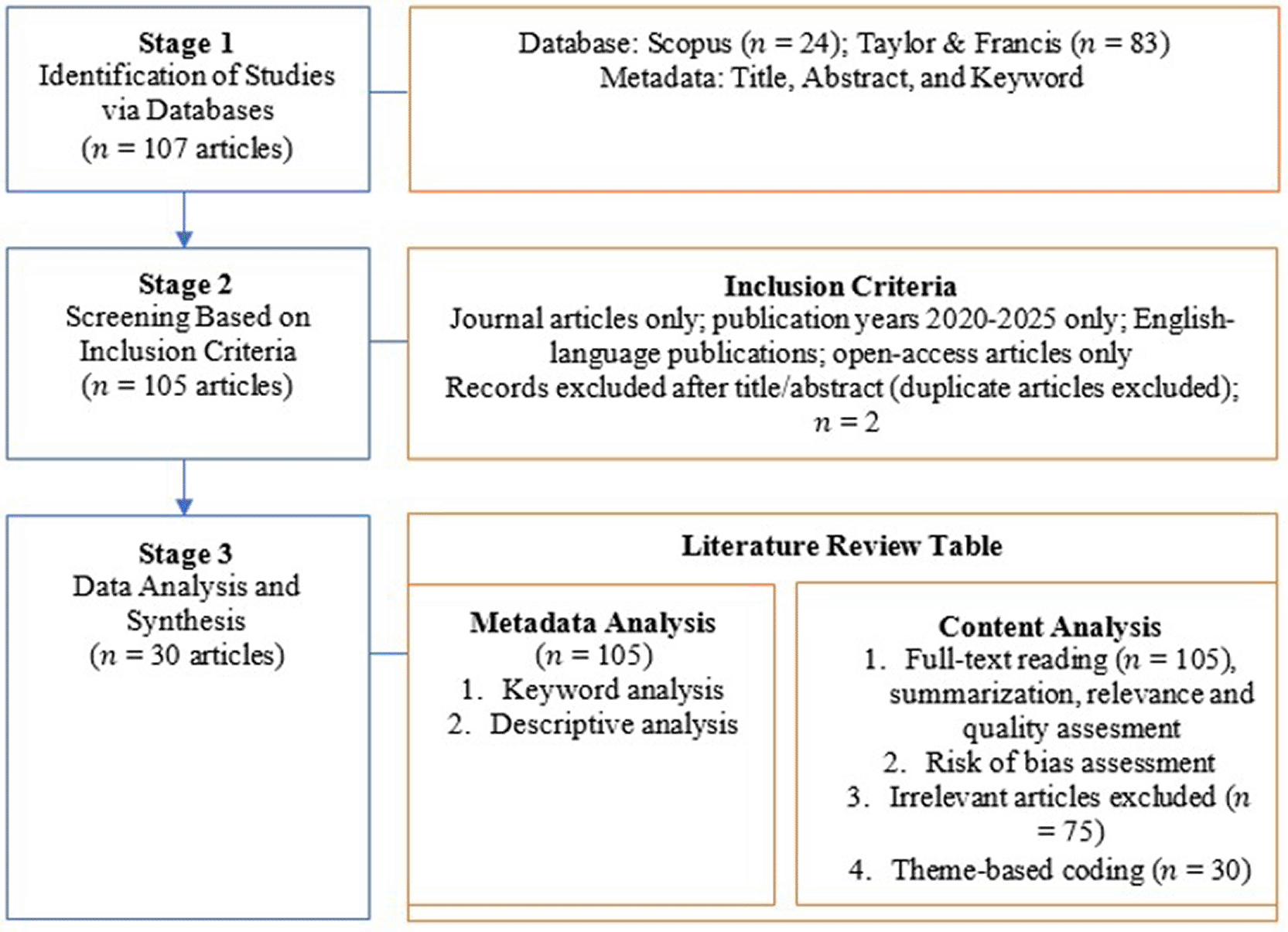
In the next stage, the records were screened based on predefined inclusion criteria, which included journal articles only, publications from 2020 to 2025, English-language publications, and open-access availability. After reading the title and abstract, duplicate articles were identified and removed, resulting in the exclusion of two duplicate records. After this step, 105 articles remained for further screening. Subsequently, the remaining articles were examined more closely through title, abstract, and full-text screening to assess their relevance to the research focus on data sharing in environmental assessment. Articles that did not address data sharing practices or were not situated within the context of environmental assessment were excluded. Following this eligibility assessment, 30 articles met all inclusion criteria and were selected for the final analysis.
During the full-text reading in Stage 3, a total of 75 articles that initially appeared relevant were excluded after closer examination. The primary reasons for exclusion were that some studies did not discuss data sharing mechanisms, while others were not conducted within the context of environmental assessment. Consequently, these studies did not meet the predefined inclusion criteria.
The 30 included studies covered a wide range of environmental assessment contexts, including environmental monitoring, lifecycle assessment, infrastructure planning, hydrology, environmental policy, citizen science, digital twins, geospatial sensor systems, and data platform development. As shown in Table 2, the studies addressed data sharing from technical, institutional, social, and policy perspectives, indicating that the evidence base reflects multiple dimensions of environmental assessment rather than a single methodological tradition.
| Study ID | Author(s) & year | Country/location | Methodology & study design | Main focus of the study |
|---|---|---|---|---|
| LR1 | Fernández Rodríguez et al. (2025) | Spain | Comparative case study (industrial warehouse modeling) | Evaluation of data transfer reliability from BIM (Revit) to two LCA software tools (Athena and SimaPro). |
| LR2 | Hosseini Gourabpasi et al. (2025) | Canada | Framework development and case simulation | Development of an Information Delivery Specification (IDS) framework using openBIM standards for operational carbon assessment. |
| LR3 | Udesky et al. (2020) | United States | Web-based experimental survey (vignette) (N = 1,575) | Analysis of motivations, privacy risks, and participants’ willingness to share personal environmental exposure data. |
| LR4 | Henao Salgado et al. (2025) | Colombia | Participatory case study (citizen science) | Community engagement in environmental monitoring (rainfall and water level) for flash flood early warning systems. |
| LR5 | Haile et al. (2022) | Ethiopia | Field inspection (40 monitoring stations) and data analysis | Evaluation of declining hydrological monitoring data quality due to technical and institutional issues. |
| LR6 | Suleymanov (2025) | Caucasus (Kura-Aras) | Qualitative analysis (SWOT) and literature review | Institutional analysis of transboundary water resource management. |
| LR7 | Wetzel et al. (2024) | Germany | System implementation and Spatial Data Infrastructure (SDI) | Redesign of regional climate information platforms using metadata catalogs and open data standards. |
| LR8 | Gorata Kingsley Matome (2024) | Botswana | Cross-sectional study using semi-structured online questionnaires | Evaluation of institutional barriers to Strategic Environmental Assessment (SEA), including public participation and technical capacity challenges. |
| LR9 | Syed Yaqzan et al. (2025) | United Kingdom | Realist-critical qualitative study; 35 interviews using Gioia method | Exploration of factors influencing SME readiness in tracking Scope 3 supply chain emissions toward Net Zero targets. |
| LR10 | Carrie C. Wall et al. (2025) | Global | Framework review (SoundCoop), big data comparative analysis (PAM), and open-source tool development | Development of cyberinfrastructure for standardized passive acoustic monitoring (PAM) data processing to support open science and global ecosystem monitoring. |
| LR11 | Tracey Najafpour Navaei et al. (2024) | United Kingdom | Micro case study (railway maintenance intervention) | Transferable method for calculating carbon footprints of small-scale railway infrastructure assets using Carbon Data Capture and Rail Carbon Tool (RCT). |
| LR12 | Hannah L. Price et al. (2024) | United States | Ethnography and participatory field observation | Use of citizen science to identify soil contamination and promote environmental justice in urban contexts. |
| LR13 | Laurie Parsons (2022) | Cambodia | In-depth qualitative interviews | Analysis of how environmental ignorance and data gaps are politically leveraged in climate adaptation policies. |
| LR14 | Joanke van Dijk et al. (2021) | European Union | Scientific community survey and expert forum | Defining toxic-free environment ambitions and identifying gaps in chemical risk assessment. |
| LR15 | Chen et al. (2025) | China | System architecture development with pilot experiment | IoT-enhanced geospatial sensor web for real-time environmental sensing and data integration. |
| LR16 | Liu et al. (2025) | China | Digital twin modeling with multi-agent system | Digital twin system for environmental governance of abandoned landfills. |
| LR17 | Gonzalez-Caceres et al. (2025) | Sweden | Case study with digital twin workflow | Multi-domain urban environmental performance simulation using digital twin models. |
| LR18 | Morganti et al. (2023) | European Union | Industrial research and platform development | Integrated digital platform for life cycle management and circular construction. |
| LR19 | De Wolf et al. (2023) | European Union | Literature review, surveys, and tool classification | Comparative evaluation of LCA software tools and databases for environmental assessment. |
| LR20 | Maraş & Canıberk (2021) | Turkey | System design and prototype implementation | Crowdsourcing GIS system for monitoring Environmental Impact Assessment (EIA). |
| LR21 | Kørnøv et al. (2025) | Denmark | Interdisciplinary case studies and workshops | Development of a national repository (Danish EA Hub) to support generative AI in EA processes. |
| LR22 | Despeisse et al. (2022) | Global | Systematic literature review (208 studies) | Digitalization in green manufacturing using digital thread and digital twin concepts. |
| LR23 | Coluzzi et al. (2026) | Italy | Remote sensing analysis and AI modeling | Use of satellite data and AI for land system risk assessment. |
| LR24 | Johnson et al. (2025) | Australia | Qualitative case studies | Fauna-friendly road design and ecological data fragmentation issues. |
| LR25 | Akpoti et al. (2024) | Africa | Dataset review and hydrological modeling | Water discharge modeling using open global datasets. |
| LR26 | Green et al. (2023) | Wales (UK) | Systematic HIA and policy mapping | Health Impact Assessment of Brexit, COVID-19, and climate change. |
| LR27 | Dixon et al. (2022) | Global | Policy analysis | Intergovernmental cooperation in global hydrometry systems. |
| LR28 | Kitchin et al. (2025) | Ireland | Qualitative study (29 interviews) | Conceptualization of data mobility in planning systems. |
| LR29 | Crawford et al. (2025) | United States | Cross-sectional survey analysis | Public health registry development following environmental disaster. |
| LR30 | Rognan et al. (2025) | Canada | ERP system development and data extraction | Semi-automated framework (SSELF) for detailed product environmental footprint analysis. |
In terms of study design, most articles used case studies, system development experiments, framework development, or qualitative investigations, while a smaller number applied surveys, systematic reviews, policy analyses, or quantitative data analysis. Several studies focused on technical implementation of data sharing, such as BIM–LCA interoperability, sensor web architecture, digital twin modelling, lifecycle databases, and metadata infrastructures (LR1, LR2, LR7, LR15–LR19, LR30). Other studies examined institutional, social, or governance aspects, including citizen science, environmental policy, cross-border water management, and public participation (LR4, LR6, LR8, LR12, LR13, LR24, LR25, LR28, LR29). A limited number of studies used systematic review or multi-dataset analysis (LR19, LR22, LR25), indicating that most of the available evidence is based on context-specific investigations rather than large comparative datasets.
The studies were conducted in different geographical settings, including Europe (LR1, LR7, LR9, LR11, LR17, LR21, LR23, LR26, LR28), Asia (LR6, LR13, LR15, LR16, LR20), Africa (LR5, LR8, LR25), Australia (LR24), and America (LR2, LR3, LR4, LR12, LR29, LR30), with several studies based on single-country or local case investigations. A smaller number of studies addressed multi-country (LR14, LR18, LR19) or global contexts (LR10, LR22, LR27), mainly in monitoring systems, environmental policy, or data infrastructure research. Because many studies were limited to particular regions or sectors, the available evidence may not fully represent data-sharing practices across all environmental assessment systems.
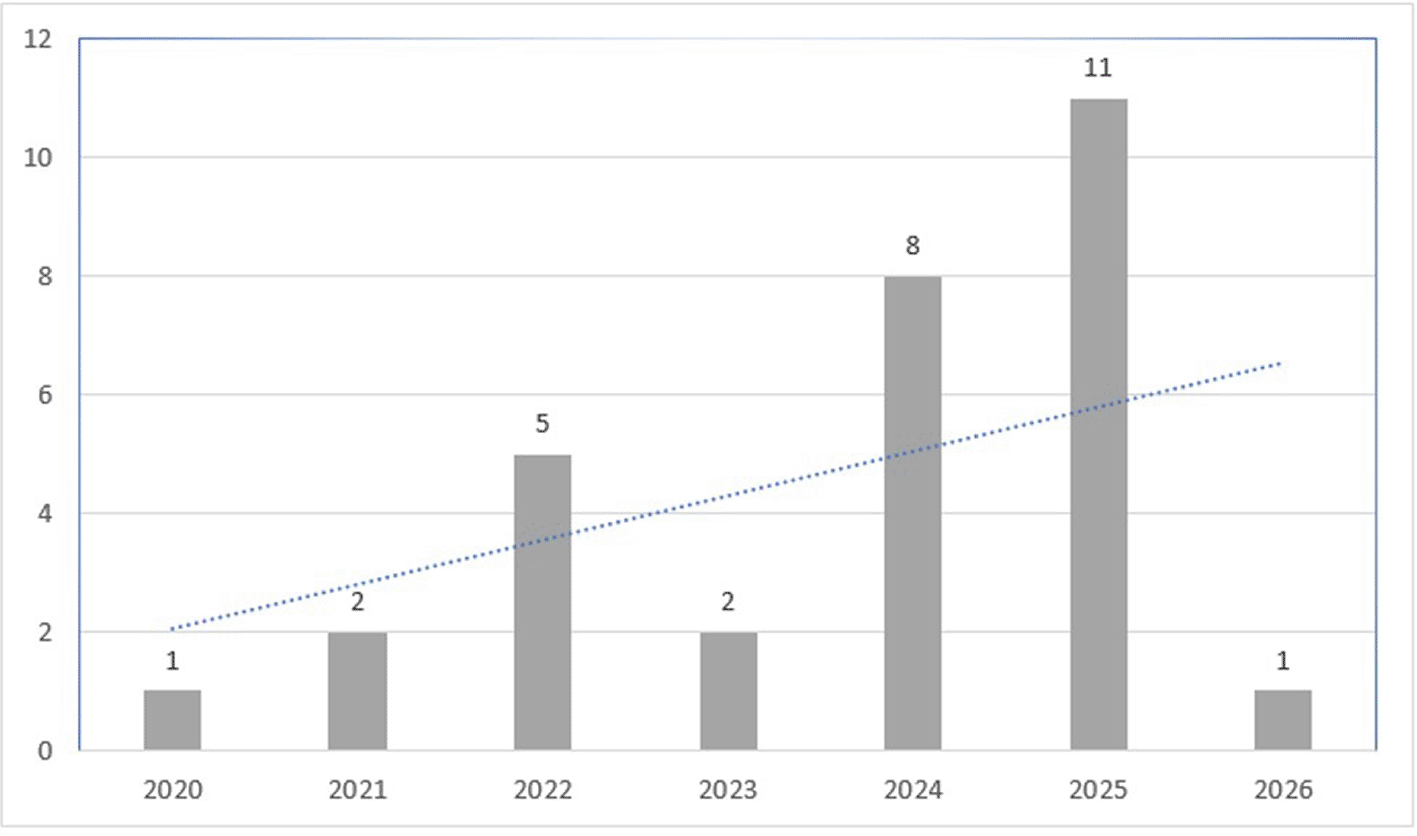
Figure 2 (see appendix) presents the distribution of the 30 included research articles published between 2020 and 2026. The distribution by year was as follows: 1 article in 2020 (LR3), 2 articles in 2021 (LR14, LR20), 5 articles in 2022 (LR5, LR13, LR19, LR22, LR27), 2 articles in 2023 (LR18, LR26), 8 articles in 2024 (LR6, LR7, LR8, LR11, LR12, LR16, LR17, LR25), 11 articles in 2025 (LR1, LR2, LR4, LR9, LR10, LR15, LR21, LR24, LR28, LR29, LR30), and 1 article in 2026 (LR23), indicating a recent increase in publications related to data sharing in environmental assessment processes.
The risk of bias assessment (see Table 3: Appendix) indicated that most studies had low to moderate risk of bias. Most studies were classified as low (n = 11), low–moderate (n = 6), moderate risk of bias (n = 12), with only one study assessed as high risk. Studies with strong methodological validity were typically based on technical system development, large datasets, or multi-source analysis, while moderate risk of bias was observed in case-based, prototype-based, or interview-based studies where findings depended on specific contexts or limited samples. Survey-based studies may be affected by selection bias, and qualitative or policy-oriented studies involve interpretative judgement, which may influence conclusions. These limitations do not prevent synthesis, but they indicate that the strength of evidence varies across study designs.
| Study ID | Author(s) and Year | Main Contribution | Evidence Type | Findings Relevant to the Role of Data Sharing in Environmental Assessment (RQ1) | Findings Relevant to Strategies and Challenges in Data Sharing Implementation (RQ2) |
|---|---|---|---|---|---|
| LR1 | Fernández Rodríguez et al. (2025) | Evaluates the reliability of automated data transfer from BIM to LCA software | Comparative case study using a virtual BIM model of an industrial warehouse (200 m2) analyzed in Athena and SimaPro | Automated data sharing from BIM to LCA accelerates assessment processes, reduces preparation time, and minimizes human error, improving decision-making accuracy | Interoperability issues persist; transferring data to complex software requires manual unit conversion and time-consuming material mapping |
| LR2 | Hosseini Gourabpasi et al. (2025) | Develops an IDS framework based on openBIM to standardize carbon assessment data exchange | Framework development validated through simulation in a two-story clinical building | Standardized data exchange ensures data integrity, reduces manual preparation time by 35%, and lowers simulation error margins by up to 15% | Data fragmentation, proprietary formats, and insufficient Level of Development (LOD) may lead to data loss without audit mechanisms |
| LR3 | Udesky et al. (2020) | Examines perceived risks, benefits, and motivations for sharing personal environmental exposure data | Web-based experimental survey (vignette) with 1,575 respondents | Transparency through individual report-back motivates participation and supports scientific advancement and policy advocacy | Ethical concerns (privacy, re-identification) and reluctance to share sensitive data (e.g., EMR, GPS) |
| LR4 | Henao Salgado et al. (2025) | Explores citizen science integration for improving flash flood early warning systems | Participatory case study with workshops, training, and low-cost sensors | Community-generated rainfall data fills gaps in automated monitoring and enhances public trust and awareness | Challenges include volunteer retention, funding limitations, staff turnover, and vulnerability of monitoring devices |
| LR5 | Haile et al. (2022) | Evaluates deterioration in national river monitoring systems | Field inspections, interviews, and data homogeneity testing | Weak data-sharing systems lead to fragmentation and data falsification, reducing environmental assessment accuracy | Institutional reluctance, poor maintenance, bureaucracy, and geographic barriers |
| LR6 | Suleymanov (2025) | Analyzes institutionalization of transboundary water governance | Qualitative SWOT and expert interviews | Formal data-sharing mechanisms support evidence-based decision-making and cross-border learning | Political conflicts, lack of trust, and financial limitations hinder transparency |
| LR7 | Wetzel et al. (2024) | Redesigns climate information platform using SDI | Real-world system implementation (ReKIS) | Metadata catalogues and open data services improve data discoverability and usability | Complexity of metadata standards creates administrative burden |
| LR8 | Matome (2024) | Evaluates barriers to SEA implementation in Botswana | Cross-sectional survey | Limited access to baseline environmental data constrains SEA effectiveness | Data privatization, lack of policy, and institutional corruption |
| LR9 | Yaqzan et al. (2025) | Develops “3Ps to NetZero” framework for SME carbon tracking | Qualitative interviews with SME managers | Data sharing across supply chains improves carbon accounting and transparency | High costs, inconsistent policies, and low digital literacy |
| LR10 | Wall et al. (2025) | Develops cyberinfrastructure for marine acoustic data sharing | Comparative case study using global PAM datasets | Enables large-scale ecosystem monitoring and environmental impact assessment | Data volume, calibration differences, and security concerns |
| LR11 | Navaei et al. (2024) | Provides standardized carbon calculation method for railway infrastructure | Case study using Rail Carbon Tool | Data sharing enables identification of carbon hotspots and supports audit trails | Lack of standardized data collection and conversion challenges |
| LR12 | Price et al. (2024) | Develops “soil publics” through participatory research | Ethnographic study | Citizen-generated data identifies pollution exposure where official data is lacking | Sustainability of engagement and infrastructure limitations |
| LR13 | Parsons (2022) | Examines “strategic environmental ignorance” | Qualitative interviews | Data sharing is crucial for modeling but often intentionally restricted | Political interests, institutional control, and inequality |
| LR14 | van Dijk et al. (2021) | Defines “toxic-free environment” concept | Survey and expert forum | Open data platforms enable cross-sector risk assessment | Commercial confidentiality limits transparency |
| LR15 | Chen et al. (2025) | Integrates IoT with geospatial sensor web | Experimental validation | Real-time data sharing enables continuous monitoring | Protocol incompatibility and lack of standards |
| LR16 | Liu et al. (2025) | Develops digital twin for environmental governance | Simulation-based validation | Real-time data exchange supports predictive decision-making | Complexity of data integration |
| LR17 | Gonzalez-Caceres et al. (2025) | Develops multi-domain digital twin workflows | Simulation-based case study | Data sharing enables integrated urban environmental analysis | Interoperability challenges across models |
| LR18 | Morganti et al. (2023) | Develops digital platform for lifecycle management | Prototype testing | Data sharing improves lifecycle traceability and assessment accuracy | Fragmented infrastructure and poor data quality |
| LR19 | De Wolf et al. (2023) | Evaluates LCA tools in EU Level(s) framework | Mixed-method study | Standardized databases improve transparency and consistency | Data inconsistency and accessibility issues |
| LR20 | Maraş & Canıberk (2021) | Develops crowdsourcing GIS for EIA monitoring | Prototype system | Data sharing enhances transparency in project monitoring | Data reliability and accuracy issues |
| LR21 | Kørnøv et al. (2025) | Develops curated dataset for AI in EA | Participatory workshop | Improves transparency and reduces process time | GDPR and copyright constraints |
| LR22 | Despeisse et al. (2022) | Digitalization framework in green manufacturing | SLR (208 studies) | Enhances transparency across value chains | Trust and investment barriers |
| LR23 | Coluzzi et al. (2026) | Develops ARD and AI methodology | Remote sensing + AI | Ensures consistent environmental data quality | Technical complexity |
| LR24 | Johnson et al. (2025) | Develops adaptive ecological infrastructure design | Case study | Shared data improves responsiveness of decisions | Institutional resistance |
| LR25 | Akpoti et al. (2024) | Evaluates hydrological modeling in Africa | Large-scale review | Open data fills gaps in local monitoring | Data sovereignty issues |
| LR26 | Green et al. (2023) | Maps climate–politics impacts | Systematic mapping | Cross-sector data integration improves policy quality | Political constraints (Brexit) |
| LR27 | Dixon et al. (2022) | Analyzes hydrometric data standardization | Policy analysis | Global standards ensure interoperability | Funding limitations |
| LR28 | Kitchin et al. (2025) | Studies data mobility in bureaucracy | Qualitative interviews | Data circulation ensures regulatory compliance | Data friction |
| LR29 | Crawford et al. (2025) | Studies consent in post-disaster registries | Cross-sectional study | Tiered consent improves transparency and control | Public distrust |
| LR30 | Rognan et al. (2025) | Develops SSELF framework for LCA | Technical framework | Supply-chain data improves assessment accuracy | Proprietary data constraints |
Because many included studies relied on pilot implementations, single-case investigations, or prototype systems, the findings should be interpreted as context-dependent rather than universally generalisable. Nevertheless, the consistency of results across different methodological approaches supports the validity of the thematic synthesis presented in the following section.
Overall, the included studies consistently suggest that data sharing plays an important role in environmental assessment, although the strength of the evidence varies across study designs, sectors, and geographical settings. The predominance of case-based and framework-oriented research means that the synthesis is most suitable for identifying recurring patterns, mechanisms, and challenges, rather than for making precise quantitative generalisations.
Given the high heterogeneity of the included studies in terms of design, outcomes, and research contexts, a formal statistical meta-analysis was not feasible. Instead, a narrative thematic synthesis was conducted. Based on the extraction of data from 30 core studies, the synthesis is organized into four major themes that capture the role of data sharing in enhancing the quality of environmental assessment (RQ1), as well as the associated strategies and challenges (RQ2).
Technical infrastructure and data standardization
This theme represents the most dominant body of literature (13 studies). The evidence consistently indicates that the integration of data sharing with advanced technologies—such as Building Information Modeling (BIM), Digital Twins, and the Internet of Things (IoT)—plays a significant role in automating environmental assessment processes (RQ1). Seamless data transfer across platforms has been shown to accelerate Life Cycle Assessment (LCA) calculations, enable real-time monitoring of marine ecosystems and land use, and reduce the risk of human error (LR1, LR10, LR15, LR16).
However, these technical implementations face several challenges (RQ2), including limited interoperability between software systems, reliance on proprietary data formats, and increased administrative burdens due to complex metadata requirements (LR1, LR2, LR7). To address these issues, multiple studies (LR2, LR7, LR10) recommend the adoption of open data standards (e.g., open data and openBIM), the implementation of Information Delivery Specifications (IDS) frameworks, and the standardization of netCDF attributes and Spatial Data Infrastructure (SDI) to ensure data integrity and interoperability.
Governance, policy, and institutional dimensions
Ten studies highlight that data sharing serves as a backbone for effective environmental governance and policy-making. Cross-institutional and transboundary data sharing facilitates evidence-based decision-making, more responsive risk mitigation, and transparent water diplomacy (RQ1) (LR6, LR14, LR27). Nevertheless, this dimension faces some of the most complex structural challenges (RQ2). Several studies identify the presence of “data friction,” arising from incompatible institutional reporting formats (LR28), the absence of formal open data policies (LR5, LR8), and reluctance to share sensitive data in order to maintain political control, referred to as “strategic environmental ignorance” (LR13). Proposed strategies include the institutionalization of formal transboundary environmental commissions, automation of bureaucratic workflows, and the development of cross-disciplinary regulatory collaborations (LR6, LR24, LR28).
Public participation and citizen science
Three studies emphasize grassroots-level collaboration. Engaging local communities through citizen science approaches plays a crucial role in filling high-resolution data gaps that are often overlooked by formal monitoring systems (RQ1) (LR4, LR12). Crowdsourced data-sharing platforms and community-led environmental monitoring initiatives contribute to disaster literacy and foster environmental justice at the local level (LR20). However, this approach faces several challenges (RQ2), including sustaining long-term volunteer motivation and participation, the vulnerability of low-cost monitoring equipment to damage, and the discontinuation of funding after project completion (LR4, LR12). Accordingly, the most widely recommended strategies involve early community engagement in the design of early warning systems, as well as partnerships with schools and local community leaders.
Ethics, privacy, and public trust
Four studies investigate the socio-psychological dimensions of data sharing. The role of data sharing in mapping industrial supply chain carbon footprints and tracking human exposure to environmental pollution relies heavily on the availability of primary data from private sector actors and civil society (RQ1) (LR3, LR9, LR29). The most critical barriers in this domain (RQ2) stem from ethical concerns related to privacy, including fears of re-identification from medical or GPS data, corporate claims of commercial confidentiality, and deep-seated public distrust in institutions following environmental crises. Across the literature, transparency emerges as a key strategy. Providing individual-level feedback (report-back mechanisms), implementing tiered consent models, and collaborating with third-party organizations such as NGOs have been shown to enhance participation and rebuild trust among both the public and industry stakeholders (LR3, LR9, LR29).
An investigation into the heterogeneity of results from 30 synthesized studies revealed significant variation in the effectiveness and barriers to data sharing implementation, summarized in detail by four key themes in Table 5. The most prominent variation in results is driven by gaps in technical infrastructure and data standards, where regions with established digital infrastructure support Morganti et al., (2023); De Wolf et al., (2023); Despeisse et al., (2022); (Coluzzi et al., 2026); Hosseini Gourabpasi et al., (2025); Gonzalez-Caceres et al., (2025); Rognan et al., (2025), while developing regions still struggle with deteriorating physical primary monitoring infrastructure and data fragmentation (Haile et al., 2022; Najafpour Navaei et al., 2024; Chen et al., 2025).
Further dynamics emerge from governance and policy aspects. There is a conflicting outcome between strengthening evidence-based policy (van Dijk et al., 2021; Kørnøv et al., 2025) and the emergence of strategic environmental ignorance, where data is intentionally limited or withheld for the sake of specific political interests (Parsons, 2022). Institutional barriers such as sectoral egos, low local data sovereignty, and rigid bureaucracy consistently cause data friction, hindering the flow of information across borders (Matome, 2024; Akpoti et al., 2024; Green et al., 2023; Kitchin et al., 2025).
In terms of public participation, heterogeneity is evident in the ability of citizen science to fill gaps in formal observational data. The use of crowdsourcing and participatory sensor networks has successfully empowered local communities in disaster mitigation and pollution monitoring (Henao Salgado et al., 2025; Price et al., 2024; Maraş & Canıberk, 2021). However, the outcomes of this participation vary significantly depending on fluctuations in long-term volunteer motivation and the availability of ongoing maintenance tools in the field.
Finally, variations in outcomes are deeply influenced by ethical, privacy, and trust considerations. Transparency through reporting individual results has been shown to motivate citizen and business participation (Udesky et al., 2020; Crawford et al., 2025). However, concerns about re-identification of private data, post-disaster public distrust of authorities, and the need for commercial data confidentiality remain key barriers creating variations in data sharing readiness across industry and the public sector (Yaqzan et al., 2025; Akpoti et al., 2024). Future technology integration requires different management strategies in each domain to ensure comprehensive data integrity and accountability (Wall et al., 2025; Morganti et al., 2023; De Wolf et al., 2023; Despeisse et al., 2022; Coluzzi et al., 2026; Johnson et al., 2025; Dixon et al., 2022).
A sensitivity analysis was conducted by excluding studies based on their risk of bias and data representativeness to assess the extent to which the synthesis findings depend on the composition of the included studies as shown in Appendix Table 3. Overall, the results indicate a high level of robustness, particularly for themes related to standardization, metadata quality, and technical interoperability. These aspects remained consistently evident across different analytical scenarios, including when studies with moderate to high risk of bias and those with limited representativeness were excluded. This suggests that the contribution of data sharing to improving the quality of environmental assessment, particularly through technical mechanisms and structured data management—is supported by a relatively strong and stable evidence base, and is not dependent on specific studies.
In contrast, themes related to institutional governance, and ethical considerations and public trust demonstrate higher sensitivity to changes in study composition. This reflects that the evidence within these dimensions is largely derived from context-specific studies with limitations in representativeness and methodological strength. Nevertheless, the overall direction of the findings remains consistent and does not alter the main interpretative framework of the study. Therefore, this synthesis can be considered robust overall, with stronger confidence in the technical dimensions, while the social and institutional dimensions should be interpreted more cautiously and contextually, in accordance with the nature of the available evidence.
Assessment of reporting bias across the included studies indicated that a formal evaluation of selective non-reporting of results was not feasible. Most studies did not have publicly available protocols, pre-registered designs, or pre-specified outcome measures, which limited the ability to compare planned and reported outcomes. As a result, it was not possible to determine with certainty whether some results were selectively omitted at the individual-study level. At the level of the body of evidence, potential reporting bias cannot be fully excluded. Many studies reported data-sharing initiatives through pilot systems, prototype platforms, or technical implementations, which are more likely to be published when they demonstrate feasible or successful outcomes. Consequently, unsuccessful implementations, restricted data-sharing practices, or negative findings may be underrepresented in the available literature.
Despite this limitation, the presence of both reported benefits and challenges across the included studies suggests that the synthesis is not solely driven by positive findings. Therefore, the overall risk of reporting bias for the body of evidence is considered low to moderate, although some degree of missing evidence remains possible.
The assessment of the certainty of evidence indicates that, for RQ1 the role of data sharing in environmental assessment, the level of confidence can be classified as high. This assessment is based on the consistency of findings across diverse geographical and sectoral contexts as shown in Table 2 and Appendix Table 4. Studies conducted in regions such as Ethiopia, Colombia, the Caucasus, and Europe consistently demonstrate that data sharing significantly contributes to improving the efficiency, accuracy, transparency, and timeliness of environmental assessment processes. This consistency is also evident across methodological approaches, including both technically oriented studies (e.g., system- and model-based analyses) and policy- or implementation-focused studies. Furthermore, the presence of several studies with low to moderate risk of bias strengthens the confidence in these findings. Nevertheless, as some evidence is derived from case-based or context-specific studies, generalization should be undertaken with appropriate caution.
In contrast, for RQ2 the strategies and challenges associated with the implementation of data sharing, the certainty of evidence is assessed as moderate. While there is general consistency in identifying key requirements such as standardization, interoperability, cross-sectoral governance, and attention to ethical considerations and public trust, the underlying evidence tends to be more context-dependent and highly influenced by political, institutional, and regulatory conditions in different regions. This variation is reflected in the diversity of reported barriers and strategies, ranging from regulatory constraints and institutional capacity limitations to power dynamics and issues of public trust. Therefore, although the overall direction of the findings remains consistent, the level of certainty is comparatively lower, and interpretations of implementation strategies should be made with careful consideration of contextual factors rather than assuming universal applicability. Overall, this synthesis demonstrates that data sharing is a consistently significant factor in enhancing the quality of environmental assessment. The certainty of evidence is stronger in technical dimensions, while it is more moderate in social and institutional dimensions. Consequently, effective implementation requires not only robust technical approaches but also sensitivity to local contexts and socio-institutional dynamics.
The findings of this study indicate that data sharing should not be understood merely as a technical process of data exchange, but rather as a knowledge infrastructure that enables continuous data flows, real-time environmental monitoring, and cross-domain analytical integration. System integration and data interoperability facilitate the automation of knowledge processes, thereby accelerating environmental assessment and reducing the risk of decision-making errors (Fernández Rodríguez et al., 2025). Notably, the integration between Building Information Modeling (BIM) and Life Cycle Assessment (LCA) software enables automated knowledge transfer, enhancing analytical efficiency and mitigating risks in environmental assessment (Rognan et al., 2025).
In line with these findings, the integration of digital twin models and real-time monitoring reshapes environmental assessment into a continuous analytical system (Liu et al., 2025; Chen et al., 2025). The integration of the Internet of Things (IoT) and geospatial sensor web technologies demonstrates that data collection and distribution from heterogeneous sources can occur simultaneously. This is further reinforced by Wall et al., (2025), who show that large-scale data sharing enables synoptic analysis of marine ecosystems. These findings suggest that data sharing not only expands the scope of environmental observation but also enhances temporal and spatial resolution, thereby enabling more responsive environmental analysis systems.
Moreover, data sharing plays a crucial role in integrating knowledge across domains, allowing multiple analytical models and systems to operate cohesively. Gonzalez-Caceres et al., (2025) demonstrate that multi-domain integration facilitates the development of comprehensive and predictive environmental simulations. The increasing reliance on integrative, analysis-ready data further emphasizes that data sharing is a prerequisite for the development of advanced computational environmental analysis systems. In this context, data functions not merely as input, but as a foundational component of an epistemic ecosystem that enables automated knowledge production.
The findings indicate that the effectiveness of data sharing in environmental assessment is determined not only by data availability and accessibility, but also by the presence of data standardization and high-quality metadata. Standardization acts as a mechanism to ensure consistency and comparability of environmental assessment outcomes (Coluzzi et al., 2026). Studies focusing on Life Cycle Assessment (LCA) demonstrate that the use of standardized databases and indicators enhances transparency and enables cross-project and cross-regional comparability. Harmonization of data structures and environmental indicators within assessment frameworks promotes more consistent evaluations and reduces methodological variability that may affect results (De Wolf et al., 2023). Furthermore, standardization strengthens the credibility of assessment outcomes, which ultimately inform decision-making and policy formulation.
Metadata plays a critical role in ensuring the interpretability and appropriate use of environmental data. Without clear documentation regarding data sources, collection methods, spatial-temporal resolution, and underlying assumptions, shared data may be misinterpreted or applied out of context. Studies on spatial data infrastructures and metadata catalogues show that comprehensive metadata significantly enhances users’ ability to discover, evaluate, and appropriately utilize data (Wetzel et al., 2024). Thus, metadata should be regarded not as a supplementary component, but as a fundamental element in generating valid knowledge within environmental assessment processes.
The findings also reveal that data sharing in environmental assessment extends beyond technical processes and should be understood as a social and participatory practice involving actors beyond formal institutions (Crawford et al., 2025; Johnson et al., 2025). For example, Henao Salgado et al., (2025) demonstrate that community participation in rainfall data collection helps fill data gaps not covered by formal monitoring systems while improving the effectiveness of early warning systems. Similarly, Price et al., (2024) show that participatory soil testing enables the identification of pollutant exposure in areas beyond institutional monitoring coverage. In this context, data sharing functions as a mechanism for expanding knowledge by integrating community experiences and observations into environmental assessment systems.
Furthermore, participatory data sharing contributes to enhanced transparency and accountability in environmental assessment (Green et al., 2023; Kørnøv et al., 2025; Despeisse et al., 2022). Maraş & Canıberk (2021) demonstrate that integrating crowdsourced data with Geographic Information Systems (GIS) enables more open public monitoring. Thus, data sharing not only improves information availability but also strengthens social oversight of environmental impacts. In this sense, public participation through data sharing becomes a critical instrument for ensuring accountable implementation of environmental assessment outcomes.
However, the findings also highlight challenges in ensuring the quality, reliability, and credibility of community-generated data. Such data often require validation mechanisms, training, and institutional support to be effectively integrated into environmental assessment processes. Sustainability of participation is another critical issue, particularly in contexts characterized by limited resources, low incentives, and complex social dynamics. Therefore, participatory data-sharing practices require inclusive and sustainable system design, both socially and institutionally.
The findings of this study indicate that the successful implementation of data sharing in environmental assessment (EA) processes is not solely dependent on the availability of technology, but rather on the interplay between technical, social, and institutional dimensions. The reviewed studies collectively identify a range of strategic approaches to address existing barriers and enhance the effectiveness of data-sharing practices in environmental assessment.
A dominant strategy identified across the literature is the development of data standards and system interoperability. Several studies highlight that the adoption of open data formats, standardized metadata schemas, and interoperability protocols such as openBIM, SensorML, and geospatial standards—constitutes a fundamental prerequisite for enabling seamless data exchange across platforms. Studies by Hosseini Gourabpasi et al., (2025) and Dixon et al., (2022) emphasize the importance of harmonizing data structures and metadata to improve the quality, consistency, and reliability of environmental assessment outcomes.
Another critical strategy is the automation of data workflows through the integration of digital systems. Evidence shows that technologies such as BIM–LCA integration (Fernández Rodríguez et al., 2025), digital twins (Liu et al., 2025), and enterprise data extraction systems (Rognan et al., 2025) enable automated data transfer across systems, thereby reducing manual errors and improving analytical efficiency. Beyond accelerating assessment processes, these technologies support real-time data updates, allowing for more responsive and adaptive decision-making in dynamic environmental contexts.
In addition, the development of integrated and cloud-based data infrastructures emerges as a key strategy for facilitating access and cross-actor collaboration. Studies by Wall et al., (2025) and Morganti et al., (2023) demonstrate that cloud-based repositories and integrated digital platforms enable efficient storage, management, and large-scale distribution of environmental data. These platforms also support data traceability across the project lifecycle, which is essential for environmental auditing and evaluation. In this regard, digital platforms function as enabling infrastructures that ensure the consistency and sustainability of data-sharing practices.
Cross-sectoral collaboration and institutional governance also play a crucial role in supporting data-sharing implementation. The literature indicates that formal cooperation mechanisms, both at national and transboundary levels, enhance coordination and facilitate data exchange. For instance, in transboundary water resource management (Suleymanov, 2025), the institutionalization of formal data-sharing mechanisms supports evidence-based decision-making. Similarly, collaboration among industry actors, government agencies, and non-governmental organizations (Yaqzan et al., 2025; Akpoti et al., 2024) enables more comprehensive data integration within environmental assessment processes.
Equally important is the involvement of communities through citizen science approaches to expand the environmental data base. Studies by Henao Salgado et al., (2025) and Maraş & Canıberk (2021) demonstrate that public participation in data collection and sharing can address data gaps not covered by formal systems, while simultaneously enhancing transparency and accountability.
Overall, these findings suggest that the effectiveness of data sharing in environmental assessment cannot be achieved through a single strategy. Instead, it requires a combination of complementary approaches that integrate technical infrastructure, institutional governance, and social participation, tailored to the specific context of implementation.
The findings indicate that barriers to implementing data sharing in environmental assessment extend beyond technical issues and are deeply rooted in institutional and political factors. This suggests that data sharing should be understood not merely as a technical challenge, but as a phenomenon embedded within power structures, governance systems, and competing stakeholder interests.
A key barrier identified is governance fragmentation and weak inter-institutional coordination. Environmental data are often distributed across multiple institutions with differing mandates, standards, and systems, leading to significant challenges in data exchange and integration. For example, in transboundary water resource management (Suleymanov, 2025), despite a clear need for data sharing to support decision-making, implementation remains limited due to weak coordination and conflicting national interests. A similar pattern is observed in strategic environmental assessment contexts (Matome, 2024), where limited access to baseline environmental data reduces assessment effectiveness.
In addition, data sharing practices are frequently shaped by political interests and power relations that determine whether data are disclosed, restricted, or withheld. Parsons (2022) demonstrates that limiting access to environmental data can function as a strategic instrument to maintain control over resources and policy agendas. This highlights that data are not neutral, but rather possess inherent political dimensions that influence knowledge distribution, power relations, and environmental assessment processes.
The findings of this review should be interpreted in light of several limitations inherent in the evidence base. First, the predominance of case-based, pilot, and context-specific studies constrains the generalizability of the conclusions. Most included studies rely on localized implementations or system-specific analyses rather than large-scale comparative designs, thereby limiting the extent to which findings can be extrapolated across diverse environmental assessment systems.
Second, the evidence is heavily skewed toward qualitative and exploratory research. A substantial portion of the literature focuses on framework development, technical system integration, and simulation-based validation, particularly in areas such as BIM–LCA interoperability, digital twins, and sensor-based monitoring. While these studies provide valuable insights into underlying mechanisms and potential benefits, they do not allow for robust quantification of effect sizes or strong causal inference.
Third, the geographical distribution of studies introduces structural bias into the evidence base. Research conducted in technologically advanced regions, particularly in Europe, tends to report more mature and successful data-sharing implementations supported by well-established infrastructures and governance frameworks. In contrast, studies from developing contexts highlight systemic constraints related to infrastructure, institutional capacity, and data availability. This imbalance may lead to an overestimation of the feasibility of data sharing in resource-constrained settings.
Fourth, substantial heterogeneity across study designs, data types, and analytical objectives limits comparability. Variations in technological maturity, institutional arrangements, and data ecosystems result in divergent outcomes. While thematic synthesis enables cross-study integration, it inherently restricts the ability to establish consistent causal relationships between data sharing and environmental assessment effectiveness.
In addition to these evidence-related limitations, this review is also subject to methodological constraints. First, the literature search was restricted to two databases (Scopus and Taylor & Francis), which may have resulted in the exclusion of relevant studies indexed elsewhere or available in grey literature. Consequently, the evidence base may not fully capture the diversity of data-sharing practices in environmental assessment.
Second, the inclusion criteria—limited to English-language, open-access journal articles published between 2020 and 2025, introduce potential language and publication bias. While this approach ensures accessibility and recency, it may systematically exclude relevant contributions from non-English or subscription-based sources.
Third, the study selection process involved interpretative judgement, particularly during the full-text screening stage. Although predefined criteria were applied, the possibility of subjective bias in assessing study relevance cannot be entirely eliminated.
Finally, the absence of a formal meta-analysis, due to heterogeneity in study designs and outcomes, limits the statistical robustness of the synthesis. As a result, this review relies on narrative and thematic integration, which is appropriate for complex and diverse evidence but does not provide quantitative precision or pooled effect estimates.
The findings of this study underscore that investment in interoperable technical infrastructure constitutes an operational prerequisite, rather than merely an efficiency-enhancing option. Hosseini Gourabpasi et al. (2025) report that the implementation of IDS standards based on openBIM reduces data preparation time by 35% and decreases simulation error margins by up to 15%. In parallel, the integration of IoT and geospatial sensor web technologies (Chen et al., 2025), along with digital twin–based monitoring (Liu et al., 2025), demonstrates that data from heterogeneous sources can be collected simultaneously and in real time, thereby enabling more responsive environmental analysis systems.
Metadata quality should be treated as equally important as data quality itself. Wetzel et al. (2024) show that the implementation of comprehensive metadata catalogues significantly enhances users’ ability to discover and evaluate the suitability of environmental data (Gonzalez-Caceres et al., 2025). Without adequate descriptions of data sources, resolution, and methodological assumptions, shared data risk being misinterpreted or applied outside their intended context.
Citizen science approaches should be formally integrated into environmental assessment systems, particularly in regions with limited official monitoring infrastructure. Henao Salgado et al. (2025) demonstrate that local community participation can fill data gaps beyond the reach of automated monitoring stations, while Price et al. (2024) show that participatory soil testing enables the identification of pollutant exposure where official data are unavailable. However, the sustainability of such approaches depends heavily on long-term funding and early-stage community engagement in system design.
Overall, the findings suggest that the effectiveness of data sharing in environmental assessment is determined by three interdependent layers: interoperable technical infrastructure as the operational foundation, high-quality metadata as a guarantee of data interpretability, and community participation as a mechanism to address institutional data gaps. These layers cannot function in isolation. Even the most advanced technical systems will fail to produce accurate environmental assessments if the accompanying metadata are inadequate. Conversely, rich community-generated data cannot be effectively utilized without infrastructure capable of integrating them. Therefore, environmental assessment practitioners should adopt a holistic approach that simultaneously strengthens technical capacity, data governance, and public engagement as a coherent system.
The findings identify systemic governance gaps that must be addressed through comprehensive policy interventions. Haile et al. (2022) empirically demonstrate that the absence of open data policies leads to fragmentation that undermines the accuracy of environmental projections, while Matome (2024) highlights how data privatization and institutional corruption in Botswana constitute major structural barriers to the implementation of Strategic Environmental Assessment (SEA). These findings confirm that, without adequate legal mandates, data sharing cannot function as a reliable systemic mechanism for improving environmental assessment quality.
Policy frameworks must also explicitly address the phenomena of data friction and strategic environmental ignorance. Parsons (2022) shows that, in Cambodia, drought-related data are deliberately withheld to maintain centralized control over natural resources, while Kitchin et al. (2025) identify structural incompatibilities in data formats across institutions as a key barrier to environmental information circulation. Accordingly, environmental data governance must regulate not only technical aspects, but also institutional incentives and accountability mechanisms to prevent strategic data manipulation.
At the international level, cross-border cooperation must be institutionalized through binding formal mechanisms. Suleymanov (2025) finds that the absence of formal institutional frameworks makes geopolitical tensions a primary barrier to data sharing in the Kura–Aras basin. Dixon et al. (2022) highlight the potential of platforms such as HydroHub to promote global hydrological data standardization, although declining investment threatens their sustainability. In addition, regulations governing sensitive environmental data must incorporate adaptive ethical frameworks, as both van Dijk et al. (2021) and Yaqzan et al. (2025) identify commercial confidentiality claims as significant barriers to environmental transparency in the European Union and UK SME sectors.
Overall, the policy findings indicate that barriers to data sharing in environmental assessment are multi-layered, encompassing weaknesses in domestic regulation, politically driven data manipulation, lack of cross-border coordination, and tensions between public transparency and commercial interests. This suggests that policy approaches focusing solely on technical or infrastructural aspects are insufficient. Instead, governance frameworks must simultaneously strengthen legal mandates for data openness, establish institutional accountability mechanisms, and formalize international cooperation, while still safeguarding legitimately sensitive data. In this regard, the effectiveness of data sharing as an environmental policy instrument depends on the extent to which governance systems can balance openness and trust at both national and global levels.
Future research should prioritize cross-country comparative studies that specifically examine how differences in regulatory regimes influence the effectiveness of data sharing in environmental assessment. The heterogeneity observed between studies conducted in Denmark (Kørnøv et al., 2025) and Germany (Wetzel et al., 2024), compared to those in Ethiopia (Haile et al., 2022) and Botswana (Matome, 2024), suggests that variations in institutional capacity and legal frameworks lead to significantly different outcomes. However, these differences remain insufficiently understood from a comparative perspective.
Longitudinal studies are also needed to evaluate the sustainability of citizen science–based data-sharing practices beyond initial funding phases. Both Henao Salgado et al. (2025) and Price et al. (2024) identify long-term community engagement as a fundamental challenge that remains unresolved, while existing studies tend to focus primarily on early implementation stages.
Furthermore, the phenomenon of strategic environmental ignorance, as identified by Parsons (2022), requires broader investigation using diverse methodological approaches. Empirical evidence on the political manipulation of environmental data remains limited and is largely derived from single-case studies.
Future research agendas should also prioritize the harmonization of environmental metadata standards to bridge capacity gaps between developed and developing countries, as well as the exploration of sustainable funding models for global environmental data infrastructures. (Dixon et al., 2022) have demonstrated the potential of international standardization platforms; however, long-term funding challenges and disparities in technical capacity across countries remain underexplored. Studies examining public–private funding mechanisms and the role of international research consortia in sustaining global environmental data infrastructures represent important avenues for further investigation.
| Views | Downloads | |
|---|---|---|
| F1000Research | - | - |
|
PubMed Central
Data from PMC are received and updated monthly.
|
- | - |
Provide sufficient details of any financial or non-financial competing interests to enable users to assess whether your comments might lead a reasonable person to question your impartiality. Consider the following examples, but note that this is not an exhaustive list:
Sign up for content alerts and receive a weekly or monthly email with all newly published articles
Already registered? Sign in
The email address should be the one you originally registered with F1000.
You registered with F1000 via Google, so we cannot reset your password.
To sign in, please click here.
If you still need help with your Google account password, please click here.
You registered with F1000 via Facebook, so we cannot reset your password.
To sign in, please click here.
If you still need help with your Facebook account password, please click here.
If your email address is registered with us, we will email you instructions to reset your password.
If you think you should have received this email but it has not arrived, please check your spam filters and/or contact for further assistance.

Comments on this article Comments (0)