Keywords
Research policy; Publication quality; Indonesia; Research funding; International collaboration; Systematic review

This article is included in the Research on Research, Policy & Culture gateway.
Research policy; Publication quality; Indonesia; Research funding; International collaboration; Systematic review
Research and scientific publications are fundamental pillars of a nation’s progress in the knowledge era. Developed countries invest more than 2% of their gross domestic product (GDP) in research and development (R&D) activities to drive innovation, competitiveness, and socio-economic problem-solving (UNESCO, 2021). In Southeast Asia, countries such as Singapore, Malaysia, and Thailand have launched various ambitious research policies, including publication incentives and competitive funding, to catch up with developed nations (Marginson, 2016; Mok, 2016). Indonesia, as the largest economy in Southeast Asia, has also made efforts to improve its research capacity through a series of policy reforms. However, various structural and cultural challenges still hinder the creation of a productive and high-quality research ecosystem (Achwan et al., 2020).
Since the enactment of the National Science and Technology System Law (Pemerintah Republik Indonesia, 2019), the Indonesian government has launched two main policies aimed at increasing the scientific productivity of higher education institutions. First, in 2014, the government granted autonomous status to eleven leading public universities, requiring them to enter world university rankings (QS World University Rankings) as part of the effort to create world-class universities (Salmi, 2016). Second, in 2017, the government implemented a publication incentive policy that linked performance allowances and academic promotions to the number of publications in nationally indexed or international journals (Sandy & Shen, 2019). This policy, known as “publish or perish”, was designed to encourage lecturers and researchers to be more productive in producing scientific work (Kemenristekdikti, 2015).
An increase in publication quantity without a corresponding improvement in quality is not a unique phenomenon in Indonesia. In Australia, the implementation of a publication-count-based funding formula in the 1990s successfully doubled the number of articles, but also led to a decline in average quality as many researchers chose low-reputation journals (Butler, 2003). In Germany, the Excellence Initiative boosted productivity, yet most publications ended up in lower-quartile journals (Civera et al., 2020). In Malaysia, publication incentives have also been associated with the rise of predatory journals and declining ethical standards (Chan, 2019). In Indonesia, similar concerns have emerged because most national publications are still in limited-reputation journals, and citation rates remain low compared to neighboring countries (Demir, 2018; Widyahening et al., 2014).
A number of international studies have identified several factors that play an important role in determining the quality of scientific publications. Research funding at adequate levels has been shown to improve methodological quality and the likelihood of acceptance in high-impact journals (Ebadi & Schiffauerova, 2015). International collaboration is consistently associated with increased visibility, citations, and publication in Q1 journals (Abramo et al., 2014; Sooryamoorthy, 2009). In addition, quality of research management systems (e.g., efficient electronic services), structured research training, and non-cumbersome bureaucratic procedures (such as ethical clearance) also affect productivity and output quality (DeLone & McLean, 2003). In Indonesia, separate studies indicate that lack of funding, complicated bureaucracy, and low international collaboration are major obstacles (Achwan et al., 2020; Dartanto et al., 2020).
Although various studies have examined specific aspects of Indonesian research policy, no systematic literature review has comprehensively synthesized the evidence on how policies, funding, incentives, collaboration, and institutional factors jointly affect scientific publication quality in Indonesia (Al-Khatib, 2016; Demir, 2018) Most existing research remains descriptive, case-specific, or focused on a single dimension (e.g., only funding or only collaboration). Without a solid evidence synthesis, stakeholders (Ministry of Education, BRIN, LPDP, universities) struggle to design targeted, evidence-based policy interventions (Liberati et al., 2009). Therefore, this systematic review is needed to fill that gap.
Systematic review is the most appropriate method to identify, evaluate, and synthesize scattered empirical evidence (Chandler et al., 2019). By using a transparent and replicable protocol, systematic reviews can produce more reliable conclusions than traditional narrative reviews (Page et al., 2021). In the context of Indonesian research policy, a systematic review is urgently needed to answer key questions: Have publication incentive policies succeeded in improving quality or only quantity? How important is international collaboration? What is the impact of funding and bureaucratic barriers? Answers to these questions will provide a foundation for concrete policy recommendations (Moola et al., 2020).
In general, this systematic review aims to identify, evaluate, and synthesize empirical evidence on factors influencing scientific publication quality in Indonesia, focusing on policies, funding, incentives, collaboration, and procedural and cultural barriers. Specifically, this study will answer the following PEO (Population, Exposure, Outcome) research question:“How do research policies, funding schemes, collaboration patterns, training, electronic services, and bureaucratic and ethical barriers affect the quality of scientific publications among researchers and lecturers in Indonesian higher education institutions and research institutions?”
This systematic literature review follows the PRISMA 2020 guidelines (Preferred Reporting Items for Systematic Reviews and Meta-Analyses) to ensure transparency and reproducibility (Page et al., 2021). The PRISMA flow diagram is presented in Figure 1. A systematic review design was chosen because it allows for the systematic identification, evaluation, and synthesis of empirical evidence across diverse study designs (Chandler et al., 2019).
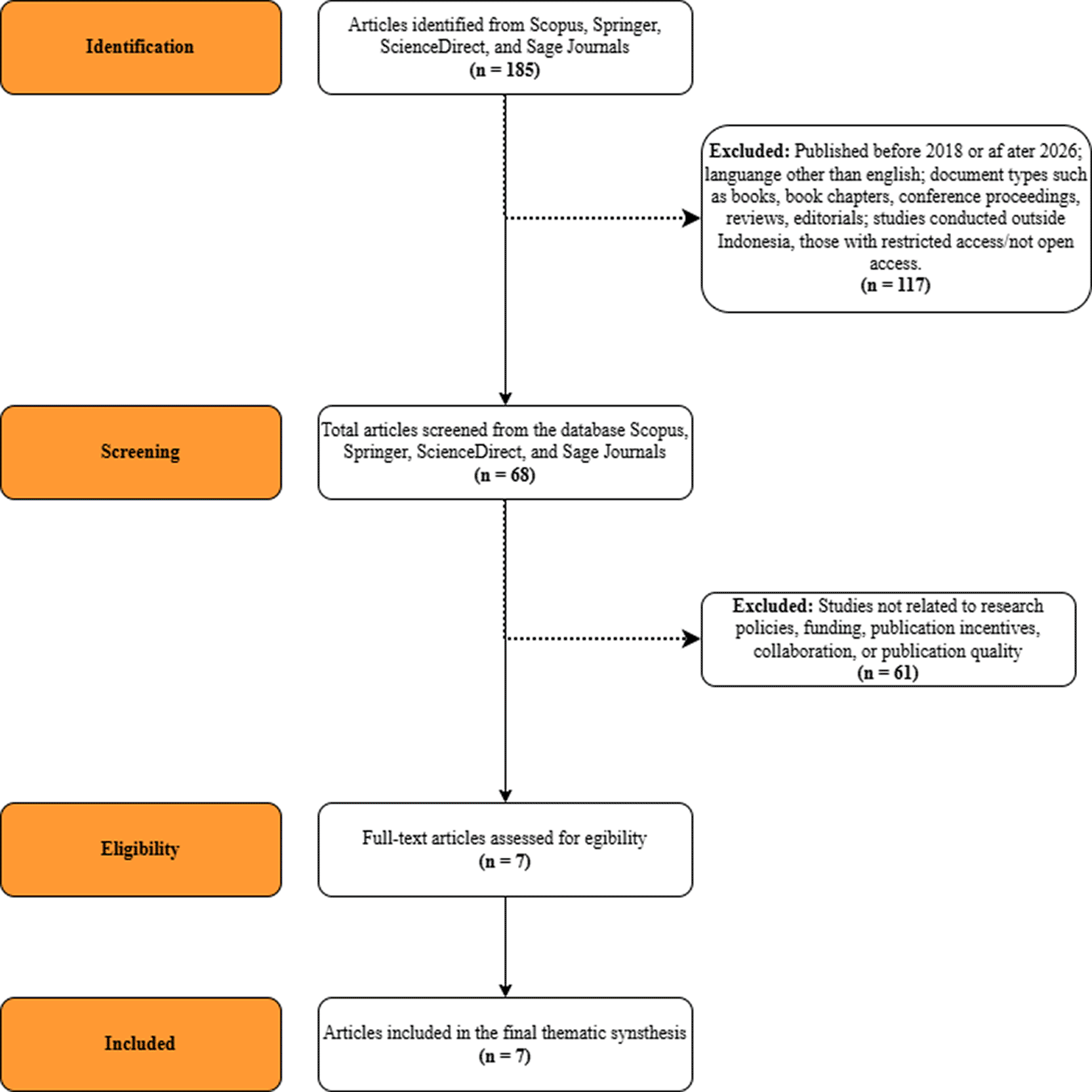
Source: Researcher’s Process (2026).
The eligibility criteria were defined using the PEO framework (Population, Exposure, Outcome) as recommended for reviews with heterogeneous study designs (Moola et al., 2020). Population: researchers, lecturers, or research institutions in Indonesia. Exposure: research policies, funding schemes (LPDP, DRPM, BRIN, grants), publication incentives, collaboration (national/international), research training, electronic research management services, and bureaucratic/ethical procedures. Outcome: publication quality (journal quartile, number of citations) or publication productivity (number of papers). Only primary empirical studies (qualitative, quantitative, mixed-methods, or bibliometric) published in English as original research articles between 2018 and 2026 with open access were included. Table 1 provides the detailed inclusion and exclusion criteria.
Literature searches were conducted in three electronic databases: Scopus, ScienceDirect, and Springer. These databases were selected for their multidisciplinary coverage and relevance to research policy and social science literature (Bramer et al., 2018). The last search was performed on 30 April 2026. Table 2 lists the databases and their respective last search dates.
Search terms were grouped into three concepts: (1) research policy/funding/incentive/collaboration/training/e‑service/ethics; (2) Indonesia; (3) publication quality/productivity. Boolean operators AND and OR were used to combine terms (Lefebvre et al., 2019). The full search string for Scopus is presented below; it was adapted for ScienceDirect and Springer using their respective syntaxes.
TITLE-ABS-KEY((“research policy” OR “research funding” OR “publication incentive” OR “research collaboration” OR “research training” OR “ethical approval” OR “e-service”) AND (“Indonesia”) AND (“publication quality” OR “citation” OR “journal quartile” OR “research output”)) AND PUBYEAR >2018 AND PUBYEAR <2026 AND (LIMIT-TO (DOCTYPE, “ar”)) AND (LIMIT-TO (LANGUAGE, “English”)) AND (LIMIT-TO (OA, “all”)).
Two independent reviewers (Author 1 and Author 2) performed the study selection in three stages (Chandler et al., 2019). Stage 1: title and abstract screening based on the eligibility criteria ( Table 1). Stage 2: removal of duplicate records using Mendeley reference manager. Stage 3: full-text screening to decide final inclusion. Any disagreements between the two reviewers were resolved through discussion or by consulting a third reviewer (Stroup et al., 2000). No automation tools were used. The search identified 185 records from four databases. After applying the inclusion and exclusion criteria ( Table 1), 117 records were excluded, leaving 68 records for screening. During the combined title, abstract, and full-text screening, 61 articles were excluded because they did not meet the exposure or outcome requirements. Consequently, 7 articles were confirmed as eligible and were included in the final thematic synthesis. The PRISMA flow diagram is presented in Figure 1.
Data from each included study were extracted using a pre-designed structured form (Moher et al., 2009). The form captured: study identity (author, year, title, journal), population characteristics (location, sample size, demographic group), exposure (type of policy, funding source, collaboration type), outcome (reported domain, specific indicators, measurement methods), key findings (direction of relationship, effect size if available, p-value or confidence interval), and funding sources. Extraction was performed independently by two reviewers, and results were compared to ensure consistency (Moola et al., 2020). Disagreements were resolved by consensus.
All outcomes related to publication quality (journal quartile, number of citations, open access status) and publication productivity (number of papers, annual growth rate) were collected. In addition, data on population characteristics (institution type, academic discipline, sample size) and exposure details (policy type, funding source, collaboration type, training method, e-service components) were extracted. No assumptions were made about missing or unclear data; information not available was recorded as “not reported” (Chandler et al., 2019).
The methodological quality of each included study was assessed using the Joanna Briggs Institute (JBI) critical appraisal checklists appropriate to the study design (Lockwood et al., 2015). Three checklists were used: Checklist for Qualitative Research (10 items) for qualitative studies (Porritt et al., 2014); Checklist for Analytical Cross-Sectional Studies (8 items) for the cross-sectional survey (Moola et al., 2020); and Checklist for Text and Opinion Papers (6 items) for bibliometric studies (McArthur et al., 2019). Each item was rated as “Yes,” “No,” or “Unclear.” Studies were retained if they met at least 60% of the criteria (Porritt et al., 2014).
Following the JBI Manual for Evidence Synthesis (Aromataris & Munn, 2020), quality ratings were assigned as follows: for qualitative studies, scores of ≥70% were rated as “Good”, 60–69% as “Moderate”, and < 60% as “Low”; for cross-sectional studies, scores of ≥80% were rated as “High”, 60–79% as “Moderate”, and < 60% as “Low”; for text and opinion papers (bibliometric studies), a score of 100% was considered “High”. Two reviewers independently performed the quality assessment; disagreements were resolved through discussion. Table 3 summarises the quality appraisal results. All seven studies were judged as moderate to high quality and were included.
| ID | Author (Year) | Study design | JBI checklist | Criteria Met/Total | Score (%) | Quality rating |
|---|---|---|---|---|---|---|
| 1 | Ichsan et al. (2018) | Qualitative (interviews, FGD) | Checklist for Qualitative Research (10 items) | 8/10 | 80% | Good |
| 2 | Sari et al. (2024) | Cross-sectional (PLS-SEM) | Checklist for Analytical Cross-Sectional Studies (8 items) | 6/8 | 75% | Moderate |
| 3 | Fu et al. (2024) | Bibliometric | Checklist for Text and Opinion Papers (6 items) | 6/6 | 100% | High |
| 4 | Yusnaini et al. (2023) | Bibliometric | Checklist for Text and Opinion Papers (6 items) | 6/6 | 100% | High |
| 5 | Pisaniello et al. (2025) | Mixed-methods (qualitative evaluation) | Checklist for Qualitative Research (10 items) | 7/10 | 70% | Good |
| 6 | Abigail et al. (2023) | Qualitative (collective case study) | Checklist for Qualitative Research (10 items) | 8/10 | 80% | Good |
| 7 | Cahyana et al. (2025) | Bibliometric | Checklist for Text and Opinion Papers (6 items) | 6/6 | 100% | High |
Because this review undertook only a narrative synthesis (no meta-analysis), no quantitative effect measures (e.g., risk ratio, mean difference) were calculated (Deeks et al., 2019). Findings from individual studies are presented descriptively in the text and summarised in tables.
Owing to the high heterogeneity in study designs, exposure types, and outcome measures, a thematic synthesis was performed following the methods of Thomas & Harden (2008). The thematic synthesis consisted of three stages: (1) line-by-line coding of the results section of each included study; (2) formation of descriptive themes by grouping similar codes into initial themes that remained close to the original text; and (3) development of analytical themes that go beyond the original content to answer the research question and identify patterns and contradictions (Popay et al., 2006). The conceptual framework of the review, based on the PEO model, is illustrated in Figure 2.
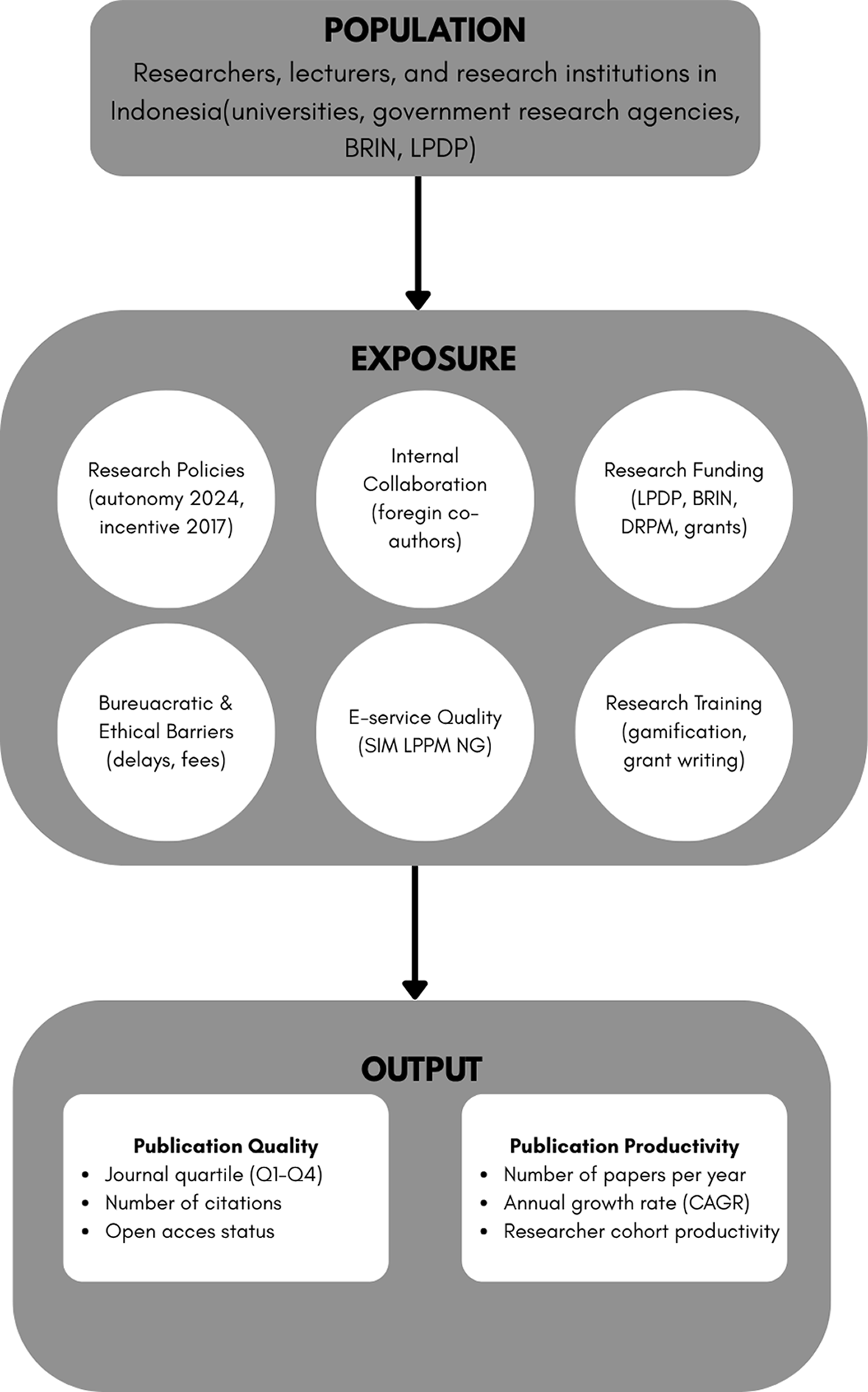
Source: Researcher’s Process (2026).
To explore heterogeneity, subgroup analyses were conducted based on study design (qualitative, cross-sectional, bibliometric), exposure type (incentive policies, international collaboration, funding, e-service, training, ethical barriers), and geographical region when data were available (Moola et al., 2020). Table 4 presents the characteristics of the seven included studies. Table 5 summarises the direction of relationships between exposures and publication quality outcomes. No sensitivity analyses were conducted because no meta-analysis was performed.
| ID | Author (Year) | Database | Study design | Population/Data | Main exposure | Key outcome(s) |
|---|---|---|---|---|---|---|
| 1 | Ichsan et al. (2018) | Scopus | Qualitative | 29 primary care faculty, Syiah Kuala University | Weak policy, lack of funding, bureaucracy | Low research quantity/quality; barriers and enablers |
| 2 | Sari et al. (2024) | Scopus | Cross-sectional (PLS-SEM) | 280 lecturers, Sriwijaya University | E-service quality (system, information, service) | User satisfaction → individual performance (publications) |
| 3 | Fu et al. (2024) | Scopus | Bibliometric | 1,707 HEIs, 94,182 new researchers (Scopus 1990–2020) | Autonomy (2014), incentive (2017), collaboration | Publication quantity & journal quartile (Q1-Q4) |
| 4 | Yusnaini et al. (2023) | Scopus | Bibliometric | 1,037 social science COVID-19 papers (2020–2022) | Funding, open access, gender, international collaboration | Journal quartile, number of citations |
| 5 | Pisaniello et al. (2025) | Scopus | Mixed-methods | 83 early-career researchers, University of Indonesia | Research training (Q1 publication & grants) | Skills, satisfaction (92%), recommendation (96%) |
| 6 | Abigail et al. (2023) | Scopus | Qualitative case study | 3 nursing projects (2014–2021) | Ethical approval procedures, site permissions | Delays (2–6 months), grant funding implications |
| 7 | Cahyana et al. (2025) | ScienceDirect | Bibliometric | 3,887 soil science papers (2000–2024) | International collaboration, funding sources | Output (CAGR 10.6%), citations (avg 12.5), open access growth |
The systematic search of Scopus, ScienceDirect, Springer, and SAGE yielded 185 records. After applying the inclusion and exclusion criteria, 117 records were excluded due to not meeting the database, publication year, language, document type, access, region, exposure, or outcome requirements, leaving 68 records. During the combined title, abstract, and full-text screening, 61 articles were excluded because they were not related to research ecosystem exposure or publication quality outcomes. The remaining 7 studies were included in the final thematic synthesis.
The 7 included studies comprised three qualitative studies (Abigail et al., 2023; Ichsan et al., 2018; Pisaniello et al., 2025), one cross-sectional survey (Sari et al., 2024), and three bibliometric analyses (Cahyana et al., 2025; Fu et al., 2024; Yusnaini et al., 2023). Six studies were from Scopus, and one was from ScienceDirect. Publication years ranged from 2018 to 2026. The studies covered primary care, social sciences, soil science, nursing, and occupational health. Quality appraisal using JBI checklists rated all studies as moderate to high quality ( Table 3). Detailed characteristics of each study are presented in Table 4.
Two bibliometric studies (Cahyana et al., 2025; Fu et al., 2024) found that the 2014 university autonomy policy and the 2017 publication incentive policy dramatically increased the quantity of Indonesian publications. Fu et al. (2024) reported that annual publications from autonomous HEIs increased from 935 in 2010 to 12,992 in 2020, while non-autonomous HEIs surged from 483 to 18,171. Cahyana et al. (2025) also recorded a compound annual growth rate of 10.6% in Indonesian soil science publications from 2000 to 2024. However, this quantity increase was not accompanied by quality improvements. Fu et al. (2024) found that 18.05% of Indonesian publications were in unclassified journals, and most of the remaining articles were distributed in Q3 or Q4 journals. Only about 20% of articles were published in Q1 or Q2 journals.
Furthermore, Fu et al. (2024) revealed that new researchers (those who started publishing in 2014–2016) produced more articles than the previous cohort (2011–2013), but their publication quality was significantly lower. New researchers in autonomous HEIs produced fewer Q1 publications (0.37 vs 0.40 per researcher) and more Q3 publications (1.05 vs 0.66). In non-autonomous HEIs, the situation was worse: new researchers produced fewer Q1 publications (0.23 vs 0.36) and more publications in unclassified journals (0.65 vs 0.64). This finding indicates that incentive pressure encourages young researchers to take a fast track to publishing in low-reputation journals because of shorter review processes and higher acceptance rates.
A qualitative study by Ichsan et al. (2018) reinforced these findings by identifying various structural barriers that lead to low research quality. Among 29 medical faculty members interviewed, 79.3% agreed that lack of financial incentives was a major barrier, 89.7% complained about insufficient research infrastructure, and 51.7% felt they lacked time due to teaching and other duties. Complicated bureaucracy and minimal administrative support at the faculty level were also major complaints. The implication is that publication-count-based incentive policies without quality differentiation produce a systematic trade-off between quantity and quality. These policies successfully drive quantitative productivity, especially among new researchers and non-autonomous institutions, but fail to improve scientific quality. Without improvements in infrastructure, adequate time allocation, and quality-differentiated incentives, such policies will widen the quality gap between senior and junior researchers and between institutions.
Bibliometric evidence consistently identifies international co-authorship as the strongest determinant of publication in Q1 journals. Fu et al. (2024) quantified this effect by showing that 42.7% of foreign-co-authored articles appeared in Q1, whereas single-university papers achieved only 18.2% at the same tier. In social science COVID-19 research, Yusnaini et al. (2023) confirmed that collaborative links with overseas partners significantly raised both journal quartile ranking (p = 0.000) and citation counts (p = 0.000). Similarly, Cahyana et al. (2025) observed that internationally co-authored soil science publications attracted an average of 12.5 citations per paper, notably higher than domestically produced works.
Despite these advantages, the uptake of cross-border research partnerships remains limited. Yusnaini et al. (2023) reported that only 17.5% of Indonesian social science articles on COVID-19 involved international collaborators. In the field of soil science, Cahyana et al. (2025) found a slightly higher but still modest proportion of 37.89%. The existing collaboration networks are heavily skewed toward a few high-income nations (Japan, Germany, the United States, and Australia), with negligible engagement among fellow tropical countries in the Global South (Cahyana et al., 2025). A qualitative study by Ichsan et al. (2018) attributed the scarcity of international collaboration to limited administrative backing, difficult access to global research networks, and the absence of protected time for partnership development.
Intervention-oriented research by Pisaniello et al. (2025) demonstrated that targeted capacity-building through an Australia-Indonesia training initiative improved early-career researchers’ grasp of Q1 publication standards and competitive grant applications. Nevertheless, the persistence of single-university authorship – accounting for 65.3% of autonomous HEI outputs and 49% of non-autonomous HEI outputs according to Fu et al. (2024) continues to be the norm, and this practice correlates with lower quality outcomes (more Q3/Q4 and unclassified publications). The implication is that international collaboration is the most effective yet underused driver of research quality in Indonesia. The current over-reliance on a few wealthy partners and the lack of equitable, capacity-building partnerships prevent widespread quality gains; scaling up and diversifying international co-authorship, supported by appropriate institutional mechanisms, is essential for moving Indonesian publications into higher-quartile journals.
Quantitative bibliometric analysis reveals a positive association between declared research funding and journal quartile placement. Yusnaini et al. (2023) demonstrated that the presence of funding significantly influenced the likelihood of publication in higher-quartile journals (p = 0.000) among 1,037 social science COVID-19 articles. Nevertheless, the share of funded publications was strikingly low: only 18.7% of those articles acknowledged any financial support. In the domain of soil science, Cahyana et al. (2025) reported a marginally better situation, with 61% of 3,887 publications disclosing funding sources; of these, 40% originated from Indonesian institutions (LPDP, BRIN, Kemenristek) and 60% from international sponsors.
Qualitative findings from two studies provide deeper insight into the persistent funding deficit. Ichsan et al. (2018) surveyed 29 primary care faculty members and found that 79.3% identified inadequate financial incentives as a primary obstacle to conducting research. Beyond monetary shortages, respondents also reported severe deficiencies in infrastructure (89.7%) and time for research (51.7%) due to competing teaching and service obligations. Abigail et al. (2023) added another dimension by documenting how lengthy ethical approval processes, lasting two to six months, directly undermined the effective use of time-sensitive grant funds, thereby reducing the impact of whatever limited resources were available.
The relationship between funding and citations, however, was less clear. Yusnaini et al. (2023) found no statistically significant effect of funding on citation counts (p = 0.564), suggesting that while funding helps secure placement in reputable journals, it does not automatically guarantee post-publication impact. In addition, a training study by Pisaniello et al. (2025) explicitly included grant-writing skills as a core module, indicating that the ability to compete for limited funding is a recognised capacity gap among early-career Indonesian researchers. The implication is that research funding in Indonesia remains scarce and unevenly distributed, severely constraining the quality of published outputs. Even when funding is obtained, bureaucratic delays and a lack of complementary resources (infrastructure, time, training) weaken its potential benefits. To improve publication quality, policymakers must not only increase the volume and accessibility of research grants but also address the procedural and capacity bottlenecks that prevent effective grant utilisation.
Two qualitative studies documented substantial procedural obstacles that impede research productivity and grant utilisation. Abigail et al. (2023) conducted a collective case study of three nursing projects in different Indonesian locations (Surabaya, Bandung, Jakarta) and found that ethics approval processes required between two and six months, with administrative fees ranging from IDR 500,000 to 1.5 million per site. The researchers also noted that some sites lacked established research ethics committees, forcing applicants to seek permissions from gatekeepers who had little familiarity with ethical research principles. Consequently, project start-up was consistently delayed, and fixed-term grant funds were at risk of being underutilised or returned.
Complementary evidence from Ichsan et al. (2018) further specified the nature of bureaucratic burdens. Among 29 primary care faculty members interviewed, a majority reported that complicated administrative procedures, including protracted financial disbursement processes and multiple layers of reporting, significantly reduced their research output. Time constraints emerged as another critical barrier: 51.7% of respondents stated that teaching and community service obligations left no protected time for research activities. Additionally, 89.7% complained about inadequate laboratory equipment and other physical infrastructure, while 79.3% cited lack of formal research training. Gender-specific difficulties were also identified, as female researchers faced extra domestic responsibilities that further limited their availability for scientific work (Ichsan et al., 2018).
The consequences of these barriers extend beyond individual dissatisfaction to measurable research outcomes. Abigail et al. (2023) reported that the cumulative delays ranged from two to six months per project, which translated into lost opportunities for publication within grant periods and, in some instances, failure to complete planned studies. Furthermore, the requirement for multiple site-specific approvals without a centralised system created redundancy and prolonged the pre-fieldwork phase by several months. No study in the review reported any positive effect of bureaucratic complexity or ethical clearance delays on research quality or productivity. The implication is that bureaucratic and ethical procedures in Indonesia, though necessary for protecting human subjects, are currently implemented in a fragmented, inconsistent, and time-consuming manner. This procedural dysfunction directly harms research productivity, wastes limited grant funding, and disproportionately affects researchers from institutions with less administrative support. Streamlining ethics reviews, standardising fees, and establishing a single-window online approval system would reduce avoidable delays and improve the overall efficiency of the Indonesian research system.
A cross-sectional survey study by Sari et al. (2024) examined the influence of an integrated electronic service (e-service) for research grant management and output tracking on individual lecturer performance. Using the DeLone and McLean model with 280 respondents at Sriwijaya University, the study found that system quality, information quality, and service quality jointly explained 66.5% of the variance in user satisfaction. In turn, user satisfaction explained 57.2% of the variance in individual performance, measured through increased publications in reputable international and nationally accredited journals. All relationships were statistically significant at p < 0.001, with t-statistics ranging from 3.7 to 25.9 (Sari et al., 2024).
A mixed-methods study by Pisaniello et al. (2025) evaluated the effectiveness of a research training programme specifically designed for early-career researchers in occupational health and hygiene. The training employed gamification, a football team analogy, and the perspectives of editors and reviewers to explain the processes of publishing in Q1 journals and writing competitive grant proposals. Among 83 participants including postgraduate, doctoral, and early-career researchers at the University of Indonesia, 92% stated that the training met their expectations, and 96% would recommend it to others. Nearly half of the participants (48%) reported full understanding of the material, while the rest understood it partially (Pisaniello et al., 2025).
The findings from both studies indicate that system-based interventions and structured training can serve as effective strategies to enhance research capacity in Indonesia. Sari et al. (2024) emphasised that applying the DeLone and McLean model to mandatory e-services offers practical implications for institutional managers in designing user-oriented research information systems. Pisaniello et al. (2025) added that innovative approaches such as gamification and storytelling successfully engaged young researchers who are familiar with digital media. The implication is that investing in high-quality electronic services and research training designed with modern pedagogical approaches holds substantial potential to improve publication productivity in Indonesia. However, the success of both interventions depends heavily on sustained implementation, institutional support, and long-term evaluation of tangible outcomes such as the number of Q1 publications and grants obtained, which have not yet been measured in the existing studies (Pisaniello et al., 2025; Sari et al., 2024).
Thematic synthesis across the seven included studies revealed several consistent patterns regarding the relationship between research policies, institutional factors, and publication quality in Indonesia. First, incentive-based policies (autonomy 2014 and publication incentives 2017) successfully stimulated a dramatic increase in publication volume, but this growth was accompanied by a persistent quality deficit. Fu et al. (2024) and Cahyana et al. (2025) both documented that most Indonesian publications remain concentrated in Q3, Q4, or unclassified journals, with only a minority reaching Q1. Second, international collaboration emerged as the single strongest predictor of high-quality outputs, yet its low uptake (17.5% to 37.9%) and concentration among a few wealthy countries limit its system-wide impact (Cahyana et al., 2025; Fu et al., 2024; Yusnaini et al., 2023). Third, research funding positively influences journal quartile, but only a small fraction of publications declare funding (18.7% to 61%), and qualitative studies repeatedly identified funding shortages as a primary barrier (Abigail et al., 2023; Ichsan et al., 2018; Yusnaini et al., 2023).
Further synthesis exposed critical procedural and capacity-building gaps. Bureaucratic and ethical clearance processes caused delays of two to six months, wasted limited grant resources, and disproportionately affected researchers without strong institutional support (Abigail et al., 2023; Ichsan et al., 2018). In contrast, locally-based interventions showed promise: high-quality electronic services for research management explained 57% of variance in individual publication performance (Sari et al., 2024), and a structured gamified training programme achieved 92% participant satisfaction and 96% recommendation rates (Pisaniello et al., 2025). New researchers (post-2014 cohort) were found to be more productive but produced significantly lower-quality publications than their senior counterparts, suggesting that existing incentives encourage a short-term quantity-maximising strategy (Fu et al., 2024). Vulnerable groups, including early-career researchers, women, and those in non-autonomous or under-resourced institutions, were consistently identified as bearing the negative consequences of these systemic weaknesses (Abigail et al., 2023; Fu et al., 2024; Ichsan et al., 2018).
The overall implication is that Indonesia’s research ecosystem has achieved substantial quantity growth at the expense of quality and equity. The current configuration of incentive policies, which reward publication counts without differentiating by journal tier, promotes a “publish or perish” culture that disadvantages new researchers and under-resourced institutions. International collaboration remains the most effective but underutilised lever for quality improvement, while bureaucratic fragmentation and inadequate funding continue to erode productivity. To transition from quantity-driven to quality-oriented research, Indonesia needs a multi-pronged reform: differentiating incentives by journal quartile, scaling up equitable international partnerships, simplifying ethical and administrative procedures, and investing in sustainable capacity-building interventions such as e-services and structured training. Without such reforms, the documented trade-off between quantity and quality will likely persist, widening the gap between elite and non-elite institutions and between senior and junior researchers (Abigail et al., 2023; Cahyana et al., 2025; Fu et al., 2024; Ichsan et al., 2018; Pisaniello et al., 2025; Sari et al., 2024; Yusnaini et al., 2023). Table 5 summarises the direction, consistency, and key notes of the relationship between each exposure and publication quality outcomes across the seven included studies.
This systematic review reveals a consistent quantity–quality trade-off in Indonesia’s research ecosystem. Incentive-based policies (university autonomy in 2014 and publication rewards in 2017) have dramatically increased publication volume, with autonomous institutions growing from 935 to nearly 13,000 annual papers and non-autonomous institutions from 483 to over 18,000. However, publication quality remains persistently low: about one fifth of Indonesian papers appear in unclassified journals, most of the remainder are in Q3 or Q4, and only a small fraction reaches Q1. International collaboration is the strongest predictor of high-quality publications, yet it remains underutilised, occurring in only 17.5 to 37.9 percent of papers. Research funding improves journal quartile, but funding shortages are a major barrier. Bureaucratic and ethical clearance delays of two to six months waste limited grant resources, disproportionately affecting researchers from under-resourced institutions.
New researchers from the post-2014 cohort produce more papers but of significantly lower quality than their senior counterparts, indicating that current incentives encourage short-term quantity-maximising behaviour. Vulnerable groups – early-career researchers, women, and those in non-autonomous or poorly resourced institutions – bear the negative consequences of these systemic weaknesses. In contrast, locally-based interventions show promise: high-quality electronic services for research management explain more than half of the variance in individual publication performance, and structured gamified research training achieves very high participant satisfaction and recommendation rates. Without fundamental reform, the documented trade-off will persist, widening the gap between elite and non-elite institutions and between senior and junior researchers.
To transition from quantity-driven to quality-oriented research, policymakers should differentiate incentives by journal quartile, foster equitable international partnerships, streamline ethical procedures, and increase accessible funding for early-career researchers. Higher education institutions must invest in user-friendly e-services, provide protected research time, and mandate structured training on high-quartile publication and grant writing. Researchers should prioritise international co-authorship, target high-quality journals, and engage in capacity-building programmes. Future research needs longitudinal studies, expanded geographic coverage to eastern Indonesia, and long-term evaluation of training outcomes.
Based on the above conclusions, the following recommendations were formulated for three stakeholder groups. For governments to be able to differentiate research incentives by journal quartile, giving substantially higher weight to Q1 and Q2 publications to discourage publishing in low-reputation outlets. Require the implementation of equitable international partnerships through dedicated funding schemes that mandate genuine co-authorship and capacity-building components, including South-South collaboration. Streamline ethical and administrative procedures by adopting the WHO 2022 Standard Operating Procedures (WHO, 2022), establishing a single-window online approval system, and capping administrative fees. Increase accessible funding for early-career researchers and non-autonomous institutions through small-scale rapid grants with simple application processes. Implement a temporary moratorium on publication-count-based performance indicators until a quality-differentiated incentive system is in place.
In addition, researchers can standardise multi-location longitudinal studies with standard outcome indicators (e.g., journal quartile, citation counts, grant success rates) to enable future meta-analysis. Expand the scope of research areas to eastern Indonesia, especially Papua, Maluku, and Nusa Tenggara, which remain severely underrepresented in the existing literature. Use participatory approaches such as photovoice, focus group discussions, and in-depth interviews to capture the perspectives of women and early-career researchers that are often overlooked. Evaluate long-term outcomes of training interventions, including actual publication and grant success rates measured two to five years after programme completion.
Finally, for higher education institutions and research managers to invest in user-friendly electronic research management systems, ensuring system quality, information quality, and service quality are regularly evaluated. Provide protected research time within workload formulas, especially for early-career and female researchers, and upgrade laboratory facilities and statistical support services. Mandate structured research training on writing for high-quartile journals and preparing competitive grant proposals, using innovative approaches such as gamification and storytelling to engage young researchers. Actively involve women and junior researchers in the planning, implementation, and evaluation of research programmes, as they are most affected by current systemic weaknesses but often excluded from decision-making.
This study is a systematic literature review that does not involve the collection of primary data from humans, animals, or biological specimens. All data used in this review were derived from previously published scientific articles that are openly accessible (open access). Therefore, no approval from a research ethics committee (ethical approval) nor informed consent from participants is required. This research has been conducted in accordance with the ethical principles of scientific publication, including avoiding plagiarism, properly citing all sources, and not manipulating results or interpretations.
| Views | Downloads | |
|---|---|---|
| F1000Research | - | - |
|
PubMed Central
Data from PMC are received and updated monthly.
|
- | - |
Provide sufficient details of any financial or non-financial competing interests to enable users to assess whether your comments might lead a reasonable person to question your impartiality. Consider the following examples, but note that this is not an exhaustive list:
Sign up for content alerts and receive a weekly or monthly email with all newly published articles
Already registered? Sign in
The email address should be the one you originally registered with F1000.
You registered with F1000 via Google, so we cannot reset your password.
To sign in, please click here.
If you still need help with your Google account password, please click here.
You registered with F1000 via Facebook, so we cannot reset your password.
To sign in, please click here.
If you still need help with your Facebook account password, please click here.
If your email address is registered with us, we will email you instructions to reset your password.
If you think you should have received this email but it has not arrived, please check your spam filters and/or contact for further assistance.

Comments on this article Comments (0)